Starting a home food patch is a rewarding journey that almost anyone can master. For new growers, raised bed kitchen garden ideas provide an accessible way to begin cultivating plants. These structures offer superior control over soil quality and drainage compared with traditional in-ground plots.

By elevating the planting space, you can manage weeds more easily and prevent soil compaction. Even a small setup can produce abundant herbs and vegetables with careful attention to sunlight and spacing. These beginner garden projects guide you through designing, planting, and harvesting delicious crops across the seasons.
Key Takeaways
- Raised structures offer better soil management and drainage for new growers.
- Small setups are highly productive when sunlight and spacing are prioritized.
- These projects simplify the process of growing fresh food at home.
- Proper planning ensures success from the first seed to the final harvest.
- Seasonal maintenance helps keep your plants healthy and thriving year-round.
Start With the Benefits of a Raised Bed Kitchen Garden
Transforming your backyard into a productive space begins by understanding the distinct benefits of raised beds. They create an organized foundation for your raised bed kitchen garden ideas, making the process less intimidating for beginners.
Why Raised Beds Help Beginner Gardeners
One major challenge for new gardeners is managing ground soil quality. Raised beds provide a defined boundary that keeps the planting area neat and contained.
Filling these beds with your own soil mix eliminates the need to dig through heavy clay or rocky earth. This controlled environment lets you nurture plants instead of battling the natural landscape.

How Raised Beds Improve Drainage, Soil Control, and Accessibility
Elevated soil warms much faster in spring, giving seeds a head start on the growing season. The setup also provides predictable drainage, keeping plants from sitting in waterlogged soil after heavy rain.
Raised beds can also make gardening easier on your body. At a comfortable height, they significantly reduce the need for bending or kneeling. This makes routine vegetable gardening tips easier to follow over time.
What Fresh Foods Are Easiest to Grow First
When ready to plant, choose crops that offer high rewards with minimal effort. Leafy greens, such as lettuce, and root vegetables, including radishes and carrots, suit beginners.
Beans and zucchini are also good choices because of their vigorous growth and reliable yields. Your raised bed kitchen garden ideas can also include a few hardy herbs, bringing fresh flavors to your kitchen all season.
Following these simple vegetable gardening tips will build confidence as you watch your first harvest grow. Starting small lets you enjoy the process while learning the basics of plant care.
Raised Bed Kitchen Garden Ideas for Planning Your Space
Successful gardening begins long before the first seed enters the soil. By exploring raised bed kitchen garden ideas early, you create a beautiful, productive project. Careful preparation prevents common mistakes and shapes a garden that suits your lifestyle.

Measure the Available Sunlight and Growing Area
Before building, observe how sunlight moves across your yard throughout the day. Most vegetables need six to eight hours of direct sunlight to thrive. Use a measuring tape to mark your boundaries, leaving room to move around the perimeter.
Match Garden Size to Time, Budget, and Cooking Habits
It is easy to overreach, but small space gardening often offers beginners a more manageable starting point. Choose a size that matches your weekly schedule. If weekends allow only a few hours, a smaller footprint keeps maintenance light and enjoyable.
“A goal without a plan is just a wish.” — Antoine de Saint-Exupéry
Use the following table to choose the right scale for your project:
| Garden Size | Time Commitment | Best For |
|---|---|---|
| Small (4×4 ft) | 1-2 hours/week | Herbs and salad greens |
| Medium (4×8 ft) | 3-4 hours/week | Family vegetable supply |
| Large (Multiple beds) | 5+ hours/week | Canning and preserving |
Sketch Paths, Bed Shapes, and Reachable Planting Zones
Effective raised bed designs depend on thoughtful layout choices. Sketch the garden on paper to place paths and beds accurately. This approach supports diy vegetable garden strategies that use every square inch of your yard.
Allow Enough Space to Tend Plants From Every Side
Keep beds narrow, ideally no wider than four feet. This width lets you reach the center from either side without entering the soil. Foot traffic can compact soil, damaging root growth and drainage.
Keep Tall Crops From Shading Shorter Vegetables
Place your tallest plants, including corn and trellised tomatoes, along the garden’s north side. This arrangement prevents shadows from covering shorter, sun-loving crops. Proper orientation strengthens small space gardening and gives every plant sufficient light.
Choose the Best Location for Productive Raised Beds
Selecting the right location for your vegetable garden site selection can make planning enjoyable and rewarding. A well-planned raised bed location gives plants the energy required to thrive throughout the growing season. Observe your yard now; this preparation can save significant effort later.

Find Six to Eight Hours of Direct Sun
Most fruiting vegetables, such as tomatoes and peppers, need plenty of sunlight for raised beds for a bountiful harvest. Choose a site receiving at least six to eight hours of direct sunlight each day. Observe your yard at different times to confirm buildings or fences will not block this vital light.
Evaluate Water Access, Wind, and Nearby Trees
Convenience matters when you maintain a healthy garden. Place your beds near a water source, such as an outdoor spigot, to simplify irrigation. Consider prevailing wind patterns because strong gusts can dry soil or damage delicate stems.
Avoid placing your garden directly beneath large trees. Overhanging branches can block sunlight and drop leaves that clutter your beds. Tree roots may also compete with vegetables for water and essential nutrients.
Place Beds on Grass, Soil, Gravel, or a Patio
You can build your garden on almost any level surface. Grass, soil, gravel, and patios offer different benefits, depending on your yard layout. Ensure the area provides stable support and proper drainage, preventing plants from sitting in standing water.
| Surface Type | Drainage | Stability | Best Use |
|---|---|---|---|
| Grass | Excellent | High | Permanent beds |
| Patio | Moderate | Very High | Small spaces |
| Gravel | High | High | Leveling ease |
Prevent Roots From Entering Contaminated or Compacted Ground
If you suspect contaminated or heavily compacted native soil, use a physical barrier. Place landscape fabric or cardboard beneath the bed to block weeds and unwanted roots. For severe cases, use a bottomless frame on a protective liner to keep your growing medium pure.
Protect the Garden From Pets and Wildlife
Consider local wildlife during your vegetable garden site selection to protect your work. If curious pets or hungry critters live nearby, choose a location that you can fence or cover easily. A secure garden remains productive, allowing vegetables to grow undisturbed until harvest time.
Explore Beginner-Friendly Raised Bed Designs
Choosing among various raised bed designs can turn a backyard into a productive oasis. Beginners should select a layout suited to their environment for lasting success. These beginner garden projects simplify planting, watering, and harvesting.

Classic Rectangular Beds for Easy Vegetable Gardening
The classic rectangular frame remains the most popular choice for new gardeners. These structures are simple to build and suit most standard backyard layouts. They provide an organized appearance that supports efficient raised bed kitchen garden ideas.
U-Shaped and L-Shaped Beds for Small Spaces
For small space gardening, consider a U-shaped or L-shaped configuration. These designs fit corners and spaces around existing structures, maximizing every square inch. They create a cozy, enclosed feeling while keeping plants within easy reach.
Tiered Beds for Slopes, Patios, and Compact Yards
Tiered beds solve problems caused by uneven ground or limited flat surfaces. Building upward creates distinct levels for plants with different heights and root depths. This vertical approach suits patios where floor space is limited.
Keyhole Beds for Efficient Access to Plants
A keyhole design has a central access point, so you can reach every section without stepping on the soil. This layout protects soil structure and prevents compaction. It suits gardeners seeking less physical strain while maximizing output.
Choose Bed Widths That Keep the Soil Within Reach
The most important rule for any bed is maintaining a manageable width. A width of three to four feet is ideal because you can comfortably reach the center from either side. Avoiding the need to step inside the bed preserves the soil’s aeration and helps plants thrive.
Use Vertical Supports Without Blocking Sunlight
Adding trellises and stakes lets you grow upward, which saves space. Position these supports on the garden’s north side so they do not shade smaller crops. Correct placement gives every plant the vital sunlight needed for a bountiful harvest.
Select Safe, Durable Materials for DIY Raised Beds
Your building material choice affects your garden’s lifespan and performance. In organic raised bed gardening, a strong foundation supports plants for many seasons.

Compare Untreated Wood, Composite Boards, Metal, and Stone
You can choose from many raised bed designs, each offering distinct benefits and limitations. Untreated cedar or redwood remains popular because it cuts easily and resists rot naturally.
Composite boards create a clean, modern appearance and resist splintering. Metal beds offer a sleek, industrial look and can last decades, while stone creates permanent structure but requires more labor and masonry skill.
Understand Which Materials Work Best in Different Climates
Local weather strongly affects material longevity. In humid, rainy climates, rot-resistant woods such as cedar help prevent rapid decay.
Intense sunlight can heat metal beds quickly and dry soil near their edges. Stone and composite materials remain more stable during extreme temperature changes, making them reliable choices for diverse environments.
Build a Simple Frame With Secure Corners and Level Edges
Successful beginner garden projects depend on a solid, level frame. Use reinforced corners so the structure cannot shift or bow beneath heavy, wet soil.
Check that every edge is level to prevent uneven water distribution. A level bed helps moisture reach each garden corner, keeping plants healthy and hydrated.
Avoid Pressure-Treated Lumber With Unknown Chemical Treatments
Safety matters when you grow your own food. Avoid older pressure-treated lumber because it may contain chemicals that can leach into soil.
If the wood’s history is unclear, choose untreated materials or food-safe alternatives. Protecting soil quality remains central to healthy, sustainable growing.
Line Beds Only When Drainage or Soil Safety Requires It
Many gardeners question whether beds need liners. Use one only to separate garden soil from contaminated ground or block invasive roots.
When applying these diy vegetable garden strategies, ensure the liner does not block drainage. Proper water flow supports root health, so choose materials that let excess water escape freely.
Fill Raised Beds With Healthy, Long-Lasting Soil
A successful garden begins beneath the surface, where healthy soil supports strong roots. Organic raised bed gardening creates a balanced environment, allowing roots to breathe, spread, and reach essential nutrients.

Use the Right Mix of Topsoil, Compost, and Aerating Material
A high-quality raised bed soil mix supports a productive harvest. Use roughly 60% topsoil, 30% high-quality compost for vegetables, and 10% aerating material, such as perlite or vermiculite.
This blend holds steady moisture while guarding against compaction. Good aeration sends oxygen into the root zone, which supports healthy plant development.
Calculate How Much Soil the Bed Requires
Before visiting the garden center, determine your beds’ exact volume. Multiply the frame’s length, width, and depth to calculate its total cubic footage.
For bulk purchases, divide the total cubic feet by 27 to convert the measurement into cubic yards. This calculation prevents over-purchasing and provides enough material to fill the frames completely.
Test Soil pH and Nutrients Before Planting
Performing soil testing before adding amendments is a smart choice. Excess fertilizer can damage delicate roots and create nutrient runoff that pollutes local water sources.
“The soil is the great connector of lives, the source and destination of all.”Wendell Berry
Most vegetables thrive in slightly acidic to neutral soil. Testing lets you adjust soil chemistry precisely, giving plants the strongest possible start.
Improve Clay Soil Without Creating Poor Drainage
If your native ground contains heavy clay, do not dig it directly into raised beds. Instead, add organic matter, such as aged bark or compost, to improve structure over time.
This method reduces soil density without causing poor drainage or waterlogged conditions. Plants benefit from better drainage and loose, crumbly earth that welcomes expanding roots.
Refresh Settled Soil With Compost Each Season
Over time, organic matter settles and decomposes naturally within your beds. Add fresh compost each season to replace lost nutrients and preserve soil structure.
| Component | Purpose | Recommended Ratio |
|---|---|---|
| Topsoil | Provides base structure | 60% |
| Compost | Adds vital nutrients | 30% |
| Perlite/Sand | Improves drainage | 10% |
Refreshing your beds regularly keeps the soil productive and full of life year after year. This simple routine helps your garden remain a reliable source of fresh food for your kitchen.
Create Raised Bed Layouts That Make Plants Easy to Manage
A well-organized raised bed supports a stress-free, bountiful harvest. Follow a thoughtful raised bed planting guide to keep your garden productive and easy to maintain throughout the season.
Organize Crops by Height, Harvest Frequency, and Water Needs
Effective garden planning begins by grouping plants with similar habits. Place taller crops, such as corn or sunflowers, on the bed’s north side to prevent shadows from reaching smaller plants. Consistent organization makes watering more efficient when thirsty plants grow together.
Use Square-Foot Sections for Simple Spacing
Many beginners find square-foot gardening reliable for maximizing yield. This method divides a bed into a grid, helping you calculate exact crop spacing without guesswork. It reduces wasted space and keeps weeds from taking over bare soil.

Combine Leafy Greens, Root Crops, and Fruiting Plants
Mixing plant types creates a healthy garden ecosystem. These vegetable gardening tips recommend placing deep-rooted vegetables near shallow-rooted greens to use separate soil layers. This diversity keeps your garden vibrant and productive.
Place Tomatoes, Cucumbers, and Peppers Where They Get Full Sun
Fruiting plants need the most energy to produce a harvest. Place these sun-loving crops in the center or southern end of your bed, where they receive at least eight hours of direct light. Strong sunlight is essential for developing sweet, juicy fruit.
Keep Lettuce, Spinach, and Radishes in Cooler Edges
Leafy greens and root vegetables often prefer slightly cooler conditions. Place them along the raised bed’s edges, where taller plants shade them during the hottest part of the day. This strategy prevents them from bolting too early in the season.
Reserve Room for Trellises, Stakes, and Garden Tools
Remember to leave room for support systems. Install trellises or stakes early to avoid damaging delicate roots later. Always keep a small corner clear for essential tools, labels, and harvest baskets, keeping your workspace tidy.
| Plant Type | Sun Requirement | Spacing Needs | Harvest Frequency |
|---|---|---|---|
| Tomatoes | Full Sun | 18-24 inches | Continuous |
| Lettuce | Partial Shade | 6-8 inches | Frequent |
| Carrots | Full Sun | 3 inches | Single |
| Peppers | Full Sun | 12-18 inches | Continuous |
Follow a Beginner-Friendly Raised Bed Planting Guide
A successful garden starts with knowing when to place plants in the ground. A reliable raised bed planting guide helps crops thrive through changing seasons. Proper timing protects plants from harsh weather and supports strong growth.

Choose Cool-Season Crops for Early Spring and Fall
Cool-season vegetables favor early spring’s crisp air and autumn’s cooler temperatures. Hardy crops such as lettuce, spinach, and kale often tolerate light frosts. Early planting provides a harvest before summer heat arrives.
Plant Warm-Season Crops After the Last Frost
Warm-season vegetables need fully warmed soil for healthy growth. Wait until after your local last frost date before moving these sensitive plants outdoors. Early planting can stunt growth or kill plants during a late cold snap.
Start With Reliable Vegetables Such as Beans, Carrots, and Zucchini
If you are new to vegetable gardening tips, choose crops with high success rates. Beans, carrots, and zucchini suit beginners because they are resilient and productive. Each plant has distinct needs for starting and maintenance.
Direct-Sow Seeds at the Correct Depth
Many vegetables, including carrots and beans, grow best when sown directly in soil. A general rule for seed starting is planting seeds two to three times their diameter deep. Check each seed packet for specific instructions and strong germination.
Harden Off Nursery Transplants Before Moving Them Outdoors
Nursery transplants grow in sheltered conditions and need time to adjust outdoors. You must harden off plants by gradually exposing them to sunlight and wind over a week. This process prevents transplant shock and supports stronger garden growth.
Use Plant Spacing Instead of Guesswork
Proper spacing is essential for a healthy garden. Enough room gives each plant adequate sunlight and airflow. Spacing guidelines also prevent competition for nutrients and water.
Thin Seedlings Early to Prevent Crowding and Disease
When seeds are sown densely, thin seedlings after their first true leaves appear. Removing extra sprouts gives the remaining plants room to mature. This step reduces fungal disease caused by poor air circulation.
| Crop Type | Planting Time | Spacing Needs | Harvest Difficulty |
|---|---|---|---|
| Carrots | Early Spring/Fall | 2-3 inches | Easy |
| Bush Beans | After Last Frost | 4-6 inches | Very Easy |
| Zucchini | After Last Frost | 24-36 inches | Easy |
| Leaf Lettuce | Early Spring/Fall | 6-8 inches | Very Easy |
Design an Accessible Herb Garden Layout
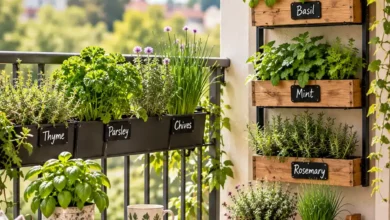
A carefully planned kitchen herb garden improves cooking by keeping essential ingredients within easy reach. Place frequently harvested plants near the door or raised-bed edge for quick access to fresh flavors.

Place Frequently Used Herbs Near the Kitchen
Efficiency is central to an effective herb garden layout. Position culinary staples, such as parsley and chives, where they are easiest to reach from home. This placement encourages frequent harvesting, helping plants remain bushy and productive throughout the season.
Group Herbs by Sunlight, Drainage, and Water Requirements
Successful gardening requires understanding each plant’s specific needs. Instead of grouping herbs by appearance, organize them according to environmental preferences. Some herbs thrive in dry, sunny conditions, while others prefer steady moisture and partial shade.
“The secret to a thriving garden is not just in the soil, but in the thoughtful placement of every single plant.”
Grow Basil, Parsley, Chives, Cilantro, and Thyme in Compact Sections
Maximize space by grouping these popular herbs into compact, manageable sections. They generally enjoy similar conditions, making them suitable companions in a shared raised bed. These herb growing tips can help maintain a lush, healthy harvest throughout the year.
| Herb Name | Sunlight Needs | Watering Frequency | Soil Drainage |
|---|---|---|---|
| Basil | Full Sun | Moderate | Well-Drained |
| Thyme | Full Sun | Low | Excellent |
| Parsley | Partial Shade | Moderate | Moist |
| Chives | Full Sun | Moderate | Well-Drained |
Contain Aggressive Herbs Such as Mint in Separate Pots
Mint is a valuable addition to any kitchen herb garden, but its invasive growth demands caution. Underground stems spread rapidly and can overwhelm nearby plants. Keep mint in a separate container to control your herb garden layout.
Use Perennial Herbs Along the Permanent Bed Edges
Perennial herbs like rosemary and sage suit the permanent edges of raised beds. Because they return each year, they create a stable garden structure. Use these herb growing tips to keep annuals in the center for easy seasonal rotation.
Grow More Food in a Small Raised Bed
Small space gardening can turn even the tiniest corner into a productive oasis. Clever layouts help you enjoy a bountiful harvest, regardless of your yard size. These methods maximize every inch of soil for better results.

Use Vertical Gardening for Cucumbers, Peas, and Pole Beans
Vertical gardening is a game-changer for gardeners with limited ground space. Training cucumbers, peas, and pole beans onto trellises frees valuable room for other plants. This approach also improves airflow, keeping your plants healthier and more productive.
Plant Compact Varieties of Tomatoes, Peppers, and Eggplants
Selecting the right seeds is essential for success. Look for compact vegetable varieties bred specifically for smaller footprints. These plants provide the same delicious flavor as larger counterparts without overwhelming your garden beds.
Interplant Fast-Growing Radishes and Lettuce Between Slower Crops
Effective diy vegetable garden strategies often rely on clever timing. Plant fast-growing radishes and lettuce in empty spaces between slower-growing vegetables. You can harvest these quick-growing greens before your main crops need more room.
Grow Strawberries, Scallions, and Greens in Narrow Beds
Narrow beds suit high-yield crops that do not need deep root systems. Strawberries, scallions, and various leafy greens thrive in these tight arrangements. This keeps your garden looking lush and organized throughout the growing season.
Choose Determinate Tomatoes for Containers and Small Beds
Determinate tomatoes suit limited spaces because they reach a fixed size. Unlike vining types, they stop growing after setting fruit, so they are easier to manage. They are ideal for containers or tight corners where space is at a premium.
Keep Vining Plants Supported Before They Become Heavy
Always install supports early in the season. Vining plants become heavier as they mature, making them difficult to train once fruit starts developing. Sturdy stakes or cages keep your plants upright and protected from damage.
Combine Companion Planting and Succession Planting
A year-round garden depends on careful timing and useful plant relationships. A successful raised bed planting guide uses more than seeds; it keeps soil productive and plants healthy through every season.
Pair Crops With Similar Water and Sun Requirements
Group plants with similar needs for water, sunlight, and growing conditions. Thirsty crops such as lettuce and cucumbers grow well together, while drought-tolerant herbs need separate space. Matching root depths also matters. Deep-rooted tomatoes paired with shallow-rooted greens avoid competition for the same nutrients.

Use Flowers Such as Marigolds and Nasturtiums to Support Pollinators
Flowers add beauty and valuable habitat for beneficial insects in vegetable beds. Marigolds and nasturtiums attract pollinators that help vegetables set fruit. However, they should support, not replace, pest management practices such as regular monitoring and healthy soil maintenance.
“The garden is a teacher that rewards patience, observation, and the wisdom to work with nature rather than against it.”
Replace Finished Crops With Quick Successions
Succession planting keeps beds productive from early spring through the first frost. Remove crops after harvest to make room for new seeds or transplants. This approach increases total yield and limits empty spaces where weeds could grow.
Follow Spring Peas With Summer Beans or Fall Greens
Plan each transition to keep the soil productive. After spring peas finish, plant bush beans for a summer harvest. When the beans finish, use that space for hardy fall greens like kale or spinach.
Record Planting Dates to Improve Next Season’s Timing
A simple garden journal can sharpen your companion planting strategy. Record when each crop was planted and how long it took to mature. These notes help you predict the next succession and avoid missing a planting window.
Rotate Plant Families to Reduce Recurring Soil Problems
Practicing crop rotation supports long-term soil health. Planting the same vegetable family in one place each year can increase soil-borne diseases and pests. Moving crops to another bed each season breaks these cycles and helps maintain a balanced garden.
- Rotate by family: Move tomatoes away from peppers and potatoes.
- Improve soil: Follow heavy feeders like corn with nitrogen-fixing legumes.
- Stay consistent: Keep a map of your beds to track where each family was planted.
Use Organic Raised Bed Gardening Practices From the Beginning
Starting your journey with organic raised bed gardening establishes a foundation for a healthy, productive harvest. Natural methods build a balanced ecosystem that supports your plants from the first day. These vegetable gardening tips will help you maintain a vibrant space without harsh chemicals.
Feed Plants With Compost and Organic Fertilizers
Healthy soil is central to every successful garden. Prioritize natural soil improvement by adding finished compost to your beds before each planting season. It supplies essential nutrients, improves soil structure, and lets roots grow deep and strong.
If plants need an extra boost, use organic fertilizers such as fish emulsion or bone meal. These materials release nutrients steadily without burning delicate root systems. Consistency is key when feeding your garden, so follow package instructions carefully and avoid over-fertilizing.

Mulch With Straw, Shredded Leaves, or Untreated Grass Clippings
Applying mulch protects soil and conserves moisture. Use straw, shredded leaves, or untreated grass clippings around your plants. This layer acts as a blanket, keeping soil cool during hot summer days.
Keep mulch a few inches away from vegetable stems to prevent rot and improve ventilation. Proper mulching also suppresses weeds, saving significant maintenance time throughout the growing season.
Manage Weeds Before They Establish Deep Roots
Weeds compete with vegetables for water, light, and nutrients. Pull them while they remain small and easy to remove. Early removal can prevent weeds from spreading seeds across your garden beds.
Identify Common Garden Pests Before Choosing a Treatment
Not every hole in a leaf signals a major infestation. Before choosing any organic garden pest control, observe the damage carefully. Wilting, discoloration, and chewed edges can result from different causes, including nutrient deficiencies or watering issues.
Use Row Covers, Handpicking, and Physical Barriers First
Prioritize non-invasive methods when protecting your crops. Floating row covers help keep insects away from young seedlings. For larger pests, such as beetles or caterpillars, handpicking is often the fastest and most effective solution.
Encourage Beneficial Insects and Healthy Soil Life
A healthy garden depends on beneficial insects, including ladybugs and lacewings. Attract these helpful visitors by planting diverse flowers near your vegetables. They will naturally manage pest populations and help keep your garden balanced.
| Task | Frequency | Benefit |
|---|---|---|
| Compost Application | Twice per year | Nutrient replenishment |
| Mulch Refreshing | Once per season | Moisture retention |
| Weed Inspection | Weekly | Prevents competition |
| Pest Monitoring | Daily | Early intervention |
Set Up Simple Watering and Maintenance Routines
Mastering watering helps create a thriving vegetable patch. Effective diy vegetable garden strategies give plants needed hydration while limiting waste and disease.
Water Slowly at the Soil Line Rather Than Over the Leaves
It is tempting to spray your garden with a hose, but wet foliage often causes fungal issues and mildew. Focus your raised bed watering directly at each plant’s base.
Applying water slowly lets moisture soak deep into the root zone, where roots need it most. This method prevents evaporation and keeps leaves dry, making it a crucial step for plant health.

Compare Hand Watering, Soaker Hoses, and Drip Irrigation
Choose a delivery system based on your budget and garden size. Each method offers distinct benefits for your setup.
| Method | Best For | Pros |
|---|---|---|
| Hand Watering | Small beds | Low cost, high control |
| Soaker Hoses | Long rows | Even moisture, easy setup |
| Drip Irrigation | Large gardens | Efficient, saves time |
Although drip irrigation requires an initial investment, it works efficiently for larger beds. Hand watering remains the most affordable choice for beginners with limited space.
Check Moisture Below the Surface During Hot Weather
Surface soil may look dry while roots remain damp, or the reverse may occur. During peak summer heat, use your finger to check moisture several inches below the surface.
This simple test prevents overwatering and underwatering. Always remember that container-like beds lose moisture faster than ground soil, especially during windy days.
Adjust Watering for Rain, Heat, Wind, and Container-Like Beds
Your watering schedule should not remain rigid. After heavy rain, skip your next session to help prevent root rot.
High winds and extreme heat dry soil rapidly. Increase watering frequency during these periods to keep vegetables hydrated and stress-free.
Inspect Supports, Mulch, and Drainage During Weekly Garden Checks
Consistent garden maintenance helps you catch small problems before they become expensive disasters. Spend time each week walking through your garden and inspecting your setup.
Check that trellises are secure and mulch is thick enough to retain moisture. Finally, ensure drainage holes or gaps stay clear, allowing excess water to escape easily.
Harvest, Troubleshoot, and Improve the Garden Each Season
Your journey through organic raised bed gardening culminates in a rewarding harvest and essential winter preparation. Mastering the growing season’s end matters as much as planting your first seeds. These vegetable gardening tips keep your soil healthy for future planting cycles.

Harvest Vegetables at Their Most Flavorful Stage
The key to harvesting vegetables at their peak involves observing color, texture, and size. Most crops taste best when picked early in the morning, while they remain crisp and hydrated. Harvest promptly; many vegetables lose sweetness or become woody when left on the vine too long.
Recognize Common Problems With Leaves, Roots, and Fruit
Effective garden troubleshooting begins with regular plant observation. Finding issues early often prevents minor problems from destroying your entire crop.
Respond to Yellow Leaves, Wilting, Holes, and Blossom-End Rot
Yellow leaves often indicate overwatering or insufficient nitrogen in the soil. Wilting during the day’s heat is normal, but limp plants at night likely need a deep soak. Leaf holes usually indicate hungry insects, while tomato blossom-end rot often results from inconsistent watering or calcium imbalances.
Know When to Remove Diseased Plants
Remove plants immediately when you notice severe fungal growth or viral infections. Prompt removal prevents pathogens from spreading to healthy crops. Dispose of diseased material in the trash, not your home compost pile, to prevent future reintroduction.
Protect Beds Through Winter and Prepare for the Next Crop
Winter allows your soil to rest and recover. A few simple steps now can save significant time when spring arrives.
Clear Spent Plants Without Disturbing Healthy Soil
Gently pull annual crops after production ends, leaving healthy roots in the ground. This preserves soil structure and protects beneficial microbes beneath the surface. If pulling causes disruption, use a hand tool to cut stems at the soil line.
Use Cover Crops or Compost to Rebuild Fertility
Add organic compost to supply essential nutrients for the coming year. In regions with mild winters, plant cover crops such as clover or winter rye to prevent erosion. These plants fix nitrogen naturally and improve soil texture, acting as living mulch until planting resumes.
| Issue | Likely Cause | Recommended Action |
|---|---|---|
| Yellow Leaves | Nutrient Deficiency | Apply organic compost |
| Blossom-End Rot | Water Inconsistency | Maintain steady moisture |
| Holes in Leaves | Pest Activity | Hand-pick or use neem oil |
| Wilting | Root Stress | Check soil moisture depth |
Conclusion
Transforming your backyard into a productive oasis may be easier than you expect. With creative raised bed kitchen garden ideas, you can turn a small dirt patch into a dependable source of fresh vegetables and herbs. Success begins by choosing a sunny site and using safe, durable materials for your frames.
Nutrient-rich soil gives your beds a strong foundation for healthy growth. A thoughtful herb garden layout keeps favorite flavors within reach while making the most of every square inch. Regular watering and organic care help plants thrive throughout the growing season.
Succession planting extends your harvest after the first crops finish. You do not need a massive plot to enjoy home-grown food. Start with one simple, well-constructed bed to build your skills and confidence. As your experience grows, expand your garden with more varieties and larger yields.
FAQ
What are the best raised bed kitchen garden ideas for someone with a very small yard?
When space is limited, think vertically and use tiered designs. Gardener’s Supply Company offers compact V-shaped beds for deep-root crops, with shallow edges for herbs. An additional U-shaped bed expands growing space, keeps plants within reach, and prevents you from stepping on the soil.
Which beginner garden projects are easiest to start this weekend?
Choose a pre-cut cedar kit from Greenes Fence Company for a quick, rewarding beginner project. You can assemble a standard 4×4 bed in under an hour. Then plant basil, chives, and parsley, or direct-sow radishes and bush beans for almost instant gratification.
How do I ensure I am following organic raised bed gardening practices?
For organic raised bed gardening, begin with your materials. Use untreated wood, such as cedar or redwood, or durable galvanized steel beds from brands like Birdies Garden Beds. Fill containers with high-quality organic soil mixes, such as Kellogg Garden Organics, and avoid synthetic pesticides. Use physical barriers, such as row covers, and encourage beneficial insects to manage pests naturally.
What should be included in a basic raised bed planting guide for the first season?
A beginner’s raised bed planting guide should emphasize high-yield, low-maintenance crops. In spring, plant cool-weather favorites like spinach, kale, and peas. As the weather warms, transition to tomatoes, cucumbers, and peppers. Place taller plants on the north side, and check Burpee seed packet spacing to prevent overcrowding.
What are some effective diy vegetable garden strategies for consistent watering?
For consistent watering, install a simple soaker hose system or a drip irrigation kit from Rain Bird. These systems deliver water directly to the root zone, reducing evaporation and preventing fungal diseases caused by wet foliage. Mulching beds with clean straw or shredded leaves also retains moisture during the peak of an American summer.
Do you have any quick vegetable gardening tips to increase my harvest in a limited space?
Use the “interplanting” technique, one of the most popular vegetable gardening tips for limited space. Plant fast-growing crops, such as radishes or lettuce, between slower-growing broccoli or peppers. Harvest the smaller crops before the larger plants need that extra room. Choose “determinate” or “bush” tomato and cucumber varieties to keep plants manageable and productive.
How do I design a functional herb garden layout within my raised bed?
When planning your herb garden layout, group plants by their thirst level. Mediterranean herbs like rosemary, thyme, and oregano prefer well-drained soil and slightly drier conditions, so they grow well together. Group moisture-loving herbs like cilantro and parsley separately. Keep mint in its own pot or a buried liner, or it will quickly take over the entire raised bed.