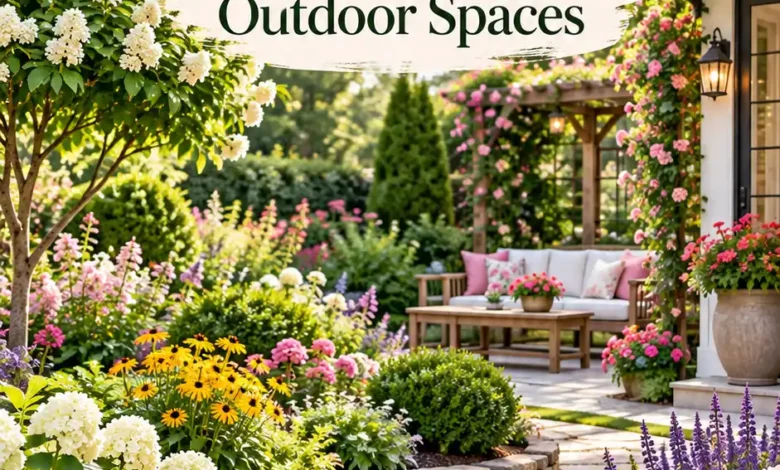
Transforming your backyard into a vibrant sanctuary is a rewarding project for any homeowner in the United States. Whether you have a sprawling lawn or cozy patio, strategic planning creates a beautiful environment that thrives across seasons.
These flower garden layout ideas pair attractive visual arrangements with practical planting choices. Organize colorful beds, borders, and containers to create a professional look with minimal effort.

You can adapt these flower garden layout ideas for compact courtyards or expansive entryways. Focus on pollinator-friendly species and simple maintenance schedules to keep your outdoor area a stunning retreat. These simple, effective design techniques can bring your unique vision to life.
Key Takeaways
- Learn to balance aesthetic appeal with low-maintenance plant selections.
- Discover how to utilize containers for small patios and entryways.
- Incorporate native species to support local pollinators effectively.
- Master the art of color schemes to enhance your curb appeal.
- Follow simple planning steps to manage your outdoor space year-round.
Assess Your Yard Before Choosing a Flower Garden Layout
Great garden design inspiration begins with a careful study of your outdoor environment. Before buying plants, understand your property’s unique conditions. Observing your yard prevents costly mistakes and helps flowers thrive.

Track sunlight, shade, and seasonal changes
Sunlight is the most critical factor for plant health. Track the sun across your yard for one full day. Note which areas receive full sun and which remain deeply shaded.
Seasonal shifts can significantly change your light patterns. A sunny spot in early spring may become shaded by tree leaves during summer. Plan your layout around these long-term patterns so plants receive the energy they need.
Test soil drainage and identify wet or dry areas
Healthy soil supports a beautiful landscape. Test drainage by digging a small hole and filling it with water. If water remains for hours, you may have heavy clay soil requiring amendments or moisture-loving plants.
Identifying wet and dry zones early helps you select species suited to your climate. Proper soil preparation prevents root rot and dehydration. Consider your local USDA hardiness zone when choosing varieties suited to your soil’s moisture levels.
Measure the available planting space
Accurate measurements create a balanced layout. Use a measuring tape to map your garden beds, considering each plant’s mature size. A shrub or perennial can occupy far more space within a few years than expected.
Sketching your yard on graph paper provides excellent garden design inspiration and clarifies the scale. Leave room for maintenance paths, allowing easy access for weeding and pruning. A measured space feels intentional and organized instead of cluttered.
Account for views from windows, patios, and walkways
Your garden should bring joy both inside and outside your home. Consider views from your kitchen window, living room, and favorite patio chair. Place vibrant, high-impact flowers where they remain visible from these common locations.
Consider how you move through your yard each day. Placing fragrant flowers near walkways or entryways creates a welcoming experience for you and your guests. Aligning the layout with natural sightlines turns your outdoor space into living art.
Choose a Garden Design Style That Fits Your Home
Effective landscaping tips begin with a design style that complements your house instead of clashing with it. Your home’s exterior forms the foundation of your outdoor space, so the garden should extend your living area naturally.

Match flower beds to your home’s architectural style
If you live in a traditional colonial or craftsman home, symmetrical beds often look best. These structures benefit from clean lines and classic plant choices that reflect the building’s balance. Modern homes, however, thrive with minimalist layouts and bold, structural plants that emphasize their architecture’s clean geometry.
Decide between formal, relaxed, modern, and cottage-inspired planting
Formal gardens rely on precise shapes and clipped hedges to create order. If you prefer a softer look, relaxed or cottage-inspired planting combines overflowing blooms with varied textures, creating a welcoming, inviting atmosphere. Modern styles focus on simplicity, often using a limited plant palette to emphasize the garden’s overall shape.
Balance low-maintenance goals with visual detail
Landscaping tips should balance design complexity with the time available for upkeep. Low-maintenance gardens often use hardy perennials and shrubs that require less frequent pruning. You can still achieve strong visual impact by choosing plants with interesting foliage that looks great without flowers.
Use existing trees, fences, and hardscaping as design elements
Before digging, examine what you already have in your yard. Existing trees can serve as beautiful focal points, while fences provide a perfect backdrop for climbing vines or tall perennials. By incorporating your existing paths and patios, you save money and create a more cohesive look that feels established from day one.
Flower Garden Layout Ideas for a Balanced Outdoor Space
A professional yard begins with thoughtful plant placement. Effective flower garden layout ideas can transform simple dirt into a cohesive, vibrant landscape. A planned garden feels intentional and brings calm to your outdoor living area.

Build a layered arrangement with tall, medium, and low-growing flowers
Depth gives a garden a professional appearance. Place the tallest plants at the back of the bed, or in its center when viewed from all sides. Add medium-sized perennials, then finish with low-growing groundcovers along the front edge.
Repeat colors and plant shapes for visual rhythm
Your garden should feel like a harmonious melody, not a random plant collection. Repeating specific colors or leaf shapes throughout the space creates unity. This rhythm guides the eye across the garden and makes the area feel connected and purposeful.
Group flowers according to their sunlight and water needs
Many gardeners plant by color alone. Instead, group plants with shared environmental requirements. This keeps your flower garden layout ideas healthy and easy to maintain throughout the growing season.
- Group drought-tolerant plants together in sunny, dry spots.
- Place moisture-loving flowers in areas that retain water.
- Keep shade-loving varieties in protected corners to prevent leaf scorch.
Create a clear focal point instead of scattering every plant
Every great garden needs a star of the show. Choose a striking ornamental tree, colorful shrub, or piece of garden art as its focal point. This anchor prevents clutter and gives viewers a place to rest their eyes.
Use odd-numbered plant groupings for a natural appearance
Nature rarely grows in perfect pairs. Planting groups of three, five, or seven creates a more organic and balanced look. These odd-numbered clusters feel more relaxed and appealing than rigid, even-numbered rows.
Leave enough space for mature plant width
Packing plants closely can create an instant full appearance. However, account for each plant’s mature size to prevent overcrowding. Proper spacing keeps your flower garden layout ideas healthy and balanced for years.
Create Simple Geometric Flower Beds for a Neat Look
A polished landscape often begins with simple geometric shapes. These strong outdoor gardening ideas give homeowners order and balance in their yards. Clear, defined lines can transform chaotic grass into a structured, beautiful retreat.

Design rectangular beds along fences and property lines
Rectangular beds maximize space beside fences and property boundaries. They provide a clean, architectural look that frames your yard effectively. This shape suits rows of perennials or a uniform backdrop for taller shrubs.
Use circular beds around trees or standalone lawn features
Circular beds bring a soft, organic touch to the center of a lawn. They work especially well as focal points around mature trees or decorative garden statues. Adding these shapes to your outdoor gardening ideas creates natural flow and draws the eye across the landscape.
Try curved edges to soften patios and straight walkways
If your home has many straight lines, curved garden beds provide needed contrast. Gentle, sweeping curves soften transitions between hardscaping, such as patios, and your lawn’s soft texture. This design makes the entire space feel more inviting and relaxed.
Define bed borders with edging, stone, or mulch
A well-defined border is essential to a professional-looking garden. Stone, brick, or thick mulch creates a sharp separation between flowers and grass. It also improves appearance and prevents weeds from entering planting zones.
“The garden is a mirror of the soul, and a well-structured layout reflects a peaceful mind.”
Keep geometric shapes easy to mow and maintain
When planning your layout, consider your lawnmower’s reach. Simple shapes allow for efficient mowing without constant string trimming. Smooth edges keep routine maintenance quick and stress-free.
Avoid narrow corners that are difficult to plant
Sharp, tight angles often become neglected spots where weeds thrive. Design beds with wider, accessible corners for easier planting and watering. By keeping your outdoor gardening ideas practical, you help your garden stay healthy and vibrant throughout the seasons.
Use Cottage-Style Planting for a Welcoming, Colorful Yard
For a yard that feels like a warm hug, consider the lasting charm of cottage-style layouts. These backyard floral arrangements create a lush, abundant look without strict, formal lines. Their relaxed design can transform any outdoor space into a welcoming retreat.

Combine annuals, perennials, herbs, and flowering shrubs
A successful cottage garden depends on a varied mix of plants. Combine perennials for lasting structure with annuals for steady color throughout the season. Herbs and flowering shrubs add layers of texture and fragrance, making the garden feel alive.
Mix coordinated colors without making the bed look too uniform
Avoid planting rigid rows in a single color. Instead, weave related shades together for a soft, painterly effect. This method keeps garden beds vibrant without making them appear formal or stiff.
Place informal plants around porches, gates, and entry paths
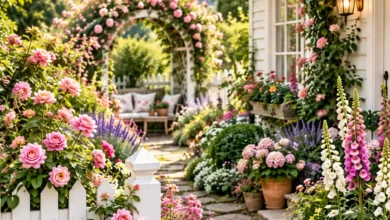
Entryways offer ideal places to display favorite backyard floral arrangements. Place flowers near gates and porches to soften the boundary between home and garden. This welcoming setting encourages guests to enter and enjoy the view.
Allow selected flowers to spill slightly over bed edges
Let your plants break a few rules. Flowers spilling over bed edges add whimsy and movement. This method softens hard lines, helping the garden feel established and comfortable.
Choose reliable cottage flowers such as coneflowers, zinnias, and cosmos
Some plants remain cottage garden staples because they perform reliably. These favorites suit beginners and experienced gardeners alike:
- Coneflowers: These hardy perennials provide height and attract pollinators.
- Zinnias: Available in endless colors, they bloom continuously until the first frost.
- Cosmos: Their delicate, fern-like foliage and airy blooms add a light, romantic touch.
Repeat key plants to keep a relaxed design cohesive
Even informal gardens benefit from thoughtful repetition. Planting the same species in several areas creates visual rhythm throughout your backyard floral arrangements. This simple strategy makes the garden feel intentional rather than random.
Design a Pollinator-Friendly Flower Garden
Transforming your yard into a sanctuary for local wildlife offers a rewarding connection with nature. Smart plant arrangement suggestions can create habitat for bees, butterflies, and hummingbirds throughout the year. A thoughtful garden provides vital refuge within an increasingly urbanized landscape.

Plan flowers that bloom from spring through fall
Pollinators require a steady food supply to survive and thrive. A garden that blooms for only a few weeks leaves these helpful visitors hungry. Choose flowers that open at different times, ensuring nectar and pollen remain available throughout the season.
Include nectar-rich plants for bees, butterflies, and hummingbirds
Each pollinator has distinct feeding preferences. Bees often choose bright, open flowers, while hummingbirds favor deep, tubular blooms. Combining these varieties keeps your garden welcoming to many species.
Use native plants suited to your region of the United States
Native plants form the foundation of a healthy pollinator garden. They evolved alongside local insects and provide highly nutritious food sources. Check your local USDA hardiness zone before selecting species for your climate.
“A garden is a grand teacher. It teaches patience and careful watchfulness; it teaches industry and thrift; above all, it teaches entire trust.”— Gertrude Jekyll
Provide shallow water, shelter, and pesticide-free spaces
Pollinators need more than food; they also require safe places to rest and drink. Set a shallow birdbath with stones inside, allowing insects to land without drowning. Most importantly, avoid chemical pesticides that can harm the creatures you want to attract.
Combine flat-topped flowers with tubular blooms
Flower structure is central to an effective plant arrangement suggestions strategy. Flat-topped flowers, such as yarrow or coneflowers, give butterflies a stable landing pad. Tubular flowers, including bee balm and penstemon, suit hummingbirds’ long beaks.
Leave some seed heads standing for birds and winter interest
Garden care continues after frost arrives. Dried seed heads on sunflowers or black-eyed Susans provide essential winter food for birds. They also add texture and structure to the landscape during colder months.
| Pollinator Type | Preferred Flower Shape | Best Plant Examples |
|---|---|---|
| Bees | Open, flat, or bowl-shaped | Lavender, Aster, Bee Balm |
| Butterflies | Flat-topped, clusters | Milkweed, Zinnia, Coneflower |
| Hummingbirds | Tubular, bright colors | Trumpet Vine, Salvia, Columbine |
Make Small Flower Beds Feel Larger and More Layered
You do not need a sprawling estate to enjoy professional flower bed designs. Even a small balcony, courtyard, or narrow side yard can become a lush retreat with effective spatial strategies.

Use vertical planting near walls, railings, and fences
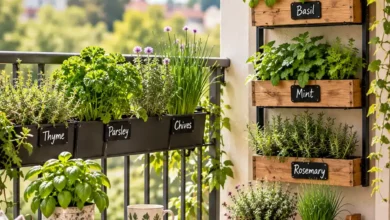
When ground space is limited, look up to expand your garden. Trellises and wall-mounted planters support climbing vines and trailing flowers without using precious floor area.
Choose compact flowers and narrow-growing shrubs
Choosing the right plant size is essential for successful flower bed designs. Select dwarf varieties and columnar shrubs that grow upward, keeping pathways clear and accessible.
Repeat a limited color palette to reduce visual clutter
A chaotic color mix can make a small space feel crowded and overwhelming. A cohesive color scheme creates harmony and helps the eye perceive greater depth and distance.
Use pale blooms and reflective containers to brighten shaded corners
Dark, cramped corners often seem smaller than they are. White or pastel flowers reflect light, while metallic or light-colored containers add a bright, airy feel to dim areas.
Keep paths and bed edges visually open
Avoid blocking sightlines with overgrown foliage or bulky borders. Crisp bed edges and clear paths let the eye travel across the space, making it feel larger.
Prioritize plants with a long bloom period
In a small garden, every square inch must earn its keep. Choose varieties with extended flowering times, so your flower bed designs remain vibrant throughout the entire growing season.
- Select repeat-blooming perennials for consistent color.
- Use structural plants that offer interest even when not in flower.
- Incorporate foliage with unique textures to maintain visual appeal.
Turn Borders and Pathways Into Continuous Floral Displays
With sound garden planning advice, you can transform driveways, sidewalks, and patios into continuous floral displays. These blooming corridors improve curb appeal and create an inviting route for guests.

Plan layered borders beside driveways, sidewalks, and patios
Layered borders create depth beside driveways, sidewalks, and patios. This garden planning advice helps stone or concrete transition naturally into the soil.
Place low-growing flowers near paths and taller plants toward the back
Keep low-growing flowers near path edges to preserve visibility and safety. They keep walkways clear and easy to navigate. Place taller plants toward the back to form a tiered backdrop with added dimension.
Use repeating clusters to guide the eye through the yard
Your border does not need identical planting throughout the yard. Use repeating clusters of colors or plant shapes to establish rhythm. This expert garden planning advice guides the eye and connects the landscape.
Keep walkways wide enough for comfortable movement and maintenance
Keep paths wide enough for two people to walk side-by-side or for comfortable wheelbarrow use. Clear, wide paths also simplify maintenance tasks such as weeding and pruning.
Choose durable plants for areas exposed to foot traffic
Areas beside sidewalks and driveways may experience accidental trampling. Select hardy, durable plants that tolerate occasional bumps or contact from passersby. Tough perennials and sturdy ornamental grasses suit these high-traffic zones.
Soften hard edges with ground covers and trailing flowers
Hardscaping can make a garden feel cold or overly rigid. Plant trailing flowers or low-growing ground covers that spill slightly over concrete. This approach creates a gentle transition and makes the garden feel lush and established.
Arrange Flowers in Containers, Raised Beds, and Small Courtyards
Creative backyard floral arrangements flourish when you look beyond the soil. Containers, raised beds, and compact courtyards bring life to patios and entryways without traditional garden space. They let you test designs while keeping plants healthy and accessible.

Combine thrillers, fillers, and spillers in containers
A professional-looking pot often follows the classic thriller, filler, and spiller formula. Place a tall, striking “thriller” plant in the center to create vertical interest. Surround it with “filler” plants for volume and texture, then add “spiller” plants that cascade over the edges.
Use raised beds to improve drainage and accessibility
Raised beds help gardeners manage poor soil quality or limited mobility. They provide excellent drainage and let you control the growing medium with precision. Because they sit above ground level, they reduce bending and kneeling during routine maintenance.
Coordinate pots with nearby flower beds and outdoor furniture
For a cohesive look, choose containers that complement your existing outdoor decor. Match pot colors with patio furniture, or select materials that echo textures in your landscape. This simple step makes your backyard floral arrangements feel like a natural extension of your home.
Group containers at different heights for a layered display
Avoid placing every pot on the ground. Use plant stands, overturned crates, or tiered shelving to create a layered display. This technique draws the eye upward, making even a small courtyard feel lush and full.
Select containers with drainage holes and weather-resistant materials
Always choose pots with enough drainage holes to prevent root rot. Select weather-resistant materials, such as glazed ceramic, heavy-duty plastic, or treated wood, for seasonal durability. Durability is key when choosing items that remain outdoors year-round.
Place thirsty plants together so watering stays efficient
Group plants with similar water requirements in one container or cluster. This prevents overwatering drought-tolerant species while keeping moisture-loving plants hydrated. Efficient grouping makes daily care faster and more effective.
| Plant Category | Role in Arrangement | Example Species |
|---|---|---|
| Thriller | Provides height and focus | Canna Lily or Grasses |
| Filler | Adds mass and color | Petunias or Coleus |
| Spiller | Softens the edges | Ivy or Creeping Jenny |
Build a Color Scheme That Keeps Flower Beds Cohesive
A deliberate palette can turn a simple garden into a cohesive outdoor masterpiece. Intentional color choices elevate your flower bed designs and create a professionally curated landscape.
Choose a monochromatic palette for a calm, polished effect
Using shades and tints from one color creates a serene, sophisticated atmosphere. It reduces visual noise, making the garden feel larger and more unified. Soft blues, deep purples, or sunny yellows can provide a soothing backdrop for your home.
Pair complementary colors for a vivid focal bed
For an energetic effect, choose colors opposite one another on the color wheel. Deep purple salvia with bright yellow marigolds creates striking contrast and draws the eye immediately. These vivid combinations work best in small, contained areas that need a bold statement.

Use white flowers to connect contrasting planting areas
White flowers act as a neutral bridge, softening transitions between intense color blocks. White blooms can keep contrasting colors from feeling overwhelming. This simple technique helps your flower bed designs retain harmony throughout the growing season.
Plan bloom colors by season rather than by one moment
A successful garden changes its personality as the months pass. Rather than design for one moment, choose plants that provide successive color from spring through autumn. This approach keeps the landscape fresh and vibrant all year long.
Repeat one signature color near entrances and seating areas
Consistency creates a professional appearance. Repeat one shade near your front door and patio to create a visual thread throughout the yard. This repetition guides the visitor’s eye and makes the space feel thoughtfully connected.
Balance bright blooms with green foliage
Colorful flowers may star in the garden, but green foliage provides their necessary stage. Use lush, leafy plants to separate intense color clusters and give the eye a place to rest. A healthy balance of green keeps the garden inviting and restful rather than chaotic.
Layer Plant Heights, Textures, and Bloom Times
Transform your outdoor space into a professional-looking landscape with plant arrangement suggestions. Successful gardens balance vertical interest, varied textures, and a planned sequence of blooms. Layering plants creates a dynamic setting that feels intentional and lush.

Place tall flowers where they will not block windows or views
Tall plants form your garden’s backdrop, but they should not obstruct important views. Place these giants against fences or walls to create enclosure without hiding your home’s architecture. Always position the tallest selections to frame windows and patios rather than obscure them.
Fill the middle layer with dependable flowering perennials
The middle layer provides the garden’s central color and structure. Choose dependable perennials, such as coneflowers or daylilies, that return yearly with little maintenance. These plants connect tall background species with the low-growing front border.
Use edging plants to frame beds and suppress weeds
Edging plants give garden beds a tidy, finished appearance. Plant low-growing varieties, such as creeping phlox or sweet alyssum, along the perimeter. Their dense growth creates a living border and helps suppress weeds during the growing season.
Combine bold foliage, fine textures, and varied flower forms
Visual interest develops when you mix contrasting shapes and sizes. Pair hostas’ broad leaves with the delicate, feathery foliage of ferns. Flower forms such as spikes, globes, and daisies add depth and character to your plant arrangement suggestions.
Plan for spring, summer, and fall interest
A strong garden offers beauty throughout all three seasons. Combine early-blooming bulbs, mid-summer perennials, and late-season asters so beds remain attractive. This approach keeps your outdoor space vibrant from the first thaw until the final frost.
Check mature height before placing plants in front borders
Before digging, confirm each plant’s mature height. A tall grower in the front row can disrupt your design and hide smaller flowers. Always read the plant tag so the front border stays low, accessible, and balanced.
Add Focal Points With Specimen Plants and Garden Features
A well-placed focal point anchors your entire landscape design. The right element offers garden design inspiration, draws the eye, and gives your yard a clear purpose. These features keep the garden from feeling like a random collection of plants.

Center a small tree, shrub, or ornamental grass in a large bed
Large planting beds often need a central specimen plant. A small ornamental tree or a clump of graceful ornamental grass adds height and texture. This permanent structure keeps the garden attractive when flowers are not in bloom.
Use an arbor, trellis, birdbath, or bench as a visual anchor
Hardscape elements create a different kind of appeal. An arbor or trellis adds vertical interest, while a stone birdbath or wooden bench invites visitors to pause. These items become durable focal points that define your outdoor living area.
Frame focal features with lower flowers and foliage
Surround your focal point with lower-growing plants to make it stand out. Groundcovers or small perennials create a soft transition that highlights the main feature. This layering keeps your chosen anchor as the star of the design.
Keep decorative elements proportional to the planting area
Scale matters when you select garden features. A massive arbor in a tiny bed overwhelms the space, while a small birdbath may disappear in a sprawling garden. Ensure decorative items match the overall size of your planting zone.
Use containers to create seasonal focal points
Containers offer a flexible way to update your garden throughout the year. Swap pots to match each season and bring fresh color to specific areas. This approach provides ongoing garden design inspiration as your landscape evolves.
Repeat materials such as stone, wood, or metal throughout the yard
Consistency creates a professional look. Repeating materials such as natural stone or dark metal across different areas connects the entire yard. This repetition creates a cohesive flow and makes separate beds feel unified.
| Feature Type | Best Use Case | Primary Benefit |
|---|---|---|
| Ornamental Tree | Large garden beds | Provides permanent height |
| Stone Birdbath | Quiet seating areas | Attracts local wildlife |
| Seasonal Containers | Patios and entryways | Offers flexible color |
| Wooden Trellis | Vertical wall spaces | Supports climbing vines |
Connect Flower Beds With Paths, Seating, and Outdoor Living Areas
Effective outdoor gardening ideas shape how you move through and experience your landscape. Linking flower beds with living areas creates a seamless transition from home to garden. This design turns a simple yard into an immersive, functional retreat.

Place flowers where they can be enjoyed from patios and porches
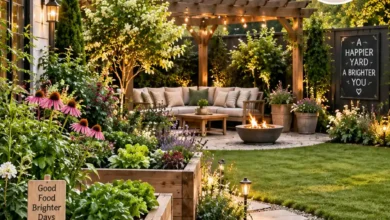
Position vibrant blooms where you can see them from favorite indoor spaces. Place containers or beds near windows and doors so you can enjoy their color indoors. Visual harmony emerges when the garden feels like a natural extension of your living room.
Use pathways to create movement and reveal new garden views
Well-planned paths guide people through the landscape and encourage exploration. Curved walkways can conceal parts of the garden, creating mystery. Each turn should reveal a new scene, making the yard feel larger and more engaging.
Surround seating areas with fragrant and low-maintenance plants
Your seating area should provide a peaceful place to relax. Choose lavender or jasmine for pleasant fragrance without constant care. Low-maintenance choices let you focus on resting instead of weeding or pruning during morning coffee.
Keep thorny, poisonous, or allergenic plants away from high-use spaces
Safety matters most in areas where people spend time. Keep roses with sharp thorns and toxic varieties away from walkways and benches. Place these plants behind border plantings to protect guests and pets from accidental contact.
The garden is a place where the soul finds rest, and the design should always prioritize the comfort of those who inhabit it.— Anonymous
Choose durable surfaces for frequently used garden paths
Path materials influence how often people use them. Durable surfaces keep the garden accessible through every season, even after heavy rain.
| Material | Durability | Maintenance | Best Use |
|---|---|---|---|
| Crushed Stone | High | Low | Casual paths |
| Pavers | Very High | Low | Main walkways |
| Mulch | Low | High | Garden borders |
Leave practical access for hoses, tools, and seasonal cleanup
Leave enough room for equipment to move freely. Wide paths and clear access points simplify watering and pruning. These outdoor gardening ideas keep your space beautiful and manageable throughout the year.
Choose Plants and Plan Maintenance Before You Plant
Before breaking ground, strategic planning can save hours of future labor. Following professional landscaping tips helps keep your garden joyful instead of turning it into a constant chore. Careful preparation creates the conditions for a vibrant, healthy outdoor space.
Select plants for USDA hardiness zone, light, and soil conditions
Choose plants suited to your environment for the best chance of success. Check your local USDA hardiness zone to confirm selections can survive winter temperatures in your area. Observe sunlight across your yard throughout the day, then match plants with their specific light requirements.
Combine low-maintenance annuals with dependable perennials
A balanced garden combines plant types to provide immediate color and lasting structure. Perennials return each year, while annuals deliver seasonal interest. Together, they create a dynamic display that remains beautiful through every season.

Prepare the soil with compost and correct drainage problems
Healthy soil forms the foundation of a thriving garden. Organic compost improves soil structure and supplies essential nutrients for flowers. If water pools after rain, correct drainage problems early to prevent root rot and other plant health issues.
Set plants out in pots before digging to test the arrangement
Before choosing permanent locations, place the potted plants directly on the soil. This lets you visualize the final layout and adjust spacing without disturbing roots. Moving a pot is far easier than digging up a newly planted flower.
Plan watering, mulching, deadheading, dividing, and pruning tasks
Consistent care creates a professional-looking landscape, so establish a simple schedule for routine garden tasks:
- Watering: Keep the soil consistently moist but not waterlogged.
- Deadheading: Remove spent blooms to encourage new flower growth.
- Dividing: Split overgrown perennials every few years to maintain vigor.
- Pruning: Trim back shrubs to maintain their desired shape and size.
Space plants for mature size instead of immediate fullness
Crowding plants creates instant fullness, but it can restrict air circulation and encourage disease. Check each plant tag for its expected mature width and height. Adequate space helps plants remain healthy and attractive for years.
Use mulch to conserve moisture and reduce weeds
Applying organic mulch is one of the most effective landscaping tips for busy gardeners. Mulch suppresses weeds and keeps soil cool during hot summer months. It also decomposes over time, returning valuable organic matter to garden beds.
Install drip irrigation for efficient, targeted watering
Hand watering takes time and can create uneven moisture levels. A drip irrigation system sends water directly to the root zone, where plants need it most. This approach reduces water waste and helps prevent fungal problems caused by wet foliage.
Conclusion
Creating a beautiful landscape begins with careful observation of your yard. With sound garden planning advice, you can transform any patch of dirt into a vibrant display of color and life.
Sound garden planning advice balances style with practical needs. Layer heights, choose a cohesive color palette, and establish clear focal points. Together, these elements create a professional look that feels personal and inviting.
This guide offers garden planning advice for every setting. Whether you manage a sprawling lawn, a small courtyard, or a collection of containers, you have tools to succeed. Select plants that thrive in your specific United States region, and give them room to reach full size.
Good garden planning advice treats maintenance as part of the joy of growing. Choose plants suited to your schedule and budget, so your outdoor space remains a source of pride. Mix and match these layout ideas to build a garden that reflects your unique vision and brings beauty to your home for years.
FAQ
How do I start planning my flower garden layout?
A successful flower garden layout starts with a careful yard assessment. Before digging, track sunlight and shade throughout the day, then test soil drainage. Climate varies across the United States, so check your USDA Hardiness Zone to help plants thrive in your region.
What are some effective landscaping tips for a balanced look?
For a professional look, use classic landscaping tips, including plant layers arranged by height. Place tall varieties in back, medium plants in the middle, and low-growing flowers along the border. Grouping plants in odd numbers, such as three or five, often looks more natural and intentional than even pairings.
How can I incorporate garden design inspiration into a small backyard?
Even compact spaces can benefit from thoughtful garden design inspiration. Plant vertically on fences or trellises, and choose compact shrubs or dwarf varieties, such as those in the Proven Winners collection. Repeating a limited color palette and keeping paths open can make a small courtyard feel much more spacious.
What are some popular outdoor gardening ideas for supporting local wildlife?
One rewarding outdoor gardening idea is creating a pollinator-friendly space. Use native plants that provide nectar for bees, butterflies, and hummingbirds from spring through fall. Brands like American Meadows offer regional seed mixes that make it easy to establish a habitat providing food and shelter for beneficial insects.
How do I create beautiful backyard floral arrangements in containers?
For stunning backyard floral arrangements in pots, use the “thriller, filler, spiller” formula. Choose a tall “thriller” like a Canna Lily, a mounding “filler” like Petunias, and a trailing “spiller” like Silver Falls Dichondra. Give containers drainage holes, and group thirsty plants to make watering more efficient.
What are the best flower bed designs for a cottage-style home?
Cottage-style flower bed designs work well with annuals and perennials like Coneflowers, Zinnias, and Cosmos. Aim for a relaxed, abundant look, with flowers spilling slightly over path edges. Repeat key plants throughout the bed to keep the colorful variety from appearing cluttered or disorganized.
What plant arrangement suggestions help with seasonal interest?
For seasonal interest, use “succession planting” so something remains in bloom. Pair early spring bulbs like Tulips from Brent and Becky’s with summer perennials and fall-blooming Asters. Include foliage, because bold textures or variegated leaves provide visual interest when flowers are absent.
What is the most important garden planning advice for low maintenance?
The best garden planning advice for a busy homeowner prioritizes soil health and moisture retention. Apply thick organic mulch to suppress weeds, and install a Rain Bird drip irrigation system for targeted watering. Choose the right plant for each spot by matching it to specific soil and light conditions, saving hours of corrective care later.