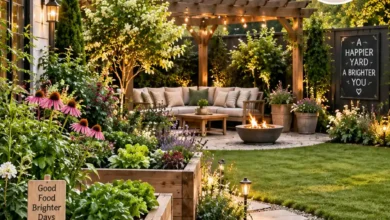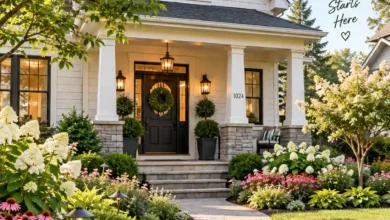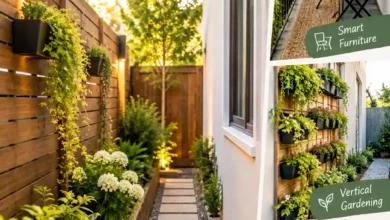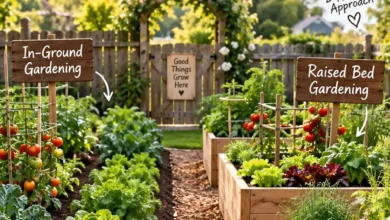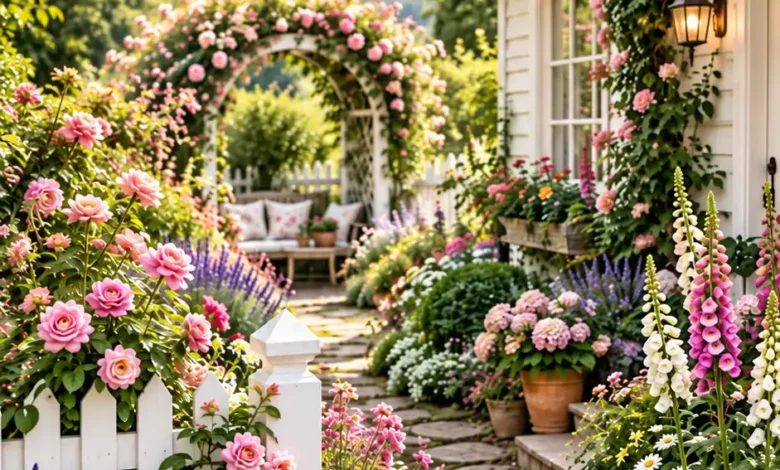
A vibrant outdoor space should express personality, charm, and purpose. Many homeowners find that cottage garden layout ideas balance beauty with practical function. Rather than following rigid symmetry, these designs create an informal, lush setting that feels welcoming and alive.
Combine colorful blooms with practical pathways and rustic accents to transform grass into a personal sanctuary. These cottage garden layout ideas remain flexible, so you can shape the space around your lifestyle and needs.

Whether you have a tiny front porch or a sprawling backyard, you can find an effective design. We will explore ways to maximize small spaces, attract helpful pollinators, and create cozy seating areas that encourage lingering. Get ready to transform your home into a blooming retreat.
Key Takeaways
- Prioritize informal planting styles over strict, symmetrical patterns.
- Use winding pathways to create a sense of discovery and flow.
- Incorporate rustic elements to add character and warmth to your space.
- Select a mix of perennials and annuals for continuous, vibrant color.
- Focus on creating functional zones for both relaxation and wildlife support.
What Defines a Charming Cottage Garden
A cottage garden feels beautiful and welcoming without seeming carefully arranged. Unlike formal landscapes built around strict geometry, it uses a relaxed, abundant aesthetic that extends naturally from your home. Finding the right cottage garden layout inspiration can help you create a personal, timeless sanctuary.

Layered planting with an informal shape
Strong cottage garden layout ideas create depth with overlapping layers. Rather than planting in rigid rows, group plants for a lush, overflowing effect. Place taller specimens at the back, then use medium and low-growing varieties in front to soften the edges.
Color, texture, and seasonal movement
A successful design combines plants that offer continuous visual interest throughout the year. Spring, summer, and fall bloomers keep the garden from feeling stagnant. Layered textures and colors create dynamic movement as seasons change, keeping the landscape vibrant from the first thaw until the final frost.
Rustic details that make the space feel lived-in
Charm grows from details that feel authentic and well-loved. Weathered wooden fencing, simple benches, and handmade-looking accents add character without making the space seem overly designed. These rustic features encourage you to slow down and appreciate your surroundings. They turn a simple yard into a true cozy retreat.
Plan the Yard Before Choosing Plants
Successful garden planning begins well before you visit the local nursery for plants. Assessing your property first prevents overcrowded beds. This deliberate process gives each flower enough room to thrive through every season.

Measure the available growing space
Start with a yard sketch on graph paper to create a clear visual guide. Accurate measurements show how many plants fit without creating a tangled, chaotic mess. Proper spacing also supports air circulation, helping plants remain healthy and free from disease.
Study sunlight, drainage, and existing features
Most vibrant cottage flowers require at least six hours of direct sunlight each day. Observe your yard at different times to locate areas with full sun or shade. Check for low spots where water pools, because poor drainage can quickly kill delicate roots.
Match the layout to the home’s architecture
Your garden should feel like a natural extension of your house. Let your home’s style guide the shape and scale of your flower beds. A cottage flower bed planning strategy that complements the exterior creates a cohesive, inviting look.
Creating planting zones for full sun and partial shade
Divide your yard into distinct zones according to light exposure. Grouping plants with similar needs makes daily care easier to manage. This method gives sun-loving roses and shade-tolerant ferns the environments they need.
Leaving room for maintenance and access
Map your utilities, windows, and walking routes before you start digging. Clear paths let you reach plants for pruning, weeding, and watering. Strategic access prevents you from trampling flowers during routine chores.
| Assessment Factor | What to Look For | Action Required |
|---|---|---|
| Sunlight | 6+ hours of direct light | Map sun vs. shade zones |
| Drainage | Standing water or dry soil | Amend soil or choose hardy plants |
| Utilities | Pipes, cables, and vents | Mark areas to avoid digging |
| Access | Pathways and entry points | Design clear walking routes |
Cottage Garden Layout Ideas for a Traditional Look
A beautiful outdoor space often begins with a well-structured, traditional cottage garden layout. Generous borders and a relaxed mix of plant heights create a landscape that feels historic and inviting. These cottage garden layout ideas emphasize abundance, making any home feel more welcoming.

Build a layered border along the house
Foundation plantings form the backbone of a classic garden. Rather than planting one shrub line, create a deep, curved border that follows your home’s architecture. This design softens hard edges and provides a lush, lived-in aesthetic that defines the cottage style.
Combine old-fashioned flowers with dependable perennials
The secret to a timeless garden lies in combining reliable staples with nostalgic blooms. Mix hardy perennials like peonies or daylilies with old-fashioned favorites such as hollyhocks and foxgloves. This pairing keeps your garden vibrant and colorful throughout the growing season.
Use varied heights instead of rigid rows
Forget about planting in straight, predictable lines. A true cottage garden thrives on the playful rhythm created by different plant sizes. Group plants by their mature height to create a natural transition that draws the eye across the space.
Front, middle, and back planting layers
Place low-growing edging plants, like creeping phlox or sweet alyssum, near the front of your path. Use medium-sized perennials in the center to provide structure and texture. Finally, tuck tall, dramatic flowers or flowering shrubs toward the back, creating a stunning backdrop against your house.
Classic color combinations for an American yard
For a cohesive design, choose a thoughtful color palette. Pair soft pinks with deep purples for a romantic feel, or combine crisp blues with white flowers for a clean, bright look. For warmth, balance golden yellow blooms with soft, silvery foliage to keep the garden balanced and harmonious.
Small Cottage Garden Layout for Limited Spaces
Even the narrowest side yard can become a productive and charming escape with the right approach. A small cottage garden layout can preserve the lush, overflowing style that defines this approach. Use vertical planting and careful plant choices to make every available inch productive.
Turn a narrow side yard into a planted walkway
Turning a forgotten side path into a garden feature gives your home beauty and practical function. Lay stepping stones or gravel for a clear route, then soften its edges with thyme or creeping phlox. These fragrant, low-growing plants create a welcoming transition that encourages you to slow down and enjoy the greenery.

Use vertical space with trellises and obelisks
When ground space is scarce, look upward to expand your planting area. Sturdy trellises and decorative obelisks let climbing roses, clematis, or even pole beans grow vertically. This method adds essential height and structure, draws the eye upward, and makes the garden seem much larger.
Choose compact plants for beds and containers
Choosing suitable varieties is crucial for balance in a confined space. Select dwarf cultivars of your favorite flowers so they remain within their assigned boundaries. Repeated containers with colorful annuals can create a cohesive look while keeping your cottage garden layout ideas organized and manageable.
Making a small garden appear wider
Light colors, such as soft whites and pale pinks, tend to recede and create an airy feeling. Diagonal sightlines or a winding path can also trick the eye into perceiving greater depth. These modest changes help a small cottage garden layout feel expansive instead of cramped.
Preventing overcrowding as plants mature
It may be tempting to fill every empty spot with new seedlings, but account for their full-grown size. Always check a plant’s mature width before digging; many perennials double or triple in diameter within a single season. Proper spacing gives plants enough airflow, keeping them healthy and preventing a messy appearance as the year progresses.
Cottage Garden Layout With a Welcoming Pathway
A well-designed path anchors a beautiful garden. It guides visitors through floral displays and creates a sense of discovery. With a cottage garden layout with pathway, your outdoor space feels organized and inviting.

Choose curved, straight, or stepping-stone paths
The shape of your walkway sets the landscape’s mood. A curved path encourages a relaxed pace and reveals hidden corners of your yard. A straight path leads directly to your front door, creating order and purpose.
Stepping stones create an informal, whimsical atmosphere. They help visitors cross dense flower beds without compacting the soil. Choosing the right style supports your overall cottage garden pathway ideas.
Soften pathway edges with low-growing plants
Hard edges can feel too rigid for a relaxed garden. Plant low-growing perennials or herbs along the borders to soften them. Creeping thyme, sweet alyssum, and moss phlox spill gently onto the stones.
- Use fragrant herbs like creeping thyme for a sensory experience.
- Select plants that can handle occasional foot traffic.
- Keep the center of the path clear to ensure safe passage.
Connect the entrance, seating area, and garden gate
Your path should connect the most important areas of your yard. Link your home’s entrance with the garden gate and quiet seating nooks. This flow makes the space feel like a cohesive, lived-in sanctuary.
Selecting gravel, brick, flagstone, and mulch
Your chosen material defines the walkway’s character. Gravel creates a classic crunch underfoot and feels distinctly traditional. Brick and flagstone provide a permanent, structured appearance that ages beautifully.
Wood mulch offers a budget-friendly choice for secondary paths. It suppresses weeds and creates a soft, natural look that blends with surrounding flower beds.
Designing comfortable widths for everyday use
Beauty and function both matter when planning garden routes. A frequently used walkway should generally provide roughly three feet of width for comfortable movement. This allows two people to pass or lets you carry garden tools without feeling cramped.
Keep edging plants trimmed away from the walking surface. This simple task keeps your cottage garden pathway ideas tidy and paths safe for everyone.
English Cottage Garden Layout Inspiration
A beautiful english cottage garden layout depends on balance between structure and wild, overflowing beauty. This style suggests nature grew into place, although the design remains carefully planned.

Recreate the relaxed look of an English flower border
The secret to this aesthetic is the layered border. Place taller plants at the back and shorter ones toward the front. This arrangement creates depth, gives every bloom sunlight, and produces a lush, full appearance.
Use roses, foxgloves, delphiniums, and lavender thoughtfully
These classic plants form the backbone of any cottage garden layout inspiration. Roses provide romantic structure, while foxgloves and delphiniums create dramatic vertical height. Lavender adds soothing scent and soft texture, tying the display together.
Blend formal boundaries with abundant planting
Although the flowers may look wild, the garden needs a frame. Use stone paths, picket fences, or clipped hedges to define bed edges. The contrast between the formal boundary and overflowing petals makes the design feel intentional, not messy.
Adapting the style to American growing conditions
Many traditional English plants struggle in the intense heat or humidity of the United States. Check your local hardiness zone before planting. If a flower needs cool, damp summers, it may not thrive without constant care.
Choosing regionally appropriate substitutes
If a classic plant fails, replace it with a local alternative. Native species can provide the same height, color, or pollinator benefits as their European counterparts. This approach keeps your garden healthy and vibrant throughout the season.
| Traditional Plant | Common Issue | American Substitute |
|---|---|---|
| English Delphinium | High humidity sensitivity | Larkspur or Anise Hyssop |
| English Lavender | Poor drainage/rot | Russian Sage |
| Foxglove | Heat intolerance | Penstemon |
Cottage Garden Design Plans for a Front Yard
Your front yard gives visitors their first impression of your home, making it an ideal canvas for a charming cottage garden. Thoughtful cottage garden design plans can blend a wild, romantic style with the structure a residential landscape requires.

Frame the front walk without blocking the entry
A beautiful path should lead visitors naturally to your door. Use low-growing perennials like creeping phlox or sweet alyssum to soften walkway edges without narrowing the path.
Keep taller plants at least two feet from the walkway edges. This gives guests room to walk comfortably without brushing wet foliage or thorny stems.
Balance curb appeal with practical visibility
Safety guides every front yard cottage garden. Ensure that plantings do not block the street view from your driveway or hide house numbers from emergency services.
“The secret to a successful garden is to let the plants tell a story while keeping the path clear for the journey.”
Always check local ordinances for height restrictions near intersections. A tidy landscape keeps your home beautiful, accessible, and compliant.
Mix foundation shrubs, flowers, and ornamental grasses
A diverse planting palette creates visual interest across the seasons. Combine evergreen foundation shrubs with seasonal flowers to provide lasting structure, even in winter.
- Foundation Shrubs: Boxwood or dwarf hydrangeas provide year-round greenery.
- Flowering Perennials: Coneflowers and lavender add color and texture.
- Ornamental Grasses: Feather reed grass adds movement and height.
Planning around windows, steps, and utilities
Avoid planting tall shrubs directly before windows, where they could block natural light. Use low-growing groundcovers or annuals beneath windows for a clean, open appearance.
Plan carefully around utility boxes and meters when laying out beds. Leave a small, mulched access area around these features for easier maintenance.
Creating a welcoming focal point near the door
A well-placed focal point draws attention toward your entrance. Consider a decorative container with seasonal blooms or a small, upright ornamental tree to anchor the space.
This approach creates a welcoming atmosphere without competing with your home’s architecture. Keeping the area near the door slightly refined makes your cottage garden design plans feel intentional and polished.
Backyard Cottage Garden Layouts for Relaxing Outdoors
Creating a cozy backyard cottage garden takes balance between soft greenery and useful seating areas. Let nature guide the design, and transform a plain patio or deck into a private sanctuary that feels far from daily life.
Surround a patio or deck with soft planting
Concrete and wood can feel cold when they stand apart from the landscape. Soften these edges with billowing perennials and ornamental grasses along your deck’s perimeter. This gentle transition allows the structure to blend with nearby flower beds.

Design a secluded seating nook
For more privacy, use tall shrubs or trellised vines as a natural screen. These living walls create enclosure without costly, permanent construction. A hidden bench behind climbing roses offers a peaceful escape for reading or morning coffee.
Place edible plants among ornamental flowers
Mixing food crops with flower beds defines authentic cottage garden layout inspiration. This method uses space well and provides fresh harvests outside your back door.
Combining herbs, berries, and cut flowers
Combine fragrant lavender and rosemary with colorful berry bushes or cut flowers, such as zinnias. Together, these plants create a sensory experience that feels beautiful and useful. Place taller plants at the back. Keep herbs and berries easy to reach during harvest season.
Using planting to define outdoor rooms
Different plant heights can divide your yard into distinct zones. Low-growing groundcovers can mark a path’s edge, while taller hedges define a dining area. This clever design strategy makes the space organized, comfortable, and inviting for guests.
Low-Maintenance Cottage Garden Landscaping Tips
Achieve a stunning outdoor space with these smart, low-maintenance cottage landscaping strategies. The goal is a thriving environment that needs thoughtful planning, not constant, back-breaking labor. Work with nature, rather than against it, to enjoy a beautiful yard throughout the seasons.

Select plants suited to the local climate and soil
A stress-free garden begins with plants suited to your specific region. Species that thrive in local soil and weather need far less intervention. Always check your hardiness zone before buying additions that must survive your area’s winter and summer extremes.
Group plants with similar watering needs
Efficient water management is among the most effective cottage garden landscaping tips for busy homeowners. Group plants by hydration needs to prevent drought-tolerant species from receiving too much water. This approach gives moisture-loving plants the consistent hydration they need to flourish without drying out.
Reduce weeds with mulch and close planting
Weeds thrive in open, bare soil, making dense planting a gardener’s best defense. Space flowers closely to form a living canopy that shades the ground and suppresses unwanted growth. A thick layer of organic mulch protects soil, retains moisture, and keeps the garden tidy with minimal effort.
Choosing reliable native and pollinator-friendly plants
Native plants are naturally adapted to your local environment, which makes them highly resilient. These varieties often need less fertilizer and fewer pesticides than exotic imports. Pollinator-friendly plants also attract beneficial insects, helping maintain a balanced, healthy garden ecosystem.
Managing self-seeding flowers without losing their charm
Self-seeding flowers, such as foxgloves and poppies, add a romantic, wild character to any space. Practice selective thinning after they finish blooming to prevent them from becoming unmanageable. Removing excess seedlings early preserves their abundant look while keeping pathways and borders clear.
| Maintenance Task | High-Effort Approach | Low-Maintenance Strategy |
|---|---|---|
| Weed Control | Manual pulling weekly | Thick mulch and dense planting |
| Watering | Daily individual watering | Grouping by moisture needs |
| Plant Selection | High-maintenance exotics | Climate-adapted native species |
| Garden Cleanup | Total clearing in fall | Selective thinning of seeders |
Cottage Garden Layout Ideas for Pollinators and Wildlife
A carefully planned cottage garden can shelter bees, butterflies, and birds across the seasons. With a thoughtful pollinator garden layout, your outdoor space becomes a thriving ecosystem for nature and personal enjoyment.

Create continuous blooms from spring through fall
Your garden must offer steady nectar and pollen for local wildlife. Succession planting keeps it active from spring’s first warm days through late autumn frost.
Choose bulbs, perennials, and annuals that flower at different times. This ensures hungry pollinators find reliable food in your wildlife-friendly cottage garden.
Add plants that support bees, butterflies, and hummingbirds
Pollinators favor different flower shapes and colors. A diverse mix of native plants will attract more beneficial visitors to your yard.
- Bees: Favor open, flat-topped flowers like yarrow or asters.
- Butterflies: Prefer bright, nectar-rich blooms such as coneflowers and milkweed.
- Hummingbirds: Are drawn to tubular, red or orange flowers like bee balm and columbine.
Include shallow water, shelter, and nesting opportunities
Wildlife needs places to rest and hydrate, as well as food. A birdbath with a shallow edge or stone basin offers insects and birds safe drinking water.
Leave bare-soil patches for ground-nesting bees, or keep a small brush pile in a quiet corner. These natural features protect wildlife from predators and harsh weather.
Designing a pesticide-conscious planting plan
A healthy garden depends on natural balance instead of chemical intervention. Avoid synthetic pesticides because they can harm the creatures you hope to attract.
Use integrated pest management by encouraging beneficial insects such as ladybugs and lacewings. These natural predators control harmful pests without damaging your local environment.
Balancing wildlife habitat with a tidy appearance
Many gardeners fear that wildlife spaces look messy or unkempt. Group habitat plants in intentional, rhythmic drifts to create a polished appearance.
Trim dead flower stalks in late winter or early spring because they shelter insects during winter. This practice keeps your garden deliberately designed while supporting the local ecosystem.
| Feature | Wildlife Benefit | Maintenance Level |
|---|---|---|
| Native Wildflowers | High nectar/pollen | Low |
| Shallow Birdbath | Hydration | Medium |
| Brush Piles | Shelter/Nesting | Very Low |
| Mulched Beds | Soil Health | Low |
Rustic Accents That Complete the Garden Layout
Rustic accents create an authentic, lived-in feeling outdoors. Plants provide color and life, while decorative elements supply the necessary structure that keeps the garden intentional. By combining practical items with artistic flair, you create a landscape that feels managed yet beautifully wild.
Use fences, gates, and trellises as structural elements
Vertical features form the backbone of the design. Sturdy cottage garden structures, such as wooden trellises and iron gates, create enclosure and privacy. They also support climbing roses and fragrant jasmine, helping greenery rise to new heights.

Add containers, birdbaths, and vintage-style ornaments
Small details can make the strongest impression in a cozy yard. A weathered birdbath or terracotta pots can become a charming focal point among perennials. These rustic cottage garden accents attract wildlife and add nostalgic personality.
Choose materials that weather naturally outdoors
Materials that improve with age suit this style best. Choose untreated wood, reclaimed brick, natural stone, or galvanized metal to keep the garden grounded. Over time, these elements develop a beautiful patina that blends with surrounding foliage.
Keeping decorative features from overwhelming the plants
Your flowers should remain the garden’s stars. Use ornaments sparingly, so they do not clutter the visual landscape. A single, well-placed bench or strategically positioned trellis often works better than several competing pieces.
Repeating colors and materials for visual cohesion
Repeat one or two materials throughout the yard to create visual harmony. For example, if stone forms your pathway, use similar stone for container bases or garden edging. This consistency unifies the layout, making decorations feel like natural extensions of the garden, not afterthoughts.
Cottage Garden Layout for Beginners
Many people dream of a lush garden, but starting with one manageable bed makes the work less daunting. One focused area helps you learn how soil and sunlight shape growth. This cottage garden layout for beginners builds essential skills before you expand across the yard.

Start with one manageable planting bed
Choose a spot with at least six hours of sunlight and easy access to a hose. A defined space helps you track progress and prevents gardening from becoming a chore. Starting small gives your plants the attention they need to thrive.
Build a simple plant palette with dependable performers
Select several hardy perennials known to perform well in your specific climate. Consider classic favorites such as coneflowers, daylilies, or catmint for reliable color and beauty. A beginner cottage garden succeeds when its plants need little constant pampering.
Install plants in stages instead of filling every space
Buying every flower at the nursery may tempt you, but patience rewards gardeners. Plant the main structural pieces first, leaving room for growth. Add seasonal interest after you see how the initial plants fill out during the first year.
Basic soil preparation and planting techniques
Before digging, remove weeds and mix organic compost into the soil. Make each planting hole twice as wide as the root ball, but no deeper than the container. Proper planting establishes a healthy, long-lasting garden.
Early maintenance tasks that protect new plants
Consistent watering matters most during the first few weeks. Check soil moisture daily, then provide a deep soak when the top inch feels dry. Mulch helps suppress weeds and keeps roots cool as the garden matures.
How to Turn Cottage Garden Inspiration Into a Planting Plan
Moving from abstract cottage garden layout inspiration to a concrete plan is a rewarding step in your landscaping journey. Although buying every appealing flower may tempt you, structure keeps the garden healthy and balanced throughout the seasons.

Sketch the layout to scale
Measure your yard, then transfer its dimensions to graph paper. Use a simple scale, such as one square per foot, to map fences, paths, and large trees.
This drawing shows how your cottage garden layout ideas fit the actual footprint of your property. Beds drawn to scale help prevent overcrowding caused by too many plants.
Organize plants by height, bloom time, and color
A professional garden plan accounts for every plant’s mature size. Place taller species behind borders and shorter, trailing varieties along edges to create depth.
Group plants by bloom time so the garden never appears empty. Strategic color planning creates focal points that guide the eye across the landscape in different months.
Calculate spacing and estimate the garden budget
Proper spacing supports plant health by improving airflow and reducing disease. Calculating plant quantities from mature spread also produces a more accurate budget.
“A garden is a grand teacher. It teaches patience and careful watchfulness; it teaches industry and thrift; above all, it teaches entire trust.”— Gertrude Jekyll
Creating a practical shopping list
Break your budget into specific categories to prevent overspending. Use the following table to organize expenses and keep your cottage garden design plans on track.
| Category | Description | Priority |
|---|---|---|
| Plants | Perennials, shrubs, and bulbs | High |
| Soil & Mulch | Compost and organic top dressing | High |
| Hardscaping | Edging, stones, and supports | Medium |
| Maintenance | Future replacement and fertilizer | Low |
Leaving flexible spaces for future changes
Even the best cottage garden design plans should leave room for evolution. Reserve small, empty pockets for new varieties or gaps that appear as perennials mature.
Gardens are living, breathing entities that change over time. Keeping the layout flexible helps the outdoor space remain joyful instead of becoming a rigid chore.
Conclusion
Creating a beautiful outdoor space is a rewarding journey that begins with one step. Thoughtful planning, layered planting, and practical pathways can turn an ordinary yard into a charming retreat. These cottage garden layout ideas create structure while balancing natural beauty with your personal style.
Successful projects depend on plants suited to your climate and soil. Effective cottage garden landscaping tips highlight seasonal interest and realistic maintenance routines. Weathered accents, such as vintage birdbaths or rustic gates, add character and make the space feel lived-in.
Begin by selecting one clearly defined area of your yard. Build a small bed with dependable perennials before expanding your design. As you add layers and textures, you will learn how your garden performs over time. Enjoy watching your landscape grow into a vibrant, welcoming sanctuary that reflects your unique vision.
FAQ
How do I get started with a cottage garden layout for beginners?
Begin with one manageable area, such as a flower bed near your front porch or a sunny backyard corner. Rather than renovating the entire yard, start with a simple cottage garden layout for beginners by choosing five to seven dependable, hardy plants, including Purple Coneflowers or Black-eyed Susans. Improve the soil with Miracle-Gro All Purpose Garden Soil to help plants establish, then learn each species’ care before expanding.
What are the best small cottage garden layout strategies for tight spaces?
When space is limited, a small cottage garden layout should emphasize vertical growth and compact varieties. Use Jack Post cedar trellises or obelisks to grow Clematis or Star Jasmine; these structures add height without using floor space. Light-colored flowers and repeated terracotta containers can make a narrow walkway seem wider, creating rhythm and depth.
How can I create a traditional cottage garden layout in a modern American yard?
A traditional cottage garden layout depends on “organized chaos” and lush, layered borders. Place tall plants, such as Hollyhocks or Joe Pye Weed, beside your house or fence. Set medium perennials, including David Austin Roses, in the center, with Sweet Alyssum along the front. This tiered design keeps every plant visible and creates the overflowing, classic look that defines the style.
Where can I find cottage garden layout inspiration for a romantic look?
For cottage garden layout inspiration, explore romantic combinations of blended colors and soft textures. Mix cool pastels, such as lavender, soft pink, and white, to create a serene atmosphere. Add rustic elements, such as a weathered L.L.Bean teak bench or an antique birdbath, as a focal point. These features make the garden feel like a lived-in sanctuary instead of a stiff landscape.
What are some essential cottage garden landscaping tips for reducing maintenance?
One effective cottage garden landscaping tips is planting densely. Space plants so their mature foliage touches, allowing it to shade the soil, suppress weeds, and retain moisture. Group plants with similar hydration needs, placing thirsty Hydrangeas together and drought-tolerant Sedums elsewhere, to simplify watering. Apply a thick layer of Scotts Nature Scapes Mulch to keep roots cool and weeds controlled.
How do I incorporate a cottage garden layout with pathway into my design?
A cottage garden layout with pathway forms the yard’s backbone and guides guests through the blooms. For a relaxed feel, choose organic materials such as wood chips or irregular flagstone. Make primary paths at least three feet wide, then let “spiller” plants, such as Nepeta (Catmint) or Creeping Thyme, soften the stones’ edges. This approach makes each path feel natural.
What plants are typical for an English cottage garden layout in the US?
To recreate an english cottage garden layout, choose high-impact flowers rich in nectar. Although Foxgloves (Digitalis) and Delphiniums are quintessential English plants, American gardeners should select varieties suited to local heat and humidity. Try Native Honeysuckle for vertical interest, or use Walker’s Low Catmint instead of traditional English lavender in regions with wet winters.
How detailed should my cottage garden design plans be?
Your cottage garden design plans need not resemble professional blueprints, but a scaled sketch can help. Map the mature width of shrubs, such as Little Lime Hydrangeas, to prevent crowding and avoid unnecessary plant costs. Include hardscape features, such as your garden gate or utility meters, so tall grasses or flowering shrubs can screen eyesores while framing favorite views.
Are there specific cottage garden layout ideas that help local pollinators?
Absolutely. Many cottage garden layout ideas support biodiversity through varied flower shapes and bloom times. Include “drifts” of one plant, such as a large patch of Milkweed for Monarch butterflies, so pollinators can find food more easily. Add a shallow stone basin with water and landing rocks to create a needed drinking station for bees and birds during summer.