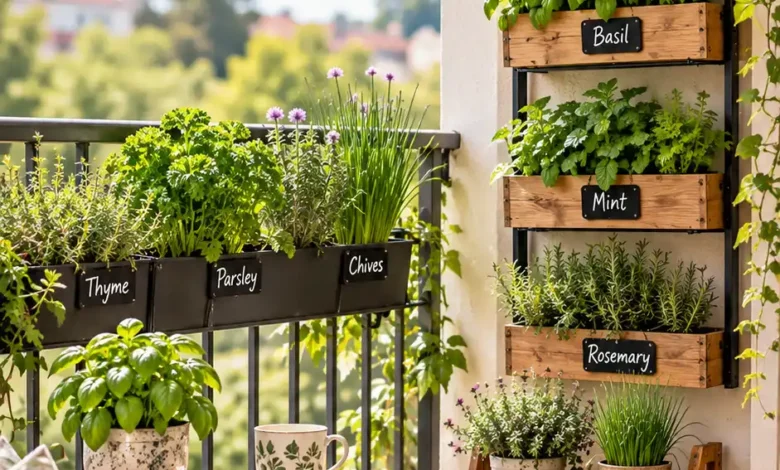
These herb garden layout ideas make starting a fresh culinary patch rewarding, even in a tiny apartment. Many people believe they need a massive backyard to grow basil or mint, but creative planning changes everything.
This comprehensive guide presents practical herb garden layout ideas for windowsills, balconies, and vertical walls. You will discover how to organize your greenery so watering and harvesting remain simple tasks.

We explore eighteen distinct methods to help you select suitable plants and containers. Whether you prefer raised beds or compact pots, these effective strategies ensure your success. Let us transform your limited room into a thriving, fragrant oasis today.
Key Takeaways
- Maximize limited square footage using vertical planters and hanging baskets.
- Choose the right containers to ensure proper drainage and plant health.
- Prioritize accessibility to make daily watering and harvesting effortless.
- Select plant varieties that thrive in your specific light conditions.
- Use modular setups to easily expand your collection over time.
Why Thoughtful Herb Garden Layout Ideas Matter in Small Spaces
In a limited space, every inch of your small herb garden layout supports success. A careful arrangement does more than look beautiful; it creates a working ecosystem where herbs can thrive. Intentional placement gives each plant the care it needs to grow strong and healthy.

How layout affects sunlight, watering, harvesting, and plant health
Your small herb garden layout shapes plant performance throughout the season. Proper spacing improves airflow, helping prevent fungal diseases and keep leaves vibrant. Group plants by water needs to avoid overwatering drought-loving varieties or underwatering thirsty ones.
Strategic placement can also simplify your daily routine. Place frequently used herbs near the kitchen or a water source to save time and effort. A thoughtful design lets you reach every pot when harvesting without knocking over plants or harming delicate stems.
| Factor | Impact on Growth | Layout Strategy |
|---|---|---|
| Sunlight | Photosynthesis | Place sun-lovers in the brightest spots. |
| Airflow | Disease Prevention | Avoid overcrowding containers. |
| Watering | Root Health | Group by moisture needs. |
| Harvesting | Plant Longevity | Keep accessible for easy access. |
What beginners can accomplish with a few square feet
Many new gardeners feel discouraged by limited space, but a small herb garden layout can remain highly productive. You do not need a large backyard for fresh basil, chives, or mint. Even a few square feet on a sunny windowsill or small balcony can add surprising flavor to cooking.
Beginners often achieve better results by starting small because the garden stays manageable. Focusing on a few key plants helps you learn their specific needs quickly. This intentional approach turns a tiny corner of your home into a vibrant, living pantry with fresh ingredients all year long.
Start by Measuring Your Growing Space
Successful gardening begins with a tape measure, not a trowel. Before buying plants, understand your home’s limits to create effective herb garden designs. A quick map gives each plant enough room to thrive.

Identify available floor, wall, windowsill, balcony, and patio space
Walk through your home and identify every possible plant location. Find unused vertical space on walls and narrow windowsill ledges for small pots. On a balcony or patio, measure the total square footage. Then determine how many containers fit without blocking your path.
Track sunlight throughout the day
Light fuels plants, so observe its movement across your space. Check chosen areas morning, noon, and late afternoon to measure direct sunlight hours. Tracking sunlight shows which herbs will flourish in each spot and helps prevent a wilting plant.
“A garden is a grand teacher. It teaches patience and careful watchfulness; it teaches industry and thrift; above all, it teaches entire trust.”— Gertrude Jekyll
Note access to water, storage, and everyday cooking areas
Convenience supports a healthy garden. Place herbs near a water source, such as a kitchen sink or outdoor spigot, to simplify watering. Keep your most-used culinary herbs near your cooking station, encouraging frequent harvesting.
Simple measurements to record before choosing containers
Before visiting the store, record your space’s exact dimensions. These numbers will guide your herb garden designs and help you choose suitable pots for your environment. Use the table below to organize your notes.
| Measurement Area | Width (Inches) | Depth (Inches) | Sunlight (Hours) |
|---|---|---|---|
| Kitchen Windowsill | 24 | 6 | 4-6 |
| Balcony Corner | 36 | 36 | 6-8 |
| Patio Wall | 48 | 12 | 2-4 |
Recording these details creates a practical foundation for your project. Whether you have a tiny apartment or spacious patio, these measurements keep your garden functional and beautiful.
Choose the Best Location for a Small Herb Garden
Your location can determine whether herbs flourish or struggle. Each home has distinct microclimates, so finding the right spot supports a reliable harvest. Whether you choose pots or a structured raised bed herb garden layout, local conditions shape plant health.

Sunny windows for indoor growing
A south-facing window is often the gold standard for growing herbs indoors. It delivers intense, direct sunlight that sun-loving herbs such as basil and rosemary need. If the window gets less light, add grow lights to prevent leggy growth.
Balconies and patios for container gardens
Balconies and patios provide strong airflow and ample light for container gardens. You can move pots to follow the sun as the seasons change. For a small yard, these spaces offer a useful trial before you commit to a permanent raised bed herb garden layout.
Porches and entryways with bright indirect light
Not every herb requires scorching sun to thrive. Porches and entryways often provide bright indirect light, which suits delicate varieties such as parsley and mint. They also offer convenient access, so you can snip fresh leaves while leaving the house.
How to protect herbs from strong wind, heat, and frost
Environmental stress can damage plants quickly without careful protection. Strong winds can dry soil rapidly, while reflected heat from brick walls or concrete may scorch sensitive leaves. Always monitor your plants during extreme weather shifts to protect them from frost and intense heat waves.
Herb Garden Layout Ideas for Beginners
If you are new to gardening, these simple herb garden layout ideas can help you create a thriving green space. A clear plan gives each plant proper care without overwhelming your schedule. By following a few core principles, you can build a beautiful, productive garden in even the smallest home.

Use a simple grouping system based on water needs
Grouping plants by moisture requirements is a smart strategy for any beginner. Some herbs, including mint and parsley, prefer consistently moist soil. Mediterranean varieties, such as rosemary and thyme, thrive when soil dries slightly between waterings.
Place plants with similar needs together to avoid overwatering or underwatering your collection. This organization makes daily maintenance more efficient.
Keep frequently harvested herbs within easy reach
Place frequently used herbs, such as basil or chives, in accessible spots. A kitchen windowsill or patio table near your door provides an ideal location for daily essentials. Convenience is key to using the fresh ingredients you grow.
Leave enough room for air circulation and plant growth
Packing too many plants into one container may harm their health. Herbs need space for air to move between their leaves, which helps prevent fungal issues. Check each plant’s mature size before planting, so it has room to spread.
Begin with a manageable collection instead of overcrowding
Start with three or four varieties instead of filling every available pot. A smaller collection is easier to manage and helps you learn each plant’s needs. You can expand your herb garden layout ideas after gaining confidence in your gardening skills.
| Herb Type | Water Needs | Sunlight Preference | Harvest Frequency |
|---|---|---|---|
| Basil | Moderate | Full Sun | High |
| Rosemary | Low | Full Sun | Medium |
| Mint | High | Partial Shade | High |
| Thyme | Low | Full Sun | Medium |
Plan a Small Herb Garden Layout by Sunlight and Water
Creating a functional garden layout begins by mapping natural light and water access throughout your home. Aligning plants with their environmental preferences improves your chances of a bountiful harvest. A carefully planned indoor herb garden layout gives every leaf the energy it needs to thrive.

Group full-sun herbs in the brightest position
Most culinary herbs, including rosemary, thyme, and basil, need intense light to develop their signature flavors. Place these sun-loving varieties in your brightest south-facing window or beneath supplemental grow lights. Consistency is key, so provide six to eight hours of direct sunlight each day.
Place partial-shade herbs where they receive gentler light
Not every plant tolerates harsh midday sun. Herbs such as parsley, cilantro, and chives often prefer cooler, filtered light, which protects their delicate leaves from scorching. Position them in east-facing windows or slightly away from the glass for a gentler growing environment.
Separate drought-tolerant herbs from moisture-loving varieties
Grouping plants by watering needs is a practical strategy for any gardener. Drought-tolerant herbs, including oregano and sage, prefer soil that dries between waterings. Mint and parsley thrive in consistently moist conditions. Separate these groups to prevent accidental overwatering of drier plants.
Arrange containers so every plant can be watered without moving others
Accessibility is essential to a successful indoor herb garden layout. Leave enough space between pots to reach each soil surface easily. This arrangement prevents you from knocking over nearby plants while watering your collection.
| Herb Variety | Light Requirement | Watering Preference |
|---|---|---|
| Rosemary | Full Sun | Low |
| Basil | Full Sun | Moderate |
| Mint | Partial Shade | High |
| Parsley | Partial Shade | Moderate |
Best Herbs for a Small Garden
With limited room, choosing the best herbs for a small garden becomes a rewarding challenge. The right varieties keep limited space productive and attractive throughout the growing season.

Compact herbs for cooking every day
Compact varieties help maximize your harvest without overwhelming a balcony or kitchen. Many culinary favorites stay small naturally, making them ideal for pots and window boxes.
Choose dwarf or bush-type varieties at your local nursery. These plants provide plenty of flavor for daily meals while keeping a tidy, manageable shape.
Best beginner herbs, including basil, parsley, chives, mint, thyme, oregano, and rosemary
If you are starting out, some plants are more forgiving than others. Basil and parsley are excellent annuals that grow quickly in sunny spots. Chives are hardy and return yearly, adding mild onion flavor to your dishes.
For woody perennials, thyme, oregano, and rosemary are top choices. These herbs thrive in well-drained soil and need less frequent watering than leafy greens. They are the best herbs for small garden setups because they are durable and versatile in the kitchen.
Which herbs grow well together in one container
Grouping plants with similar needs saves space. You can combine herbs that enjoy the same sunlight and moisture levels in one large pot.
- Mediterranean trio: Thyme, oregano, and rosemary love dry soil and full sun.
- Moisture lovers: Parsley and chives often thrive when kept consistently damp.
- Basil companions: Basil can share space with parsley if you ensure the pot is large enough for both root systems.
Which aggressive growers need their own pots
Some herbs are too ambitious to share their living space. Mint is the best-known aggressive grower, spreading through underground runners.
If planted with other herbs, mint quickly crowds neighbors and steals their nutrients. Give mint its own container to keep your garden balanced and healthy.
| Herb Name | Growth Habit | Water Needs | Best Container |
|---|---|---|---|
| Basil | Compact/Bushy | Moderate | Individual Pot |
| Thyme | Low/Trailing | Low | Shared/Grouped |
| Mint | Aggressive/Spreading | High | Separate Pot |
| Chives | Clumping | Moderate | Shared/Grouped |
Simple Herb Garden Layout in Containers
A beautiful patio garden begins with a simple herb garden layout that uses limited space efficiently. Thoughtful plant clusters can improve air circulation and simplify daily maintenance.

Create a grouped container arrangement for patios and balconies
Grouping containers creates a microclimate that helps retain the humidity many herbs prefer. Arrange pots by height so smaller plants receive enough light. This strategic placement keeps your balcony tidy while supporting healthy growth.
Match pot size and drainage to each herb
Choose each container carefully for long-term success. Ensure every pot has adequate drainage holes because standing water can cause root rot and quickly kill a healthy herb. Match the pot to the plant’s root system; an oversized pot retains moisture, while a small one stunts growth.
Use saucers, trays, and plant stands without blocking drainage
Saucers and trays protect patio floors from water stains, but they must not block drainage holes. Use plant stands or “pot feet” to elevate containers, allowing excess water to escape and improving airflow beneath them.
Container combinations for basil, parsley, chives, and thyme
Combine herbs that share similar water and sunlight requirements. Basil, parsley, and chives often thrive together in a large, wide container because they prefer consistent moisture. Place thyme near the edge, where it can handle the slightly drier soil.
Why mint, lemon balm, and oregano usually need separate containers
Some herbs are naturally aggressive and can quickly crowd out neighboring plants. Mint and lemon balm spread through underground runners, which can overtake a shared pot. Oregano also tends to sprawl, so separate containers help preserve a healthy, balanced simple herb garden layout.
Raised Bed Herb Garden Layout for Small Yards
Designing a small herb garden layout in a raised bed helps you use every inch of soil. Raised beds provide excellent drainage and let you control the quality of your growing medium. Keeping herbs contained creates a tidy focal point that remains both functional and beautiful.

Choose a compact raised bed shape and size
For most small yards, a rectangular bed uses space most efficiently. A width of two to four feet lets you reach the center from either side. You avoid stepping into the soil, which prevents compaction and keeps your small herb garden layout organized and accessible.
Place tall herbs along the north side
Sunlight remains the most important factor in healthy herb growth. Place taller varieties, such as rosemary or dill, along the bed’s north side. This prevents them from shading smaller plants and helps every herb receive needed light.
Arrange low-growing herbs along the edges
Creeping herbs, including thyme and oregano, suit the perimeter of a raised bed. They often spill over the sides, adding a soft, natural appearance. Edge placement also makes them easier to harvest during daily cooking.
Use squares, rows, or zones for easy maintenance
Organizing herbs into zones helps you manage watering and pruning more efficiently. Group moisture-loving herbs in one corner and drought-tolerant varieties in a drier section. This system simplifies chores and keeps your small herb garden layout looking professional.
Sample layout for a 2-by-4-foot raised bed
In a 2-by-4-foot space, divide the bed into eight equal squares. This grid gives each herb a designated spot and enough room to spread. The suggested arrangement below can guide your planting.
| Zone | Herb Type | Placement |
|---|---|---|
| North Row | Rosemary & Dill | Back of bed |
| Middle Row | Basil & Parsley | Center area |
| Front Edge | Thyme & Oregano | Perimeter |
Indoor Herb Garden Layout for Apartments
Apartment living often limits available square footage, but a smart indoor herb garden layout can transform a small corner into a productive oasis. By thinking vertically and selecting suitable locations, you can enjoy fresh flavors year-round without a backyard.

Arrange herbs on a sunny kitchen windowsill
A kitchen windowsill offers the most natural home for herbs. It keeps plants accessible during cooking and provides the sunlight they need. Measure the ledge depth so pots fit securely without tipping.
Use a tiered shelf to increase growing space vertically
When horizontal space is limited, use the vertical room. A tiered shelf stacks plants and creates a beautiful indoor herb garden layout that uses every apartment inch. This approach organizes herbs and simplifies watering.
Position grow lights above plants when natural light is limited
If your apartment lacks bright windows, do not worry. Compact LED grow lights can supplement natural light. Place them directly above herbs so plants receive the energy required for healthy, vibrant growth throughout the year.
Prevent water damage to counters, floors, and window ledges
Indoor gardening also requires home protection. Place waterproof trays or saucers beneath every pot to catch excess moisture. This simple step prevents unsightly water rings on wooden counters and damage to window sills.
Keep indoor herbs away from heating and cooling vents
Airflow matters, but direct HVAC blasts can dry plants quickly. Keep herbs away from vents to maintain a consistent environment. Stable temperatures help herbs thrive and prevent wilting from sudden drafts.
| Location | Light Level | Best For |
|---|---|---|
| Kitchen Window | High | Basil, Rosemary |
| Tiered Shelf | Medium | Mint, Parsley |
| Grow Light Station | Controlled | All Varieties |
Vertical and Hanging Herb Garden Designs
When floor space is limited, look upward to expand your gardening potential. Creative herb garden designs allow you to grow fresh flavors without cluttering your balcony or kitchen floor. Vertical surfaces can transform a barren wall into a thriving, fragrant feature.

Install wall-mounted planters for unused vertical space
Wall-mounted pockets or trellis systems work well in small apartments. These space-saving solutions keep herbs off the ground and closer to eye level. Choose materials that can handle moisture and weight, including treated wood or heavy-duty fabric pockets.
Use a narrow ladder shelf or tiered plant stand
A ladder shelf displays multiple pots while using little floor space. These herb garden designs provide levels that help organize plants by sunlight needs. Place sun-loving rosemary on the top shelf and shade-tolerant mint near the bottom.
Hang lightweight pots where they receive adequate light
Hanging baskets suit trailing herbs like thyme or oregano. Suspending these pots from ceiling hooks or balcony railings frees valuable surface area below. Check that each location receives enough natural light to keep plants healthy and vibrant.
Make watering and harvesting safe in elevated arrangements
Safety matters when tending elevated plants. Use a long-spout watering can to reach higher pots without a step stool. Regular pruning keeps plants compact and prevents them from becoming too heavy for their supports.
Choose secure supports for balconies and rental homes
If you live in a rental, avoid permanent fixtures that damage walls or railings. Use tension rods, heavy-duty adhesive hooks, or freestanding vertical frames that provide stability without screws. Always ensure your herb garden designs are securely anchored to prevent tipping during windy weather.
Creative Herb Garden Layout for Tiny Balconies
Transforming a small balcony into a lush oasis is possible with a creative herb garden layout. Think vertically, use every available inch, and enjoy fresh flavors just outside your door. Even the smallest outdoor area can become a productive sanctuary for favorite culinary plants.

Use railing planters without exceeding weight limits
Railing planters maximize growing space without sacrificing floor area. Check your balcony’s structural guidelines before adding pots filled with wet soil, and stay within weight limits. Safety is the top priority when containers hang over any edge.
Combine floor containers with vertical storage
Mixing floor pots with wall-mounted shelves creates a layered, organized look. This creative herb garden layout lets you grow more varieties while keeping the balcony open. Different textures and pot sizes add visual interest to the garden.
Create a movable layout that follows seasonal sunlight
Plants often need different amounts of light as seasons shift throughout the year. Place containers on rolling plant stands to capture the best sun exposure. This flexible strategy keeps herbs healthy and productive in every season.
Keep walkways, doors, and emergency exits clear
Keep paths clear for safety and easy access to your home. Never block emergency exits or main walkways with your garden setup. A well-planned creative herb garden layout should feel welcoming and useful, not cluttered or hazardous.
Arrange herbs by height to prevent smaller plants from being shaded
When grouping plants, place taller varieties, such as rosemary or upright thyme, toward the back or center. Put shorter, sun-loving herbs, such as basil or chives, in front so they receive enough light. This arrangement prevents taller plants from casting shadows that could stunt smaller herbs.
Repurposed and Space-Saving Herb Garden Ideas
You do not need a large backyard to grow fresh herbs at home. With thoughtful planning, you can design a creative herb garden layout for your living space. Repurposed household items can reduce costs while adding personal style to a kitchen or balcony.

Reuse food-safe containers, wooden crates, and narrow shelves
Many household items can provide excellent homes for your plants. Line old wooden crates with landscape fabric to create rustic, deep planters for rosemary or sage. Mount narrow shelves near a sunny window to maximize your vertical footprint.
Always ensure that any container you choose is food-safe. Avoid items that previously held harsh chemicals or non-food grade plastics. A thorough scrub and several drainage holes may transform a discarded bin into a thriving herb home.
Turn a rolling cart into a movable herb station
A rolling utility cart is a game-changer for small-space gardeners. Placing pots on wheels lets you move herbs to follow sunlight throughout the day. This creative herb garden layout also simplifies floor cleaning and furniture rearrangement.
Dedicate each cart tier to different types of plants. For example, keep moisture-loving herbs on the bottom shelf and sun-seekers on top. This mobility helps plants receive the light they need to remain healthy and vibrant.
Use window boxes and slim planters in tight spaces
Window boxes are not just for flowers; they also suit many culinary herbs. These slim containers use little horizontal space while giving roots enough depth to flourish. They work well on railings or narrow windowsills.
If ledge space is limited, choose vertical wall-mounted planters. Their slim designs support a lush garden without sacrificing floor area. They turn blank walls into productive, green displays that are beautiful and functional.
Check drainage, durability, and material safety before planting
Before planting, inspect each vessel carefully. Proper drainage is essential to prevent root rot, so ensure every container has bottom holes. If the material is not naturally porous, add gravel or use a well-draining potting mix.
Consider material durability, especially for an outdoor garden. Treat wood to resist moisture, and check metal containers for rust. These precautions help your creative herb garden layout remain safe and productive for many seasons to come.
Design a Companion Planting Layout for Herbs
Smart herb garden planning ideas group plants with similar environmental needs. Compatible pairings create a balanced ecosystem, support healthy growth, and simplify daily maintenance.

Pair herbs with similar sunlight and moisture requirements
Effective gardening begins by identifying plants that require moist soil and those that prefer dry conditions. Grouping herbs by water needs prevents overwatering drought-tolerant varieties and underwatering thirsty ones. This straightforward method anchors effective herb garden planning ideas.
Combine basil and parsley in a productive kitchen container
Basil and parsley are strong companions because both need consistent moisture and rich, well-draining soil. Both kitchen staples thrive under similar light, whether in a sunny windowsill or patio pot. Together, they can grow vigorously inside one container.
Use thyme and oregano in a drier, well-drained grouping
For Mediterranean herb gardens, pair thyme with oregano. Both prefer dry conditions and sandy, well-drained soil. These resilient plants need less frequent watering than other herbs.
Understand why mint should remain separate
Mint is a notorious spreader and can quickly overtake an entire container. Its aggressive root system may choke other plants when space is available. Keep mint in its own dedicated pot, so other herbs have room to flourish.
Allow enough space to prevent crowded foliage and disease
Proper spacing protects air circulation and helps prevent fungal issues and mildew. Even in small spaces, give each plant room to reach its full size. Overcrowding often produces weak stems and poor flavor development.
| Herb Group | Water Needs | Sunlight | Best Companion |
|---|---|---|---|
| Basil & Parsley | Moderate | Full Sun | Chives |
| Thyme & Oregano | Low | Full Sun | Rosemary |
| Mint | High | Partial Shade | None (Keep Solo) |
Make Your Herb Garden Easy to Water and Maintain
Maintaining a thriving herb garden should feel like a relaxing hobby, not a daily chore. A smart raised bed herb garden layout can reduce the time required for routine tasks. Thoughtful design supports healthy plants while you enjoy growing your own food.

Place high-water plants closest to the watering source
Start with proximity for greater efficiency. Place moisture-loving herbs like basil, mint, and parsley near your faucet or hose connection. This choice prevents heavy watering cans from crossing your patio or yard, making daily care much smoother.
Use self-watering containers when daily watering is difficult
If your schedule is packed, self-watering pots are a game-changer. Each container has a reservoir that keeps soil consistently moist, which suits thirsty herbs. These pots provide a reliable safety net during hot summer days, when evaporation occurs quickly.
Create clear paths between pots and raised bed sections
Accessibility is vital for long-term success. When planning your raised bed herb garden layout, leave enough room to walk comfortably between sections. Clear paths help you reach every corner without stepping on soil or damaging delicate stems.
Plan for pruning, harvesting, fertilizing, and pest checks
An effective garden layout leaves room to interact with your plants. You should reach easily to prune overgrown branches or harvest fresh leaves for dinner. Regular maintenance becomes easier when you can see the leaves clearly. This visibility helps you spot pests or nutrient deficiencies before they become major problems.
Common Small Herb Garden Layout Mistakes to Avoid
Creating a thriving garden requires more than good intentions and a few pots. Even careful plans can create traps that restrict plant growth. Identify these errors early so your simple herb garden layout remains healthy and productive all season.

Overcrowding plants before they reach mature size
One frequent mistake is planting too many herbs in a small container. A pot may look sparse at first, but many herbs grow rapidly after establishing roots. Overcrowding restricts airflow, potentially causing fungal issues and stunted growth.
Putting every herb in the same soil and watering routine
A simple herb garden layout must account for each herb’s moisture and nutrient preferences. For example, Mediterranean herbs like rosemary and thyme prefer sandy, well-draining soil and infrequent watering. By contrast, moisture-loving plants like mint or parsley need consistent hydration to thrive.
Ignoring drainage and placing pots in standing water
Proper drainage forms the foundation of a healthy garden. Without holes, or when pots sit in saucers filled with water, roots quickly rot. Always let excess water escape freely to keep your plants vibrant and strong.
Choosing a beautiful arrangement that is difficult to harvest
A simple herb garden layout should balance function with aesthetics. If frequently used herbs sit at the back of a shelf or behind larger plants, you may harvest them less often. Keep culinary staples within easy reach to encourage regular use.
Failing to plan for seasonal light and temperature changes
The sun’s path shifts throughout the year, so a sunny spot in spring might be shaded by mid-summer. Extreme heat or cold can also stress delicate herbs. Move containers to different locations as seasons change, protecting plants from harsh conditions.
Build a Practical Layout You Can Adjust Over Time
You can create a lasting green space by treating your layout as a living project. A successful garden rarely stays static; it changes as you learn what works in your environment. Choosing the best herbs for small garden setups helps you find early success without feeling overwhelmed.

Begin with a small group of reliable herbs
Begin with only three or four hardy varieties. Chives, mint, and thyme are resilient and forgiving choices for beginners. These best herbs for small garden spaces provide high yields with minimal intervention, helping you master basic plant care.
Label containers and record watering or harvest observations
Tracking your progress can transform your gardening experience. Use simple labels on your pots to identify each plant. Record each planting date for future reference. A small logbook can track each variety’s water needs and harvest readiness.
“To plant a garden is to believe in tomorrow.”Audrey Hepburn
The following table offers a simple way to organize observations and keep your plants healthy throughout the season.
| Herb Name | Water Frequency | Sunlight Needs | Harvest Status |
|---|---|---|---|
| Basil | Daily | Full Sun | Ready |
| Thyme | Weekly | Partial Sun | Growing |
| Mint | Bi-weekly | Shade | Ready |
Move plants when light, weather, or growth patterns change
Shift your pots as the seasons progress. Sunlight intensity changes throughout the year, so plants may need new locations to thrive. Flexibility is your greatest tool in a compact space, helping you respond to shifting shadows or falling temperatures.
Expand only after the first layout becomes easy to manage
After your initial collection feels manageable, slowly add more variety. Expanding your garden should feel joyful rather than burdensome. Waiting until your current setup feels manageable keeps your best herbs for small garden projects relaxing instead of stressful.
Conclusion
A thriving garden begins with a clear vision and patience. Measure your available space and track sunlight patterns to transform any small area into a productive oasis. These herb garden planning ideas help you maximize every inch of a balcony, windowsill, or patio.
Success depends on grouping plants with similar needs and keeping your harvest within reach. Whether you choose vertical planters or simple containers, design the layout for easy access. Effective herb garden planning ideas keep plants healthy while supplying fresh flavors for daily cooking.
Begin with reliable herbs, such as basil or chives, to build confidence. Observe how your plants respond to their environment, then adjust your setup as needed. Over time, your garden can become a beautiful, functional space that brings nature into your home.
## FAQ
### Q: What are the best herb garden layout ideas for a small apartment?
A: For limited space, an effective indoor herb garden layout uses vertical areas or windowsills. Use a tiered shelving unit from brands like IKEA to stack several pots near a window. If natural light is scarce, an AeroGarden offers built-in LED lights and a compact layout for the kitchen counter.
### Q: Which varieties are the best herbs for small garden containers?
A: The best herbs for small garden setups suit regular kitchen use and have manageable growth habits. Sweet basil, chives, Greek oregano, and Italian parsley are excellent choices. When planning your small herb garden layout, isolate aggressive plants; mint needs its own pot to prevent it from overtaking other herbs.
### Q: How should I organize a raised bed herb garden layout for a tiny yard?
A: To increase productivity in a raised bed herb garden layout, place taller herbs, such as rosemary and sage, on the north side. This keeps them from shading smaller plants. Place low-growing or trailing herbs, such as thyme, along the edges so they can spill over. A Vego Garden modular bed lets you customize the shape, keeping your herb garden planning ideas organized and easy to maintain.
### Q: What creative herb garden layout solutions work for narrow balconies?
A: A creative herb garden layout for a balcony often uses railing planters and vertical stands. Use Fiskars railing boxes to preserve floor space, or install a vertical garden wall from GreenStalk. This approach groups plants by sunlight needs: sun-worshippers like cilantro go at the top, while moisture-loving herbs belong near the cooler bottom.
### Q: What are the most important herb garden planning ideas for beginners?
A: The foundation of a great simple herb garden layout is grouping plants with similar water and light requirements. For instance, basil and parsley enjoy consistent moisture and can grow together. Meanwhile, Mediterranean herbs like oregano and lavender prefer drier soil and belong in a well-drained area. Self-watering containers from Burpee can help beginners avoid the common mistake of over- or under-watering.
### Q: How can I keep my indoor herb garden layout healthy year-round?
A: To keep an indoor herb garden layout healthy year-round, focus on light and air circulation. Place herbs near a south-facing window, but keep them away from heating vents, which can dry foliage. If winter makes your home especially dry, place a small humidifier nearby or mist your best herbs for small garden sets. Rotate your pots periodically so every side receives equal light exposure.
### Q: Do any herb garden designs help control pests?
A: Yes, many herb garden designs use companion planting to deter pests naturally. For example, chives planted near other herbs can help repel aphids. When building your raised bed herb garden layout, intersperse marigolds to protect culinary herbs. A simple herb garden layout must leave space between plants, because crowded leaves trap moisture and invite fungal issues or pests.