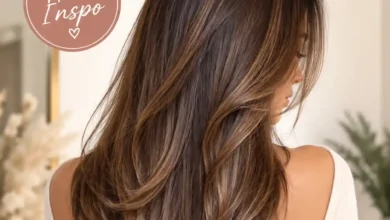
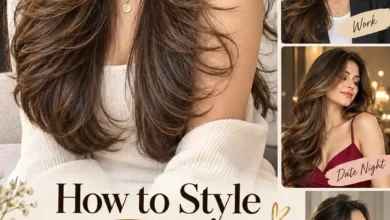
Managing long wavy hair requires a routine suited to the United States’ varied climate and water conditions. Whether you live in the humid South or dry West, your locks need balanced moisture and strength.

A consistent, customized strategy helps reveal your natural texture. Focusing on cleansing, conditioning, and seasonal protection can turn dull strands into vibrant, defined waves.
This guide covers gentle drying techniques and smart sleeping habits. It also explains how regular trims and localized care support healthier, more defined waves throughout the year.
Key Takeaways
- Understand how regional water quality impacts your routine.
- Learn the best methods for washing and conditioning.
- Discover styling tips to enhance your natural texture.
- Protect your locks from seasonal weather changes.
- Master drying and sleeping habits to reduce frizz.
What Makes Long Wavy Hair Different
If you have long wavy hair, you know it belongs to a category of its own. It is neither straight nor tightly curled, so its texture feels versatile yet unpredictable. Understanding these traits provides the foundation for healthy, vibrant locks.

How Length, Texture, and Wave Patterns Affect Hair Care
Hair length strongly influences how your waves behave. As strands grow longer, their weight can pull waves downward and make the roots appear straighter. This weight calls for products that provide hold without leaving strands limp.
Texture ranges from fine and thin to coarse and thick. Fine long wavy hair often lacks volume, while thicker textures may tangle easily. Identifying your pattern, from loose S-waves to defined bends, helps you choose effective care techniques.
Common Challenges, Including Frizz, Flat Roots, and Dry Ends
Many people with this hair type face several recurring challenges. Frizz often results from insufficient moisture or environmental conditions. Flat roots can also develop when hair length pulls volume away from the scalp.
Dry ends are common because scalp oils struggle to travel along longer strands. Manage these concerns by pairing hydration with lightweight styling products. The table below shows effective solutions for each issue.
| Challenge | Primary Cause | Recommended Fix |
|---|---|---|
| Frizz | Lack of moisture | Leave-in conditioner |
| Flat Roots | Heavy product buildup | Lightweight root lift |
| Dry Ends | Oil distribution | Deep conditioning |
How Climate and Water Quality Across the United States Influence Waves
Your environment strongly affects how your long wavy hair responds each day. Humid Southern and coastal states can make hair swell and frizz. Meanwhile, dry Western climates may remove its natural moisture.
The health of your hair is a direct reflection of your environment and your daily habits. Adapting your routine to your local water quality and climate is the secret to consistent definition.— Hair Care Specialist
Water quality also differs across the country, and many regions have “hard water.” Its high mineral content can coat hair, leaving it dull and brittle. If you live with hard water, occasional clarifying shampoo can restore the shine and bounce of your long wavy hair.
Long Wavy Hair Care Routine for Healthy, Defined Waves
A consistent long wavy hair care routine helps reveal your natural texture. With hydration and gentle handling, your hair can develop vibrant, bouncy waves that look healthy each day.

How to Build a Simple Weekly and Daily Routine
A successful regimen does not need to be complicated. Daily habits should protect your hair while you sleep and refresh your style each morning. Weekly care, including deep conditioning or clarifying, supports the health of your long wavy hair.
- Daily: Use a satin pillowcase to reduce friction and gently detangle with your fingers.
- Weekly: Apply a hydrating hair mask to replenish moisture lost during the week.
- As Needed: Use a clarifying shampoo once or twice a month to remove product buildup.
When to Wash Long Wavy Hair
Choosing the right washing frequency helps preserve your wave pattern. Most people with this hair type find that washing two to three times per week works best. This schedule controls scalp oil while keeping the ends hydrated.
How to Refresh Waves Between Wash Days
You do not need to soak your hair each morning for good results. Mist water mixed with a tiny amount of leave-in conditioner to reactivate your natural pattern. Gently scrunch upward to encourage definition without creating unwanted frizz.
Signs Your Routine Needs More Moisture or Less Product
Pay attention to what your hair reveals. Brittle or dull waves may need more hydration. However, heavy, sticky, or flat hair may signal excessive styling product.
| Symptom | Likely Cause | Recommended Action |
|---|---|---|
| Dry, brittle ends | Lack of moisture | Use deep conditioner |
| Flat, greasy roots | Product buildup | Use clarifying shampoo |
| Frizzy, undefined waves | Humidity or dryness | Apply lightweight oil |
| Tangled, matted hair | Lack of detangling | Use wide-tooth comb |
How to Wash Long Wavy Hair Without Creating Frizz
Mastering the care of long wavy hair helps preserve its definition and shine. Gentle cleansing reduces friction, which can create unwanted frizz. Focusing on the scalp while protecting your lengths builds a healthy long wavy hair care routine.
Choosing a Gentle Shampoo for the Scalp and Wave Pattern
Choosing the right cleanser is the first step toward manageable waves. Select a sulfate-free formula that cleans the scalp without removing natural oils. These best products for long wavy hair help preserve the moisture balance your waves need.
When to Use Clarifying Shampoo
Gentle cleansers suit regular use, but your hair sometimes needs deeper cleaning. Use clarifying shampoo once or twice a month to remove stubborn product buildup. This keeps your hair light and responsive to styling products.

Many United States residents deal with hard water, which contains minerals such as calcium and magnesium. These minerals can leave a film on strands, making them dry, brittle, or weighed down. If you live in a hard-water area, consider a chelating shampoo or shower filter to protect your wave pattern.
“Healthy hair is a reflection of how you treat it from the very first step of your routine.”
Applying Conditioner From Mid-Lengths to Ends
Conditioner provides vital hydration, but its placement matters. Apply it from the mid-lengths down to the ends. Avoid the scalp to prevent flat roots and excess oil, which can reduce volume.
Detangling Long Wavy Hair Safely in the Shower
Detangle long waves while they remain saturated with conditioner. Use a wide-tooth comb or your fingers to work gently through knots, starting at the bottom. This method limits breakage and defines natural wave clumps before you leave the shower.
Rinsing With Cool or Lukewarm Water
Water temperature can affect hair health. Rinsing with cool or lukewarm water helps seal the hair cuticle, locking in moisture and increasing shine. This simple habit supports an effective long wavy hair care routine and keeps waves smooth and frizz-free throughout the day.
Best Products for Long Wavy Hair
Building a routine starts with selecting the best products for long wavy hair. Waves can lose their shape quickly, so choose formulas that provide moisture without heavy buildup. Focus on your texture’s needs to create hair that feels light and bouncy.

Lightweight Cleansers and Conditioners for Fine Waves
Fine waves need products that cleanse thoroughly while preserving natural volume. Heavy oils may flatten your hair, so choose balancing formulas that hydrate without adding weight.
Living Proof Perfect Hair Day Shampoo and Conditioner
This duo suits anyone seeking a healthy, polished look. It removes dirt and oil while keeping waves soft and manageable throughout the day.
Not Your Mother’s Naturals Tahitian Gardenia Flower and Mango Butter Conditioner
For added moisture, this conditioner provides gentle care. Its natural ingredients smooth frizz, making it one of the best products for long wavy hair that feels slightly dry.
Leave-In Conditioners for Dry or High-Porosity Waves
High-porosity hair absorbs moisture quickly but loses it just as fast. A leave-in conditioner helps seal the cuticle and keeps waves hydrated longer.
Briogeo Farewell Frizz Rosarco Milk Leave-In Conditioning Spray
This lightweight spray detangles hair and adds shine. It creates a silky finish without leaving behind a greasy residue.
It’s a 10 Miracle Leave-In Product
This versatile product works as a detangler, heat protectant, and shine enhancer. It addresses several hair concerns in one simple step.
Gels, Mousses, and Creams for Hold and Definition
Styling products help preserve long-lasting wave patterns. Whether you want soft texture or firm hold, the right formula shapes the final result.
Ouai Air Dry Foam for Soft, Touchably Defined Waves
This foam suits anyone who prefers air-drying their hair. It creates a natural, effortless look with a soft feel.
John Frieda Frizz Ease Dream Curls Air-Dry Waves Foam
This product enhances natural wave patterns. It defines curls while keeping them bouncy and free from stiffness.
Curlsmith In-Shower Style Fixer for Stronger Hold
When your style needs to last, this gel provides strong hold. Apply it to soaking wet hair to lock in moisture and definition.
How to Choose Products Without Weighing Down Long Waves
Success depends on resisting the urge to layer heavy formulas. Begin with a small amount, then add more if your hair feels dry. Apply conditioner to the mid-lengths and ends to keep roots light and full.
| Product Category | Best For | Key Benefit |
|---|---|---|
| Lightweight Cleansers | Fine, flat waves | Volume and clarity |
| Leave-In Sprays | Dry, porous ends | Moisture retention |
| Air-Dry Foams | Soft, natural definition | Touchable texture |
| Strong-Hold Gels | Long-lasting style | Maximum definition |
How to Style Long Wavy Hair Step by Step
Learning how to style long wavy hair effectively begins with understanding your natural texture. A consistent sequence can produce salon-quality results in your own home.
Preparing Wet Hair With Leave-In Conditioner
Begin with soaking wet hair immediately after your shower. Apply a lightweight leave-in conditioner while it remains saturated to lock in moisture and create a smooth styling base.
Distribute the product evenly with your fingers or a wide-tooth comb. This hydrates every strand and offers one of the most effective natural ways to enhance long wavy hair.

Applying Styling Products to Encourage Wave Clumps
After preparing your hair, apply gel or mousse to form defined wave clumps. Avoid raking through your hair, because this can disrupt its natural wave pattern.
Using the Praying Hands Method
The praying hands method means smoothing product between your palms and gliding them down your hair’s length. This technique helps reduce frizz and preserves intact wave clumps.
Using Scrunching to Shape the Wave Pattern
After applying product, gently scrunch your hair upward toward the scalp. This encourages waves to regain their natural shape and adds bouncy definition to your style.
Creating Volume at the Roots
To prevent flat roots, lift your hair at the crown while it remains damp. Small claw clips can hold the roots upward as your hair dries, creating lasting volume without heat tools.
Setting Waves With a Microfiber Towel or Cotton T-Shirt
Avoid standard terry cloth towels, which can cause friction and unwanted frizz. Use a microfiber towel or an old cotton T-shirt to gently blot excess water.
Breaking the Cast After Hair Dries
When your hair is 100% dry, it may feel slightly crunchy because of the styling product. This is called a “cast,” and it is perfectly normal. Gently scrunch your hair with your hands to soften the cast and reveal soft, touchable waves.
How to Avoid Brushing Dry Waves
Never brush dry hair, because brushing disrupts the wave pattern and causes significant frizz. If you need to detangle, do so only while your hair is wet and saturated with conditioner.
Drying Techniques That Protect Long Wavy Hair
If you want to keep your long wavy hair bouncy and frizz-free, choose your drying method carefully. Drying is the final step in helping your style last throughout the day. The right approach locks in moisture and preserves the shape you worked hard to create.

Air-Drying Long Wavy Hair With Less Frizz
Air-drying is often the gentlest method because it avoids direct heat damage. To reduce frizz, leave your hair completely undisturbed while it dries. Avoid touching or scrunching your hair after applying product; doing so disrupts the wave pattern and creates unwanted flyaways.
Using a Diffuser Without Losing Wave Definition
When time is limited, a diffuser can enhance your natural texture. It distributes air evenly, helping prevent the wind-blown look that often causes frizz.
Choosing Low Heat and Low Airflow
Always set your dryer to its lowest heat and airflow settings. High heat can quickly dehydrate your strands and cause damage over time. Lower settings help keep your long wavy hair healthy and shiny.
Diffusing Roots Before Lengths
Begin by directing the diffuser at your roots to build volume. Once the roots are mostly dry, gently move it toward the mid-lengths and ends. This technique keeps your hair lifted and full of life.
How to Dry Long Hair Evenly From Roots to Ends
For a consistent look, avoid focusing on one section for too long. Rotate your head or move the dryer around it to distribute airflow evenly. This prevents damp spots that may leave your waves flat later in the day.
When to Stop Touching Hair During the Drying Process
The golden rule for long wavy hair is to keep your hands off until it is 100% dry. Touching damp hair breaks the “cast” created by styling products, causing most frizz. Once your hair is completely dry, gently scrunch it to soften the hold.
Heat-Styling Precautions for Occasional Blowouts and Curling
If you use a curling iron or blow-dry brush, apply a high-quality heat protectant first. Keep the temperature moderate to avoid burning the hair cuticle. Occasional heat styling is fine, but moderation helps maintain long-term hair health.
| Method | Best For | Frizz Control | Volume |
|---|---|---|---|
| Air-Drying | Healthy, natural look | High | Low |
| Diffusing | Defined, bouncy waves | Medium | High |
| Blowout | Sleek, polished style | Low | Medium |
Humidity and Seasonal Tips for US Residents
Local weather shapes how your long wavy hair looks and feels throughout the year. Because US climates vary widely, your routine must adapt to coastal moisture, desert dryness, and every condition between them.

Managing Frizz in Humid Southern and Coastal States
High humidity in Florida and along the Gulf Coast can make hair swell and lose its shape. When moisture saturates the air, strands absorb it, causing frizz and reducing wave definition.
Using Anti-Humidity Products Without Making Hair Stiff
Choose lightweight anti-humidity sprays or serums that form a protective barrier. Avoid heavy waxes that can leave your hair crunchy or stiff. Select products labeled as “humidity-resistant” to preserve natural movement while controlling frizz.
Protecting Waves During Summer Heat and Sweat
Summer heat and sweat can quickly disrupt your style, especially during outdoor activities. Wear your hair in a loose, high bun or protective braid to reduce contact with your neck and shoulders. If you sweat, a refreshing mist can reset your waves without requiring a full wash.
Preventing Dryness in Cold Northern Winters
Winter across the Northern states combines freezing temperatures with dry indoor heating. This combination can strip moisture from your long wavy hair. Use deep-conditioning treatments to lock in hydration, and run a bedroom humidifier to reduce overnight brittleness.
Adjusting Hair Care for Dry Western Climates
In the American West’s arid climate, the main challenge is preventing severe dryness. Your hair may need more leave-in conditioner or a richer styling cream than usual. Consistency is key, so seal your ends with light oil to help prevent breakage in dry air.
Protecting Long Wavy Hair From Rain, Wind, and Snow
Rain, wind, and snow can disrupt your hair’s structure. Use these protective measures to help preserve your waves:
- Rain: Use a silk-lined hood or a compact umbrella to prevent moisture from causing sudden frizz.
- Wind: Secure your hair in a loose, low ponytail or a soft scarf to prevent tangling and knotting.
- Snow: Wear a hat with a satin lining to protect your hair from friction and dryness caused by wool or synthetic fabrics.
How to Change Product Levels as the Seasons Shift
You do not need to replace your entire product collection whenever the weather changes. Instead, make gradual adjustments to your current routine. When the air feels drier, add a few drops of oil to your existing cream. When humidity rises, use less heavy butter and more lightweight styling gel to maintain your long wavy hair through changing seasons.
Natural Ways to Enhance Long Wavy Hair
You can achieve striking results by adding simple, natural ways to enhance long wavy hair to your daily routine. Many people discover that beautiful, buoyant waves depend on gentle, earth-derived methods that protect hair rather than harsh styling tools. Focus on hydration and proper technique to reveal your natural texture’s full potential.

Scrunching and Plopping Without Heat
Scrunching encourages hair to form tighter, more defined wave clumps. Cup wet hair in your palms, then gently squeeze upward toward the scalp as the pattern sets.
Plopping wraps damp hair in a cotton T-shirt or microfiber towel. This method removes excess water while keeping waves compressed, which prevents frizz and promotes a more uniform shape during drying.
Using Aloe Vera-Based Products Carefully
Aloe vera acts as a natural humectant, supplying moisture to thirsty strands. Use these products moderately, especially in dry climates where they may draw moisture away from the hair.
Always test your hair’s response to aloe-based gels or sprays. If your hair feels stiff or sticky, layer the product with a lightweight leave-in conditioner for a soft, touchable finish.
Creating Definition With Lightweight Oils
Using suitable oils is one of the most effective natural ways to enhance long wavy hair without sacrificing volume. Lightweight oils create a protective barrier, lock in moisture, and add healthy, natural shine.
Why Argan Oil Can Help Seal Dry Ends
Argan oil remains popular because it is lightweight and rich in antioxidants. It helps seal split ends and smooth the hair cuticle, making it suitable for daily maintenance.
Why Heavy Coconut Oil May Weigh Down Some Waves
Coconut oil is deeply nourishing, but its heavy molecular structure may overwhelm fine or medium-density waves. It can leave hair flat or greasy, so reserve it for occasional deep treatments instead of daily styling.
Maintaining Moisture With Deep Conditioning
Deep conditioning keeps long waves elastic and resistant to breakage. Apply a hydrating mask once a week to restore moisture lost through daily exposure to the elements.
Healthy Habits That Support Stronger Hair Growth and Length Retention
Beyond products, daily habits strongly influence hair health. Eat a balanced diet, stay hydrated, and minimize mechanical stress to support long-term growth.
- Avoid tight elastics that cause breakage.
- Trim your ends regularly to prevent split ends from traveling up the hair shaft.
- Be gentle when detangling to preserve your natural length.
How to Protect Long Wavy Hair While Sleeping
Protecting your hair during sleep helps you wake with defined, frizz-free waves. Tossing and turning can undo daytime styling, especially for long wavy hair. A few bedtime changes can keep it healthy and vibrant for much longer.

Using a Satin or Silk Pillowcase
Standard cotton pillowcases can feel rough against delicate strands. They create friction, causing frizz and moisture loss while you rest. Switching to a satin or silk pillowcase lets your hair glide smoothly across the surface. This significantly reduces morning tangles in long wavy hair.
Creating a Loose Pineapple or High Bun
To preserve your wave pattern, try the “pineapple” method. Gather your hair loosely at the very top of your head, then secure it without pulling too tightly. This keeps long wavy hair from being crushed against the pillow and helps maintain volume at the roots when you wake.
Choosing Gentle Scrunchies and Hair Ties
Avoid thin elastic bands because they can create tension or harsh indentations. Choose silk or velvet scrunchies for a soft hold instead. These accessories are gentler on long wavy hair and help prevent breakage caused by traditional hair ties.
Refreshing Flattened Waves the Next Morning
If your waves look flat after sleeping, do not worry. Lightly mist your hair with water or a leave-in conditioning spray to revive them. Then gently scrunch your hair with your hands to reactivate the product and restore its natural bounce.
Preventing Tangles and Breakage at Night
Consistency supports long-term hair health. Combining a protective pillowcase with a loose hairstyle minimizes mechanical damage during sleep. These simple steps help keep your strong, hydrated, and beautiful hair healthy every day.
Trendy Long Wavy Hairstyles for Everyday Wear
From the office to weekend brunch, your waves offer versatile styling options. The right look can simplify your routine and strengthen your confidence. Exploring trendy long wavy hairstyles lets you honor natural texture while keeping your appearance modern.

Face-Framing Layers for Movement and Volume
Layers can give long hair greater life and shape. Face-framing pieces highlight your features without making your hair feel heavy. They also encourage movement, helping waves look bouncy and full of energy.
Long Curtain Bangs With Loose Waves
Curtain bangs remain a timeless choice for long, wavy locks. They create a soft, romantic frame that requires little maintenance. With loose waves, this style creates a relaxed, effortless mood for nearly any occasion.
Half-Up Styles That Preserve Wave Definition
Learning how to style long wavy hair with a half-up look can transform busy mornings. Pull back only the top section to clear your face while preserving flowing waves. This method keeps your natural pattern defined and visible throughout the day.
Low Buns, Braids, and Ponytails for Second-Day Hair
Second-day hair often has extra grit, making it ideal for updos. A loose, low bun or soft side braid can conceal frizz while looking intentionally chic. These styles protect your ends and support hair health between washes.
Beach Waves Versus Natural Waves
Although both styles look beautiful, they serve different purposes. Beach waves often use salt sprays or heat tools for a uniform, textured finish. In contrast, natural ways to enhance long wavy hair use moisture and scrunching to reveal your unique wave pattern.
Choosing a Style for Work, School, Travel, or Special Events
The best long wavy hair inspiration depends on your schedule and setting. A sleek ponytail suits a professional meeting, while a loose braid works well for travel. Use the guide below to choose a style that fits your needs.
| Occasion | Recommended Style | Key Benefit |
|---|---|---|
| Work/Office | Low Sleek Bun | Professional and tidy |
| School/Casual | Half-Up Top Knot | Keeps hair off face |
| Travel | Loose Side Braid | Prevents tangles |
| Special Events | Soft Face-Framing Waves | Elegant and voluminous |
Long Wavy Hair Inspiration From Celebrities
Many celebrities with long wavy hair define modern, effortless style. Red-carpet icons can spark ideas for your next salon visit or home styling session. Whether you prefer subtle movement or bold, beachy texture, today’s stars offer abundant long wavy hair inspiration.

Jennifer Aniston’s Soft, Layered Waves
Jennifer Aniston is known for signature, face-framing layers that give long hair more life. Her style uses subtle waves that appear polished yet relaxed. The layers remove weight, helping natural waves bounce and move without feeling heavy.
Blake Lively’s Full-Length, Voluminous Waves
Blake Lively often wears long, voluminous waves that express classic Hollywood glamour. Her style emphasizes length and fullness through strategic curling and texturizing products. This look suits anyone seeking a glamorous, high-impact aesthetic.
Zendaya’s Defined, Textured Wave Looks
Zendaya often explores defined, textured waves that emphasize her natural hair pattern. She shows that trendy long wavy hairstyles need not appear perfectly uniform. With hydration and definition, she creates a style that feels modern and authentic.
Sarah Jessica Parker’s Natural Wave Volume
Sarah Jessica Parker remains an icon of natural wave volume. She often wears an undone finish that celebrates her waves’ unique shape. Her approach suits people who prefer a low-maintenance, organic style.
How to Adapt Celebrity Styles to Your Own Density and Wave Pattern
Remember that professionals often style celebrity hair. Adapt these looks by considering your hair density and specific wave pattern. If you have fine hair, use lightweight products to mimic volume. Those with thick hair may need stronger hold to preserve definition.
| Celebrity | Key Feature | Best For |
|---|---|---|
| Jennifer Aniston | Face-framing layers | Adding movement |
| Blake Lively | Full-length volume | Glamorous occasions |
| Zendaya | Defined texture | Modern, bold looks |
| Sarah Jessica Parker | Natural volume | Effortless, daily wear |
Trimming, Detangling, and Repairing Long Wavy Hair
Keeping your long wavy hair healthy requires a consistent care routine. Styling products offer immediate definition, but daily wear and tear shape your strands’ long-term vitality. Protecting their structure helps your waves stay bouncy and resilient.

How Often to Trim Long Wavy Hair
Regular trims help stop damage from moving up the hair shaft. For most people with long wavy hair, a trim every 8 to 12 weeks works well. This schedule removes thin, wispy ends that can make your hair look stringy or tangle easily.
Recognizing Split Ends, Excessive Shedding, and Breakage
Spotting damage early can help you preserve your length. Split ends often appear as tiny white dots or frayed tips at the bottom of your hair. Unusual hair in your brush or shower drain may signal excessive shedding or breakage from mechanical stress.
Detangling From the Ends Toward the Roots
The most effective way to manage long wavy hair is to detangle it from the bottom up. Gently work through the ends before moving toward the mid-lengths and then the roots. This method keeps small knots from becoming stubborn tangles that cause unnecessary breakage.
When to Use a Wide-Tooth Comb or Detangling Brush
Always use a wide-tooth comb when your hair is saturated with conditioner to reduce friction. If you prefer a detangling brush, choose one designed for wet, textured hair to prevent pulling. Using the right tool is crucial for protecting your wave pattern.
When Professional Advice May Be Appropriate for Scalp or Hair Concerns
Sometimes, your hair needs more than a routine adjustment. Persistent scalp irritation, sudden hair loss, or extreme dryness may require professional advice. If deep conditioning does not help, a stylist can remove heavy damage, while a dermatologist can address underlying scalp health issues.
Conclusion
Mastering long wavy hair is a journey of discovery. You now have tools for a routine that respects your unique wave pattern and adapts to climates across the United States.
Consistency supports vibrant, healthy strands. Gentle cleansing, strategic moisture, and protective sleep habits help your long wavy hair resist environmental stressors. Regular trims and mindful detangling can prevent damage before it starts.
Your hair needs change with the seasons and your lifestyle. Observe how your waves respond to local water quality and humidity levels. Experiment with different products to find the right balance for your specific density.
Contact a professional stylist if persistent dryness or breakage continues despite your current routine. They can provide personalized guidance and help your long wavy hair look its best. Enjoy celebrating your natural beauty every day.
FAQ
How often should I follow a professional long wavy hair care routine?
Most experts recommend washing your hair two to three times a week. Long hair takes longer for natural scalp oils to reach the ends, so over-washing can cause dryness and frizz. Between washes, use a refreshing spray or light foam like John Frieda Frizz Ease Dream Curls to reactivate your pattern without a full rinse.
What are the best products for long wavy hair that won’t weigh it down?
Choose lightweight formulas that provide hold without stiffness. For cleansing, Living Proof Perfect Hair Day Shampoo is a fantastic choice for US residents facing various water types. For styling, Ouai Air Dry Foam and Briogeo Farewell Frizz Rosarco Milk offer definition and hydration without heavy waxes that can flatten long waves.
Do you have any tips on how to style long wavy hair for maximum volume?
To avoid flat roots, apply styling products with the praying hands method, then scrunch upward toward the scalp while your hair is soaking wet. Dry with a diffuser on low heat and low airflow, focusing on the roots first. This sets volume at the top before water’s weight pulls the waves down.
Who are some celebrities with long wavy hair that I can look to for ideas?
For inspiration, look to Blake Lively, famous for her voluminous, beachy texture, or Zendaya, who often shows highly defined, textured waves. Jennifer Aniston also shows how face-framing layers can add movement and keep long waves from looking weighed down.
What are some natural ways to enhance long wavy hair without using heat?
Plopping is one of the most effective heat-free techniques. Wrap wet hair in a cotton T-shirt or microfiber towel for 15–20 minutes to absorb moisture while setting the wave shape. Also, apply a few drops of Argan oil to your ends to seal moisture and add shine without synthetic silicones.
What are the most trendy long wavy hairstyles for the current season?
Right now, long curtain bangs with loose waves are highly popular across the United States. Other stylish options include half-up top knots, which preserve wave definition on the bottom layer. Soft, low braids create a beautiful, heat-free crimped look for the following day.
How does the climate in different US regions affect my waves?
Geography plays a major role in hair behavior. In humid coastal areas like Miami or Charleston, use a stronger-hold gel like Curlsmith In-Shower Style Fixer to block moisture. Conversely, in dry climates like Denver or Phoenix, use leave-in conditioners like It’s a 10 Miracle Leave-In to stop air pulling moisture from strands.
How can I protect my waves while I sleep?
To prevent tangles and frizz overnight, replace your cotton pillowcase with a satin or silk version. You can also use the “pineapple” method: gather your hair into a very loose, high ponytail atop your head with a Slip silk scrunchie. This prevents you from crushing your waves while tossing and turning.