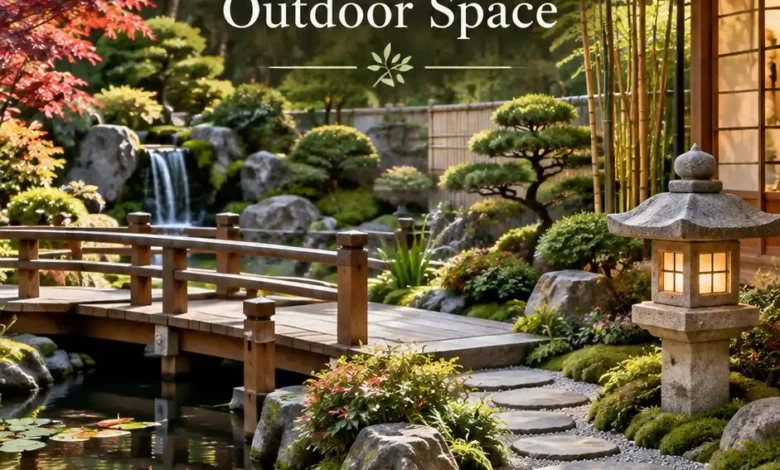
Transforming your backyard into a serene sanctuary can bring lasting peace to daily life. Specific Japanese garden layout ideas create intentional spaces that support relaxation and mindfulness. These designs unite natural elements with thoughtful structure, producing a timeless sense of harmony.

This article explains how to combine balanced paths, soothing water features, and carefully selected plants. We examine traditional styles and modern adaptations to help you choose the right approach for your home. Success depends on matching your unique site scale to the overall composition.
Whether you have a sprawling lawn or a small patio, these Japanese garden layout ideas offer a practical path toward tranquility. Let us guide you through essential steps for creating a peaceful, intentional setting in your exterior surroundings.
Key Takeaways
- Focus on creating a sense of balance and harmony within your outdoor space.
- Incorporate natural elements like stone, water, and native plants for authenticity.
- Tailor your design to match the specific scale and topography of your property.
- Use winding paths to encourage a slow, meditative pace while walking through the area.
- Blend traditional principles with modern materials for a unique, functional aesthetic.
Japanese garden layout ideas: principles that shape a peaceful space
A serene outdoor retreat begins with the philosophies that guide traditional Japanese design. When exploring various japanese garden layout ideas, you discover a goal: mirror nature instead of forcing it into rigid forms. This method creates harmony that feels timeless while remaining deeply personal.

Asymmetry, balance, and the beauty of imperfection
Nature seldom follows perfect symmetry, so your garden should echo its organic movement. By embracing asymmetry, you create dynamic balance and guide the eye across the landscape. Often linked to wabi-sabi, this principle honors weathered stone, irregular plant growth, and natural change.
Rather than placing items in identical pairs, group elements in odd numbers. This technique keeps the space from appearing formal or staged. True beauty often lies in these small imperfections. Such details make the garden feel like a living extension of the wild forest or mountainside.
How simplicity creates visual calm
Because clutter can disturb the mind, restraint is vital to successful japanese garden layout ideas. Reducing visual noise lets features such as a single moss-covered rock or carefully pruned maple command attention. Simplicity removes the unnecessary and reveals the environment’s essential character.
Choose quality over quantity when selecting materials. A few well-placed stones or a simple water basin can surpass a crowded collection of ornaments. This minimalist approach gives each element a purpose, creating a cohesive and tranquil atmosphere.
Using empty space as an intentional design element
In Japanese design, “Ma” describes the importance of empty space. Instead of treating an open area as a void, view it as a necessary pause in your garden’s composition. These gaps let plants and structures breathe, preventing a cramped or overwhelming landscape.
Empty space provides contrast that highlights focal points. Whether it is raked gravel or a quiet clearing, an open area invites viewers to slow down and reflect. By incorporating these intentional voids into your japanese garden layout ideas, you create a spacious, balanced, and profoundly peaceful sanctuary.
Study the site before choosing a Japanese garden layout
Every successful garden begins with a clear understanding of the ground beneath it. Before choosing plants or stone arrangements, observe how your land responds to its natural environment. Taking the time to analyze your site helps the design feel rooted in the earth, not artificially placed upon it.
Assessing sunlight, shade, drainage, and existing views
Track sunlight across your yard throughout the day. Some areas receive intense afternoon heat, while others remain in cool, deep shade. Knowing these patterns helps you choose plants suited to your specific microclimate.
Observe how water moves during heavy rain. Good drainage prevents pooling, which can damage delicate roots or erode carefully placed gravel paths. Finally, identify your best existing views and decide which unattractive areas to screen with bamboo or hedges.

Connecting the garden to the home and surrounding landscape
A well-designed garden should create a seamless transition from your indoor living space outdoors. Consider how your windows frame the yard from inside your home. Aligning your primary focal points with these sightlines creates continuity and peace.
Examine the surrounding landscape for scenery you can borrow from neighbors or nearby trees. Including distant elements makes your space feel larger and more connected beyond your fence.
Choosing a scale that suits the size of the property
Garden elements should match your lot’s physical dimensions. Large, heavy boulders can overwhelm a small space, while tiny stones may disappear in a vast yard. Balance is the key to making each feature feel intentional and proportionate.
Consider your paths’ width and your plantings’ height. In an expansive garden, long, winding trails can encourage slow, meditative movement. In smaller areas, keep features compact to preserve intimacy.
Adjusting the design for narrow yards and compact lots
Narrow side yards and small urban lots require a creative layout. You can create depth with layered planting and diagonal paths that draw the eye across the space. This approach prevents the garden from feeling like a flat corridor.
Vertical elements, including tall, slender trees or wall-mounted bamboo screens, draw the gaze upward. Verticality maximizes limited square footage without making the area feel crowded or cluttered. Strategic placement can turn even the smallest corner into a tranquil sanctuary.
Build a natural framework with Japanese garden elements
Harmony begins with the intentional use of stone, water, and plants. By selecting the right japanese garden elements, you establish a timeless, serene foundation. Together, these components create a landscape that reflects the natural world.

Combining stone, water, plants, wood, and gravel
Each material serves a clear purpose in your design. Stone forms the garden’s bones, providing stability and a sense of permanence. Water brings life and movement, while wood adds warmth and organic texture. Gravel can represent water or form clean, minimalist pathways that ground the entire space.
Creating layered views instead of crowded plant beds
You need not fill every corner with dense vegetation to create a lush appearance. Instead, use layered views to draw the eye deeper into the landscape. Place taller shrubs behind smaller, delicate plants to create depth, prevent clutter, and let each plant stand out as an individual piece of art.
Repeating materials to make separate areas feel connected
Consistency helps an outdoor space feel like a unified whole. Repeating specific japanese garden elements across zones creates visual rhythm. For example, the same river rock in a dry stream bed and patio border connects both areas seamlessly.
Balancing hardscape and greenery throughout the yard
The right balance between hardscape and soft greenery supports a functional garden. Too much stone can feel cold, while excessive foliage can become difficult to maintain. A thoughtful layout uses hardscape to define paths and seating, while greenery softens edges and creates a welcoming atmosphere.
| Element | Primary Role | Visual Impact |
|---|---|---|
| Stone | Structure | Provides stability and age |
| Water | Movement | Adds sound and reflection |
| Gravel | Negative Space | Creates calm and clarity |
| Plants | Softening | Introduces seasonal color |
Plan balanced paths, entrances, and garden movement
Movement through a Japanese garden should resemble a slow, deliberate dance. Thoughtful walkways invite visitors to pause and notice the landscape’s subtle beauty. A well-designed path connects spaces while setting the experience’s pace.
Designing stepping-stone paths with a natural rhythm
Stepping stones, or tobi-ishi, create a measured rhythm throughout the garden. Their spacing encourages a chosen pace, directing attention between each step and the surrounding landscape. Consistency in spacing supports a comfortable, natural gait.

Using curves, pauses, and changing sightlines
Avoid straight lines because they can encourage visitors to hurry. Gentle curves conceal what comes next, creating mystery and anticipation. Planned pauses, such as a wider stone or small clearing, invite visitors to admire a view before continuing.
Creating a welcoming entrance with gates and threshold spaces
The entrance marks a vital transition from the busy outside world to your private sanctuary. A simple gate or changed ground material defines the boundary between home and garden. This threshold space helps the mind become calm and ready for reflection.
Selecting safe, stable stones for everyday walking
Safety should guide every walkway material choice. Choose stones with flat, stable surfaces and embed them firmly to prevent wobbling. Rough-hewn natural stone provides strong traction, keeping the garden accessible and secure in all weather.
Lighting paths without disrupting the nighttime atmosphere
After sunset, restrained lighting can preserve the garden’s peaceful character. Use low-level, warm-toned fixtures to reveal stone texture without flooding the area with brightness. Subtle illumination guides visitors while preserving the shadows that create nighttime magic.
Use water features to add sound, reflection, and movement
Adding a water element effectively introduces sound, reflection, and natural movement to your yard. Water becomes a dynamic focal point that connects your home with the natural world. It creates a sense of tranquility that plants alone rarely provide.

Choosing between ponds, streams, basins, and waterfalls
Your choice depends on available space and the maintenance level you can manage. Ponds provide a mirror-like surface for reflection but require filtration systems to remain clear. Streams create gentle, bubbling sounds that mask urban noise, while waterfalls offer a dramatic, vertical appearance.
Basins suit smaller spaces and offer the greatest versatility. They create a subtle, meditative presence without complex, large-scale plumbing. Consider this comparison when making your decision:
| Feature | Space Needed | Maintenance | Primary Benefit |
|---|---|---|---|
| Pond | Large | High | Reflection |
| Stream | Medium | Moderate | Movement |
| Basin | Small | Low | Sound |
Positioning water near paths, seating areas, and focal views
Strategic placement maximizes your water feature’s sensory impact. Positioning water near a seating area lets its soothing sounds support relaxation. Placing a feature beside a winding path creates a natural pause, inviting visitors to observe changing light on the surface.
Choose a location that aligns with your primary indoor views. A well-placed basin or pond can become a living painting, drawing your eye from the living room window into the garden. This connection creates a seamless transition between indoor and outdoor living spaces.
Alternatives for gardens without room for a pond
If your property lacks space for a full pond, you can still enjoy water’s benefits. Vertical elements and recirculating stone features provide similar auditory pleasure without requiring a large basin. These compact designs suit urban courtyards and narrow side yards.
Installing a tsukubai-style basin for a tea garden feel
A tsukubai is a traditional stone basin originally created for ritual purification. In modern gardens, it serves as a beautiful, low-maintenance centerpiece. A recirculating pump can create a gentle trickle that overflows the stone, adding a refined, authentic touch to your landscape.
Managing mosquitoes, runoff, and maintenance in U.S. climates
Maintaining water features in the United States requires attention to local climate challenges. Keep water moving to prevent mosquitoes, because stagnant water promotes insect breeding. A small solar-powered pump can circulate water effectively without increasing your energy bill.
For runoff management, integrate your water feature with your yard’s natural drainage patterns. Place gravel or river stones around its base to absorb splashes and prevent muddy patches. Perform seasonal cleaning by removing fallen leaves and checking pump filters, keeping water clear and your garden healthy year-round.
Shape planting beds with seasonal texture and restraint
A serene outdoor environment depends on balancing evergreen structure with the seasons. Restraint keeps the garden a peaceful retreat instead of a cluttered collection of plants. Good design pairs permanent forms with brief displays of seasonal beauty.

Selecting evergreen structure for year-round form
Evergreens form the backbone of your landscape design. They provide a steady visual anchor, keeping the garden intentional through dormant winter months. Japanese yew and boxwood establish permanence and define the garden’s layout.
Adding Japanese maples, pines, bamboo, moss, and grasses thoughtfully
After setting the structural foundation, introduce character with specific, iconic plants. Japanese maples offer delicate, changing foliage, while sculpted pines suggest age and wisdom. Soft moss or ornamental grasses can create a lush, tactile ground layer that invites quiet observation.
Planning seasonal interest with flowers, foliage, and fall color
A dynamic garden marks time through changing color and texture. Choose plants with vibrant spring blossoms, deep summer greens, and dramatic autumn hues. This approach keeps the garden alive and responsive to changing light throughout the year.
Avoiding invasive bamboo and poorly adapted plants
Choose species carefully to prevent long-term maintenance problems. Avoid invasive bamboo varieties that spread aggressively and can overwhelm carefully planned beds. Research local climate compatibility so plants thrive without excessive chemicals or constant struggle.
Grouping plants by texture, height, and growing conditions
Effective planting groups species by their specific needs and visual impact. Place plants with similar water and light requirements together to build a healthier, more sustainable ecosystem. Use these guidelines for a balanced composition:
- Height: Place taller specimens toward the back to create depth and a sense of enclosure.
- Texture: Mix fine-leafed plants with broad-leafed varieties to add visual interest without needing excessive color.
- Conditions: Group shade-loving mosses away from sun-drenched pines to ensure every plant has the environment it needs to flourish.
Small Japanese garden ideas for patios, side yards, and balconies
You do not need a sprawling estate to enjoy the tranquility of a Japanese-inspired landscape. With thoughtful design, even modest outdoor areas can become peaceful retreats. By respecting scale and designing intentionally, you can apply small Japanese garden ideas to maximize available space.

Creating depth with layered containers and vertical planting
When floor space is limited, direct the eye upward to expand the garden’s visual reach. Varying heights among layered containers creates depth and draws attention across the space. Mount bamboo trellises or wall-mounted planters to add greenery without sacrificing precious square footage.
Using a compact stone arrangement as a focal point
A single, well-placed stone can anchor the design with quiet strength. Choose a rock with distinctive texture or shape to create a natural focal point that echoes larger landscapes. These small Japanese garden ideas use simplicity to ground the entire composition.
Designing a miniature water feature for limited square footage
Water brings life and soothing sound to any outdoor room, regardless of its size. A simple stone basin, known as a tsukubai, offers a compact alternative to a traditional pond. Its gentle trickle helps mask urban noise and creates a meditative atmosphere in tight corners.
Choosing appropriately sized lanterns, benches, and ornaments
Scale is the most critical factor when selecting garden accessories. Oversized furniture can overwhelm a balcony or side yard, making it feel cramped instead of cozy. Choose slim, minimalist benches and small stone lanterns that suit your area’s proportions.
Keeping a small garden visually open and uncluttered
The secret to a successful tiny garden is the intentional use of empty space. Resist filling every corner with plants or decor, because this creates visual noise. Instead, prioritize clean lines and open paths so the area feels airy and inviting.
| Element | Benefit | Space Impact |
|---|---|---|
| Vertical Planters | Adds lush greenery | Low footprint |
| Stone Basin | Provides sound | Very compact |
| Minimalist Bench | Offers seating | Functional elegance |
| Raked Gravel | Creates texture | Visually expansive |
Design a contemplative dry landscape with gravel and stone
Zen garden landscaping brings timeless simplicity and inner peace to modern outdoor design. Minimal elements can transform a small yard corner into a sanctuary for quiet reflection.

Understanding the role of raked gravel in zen garden landscaping
In a traditional dry garden, gravel serves as a symbolic representation of water. Raking its surface creates ripples that mimic streams or the ocean’s vast expanse. This practice encourages meditation and helps you focus on the present moment.
Arranging stones to suggest islands, mountains, and natural forms
The core of japanese rock garden design lies in the intentional placement of stones. These rocks represent mountains, islands, or animals emerging from the gravel sea, rather than serving as mere decoration. Grouping stones in odd numbers creates natural balance and visual interest.
Creating raking patterns that complement the garden’s composition
Raking patterns should guide the eye through the space. Straight lines suggest calm, flowing water, while circles around stones can represent ripples from an object striking the surface. Consistency is key to preserving the design’s intended atmosphere.
Selecting gravel color and grain for the surrounding architecture
Choosing suitable gravel creates a cohesive look. White or light gray reflects sunlight and makes the space feel larger, while darker tones create dramatic contrast. Select grains small enough to hold crisp rake lines, yet heavy enough to resist wind.
Controlling weeds and preserving clean gravel lines
To keep your garden pristine, install high-quality landscape fabric beneath the gravel. This step prevents weeds from sprouting and disrupting clean lines. Refreshing the gravel and re-raking the surface will preserve your japanese rock garden design as a beautiful, low-maintenance home feature.
Traditional Japanese garden design styles to consider
Whether you seek quiet reflection or a wandering path, traditional Japanese garden design offers distinctive solutions for every landscape. Each style serves a distinct purpose, transforming outdoor space into a deliberate sanctuary.

Strolling gardens for changing views along a path
Strolling gardens invite visitors to experience the landscape through movement. As you follow a winding path, the landscape reveals new perspectives around each turn. This style suits larger spaces, where distinct scenes can unfold at a measured pace.
Tea gardens for quiet transitions and mindful arrival
Tea gardens center on the ritual of arrival. Stepping stones and restrained plantings guide you from outside noise toward quiet. This style is perfect for creating a sense of calm before you reach your home or a dedicated seating area.
Dry rock gardens for meditation and visual simplicity
Dry rock gardens, or karesansui, use raked gravel and carefully placed stones to represent water and mountains. They offer a minimalist aesthetic and require very little maintenance. These gardens suit anyone seeking a space for deep thought and visual clarity.
Courtyard gardens for intimate, enclosed spaces
Courtyard gardens, often called tsubo-niwa, are designed for viewing from inside the home. They transform small, enclosed areas into lush, private escapes. Vertical elements and soft lighting can make even the smallest corner feel like a spacious retreat.
Matching each style to the available space and desired experience
Choosing the right traditional Japanese garden design depends on your goals and property size. In a large yard, a strolling garden supports extended exploration. On smaller urban lots, a courtyard or dry rock garden creates maximum impact within limited square footage.
Consider how much time you want to devote to upkeep and how you plan to use the space. A well-chosen style can beautify your surroundings while strengthening your daily connection to nature.
Plan a Japanese tea garden layout around arrival and ritual
Designing a japanese tea garden layout requires respect for the journey from ordinary life toward quiet reflection. This garden does more than please the eye; it creates a choreographed experience that clears the mind before guests enter the tea house.

Leading visitors from the gate to the tea house
The path creates a transition that separates guests physically and mentally from daily life. A winding trail slows their pace, helping them notice the surroundings’ subtle beauty. This movement supports an authentic japanese tea garden layout.
Using stepping stones, a waiting bench, and a tsukubai
Stepping stones, known as tobi-ishi, establish the walk’s rhythm. A small waiting bench lets guests sit and gather their thoughts before the ceremony begins. Nearby, a tsukubai, or stone water basin, supports symbolic purification through washing hands and rinsing the mouth.
Creating privacy with fences, hedges, and filtered planting
Privacy is essential because it makes the garden feel like a secluded sanctuary. Bamboo fences or dense evergreen hedges can block outside distractions. Tall grasses and Japanese maples partially conceal the tea house, creating mystery until the final moment.
Choosing natural materials that age gracefully
Authenticity depends on materials that develop a patina over time, including weathered stone, cedar wood, and moss. Avoid synthetic materials that appear overly perfect or sterile. Choose elements that harmonize with nature as the seasons change.
Separating practical access from the ceremonial path
Keep the main guest entrance separate from service areas. Separating ceremonial and practical paths preserves the sanctity of the space. It keeps the garden’s transition undisturbed by routine home maintenance.
| Element | Purpose | Material |
|---|---|---|
| Tsukubai | Purification | Natural Stone |
| Tobi-ishi | Rhythm/Pacing | Granite/River Rock |
| Waiting Bench | Reflection | Cedar or Bamboo |
| Screening | Privacy | Living Hedges |
Explore modern Japanese garden layout options
A modern Japanese garden layout gives timeless tranquility a fresh perspective. It blends minimalist architecture with traditional design to create a space that feels current and deeply peaceful.

Combining clean architectural lines with organic materials
This style depends on the intentional contrast between built structures and nature’s untamed beauty. Sharp geometric edges frame soft, flowing foliage. The result feels ordered while remaining connected to the earth.
Pairing concrete, steel, and glass with stone and greenery
Integrate industrial materials like concrete, steel, and glass with restraint. Use concrete for crisp pathways or raised beds beside rough natural boulders. A limited color palette helps these materials harmonize with the plants.
Using restrained palettes in contemporary outdoor rooms
A restrained color scheme preserves visual calm. Use green, gray, and charcoal so plant and stone textures take center stage. This simplicity turns the garden into a quiet retreat from the busy world.
Integrating built-in seating, fire features, and outdoor lighting
Modern amenities can improve the space without sacrificing its spirit. Add a sleek, built-in bench of wood or stone that blends into a retaining wall. A low-profile fire feature or soft, hidden LED lighting can extend garden use into evening hours.
Keeping modern details from overpowering the natural character
Successful designs let technology and architecture serve the landscape. Always prioritize the natural flow of the garden over installed hardware. If a feature dominates, simplify its form or soften it with strategic plantings.
| Element | Traditional Approach | Modern Adaptation |
|---|---|---|
| Pathways | Irregular stepping stones | Concrete pavers with gravel |
| Seating | Wooden benches | Built-in concrete platforms |
| Lighting | Stone lanterns | Hidden LED strip lighting |
| Fencing | Bamboo screens | Steel or glass panels |
Adapt Japanese courtyard garden ideas to urban outdoor spaces
A cramped city lot can become a serene retreat with thoughtful design. By focusing on japanese courtyard garden ideas, you can turn a small concrete patch into a lush, private sanctuary far from busy streets.

Framing a central focal point from interior windows
Thoughtful japanese courtyard garden ideas begin with the view from inside your home. Place one striking feature, such as a weathered stone lantern or sculptural Japanese maple, in line with your main living-area windows.
This creates a visual anchor that pulls the eye outdoors. It also softens the boundary between your living space and nature.
Using walls, screens, and fences to create privacy
Urban homes often face close neighbors and unwanted views. Bamboo screens or slatted timber fences create privacy without making the garden feel dark or crowded.
These structures provide a canvas for climbing vines and wall-mounted planters. They define the garden’s perimeter while preserving a clean, minimalist style.
Making a courtyard feel larger through borrowed scenery
You can create depth by incorporating elements beyond your property line. Frame a distant tree or neighboring roofline with your plantings, making it part of the garden’s composition.
This method, called shakkei, makes a small courtyard feel connected to a larger landscape. It expands your outlook without requiring additional square footage.
Managing reflected heat, wind, and limited drainage
Urban japanese courtyard garden ideas must address heat trapped against brick walls and pavement. Use light-colored gravel or stone mulch to reflect sunlight and stabilize soil temperature.
Address drainage early with raised beds or permeable paving materials. In windy spaces, install a permeable screen that filters the breeze instead of blocking it.
Choosing plants for containers and difficult urban conditions
When ground space is limited, containers help maintain a lush appearance. Choose hardy, slow-growing species that thrive in pots, including dwarf pines, ferns, and ornamental grasses.
Container gardening lets you move plants until they receive the right balance of light and shade. Choose varieties with year-round interest, so your urban oasis stays beautiful through every season.
Finish the design with lanterns, fences, and understated details
After the structure is complete, refine the atmosphere with thoughtful, understated details. These final additions turn a simple landscape into a serene retreat by valuing quality over quantity. Each piece should serve a clear purpose: provide privacy, guide the eye, or create stillness.

Placing stone lanterns as accents rather than decorations
Stone lanterns are iconic, but they should never make the garden feel cluttered. Rather than place one randomly, use it to highlight a specific transition or quiet corner. A lantern near a water basin or path bend creates a focal point that draws visitors forward.
Consider the lantern’s scale beside surrounding plants. A smaller, weathered stone piece often feels more authentic than a large, ornate one. Subtle placement lets the lantern blend into the landscape instead of dominating it.
Selecting bamboo screens, timber fences, and natural gates
Privacy is essential for a peaceful outdoor space, and boundaries can define your garden’s character. Bamboo screens and timber fences provide a soft, organic backdrop that separates your sanctuary from the outside world. These materials age beautifully and develop a patina that connects the garden with its natural environment.
Natural gates act as thresholds, signaling a mood shift as you move between areas. Choose wood or bamboo designs that complement your home’s existing architecture. A well-placed gate creates mystery and invites guests to discover what lies beyond the entrance.
Adding benches, basins, bridges, and ornaments with intention
Every accessory should earn its place through function or deep aesthetic value. A stone basin, or tsukubai, offers the refreshing sound of trickling water and supports ritual cleansing. Similarly, a simple wooden bench beneath a tree invites you to pause and appreciate the view.
Bridges do more than cross streams; they are architectural statements that change your perspective. Whether stone or wood, a bridge should feel like a natural extension of the path. When choosing ornaments, prioritize items that evoke history and calm.
Using repetition to unify details across the garden
Repetition is a powerful tool for creating a cohesive design. Using the same type of stone for lanterns, basins, and path edges creates a visual rhythm across the entire space. This consistency helps the eye move smoothly without becoming overwhelmed by varied textures.
Knowing when to remove an element for a calmer composition
Sometimes, the most important design decision is knowing when to stop. If a space feels crowded or chaotic, remove an unnecessary ornament or distracting plant. A minimalist approach often restores the visual calm central to a successful garden. Remember that empty space matters as much as the objects you include.
Maintain the garden so its character improves over time
A Japanese garden’s true beauty emerges through gentle, ongoing maintenance. Rather than treating chores as a burden, regard them as a meditative practice connecting you with changing seasons. Consistent care keeps your outdoor sanctuary peaceful for years.
Pruning for shape, transparency, and layered views
Pruning is the most important task for preserving your garden’s structural integrity. Thin branches to create transparency, allowing light to filter through and reveal the trees’ beautiful architecture. This method prevents overgrown plants from hiding your landscape’s carefully planned compositions.
Remove dead or crossing branches to encourage healthy growth. Clear sightlines preserve the layered depth that makes these gardens seem far larger than they are.

Refreshing gravel, controlling moss, and caring for stone
Dry landscapes depend on crisp, raked gravel to represent water or clouds. Rake the gravel periodically to remove debris and restore its clean, intentional patterns. If gravel becomes thin or discolored, add a fresh layer to revitalize the entire area.
Moss thrives in damp, shaded conditions, so remove fallen leaves before they cause rot. Clean stone elements with a soft brush and water to remove excess lichen or dirt. Respecting the natural patina of the stone preserves the history and maturity it brings to the garden.
Managing water features, paths, and seasonal debris
Water features form the garden’s heart, so keeping them clean supports both aesthetics and health. Skim leaves from the surface regularly, and check pumps to keep water flowing smoothly. Remove moss and debris from paths to prevent slipping and preserve the rhythm of your walking experience.
Building a realistic maintenance schedule for busy homeowners
You do not need to work in the garden every weekend to keep it pristine. A simple, structured plan manages tasks without making you feel overwhelmed. Choose small, frequent actions instead of massive, infrequent overhauls.
| Task Frequency | Primary Activity | Goal |
|---|---|---|
| Weekly | Clear debris from paths and water | Safety and cleanliness |
| Monthly | Rake gravel and check plant health | Visual order |
| Seasonally | Major pruning and stone cleaning | Structural integrity |
Allowing natural aging without letting the garden become neglected
A fine line separates the graceful aging of materials from actual neglect. Weathered wood and moss-covered stones add desirable character to your space. Yet structural decay, including broken fences or clogged drainage, requires immediate attention to protect the garden’s foundation.
Always prioritize plant health and pathway safety. By separating aesthetic maturity from functional failure, you can enjoy a garden that becomes more beautiful each year.
Conclusion
Designing a Japanese garden layout transforms an outdoor space into a peaceful retreat, making the process deeply rewarding. Success begins with understanding your site, so every stone and plant works in harmony with the natural environment. With a balanced framework and intentional movement, you create a landscape that feels grounded yet expansive.
Weathered stone, smooth gravel, and native wood establish the foundation of the design. Restrained planting and thoughtful water features can honor tradition while adapting the garden to your specific property. Scaling these details to your unique yard makes every corner feel purposeful and inviting.
Your garden will evolve as the seasons change and your plants mature. Regular care deepens its character, revealing new beauty with each passing year. We invite you to start your project today and watch your vision grow into a serene retreat that brings joy to daily life.
FAQ
What are the most effective japanese garden layout ideas for a residential backyard?
The most effective japanese garden layout ideas create a journey, not merely a destination. Begin with a natural framework built from five core japanese garden elements: stone, water, plants, wood, and gravel. Design a “strolling garden” with stable stones from Stone Forest, or a “dry landscape” where raked gravel represents water. Match the design’s scale to your property, giving focal points such as a Japanese Maple (Acer palmatum) or stone lantern room to breathe.
How can I incorporate traditional japanese garden design into a small space?
You do not need a sprawling estate to embrace traditional japanese garden design. For compact areas, consider small japanese garden ideas such as the “tsubo-niwa” or courtyard style. Use layered containers, vertical bamboo screens, and a miniature water feature, such as a tsukubai stone basin. Incorporate “borrowed scenery,” including distant trees or sky views, and keep the space uncluttered; even a tiny side yard can feel vast and peaceful.
What is the difference between zen garden landscaping and a standard garden?
Zen garden landscaping, often called japanese rock garden design (karesansui), uses dry elements to symbolize nature. Unlike standard gardens with lush flower beds, rock gardens use boulders and raked fine gravel or sand from suppliers like Lyngso Garden Materials. These materials suggest islands and flowing water. This style favors visual simplicity and provides a meditation space rather than active recreation.
What should I consider when planning a japanese tea garden layout?
A japanese tea garden layout (roji) leads visitors away from daily stresses. The design should create a transition sequence: a rustic gate, a deliberately paced stepping-stone path, and a waiting bench. Authentic details include a stone water basin for ritual cleansing and low-profile lighting from brands like Kichler. Separate practical home access from this ceremonial path to preserve the garden’s quiet atmosphere.
Can I create a modern japanese garden layout using contemporary materials?
Yes, a modern japanese garden layout blends clean architectural lines with organic textures. Pair weathered steel, glass, or poured concrete with traditional stone and moss. Maintain cohesion with a restrained color palette, built-in seating, or minimalist fire features. Brands like Dex Studio offer concrete elements that ground modern designs while respecting Japanese functional simplicity.
What are some japanese courtyard garden ideas for urban homeowners?
Most japanese courtyard garden ideas for urban settings center on the “inner sanctum” concept. Frame a central view from interior windows, using the garden as a living painting. Use timber fences or Master Garden Products bamboo screening to block neighboring buildings. For difficult city-lot conditions, choose shade-tolerant plants and manage drainage with high-quality catch basins or permeable gravel beds.
How much maintenance does a Japanese garden require to keep its character?
Although Japanese gardens look natural, they require intentional care to prevent overgrowth. Maintain a consistent pruning schedule for transparency and shape; tools from Okatsune are highly recommended for precision. Regular tasks include refreshing raked gravel, controlling moss growth, and clearing debris from water features. With proper maintenance, the garden’s character improves with age as stones develop weathered patina and trees become more sculptural.