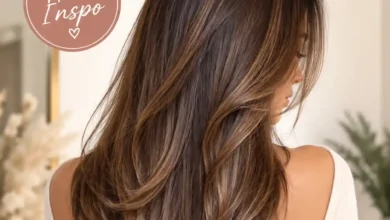
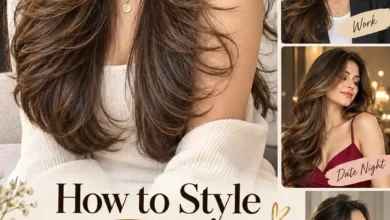
Choosing the right cut is essential for anyone wanting to refresh their appearance while keeping their length. A long layered hair style offers incredible versatility, providing natural movement and bounce to your locks.
Many people love this look because it removes weight without sacrificing the overall silhouette. It is a fantastic way to frame your features and add dimension to your style. By understanding your specific needs, you can achieve a look that feels both effortless and polished.

The perfect approach depends on your unique density, natural texture, and daily lifestyle. Whether you seek extra volume or a sleek finish, customizing your cut ensures a flattering result. We will dive into professional tips for styling and product selection.
This guide explores how to select the best shape for your face. We will also cover essential maintenance routines and healthy habits to keep your tresses looking vibrant. You deserve a routine that supports your goals and keeps your mane in top condition.
Key Takeaways
- Understand how to balance volume and length for your specific face shape.
- Learn why density and texture are critical factors in choosing the right cut.
- Discover professional styling techniques to enhance your natural movement.
- Explore essential maintenance habits that promote long-term vitality.
- Find out which products best support your unique grooming routine.
Why Long Layered Hair Remains a Versatile Choice
Versatility is key in a haircut, and long layered hair stands out. Many want a new look but fear losing the length they’ve grown. Layers offer a compromise, updating your look without cutting off too much.

How Layers Add Movement Without Sacrificing Length
Stylists use special cutting methods to lighten the hair’s ends. This makes your hair feel lighter and more lively. It adds dynamic movement without cutting off too much length.
“Layers are the secret weapon for anyone who wants to maintain length while adding life and texture to their style.”
Which Hair Types Benefit Most From Long Layers
This style works well for various hair types. It’s great for straight, wavy, or thick hair. Here’s how different textures respond to layering:
- Thick hair: Layers reduce weight, avoiding a “triangle” shape.
- Fine hair: Long, subtle layers boost volume and prevent flatness.
- Wavy hair: Layers enhance your natural wave pattern.
Balancing Volume, Shape, and Everyday Wearability
Many fear a complex cut means endless styling. But, long, blended layers are designed for effortless beauty. They don’t require constant styling and grow out well.
With minimal effort, you can look polished. This makes long layered hair perfect for those with busy lives. It offers volume and shape without needing daily heat styling.
Choosing the Best Long Layered Haircut for Your Face Shape
Your face shape is the key to finding the perfect layered style. It’s not about one cut fitting all. Instead, consider how angles and lengths interact with your unique bone structure. Adjusting layer placement can highlight your best features and create harmony.

Long Layers for Oval and Heart-Shaped Faces
Oval faces enjoy a wide range of layered haircuts that complement their balanced look. Layers starting around the chin or collarbone add fullness and modern flair.
For heart-shaped faces, layers starting below the chin are beneficial. They draw attention downward, avoiding the common issue of heavy hair around the temples.
Flattering Layer Placement for Round Faces
Round faces aim to create length and verticality. Choose longer, disconnected layers starting below the chin to avoid adding width to the cheeks.
“The most effective way to elongate a round face is to keep the weight away from the sides and focus on vertical movement through the ends.”
Creating Balance for Square and Oblong Face Shapes
Square faces benefit from softening their strong jawlines with wispy, textured layers. Layers near the cheekbones break up the angularity, creating a softer look.
Oblong faces need width to prevent looking too long. Mid-length layers around the nose or lips add volume, making them some of the best long layered haircuts for balance.
Why Curtain Bangs and Face-Framing Pieces Can Change the Result
Curtain bangs and face-framing pieces are game-changers. They allow you to update your look without sacrificing length. These shorter sections frame your eyes and cheekbones, changing how others see your face.
| Face Shape | Layer Starting Point | Primary Goal |
|---|---|---|
| Oval | Chin Level | Maintain Balance |
| Round | Below Chin | Create Elongation |
| Square | Cheekbone Level | Soften Angles |
| Oblong | Nose/Lip Level | Add Width |
Adding these intentional details makes your style feel custom-made. Whether it’s subtle wisps or bold bangs, these updates refresh classic layered haircuts.
Matching Layers to Your Hair Texture and Density
Your hair’s natural density and texture are key when choosing the best long layered haircuts. Each strand reacts uniquely, making a style that works for one person not always suitable for another. It’s vital to understand these differences to ensure your new look complements your natural beauty.

Soft Layering for Fine or Thin Long Hair
For fine or thin hair, the aim is to maintain fullness. Opt for fewer, longer layers that blend well with the length. This prevents the ends from appearing sparse or stringy.
Minimal layers help keep weight at the hair’s bottom, creating the illusion of thickness. The best long layered haircuts for fine hair often include face-framing pieces, avoiding heavy, choppy layers in the back.
Shaping Thick Hair Without Creating Excessive Bulk
Thick hair needs a different approach to avoid a triangular or “poofy” shape. Stylists use internal shaping or point-cutting to remove weight from the mid-lengths and ends. This makes the hair lay flatter and move more naturally.
- Internal layering: Removes bulk without changing the outer silhouette.
- Texturizing shears: Soften the ends for a lighter, more polished finish.
- Strategic weight removal: Keeps the hair manageable and prevents excessive volume.
Working With Straight, Wavy, Curly, and Coily Textures
How your hair reacts to scissors is critical. Straight hair shows every line, so precision is key for a clean look. Wavy hair benefits from layers, which enhance its natural bend and bounce.
Curly and coily textures need a specialized approach to maintain balance. When looking for the best long layered haircuts, consider how your curl pattern interacts with gravity and moisture.
How Shrinkage and Natural Texture Affect Final Length
It’s important to remember that curls and coils can appear shorter when dry due to shrinkage. A layer cut at shoulder length while wet might reach your chin when dry. Always discuss your desired final length with your stylist to account for this natural movement.
Popular Long Layered Haircuts to Consider
Choosing a style depends on the desired movement and volume. Many popular long hairstyles use weight placement for a flattering silhouette. Whether you seek a sleek look or a wild texture, there’s a cut for you.

Long Face-Framing Layers for a Soft, Polished Shape
Face-framing layers highlight your features without losing length. These layered haircuts cut shorter pieces around the jaw and cheekbones. They create a soft, polished outline that accentuates your eyes and smile.
Long Shag Layers for Relaxed Texture and Volume
The long shag offers an effortless look. It features shorter, choppy layers in the crown for natural texture. This style adds volume to flat hair, giving a relaxed, modern finish.
Butterfly-Inspired Layers for Dramatic Movement
Butterfly-inspired cuts are a top choice for those who love drama. They create shorter, wing-like face-framing layers while keeping length. This results in a bouncy, voluminous look that feels light and airy.
U-Shaped and V-Shaped Layered Haircuts for Long Lengths
The shape of your hair’s perimeter affects your layers. A U-shaped cut rounds out the ends for a soft flow. A V-shaped cut sharpens the back, perfect for thick, healthy ends.
“The secret to a great haircut is choosing a shape that complements your natural hair texture while reflecting your personal style.”— Professional Stylist
| Style | Movement | Maintenance | Best For |
|---|---|---|---|
| Face-Framing | Minimal | Low | Polished look |
| Long Shag | High | Medium | Adding volume |
| Butterfly | Very High | Medium | Dramatic bounce |
| U/V-Shape | Moderate | Low | Defining length |
These layered haircuts offer endless customization options. Understanding how each shape interacts with your hair helps you choose a style that boosts your confidence every day.
Long Hair Trends That Work With Layered Styles
Explore the latest long hair trends to elevate your daily style effortlessly. Today’s focus on movement and simplicity makes it ideal to update your look without drastic cuts. Embrace techniques that enhance your natural beauty.

Blended Layers With Natural-Looking Dimension
Blended layers are a key trend for long hair enthusiasts. They ensure a smooth transition between hair lengths. Your stylist can soften each layer’s edges, allowing your hair to move naturally. This method instantly adds depth, making your hair appear thicker and more vibrant.
Airy Feathered Ends and Bouncy Volume
For those who love movement, feathered ends are perfect. This technique reduces the hair’s weight at the bottom, making it flip and bounce with every step. It’s a great way to achieve a polished, airy aesthetic that feels light and full of life.
Long Layers Paired With Curtain Bangs
Long layers paired with curtain bangs are a top long hair trend. These soft, sweeping bangs beautifully frame the face and blend with your layered cut. They offer a chic, vintage-inspired look that’s easy to style on busy mornings.
Subtle Color Placement That Highlights Layered Movement
Strategic color placement can make your layers stand out without full highlights. Lighter tones on face-framing pieces and hair ends create a dynamic visual effect. This subtle contrast highlights your cut’s shape, ensuring your hair looks healthy and dimensional as it catches the light.
How to Prepare for a Long Layered Haircut
Getting the perfect long layered look requires more than just sitting in the stylist’s chair. Proper preparation ensures a shared vision between you and your stylist, leading to a haircut you’ll love. By gathering hairstyle ideas and considering your daily routine, you lay the groundwork for a successful transformation.

What to Bring to a Salon Consultation
When you arrive at your appointment, bring a collection of hairstyle ideas that reflect your personal style. It’s beneficial to bring three to five clear photos from different angles. Also, be prepared to discuss your hair care routine and any chemical treatments from the past year.
How to Describe Desired Length, Volume, and Face-Framing
Clear communication is essential for achieving your desired look. Start by specifying the shortest desired layer to determine hair movement. Clarify the total length you want and whether you prefer blended or dramatic layers.
Share your styling habits with your stylist. If you prefer air-drying, mention it to enhance natural texture. If you use heat tools, they can adjust layers for better blow-out results.
Questions to Ask Before the First Cut
Don’t hesitate to ask questions before the cut. Ensure the style fits your lifestyle and maintenance budget. Ask about trimming frequency and products for at-home styling.
Why Reference Photos Should Show Similar Hair Texture
Choosing reference photos with similar hair texture is critical. A cut may look great on a model but behave differently on your hair type. Photos matching your natural texture help your stylist set realistic expectations for your look.
| Preparation Factor | Why It Matters | Goal |
|---|---|---|
| Reference Photos | Visual alignment | Clear communication |
| Texture Matching | Realistic results | Manage expectations |
| Styling Routine | Daily maintenance | Ease of use |
| Layer Length | Volume control | Desired shape |
Long Layered Hair Care for Strength and Shine
Maintaining long layered hair health demands a customized approach. Given the varying growth rates, a balanced long hair maintenance strategy is essential. It must address both the scalp and the hair ends.

Building a Gentle Washing and Conditioning Routine
Shampooing should focus on the scalp to remove excess oil and buildup. Let the suds flow down to the lengths as you rinse. This method cleanses without drying out the hair.
Condition the mid-lengths and ends with a specific conditioner. This ensures the most fragile parts get the hydration they need, keeping them soft and manageable.
Detangling Long Layers Without Breakage
Detangle from the bottom up to prevent knots and breakage. This technique is key to maintaining your hair’s integrity.
Use a wide-tooth comb or a brush for wet hair to avoid pulling. Slow, gentle movements protect your style and keep hair smooth.
Using Leave-In Conditioner, Masks, and Lightweight Oils
Use a lightweight leave-in conditioner to keep hair hydrated all day. Deep conditioning masks provide extra nourishment for a healthy, vibrant shine.
Apply a small amount of hair oil to the ends to seal in moisture and prevent frizz. Be cautious not to overdo it to keep hair bouncy and full of life.
Keeping Products From Weighing Down the Shortest Layers
Avoid heavy creams or oils on the shorter layers around your face or crown. These areas are naturally lighter and can lose volume if saturated.
| Product Type | Best Application Area | Primary Benefit |
|---|---|---|
| Clarifying Shampoo | Scalp Only | Removes Buildup |
| Hydrating Conditioner | Mid-lengths to Ends | Adds Softness |
| Lightweight Oil | Tips Only | Seals Split Ends |
| Volumizing Mousse | Roots and Short Layers | Boosts Lift |
Long Layered Hair Styling for Everyday Volume
Mastering layered hair styling elevates your daily routine to a professional level. By working with your hair’s natural movement, you can achieve a salon-fresh look every morning.

Blow-Drying Layers With a Round Brush
Learning how to style long layered hair begins with the right blow-drying technique. Employ a ceramic round brush to create tension. This smooths the cuticle, adding shine.
Direct airflow downward from roots to ends. This prevents frizz and ensures layers lay flat and polished against your head.
Creating Lift at the Crown Without Teasing Too Aggressively
Many turn to backcombing for volume, but it can damage the hair shaft over time. Instead, use moderate tension while blow-drying the crown in the opposite direction of growth.
Once dry, let the hair cool in the lifted position for a few seconds. This gentle approach provides lasting height without damaging teasing combs.
Using Velcro Rollers for Soft, Lasting Bounce
Velcro rollers are a secret for soft, bouncy volume that lasts all day. After blow-drying, wrap the crown sections around large rollers while the hair is warm.
Allow the hair to cool completely before removing the rollers. This sets the shape, giving your layered hair styling a professional, airy finish.
How to Direct Face-Framing Pieces Away From the Face
To create an open and flattering look, always roll or blow-dry face-framing layers away from your face. This highlights your features and prevents hair from falling into your eyes.
| Tool | Primary Benefit | Best For |
|---|---|---|
| Round Brush | Smooths and shapes | Polished ends |
| Velcro Rollers | Adds lasting volume | Crown lift |
| Concentrator Nozzle | Controls airflow | Frizz reduction |
How to Style Long Layered Hair With Heat Tools
Mastering how to style long layered hair unlocks your haircut’s full texture and natural bounce. Proper layered hair styling prevents flat or uniform layers. Instead, it showcases beautiful movement and dimension.

Creating Loose Waves With a Curling Iron
To achieve a relaxed, effortless look, use a curling iron with a barrel size of at least 1.25 inches. Alternating the direction of your curls—curling one section toward your face and the next away—prevents the hair from clumping together.
This technique creates a natural, tousled effect that highlights the different lengths of your layers. Keep the ends of your hair out of the iron for a modern, beachy finish that feels light and airy.
Making Smooth, Flipped Ends With a Flat Iron
If you prefer a sleek, polished appearance, a flat iron is your best tool for creating subtle movement. Gently rotate your wrist as you pull the iron through the ends of your hair to create a soft, inward or outward flip.
This simple motion adds sophistication to your style and prevents the ends from looking too blunt. By focusing on the ends, you maintain the volume at the roots while adding a touch of intentional shape to your long layers.
Choosing Heat Settings for Fine, Thick, or Textured Hair
Selecting the correct temperature is vital to prevent damage while ensuring your style lasts throughout the day. Fine hair requires lower heat to avoid breakage, while thicker or coarser textures may need higher temperatures to hold a shape effectively.
| Hair Type | Recommended Temp | Tool Technique |
|---|---|---|
| Fine/Damaged | 250°F – 300°F | Quick passes |
| Medium/Normal | 300°F – 350°F | Steady movement |
| Thick/Coarse | 350°F – 400°F | Slower, controlled passes |
Applying Heat Protectant and Allowing Hair to Cool Before Brushing
Always apply a high-quality heat protectant spray to damp or dry hair before using any hot tools. This creates a necessary barrier that keeps your strands strong and shiny.
Once you finish curling or smoothing a section, let the hair cool completely before you touch or brush it. Allowing the hair to set in its new shape ensures that your style remains bouncy and defined for much longer.
Low-Heat Hairstyle Ideas for Long Layered Hair
Many popular long hairstyles use simple, heat-free methods to add movement and volume. By avoiding thermal tools, you protect your hair’s ends while achieving a polished look. These hairstyle ideas are great for quick mornings when you want to look good without extra effort.

Air-Dried Waves With Leave-In Styling Products
Air-drying is excellent for bringing out your hair’s natural texture. Begin by applying a light leave-in conditioner or curl-defining cream to damp hair. Scrunching your hair as it dries promotes soft, beachy waves. These waves showcase your hair’s layers beautifully.
Half-Up Styles That Show Off Face-Framing Layers
Half-up styles are perfect for keeping hair away from your face while showing off your length. Pulling back just the top section lets your shorter layers frame your face and jawline. This creates a soft, romantic aesthetic suitable for both casual and professional settings.
Low Ponytails and Buns With Intentional Loose Pieces
For a relaxed yet chic look, try a low ponytail or a loose bun at the nape. Leave a few strands out to frame your face and add effortless charm. These popular long hairstyles are versatile and gentle on your hair.
Preventing Elastic Damage and Friction During Updos
When styling your hair up, choose fabric-covered elastics or silk scrunchies to prevent breakage. Avoid tight hair pulls, as they can harm your delicate layers. Gentle styling keeps your hair strong and healthy, even when styled up often.
Maintaining Long Layered Hair Between Salon Visits
Proper long hair maintenance is key to keeping your layers bouncy and healthy for months. When you get a layered cut, you want to protect that shape. Consistent care prevents minor damage from traveling up the hair shaft, keeping your ends crisp and full.

How Often to Trim Layers and Preserve the Overall Shape
Most stylists suggest a light dusting or trim every 8 to 12 weeks to maintain your layers. Waiting too long can cause your hair’s weight to pull the layers down, losing their movement. Regular visits help keep your haircut balanced and easy to style at home.
“The health of your hair is a reflection of your commitment to maintenance; a small trim today saves you from a major chop tomorrow.”— Professional Stylist
Recognizing Split Ends, Dryness, and Uneven Growth
It’s vital to watch for signs that your hair needs professional attention. You might notice rough ends or increased tangling. These are classic signs of split ends.
Also, observe how your layers fall. If one side grows faster or loses shape, it’s time for an appointment. Ignoring these signs can lead to noticeable breakage, making your hair look thin and tired.
| Sign of Wear | What It Means | Recommended Action |
|---|---|---|
| Rough Ends | Dryness and cuticle damage | Deep condition and trim |
| Persistent Tangles | Split ends catching on each other | Professional dusting |
| Uneven Layers | Natural growth variation | Shape refresh |
Refreshing the Style Without Removing Too Much Length
Many fear that a trim will ruin their progress, but a targeted refresh is different. When you visit your stylist, ask them to focus on cleaning up the perimeter and dusting the ends. This preserves your length while restoring your style’s bounce and vitality.
Effective long hair maintenance relies on clear communication. By explaining you want to keep your length, your stylist can use precision techniques to remove only damaged bits. This keeps your hair looking polished and healthy until your next major transformation.
Common Long Layered Hair Mistakes to Avoid
Many aspire to achieve a salon-quality look at home. Yet, mastering how to style long layered hair correctly is key to sidestepping common pitfalls. Even the most precise cuts can falter if you inadvertently work against your hair’s natural texture. Recognizing these frequent errors helps maintain your hair’s health, bounce, and vitality.
Requesting Too Many Short Layers for Your Hair Density
During the initial consultation, a common mistake is made. For those with fine or thin hair, too many short layers can strip away the necessary weight. This results in a stringy look, opposite of the voluminous style you might seek.
It’s vital to discuss your hair density with your stylist before finalizing a cut. They can guide you to a balance that enhances movement without compromising your hair’s thickness.

Using Heavy Products That Flatten Movement
When exploring how to style long layered hair, the temptation to use heavy creams or thick oils to tame frizz is strong. Yet, these can weigh down your layers, stifling their natural bounce and flow. Instead, choose lightweight mousses or serums that offer hold without stifling your hair’s movement.
Overusing Heat and Brushing Through Dry, Brittle Ends
Excessive heat tool use can quickly cause split ends and breakage, a particular concern for the delicate ends of long layers. Dry hair should be treated gently, avoiding harsh brushing that can snap brittle strands and disrupt layer transitions. Always apply a heat protectant spray and consider air-drying to preserve your hair’s integrity.
When a Professional Correction Is Safer Than a DIY Fix
Severe unevenness or significant heat damage often necessitates professional intervention. DIY attempts to correct a bad haircut can lead to further thinning or unintended shorter lengths. A stylist, skilled in how to style long layered hair, can perform a professional correction, restoring your hair’s shape safely and effectively.
Making Long Layered Hair Look Polished on Any Day
Keeping your long, layered hair looking salon-fresh every day is the ultimate goal. The right approach to layered hair styling ensures your haircut remains intentional and vibrant. This is true from morning till night.

Simple Finishing Techniques for Frizz Control
Frizz can hide the beauty of your layers. To combat this, apply a small amount of smoothing cream to your palms. Work it through the mid-lengths to the ends.
This method keeps your hair sleek without weighing it down. Consistency is key in managing flyaways all day.
“True elegance in hair is found in the details, where a simple touch of care transforms a standard look into a polished statement.”
Adding Shine Without Making Hair Look Greasy
Adding a healthy glow is essential for highlighting your layers’ movement. Use a lightweight oil or shine serum, focusing on the ends of your hair.
Avoid applying these products near the roots to prevent an oily look. A tiny drop is usually enough for a radiant finish that catches the light beautifully.
Adapting Layered Hair for Work, Weekends, and Special Events
You don’t need a full restyle to change your look for different occasions. Simple adjustments can make your hairstyle ideas feel fresh and new. This is done without altering the structure of your cut.
- For professional settings, try a sleek, low ponytail that highlights your face-framing layers.
- On weekends, embrace a messy bun with loose, intentional pieces pulled out to frame your face.
- For special events, use a curling iron to add soft waves that emphasize the depth of your layers.
Matching Accessories and Partings to the Layered Shape
Changing your part is one of the fastest ways to shift your style. A deep side part can add instant volume. A center part creates a more symmetrical, modern aesthetic.
Pairing these looks with the right accessories, such as silk scrunchies or decorative clips, helps secure your layers. It adds a touch of personality. These small changes allow you to adapt your look effortlessly for any environment.
Conclusion
Understanding your hair texture and face shape is key to achieving the perfect style. A successful long layered haircut complements your natural density and fits your daily life. Healthy habits and gentle care keep your hair moving and shining for months.
Using heat wisely and getting regular trims are essential. These steps keep your layers looking fresh and prevent breakage. When your haircut aligns with your lifestyle, you feel more confident.
Stay updated with the latest long hair trends to inspire your next visit to the stylist. Choose a shape that reflects your personal style. You deserve a haircut that makes you feel polished and ready for anything.
Share your favorite styling tips with friends or post them online. Your journey to beautiful, healthy hair can guide others looking for a change. Enjoy the versatility and bounce of a well-done haircut.
FAQ
What are the main benefits of choosing long layered hair over a one-length cut?
Opting for long layered hair offers the best of both worlds. It keeps your signature length while removing “visual weight” that can make hair look flat. Layered haircuts introduce movement, bounce, and a sense of effortless flow. Whether you want to boost volume at the crown or create soft face-framing pieces, layers make your hair much more dynamic and easier to style for various long hair trends.
How do I determine the best long layered haircuts for my specific face shape?
The key is where the first layer begins. For oval and heart-shaped faces, layers that start around the cheekbones can highlight your bone structure beautifully. If you have a round face, starting layers below the chin helps elongate the look. For square or oblong shapes, soft, wispy layers can help balance stronger jawlines. Incorporating curtain bangs is another fantastic way to customize the fit for any face shape without sacrificing the overall length in the back.
Is it difficult to learn how to style long layered hair at home?
Not at all! Achieving a professional look is simple with the right tools. For a classic blowout, many stylists recommend using a high-quality round brush and a tool like the Dyson Supersonic to direct airflow down the hair shaft. For that “90s supermodel” bounce, Velcro rollers are a game-changer. Simply roll the top sections while they are warm and let them set for 10-15 minutes to lock in layered hair styling that lasts all day.
Which popular long hairstyles are currently trending for layered hair?
Right now, butterfly-inspired layers are incredibly popular because they create dramatic volume and a faux-short look in the front while keeping the back long. The long shag is another favorite for those who love a “rock-n-roll,” lived-in texture. If you prefer a more classic silhouette, U-shaped and V-shaped cuts remain the gold standard for maintaining a polished, thick appearance at the ends while enjoying the perks of popular long hairstyles.
What are some essential long hair maintenance tips to keep my layers looking healthy?
To keep your layers from looking “stringy” or dry, focus on long hair maintenance that prioritizes moisture. Use a deep conditioning treatment like the Briogeo Don’t Despair, Repair! mask once a week. When detangling, always start from the ends and work your way up to avoid tension on the shorter layers. Regularly applying a lightweight oil, such as Moroccanoil Treatment Light, to the ends will keep the hair shiny and prevent split ends from traveling up the hair shaft.
Can I get layers if I have fine or thin hair without it looking too sparse?
Absolutely! The trick is to request blended, long layers instead of “choppy” ones. For fine hair, fewer layers are often better to maintain the density of the perimeter. Your stylist can use “internal layering” to create lift at the root without thinning out the bottom. This approach provides the hairstyle ideas you want for volume while ensuring your hair stays thick and full.
How can I use heat tools for layered hair styling without causing damage?
Always start with a high-performance heat protectant like ghd Bodyguard. When using a curling iron, try alternating the direction of the curls to emphasize the different lengths of your layers. If you prefer a sleek look, a flat iron like the T3 Lucea can be used to gently flip the ends inward or outward, which highlights the texture of the cut. Allowing the hair to cool completely before brushing through the waves will ensure your best long layered haircuts stay defined.
What should I bring to my salon appointment to ensure I get the look I want?
The most important thing is to bring reference photos that feature a similar hair texture and density to your own. If you have curly hair, showing a photo of a straight-haired cut might lead to unexpected results due to “shrinkage.” Be prepared to discuss your daily routine—if you prefer air-drying, let your stylist know so they can tailor the layered haircuts to work with your natural movement, not daily heat styling.