Drooling In Your Sleep Could Actually Be A Big Tell About Your Health, And Experts Know Exactly What To Watch Out For


Waking up to a damp pillow is one of those small, slightly embarrassing mysteries: you went to sleep a normal person and woke up in a puddle of your own making. The reassuring news is that occasional drooling in your sleep is extremely common and usually harmless. Your body keeps producing saliva all night, but you swallow far less often while asleep — so if your mouth falls open, gravity does the rest.
But drooling is not always meaningless. When it is new, heavy, or suddenly much worse than it used to be, it can be your body’s quiet way of flagging something worth attention — from a blocked nose to a sleep disorder. Here is what sleep and family-medicine experts say drooling in your sleep can actually tell you about your health, and when it is time to mention it to a doctor.
This article is general health information, not medical advice. If something below sounds familiar and persistent, a doctor can work out what is going on in your specific case.
First, Why Do We Drool in Our Sleep at All?

Saliva production does not clock off when you do. All night, your glands keep making it — but the automatic swallowing that clears it during the day slows to a trickle in deep sleep. If your lips part or your head tilts so your mouth is the lowest point, that pooled saliva simply escapes.
That is why side and stomach sleepers drool the most: the plumbing points downhill. Occasional drool, especially during a cold or after an exhausting day, is your body working exactly as designed. The interesting question is what changes when drooling becomes a nightly event.
1. Mouth Breathing

The number one mechanical cause: an open mouth. If you breathe through your mouth at night — because of habit, anatomy, or a nose that is not doing its job — saliva has an open door and a downhill path. Mouth breathers drool far more than nose breathers, and often wake with a dry, sticky mouth to prove it.
A dry sleeping environment makes it worse. Heated or air-conditioned rooms, arid climates, and even a ceiling fan blowing across your face can dry the mouth out, which paradoxically prompts the body to produce extra saliva to compensate — more supply, same open door.
2. Your Sleep Position

Unless you sleep flat on your back one hundred percent of the night, the occasional wet pillow is almost unavoidable. Side sleeping pools saliva into the lower cheek; stomach sleeping points your mouth straight at the pillow. Both positions turn a normal amount of saliva into visible drool.
Position alone is rarely a health concern — it is simply physics. But it does explain why drooling comes and goes: a week of sleeping differently, a new pillow height, or a partner stealing your usual side of the bed can all change the outcome.
3. Sleep Disorders, Especially Sleep Apnea

This is the cause doctors take most seriously. In sleep apnea, breathing repeatedly pauses during the night; the body responds by breathing through the mouth, gasping, and churning through lighter, more fragmented sleep — all of which raises the odds of drooling.
Drooling that arrives alongside loud snoring, witnessed pauses in breathing, waking up gasping, morning headaches, or heavy daytime sleepiness deserves a proper conversation with a doctor. Apnea is common, underdiagnosed, and very treatable once it is found — and a wet pillow, oddly enough, is sometimes the clue that starts the investigation.
4. Age and Lifestyle Factors

Everyday habits quietly shape your saliva situation. A large meal shortly before bed and alcohol in the evening both relax the body and disrupt sleep architecture, and both are linked with more nighttime drooling. Alcohol also relaxes the muscles that keep your mouth closed and your airway tidy.
Age plays a role too. In children, persistent heavy drooling can be a sign of enlarged tonsils or adenoids crowding the airway. In adults, being overweight and conditions such as diabetes raise the risk of the breathing problems that sit behind a lot of nighttime drooling.
5. Colds, Allergies, and a Blocked Nose

Your nose is not just a smell organ — it warms, filters, and humidifies the air you breathe, and it is the route that keeps your mouth closed at night. When a cold virus, flu, or allergies stuff it up, you default to mouth breathing, and drooling follows almost automatically.
This is why the worst pillow-soaking nights of your life probably coincided with a head cold. The good news: congestion-driven drooling usually resolves with the cold. Drooling that outlasts the sniffles by weeks points to something else on this list.
6. Acid Reflux

Reflux and saliva are in a feedback loop. When stomach acid creeps upward — something lying flat makes much easier — the body produces extra saliva as a natural defence, to wash the acid back down and soothe the oesophagus. More saliva plus a horizontal body equals a strong drooling tendency.
Nighttime heartburn, a sour taste on waking, or a hoarse morning voice alongside new drooling is a pattern worth raising at your next appointment. Reflux is very common and usually manageable once identified.
7. Dental and Oral Problems
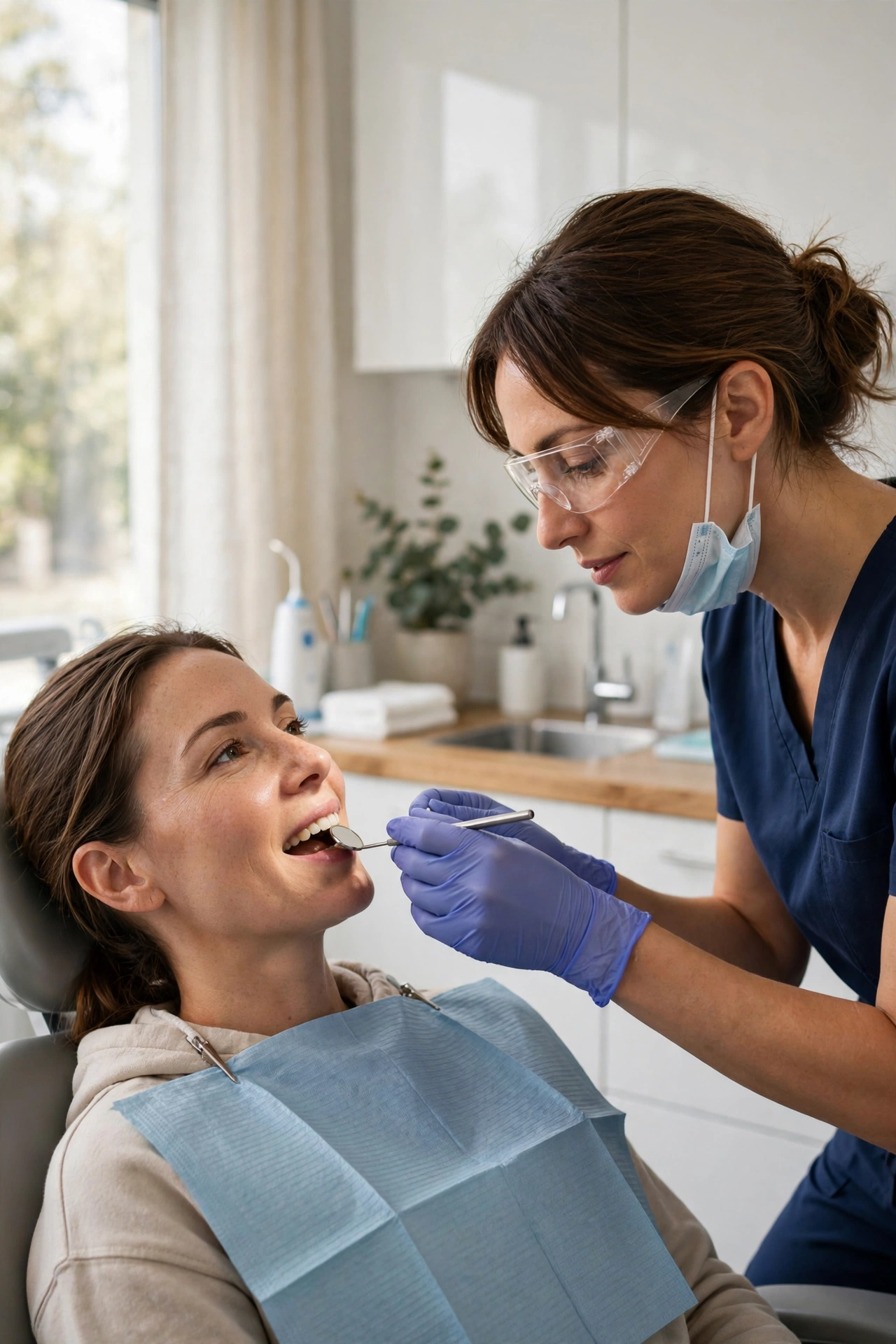
Your mouth’s structure and health shape how well it seals at night. Mouth ulcers, oral infections, and gum irritation can all increase saliva production. So can dental alignment issues: people with an open bite, for example, may physically struggle to keep their lips fully closed during sleep.
Dentures and other oral appliances change the equation too, especially while you are adjusting to them. If drooling started alongside tooth pain, a new appliance, or a sore that will not heal, the dentist — not just the doctor — belongs on your list.
8. Neurological Conditions

Swallowing and keeping your mouth closed are muscle skills, and some neurological conditions interfere with them. Drooling is a recognised feature of conditions that affect muscle control and swallowing coordination, and it can appear when those abilities change.
This is the category experts flag most clearly: drooling that is new, heavy, and persistent — particularly if it also happens during the day, or comes with swallowing difficulty — should always be assessed promptly. It does not automatically mean something serious, but it is not a symptom to sit on either.
9. Medication Side Effects

A surprising number of medicines nudge saliva up or swallowing down. Some sedatives and anti-anxiety medications relax the muscles involved in swallowing; certain antipsychotic medications are well known for increasing saliva; and a range of common drugs — many antidepressants, some bladder-control medicines, and many antihistamines among them — dry the mouth out, triggering compensatory saliva production.
The clue is timing. If the drooling began after starting a new medication or a dose change, that is genuinely useful information for your doctor. Never stop a prescribed medication over drooling — but do report it; there is usually an adjustment or alternative.
When Should You Actually Be Concerned?

An occasional damp pillow is normal life. Drooling earns a doctor’s attention when it is frequent, soaks through night after night, is clearly new or worsening in adulthood, or travels with company: loud snoring, breathing pauses, gasping awake, major daytime sleepiness, swallowing problems, or repeated chest infections (which can be a sign that saliva or food is going down the wrong way).
A useful rule of thumb: you are not producing “too much” saliva in most cases — it is escaping or not being cleared. Your doctor’s job is to find which step in that chain changed, and many of the causes on this list — a blocked nose, reflux, a medication — are very fixable once found.
What You Can Do About It

For occasional drooling, start with the mechanics: try training yourself toward back sleeping, treat the congestion, keep evening meals lighter and earlier, and go easy on alcohol before bed. Solid sleep hygiene — a regular schedule, a cool dark room, a real wind-down — improves nearly every item on this page, and my guides to bedtime stretches for better sleep and sleeping through a noisy environment cover the routine side of the equation.
If the drooling persists, a doctor may check your nose, throat, teeth, and medication list, and — where apnea is suspected — refer you for a sleep study, which these days can often begin with a home test. Swallowing concerns may lead to an assessment with a speech and language therapist. None of it is dramatic; all of it starts with simply mentioning the pillow.
So yes — a wet pillow is usually just a wet pillow. But when it changes, persists, or brings friends, it is your body filing a small, damp report. It is worth reading.