Group of Bystanders Hailed as Heroes After Saving Pickleball Player’s Life

Charlie Corle, 72, had only just stepped up to play pickleball at Udall Park in Tucson, Arizona, when the ordinary game turned into a fight for his life. He felt dizzy, leaned forward, and passed out. He had gone into cardiac arrest, and what happened in the minutes that followed is why a group of parkgoers is now being hailed as heroes.
Retired E.R. doctor Dr. Ron Widman was at the park that day, and he ran over as soon as he saw what had happened. He found Corle on the ground, unconscious, unresponsive and not breathing, with no pulse, and he started CPR, giving chest compressions right there on the spot.
He was not alone for long. An off-duty Tucson paramedic also performed CPR, two retired nurses opened Corle’s airway, and two others ran to get an AED. In all, six bystanders came together around one man in trouble, each doing the job that was needed in that moment.
The group then used the AED to deliver two shocks to Corle’s heart. Soon after, he began breathing again.
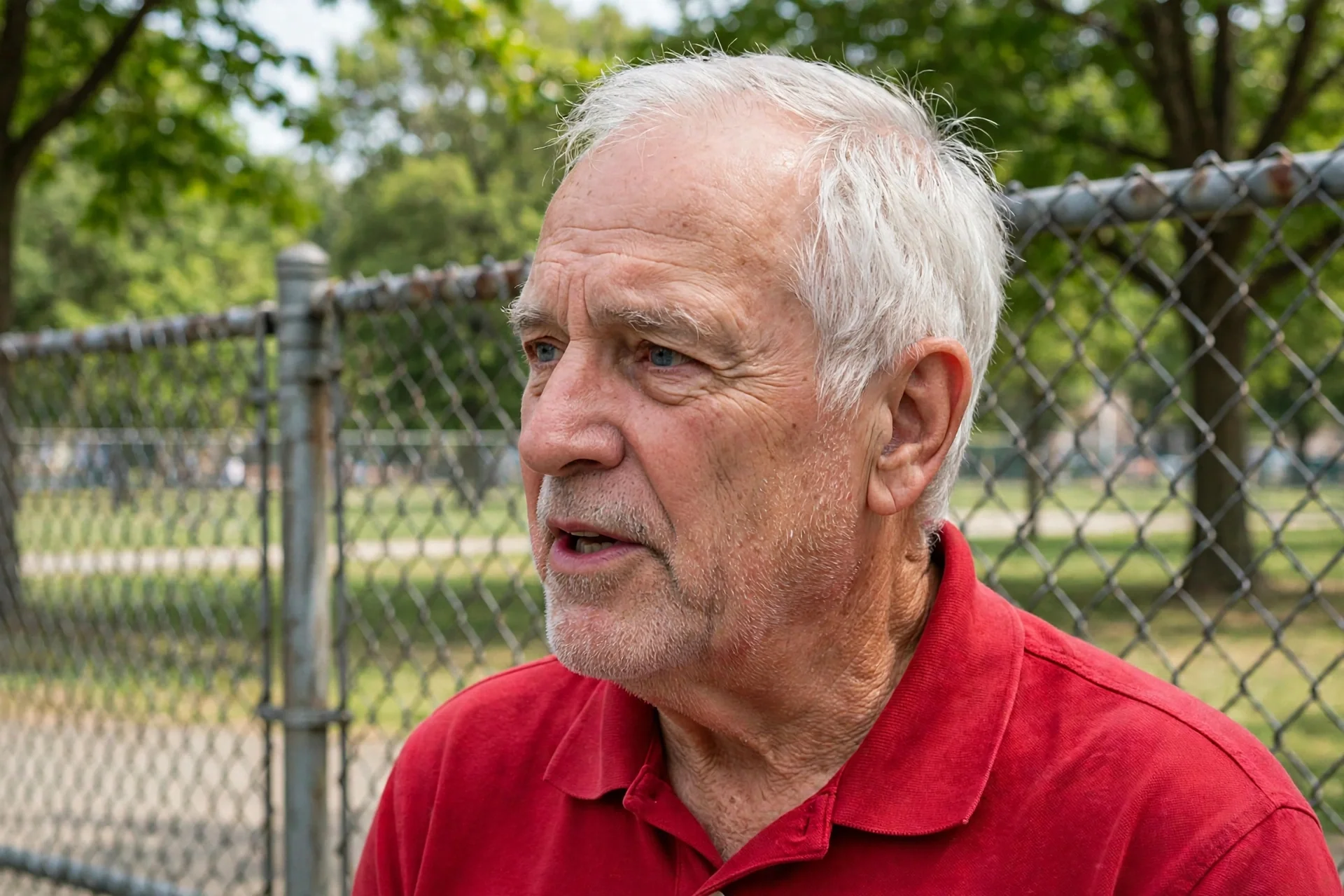
Corle recovered well, and his first wish after recovering was to thank the people who had saved him. Widman later spoke about how uncommon such an outcome is, saying only about 10 percent of people who receive CPR from bystanders recover and are able to leave the hospital. “Unbelievable. It still brings a tear to my eye,” he said.
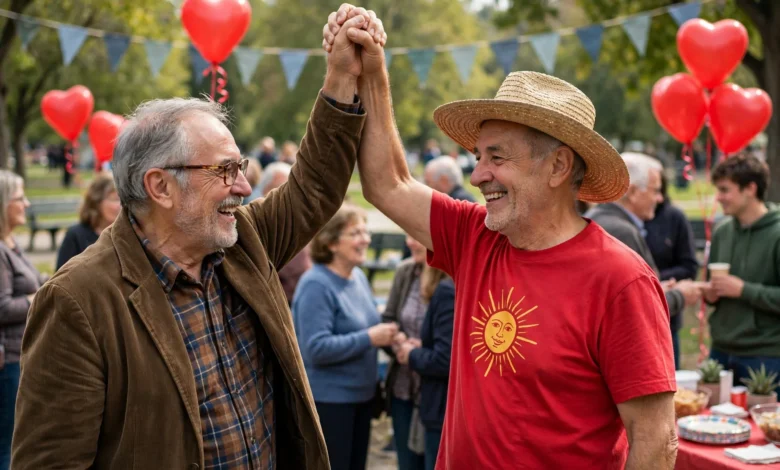
Tucson’s Carondelet Health Network helped organize an event in the park to celebrate the six people who helped that day, and Corle gave them a nickname that has stuck: “Charlie’s Angels.” He spoke of rehab, of family and community being present, and of seeing, playing with and hugging the parkgoers who saved him.
The story also carries a wider lesson that the article sets out in general terms, not as Corle’s own treatment details. The American Heart Association is cited for the point that immediate CPR can double or triple a cardiac-arrest patient’s chances of survival, and that an AED helps even more. Carondelet nurse Manuel Montano told KOLD that Corle’s case shows why people should learn CPR and AED use, noting that many cardiac events happen at home, often involving a loved one.
The American Red Cross guidance quoted in the article is simple: call 911, or ask someone else to, before beginning chest compressions at 100 to 120 per minute in the center of the chest, pausing to give two breaths; start CPR only if the person is unresponsive and not breathing normally; and use an AED as soon as one is available.
For Corle, that chain of quick, ordinary actions by strangers in a park made all the difference — and it is why six bystanders, most of them known only by the roles they played that day, are being celebrated as heroes.