17 Things That Were Everywhere In The 2000s — And Then Quietly Vanished

Nothing dates a decade like its ordinary objects. The 2000s and early 2010s were not that long ago, yet a surprising amount of their everyday furniture — the shops, the gadgets, the rituals — has vanished so completely that describing it to a teenager now requires footnotes. Nobody announced these endings. There was no final day for the video store or the ringtone; they simply stopped being part of life while we were looking at our phones. It is the same quiet disappearance we traced in music with our list of singers who were everywhere, then suddenly disappeared. Here are 17 things that were everywhere — and then, quietly, were not.
1. Paying For Ringtones By Text
There was a time when your phone’s ringtone was a purchase, a personality statement, and a small weekly bill. Adverts scrolled numbers across the TV — text this code, get that tinny polyphonic hit — and a few pounds or dollars later, your phone chirped a compressed version of the charts at half volume. Nobody set out to end the ringtone business; the smartphone simply absorbed it. Once any song could be any alert for free, paying per ring became unthinkable — and the public ringtone itself followed, as phones went permanently silent and vibrating.
2. Living On MSN Messenger And AIM
For a generation, the social day began after school, at a family computer, signing into MSN Messenger or AIM. You curated a screen name, set a moody lyric as your status, nudged friends until their window shook, and read enormous meaning into who was “online”, who was “away” and who had blocked whom. The messengers did not lose an argument; the phone in your pocket made “signing in” meaningless. When everyone is always reachable, the ceremony of arriving online disappears — and so did the green dot’s little thrill.
3. Choosing A Car Stereo From A Demo Wall
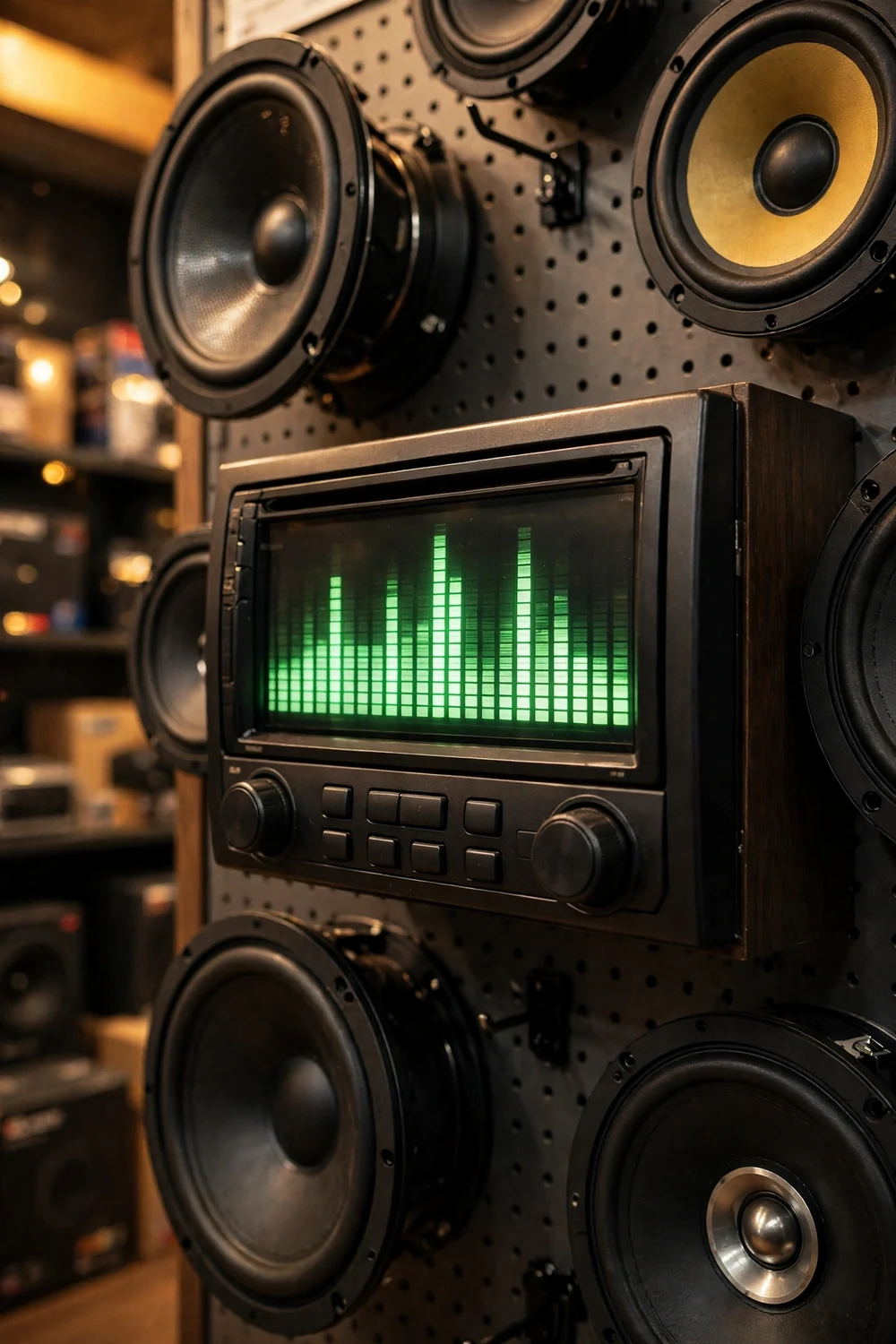
Electronics shops once had a wall for one job: dozens of car stereo head units wired to speakers, waiting for you to press buttons and compare. Upgrading your car’s sound — detachable faceplate, flashing equaliser, maybe a subwoofer that announced you streets away — was a rite of passage and a serious purchase. Then carmakers started building good systems in, phones took over the music, and the demo wall became as obsolete as the CDs it was built to play.
4. Microsoft’s Zune
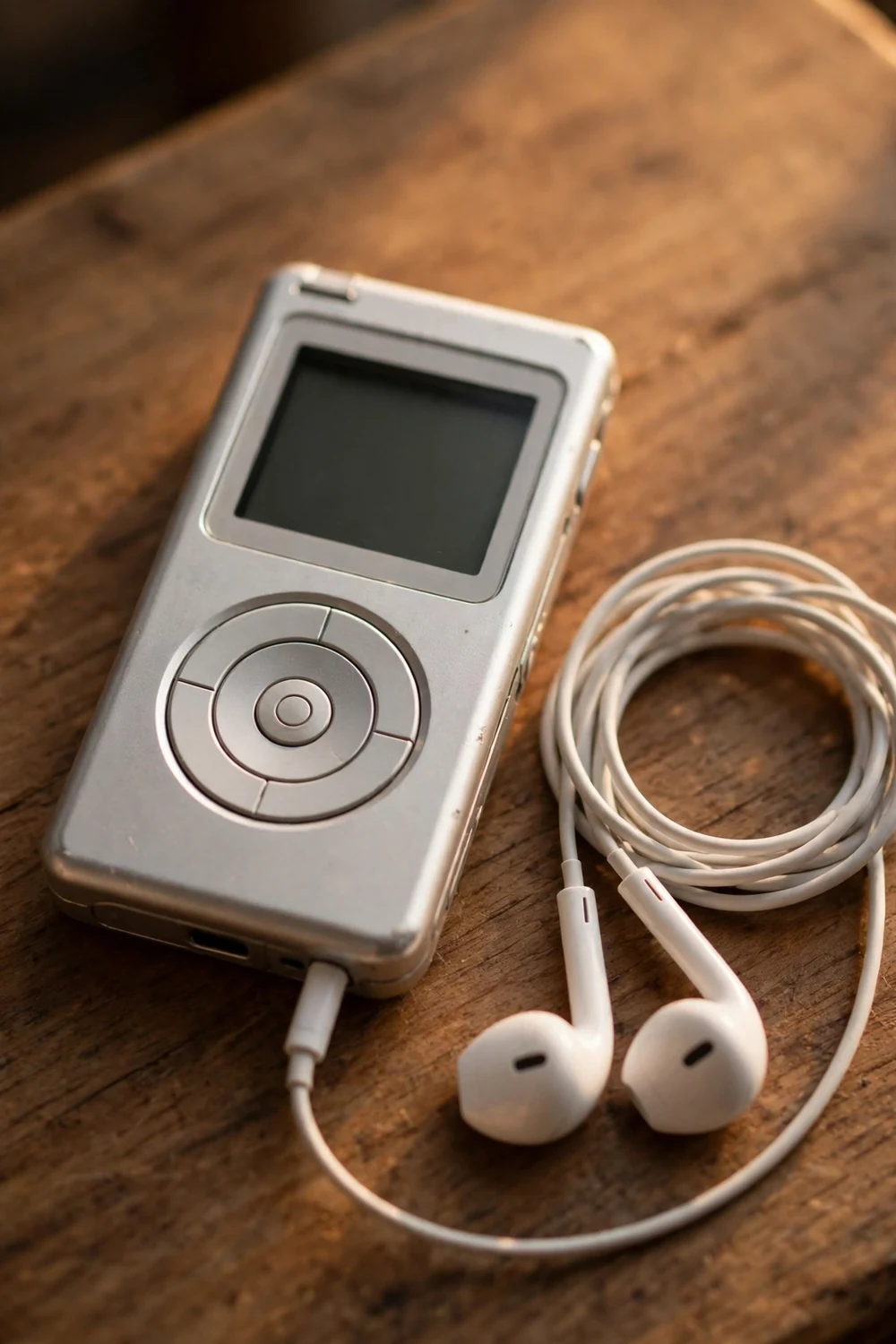
The Zune was not a bad product. It was, in many ways, a thoughtful one — a big screen, a clever interface, even a way to share songs wirelessly with another Zune owner, if you could find one. But it arrived in 2006 to fight an iPod that had already become the generic word for MP3 player, and “almost as good, but later” is a brutal position in tech. Microsoft quietly ended the line in the early 2010s, and the Zune survives mainly as shorthand for being right at the wrong time.
5. Learning Things From Cable TV
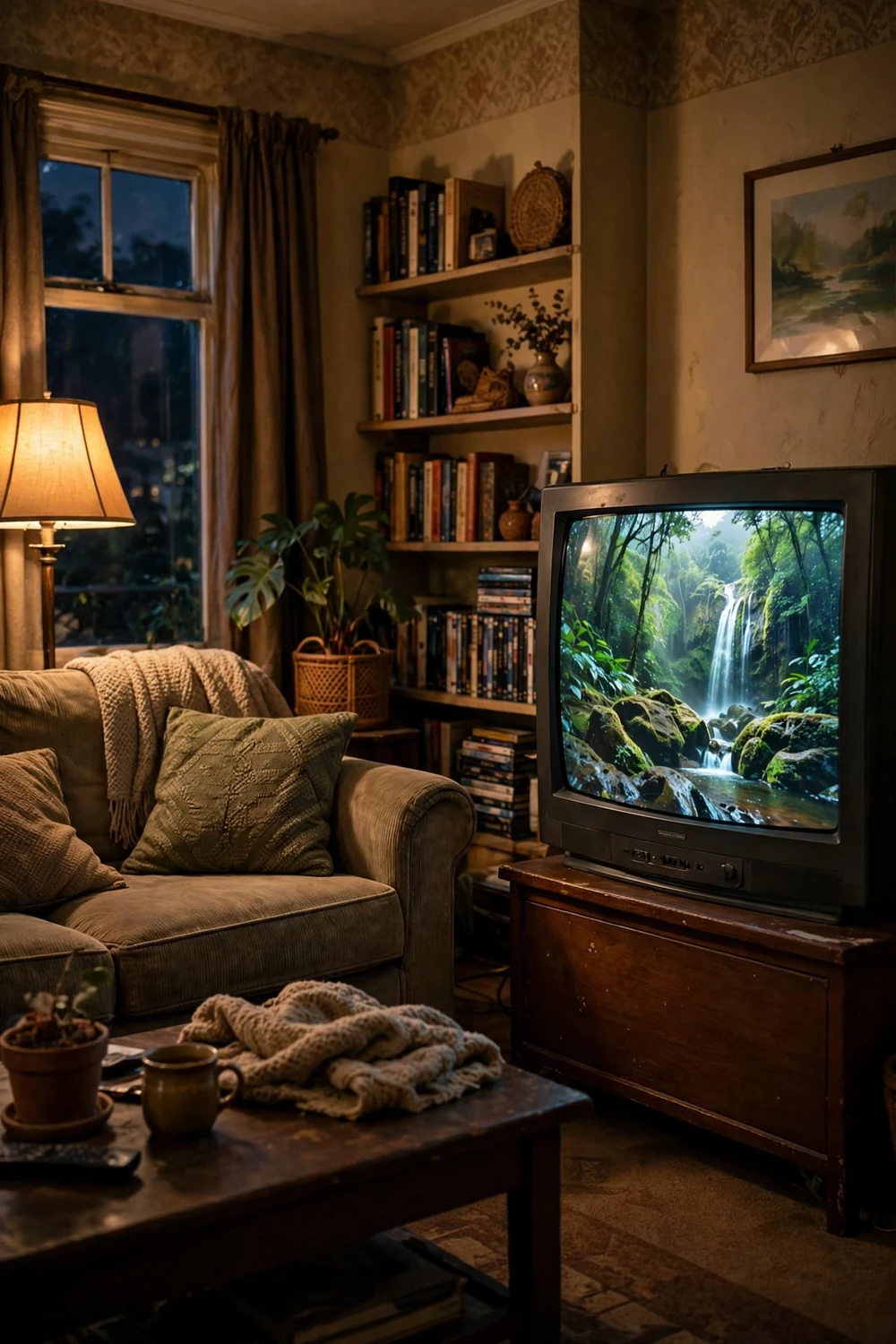
It is hard to overstate how educational cable once was by default. Discovery meant sharks and survival, History meant documentaries, and food channels taught actual cooking to people half-watching with dinner. The schedule educated you by accident — you absorbed things simply because they were on. Reality formats gradually ate the schedules, the genuinely educational content migrated to streaming and YouTube, and the channels remained while their mission evaporated. The names never changed; what they are for quietly did.
6. A Web Built On Flash
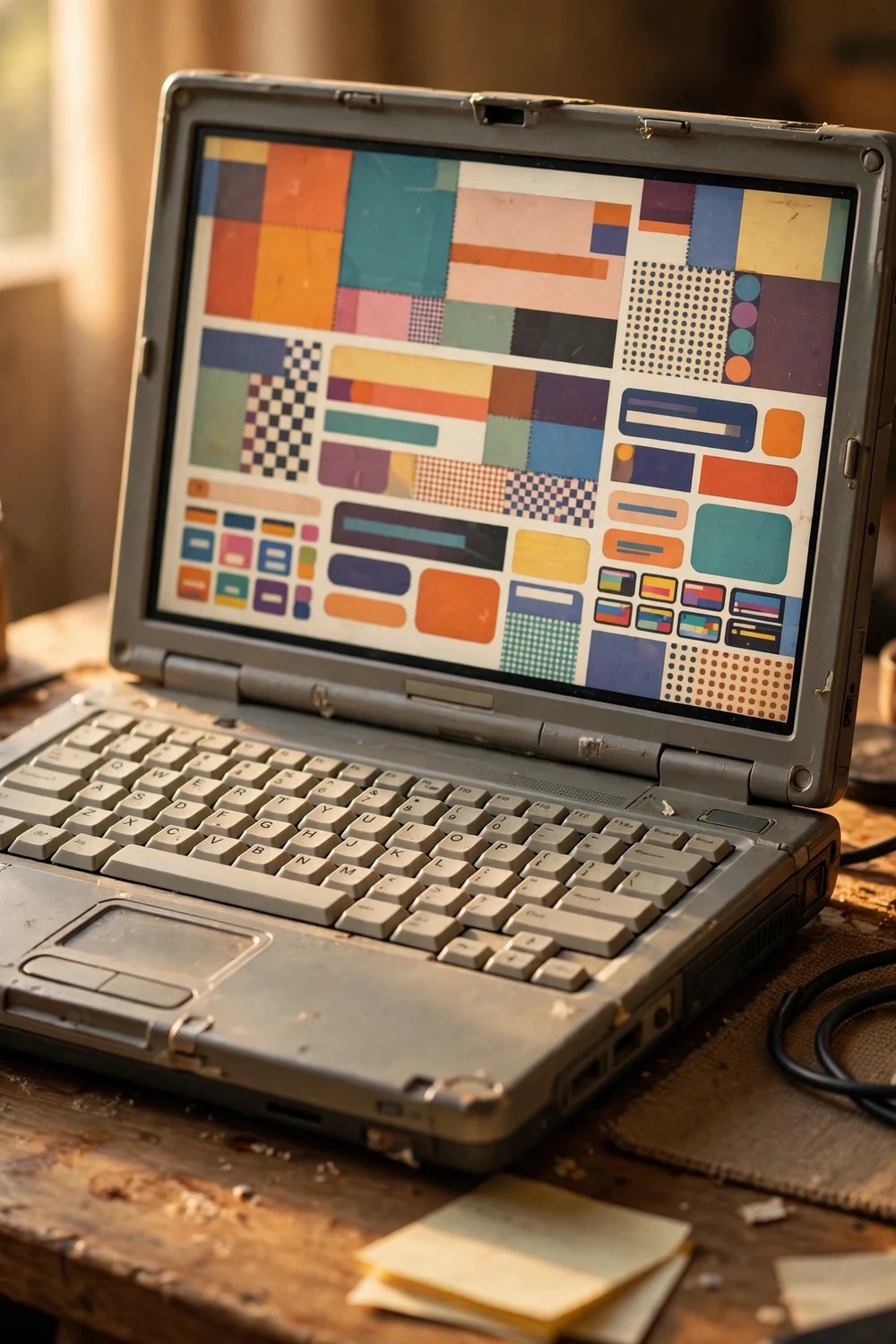
The 2000s internet ran on Adobe Flash: the games, the animations, the video players, the gloriously chaotic personal pages. Whole creative careers were built inside it, and a whole era of web culture — the cartoons, the dress-up games, the interactive everything — existed because one plugin made browsers playful. Flash was also slow, insecure and hopeless on touchscreens. When phones refused to support it, the web rebuilt itself in HTML5, browsers pulled the plug in 2020, and a generation of internet art became almost impossible to load.
7. Friday Night At Hollywood Video
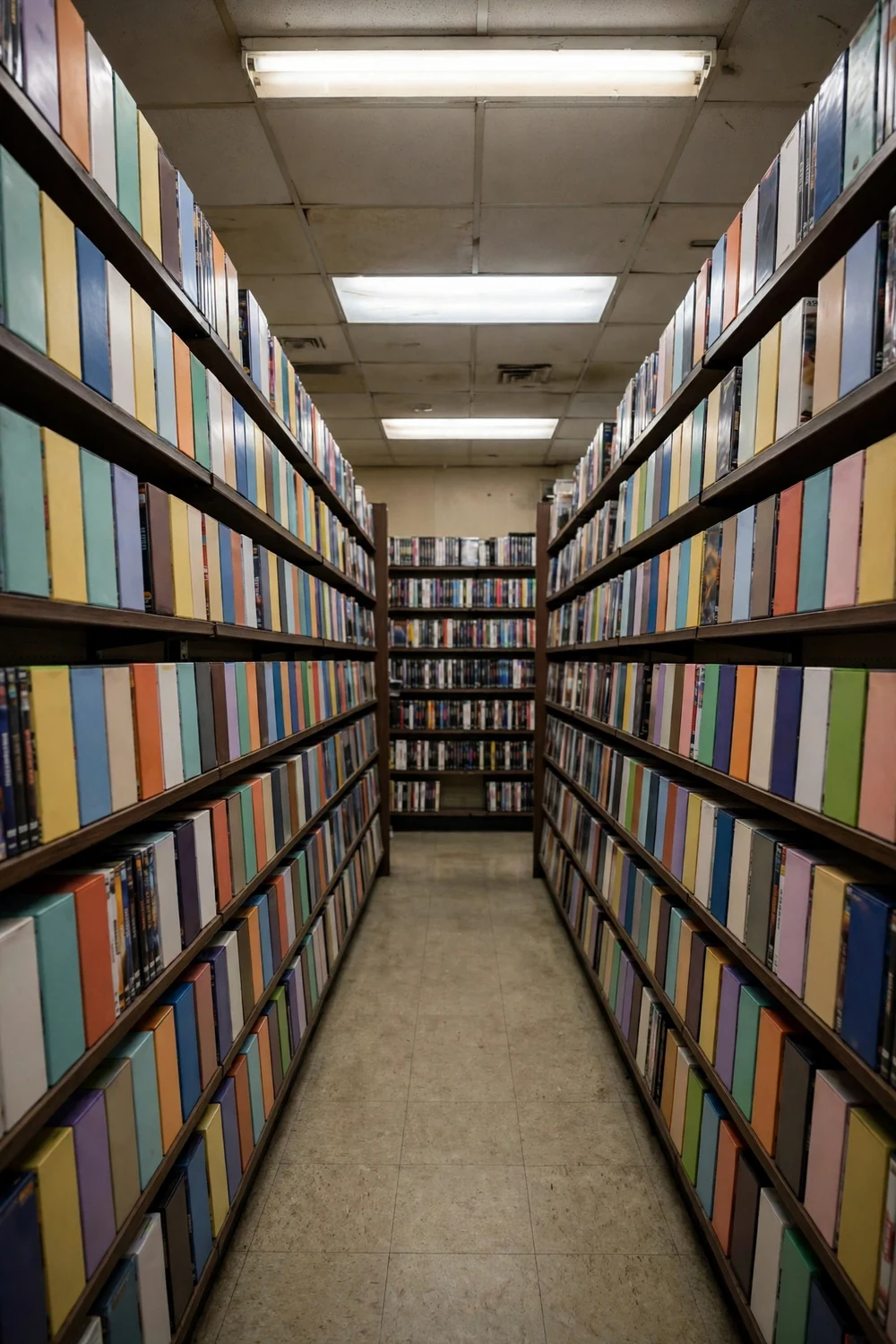
Before the algorithm chose for you, you chose — physically, on a Friday night, walking the aisles of the video store while someone you loved vetoed your picks. Hollywood Video was the other big name in that ritual, and for years it thrived in Blockbuster’s shadow with its own loyal towns. Streaming removed the errand, and with it a whole social texture: the new-release wall, the bargain bin, the argument at the counter about whose turn it was to pick. The stores did not fade; the habit was deleted.
8. And Blockbuster Itself
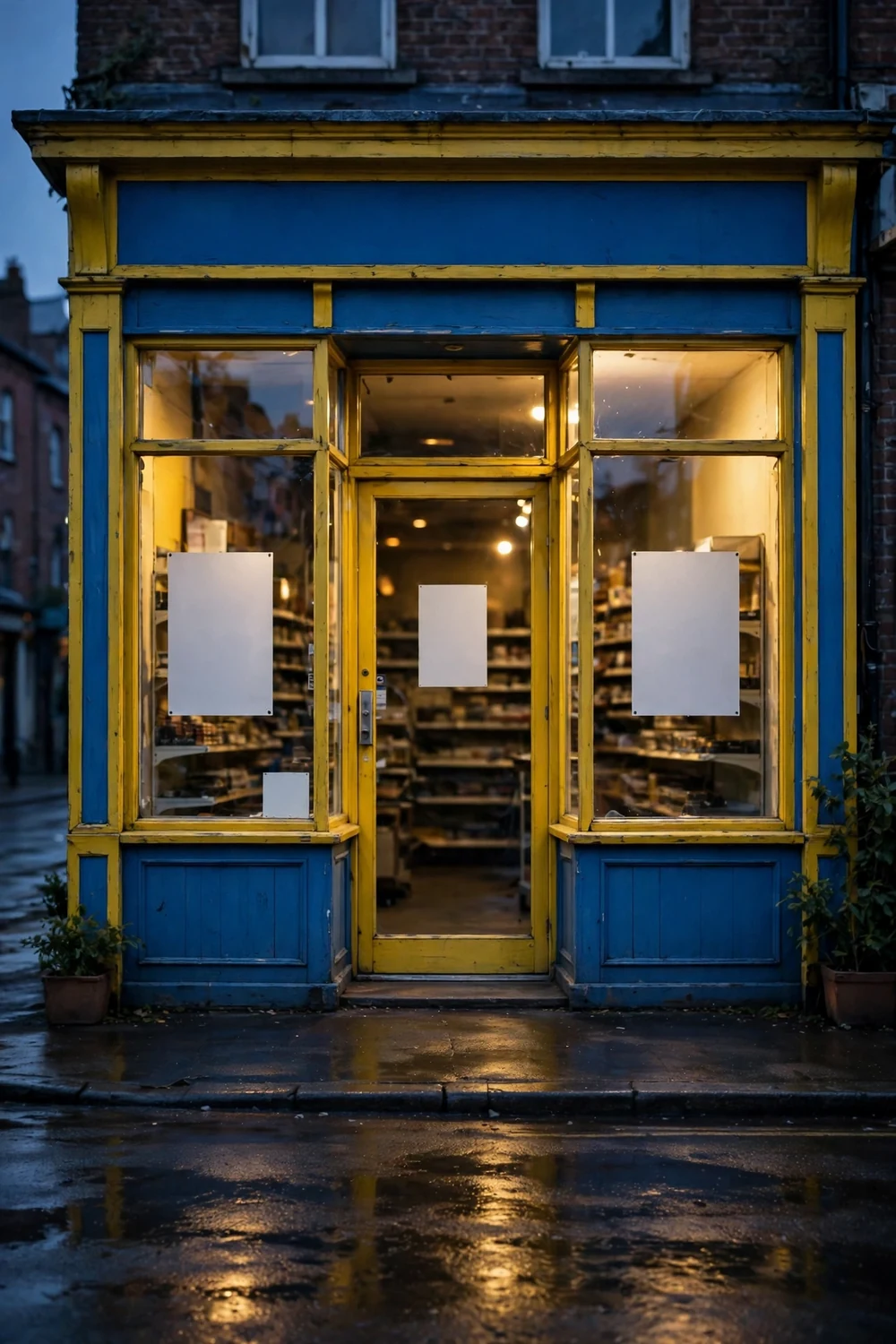
If one brand symbolises the whole vanished world, it is this one. At its peak there were thousands of Blockbuster stores, and the company’s late fees were a cultural institution people loved to resent. The famous near-miss — Blockbuster had the chance to buy a young Netflix for a sum that now looks like pocket change — has become business folklore. One store famously remains, in Bend, Oregon, kept alive largely by nostalgia, which is perhaps the perfect ending: the rental giant survives as a museum of itself.
9. A Wrist Full Of Silicone Wristbands

For a few years, your wrist announced your causes. The yellow band started it — a charity bracelet that became a global phenomenon — and then came the flood: every cause, team, band and school had a colour, and teenagers wore them stacked to the elbow. They were cheap, unbreakable and meaningless to steal, which made them the perfect accessory of the era. Fashion moved on, the stacks came off, and the only place you see them now is the bottom of old drawers, still indestructible.
10. Recording A Personal Voicemail Greeting
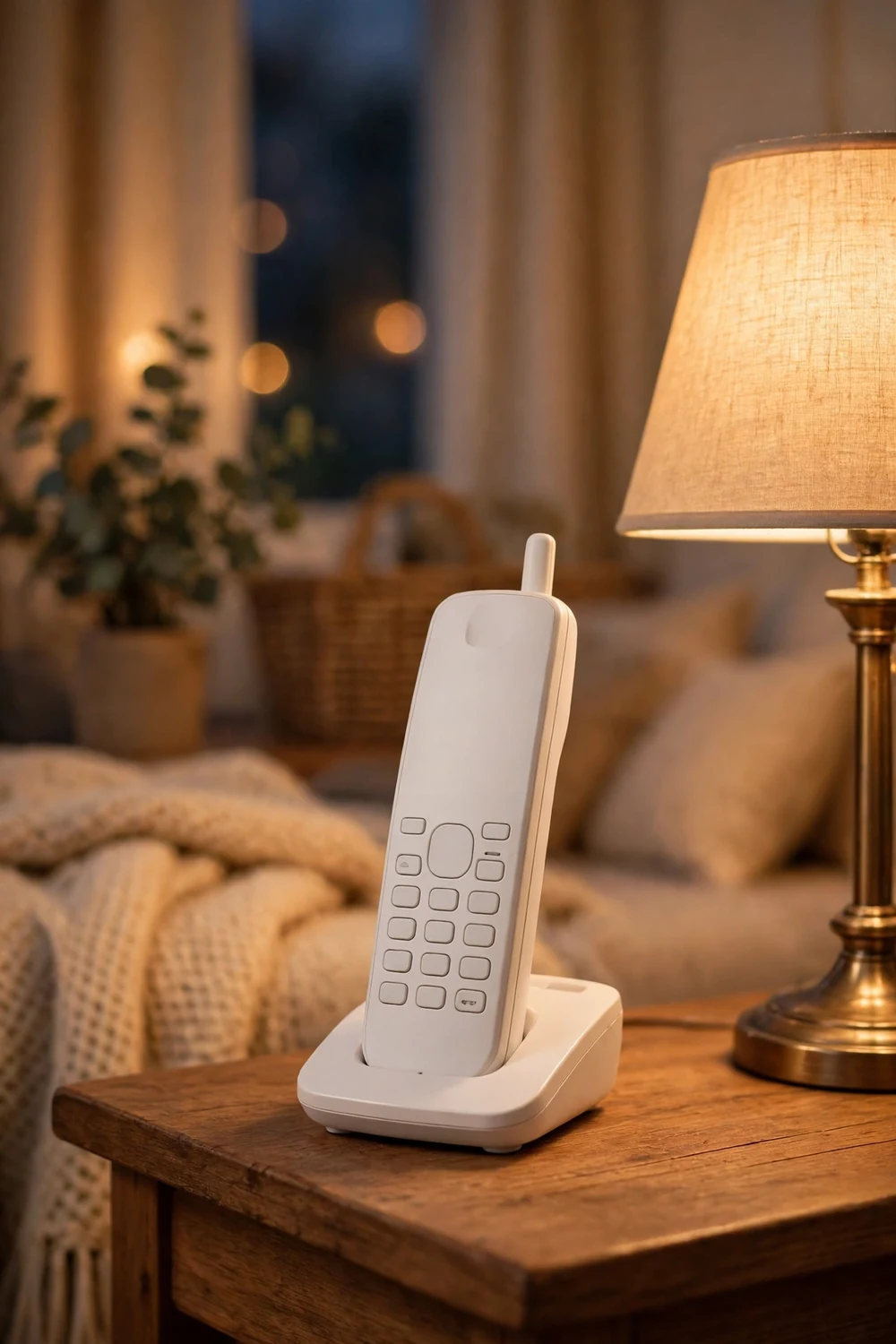
Your voicemail greeting used to be a tiny performance. People rehearsed them, recorded them in funny voices, changed them for holidays, and judged strangers by theirs. Mobile carriers handed every teenager a stage and, briefly, everybody used it. Then texting ate the phone call, and the unread voicemail became a notification to clear rather than a message to hear. The greeting is still technically there, on your phone, recorded by almost no one and heard by fewer.
11. Burning A Mix CD For Someone
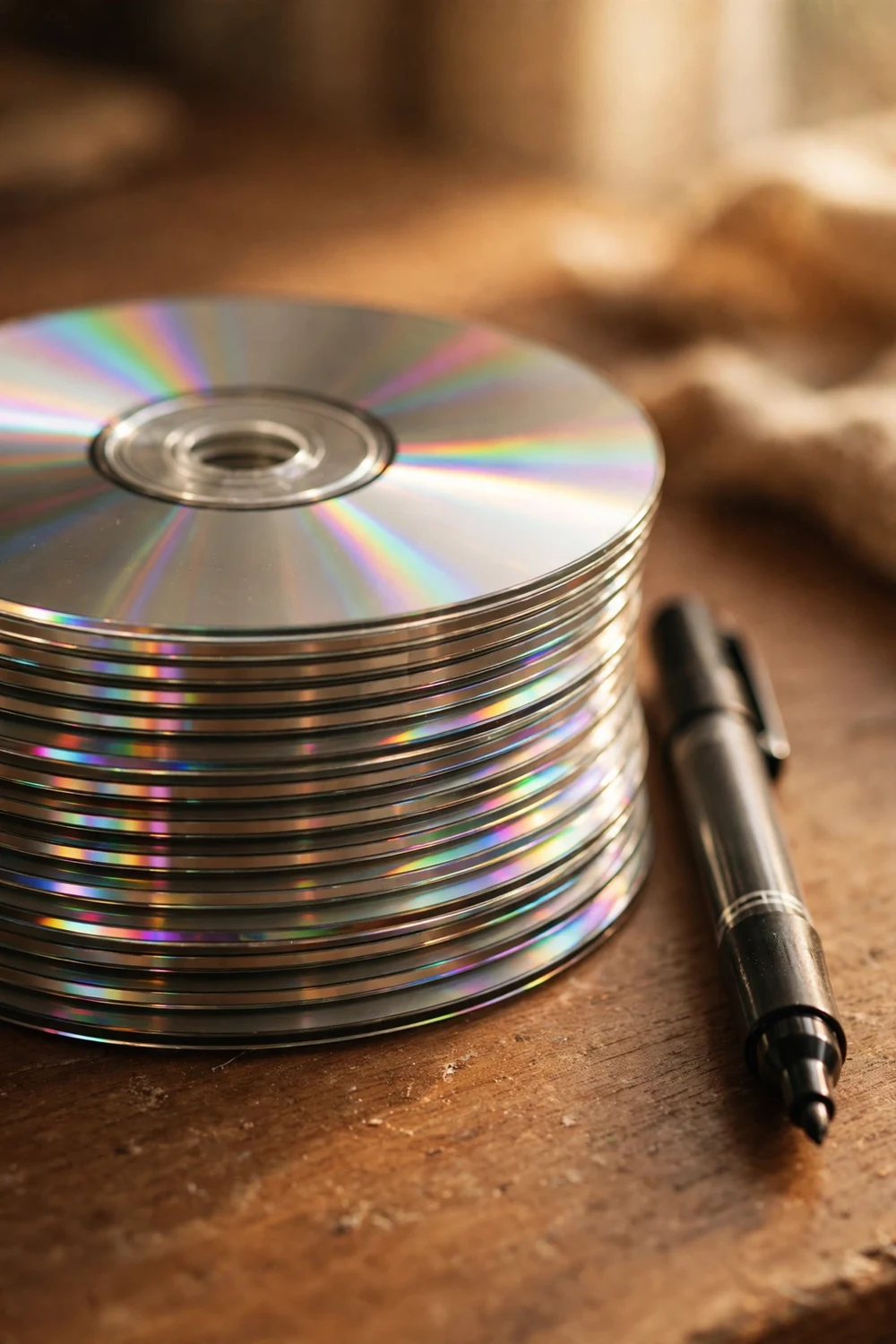
Affection, in the 2000s, was measured in megabytes. Making someone a mix CD meant choosing the songs, agonising over the order, burning it at nervous speed, and hand-writing the tracklist on the disc in marker. It took the better part of an evening and it said exactly what a playlist link cannot: I spent time on this, and the time was the point. Streaming made sharing music instant and effortless — a genuine improvement that quietly deleted one of the era’s great love languages.
12. Phones That Looked Like Personalities
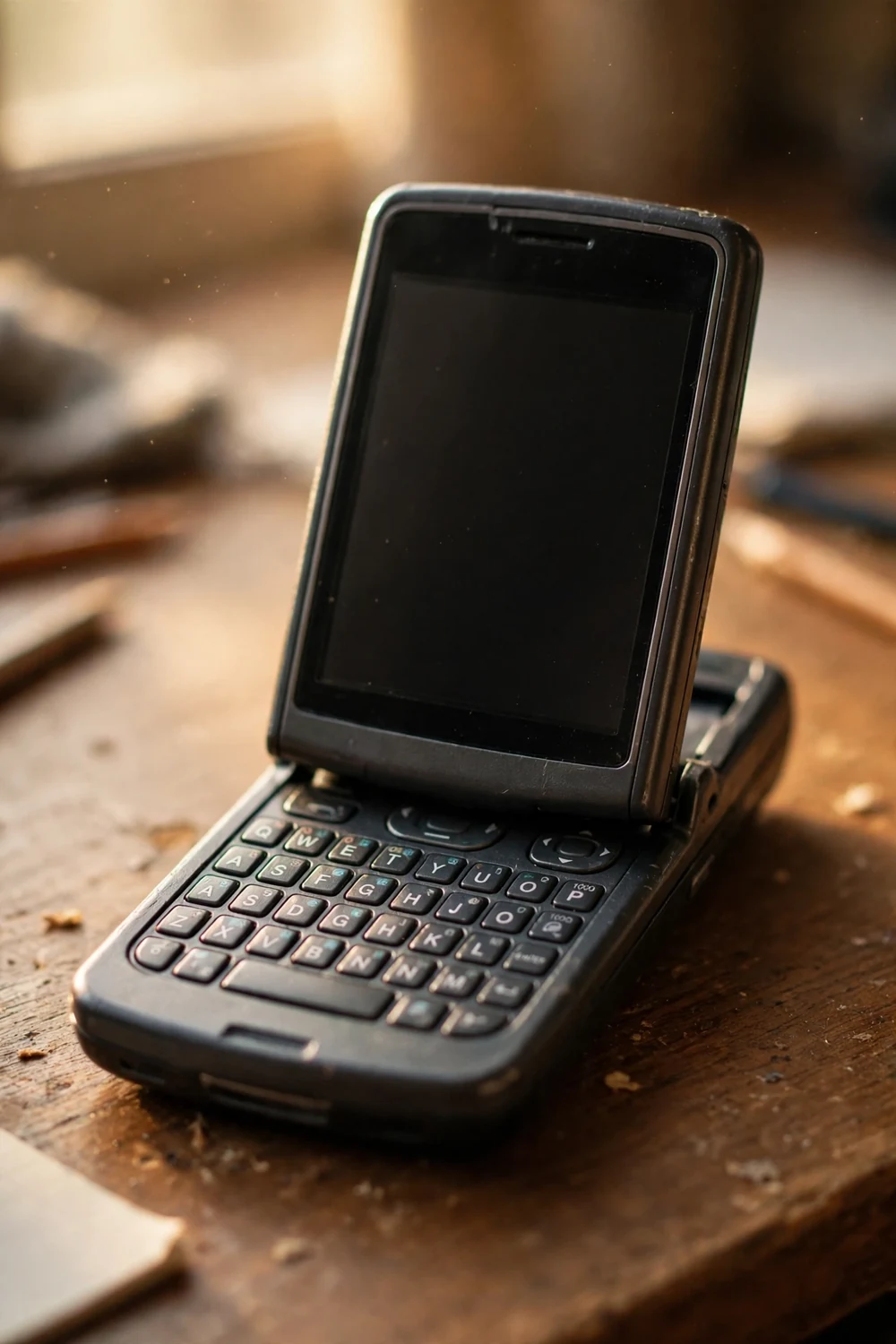
Phones used to have shapes. There were sliders and swivels, phones that flipped, phones with full keyboards that slid out sideways, phones shaped like pebbles and phones in colours with names. Choosing one was self-expression, and the Sidekick — with its flip-out screen and keyboard — was practically a celebrity accessory. The touchscreen slab won so totally that modern phones are told apart by camera bumps. We gained the entire internet and lost the phone as an object with a personality.
13. 3D Television
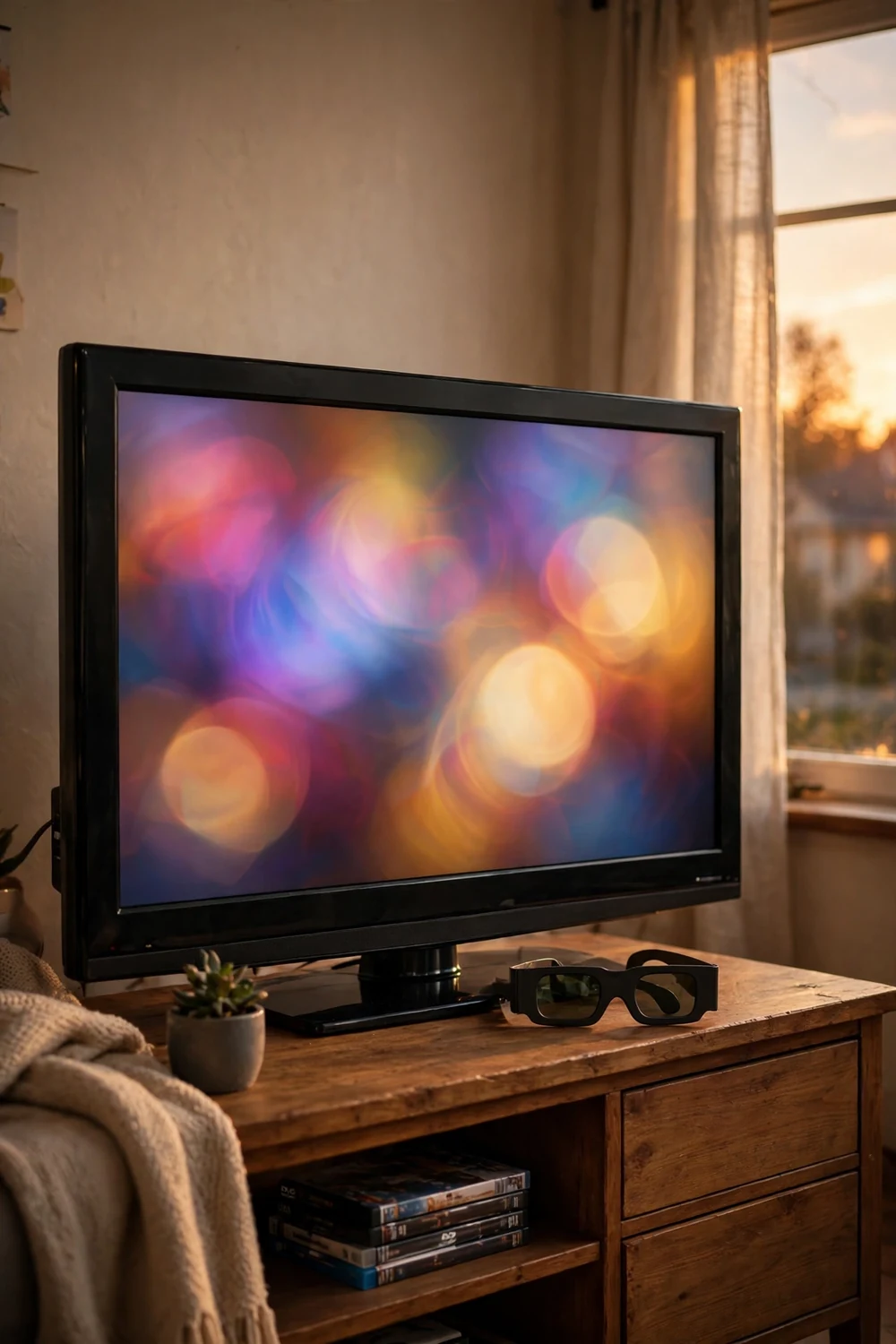
For about five years, the electronics industry was certain your living room was going 3D. Manufacturers bundled the glasses, broadcasters launched 3D channels, and sports events were filmed for depth. But the glasses were a chore, the content stayed thin, and watching TV turned out to be a social, half-distracted activity that resents special eyewear. Makers quietly dropped 3D from their sets by the late 2010s, and an entire “future of television” became a pair of dusty glasses in a drawer.
14. The Round Lip Balm Everyone Carried

Some products are so perfectly of their moment that they become souvenirs. The egg-shaped lip balm — smooth, round, satisfying to open — was in every school bag and handbag of the early 2010s, collected in flavours like trading cards. It has not scandalously disappeared; you can still buy it. But its cultural ubiquity, the years when it was simply the lip balm, passed as quietly as it arrived, and the shape that once looked like the future now looks like a time capsule.
15. Being Cringe In Private
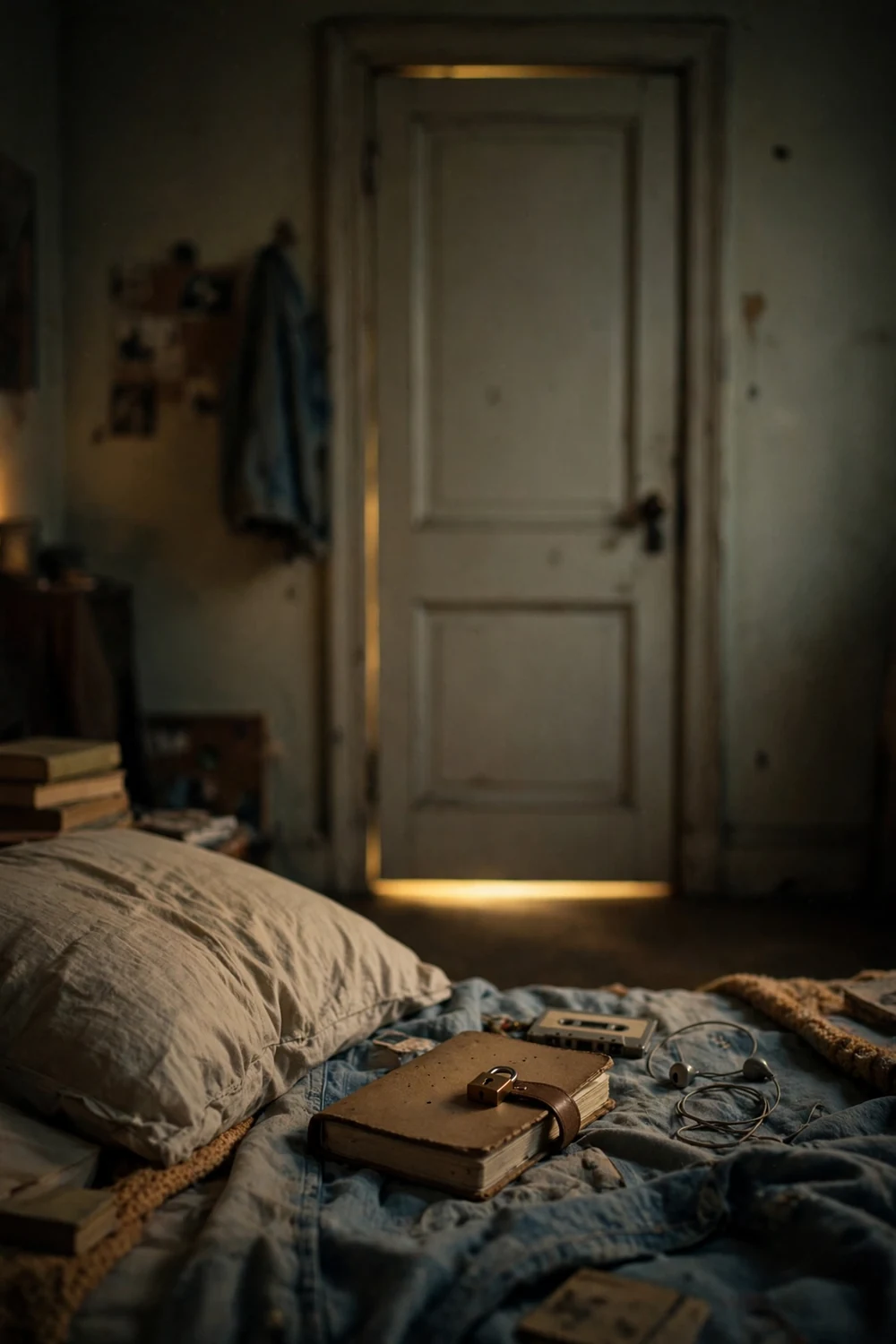
Here is one nobody lists, because it left no product behind: the right to be embarrassing off the record. The 2000s teenager sang into a hairbrush, kept a diary with actual secrets, and performed for an audience of zero, confident the evidence would never surface. The camera phone and the feed abolished private cringe. Everything is recordable, everything is postable, and even sincerity now arrives pre-ironed for an audience. Something real was lost when growing up stopped happening unwitnessed.
16. Being Genuinely Unreachable

It used to be unremarkable to vanish for hours. You left the house, and until you returned or found a payphone, the world simply waited — and nobody considered it an emergency. Plans were made in advance and kept, because there was no way to renegotiate them at the last minute. The smartphone made unreachability first rude, then worrying, then nearly impossible. We gained safety and coordination that nobody would surrender; we lost the particular peace of hours that belonged entirely to the person living them — the same trade we weighed in our list of simple changes that improve your quality of life.
17. A Long Attention Span

The last item is the one the others were quietly building towards. The 2000s could still assume a default setting of sustained attention: three-hour films without phone checks, albums heard in order, articles read to the end, boredom endured until it turned into daydreaming. The feed retrained the default. Clips shortened, hooks moved to the first second, and “too long, didn’t watch” became a normal response to almost anything. Attention has not died — people binge ten-hour series — but it has been reallocated, from depth chosen by us to fragments chosen for us.
Gone, But Not Forgotten
What is striking about this list is how little of it anyone decided to end. Technologies replaced rituals so smoothly that the rituals never got a farewell — which is why lists like this one sting a little. The video store, the mix CD and the unreachable afternoon were not better than what replaced them in every way. But they were something, and noticing what a decade quietly took is the first step to choosing, deliberately, what the next one keeps. Our look at modern home trends people absolutely hate makes the same point about the present: today’s defaults are tomorrow’s nostalgia.





One Comment