Movies are wonderful teachers of things that are not true. After a lifetime of watching screens, most of us carry around a quiet instruction manual for emergencies, hospitals, police work, and physics — and a worrying amount of it would fail, or even hurt someone, in real life.
These are the movie myths that refuse to die: the ones people still believe, repeat, and occasionally act on. Some are harmless. A few are genuinely dangerous. Here is what actually happens, one myth at a time. (If you enjoy this kind of correction, my earlier piece on actors who walked away from hit shows and movies covers the industry’s other great surprises.)
1. Holding a Lighter to One Sprinkler Sets Off the Whole Building
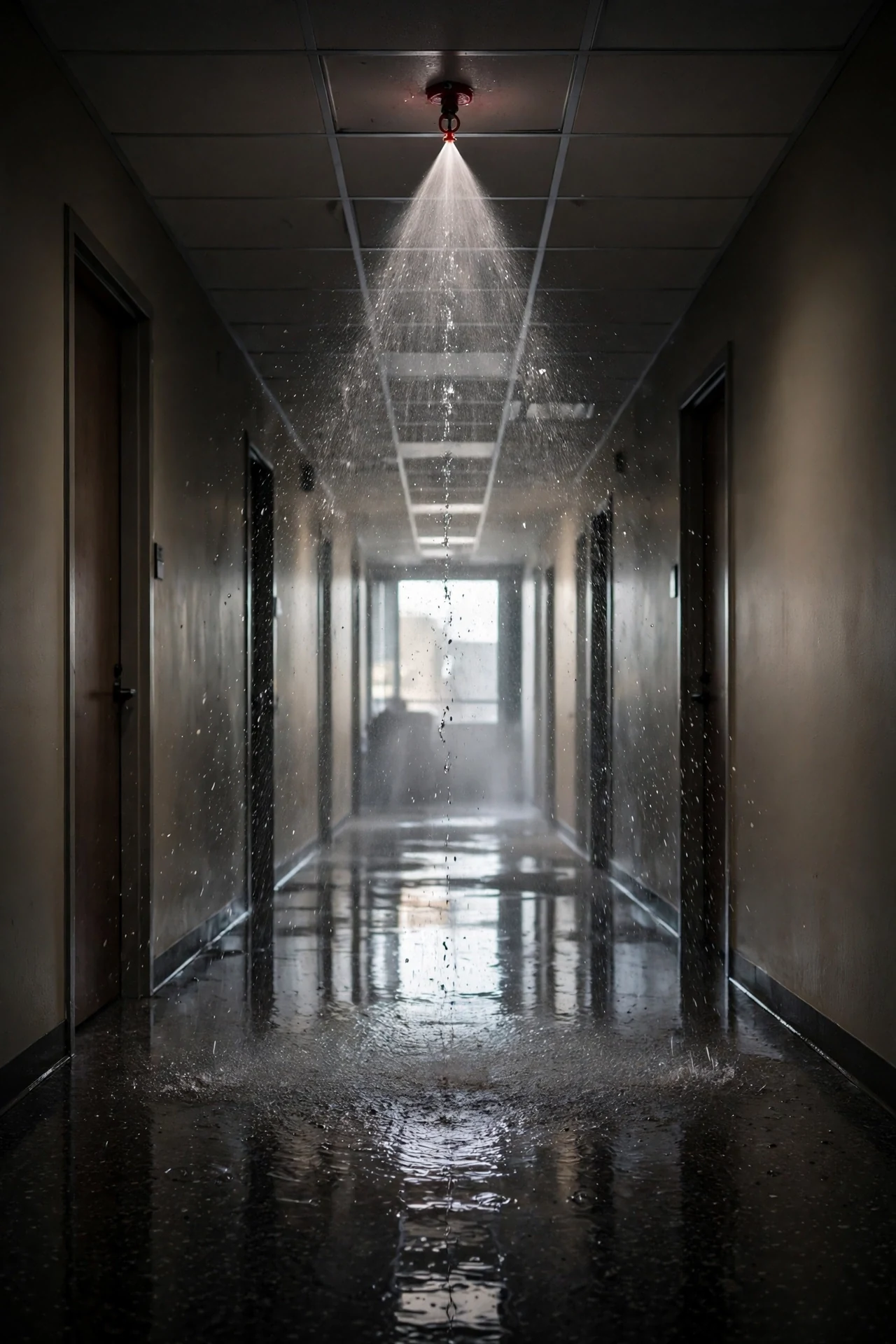
It is cinema’s favourite escape trick: hero holds a flame under a single sprinkler head, every sprinkler in the building erupts, and the entire floor floods while alarms sing. Real sprinkler systems are specifically designed NOT to do this.
Each sprinkler head is an independent device with its own heat-sensitive element. A head opens only when the air around that particular head gets hot enough — usually from an actual fire beneath it. One head going off means one head’s worth of water in one spot, plus a visit from security, because deliberately triggering one is vandalism, not a master plan.
2. Defibrillators Restart a Stopped Heart
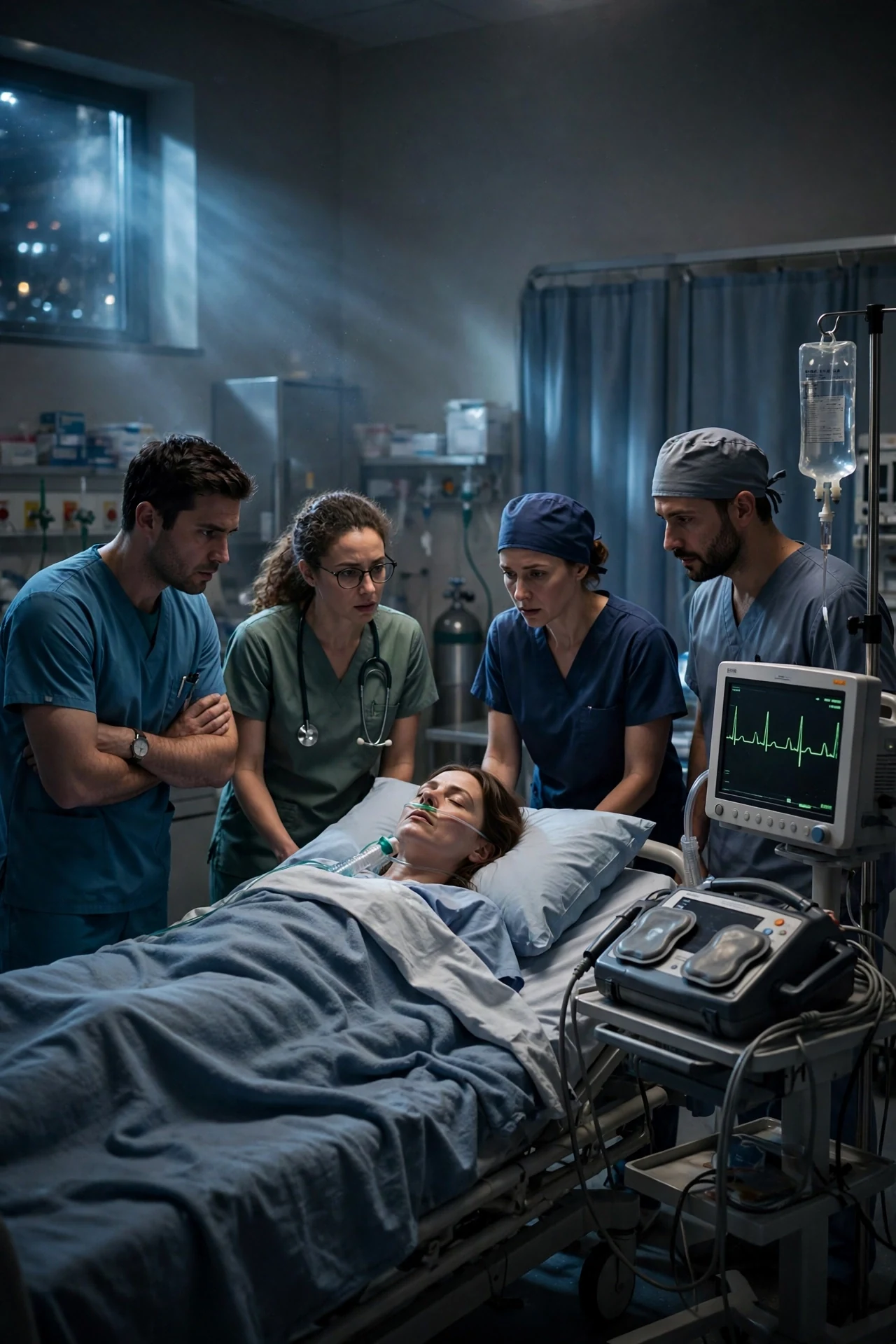
The flatline beeps, the doctor shouts ‘clear’, the paddles thump — and the stopped heart roars back to life. It is the most durable medical myth on screen, and it describes almost the opposite of what a defibrillator does.
A defibrillator delivers a shock to a heart that is beating in a chaotic, ineffective rhythm, in the hope of resetting it to a normal one. A heart that has fully stopped — the flatline — has no rhythm to reset, and shocking it does nothing. The treatment for a stopped heart is CPR and medication, delivered fast. The paddles are for a misfiring heart, not a silent one.
3. CPR Brings People Back, Awake and Talking
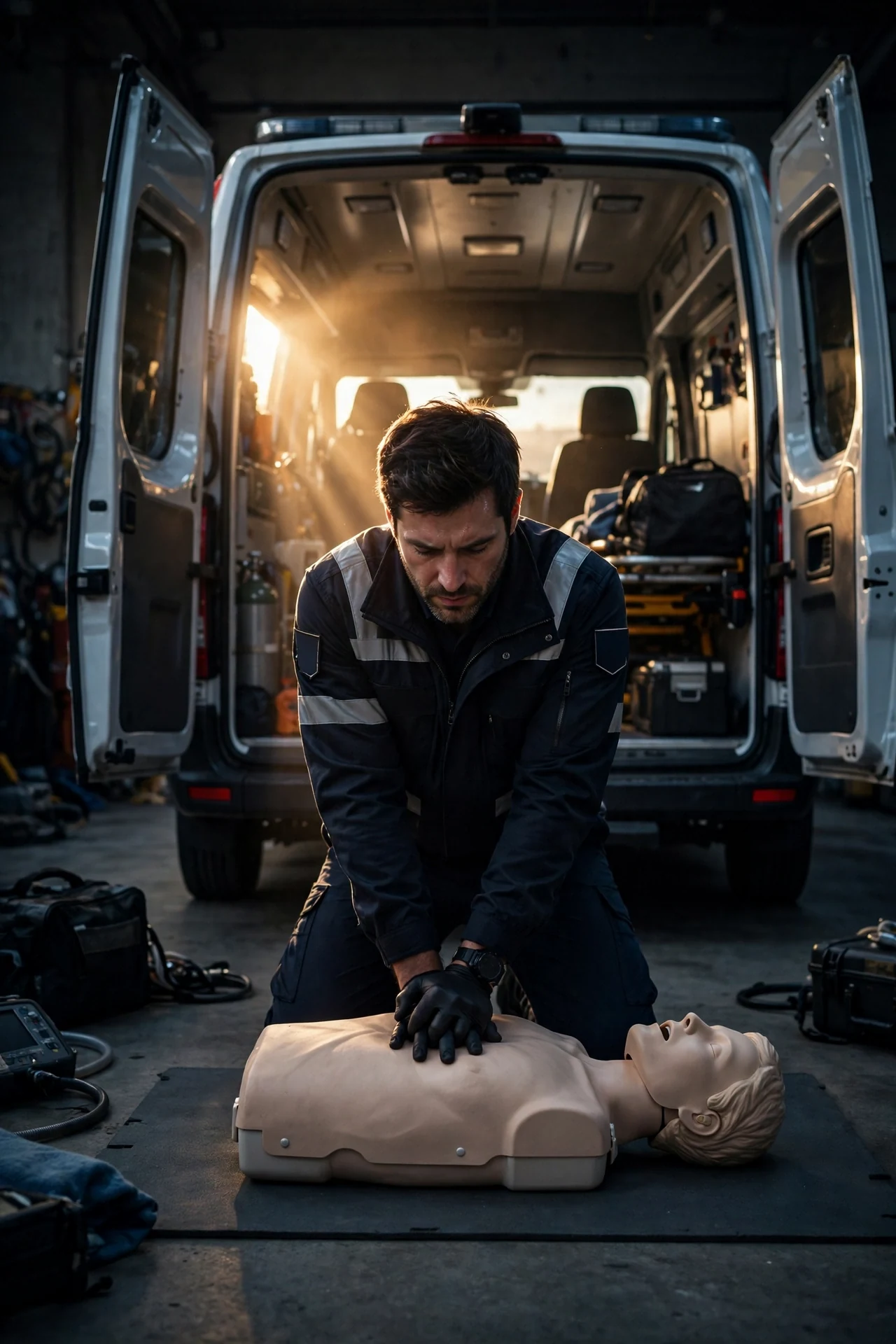
Screen CPR takes about forty seconds: compressions, a gasp, and the patient sits up asking what happened. Real CPR is one of the most physically brutal and statistically sobering procedures in medicine.
Chest compressions keep blood moving to the brain and organs; they buy time. Only a minority of people who receive CPR outside a hospital survive, and those who do usually recover slowly, in intensive care — often with broken ribs from the compressions themselves. CPR absolutely saves lives and everyone should learn it, but expecting a movie-style instant revival leads people to stop too early or feel they failed when reality doesn’t match the script.
4. Labour Starts With the Waters Breaking and Ends Within the Hour
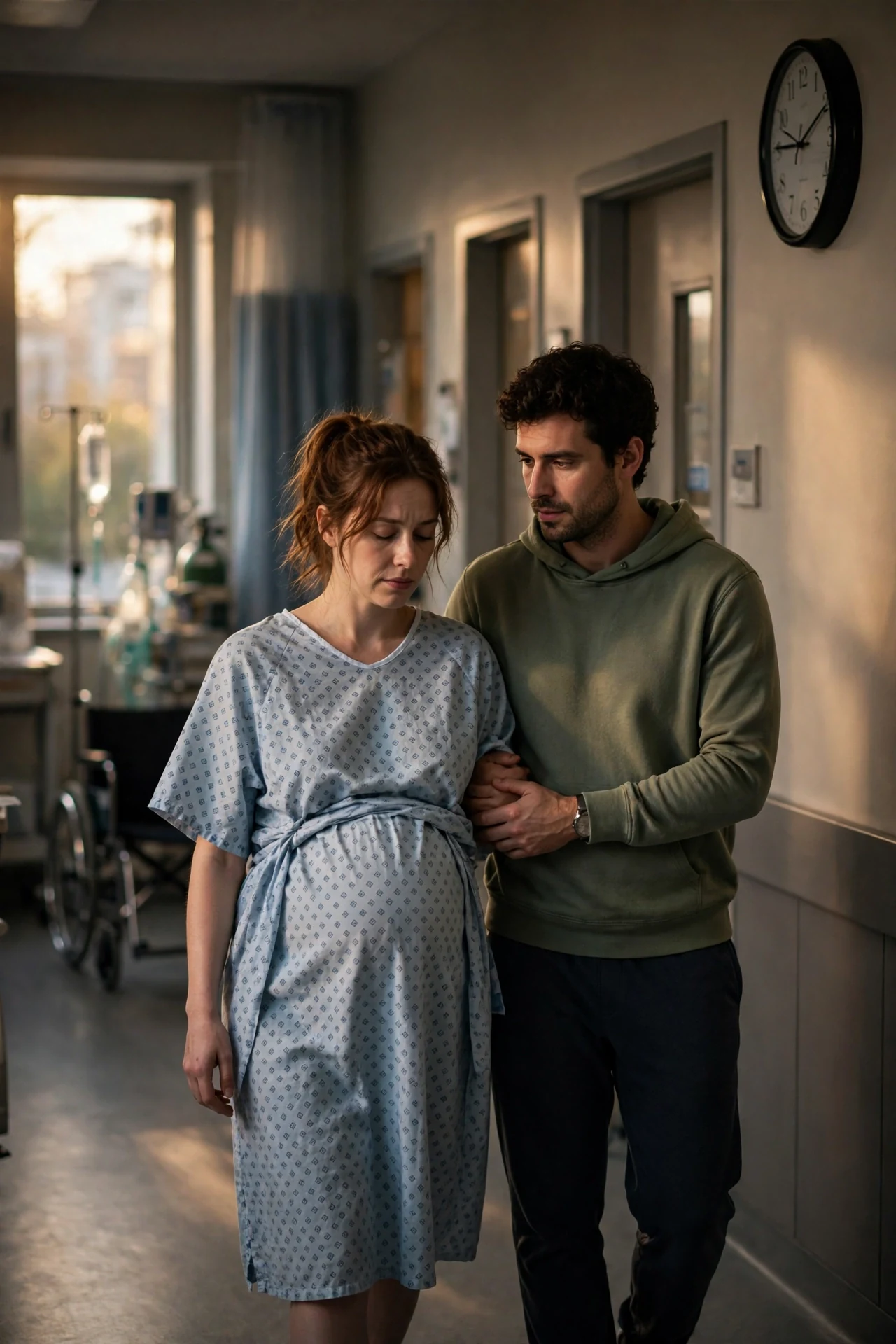
In films, a pregnant woman’s waters break in a restaurant, and roughly forty minutes of screen time later there is a baby, a hairdo still intact, and a glowing mother. Real labour operates on a completely different clock.
For most women — especially first-time mothers — labour lasts many hours, often well over half a day. The waters frequently do not break until labour is well established, and sometimes are broken deliberately by medical staff. The dramatic gush is usually the beginning of a marathon, not the start of a sprint, and planning around the movie version is how people end up dangerously late to hospital or panicking far too early.
5. Newborns Look Like That

The screen ‘newborn’ — chubby, alert, holding its head up, roughly the size of a Thanksgiving turkey — is one of cinema’s quietest fibs. Almost every baby you have ever seen ‘born’ on screen was weeks or months old, or a very sophisticated doll.
Real newborns average around three and a half kilos, arrive with soft, moulded heads, wrinkled skin, and essentially no neck control, and there are strict rules about how long actual infants can be on a set. The myth matters because it warps expectations: new parents comparing their perfectly normal, slightly squished newborn to a three-month-old film baby can genuinely worry something is wrong.
6. One Doctor Will Hunt Your Diagnosis to the Ends of the Earth
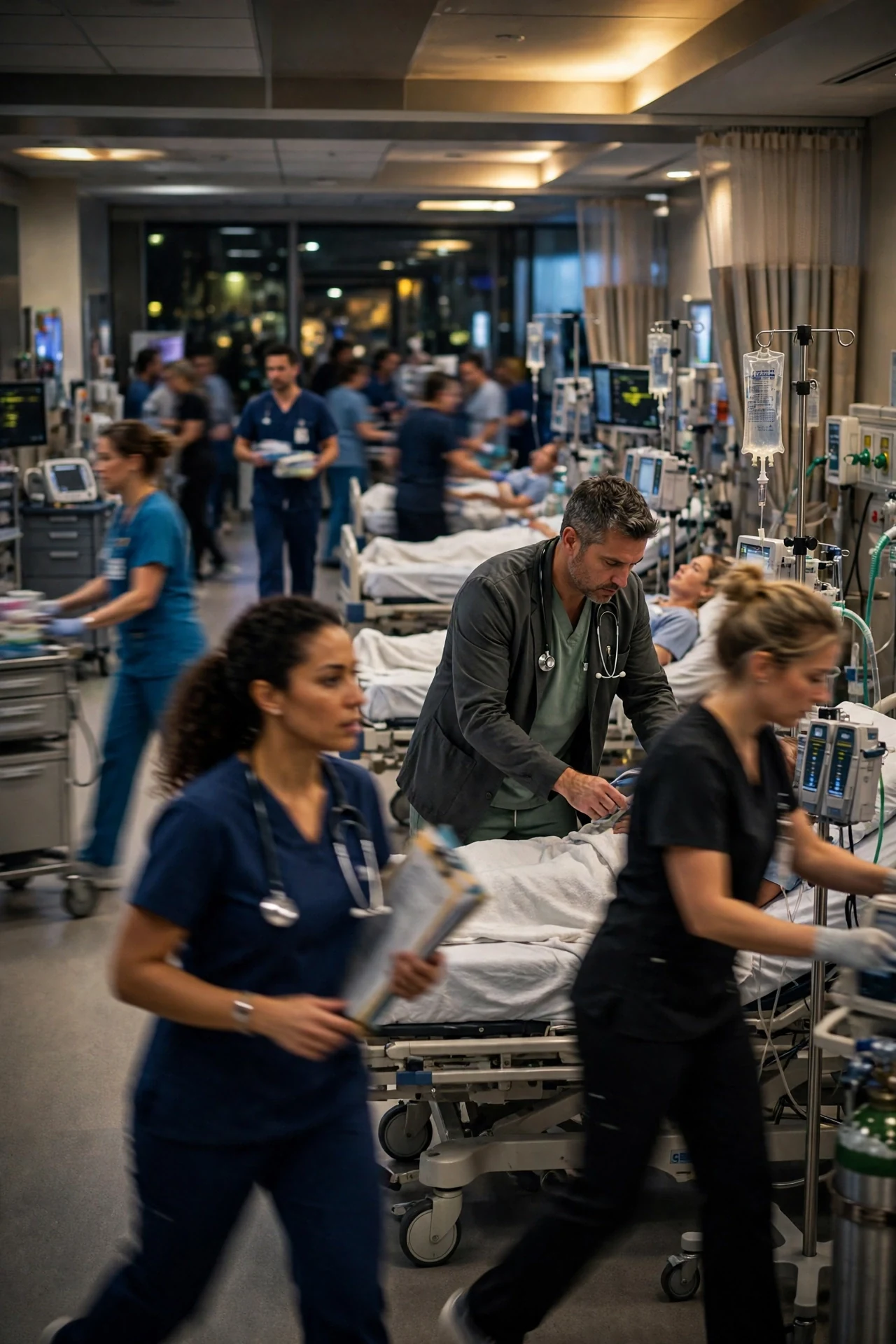
The movie hospital runs on a single heroic doctor who orders every test, interprets every scan, performs the surgery, and sits by the bed until the mystery illness surrenders. Real emergency medicine is a relay race, not a solo performance.
Care is delivered by rotating teams across shifts, guided by triage — the sickest first — and by protocols that prioritise ruling out the dangerous possibilities quickly. Your doctor absolutely cares, but they are also carrying a dozen other patients, handing over at shift changes, and waiting in the same queues for labs and imaging as everyone else. Expecting a personal medical detective leads patients to distrust a system that is actually working exactly as designed.
7. The Lone Detective Solves Everything
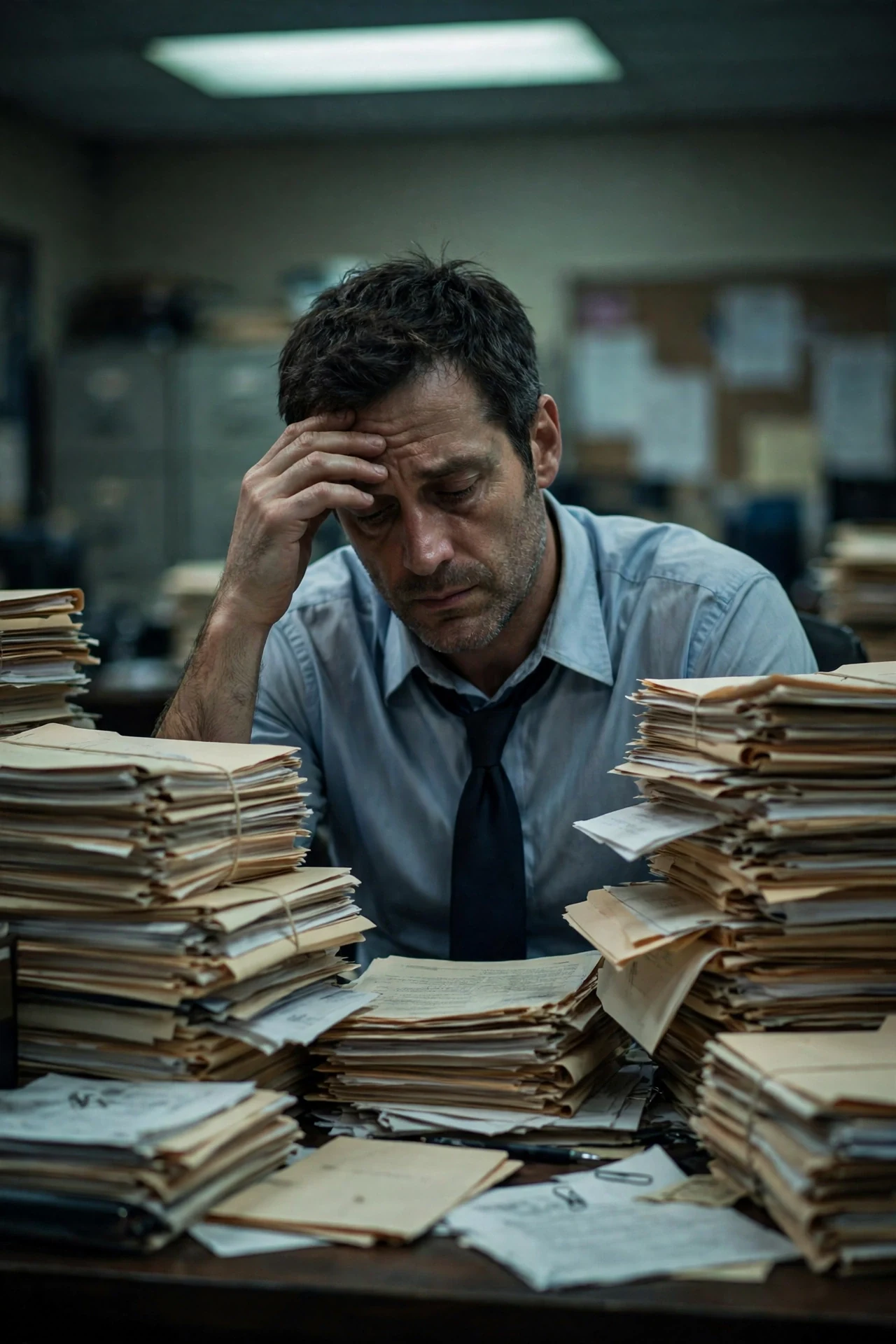
Screen detectives work alone, trust no one, break the rules, and crack the case through obsession and instinct. Real investigations are closer to committee work performed in triplicate.
Cases are built by teams — uniformed officers, detectives, forensic technicians, analysts, prosecutors — and held together by paperwork, evidence logs, and procedure, because a case that ignores procedure collapses in court. Most crimes are solved through witnesses, cameras, records, and routine follow-up rather than a eureka moment at 3 a.m. The lone-wolf myth sells tickets; it also makes real, methodical police work look like failure when it is simply reality.
8. A Chloroform Rag Knocks You Out in Seconds

The villain presses a sweet-smelling cloth over the victim’s face; two seconds of struggling later, they fold neatly into unconsciousness. Chloroform has been cinema’s off-switch for a century — and it does not work like that at all.
In reality, chloroform takes minutes of continuous inhalation to sedate someone, the dose is wildly unpredictable, and the gap between ‘asleep’ and ‘fatally overdosed’ is uncomfortably small — it can stop the heart or damage the liver. This is precisely why modern anaesthesia uses carefully measured agents with a trained specialist watching the monitors. Anyone treating the movie version as a real technique is holding something genuinely lethal.
9. Persistence Is Romantic — She’ll Say Yes Eventually

The rom-com rulebook says a rejected hero should try harder: show up at her work, her home, the airport. Persistence is framed as proof of love, and by the final reel it always works. This may be the most socially corrosive myth on the list.
In real life, a clear ‘no’ is a complete answer. Continuing to pursue someone who has refused is not devotion; it is harassment, and it frightens people rather than winning them. Healthy attraction is mutual and enthusiastic — it does not need to be worn down. The movies taught generations of viewers to read rejection as a negotiation. It isn’t one.
10. You Can Crawl Through Air Ducts Like a Highway
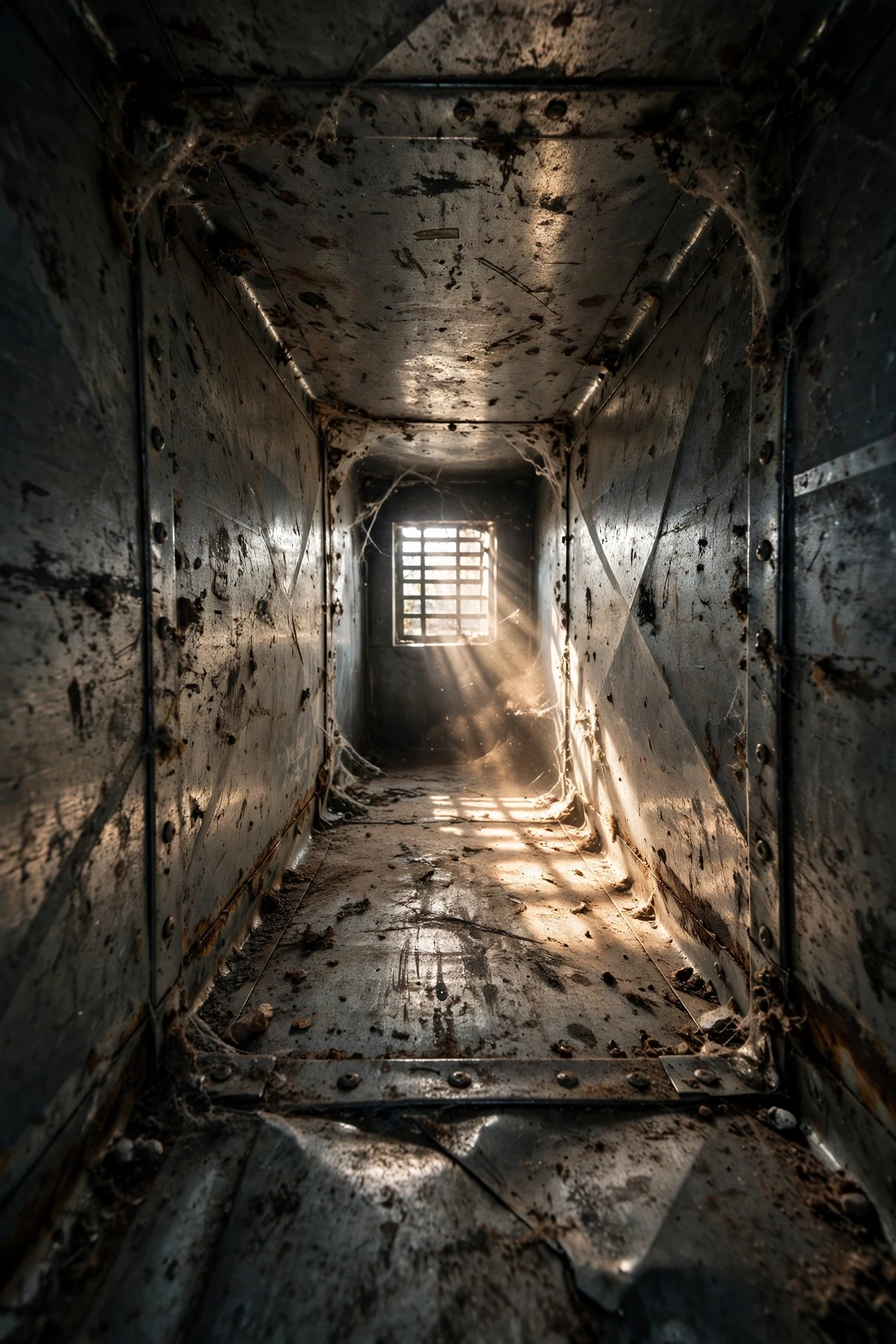
Action heroes treat ventilation ducts as polished, roomy tunnels running conveniently to every room in the building. Anyone who has seen a real duct up close knows the truth is less accommodating.
Ducts are sized for air, not adults — often barely wider than your shoulders, lined with sharp seams, screws, dust, and insulation, and about as quiet as a drum when something heavy moves inside them. They also tend to lead to fans and filters rather than freedom. The silent duct crawl is pure choreography.
11. Grenades Explode Into Giant Fireballs
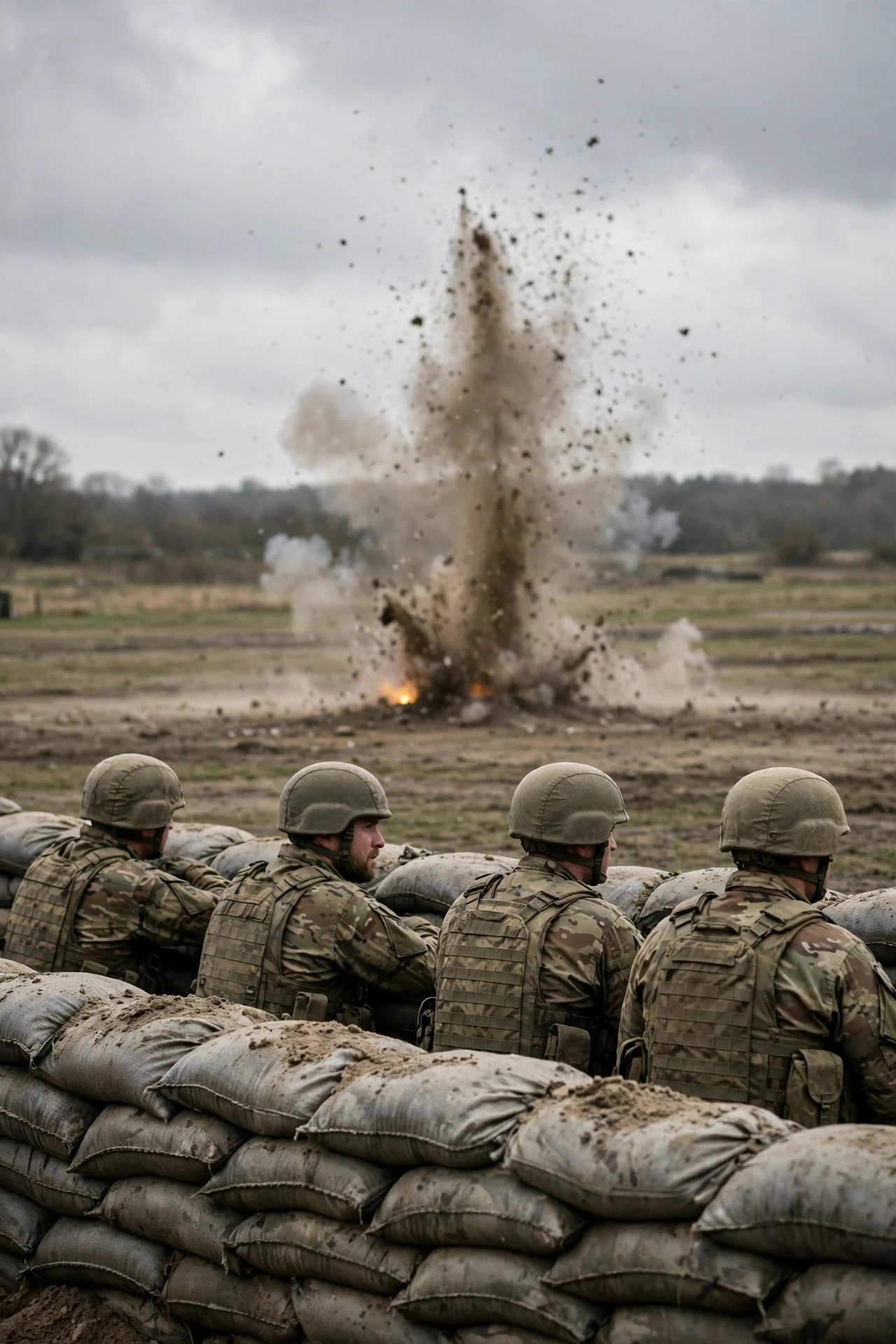
Pull the pin on screen and you get a tower of orange flame that hurls cars aside. A real grenade is a far less cinematic — and in its own way more frightening — device.
A fragmentation grenade’s explosion is brief: a flash, a bang, and a casing designed to shatter into high-speed fragments. Those fragments, not fire, are the weapon, and they injure at distances that surprise people raised on films. The huge rolling fireballs in movies come from added fuel effects — impressive on camera, and the reason audiences consistently misjudge what a real grenade does and how far away ‘safe’ actually is.
12. Bullets Throw People Backwards Through the Air
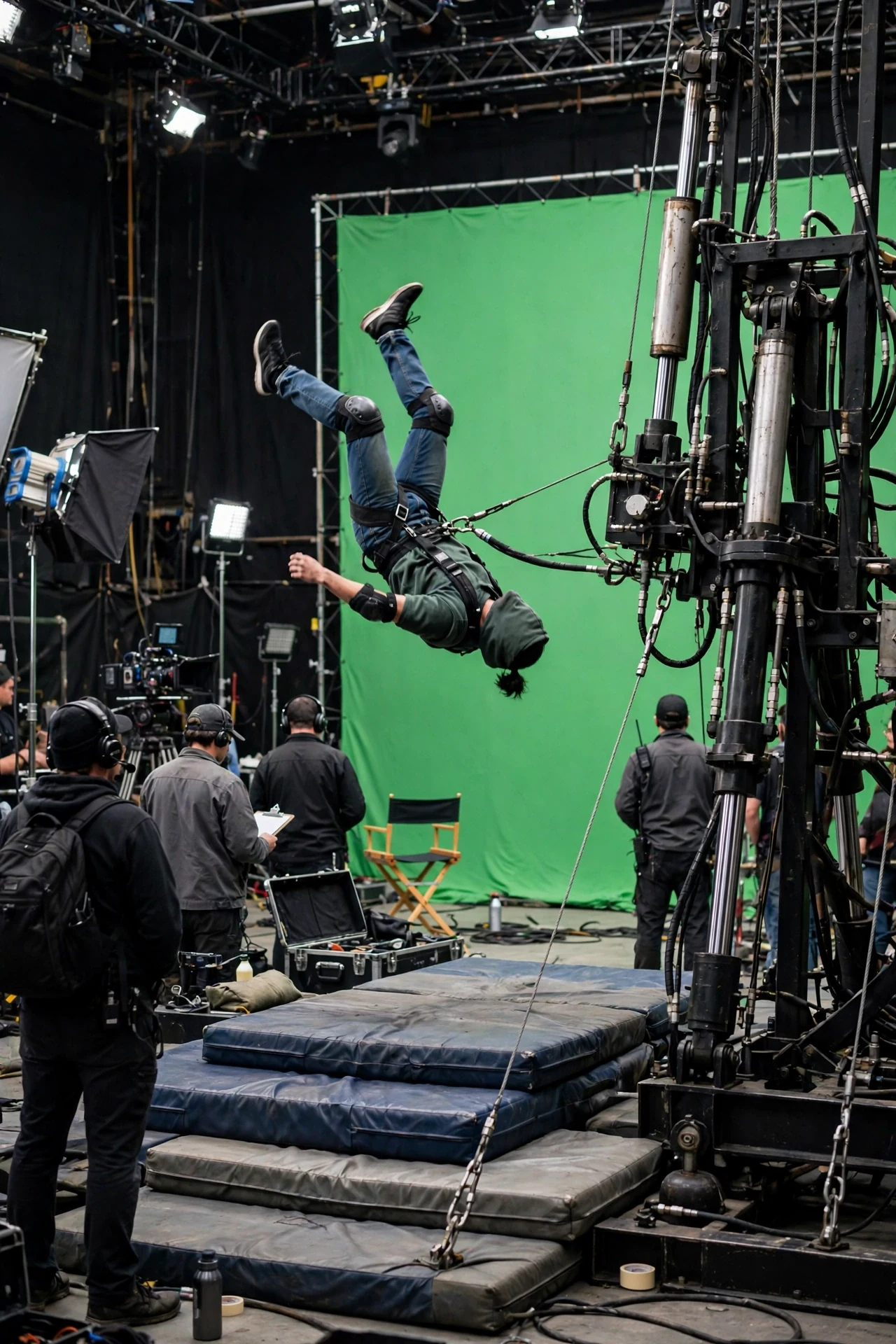
Shot on screen, villains launch backwards through windows. Physics has a problem with this: a bullet carries momentum, and momentum is shared equally.
By Newton’s third law, the force a bullet could deliver to a target cannot exceed the recoil the shooter absorbs — and nobody firing a handgun is thrown backwards across the room. People shot in real life fall because of injury, pain, shock, or loss of balance, not because they were physically hurled. The flying-body effect is a stunt rig and an air ram, not ballistics.
13. Tranquilizer Darts Work Instantly

The dart hits the animal, and within seconds the mighty beast sways and folds. Wildlife reality is slower, riskier, and far more dependent on maths.
A sedative has to circulate before it works, which takes minutes, not moments — during which a darted animal typically runs, panics, or charges. The dose must be calculated for the species and the animal’s weight, and getting it wrong can kill. Vets who dart animals plan escape routes and wait at a distance afterwards, because the ‘instant off-switch’ version exists only in films.
14. ‘Zoom and Enhance’ Reveals What Isn’t There
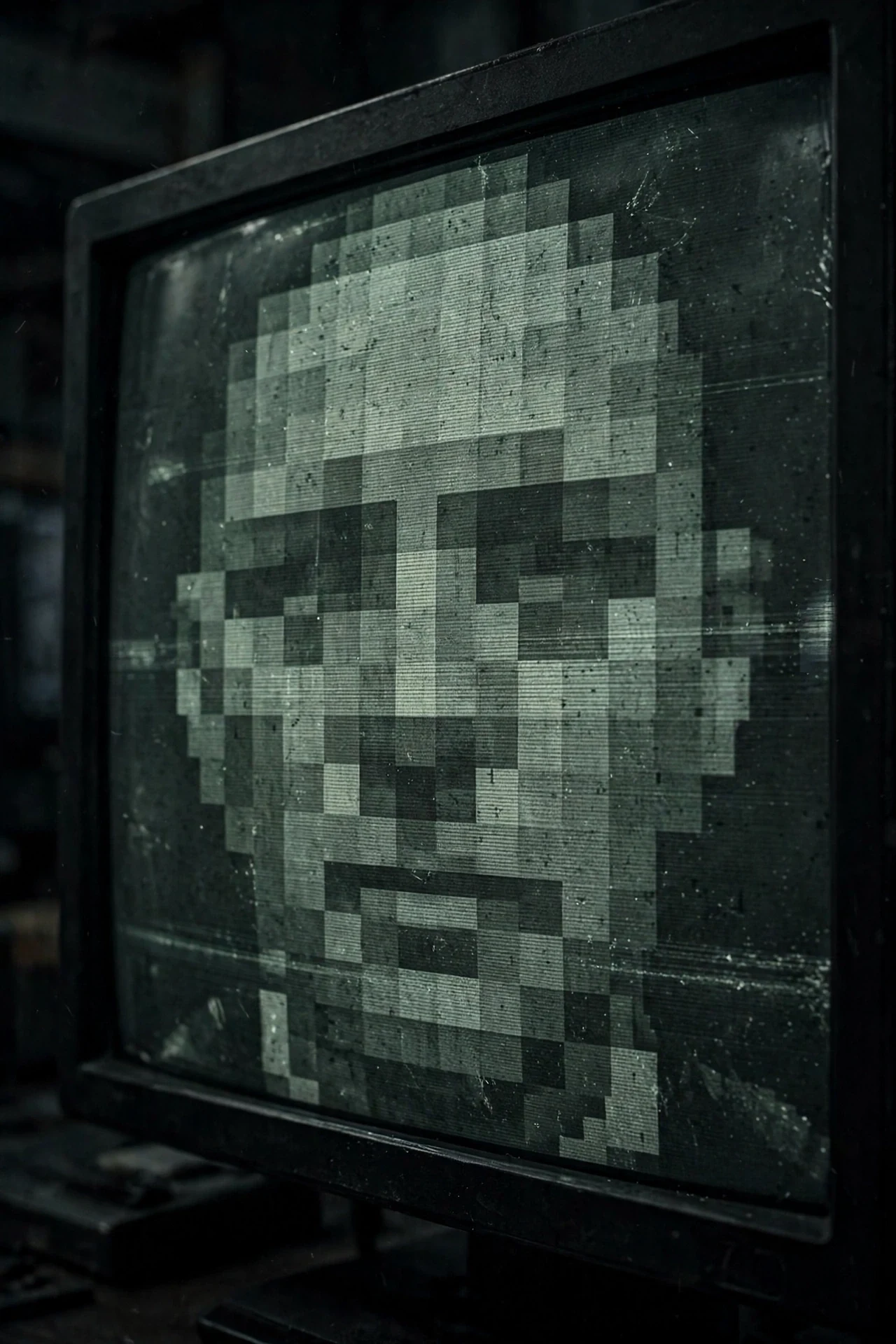
Every crime show has the scene: a grainy security image, the command to ‘enhance’, and suddenly a licence plate — or a face — resolves into perfect clarity. It is the tech myth audiences most want to believe, and it is impossible.
An image contains only the information its sensor captured. Enlarging it spreads the same pixels thinner; software can guess and smooth, and AI upscaling can invent plausible detail — but invented detail is fiction, not evidence. If the camera never recorded the face, no enhancement can recover it, which is why real investigators hunt for a better camera angle instead of a magic button.
15. Forensic Results Come Back in an Hour

On television, a swab taken at breakfast identifies the killer by lunch. In real laboratories, that same swab joins a queue.
DNA analysis involves extraction, amplification, profiling, verification, and reporting — days of work under ideal conditions, and weeks or months where backlogs exist. The same applies to fingerprints, toxicology, and ballistics. The compression matters because juries, victims’ families, and the public now expect television timelines from a system built for accuracy rather than speed — a pressure real forensic scientists cite as one of their profession’s biggest headaches.
16. We Only Use 10% of Our Brains
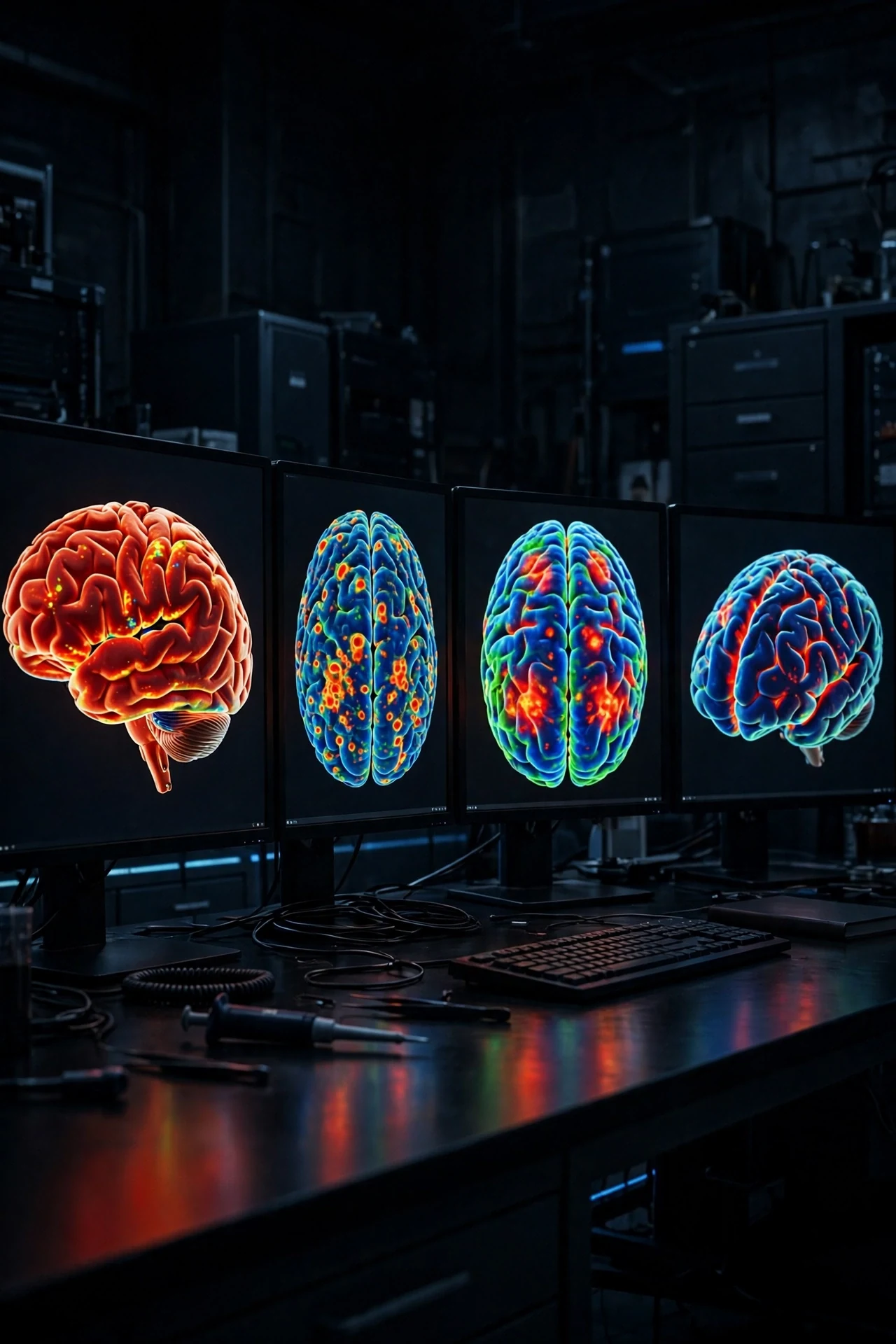
It is the premise of a dozen films: unlock the dormant ninety percent and become superhuman. It is also, according to everything brain imaging has shown, simply false.
Scans show that over the course of a day, virtually every part of the brain is active — different regions for different tasks, but no vast silent territory waiting to be switched on. Even in sleep the brain stays busy. Brain damage to supposedly ‘unused’ areas has real consequences, which it wouldn’t if those areas were spare. The myth survives because it flatters us: the untapped genius is a nicer story than the truth that the whole organ is already on the clock.
17. A Part-Time Waitress Can Afford That Apartment

Sitcom economics may be the most quietly misleading myth of all: the young waitress, actor, or writer living in a vast, sunlit Manhattan apartment that their on-screen job could not rent for a week.
Real rents in the cities where these shows are set would consume two or three times the characters’ plausible incomes — which is why real twenty-somethings in those cities live with roommates, in studios, or an hour from the centre. The sets are built big for cameras and lighting, not realism. The harm is subtle but real: a generation measuring its own cramped first flat against a soundstage, and wondering what it did wrong.
None of this ruins the movies — knowing how the trick works rarely spoils the show. But there is a difference between enjoying a story and quietly filing it away as fact, especially when the ‘fact’ involves CPR, defibrillators, or what a flatline means. Keep the myths at the cinema, where they belong. And if horror is more your genre, my list of Latine horror films that will genuinely terrify you is waiting — no myths there, just excellent scares.