
A great adaptation does a dangerous thing: it ends. The credits roll on Steinbeck’s Salinas Valley — the feuding brothers, the inherited sins, the stubborn hope that a person can choose better — and you are left wanting another book with that same weather in it. The good news is that readers have been chasing this exact feeling for decades, and the trail is well marked. The nine books below circle the same territory from different directions: family sagas and moral crossroads, the American West and the English estate, sin argued through farce and fate softened by second chances. If you are new to our bookshelf corner, our essay on why anyone would join a cult, from the Dark Messiah author, is another good place to browse.
1. Wildlife — Richard Ford
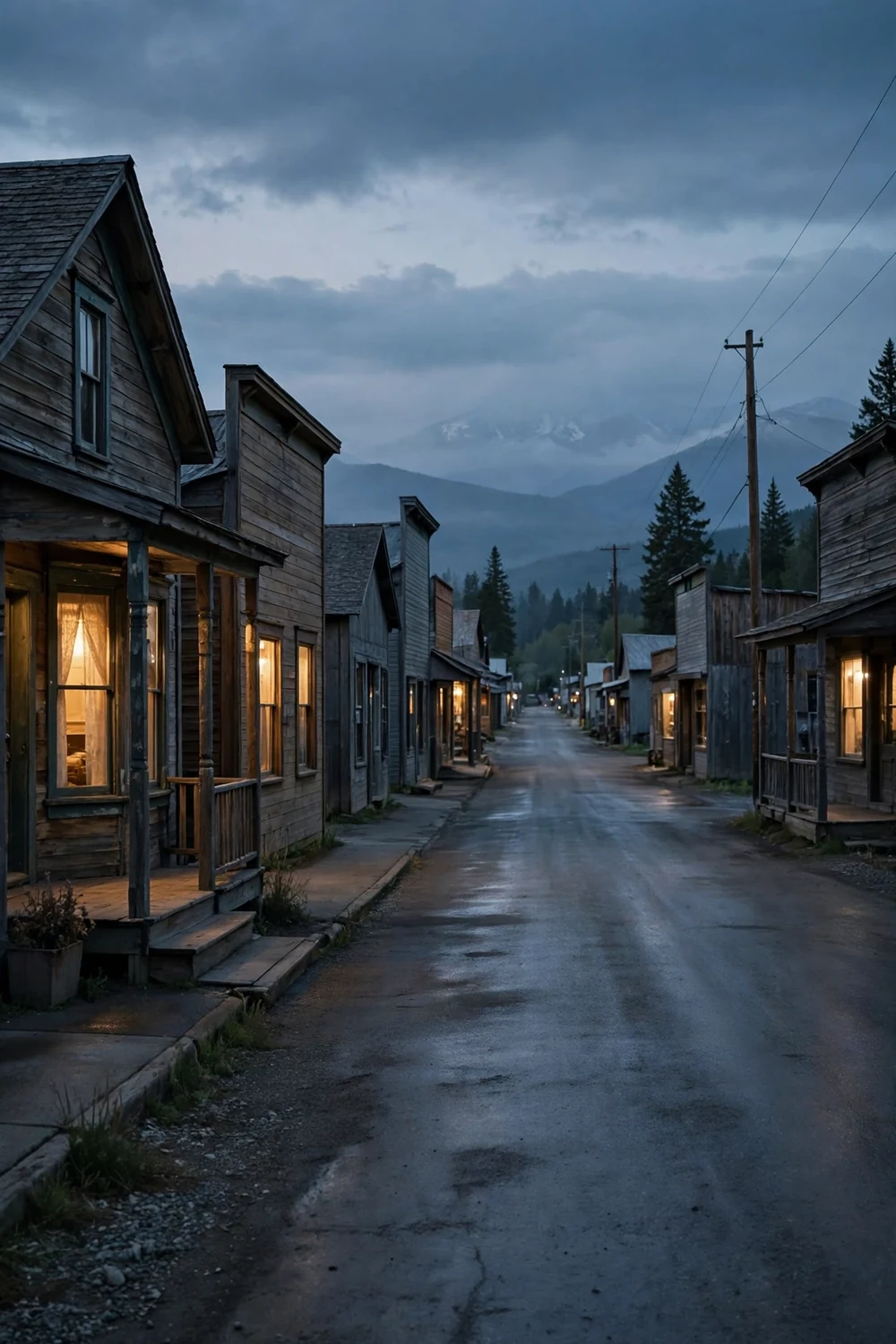
Start with the quietest book on this list and, for many readers, the one that lingers longest. Richard Ford’s short 1990 novel is narrated by a teenage boy in Great Falls, Montana, watching his parents’ marriage come apart — his father drifting towards fighting forest fires and worse decisions, his mother towards a new life. Like Steinbeck, Ford writes about ordinary people carrying enormous moral weather in plain, luminous sentences. If what stayed with you in East of Eden was the family fault-line — parents and children handing damage down — Wildlife compresses that whole theme into one autumn.
2. Lonesome Dove — Larry McMurtry
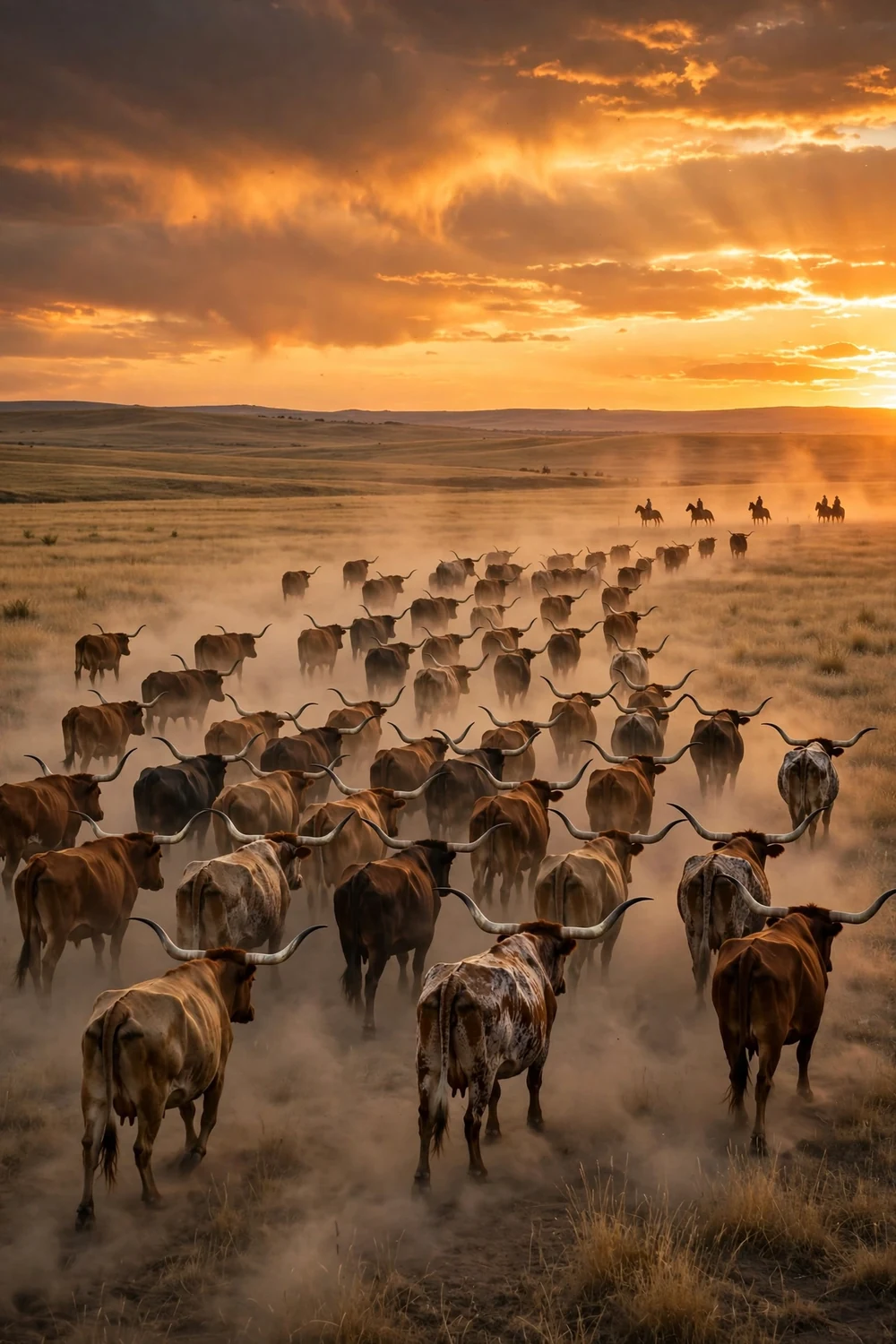
If it was the sweep you loved — the sense of an American landscape big enough to hold sin, loyalty and fate — then McMurtry’s Pulitzer-winning Western is the natural next step. Two ageing Texas Rangers drive a herd from the Rio Grande to Montana, and the journey becomes one of the great American novels about friendship, stubbornness and the closing of a frontier. It is long, funny, brutal and heartbreaking, often within the same chapter. Clear some weekends. It earns them.
3. Foe — Iain Reid
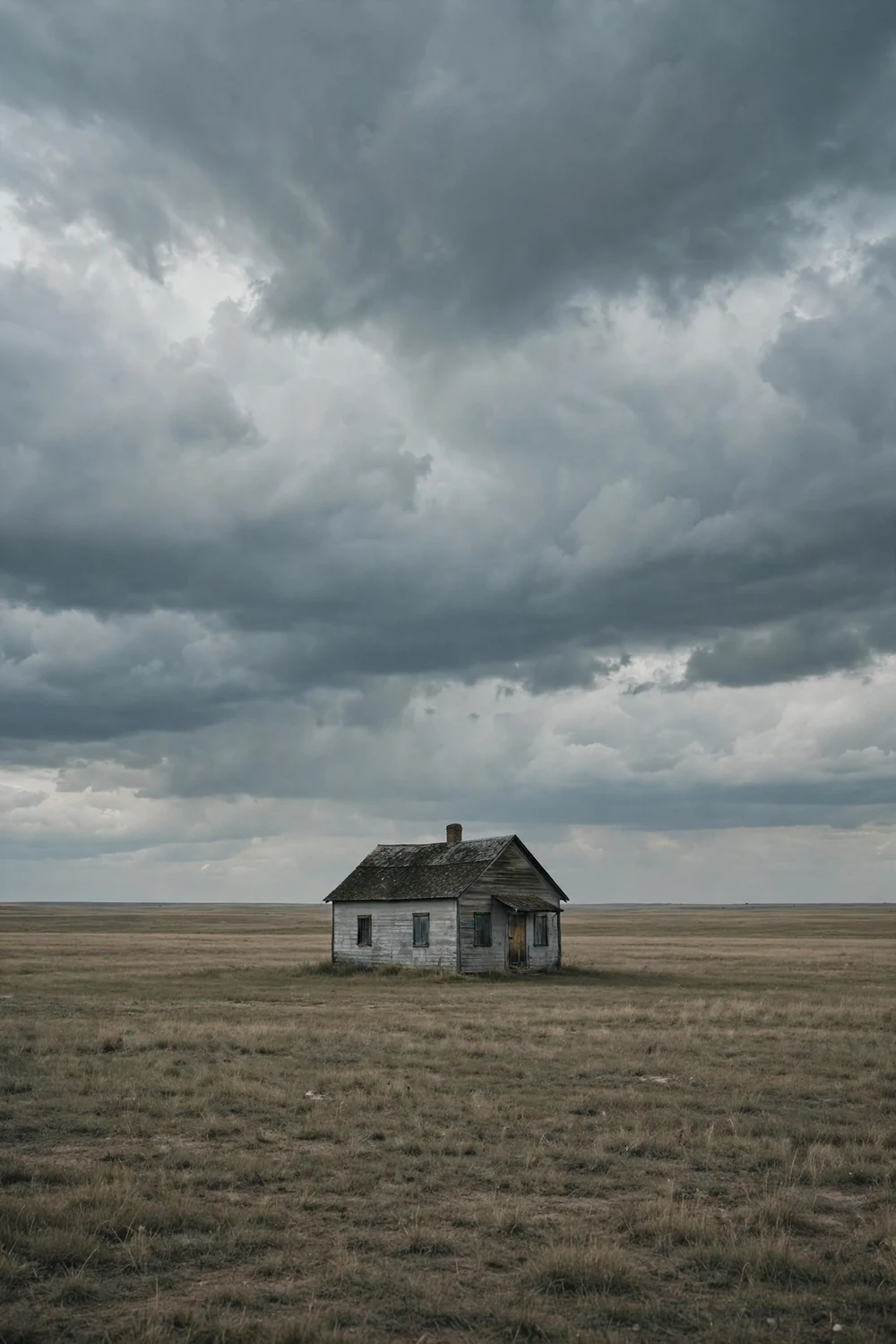
The curveball of the list, and the shortest route to a sleepless night. A couple living on a remote farm are visited by a stranger with an extraordinary proposition for the husband — and saying much more would spoil one of modern fiction’s neatest constructions. Foe shares with East of Eden a fascination with what people owe each other inside a marriage and a home, but it plays those questions as slow-dread psychological suspense. Read it in two sittings, then immediately find someone else who has.
4. Lady Chatterley’s Lover — D.H. Lawrence

Lawrence’s novel was once so scandalous it was banned and tried for obscenity; today it reads as a fierce, tender argument that a life divided between class duty and real feeling cannot hold. Connie Chatterley, married to a wounded aristocrat, is drawn to the estate’s gamekeeper — and through that affair Lawrence stages the same collision East of Eden loves: respectability versus desire, inheritance versus choice. The language is lush, the anger at a deadened England still warm, and its reputation as a mere scandal is decades out of date.
5. The Midnight Library — Matt Haig

The gentlest book here, and the most direct answer to East of Eden’s great question — the Hebrew idea of timshel, “thou mayest”, the belief that a life is not fixed by its worst choices. Haig’s heroine, between life and death, is given a library where every book is a life she could have lived, and tries them on one by one. It is a fable rather than a saga, warm where Steinbeck is biblical, but if the novel’s hope — that people can choose against their inheritance — is what moved you, this is that hope distilled.
6. Catch-22 — Joseph Heller

A different flavour of moral labyrinth: Heller’s airmen on a Mediterranean island are trapped not by sin but by a rule — you must be mad to be excused from flying, but asking to be excused proves you are sane. Catch-22 is the funniest book on this list and one of the angriest, a war novel that turns bureaucracy into a kind of theology. Readers who loved East of Eden’s philosophical spine — its insistence on arguing about good and evil through story — will relish how Heller argues entirely through farce.
7. East Of Eden — John Steinbeck

It sounds obvious, but if the adaptation is what brought you here, the original novel is the single best next read — and it is bigger, stranger and more personal than any screen version can hold. Steinbeck called it his “first-person book”: the Trasks and Hamiltons of the Salinas Valley re-enact Cain and Abel across generations while the narrator wrestles openly with the story’s meaning. The famous centrepiece — a long, blazing discussion of one Hebrew word — is the thesis the whole list circles around. Read the book the series could only point at.
8. Of Mice And Men — John Steinbeck
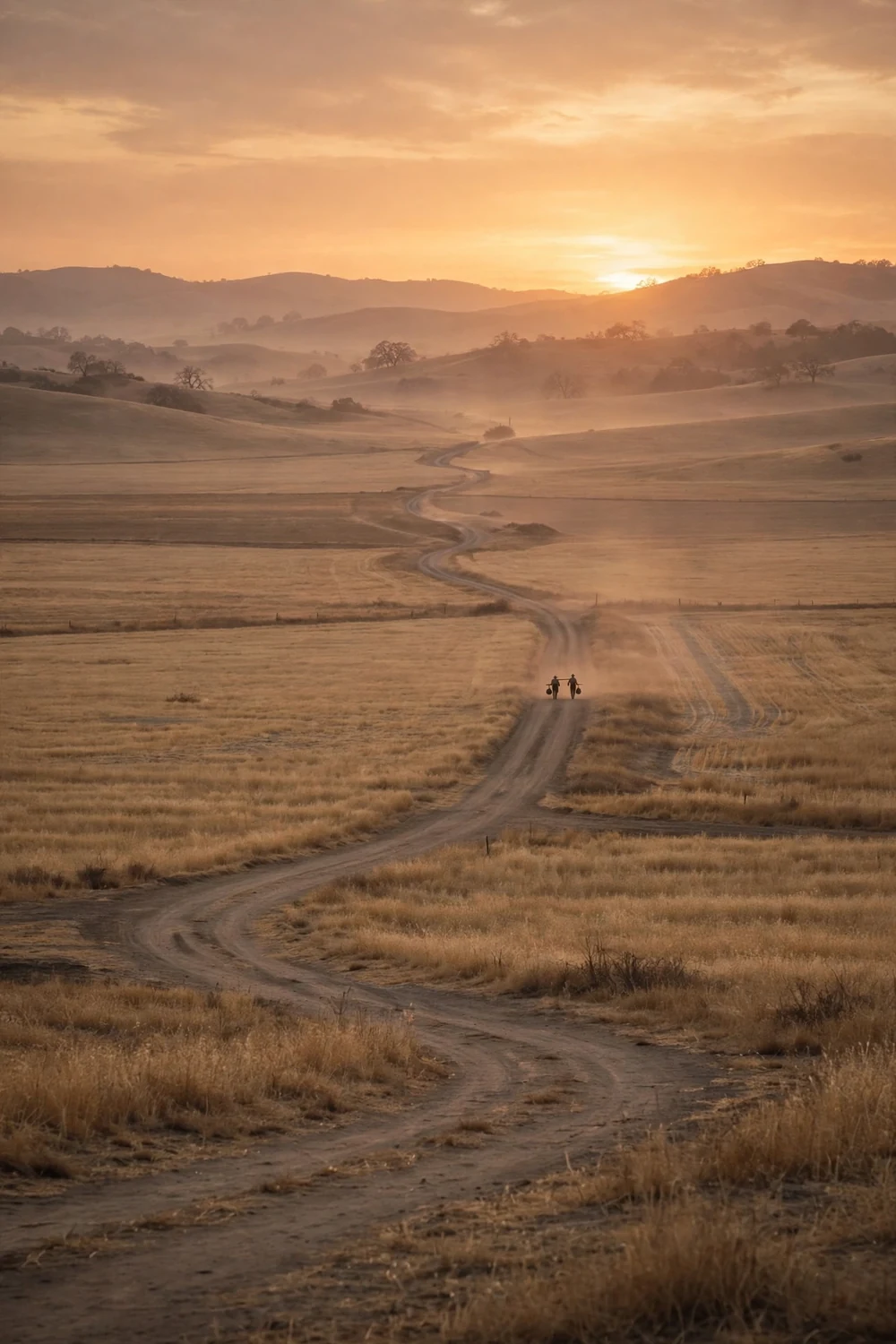
Stay with Steinbeck, but go small. George and Lennie, two drifters dreaming of a patch of land of their own, carry in barely a hundred pages the same themes as the epic: mercy, loneliness, and what the strong owe the vulnerable. Many readers met it at school and were too young for it; returning as an adult is a revelation — the dialogue is perfect, the structure is perfect, and the ending lands like a held breath finally released. It is the fastest book here and quite possibly the saddest.
9. One Hundred Years Of Solitude — Gabriel García Márquez

End with the other great multi-generational saga of a family and a place inventing each other. The Buendías of Macondo — a town founded on a river of clear water — repeat their names, their loves and their catastrophes across a century in which ghosts are mundane and insomnia can be an epidemic. Where Steinbeck’s cycle is biblical, Márquez’s is mythic and cyclical, and reading the two sagas back to back is one of the great pleasures available to a reader. If East of Eden’s family-as-destiny haunted you, Macondo is waiting.
Where To Start?
If you want the closest relative, go to the original East of Eden itself, then Of Mice and Men for Steinbeck in miniature. If you want scale, Lonesome Dove; if you want intensity in a single evening, Wildlife or Foe. And if you want to leave America entirely while keeping the family curse, One Hundred Years of Solitude is the summit. Whichever you choose, the thread is the same one Steinbeck kept pulling: nobody is only what their family handed them. That idea powered a classic novel, a hit adaptation — and, as our look at things from the 2000s that quietly vanished shows, it outlasts almost everything else culture produces. Happy reading — and may your next book argue with you as enjoyably as these will. A final companion for the shelf: the vanishing acts in our list of singers who disappeared make fine reading-break company too.