Some facts sound so strange that your first instinct is to dismiss them completely. A beloved sitcom was almost about cannibals. A princess once partied in a London gay bar wearing a borrowed army jacket. A famous sauce only exists because someone forgot about a barrel in a cellar for years. Each one feels made up, yet every story on this list really happened, or at least, really happened according to the people who were there.
That is the fun of a good trivia rabbit hole. Behind the shows, songs, and snacks we take for granted sit near misses, happy accidents, and decisions that could easily have gone the other way. Here are 26 of the most surprising pop culture and history facts we came across. If you enjoy peeling back the curtain on the entertainment world, you will also love our look at 17 women you should have learned about in history class and how they changed the world. Now let us get started.
1. Catherine O’Hara Was The First Choice To Play Moira Rose — And She Almost Said No
When Dan Levy and his father Eugene Levy were developing Schitt’s Creek, there was only one actor they pictured as Moira Rose: Catherine O’Hara. The trouble was that O’Hara was not sure she wanted the job. She was hesitant about joining a new sitcom and turned the offer down at first, leaving the Levys to rethink their plans.
Dan Levy was not ready to give up on his first choice. He pushed his father to keep trying, and eventually O’Hara agreed to film the pilot. To make the decision easier, the producers told her she only had to commit to one season, and that she could walk away if she did not enjoy the experience. It turned out to be one of the best casting gambles in television, because Moira became one of the show’s most beloved characters.
2. Freddie Mercury Once Sneaked Princess Diana Into A London Gay Bar
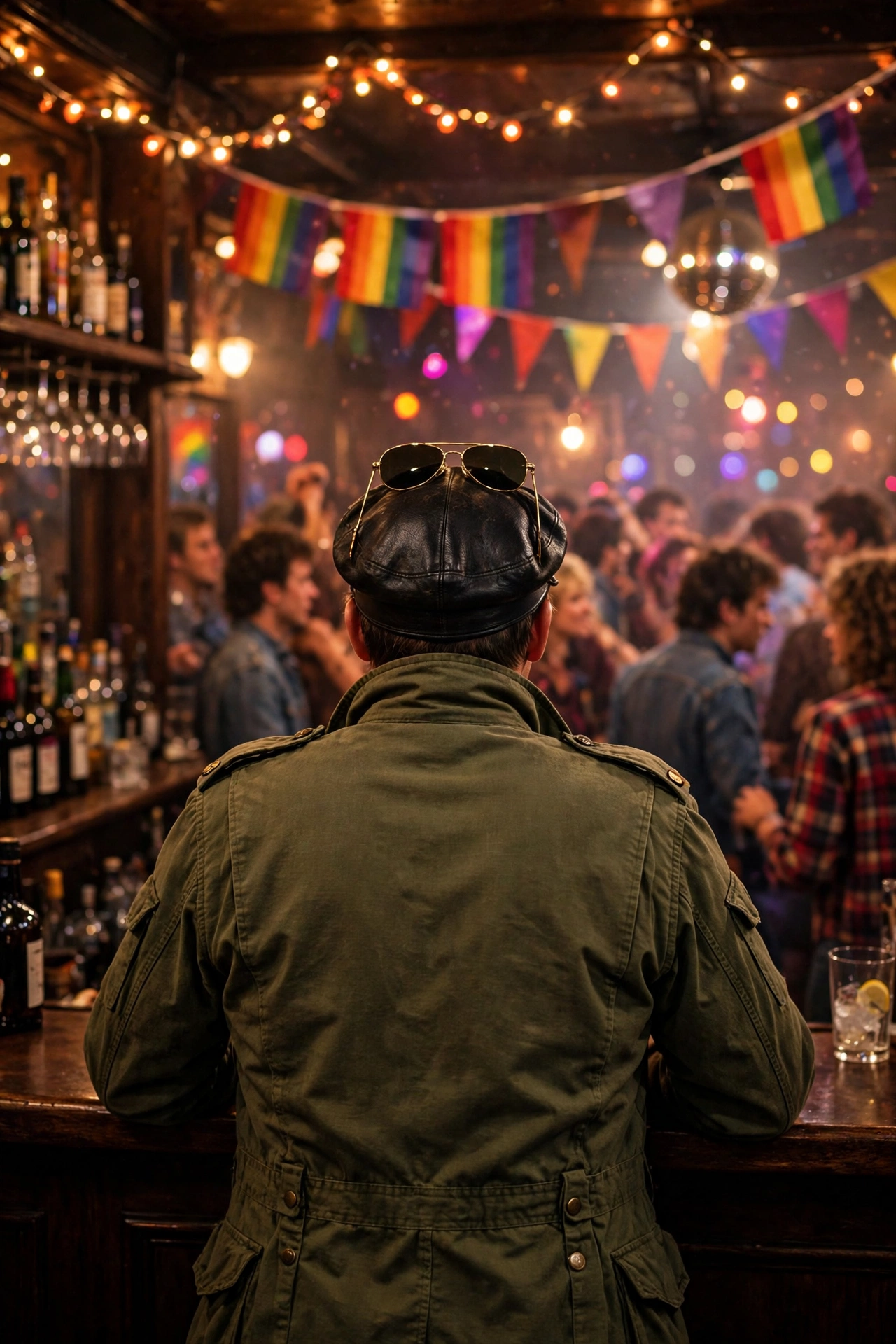
In the 1980s, Princess Diana struck up an unlikely friendship with actor Cleo Rocos, and one evening at comedian Kenny Everett’s home turned into one of the most famous nights out in royal history. Rocos, Everett, and Freddie Mercury were planning to spend the evening at the Royal Vauxhall Tavern, a well-known London gay bar, when Diana asked if she could come along.
At first the group hesitated. The future queen of England dancing in a gay bar was exactly the kind of story the press would have loved, and the risk was obvious. Mercury eventually relented, telling them to let her enjoy herself, and the group set about disguising her. She was dressed in an army jacket, aviator sunglasses, and a leather cap, clothes that Everett had planned to wear that night.
3. Bob’s Burgers Was Almost A Show About Cannibals
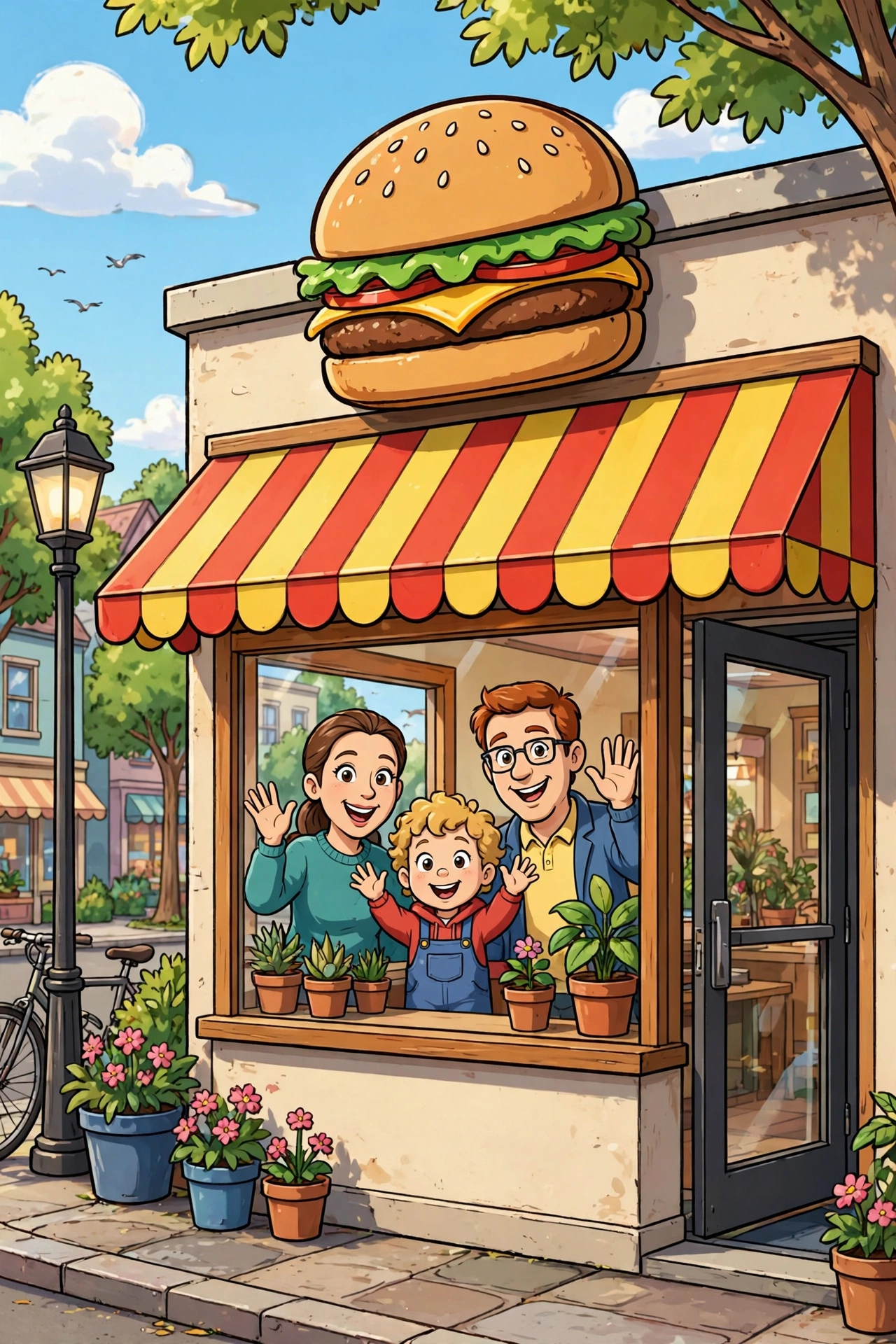
Long before Bob’s Burgers became a warm and silly family sitcom, its creator Loren Bouchard had a much darker idea in mind. In the earliest version of the show, the Belcher family were cannibals who served human meat in their restaurant without realising it, supposedly getting their meat from a crematorium next door. It set a very different tone from the cheerful burger joint we know today.
The idea came partly from the dark humour of Bouchard’s earlier animated work, and partly from the need for edgy ideas when pitching to Cartoon Network’s Adult Swim. The network executives, however, felt the cannibal angle was far too extreme for a family sitcom and suggested the Belchers simply be an ordinary family running an ordinary restaurant. Bouchard agreed, and the darker premise was dropped before the series premiered in 2011.
4. Sarah Jessica Parker Almost Quit Sex And The City Before It Really Began
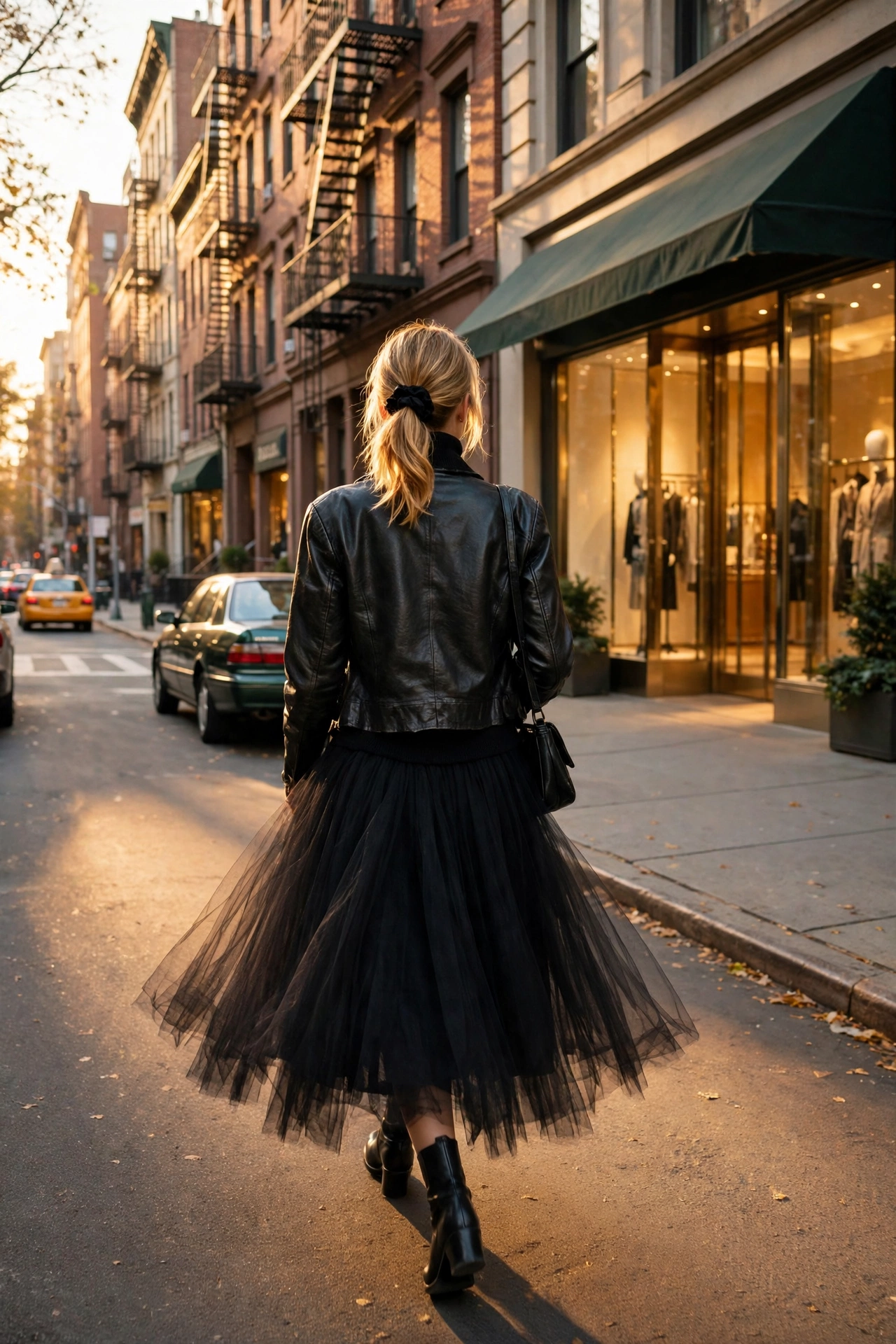
It is almost impossible to picture Sex and the City without Sarah Jessica Parker as Carrie Bradshaw, yet she nearly walked away from the role before the show even started. Parker later shared on Kristin Davis’s podcast that after filming the pilot in 1997, she was not sure she wanted to continue. When HBO decided to pick the series up, she asked her agents to find a way out of her contract.
At the time, Parker was already a well-known film actress, and a long-running television role felt like a trap. She worried it would stop her from taking theatre and movie work, and that television would narrow the career she had built. Her agents talked her round, telling her that HBO was a different kind of network, and suggested she try it for a year, promising they would get her out if she still wanted to leave.
5. Nobody Really Knows Where “Friend Of Dorothy” Came From
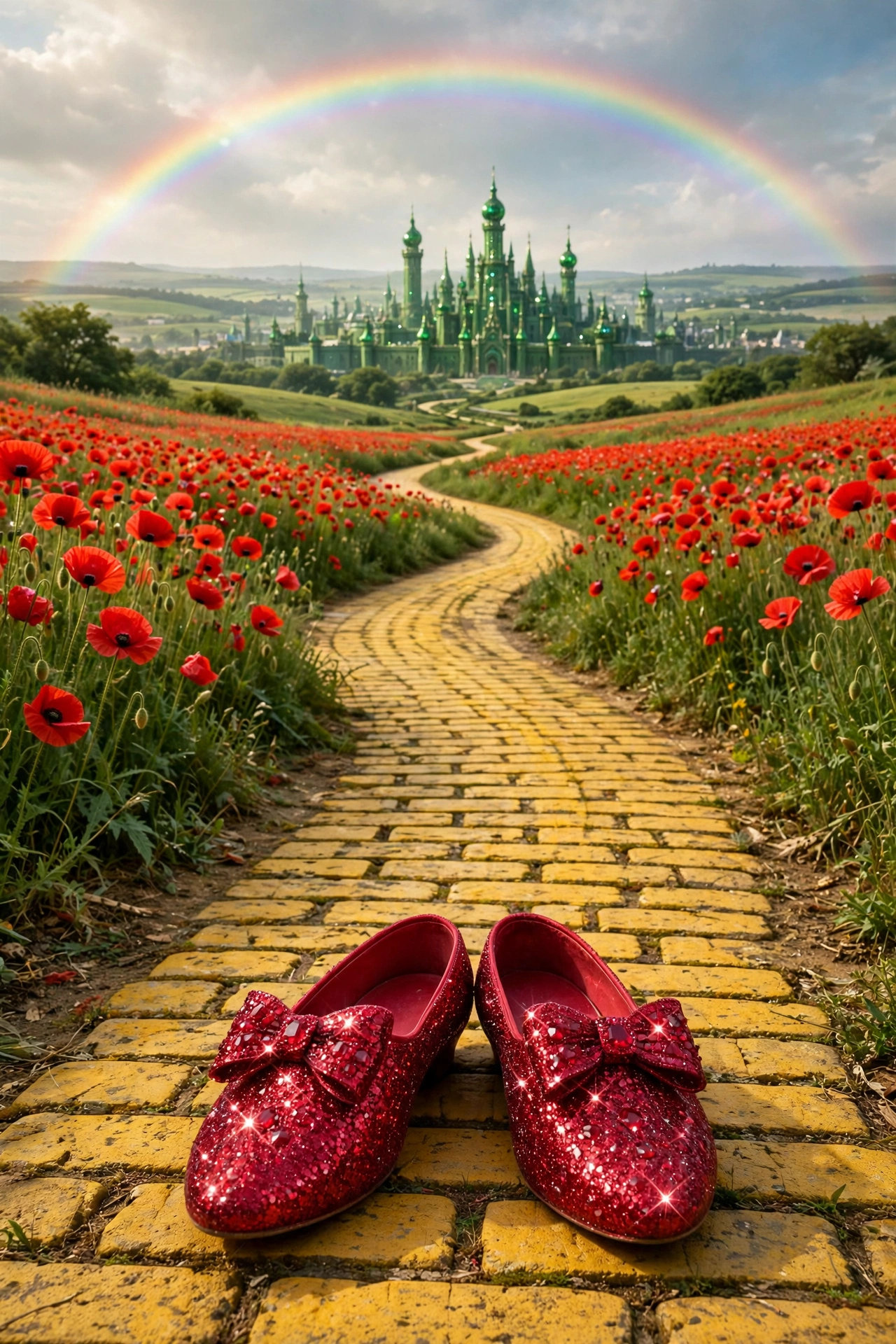
“Friend of Dorothy” is one of the most famous pieces of coded language in LGBTQ+ history, but its origin is surprisingly unclear. The expression became widely used by gay men in the middle of the last century as a discreet way to recognise one another, at a time when being openly gay could lead to discrimination, arrest, or being cut off from family and work. For such a well-known phrase, though, nobody can agree on which Dorothy it refers to.
The most commonly accepted explanation points to Dorothy Gale from The Wizard of Oz, and to Judy Garland, whose status as a gay icon made the connection especially meaningful. Garland’s films held a special place in the community, and the story of a young woman finding a chosen family far from home resonated deeply with many gay men of the era.
6. How A Runaway Budget Got Marilyn Monroe Fired From Her Last Film
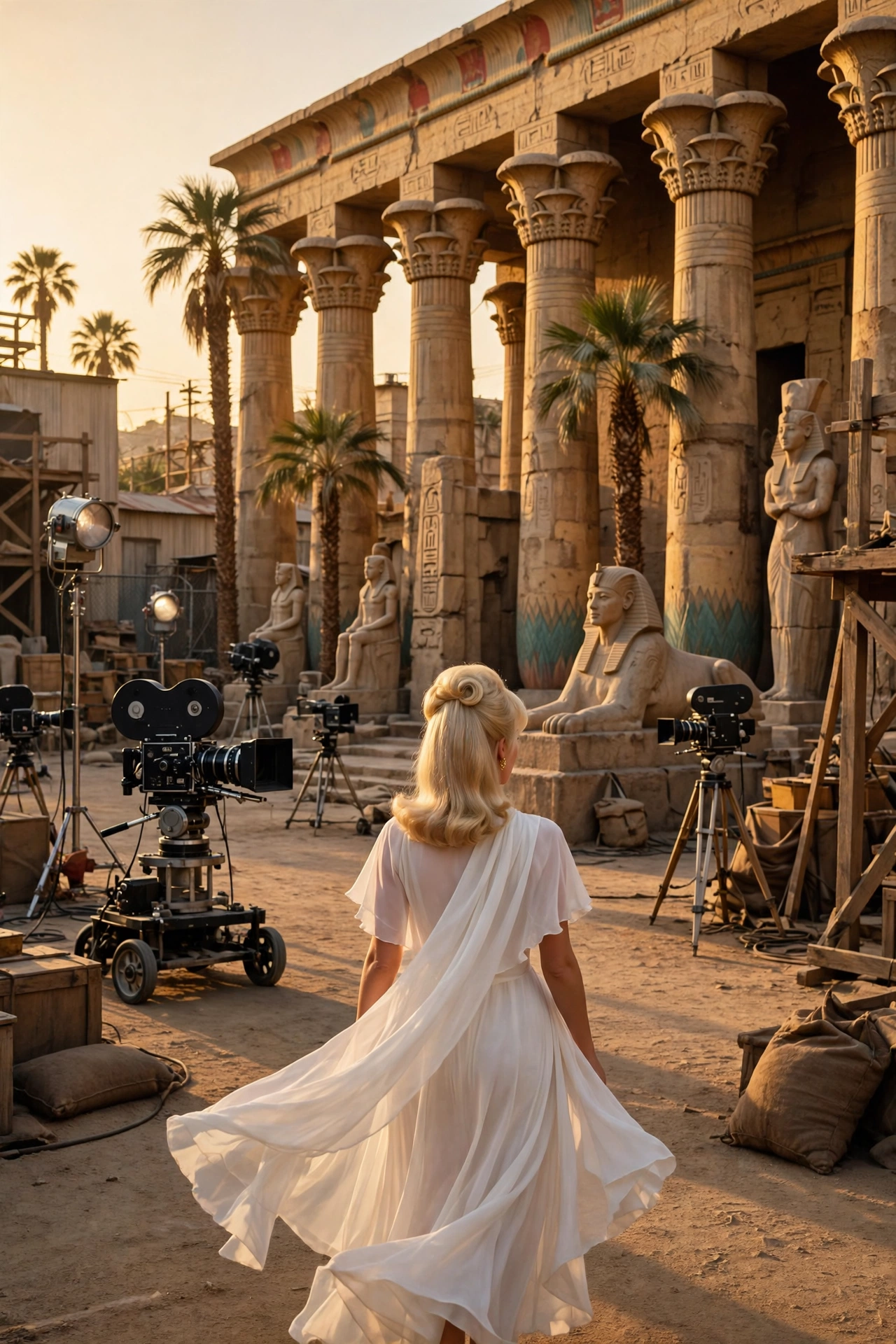
In 1962, the studio 20th Century Fox was in serious financial trouble. The budget for the epic film Cleopatra had spiralled wildly out of control, eventually making it one of the most expensive movies ever produced at the time. With money pouring out of the studio, executives grew increasingly worried about delays on another production, a romantic comedy called Something’s Got to Give, starring Marilyn Monroe in what would become her final film project.
Monroe’s health problems and frequent absences from the set had put the film behind schedule, and the pressure from the studio only made things worse. In June 1962, Fox fired her and publicly blamed her for the delays, though many historians believe the studio was really looking for ways to cut costs anywhere it could, with Cleopatra eating through its budget. The troubled comedy is still remembered today for Monroe’s famous skinny-dipping pool scene, which generated enormous publicity.
7. Marilyn Monroe’s “Happy Birthday, Mr. President” Was Rehearsed For Months
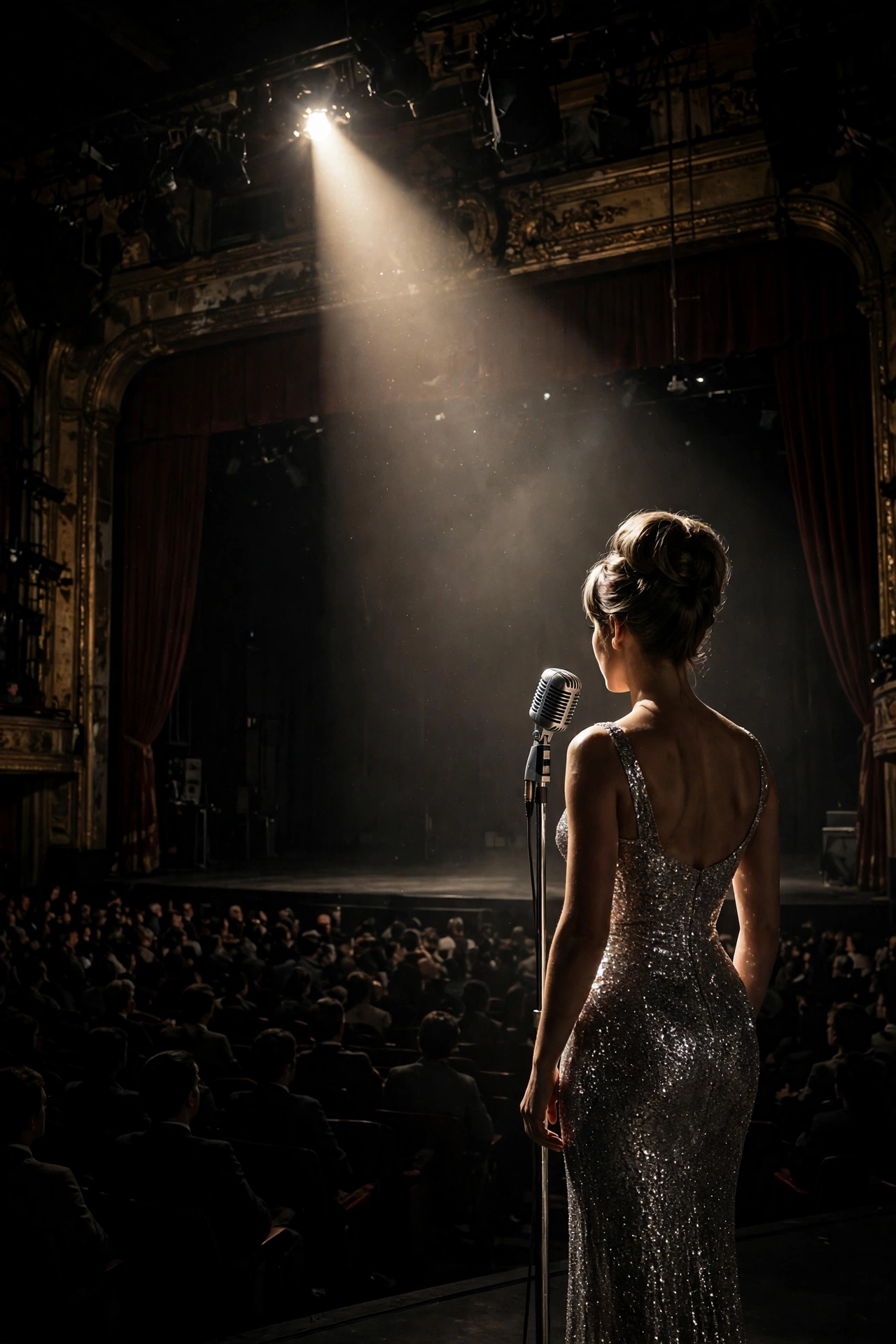
Marilyn Monroe’s breathy performance of “Happy Birthday, Mr. President” at John F. Kennedy’s 45th birthday looks like a spontaneous, flirtatious stunt, but it was nothing of the sort. The event was a Democratic fundraiser held at Madison Square Garden, and Monroe had been asked to perform months in advance. The show was put together by her friend, the actor Peter Lawford, who was also the president’s brother-in-law. She took the booking seriously and spent hours rehearsing in the days leading up to the performance.
After the show, Monroe attended the after-party at the home of Arthur and Mathilde Krim, still wearing the famous sparkling dress. It was there that the only known photograph of Monroe with Kennedy was taken, by White House photographer Cecil Stoughton. He had actually taken several photos of the pair, but the Secret Service later asked for all the pictures and negatives. Stoughton handed them over, though one photograph was still drying, and he kept it secret for years. If you enjoy stories about the women who shaped Hollywood history, take a look at our list of 17 women you should have learned about in history class and how they changed the world.
8. Call Me By Your Name Was Supposed To Be The Start Of A Trilogy

Call Me by Your Name was never meant to be a one-off love story. Director Luca Guadagnino has said in interviews that he wanted to revisit the characters Elio and Oliver at different stages of their lives, with the next film set several years after the first. Early plans described the project as a trilogy, with each instalment catching up with the characters as they aged, in a similar structure to Richard Linklater’s Before films.
Guadagnino also suggested the follow-up would move beyond Italy and show the characters navigating new places and historical moments, including the HIV/AIDS epidemic and the changing cultural and political landscape of the late twentieth century. André Aciman, the author of the book the film is based on, even wrote a sequel novel that followed the same storyline, keeping the door open for the story to continue.
9. Most Americans Had Never Even Tasted Pizza Before World War II
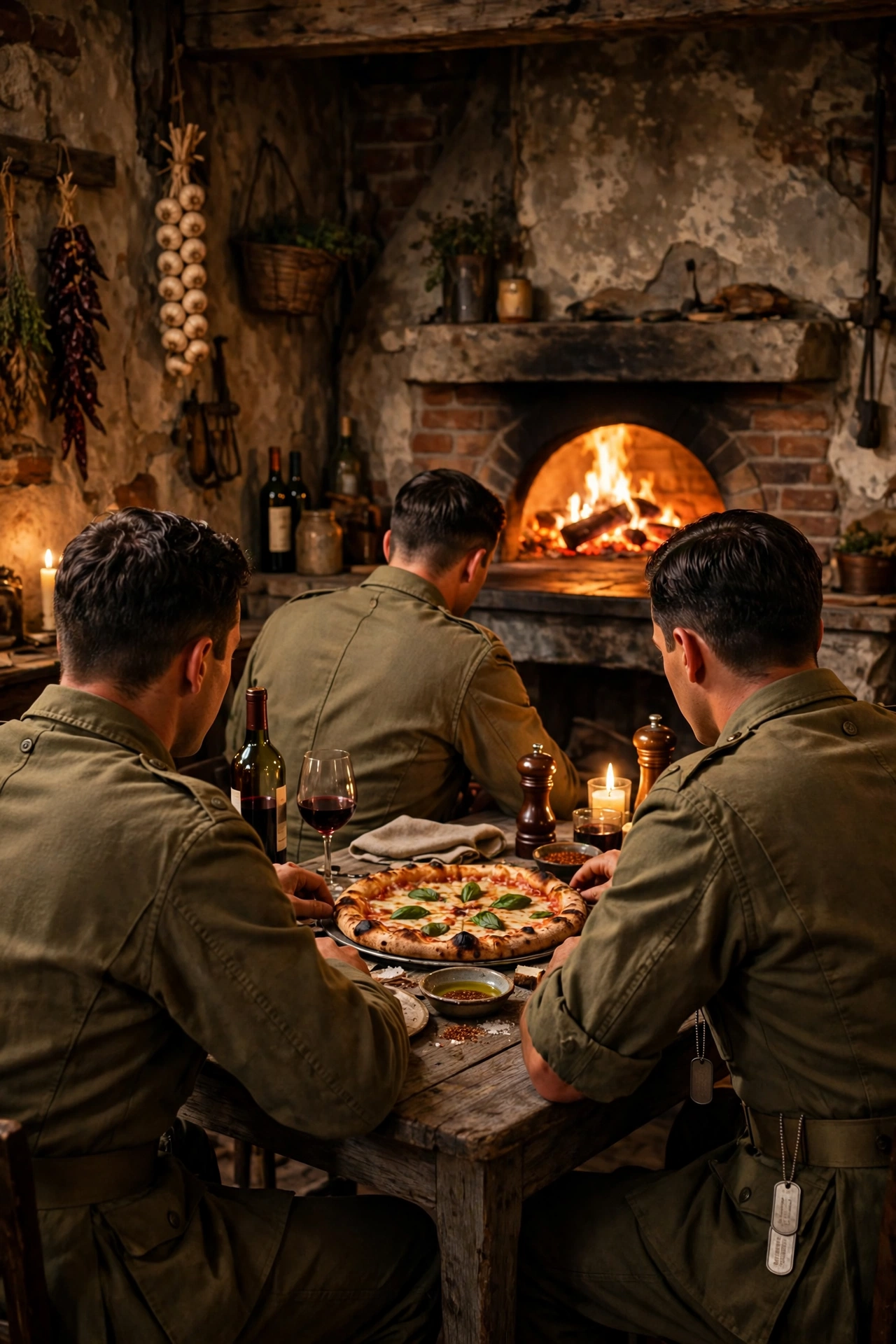
Today pizza is one of America’s most popular foods, but before the Second World War it was largely unknown outside Italian American communities and cities with large Italian populations. Italian food in general was considered niche cuisine, and many Americans had never tasted a slice. In much of the country, there was not even a restaurant that served it.
That began to change during the war, when thousands of American soldiers were stationed in Italy and encountered local foods they had never tried before. Pizza quickly became a favourite among the troops, who ate it in small trattorias and village cafes across the country. When those soldiers returned home, they brought their newfound appreciation for Italian food back with them.
10. The Bizarre Legend Of Nixon, Jackie Gleason, And Alien Bodies
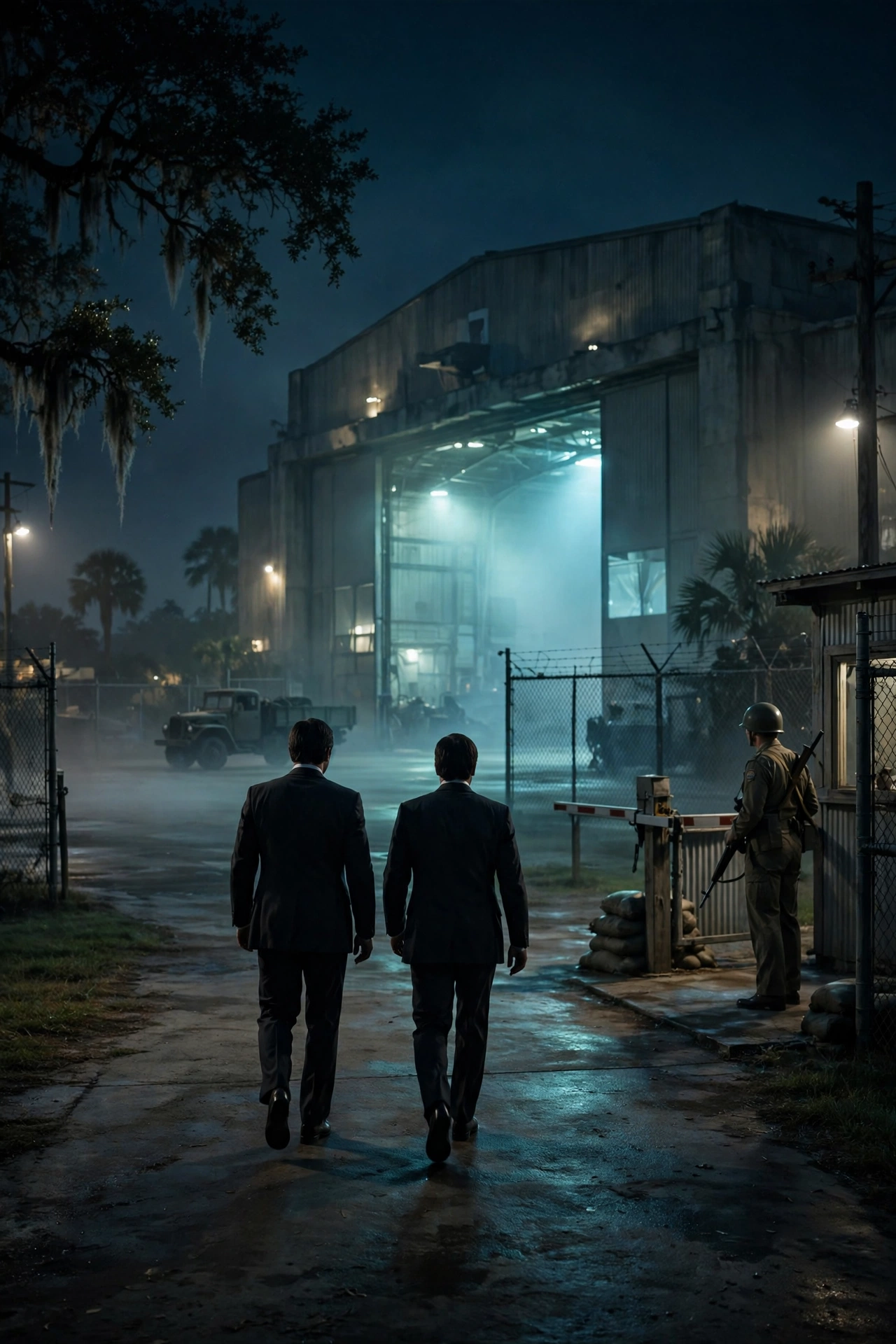
A recent film scene shows security footage of President Richard Nixon taking an unnamed old television star to view recovered alien bodies. What many viewers may not know is that the scene is based on a decades-old UFO legend involving comedian Jackie Gleason, who was famously fascinated by UFOs and the paranormal, and had built up a large collection of books and research on the subject. It is a story, not an established fact, but it has been told and retold for half a century.
According to a version of the story later told by Gleason’s ex-wife Beverly, Nixon, who was a good friend of the entertainer, drove him to Homestead Air Force Base in Florida on February 19, 1973, and showed him what were supposedly the preserved bodies of extraterrestrials recovered from a crashed UFO. As the story goes, Gleason returned home visibly shaken and told his wife, after swearing her to secrecy, about seeing around half a dozen small, mangled non-human bodies stored in cases that looked like glass-topped drinks freezers. He supposedly could not eat or sleep for weeks afterwards. For more presidential history, see our look at how the Oval Office has evolved from 1934 to today.
11. The Movie Star Who Was Told To Choose Between Love And Hollywood
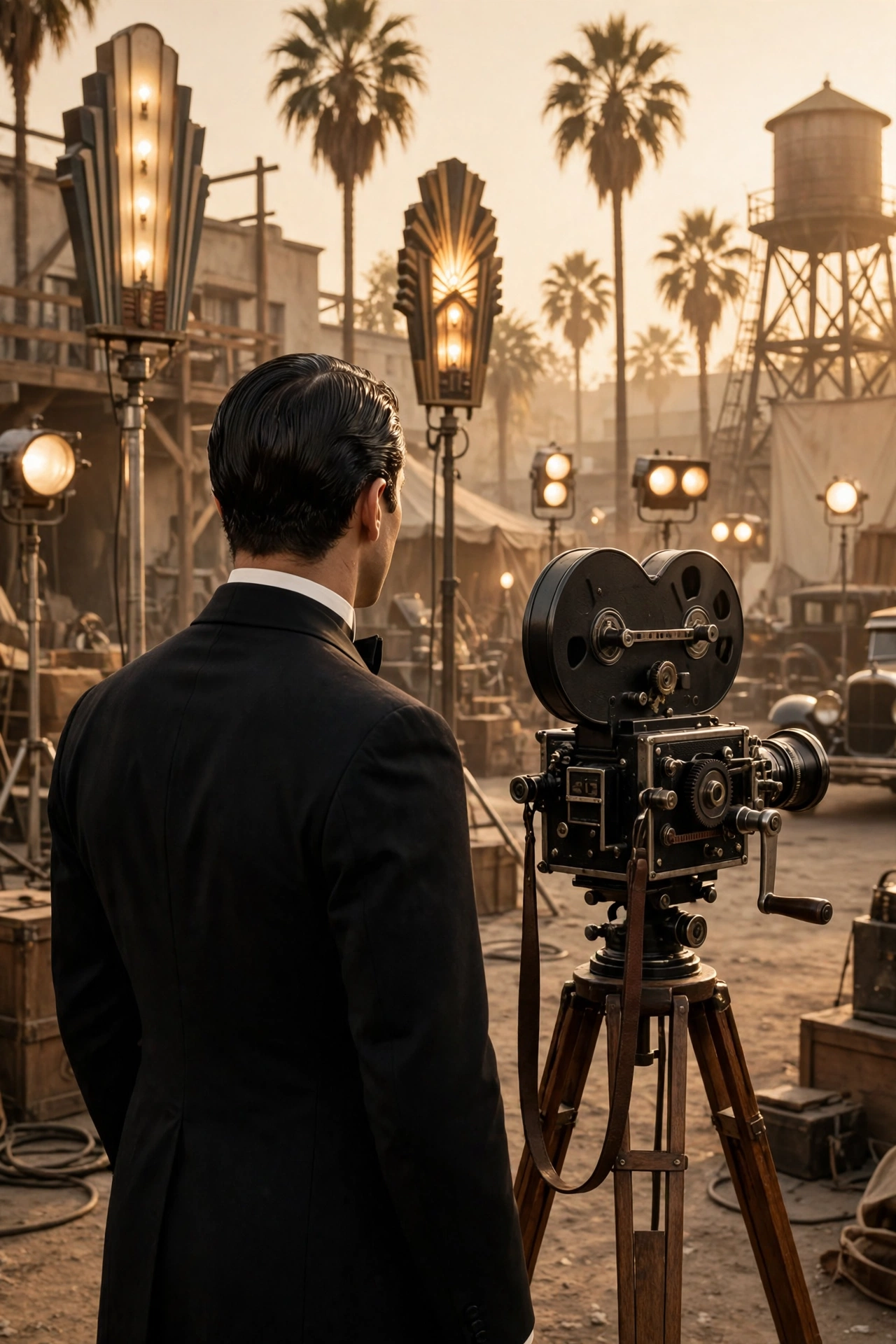
In the 1920s and early 1930s, William “Billy” Haines was one of Hollywood’s biggest stars. He appeared in a string of successful silent films and early talkies for Metro-Goldwyn-Mayer, and his cheerful screen persona made him one of the studio’s most reliable leading men. Behind the scenes, though, his life did not fit the image the studio wanted to sell.
At a time when studios tightly controlled their actors’ personal lives, Haines was openly involved in a same-sex relationship with his longtime partner, Jimmie Shields. MGM executives reportedly pressured him to end the relationship and enter into a marriage that would protect his public image. It was an ultimatum that many stars of the era quietly accepted, trading their private happiness for their careers.
12. After Hollywood, Billy Haines Became A Design Legend

Billy Haines chose his partner Jimmie Shields over his movie career, even though he knew what it would cost him. His acting career effectively came to an end while many of his contemporaries stayed in the spotlight for decades, and the studio system that had made him famous simply moved on without him.
Rather than disappear from public life, Haines reinvented himself completely. He became an interior designer and built a highly successful second career, decorating homes for some of Hollywood’s most powerful stars. Among his clients was Joan Crawford, whose living room he designed, and his elegant, comfortable style became sought after across the film industry. His designs are still available to buy today, a lasting legacy from a man who refused to compromise.
13. Disneyland’s First Armed Robbery Was An Inside Job
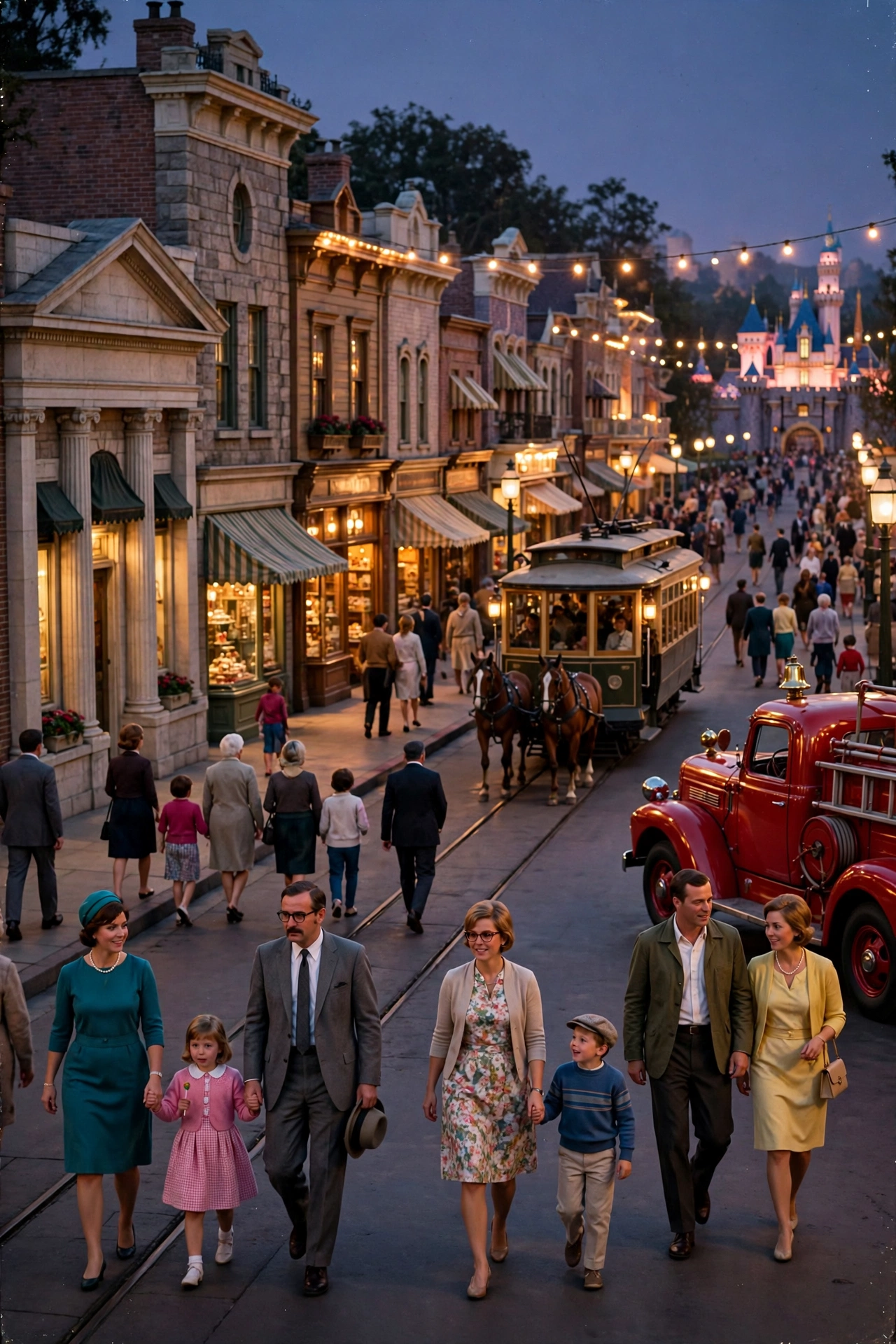
Disneyland had only been open for five years when what was believed to be the park’s first and only armed robbery took place on August 21, 1960. Restaurant cashier Richard Lowry was carrying about ten thousand dollars in cash, worth more than a hundred thousand in today’s money, from the Red Wagon Inn to Disneyland’s on-site bank branch. At the time, cast members regularly walked large sums of money through crowded guest areas, which seems unthinkable now.
Lowry claimed that a gunman stopped him on Main Street, forced him into a restroom, and stole the money before escaping. The police quickly became suspicious, though, because his story kept changing. Details about the number of robbers and the weapons involved shifted from one account to the next, and the pieces simply did not add up.
14. The “Ghost” In Three Men And A Baby Was Just A Cardboard Cutout
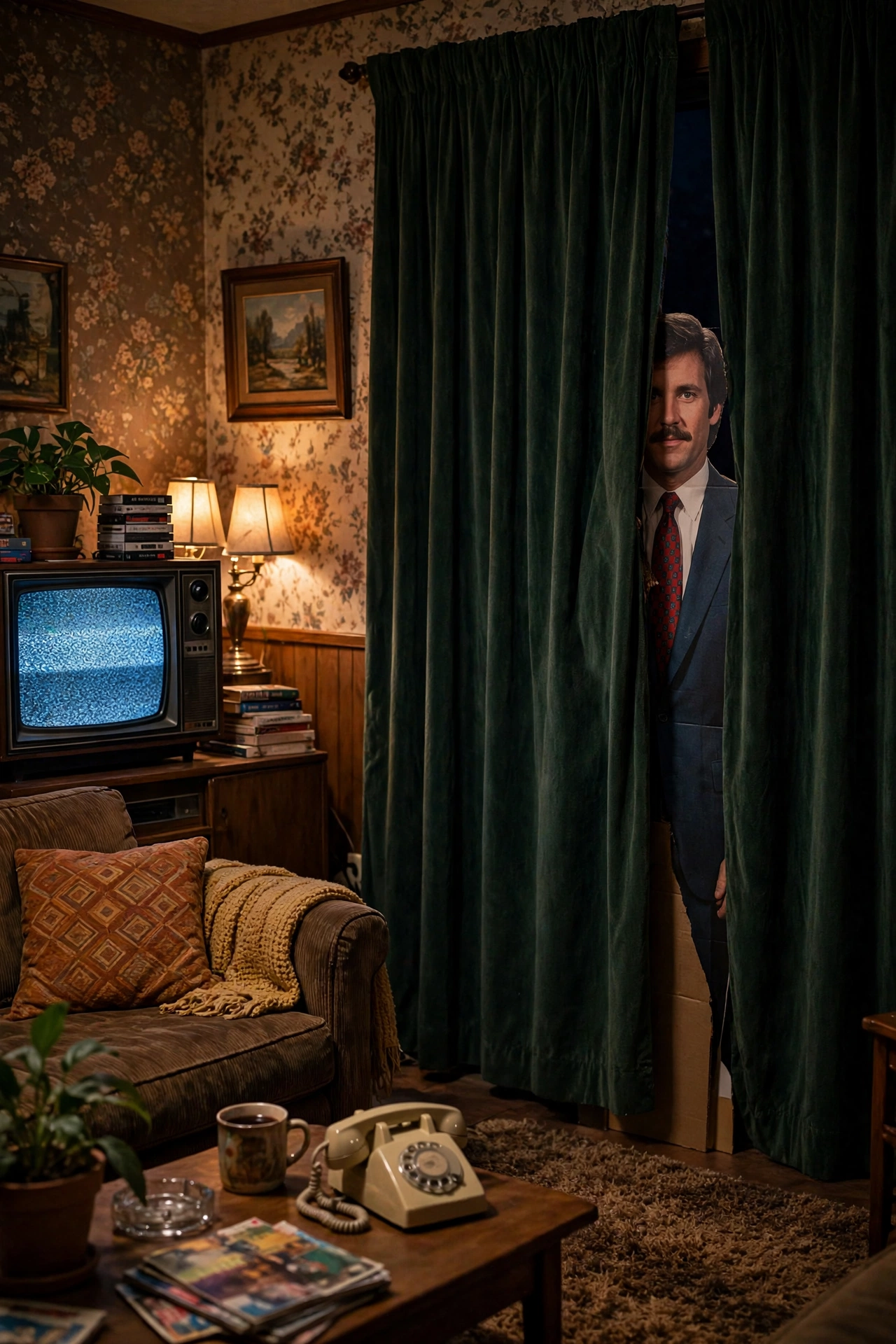
If you grew up in the eighties or nineties, you probably heard the urban legend that a ghost appears in the background of Three Men and a Baby. The story went that the movie had been filmed in a haunted New York apartment, and that the spirit of a nine-year-old boy who had died there could be seen hiding behind the curtains as the camera quickly panned across the room. It was widely discussed, and plenty of people really believed it.
The truth is far less spooky. The “ghost” people point to is actually a cardboard cutout of Ted Danson’s character, which was part of a deleted storyline in the film. The movie was also filmed on a soundstage in Toronto, not in a real apartment at all, so the haunted-flat story falls apart on every level.
15. The Twilight Zone Episode That Only Aired Once
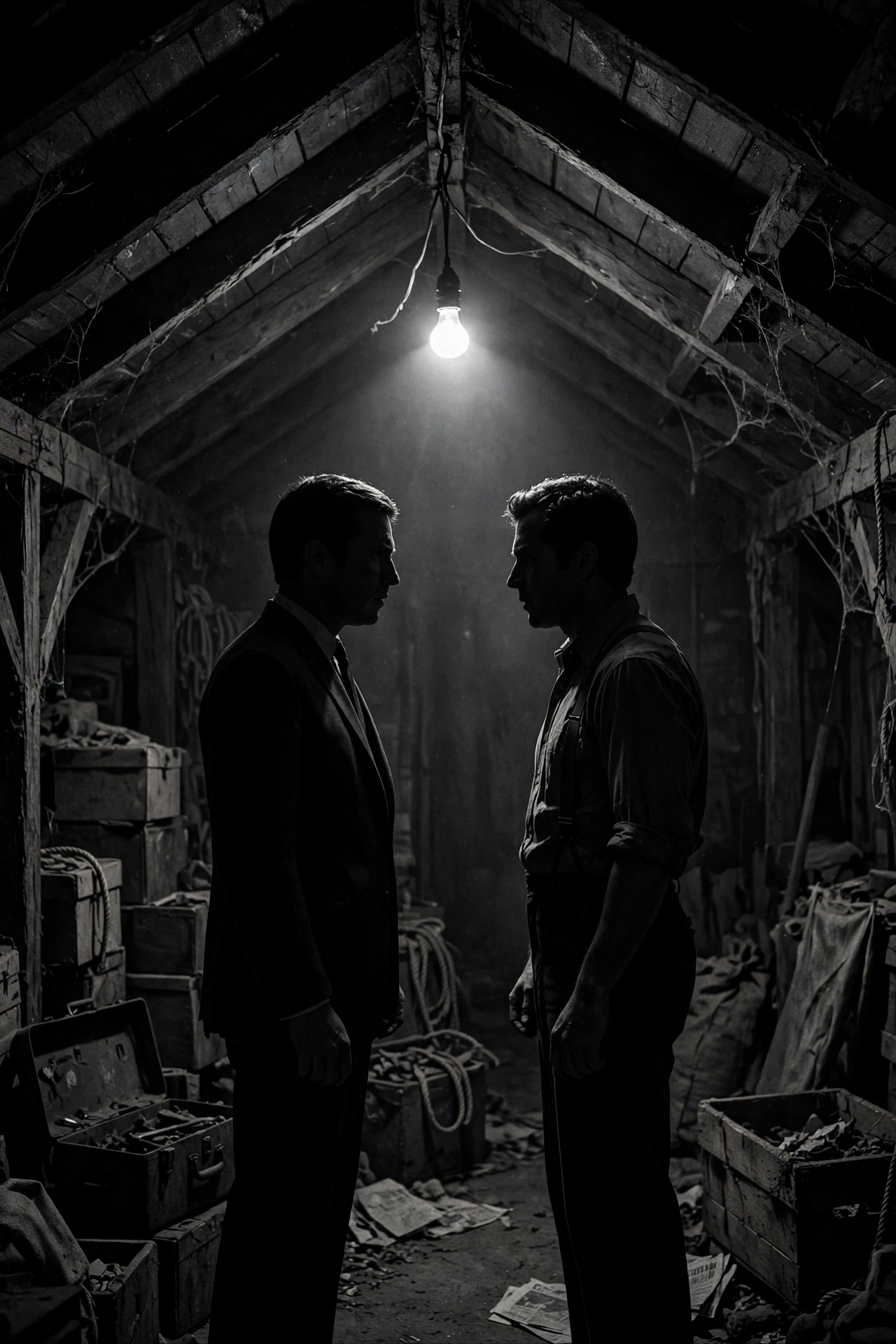
There was an episode of The Twilight Zone that only aired once. “The Encounter” is one of the most controversial episodes of the series, originally broadcast in 1964 during the show’s fifth season. It stars George Takei as a Japanese American man who visits the attic of a Second World War veteran, where the two men become trapped and are forced to confront painful memories and prejudice connected to the war.
The episode deals directly with racism, anti-Japanese sentiment, and the lingering trauma of the war, topics that were extremely sensitive less than two decades after the conflict ended. After its initial broadcast, CBS removed the episode from reruns and syndication, and it was largely unavailable on television for more than fifty years because of concerns about its racial themes and historical inaccuracies. In the story, Takei’s character confesses that his father had been a traitor who helped the Japanese attack Pearl Harbor, a claim that troubled many viewers.
16. The High Five Was Invented By Baseball Star Glenn Burke
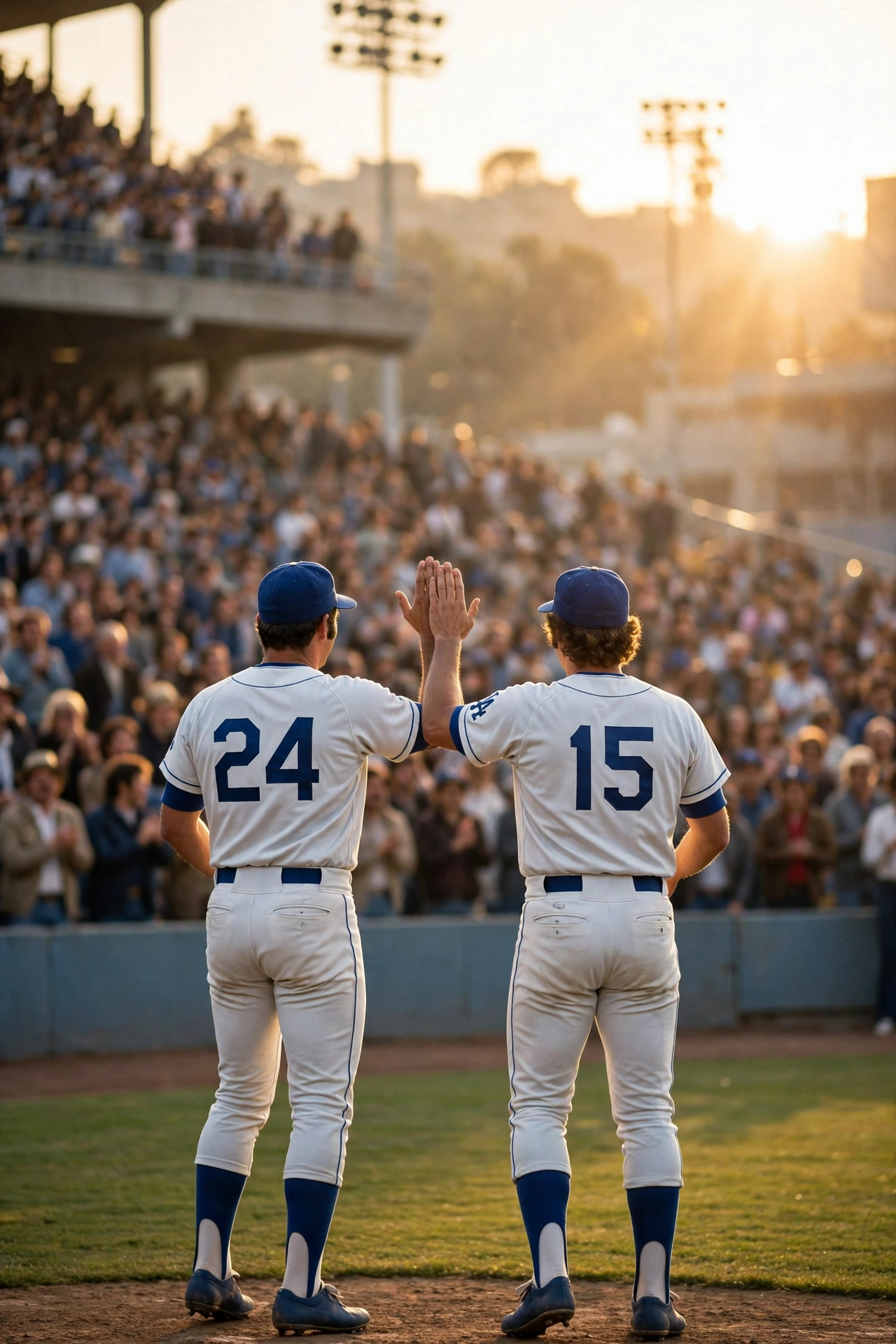
One of the most common celebratory gestures in the world, the high five, is widely credited with being invented by former Major League Baseball player Glenn Burke, who was also one of the first openly gay professional athletes. According to the most widely accepted account, the gesture was born on October 2, 1977, when Burke, playing for the Los Angeles Dodgers, raised his hand in celebration after teammate Dusty Baker hit his 30th home run of the season. Baker slapped Burke’s raised hand, and a spontaneous gesture was born.
It quickly caught on throughout baseball and eventually spread around the world, becoming the universal sign of celebration we all use today. At a time when LGBTQ+ athletes were largely forced to hide their identities, Burke stood out for being open about who he was among friends and teammates. His baseball career was cut short amid widespread homophobia in the sport, and after retiring in 1982 he came out publicly as gay.
17. “Scream” Was Never Meant To Be A Duet — Janet Wanted To Keep “Runaway”
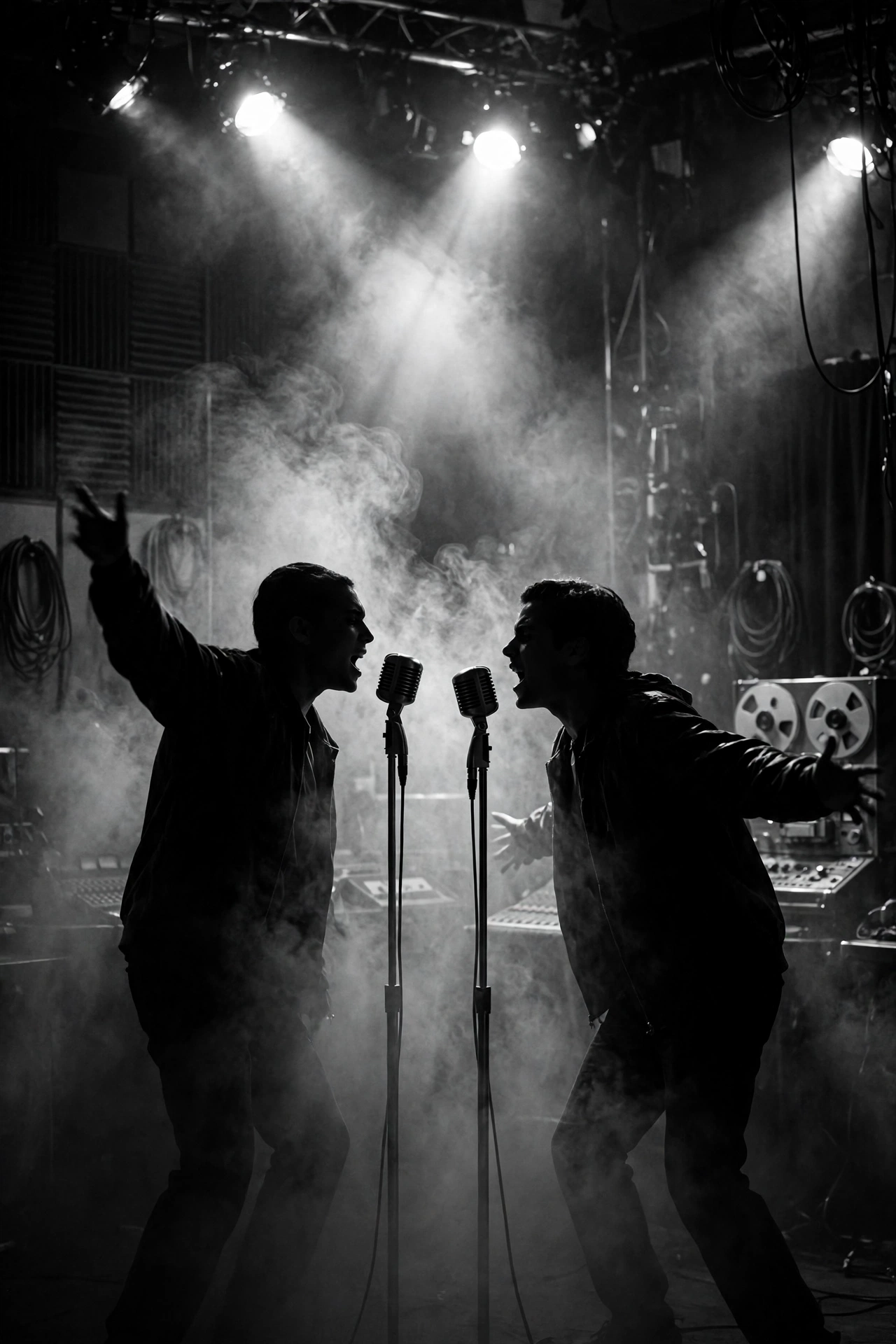
“Scream” was not meant to be a duet between Janet Jackson and Michael Jackson at all. It was supposed to be what would eventually become her own single, “Runaway.” According to her longtime collaborators Jimmy Jam and Terry Lewis, the duo had been asked to work on Michael’s HIStory album, and they created five tracks for potential duets, including both songs, presenting them to Janet for her feedback before showing them to Michael.
Jam and Lewis thought “Runaway” would be the song the two siblings recorded together. Janet, however, had other ideas. She said that Michael would like “Scream” and hoped he would not pick “Runaway,” because she wanted to keep that breezy track for herself. Her instincts were right: Michael did like “Scream,” and she got to keep “Runaway.”
18. George Clooney’s Early Struggle Included A Guest Spot On The Golden Girls
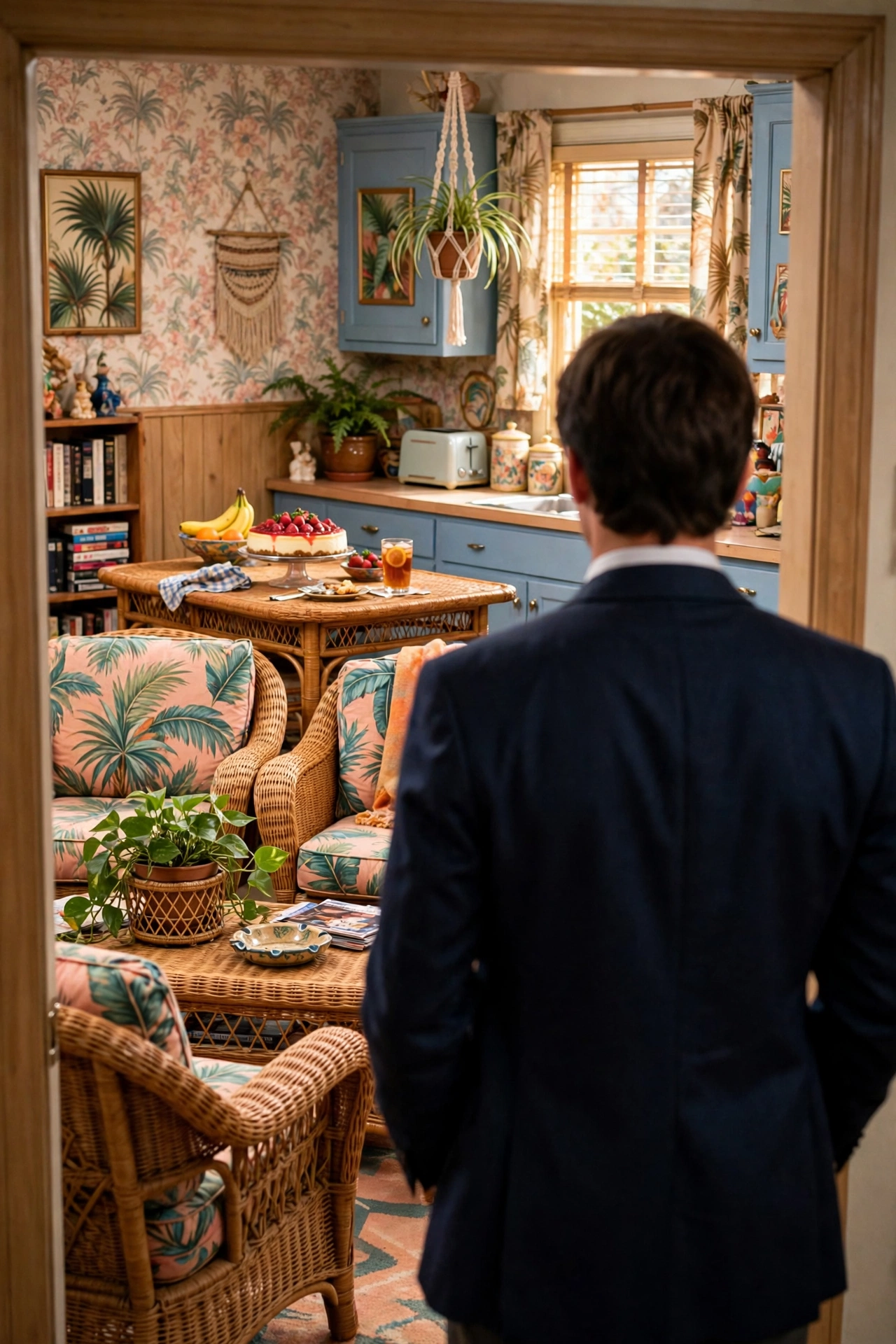
Years before he became a household name on ER and one of Hollywood’s biggest stars, George Clooney spent much of the 1980s struggling to find steady acting work. Keeping enough union jobs to maintain his health insurance was a constant concern, and like many young actors of the era, he took whatever roles he could get. According to accounts from The Golden Girls creative team, his agent contacted the show’s producers to see if there was a part available, which led to his guest appearance as undercover detective Bobby Hopkins in a 1987 episode.
At the time, it was just another television credit to help him stay afloat, and nobody on set could have guessed what his career would become. Looking back on the experience nearly four decades later, Clooney said he loved working on the sitcom and remembered the cast as funny and warm. He reserved special praise for Bea Arthur, saying she made him laugh harder than anyone he had worked with, and called the whole experience a really fun time.
19. Gay Bars Were Hosting TV Viewing Parties Long Before Drag Race
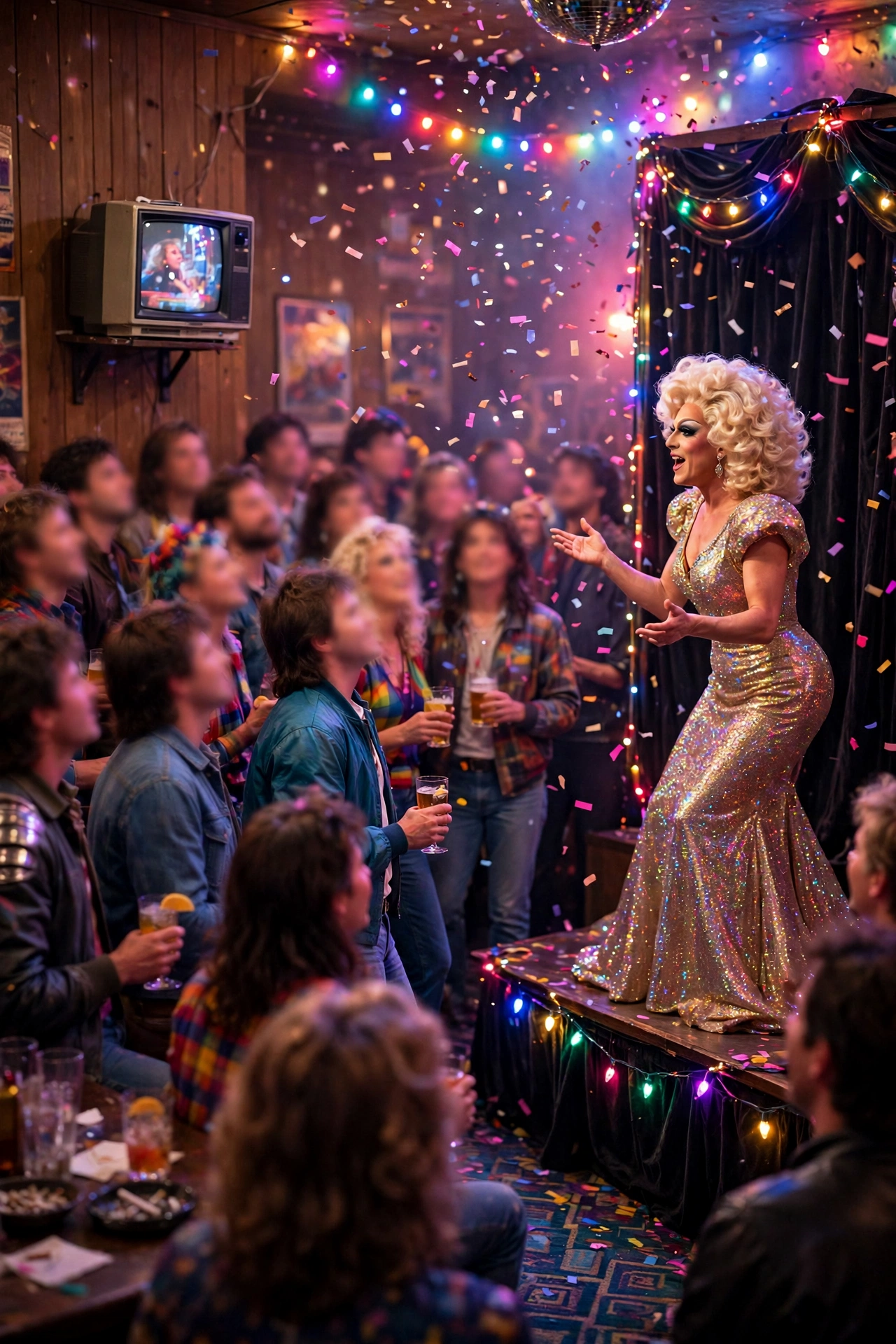
Today, gathering at gay bars to watch shows like RuPaul’s Drag Race, Survivor, The Traitors, or Heated Rivalry has become a familiar part of fan culture. What many people do not realise is that gay bar viewing parties have a much longer history than that. One of the earliest and most beloved examples was The Golden Girls, which became a staple of gay bars during its original run in the 1980s. According to accounts from fans and writers on the show, the bars would turn off the music and put the new episodes on Saturday nights.
Another early favourite was the campy primetime soap Dynasty. With its extravagant fashion, over-the-top drama, sharp one-liners, and larger-than-life characters, the series developed a particularly passionate LGBTQ+ fanbase. Like The Golden Girls, Dynasty screenings at gay bars became major social events, with some venues packed to standing-room-only capacity each week.
20. Sony Never Planned To Make A Games Console — Nintendo’s Snub Changed Everything
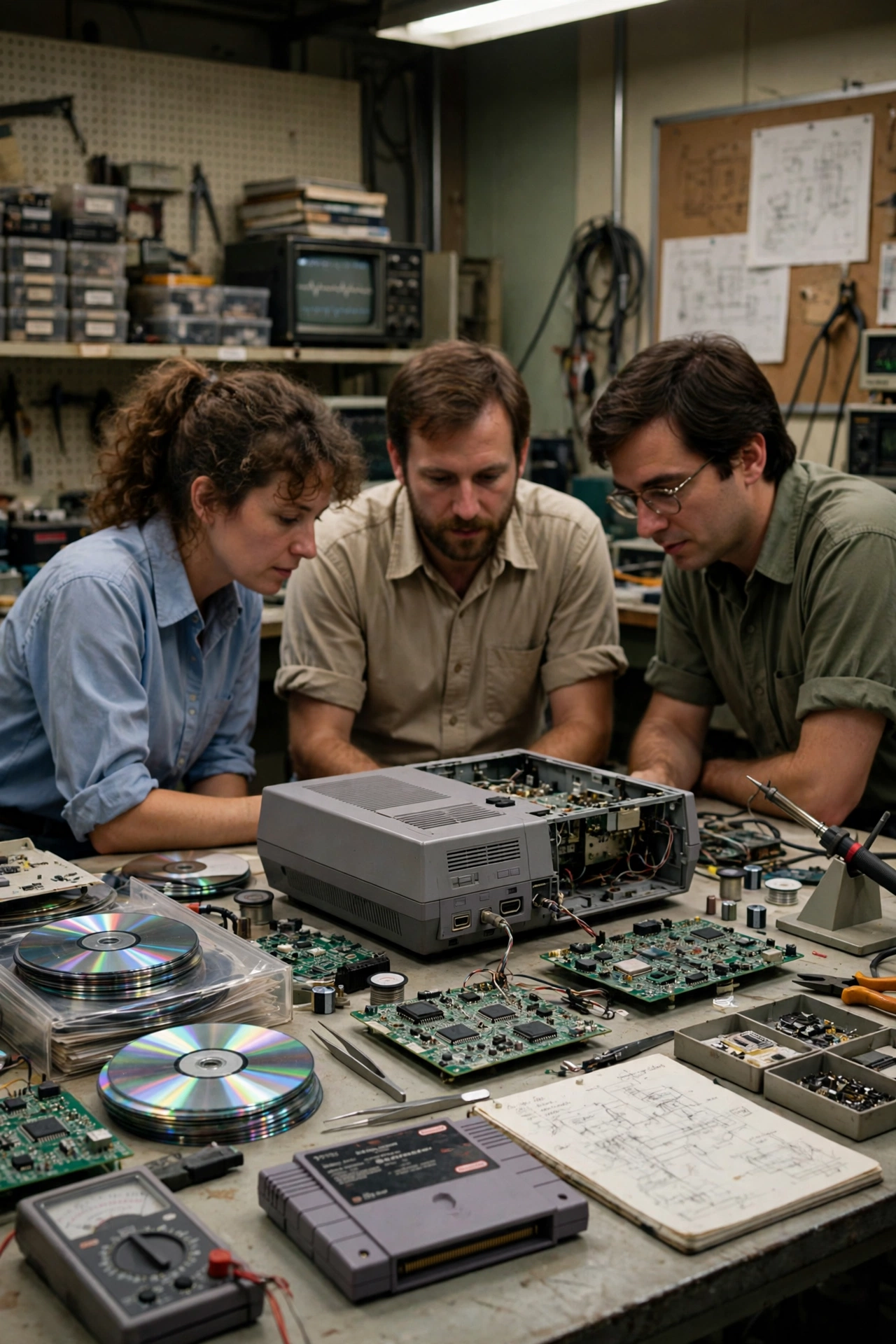
It is easy to think of Sony as one of the biggest names in gaming, but the company never originally planned to enter the console business. In the late 1980s, Sony partnered with Nintendo to develop a CD-ROM add-on for the upcoming Super Nintendo Entertainment System, a project known as the “Play Station.” At the time, CD technology was seen as the future of gaming because it could store far more data than traditional game cartridges.
Sony invested heavily in the partnership, only to be blindsided when Nintendo publicly announced a deal with another company, effectively abandoning the collaboration. The move embarrassed Sony’s executives and sparked a fierce determination within the company to continue the project on its own rather than walk away from the gaming industry altogether. That decision eventually evolved into the original PlayStation, which launched in 1994 in Japan and quickly became a massive success. More than 84 million PlayStation 5 consoles alone have been sold since then. For more vanished tech dreams, see our look at 21 future tech trends that completely disappeared.
21. Worcestershire Sauce Was Invented By Accident
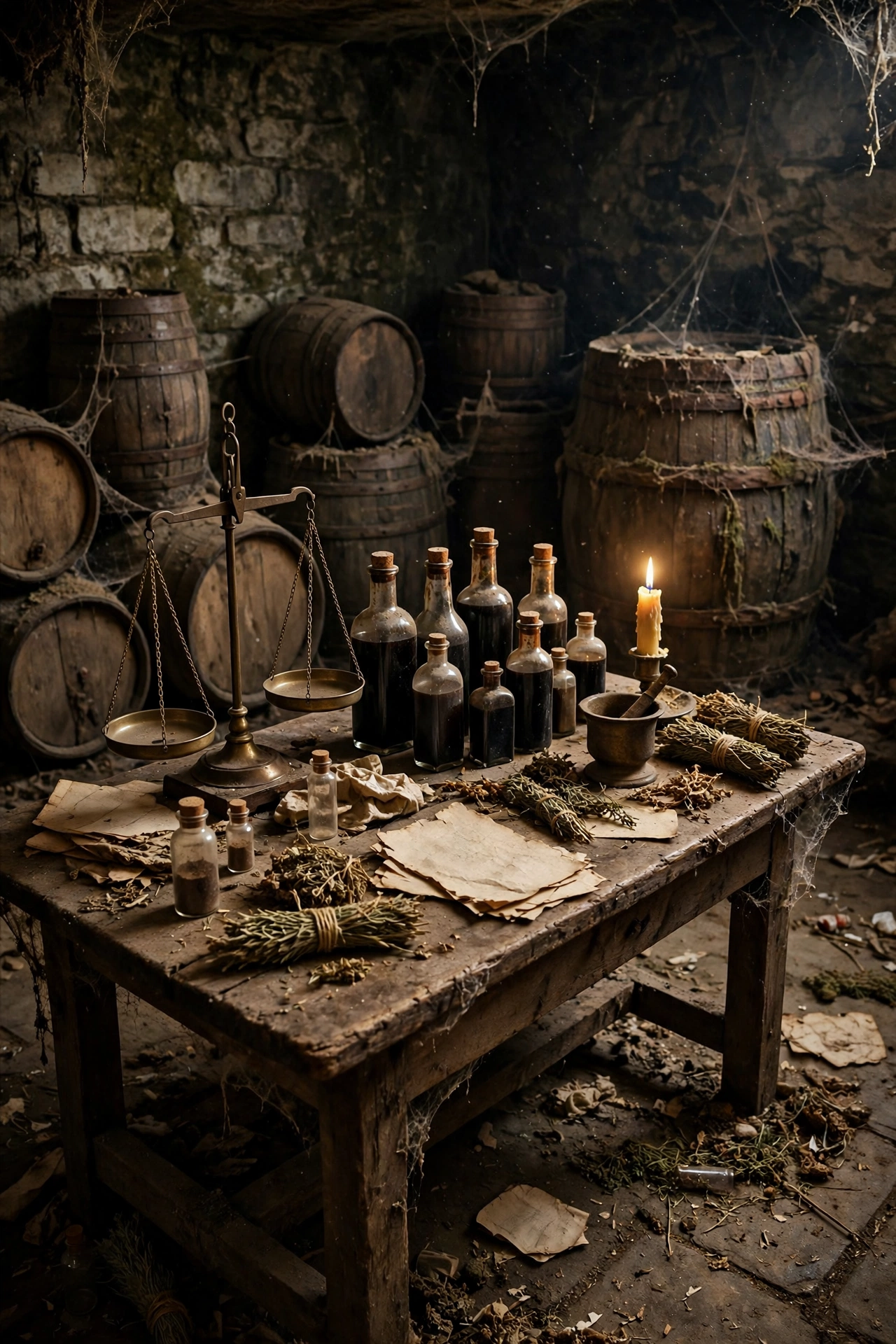
Worcestershire sauce was invented by accident. In the early 1800s, chemists John Wheeley Lea and William Perrins in Worcester, England, were asked to recreate a fermented sauce that a British official had tasted while serving in India. Their first attempt was considered a failure because the mixture smelled and tasted overwhelmingly strong, so the barrels were reportedly set aside and forgotten in a cellar.
Months or even years later, the sauce had aged and fermented, transforming into a much richer and more balanced flavour. Realising they had accidentally created something unique, the pair began selling it commercially as Worcestershire sauce in 1837. It was an immediate hit, and they marketed it through British ocean liners, where passengers could try it with their meals, as well as in advertisements.
22. The Story Behind “Part Of Your World” Hits Differently Once You Know Its Writer
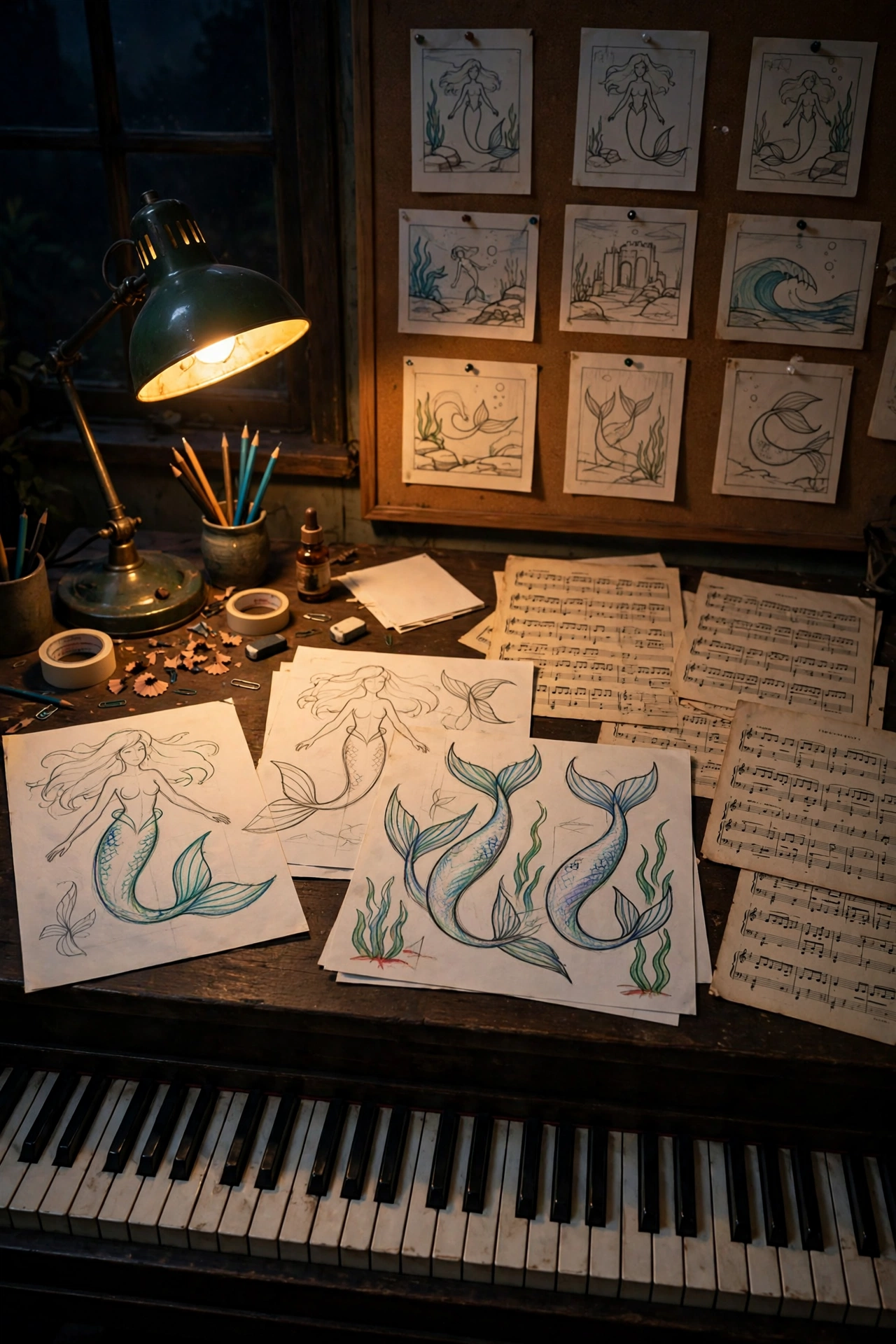
There is a recent online trend of people reacting to the discovery that Howard Ashman, the lyricist behind “Part of Your World” from The Little Mermaid, was a gay man. Many say the song’s themes of longing, belonging, and wanting a different life hit differently once they know more about his story. But Ashman’s importance to Disney goes far beyond a single song.
Before joining Disney, he and composer Alan Menken had already created the hit stage musical Little Shop of Horrors, and their partnership would become one of the most influential in animation history, serving as the key creative force behind the Disney Renaissance. Disney first brought Ashman in to help with the lyrics for Oliver & Company, but he made such an impact that they hired him to write six songs for The Little Mermaid, and he immediately brought Menken on as his collaborator.
The two quickly became deeply involved in shaping the film itself, working alongside directors John Musker and Ron Clements and helping bring musical-theatre storytelling techniques into Disney animation. Together, they transformed The Little Mermaid into a true movie musical, with Ashman helping define characters, story beats, and even major creative choices beyond the lyrics. The film’s success helped launch the Disney Renaissance, and his songs still move audiences today.
23. The Brady Bunch Sequel Was A Dark Drama — And It Flopped
There was a sequel series to The Brady Bunch that is all but forgotten today. In 1990, The Bradys premiered, and instead of the lighthearted family comedy that made the original famous, the new series adopted an hour-long dramedy format and focused on more adult storylines involving the grown Brady children.
The show tackled surprisingly serious subjects, including Marcia as an alcoholic stay-at-home mum whose husband could not keep a job, Bobby, a race car driver, becoming paralysed from the waist down after an accident, and Peter being in an abusive relationship. Reportedly, there was even a script for an episode where Mike would have died in a fiery helicopter crash, after Robert Reed wanted off the show following disagreements with the producers.
24. Warren Beatty Keeps Dressing As Dick Tracy To Hold Onto The Rights
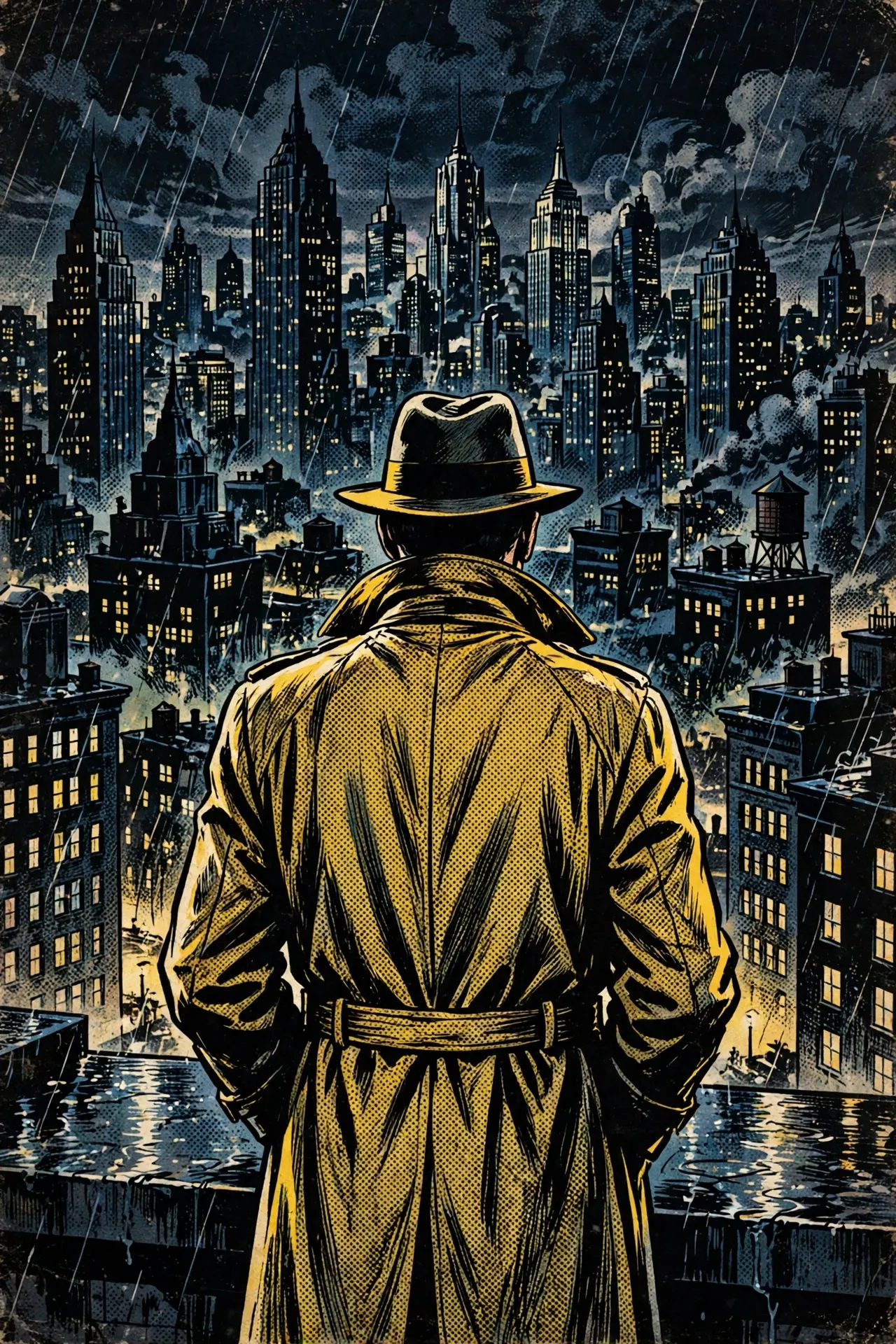
In 1985, Warren Beatty bought the film and television rights to Dick Tracy from Tribune Media Services, hoping to turn it into a film because he had loved the comic strip as a kid. In 1990, he starred in and directed the movie. While it was a success, it did not reach the same level as Batman the year before, and it received only middling reviews, so Disney decided not to green-light a sequel.
Beatty made repeated attempts to produce a follow-up, but then became entangled in a bitter, years-long series of lawsuits with Tribune Media over profits and creative control. Because of a “use-it-or-lose-it” clause in the contract, Beatty has periodically appeared as Dick Tracy on television to demonstrate that the property remains active. In 2008, he appeared in a television special that aired only once, remaining in character as the detective while being interviewed by film critic Leonard Maltin.
25. Titanic Was Supposed To Be A Summer Blockbuster
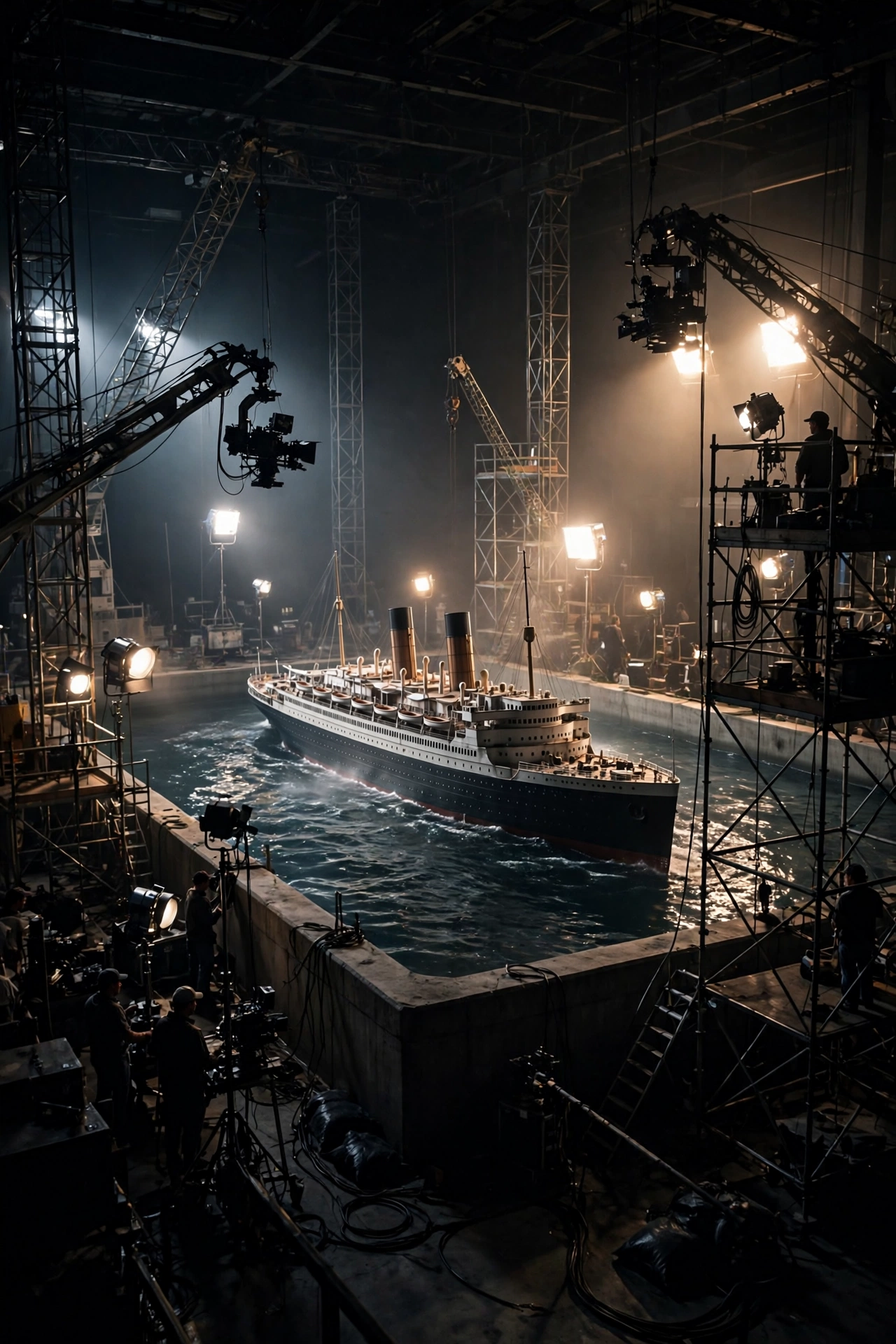
Today, it is difficult to imagine Titanic as anything other than a prestige movie released during the holiday season, but that was not the original plan. The film was scheduled to open in the summer of 1997, and it was even marketed more like a traditional blockbuster, with teaser posters promising a big summer adventure. Director James Cameron’s ambitious production, however, ran way behind schedule.
Cameron needed more time to work on the special effects, forcing the studio to delay the release until December. The postponement fuelled widespread speculation that the movie was in trouble, with many industry observers predicting it would become one of Hollywood’s most expensive box office disasters. The opening date of December 19 was reportedly picked to avoid direct competition with Scream 2, which opened the weekend before and was expected to be a major hit.
26. The Beatles Wanted To Make The Lord Of The Rings With Stanley Kubrick
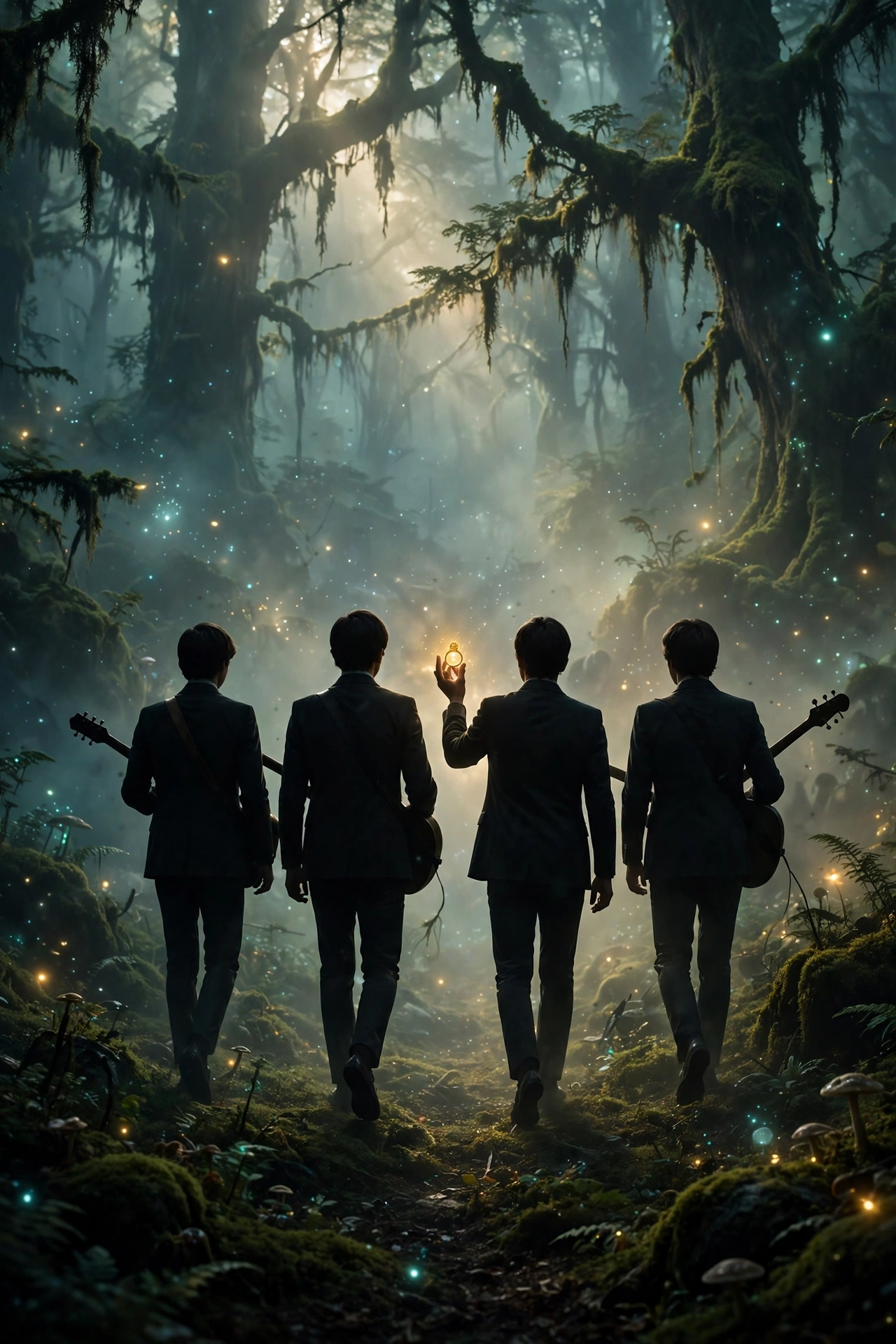
And lastly, the Beatles wanted to star in a film adaptation of The Lord of the Rings, with the iconic Stanley Kubrick as the director. By the mid-1960s, the band had already starred in two hit films, A Hard Day’s Night and Help!, both of which essentially featured exaggerated versions of themselves. Looking for a bigger creative challenge, they became interested in adapting Tolkien’s books for the screen after Denis O’Dell, the head of their film company, suggested the idea.
According to various accounts, John Lennon was especially enthusiastic about the project, and the band even began imagining who would play which characters. Paul McCartney would be Frodo, Ringo Starr would be Sam, Lennon would take on Gollum, and George Harrison hoped to play Gandalf. It was a wonderfully odd piece of casting that only the Beatles could have dreamed up.
The film never happened, and the world waited decades for Peter Jackson’s version instead. Still, the idea of Kubrick directing four Liverpudlians through Middle-earth remains one of pop culture’s great what-ifs.
Which of these facts surprised you the most? Was it the princess sneaking into a London bar, the sitcom that was almost about cannibals, or the sauce that only exists because someone forgot a barrel in a cellar? Tell us your favourite in the comments, and keep digging, because the next unbelievable fact is probably hiding in a story you thought you already knew.
You May Also Like
If you enjoyed these surprising facts, here are more stories from the worlds of history, Hollywood, and technology.