17 Women You Should Have Learned About In History Class, And How They Changed The World


History lessons have a habit of stopping at the same familiar names, and in doing so they quietly leave out the women who changed the rules of the worlds around them. The seventeen women below worked in theatres, courtrooms, laboratories, classrooms, factories and war rooms, often without the recognition their male contemporaries received. Some fought openly for equality, while others simply refused to accept the limits placed in front of them. Together, their stories show how much of modern life — from civil rights and space travel to education, sport and science — was shaped by women whose names deserve a place in every classroom.
1. Tallulah Bankhead
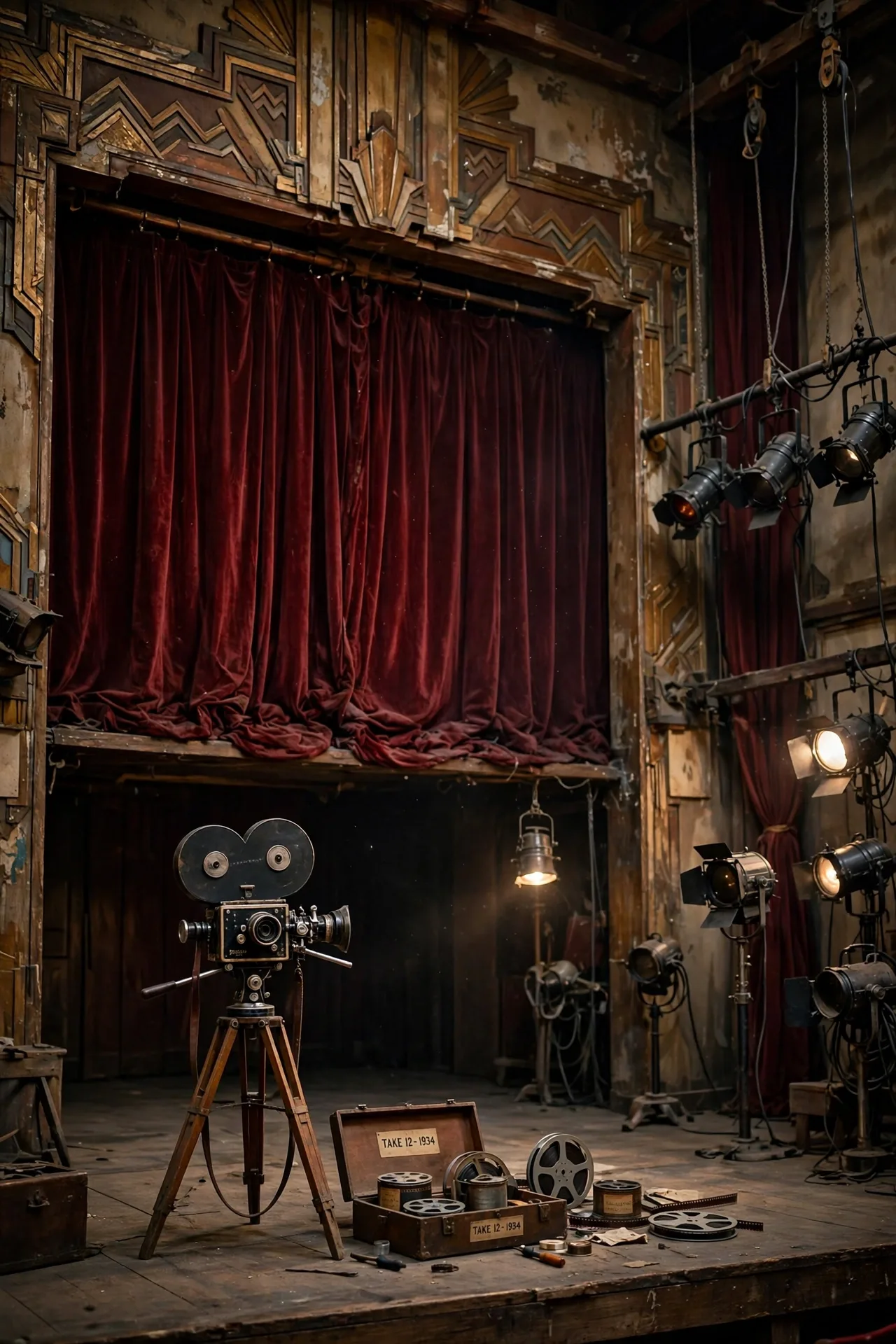
Tallulah Bankhead was one of the most talked-about stage and screen performers of the 1920s, 1930s and 1940s, known for a commanding voice, sharp wit and a complete refusal to be toned down. Born into a prominent Alabama political family, she built her career first on the London stage and then in New York and Hollywood, where her best-known film role came in Alfred Hitchcock’s wartime drama Lifeboat. Bankhead was also unusually open for her time about relationships with both men and women, and she used her public position to speak in favour of racial equality. Her fame was never just about celebrity: it rested on talent, confidence and a willingness to challenge the social expectations placed on women in public life.
2. Anne Lister
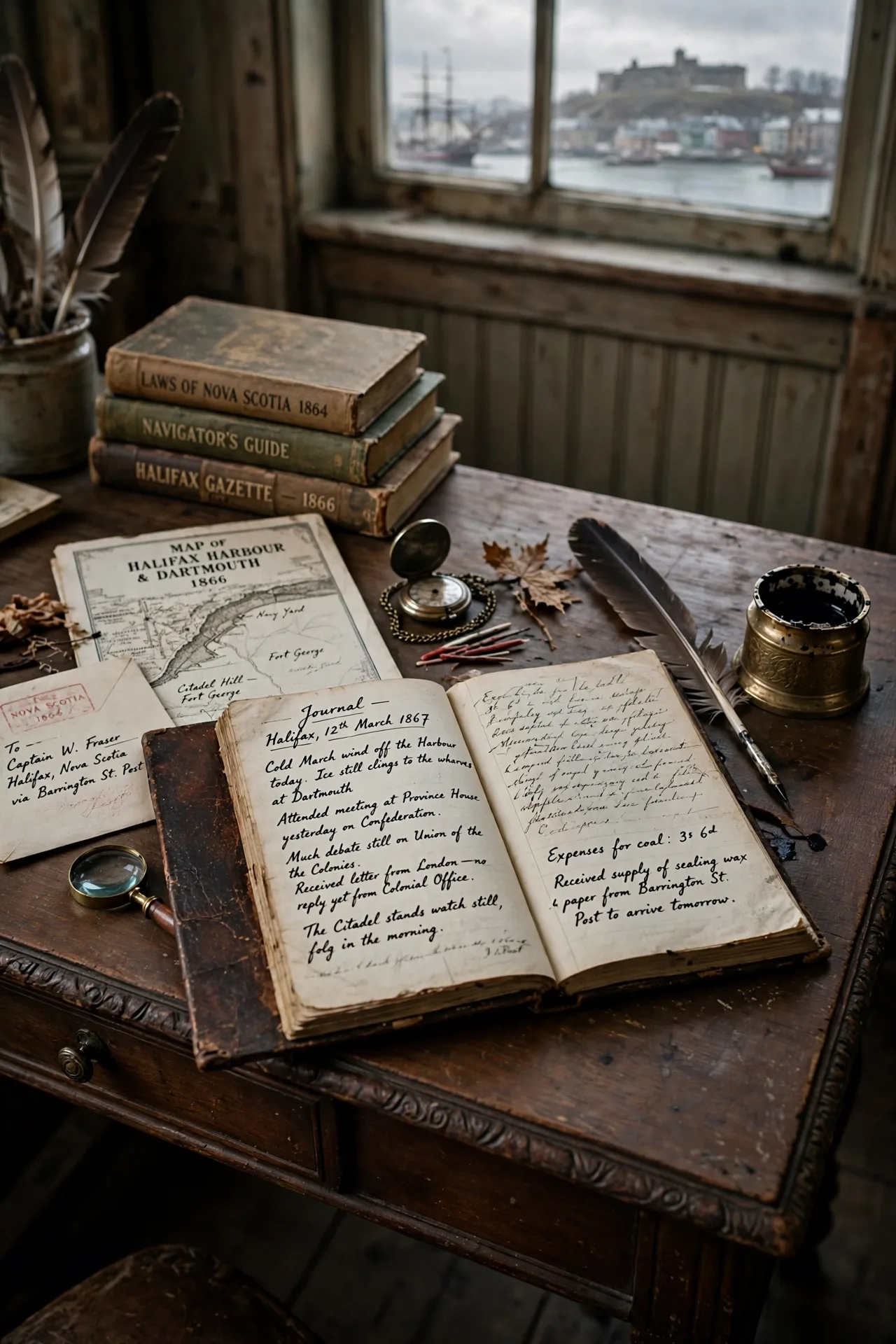
Anne Lister was born in Halifax in 1791 and grew into a wealthy landowner, businesswoman and traveller whose private journals have become one of the most remarkable documents of her century. Written partly in code, the journals record her daily life, her management of the Shibden Hall estate, her reading and her relationships with women in unusually frank detail. Lister dressed and behaved in ways that defied the conventions of her time, earning her the nickname Gentleman Jack, and historians now describe her as the first modern lesbian. Her life matters not only because of who she loved, but because she claimed independence, property and a public presence that few women of her generation were allowed to hold.
3. Gladys Bentley
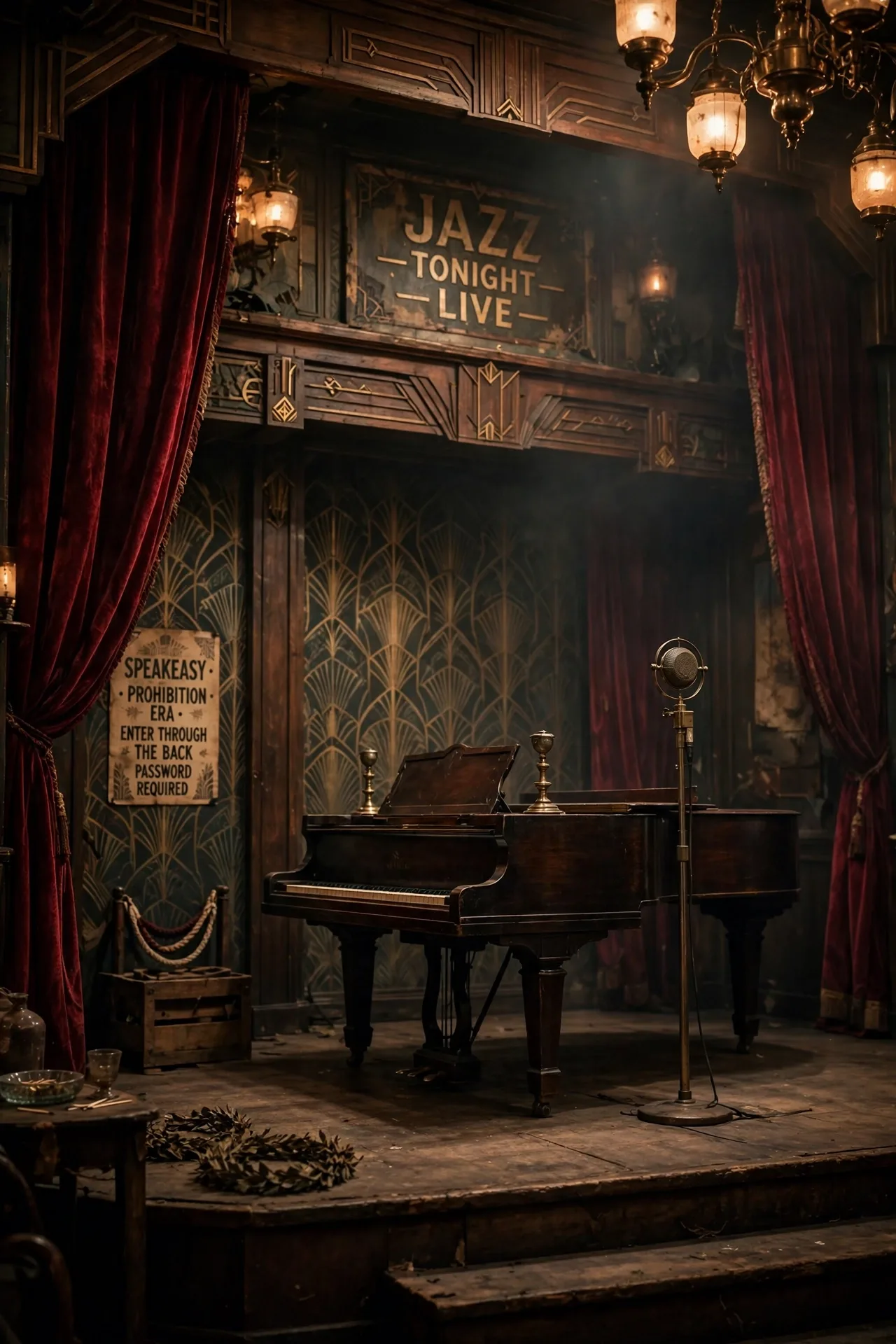
Gladys Bentley was a blues singer and instrumentalist who became a star of Harlem’s nightlife in the 1920s and 1930s. Performing in speakeasies during Prohibition, she sang in a deep voice, played the piano and took the stage in a tuxedo and top hat, turning male formal dress into a deliberate part of her act. At a time when Black women performers were expected to fit narrow ideas of glamour, Bentley’s confident, swaggering style made her a headline attraction and a visible figure in Harlem Renaissance culture. Her performances mixed humour, innuendo and musical skill, and they challenged audiences to accept a woman who refused to soften herself for the stage. Bentley’s career remains a landmark in the history of queer performance.
4. Marsha P. Johnson
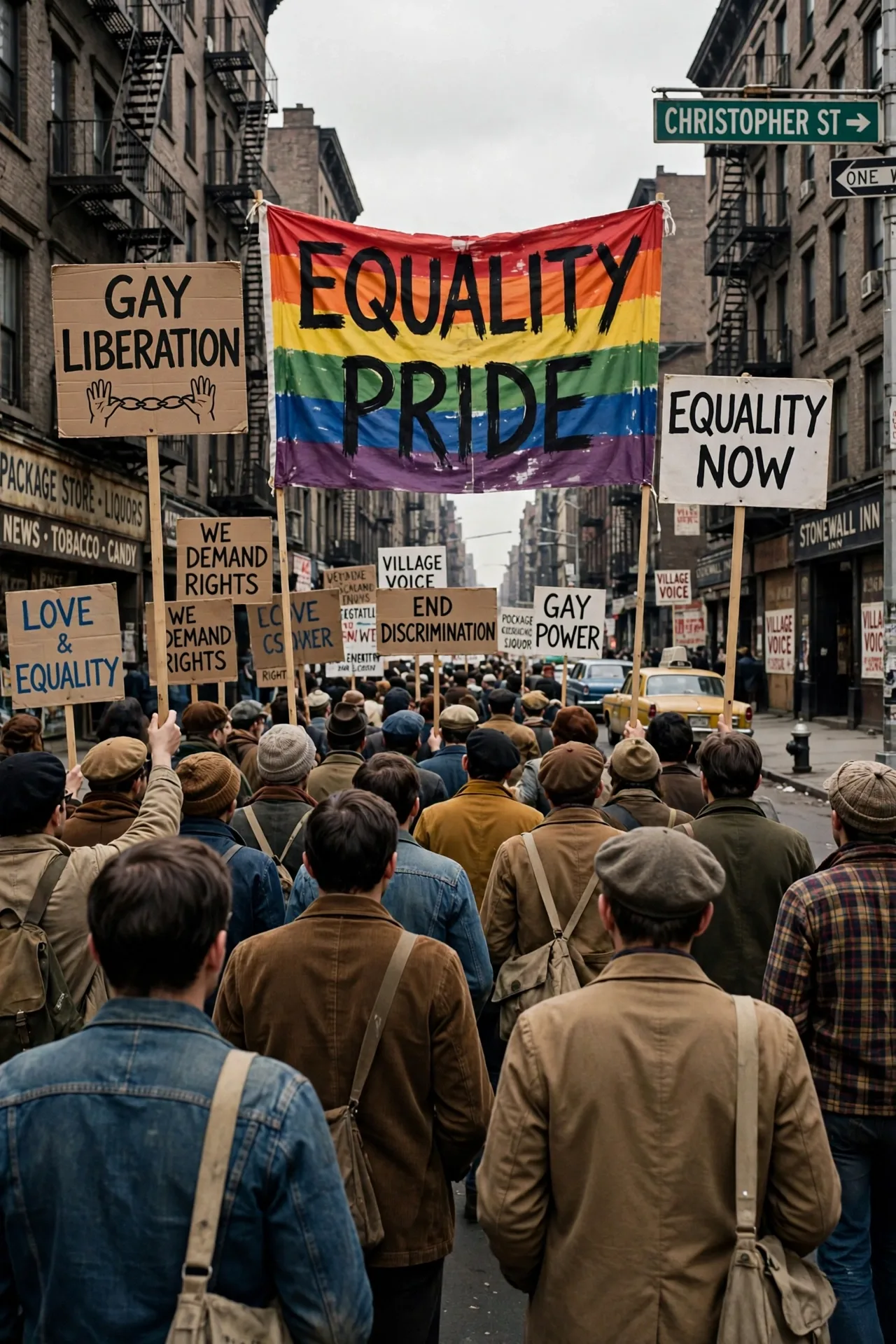
Marsha P. Johnson was a central figure in the movement for LGBTQ+ rights in New York from the 1960s onwards, and she was present at the Stonewall uprising of 1969, a turning point in the fight for gay liberation. In the years that followed, she devoted herself to some of the movement’s most overlooked people, campaigning for homeless LGBTQ+ young people and for people living with HIV and AIDS at a time when both groups faced stigma and neglect. With Sylvia Rivera, she helped found an organisation that provided shelter and support to street youth. Johnson was known for her warmth, humour and generosity, and for brushing off intrusive questions about her identity with a cheerful dismissal. Her activism helped push a movement towards caring for its most vulnerable members.
5. Sylvia Rivera
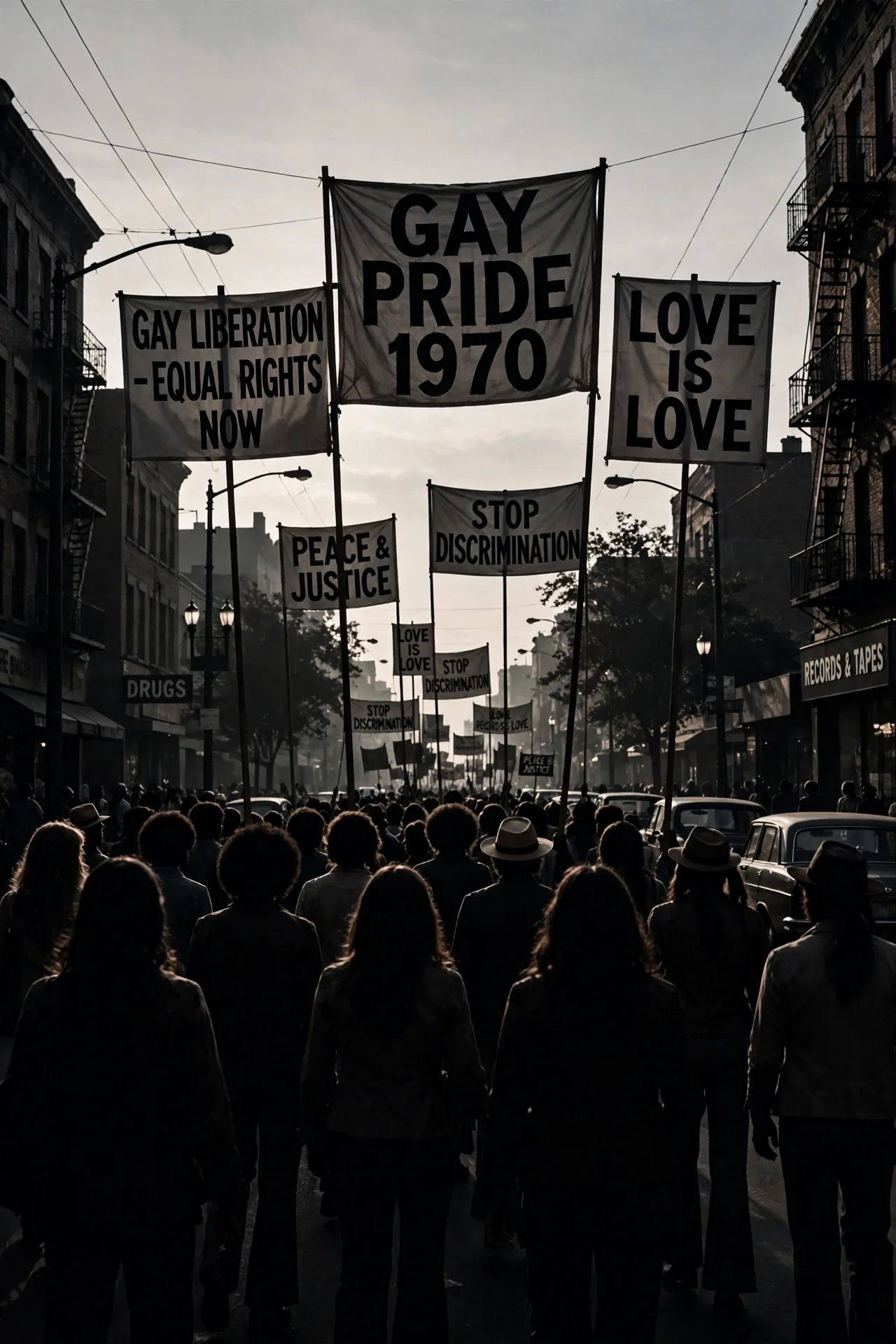
Sylvia Rivera was a Stonewall veteran and a tireless campaigner for transgender people, particularly transgender people of colour, who were often pushed to the margins even within the gay rights movement. Her early life included periods of hardship and time without stable housing. Alongside Marsha P. Johnson, she worked to house and protect homeless LGBTQ+ young people, insisting that liberation had to include those with the least power. In 1970, at one of the first pride marches, she protested against the exclusion of transgender people from the movement’s leadership and agenda. Rivera’s work forced uncomfortable but necessary questions about who the movement was really for, and her legacy continues to shape debates about inclusion and justice today.
6. Pauli Murray
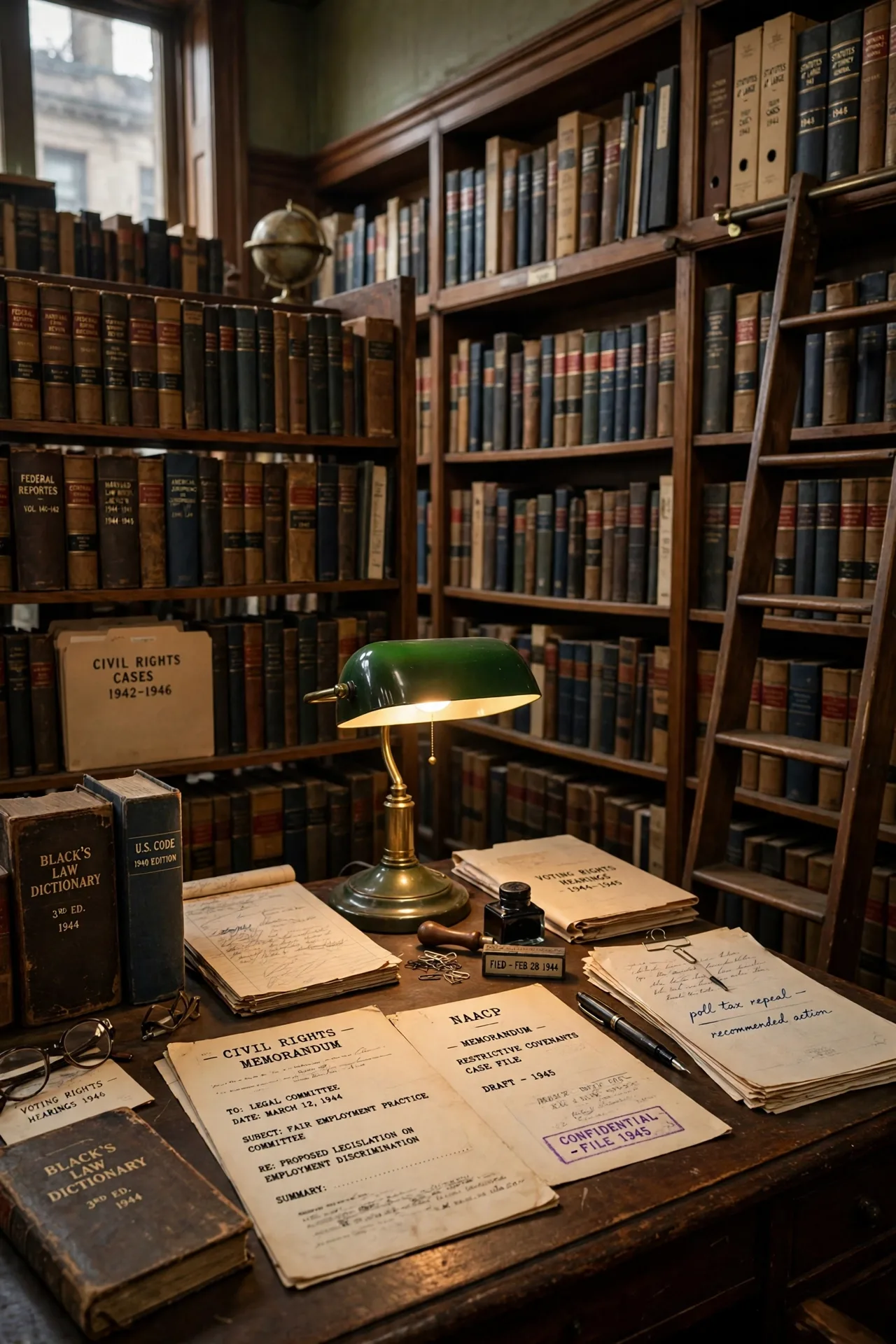
Pauli Murray was an author, legal scholar and civil rights lawyer whose ideas influenced American law long before they were widely recognised. From the 1930s onwards, she argued that racial and sex discrimination were deeply connected, and her legal writing later informed arguments used in landmark equality cases. In 1961, President John F. Kennedy appointed her to his committee on the status of women, a recognition of her standing as a thinker on gender and justice. Murray went on to become an Episcopal priest, and in 1977 she was ordained as one of the first Black women to enter the priesthood in that church. She died in 1985, leaving behind a body of work that still shapes how lawyers understand discrimination.
7. Qiu Jin

Qiu Jin was a Chinese poet, writer and revolutionary who lived from 1875 to 1907, during the final years of the Qing dynasty. She campaigned for women’s education and for freedom in marriage, dress and public life, arguing that women should be able to study, travel and speak for themselves rather than remain confined to the household. After leaving an unhappy marriage, she studied in Japan, wrote poetry and essays calling for reform, and joined revolutionary groups opposed to imperial rule. In 1907 she was arrested in connection with a planned uprising and executed, still in her early thirties. Qiu Jin became a lasting symbol of women’s emancipation in China, remembered as a writer who matched her words with extraordinary personal courage.
8. Noor Inayat Khan
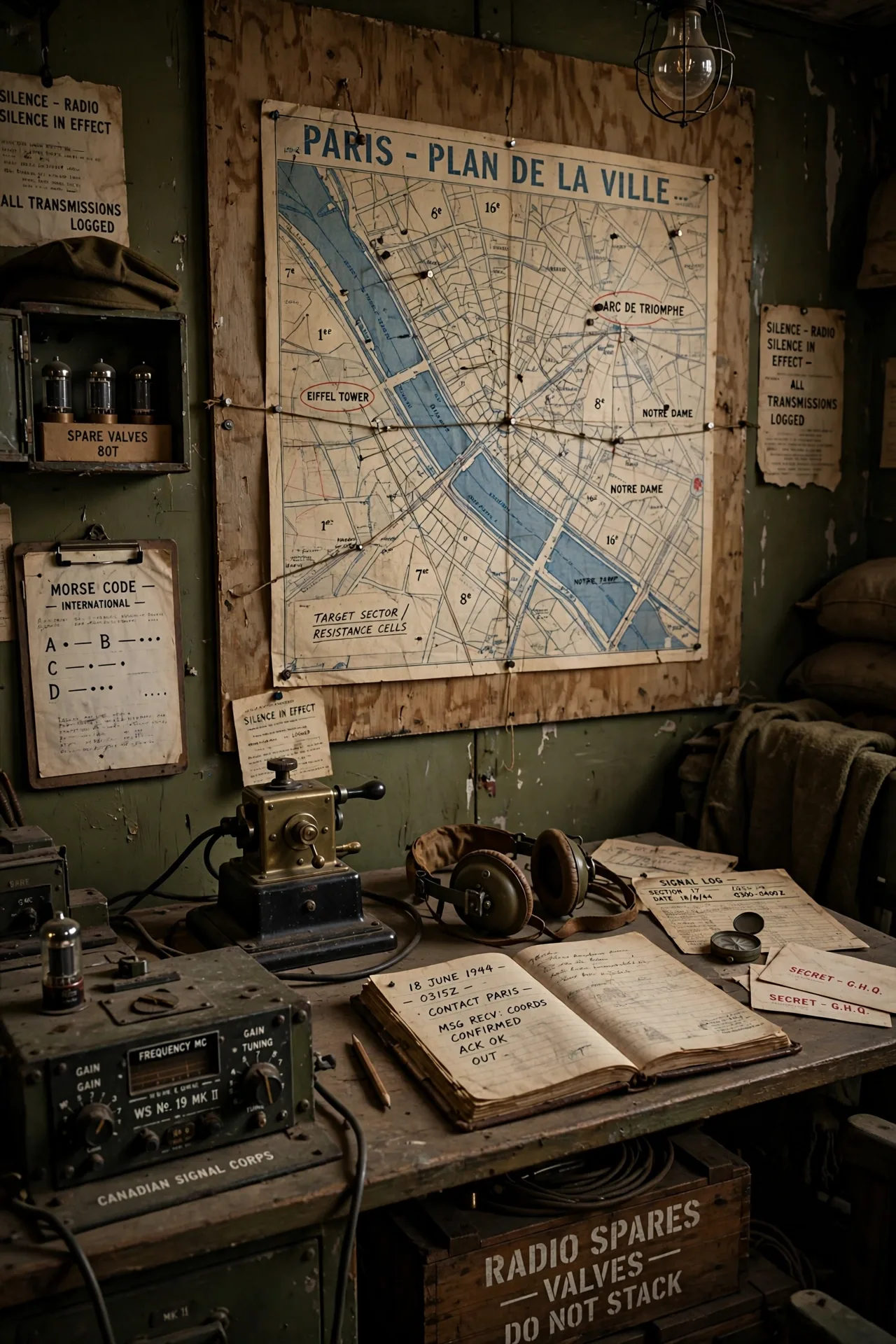
Noor Inayat Khan, known by her code name Madeleine, was one of the bravest agents of the Second World War. A member of the Women’s Auxiliary Air Force, she trained as a wireless operator and was sent into occupied France in 1943 to work with the French Resistance. After other members of her network were arrested, she became the only radio operator left in Paris, continuing to send messages to London even as the danger around her grew. She was eventually captured, interrogated and imprisoned, and she refused to give her captors the information they wanted. Khan was killed in 1944, and she was later honoured posthumously for a courage that helped keep a vital line of communication open in the darkest months of the war.
9. Haben Girma
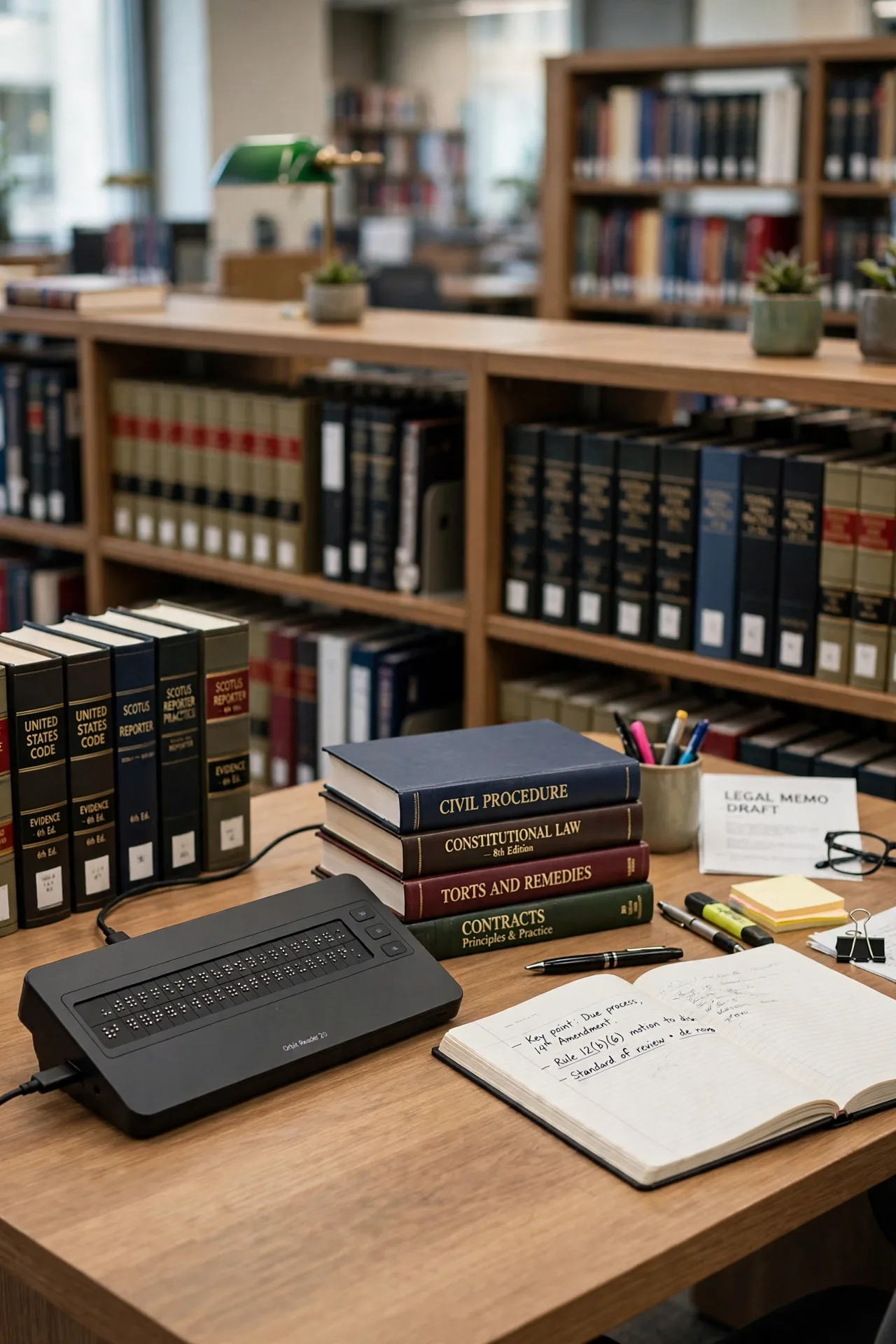
Haben Girma is a disability rights advocate and lawyer whose work has changed how institutions think about access. As a deafblind woman, she has campaigned for the principle that disabled people should not have to ask for special treatment in order to take part in education, work or public life: instead, services, technology and buildings should be designed to be accessible from the start. She became the first deafblind woman to graduate from Harvard Law School, and she has since advised organisations, universities and technology companies on accessibility law and inclusive design. Girma’s message is practical as well as principled, showing that accessible design benefits everyone and that disabled people belong at the centre of decisions about their own lives.
10. Judith Love Cohen

Judith Love Cohen was an aerospace engineer whose work helped bring astronauts home safely. She worked on the guidance system for the Minuteman missile programme and, at NASA, on the Abort Guidance System used during the Apollo programme, including the Apollo 13 mission, when a backup system became essential to the crew’s survival. Cohen was one of relatively few women in aerospace engineering at the time, and she combined a demanding technical career with a second career as a publisher of children’s books designed to encourage young girls to pursue science and engineering. She was also the mother of actor and musician Jack Black. Her life links two kinds of legacy: the technology that carried people to the Moon, and the books that invited a new generation to follow.
11. Begum Rokeya
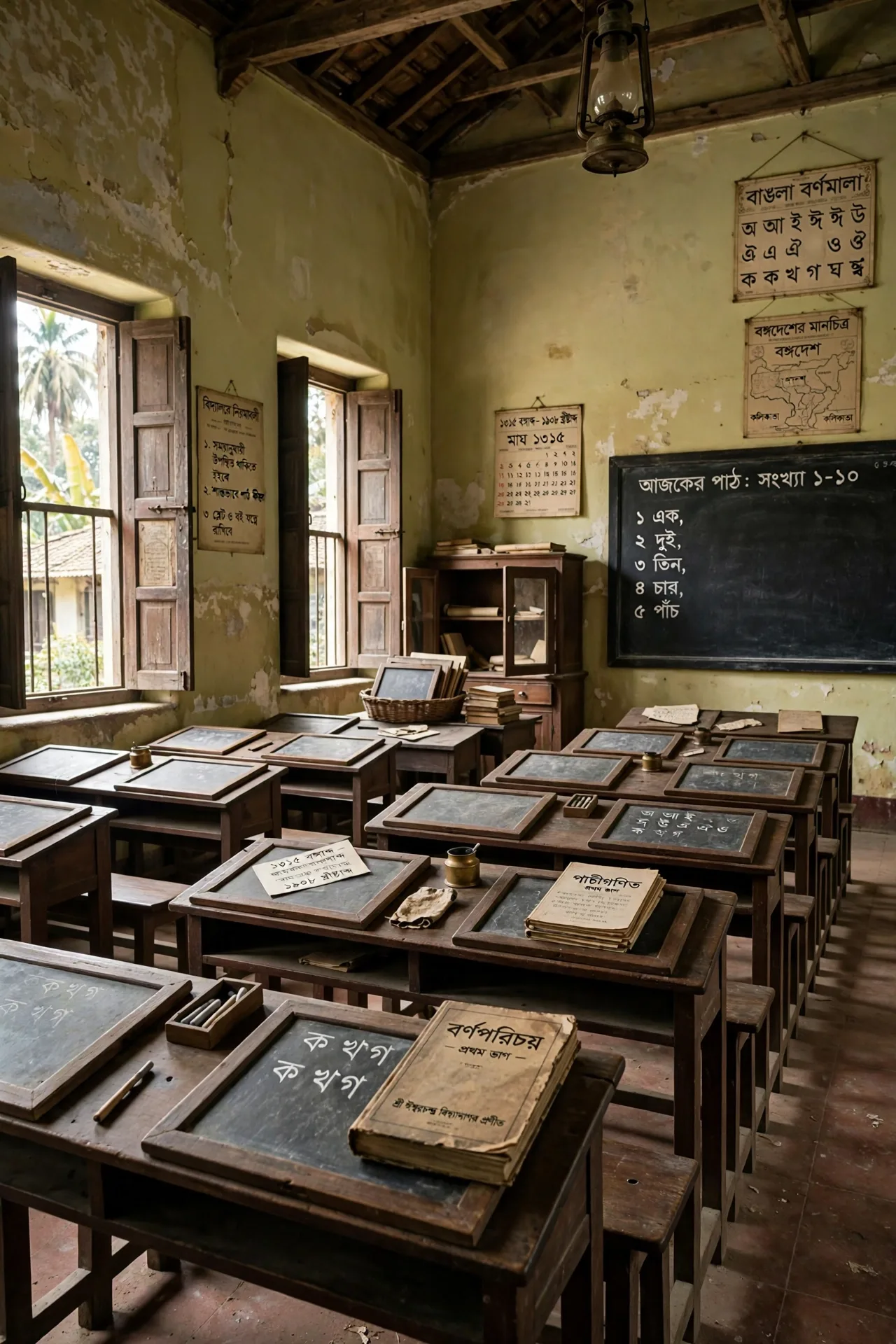
Begum Rokeya, full name Rokeya Sakhawat Hossain, was a Bengali Muslim author and educator who lived from 1880 to 1932 and is regarded as a pioneer of women’s rights in South Asia. In her satirical novella Sultana’s Dream, written in 1905, she imagined Ladyland, a country run by women where men were kept indoors and science served peace rather than war — a witty reversal of the world she lived in. Rokeya believed education was the key to women’s freedom, and in 1911 she founded a school for Muslim girls in Kolkata, overcoming fierce opposition to girls’ schooling. The school she created grew and endured, and her writing remains a landmark of early feminist literature, combining humour, imagination and a serious demand for equality.
12. Mary Dixon Kies
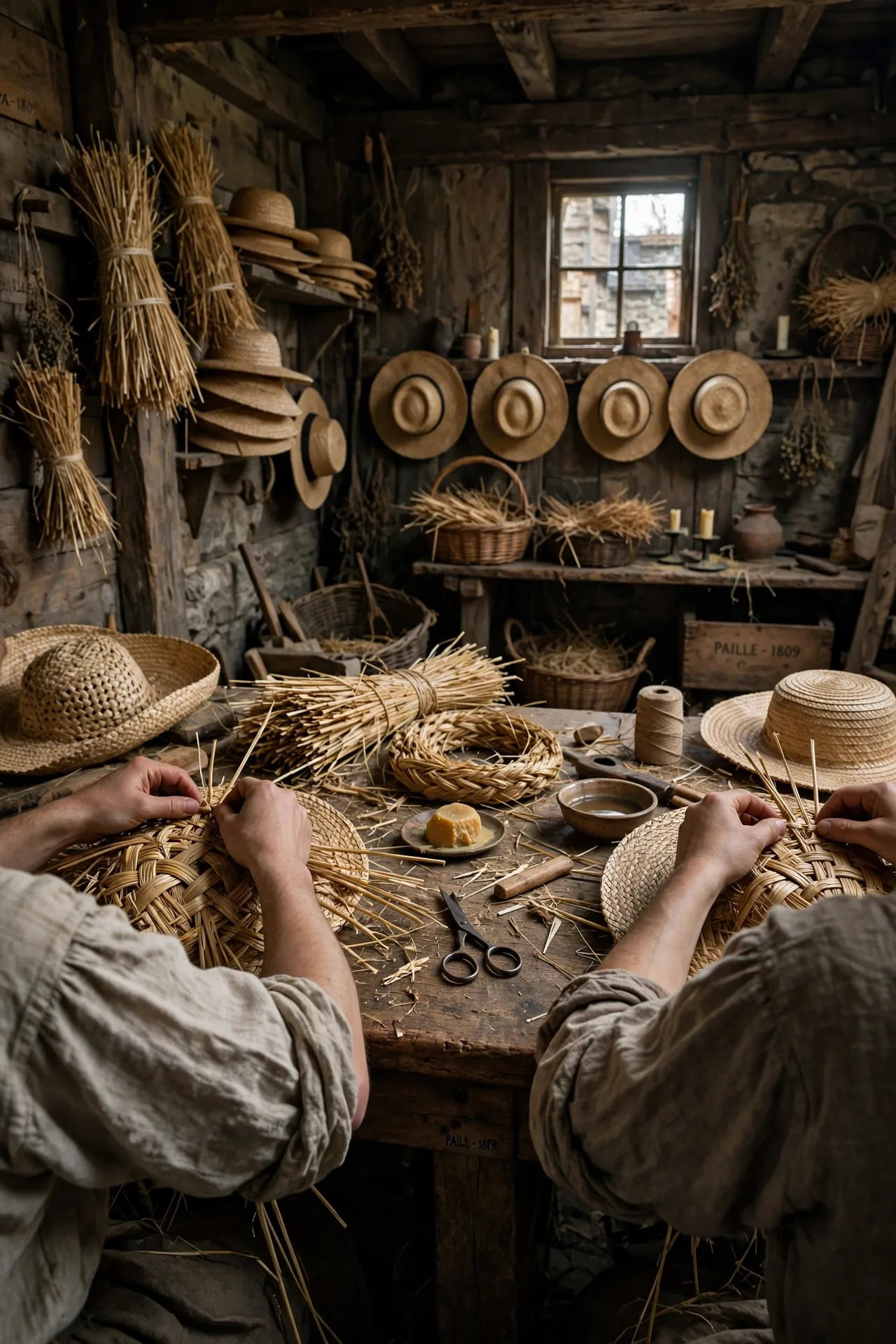
Mary Dixon Kies holds a distinctive place in American history: in 1809 she became the first woman to receive a United States patent in her own name. Her invention was a method of weaving straw with silk or thread to make hats, a technique that strengthened the hats and made them more attractive to buyers. At the time, New England’s hat-making trade was an important source of income, and Kies’s method helped local manufacturers compete with imported hats. Her patent was granted under a law that had only recently made it possible for women to hold patents at all, and her achievement opened a door, however narrow, for the women inventors who followed. Kies showed that innovation was not confined to workshops run by men.
13. Katherine Johnson
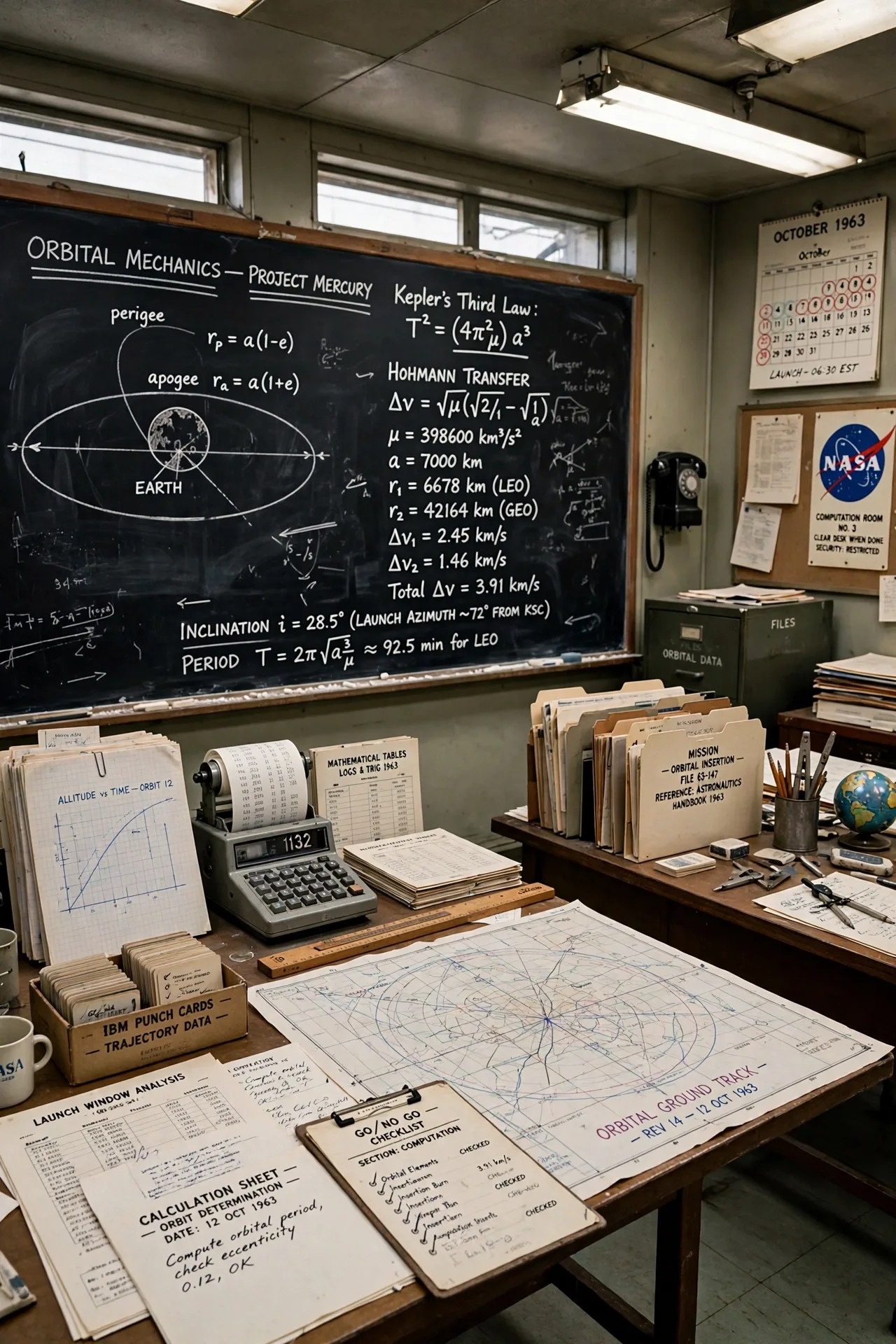
Katherine Johnson was a mathematician whose calculations helped send Americans into space. She joined the National Advisory Committee for Aeronautics in 1953 and worked in its West Area Computing Unit, a group of Black women mathematicians whose skill underpinned much of the agency’s early work. In 1960 she became the first woman in her division to be credited as an author on a research paper, and her trajectory calculations supported John Glenn’s orbital flight, the Apollo 11 Moon landing and the early Space Shuttle programme. Johnson worked at NASA until 1986 and received the Presidential Medal of Freedom in 2015. Her story reached a wider audience through the book and film Hidden Figures, but her mathematics had already changed history.
14. Bobbi Gibb and Katherine Switzer
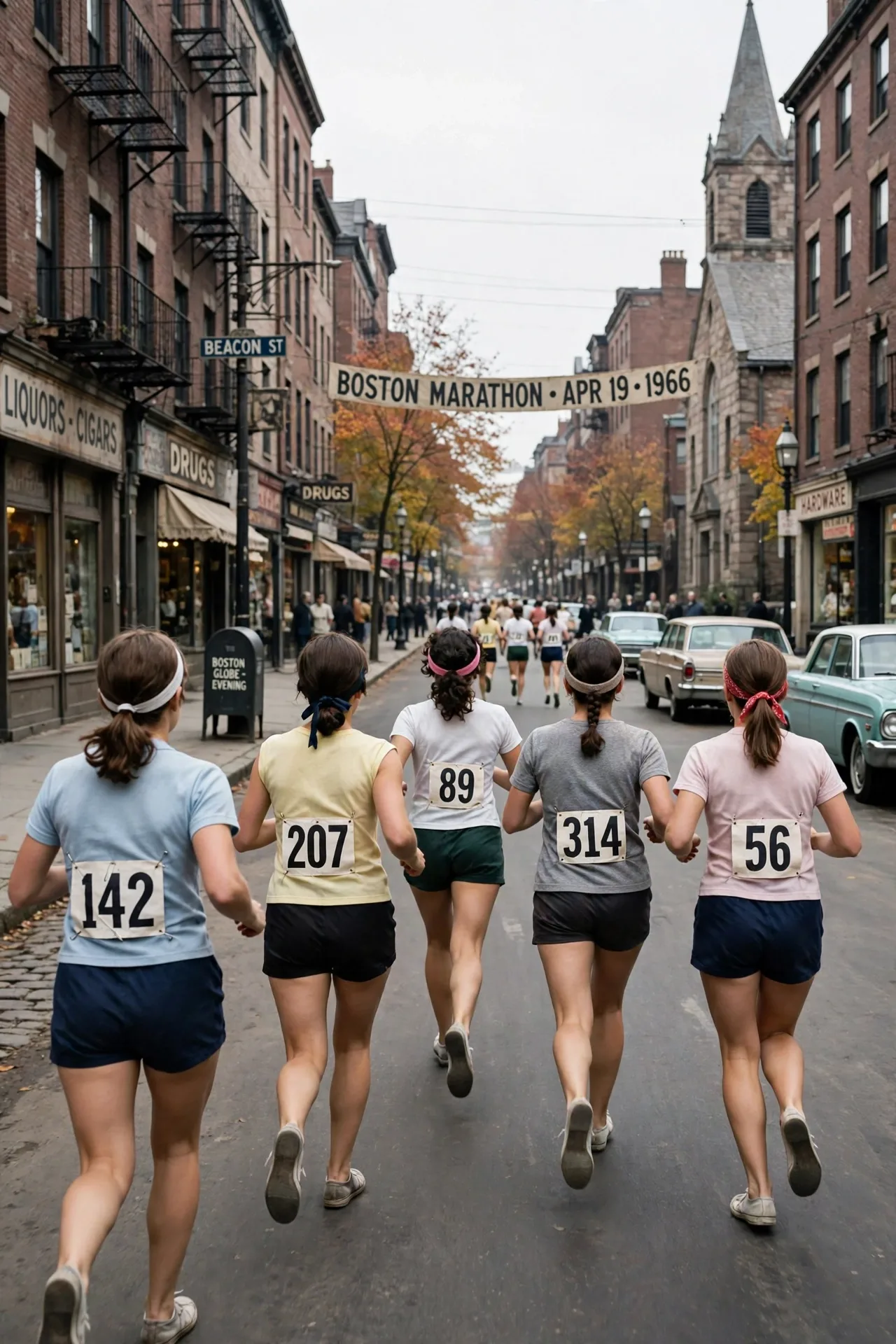
Bobbi Gibb and Katherine Switzer changed distance running for women, one unofficial step and one official entry at a time. In 1966, Gibb became the first woman to complete the Boston Marathon, running without an official race number because women were not permitted to enter. A year later, Switzer registered under the name K. V. Switzer and became the first woman to officially enter and finish the race, completing it despite an official’s attempt to remove her from the course. Their runs proved, in the most public way possible, that women could run marathons, and both women went on to campaign for women’s distance events. Within a few years, women were officially admitted to the Boston Marathon, and their example helped open road racing to women everywhere.
15. Rosalind P. Walter
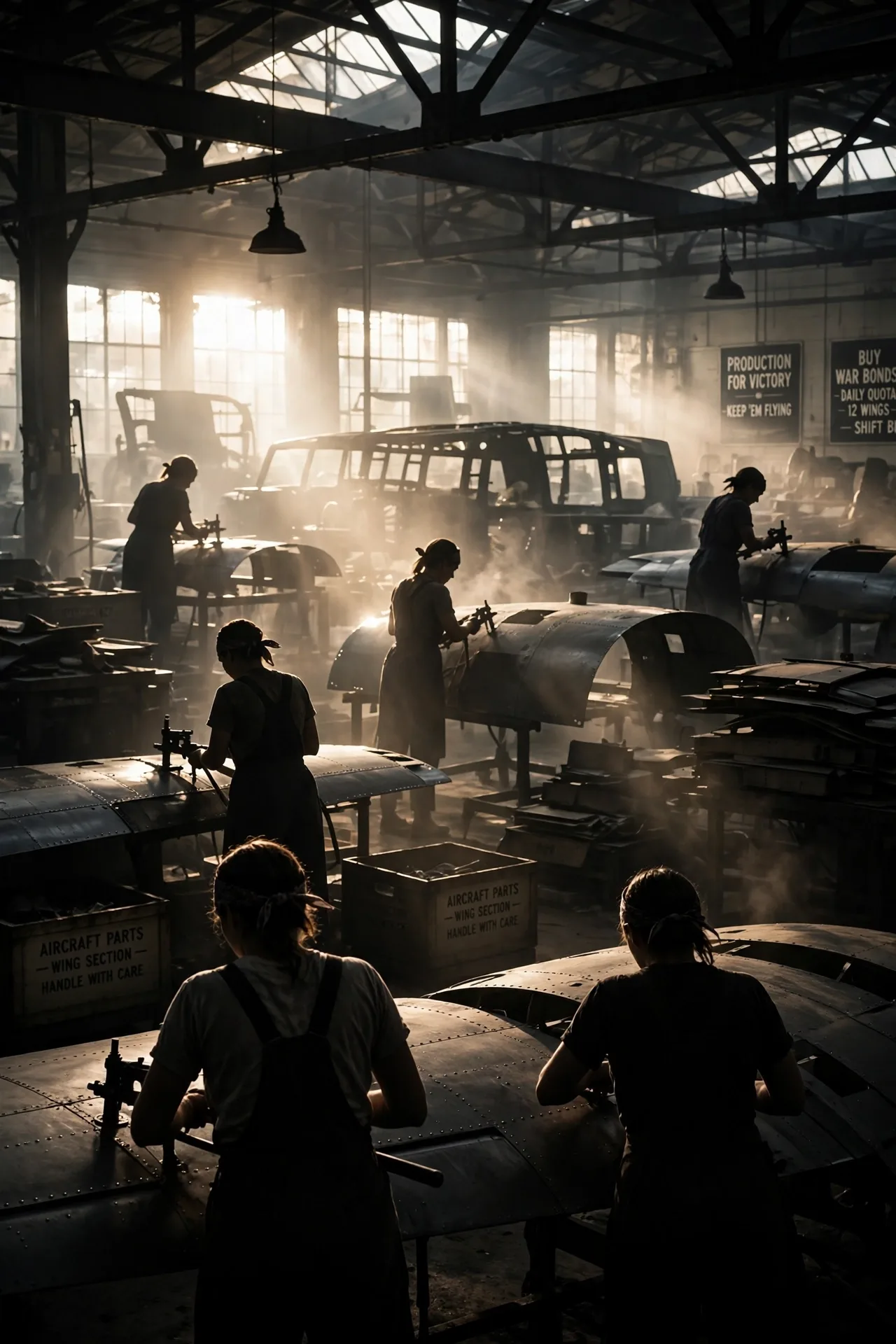
Rosalind P. Walter was a philanthropist whose wartime work made her an early inspiration for Rosie the Riveter, the enduring symbol of women on the American home front. During the Second World War, Walter worked on an assembly line building fighter aircraft, one of millions of women who took up industrial jobs while men served overseas. Her experience helped give a human face to the image of the capable, determined woman worker that became famous in posters and song. After the war, Walter devoted herself to philanthropy, becoming a major supporter of public television and of education, health and the arts. Her life connects two kinds of contribution: the hands-on work of wartime production and a lifetime of generous support for public life.
16. Joan Clarke
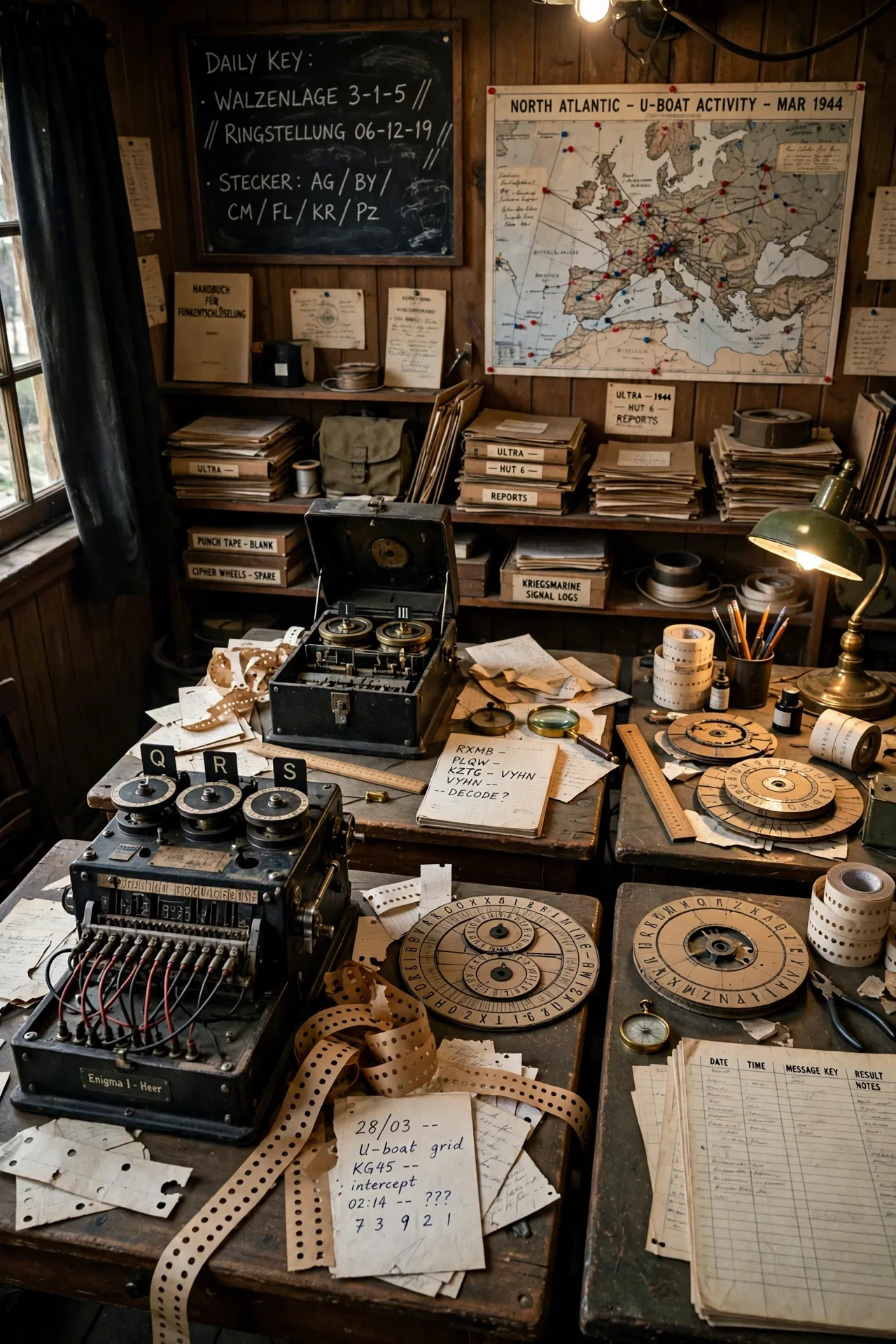
Joan Clarke was a mathematician and codebreaker whose work at Bletchley Park helped shorten the Second World War. Recruited to the Government Code and Cypher School, she worked alongside Alan Turing on breaking the German Enigma code, focusing in particular on the naval Enigma used to direct U-boat attacks on Allied shipping. Her skill was quickly recognised, and she rose to a senior position in a field dominated by men. Because of the Official Secrets Act, Clarke could not speak about her wartime work for decades, and her contribution remained largely unknown during her lifetime. The 2014 film The Imitation Game brought her name to a wider audience, but the real story is one of quiet brilliance applied to one of the war’s most urgent problems.
17. Lillian Moller Gilbreth
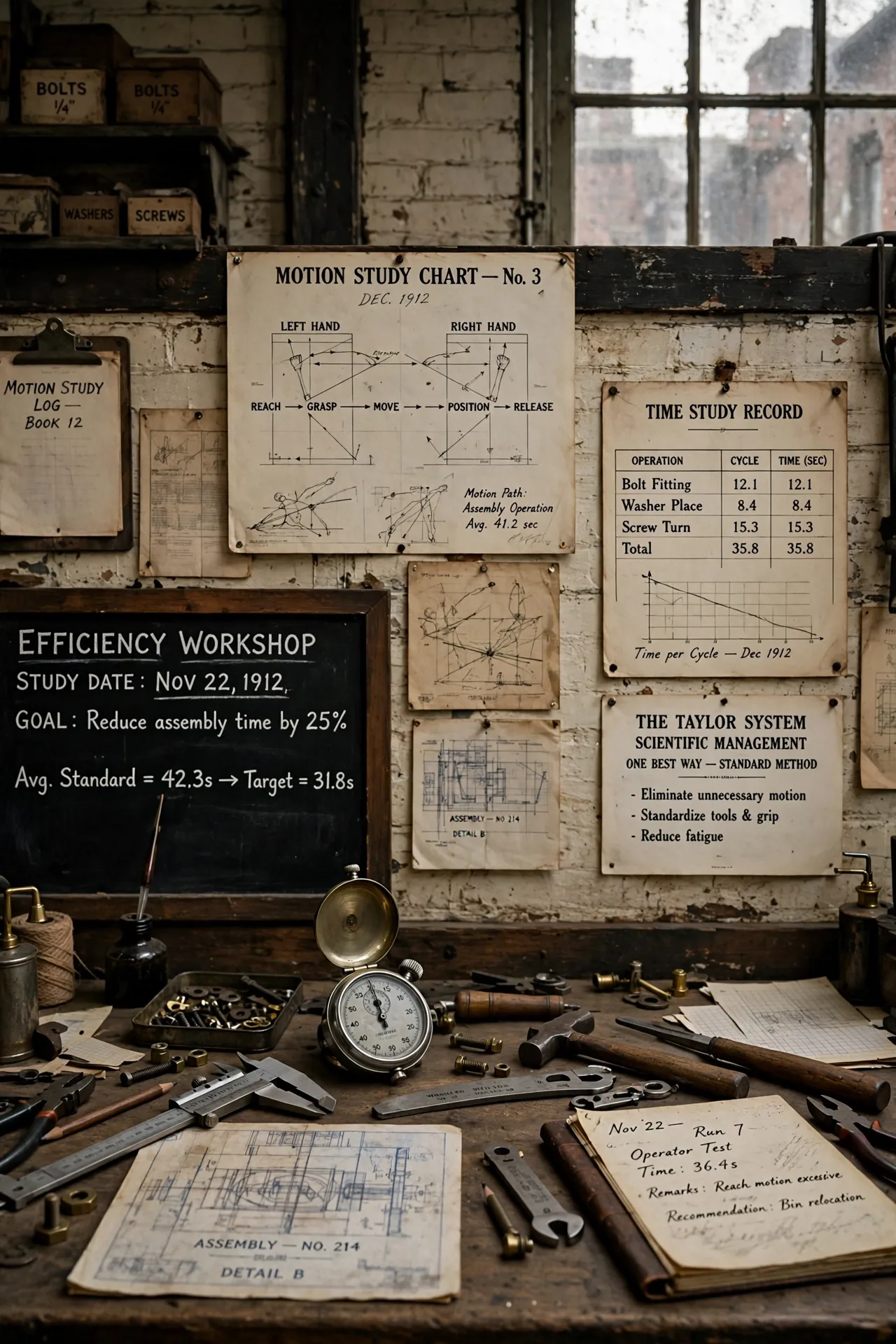
Lillian Moller Gilbreth was an industrial engineer and psychologist who reshaped how workplaces think about efficiency and human welfare. With her husband, Frank Gilbreth, she studied motion and time in factories and offices, looking for ways to reduce wasted effort and strain rather than simply speed workers up. She earned a doctorate from Brown University and held a number of patents, and after Frank’s death she continued the work alone while raising their twelve children, two of whom later wrote about the family in Cheaper by the Dozen. Gilbreth’s research influenced ergonomics, management and the design of kitchens and workplaces, and she showed that good engineering begins with understanding the people who do the work.
These seventeen lives span three centuries and a remarkable range of fields, yet they share a common thread: each of these women saw a barrier — a law, a custom, a closed door — and found a way through it. Remembering them is not only a matter of fairness, although fairness alone would be reason enough. It also gives a truer picture of how change actually happens, through persistence, skill and courage in ordinary and extraordinary circumstances alike. If any of these names were new to you, they are well worth reading about further — and worth passing on, so that the next history lesson includes them from the start.