Some songs feel so personal, so tied to one artist, that it is hard to imagine them belonging to anyone else. Then you hear the earlier version and everything shifts. Suddenly the song you have loved for years has a whole secret history, a first life in a different decade, a different genre, or a different country. That is the strange joy of a great cover: the same melody, a completely new identity.
Here are 21 mega-popular songs that are actually covers — and chances are, at least a few of them will genuinely surprise you.
1. “1985” by Bowling for Soup

Bowling for Soup turned this into a defining pop-punk anthem of the mid-2000s, full of references to a decade the band clearly loved. What many listeners never realised is that the song started life with another pop-punk band, SR-71. Their version arrived just before Bowling for Soup’s, and a manager’s hunch that the song was a better fit for Bowling for Soup changed its fate completely. Same song, same joke-filled nostalgia — but a very different band could easily have owned it.
2. “Hurt” by Johnny Cash

Johnny Cash’s version is so raw and weathered that it feels like it was written for him alone, a late-career confession set to a sparse piano and guitar. In fact, it began as a Nine Inch Nails song, written by Trent Reznor and released in the mid-1990s. Cash stripped away the industrial noise and found something quieter and more devastating underneath. Reznor himself has said that hearing Cash sing it felt like watching someone else take ownership of the song — and honestly, it is hard to disagree.
3. “Respect” by Aretha Franklin
Aretha Franklin did not just sing “Respect” — she rebuilt it. Otis Redding released his version in 1965, a straightforward plea from a working man asking for respect when he came home. Franklin flipped the perspective entirely, turning it into a demand delivered with swagger, spelling out the title letter by letter and adding a backing-vocal call-and-response that made it unmistakably hers. The result became an anthem far bigger than either version alone.
4. “Renegades of Funk” by Rage Against the Machine
Rage Against the Machine’s version sounds like it was born to be shouted over heavy guitars, but the song’s roots are in early hip-hop. Afrika Bambaataa and the Soulsonic Force released it in the early 1980s, celebrating the outsiders, inventors and rule-breakers of music history. When Rage covered it on their covers album, they kept that rebellious spirit and simply turned the volume up. The message survived the genre jump completely intact.
5. “It’s My Life” by No Doubt
No Doubt’s sleek, early-2000s version feels like a perfect fit for Gwen Stefani’s voice, but the song is a Talk Talk original from 1984. The British band’s version is moodier and more atmospheric, built on shimmering synths rather than polished pop-rock. No Doubt tightened it up and gave it a radio-ready shine, proving that a great song can survive a total change of temperature.
6. “I Will Always Love You” by Whitney Houston
Whitney Houston’s version is one of the most famous vocal performances ever recorded, so it is easy to forget it started as a quiet country farewell. Dolly Parton wrote and released it in 1974, and it appeared on her album “Jolene.” Where Parton’s version is tender and restrained, Houston’s builds slowly into something enormous. Two extraordinary singers, two completely different emotional worlds — and the same beautiful song at the centre of both.
Note: this section has no image — its generated image failed during production and was not retried.
7. “Torn” by Natalie Imbruglia

For a whole generation, “Torn” is simply Natalie Imbruglia’s song: the sound of late-1990s radio, all vulnerability and catchy melancholy. But the version that came before it was recorded by American rock band Ednaswap in 1995. Imbruglia’s take smoothed out the edges and made it a global hit, yet the bones of the song — that restless, exposed feeling — were already there. Hearing the earlier version is like meeting someone you know well in a completely different outfit.
8. “Don’t Cha” by The Pussycat Dolls
The Pussycat Dolls turned “Don’t Cha” into a mid-2000s dance-pop juggernaut, impossible to escape on radio or in clubs. The original, though, belongs to singer Tori Alamaze, who recorded it first. The Dolls’ version added bigger production, a guest rap verse and a full choreography-ready polish, and it exploded. The original is a reminder that behind many “instant” pop hits, there is often an earlier, quieter version waiting to be discovered.
9. “Tainted Love” by Soft Cell

Soft Cell’s icy synth-pop version defined the sound of 1981, but “Tainted Love” had already lived an earlier life. Gloria Jones recorded it in 1964, and her version later became a prized Northern soul rarity, treasured by club DJs long before Soft Cell got hold of it. The band kept the heartbreak and replaced the soul arrangement with cold electronics — and somehow the song worked even better in its new, frostier form.
10. “Superman” by R.E.M.
Tucked away on R.E.M.’s mid-1980s work, “Superman” feels like a hidden gem for fans, all jangly guitars and understated cool. The original came from The Clique, a 1960s band whose version was a bright, breezy pop single. R.E.M. did not try to outdo it; they just filtered it through their own sound, and the result feels both familiar and entirely new. It is the kind of cover that rewards anyone who digs a little deeper than the hits.
11. “Mambo No. 5” by Lou Bega
Lou Bega’s 1999 hit is really a sample-based reworking rather than a straight cover, and that distinction matters. Its famous brass hook comes from Cuban bandleader Dámaso Pérez Prado’s mambo from around 1950. Bega built a brand-new party song on top of that vintage riff, adding a list of names and a dance-floor beat. The result introduced a whole new generation to a sound that was already half a century old.
12. “Achy Breaky Heart” by Billy Ray Cyrus
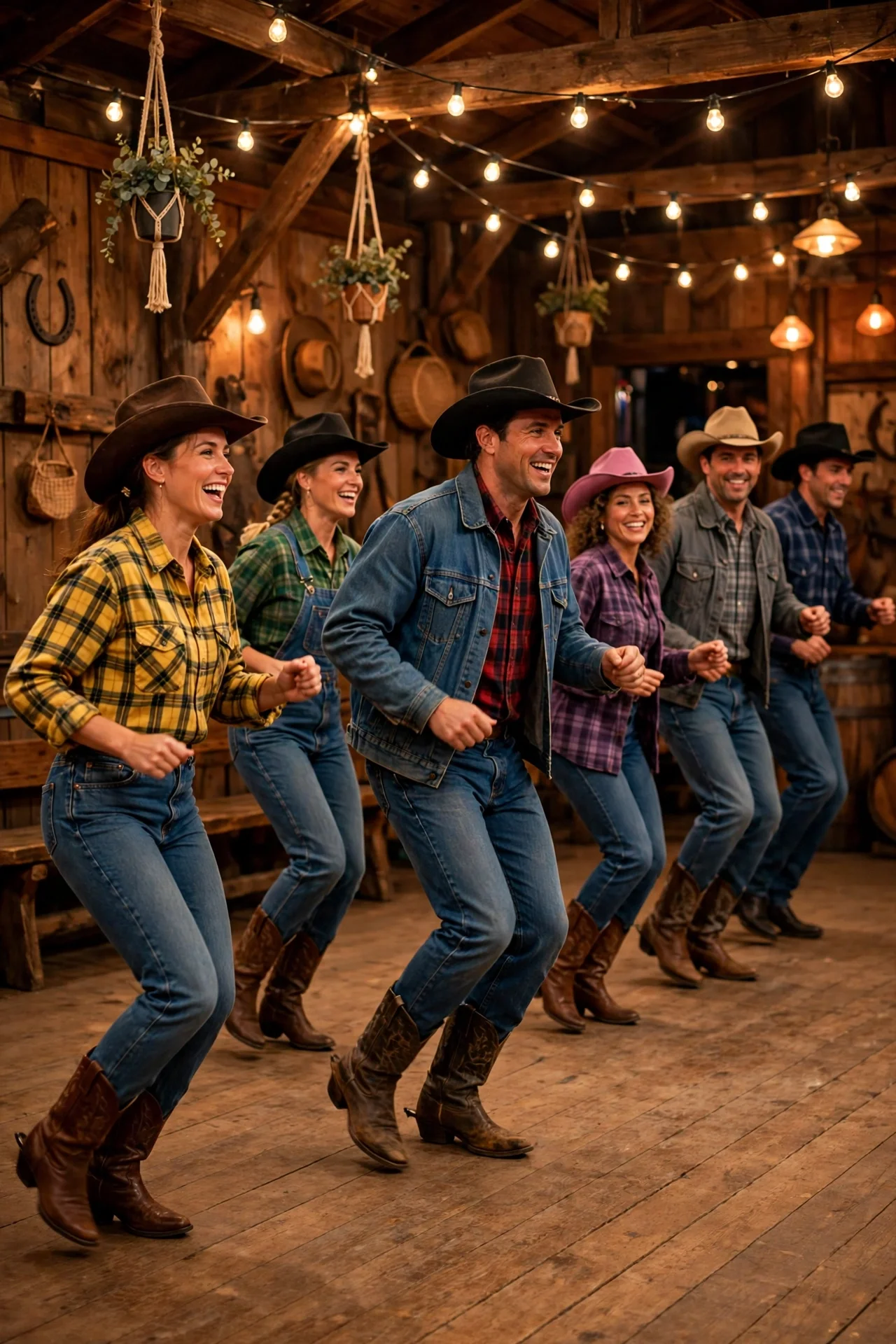
Billy Ray Cyrus made “Achy Breaky Heart” a line-dancing phenomenon in 1992, but the song had already been recorded the year before by The Marcy Brothers under a different title, “Don’t Tell My Heart.” Cyrus’s version kept the melody and the heartache, gave it a new name and a much bigger stage, and turned it into a country-pop explosion. The Marcy Brothers’ original is a fascinating what-if: the same song, one year earlier, a world away from fame.
13. “If I Were a Boy” by Beyoncé
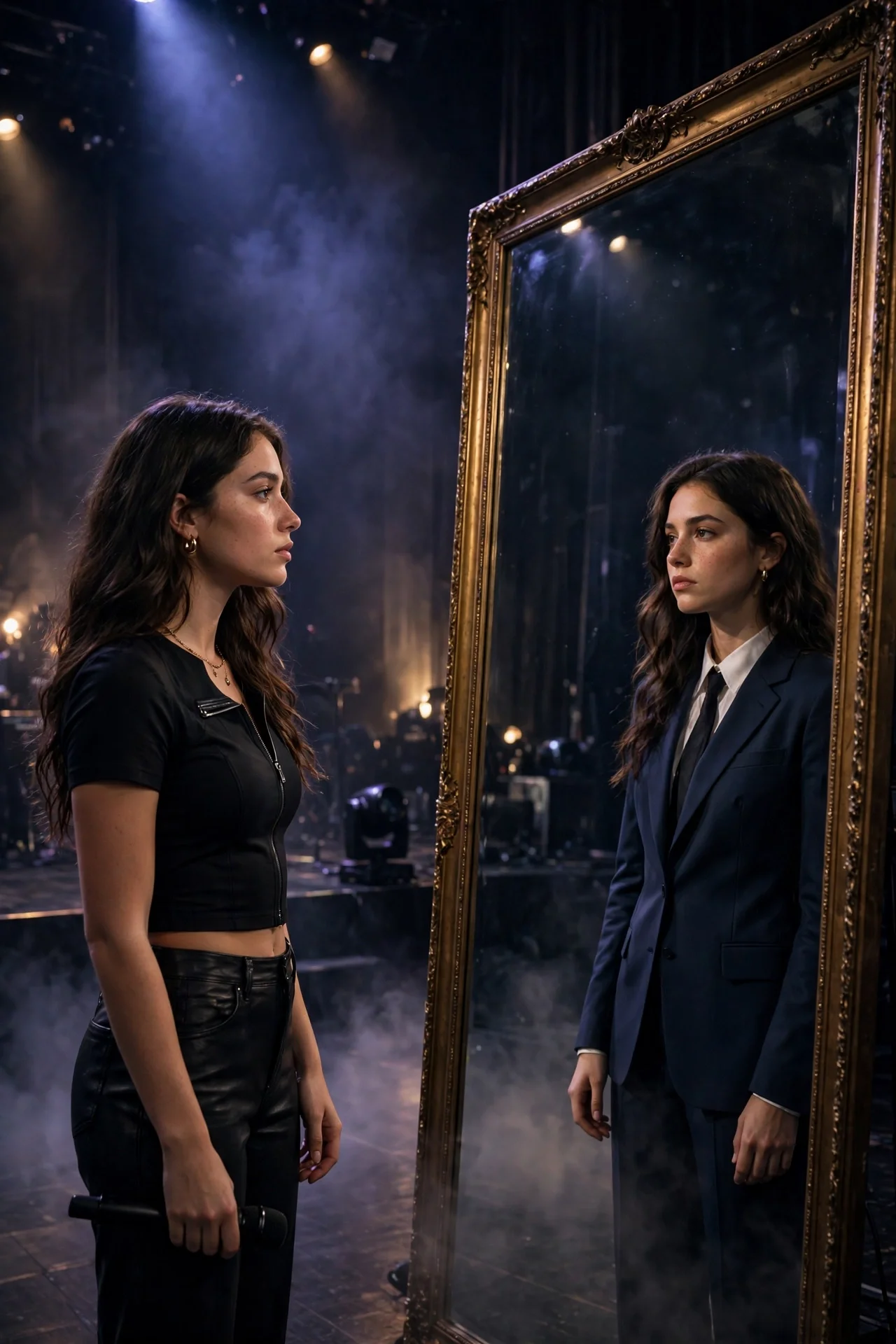
Beyoncé’s “If I Were a Boy” is a masterclass in restraint, a slow-burning song about double standards that lets her voice do all the damage. It was first performed by singer-songwriter BC Jean, who co-wrote the song and recorded it in 2008. Beyoncé heard it, recognised its power, and made it one of the defining singles of her career. The song’s perspective — imagining life on the other side of an argument — is what makes both versions hit so hard.
14. “Black Magic Woman” by Santana
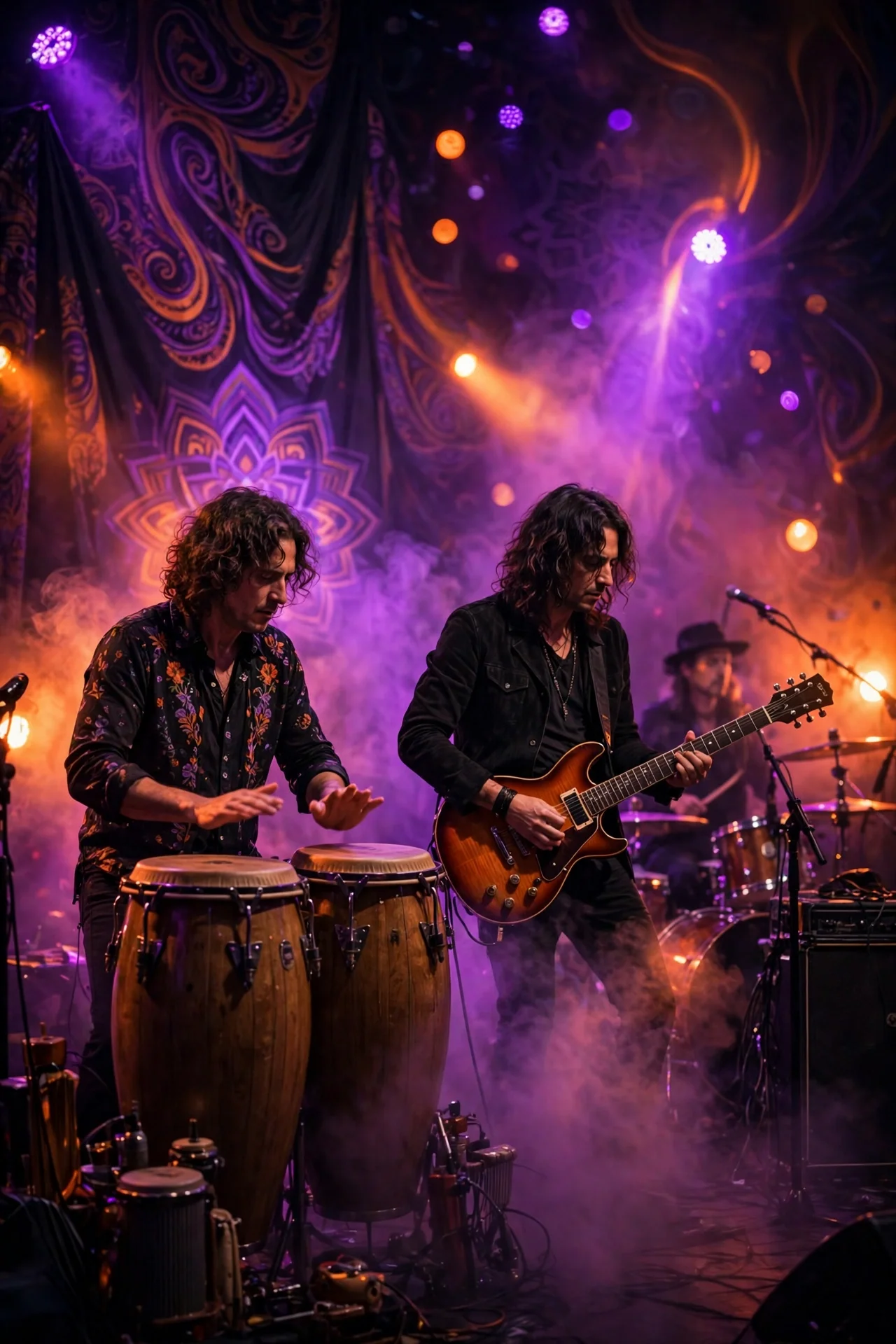
Most people associate “Black Magic Woman” with Santana’s hypnotic guitar and Latin-rock groove, but the song was written by Fleetwood Mac’s Peter Green and released by the band in the late 1960s. Santana heard it, slowed it down, added percussion and turned it into something sultry and spell-like. Fleetwood Mac’s original is a fine blues-rock song; Santana’s version is the one that cast the actual spell.
15. “Blinded by the Light” by Manfred Mann’s Earth Band
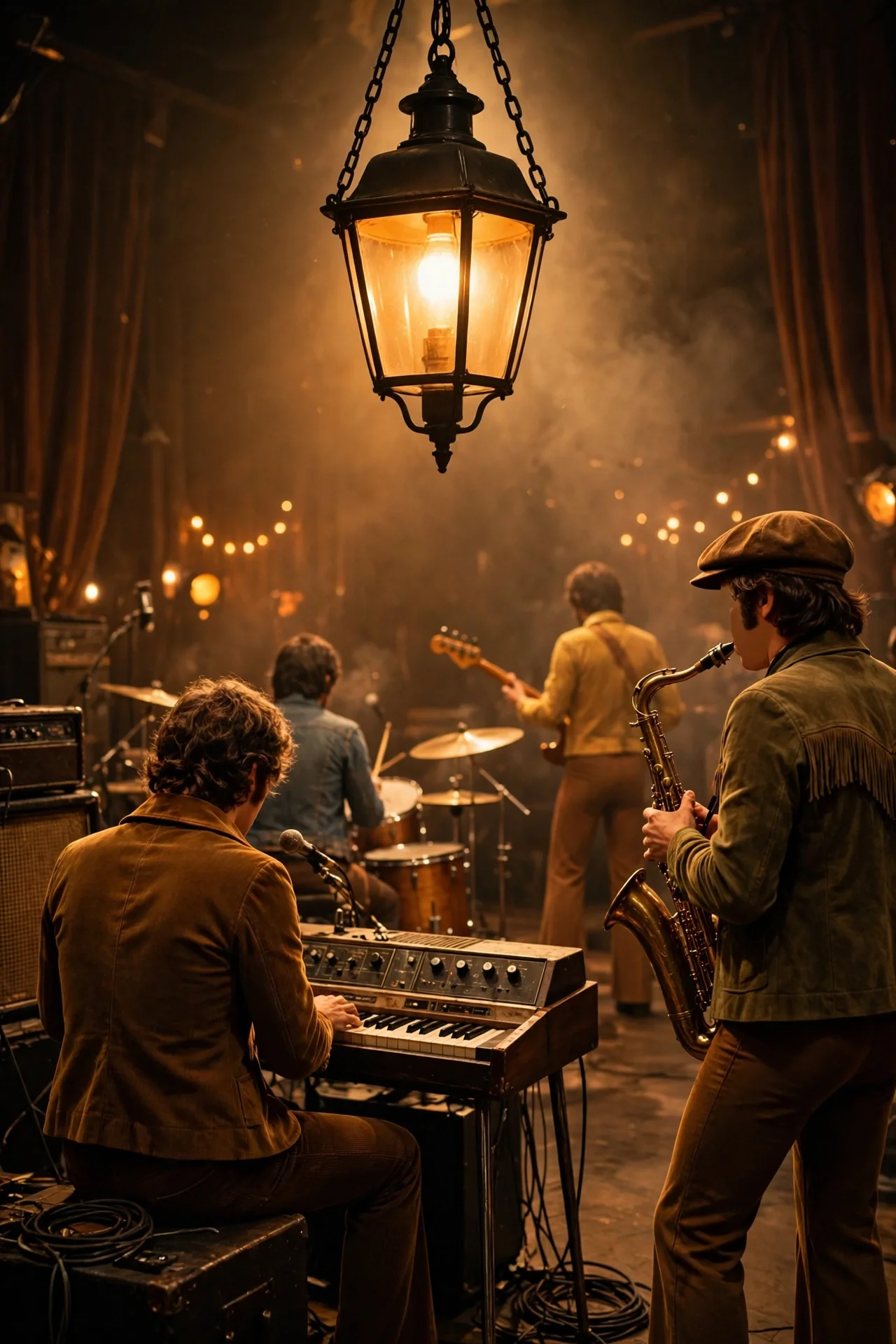
Manfred Mann’s Earth Band took Bruce Springsteen’s wordy, winding “Blinded by the Light” and turned it into a chart-topping hit in the mid-1970s. Springsteen’s original, from his debut album, is dense and poetic, packed with images tumbling over each other. The cover kept the energy, simplified the arrangement and gave it a radio-friendly glow. It remains one of the rare cases where the cover became far more famous than the original — and Springsteen, to his credit, has always seemed delighted by that.
16. “I Love Rock ‘n’ Roll” by Joan Jett & the Blackhearts

Joan Jett’s version is pure attitude: a snarling, guitar-driven anthem that became her signature song and spent weeks at the top of the charts in the early 1980s. The original, though, came from British glam band The Arrows, who recorded it in 1975. Jett heard it while touring, loved it, and made it louder, tougher and entirely her own. The Arrows’ version is a fun glam-pop curio; Jett’s is a rock-and-roll statement.
17. “Dancing in the Moonlight” by Toploader

Toploader’s breezy 2000 version of “Dancing in the Moonlight” sounds like summer itself, all warm guitars and easy harmonies. The song’s history is a little tangled: it was first recorded by Sherman Kelly’s band Boffalongo in 1970, and Kelly later re-recorded it with his new band King Harvest, whose 1972 version became a hit. Toploader simply picked up that feel-good torch and carried it into a new century. Some songs, it turns out, are just built to make people dance.
18. “Black Betty” by Ram Jam
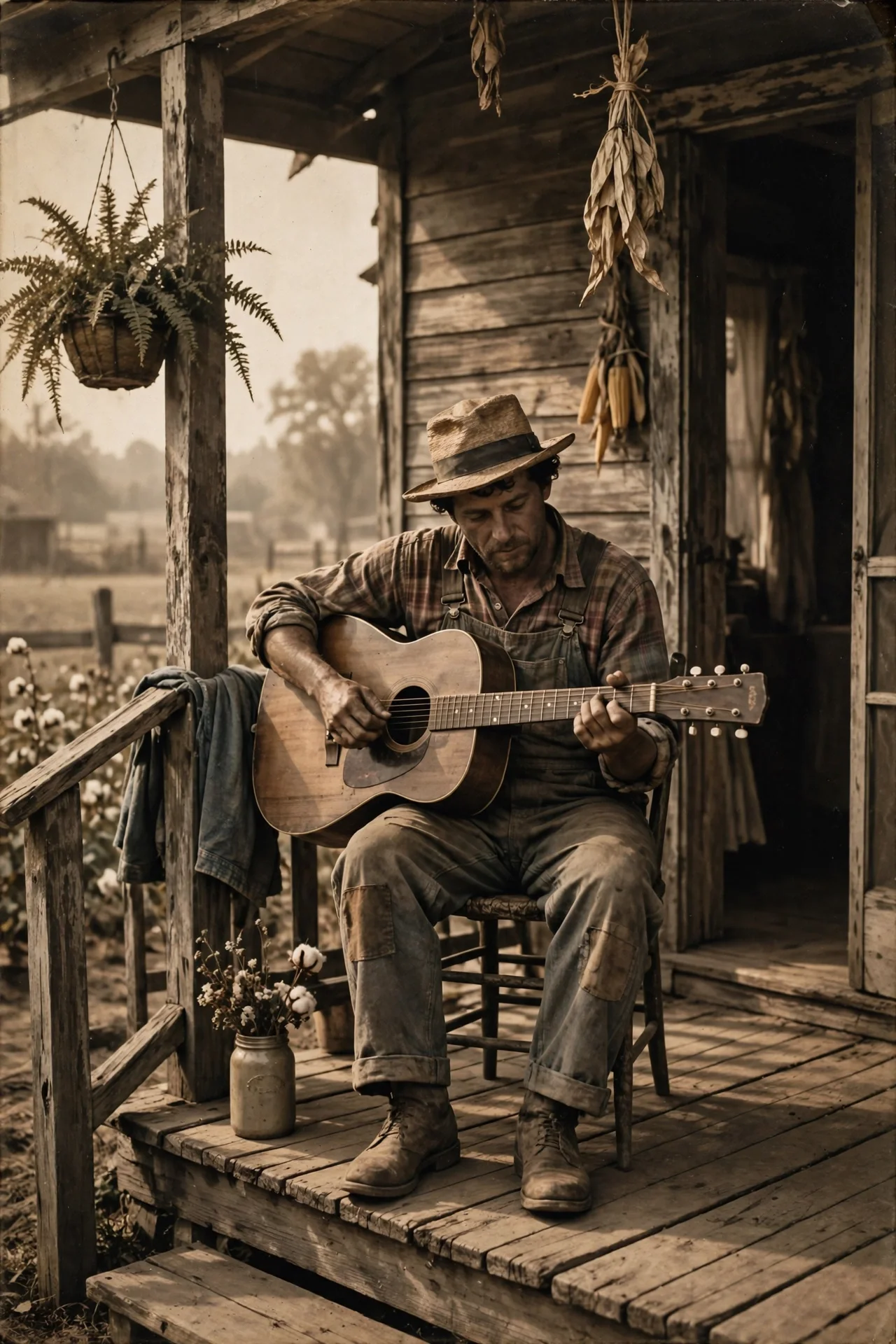
Ram Jam’s hard-rocking “Black Betty” from 1977 is loud, driving and instantly recognisable from its opening drumbeat. But the song is far older than rock itself: it comes from the traditional work-song and folk-blues tradition, with early recorded versions in the 1930s, including one credited to James “Iron Head” Baker with a group of Texas prisoners, and a famous later version by Lead Belly. Ram Jam did not invent the song — they plugged it in and turned it up.
19. “Take Me to the River” by Talking Heads
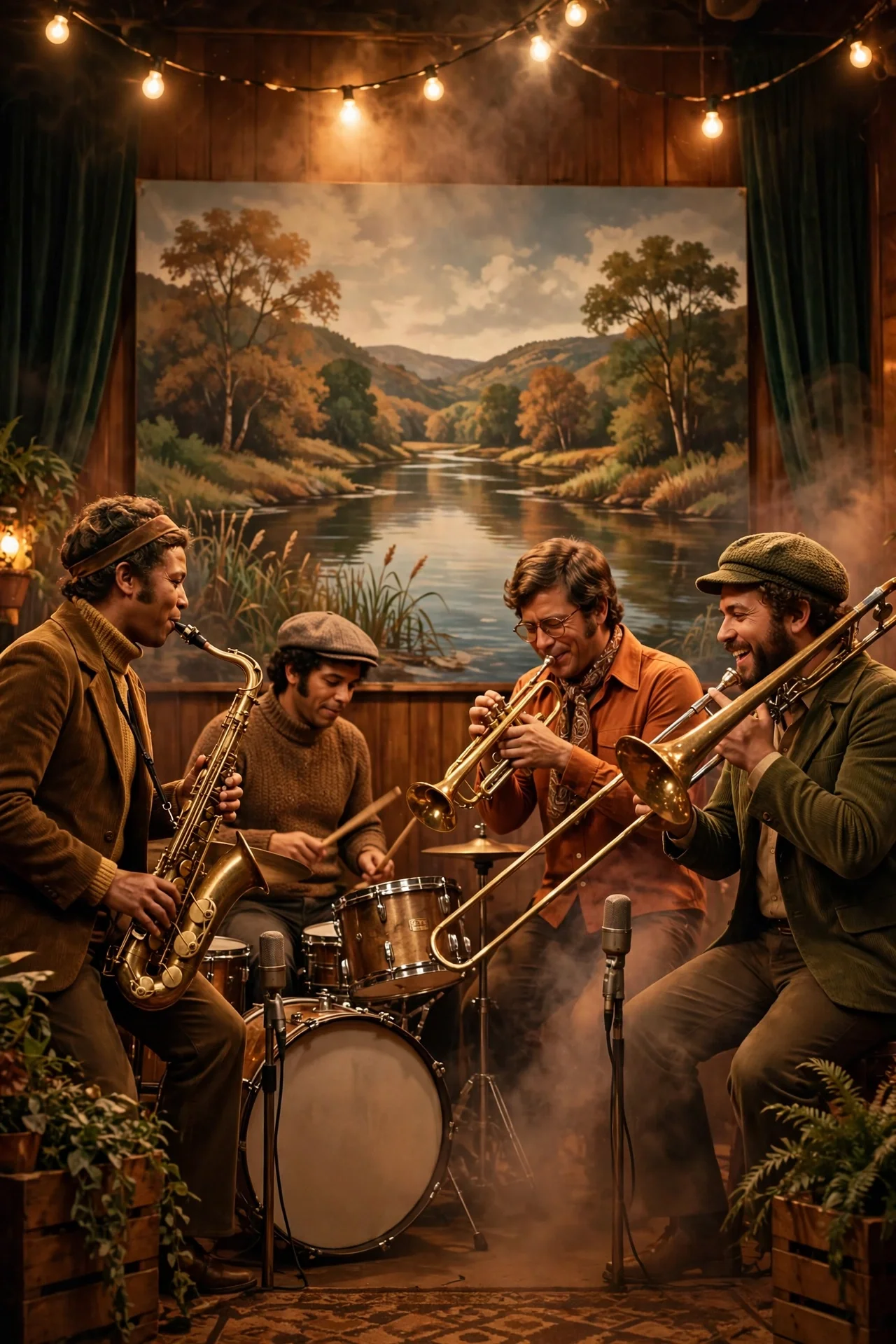
Talking Heads gave “Take Me to the River” a nervous, art-rock edge in 1978, all twitchy guitars and David Byrne’s unmistakable delivery. The original was Al Green’s 1974 soul classic, smooth and deeply felt, recorded at the height of his powers. The two versions could hardly be more different in mood, yet both work beautifully. It is a perfect example of how a cover can reveal a completely different side of a song without changing its soul.
20. “Gangster’s Paradise” by Coolio (featuring L.V.)
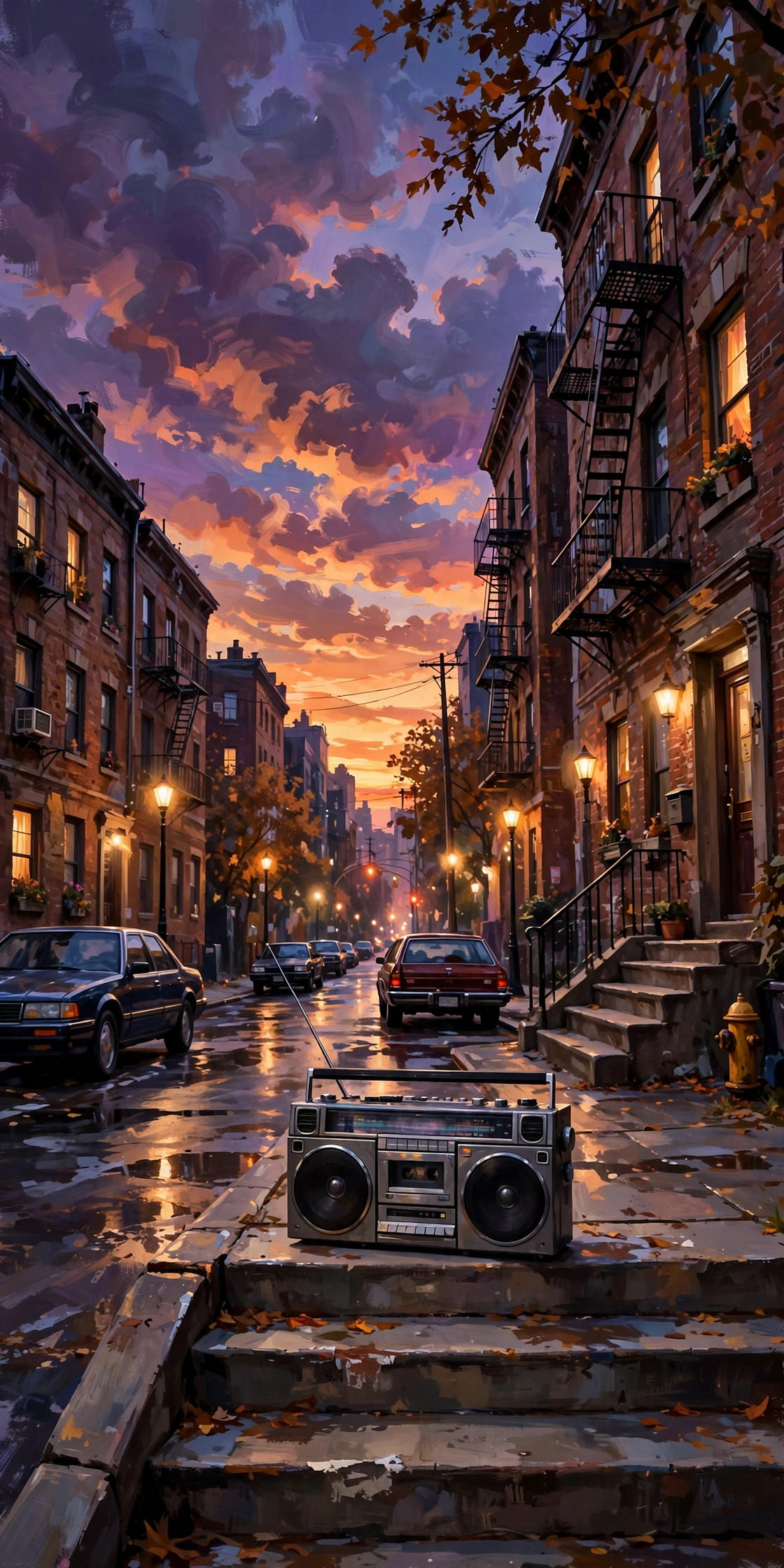
Coolio’s 1995 hit is often described as a cover, but like “Mambo No. 5,” it is more accurately a reworking: it borrows the melody and mood of Stevie Wonder’s “Pastime Paradise” from 1976 and builds an entirely new song on top of it, with L.V. singing a reimagined chorus. Wonder’s original is a thoughtful, socially conscious album track; Coolio’s version became a cultural phenomenon of the mid-1990s. The connection between them is the melody — and what a melody it is.
Note: this section has no image — its generated image failed during production and was not retried.
21. “Only Wanna Be With You” by Post Malone

For younger listeners, Post Malone’s dreamy, pop-leaning version of “Only Wanna Be With You” might be the first one they know, thanks to its appearance on the Pokémon 25 soundtrack. But the song is a Hootie & the Blowfish classic from the mid-1990s, a staple of that decade’s radio. Post Malone’s cover softens it, slows it down and gives it a hazy, modern glow. Two eras, two very different sounds — and one song that clearly refuses to age.
So, how many of these did you already know were covers? The best part of a list like this is going back and listening to the originals — not to pick a winner, but to hear how one song can live two completely different lives. If any of these genuinely shocked you, you are in very good company.
You May Also Like
If you enjoyed this trip through music history, you will love these: 10 Superrrrrr Awkward Moments From The 2026 VMAs, Music’s Most Hated Musicians, According To Musicians, 11 Musicians Who Destroyed Their Entire Careers With A Single Song, and 14 Open Secrets About The Entertainment Industry That Insiders All Know.