
Ask people what genuinely improved their lives and the answers are rarely dramatic. Nobody says “winning the lottery.” They talk about sleep. About a chair that stopped hurting their back. About a walk that became a habit. Big transformations make the headlines, but quality of life is quietly built — or quietly eroded — by small, repeatable choices.
Here are 25 simple changes that genuinely improve day-to-day life. None of them require a personality transplant or a large budget, and most take less than a week to start feeling. They pair naturally with the mindset in our look at underconsumption habits that make normal life feel radical — because feeling better usually has very little to do with buying more.
1. Keep Your Phone Out Of Reach For The First Hour
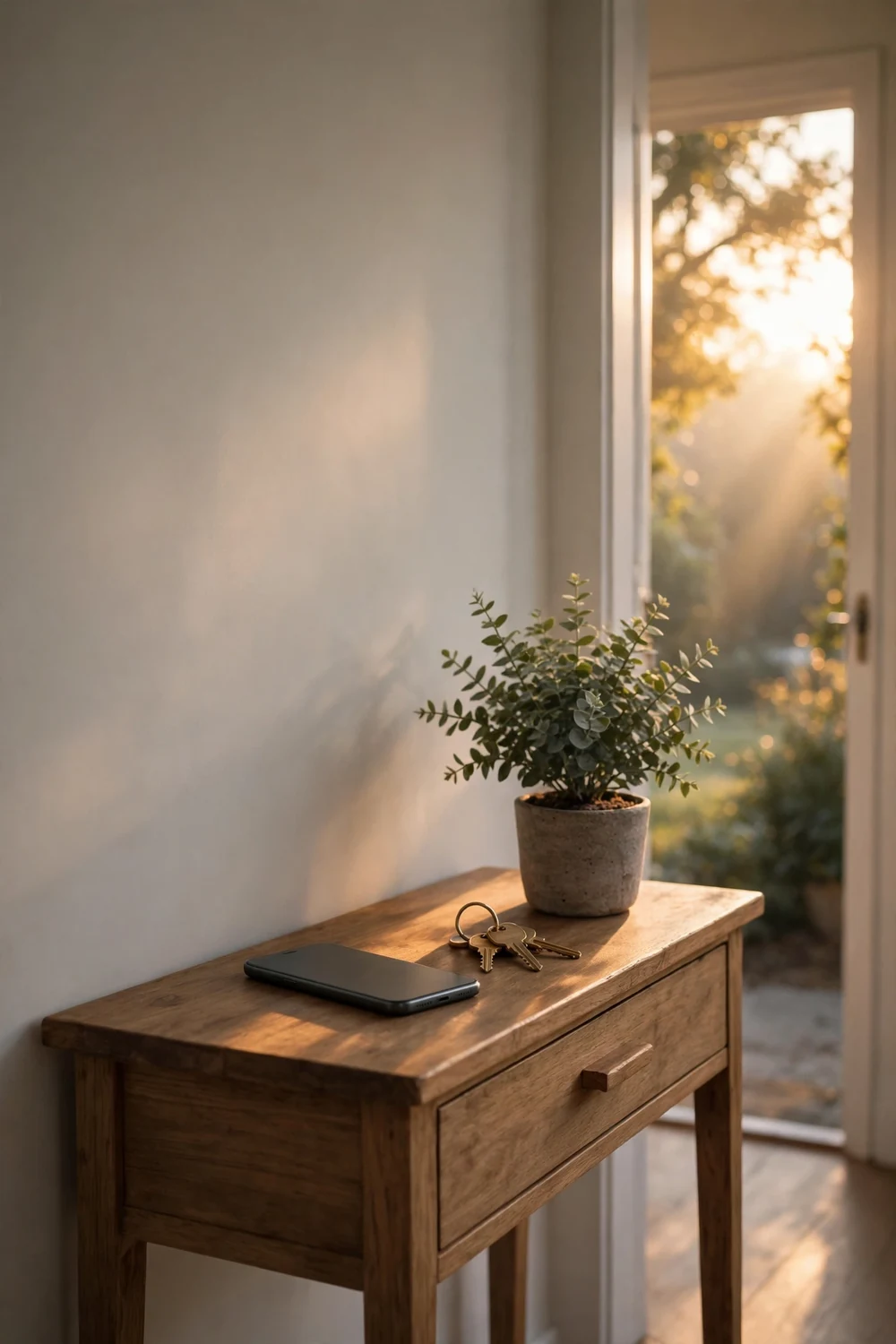
The first hour of the day sets its emotional weather. If it begins with other people’s news, arguments and emergencies, your mood is outsourced before you have even had coffee. Leave the phone in another room overnight, wake up, wash, eat, get some light — and only then open the floodgates. Most people who try it describe the same surprise: mornings feel longer, calmer, and strangely more their own.
2. Take A Daily Walk — And Protect It

Walking is the most underrated upgrade on this list. Twenty to forty minutes a day improves sleep, mood, digestion and creative thinking, and it asks for nothing but shoes. The trick is to anchor it: after lunch, after dinner, or as your commute’s final stretch. People who walk daily rarely rave about fitness — they rave about feeling more alive, and about how problems seem to solve themselves at walking pace.
3. Make Your Bedroom Properly Dark

Light leaking into your bedroom fragments your sleep in ways you will not remember but will absolutely feel. Blackout curtains — or even a good sleep mask as a first step — are among the cheapest genuine life upgrades available. Pair them with a cool room and you have the closest thing to a legal performance enhancer: deep, uninterrupted rest.
4. Sit In A Chair That Supports You
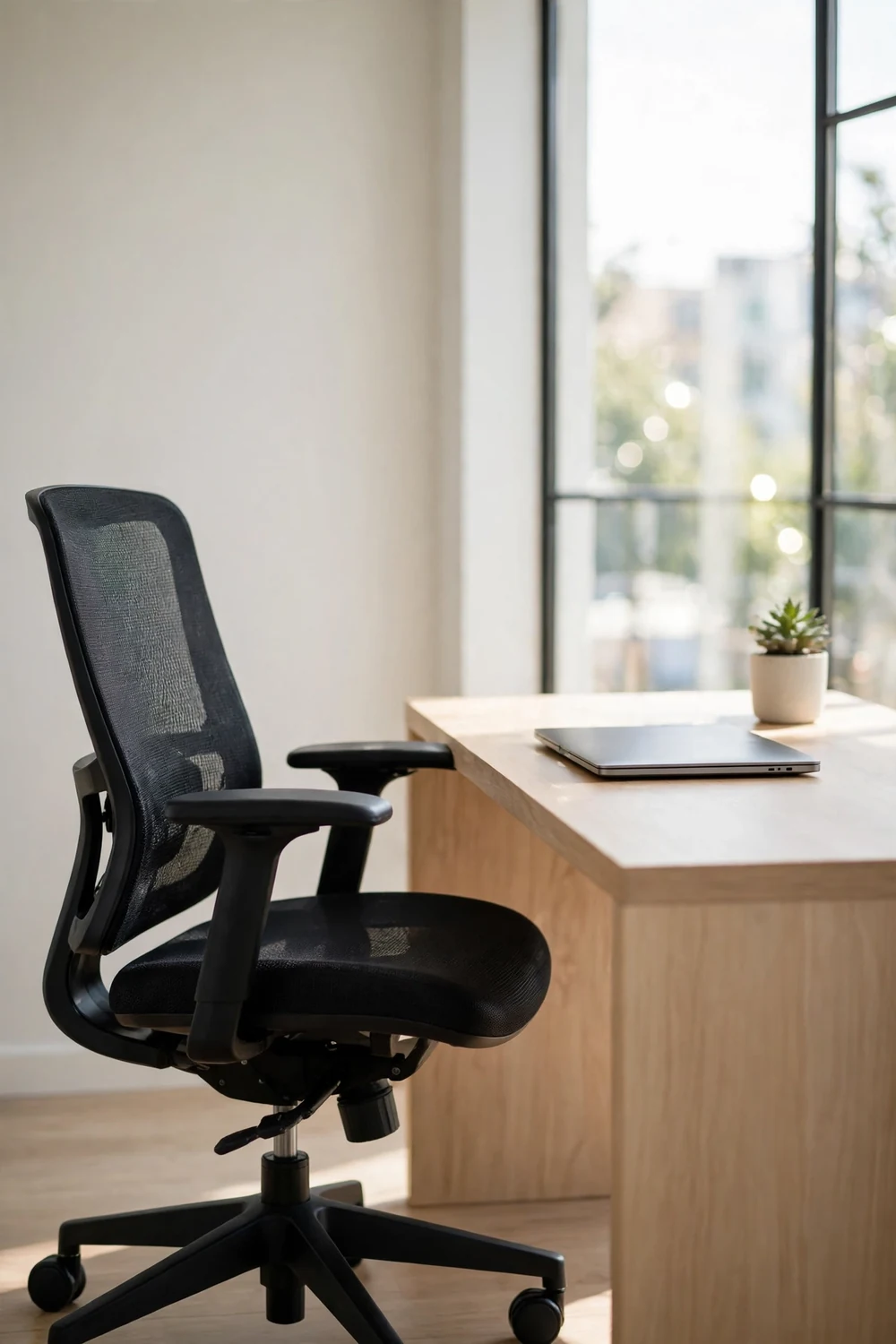
If you work at a screen, you spend more waking hours in your chair than in your bed. A chair with real lumbar support, feet flat on the floor and a screen at eye level quietly removes the background ache that drains energy and patience. You do not need the most expensive model — you need one fitted to your body rather than inherited from circumstance.
5. Fix Your Bed Basics

A worn-out mattress and the wrong pillow can tax every single day with low-grade pain. Since sleep is the foundation everything else stands on, this is one of the few purchases that pays you back nightly. Start with the pillow matched to how you sleep; if your mattress is sagging and past its years, prioritise replacing it over almost any other home upgrade.
6. Keep Water Within Arm’s Reach

Mild dehydration masquerades as tiredness, headaches and snack cravings. The fix is embarrassingly simple: a bottle or glass that lives where you live — desk, bedside, bag — refilled on sight. You will not need reminders or apps; visibility does the work. Many people find their afternoon slump shrinks within days.
7. Add One More Serving Of Plants To Your Day

Forget overhaul diets. The sustainable version of eating better is additive: one extra serving of fruit or vegetables a day, added to what you already eat. A handful of berries on breakfast, a salad beside lunch, vegetables folded into whatever dinner was happening anyway. Small additions crowd out worse choices without any sense of deprivation — and they compound for years.
8. Learn To Cook Five Meals Really Well

Cooking is a genuine life skill with daily dividends: cheaper, healthier, and quietly satisfying. You do not need a hundred recipes — five meals you can make confidently, from memory, with ingredients you usually have, will carry most of your weeks. Master them one at a time, and home food stops being a chore and becomes a small daily competence you can feel.
9. Keep The Same Wake-Up Time

Of all the sleep advice in the world, consistency beats everything. Waking at roughly the same time every day — yes, weekends too — stabilises your body clock so thoroughly that falling asleep gets easier on its own. It feels restrictive for about a week. Then your energy stops swinging, and mornings stop being an ambush.
10. Delete One App That Drains You

Everyone has one: the app you open for relief and close feeling worse — more compared, more outraged, more behind. Deleting it for a month is a clean experiment with a predictable result. The comparison and fear of missing out that social feeds manufacture quietly evaporate, and the hours come back. Very few people reinstall with the same enthusiasm.
11. Say “I Don’t Know” Without Flinching

Somewhere in early adulthood, most of us learn to bluff. Unlearning it is liberation: saying “I don’t know — tell me more” earns more respect than a confident guess, opens real conversations, and turns every knowledgeable person you meet into a free education. It also ends the low-level stress of protecting a performance nobody asked for.
12. Spend Time Around People Who Are Better Than You

Working or learning alongside people who are smarter or more skilled can sting the ego — or it can be treated as the privilege it is. Proximity to excellence is the fastest tuition there is: standards rise, shortcuts get exposed, and your sense of what is possible quietly expands. Choose rooms where you are not the best, and stay long enough to improve.
13. Care Less About The Audience In Your Head

Most people are not watching you nearly as much as you fear — they are busy worrying about their own spotlight. Dropping the weight of imagined judgement frees up remarkable energy: you speak up, try things, wear the thing, post the thing. The opinions that matter belong to a handful of people who love you; the rest is weather.
14. Let Yourself Be Bad At Hobbies

Adults abandon hobbies at the first sign of incompetence, then wonder why life feels like all work and errands. The unlock is deciding in advance to be a beginner: take the class, make the wobbly pot, sing off-key. Play that is not aimed at achievement restores something achievement cannot — and skill, unhurried, usually shows up anyway. Our roundup of healthy habits worth building early makes the same point from another angle.
15. Volunteer A Little, Regularly

A few hours a month of volunteering delivers an unusual bundle: new people who share your values, visible proof that your effort matters, and a reliable lift in mood that researchers keep rediscovering. It also gently relocates your own problems into perspective. Pick something local and concrete, and let consistency beat intensity.
16. Listen More Than You Speak

Real listening — not waiting for your turn — is a rare gift that transforms relationships. People relax, open up, and remember you as the person who actually hears them. It takes practice: silence your inner reply, ask the follow-up question, let them finish. Almost everything improves downstream of being genuinely heard, including your own understanding of the world.
17. Upgrade One Small Thing In Your Bathroom

You start and end every day in the bathroom, so tiny frictions there are daily taxes. A curved shower rod that makes the shower feel twice as big, a better showerhead, a bidet attachment, decent light for the mirror — small, unglamorous upgrades that quietly pay off every morning. This is the same philosophy behind practical home products that make everyday life easier: fix the friction you touch daily.
18. Automate One Money Decision
Willpower is a terrible savings plan. One automatic transfer — even a small one, leaving your account the day after payday — plus bills on autopay removes a whole category of low-grade financial stress. You stop relying on monthly resolve, late fees vanish, and future-you starts quietly thanking present-you.
19. Keep A “Done” List

To-do lists only ever show what is left, which is why days can end feeling unproductive even when they were not. A done list — a simple running note of what you actually finished — restores the evidence. On flat days, it is hard to argue with a page of proof. Many people find it does more for motivation than any planner.
20. Get Outside Light Early

Daylight within an hour or so of waking is the strongest signal you can send your body clock: it anchors your energy for the day and your sleepiness for the night. Ten minutes on a balcony, a walk to the corner, coffee by the brightest window — it all counts, and on bright days it counts double.
21. Stretch For Five Minutes Before Bed

A short, gentle stretch routine is a bridge between the wired day and sleep: it loosens the shoulders-and-screen tension, slows breathing, and gives your mind a ritual that says “we are done.” Five unhurried minutes is enough. Consistency turns it into a switch you can flip.
22. Give Family Time A Phone Drawer

When children come home, when dinner lands, when the people you love are actually in the room — the phone can live in a drawer until later. Presence is the whole gift, and it cannot be multitasked. Households that adopt a phone spot describe the same effect: conversations come back, and evenings feel longer in the good way.
23. Clear One Small Surface A Week
Whole-home decluttering is overwhelming; one surface is not. The kitchen counter this week, the entry table next — each cleared space lowers the background visual noise your brain processes all day. Calm is often just fewer things asking for attention.
24. Book The Check-Ups You Keep Postponing
The dentist, the eyes, the general check-up you have been meaning to schedule — postponed maintenance, body edition. Booking them removes a nagging background worry and catches small things while they are still small. This article is general lifestyle information, not medical advice; for anything specific, a qualified professional who knows you is the right call.
25. End The Day By Naming One Good Thing

Before sleep, name one good thing from the day — out loud, to someone, or in a notebook. It sounds almost too small to matter, but attention is trainable: a mind that scans for one good thing daily starts finding them earlier and more often. It is a gentle final edit to every day, including the hard ones.
Small Changes, Compounded
None of these will trend. There is no before-and-after photo for “sleeps in a dark room” or “says I don’t know.” But quality of life is not built in reveals — it accumulates in the background of ordinary days, in sleep and light and water and unhurried mornings. Pick two from this list, give them a month, and notice what shifts. Then pick two more.
The best time to make a small change was years ago. The second-best time is this week.