
Hollywood has always run on rules, and some of the strangest ones were written straight into actors’ contracts. Long before anyone talked about creative freedom, studios controlled almost everything about their stars, from how they sounded in interviews to what they were allowed to wear off camera. Some of these rules were about protecting a movie’s image, some were about protecting a star’s image, and a few were simply about one powerful person getting their way.
What makes these demands so fascinating is how specific they are. Nobody was banned from acting, they were banned from running, from wearing trousers, or from wearing a tuxedo in the wrong film. Here are 15 of the most bizarre demands studios have put in actors’ contracts, from the golden age of Hollywood right up to the age of superheroes.
1. No One Was Allowed To Run Onscreen With Tom Cruise

Tom Cruise is famous for doing his own running in action scenes, and it turns out that habit comes with a rule. According to his Mummy co-star Annabelle Wallis, Cruise does not allow his co-stars to run onscreen alongside him. When she first heard the rule, she was told plainly that nobody runs onscreen with him, and she decided to change his mind the only way she could.
Wallis started timing her treadmill sessions so that Cruise would walk in and see her running, and eventually he gave in and added running scenes for her character. She later described getting those scenes as better than winning an award, which tells you everything about how seriously the running rule was taken on set.
2. Steven Spielberg Stayed In Character While Directing Lincoln
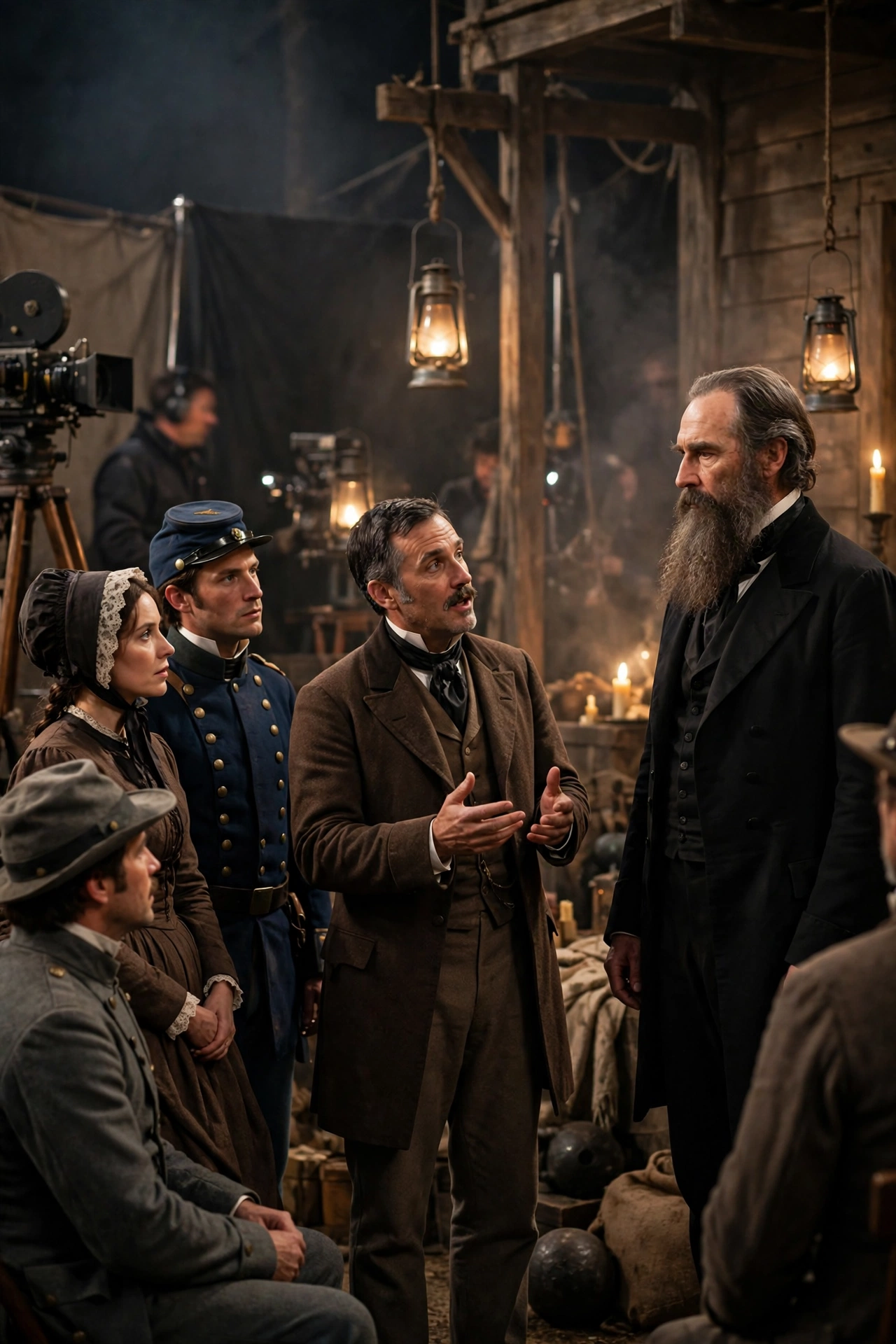
For the three and a half months it took to film Lincoln, director Steven Spielberg refused to call any of the actors by their real names. Everyone on set was addressed only by the name of the character they were playing, so Daniel Day-Lewis was simply Mr. President for the entire shoot. Spielberg also wore a suit every single day, even though most directors on a film set dress far more casually.
The idea was total immersion. Spielberg wanted to feel like part of the world he was recreating rather than a modern filmmaker in a baseball cap standing on a set. By dressing the part and speaking to his cast as their characters, he kept the whole production inside the 1860s from the first day of filming to the last.
3. Married Couples Were Not Allowed To Share A Bed Onscreen

Under Old Hollywood’s production code, actors playing a married couple were not allowed to share a bed onscreen, even if their characters were husband and wife. The rule was so strict that it also applied to real-life married couples, including Lucille Ball and Desi Arnaz in I Love Lucy. Scenes of married life had to be staged with the couple in separate twin beds, no matter how unrealistic that looked.
The censorship rules were tightened after Mae West’s film I’m No Angel premiered in 1933, and they shaped how romance was shown on screen for decades. It is a good reminder that the wholesome look of classic television was not an accident, it was a rulebook.
4. Tom Holland Was Only Allowed To See His Own Lines
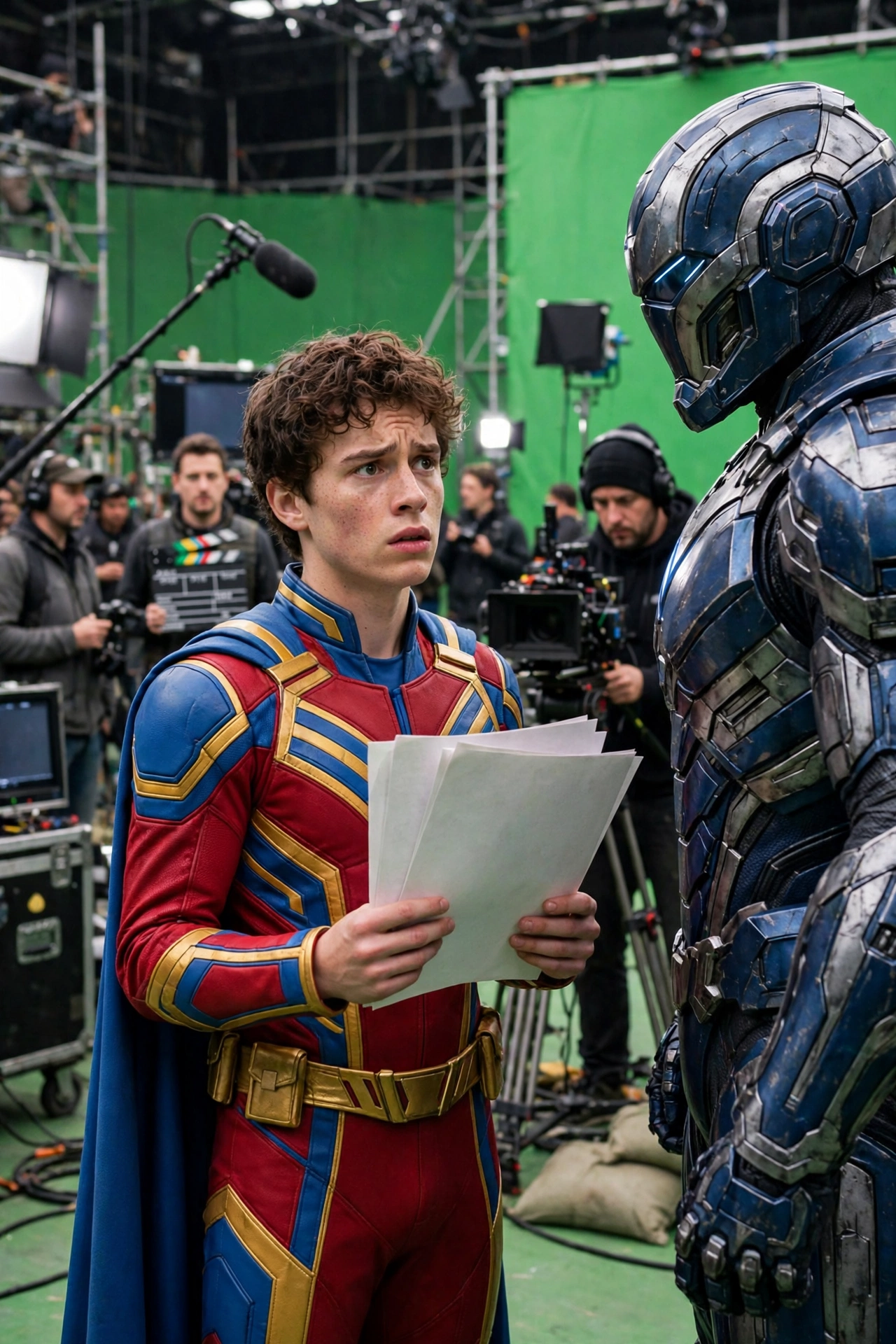
While filming Avengers: Endgame, Tom Holland was not allowed to see any part of the script beyond his own lines. He did not even get to see the names of the characters he was speaking to in a scene, because the directors worried he would accidentally give away secrets. The production used vague descriptions instead of real details whenever it briefed him on what was happening.
The precaution was not random. Holland has a well-known habit of letting plot details slip in interviews, and the studio was guarding one of the biggest movie secrets of the decade. Keeping the script away from its own star was the safest way to make sure the ending stayed a surprise.
5. Bella Thorne Was Told To Use A Higher-Pitched Voice

While she was starring on the Disney Channel show Shake It Up, Bella Thorne has said the studio made her use a higher-pitched voice in interviews. The thinking was that her naturally deeper voice would not appeal to young viewers, so she was expected to sound different whenever she spoke publicly about the show.
Thorne later described the experience as confusing and damaging, saying she spent those years unsure of who she really was. It is a small detail in a contract, but it shows how far studios once went to shape not just how a young star looked, but how she sounded.
6. A Magazine Contest Picked Joan Crawford’s Name
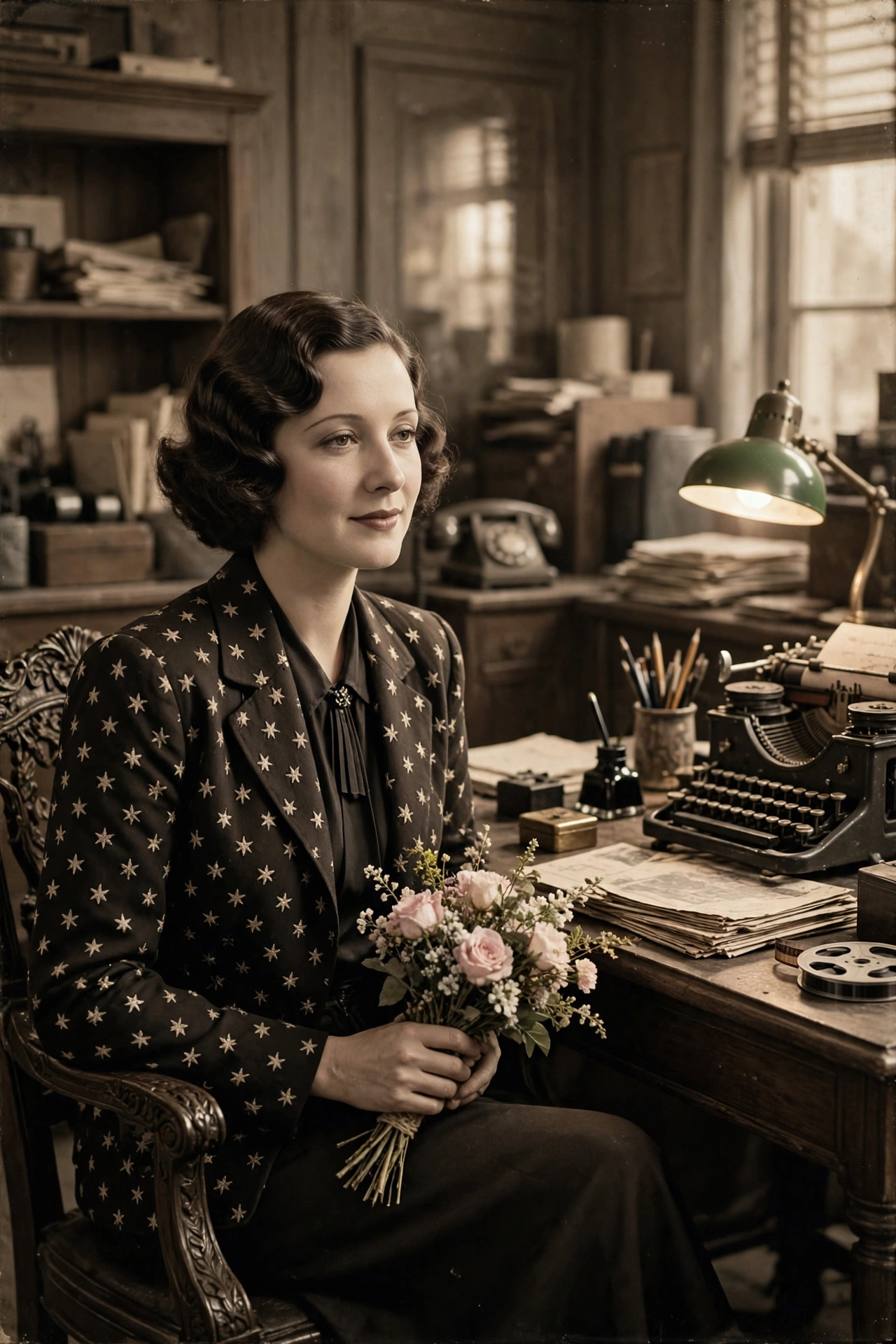
Before she was Joan Crawford, she was Lucille LeSueur, and her studio thought her real name was a problem. MGM decided that LeSueur sounded too close to the word sewer, so her contract required her to change it. Instead of letting her choose a new name herself, the studio ran a contest in a fan magazine and gave her the winning entry.
The name Joan Crawford was the result, and the actress herself was reportedly unhappy with it, saying it sounded like crawfish to her. She went on to become one of the biggest stars in Hollywood history under a name she never picked and never really liked.
7. Rock Hudson’s Marriage Was Arranged By His Studio
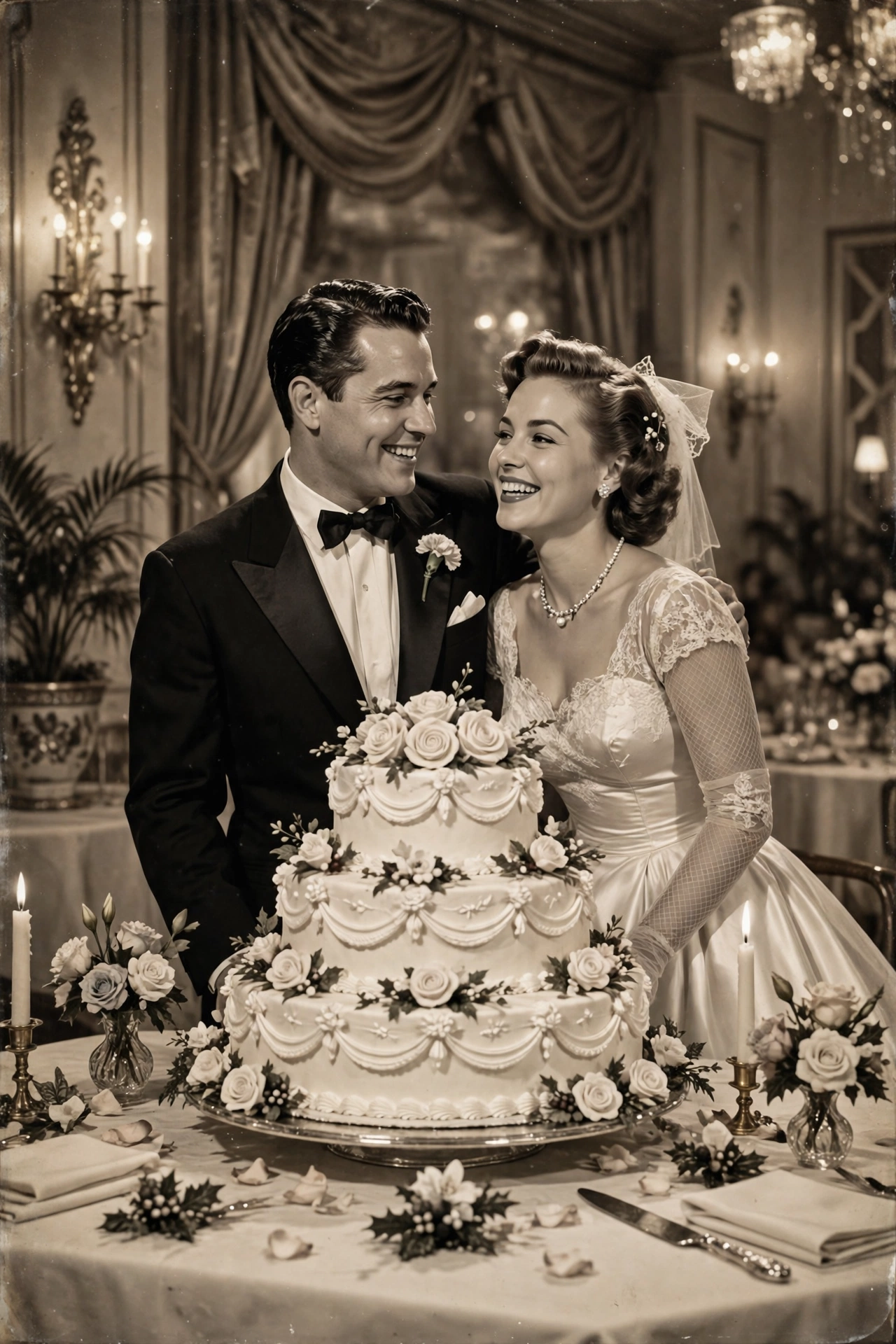
In the days of the studio system, an actor’s private life was treated as studio property, and Rock Hudson’s marriage is the most famous example. Universal arranged for Hudson to marry Phyllis Gates, his agent’s secretary, because the studio had invested heavily in his image as a romantic leading man and wanted it protected. The wedding and honeymoon were promoted just like one of his films.
Hudson was gay, and the marriage was a business arrangement rather than a love story. Years later, his friend Ken Maley said Hudson was bitter about the whole thing, which is hardly surprising. The studio got the image it wanted, and Hudson paid the personal price for it.
8. Jean Harlow Was Forbidden To Marry
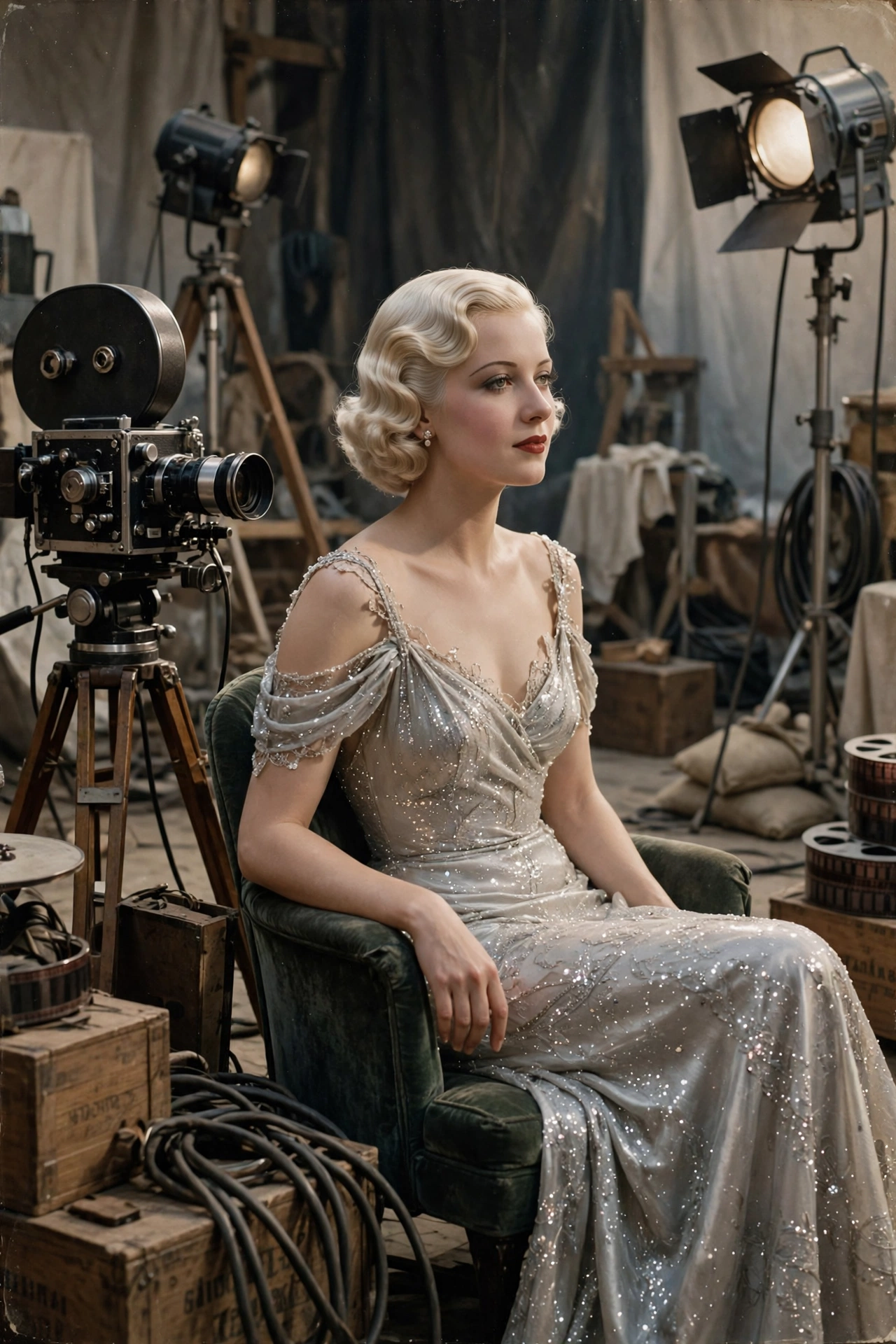
While Jean Harlow was under contract to MGM, the studio reportedly put a clause in her deal that forbade her from getting married. The reason was her image. Harlow was sold to audiences as a bombshell, and the studio believed that becoming a wife would ruin the fantasy. So marriage, for one of the most famous women in the world, was simply not allowed.
The rule had real consequences. Harlow was not allowed to marry her partner William Powell, one of the biggest stars of the era, because a wedding would have clashed with the character the studio had built for her. Her love life was managed the same way her films were, by contract.
9. Rebel Wilson’s Contract Controlled Her Weight
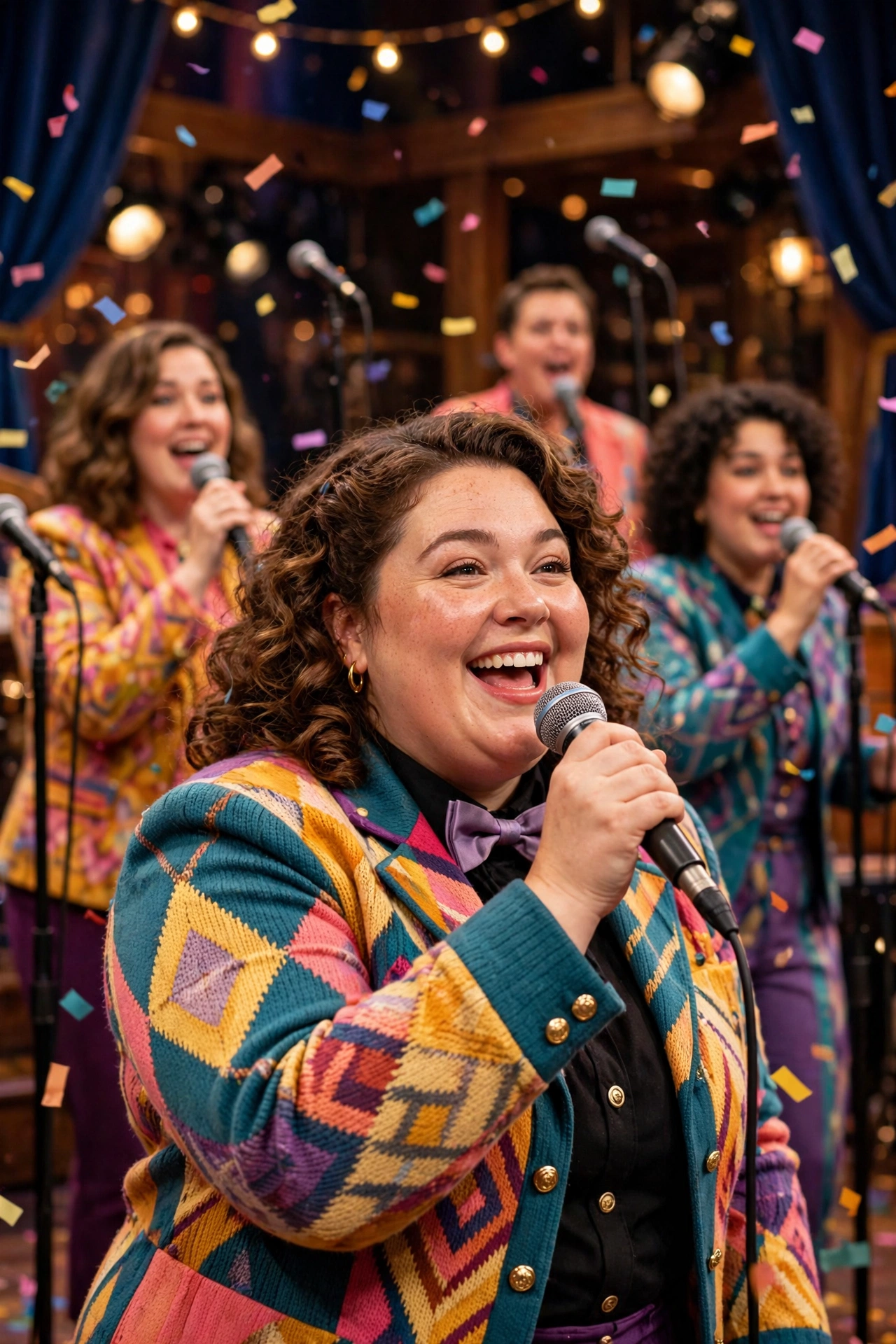
Rebel Wilson’s contract for the Pitch Perfect films reportedly forbade her from losing or gaining more than 10 pounds for as long as she played Fat Amy. The character’s size was part of the role, so the studio wanted her body to stay exactly where it was, film after film. Wilson has said she had been thinking about getting healthier for a while, but the contract made that complicated.
She has also spoken honestly about how the role typecast her as the bigger funny friend, a part she loved playing but one that boxed her in. The weight clause is a reminder that for some actors, even their own health decisions were written into the fine print.
10. Pierce Brosnan Could Not Wear A Tuxedo In Any Other Movie
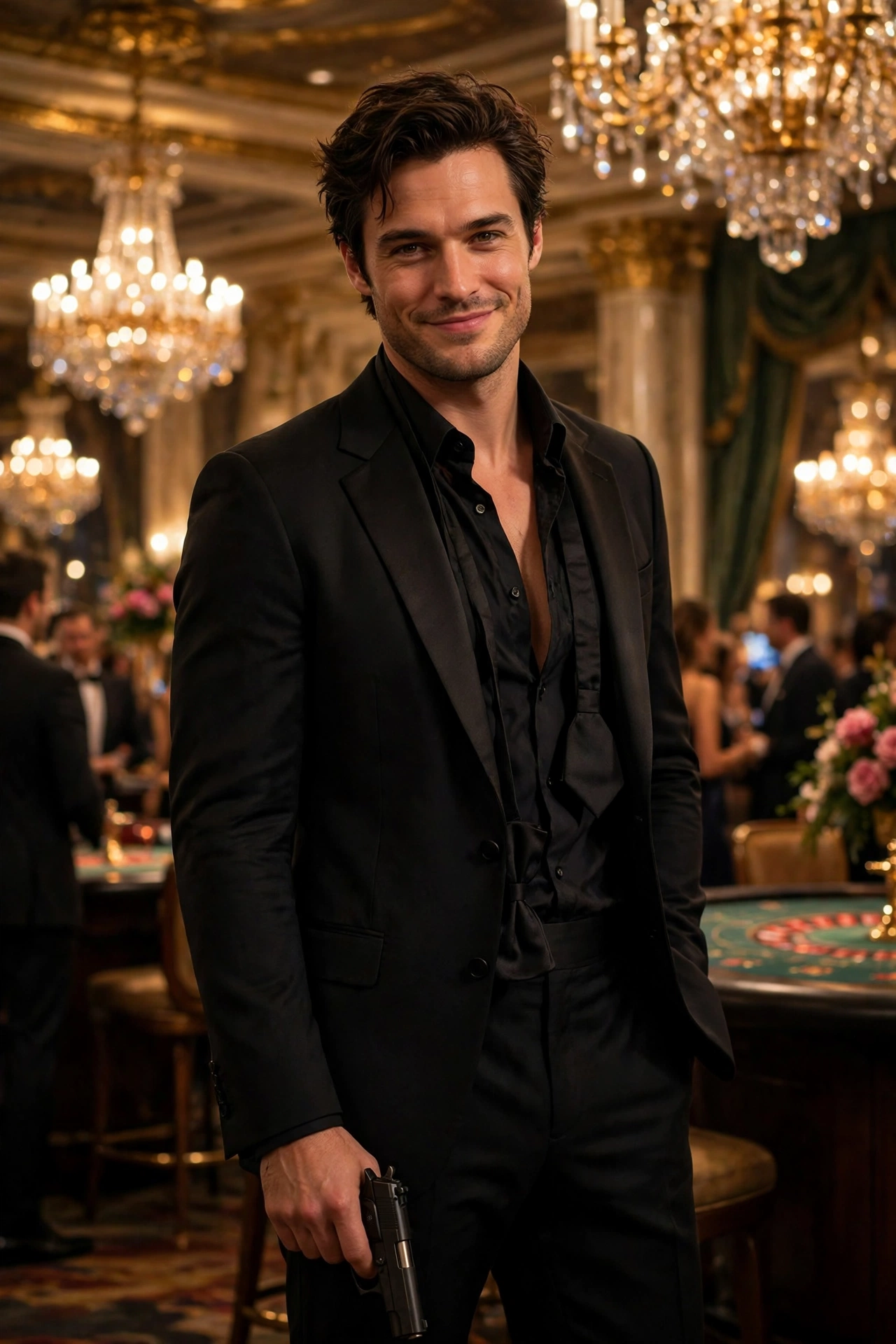
When Pierce Brosnan played James Bond in GoldenEye, his contract reportedly said he could not wear a tuxedo in any other film. The tuxedo was Bond’s signature look, and the studio did not want audiences seeing it anywhere else. That created a problem when Brosnan filmed a fancy ball scene in The Thomas Crown Affair and needed formal wear.
The solution was a clever workaround. Brosnan wore his shirt unbuttoned with his tie undone, technically not a proper tuxedo, so the scene could go ahead without breaking the rule. It is one of those Hollywood stories that sounds made up, but the logic of it is pure studio contract thinking.
11. Kit Harington Had To Keep Jon Snow’s Long Hair

During his years playing Jon Snow on Game of Thrones, Kit Harington’s contract required him to keep his hair long. He later said he regretted agreeing to it, because the look followed him everywhere and shaped how people saw him. He was ready to cut it off almost as soon as he was allowed, and said the hairstyle dominated what people thought of him.
What made it worse was learning that several of the women on the cast had found a way around similar rules by wearing wigs. Harington was stuck growing his own hair out while his co-stars simply took theirs off at the end of the day, which is the kind of unfair detail that only a contract can create.
12. Katharine Hepburn’s Jeans Were Taken Away
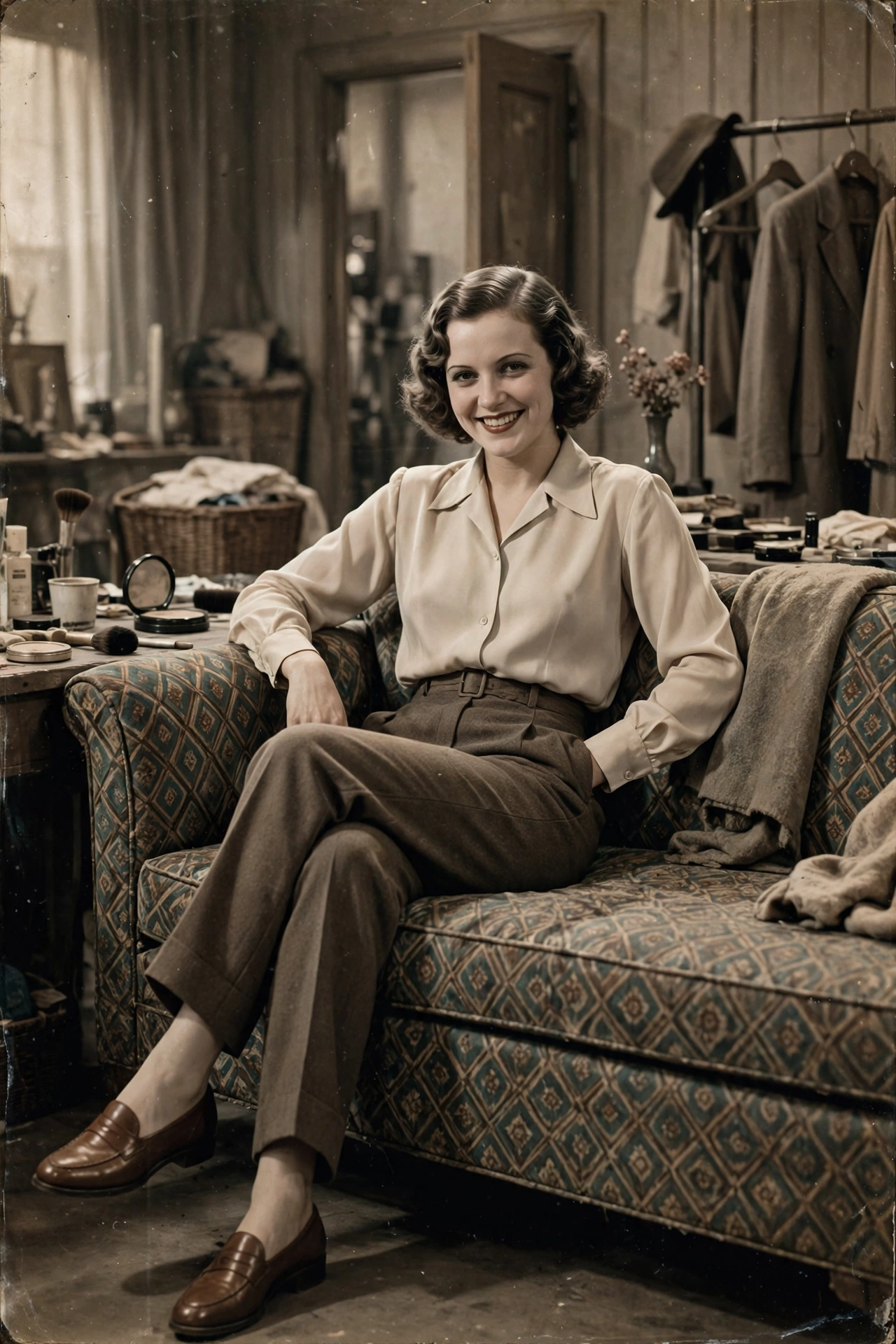
In the 1930s, a woman wearing trousers was considered a controversial fashion choice, and the studio RKO wanted no part of it. When Katharine Hepburn kept wearing pants on set, the studio reportedly confiscated her jeans from her dressing room, expecting her to give in and put on a skirt.
Hepburn’s response became Hollywood legend. Instead of changing, she walked back onto the set in her underwear and stayed that way until the studio handed her trousers back. The studio learned that some stars could not be dressed by contract, and Hepburn kept wearing pants for the rest of her life.
13. Salman Khan’s Dress Code For His Leading Ladies
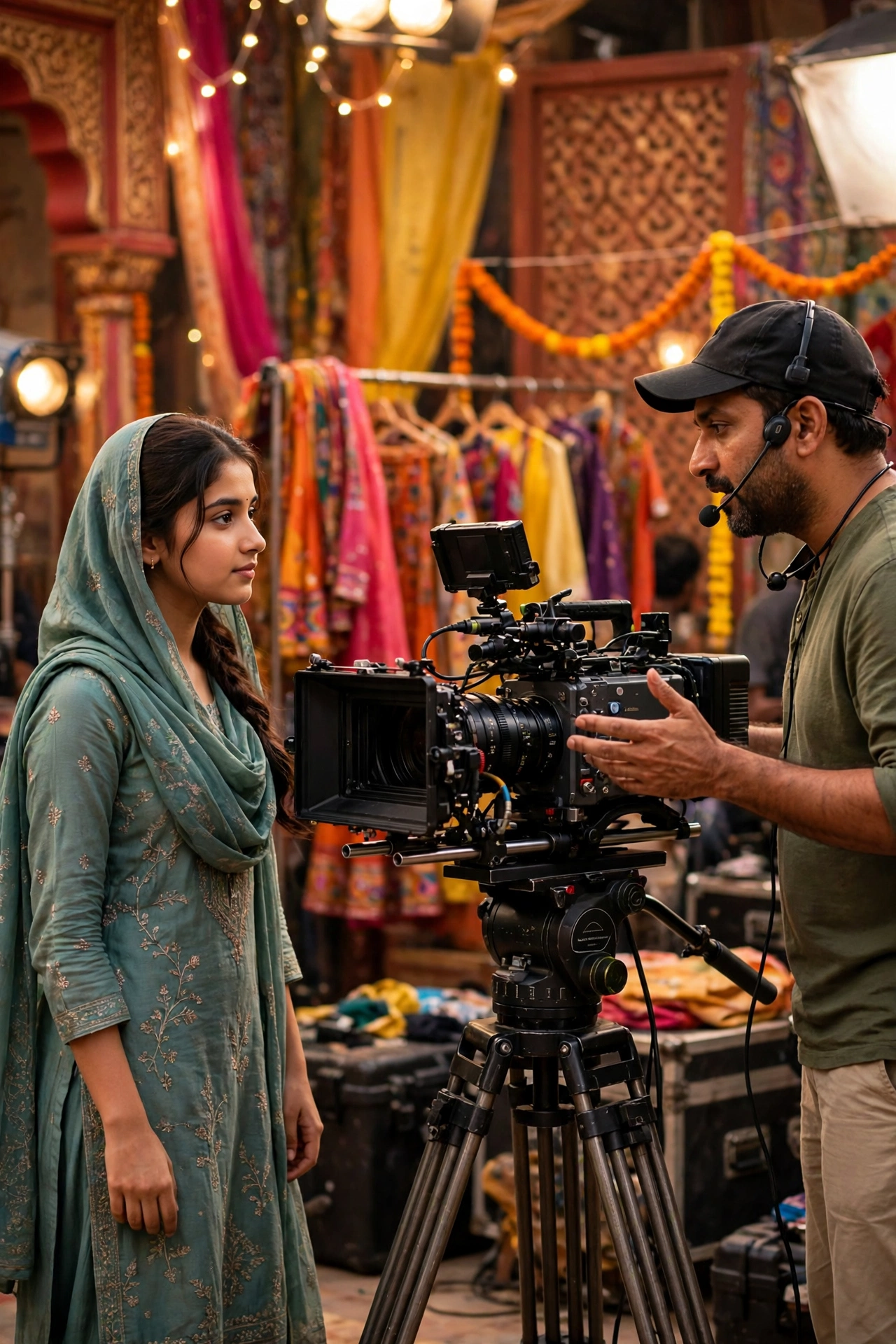
According to his co-star Palak Tiwari, Salman Khan has a rule about women’s clothing on his film sets that covers the height of their necklines. The idea, as she described it, is that the women on set should be covered and protected, especially when there are men around whom he does not personally know. She called him a traditionalist who always wants the women around him to feel safe.
Whether you see the rule as old-fashioned or protective, it shows how much power a leading star can have over the atmosphere of a set. In Khan’s case, the dress code was not written by a studio at all, it was the star’s own rule, enforced simply because it was his film.
14. Two Stars, One Top Billing, Split Down The Middle
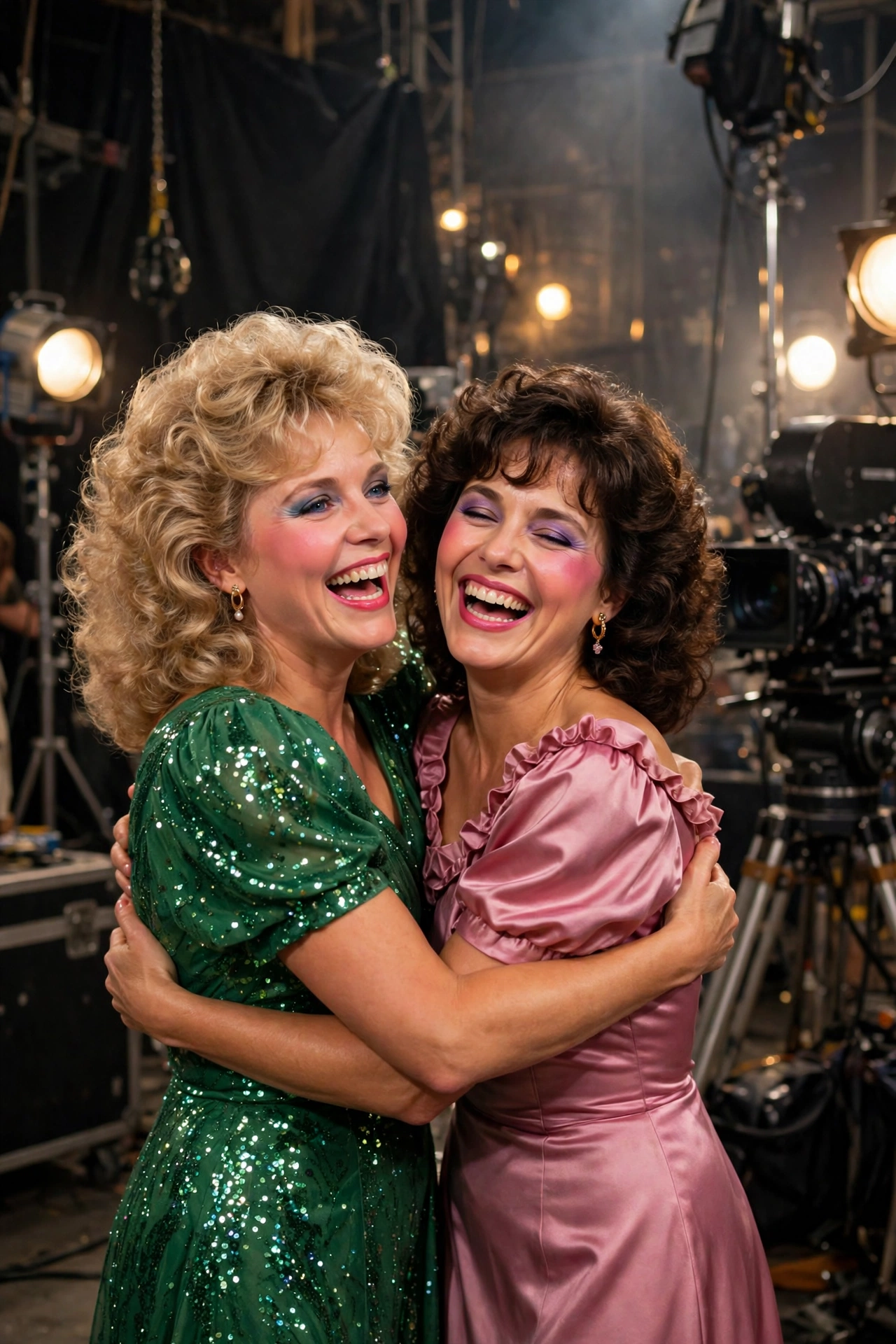
In 1986, Touchstone Pictures guaranteed both Bette Midler and Shelley Long top billing in the comedy Outrageous Fortune, which created an impossible problem. Two names cannot both come first, and both stars had it in writing. Their agents reportedly spent hours arguing over whose client deserved the top spot, and neither side would give in.
The studio’s solution was pure compromise. Midler got top billing on one side of the United States, and Long got top billing on the other, so both contracts were technically honoured. It was a creative fix to a problem the studio had created for itself, and it only worked because both stars agreed to share the country.
15. Walt Disney Would Not Let Snow White’s Voice Leave The Studio
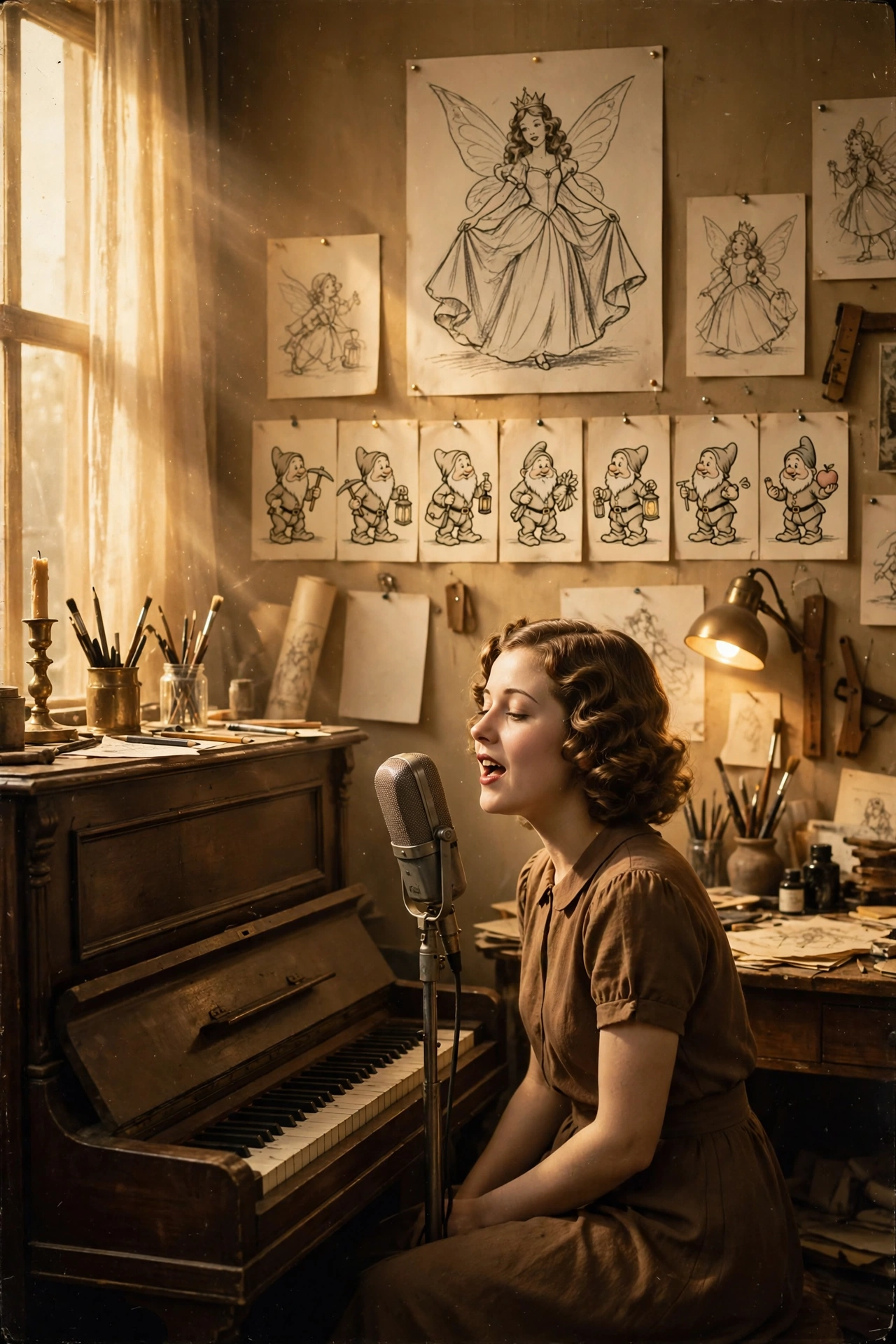
Adriana Caselotti gave Snow White her voice in Snow White and the Seven Dwarfs, and that voice became one of the most famous sounds in cinema. After the film’s release, she was offered a spot on Jack Benny’s popular radio show, a huge opportunity for any performer. But Walt Disney himself reportedly blocked the appearance, saying her voice could not be used anywhere else.
Disney’s reasoning was that hearing Snow White’s voice on the radio would spoil the illusion of the character. Caselotti lost the job, and her career never really recovered, all because a studio wanted to keep a fairy-tale princess locked inside one film. It remains one of the saddest examples of a contract, written or not, deciding a performer’s whole future.
You May Also Like
If you enjoyed these Hollywood stories, here are more fascinating reads from our site. Check out the 45 fascinating rare historical photos worth seeing, discover 26 mind-blowing facts that sound made up but are completely real, see how the Oval Office has evolved from 1934 to today, and meet the 17 women you should have learned about in history class.