History feels different when you can actually see it. A textbook can tell you that the Statue of Liberty arrived from France, or that people flew on early airplanes, but a photograph from the time makes those facts land in a completely different way. Suddenly the past is not a list of dates. It is a room full of real people, real objects, and real moments that were once as ordinary as today.
That is the joy of rare historical photos. They catch the things nobody thought to write down: the head of a famous statue sitting in a fairground hall, a painter’s unfinished portrait that ended up on your money, or a menu from a ship that would never reach its destination. Each picture below opens a small window into a world that is gone, and every one of them comes with a story worth knowing.
If you enjoy looking back like this, our collection of 47 nostalgic photos every boomer will remember is a good place to continue. For now, here are 45 rare historical photos that show a side of the past you were probably never taught in school.
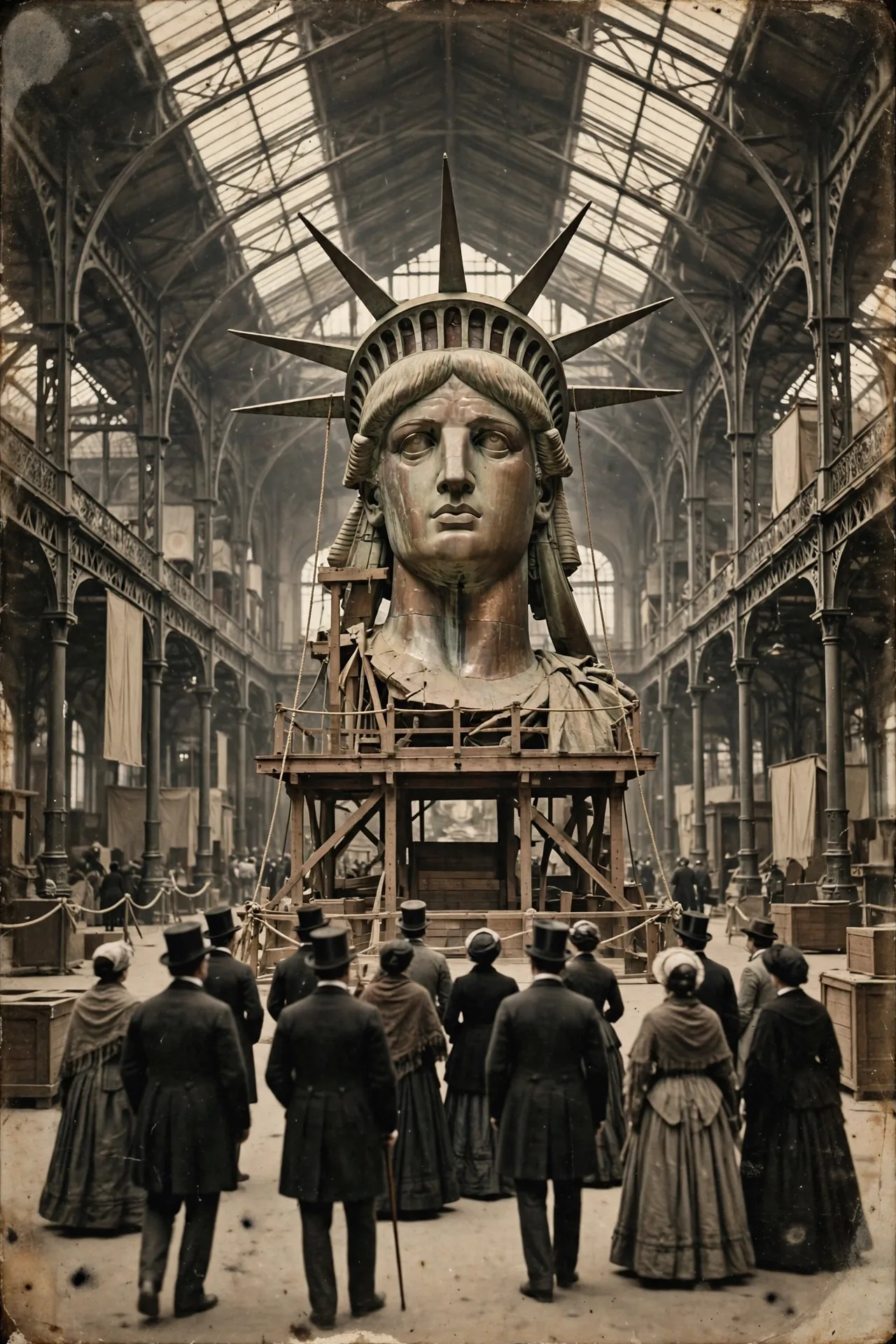
1. The Statue of Liberty’s Head Went On Display Before The Rest Of Her Did
Long before the Statue of Liberty stood in New York Harbor, her enormous copper head was on display at the Paris World’s Fair of 1878. Visitors could walk right up to it and stare into a face that would later watch over the entrance to America.
The statue was built in pieces in France and shipped across the Atlantic in crates. Showing the head in Paris was partly a celebration and partly a fundraiser, a way to let the public see the scale of what was being built.
It is strange to think of the most famous statue in the world as a work in progress sitting in an exhibition hall. But that is exactly how she started: not as a monument, but as a very large piece of unfinished sculpture.
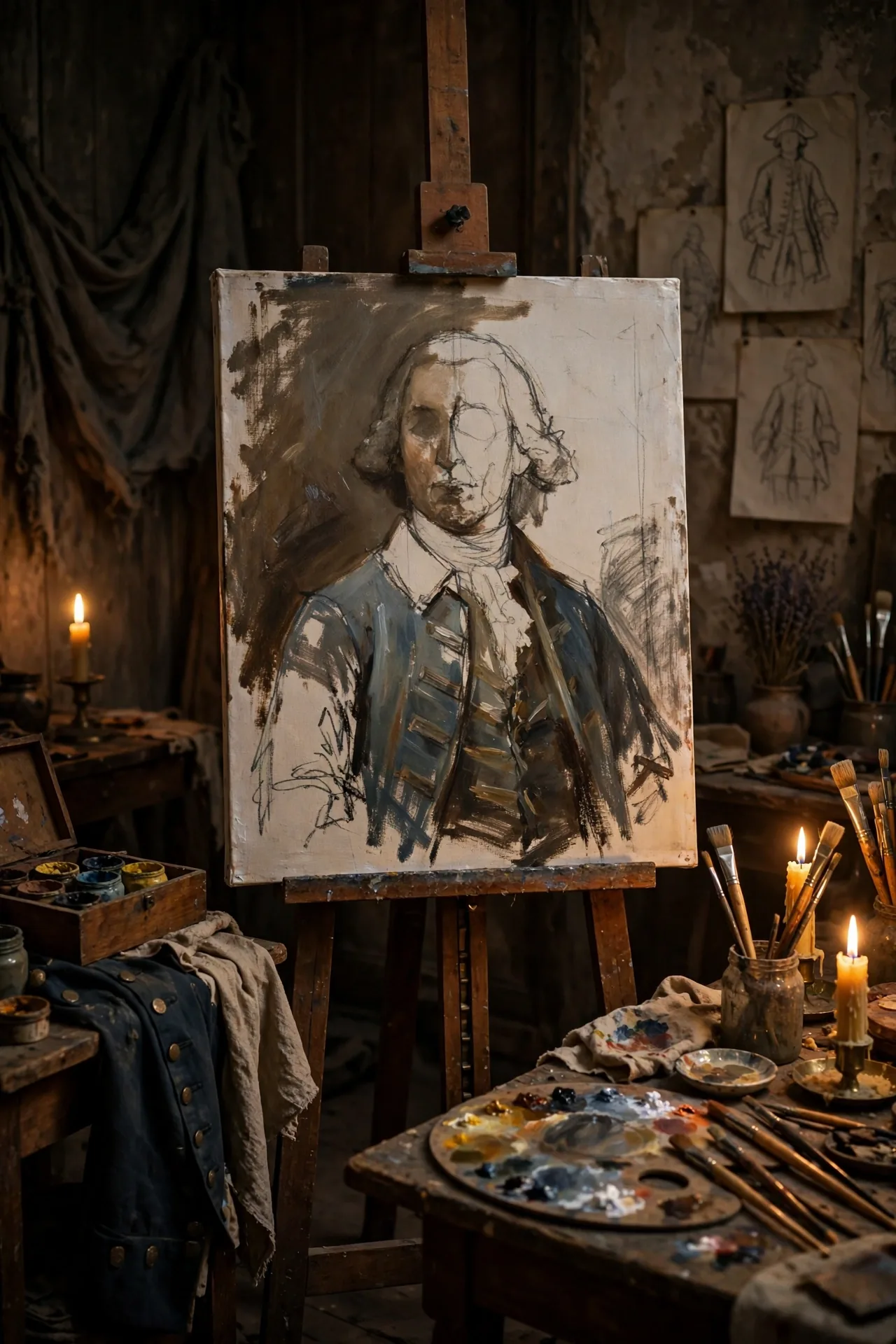
2. The Unfinished Portrait Behind The Dollar Bill
The face of George Washington on the one-dollar bill comes from a portrait that was never finished. The artist, Gilbert Stuart, painted it in the 1790s and kept returning to it, but the bottom half was never completed.
Stuart made many copies of the head from that unfinished canvas, and one of those copies became the image the whole country knows. The portrait was so widely reproduced that it became the standard likeness of Washington.
There is something fitting about it. The most copied face in American history comes from a painting the artist never actually finished, yet it has outlived every finished portrait of its time.
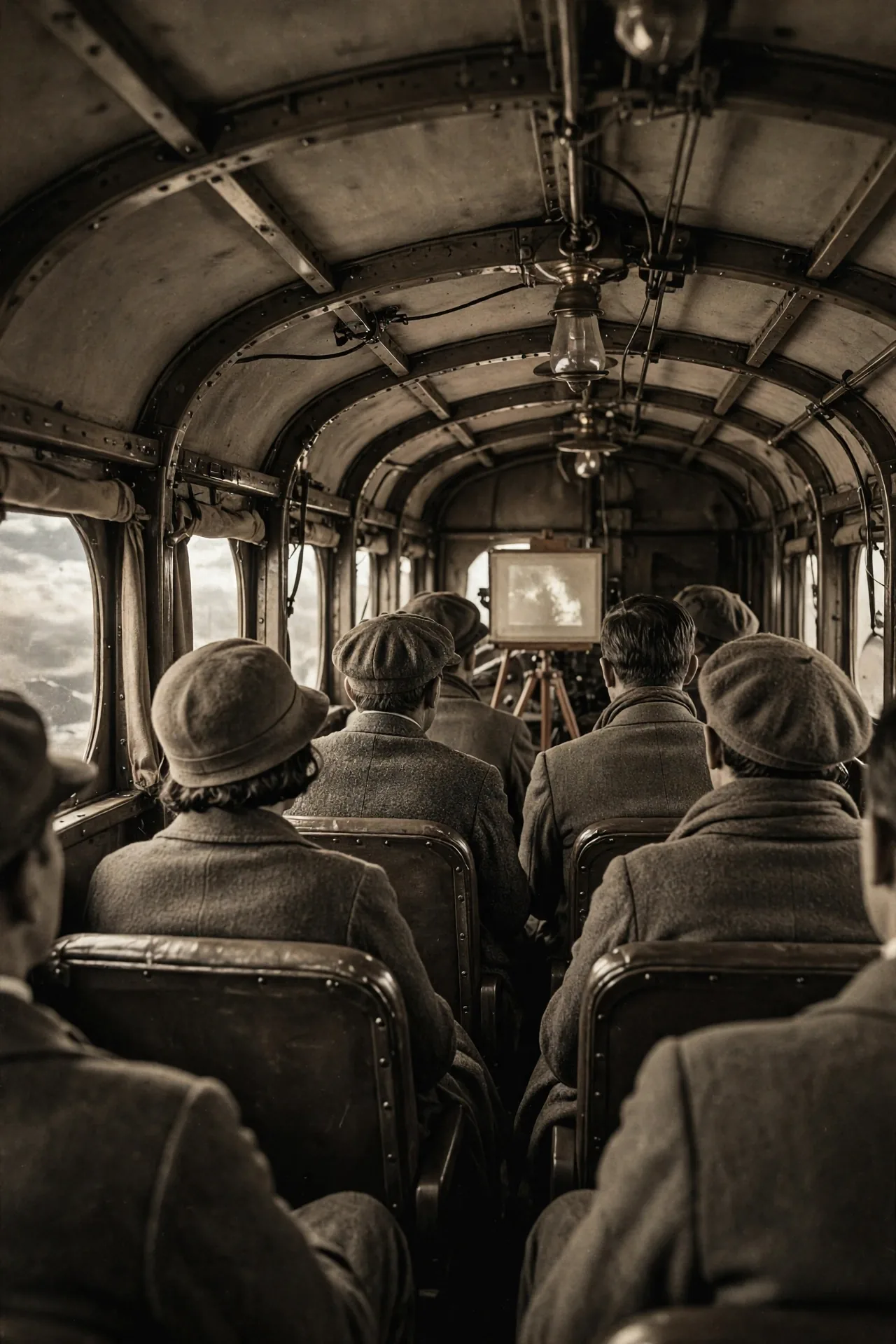
3. Passengers Watched A Movie Mid-Flight All The Way Back In 1925
In 1925, passengers on an Imperial Airways flight sat in a small cabin and watched one of the very first movies ever shown in the air. The film played on a tiny screen while the plane droned on toward its destination.
Flying itself was still a novelty then. Cabins were noisy, cold, and cramped, and the idea of adding entertainment to the journey must have seemed almost absurd. But the airline tried it anyway, and the passengers loved it.
It took decades before in-flight movies became normal, but the idea started here, in a rattling 1920s airliner with a flickering screen at the front of the cabin.
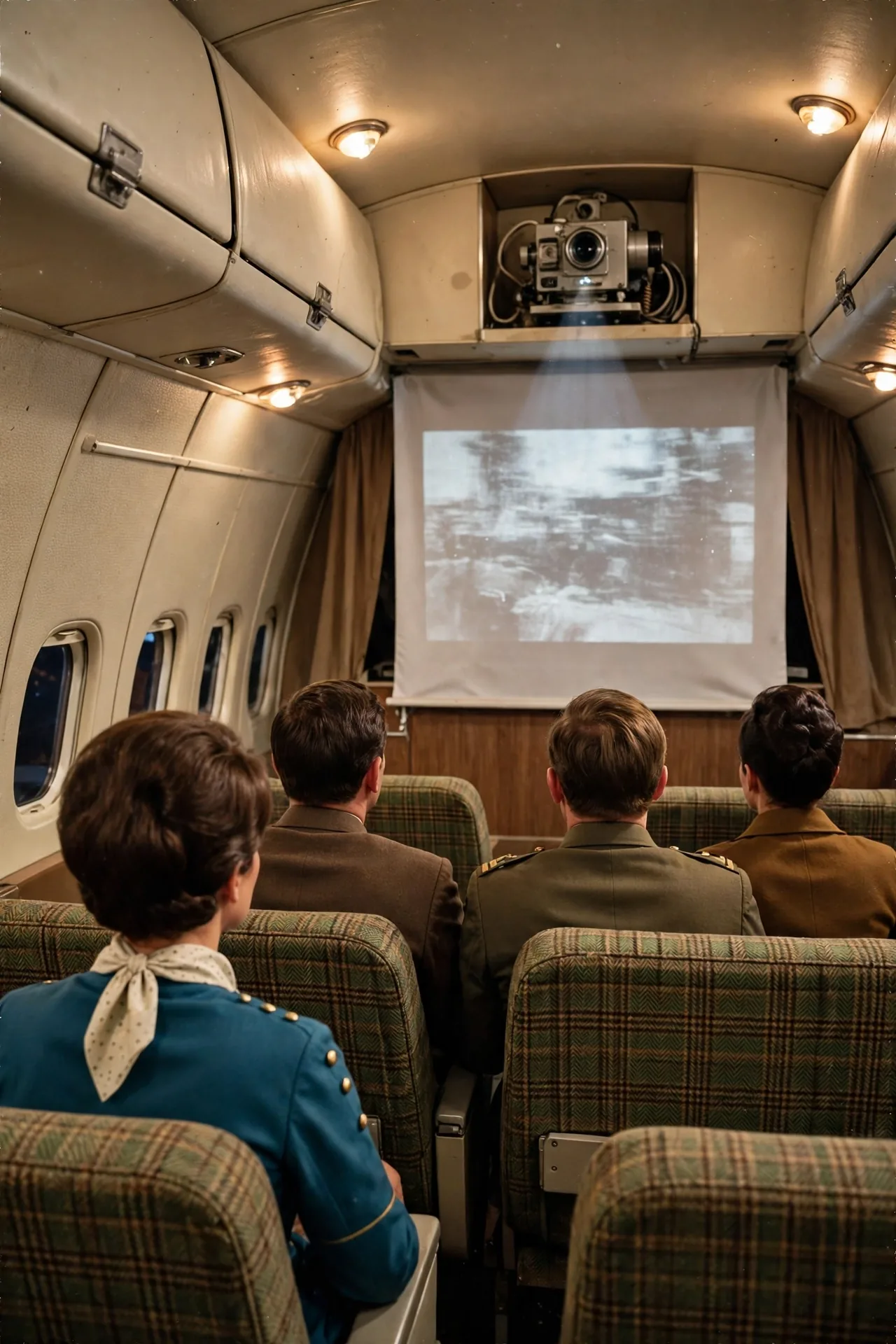
4. This Was In-Flight Entertainment In The 1960s
By the 1960s, flying had become glamorous, and airlines were competing to make the journey feel like an occasion. One of their ideas was to show films on a pull-down screen at the front of the cabin, just like a small cinema in the sky.
Passengers dressed up for flights in those days, and settling in to watch a movie with a drink felt like part of the luxury. There were no personal screens or headphones, so everyone watched the same film together.
It is a long way from the seatback screens of today, but the idea was the same: a long flight goes faster when there is a story to watch.
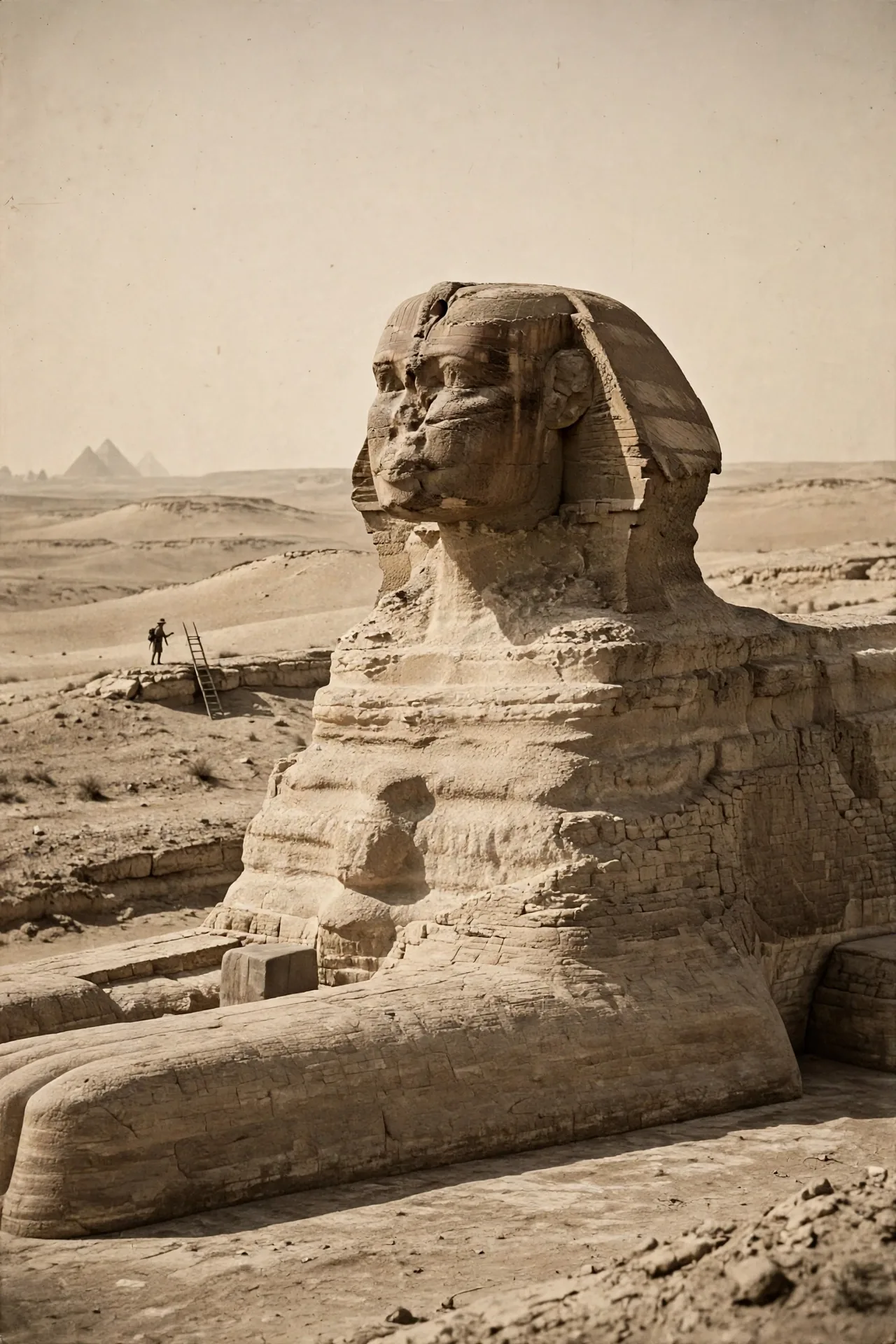
5. There’s A Trap Door On The Sphinx
The Great Sphinx of Giza has stood in the desert for thousands of years, and it still keeps secrets. One of them is a small opening on the top of its head, a shaft that leads down into the body of the statue.
Explorers and archaeologists have debated for years what the opening was for. Some think it was part of the original construction, while others believe it was added later by people exploring the monument.
Whatever its purpose, it is a reminder that even the most famous monuments on earth still have corners nobody has fully explained.
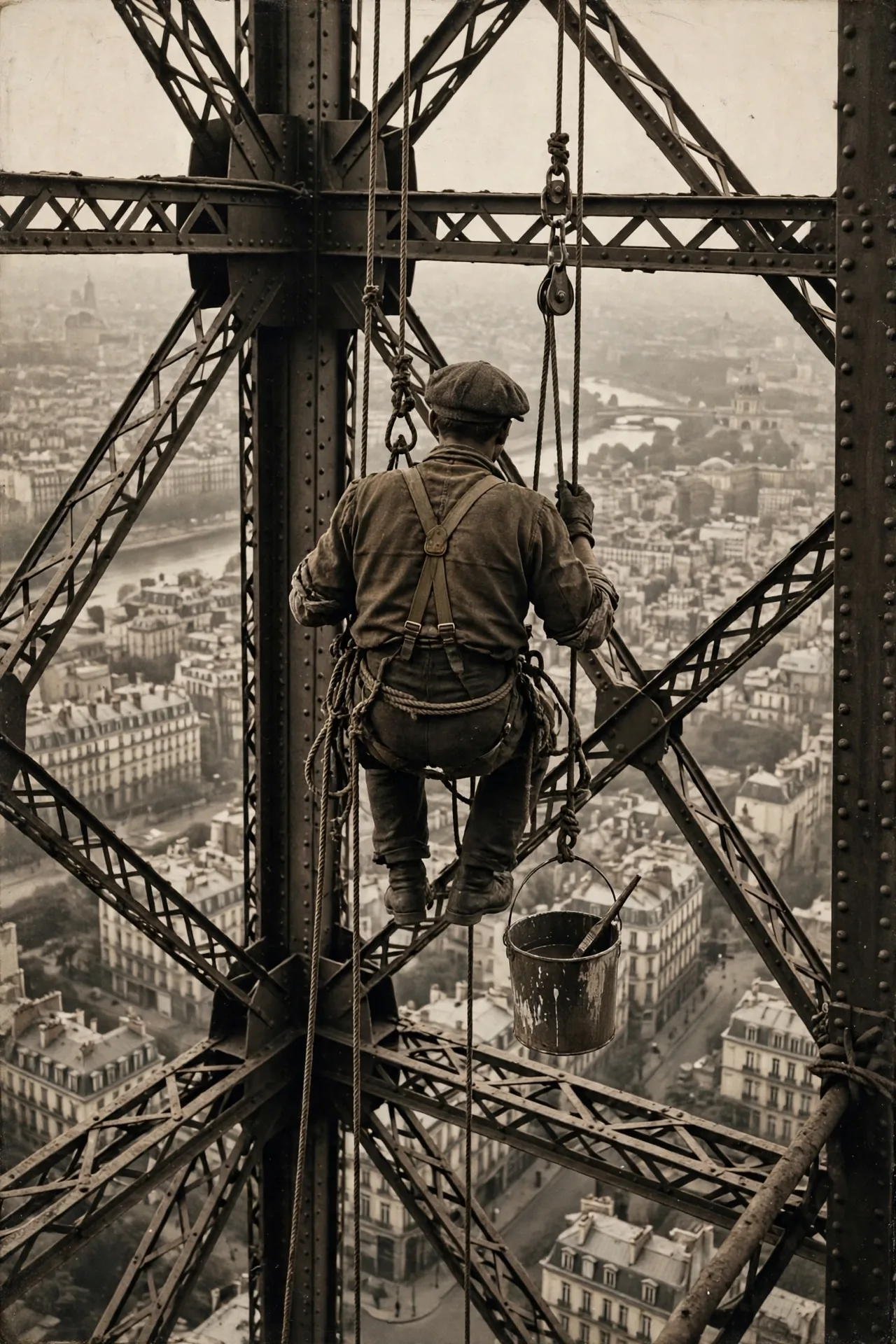
6. Painting The Eiffel Tower Used To Be A One-Bucket-At-A-Time Job
When the Eiffel Tower needed repainting in its early years, there were no cherry pickers or safety harnesses like today. Painters hung from ropes with a bucket of paint and worked their way across the ironwork by hand.
The tower has to be repainted every few years to protect it from rust, and each coat uses an enormous amount of paint. In the early days, the whole job was done by men dangling hundreds of feet above Paris.
It was dangerous, slow, and exhausting work. But it kept the most famous tower in the world standing tall, one brushstroke at a time.
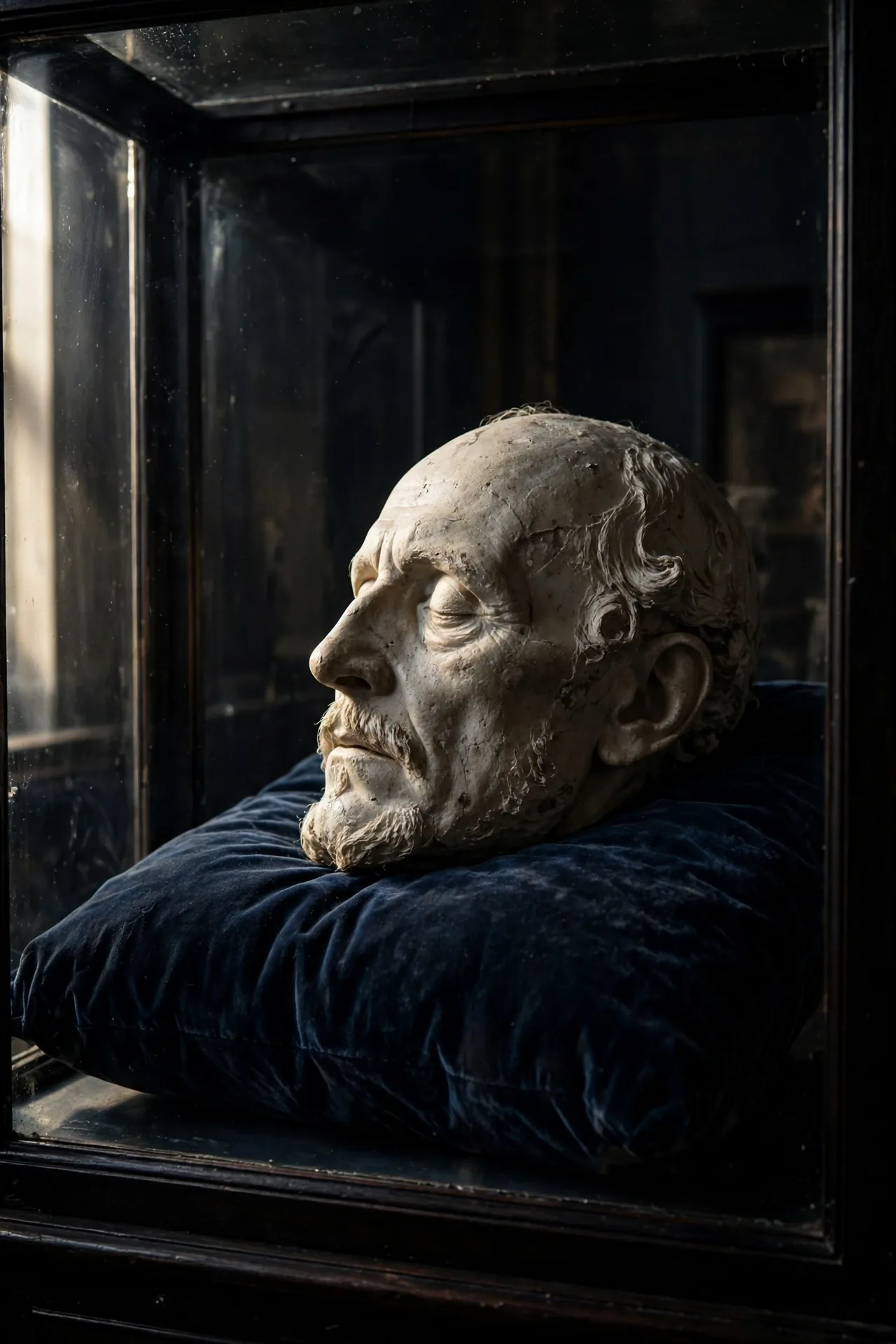
7. Napoleon’s Death Mask Was Made Hours After He Died
When Napoleon Bonaparte died in exile in 1821, a cast was made of his face within hours. The result was a plaster death mask that captured his features exactly as they were at the end of his life.
Death masks were a common way to preserve a famous person’s likeness before photography was widespread. Several copies were made, and they were passed around Europe as treasured objects.
Today the masks sit in museums, and looking at one feels strangely direct. It is not a painting or a statue, but a mould taken from the man himself.
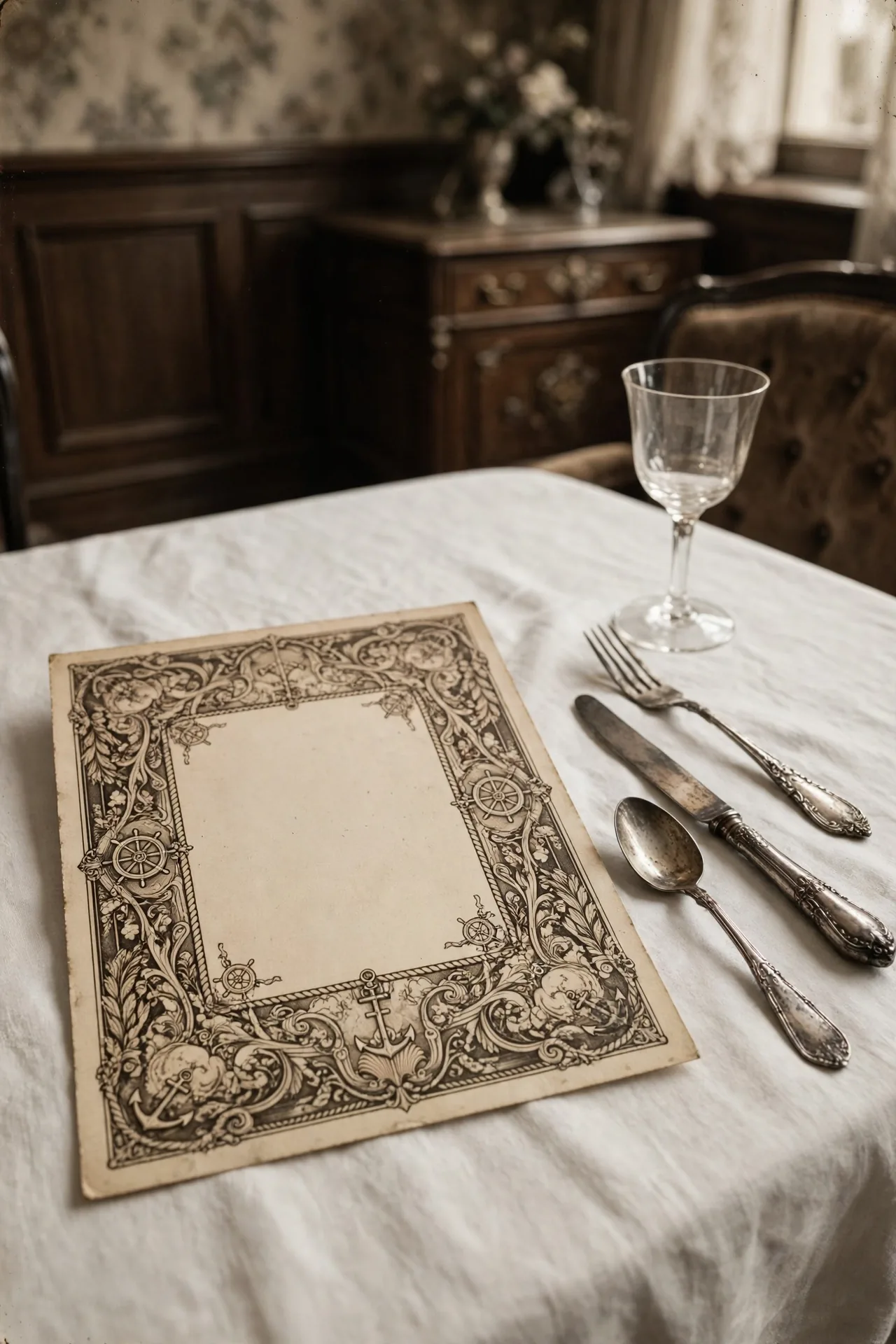
8. This Was Dinner For Second-Class Passengers On The Titanic’s Last Day
On the day the Titanic sank, second-class passengers sat down to a dinner that would now seem remarkably generous. The printed menu listed several courses, and the dining room was comfortable and well-appointed.
Second class on the Titanic was closer to first class on many other ships. The passengers were mostly middle-class families, teachers, and professionals, and the food reflected that.
The menu is a small, ordinary document that became extraordinary because of what happened a few hours later. It is a reminder that the ship’s last day began like any other.
9. A Third-Class Cabin On The Titanic Looked Very Different
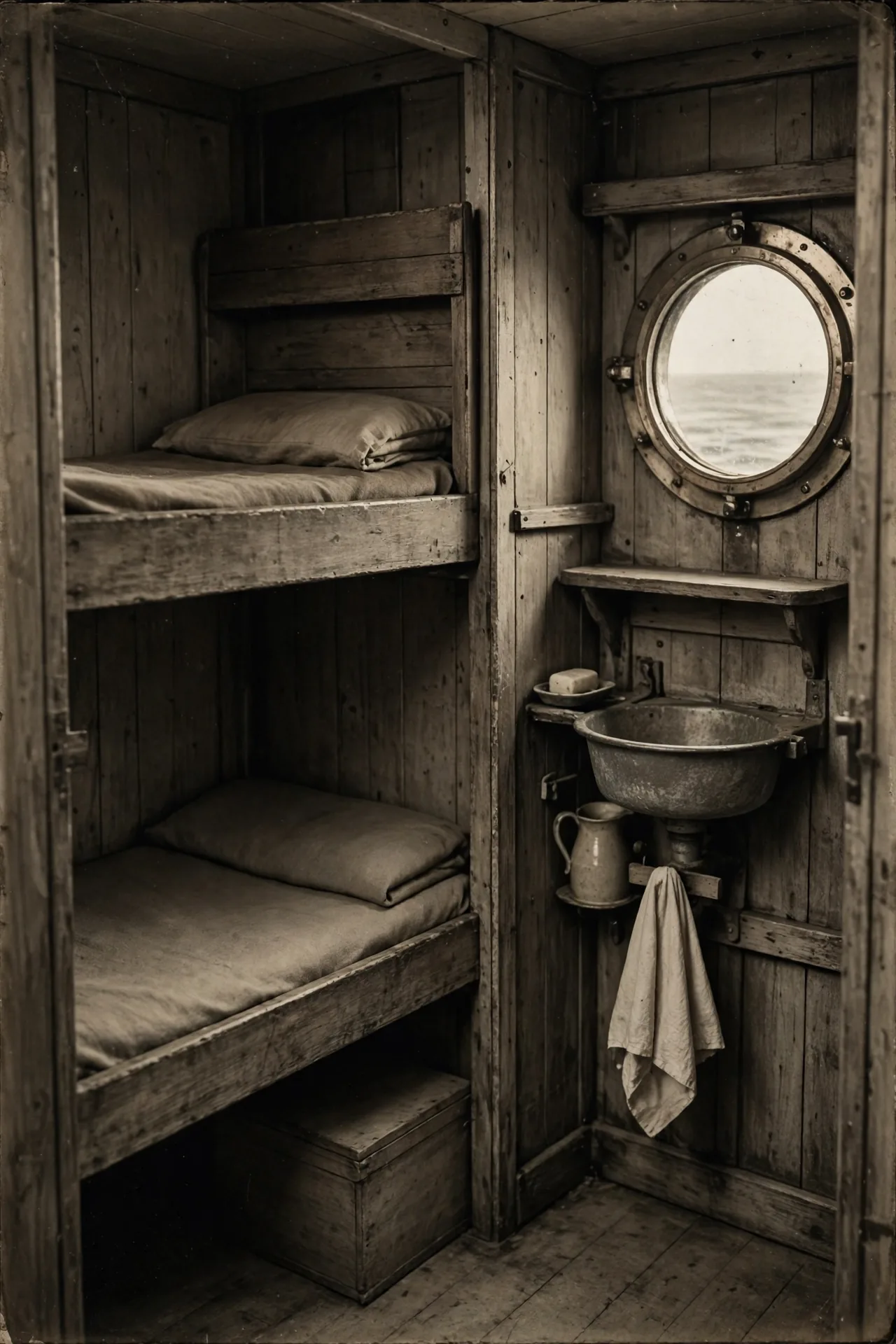
Third-class cabins on the Titanic were plain and crowded. A small room might hold several bunks, a wash basin, and a porthole, with little space for anything else. It was a far cry from the luxury upstairs.
Even so, third class on the Titanic was better than on most ships of the time. Cabins had electric light and running water, which was not guaranteed on other liners.
Most third-class passengers were emigrants heading to America for a new life. For them, the cabin was only a temporary stop on the way to something better.
10. Bootleggers Hid Booze Inside Lumber Trucks
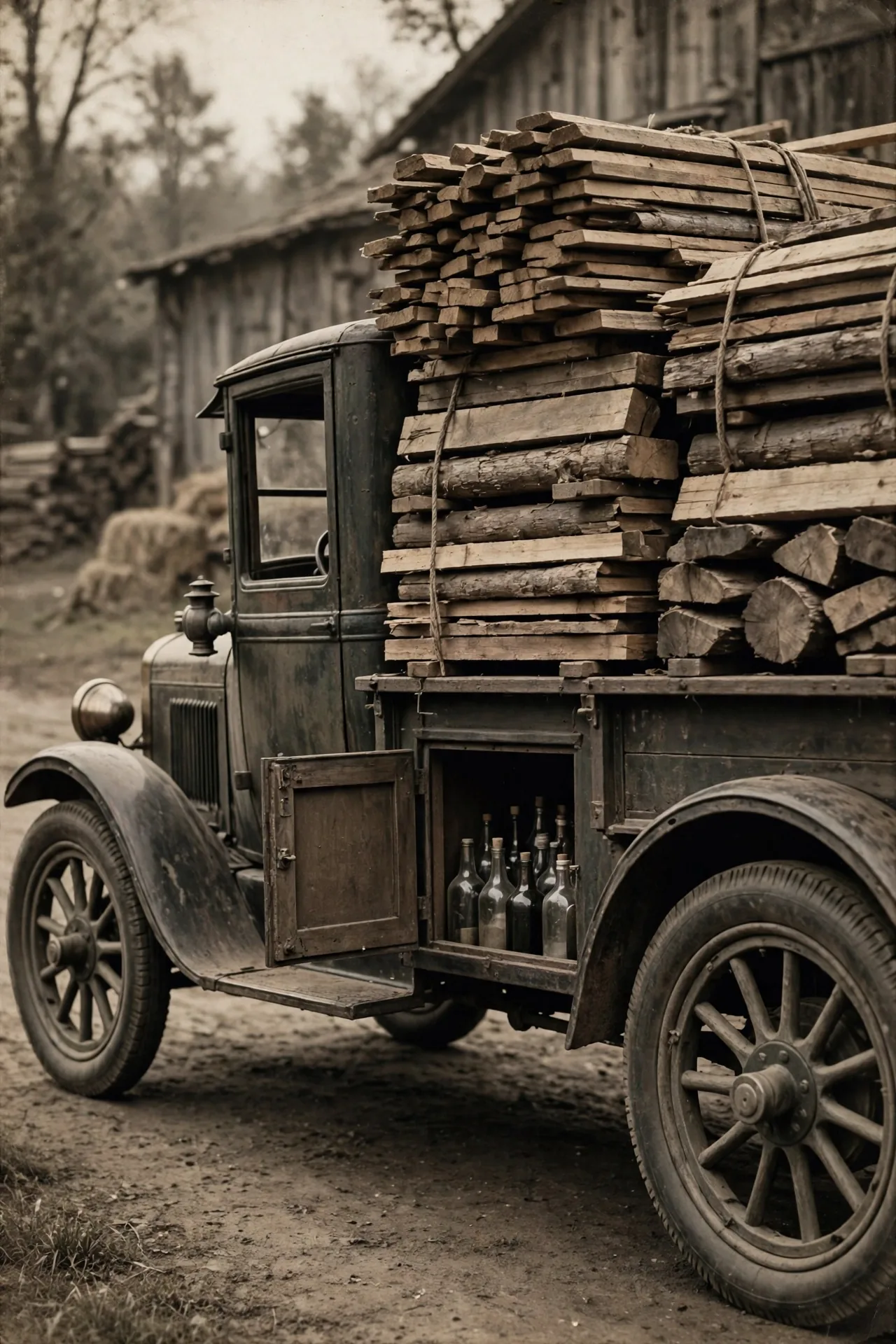
During Prohibition, smugglers got creative. One trick was to hide bottles of alcohol inside trucks loaded with lumber, with a small trapdoor built into the wood so the cargo could be reached without unloading anything.
To anyone watching, the truck looked like an ordinary delivery. The lumber on top was real, and the hidden compartment underneath was invisible unless you knew exactly where to look.
Prohibition created an entire world of secret compartments, false bottoms, and coded deliveries. The lumber truck was one of the cleverest of them all.
11. One Of The First Photos Of Earth From Space Was Taken In 1946
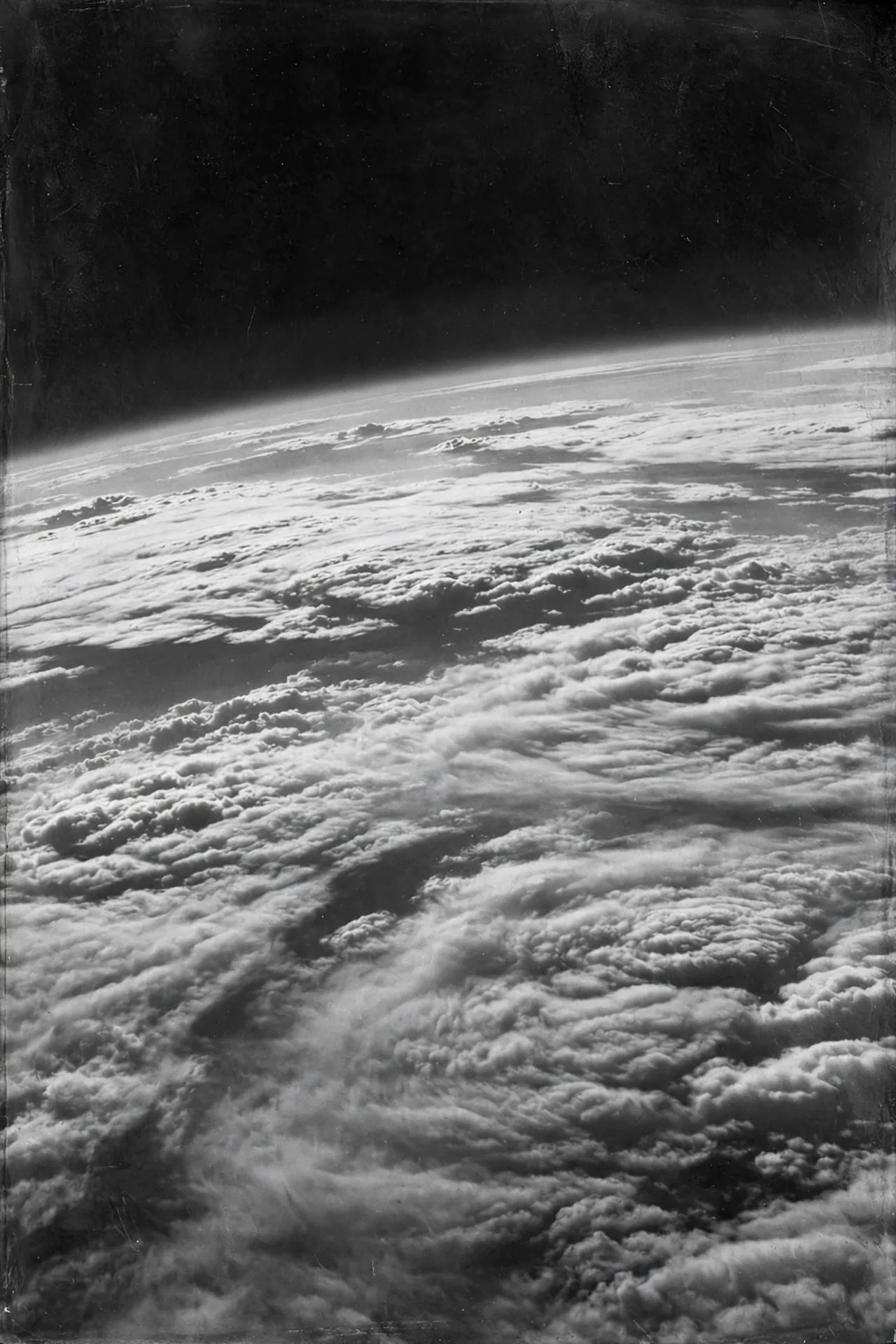
In 1946, a camera strapped to a captured rocket was launched high above the New Mexico desert. When the film was recovered, it held one of the first photographs of Earth ever taken from space.
The picture is grainy and curved at the edges, but the curve of the horizon and the clouds below are unmistakable. Nobody had ever seen the planet that way before.
It was a preview of what was coming. Within a couple of decades, astronauts would be photographing the whole Earth, but this rough, tilted snapshot was one of the first times anyone saw home from above.
12. Gandhi As A Young Man In The Late 1800s
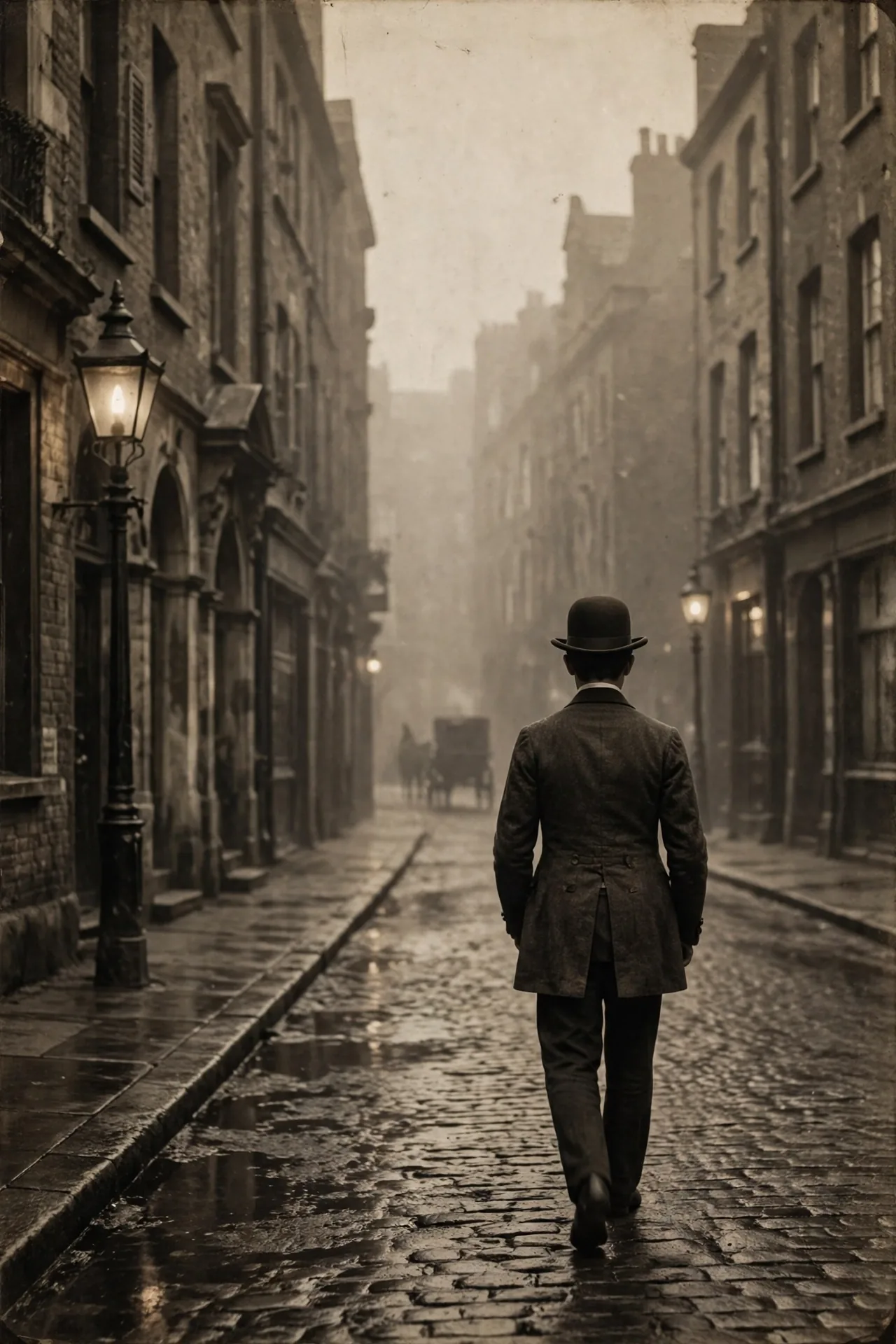
Before he became one of the most famous figures of the twentieth century, Mahatma Gandhi was a young law student in London. Photographs from the late 1800s show him in a suit and bowler hat, looking like any other young Victorian gentleman.
He had arrived in England as a teenager to study law, and the city shaped him in ways he did not expect. He learned to cook for himself, joined debating societies, and read widely about religion and philosophy.
It is hard to connect the young man in the photograph with the leader he later became. But the years in London were where his ideas began to take shape.
13. A Plane Flew Over Old Baghdad In 1930
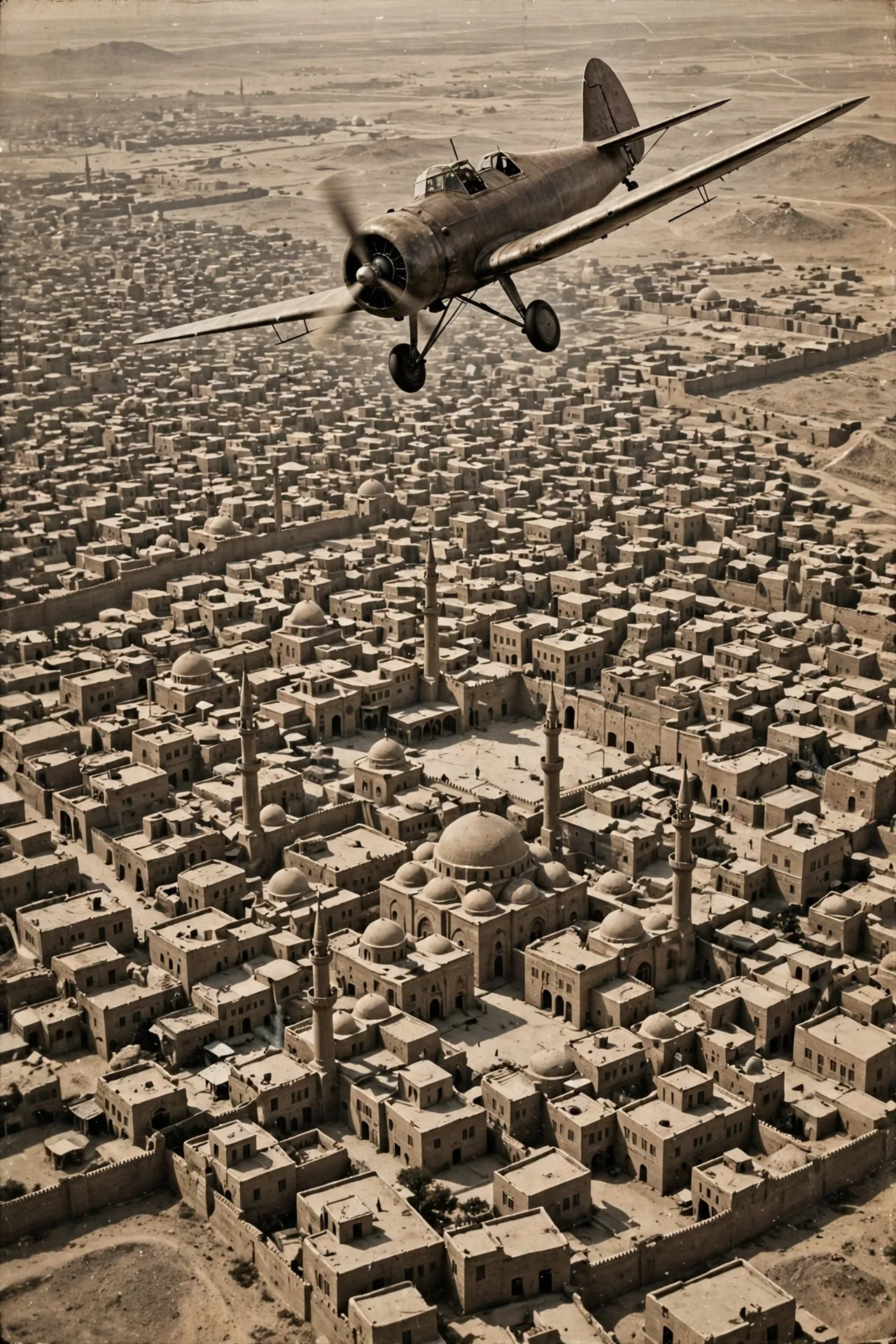
In 1930, an airplane flew over the old city of Baghdad, and a photographer captured the view from above. The picture shows a city of domes, minarets, and flat rooftops stretching out below the wings.
Baghdad is one of the oldest cities in the world, and seeing it from the air in 1930 must have felt like looking at two ages at once. Below was a city built over centuries, and above it was the newest machine of the age.
Aerial photography was still new then, and pictures like this one changed how people understood cities. For the first time, ordinary people could see the shape of a whole place at once.
14. Cows Were Painted White So Drivers Wouldn’t Hit Them In The Blackout
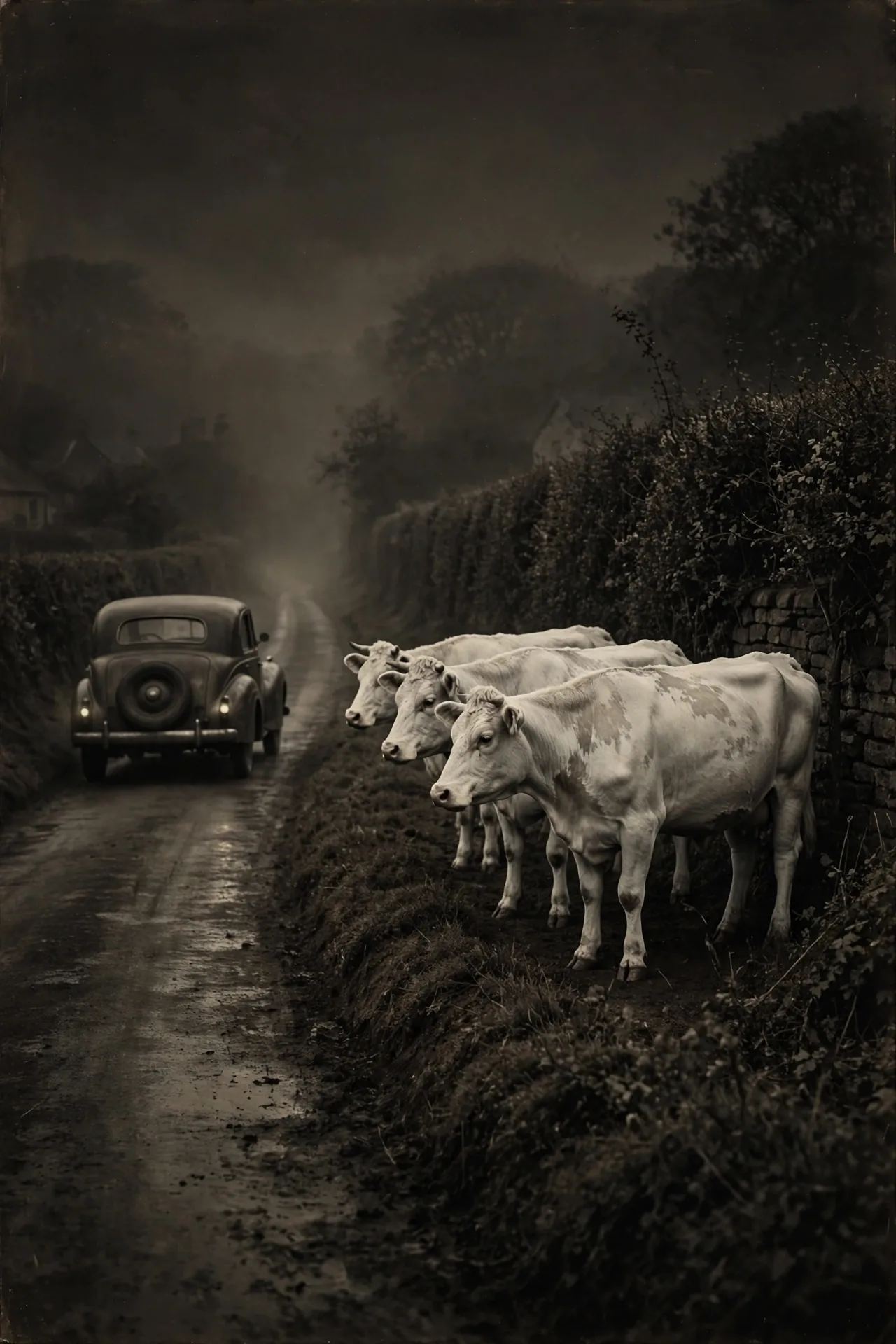
During the Battle of Britain, the country went dark at night so enemy bombers could not see lights from the air. That kept cities safer, but it made country roads dangerous, because drivers could barely see what was in front of them.
Farmers came up with a practical answer. They painted their cows with bright white paint so the animals would show up in a car’s headlights during the blackout.
It sounds strange now, but it worked. A white cow was much harder to miss than a dark one, and the paint washed off when it was no longer needed.
15. The Parachute Suit That Its Inventor Trusted With His Life
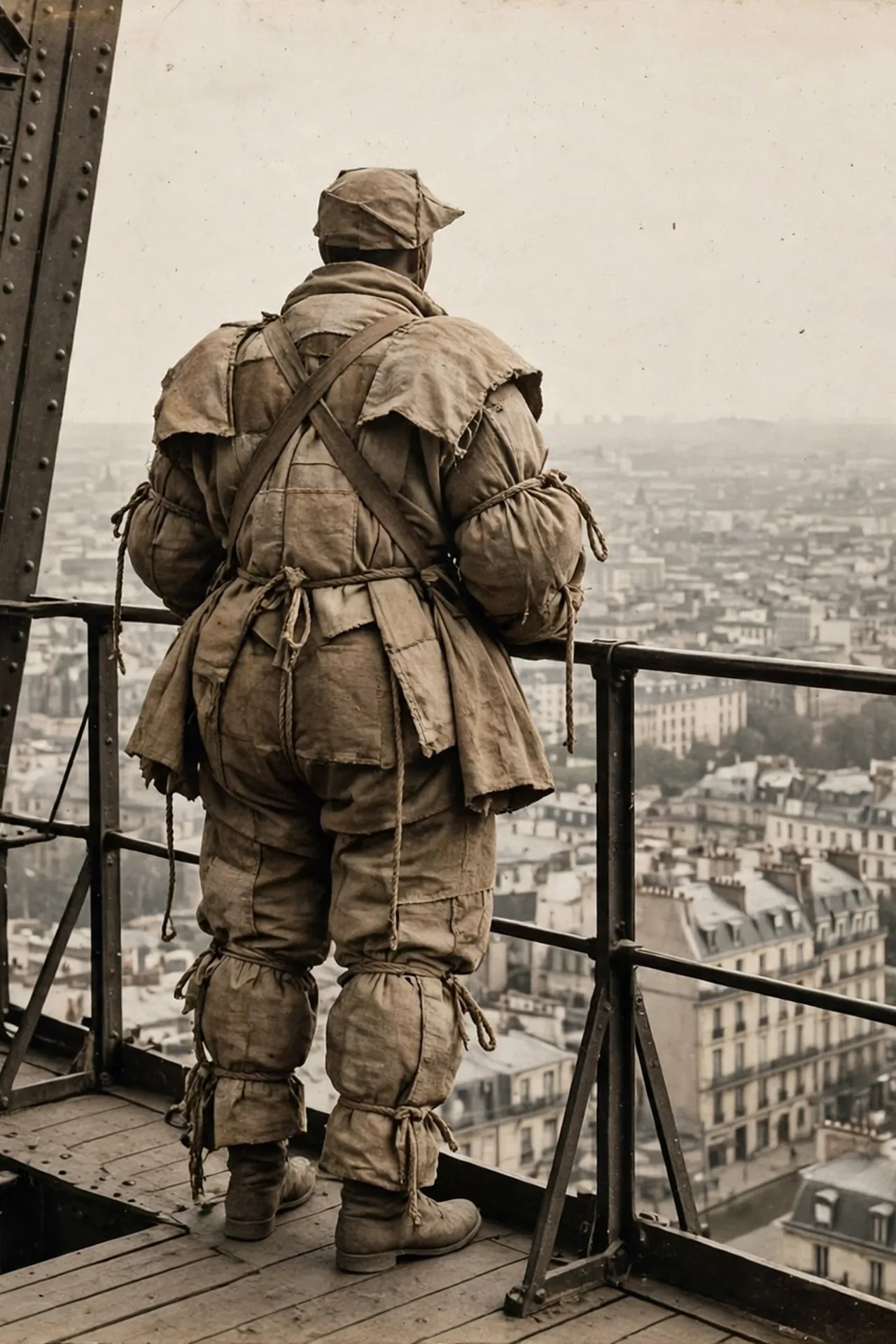
In 1912, a tailor named Franz Reichelt believed he had invented a wearable parachute, a suit that would let a person jump from a great height and float safely to the ground. He tested it from the Eiffel Tower in front of a crowd and cameras.
Reichelt had tried the suit from lower heights with dummies, and he was convinced it would work. He stepped off the platform in Paris, and the suit did not open the way he hoped.
His story became one of the most famous failed inventions in history. It is a sad reminder of how far inventors will go for an idea they believe in, and how much can go wrong when the testing is not done properly.
16. The Titanic’s Lifeboats, Photographed After They Reached New York
After the Titanic sank, the rescue ship Carpathia carried the survivors and the recovered lifeboats to New York. Photographs from the docks show the empty wooden boats lined up, quiet and ordinary-looking after the night they had been through.
The lifeboats had been the only thing between hundreds of people and the freezing Atlantic. Some were full, some were barely used, and the empty ones were a reminder of how many people never reached them.
Seeing them lined up on a dock in daylight makes the story feel real in a way numbers never can. These were not symbols. They were small wooden boats that had done the hardest job of their lives.
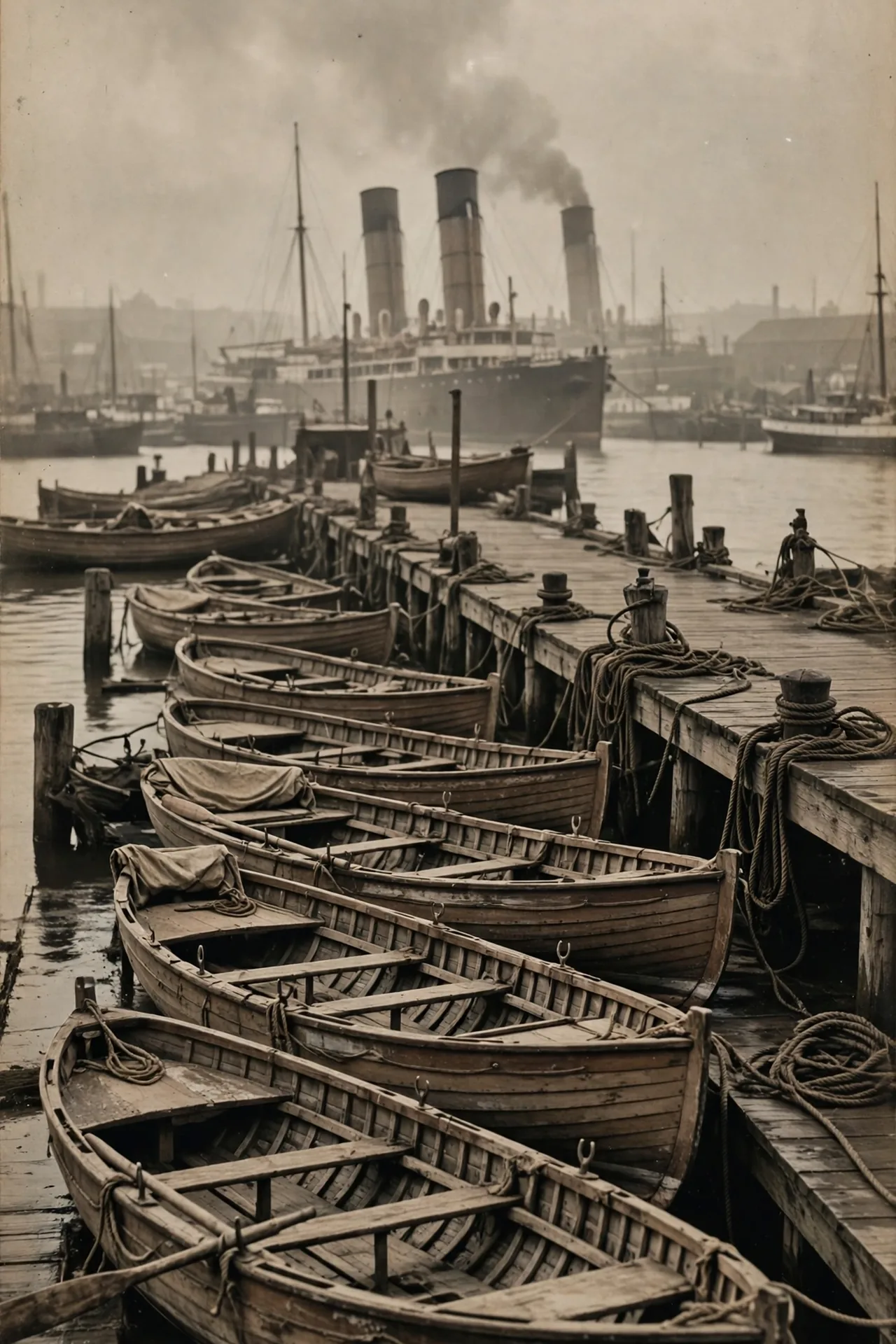
17. The Baby Cage: A Window Box For City Babies
In the 1930s, some city parents used a wire cage that hung outside an apartment window to give their baby fresh air and sunlight. The cage was enclosed, with a small roof, and the baby would sit inside it while the window stayed open.
The idea came from doctors who believed city babies needed more light and air than stuffy apartments could provide. To parents of the time, it seemed like a practical solution to a real problem.
Today it looks alarming, but it was sold openly and used without scandal. It is a good example of how ideas about safety and childcare change completely from one generation to the next.
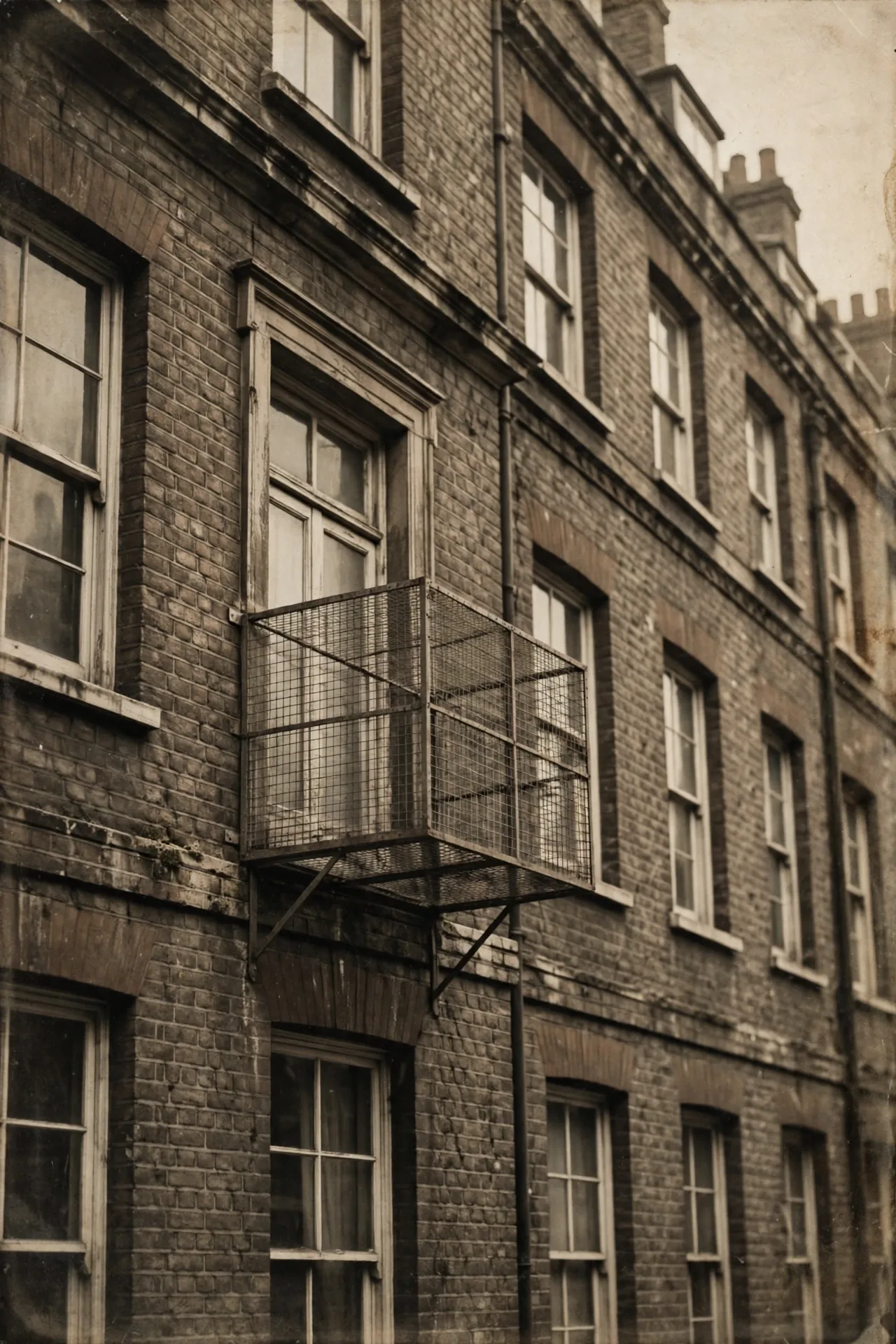
18. Thanksgiving Dinner At The Plaza Hotel In 1899
In 1899, the Plaza Hotel in New York served a Thanksgiving dinner that was printed on an ornate menu card. The meal was long, formal, and full of dishes that would now seem old-fashioned.
Hotels like the Plaza were the grandest places in the city, and a holiday dinner there was a special occasion. Guests dressed up, and the courses kept coming for hours.
The menu card itself is now a piece of history. It tells us not just what people ate, but how they celebrated, and how much ceremony surrounded a meal that families now eat at home in jeans.
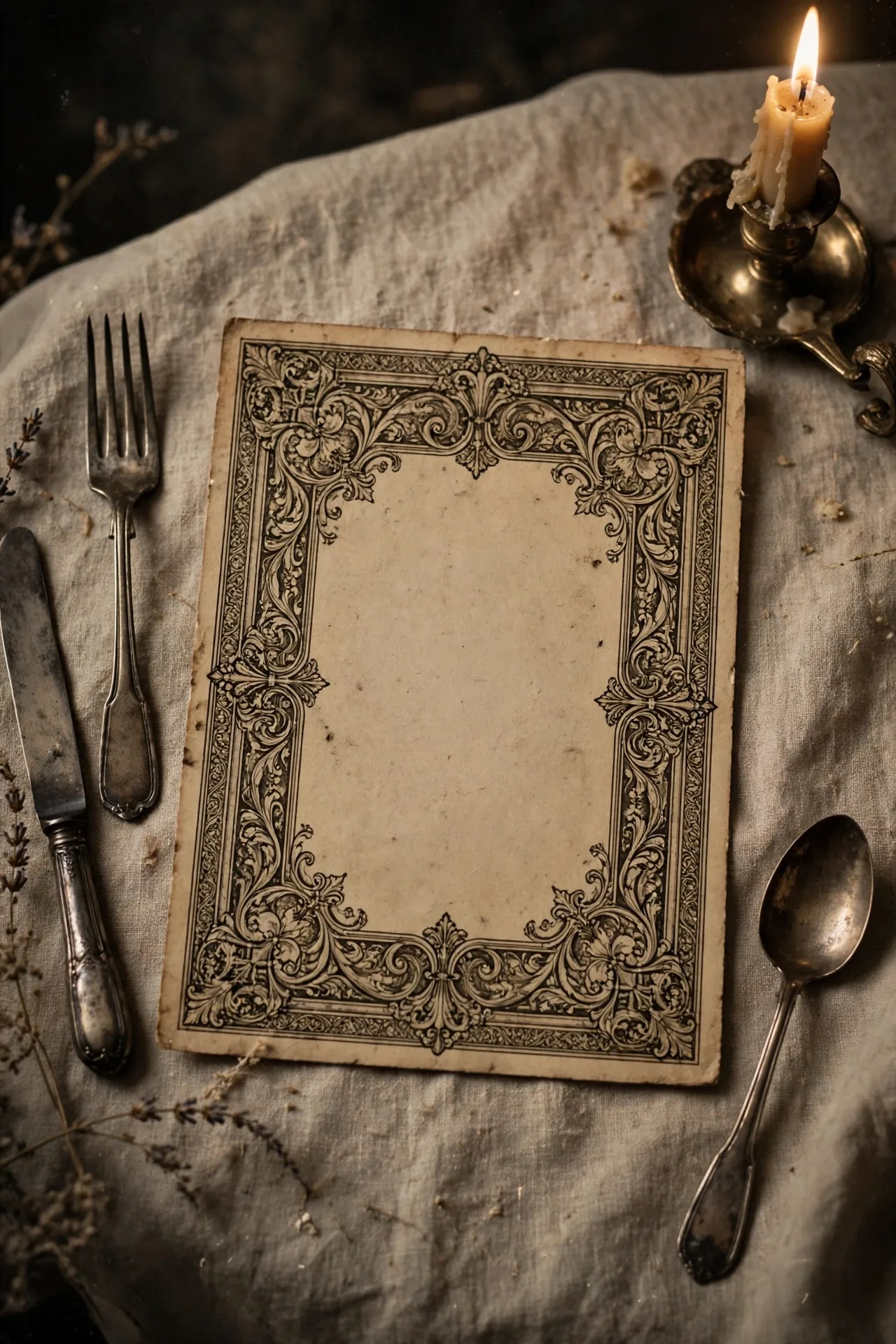
19. This Is What Plague Doctors Actually Wore
When plague swept through Europe in the 1600s, doctors wore a strange outfit that has become one of the most recognisable costumes in history. The long black robe, wide-brimmed hat, and beaked mask look like something from a nightmare, but they had a practical purpose.
The beak was stuffed with herbs and spices, which doctors believed would filter the bad air that carried disease. The robe and gloves kept their skin covered, and the long staff let them examine patients without touching them.
The science behind it was wrong, but the idea of protective clothing was right. The plague doctor was an early attempt at the protective suits that medical workers still wear today.
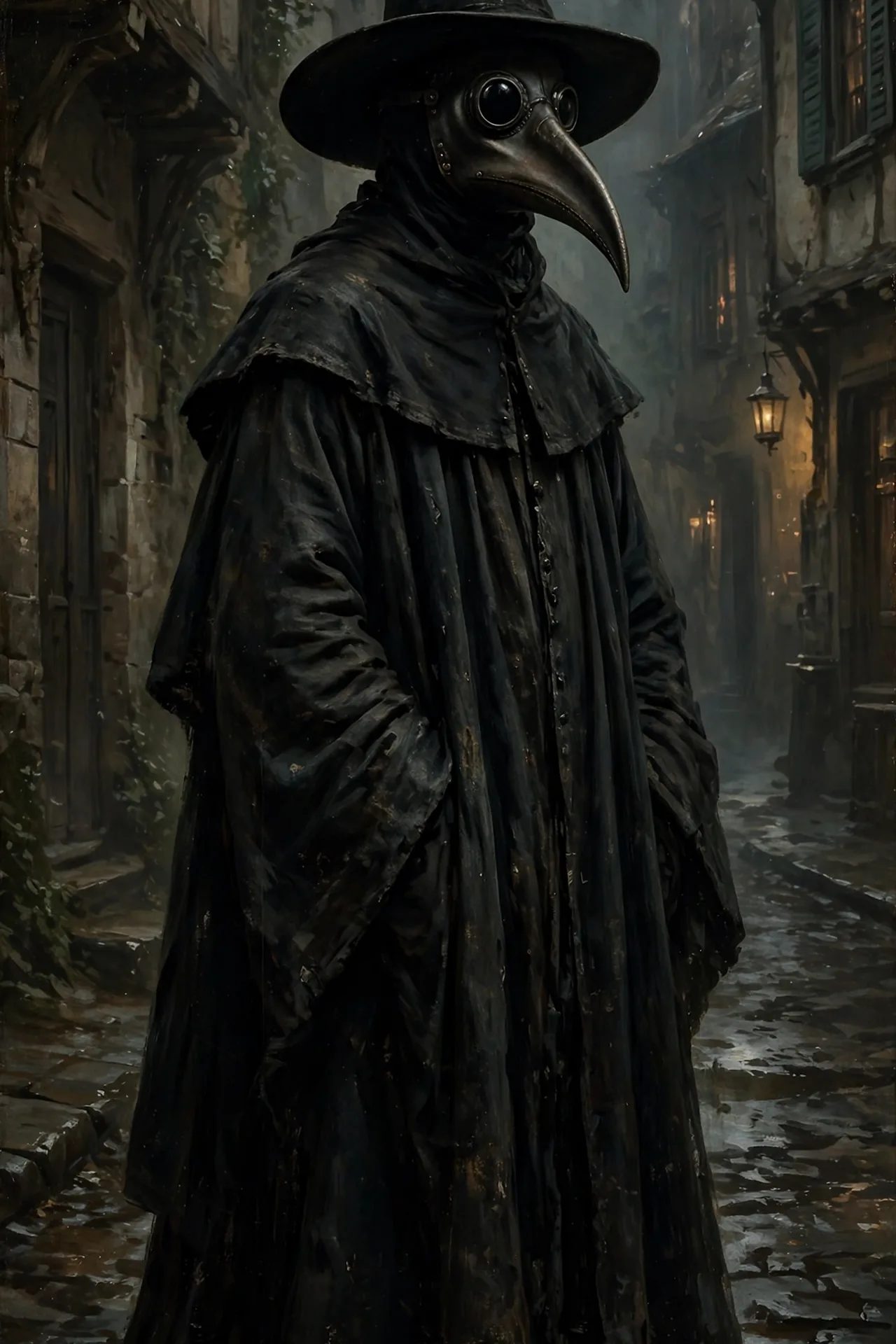
20. Scott’s Terra Nova Expedition Never Came Home
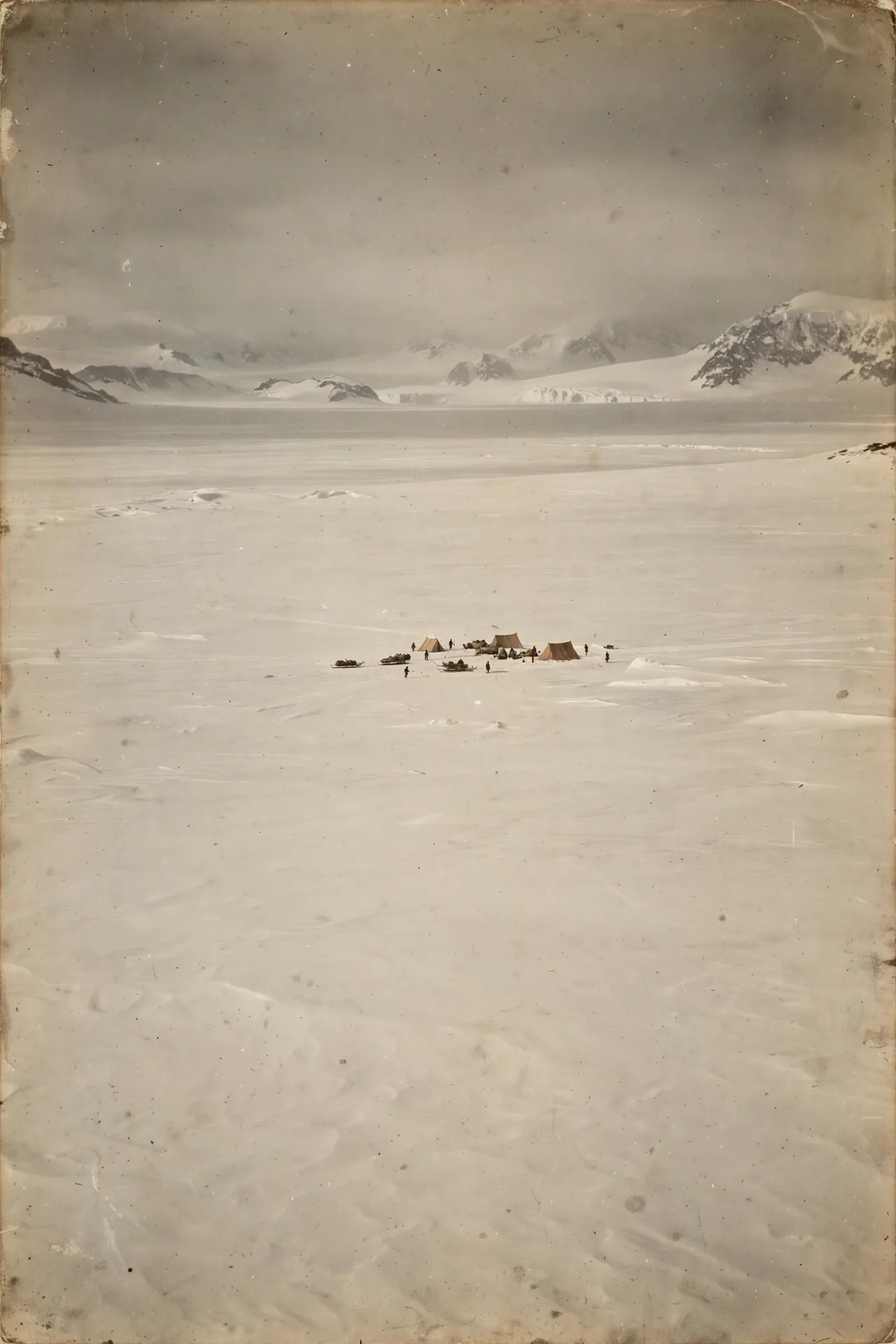
In 1910, Captain Robert Falcon Scott sailed for Antarctica on the Terra Nova expedition, hoping to be the first to reach the South Pole. Photographs from the journey show tents and sledges on a vast, white landscape that seems to go on forever.
Scott’s party reached the Pole, but found that a Norwegian team had beaten them to it. On the return journey, the men died one by one from cold, hunger, and exhaustion.
The photographs they left behind are some of the most haunting ever taken. They show ordinary men in an extraordinary place, doing something that cost them everything.
21. The Disguises American Intelligence Imagined For Hitler
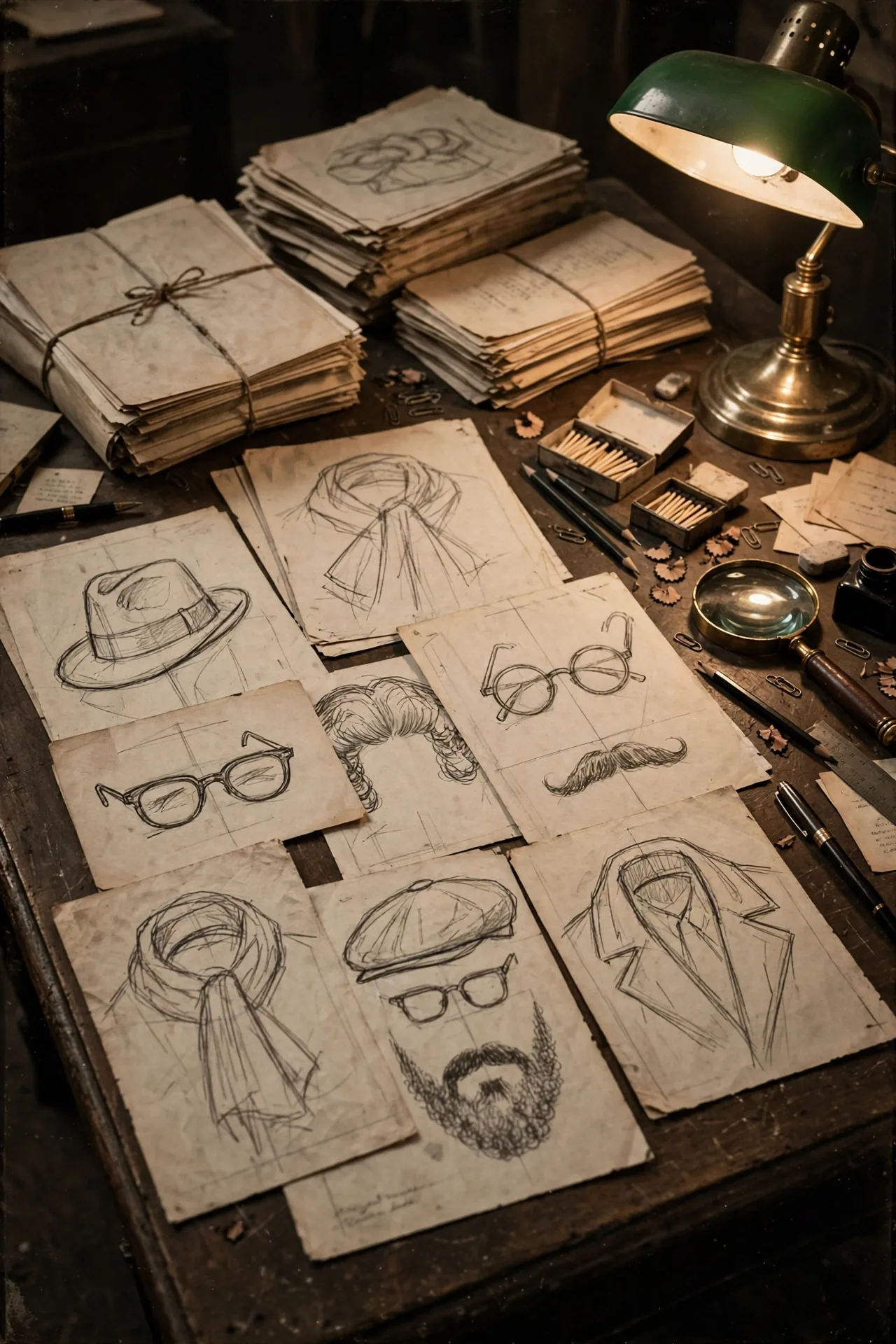
During the Second World War, American intelligence artists drew up sketches showing how Hitler might disguise himself if he tried to go into hiding. The drawings gave him different hairstyles, moustaches, glasses, and clothes.
The sketches were part of a report on what the dictator might do if Germany collapsed. They were a serious piece of work, even if the idea of a disguise seems almost comical now.
Hitler never used any of them, but the drawings survived as a strange piece of wartime paperwork. They show how intelligence officers tried to imagine every possibility, even the unlikely ones.
22. Harriet Tubman In Old Age
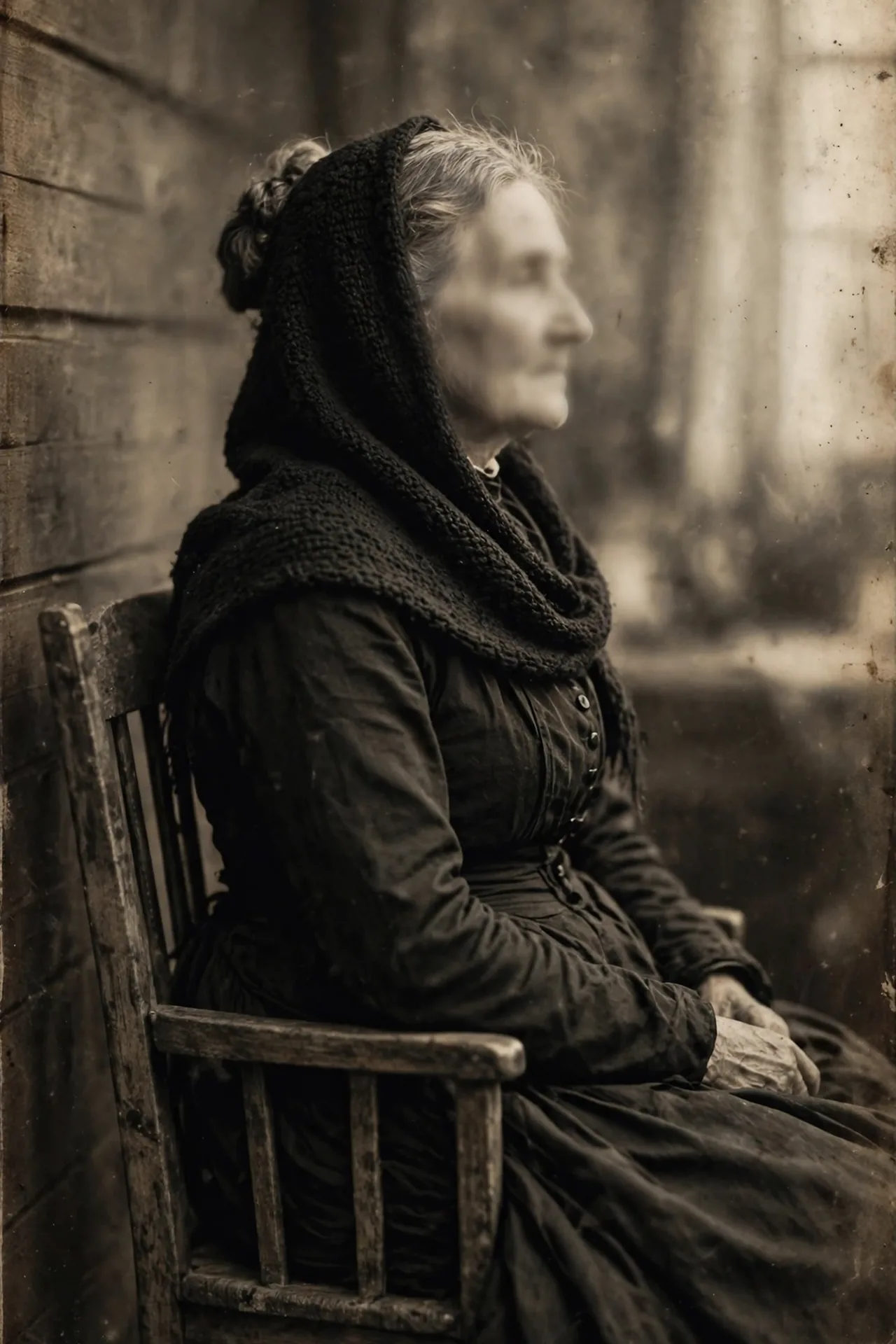
Harriet Tubman is famous for escaping slavery and then returning again and again to lead others to freedom. But photographs of her in old age show a different side of her story: a long life after the danger was over.
She lived into her nineties, and in her later years she was a respected figure in her community in New York. She had survived things that would have broken most people, and she kept working for others until the end of her life.
The later photographs are quiet ones, and that is what makes them powerful. They show a woman who did extraordinary things and then lived long enough to be remembered for them.
23. The Last Man To Walk On The Moon (So Far)
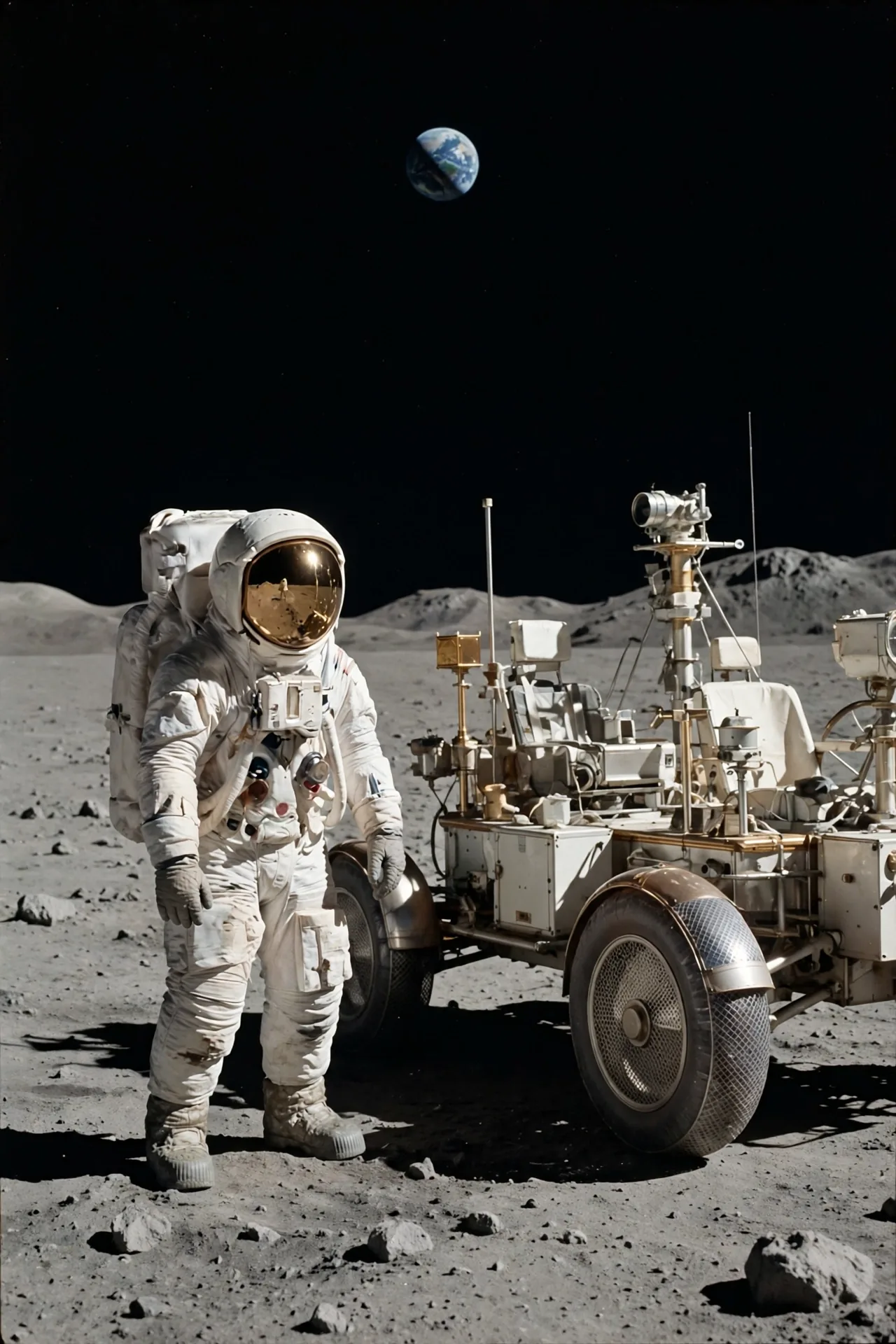
In December 1972, Apollo 17 landed on the Moon, and Harrison Schmitt became one of the last people to walk on its surface. He was a geologist, the only scientist to go to the Moon, and he spent his time there collecting rocks that are still studied today.
Apollo 17 was the final Moon landing of the Apollo programme. When Schmitt and his commander left, no human has returned to the lunar surface since.
That makes the photographs from the mission feel like the end of a chapter. They show a place that humans reached, walked on, and then left behind for more than fifty years.
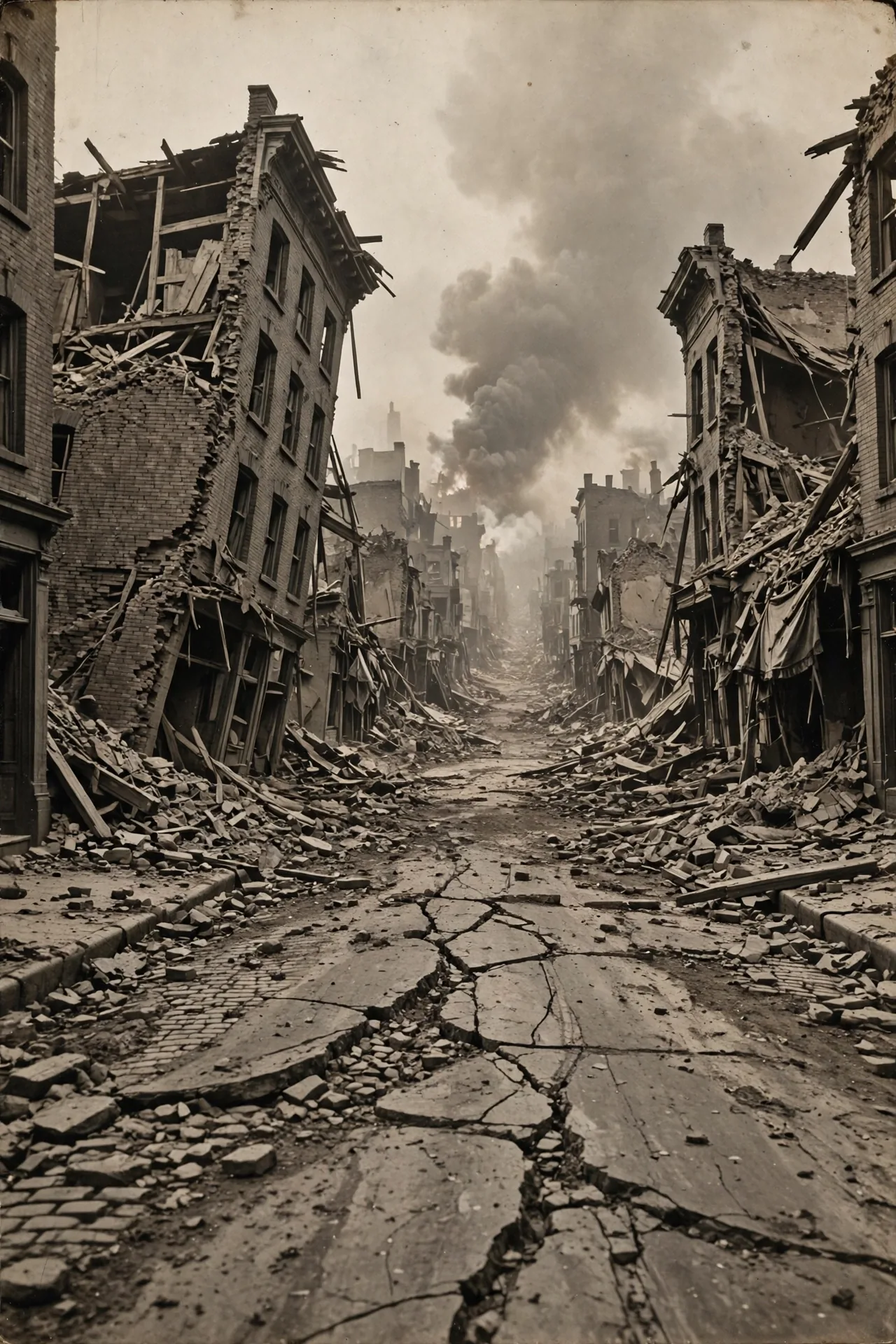
24. The 1906 San Francisco Earthquake Split The City Open
On a spring morning in 1906, a massive earthquake shook San Francisco, and fires broke out across the city. More than 3,000 people died, and much of the city was destroyed.
Photographs from the aftermath show streets split open, buildings leaning at impossible angles, and smoke rising over the ruins. The scale of the damage is hard to take in, even in a photograph.
The city rebuilt itself, and the earthquake changed how buildings were made across America. But the photographs remain a reminder of how quickly a whole city can be changed forever.
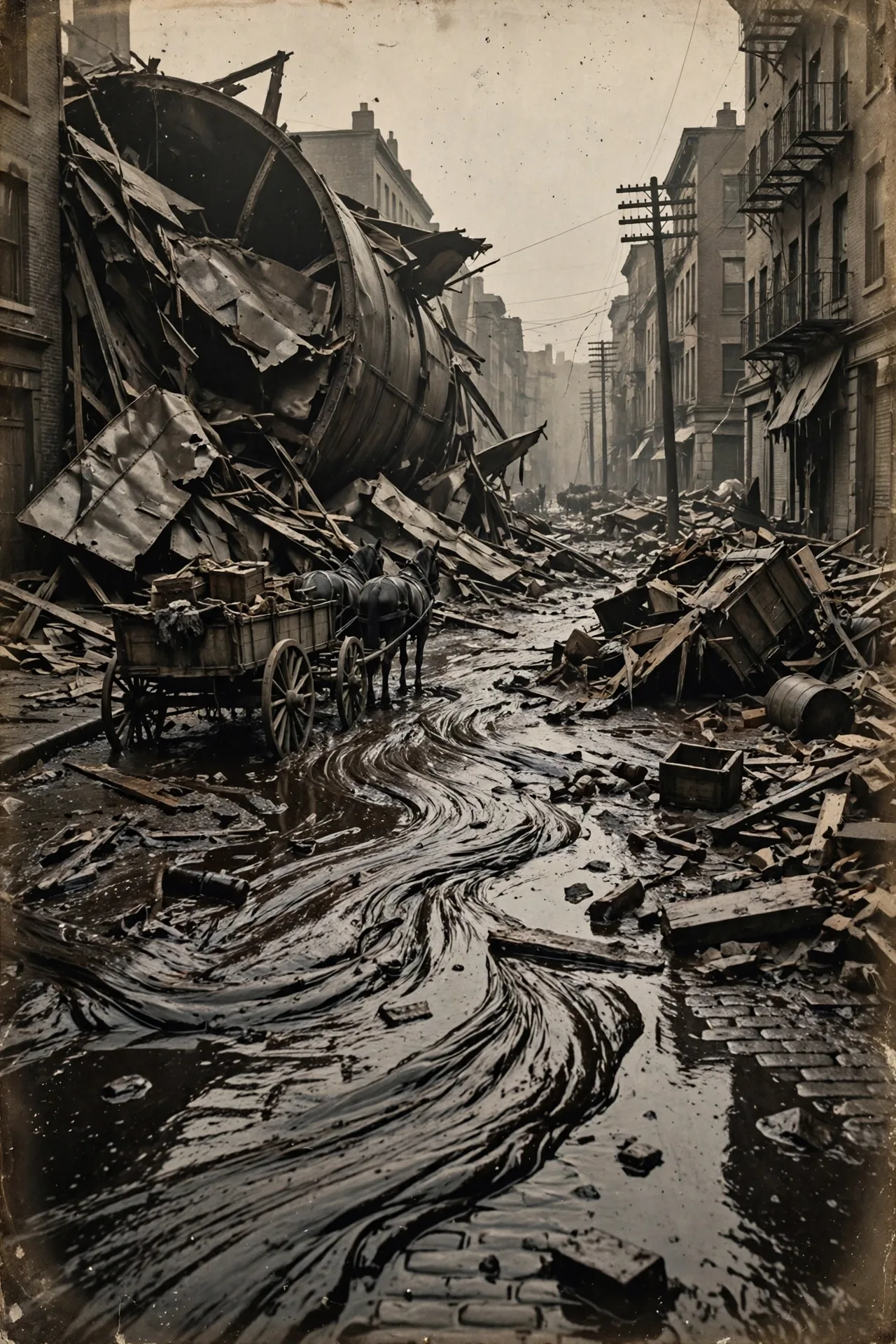
25. The Great Molasses Flood Of 1919
In January 1919, a huge storage tank in Boston burst open, sending more than two million gallons of molasses rushing through the streets. The sticky wave was metres high in places, and it killed 21 people.
The flood knocked over buildings, trapped horses, and covered whole streets in molasses. Rescue workers struggled to move through the thick, sweet-smelling mess, and the clean-up took weeks.
It sounds like something from a cartoon, but it was a real disaster. The photographs show a street that looks normal until you notice the dark flood coating everything in sight.
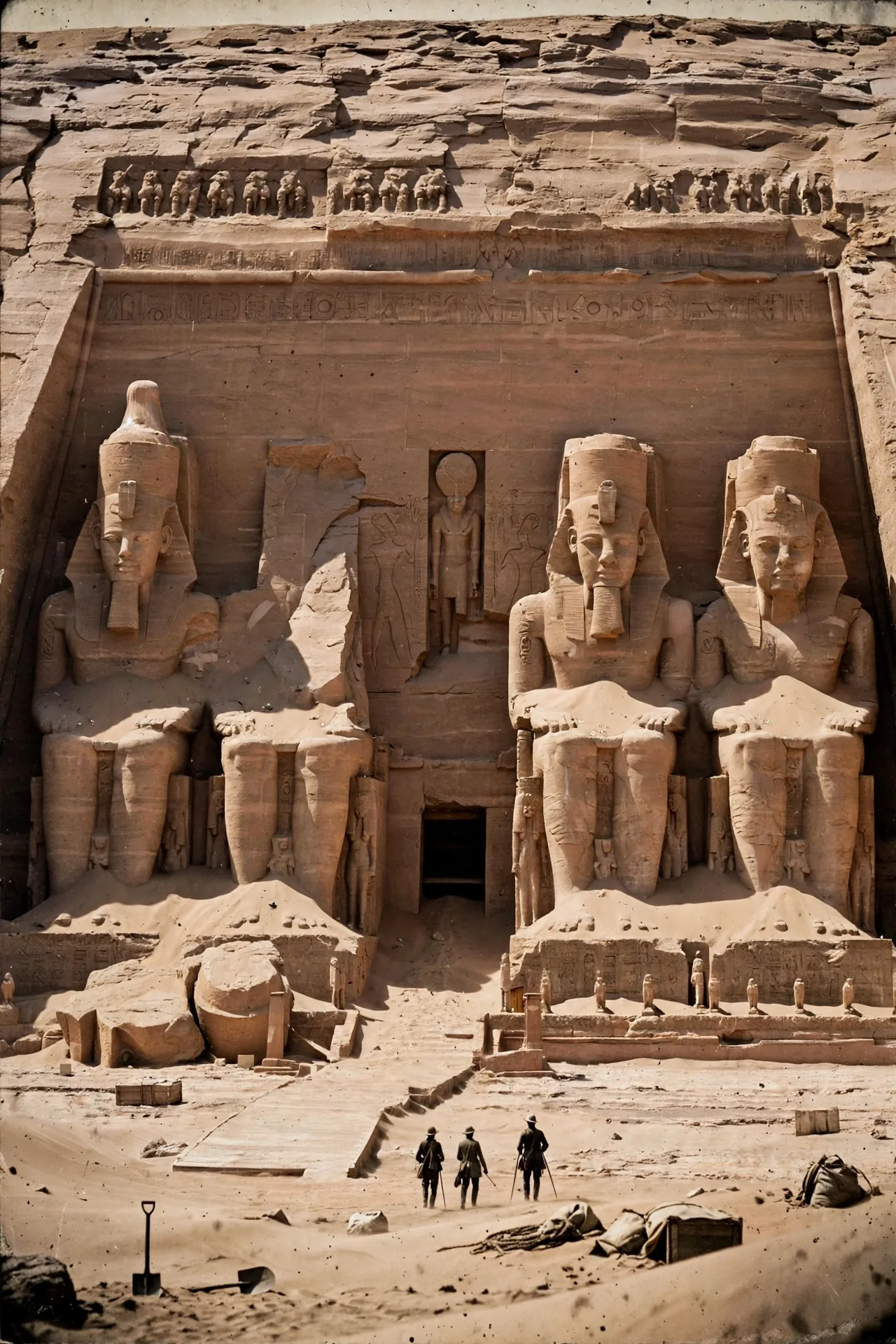
26. Abu Simbel’s Colossal Statues, Photographed In The 1860s
In the 1860s, early photographers travelled to Egypt and captured the Great Temple of Ramses II at Abu Simbel. The photographs show colossal statues at the entrance, so large that the people standing beside them look tiny.
At the time, the temple was partly buried in sand, and another photograph from the same period shows the same statue with sand piled up around it. The contrast between the two views shows how much of the monument was hidden for centuries.
The temple was carved out of solid rock more than 3,000 years ago, and it has survived everything since. Those early photographs are among the first times the wider world saw it at all.
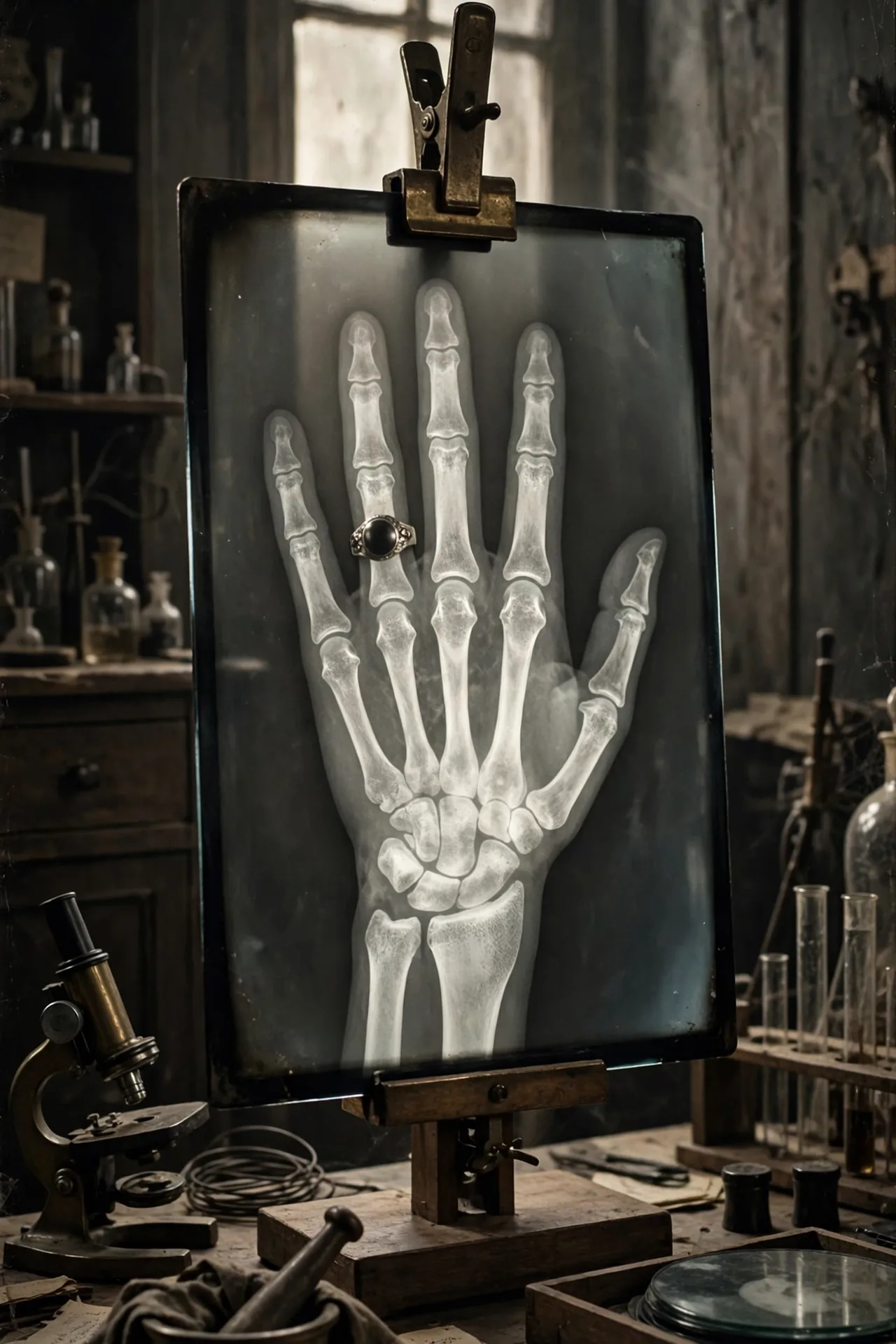
27. The First X-Ray Ever Taken
In 1895, a German physicist named Wilhelm Röntgen was experimenting with a new kind of ray when he produced the first X-ray image: a picture of his wife’s hand, showing the bones and the ring on her finger.
The image was startling. For the first time in history, people could see inside a living body without cutting it open. His wife is said to have looked at it and said she had seen her own death.
Within months, X-rays were being used in hospitals around the world. One blurry photograph of a hand changed medicine forever.
28. A Chicago Building After Firefighters Doused A Winter Blaze
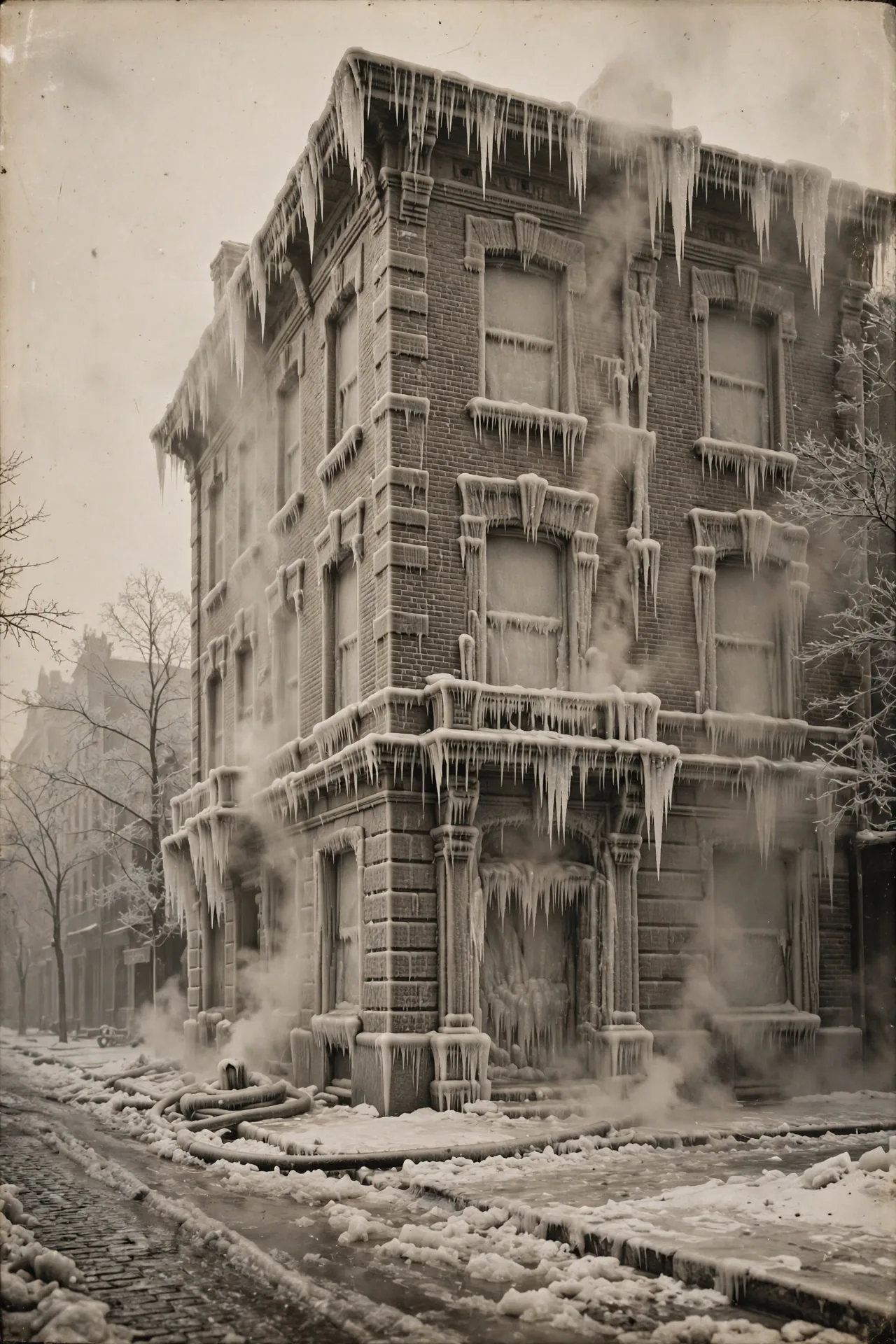
When firefighters tackle a blaze in the middle of winter, the water they spray can freeze almost as soon as it lands. In Chicago, one building ended up completely encased in ice after a winter fire was put out.
The photograph shows a building covered in a thick shell of ice, with icicles hanging from every edge. Steam rises from the frozen walls, and the whole scene looks like something from a fairy tale.
It is a strange sight, but it is a real one. The ice was the side effect of saving the building, and it turned a fire into a frozen sculpture.
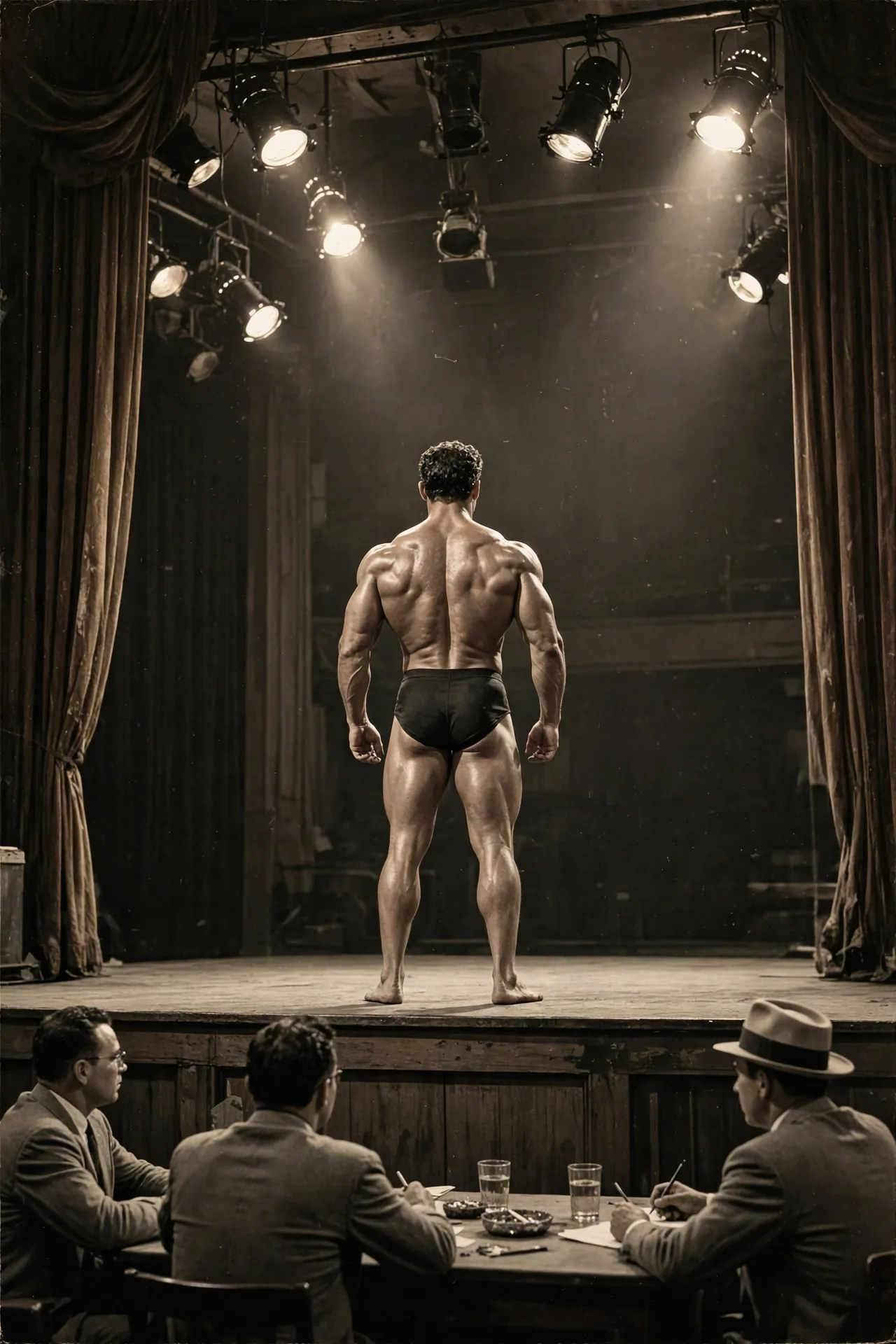
29. Before James Bond, Sean Connery Competed At Mr. Universe
Long before he played James Bond, Sean Connery was a bodybuilder. In 1953, he competed in the Mr. Universe pageant, posing on stage in front of judges and a crowd.
Connery had worked as a milkman, a lifeguard, and a coffin polisher before he found acting. Bodybuilding was one of the ways he made a living, and he took it seriously.
He did not win the title, but the photographs from the competition show a young man who already had the physical presence that would make him famous. The stage was a long way from a film set, but it was a start.
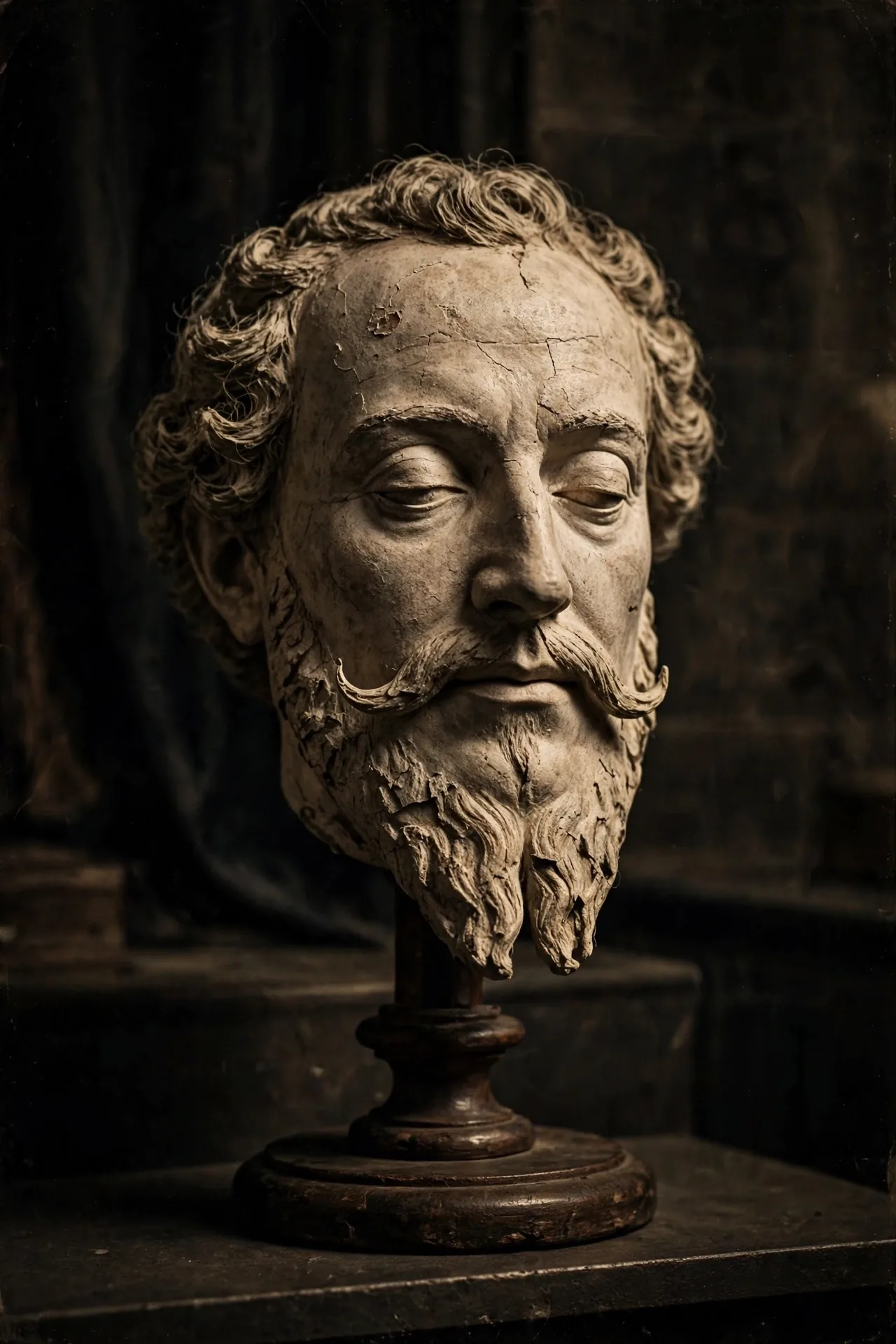
30. The Death Mask That Might Be Shakespeare’s
There is a plaster death mask in Germany that some people believe was taken from the face of William Shakespeare. The mask shows a man with a high forehead and a thoughtful expression, and it has been argued over for more than a century.
The problem is that nobody can prove it. Shakespeare died in 1616, and the mask’s history is full of gaps. Some experts think it is genuine, while others think it is a clever fake or a mask of someone else entirely.
That uncertainty is part of what makes it fascinating. It might be the only true likeness of the most famous writer in the world, or it might be nothing of the kind.
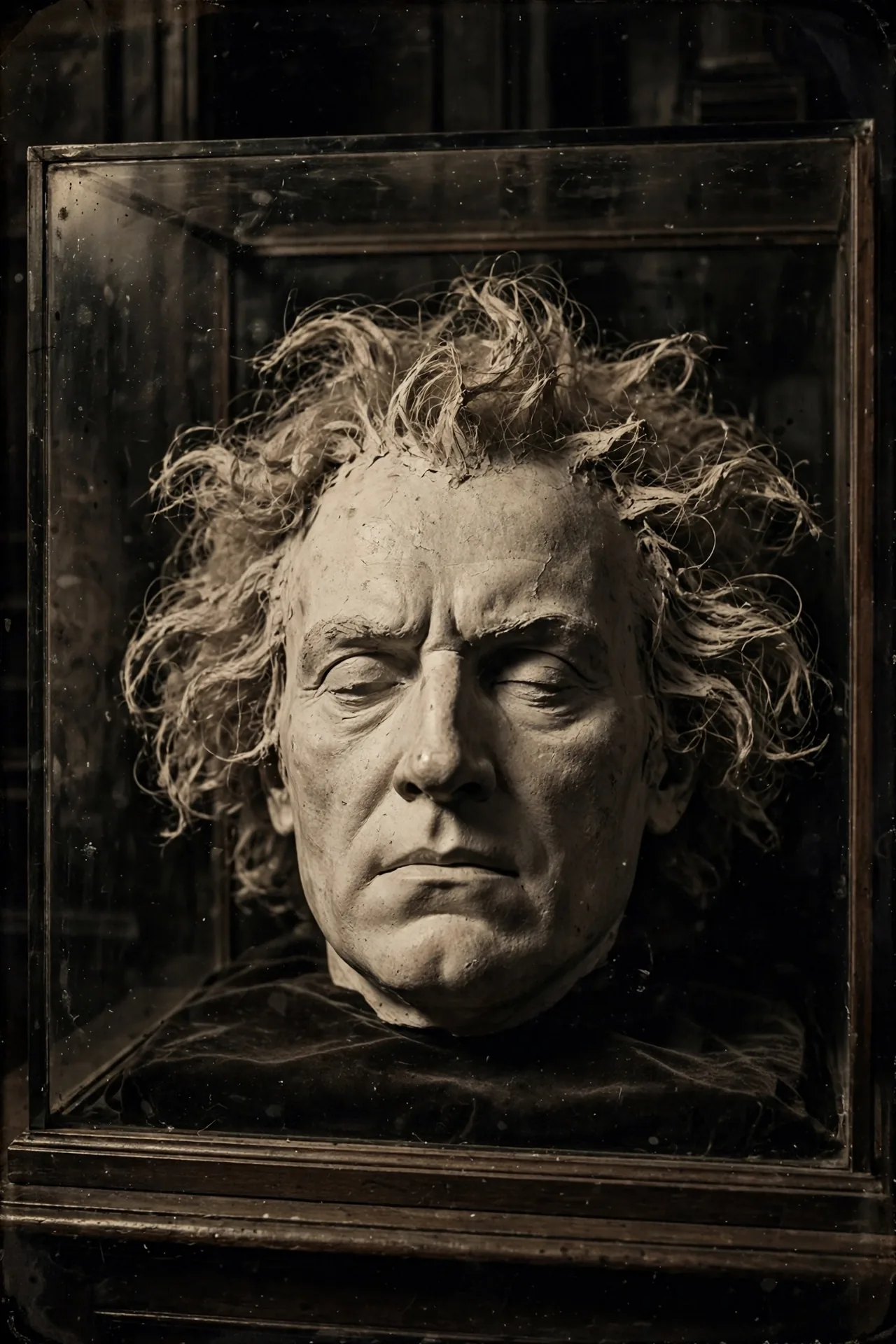
31. Beethoven’s Death Mask
When Ludwig van Beethoven died in 1827, a cast was made of his face. The death mask shows a man with a stern expression and a strong brow, and it has been kept in museums ever since.
Beethoven had been deaf for years by the time he died, and he composed some of his greatest music without being able to hear it. The mask is a reminder of the man behind that music.
Death masks of famous people were often copied and sold, and Beethoven’s was no exception. It became one of the most reproduced images of the composer, even though he never sat for it in life.
32. Toshiba’s View Phone Let People See Each Other In 1964
In 1964, Toshiba showed off a video telephone called the View Phone, a boxy machine with a small screen that let callers see each other while they talked. It was an early version of the video calls we use every day now.
The idea was exciting, but the technology was not ready. The picture was small and grainy, the equipment was expensive, and the phone lines of the time could barely carry it.
It would take decades before video calling became normal, but the View Phone shows that people were dreaming about it long before the internet existed. The future arrived slowly, one prototype at a time.
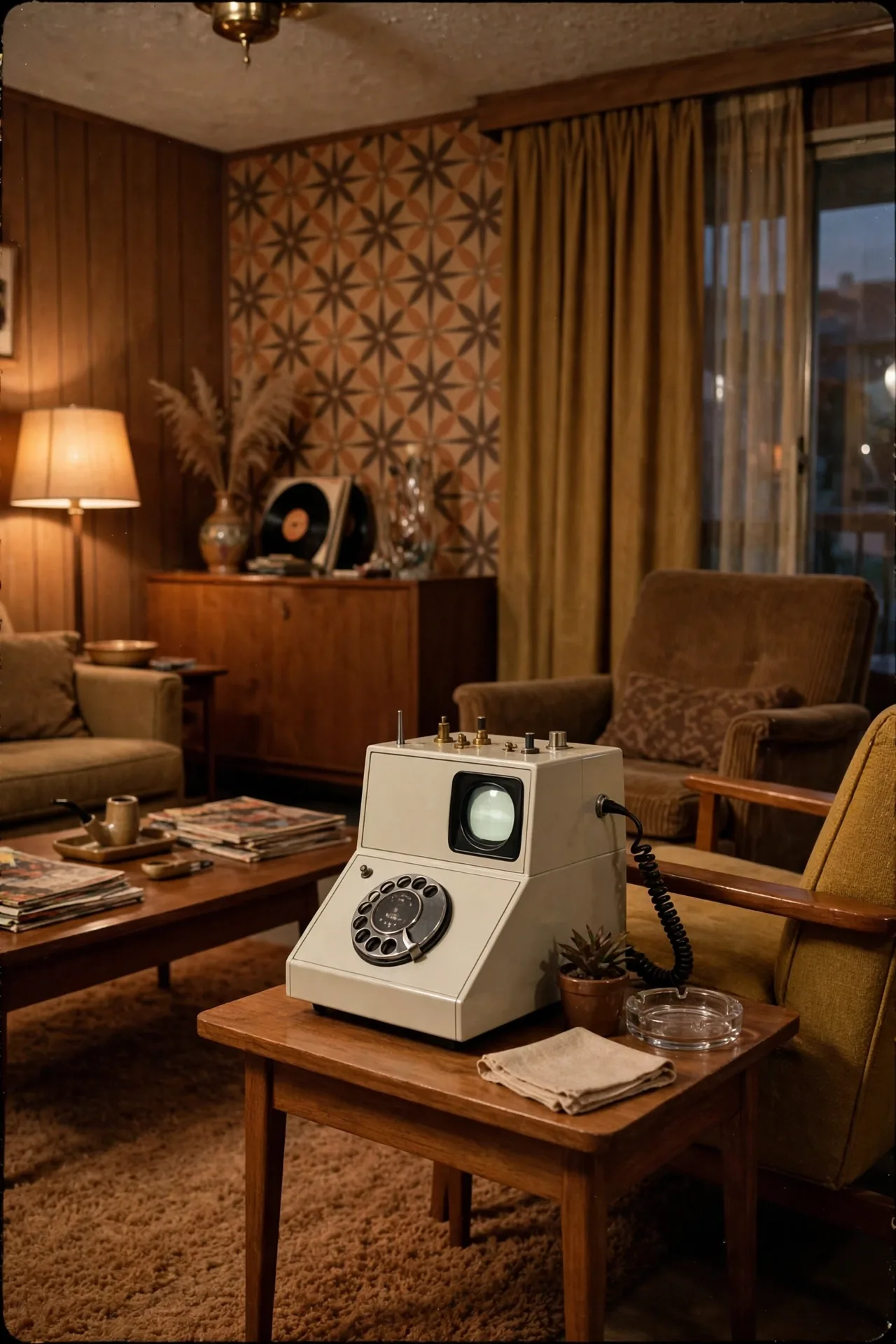
33. The Brewster Armor Suit: A Walking Tank From World War I
During the First World War, an inventor named Guy Otis Brewster designed a suit of body armour made of heavy steel plates. It covered the wearer from head to toe and was meant to protect soldiers from bullets and shrapnel.
The suit worked, in the sense that it stopped bullets. But it was so heavy that a soldier could barely walk in it, let alone fight. Photographs show a man standing stiffly in the armour, looking more like a knight than a soldier.
The army decided it was not practical, and the suit never saw combat. But it remains one of the strangest pieces of military equipment ever built.
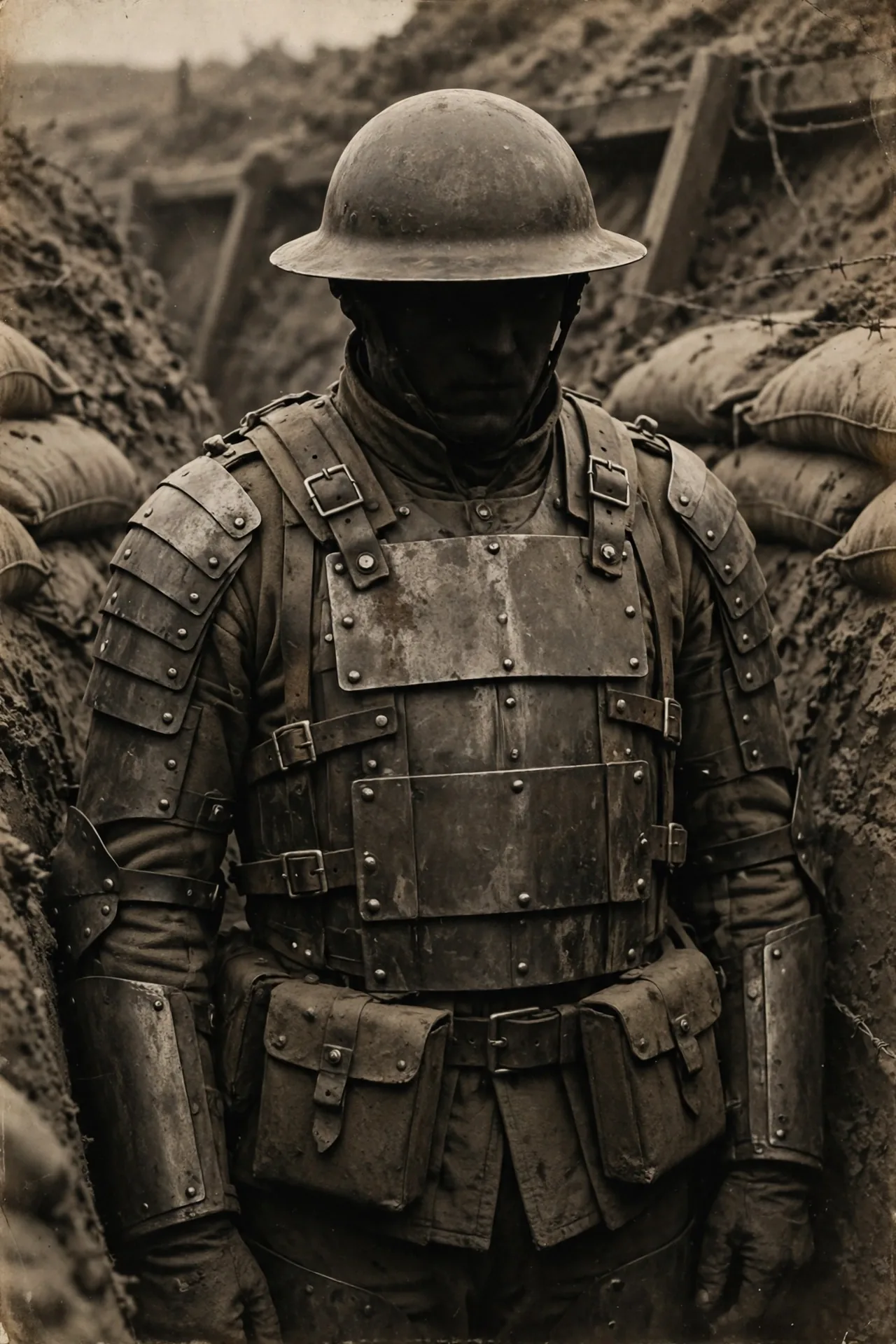
34. The Doorway To The Temple Of Bacchus Is Enormous
The Temple of Bacchus in Baalbek, Lebanon, is one of the best-preserved Roman temples in the world. Its entrance doorway is so large that a person standing beside it looks like a child next to a giant’s door.
The temple was built nearly 2,000 years ago, and the size of its stones is still hard to believe. The doorway alone is taller than most houses, and the columns around it reach into the sky.
Photographs struggle to show the scale, which is why the tiny figures of visitors in them matter so much. They are the only thing that tells you just how big the place really is.
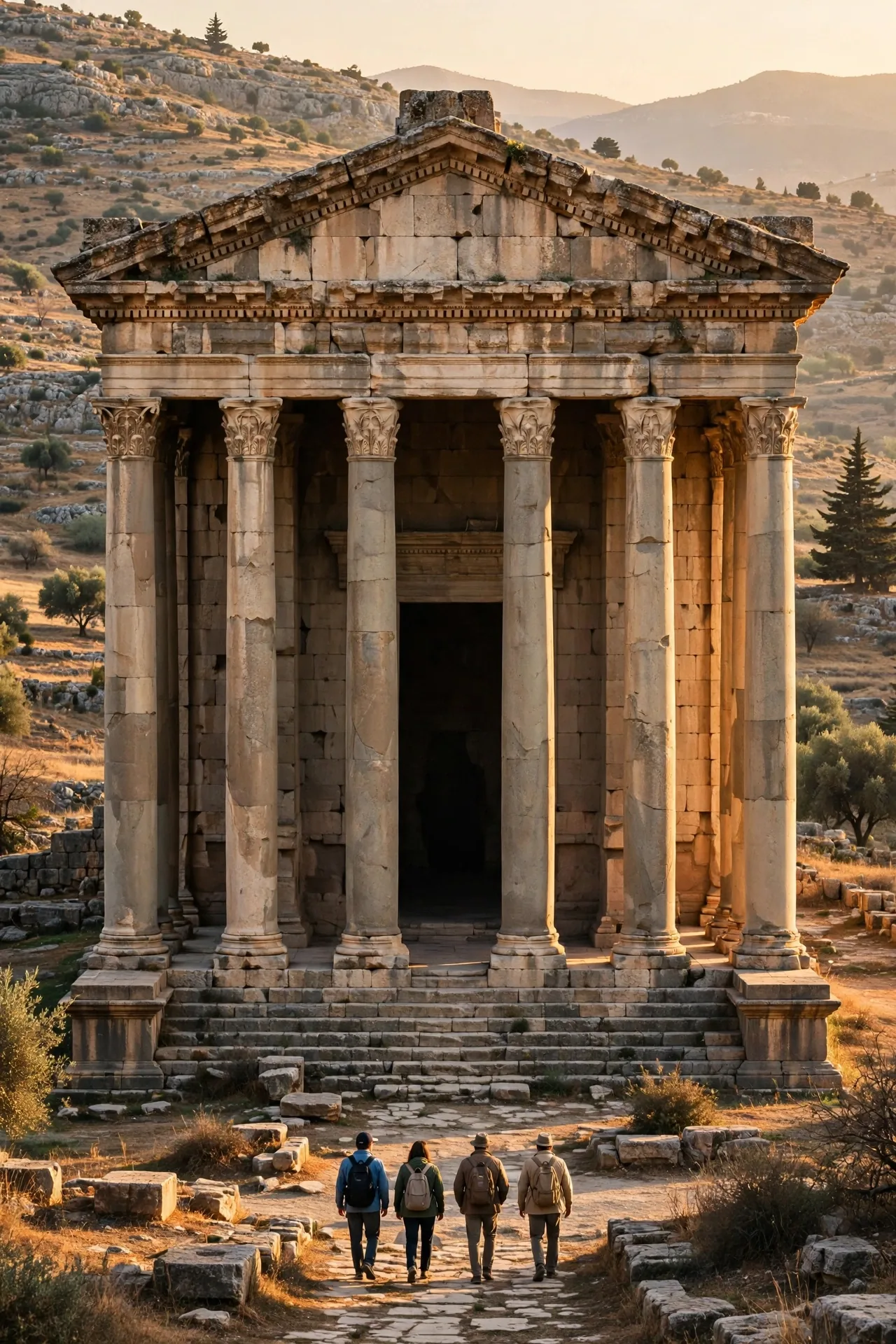
35. A Vintage Photo That Shows How Huge Redwood Trees Really Are
Redwood trees are among the tallest living things on earth, but photographs rarely do them justice. One vintage photograph solves that problem by showing a giant redwood with people standing at its base, barely reaching the bark.
Some redwoods are more than a thousand years old, and the biggest ones are wider than a car. Early photographers sometimes cut roads through fallen trees, and people would drive through them like tunnels.
The photograph is a reminder that some of the most impressive things on the planet are not buildings or monuments, but trees that were already ancient when the first explorers arrived.
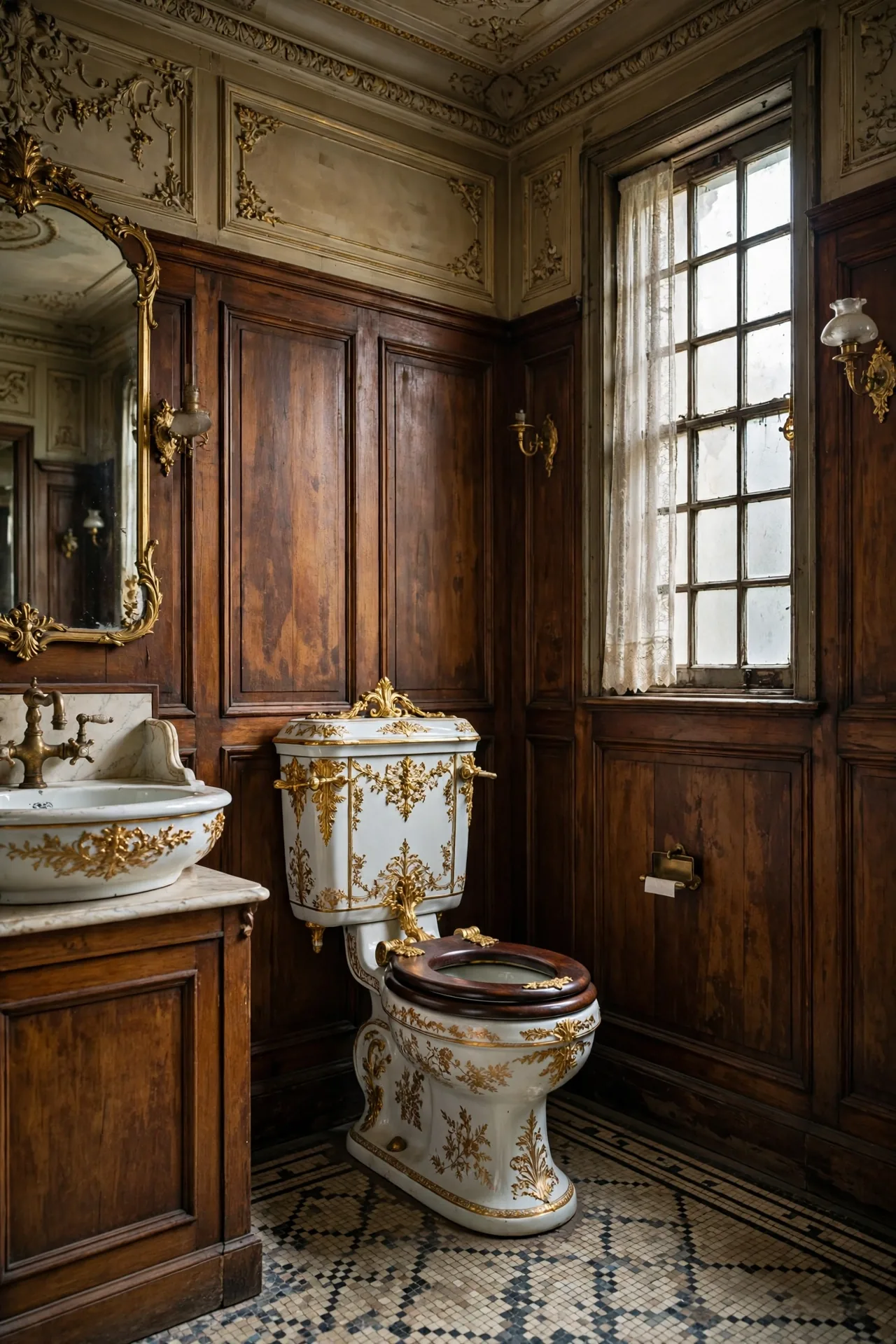
36. Kaiser Wilhelm II’s Very Fancy Personal Toilet
The last German emperor, Kaiser Wilhelm II, had a personal water closet that was far grander than anything most people would recognise as a toilet. It was ornate, decorated, and built to the standards of a palace.
Royalty in those days expected luxury in every room, and the bathroom was no exception. The Kaiser’s toilet was made with fine porcelain and set in a panelled room fit for an emperor.
It is a small, funny detail of history, but it says something about how differently the powerful lived. Even the most private room in the palace had to look like it belonged to an emperor.
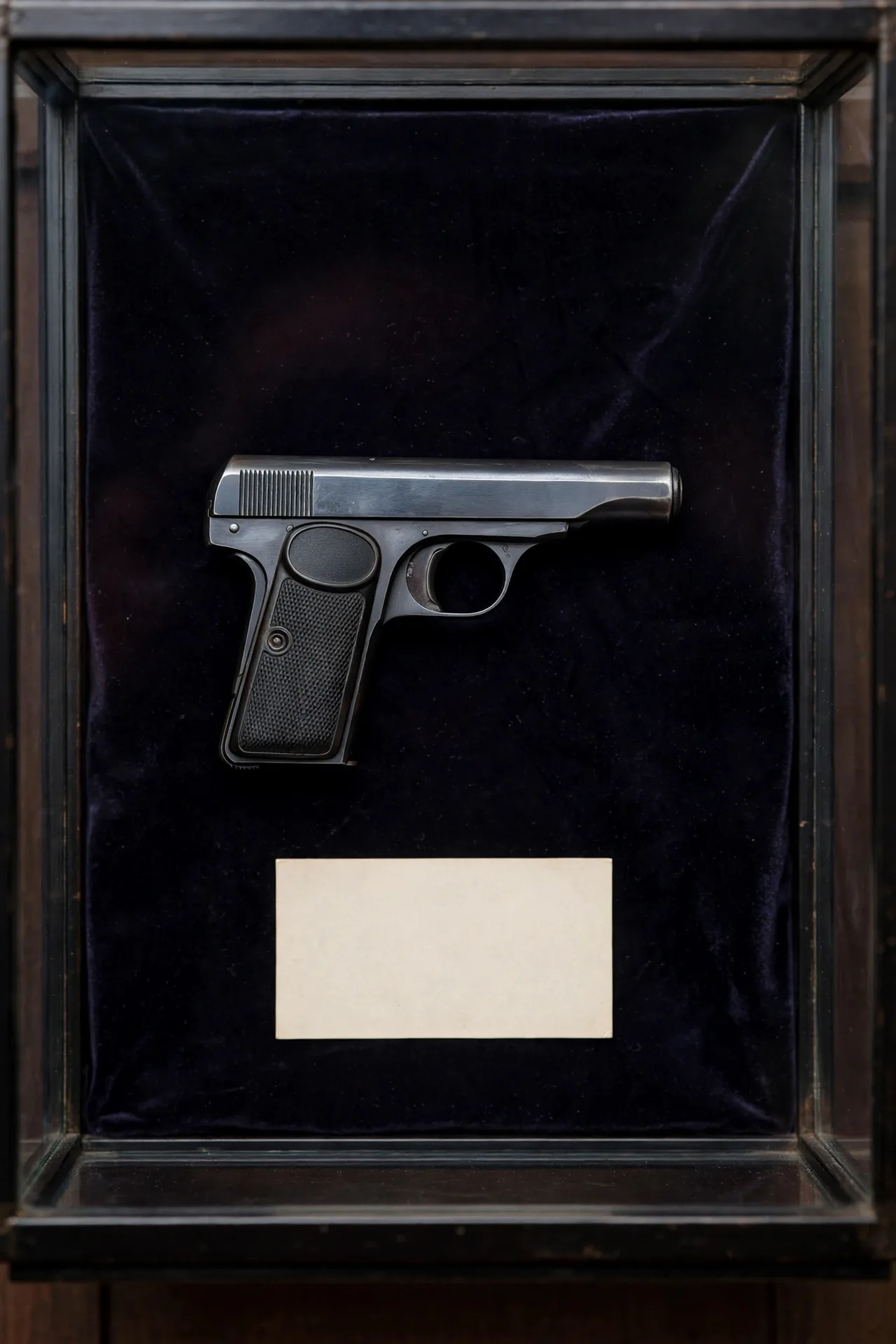
37. The Pistol That Started World War I
On a summer day in 1914, a young man named Gavrilo Princip fired a small pistol at Archduke Franz Ferdinand in Sarajevo. The shots killed the Archduke and his wife, and within weeks Europe was at war.
The pistol itself was an ordinary-looking handgun, a model that thousands of people owned. There was nothing special about it except what it was used for.
Today the pistol sits in a museum, and looking at it is strange. Such a small object caused such a huge war, and it is hard to believe that history turned on something you could hold in one hand.
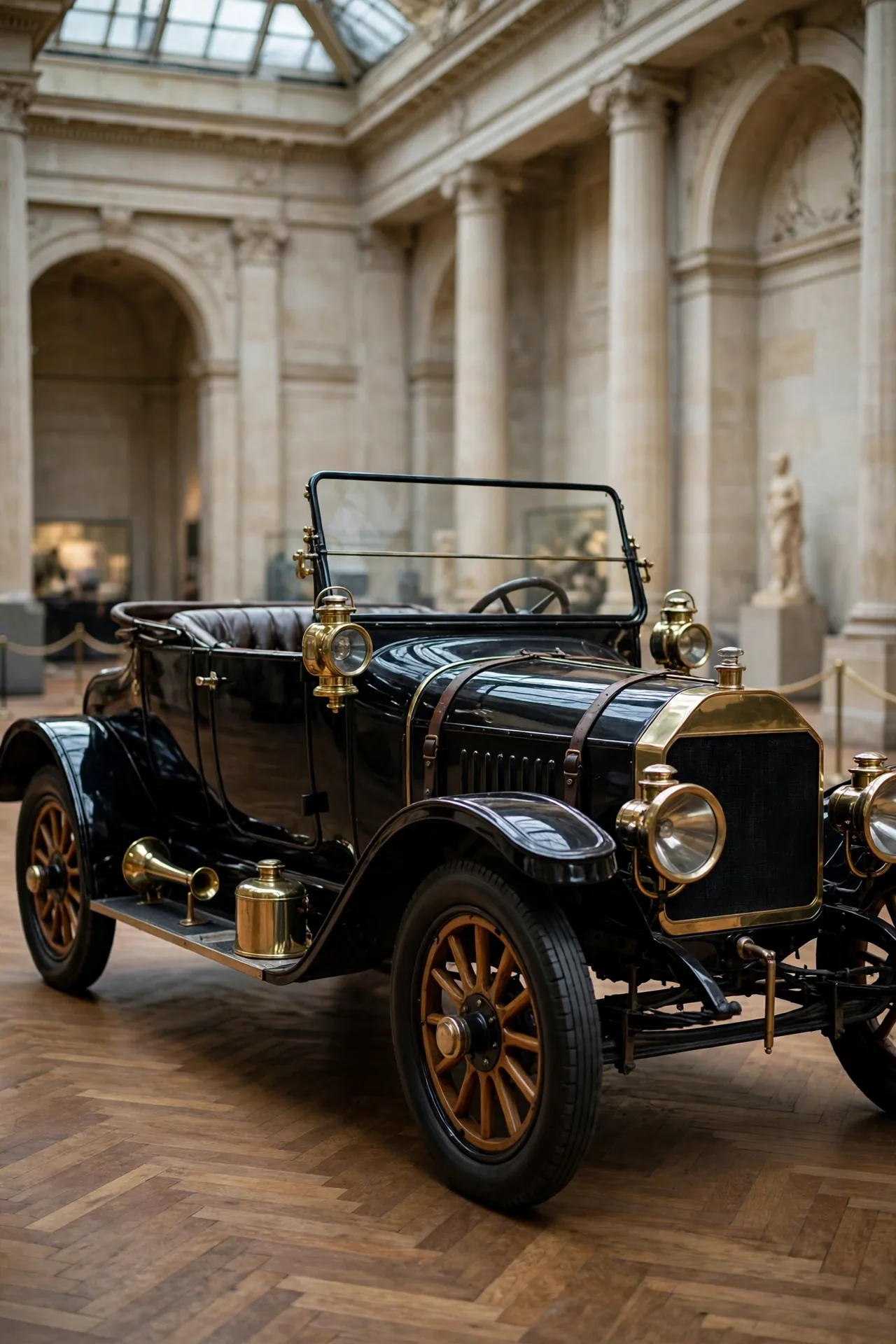
38. The Car Franz Ferdinand Was Riding In
Archduke Franz Ferdinand was riding in an open-top car through Sarajevo when he was shot. The car was a large, luxurious machine with brass lamps and polished bodywork, the kind of vehicle only the very rich could afford.
The car survived the assassination and is now kept in a museum in Vienna. Visitors can see the vehicle that carried the Archduke on the last journey of his life.
It is an ordinary luxury car made extraordinary by history. Without that day in Sarajevo, it would be just another old motor car. Instead, it is one of the most famous vehicles in the world.
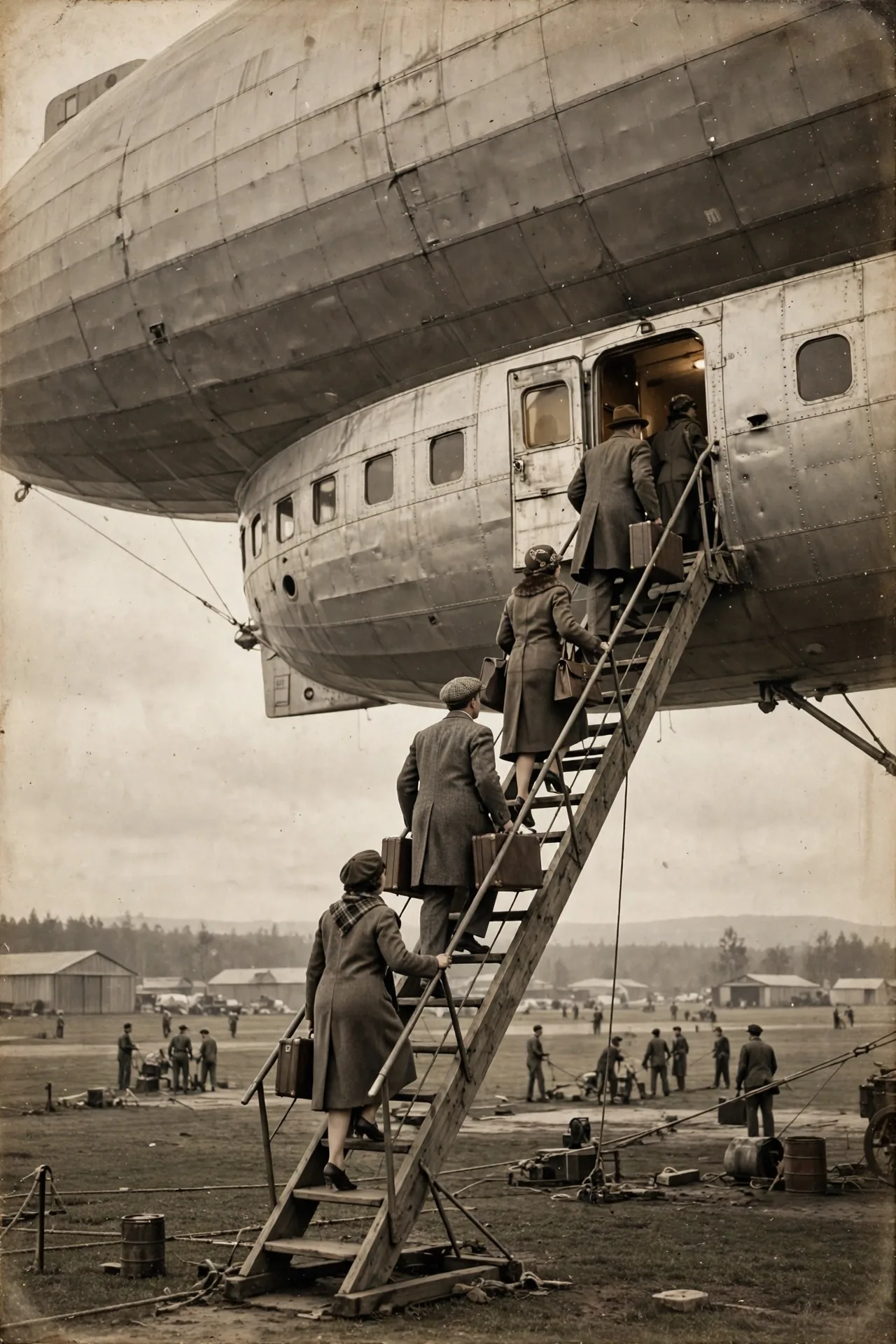
39. Boarding A Blimp Looked Like This
Before airplanes took over long-distance travel, airships were the glamorous way to cross oceans. Passengers boarded by climbing a gangway into the gondola underneath the huge silver envelope, while ground crew held the ropes below.
Airship travel was slow and expensive, but it was comfortable. Cabins had dining rooms and observation windows, and the journey felt more like a cruise than a flight.
The age of the airship ended with a series of famous disasters, and airplanes took over. But for a brief period, boarding a blimp was the most exciting way to travel in the world.
40. Dazzle Camouflage Made Warships Impossible To Read
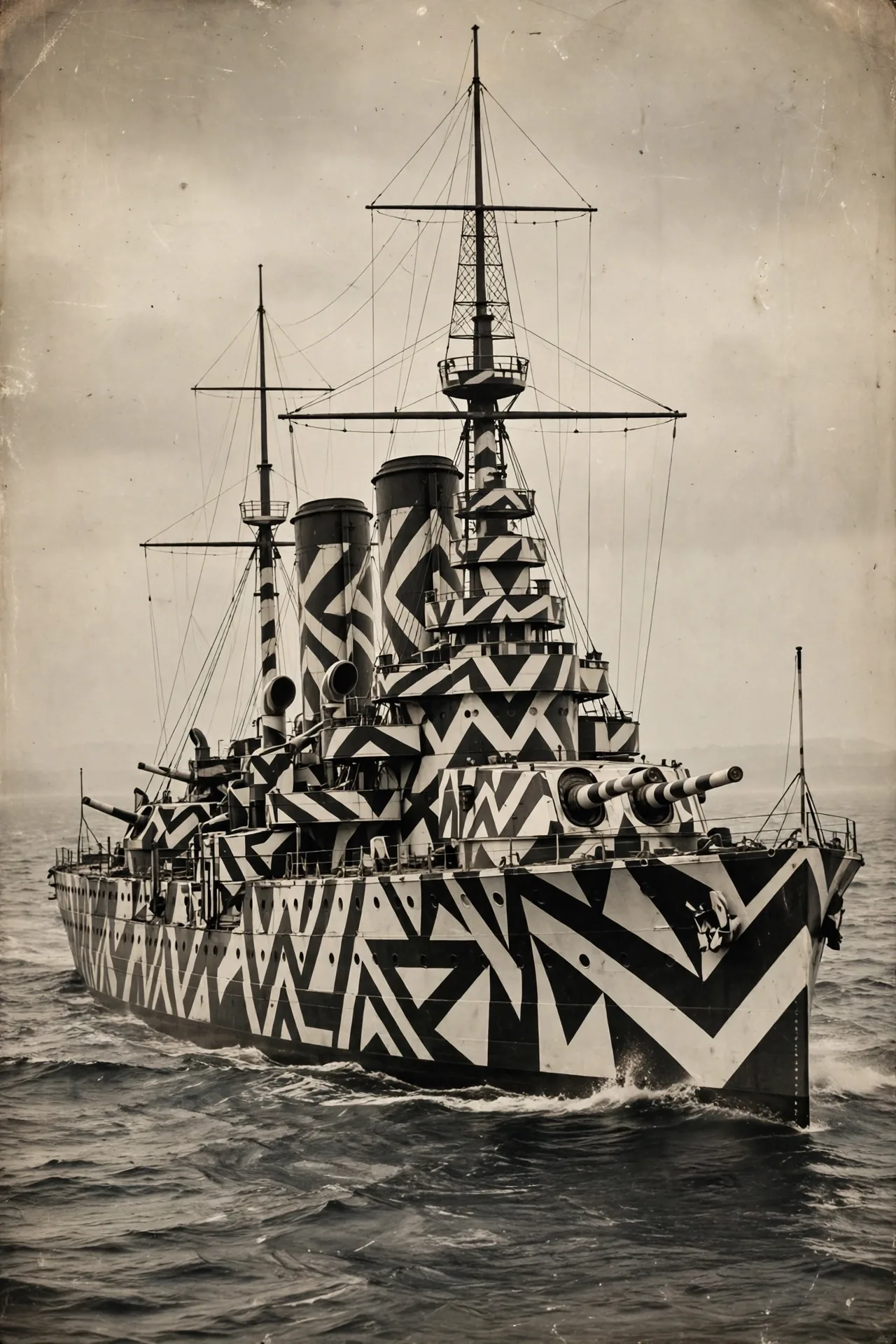
During the First World War, British and American warships were painted in bold black-and-white geometric patterns called dazzle camouflage. The idea was not to hide the ship, but to confuse enemy submarines about its speed and direction.
The patterns broke up the shape of the hull and made it hard to tell which end was the bow. A submarine captain trying to aim a torpedo had to guess the ship’s course, and dazzle made that guess much harder.
It looked strange, almost like a work of modern art, but it was a serious military idea. The patterns were designed by artists, and each ship had its own unique design.
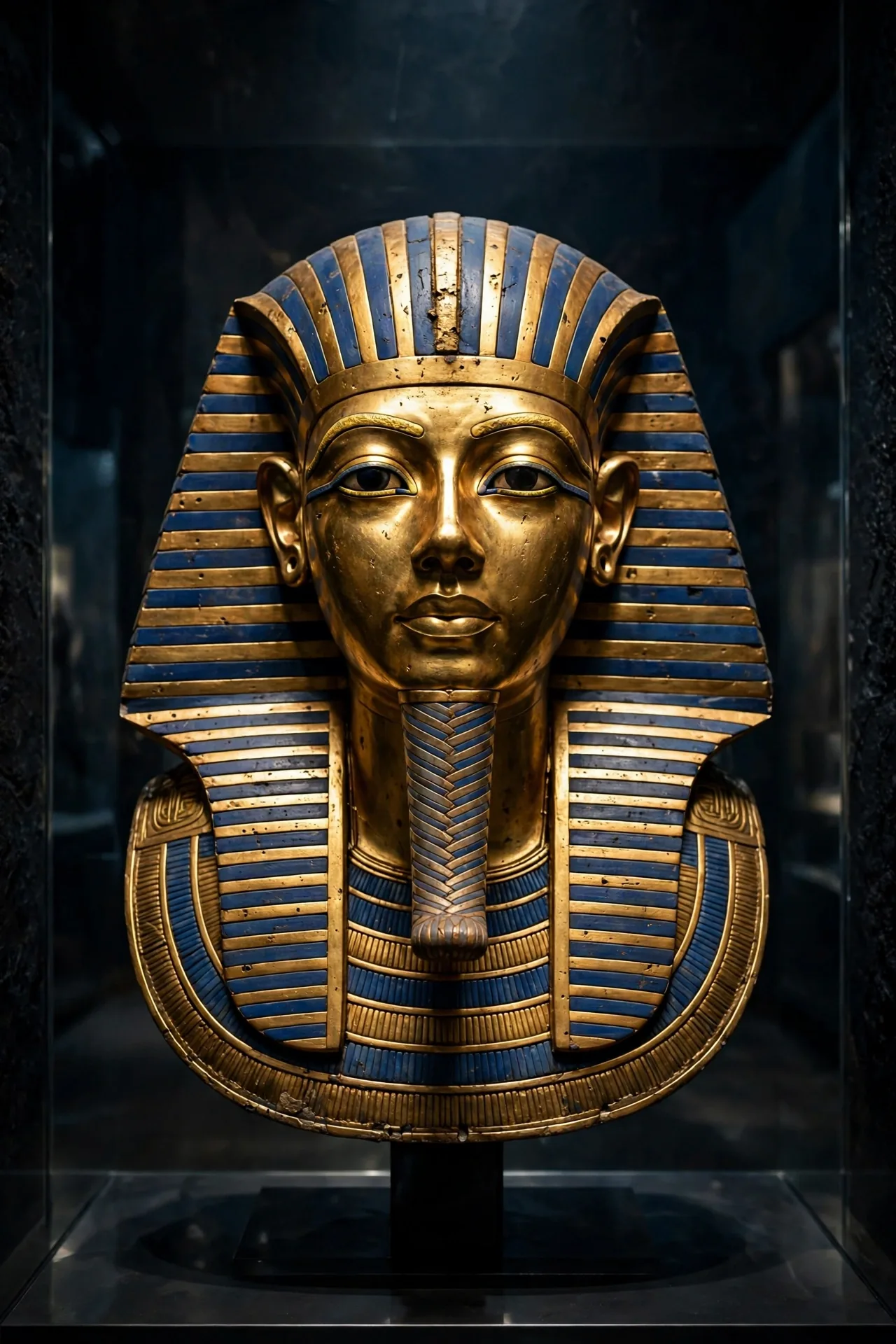
41. The Front Of King Tut’s Death Mask Is Iconic — Here’s The Back
The death mask of Tutankhamun is one of the most famous objects in the world. Made of gold with blue and gold stripes, it covered the face of the young pharaoh when his tomb was sealed more than 3,000 years ago.
Everyone knows the front of the mask, with its calm, perfect face. It has been photographed a thousand times and reproduced on everything from posters to souvenirs.
But the mask is a three-dimensional object, and the back is just as carefully made. That is the part almost nobody thinks about, and it is every bit as beautiful as the front.
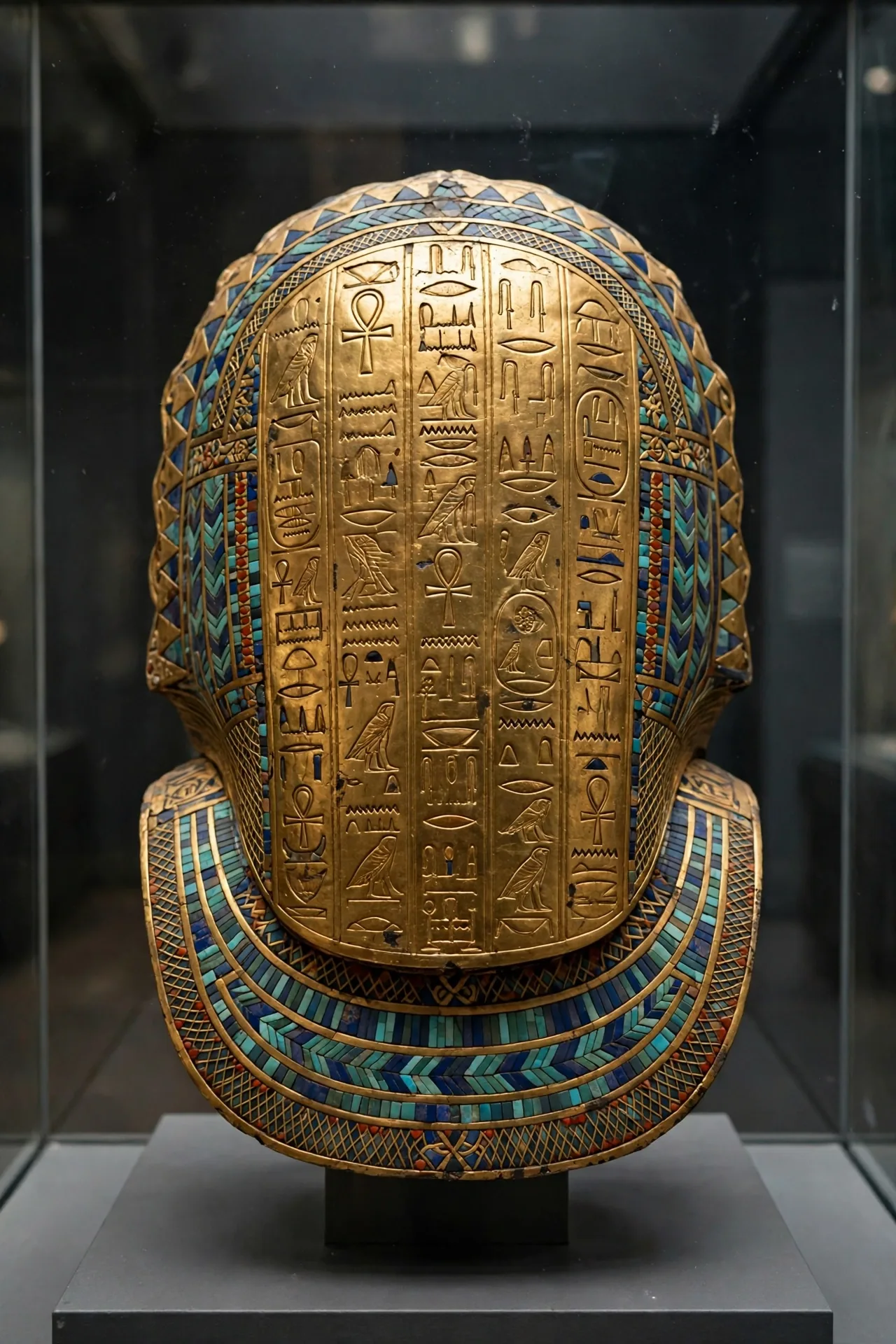
42. The Back Of King Tut’s Mask Is Just As Detailed
Turn Tutankhamun’s death mask around, and you find a surface covered in detailed hieroglyphs and inlaid patterns. The back is not an afterthought. It was made with the same care as the front.
The inscriptions on the back are spells and prayers meant to protect the pharaoh in the afterlife. They were written into the gold itself, so the king would carry them with him forever.
It is easy to forget that the mask was not made for a museum. It was made for a burial, and every part of it had a purpose. The back tells us as much about Egyptian beliefs as the face does.
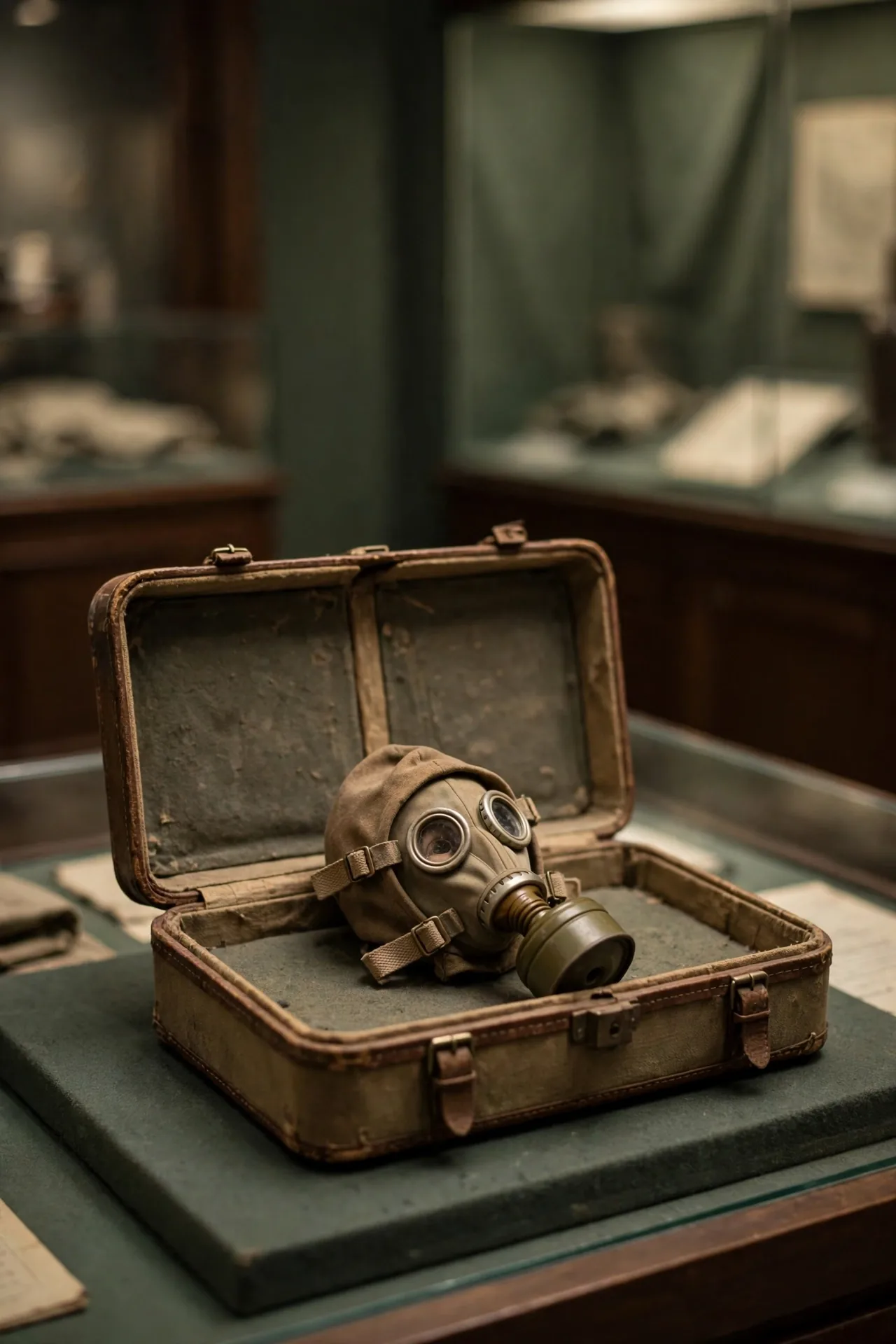
43. Babies In Wartime England Got Gas Masks Of Their Own
During the Second World War, Britain feared gas attacks, and everyone was issued a gas mask. Babies got their own version: a large, enclosed device that covered the whole baby, with a hand pump to push filtered air inside.
The baby gas masks looked strange, almost comical, but they were a serious piece of civil defence. Parents were told to practise using them, and the devices were carried everywhere during the war.
Thankfully, gas attacks never came to Britain. The masks were never needed for real, but they remain one of the most unusual objects of the war.
44. The 1981 Space Invaders World Championship
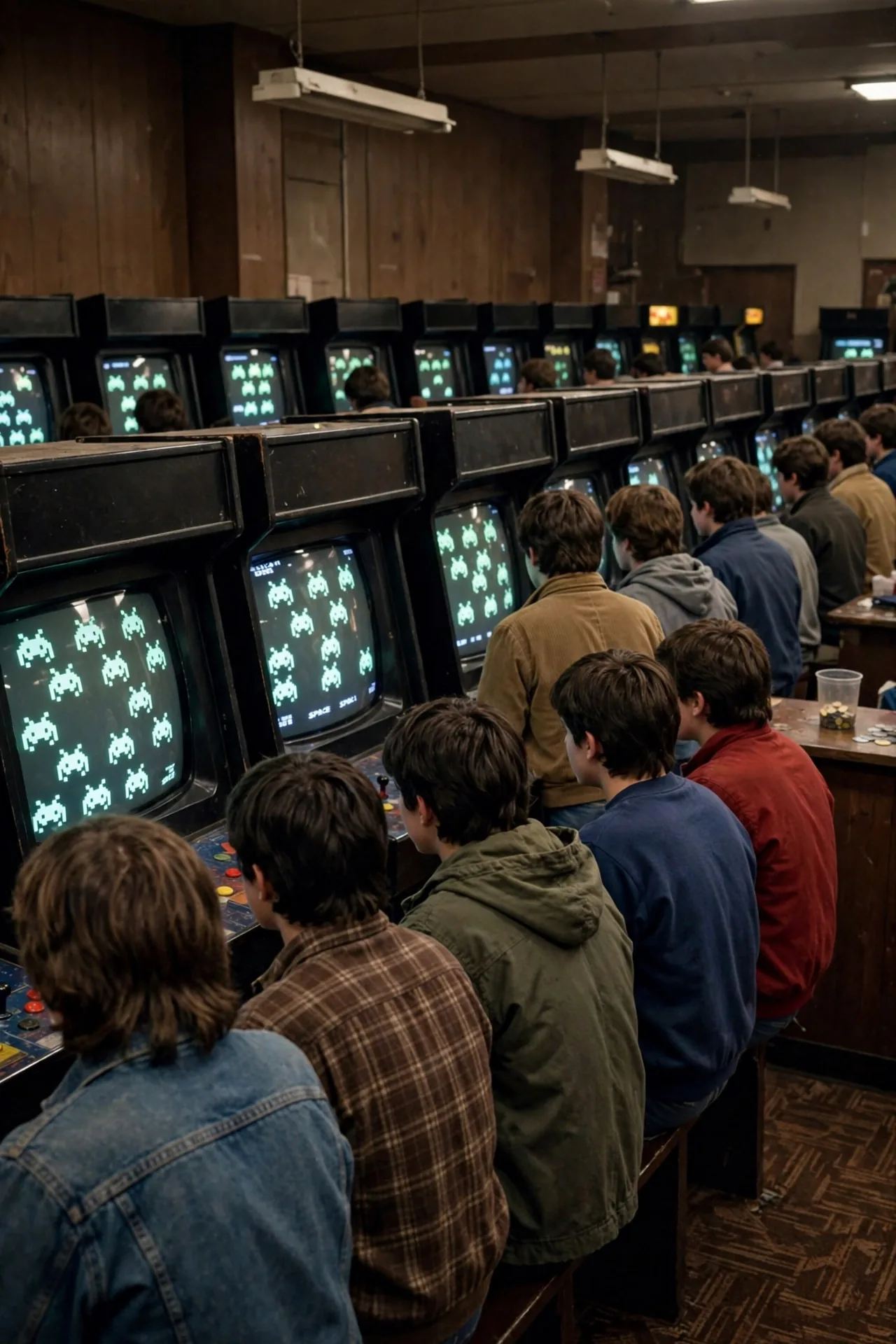
In 1981, thousands of players took part in a Space Invaders world championship, one of the first big video game tournaments ever held. Photographs show a room full of young players hunched over glowing arcade cabinets.
Video games were still new then, and the idea of a championship for a game seemed odd to many people. But the players took it seriously, and the crowds loved it.
That tournament was the start of something huge. Competitive gaming is now a global industry, but it began in rooms like this one, with rows of arcade machines and a crowd watching the screens.
45. Could You Pass An Eighth-Grade Test From 1912?
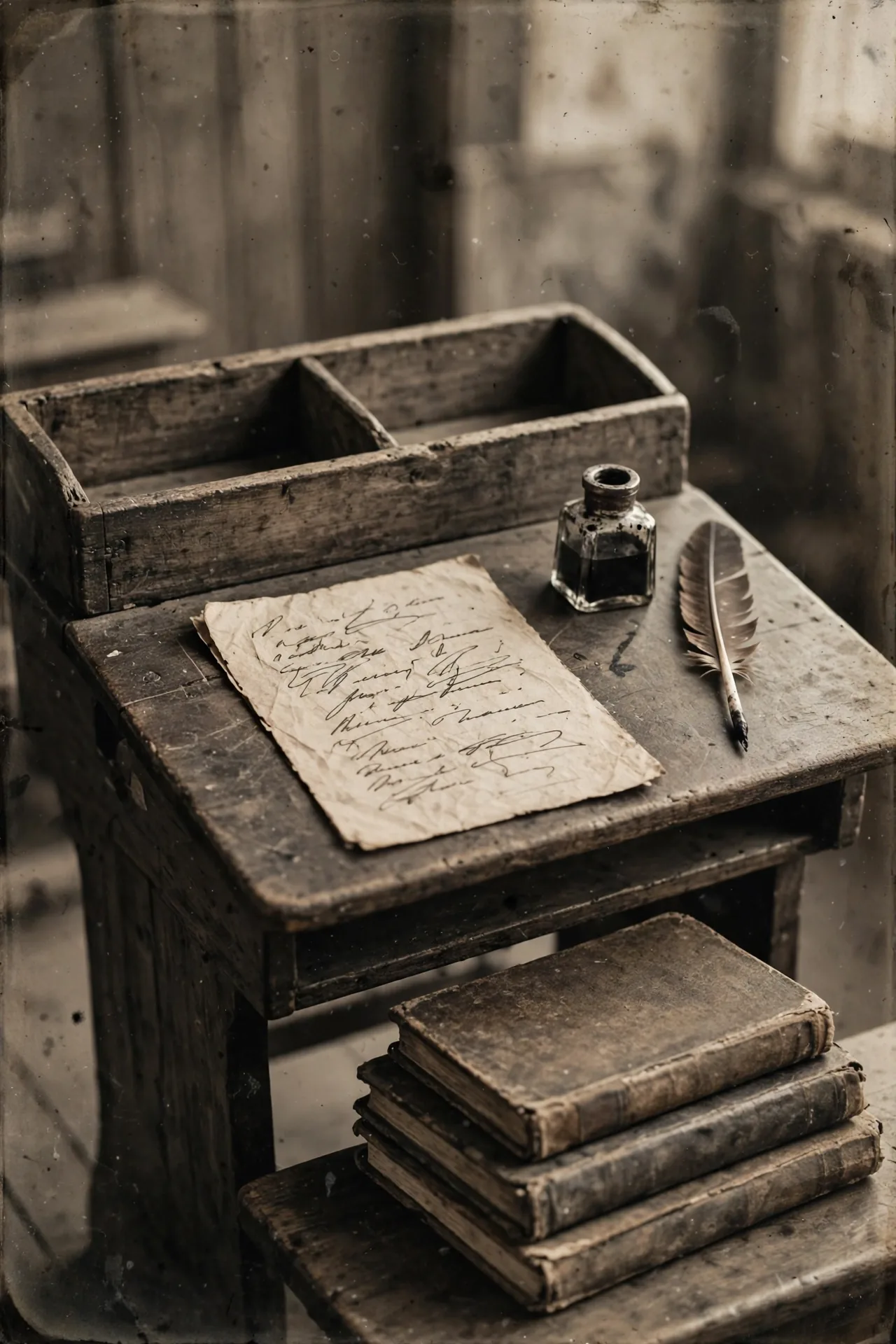
Every few years, a copy of an eighth-grade exam from 1912 goes around the internet, and people are always shocked by how hard it looks. The questions cover spelling, grammar, arithmetic, geography, and history, and they are not easy.
Part of the surprise is how much the test expects from a thirteen-year-old. It asks for detailed answers about subjects that many adults would struggle with today.
Whether the test is exactly as hard as it looks is still debated, but one thing is clear: school in 1912 asked a lot of its pupils. Try a few of the questions yourself, and see how you do.
That is the thing about old photographs. They do not just show us what the past looked like. They show us how people lived, what they believed, and what they were proud of. A menu card, a death mask, or a picture of a cow painted white can tell you more about a time than a whole chapter of a textbook.
History is full of moments like these, hiding in archives and old albums. The more you look, the more you find, and every picture has a story waiting behind it.
You May Also Like
If these rare photos caught your eye, you will enjoy our 47 nostalgic photos every boomer will remember, and our round-up of 26 mind-blowing facts that sound made up but are completely real. For more history in pictures, see how the Oval Office has evolved from 1934 to today, and if you want to look forward instead of back, try our list of 21 future tech trends that completely disappeared.