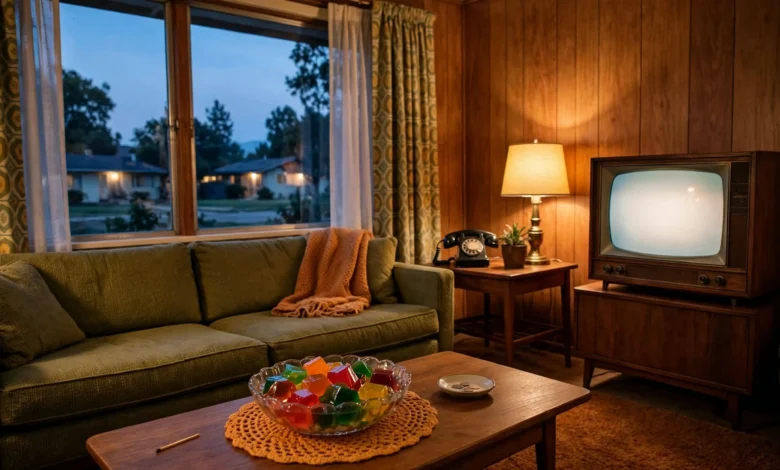
Some memories do not need a caption to come flooding back. One look at a glass jar of orange drink mix, a chunky television remote, or a tin can of fruit punch — and suddenly you are nine years old again, sprawled in the backseat of the family car with the windows down, waiting for the movie to start at the drive-in. That is the strange power of the boomer years: the objects were ordinary, but the memories they carry are anything but.
The baby boomers grew up in a world that ran on rotary phones, paper phone books, and television that signed off at midnight. Dinner came in an aluminum tray, photos took a week to develop, and a Saturday night meant the whole family gathered around a single small screen. These are 47 of those everyday sights — the things every boomer will recognize in an instant, and the rest of us can only marvel at.
1. Tang in Glass Jars
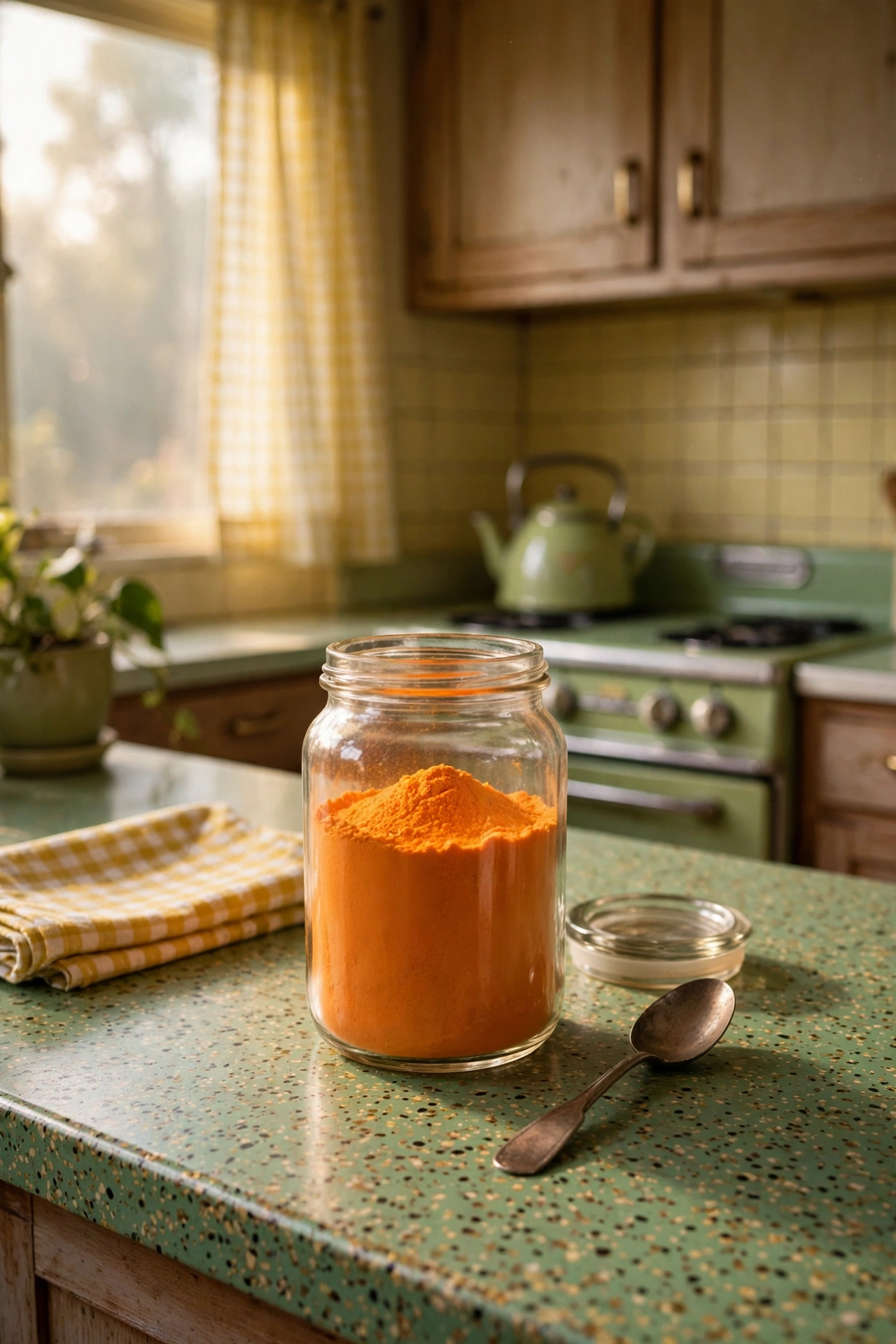
Before it was a drink, Tang was a piece of the space age sitting on the kitchen shelf. The orange-flavored powdered mix had been around since the late 1950s, but it became a household name when NASA carried it aboard the Gemini flights in the 1960s — and suddenly every kid wanted the drink the astronauts drank. Mothers kept the big glass jar on the counter, and a spoonful stirred into cold water was the taste of summer afternoons.
2. Colored Toilet Paper
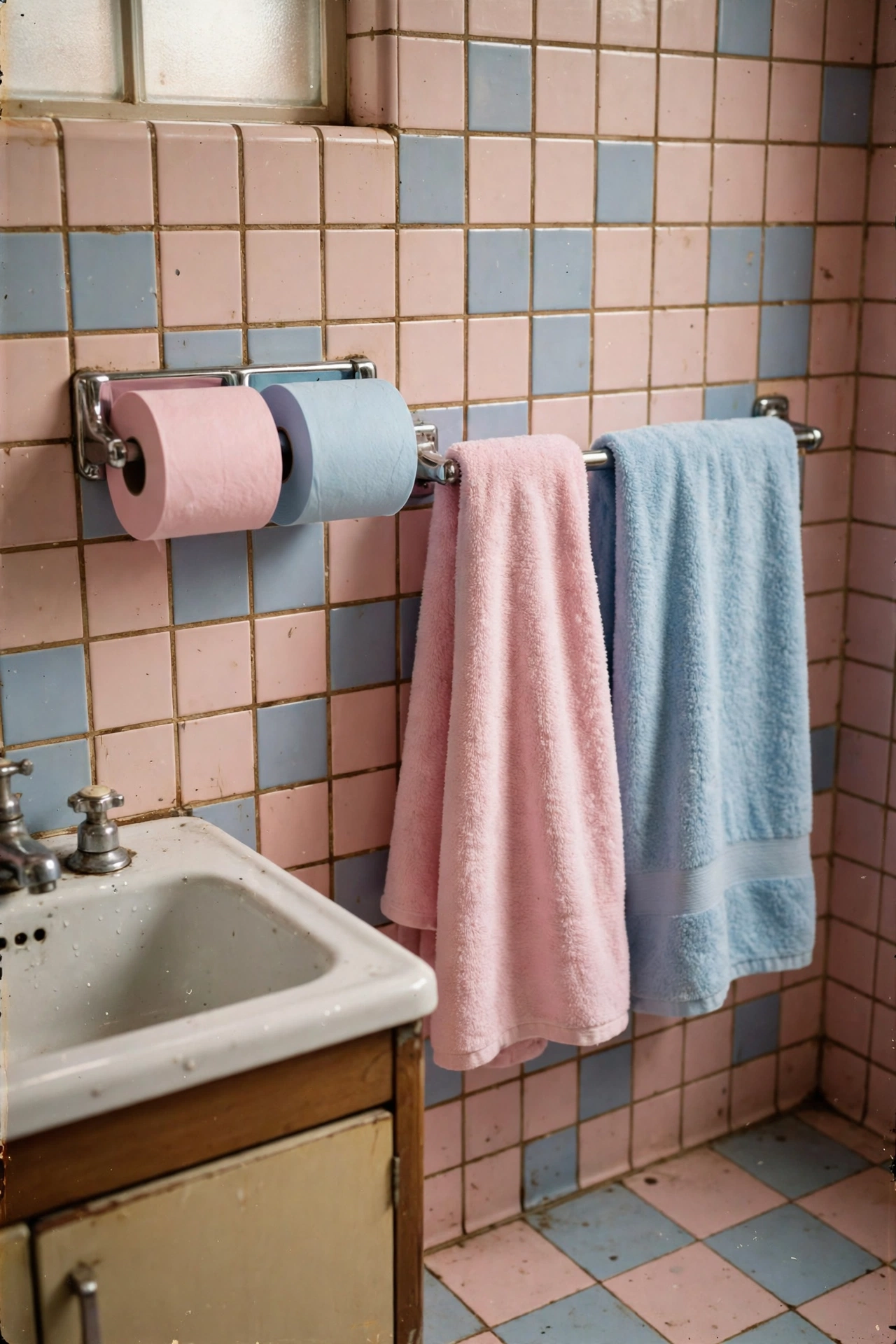
There was a time when the bathroom was a color-coordinated affair, right down to the toilet paper. Rolls came in pastel pink, baby blue, mint green, and sunny yellow, chosen to match the towels, the tiles, and the toilet itself. It looked cheerful and completely normal — until the 1980s, when worries about dyes and the environment quietly turned the whole aisle white again.
3. Crocheted Doll Toilet-Paper Covers
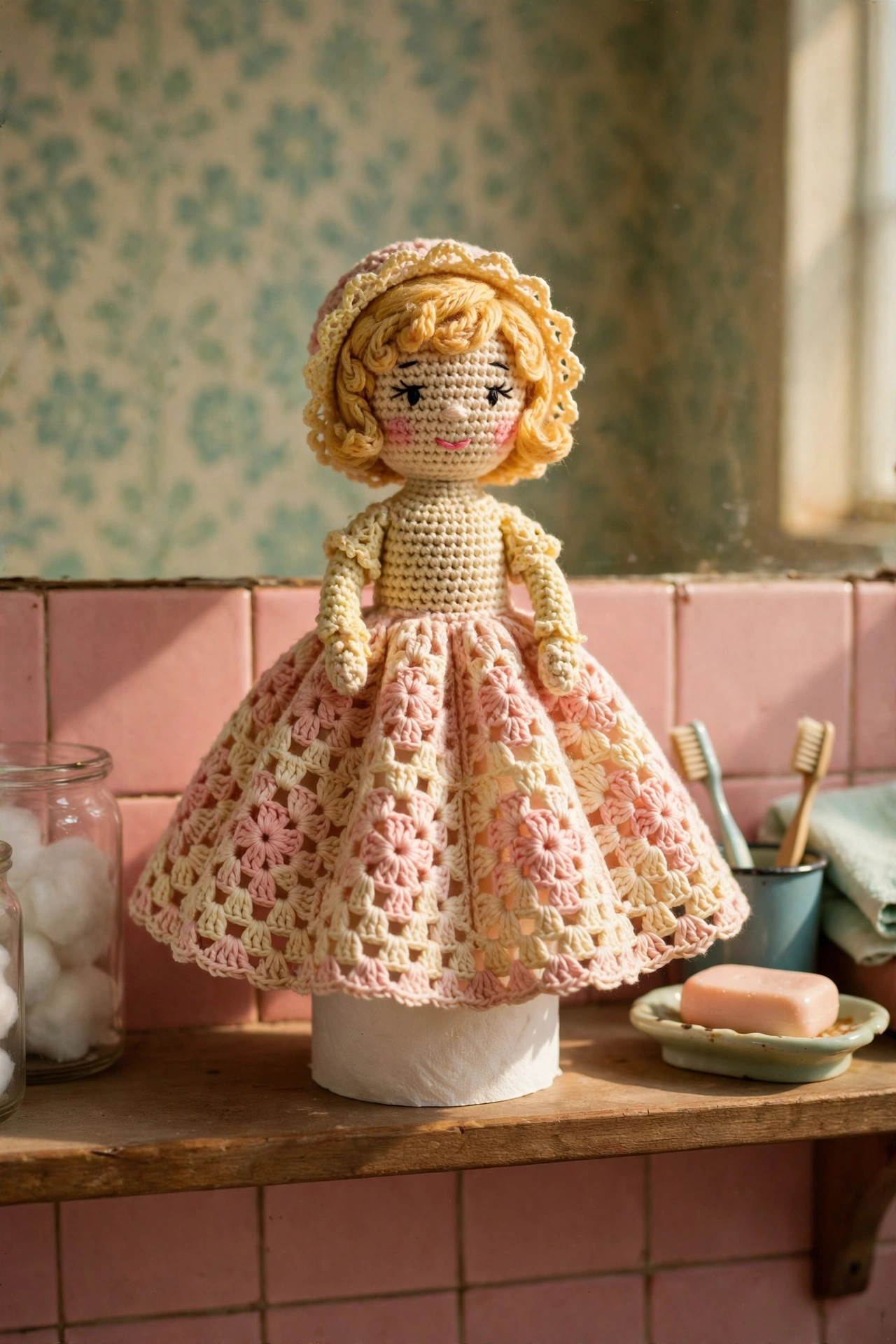
Every spare roll needed a hiding place, and in many homes that hiding place wore a dress. The crocheted doll cover — a little doll whose wide skirt concealed an extra roll — sat on the back of the toilet like a tiny chaperone. Mothers and grandmothers made them by hand, and no two were quite alike, which was exactly the point.
4. Built-In Ashtrays Beside the Toilet
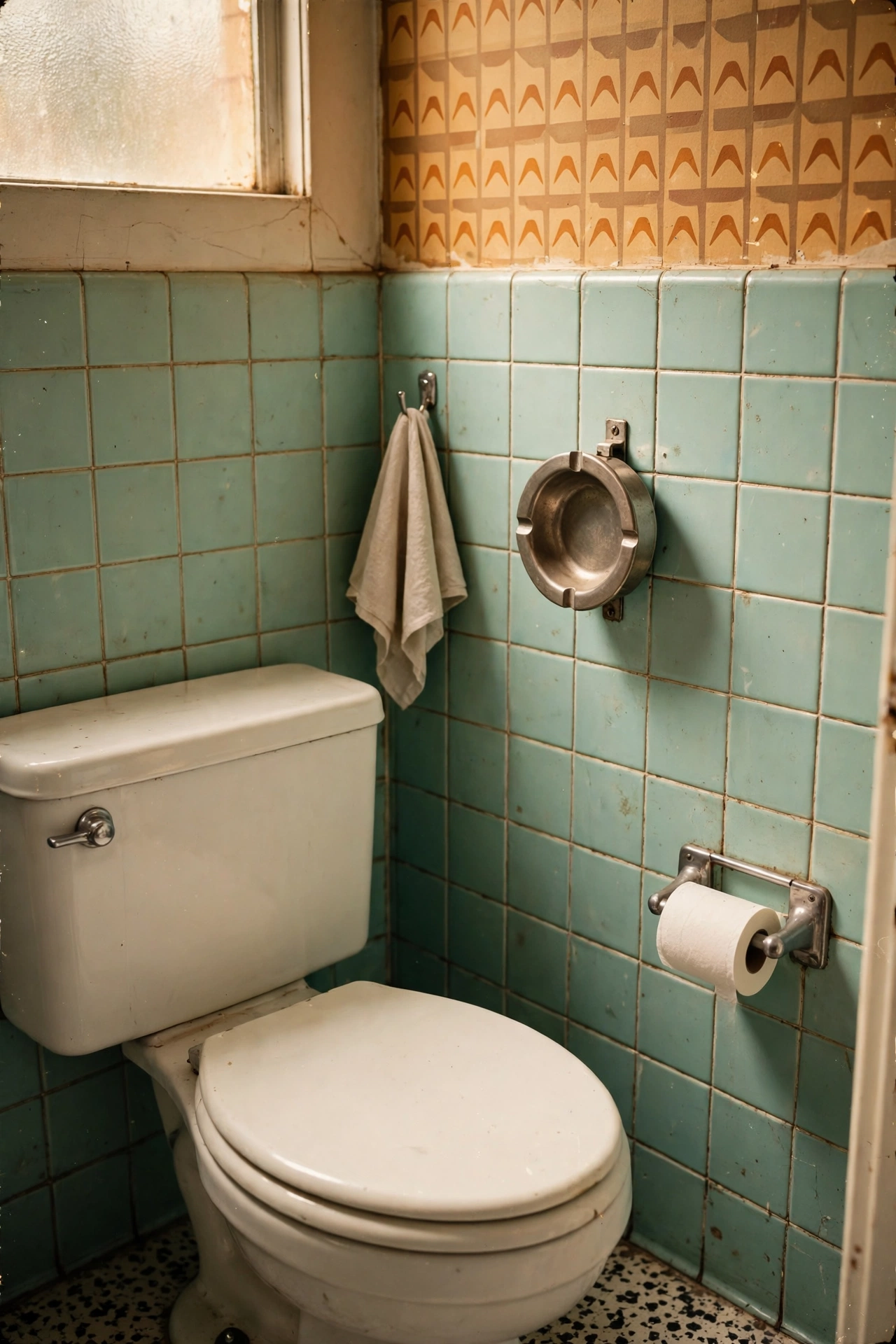
Smoking was once so woven into daily life that even the bathroom had a place for it. Many homes had a small metal ashtray built right into the wall or the vanity, inches from the toilet, so a cigarette had somewhere to rest. It seems unthinkable now — but in an era when ashtrays sat on every coffee table and desk, the bathroom was simply keeping up.
5. Drive-Through Photo Kiosks
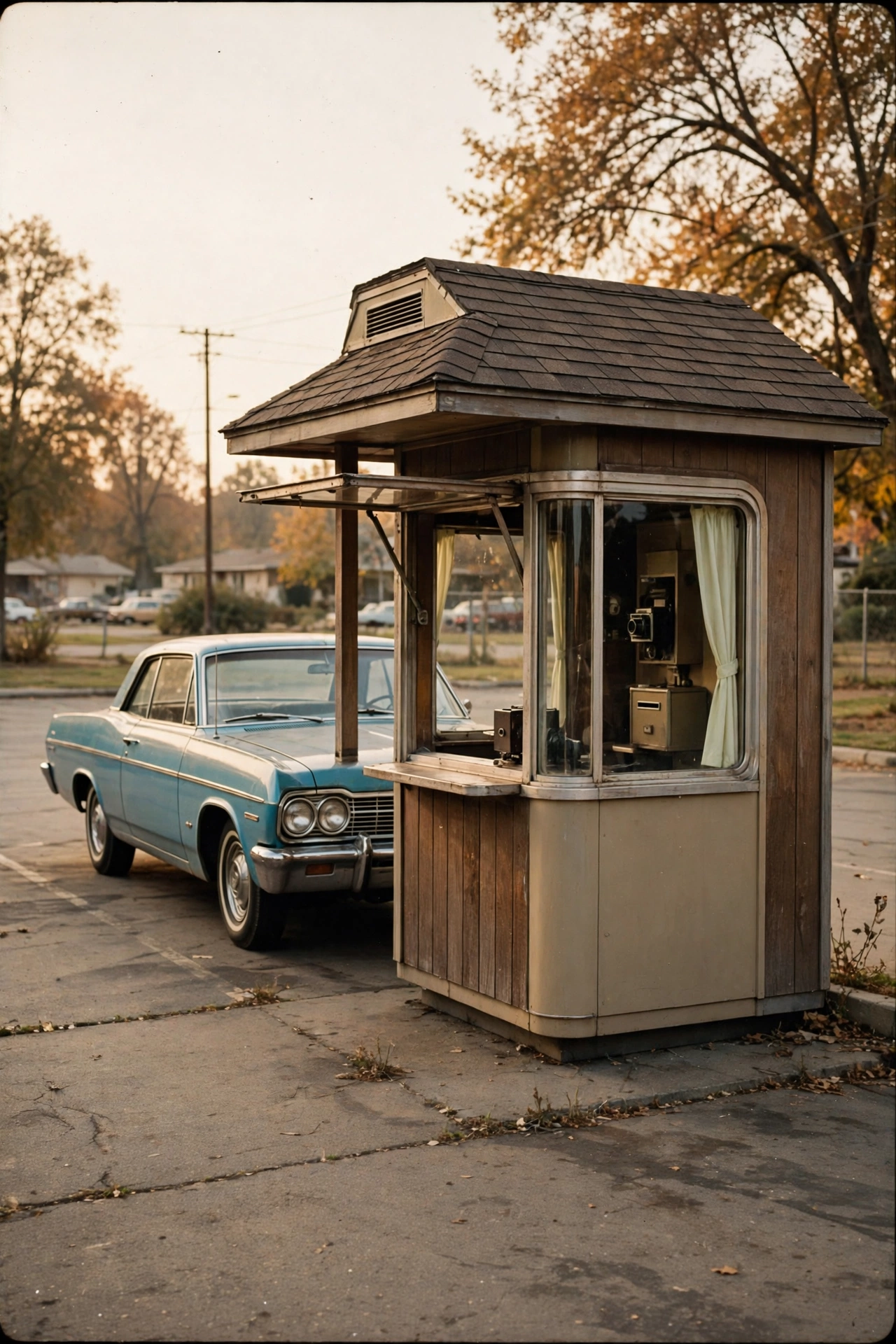
Long before same-day prints and phone cameras, getting your photos meant a trip to a tiny booth in a parking lot. Companies like Fotomat, founded in 1965, built thousands of little drive-through kiosks where you dropped off a roll of film and came back days later to collect your prints. The wait was agonizing — and half the fun was discovering, a week later, what you had actually photographed.
6. Clicker TV Remotes
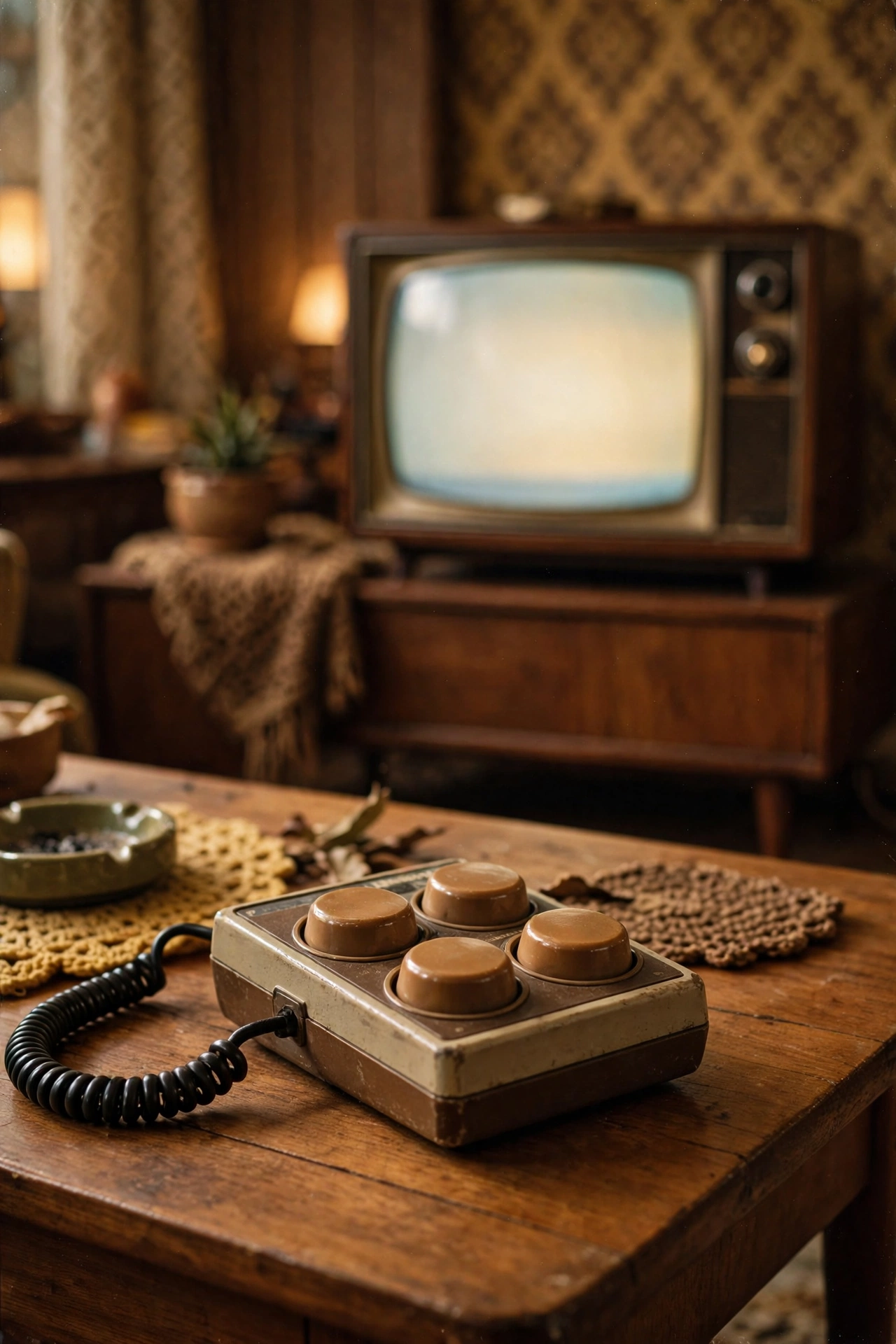
The first television remotes did not use infrared light at all — they used sound. Zenith’s Space Command, introduced in 1956, worked with ultrasonic clicks that you could hear as a faint metallic snap, which is how the remote earned its nickname: the clicker. It had only a few big buttons, it weighed a ton, and losing it meant getting up to change the channel like everyone else.
7. Ambrosia Salad at Every Cookout
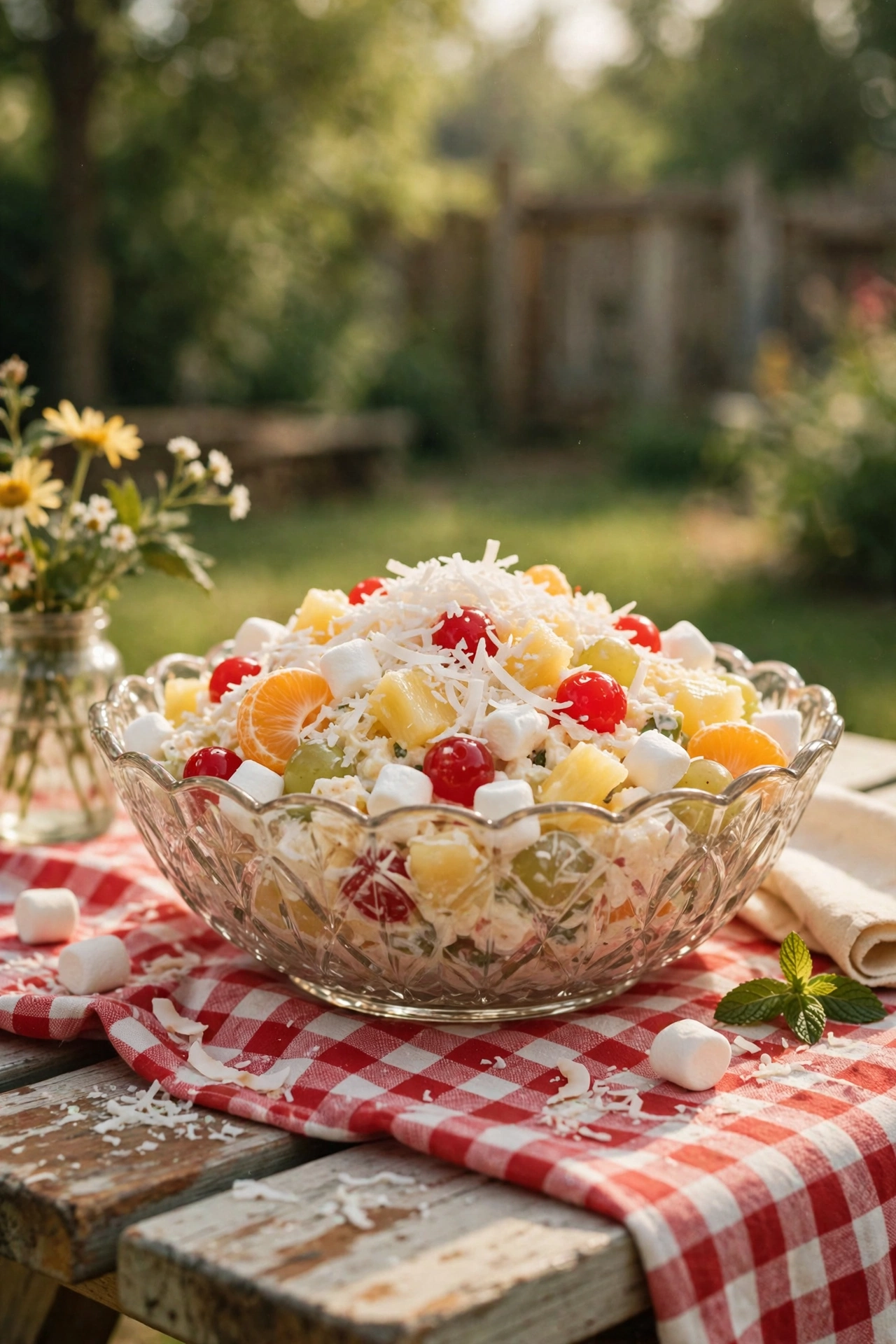
No summer gathering was complete without the big glass bowl of ambrosia. Fruit cocktail, mandarin oranges, shredded coconut, and a mountain of miniature marshmallows, all folded into whipped topping — it was sweet, fluffy, and proudly served as a salad. Every family had its own version, and every family was convinced theirs was the right one.
8. Elaborate Jell-O Molds
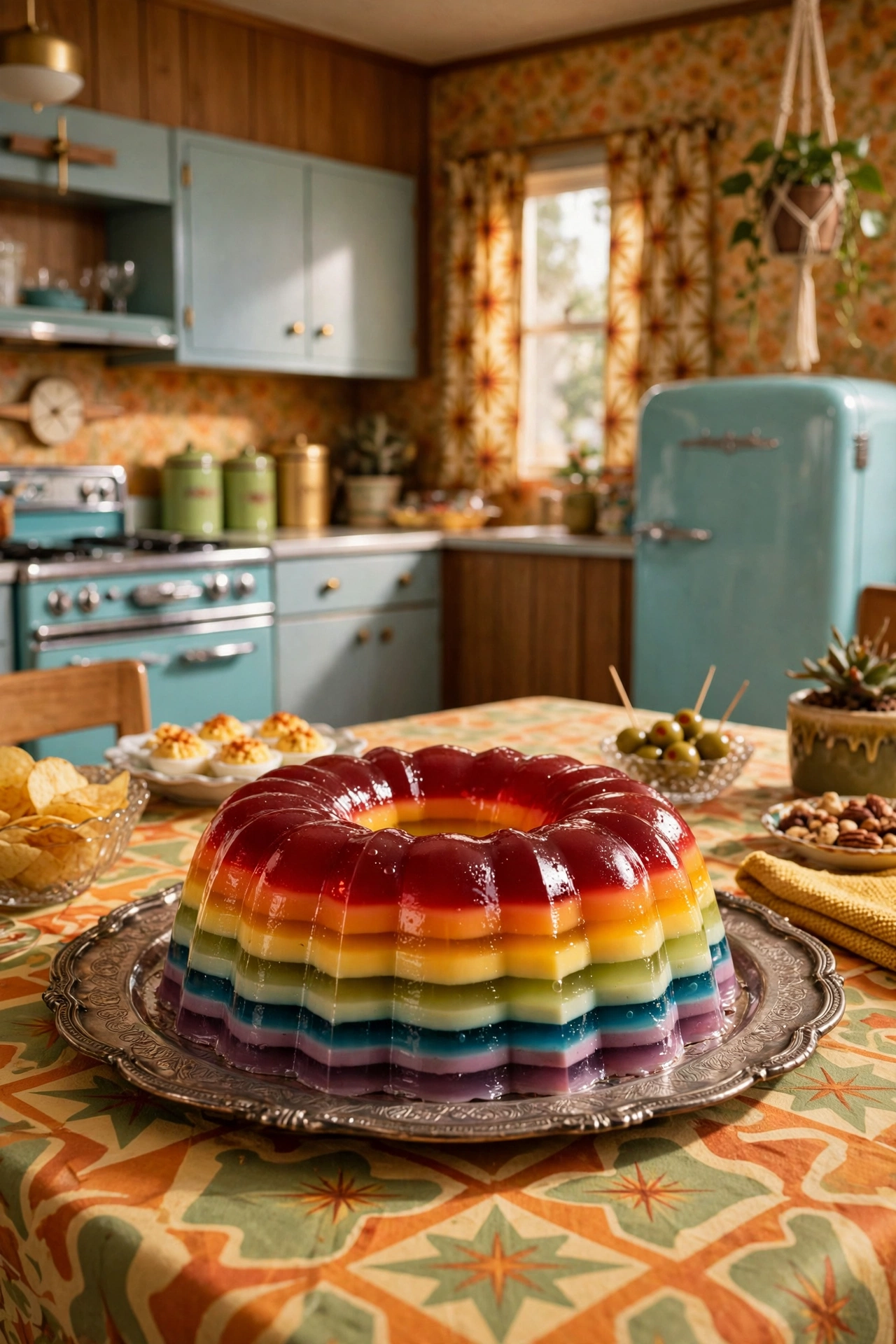
In the 1950s and 60s, a hostess proved her skill with a mold. Layered gelatin desserts — sometimes studded with fruit, sometimes with vegetables, sometimes with both at once — were unmolded onto platters with great ceremony and served as the centerpiece of the table. The wobblier and more ambitious the mold, the more impressive the cook.
9. Homemade Birthday Cakes
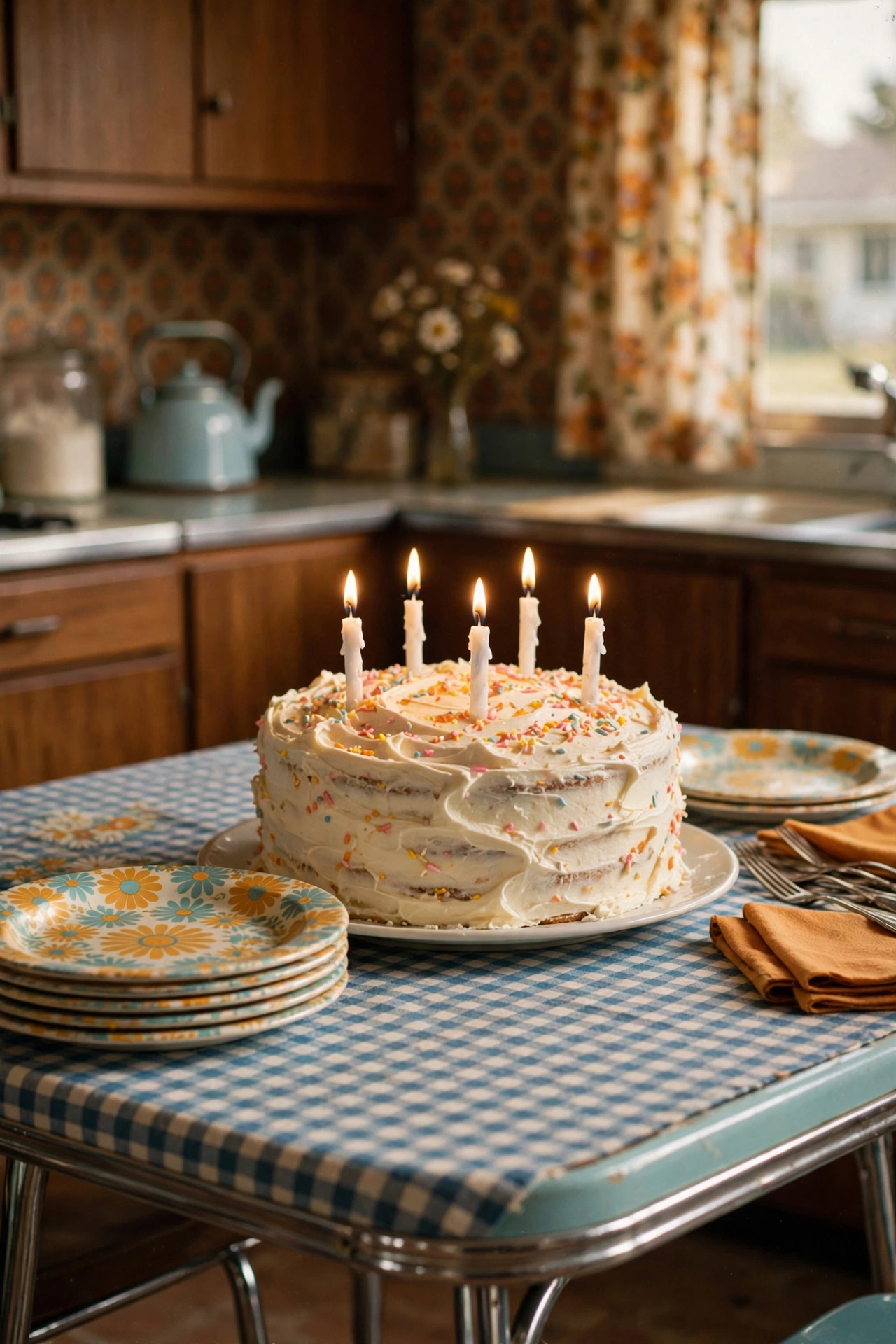
Bakery cakes were a luxury, so most birthday cakes were baked at home — often from a box mix, which companies like Betty Crocker and Duncan Hines had made a kitchen staple by the 1950s. The frosting might be a little lopsided and the candles might lean, but the cake was yours, made in your own oven, and that made it taste better than anything from a shop.
10. S&H Green Stamps
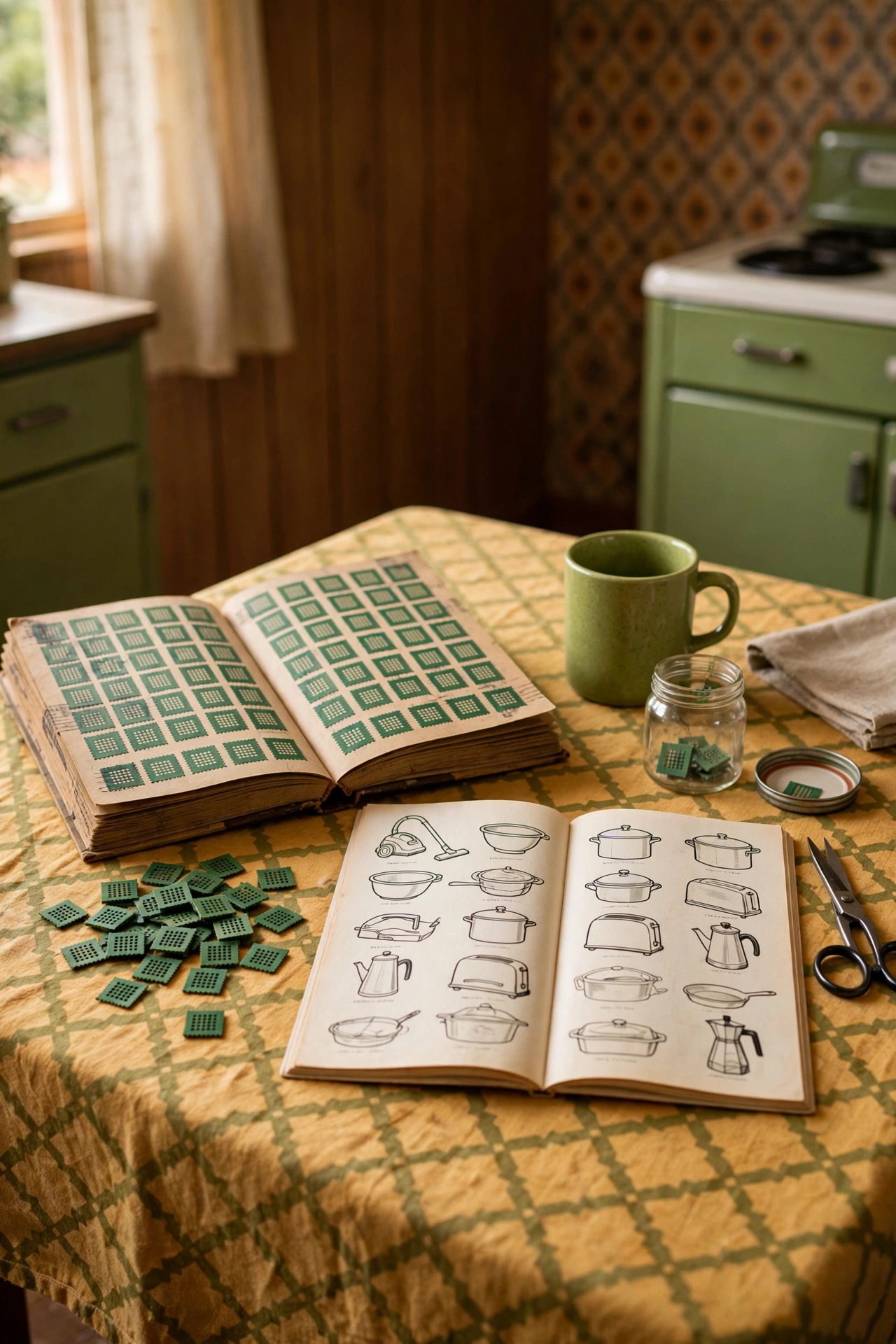
At their peak in the 1960s, S&H Green Stamps were practically a second currency. Supermarkets, gas stations, and department stores handed out the little green stamps with every purchase, and families pasted them carefully into saver books. When a book was full, it was traded in for merchandise from the S&H catalog — a toaster, a lamp, a bicycle — earned one stamp at a time.
11. Roller Skate Keys
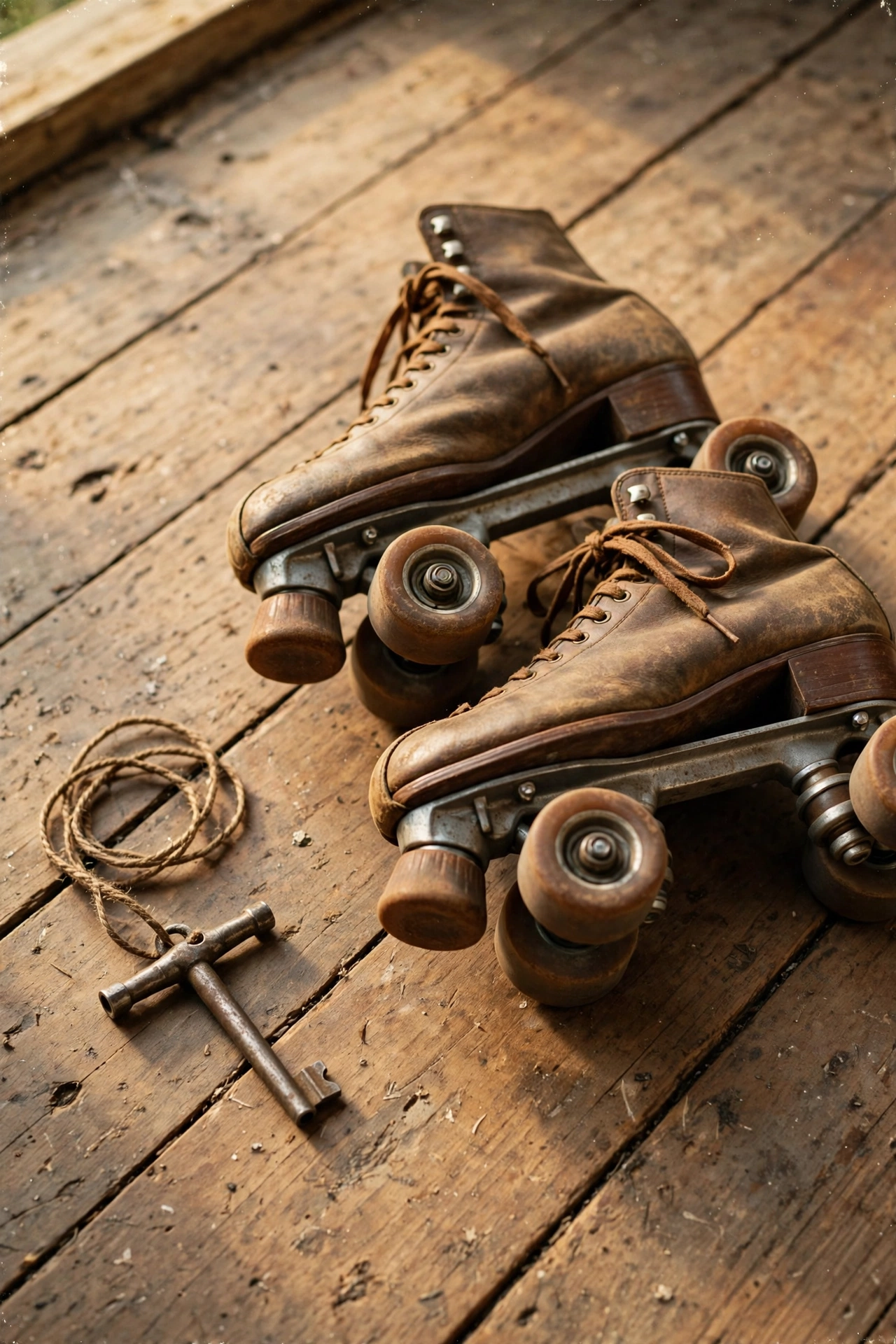
Before skates came in sizes, they clamped onto your shoes — and the key was everything. The metal roller-skate key, usually worn on a string around your neck, tightened the clamps and adjusted the fit, and losing it meant the end of the afternoon. Every kid knew the weight of that little key and the panic of it going missing mid-race.
12. Metal Toy Cap Guns
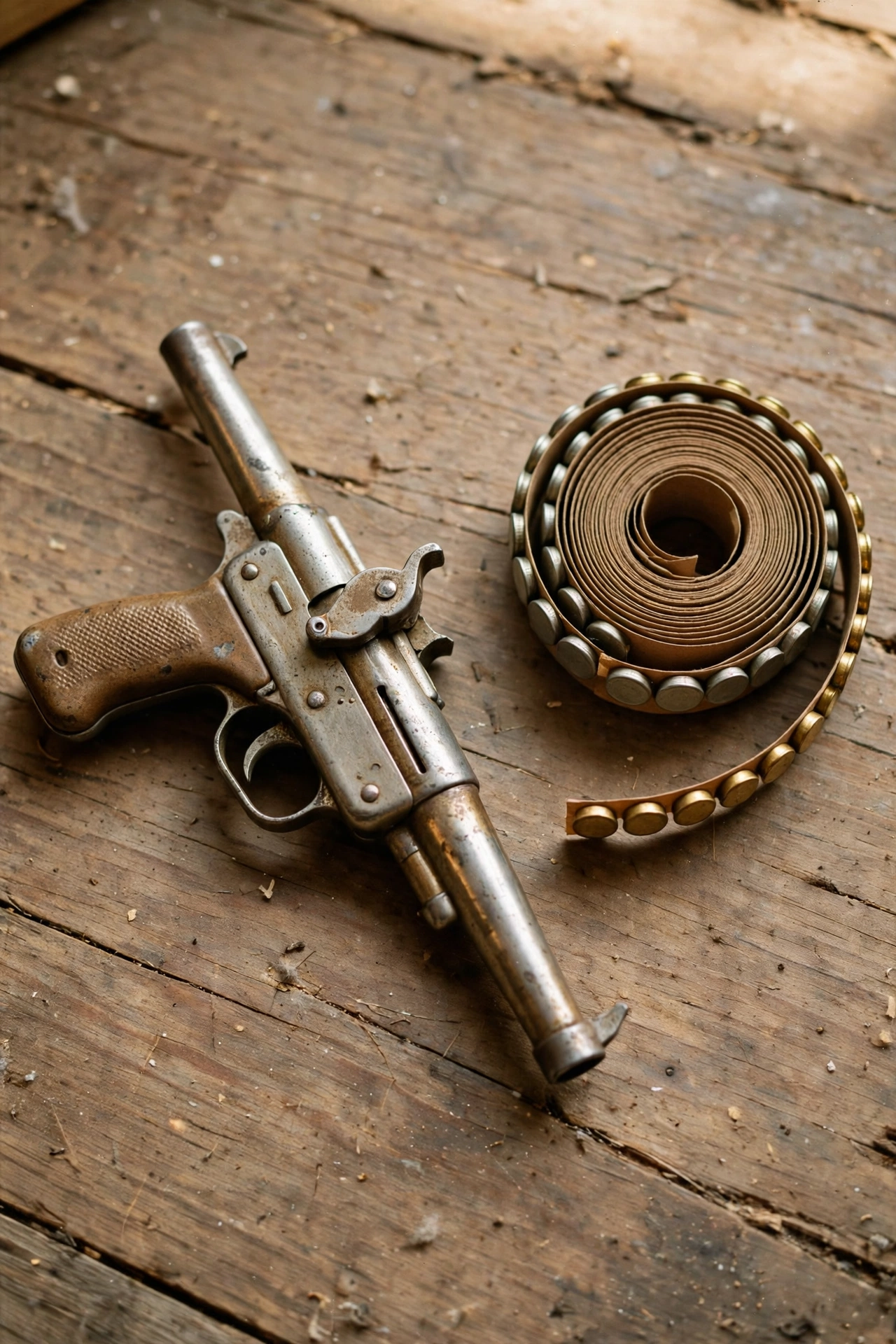
The toy cap gun was a rite of passage: a heavy metal revolver or rifle that fired tiny paper caps with a satisfying bang and a puff of smoke. Cowboys and outlaws, cops and robbers — every backyard showdown ran on rolls of caps, and the smell of the spent powder was as much a part of playtime as the game itself.
13. Bubble Gum Cigarettes
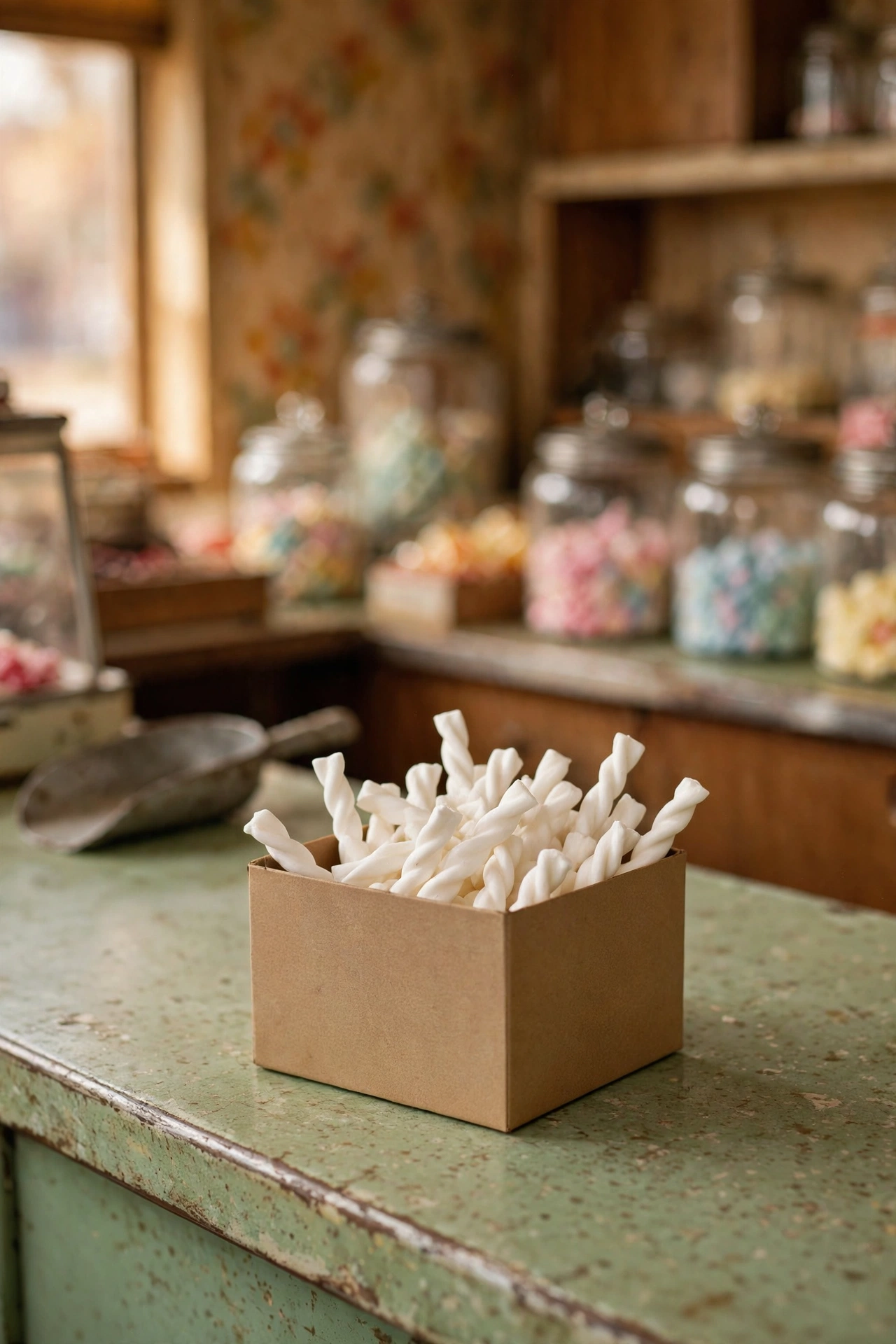
They were white candy sticks in a little box designed to look like a pack of cigarettes, and every kid in the neighborhood had them. You could even blow through one and send out a puff of powdered sugar like smoke. Decades later the packaging changed and the name became “candy sticks” — but boomers still remember exactly what they were called first.
14. Candid Childhood Snapshots
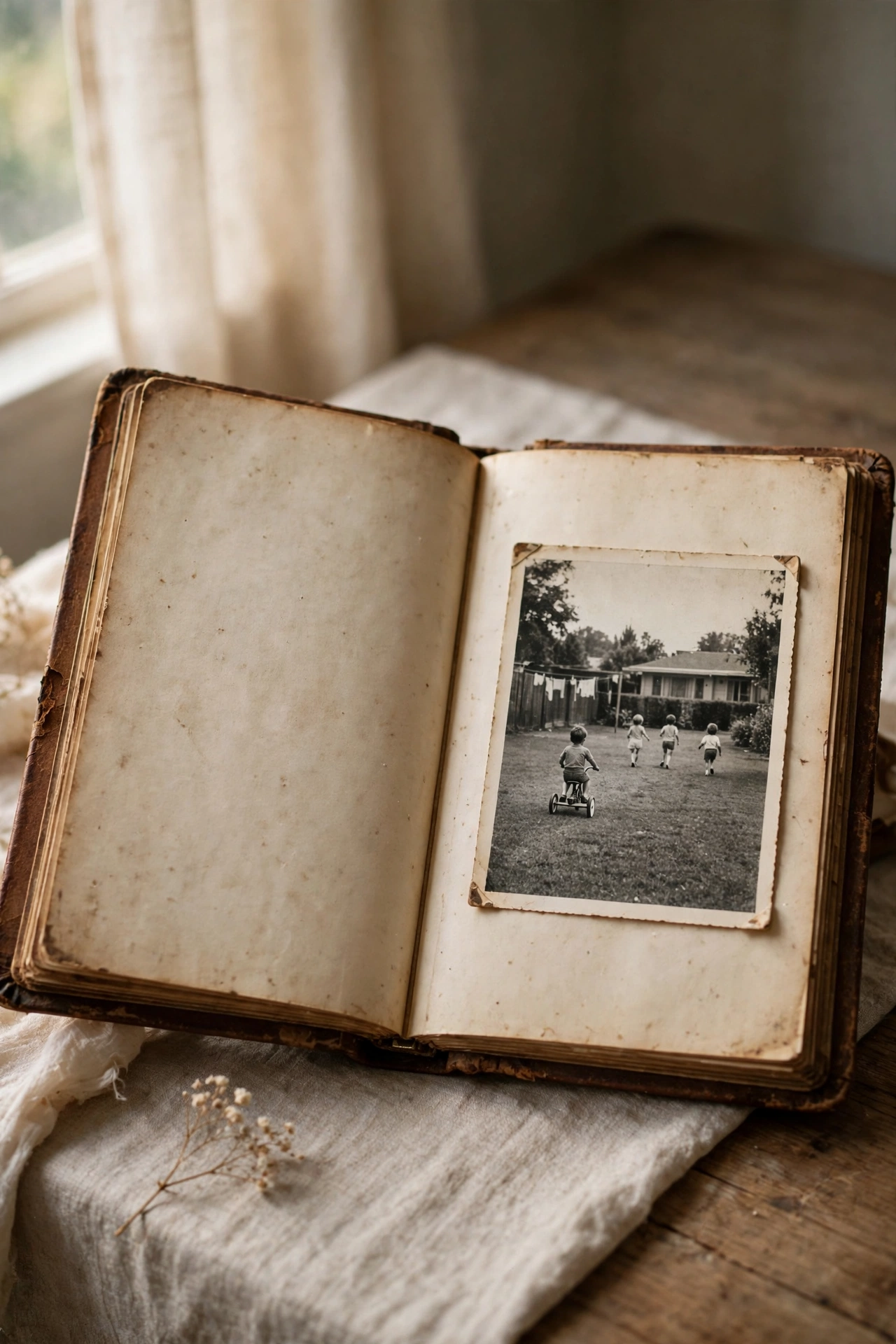
Film cost money and developing took days, so nobody posed for twenty takes. The family camera caught life as it happened — a child mid-cry, mid-laugh, or mid-tantrum, snapped on a whim with no warning and no retakes. Those unpolished, slightly blurry prints are the ones families treasure most today, because nobody in them is performing.
15. Drive-In Movie Speakers
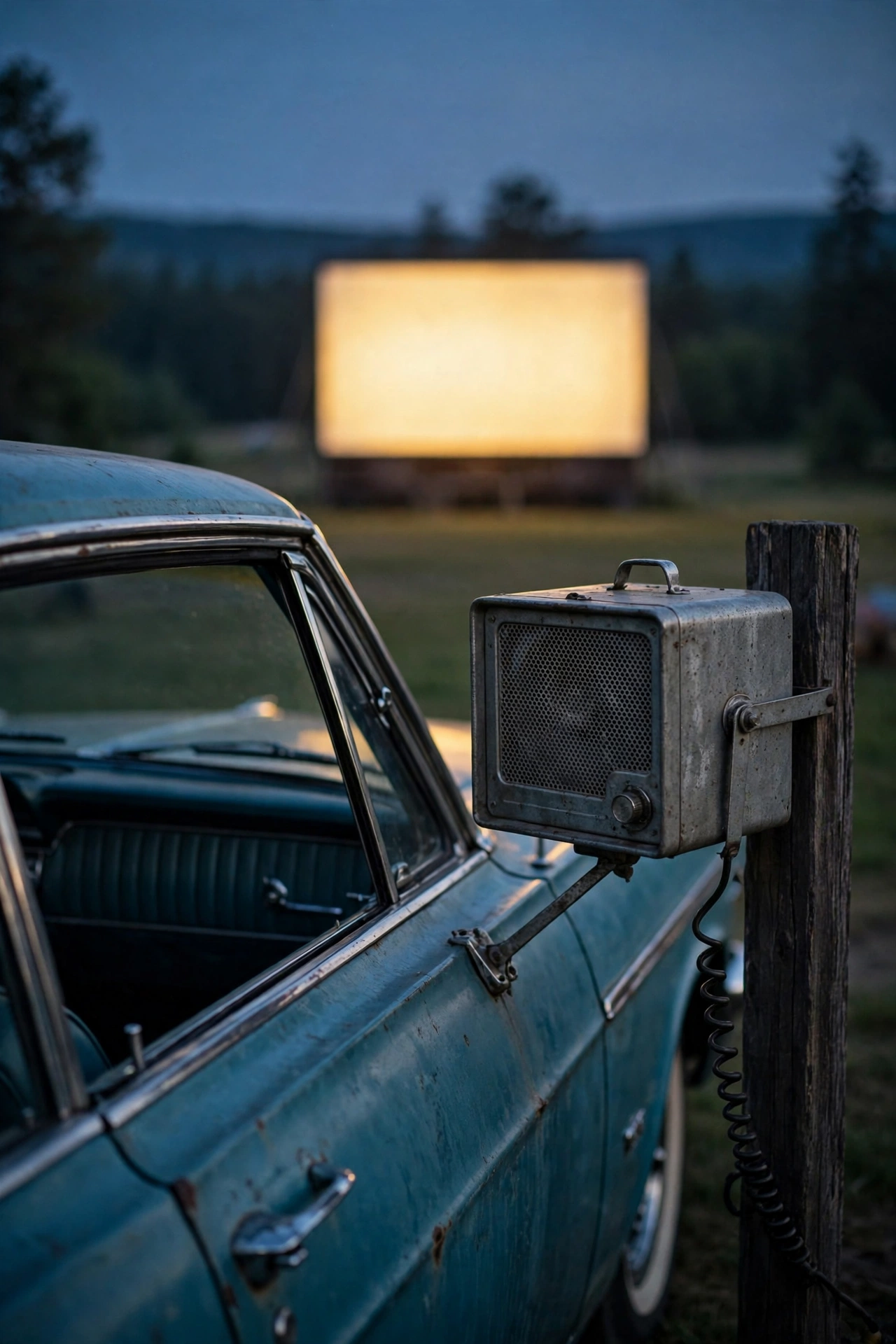
Every parking spot at the drive-in had its own little metal speaker on a post, and part of the ritual was reaching out the window to hook it onto the car door. The sound was tinny and the volume knob was temperamental, but it was yours — and forgetting to unhook it before driving off was a mistake you only made once.
16. Phone Booths With Phone Books
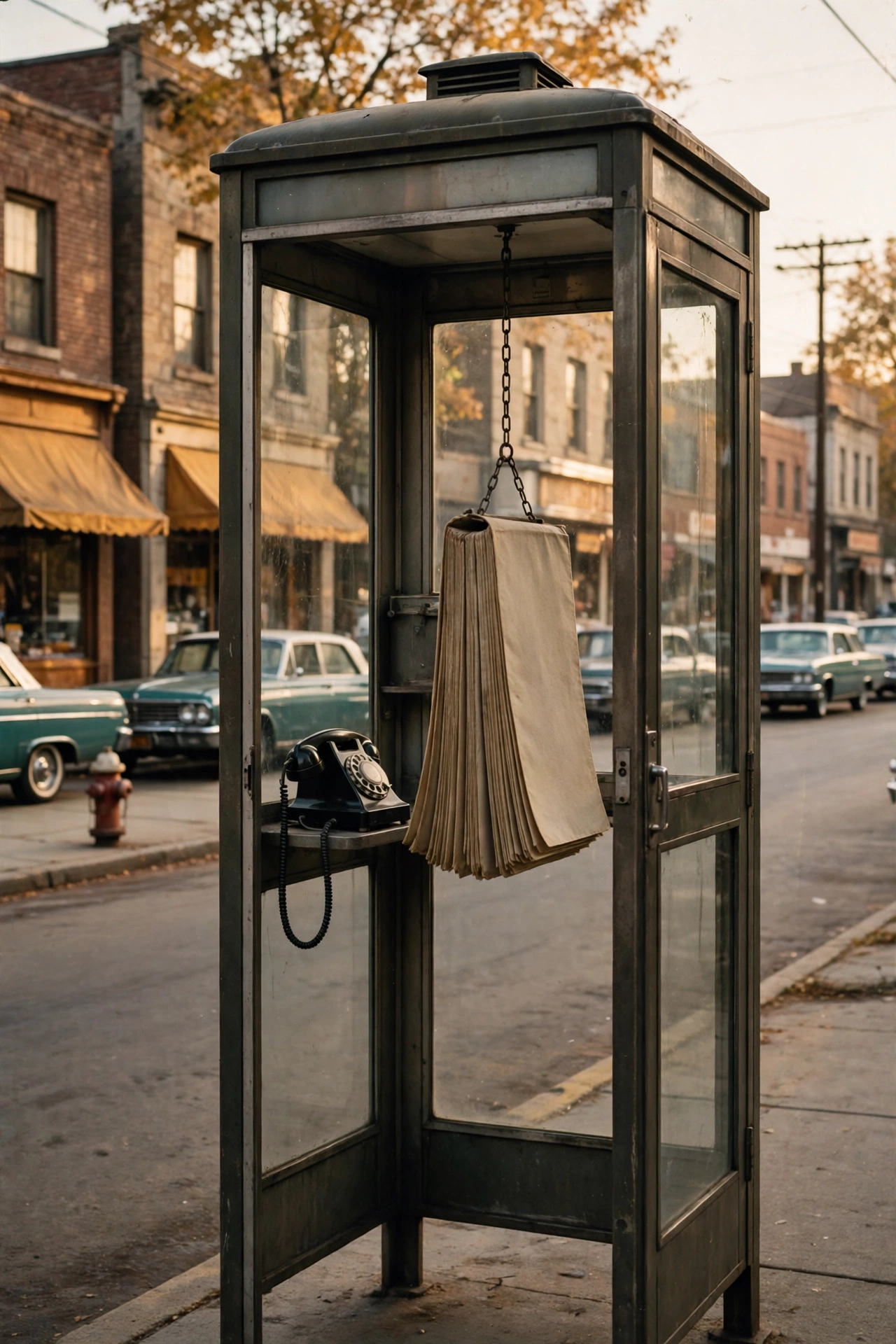
The glass phone booth on the corner was a small office, a meeting point, and a lifeline all at once. Inside, chained to the wall, hung a thick phone book — and if you needed a number, you looked it up right there, standing in the booth with the door folded shut. It was slow, it was public, and it worked for an entire generation.
17. TV Dinners in Aluminum Trays
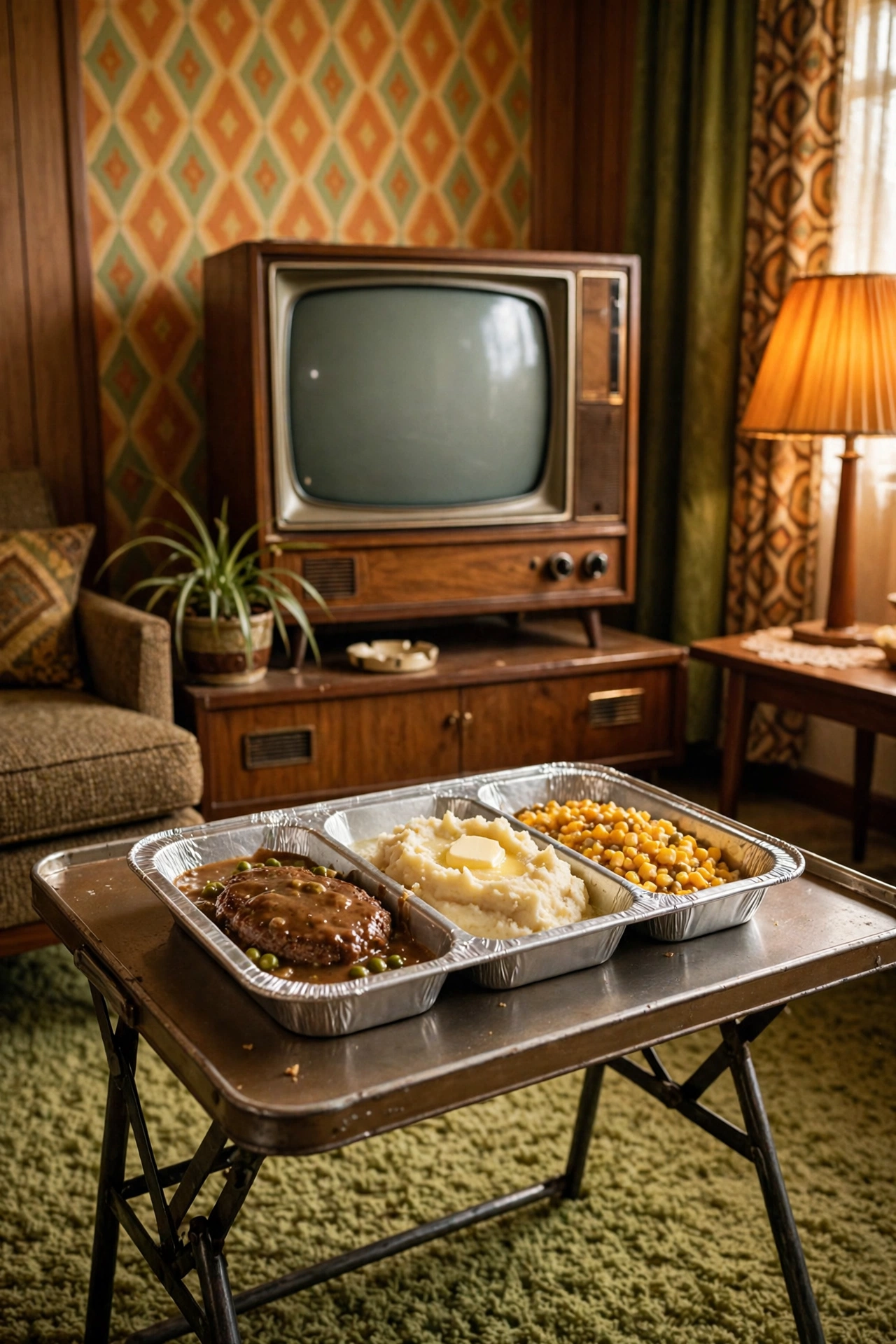
Swanson sold the first TV dinner in 1953 — a turkey dinner with all the trimmings, packed into a compartmentalized aluminum tray, for 98 cents. It was designed to be eaten on a tray in front of the television, and that is exactly what families did. The mashed potatoes never quite heated evenly and the dessert always ended up warm, but the idea — a whole meal, no dishes — changed how America ate dinner forever.
18. Electric Skillet Frying Pans
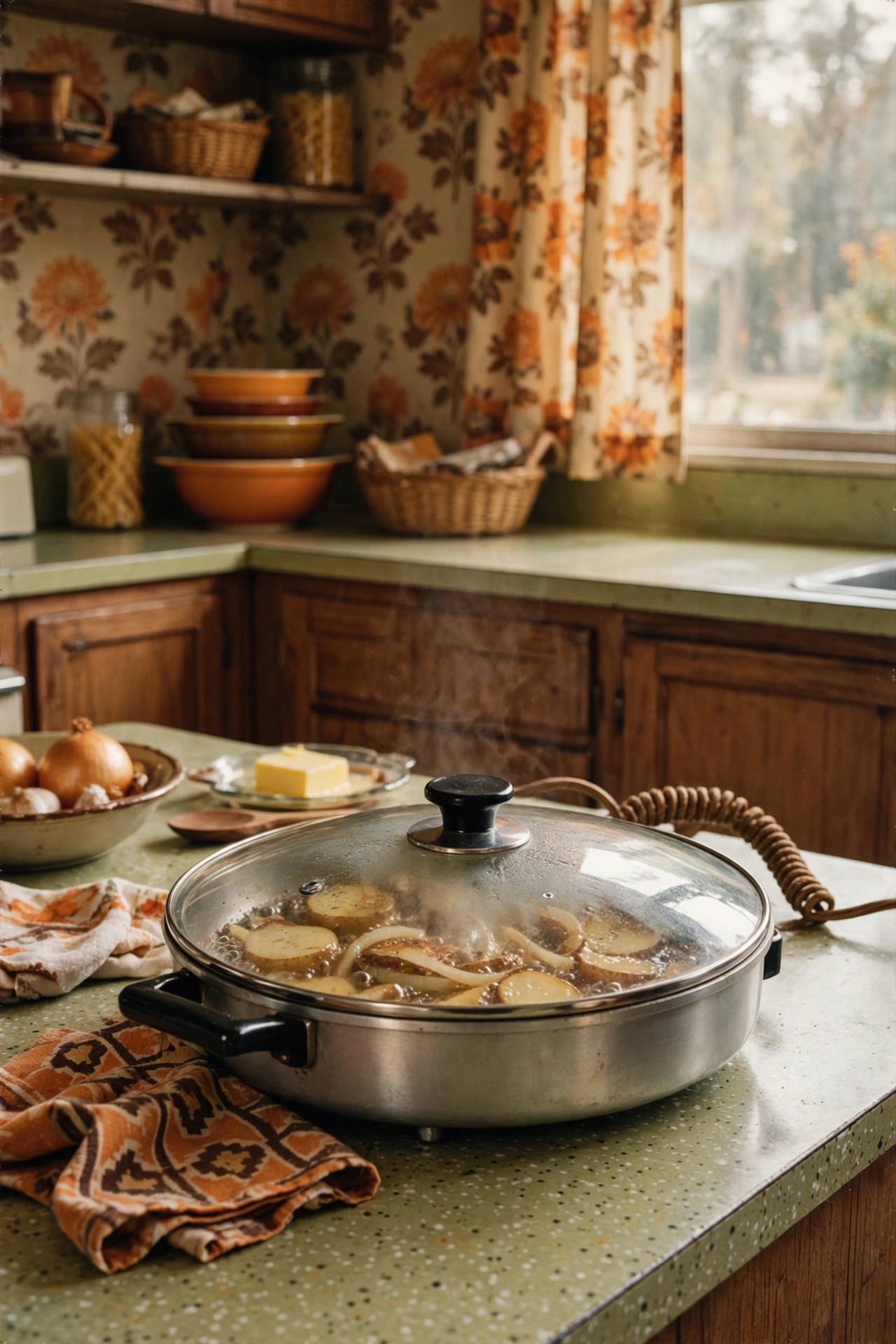
The electric skillet was the gadget every 1960s kitchen had to have: a big countertop frying pan with its own plug and temperature dial, promising to fry, simmer, and even bake. It sat on the counter like a small appliance with big ambitions, and for a decade it was the star of church suppers, potlucks, and weeknight dinners alike.
19. Sunday Nights With Bonanza
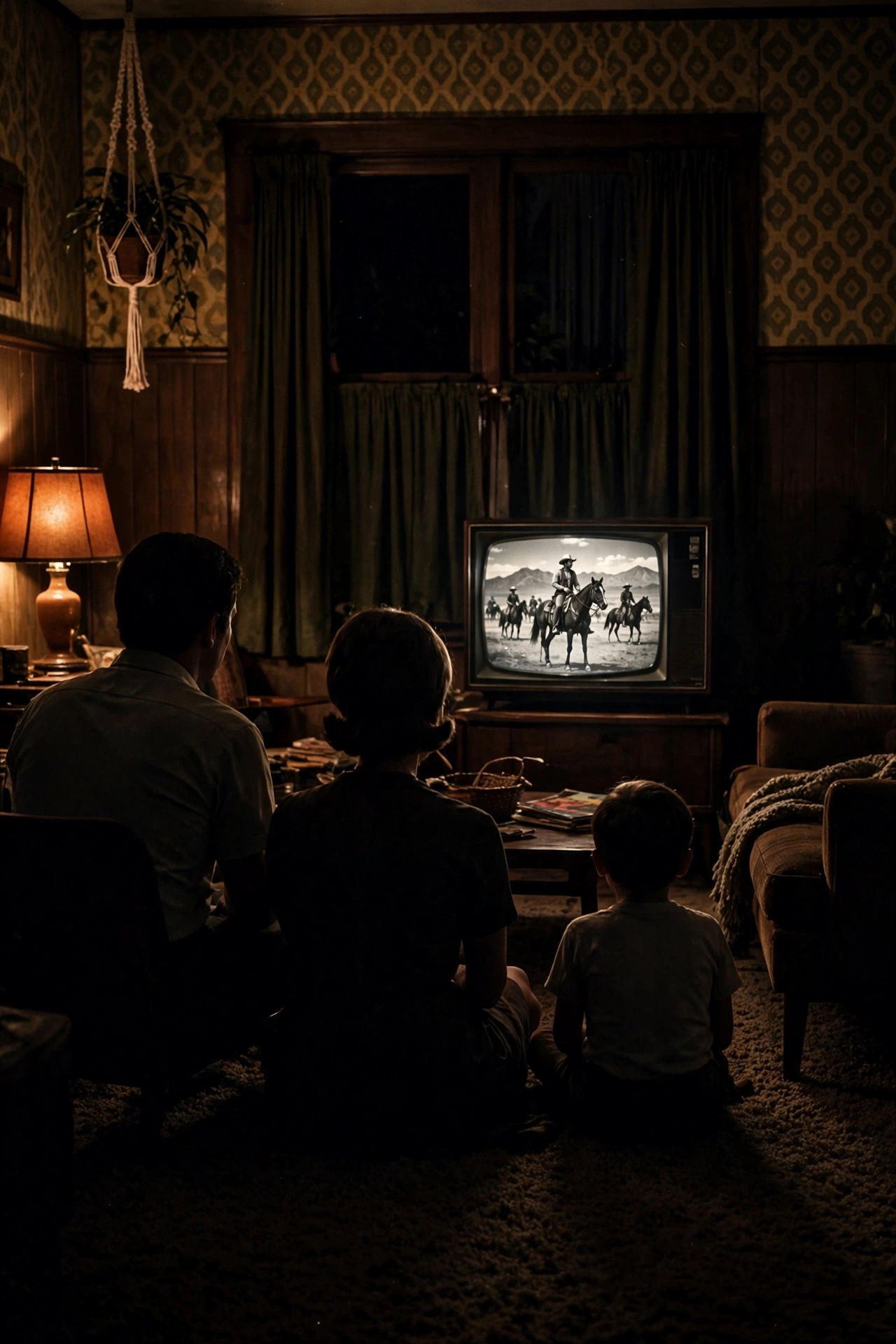
For fourteen seasons, from 1959 to 1973, Sunday night belonged to the Cartwrights. Bonanza — the long-running western about the Ponderosa ranch — was a fixture of the family week, and the whole household arranged itself around it. The theme music alone could empty a kitchen, and missing an episode meant waiting for a summer rerun to find out what happened.
20. Saturday Variety Shows
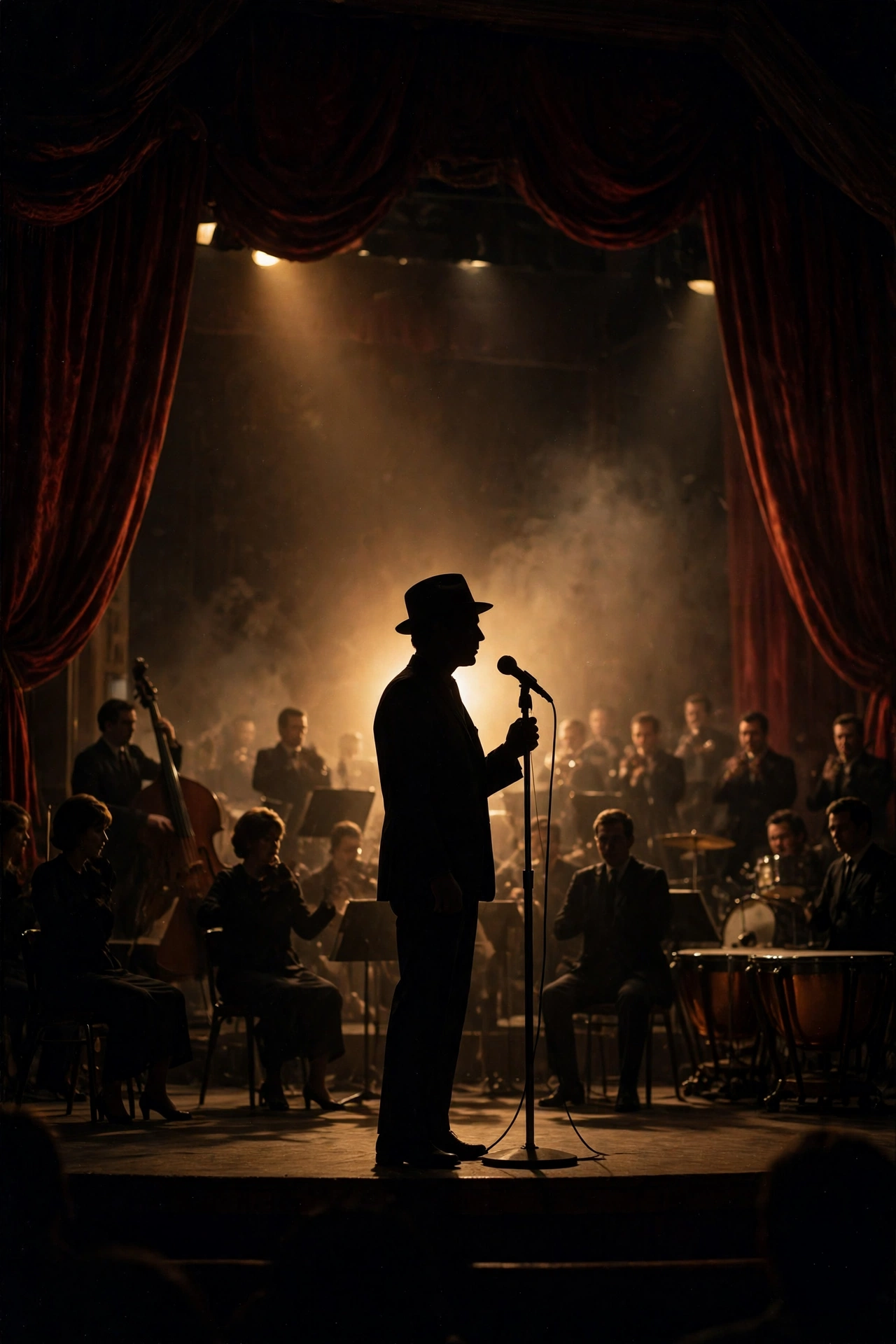
Before streaming and cable, Saturday night television was a variety show: a crooner, a comedian, a dance troupe, and a special guest, all in one glittering hour. The Dean Martin Show, which ran on NBC from 1965 to 1974, was the very model of it — relaxed, glamorous, and built around a host who made everything look effortless. The whole family watched together, because there was only one television and only one show that mattered.
21. Duck-and-Cover Drills
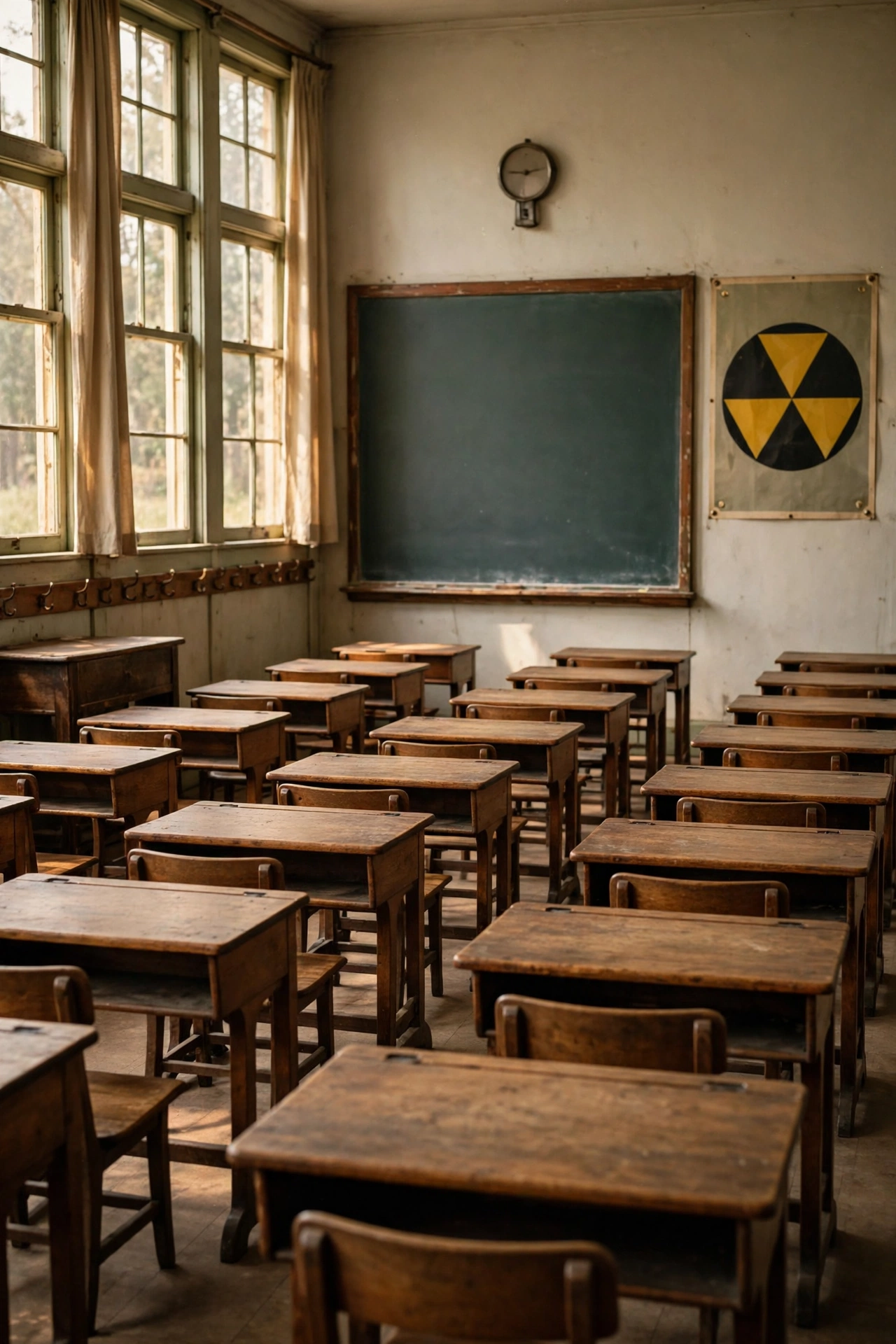
During the Cold War, schoolchildren practiced for the unthinkable by ducking under their desks and covering their necks — the famous “duck and cover” drill, taught with an instructional film in 1951 and repeated in classrooms across the country. Teachers rang a bell, children dropped to the floor, and then everyone went back to arithmetic. It was frightening and routine at the same time, which is perhaps the most 1950s thing about it.
22. Wax-Paper-Wrapped Sandwiches
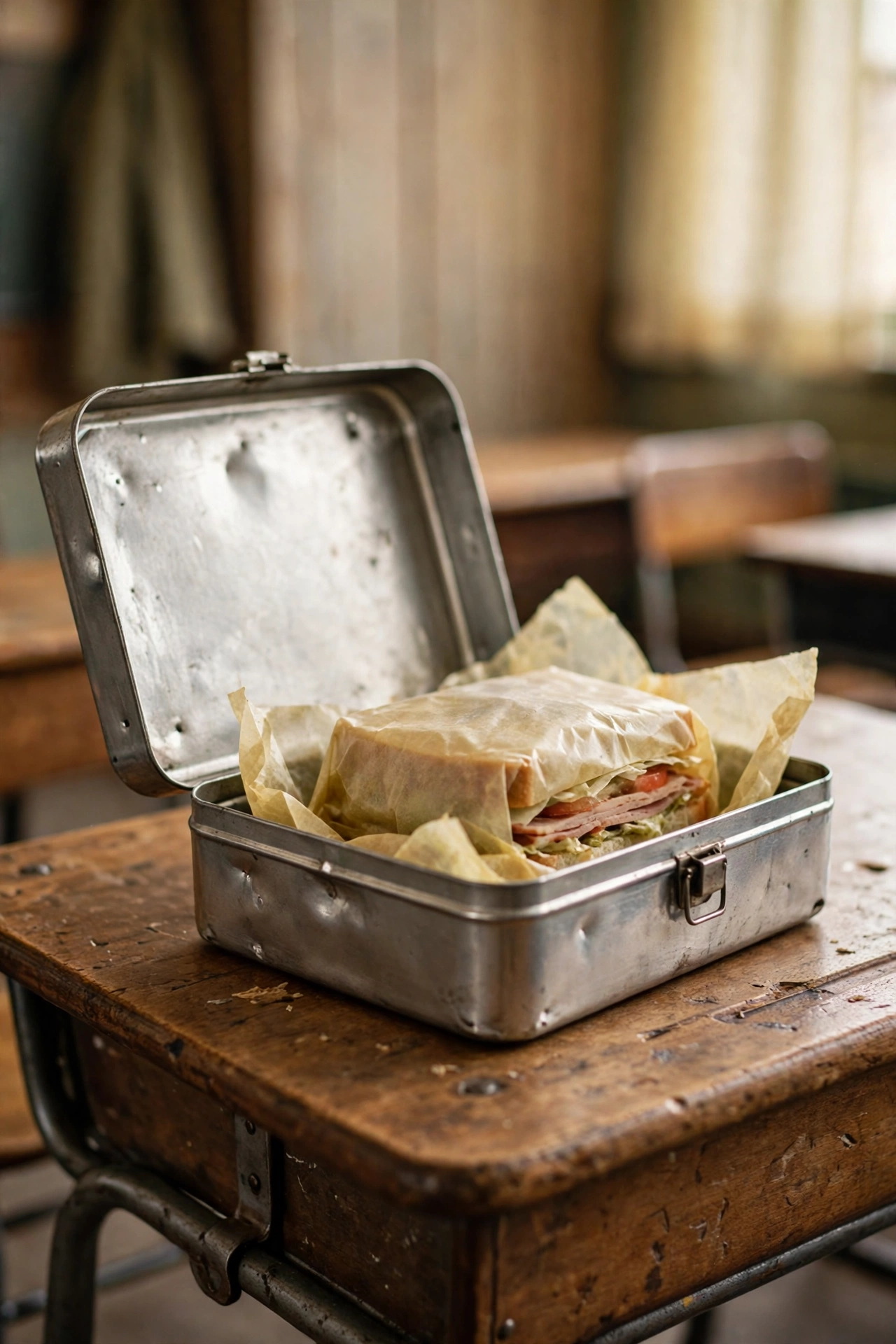
Long before zip-top bags, a sandwich went to school wrapped in waxed paper, folded neatly at the ends and tucked into a metal lunchbox. The paper kept the bread from drying out and peeled away with a satisfying crinkle at noon. Open a lunchbox today and the smell of wax paper is enough to send a boomer straight back to the cafeteria.
23. Coppertone and the Tanning Era
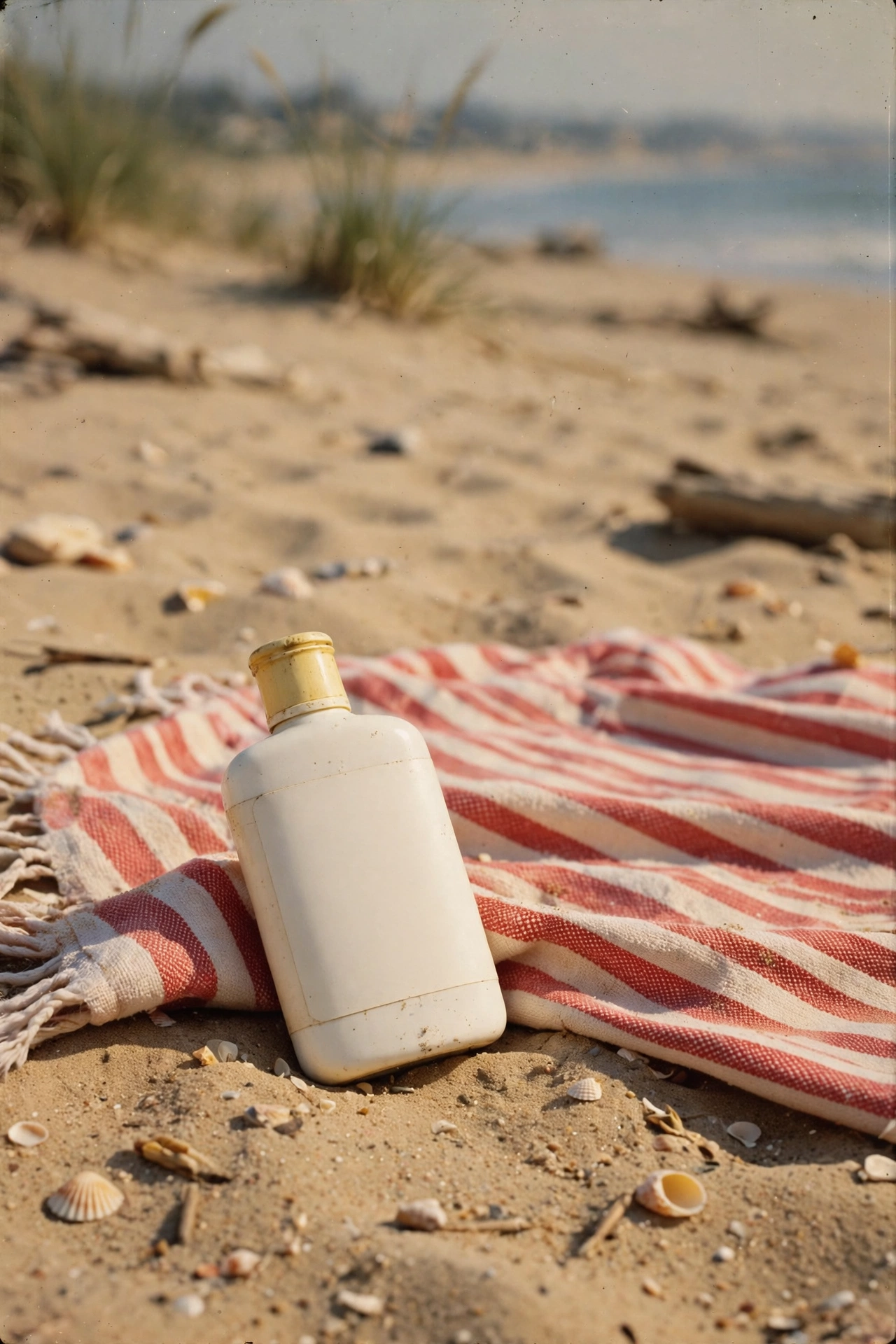
In the boomer years, a deep tan was the very picture of health and leisure — and Coppertone was the brand that sold it. Its cheerful ads, with the famous little dog tugging at a child’s swimsuit, promised a golden summer, and beach bags everywhere carried the familiar bottle. Sunscreen then was mostly about getting brown, not staying safe, and nobody thought twice about an afternoon in the sun.
24. Band-Aids in Tin Boxes
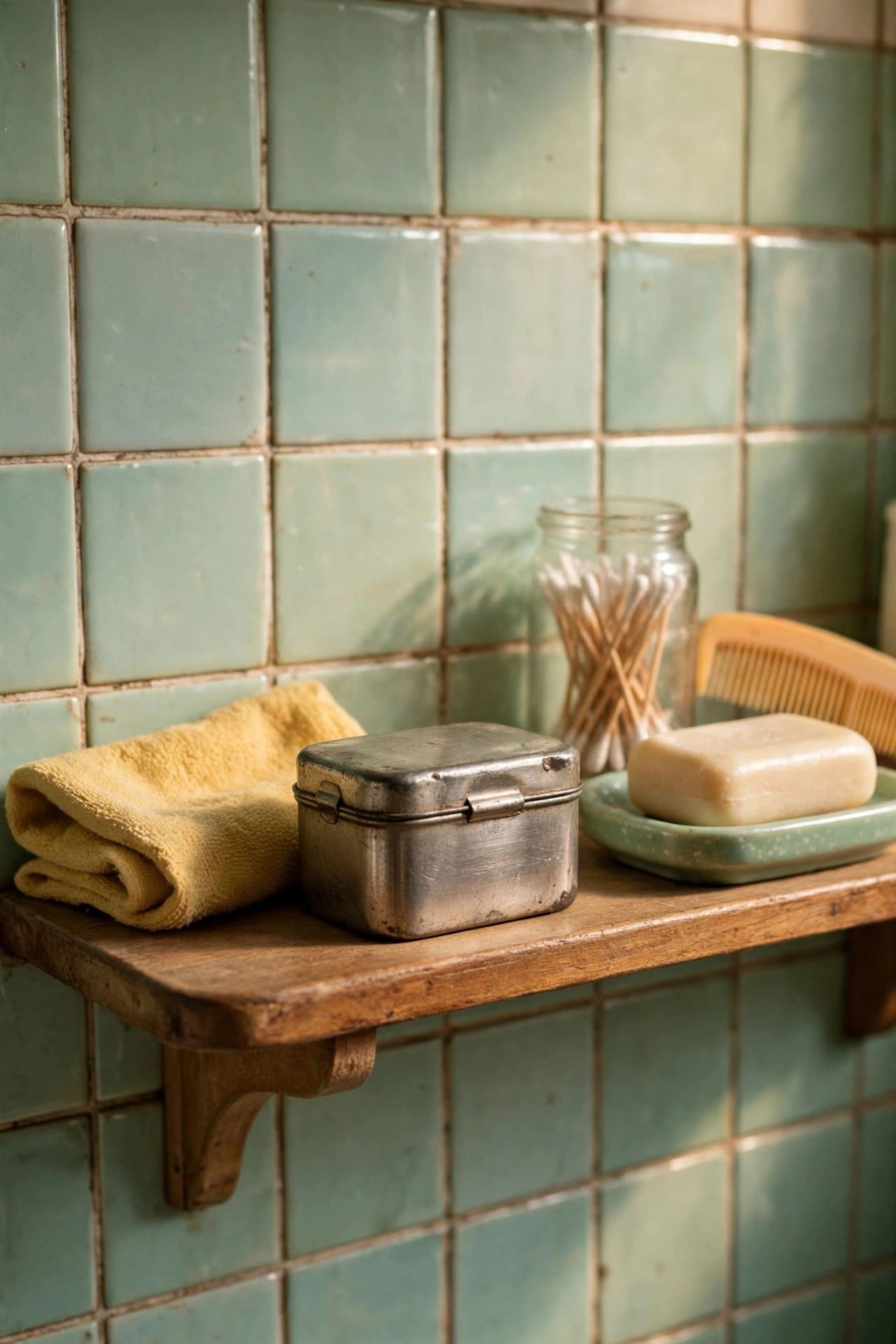
Adhesive bandages used to come in small metal tins with a hinged lid, the kind that clicked shut and lived in the bathroom cabinet for years. The tin itself was almost as useful as the bandages — it held pins, buttons, and treasures long after the last bandage was gone. Plastic boxes eventually took over, but the old tins still turn up in junk drawers today.
25. Chocks Vitamins

Chocks were the chewable vitamins of the boomer childhood: small, chalky, fruit-flavored tablets that mothers handed out like candy every morning. They tasted a little like sweetened chalk and a little like medicine, which was exactly the deal — a vitamin you could chew was a vitamin a child would actually take.
26. Vicks Formula 44
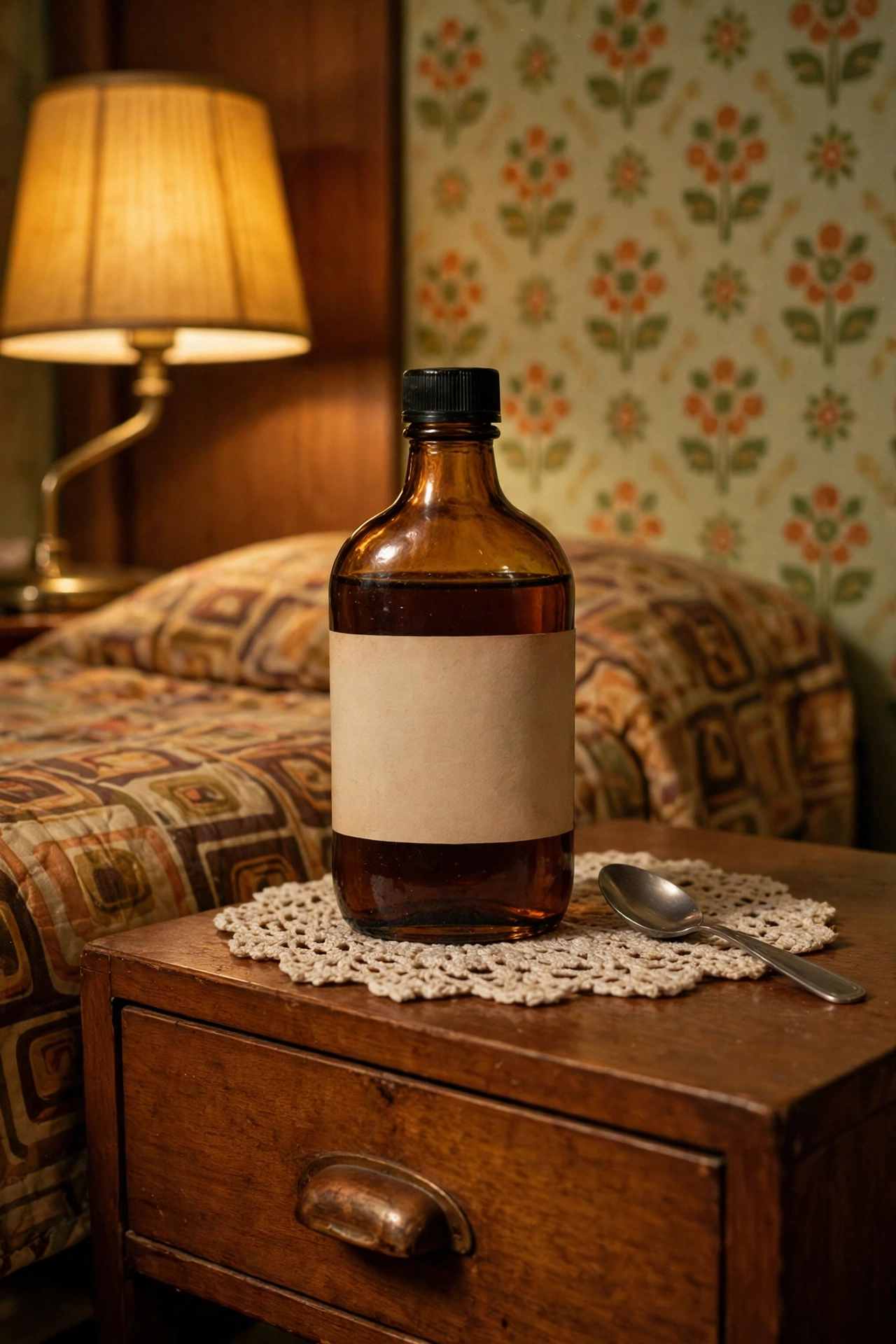
Every medicine cabinet had a bottle of Vicks Formula 44, and every kid who ever had a cough knew its taste: thick, medicinal, and famously strong. One spoonful was the cure for everything from a tickle in the throat to a full-blown cold, and mothers administered it with the confidence of a pharmacist. You did not argue with Formula 44 — you swallowed, made a face, and went to bed.
27. Rotary Phones Without * or #
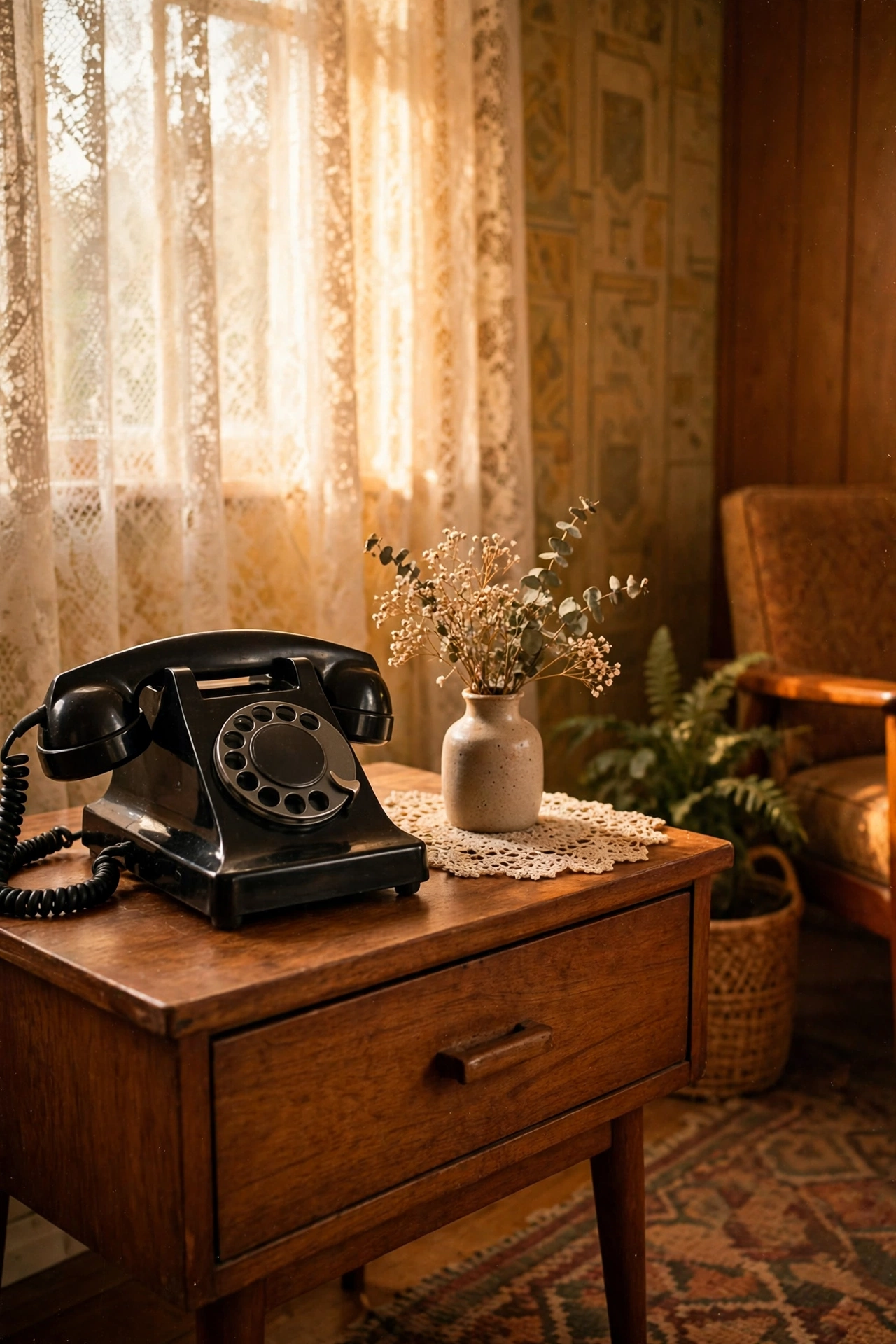
The rotary phone had ten holes, one finger stop, and no * or # keys at all. Touch-Tone dialing, with its star and pound keys, was introduced in 1963, but most homes kept their rotary phones for another decade or two — and with them, the particular patience of dialing a long number and starting over if your finger slipped. Every boomer can still hear the whir of the dial returning.
28. The Notepad by the Kitchen Phone
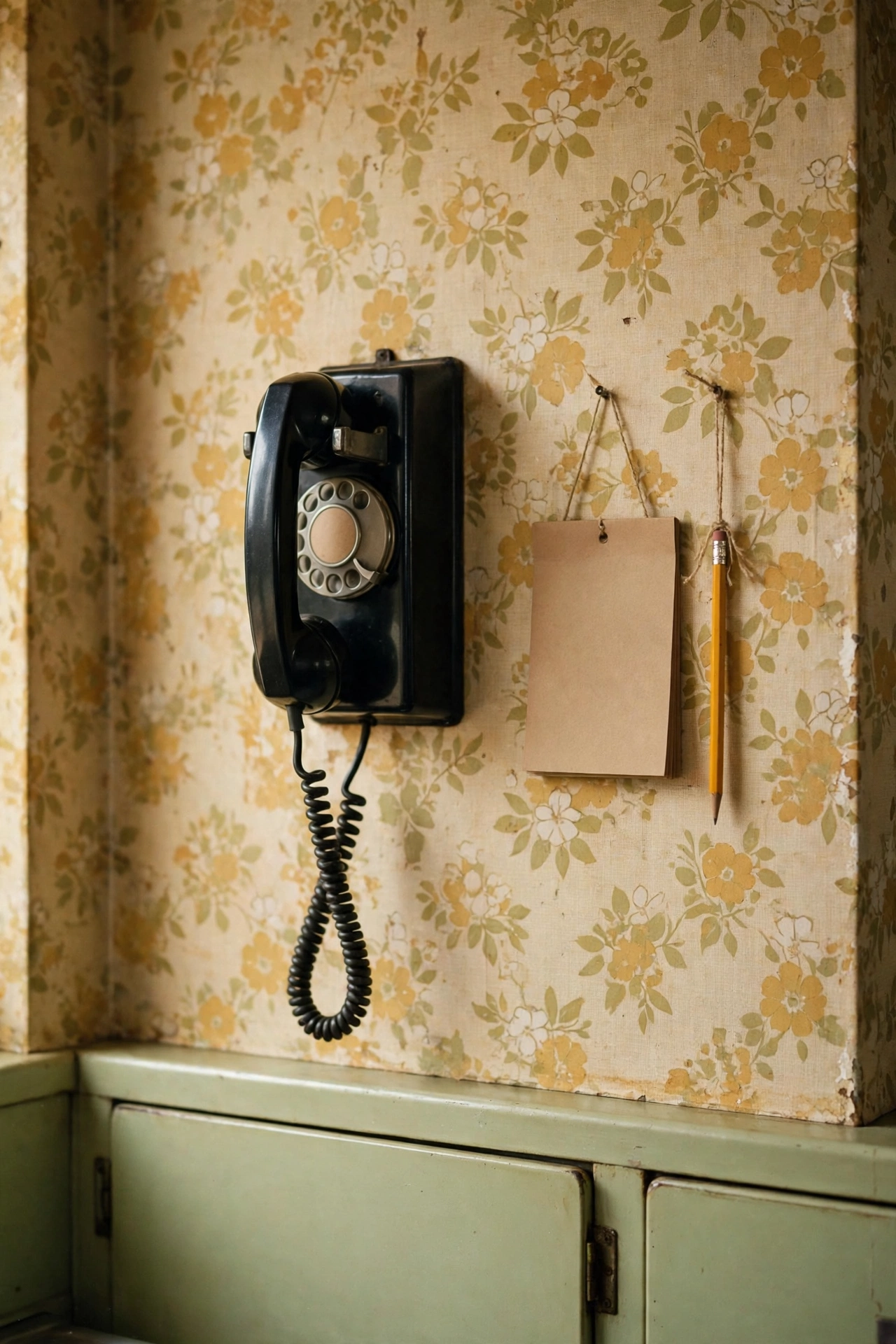
The telephone hung on the kitchen wall, and right beside it hung a small notepad and a pencil on a string. That pad was the family’s memory: messages for Dad, the neighbor’s number, the grocery list, a reminder to call the doctor. If you needed to know anything about the household, you checked the notepad by the phone.
29. Lawn Darts
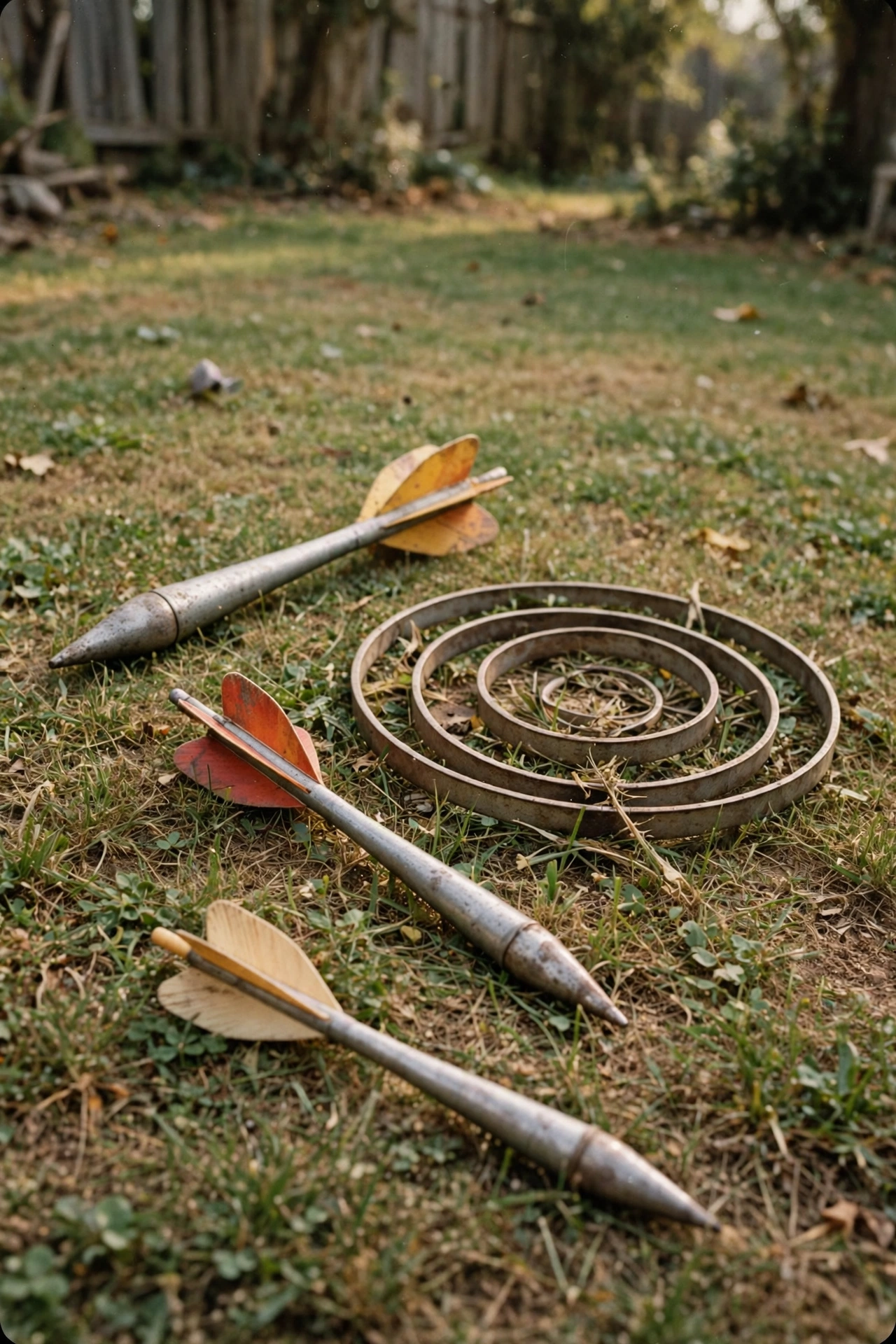
Lawn darts — known to most as Jarts — were heavy, metal-tipped darts tossed underhand at plastic rings on the lawn, and they were a staple of backyard parties for years. They were also, it turned out, genuinely dangerous: after thousands of injuries, the U.S. Consumer Product Safety Commission banned them in 1988. Boomers remember the game fondly and the ban as the moment the fun got a safety warning.
30. Spinning Merry-Go-Rounds
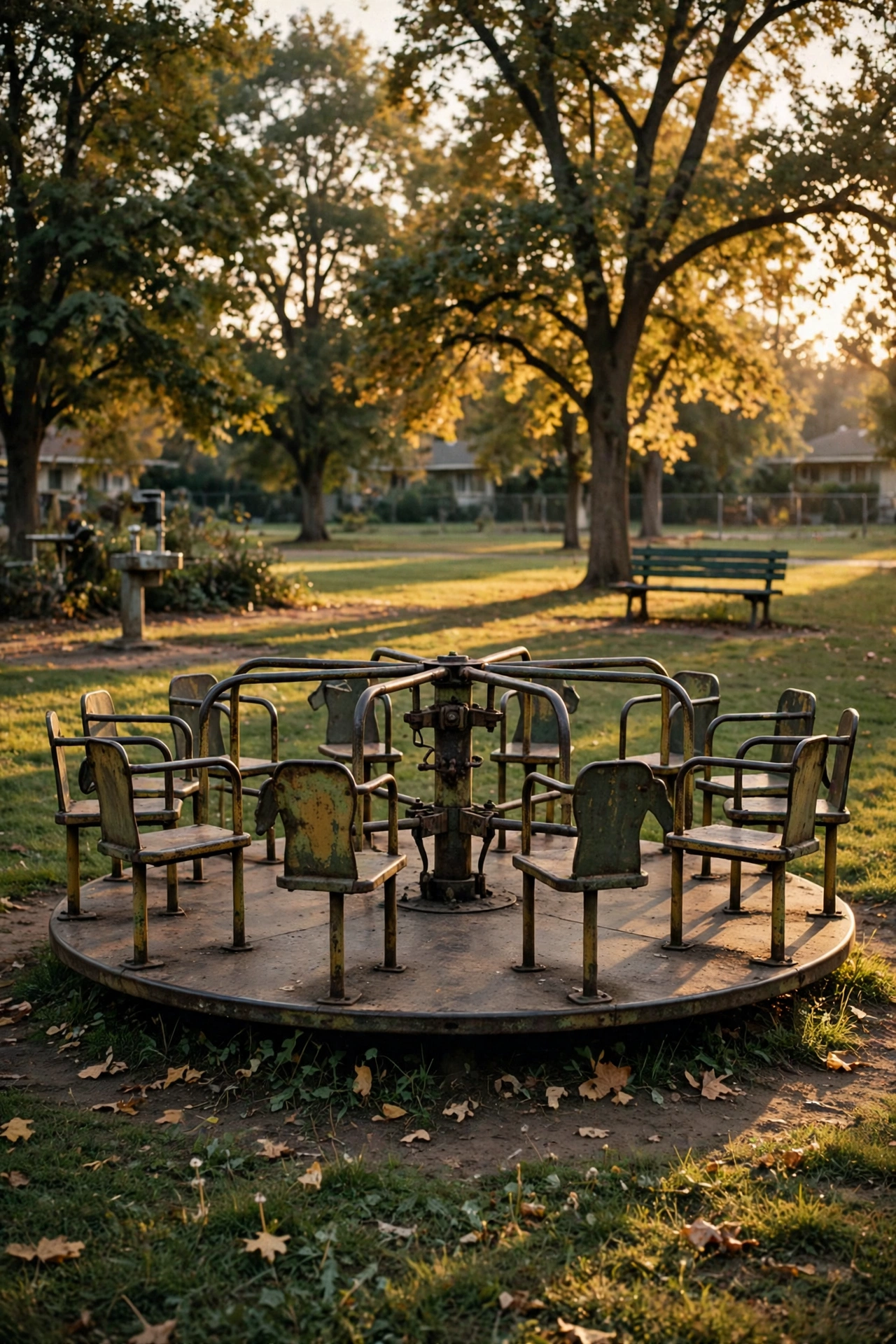
The old playground merry-go-round was a heavy steel disc on a central pole, and the whole point was to spin it as fast as humanly possible while everyone on board hung on for dear life. It was thrilling, it was slightly terrifying, and it was a regular feature of recess. Most of them have long since been removed from playgrounds — victims of safety rules and a generation of bruised knees.
31. Drinking From the Garden Hose
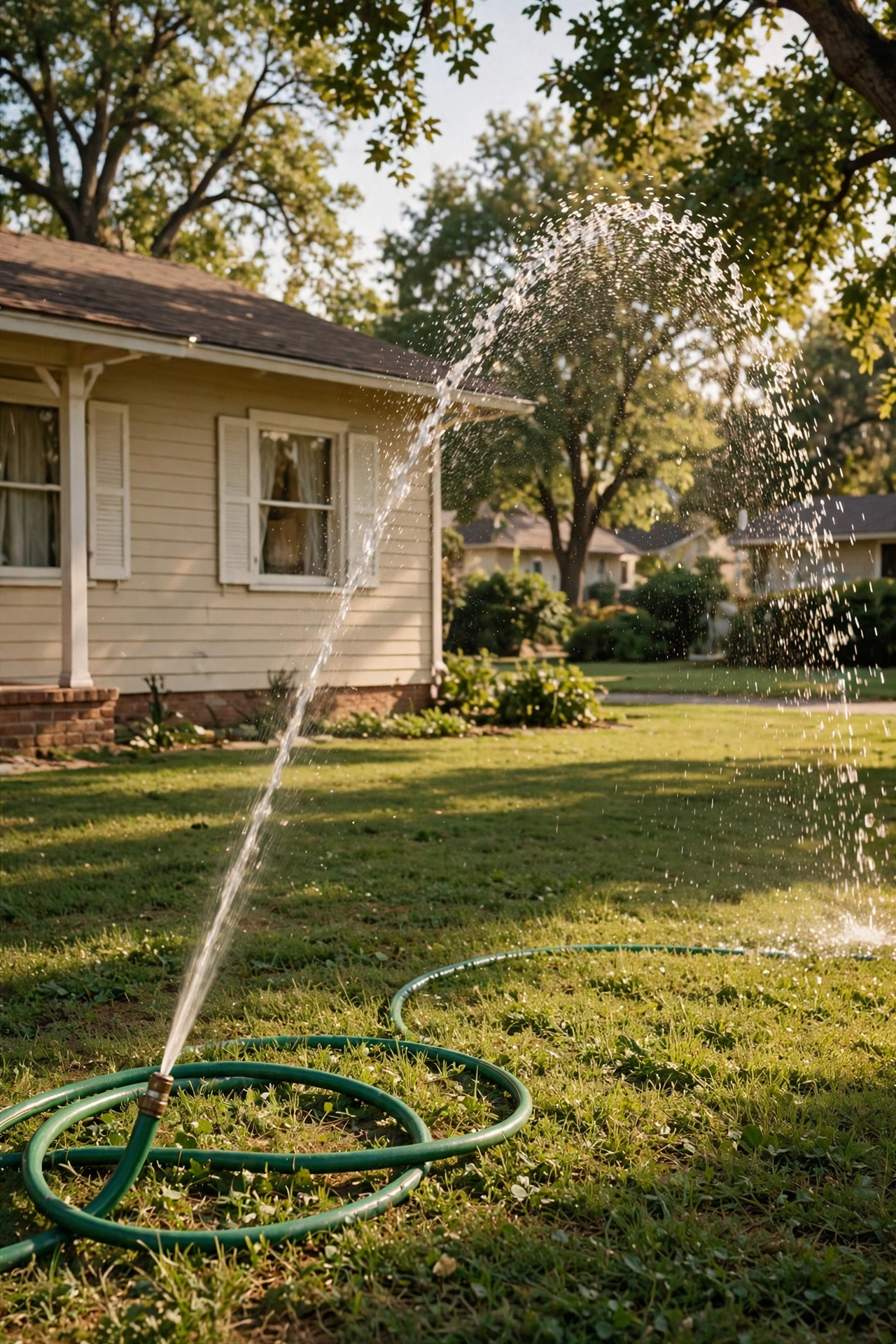
On a hot summer afternoon, nobody went inside for a glass of water — you drank from the garden hose. The first gulp was always warm from the sun, the second was cold, and nobody worried about it for a second. It was the official drink of kids who were too busy playing to come indoors, and every boomer knows exactly how it tasted.
32. Typing Class
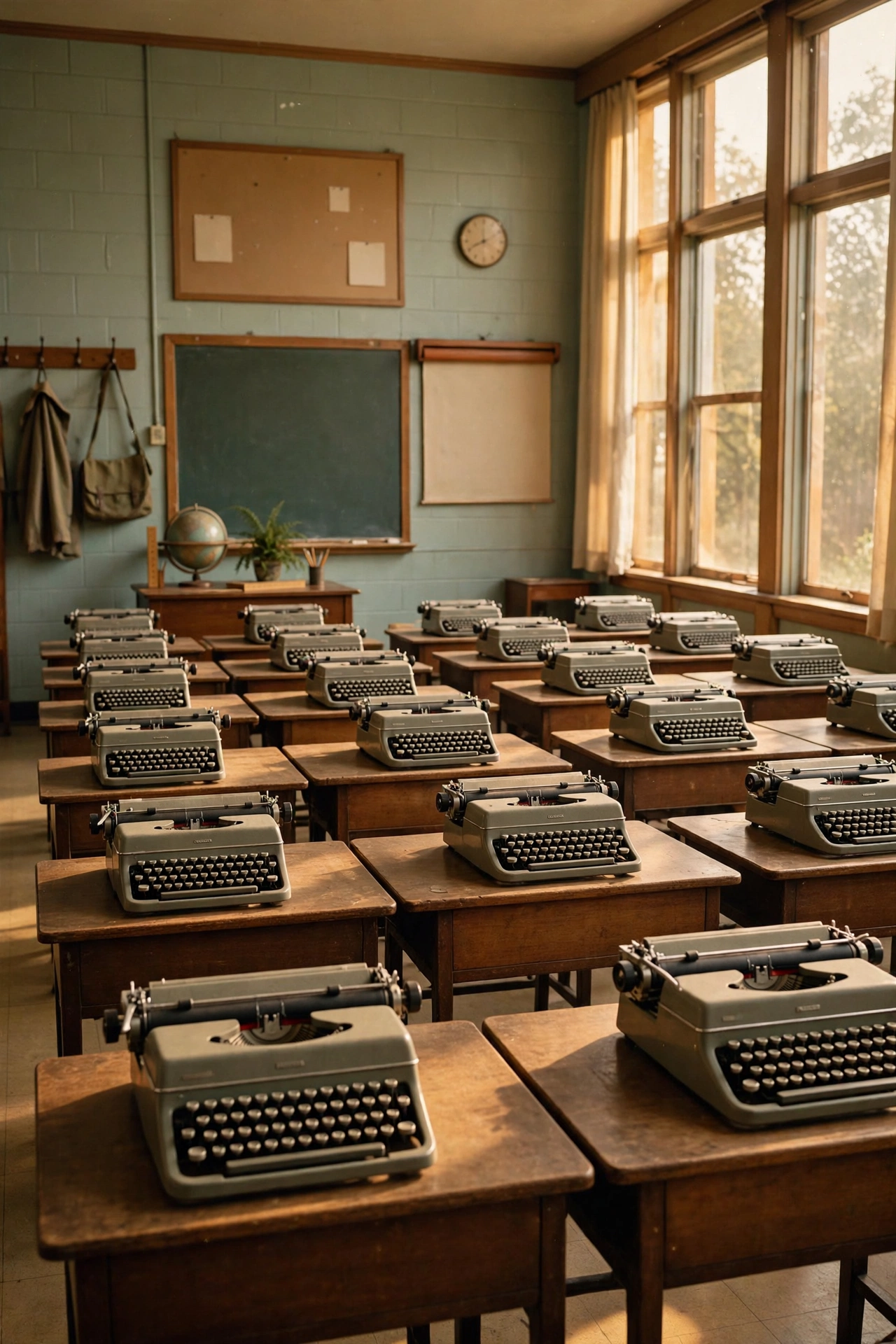
Typing was once a required subject, taught on loud, clunky manual typewriters in rows of desks. Students learned the home row, practiced timed drills, and competed to see who could type fastest without looking down — while the whole room clattered like a machine shop. It felt like a chore then; it turned out to be one of the most useful classes of all.
33. Cigarette Ads Everywhere
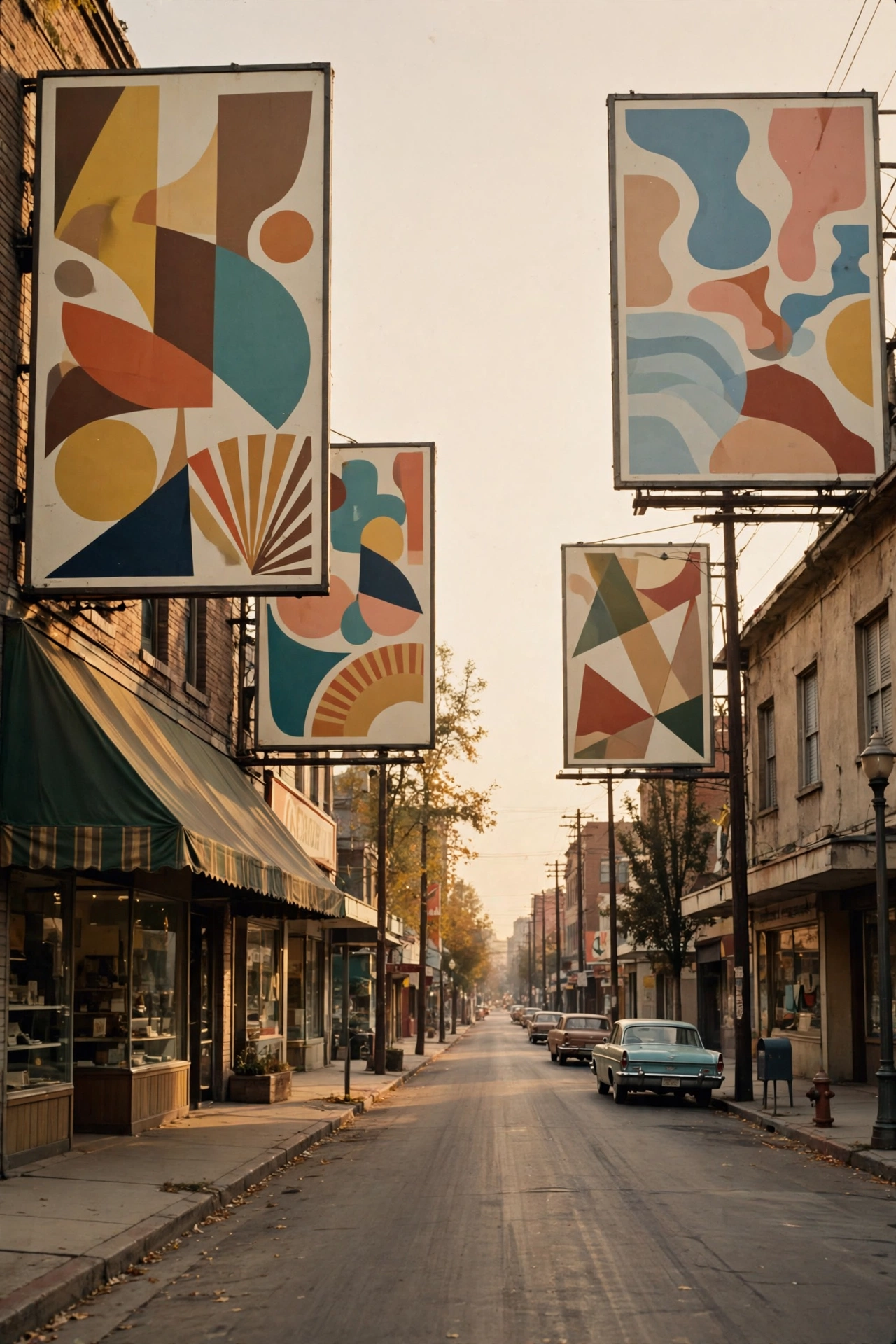
There was a time when cigarettes were advertised the way cars and soap are now: on billboards, in magazines, on store windows, and all over television, with glamorous slogans and celebrity endorsements. Smoking looked sophisticated because the ads said it was. That era ended in 1971, when the United States banned cigarette advertising on television and radio — and the billboards quietly began to disappear too.
34. “Things Go Better With Coke”
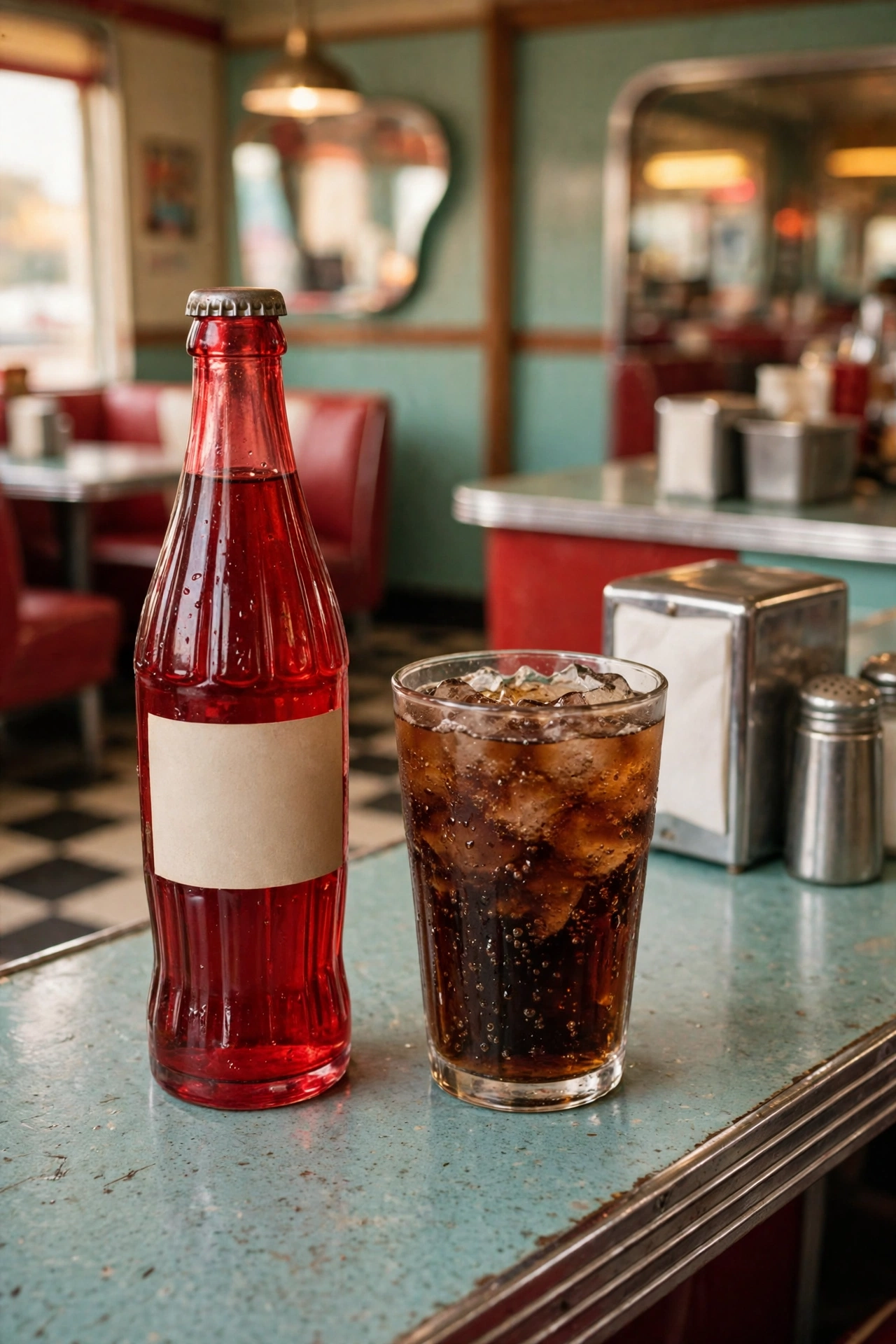
Coca-Cola’s 1960s slogan came with one of the catchiest jingles ever written, and for a whole generation the two are inseparable. “Things go better with Coke” played on radios and televisions so often that people hummed it without thinking, and the red bottle became a symbol of every picnic, party, and drive-in night. Advertising has never quite managed that trick again.
35. “Please Don’t Squeeze the Charmin”
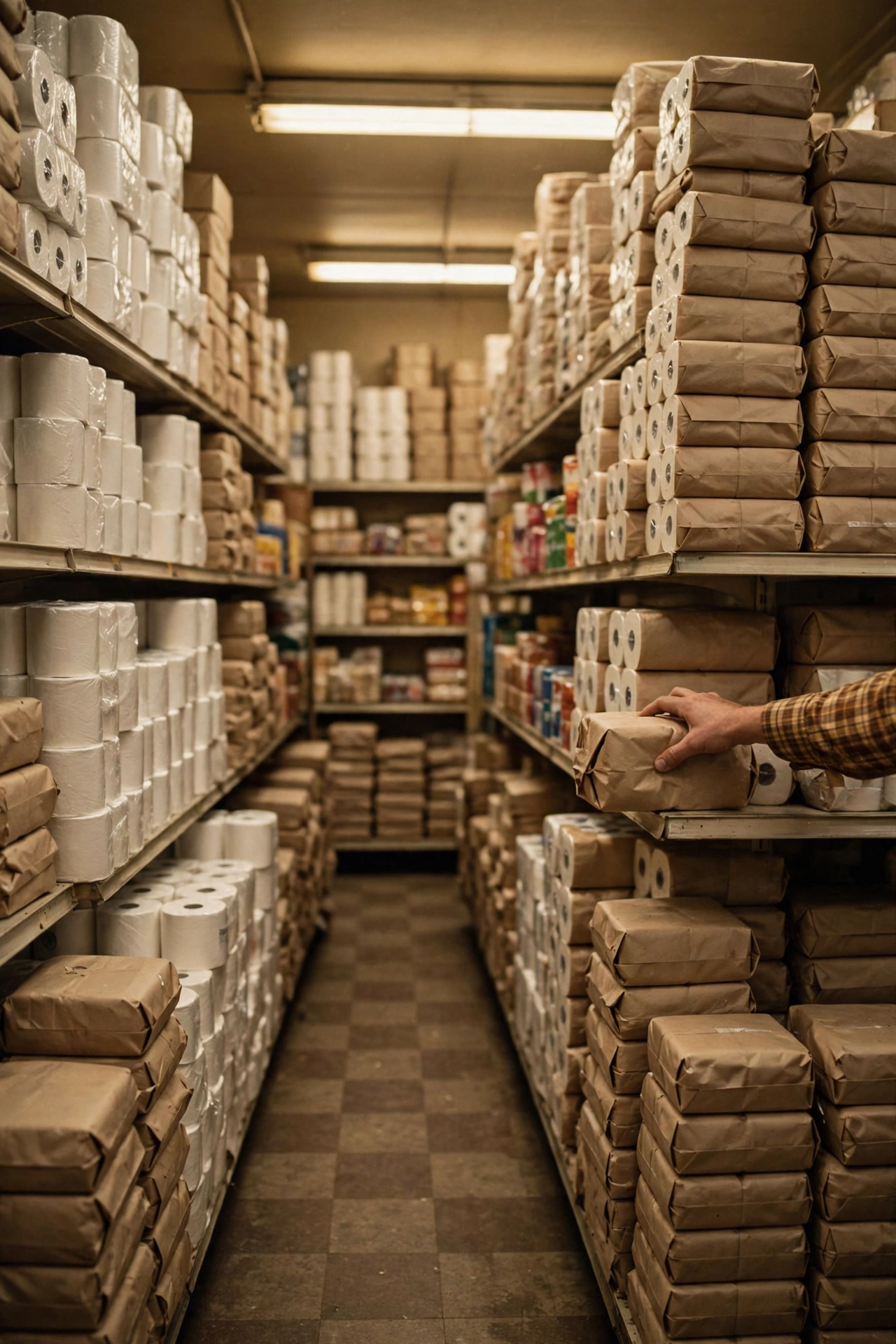
Mr. Whipple, the fussy grocer who scolded shoppers for squeezing the Charmin, was one of the most famous faces on television. The campaign ran from 1964 to 1985 — one of the longest-running ad campaigns in history — and “Please don’t squeeze the Charmin!” became a national catchphrase. Everyone knew the line, and everyone squeezed the rolls anyway.
36. Hawaiian Punch in Tin Cans
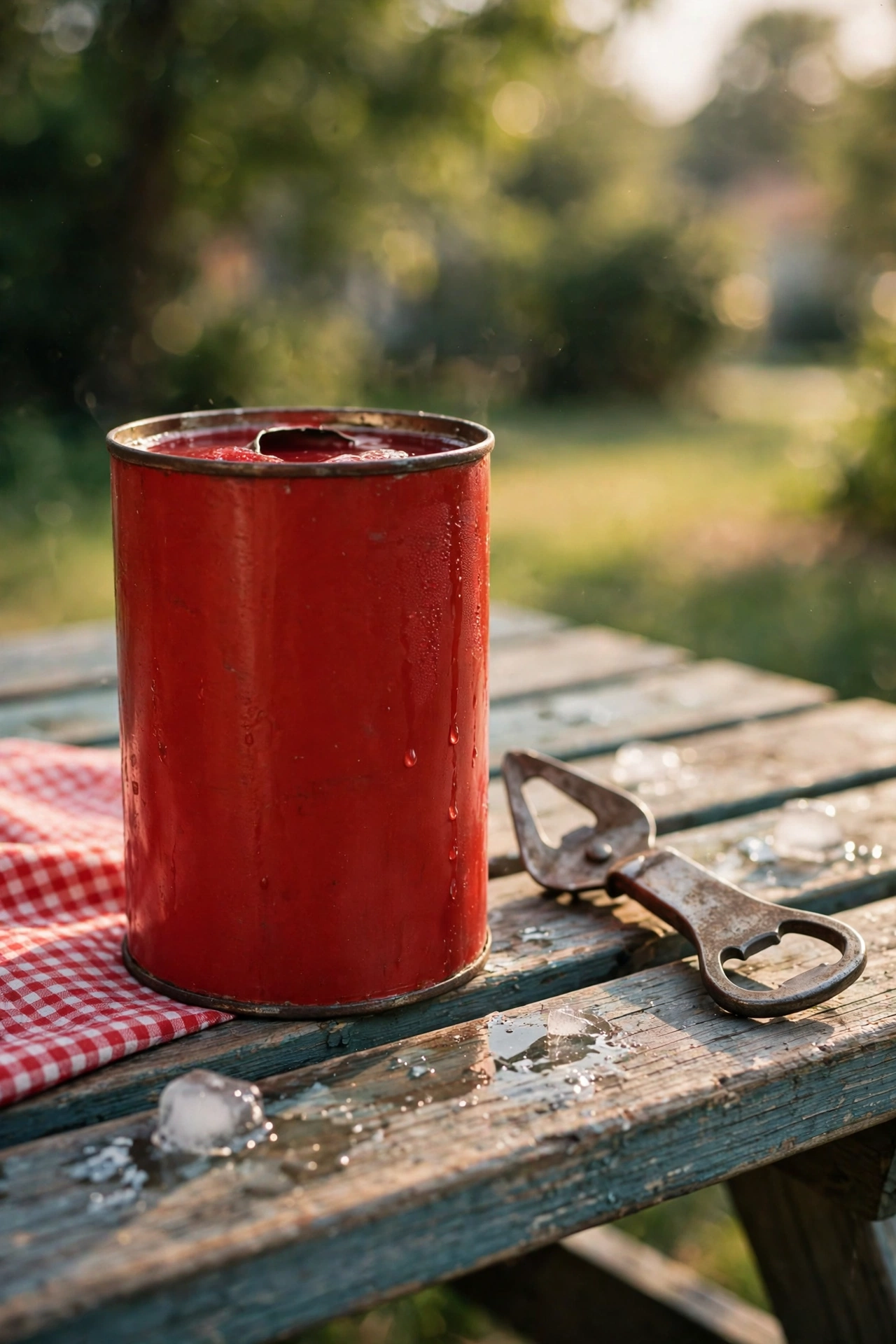
Before juice boxes and plastic bottles, Hawaiian Punch came in a tin can — and opening it required a church key, the little pointed tool that punched a triangular hole in the top. The red punch inside was intensely sweet and impossibly red, and a can of it at a picnic felt like a small celebration all by itself.
37. Full-Service Gas Stations
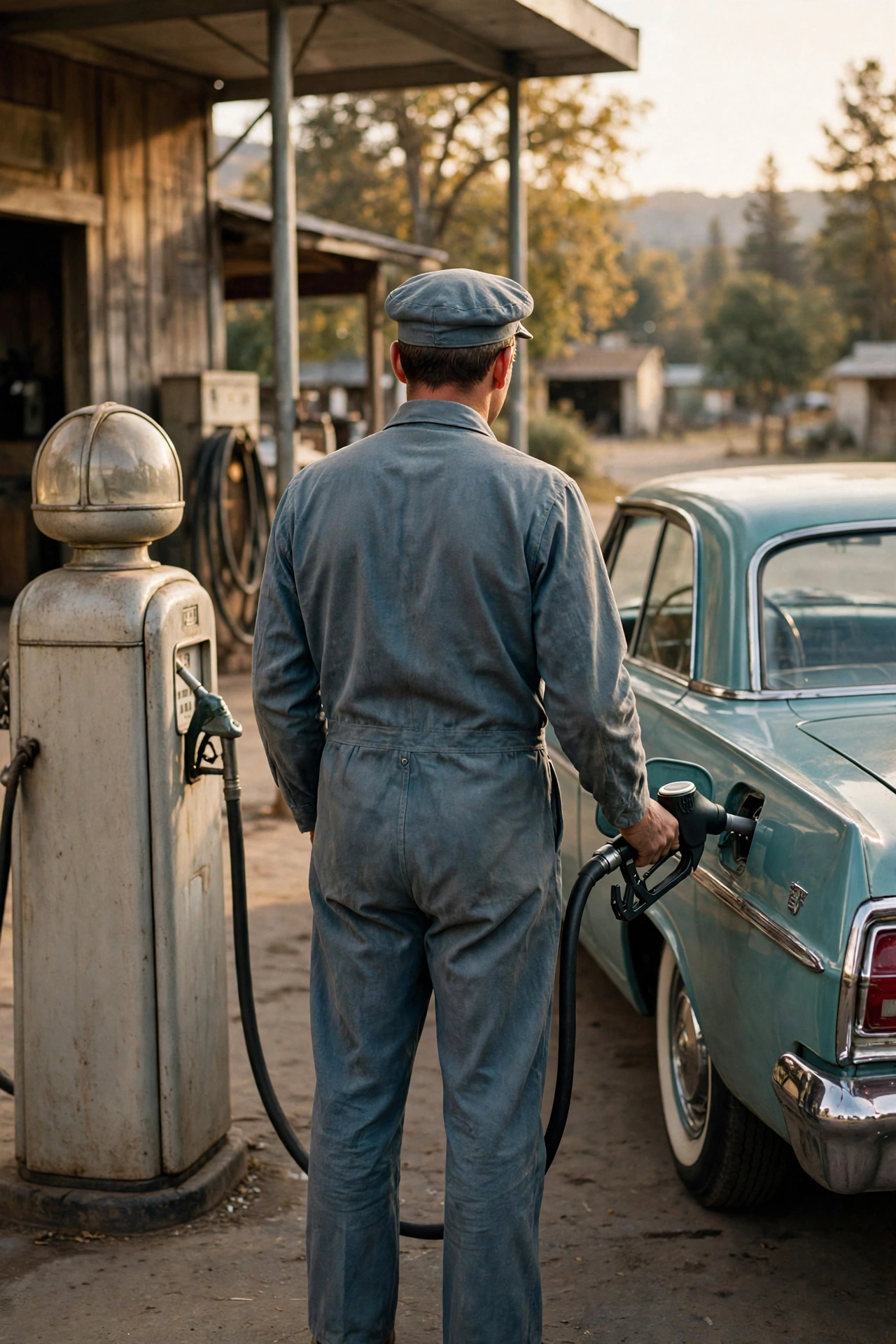
Pulling into a gas station once meant an attendant in a uniform hurried out to pump your gas, check the oil, wash the windshield, and sometimes even check the tires — all included in the price of a fill-up. Self-service slowly took over in the 1970s, and the full-service island became a memory. Boomers still miss the little bell that dinged when you drove over the hose.
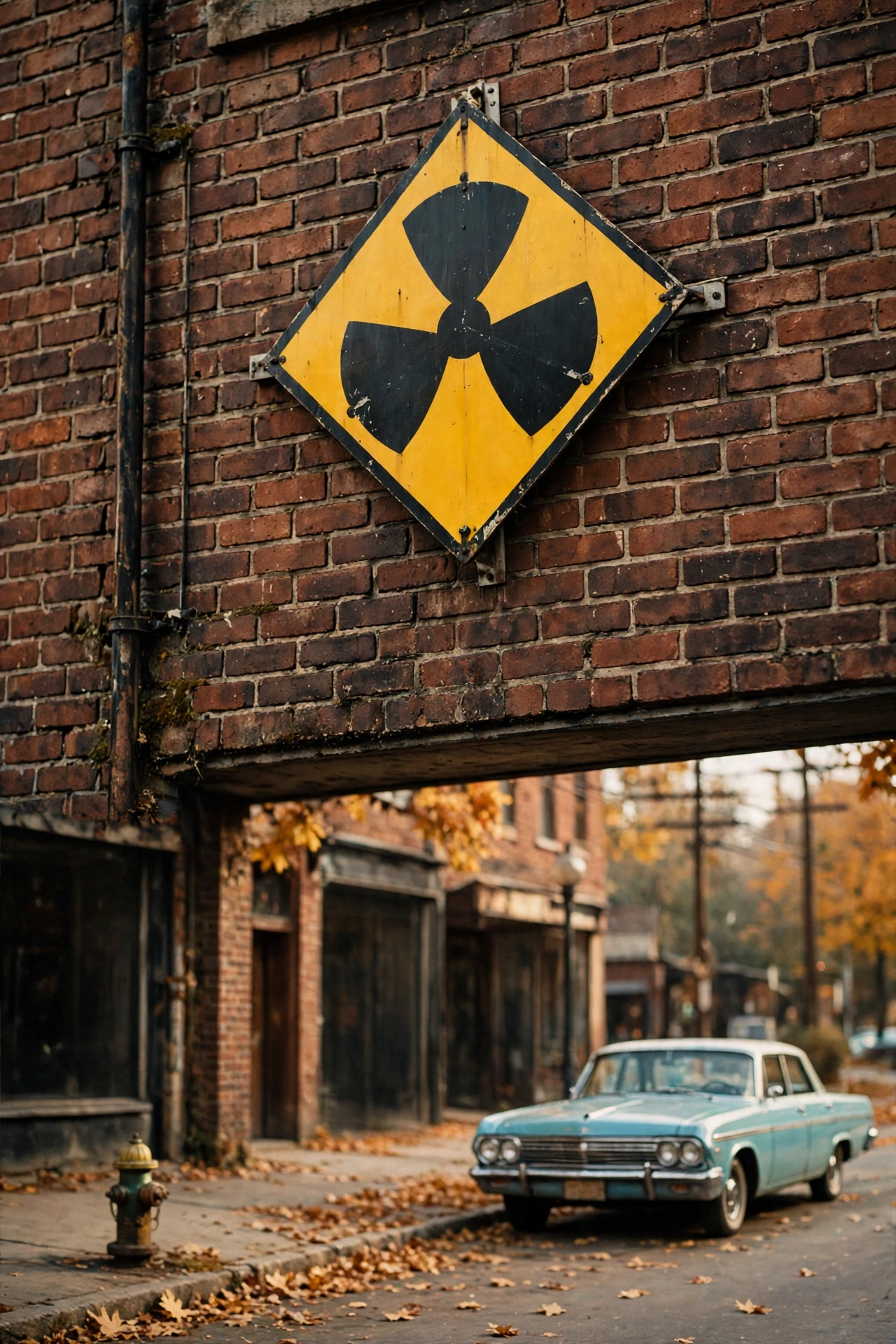
38. Fallout Shelter Signs
During the Cold War, black-and-yellow fallout shelter signs marked the buildings — schools, churches, basements — that had been stocked with supplies in case of a nuclear attack. They were everywhere, and everyone knew what they meant, even the children. The signs have mostly faded now, but a few still hang on old brick walls, easy to miss unless you know to look.
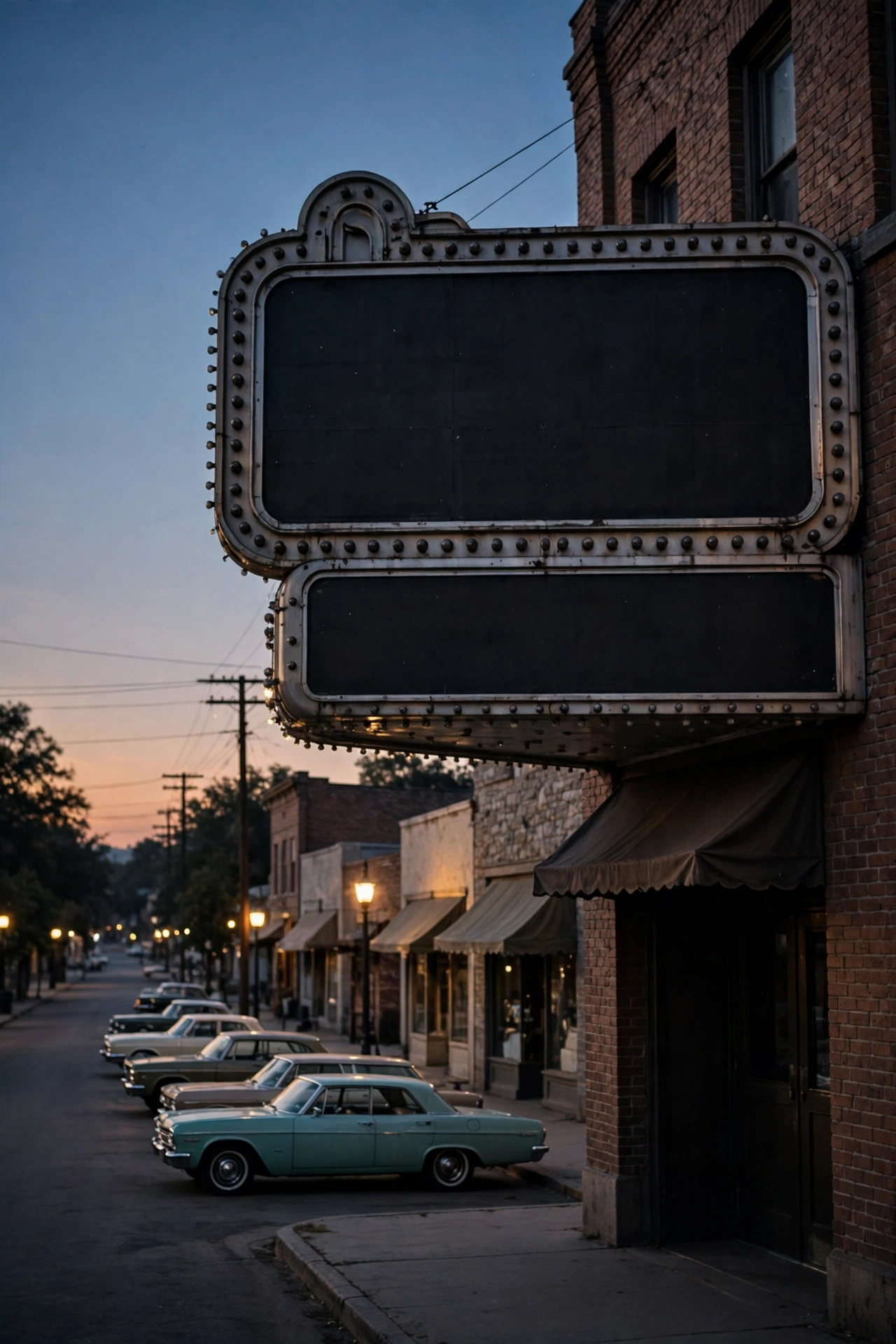
39. Double Features at the Movies
One ticket used to buy two full films: a double feature, with a cartoon and a newsreel in between, for an entire afternoon at the movies. It was the best value in entertainment, and teenagers made a whole day of it — two movies, a box of popcorn, and nowhere else to be. Multiplexes and rising prices eventually ended the tradition, but boomers remember when the movies were an all-day event.
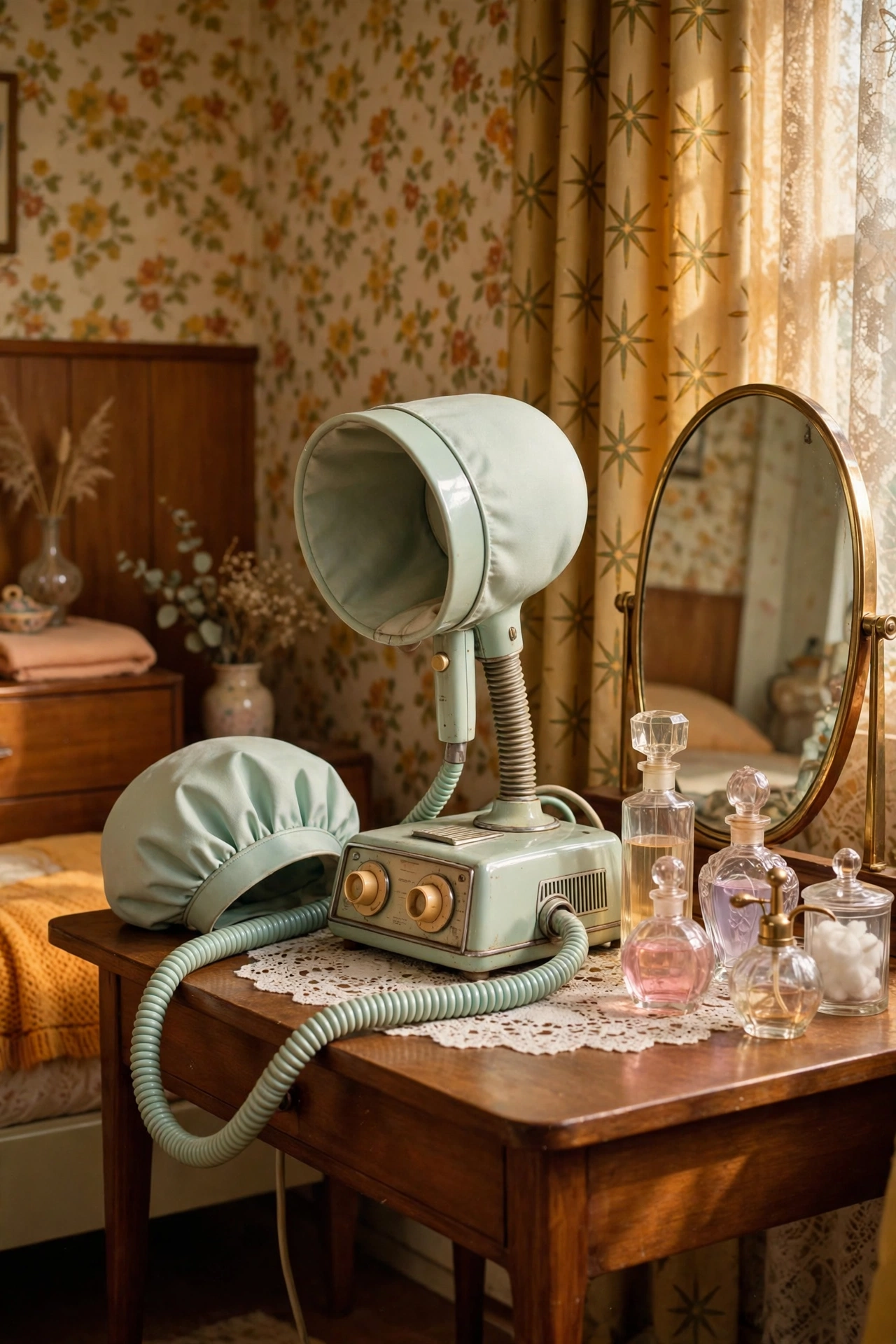
40. Bonnet Hair Dryers
Before handheld dryers, there was the bonnet dryer: a soft plastic hood attached by a hose to a base unit, worn like a strange helmet while you sat at the vanity. It looked like something out of a science-fiction film and took forever to dry a head of hair — but it was the standard in homes and salons alike, and the hum of the motor is a sound every boomer woman of a certain age can still hear.
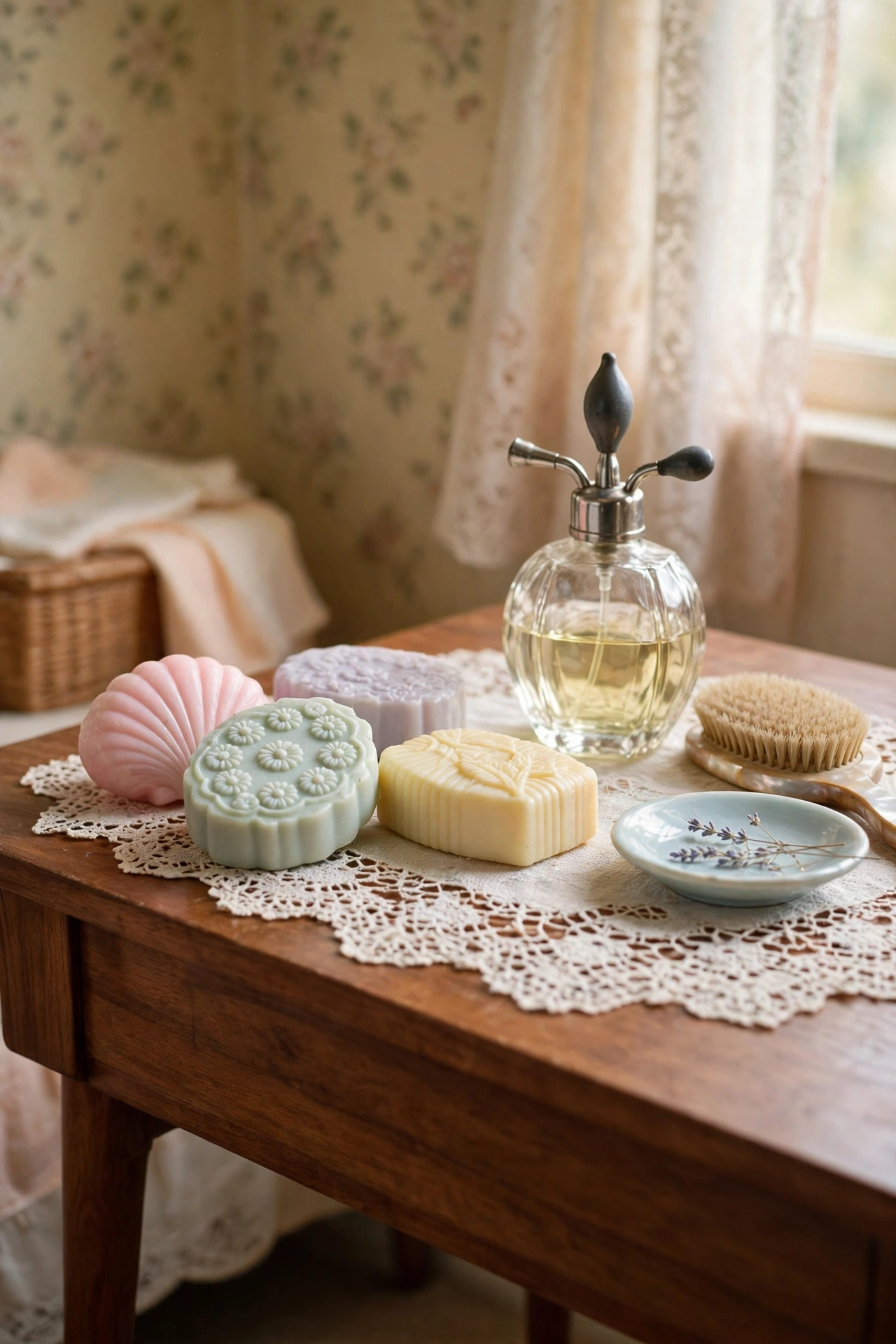
41. Avon Perfumed Soaps
Avon sold door to door — “Avon calling!” — and its decorative perfumed soaps were among its most popular gifts. Shaped like flowers, shells, and little animals, they sat in guest bathrooms and linen closets, smelling faintly of roses and talc, too pretty to use and too fragrant to throw away. A gift of Avon soap was a small luxury, and receiving one meant someone had thought of you.
42. Sunday Best From Penneys
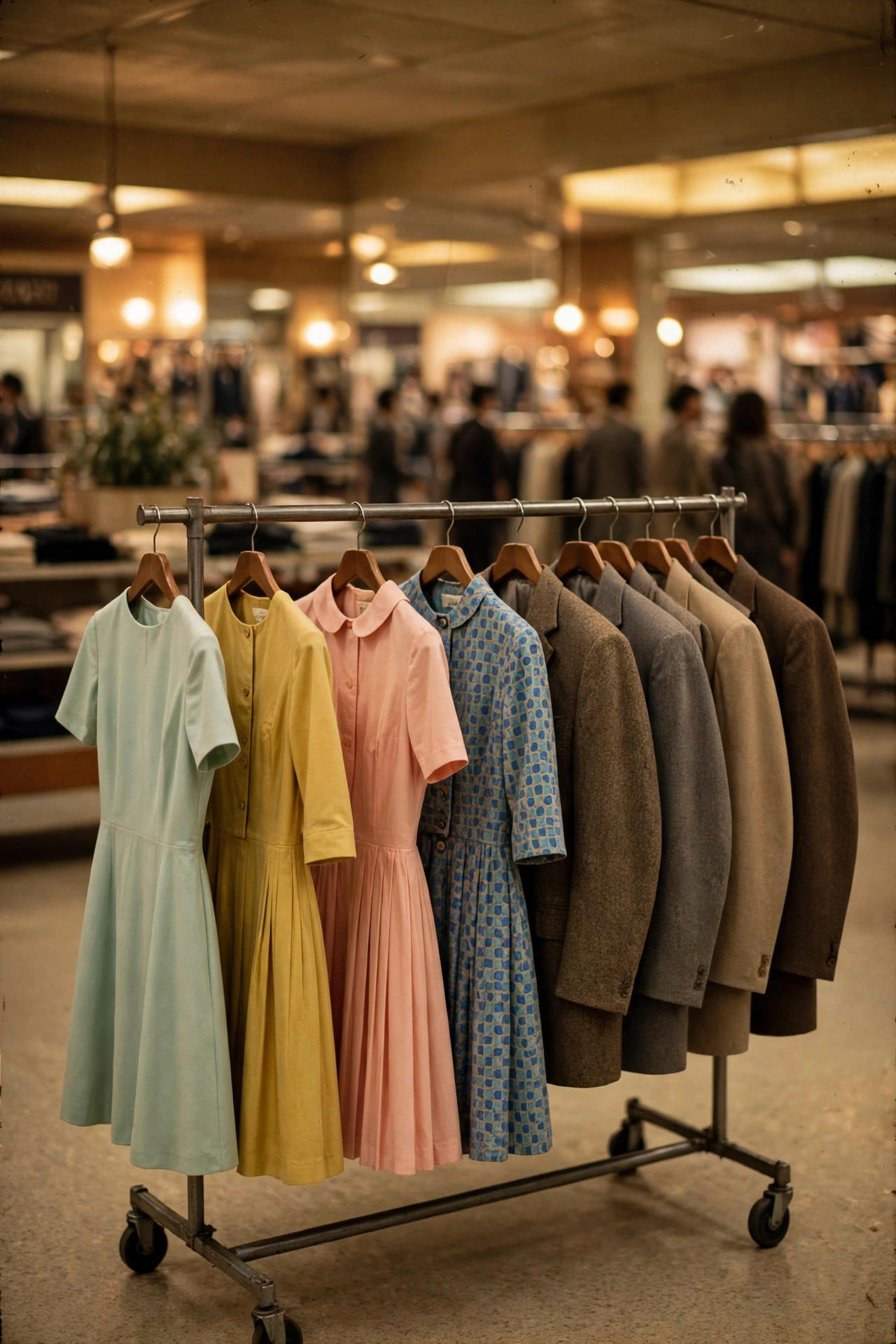
JCPenney was where families bought their Sunday best: the dress for church, the suit for Easter, the new shoes for the first day of school. The store’s racks of sensible, affordable clothes dressed a generation, and a trip to Penneys was an event in itself — the escalator, the catalog counter, the smell of new fabric. Sunday clothes mattered then, and Penneys was where they came from.
43. Popcorn at the Department Store
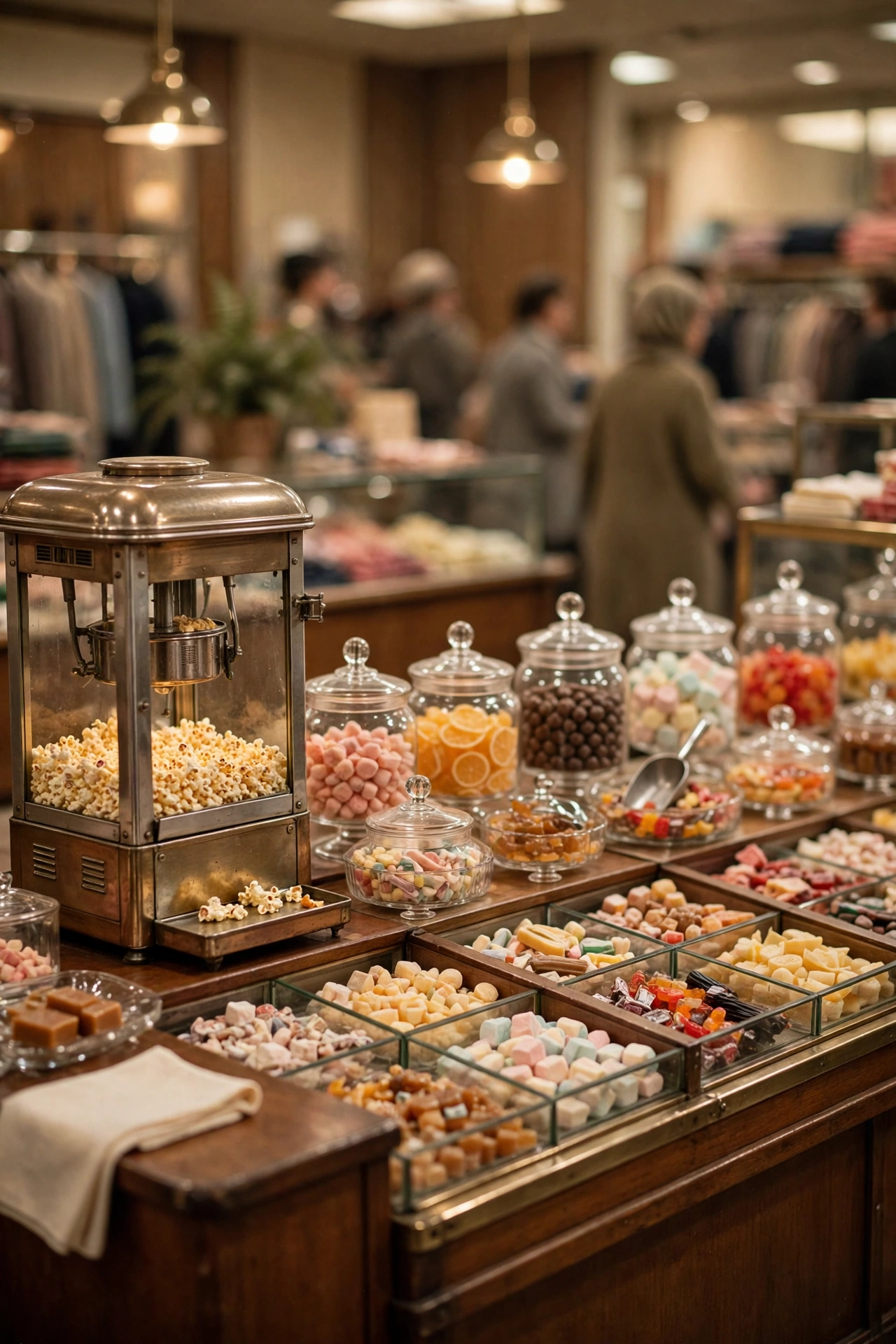
Walk into a Sears in the 1960s and the first thing that greeted you was the warm, buttery smell of popcorn drifting from the candy counter. The popcorn machine sat near the entrance, popping all day, and a bag of it was the traditional reward for a good shopping trip — or the bribe that kept children happy while their parents browsed. The smell alone could pull you through the doors.
44. Howard Johnson’s on Road Trips
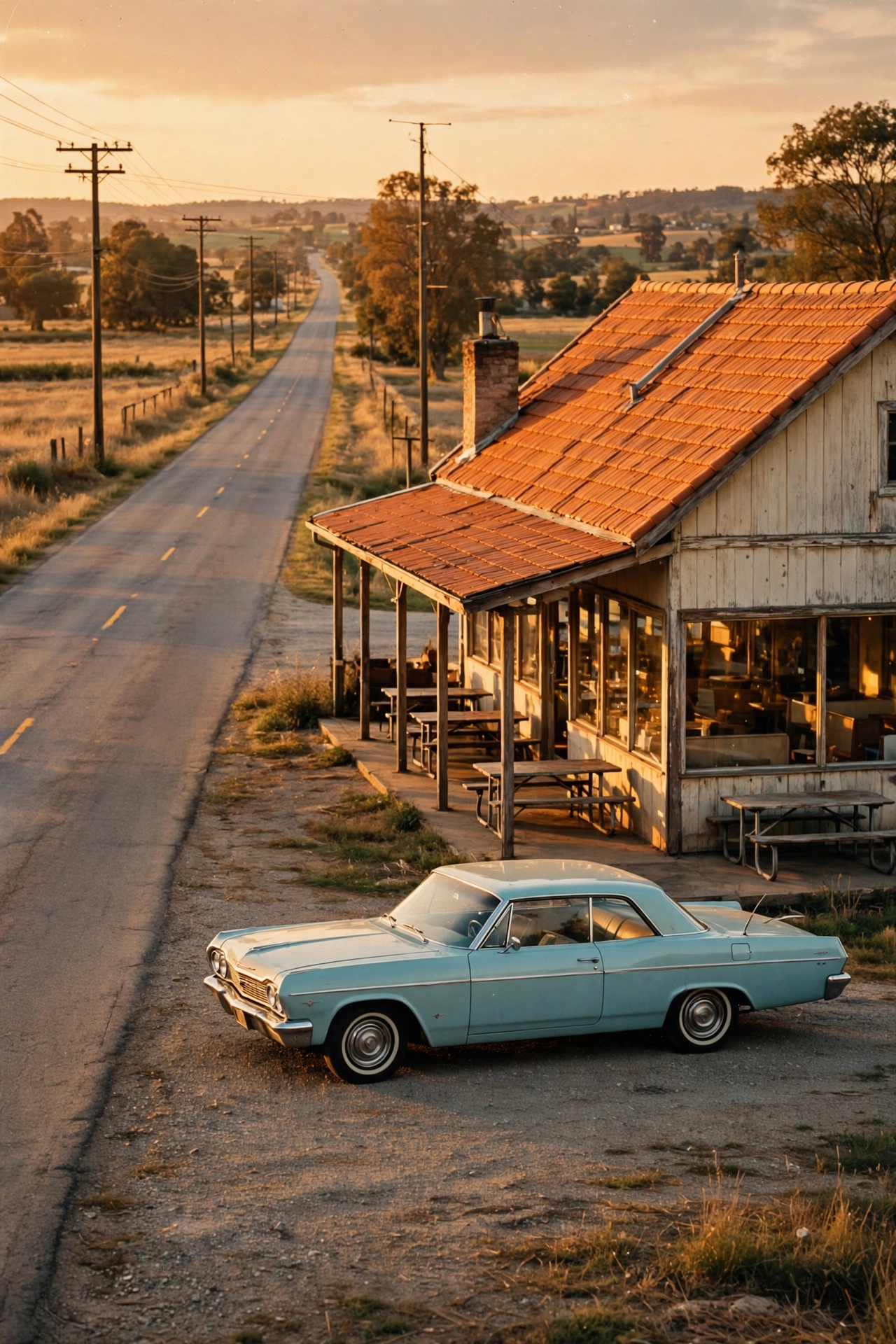
On any long car trip, the orange roof of a Howard Johnson’s meant food, restrooms, and ice cream — and everybody knew it. At its peak in the 1960s and 70s, Howard Johnson’s was the largest restaurant chain in America, with more than a thousand locations along the highways. Fried clams, 28 flavors of ice cream, and a clean restroom: for a generation of road-tripping families, that was everything.
45. The Whole Backseat to Yourself
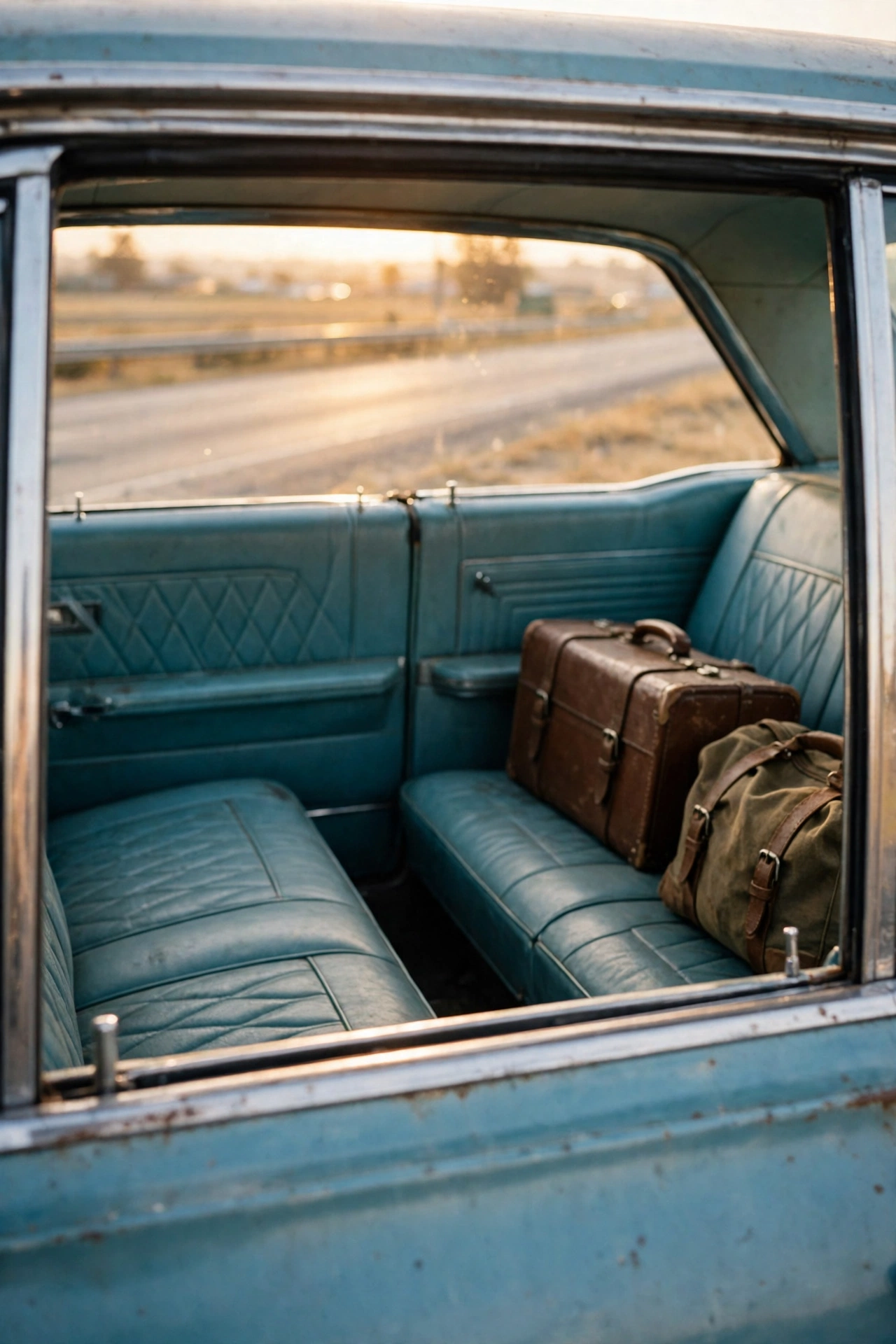
Seatbelts were not required in new American cars until 1968, and for years after that, nobody in the backseat wore one. Kids sprawled across the entire back bench, legs stretched out, shifting around freely, sometimes lying down entirely on long trips. It was comfortable, it was normal, and looking back, it is the item on this list that feels most like a different world.
46. Riding in the Back of the Pickup
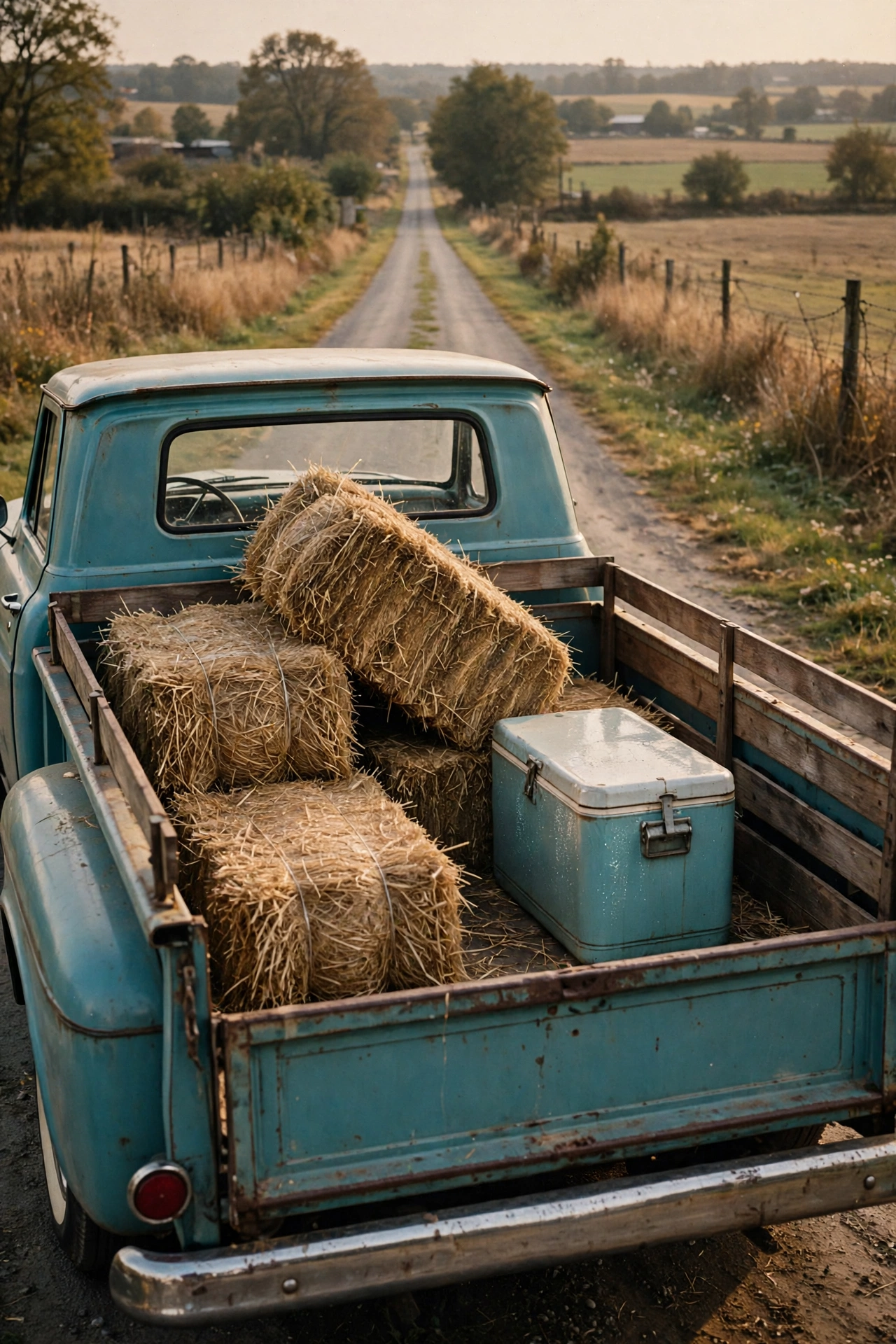
On a summer day, the open bed of a pickup truck was the best seat in the house — and so was the trailer hitched behind the tractor. Kids rode back there with the wind in their hair, feet dangling, holding onto the sides, without a second thought. Laws and safety rules have long since ended the practice, but for boomers it was simply how you got to the lake, the field, or the neighbor’s farm.
47. The TV Test Pattern at Midnight
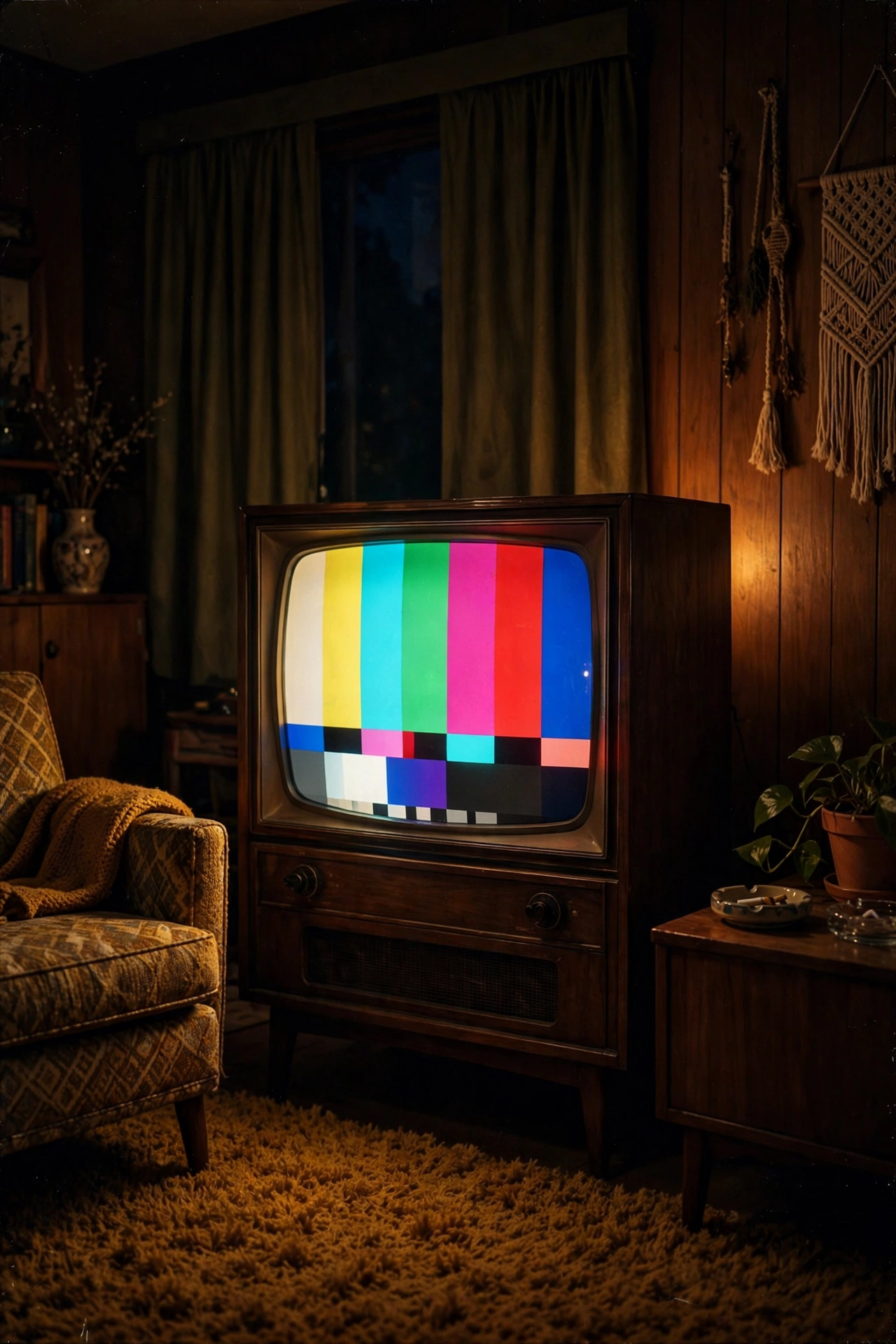
Television used to end. At midnight, the station played the national anthem, showed a test pattern — those colored bars and the strange bullseye — and signed off until morning. If you were still awake, the buzz of static was your only company. It is hard to explain to anyone who grew up with streaming: the whole country went to sleep at the same time, because the television said so.
What ties all 47 of these memories together is not the objects themselves — it is the world they came from. A world with one television, one telephone, and one long summer afternoon that never seemed to end. The boomers did not know they were living in a golden age of ordinary things; they were simply living. And now, one look at a glass jar of orange drink mix or a rotary phone is enough to bring it all back.
Which of these took you straight back to childhood — and which one did you forget until just now? If you love a good trip down memory lane, you will enjoy these too: 17 Things That Were Everywhere In The 2000s — And Then Quietly Vanished, 25 Things That Used To Be A Minor Inconvenience That Kids Gen Z Or Younger Just Won’t Understand, and 21 ‘Future’ Tech Trends That Completely Disappeared.