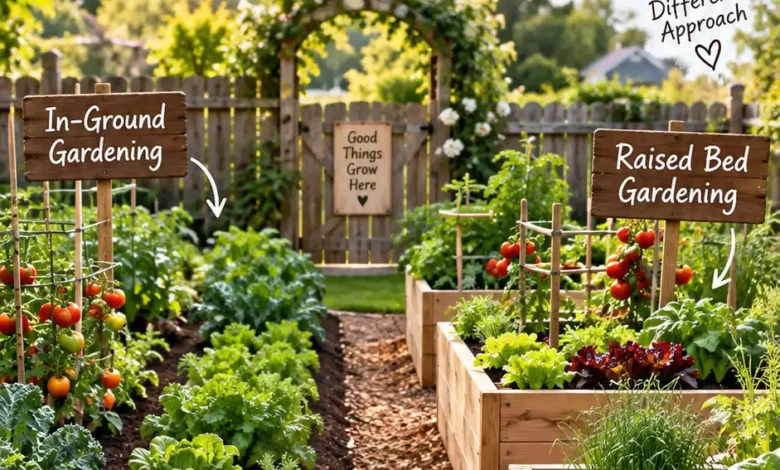
Starting a home garden is an exciting journey for any grower. Choosing between planting directly in the earth and using raised structures is your first major decision. Your local sunlight, soil quality, drainage, and available space often guide this choice.
Understanding the nuances of in-ground vs raised beds helps you manage maintenance effectively. Whether you are a beginner or a professional, these backyard vegetable garden tips can help your plants thrive throughout the season.

Thoughtful planning improves access, crop organization, and total harvest potential. We will explore various vegetable garden layout ideas, including straight rows, wide plots, keyhole designs, and tiered systems. The right Vegetable garden layout ideas (in-ground vs raised beds) can maximize your yield while keeping your workload manageable.
Key Takeaways
- Assess your soil quality and drainage before choosing a planting method.
- Raised structures offer better control over soil composition and weed management.
- Direct planting is often more cost-effective for large-scale production.
- Consider sunlight exposure and water access when mapping your plot.
- Tiered or container designs work best for small or urban spaces.
Why Your Vegetable Garden Layout Matters
Your garden layout forms the foundation for every successful harvest this season. A thoughtful design does more than look attractive; it creates a functional ecosystem that saves time and effort. With smart backyard vegetable garden tips, you can transform a patch of dirt into a high-yielding sanctuary.

Match the Layout to Sunlight, Soil, and Available Space
Every plant has specific needs, so your layout must respect them. Observe how sunlight moves across your yard throughout the day. Most vegetables require at least six to eight hours of direct sunlight to thrive.
Assess soil quality and drainage before choosing a permanent structure. If your ground is heavy clay or rocky, adjust your vegetable garden layout ideas to include raised beds. Matching your design to site conditions prevents future headaches and gives plants the best possible start.
Balance Growing Capacity With Everyday Maintenance
Filling every square inch of your yard with plants can seem tempting, but bigger is not always better. An oversized garden often becomes difficult to weed, water, and harvest. Focusing on a manageable size helps you handle daily tasks without feeling overwhelmed.
“The secret to a bountiful garden is not in the size of the plot, but in the consistency of the care provided to each plant.”
A smaller, well-maintained space is almost always more productive than a sprawling, neglected one. Prioritize access so you can reach every corner of your beds with ease. This shift makes gardening a joy rather than a burden.
Plan for Crop Rotation, Access, and Future Expansion
Gardening is a journey that evolves over time. When designing your space, leave room for growth and change. Wide paths give you room to move a wheelbarrow or kneel comfortably while tending crops.
Consider how you will rotate crops each season to maintain healthy soil and prevent disease. Planning for flexibility now lets you expand your garden as your skills and confidence grow. A modular approach lets you add beds or features without tearing up the entire landscape.
Vegetable garden layout ideas (in-ground vs raised beds)
Your Vegetable garden layout ideas (in-ground vs raised beds) will shape your entire growing experience this season. Choosing the right method depends on your local environment, physical comfort, and long-term gardening goals.
How In-Ground Gardens and Raised Beds Differ
In-ground gardens use existing earth, allowing plant roots to grow deep into native soil. This method often costs less because it needs fewer materials and minimal site preparation.
A raised garden bed vs traditional garden bed comparison shows the control gained through elevated structures. Raised beds let you import high-quality soil, a major advantage when native ground is rocky, sandy, or heavy clay.

Compare Cost, Installation Time, and Long-Term Upkeep
Understanding the financial and physical investment matters before you start digging. The following table outlines key differences between these two popular approaches.
| Feature | In-Ground | Raised Bed |
|---|---|---|
| Initial Cost | Low | Moderate to High |
| Setup Time | Fast | Slow |
| Soil Control | Limited | Excellent |
| Maintenance | High | Low |
Choose Based on Soil Quality, Drainage, and Mobility Needs
With poor soil quality, raised garden bed benefits become immediately clear. You can fill these beds with compost and topsoil, giving vegetables the nutrients needed to thrive.
Raised beds also provide superior drainage, which matters in areas with heavy rainfall or compacted ground. Their height reduces bending and kneeling, making gardening more accessible for people with limited mobility.
When a Combination Layout Makes More Sense
You do not have to choose one style for your entire backyard. Many successful gardeners use a hybrid approach to maximize available space.
You might reserve in-ground rows for large, hardy crops like corn or pumpkins that need substantial root space. Nearby, raised beds can support delicate herbs, leafy greens, or vegetables requiring specific soil conditions. This strategy balances cost-efficiency with the precision of controlled growing environments.
Planning the Site Before You Build
A successful harvest begins well before the first seed enters the soil. Assessing your landscape helps turn your vegetable garden layout ideas into a productive, functional space. Careful preparation prevents later problems, including poor drainage and difficult access.
Measure the Growing Area and Map Full-Sun Locations
Measure your available space with a tape measure to understand its exact dimensions. Most vegetables need six to eight hours of direct sunlight daily to thrive. Observe your yard throughout the day to find sunny areas and shaded places beneath trees or buildings.

Check Soil Drainage, Compaction, and Water Access
Inspect your soil before breaking ground. Avoid areas where water pools after heavy rain, because soggy roots can quickly cause plant disease. If the ground feels hard or compacted, amend it with organic matter to improve aeration.
Also, place your garden within easy reach of a water source. Dragging a heavy hose across the yard becomes a chore and can lead to neglected plants. Positioning the garden near a spigot is useful vegetable garden design inspiration that saves time and effort.
Leave Comfortable Paths Between Rows and Beds
Garden efficiency depends largely on how you move through the space. Design paths wide enough for a wheelbarrow and comfortable movement while carrying tools. Narrow, cramped rows can cause trampled plants and frustration during harvest.
“The best gardens are those that invite the gardener to step inside and stay a while, making maintenance a joy rather than a burden.”
Use String, Stakes, or Graph Paper to Test the Design
Before building a permanent structure, visualize the plan on paper or directly on the ground. Sketch the layout on graph paper, or mark yard boundaries with string and stakes. This simple step reveals awkward turns and blocked access points before construction begins.
Testing the layout lets you refine your vegetable garden design inspiration in real time. Walk along the proposed paths to ensure every garden corner remains accessible and manageable throughout the growing year.
Best In-Ground Vegetable Garden Layout Designs
Finding the best garden layout designs can turn your backyard into a productive oasis. Effective planning reduces physical strain and raises your total harvest yield.

Traditional Straight Rows for Easy Planting and Harvesting
Straight rows remain popular because they simplify planting. They also let you use mechanical tools or long-handled hoes easily between rows. Efficiency is their chief benefit, making weeding and harvesting more straightforward.
Wide Beds With Organized Crop Blocks
If you want vegetable garden design inspiration, consider replacing single rows with wide beds. Grouping plants into blocks maximizes available soil. Dense planting shades out weeds naturally and keeps the ground moist.
Keyhole and U-Shaped Layouts for Efficient Access
Keyhole and U-shaped designs suit gardeners seeking shorter walking distances. These shapes let you reach the growing area’s center without stepping into the bed. They make routine maintenance more convenient and less time-consuming.
Use Permanent Paths to Protect Soil Structure
Establishing permanent paths helps maintain healthy soil. Avoiding your growing areas prevents compaction and allows roots to thrive. Use wood chips or gravel to define these walkways clearly.
Arrange Tall Crops Without Shading Short Plants
Proper crop placement ensures that every plant receives needed sunlight. Position your tallest plants, such as corn or sunflowers, on the garden’s north side. This strategy prevents them from shading smaller, sun-loving vegetables.
| Layout Type | Best For | Access Level | Space Efficiency |
|---|---|---|---|
| Straight Rows | Large Plots | Moderate | Low |
| Wide Blocks | Small Spaces | High | High |
| Keyhole/U-Shape | Ergonomics | Excellent | Moderate |
The right configuration depends on your goals and available space. Whether you seek vegetable garden design inspiration or practical utility, these best garden layout designs offer a solid foundation for success.
Raised Garden Bed Benefits and Layout Options
Choosing to build up rather than dig down offers unique raised garden bed benefits for your backyard harvest. Elevating plants gives you better environmental control, often producing healthier, more productive crops.

Improve Drainage, Soil Control, and Growing Conditions
A primary reason gardeners choose this method is direct control over soil quality. You can fill beds with compost and organic matter, giving plants the nutrients they need to thrive.
These structures also provide excellent drainage, preventing roots from sitting in waterlogged soil during heavy rains. Compared with a raised garden bed vs traditional garden bed, the former improves soil warming and prevents compaction.
Choose Between Single Beds, Multiple Beds, and Tiered Beds
Your layout depends on available space and the crops you plan to grow. A single bed suits beginners or limited spaces, while multiple beds improve crop rotation and organization.
If you work with a sloped yard, tiered designs offer an excellent solution. They follow the land’s natural grade, creating a functional staircase effect that maximizes growing space.
Size Beds for Comfortable Reach From Every Side
Planning bed dimensions is vital for long-term success. You should reach the garden’s center without stepping inside, because foot traffic compacts soil and damages roots.
Use the Four-Foot Bed Width as a Practical Starting Point
A width of four feet remains the gold standard for most home gardeners. It lets you reach the middle from either side, making weeding and harvesting easier on your back.
Adapt Bed Height for Accessibility and Root Depth
Bed height should reflect your needs and the vegetables you grow. Taller beds suit gardeners who work while standing or sitting because they reduce bending.
Deeper beds also give root vegetables like carrots and potatoes more room to expand. Use the following table to choose the configuration that fits your gardening goals:
| Bed Type | Best Use Case | Primary Advantage |
|---|---|---|
| Single Bed | Small spaces | Easy to manage |
| Multiple Beds | Crop rotation | High productivity |
| Tiered Beds | Sloped terrain | Space efficiency |
| Deep Beds | Root crops | Accessibility |
Designing a Small Backyard Vegetable Garden
A massive plot is unnecessary for a bountiful harvest each season. With clever small space garden layout ideas, you can transform the smallest yard corner into a productive food source. Thoughtful planning helps you use every available square inch of soil.

Use Vertical Growing to Increase Harvests Without Expanding Footprint
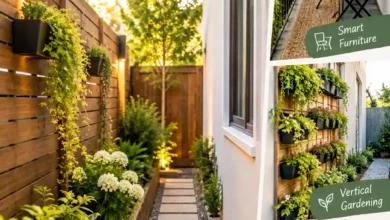
Vertical gardening changes what is possible when ground space is limited. Train vining plants such as cucumbers, peas, and pole beans to climb, freeing valuable soil for other crops. Sturdy trellises and wall-mounted planters provide effective support for this approach.
Combine Containers, Narrow Beds, and In-Ground Planting
Useful vegetable garden design inspiration often comes from combining several growing methods. Place large pots on a patio, build a narrow raised bed beside a walkway, and use a small in-ground patch for root vegetables. This hybrid design prevents any part of the yard from going to waste.
Grow Compact Crops Along Fences, Walls, and Sunny Edges
Fences and walls support climbing plants and absorb heat for vegetables that prefer warmth. Plant compact varieties, such as cherry tomatoes or peppers, along sunny edges. This leaves the garden center open for larger plants while preserving an organized, efficient layout.
Keep Trellises and Tall Containers From Blocking Light
Position vertical structures carefully so they do not cast unwanted shadows. Place the tallest supports on the garden’s north side, allowing shorter plants to receive ample direct sunlight. Following these backyard vegetable garden tips helps maintain a healthy, thriving ecosystem.
| Method | Best For | Space Efficiency |
|---|---|---|
| Vertical Trellises | Vining Crops | High |
| Container Pots | Herbs & Peppers | Medium |
| Narrow Raised Beds | Leafy Greens | High |
| In-Ground Rows | Root Vegetables | Low |
How to Arrange Crops for Sunlight and Easy Care
Strategic placement can turn a backyard plot into a productive refuge. By studying plant needs, you can apply vegetable garden layout ideas that maximize space and yields.
Place Tall Crops on the North Side of the Garden
Place the tallest crops, including corn, sunflowers, and pole beans, along the garden’s north side. This arrangement keeps their long shadows from covering shorter vegetables that require full sunlight.
When shorter plants receive uninterrupted sunlight, they develop stronger stems and produce more fruit. This adjustment reduces stunted growth from accidental shading.

Group Plants With Similar Water and Soil Requirements
Garden efficiency depends partly on thoughtful crop grouping. Place plants with similar water and soil requirements together to simplify daily care.
For example, tomatoes and peppers need abundant water, so they can share one irrigation zone. These backyard vegetable garden tips help prevent overwatering drought-tolerant herbs or underwatering heavy feeders.
Separate Spreading Crops From Compact, Frequently Harvested Plants
Pumpkins, squash, and cucumbers can quickly overtake a garden when left unchecked. Place these sprawling crops along bed edges or near trellises, away from lettuce and radishes.
This separation keeps pathways clear and accessible during frequent harvesting. Your overall maintenance becomes easier when crops no longer compete for physical space.
Plan Succession Planting in Empty Spaces
Succession planting keeps a garden productive from early spring through the first frost. After harvesting a quick-growing crop, promptly replant that open space with another variety.
This strategy keeps the soil active and provides a steady supply of fresh produce. Keep several seedlings ready to fill gaps as they appear.
Use Companion Planting Without Sacrificing Airflow
Companion planting can deter pests and improve soil health naturally. However, plants should not be crowded too closely together.
Adequate airflow helps prevent fungal diseases and mold. Leave sufficient space between companion pairs so fresh air can circulate around the foliage.
Organic Vegetable Garden Layout Strategies
A thriving garden needs more than seeds; it needs a thoughtful organic vegetable garden layout. By working with nature, you can build a resilient ecosystem that produces healthy food year after year.
Build Healthy Soil With Compost and Organic Matter
The soil forms the foundation of every successful garden. Before each planting season, add rich compost and other organic matter to your beds. This practice improves soil structure, retains water, and supplies essential nutrients for vegetables.

Organize Beds for Crop Rotation and Disease Prevention
Strategic planning helps prevent common diseases carried through soil. Rotate plant families among different beds each year to stop pests from settling in one area. This simple vegetable garden design inspiration keeps your soil balanced and productive over time.
Make Room for Beneficial Flowers and Pollinator Plants
A diverse garden promotes healthy growth. Adding flowers and pollinator-friendly plants attracts bees and butterflies, which are vital for fruit production. These plants create a vibrant space that supports your harvest and the local environment.
Place Herbs and Flowers Where They Support Garden Access
Place herbs and flowers along the edges of your beds. This position allows for easy harvesting without requiring you to enter the growing area. Accessible plants provide fresh ingredients while preserving soil integrity.
Design for Mulching, Hand Weeding, and Natural Pest Control
Effective layouts prioritize airflow and clear paths, making maintenance easier. Organic mulch suppresses weeds and retains ground moisture, reducing the need for constant watering. Designing for natural pest control creates space where beneficial insects can thrive and protect your crops.
Comparing In-Ground Soil With Raised Bed Soil
Choosing between a traditional plot and a raised bed depends on your soil. When comparing a raised garden bed vs traditional garden bed, control is the main difference.
Test Existing Soil Before Choosing a Growing Method
Before digging, order a professional soil test to measure pH levels and nutrient content. This step shows whether your ground can support plants or needs major remediation.
Knowing your soil type helps you decide whether to use existing earth or build up the growing area. Remember: Testing is the only way to ensure your vegetables will thrive without hidden obstacles.

Improve Clay, Sandy, or Poorly Drained In-Ground Soil
If your ground contains heavy clay or loose sand, add organic matter such as compost or aged manure. These amendments loosen compacted clay and improve water retention in sandy soil.
Proper drainage supports healthy roots. If rain leaves your site soggy, install drainage tiles or create raised mounds above the water table.
Select Safe, Fertile Soil Mixes for Raised Beds
One major raised garden bed benefits is starting with a weed-free soil blend. Combine high-quality topsoil, compost, and coconut coir for better aeration.
Understand Nutrient Depletion and Seasonal Soil Settling
Soil in a container naturally settles as organic matter breaks down. Plan to top off your beds with fresh compost every spring to maintain nutrient levels.
Vegetables are heavy feeders and remove minerals throughout the growing season. Regular replenishment gives plants the nutrients needed for a bountiful harvest.
Avoid Contaminated Soil in Older Urban or Industrial Areas
In older urban areas, ground may contain heavy metals such as lead from construction or industrial activity. Test native soil for contaminants before planting edible crops directly in it.
Using a raised garden bed with a landscape fabric barrier can isolate plants from tainted earth. Safety should remain your top priority when growing food for your family.
Vegetable Garden Paths, Borders, and Support Structures
Infrastructure forms the backbone of successful vegetable garden layout ideas, turning a simple plot into a high-yield space. Plants are the stars, but paths, borders, and supports determine how easily you can manage your harvest. These features are more than decoration; they are essential tools for efficiency and lasting garden health.

Choose Durable Path Materials for Each Garden Style
Choose path materials according to your budget, local climate, and expected foot traffic. Durable paths limit soil compaction and keep your feet dry during rainy seasons. Whether rustic or modern, each choice affects drainage and ongoing maintenance.
| Material | Best For | Drainage | Cost |
|---|---|---|---|
| Wood Chips | Casual/Rustic | Excellent | Low |
| Gravel | Permanent Paths | High | Medium |
| Pavers | High Traffic | Moderate | High |
Add Trellises, Cages, and Stakes Without Crowding Plants
Support structures enable vertical growth, but install them early to protect root systems. Planning supports during the initial design phase prevents tall crops from shading smaller, sun-loving vegetables. Adding these features to your best garden layout designs improves airflow and access during peak growing season.
Use Edging to Contain Soil, Mulch, and Weeds
Edging creates a clean barrier, keeps garden beds tidy, and stops grass from reaching vegetables. Cedar planks, stone, and recycled plastic protect soil structure and keep mulch in place. A defined border speeds routine weeding and keeps the garden professional throughout the year.
Keep Irrigation Lines and Hoses Easy to Reach
Garden efficiency often depends on how quickly you can water plants. Map irrigation lines or hose paths before planting to avoid dragging heavy equipment through delicate foliage. Accessible systems reduce maintenance time and leave more time to enjoy your harvest.
Layout Ideas for Different Backyard Conditions
Every backyard has distinct conditions that can shape your vegetable garden design. Before digging, observe natural features, including shade patterns, wind exposure, and water runoff. These observations help create a garden that thrives through every season.
Design for Sloped or Uneven Ground
Sloped terrain does not have to end your gardening plans. Use terracing to create level planting areas, prevent soil erosion, and stop water from pooling at the hill’s base. For a simpler method, plant along the land’s natural contours to protect soil stability.
For uneven ground, explore small space garden layout ideas that use vertical potential. Building upward instead of outward can create a stable growing environment on difficult terrain.
Adapt Gardens for Hot, Dry, or Rainy Climates
Your local climate determines the best approach to moisture management. In hot, dry regions, use deep mulch and group plants to create a humid microclimate. In rainy areas, choose raised structures to protect plants from waterlogged roots.
These backyard vegetable garden tips can support a healthy harvest in changing weather. Keep your irrigation system accessible and match it to each crop’s water needs.

Plan Around Fences, Trees, Buildings, and Utility Lines
Before breaking ground, call to verify underground utility line locations. Avoid large trees that compete for nutrients or cast excessive shade on vegetables. Fences and buildings can block wind, but they may also limit sunlight during peak growing hours.
Use Raised Beds to Solve Drainage and Access Challenges
Raised beds work well in yards with poor drainage or compacted soil. They provide total control over the growing medium, helping you create an ideal setting for vegetables. They also make plants easier to reach without bending or kneeling, simplifying long-term maintenance.
Use In-Ground Planting When Root Space and Budget Matter Most
In-ground planting remains affordable for gardeners with large areas and healthy, well-draining soil. This method lets deep-rooted crops reach natural minerals and moisture without container limits. For vegetable garden design inspiration, consider in-ground rows an efficient way to expand production while keeping construction costs low.
How to Choose the Right Garden Layout for Your Goals
A thriving garden starts with a layout that matches your lifestyle and goals. Reviewing your space, budget, and physical needs helps you build a productive sanctuary that supports daily life.
Whether you value efficiency or aesthetic appeal, your choice should reflect your backyard’s conditions. Learning how each setup works can guide you toward the best garden layout designs for your home.

Select In-Ground Beds for Low-Cost, Large-Scale Growing
If you have ample space and quality native soil, in-ground planting is often the most economical option. It expands your growing area without the high cost of lumber or hardware.
Traditional rows suit large-scale crops such as corn, potatoes, and squash. This approach creates a classic organic vegetable garden layout that uses natural earth to support plant health.
Select Raised Beds for Control, Accessibility, and Poor Soil
Raised beds work well when native soil is rocky, compacted, or contaminated. Building upward gives you complete control over soil composition, helping provide the perfect blend of nutrients and drainage.
These structures also help gardeners who need improved accessibility and wish to avoid bending or kneeling. The choice between in-ground vs raised beds often depends on how much physical effort daily maintenance requires.
Combine Both Methods for Flexibility and Crop Diversity
You can use more than one style. Many successful gardeners combine methods to maximize harvest potential throughout the seasons.
Use raised beds for delicate herbs and salad greens, then reserve larger in-ground plots for hardy, sprawling vegetables. This combination supports experimentation with the best garden layout designs. It also maintains an efficient organic vegetable garden layout that adapts to changing needs.
Conclusion
Choosing among vegetable garden layout ideas depends on your sunlight, soil, and available space. Weigh your budget and maintenance preferences to find the right fit for your backyard.
The choice between in-ground vs raised beds often depends on your specific goals. In-ground gardens offer ample room for large-scale growing at a lower cost. Raised beds provide superior soil control and easier access for gardeners with mobility needs.
Many gardeners find that combining both methods delivers the best results. This hybrid approach supports crop diversity while using difficult backyard areas effectively. It also lets you adapt your space as your skills grow.
Test your proposed design with simple measurements before building permanent rows or paths. Laying out string or stakes helps you visualize the space’s flow. A well-planned raised garden bed vs traditional garden bed setup supports a productive harvest throughout the season.
Your dream garden is within reach. Gather your tools and begin mapping your green space this weekend.
FAQ
What are the main advantages of choosing an in-ground vs raised beds layout?
Your site should guide the choice between an in-ground vs raised beds layout. In-ground gardens usually cost less and give plants more unlimited root space, which suits large crops like squash or corn. However, raised garden bed benefits include better drainage, faster-warming spring soil, and easier access for weeding and harvesting. Many of the best garden layout designs combine both methods to use each approach’s strengths.
How do I decide between a raised garden bed vs traditional garden bed based on my soil?
Begin by testing your soil with a kit from a brand like Burpee or your local extension office. If your backyard has heavy clay, rocks, or poor drainage, a raised garden bed lets you use high-quality soil like Kellogg Garden Organics. If you have naturally fertile, loamy soil, a traditional garden bed offers a low-cost way to plant a large-scale garden quickly.
What are some effective small space garden layout ideas for a tiny backyard?
When space is tight, vertical growth becomes your best friend. Use small space garden layout ideas, such as Gardener’s Supply Company trellises for cucumbers and peas, to save floor space. You can also combine narrow raised beds with large containers on your patio. Placing compact herb varieties along sunny edges or fences is another backyard vegetable garden tip for maximizing every square inch of your property.
How should I arrange my crops to ensure they all get enough sunlight?
To avoid “shading out” smaller plants, place your tallest crops—such as corn, trellised tomatoes, or pole beans—on the garden’s north side. This ensures shorter plants like lettuce or peppers receive full sun throughout the day. This simple strategy is a staple in vegetable garden design inspiration and helps all your plants thrive.
Why is a four-foot width recommended for most raised garden beds?
A four-foot width is the “gold standard” because most people can comfortably reach two feet into a bed from either side. This lets you tend plants without stepping on the soil, preventing compaction. Loose, airy soil is essential for a productive organic vegetable garden layout because it supports healthy roots and better water absorption.
What role do paths and borders play in vegetable garden layout ideas?
Paths are critical for organization and soil health. Defining permanent walkways with wood chips, gravel, or stepping stones gives you stable footing without compressing soil near plants. Well-planned paths also provide easy access for wheelbarrows and garden hoses, making long-term backyard vegetable garden tips easier during harvest season.
How can I use a keyhole design to improve my garden’s efficiency?
A keyhole or U-shaped design is among the best vegetable garden layout ideas for gardeners who want to minimize walking. By adding a central notch or “keyhole” path to a wide bed, you can reach the planting area from one standing position. This layout is highly efficient, reduces space devoted to paths, and keeps frequently harvested vegetables within arm’s reach.
How do I plan for crop rotation in my organic vegetable garden layout?
To maintain an organic vegetable garden layout, avoid planting the same “family” of vegetables in the same spot two years in a row. For example, if you grow tomatoes (Nightshade family) in one bed this year, move them to another bed next year. This helps prevent soil-borne diseases and nutrient depletion. Mapping your garden on graph paper or using an app can help track these rotations across several seasons.