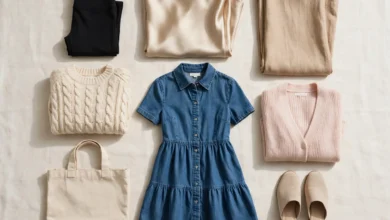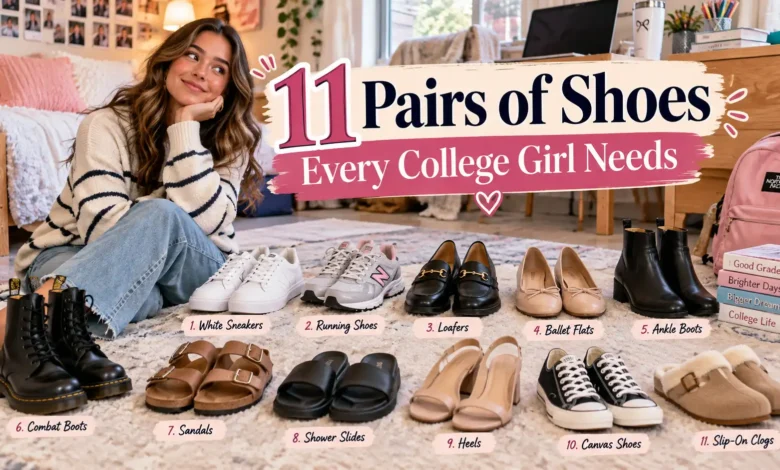
The most useful college shoe lineup covers walking, shared showers, weather, and a few dressier plans. That does not mean buying 11 new pairs before move-in. Some of the shoes below can do double duty, and others only earn their space if your climate or schedule calls for them.
Start with what you already own. If one comfortable sneaker works for both class and everyday outfits, you have already covered two categories. Use these 11 pairs of shoes every college girl needs as a checklist of situations to cover, then choose the smallest lineup that works for your semester.

The visuals are AI-generated styling concepts, not photographs of tested products or a particular campus. Use them for shapes, colors, and outfit ideas; check the specifications of any shoes you buy.
What to Bring First
Before adding anything to your cart, check your class locations, local weather, bathroom setup, and upcoming events. Here is a practical starting order:
- Cover daily walking first. Bring a sneaker you already know fits comfortably, plus shower shoes if you use shared shower facilities.
- Add the weather pair your campus needs. That might be rain boots, winter boots, or a warm-weather sandal. One suitable boot may cover both wet and cold days.
- Keep one polished option. Loafers or flats can handle many presentations, dinners, and career events, depending on the dress code.
- Add activity and occasion shoes when needed. Workout footwear, a second casual sneaker, and formal-event heels should have a clear job before they take up dorm space.
For a broader closet check, use The Wardrobe Checklist Worth Printing to connect your clothing choices to your actual week.
1. Walking Sneakers for Long Campus Days
Buy for the stretch between buildings, not just the outfit in your mirror. A walking sneaker is the pair you reach for when your day includes a morning lecture, a library stop, and a walk back with groceries.
Look for enough toe room, a heel that stays in place, and cushioning that feels comfortable on your feet. A soft-looking sole is not proof of a good fit. Try both shoes with your usual socks, lace them properly, and walk around before deciding.
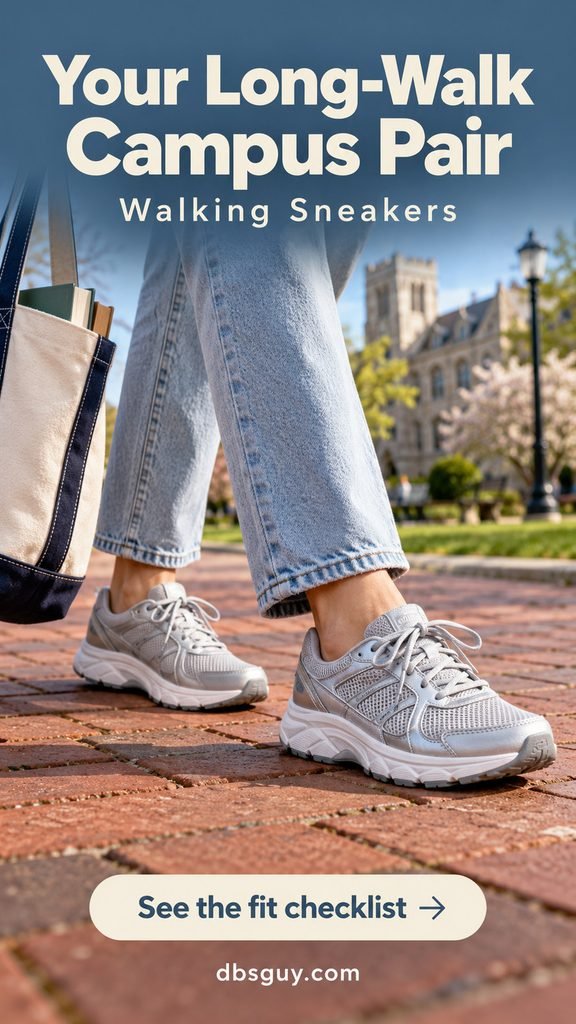
Silver-gray mesh is an easy starting point with jeans, leggings, and joggers. Black or cream works too. Choose the color that connects to your everyday clothes, then let fit make the final decision.
Wear them with: straight-leg jeans, a plain tee, and a cardigan. If you already have a comfortable everyday athletic shoe, give it this job before shopping for a replacement.
2. Simple White Sneakers for Everyday Outfits
White low-tops fill a styling role: they give denim, casual dresses, and relaxed trousers a simple finish without adding the sporty shape of a running shoe. Cream is a useful alternative if bright white feels too stark with your wardrobe.

Keep the design uncomplicated: a low collar, a sole height you like, and an upper you know how to care for. Read the maker’s cleaning instructions before assuming a pair can go in the washing machine.
Try the same sneaker with straight jeans and a striped tee, a cotton midi dress, and wide-leg pants with a sweatshirt. If it works with those three outfits, it has a reason to come along.
Skip the duplicate if: your walking sneakers already give you the look you want. A white fashion sneaker is not automatically comfortable enough for your longest class day.
3. Workout Shoes Matched to Your Activity
A shoe that looks athletic is not necessarily designed for the exercise you do. The American Academy of Orthopaedic Surgeons explains that athletic shoes are constructed for different activities. Choose around your routine: running, a court sport, or general gym training.
The sage pair pictured represents a training-shoe shape. It is an outfit concept, not a recommendation for a specific workout. If running will be your main activity, look at running footwear rather than choosing this shape by appearance.
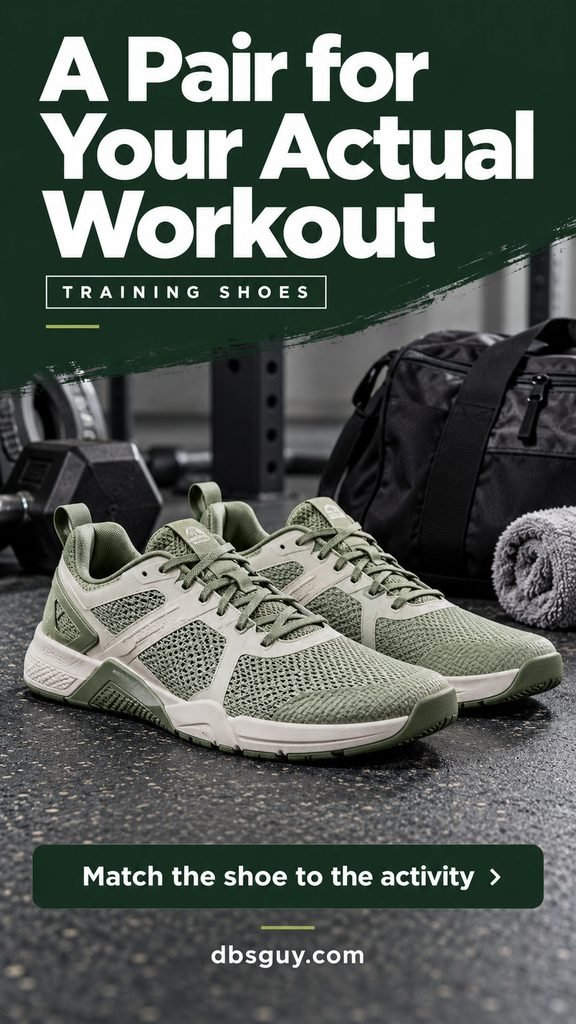
For a beginner gym visit, check the recreation center’s footwear rules and ask staff where to get activity-specific advice. Do not buy a second athletic pair simply because a packing list includes one; first find out whether your existing shoes suit what you will do.
Also Read: Beating Gymtimidation: Your First Time at the Campus Gym.
4. Waterproof Rain Boots for Wet Walks
Rain boots earn their space when wet weather is a regular part of getting to class. A short black pair looks straightforward with cuffed jeans and a rain jacket, and takes up less vertical space than a tall boot.
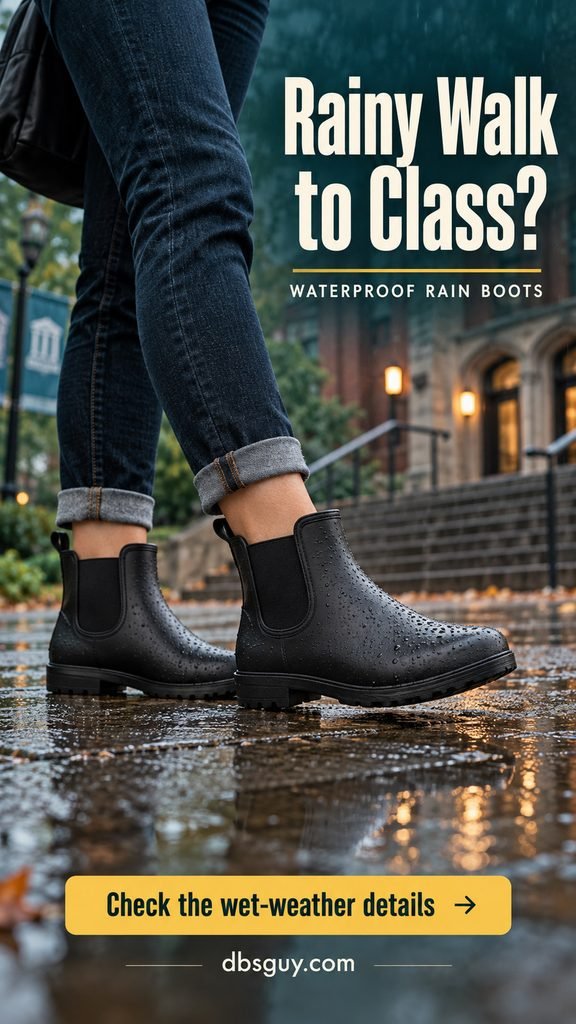
Check that the actual product is described as waterproof. A boot can have a rubber-looking sole or a smooth upper without keeping water out. Read details about its seams, lining, and intended use, and remember that water can enter over the top.
Match the shaft to your route. An ankle boot may work for shallow puddles on paved paths; frequent deep water is a reason to reconsider the route as well as the footwear. The illustrated elastic panels are a design detail, not proof of waterproof construction.
Before buying: try the boots with the socks you expect to wear and walk long enough to notice heel rubbing. If your existing waterproof winter boots also work for mild rainy days, you may not need a separate pair.
5. Insulated Winter Boots for a Snowy Campus
Put these near the top of the list if your semester includes cold, snowy walks. Put them near the bottom if you attend college somewhere warm. A national packing checklist cannot decide this for you.
Look for documented insulation, suitable waterproof construction, and an outsole intended for winter conditions. A plush collar or chunky tread in a photo does not establish how a boot performs. Do not assume a temperature claim applies equally to every person or activity.
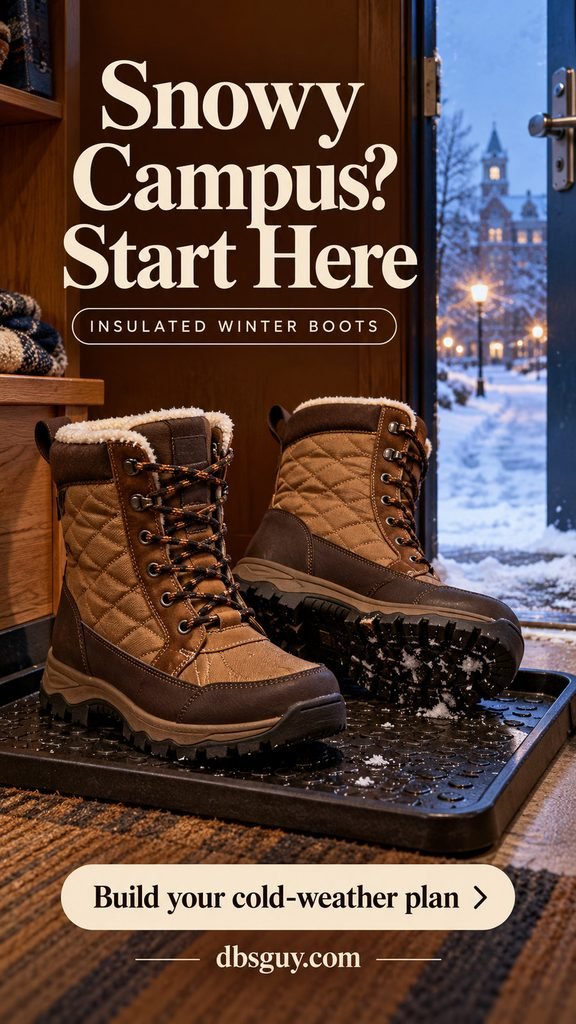
Try the pair with your winter socks. There should be room to move your toes without your heel sliding excessively. Choose a shaft that works with the pants you actually wear, rather than relying on a styled photo with tucked-in leggings.
Dorm adjustment: use a boot tray for melting snow and give wet boots space to dry according to their care instructions. No everyday boot makes an icy route reliably safe; check campus conditions and use maintained paths.
6. Classic Loafers for Presentations and Career Events
Loafers are useful when a sneaker feels too casual but a heel adds nothing you need. A plain black penny loafer with a low heel can work with tailored trousers for a presentation, then with jeans and a button-down afterward.

Bring the trousers you expect to wear when you try them on, or check the combination at home. A wide hem should clear the ground with the shoe’s actual heel height. Choose a toe shape that leaves room for your foot rather than buying a narrow silhouette and hoping it stretches enough.
Walk before keeping them: your heel should not repeatedly lift out, and the upper should not press painfully across the top of your foot. Try the socks you intend to wear, too; they can change the fit.
For interviews: check the employer’s expectations or ask your career center. A simple loafer is a useful option, but no shoe is the correct choice for every workplace or role.
7. Mary Jane Flats for Dressier Days Without Heels
A Mary Jane gives you a different look from a loafer: a lower-cut upper, a visible strap, and an easy pairing with skirts and dresses. Burgundy adds color while still working with navy, gray, cream, and denim.
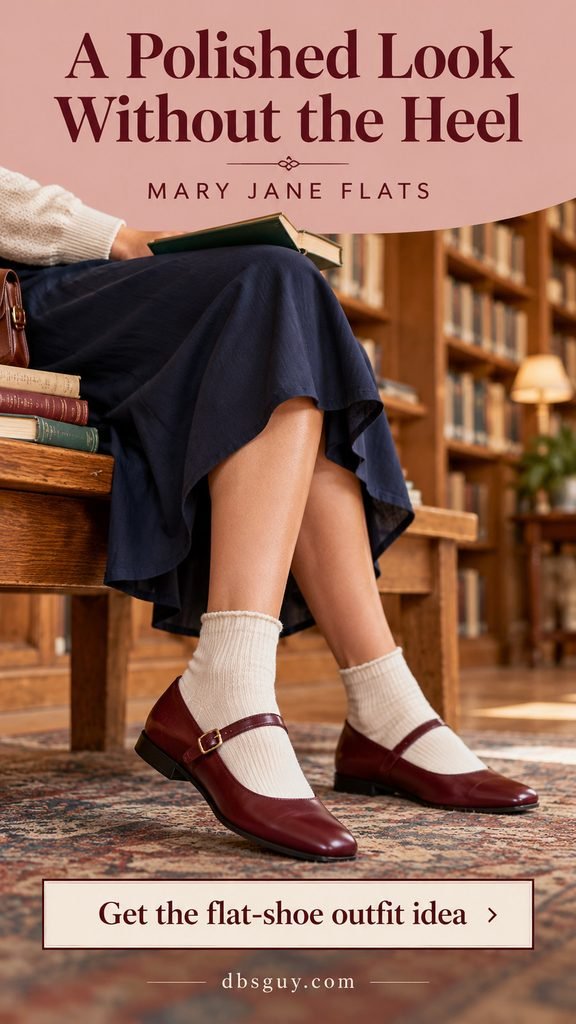
The illustrated outfit uses ivory ankle socks and a navy midi skirt. For a simpler version, wear the flats with ankle-length trousers and a lightweight sweater. Keep the hem high enough that it does not bunch over the strap.
Pay attention to the buckle placement and the edge around the toes. An adjustable strap can help the shoe stay on, but it cannot fix a cramped toe box or a sole that feels uncomfortable. Try the pair with any socks or tights you plan to add.
Choose between categories: if loafers already cover all your polished outfits, Mary Janes are a style addition. You do not need both before your first week.
8. Low-Heel Ankle Boots for Dinner and Denim
An ankle boot changes the feel of jeans without requiring a separate going-out wardrobe. Smooth chocolate brown works especially well with blue denim, cream knits, and warm-toned accessories; black is an equally practical choice for a darker closet.

Try a modest block heel you can walk in comfortably. The pictured side zipper makes the shape clean, but check that its edge does not rub your ankle. Walk, sit, and use a step while trying the boots, within the retailer’s return conditions.
Outfit formula: straight jeans that meet or sit just above the boot shaft, a fitted knit top, and a jacket. If your jeans catch on the opening, try a slightly wider leg instead of repeatedly adjusting the hem.
Treat these as dry-weather outfit shoes unless the maker specifies otherwise. They do not replace rain or winter boots simply because they cover your ankles.
9. Secure-Strap Sandals for Warm Weather
For warm campuses or late-summer move-in, start with a sandal that stays attached to your foot. Adjustable front straps and a heel or ankle strap give you more control over fit than a loose slide.
AAOS recommends ankle-secured straps when choosing sandals for added stability. That still leaves you with a personal fit decision: check where the straps cross your toes, whether the heel sits fully on the footbed, and whether any edge rubs as you walk.
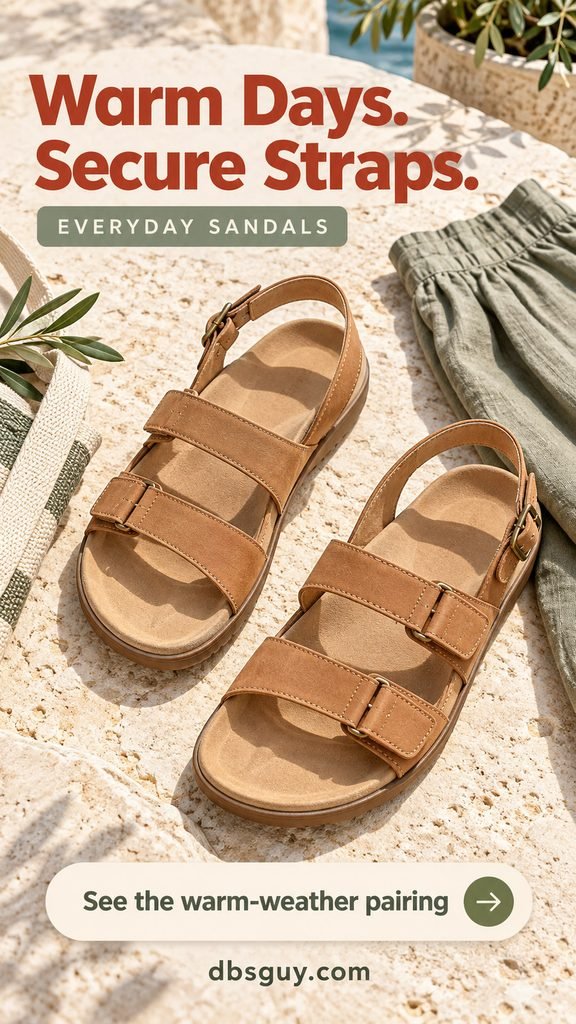
Wear them with: a linen skirt and tank, relaxed shorts and a button-down, or a casual sundress. Tan connects easily with a warm neutral wardrobe; choose black if that matches more of your bags and clothes.
Keep your walking sneakers available for days when the sandal does not feel right for the distance. Check class requirements, too: labs, workshops, clinical placements, and some campus jobs may require specific closed footwear.
10. One Dressy Pair for Formal Invitations
This is the pair to choose after you know the event. A banquet, formal dance, or wedding may justify dressier shoes, but a hypothetical invitation is not a reason to fill your dorm closet now.

A simple champagne sandal with a low block heel can work with an emerald dress, black jumpsuit, or navy dress. Keep the shape restrained if you want to wear it with more than one outfit. Before committing, check the event’s dress code and whether it is indoors or on grass.
Try the shoes with the full outfit so you can judge the hem length, strap placement, and how steadily you move. Wear them indoors first rather than discovering a painful fit on the way to the venue.
Prefer flats? A polished ballet flat, Mary Jane, or loafer may fill the dressy role when it suits the event. Heels are a style choice, not a requirement for being dressed up.
11. Shower Shoes for Shared Bathrooms
If you use a communal dorm shower or the campus gym’s shower area, give this pair its own spot beside your caddy. The American Academy of Dermatology recommends wearing shower shoes or flip-flops in shared shower areas to help reduce exposure to the fungus that causes athlete’s foot.

Choose washable footwear made for getting wet, with a secure fit and an outsole intended for wet use. Drainage holes, like those shown in the lavender concept, are a useful feature to look for. They do not guarantee a particular drying time or protection from slipping.
Rinse and clean the pair according to its instructions, then let it dry somewhere ventilated rather than leaving it in a wet closed bag. Dry your feet after showering, including between the toes.
Keep the job separate: fuzzy slippers are for dry indoor use. They are not a substitute for shower shoes, and your shower slides do not need to become your all-day campus pair.
Also Read: What’s in My College Gym Bag: 15 Essentials That Earn Their Space.
A Quick Fit Check Before You Keep a Pair
Try shoes later in the day, with the socks or tights you will actually wear. Check both feet while standing. AAOS advises about half an inch between your longest toe and the end of the shoe; also check width and heel fit, because extra length does not solve a shoe that is too narrow.
- Walk in both shoes with their laces or straps adjusted properly.
- Notice toe pressure, heel slipping, and rubbing at seams or buckles.
- Check the fit with any orthotics you already use.
- Keep the box and follow the return policy while deciding indoors.
A painful shoe is not a useful bargain. Choose fit over a logo or a color that only works with one outfit.
How to Build the Lineup on a College Budget
Write down the job of each pair you already own. One sneaker can cover walking and casual outfits; one suitable waterproof insulated boot may cover both rain and snow; loafers or Mary Janes can handle more than one dressy situation.
Then make a short shopping list in order of use. Replace a worn daily pair before adding a second going-out shoe. Before buying a style addition, put it beside three outfits you own and decide when you would actually wear it. Check the final price and return terms rather than assuming a sale pair is the better deal.
For more outfit combinations from the clothes already in your closet, read How to Make Ten Pieces Feel Like Thirty.
Store dry pairs where you can see them, and leave wet footwear out to dry before putting it away. If you can swap seasonal shoes during a visit home, you do not need to keep every season under your bed at once.
College Shoe Questions, Answered
Do I really need to bring all 11 pairs?
No. The list covers different uses, including optional style choices and climate-specific needs. A student might begin with walking sneakers, shower shoes, loafers, and a suitable weather pair, then add sandals or workout footwear if needed. That is an example, not a universal packing number.
Can one pair of sneakers work for class and the gym?
Sometimes, if it fits well and is appropriate for the exercise. Check the activity and facility requirements first. A casual white sneaker should not be treated as a running or training shoe just because it has laces and a rubber sole.
Do I need both rain boots and snow boots?
Only if your conditions and existing footwear justify both. Waterproof winter boots may also cover wet days, though they can feel too warm in mild weather. Uninsulated rain boots do not automatically provide enough warmth for a cold campus.
What shoes work for a college lab?
Read your course’s footwear rules before buying. Requirements differ by lab and activity; a closed toe alone may not be enough. Your instructor’s policy determines whether a sneaker, boot, or other shoe is suitable.
Which colors are easiest to combine?
Choose from the clothes you wear most. Gray or cream sneakers, black loafers, and brown or black boots are useful starting points. Add burgundy or metallic only when those colors connect to outfits you already own.
Before move-in, set out your class outfit, your wet-weather outfit, and one dressier look with their shoes. The gap you can point to is the next pair worth considering.