Starting a shared green space is a rewarding journey that unites people through the pleasure of growing food. From a small dirt patch to a large vacant lot, school/community kitchen garden ideas offer a practical path toward better nutrition and local connection.

This guide explores vibrant concepts, including salsa patches, traditional Three Sisters planting, and colorful rainbow rows. It also examines indoor hydroponic setups and outdoor classrooms that turn every harvest into a valuable lesson. By emphasizing accessibility and sustainability, you can build a thriving hub that nourishes body and spirit for years.
Key Takeaways
- Discover how to design productive plots that serve diverse groups of people.
- Learn to integrate educational components into your daily planting routine.
- Explore sustainable methods for long-term success and maintenance.
- Find inspiration for unique layouts like salsa beds and vertical systems.
- Understand the importance of accessibility in shared agricultural spaces.
Why Shared Kitchen Gardens Matter for Schools and Neighborhoods
When schools and neighborhoods plant together, they cultivate more than fresh vegetables. These shared spaces act as vibrant hubs, connecting classroom theory with real-world nutrition. Together, participants transform underused land into a source of pride and sustenance for everyone.

Connect Fresh Food With Hands-On Learning
Adding a garden to the local landscape supports both health and education. Through garden-based learning, students move beyond textbooks to study plant life cycles and soil health. This active approach makes complex scientific concepts tangible and exciting.
When children harvest food they helped grow, they gain a deeper appreciation for healthy eating. This connection often encourages them to try vegetables they might otherwise avoid. Hands-on discovery makes each lesson memorable long after the school day ends.
Build Relationships Across Ages, Cultures, and Abilities
Successful community garden projects thrive by bringing diverse groups together. These gardens provide neutral ground where seniors can share traditional growing techniques with younger generations. By welcoming people of all backgrounds and physical abilities, the garden becomes a true reflection of the neighborhood.
Working side by side in the dirt breaks social barriers and builds lasting friendships. It creates shared ownership, strengthening the fabric of the entire community. Collaboration naturally follows when people tend a common goal.
Set Clear Goals for Food, Education, and Community Use
Before breaking ground, organizers should define the space’s primary purpose. Some groups may prioritize food access to combat local shortages, while others may focus entirely on academic curriculum. A balanced approach often works best, but clarity keeps everyone motivated and aligned.
Deciding whether to emphasize garden-based learning or social connection guides the layout and crop choices. When the community understands the mission, members are more likely to contribute time and resources. Setting these goals early creates a roadmap for long-term success and sustainability.
Plan a Safe, Inclusive Garden That Fits the Site
Every effective school garden design begins with a careful assessment of available space. Evaluating the environment early helps keep the project sustainable and welcoming for everyone involved.

Choose Between Courtyards, Lawns, Rooftops, and Vacant Lots
Your site choice determines the scale and crop types you can support. Courtyards offer protected, intimate spaces for younger students, while lawns provide room for larger, sprawling vegetable patches.
Rooftops work well in urban settings where ground space is limited, if the structure can support added weight. Vacant lots provide a blank canvas for community-wide projects, but often need extensive soil testing and site preparation before planting.
Design Accessible Paths, Raised Beds, and Comfortable Work Areas
Effective school garden design uses clear, wide paths for wheelchairs and groups of students moving together. Choose firm, level materials, such as crushed stone or pavers, to improve safety in all weather.
Raised beds improve accessibility by letting students reach plants without excessive bending or kneeling. Add benches or shaded seating nearby for observation and group discussions.
Plan Water Access, Sun Exposure, Storage, and Supervision
Reliable water access supports every garden, so place beds near a spigot or rain barrel system. Observe the site throughout the day to map sun exposure, ensuring crops receive six to eight hours of light.
Dedicated storage for tools and supplies keeps the area tidy and prevents tripping hazards. Finally, design the layout for easy supervision, with every garden zone visible from a central teaching point.
Use Nontoxic Materials and Safe Garden Tools
Safety is the top priority when children work in a garden. Always choose untreated cedar or food-safe composite materials for raised beds to prevent chemical leaching.
Provide tools sized appropriately for student hands to help prevent accidents. Proper school garden design includes a clear policy for tool maintenance and storage, keeping the environment secure.
Account for Allergies, Mobility Needs, and Weather Conditions
Choose plants carefully by avoiding species that trigger common allergies or have sharp thorns. Design an inclusive layout so students with varying mobility needs can participate fully in every activity.
Consider local weather patterns by installing windbreaks or shade structures to protect plants and students. A well-prepared garden space adapts to the environment, supporting a positive experience in every season.
School/community kitchen garden ideas for Fast, High-Impact Results
These simple, effective school/community kitchen garden ideas can turn any outdoor space into a productive hub. Projects with quick, visible rewards keep students and volunteers engaged with your mission. Fast-growing crops help participants see the results of their work almost immediately.

Plant a Salsa Garden With Tomatoes, Peppers, Cilantro, and Onions
A salsa garden brings people together through familiar flavors. Planting tomatoes, peppers, cilantro, and onions in one bed makes harvesting simple and enjoyable. Everyone loves the idea of making fresh salsa after picking the ingredients.
Create a Three Sisters Bed With Corn, Beans, and Squash
The Three Sisters method is a classic agricultural technique that teaches history and biology together. Corn provides a stalk for beans to climb, while squash shades the soil and retains moisture. This symbiotic relationship shows how different plants support one another as they thrive.
Grow a Salad Bar Garden for Harvest-and-Taste Days
A salad bar garden grows quick crops such as lettuce, spinach, and arugula. These plants support frequent harvests during harvest-and-taste days, when students sample what they grow. This hands-on experience connects fresh food with healthy eating habits.
Build a Rainbow Garden Around Colorful Edible Crops
A rainbow garden uses purple kale, yellow carrots, and red radishes to create a visual masterpiece. This design makes the garden an attractive landmark for the entire neighborhood. It encourages people to explore the nutrients found in different colored vegetables.
Pair Each Plant With a Simple Nutrition or Science Lesson
Each planting area should function as an outdoor classroom, strengthening your school/community kitchen garden ideas. Teach students about photosynthesis, soil health, and vitamins found in specific crops. These lessons help the garden support food access and academic growth.
| Garden Project | Primary Benefit | Learning Focus |
|---|---|---|
| Salsa Garden | High engagement | Culinary arts |
| Three Sisters | Sustainable growth | Ecology and history |
| Salad Bar | Quick harvest | Nutrition science |
| Rainbow Garden | Visual appeal | Plant biology |
Turn Raised Beds Into Creative School Garden Design Features
A thoughtful school garden design does more than hold plants in boxes. It creates an engaging, multisensory setting where students learn through curiosity and hands-on discovery. Rethinking planting areas can turn simple containers into active learning stations.

Arrange Beds in Shapes That Support Classroom Exploration
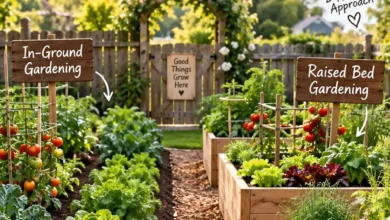
Rather than using traditional long rows, arrange raised beds as circles, U-shapes, or hexagons. These forms create a central “gathering hub” where teachers can lead lessons while students gather around them. The layout supports collaborative learning and gives every child a clear view of each demonstration.
Use Vertical Trellises for Cucumbers, Peas, and Pole Beans
Vertical gardening maximizes space and adds visual height to the site. Sturdy trellises let cucumbers, peas, and pole beans grow upward instead of sprawling across the ground. This keeps fruit clean, simplifies harvesting for small hands, and creates a beautiful living wall of greenery.
Add Keyhole Beds for Efficient Watering and Easy Access
Keyhole beds use a central composting basket to send nutrients into surrounding soil. This compact design combines efficient watering and composting. It also serves as a demonstration tool for teaching soil health and the natural cycle of decomposition.
Create Small Themed Zones for Herbs, Pollinators, and Root Crops
Dividing the garden into zones helps students study varied plant needs and life cycles. One area might hold fragrant herbs, another nectar-rich flowers for pollinators, and a third root vegetables such as carrots or radishes. This organized school garden design turns the space into an outdoor laboratory.
Label Plants With Large, Weatherproof Signs
Clear communication supports a successful educational space. Use large, durable signs made from painted wood or laminated metal to identify plant varieties. These labels help students practice reading and plant identification while keeping the garden organized through changing seasons.
Use Reclaimed Materials Without Creating Safety Hazards
Repurposed old bricks, untreated cedar, and stone can add character without straining the budget. Confirm that reclaimed materials contain no toxic chemicals or lead paint, and have no sharp edges. Safety is the top priority when children touch and interact with garden features daily.
| Bed Type | Primary Benefit | Best Crops |
|---|---|---|
| Vertical Trellis | Space Efficiency | Peas, Beans, Cucumbers |
| Keyhole Bed | Nutrient Cycling | Leafy Greens, Herbs |
| Themed Zone | Educational Focus | Pollinators, Root Veggies |
Bring Garden-Based Learning Into the School Curriculum
Garden-based learning brings academic subjects beyond classroom walls. Daily activities turn a small soil patch into a living laboratory. Students connect abstract ideas with the physical world around them.

Connect Planting Schedules to Biology and Life-Cycle Lessons
Teachers can use the garden to show plant life cycles, from tiny seeds to mature crops. By tracking germination rates and flowering stages, students gain a first-hand understanding of biological reproduction. Hands-on work makes complex scientific processes easier to grasp.
Use Garden Measurements for Math, Data, and Graphing
The garden creates many opportunities for practical math applications. Students can measure sunflower height, calculate raised-bed area, or track harvested vegetable weight. They can then create charts and graphs that show progress throughout the growing season.
Explore Writing, Art, and Local History Through the Garden
A school garden curriculum encourages creativity through nature-inspired art and descriptive writing. Students might sketch detailed leaf patterns or write about local crop history. Linking the garden to the community’s past helps students value the food’s cultural significance.
Teach Food Systems, Nutrition, and Environmental Responsibility
Understanding food origins gives every child a vital lesson. Growing produce teaches students healthy eating habits and the value of sustainable farming. This garden-based learning fosters a sense of stewardship for the environment and its daily resources.
Create Student Garden Journals With Drawings, Observations, and Predictions
Keeping a garden journal documents growth and learning. Students can record daily observations, sketch plant development, and predict future harvests. This consistent record supports reflection and long-term data analysis.
| Subject | Garden Activity | Learning Outcome |
|---|---|---|
| Biology | Seed Germination Tracking | Understanding life cycles |
| Mathematics | Bed Area Calculations | Geometry and measurement |
| Language Arts | Descriptive Field Notes | Improving observational writing |
| Nutrition | Harvest Tasting Sessions | Healthy food awareness |
Design an Outdoor Classroom Garden for Active Lessons
An outdoor classroom garden bridges desk work with hands-on environmental discovery. Moving lessons outdoors gives students a sensory-rich setting that can improve engagement and retention. This form of garden-based learning turns simple green spaces into powerful educational tools.

Arrange Seating Around Demonstration Beds and a Teaching Station
Effective design begins with a central hub where students can gather comfortably. Place semi-circular benches or log stumps around a raised demonstration bed, so everyone can see the instructor. A dedicated teaching station, such as a weather-resistant whiteboard or potting bench, keeps lessons organized and focused.
Build Weather-Ready Learning Spaces With Shade and Drainage
Comfort helps students maintain focus during long sessions. Install shade sails or plant native trees to shield students from direct sun during warmer months. Proper drainage prevents muddy conditions, so use gravel paths or raised wooden platforms to keep the area accessible after rain.
Use Garden Stations for Rotating Small-Group Activities
To keep school garden activities dynamic, divide the space into distinct zones. Include a seed-starting station, composting corner, and pollinator observation area. Rotate small groups through these stations to prevent overcrowding and explore different ecosystem features simultaneously.
Host Outdoor Reading, Sketching, and Nature Observation Sessions
The garden provides a peaceful setting for creative and analytical work. Invite students to bring journals outside for quiet reading or botanical sketching. These garden-based learning moments help children develop a deeper appreciation for nature while practicing essential academic skills.
Establish Rules for Movement, Tools, Harvesting, and Respectful Care
Safety and respect form the foundation of a successful outdoor classroom garden. Define pathways to protect plant beds, and establish a “hands-off” policy for tools unless a teacher is present. Teach students to harvest crops gently and care for the soil, keeping school garden activities sustainable and safe for everyone.
| Activity Type | Primary Goal | Required Tools |
|---|---|---|
| Botanical Sketching | Observation Skills | Pencils, Sketchbooks |
| Soil Testing | Scientific Inquiry | pH Kits, Trowels |
| Harvesting | Food Literacy | Scissors, Baskets |
| Compost Sorting | Sustainability | Gloves, Pitchforks |
Use an Indoor School Garden During Every Season
Even when snow covers the ground, students can continue botanical studies through an indoor school garden. An outdoor classroom garden supports large projects, while indoor setups keep lessons moving through cold or wet weather.

Grow Herbs and Leafy Greens in Sunny Windows
South-facing windows offer a simple starting point for an indoor collection. Herbs like basil, parsley, and chives thrive in natural light and give students immediate sensory rewards. Small pots become living laboratories where students observe plant growth cycles throughout winter.
Set Up Shelves With LED Grow Lights for Seed Starting
When natural light is limited, LED grow lights become essential tools. Install them on tiered shelves to start seeds for spring planting before the frost melts. This method maximizes your growing space and supports consistent, year-round experimentation.
Try Hydroponic Lettuce or Microgreens in a Classroom
Hydroponic systems provide a clean, soil-free way to grow fast-maturing crops such as lettuce. Microgreens also work well because they reach harvest size in only a few weeks. Together, these projects teach students about resource efficiency and modern agricultural technology through hands-on learning.
Make Indoor Compost Observation and Seed-Saving Projects
Bring the cycle of life indoors with a small worm bin or clear compost observation jar. These projects help students understand decomposition and soil health. Drying and storing seeds from the previous harvest creates a valuable connection to plant life cycles.
Control Water, Light, Cleanliness, and Electrical Safety
A safe indoor environment requires careful attention to detail. Place trays under pots to prevent water damage, and secure all electrical cords for grow lights. Keep the area clean to prevent mold and pests, preserving a welcoming and productive space.
Assign Student Teams to Monitor Growth and Equipment
Empower students by assigning specific garden roles. Teams can rotate through moisture checks, light-timer adjustments, and growth records in journals. This responsibility builds a sense of shared ownership and keeps the indoor school garden thriving alongside the outdoor classroom garden.
Launch Community Garden Projects That Encourage Shared Ownership
When neighbors and students collaborate, community garden projects become lively centers of local connection. Shared tasks and decisions help the garden remain a sustainable asset for everyone. This model strengthens relationships while keeping the space productive and well maintained.

Divide Plots Among Classrooms, Families, and Neighborhood Groups
Assigning sections to different stakeholders builds a sense of pride and accountability. Classrooms can manage science experiment beds, while families care for their own small patches. This structure keeps maintenance responsibilities manageable for everyone.
Create a Community Crop Plan Based on Local Food Preferences
Before planting, survey participants about the foods they want to eat. Successful community garden projects grow crops that reflect neighborhood cultures and culinary preferences. People remain more engaged when they cultivate foods they enjoy.
Schedule Workdays for Planting, Weeding, Repairs, and Harvesting
A consistent schedule helps a garden thrive. Set regular group workdays for planting, weeding, mulching, repairs, and harvesting. These gatherings also create opportunities to exchange knowledge and strengthen friendships.
Offer a Free Produce Table or Neighborhood Harvest Basket
Make sure your harvest reaches people who need it most. A free produce table at the garden gate lets neighbors share extra food easily. This gesture supports food security and invites others to join future community garden projects.
Use Sign-Up Boards to Make Volunteer Roles Easy to Join
Make participation easier with physical or digital sign-up boards. List tasks such as watering, weeding, and tool organization, allowing volunteers to choose suitable times. Clarity and accessibility help sustain strong community involvement.
Partner With Libraries, Food Banks, Extension Offices, and Local Growers
Expand your impact by asking local organizations for support. Libraries can host seed-saving workshops, while food banks can distribute extra produce to families in need. These partnerships offer resources and expertise that help community garden projects flourish.
| Role | Primary Responsibility | Frequency |
|---|---|---|
| Classroom Groups | Educational planting and data tracking | Weekly |
| Family Volunteers | Weeding and bed maintenance | Bi-weekly |
| Community Coordinators | Tool repairs and supply management | Monthly |
| Local Partners | Resource sharing and outreach | Seasonal |
Make Sustainable Gardening for Schools Practical
Creating a lasting garden requires a focus on sustainable gardening for schools. Methods that work with nature keep the space productive and healthy across many seasons. These practices also give students practical lessons in environmental stewardship.

Collect Rainwater Where Local Rules and Safety Conditions Allow
Water is precious, and rooftop collection can lower utility costs. Before installing barrels, check municipal codes for safety compliance. Proper screening keeps debris out and prevents mosquitoes from breeding in standing water.
Improve Soil With Compost, Mulch, and Organic Matter
Healthy soil supports every thriving garden. Compost improves drainage in clay soils and helps sandy soils retain moisture. A thick mulch layer suppresses weeds and keeps roots cool during hot summer months.
Choose Native Plants and Water-Wise Edible Perennials
Native plants fit the local climate, making them easier to maintain. Adding water-wise edible perennials, such as asparagus, rhubarb, or berry bushes, reduces replanting. These plants provide a reliable harvest while needing less intervention over time.
Manage Pests With Crop Rotation, Hand Removal, and Beneficial Insects
Effective sustainable gardening for schools relies on proactive pest management rather than harsh sprays. Crop rotation each year prevents soil-borne diseases from building up in one location. Beneficial insects, such as ladybugs, can naturally control aphid populations.
The ultimate goal of farming is not the growing of crops, but the cultivation and perfection of human beings.Masanobu Fukuoka
Test Soil Before Planting Food Crops
Before breaking ground, test soil for heavy metals and nutrient levels. Many university extension offices offer affordable services with clear results. This step helps ensure food grown for students is safe to consume.
Avoid Unlabeled Chemicals and Contaminated Urban Soil
Urban environments often contain legacy contaminants in the ground. If tests show high lead or other toxins, use raised beds with protective barriers and imported clean soil. Always avoid unlabeled chemicals; they can harm local ecosystems and endanger children.
| Practice | Primary Benefit | Implementation Level |
|---|---|---|
| Rainwater Harvesting | Water Conservation | Moderate |
| Composting | Soil Fertility | Easy |
| Crop Rotation | Pest Prevention | Moderate |
| Soil Testing | Safety Assurance | High |
Turn School Garden Activities Into Memorable Community Events
Bringing people together through nature drives successful community garden projects. Opening your gates transforms a simple plot into a vibrant neighborhood hub. These gatherings build belonging and pride among participants.

Host a Seed Swap and Spring Planting Festival
Kick off the growing season by inviting neighbors to trade heirloom seeds and share gardening tips. A spring festival creates excitement for the months ahead. It encourages everyone to get their hands dirty while learning about local plant varieties.
Organize a Seasonal Harvest Meal With Student-Created Recipes
Celebrate your harvest with a community dinner featuring fresh garden produce. Students can lead by developing unique recipes that highlight seasonal ingredients. This experience connects growing food with the pleasure of eating together.
Run a Garden Art Day With Signs, Murals, and Painted Planters
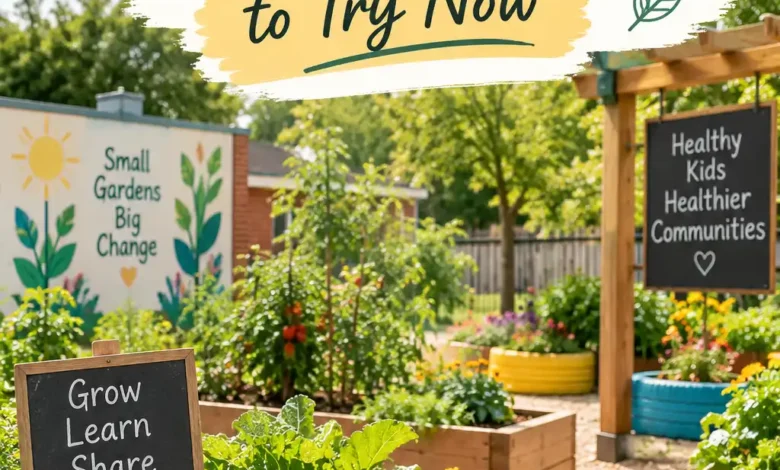
Invite local artists and families to decorate the space with colorful murals and hand-painted planters. Creative school garden activities make the environment feel welcoming and personal. These artistic touches turn the garden into an outdoor gallery reflecting community spirit.
Invite Families to a Pollinator Walk or Garden Open House
Host an open house to showcase the diverse life cycles within your garden. A guided pollinator walk helps visitors identify bees, butterflies, and beneficial insects. These events provide a relaxed atmosphere for families to explore nature at their own pace.
Offer Multilingual Instructions and Low-Cost Ways to Participate
Inclusivity is essential for building a strong community. Provide garden guides in multiple languages so everyone feels welcome. Low-cost or free events remove barriers and encourage participation from every neighborhood household.
Share Harvest Totals, Student Work, and Community Results
Displaying your success helps everyone recognize the impact of their hard work. Post signs showing total pounds of food harvested or photos of student projects. These results prove that community garden projects strengthen the local food system.
Use Small Spaces and Recycled Materials Creatively
Even a small concrete patio can become a productive center for learning and growth. Students can study biology and nutrition without access to a large field. Use vertical space and recycled materials to create a thriving indoor school garden or compact outdoor oasis.
Grow Food in Containers on Balconies, Steps, and Concrete Areas
Containers give schools with limited ground space remarkable flexibility. Place pots on sunny steps, concrete walkways, or narrow balconies to use every square inch. Strategic placement gives plants needed sunlight while keeping them accessible for daily care.
Repurpose Food-Safe Buckets, Wooden Crates, and Pallets Carefully
With modest effort, many common items can become attractive planters. Choose food-safe buckets to prevent chemicals from leaching into the soil. Wooden crates and pallets add rustic appeal and suit shallow-rooted crops, including lettuce or radishes.

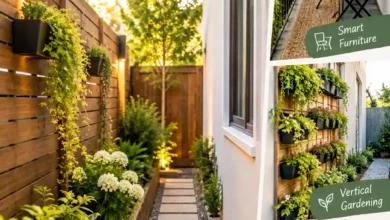
Install Hanging Herb Gardens and Fence-Mounted Planters
When floor space is limited, use walls and fences. Hanging herb gardens use vertical space and keep aromatic plants within reach for cooking lessons. Fence-mounted planters turn plain barriers into living walls that brighten the school environment.
Build a Mobile Garden Cart for Flexible Classroom Use
A mobile garden cart can transform an indoor school garden program. Move plants between classrooms or follow the sun throughout the day. These carts are ideal for small-group activities around a central planting station.
Provide Drainage, Stable Placement, and Clear Weight Limits
Safety and practicality should guide the design of these systems. Follow these essential guidelines to keep your garden functional:
- Ensure proper drainage: Always drill holes in the bottom of containers to prevent root rot.
- Maintain stability: Use heavy bases for tall planters to prevent them from tipping over in high-traffic areas.
- Respect weight limits: Be mindful of the load-bearing capacity of balconies and shelves, especially when soil is wet.
Build a Year-Round Garden Program That Can Last
Seeds and soil alone cannot sustain a garden year after year. A strong school garden curriculum keeps the space central to learning. A detailed plan maintains momentum across every season.

Create Seasonal Planting and Maintenance Calendars
A successful program needs a clear schedule for each season. Consistency keeps the garden healthy and productive. Use a calendar to record planting dates, pruning times, and winterization tasks.
Assign Responsibilities to Students, Staff, Families, and Volunteers
Sharing work prevents burnout and builds community ownership. Define each role clearly, including tasks such as watering and weeding. This collaboration supports sustainable gardening for schools.
Budget for Seeds, Soil, Tools, Irrigation, and Replacement Materials
Financial planning keeps the project running smoothly and prevents unexpected gaps. Include recurring costs such as organic fertilizer, replacement hoses, and seasonal seeds. A detailed ledger helps justify expenses to school boards or donors.
Measure Participation, Harvests, Lessons, and Student Engagement
Tracking progress provides evidence of the garden’s value. Record how many students join lessons and how many pounds of produce you harvest. These metrics can help secure future support.
| Category | Primary Expense | Success Metric |
|---|---|---|
| Infrastructure | Irrigation & Tools | System Uptime |
| Consumables | Seeds & Soil | Total Harvest (lbs) |
| Education | Curriculum Materials | Student Participation |
Document Procedures So New Leaders Can Continue the Program
Record each process in a simple handbook to preserve continuity. When leadership changes, a clear guide helps new volunteers continue without losing progress. Documentation serves as the memory of your garden program.
Use Grants, Donations, Fundraisers, and In-Kind Partnerships Wisely
Diversify funding sources to keep the program financially stable. Seek local grants that support a school garden curriculum, or partner with local businesses for donated supplies. Thank supporters to build long-term relationships that sustain your efforts.
Conclusion
Turning empty land into vibrant growth centers creates lasting benefits for students and neighbors. These school/community kitchen garden ideas connect fresh food access with hands-on learning. Inclusive design and shared goals create spaces that nourish both body and spirit.
Begin with manageable projects that produce quick results. A simple salsa garden, a few container beds, or a small indoor growing system can generate immediate interest. These starting points help your team build confidence while testing what best suits your specific site.
Long-term success requires careful planning for safety, sustainability, and active participation. Measure harvests and student engagement to track progress and maintain momentum. By committing to these school/community kitchen garden ideas, you plant seeds for a healthier, more connected neighborhood that thrives for years to come.
FAQ
What are some of the best school/community kitchen garden ideas for beginners?
A compelling beginner project is a themed “Salsa Garden.” Plant Bonnie Plants tomatoes, jalapeños, and cilantro so participants connect soil with favorite snacks. Another strong option is a Rainbow Garden, grouping purple kale, yellow Swiss chard, and red radishes into a nutritious, colorful space.
How can we incorporate garden-based learning into the existing school garden curriculum?
Integrating a school garden curriculum can be straightforward. In biology, students can observe Burpee heirloom seeds from germination through harvest. In math, they can measure cultivar growth rates or calculate raised-bed areas, while journaling and sketching support English Language Arts and Art standards.
What should we consider for a functional and inclusive school garden design?
A successful school garden design must prioritize accessibility. Install wide, stable wheelchair paths and elevated raised beds, such as those from VegTrug, for comfortable gardening at every height and ability. Include a shaded teaching station with structures from Coolaroo to protect students during outdoor lessons.
Can we continue garden-based learning in the winter with an indoor school garden?
Yes, an indoor school garden supports year-round exploration. Use Mars Hydro LED grow lights on rolling wire shelves to start seeds or grow leafy greens in the classroom. Hydroponic systems like the AeroGarden Farm teach water-efficient technology and plant nutrition when outdoor work is too cold or wet.
What are the most popular school garden activities for community engagement?
Build neighborhood support with family-centered school garden activities, such as a Spring Seed Swap or “Harvest Stone Soup” lunch. A Garden Art Day can bring local artists and students together to paint murals on repurposed wooden pallets. They can also create weatherproof plant labels, fostering shared ownership and project pride.
How do we ensure we are practicing sustainable gardening for schools?
Sustainable gardening for schools begins with healthy soil. Use organic compost and soil conditioners from Kellogg Garden Products to build fertility naturally. Install rain barrels where permitted, choose native drought-tolerant edible perennials, and teach integrated pest management by attracting ladybugs and other beneficial insects instead of using synthetic pesticides.
How can community garden projects help tackle local food insecurity?
Many community garden projects partner with the Whole Kids Foundation or local food banks to deliver fresh produce to people in need. Designated “donation rows” or a neighborhood harvest basket can make the garden a vital source of fresh nutrition. A crop plan reflecting neighborhood cultural preferences helps ensure the harvest remains useful and celebrated.
What is the best way to fund and maintain a school/community kitchen garden long-term?
Long-term success depends on grant funding, local sponsorships, and coordinated volunteers. A Seeds for Education grant or a local Home Depot partnership for tool donations can offset initial costs. During summer break, use SignUpGenius to organize a “Summer Watering Squad” of neighborhood families and volunteers.