Embarking on the journey of starting your own food patch is incredibly rewarding. It brings fresh flavors right to your table. Whether you have a large backyard or a sunny windowsill, beginner kitchen gardening is accessible to everyone. Most edible plants thrive in plenty of sunlight, consistent water, and enough space to grow.

You can explore various types of kitchen gardens, from simple container setups to vertical structures and raised beds. For beginners, it’s best to start with a few reliable crops before expanding your harvest. This approach keeps the process fun and manageable as you learn the basics of plant care.
Key Takeaways
- Select a location that receives at least six hours of direct sunlight daily.
- Start small with easy-to-grow vegetables like lettuce, radishes, or herbs.
- Ensure your chosen space has access to a dependable water source.
- Choose the right soil and containers to help your plants flourish.
- Consistency is more important than size when you are first learning to grow food.
What Makes a Kitchen Garden Different
Kitchen gardens differ from traditional landscaping by focusing on edible plants for fresh flavors. Unlike standard gardens, these spaces are highly productive and functional. They help you integrate food production into your outdoor space.

Growing Food Close to Where You Cook
The main goal is convenience. Placing herbs, greens, and vegetables near your kitchen ensures fresh ingredients are always ready. This makes cooking with fresher, healthier ingredients a natural choice.
How Kitchen Gardens Combine Function and Beauty
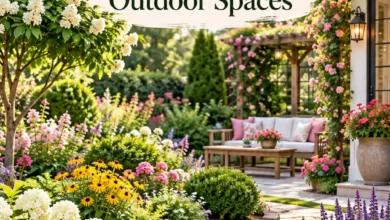
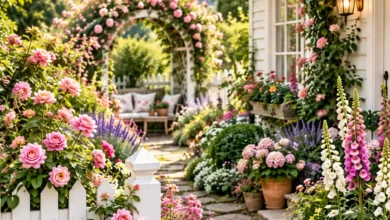
Many believe productive gardens must look messy. But, it’s not true. You can make a space both useful and beautiful with paths, containers, and trellises.
“The garden is a love song, a duet between a person and nature.” — Jeff Cox
Trellises add height and interest, while neat borders organize vegetables. This shows that beginner kitchen gardening doesn’t mean sacrificing style for a harvest.
What Beginners Can Expect From the First Season
Starting your first garden is exciting. You’ll learn about light, spacing, and watering in your first season.
Don’t worry about challenges like pests and soil care. They take time to master. But, you’ll see quick results with fast-growing crops:
- Radishes: Ready in about 25 days.
- Salad Greens: Perfect for meals in a few weeks.
- Green Onions: Great for beginners.
Embracing beginner kitchen gardening lets you grow at your pace. Each success builds your confidence to expand your garden.
Types of Kitchen Gardens
Whether you have a large backyard or a small apartment, there are numerous kitchen garden ideas for you. Identifying the right method to grow your own food is simpler when you categorize by location, layout, and crops. This approach helps tailor your garden to your lifestyle.
Organizing Garden Types by Location
Choosing the right spot for your plants is the first step in selecting from the many types of kitchen gardens. Outdoor gardens benefit from natural rainfall and sunlight. Indoor gardens, on the other hand, allow for continuous production regardless of weather.
Consider a sunny windowsill for herbs or a patio for larger pots. Evaluating your space determines whether you need a portable setup or a permanent yard fixture.

Organizing Garden Types by Layout
Layout significantly influences the effort needed for daily upkeep. Raised beds offer excellent drainage and easy access, ideal for those who dislike bending. They are perfect for those who prefer a low-maintenance garden.
Vertical gardens are great for small spaces, using trellises or wall planters to grow upwards. Traditional in-ground plots, on the other hand, provide ample space for large vegetable production if your soil is suitable.
Organizing Garden Types by the Food You Grow
Some gardeners focus on a single type, like an herb-only garden near the kitchen. Others mix various plants, such as leafy greens, tomatoes, and peppers, for a diverse harvest.
Grouping plants by their water and sunlight needs is a smart strategy. This simplifies your routine by ensuring each plant gets the right care to thrive.
Choosing One Main Style or Combining Several
You don’t have to stick to one style. Many gardeners blend different kitchen garden ideas to increase yield in small spaces.
For instance, use a raised bed for vegetables and keep herbs in containers on your porch. Adding a vertical trellis to the raised bed allows for climbing beans, saving space.
Outdoor Kitchen Gardens for Traditional Growing
If you have a backyard, it’s the perfect space for a traditional outdoor kitchen garden. This method lets you use your yard for direct planting, whether in neat rows or natural borders. Among the many types of kitchen gardens, the outdoor variety is a top choice for those who love working with the soil under the open sky.

Best Outdoor Locations for Sunlight and Convenience
Before digging, observe how sunlight moves across your yard. Most fruiting vegetables, like tomatoes and peppers, need at least six to eight hours of direct sunlight daily.
Convenience is key, too. Place your garden near a path or a kitchen door. This makes watering, weeding, and harvesting part of your daily routine, not a chore.
In-Ground Beds, Borders, and Dedicated Garden Plots
You can organize your space in several ways. In-ground beds are great for improving soil with organic matter. Planting along yard edges as decorative borders adds beauty and function.
Dedicated garden plots offer a formal structure for larger harvests. They allow you to group plants by their needs, making crop management easier throughout the season.
| Garden Layout | Best For | Maintenance Level |
|---|---|---|
| In-Ground Beds | Large vegetable crops | Moderate |
| Garden Borders | Herbs and small greens | Low |
| Dedicated Plots | High-yield production | High |
Protecting Outdoor Plants From Weather and Pests
Nature can be unpredictable, so prepare for common challenges. Use sturdy supports like stakes or trellises to protect plants from strong winds and heavy rain. These tools keep your vegetables upright and healthy.
Pests like slugs and chewing insects often visit outdoor spaces. Use copper tape or row covers to keep your harvest safe. Regularly inspect your plants to catch issues early and ensure your types of kitchen gardens thrive all season long.
Indoor Kitchen Gardens for Year-Round Freshness
You don’t need a large backyard to grow a vibrant indoor kitchen garden. By bringing plants indoors, you can enjoy fresh flavors all year, making it a top choice for city dwellers.

Herbs and Greens That Grow Well Indoors
Many plants thrive in your home’s controlled environment. For a productive herb kitchen garden, choose varieties that do well in containers and indoor light.
- Basil: Loves warmth and bright light.
- Chives: Very hardy and easy to harvest.
- Parsley: Prefers consistent moisture.
- Mint: Grows vigorously in pots.
- Microgreens: Perfect for quick, nutrient-dense harvests.
- Loose-leaf lettuce: Ideal for shallow containers.
Windowsills, Countertops, and Shelving Systems
Choosing the right spot is essential. A sunny, south-facing windowsill is best for light-loving herbs. If your windows are shaded, use shelving units with adjustable heights to make the most of your space.
Countertops near the sink are great for easy watering and harvesting. Just make sure there’s enough room for air to prevent mold.
Managing Light, Water, Humidity, and Airflow
Indoor plants need a balanced environment. Always use pots with drainage holes to avoid root rot, caused by standing water.
Humidity can be a problem in dry, heated homes. Grouping plants or placing them on a tray with pebbles and water can help.
When a Grow Light Is Worth Adding
A sunny window might not be enough during winter’s short days. Consider a grow light if your plants look pale or stretch towards the window.
These lights provide the right spectrum for growth. They’re essential for a healthy herb kitchen garden all year.
| Plant Type | Light Needs | Water Frequency | Best Location |
|---|---|---|---|
| Basil | High | Moderate | South Window |
| Mint | Medium | High | Kitchen Counter |
| Lettuce | Medium | Moderate | Cool Shelf |
| Chives | High | Moderate | Sunny Sill |
Container Kitchen Gardens for Flexible Growing
Containers open up a world of possibilities for your home, making kitchen garden ideas accessible to all. They’re perfect for renters with small balconies or homeowners with limited yard space. This method eliminates the need for high-quality ground soil, ideal for those new to beginner kitchen gardening.

Choosing Containers by Plant Size and Root Depth
Choosing the right container is key for a thriving small kitchen garden. It’s essential to match the container’s depth to your plants’ needs. Herbs and leafy greens do well in smaller pots, while larger vegetables need more space.
For plants like tomatoes, peppers, and carrots, deep containers are necessary to support their extensive root systems. A pot that’s too small can cause the plant to become root-bound, hindering its ability to produce a healthy harvest. Always refer to the seed packet or plant tag for recommended container sizes.
Using Potting Mix, Drainage Holes, and Saucers Correctly
Success begins with the right foundation. Never use garden soil in containers, as it becomes too heavy and compact. Instead, opt for a high-quality potting mix that provides the aeration and moisture retention your plants need.
Every container must have drainage holes at the bottom to prevent water from pooling. Water pooling can lead to root rot and kill your plants quickly. Use saucers to protect your floors or patio surfaces, but ensure the pots are elevated slightly to avoid standing water.
Easy Container Crops for First-Time Gardeners
Starting with the right plants makes the journey more enjoyable. Lettuce, radishes, and bush beans are excellent choices because they grow quickly and tolerate container life well. You can also try growing various herbs or compact pepper varieties that thrive in limited spaces.
Moving Containers to Follow the Sun
One of the greatest advantages of container gardening is its mobility. If your plants are not getting enough light, you can simply move them to a sunnier spot on your porch or patio. This flexibility ensures your crops receive the six to eight hours of sunlight they need to produce a bountiful harvest throughout the season.
Raised-Bed Kitchen Gardens for Organized Planting
Exploring types of kitchen gardens reveals why raised beds are a top choice for beginners. They clearly define growing areas, keeping your backyard tidy and productive. Elevated plants offer better control over their environment.

How Raised Beds Improve Access and Drainage
Superior soil drainage is a key benefit of raised beds. Elevated soil drains excess water, preventing waterlogged roots. This is vital for healthy growth, essential in rainy seasons.
These beds also prevent soil compaction from walking. Defined paths keep the soil loose and nutrient-rich for your crops.
Selecting Bed Materials and Practical Dimensions
When planning kitchen garden ideas, consider material longevity. Cedar and redwood resist rot naturally, while composite materials offer a modern, durable option. Avoid treated wood to prevent chemical contamination of your food.
For optimal results, beds should not exceed four feet in width. This width allows easy access from both sides without stepping inside. Flexible lengths fit various yard corners.
Filling Raised Beds With Healthy Growing Medium
Quality soil is essential for a thriving garden. Use a balanced mix of topsoil, aged compost, and organic matter. This blend supports root growth and nutrient absorption.
Regular mulching is also critical. Organic mulch retains moisture, suppresses weeds, and saves time. It keeps plants happy during hot summers.
Keeping Raised Beds Accessible for Comfortable Care
If bending or kneeling is challenging, build beds at a higher elevation. This brings plants closer, making weeding and harvesting more comfortable. It turns gardening into a relaxing hobby instead of a chore.
| Material | Durability | Cost | Best For |
|---|---|---|---|
| Cedar | High | Moderate | Natural look |
| Composite | Very High | High | Long-term use |
| Stone/Brick | Permanent | High | Permanent landscape |
In-Ground Kitchen Gardens for Larger Harvests
Turning a section of your backyard into a vegetable kitchen garden is a timeless way to grow food at home. With enough space, sunlight, and fertile soil, you can harvest more than smaller gardens can. It’s a top choice for those aiming to supply their families with fresh produce all year.

Testing Soil Before Planting Directly in the Ground
Before digging, it’s essential to know what’s beneath the surface. Soil testing reveals its pH, nutrient content, and drainage. You can buy a kit or send a sample to a university for a detailed analysis.
This step also uncovers any soil contamination, like heavy metals or chemicals. Knowing your soil’s condition helps you pick the right amendments for your plants. Healthy soil is the cornerstone of a thriving outdoor kitchen garden.
Planning Rows, Blocks, and Walking Paths
With your soil ready, plan your planting layout. Long rows are great for large-scale production and ease of use. But block planting groups crops together, shading weeds and retaining moisture.
Choose paths that are wide enough for your needs. They should allow for easy movement, harvesting, and maintenance without damaging the soil. Thoughtful planning keeps your garden accessible and prevents soil compaction.
Preparing Soil With Compost and Organic Matter
Improving your native soil is key to a successful harvest. Adding compost and organic matter enhances soil structure and moisture retention. It also fosters beneficial biological activity, like earthworms and microbes.
Regularly adding organic material keeps your soil fertile. This simple practice ensures your garden remains productive year-round. The table below compares different planting strategies to help you choose the best for your space.
| Method | Best For | Space Needed | Maintenance |
|---|---|---|---|
| Traditional Rows | Large crops | High | Moderate |
| Block Planting | High density | Low to Medium | Low |
| Raised Rows | Drainage | Medium | High |
Vertical Kitchen Gardens for Small Spaces
Even the smallest balcony can be transformed into a lush, productive oasis by growing upward. A vertical kitchen garden is a brilliant way to maximize your harvest when you lack traditional ground space. By utilizing height, you turn bare walls and narrow corners into functional, beautiful food sources.

Using Trellises, Wall Planters, and Tiered Shelves
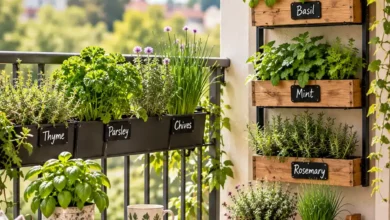
There are many creative kitchen garden ideas that rely on vertical structures to save space. Trellises are perfect for vining plants, while wall-mounted planters allow you to grow herbs right at eye level. Tiered shelving units provide a compact footprint, letting you stack multiple pots in a single sunny spot.
Climbing Crops That Make the Most of Vertical Space
Choosing the right plants is essential for a successful small kitchen garden. Peas and pole beans are natural climbers that thrive when given a sturdy net or lattice. Cucumbers and compact vining squash also perform well, provided they have enough root space in their containers to support their heavy fruit.
Supporting Plants Safely Without Blocking Light
Safety is a top priority when installing vertical systems. Always ensure your trellises and shelves are securely anchored to a wall or heavy base to prevent them from tipping over in the wind. Position your supports carefully so they do not cast unwanted shadows on other plants that need full sun.
Preventing Dry Soil in Elevated Containers
Elevated containers often dry out faster than ground beds because they receive more airflow on all sides. You should check the moisture levels of your soil daily during the heat of summer. Applying a layer of organic mulch can help retain water and keep your plants healthy and hydrated.
| Support Type | Best For | Space Efficiency |
|---|---|---|
| Trellis | Pole Beans & Peas | High |
| Wall Planter | Herbs & Leafy Greens | Very High |
| Tiered Shelves | Mixed Vegetables | Medium |
Herb Kitchen Gardens for Everyday Flavor
An herb kitchen garden is a great starting point for anyone looking to enhance their cooking at home. These gardens offer a constant flow of fresh, aromatic ingredients that far surpass what you can find in stores. Even with limited space, you can harvest a variety of flavors right outside your door.

Annual Herbs and Perennial Herbs for Beginners
Understanding the life cycle of your plants is essential for beginner kitchen gardening. Annual herbs, such as basil and cilantro, complete their life cycle in one growing season. You’ll need to replant these every year to keep your supply fresh.
On the other hand, perennial herbs like chives and mint return year after year. These hardy plants establish deep roots and provide harvests for multiple seasons. Knowing this distinction helps you plan your kitchen garden ideas effectively for long-term success.
Growing Basil, Parsley, Cilantro, Mint, and Chives
Success with herbs often comes down to basic moisture management and regular harvesting. Basil and cilantro thrive in warm weather, while parsley and chives prefer cooler temperatures. You should pinch off the tops of your basil and parsley plants regularly to encourage bushy, healthy growth.
Mint is incredibly vigorous and requires consistent water to stay lush. Chives are quite resilient and can handle a variety of soil conditions. By harvesting these herbs frequently, you stimulate the plant to produce more leaves, ensuring a steady supply for your favorite recipes.
Placing Herbs Near the Kitchen for Frequent Harvesting
The most practical kitchen garden ideas involve placing your plants where they are most accessible. A sunny windowsill or a small patio pot near the back door makes it easy to grab a handful of herbs while you cook. This convenience ensures you actually use what you grow, which is the ultimate goal of beginner kitchen gardening.
Containing Mint and Other Fast-Spreading Herbs
Mint is a wonderful addition to any garden, but it has a secret habit. It spreads aggressively through underground runners that can quickly take over an entire bed. To keep your garden organized, always plant mint in a separate container, not directly in the ground.
| Herb Name | Type | Sunlight Needs | Best Use |
|---|---|---|---|
| Basil | Annual | Full Sun | Pesto and Sauces |
| Chives | Perennial | Partial Shade | Garnishes and Salads |
| Mint | Perennial | Partial Shade | Teas and Desserts |
| Parsley | Biennial/Annual | Partial Shade | Soups and Stocks |
Maintaining a healthy herb kitchen garden is a rewarding experience that pays off in every meal. With the right placement and a little bit of care, you will enjoy fresh flavors all season long.
Vegetable Kitchen Gardens for Fresh Produce
Starting a vegetable kitchen garden is incredibly rewarding, bringing fresh flavors to your meals. It doesn’t matter if you have a large backyard or a small patio. Focusing on edible crops ensures you enjoy produce at its peak nutritional value. Among the many types of kitchen gardens, vegetable gardens offer the most immediate satisfaction for home cooks.

Beginner-Friendly Vegetables for Different Seasons
For beginners, starting with reliable crops is best. Cool-season favorites like lettuce, radishes, and carrots do well in spring and fall’s mild temperatures. As temperatures rise, switch to heat-loving plants such as tomatoes, peppers, zucchini, and bush beans.
Remember, planting dates vary by local climate and USDA hardiness zone. Always check frost dates to give your plants the best chance. Starting with these varieties builds confidence as you learn your soil’s rhythms.
Pairing Fast-Growing Crops With Long-Season Plants
Efficient space management is key in a vegetable kitchen garden. Plant fast-growing crops like radishes or baby greens with slower-growing plants like tomatoes or peppers. This way, while the larger plants establish, the quick crops are ready to harvest.
This method ensures no space is wasted. By the time larger plants need more room, the fast-growing vegetables will have been harvested. This clever use of space keeps your garden productive all season.
Planning Succession Planting for Continuous Harvests
Succession planting is essential for beginner kitchen gardening enthusiasts seeking a steady food supply. Instead of planting all seeds at once, sow or transplant new crops every two weeks. This prevents the problem of having too much produce at once, followed by a long gap.
For instance, planting lettuce every few weeks ensures a constant supply for salads. Once an early crop finishes, remove the remnants and plant new seeds or seedlings. This cycle keeps your garden productive from early spring until the first frost.
Small Kitchen Garden Ideas for Limited Space
Transforming a tiny balcony or a sunny windowsill into a productive garden is easier than you think. You don’t need a sprawling backyard to enjoy the bounty of a fresh harvest. With creativity, any small kitchen garden can become a lush, edible oasis.

Making Use of Balconies, Patios, Porches, and Windows
Your home likely has hidden spaces with great sunlight. Balconies and porches are perfect, but remember the weight of wet soil. Always check your building rules before adding heavy pots to a balcony.
Drainage is critical for these spaces. Make sure your containers have holes to prevent water from pooling. This can damage surfaces or harm plant roots. If your area is windy, choose sturdy, low-profile pots to keep your indoor kitchen garden or patio setup secure.
Combining Containers, Vertical Supports, and Compact Varieties
To maximize your harvest, think in layers. A vertical kitchen garden uses wall planters, trellises, and tiered shelving to grow upward. This keeps your floor clear while allowing more plants to thrive in the same footprint.
Choosing the right plants is key. Look for “patio” or “dwarf” varieties of vegetables, bred for smaller containers. These compact plants provide a high yield without massive root systems.
Prioritizing High-Value Crops in a Small Footprint
When space is limited, focus on crops that offer the most flavor and utility. Prioritize high-value items you use daily in your cooking. Fresh herbs, crisp salad greens, and colorful cherry tomatoes are perfect for a small kitchen garden.
Specialty peppers also perform well in pots and add beauty to your space. By choosing these high-impact plants, you ensure every inch of your garden provides a delicious return on your investment.
| Growing Area | Best Plant Types | Key Consideration |
|---|---|---|
| Windowsill | Herbs, Microgreens | Light intensity |
| Balcony | Tomatoes, Peppers | Weight and wind |
| Patio | Leafy Greens, Beans | Drainage access |
| Wall/Vertical | Vining crops, Herbs | Structural support |
Choosing the Right Kitchen Garden for Your Home
Whether you dream of a lush backyard or a tiny herb collection, selecting the right garden type is key. Exploring the various types of kitchen gardens helps you find a method that suits your unique living situation. By evaluating your environment early, you ensure your plants have the best chance to thrive.

Matching the Garden Type to Available Sunlight
Sunlight is vital for your plants. Most vegetables and fruits need at least six hours of direct sunlight to produce well. If your space gets less light, consider an indoor kitchen garden for leafy greens, which tolerate lower light levels.
Observe your space throughout the day to track light patterns. Understanding your light patterns helps decide between sun-loving tomatoes or shade-tolerant kale. Always prioritize your crops’ needs to avoid disappointment.
Considering Time, Budget, Mobility, and Maintenance
Your schedule affects how much effort you can dedicate to your plants. A small kitchen garden in containers is easier to manage for busy individuals than a large plot. Consider your physical mobility, as raised beds reduce bending and kneeling needs.
Budget shapes your initial setup. Starting with a few pots is more affordable than building permanent structures or installing irrigation systems. Consistent maintenance is key to a thriving garden, so choose a scale you can sustain.
Adapting Garden Choices to USDA Hardiness Zones
The USDA Hardiness Zones help understand which perennial plants can survive winter in your region. While these zones are helpful, they don’t tell the whole story. You must also consider local frost dates and specific crop requirements.
Think of these zones as a general guide, not a strict rulebook. Whether planning an outdoor kitchen garden or a seasonal patch, local climate data is essential. Always check with local nurseries for advice tailored to your specific microclimate.
Checking Local Rules for Balconies and Shared Outdoor Areas
Before starting, review your living situation. If you rent or live in a community with an association, there may be specific rules. Always verify your local regulations to ensure your gardening project remains enjoyable, not a source of conflict.
Planning and Caring for a Beginner Kitchen Garden
Starting with a well-planned garden layout is key to enjoying fresh flavors at home. Whether you aim for a compact herb kitchen garden or a sprawling vegetable kitchen garden, success hinges on a solid plan. By mapping out your space, you ensure each plant gets the sunlight it needs to flourish.

Sketching the Layout Before Buying Plants
Before buying seeds, take a moment to sketch your garden area. Identify the sunniest spots, as most edible plants need at least six hours of direct sun. Include paths for easy access and mark your water source for simple maintenance.
Starting With Reliable Seeds, Seedlings, and Supplies
New gardeners often reach for expensive equipment, but you only need the basics. Focus on quality seeds or seedlings, organic potting mix, and sturdy containers. Keep your tool kit simple with a hand trowel, watering can, and plant labels to track your progress.
Building a Simple Watering and Feeding Routine
Consistency is key in beginner kitchen gardening. Check soil moisture daily, and water at the base to keep leaves dry. A light organic fertilizer application every few weeks will nourish your plants for steady growth.
Harvesting Often to Encourage Continued Production
Frequent harvesting is a surprise for many beginners. It signals the plant to produce more, keeping your kitchen garden ideas productive all season.
Recognizing Common Problems Before They Spread
Regularly inspect your plants for signs of stress or discoloration. Catching issues like yellowing leaves or wilting early helps prevent them from spreading. Early detection is vital for a healthy, vibrant garden.
Using Safe, Practical Pest-Management Methods
If pests appear, start with simple solutions. Hand-picking or a gentle water spray can often solve the problem without chemicals. Always read labels carefully to ensure products are safe for edible crops and beneficial insects.
| Essential Item | Primary Purpose | Maintenance Frequency |
|---|---|---|
| Hand Trowel | Planting and weeding | As needed |
| Watering Can | Hydration | Daily or bi-daily |
| Organic Fertilizer | Nutrient boost | Every 3-4 weeks |
| Plant Labels | Identification | At planting time |
Conclusion
Your journey to a greener home starts with a single seed or a small pot. Exploring the many types of kitchen gardens helps you find the perfect fit for your lifestyle and space. Whether you opt for vertical wall planters or simple raised beds, the right choice makes a significant difference.
Successful beginner kitchen gardening hinges on aligning your environment with your goals. Consider your local sunlight, budget, and daily care time. These factors lead you to the most sustainable choices for your home.
Getting inspiration from various kitchen garden ideas helps you envision your future harvest. Begin with a few reliable crops that bring you joy. Watch how your plants adapt to their surroundings and grow your efforts as your confidence increases.
Fresh produce is within reach, no matter your living situation. A well-planned, modest space offers plenty of flavor for your kitchen table. Embrace the learning process and enjoy the rewards of growing your own food at home.
FAQ
What are the most common types of kitchen gardens for a home setting?
Kitchen gardens vary based on space and goals. Traditional options include outdoor plots or raised beds for drainage and organization. For small spaces, container or vertical gardens are ideal for patios or balconies. Indoor gardens on sunny windowsills or AeroGardens offer year-round freshness.
I’m new to growing food; how do I start with beginner kitchen gardening?
Start small with reliable crops like loose-leaf lettuce, radishes, or chives. Place your garden near the kitchen for easy access. Ensure plants get six hours of sunlight and use high-quality potting mix for a strong start.
What are some creative small kitchen garden ideas for apartment dwellers?
Apartment dwellers can have a productive garden. Use vertical techniques like wall-mounted planters or tiered shelving. Hanging baskets are great for cherry tomatoes or strawberries. Window boxes are perfect for herbs. Choose “cut-and-come-again” crops for multiple harvests.
What is the best way to organize a vegetable kitchen garden for a continuous harvest?
Succession planting is key for continuous harvests. Sow new seeds every two to three weeks. Pair fast-growing crops like spinach with slower-growing plants like peppers. Raised beds help manage soil and define zones.
How do I maintain an indoor kitchen garden during the winter?
Manage light and humidity for an indoor garden in winter. Use full-spectrum grow lights for weak winter sun. Keep plants away from drafts and use a fan for airflow. Herbs like basil and mint thrive indoors with consistent moisture.
Why should I consider a vertical kitchen garden instead of traditional rows?
Vertical gardens save space and reduce strain. They increase airflow, preventing diseases. Harvesting is easier on your back. Vining plants like pole beans and cucumbers are great for vertical gardens.
What is the difference between an herb kitchen garden and a vegetable kitchen garden?
Herb gardens focus on aromatic plants for seasoning, like rosemary and thyme. Vegetable gardens grow annual produce like tomatoes and carrots. Most gardeners prefer a mix of both for culinary versatility.
How much sunlight does an outdoor kitchen garden actually need?
Outdoor gardens need six to eight hours of direct sunlight. Sun-loving fruits like tomatoes require maximum light. Leafy greens and herbs can tolerate four to five hours of light in shaded areas.
Are there specific rules I should check before installing a kitchen garden?
Always check HOA rules or local codes before installing permanent structures. Verify your lease if renting. Consult USDA Hardiness Zone maps for climate-suited plants.
What tools do I need for basic kitchen garden maintenance?
You don’t need a lot of equipment. Fiskars pruning shears, a hand trowel, a watering can, and a soil moisture meter are essential. Add a garden fork or Hori Hori knife as you expand.