13 Underrated Places in the USA to Visit Before Everyone Else Finds Them

“Hidden gem” might be one of the most overused phrases in travel.
A place gets called undiscovered, then you arrive and discover a packed parking lot, a two-hour brunch line, and fifty people waiting for the same photo.
So this list uses a different standard.
These destinations are not secret. People live in them, travelers already visit them, and some are well known inside their own regions. What makes them underrated is that they still sit outside the usual American vacation shortlist even though they offer enough scenery, food, history, culture, or outdoor access to justify a real trip.
Current 2026 travel coverage is increasingly pointing travelers toward less obvious destinations, partly because famous places are becoming more crowded and expensive. A recent 3,000-traveler survey on untapped U.S. tourism potential and multiple 2026 travel roundups have highlighted the appeal of overlooked towns, secondary cities, Great Lakes destinations, small coastal communities, and park gateways where the experience can feel more personal and less congested.
That does not mean you should race to “beat” everyone else.
Visit slowly. Spend money locally. Respect the people who live there. And remember that a quieter destination stays worth visiting only when travelers treat it like a community rather than a backdrop.
1. Lubec, Maine

If Bar Harbor feels like the obvious Maine coast, Lubec feels like the road kept going after most travelers turned around.
This small Down East community sits near the Canadian border on Passamaquoddy Bay, surrounded by working-waterfront scenery, rocky coastline, fog, lighthouses, and a sense of remoteness that has become rare in popular New England travel.
It is not the place to come for nightlife or a long list of attractions. It is the place to come when you want a harbor walk, a quiet morning, fresh seafood, coastal trails, and enough space to hear the wind and water.
Why it deserves more attention
Lubec can anchor a weekend around West Quoddy Head, coastal hiking, local history, and the wider Bold Coast region. The scenery feels dramatic without requiring the crowds associated with Maine’s most famous park destinations.
Best for: Quiet coastal trips, photographers, couples, lighthouse lovers, and travelers who genuinely enjoy remote places.
Worth knowing: Distances in Down East Maine can feel longer than they look on a map. Fill the tank, download maps, and check seasonal business hours before arriving.
2. Pioneer Valley, Massachusetts
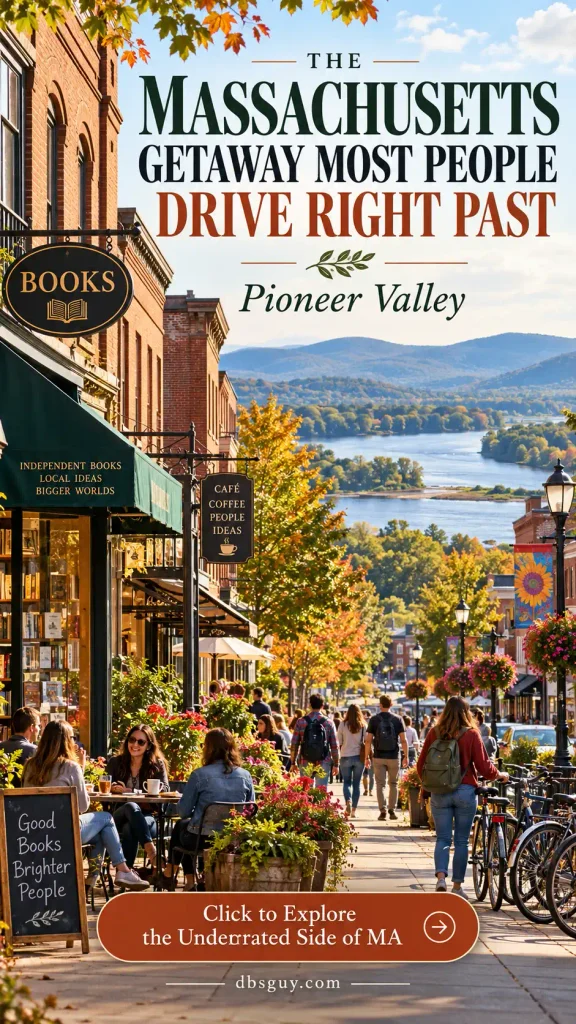
Massachusetts travel tends to pull visitors toward Boston, Cape Cod, or the Berkshires.
The Pioneer Valley sits between those mental map markers and quietly offers a very different trip: college towns, creative food scenes, bookstores, museums, old mill cities, river landscapes, hiking, and a strong local arts culture.
Northampton and Amherst make especially useful bases, while Springfield adds major museums and basketball history farther south.
Why it works as more than a stopover
You can spend one day walking a town, browsing shops and eating well, then use the next for museums, trails, farm-country drives, or another nearby community. The region rewards travelers who enjoy variety more than one blockbuster attraction.
Best for: Book lovers, food, college-town energy, fall drives, museums, and easy New England weekends.
Worth knowing: The valley is a region rather than one compact destination. Pick one or two towns as anchors instead of trying to cover everything.
3. Berea, Kentucky

Berea gives you something increasingly hard to find in a travel destination: a clear identity that is not based on becoming trendy.
The town calls itself Kentucky’s Folk Arts and Crafts Capital, and the claim is supported by an unusually dense community of studios, galleries, working artists, craft schools, the Kentucky Artisan Center, and Berea College traditions.
Official tourism guidance also emphasizes the town’s pedestrian-friendly culture and nearby natural beauty, which means a weekend does not need to be only about shopping.
How to spend the weekend
Watch artists work, buy something directly from a maker, walk around College Square and Old Town, then make time for a trail or scenic drive in the surrounding foothills.
Best for: Art and craft lovers, couples, creative weekends, Appalachian culture, and travelers driving between Kentucky and Tennessee.
Worth knowing: Check studio and demonstration schedules in advance. The trip becomes much more memorable when you can actually see the making process.
4. Thomasville, Georgia
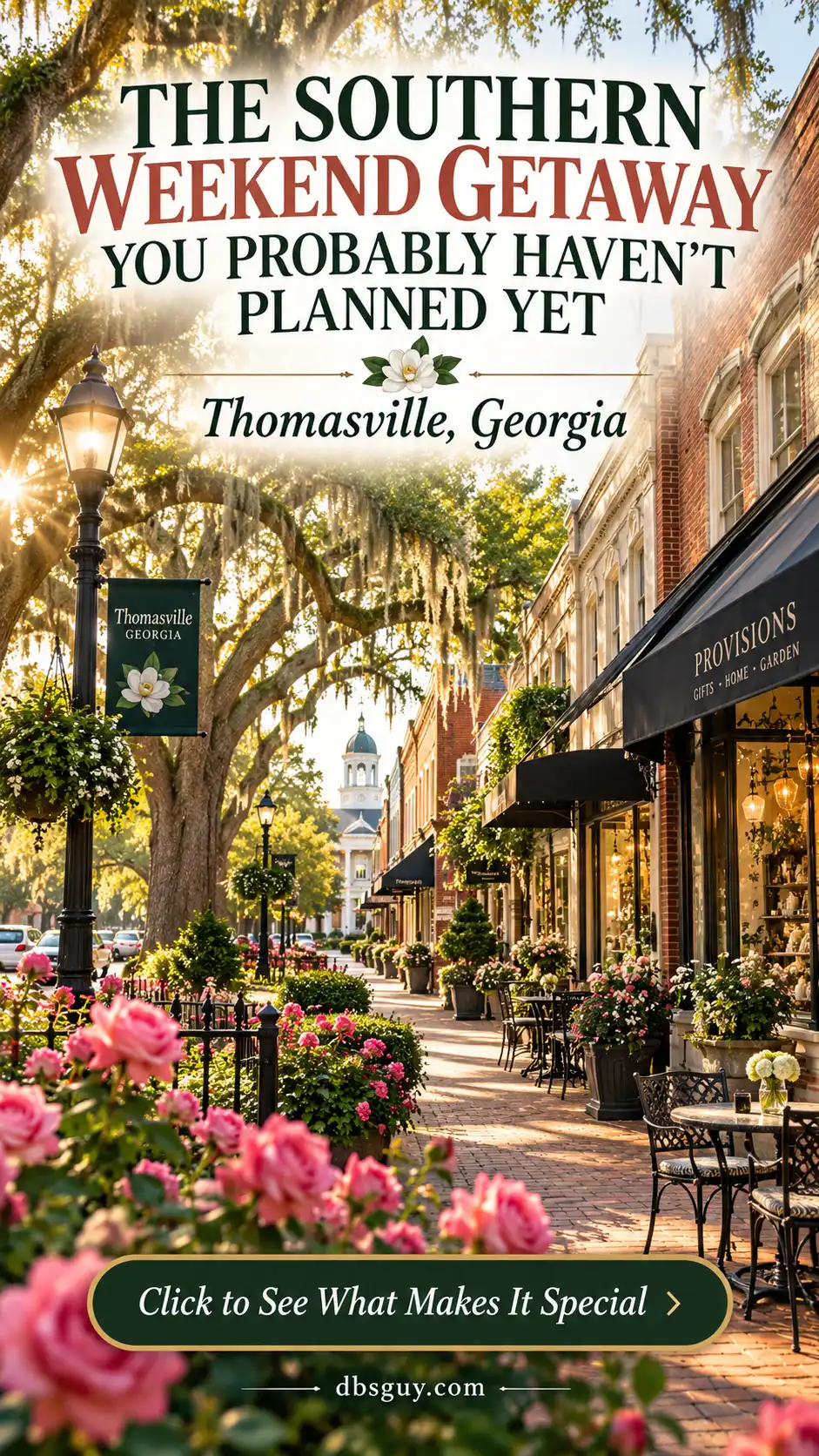
Thomasville is easy to overlook if your Georgia travel map consists of Atlanta, Savannah, and the mountains.
Down near the Florida line, the city offers a walkable historic downtown, independent shops, restaurants, old homes, gardens, and a food scene that feels more developed than many travelers expect from a smaller destination.
It is the kind of place that works because you can enjoy it without constantly checking a schedule.
What makes it worth an overnight
Spend time downtown, make a long lunch part of the trip, explore historic architecture and gardens, and use the wider area for a slow drive rather than turning the getaway into an attraction marathon.
Best for: Couples, food, Southern architecture, shopping, garden lovers, and travelers moving between Georgia and North Florida.
Worth knowing: South Georgia summers can be hot and humid. Spring, fall, and cooler winter weekends often make walking much more enjoyable.
5. Bay St. Louis, Mississippi
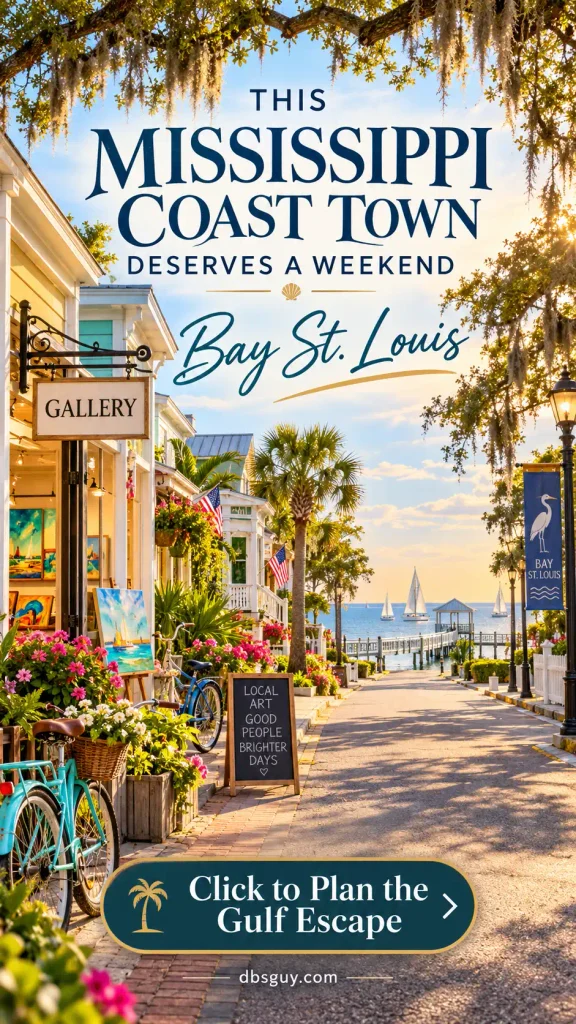
Bay St. Louis offers a version of the Gulf Coast that feels more like a creative small town than a resort strip.
Old Town brings together galleries, restaurants, shops, cottages, bars, and waterfront access in an area that is easy to explore without constantly getting back into the car. The bay and beaches add the obvious coastal component, but the local art and food scene are what keep the destination from feeling interchangeable with every other beach town.
Why it makes a satisfying short trip
You can walk Old Town, eat seafood, browse galleries, spend time near the water, and still leave enough of the day unscheduled to feel like you actually took a break.
Best for: Gulf Coast road trips, couples, artists, seafood, beach walks, and travelers from New Orleans looking for a slower weekend.
Worth knowing: Tropical weather can affect the Mississippi Gulf Coast during hurricane season. Check forecasts and local guidance before a late-summer or early-fall trip.
6. Medicine Park, Oklahoma
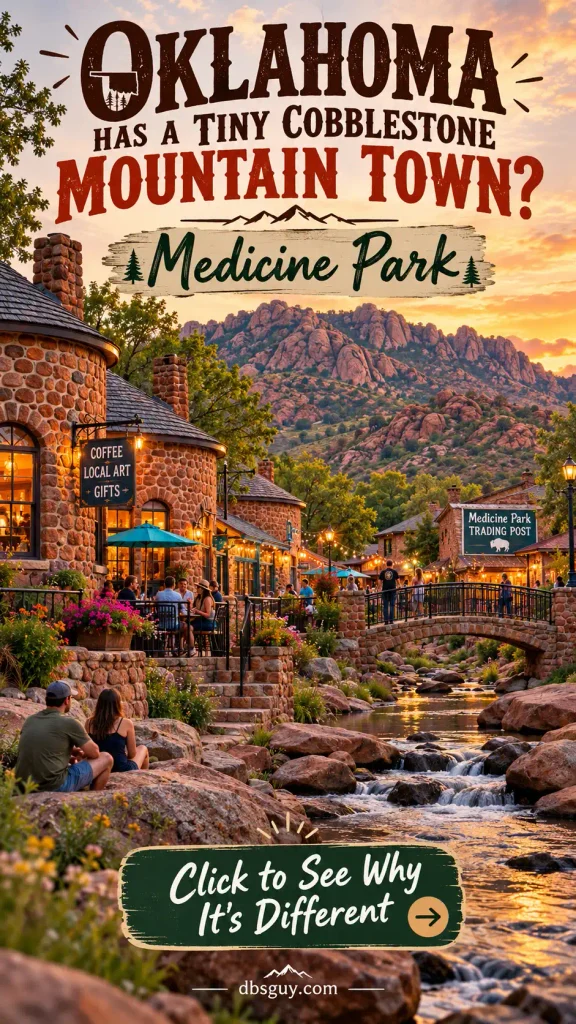
Medicine Park does not resemble the Oklahoma many travelers picture.
TravelOK calls it America’s cobblestone community because round native red rocks appear throughout the town’s buildings and walls. The result is a tiny resort-town streetscape with a highly distinctive texture.
Then there is the location.
The Wichita Mountains sit right beside town, giving you hiking, wildlife, scenic drives, lakes, and broad granite landscapes that create a surprisingly dramatic weekend.
The ideal combination
Use Medicine Park for breakfast, dinner, and slow wandering. Give the middle of the day to the surrounding mountain landscape. That contrast is what makes the trip stronger than either experience on its own.
Best for: Oklahoma and Texas road trippers, couples, hiking, quirky small towns, wildlife, and travelers who enjoy places with a distinct visual identity.
Worth knowing: Outdoor conditions can become hot, windy, or stormy. Check current refuge and trail information before heading into the mountains.
7. Scottsbluff and Gering, Nebraska
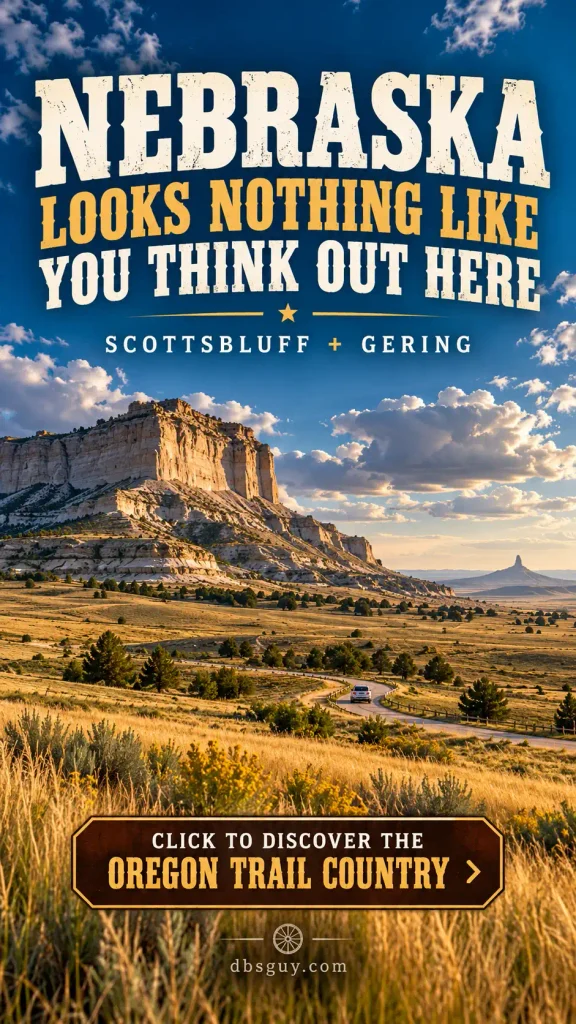
Western Nebraska can make you rethink what a Great Plains road trip looks like.
Scotts Bluff National Monument rises hundreds of feet above the surrounding landscape and was a major landmark for people traveling west on historic overland routes. Nearby Chimney Rock creates another instantly recognizable silhouette, while Scottsbluff and Gering give the region enough lodging, food, and services to make exploring comfortable.
Nebraska tourism specifically describes Scottsbluff as a smart base for the national monument, Chimney Rock, and northwest Nebraska side trips.
Why the landscape matters
This is a trip about scale.
Drive, stop, walk, and spend enough time outside the car to appreciate how exposed and enormous the terrain must have felt to people crossing it long before paved roads.
Best for: American history, road trips, photographers, geology, families, and travelers who love wide-open landscapes.
Worth knowing: Wind, heat, and storms can change quickly on the Plains. Carry water and treat weather as part of the day’s planning.
8. Marquette, Michigan
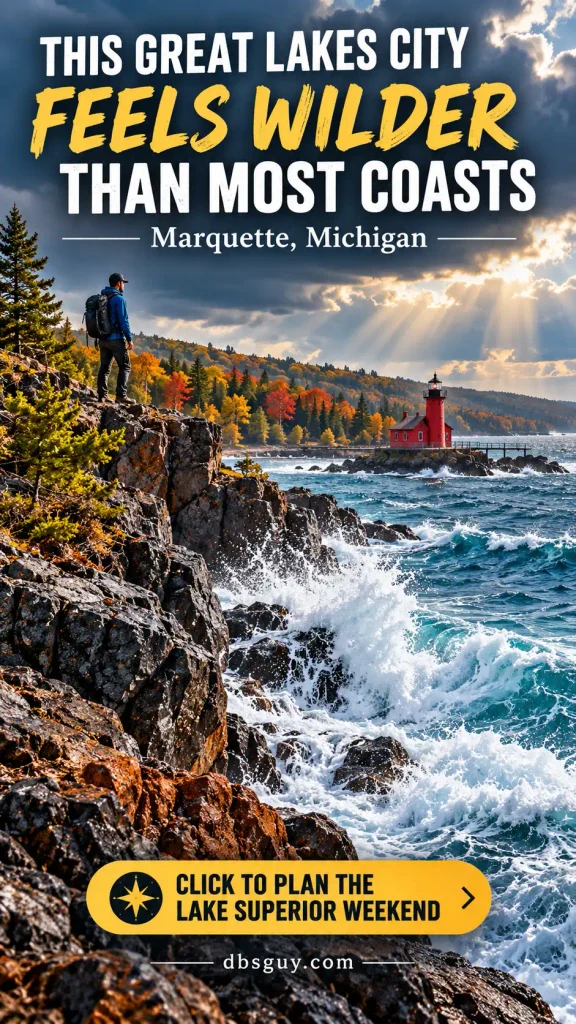
Marquette is large enough to give you restaurants, breweries, coffee, shops, and a real downtown, but small enough that Lake Superior never feels far away.
The surrounding Upper Peninsula landscape adds rocky shoreline, waterfalls, forest, mountain-bike trails, hiking, winter sports, and lake views that can feel more like an ocean coast than an inland destination.
This combination makes Marquette particularly useful for travelers who want an outdoor trip without sleeping far from food and basic comforts.
Do not underestimate Lake Superior
The lake is not background scenery. Weather, wind, and waves can be serious. Enjoy the shoreline from safe viewpoints and follow local warnings rather than treating every rock shelf like a photo platform.
Best for: Great Lakes travel, hiking, fall color, breweries, winter trips, and outdoorsy couples or friends.
Worth knowing: Weather changes fast, especially outside summer. Pack for conditions rather than the temperature you saw when leaving home.
9. Silver City, New Mexico
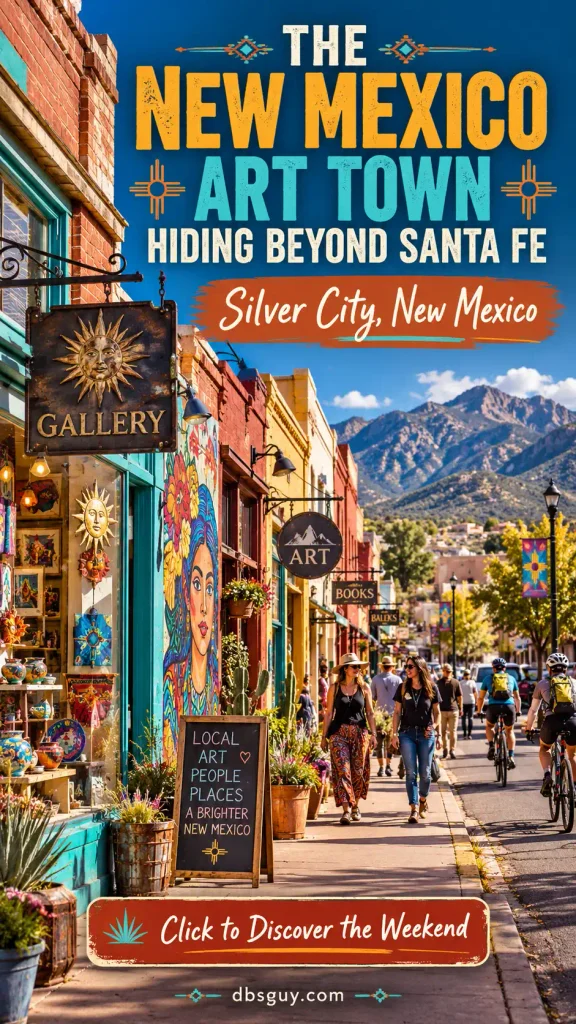
Silver City offers a useful alternative for travelers drawn to New Mexico’s art, history, mountain scenery, and high-desert atmosphere but interested in somewhere less obvious than Santa Fe or Taos.
The historic downtown has galleries, cafés, independent businesses, murals, and a strong arts identity. Outside town, the landscape opens toward the Gila region, where hiking, hot springs, archaeological history, and wilderness can turn a city weekend into a much bigger road trip.
Why it rewards curious travelers
Silver City works best if you split your time rather than treating downtown as the entire destination. Give the town a slow morning or evening, then use daylight for the surrounding landscape.
Best for: Art, Southwest history, outdoor adventure, road trips, and travelers who like destinations that still feel locally oriented.
Worth knowing: Some Gila-region attractions require substantial driving on mountain roads. Check distances, conditions, and fuel before heading far from town.
10. Stanley, Idaho
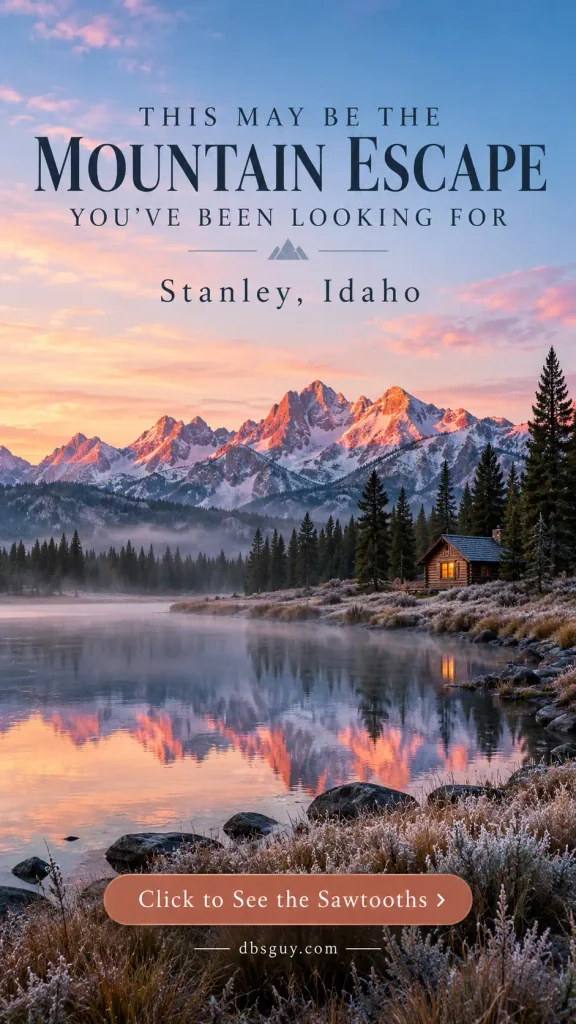
Stanley has the kind of mountain backdrop that would make it famous if it sat closer to a major metropolitan area.
The tiny Idaho community sits beneath the Sawtooth Range with access to alpine lakes, hot springs, hiking, rafting, fishing, camping, and some of the most dramatic mountain roads in the state.
Its relative remoteness is part of the appeal and part of the responsibility of planning it well.
Come prepared to slow down
Stanley is not a destination where you improvise every logistical detail after arrival. Lodging can be limited, distances matter, cell coverage can be inconsistent, and mountain weather can change quickly.
Those same realities are what allow the area to feel so different from a heavily developed resort town.
Best for: Mountain lovers, photographers, hikers, rafting, stargazing, couples, and travelers who value scenery over nightlife.
Worth knowing: Wildfire smoke can affect Idaho travel in summer and early fall. Check current fire, air-quality, and road information before a long drive into the region.
11. Joseph and the Wallowa Mountains, Oregon
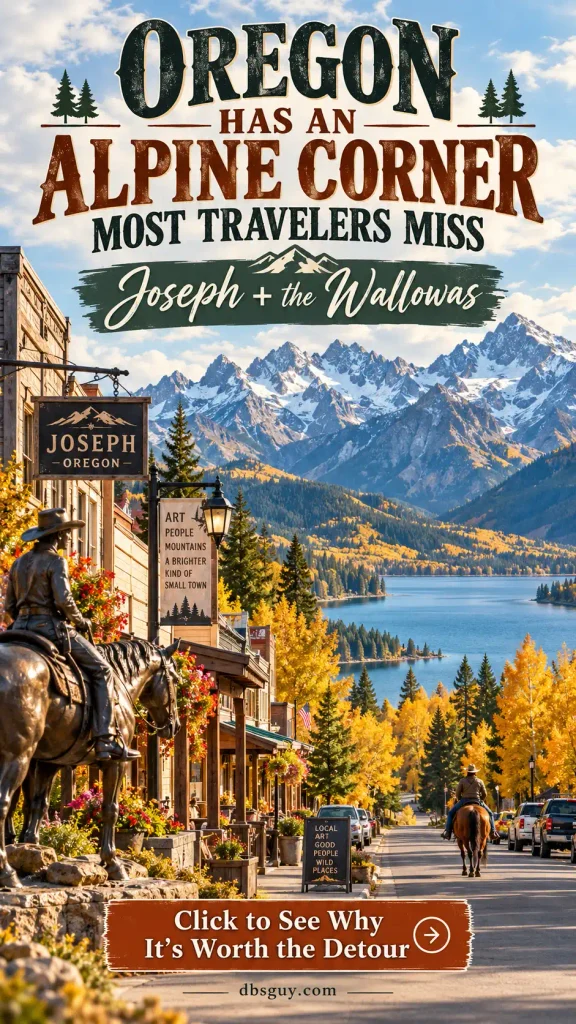
Joseph sits in northeast Oregon near Wallowa Lake and the Wallowa Mountains, far from the Portland-to-Bend travel axis that dominates many Oregon itineraries.
The town has a strong art identity, including bronze foundries and sculptures, while the surrounding landscape provides hiking, lake recreation, mountain views, scenic drives, and access to some of Oregon’s most dramatic alpine terrain.
Why the distance can be an advantage
Joseph takes effort to reach for many visitors. That makes it a poor fit for a rushed trip and an excellent fit for travelers who want the destination to feel like the point rather than one stop on a long checklist.
Best for: Art, mountain scenery, road trips, lake weekends, hiking, and travelers exploring eastern Oregon.
Worth knowing: Mountain roads and seasonal recreation can be affected by snow, wildfire, or weather. Check current conditions before planning a high-country outing.
12. Mendocino, California
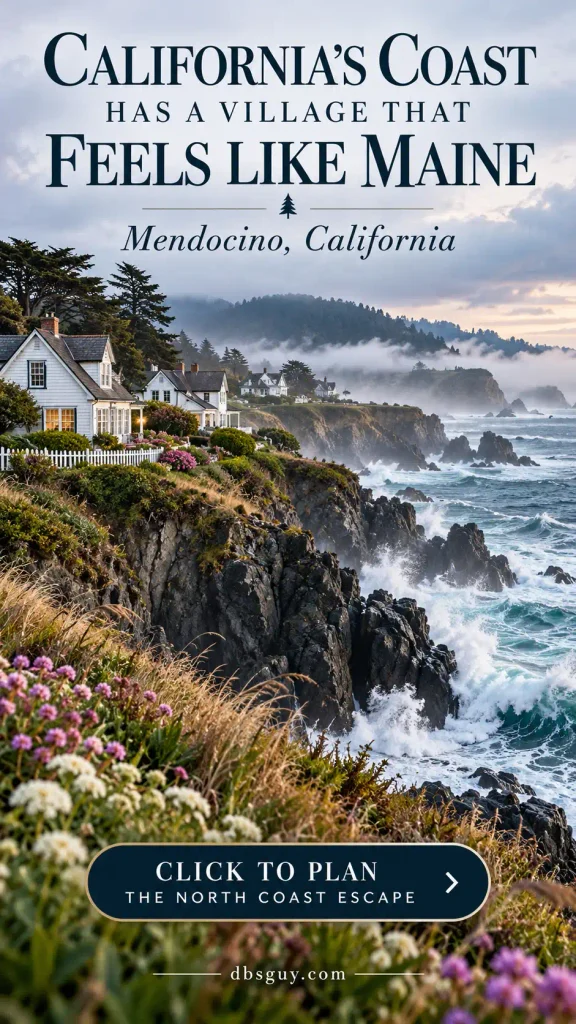
Mendocino feels almost deliberately placed to make people pull over.
Visit California describes the village as a coastal hamlet framed by pounding surf, rocky headlands, cottages, Victorian architecture, arts, and food. It sits roughly 155 miles north of San Francisco, far enough from the Bay Area that the trip feels substantial without requiring a flight.
The town itself is highly walkable, while the surrounding North Coast gives you headland trails, redwoods, beaches, state parks, and nearby Fort Bragg.
Why it still feels different from more famous California coast stops
The North Coast is cooler, moodier, and less polished than California’s most familiar beach destinations. Fog is part of the atmosphere rather than automatically bad weather.
Best for: Couples, coastal hikes, artists, photographers, food, and Bay Area road trips.
Worth knowing: Highway travel can be slow and winding. Treat the drive time realistically and avoid packing your arrival day with reservations you may struggle to reach.
13. Bisbee, Arizona
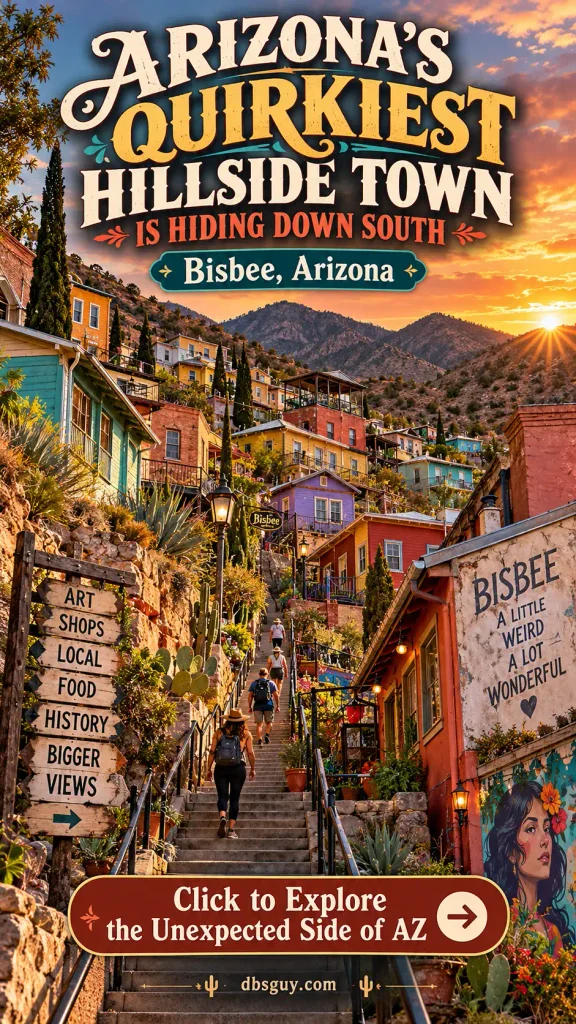
Bisbee feels more like a place discovered accidentally than a destination designed for mass tourism.
The former mining town is built into steep southeastern Arizona hills, with historic architecture, staircases, galleries, cafés, old hotels, murals, and a creative community that gives the streets more personality than their size suggests.
Mining history is still central to understanding the town, but modern Bisbee is equally defined by art, independent businesses, and the strange pleasure of getting slightly lost on foot.
Walk first, understand later
The steep streets and stairways are part of the experience. Wander, take breaks, tour a historic site, and give yourself enough time to notice the layers of architecture rather than moving only between bookmarked businesses.
Best for: Arizona road trips, art, history, couples, photography, and travelers who enjoy eccentric small towns.
Worth knowing: The terrain is steep and uneven. Comfortable shoes matter, and travelers with mobility concerns should research access carefully before building a walking-heavy itinerary.
How to Choose the Right Underrated U.S. Getaway
“Underrated” does not describe one kind of trip.
For a remote Atlantic escape: Lubec.
For bookstores, food, museums, and college-town energy: Pioneer Valley.
For hands-on Appalachian craft culture: Berea.
For a relaxed Southern town with food and gardens: Thomasville.
For an artsy Gulf Coast weekend: Bay St. Louis.
For quirky architecture beside rugged mountains: Medicine Park.
For pioneer history and huge Great Plains scenery: Scottsbluff and Gering.
For a Great Lakes adventure base: Marquette.
For art plus New Mexico wilderness access: Silver City.
For pure mountain drama: Stanley.
For art, lake scenery, and alpine Oregon: Joseph.
For moody Pacific cliffs and a romantic village: Mendocino.
For Arizona history with an eccentric personality: Bisbee.
How to Visit an Underrated Place Without Helping Ruin It
Spend money locally
If a quieter community is part of what attracted you, support the businesses that make it feel distinctive. Eat at independent restaurants, buy from local shops and artists, and stay locally when it makes sense.
Do not treat residential areas like photo sets
A beautiful porch, cottage, alley, fishing harbor, or mountain road may be part of somebody’s everyday life. Stay on public property and do not block doors, roads, docks, or driveways for a picture.
Travel outside the obvious hour
Early mornings, weekdays, and shoulder seasons can make popular local sites feel dramatically calmer while spreading visitor spending beyond peak periods.
Check conditions directly
Smaller destinations may be more sensitive to wildfire, hurricanes, seasonal closures, ferry changes, snow, heat, or limited business hours.
Before leaving, verify road, weather, park, and local tourism information rather than assuming an old itinerary is still accurate.
Do not demand that the place entertain you every minute
Part of the value of an underrated destination is that it may not have a famous attraction every twenty minutes.
Walk. Sit somewhere. Talk to somebody. Take the scenic route.
A quieter trip works only if you are willing to travel at a quieter pace.
Final Thoughts
The best reason to visit an underrated place is not so you can say you got there first.
It is because famous destinations do not own all the good scenery, food, history, art, or memorable weekends in America.
Lubec has Atlantic drama without trying to imitate Bar Harbor. Berea turns craft into the reason for the trip. Medicine Park makes Oklahoma look unexpected. Scotts Bluff changes the scale of Nebraska. Marquette gives Lake Superior the attention it deserves. Stanley and Joseph prove that world-class mountain landscapes exist far beyond the most famous national-park gateways. Mendocino makes California feel colder, wilder, and more romantic. Bisbee takes Arizona in a completely different direction from the resort towns people usually picture.
And that is the real value of traveling beyond the obvious list.
You stop comparing every trip to the places you already know.
You start seeing how much of the country you have not really looked at yet.




One Comment