Adrenaline Rush Aesthetic: 25 Thrilling Trips That Look Insane on Camera

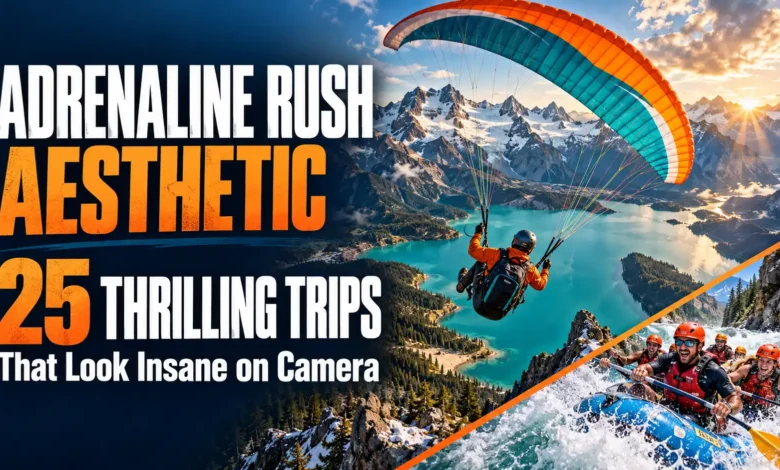
A tiny paraglider against a wall of mountains. A yellow raft disappearing into whitewater. A trail that drops into a canyon so big your camera can barely explain it. That is the adrenaline rush aesthetic: travel with movement, scale, and a little nervous anticipation.
These 25 trips give you a real place to start, from guided first-time experiences to adventures that demand training. Each one includes what makes the footage compelling, how to approach the activity, when to consider going, and the camera detail that can change your booking. Several operators restrict personal cameras, so the shot may come from a guide or an optional photo package.
For a first trip, shortlist an Interlaken tandem flight, a Waikiki surf lesson, or a Las Vegas ride-along. For a more physical challenge, consider a guided Ouray via ferrata or an Iceland glacier hike. Save the Grand Canyon backpacking trip for a properly prepared hiking vacation. Eligibility and conditions still matter for every choice.
The visuals below are AI-generated concepts, not documentary photos of these tours. They illustrate the mood and activity; actual routes, equipment, scenery, weather, and photographs will vary.
Prefer to build an adventure vacation closer to home? Start with these 13 Underrated Places in the USA to Visit Before Everyone Else Finds Them and give your chosen activity a little breathing room.
25 Thrilling Trips to Put on Your Adventure List
1. Tandem Skydive Above Moab’s Red-Rock Country, Utah
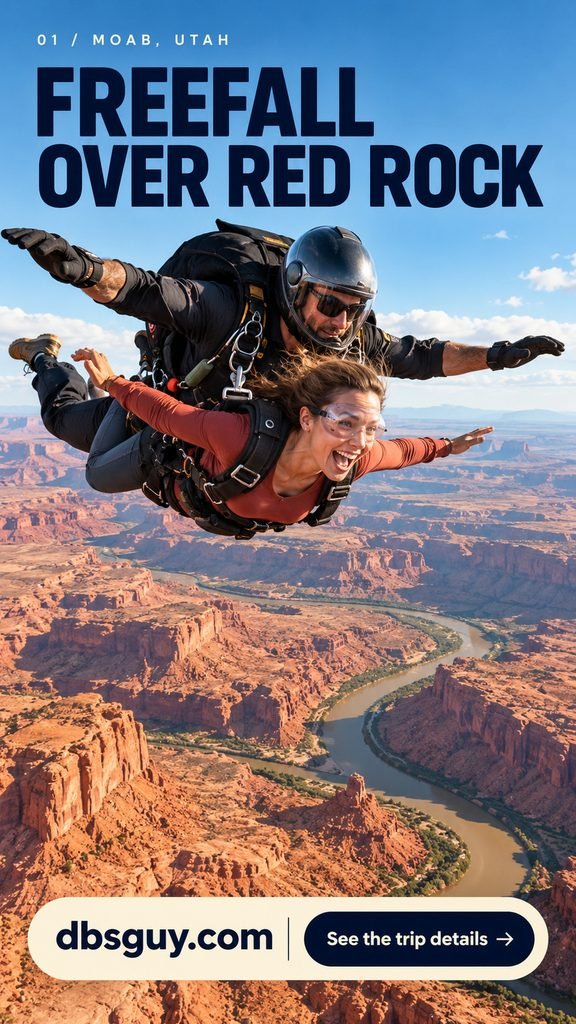
Moab gives freefall an unusually graphic backdrop: rusty mesas, pale desert, and the Colorado River bending through the landscape. The contrast between a close-up face and the distant terrain is the whole appeal. You do not need an extreme pose to make the scale work.
Book a tandem jump with a professional instructor, then confirm the operator’s age, weight, health, and clothing requirements before paying. Skydive Moab schedules its jumps in the morning; reserve an early slot and leave some room in your itinerary for weather changes. Spring and fall are sensible seasons to build a broader desert trip around.
Ask whether your media package shows just the freefall or also the aircraft exit, canopy ride, and landing. Let the operator handle filming rather than assuming you can bring a phone. Pair the jump with an unhurried afternoon in town instead of another tightly timed activity.
2. Climb the Ouray Via Ferrata, Colorado
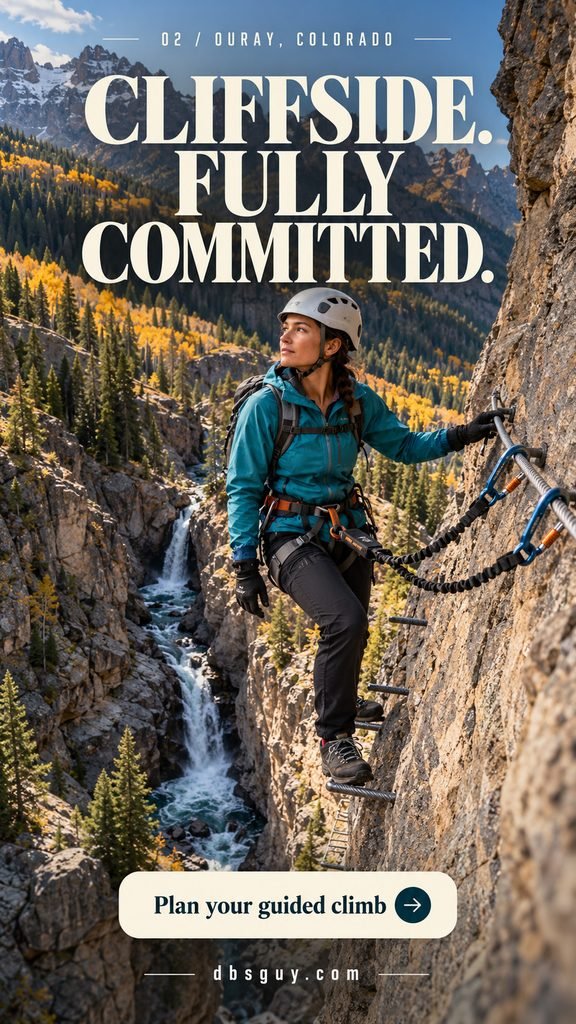
Steel rungs, sheer rock, and a gorge below make Ouray’s via ferrata feel like a climbing scene you have stepped into. Unlike a sightseeing walkway, this is a technical route requiring strength, appropriate equipment, and attention throughout.
Hire a professional guide if you are inexperienced. The route requires a certified via ferrata energy-absorbing system, climbing harness, and helmet; improvised tethers are not a substitute. Tell the guide about your experience, comfort with exposure, and any fit concerns when you book.
The posted season generally runs from early May through late October, with weather closures possible. For a strong image, let your guide identify a suitable stopping place where another person can show you against the gorge. Keep the safety system attached and the equipment visible. The cliff supplies the drama.
Also Read: 10 Cozy Mountain Getaways in the USA That Make You Want to Stay All Weekend
3. Rappel Through a Slot Canyon Near Zion, Utah
A narrow sandstone corridor can turn one ordinary rappel into the most striking frame of your trip. Warm reflected light, curved walls, and a person on rope give the scene depth without needing a huge drop.
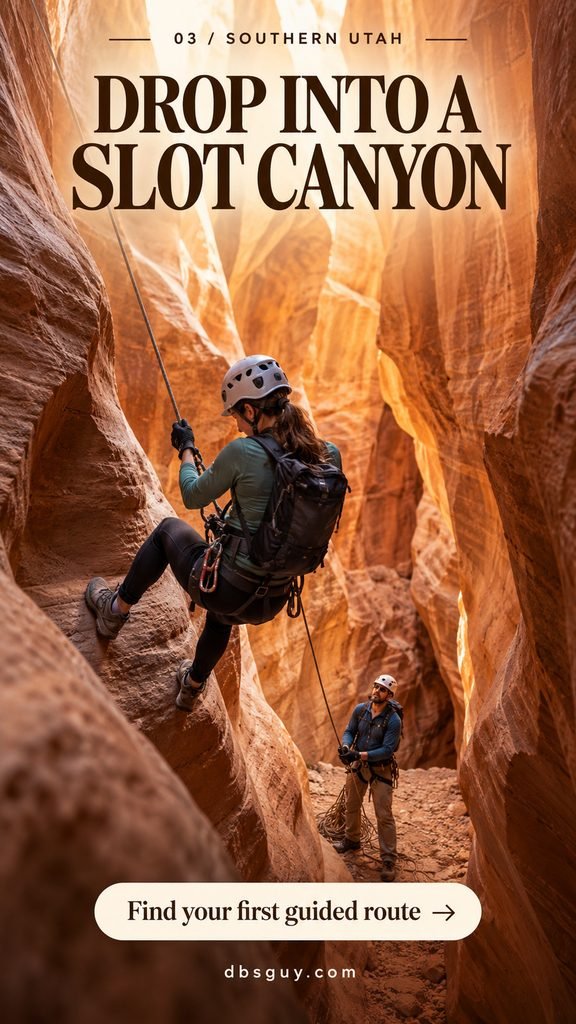
For a first experience, book a guided canyoneering tour on suitable land outside Zion National Park. Commercial guiding is not allowed in the Zion Wilderness, and technical routes inside the park have permit requirements. Ask your outfitter exactly where the tour operates and whether the route involves swimming, scrambling, or multiple rappels.
Spring and fall are useful planning windows for a southern Utah vacation, but a clear-looking sky does not settle flash-flood risk. Let the guide decide whether conditions are suitable. Keep your phone stowed during the descent and request a photograph from the canyon floor or an approved stopping point.
4. Ride Fall Whitewater on the Gauley River, West Virginia
The Gauley delivers a different kind of camera energy: a raft rising into a wave, paddles working together, and fall forest crowding the banks. This is an active group adventure, with the river doing most of the visual work.
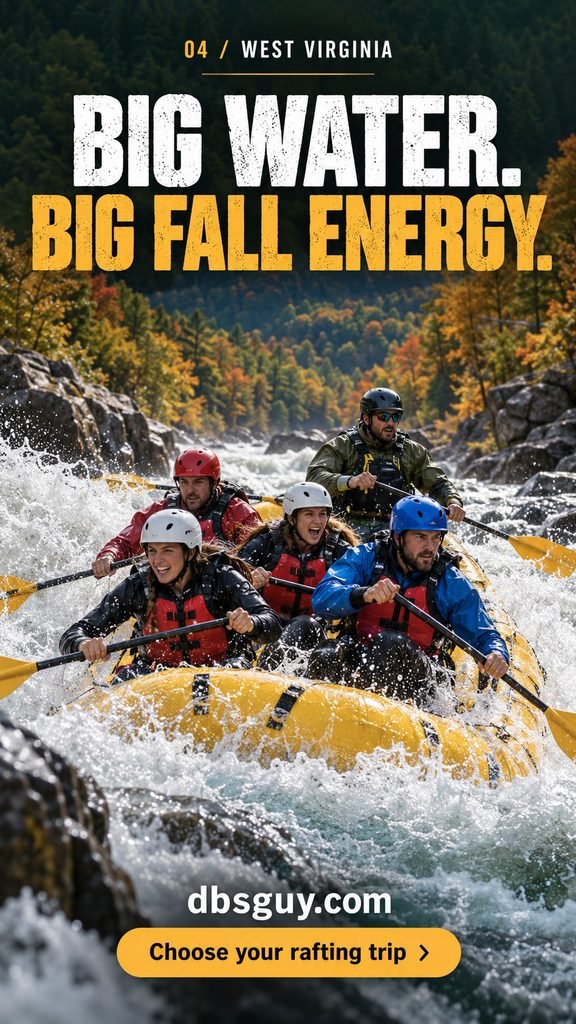
Gauley season typically centers on dam releases from early September into mid-October. Check the current release schedule before booking accommodation. The Upper Gauley is known for demanding whitewater, including Class V rapids; do not treat it as a casual first rafting lesson.
Tell the outfitter your swimming ability, rafting history, and comfort level so they can recommend an appropriate trip. Ask about bank-side photographers or a permitted camera setup before packing gear. A river-side shot often explains the size of a rapid better than splash-covered first-person footage.
Also Read: 11 Scenic Fall Road Trips in the USA Worth Planning Your Whole Weekend Around
5. Zip Above the Forest Near New River Gorge, West Virginia
If you want height and speed without paddling or climbing an entire route, a purpose-built zipline course near New River Gorge is worth a look. The visual is simple: a rider crossing a big stretch of open space above the canopy.
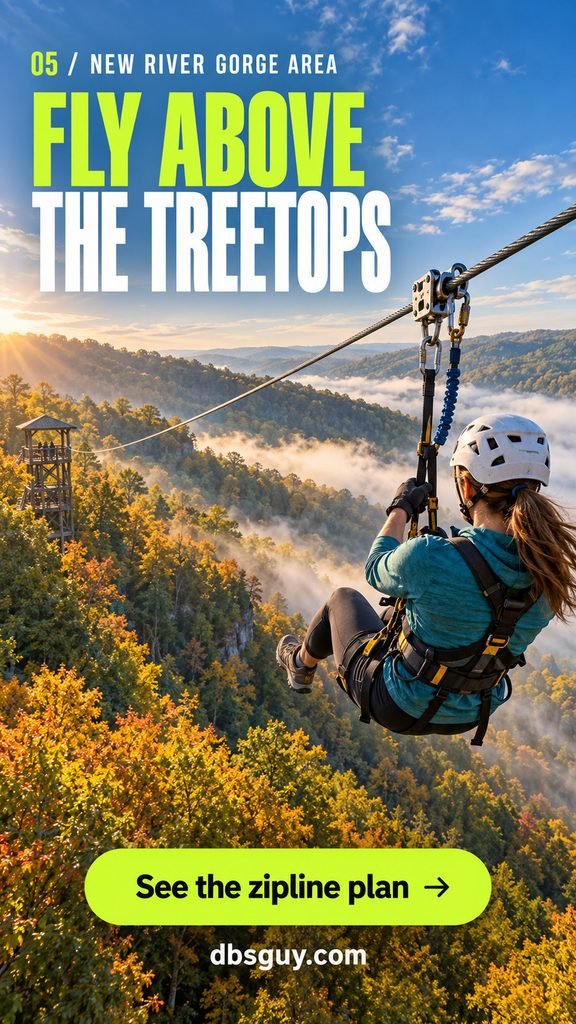
Adventures on the Gorge offers Gravity Ziplines, a different experience from its tree-to-tree canopy tour. Compare the courses before choosing; ask about ride posture, the braking system, participation limits, and which course suits your group. Being new to ziplining does not automatically mean every course is a fit.
Choose green summer foliage or fall color according to the mood you want, then verify seasonal operating dates. Ask staff whether an action camera is permitted and how it must be attached. A companion’s photograph from an approved platform can capture the forest scale while you focus on the ride.
6. Kayak the Sea Caves of Santa Cruz Island, California
On Santa Cruz Island, the camera can move from dark rock to bright water in a single frame. Sea caves, steep island cliffs, and a kayak in the foreground give you a coastal adventure that feels far removed from mainland California.
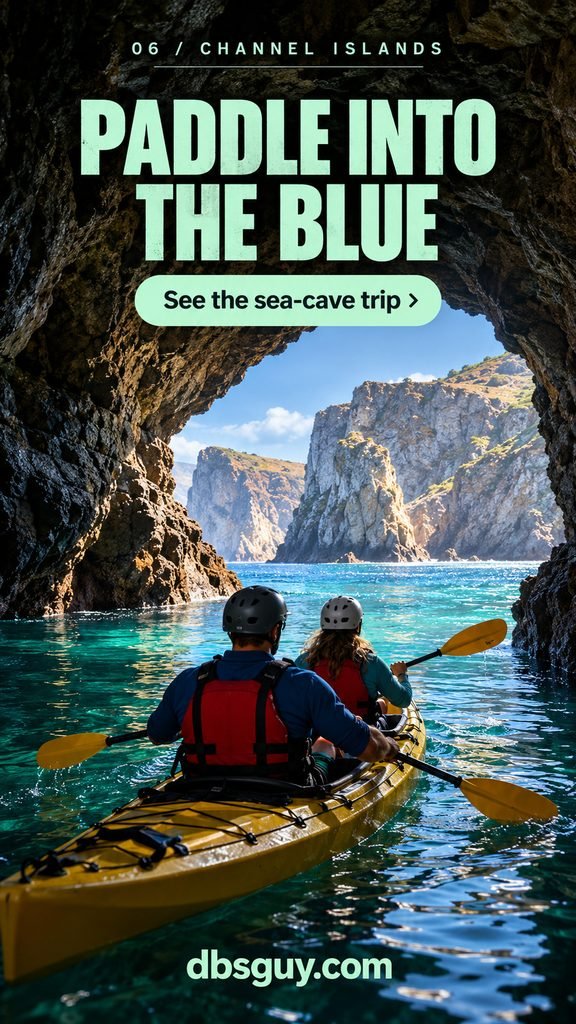
Plan ferry transportation and an authorized guided kayak tour together. The National Park Service strongly recommends guided sea kayaking because wind, swells, and cave conditions can be hazardous. Scorpion Anchorage is a common starting area, but your guide should choose which caves, if any, are appropriate that day.
September and October are worth considering for this trip, though favorable conditions are never guaranteed. Confirm a waterproof camera arrangement with the guide. Keep the camera stowed when paddling demands your attention, and photograph the entrance rather than expecting to explore deeper for a particular shot. Never get out of the kayak inside a sea cave.
7. Mountain Bike Moab’s Sandstone Trails, Utah
A bike rolling across sandstone looks almost sculptural: dark wheels against red rock, a bright jersey, and a huge horizon. The best footage does not require a cliff-edge jump. A flowing section of trail can tell the story just as well.
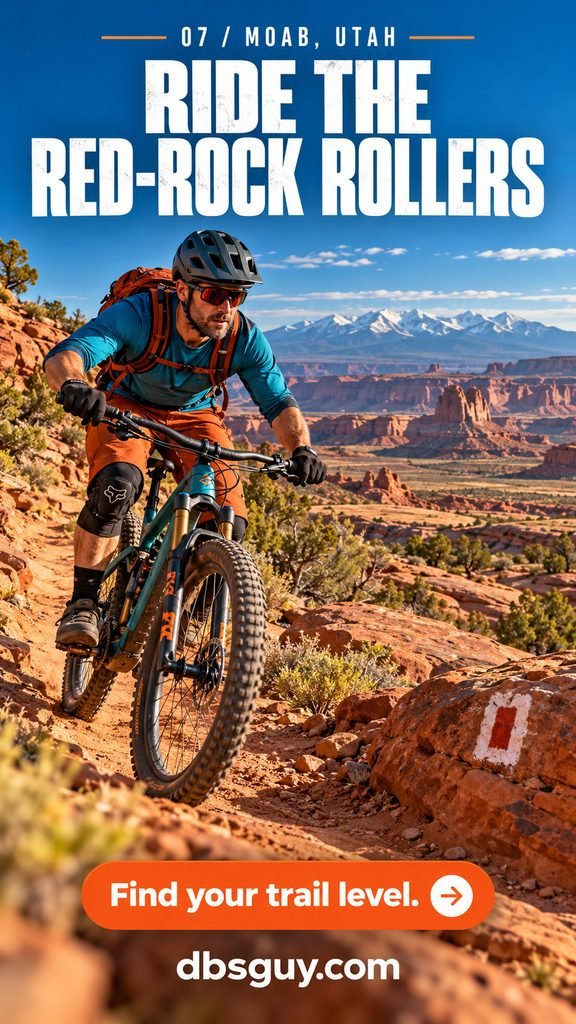
Choose the route for your actual riding ability. Moab has beginner options, but famous trails such as Slickrock are not automatically beginner rides. A local guide or bike shop can match you with a suitable trail and rental setup. Ask about elevation, technical features, and the distance you will need to ride back.
Spring and fall are practical starting points for planning around desert heat. Use only a permitted, securely fitted camera setup while riding, or stop in a wide designated spot for photos. A side view of a small roller is often more readable than a long stretch of handlebar footage.
8. Take a Guided Yellowstone Snowmobile Tour, Wyoming
Yellowstone in winter trades summer traffic for groomed snow roads, frost-coated trees, and steam in the distance. A snowmobile adds movement to that almost monochrome landscape, especially when riders appear small between the pines.
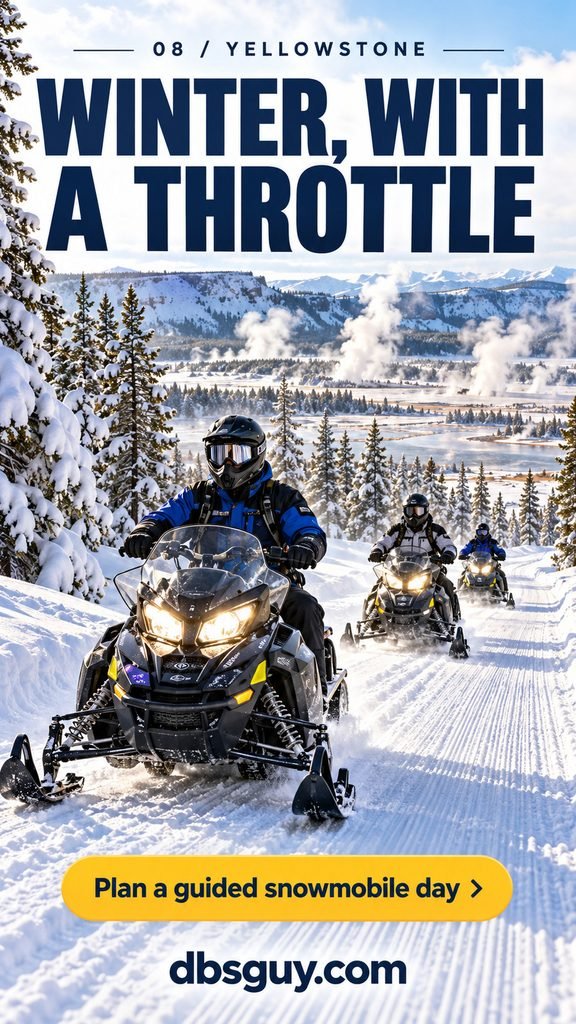
Book an authorized guided tour and confirm the winter entrance, transport arrangements, driving requirements, and included clothing. Winter access is regulated; this is not a place to rent a machine and wander onto closed roads. A snowcoach is an alternative if you want the scenery without driving.
Plan within the published winter operating season and allow for changing snow conditions. Bring warm layers and ask which helmet and face protection are supplied. Take pictures at the guide’s designated stops, with the machine parked. Keep your distance from wildlife and remain on approved routes, even when an untouched snowfield looks tempting.
9. Ski Under the Lights at Brighton, Utah
Night skiing changes the entire look of a familiar sport. Lit snow, a dark pine forest, and a cobalt sky create a sharp winter scene, while a controlled turn gives the image its movement.

Brighton offers night riding on designated terrain during its winter season. Verify the current schedule, available runs, parking arrangements, and whether your ticket covers the session you want. Storms or other conditions can interrupt operations. If you are new to skiing, look for an appropriate lesson rather than making your first turns for the camera after dark.
Dress for temperatures dropping through the evening and use goggles suited to lower light. Have a companion photograph you from a safe position outside the flow of traffic. Blue hour can give the sky more detail, but your run choice and visibility should come first.
10. Backpack Below the Grand Canyon Rim, Arizona
The Grand Canyon offers a slow-building thrill: descending through layers of rock until the rim feels impossibly far away. A hiker against those stacked walls communicates scale far better than a close-up at an overlook.
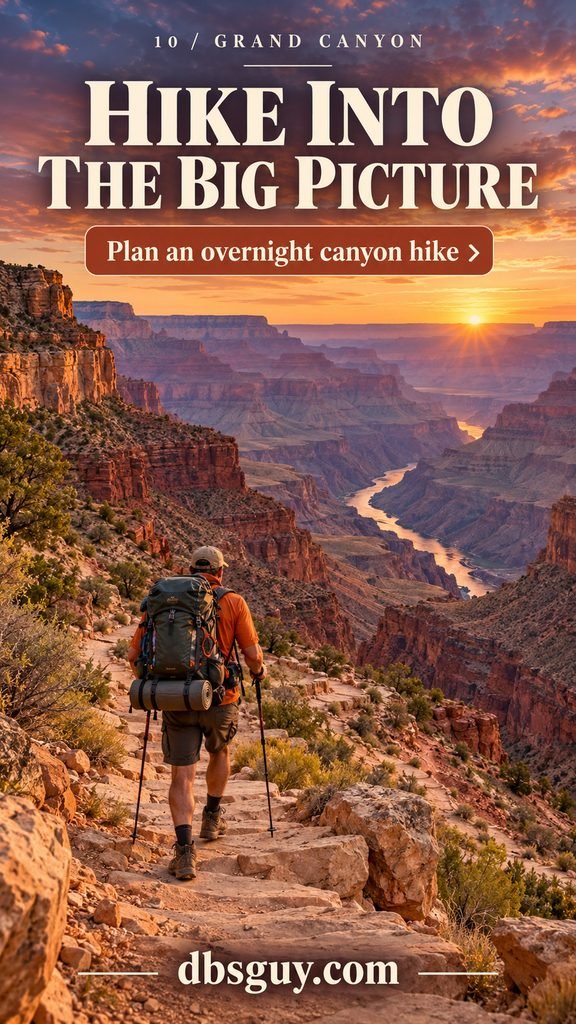
Treat this as a prepared overnight hiking trip. Plan a suitable itinerary, obtain the required backcountry camping permit or applicable lodging reservation, and check current trail closures and water availability. The climb out is a major part of the effort. The National Park Service warns against trying to hike from the rim to the river and back in one day, especially in hot weather.
Cooler-season dates may suit a South Rim itinerary, but ice, cold, and changing conditions still need planning. Take your photographs from stable trail positions and established rest areas. If your fitness or logistics are not there yet, a shorter below-rim day hike can still give you a powerful canyon view.
Also Read: Fall Hiking Outfits 2026 – Fall Hiking Outfits for Women You’ll Love This Season
11. Bungy Jump at Kawarau Bridge, New Zealand
Kawarau Bridge puts the leap in a clean, recognizable setting: an old suspension bridge over vivid river water near Queenstown. The moment is brief, but the long view from the spectator area explains the drop immediately.
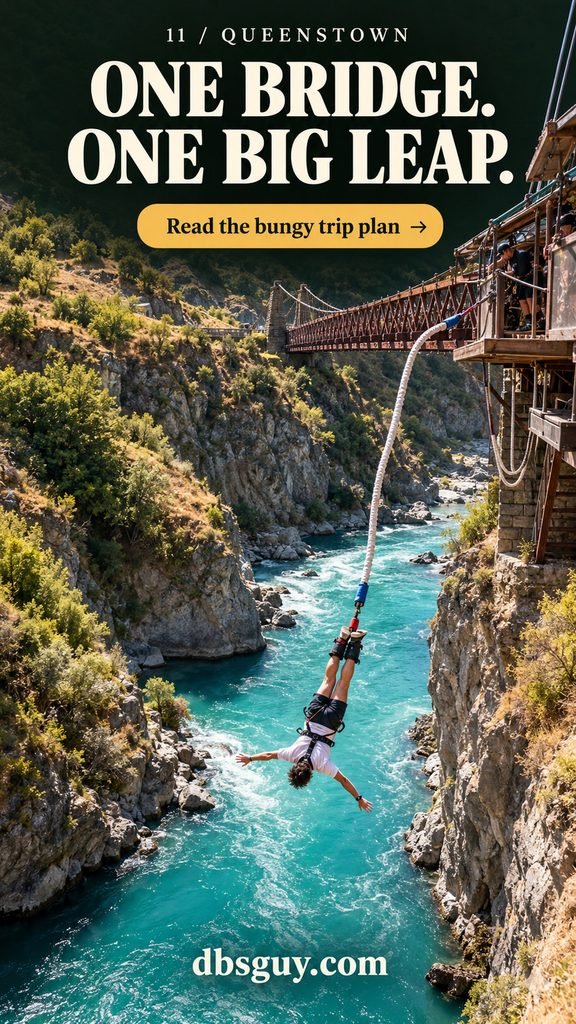
Book through the established operator and read the current eligibility rules. Ask about transport from Queenstown, weather changes, and the available jump options. A water touch is not guaranteed, so do not build the trip around a particular splash photograph.
Summer brings long daylight hours in New Zealand; cooler-season scenery has a different mood. Personal camera use depends on staff approval and the specific activity, so confirm it beforehand. If the image matters, compare the official photo and video package with what a friend can capture from the viewing area.
12. Take a Shotover Jet Ride Through Queenstown’s Canyons, New Zealand
A jet boat gives you speed without asking you to paddle. On the Shotover River, the visual comes from canyon walls, a red boat, and a wide fan of spray as the driver turns. It is a different Queenstown experience from stepping off a bridge.
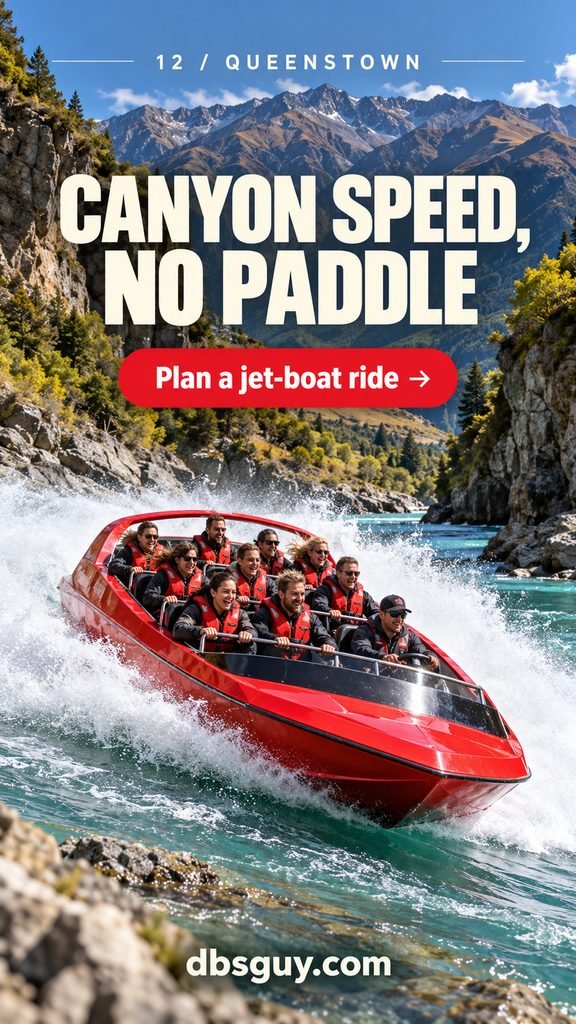
Read Shotover Jet’s participation requirements and tell the operator about relevant health concerns before booking. Confirm the meeting point and shuttle arrangements so you do not assume every ticket includes the same transport.
Trips operate across the year, subject to conditions. Wear suitable layers and consider eye protection as recommended by the operator. Handheld personal cameras and video cameras are not permitted aboard the boats. Arrange official photographs or video if offered, and check their format and price before deciding the ticket fits your camera plans.
Also Read: My Best New Zealand Travel Tips 2026
13. Paraglide Over Interlaken, Switzerland
Interlaken combines lakes, valley towns, and Alpine peaks in one airborne view. Tandem paragliding is a good choice if you want a sweeping landscape rather than the quick visual jolt of freefall.
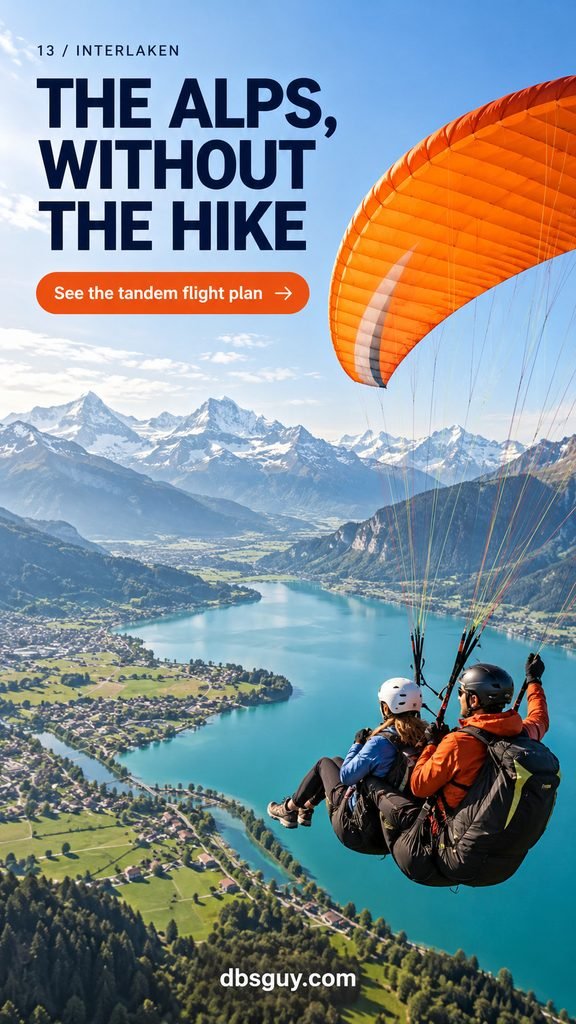
Book with a professional tandem pilot and ask about the launch process, running requirements, clothing, landing, and participation limits. The flight is weather-dependent, so schedule it early enough in your stay to leave an alternative day. Do not assume a flight follows the exact landscape composition in a promotional image.
Local tandem experiences are offered in different seasons. Green valleys and long daylight make summer appealing; winter brings a more snowy palette. Ask whether the pilot provides a camera package and whether it includes full-resolution files. Your best souvenir may be a simple frame of the canopy, your harness, and the valley below.
14. Walk the Caminito del Rey Gorge Path, Spain
Caminito del Rey offers cliffside drama with a different kind of movement: walking along a restored route attached to the gorge wall. The boardwalk, railings, and repeating limestone layers make a striking perspective photograph.
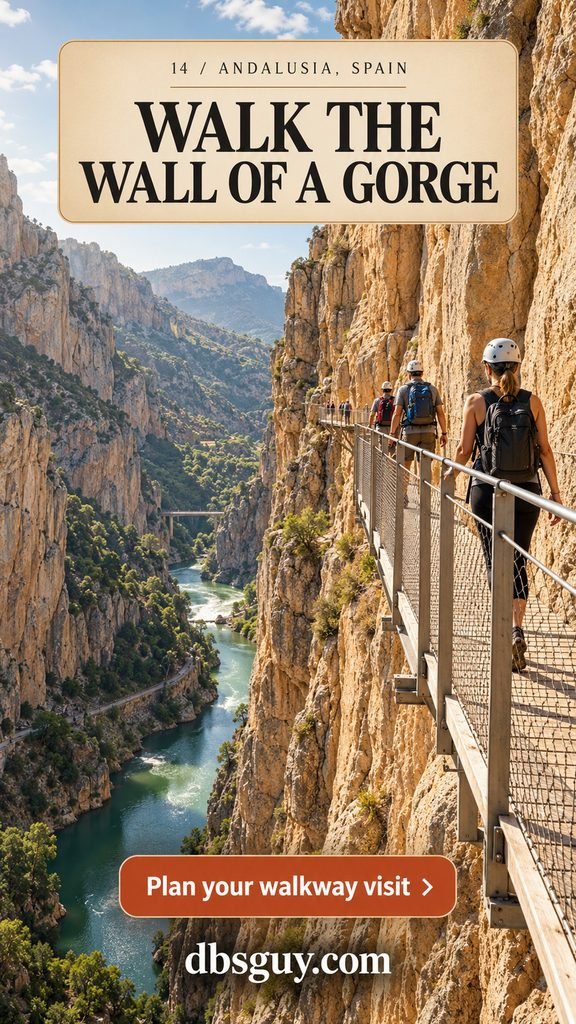
Reserve through the official ticket system and read the visit rules. Confirm the entrance, approach walk, transport back, footwear requirements, age restrictions, and helmet procedure. This is a managed attraction; do not confuse the restored visitor walkway with images of the old deteriorated path.
Spring or fall can suit a wider Andalusia itinerary, although wind and other weather can close the route. Keep moving where space is tight and take photographs only where permitted without obstructing visitors. A person well inside the railing supplies scale without leaning over the edge.
Also Read: 30 Spain Vacation Outfit Ideas for Unreal Photos
15. Snorkel the Clear Water of Silfra, Iceland
Silfra’s appeal is the view beneath you: extraordinarily clear water and volcanic rock descending into blue. Surface snorkeling gives you that underwater perspective without turning the trip into a technical scuba dive.
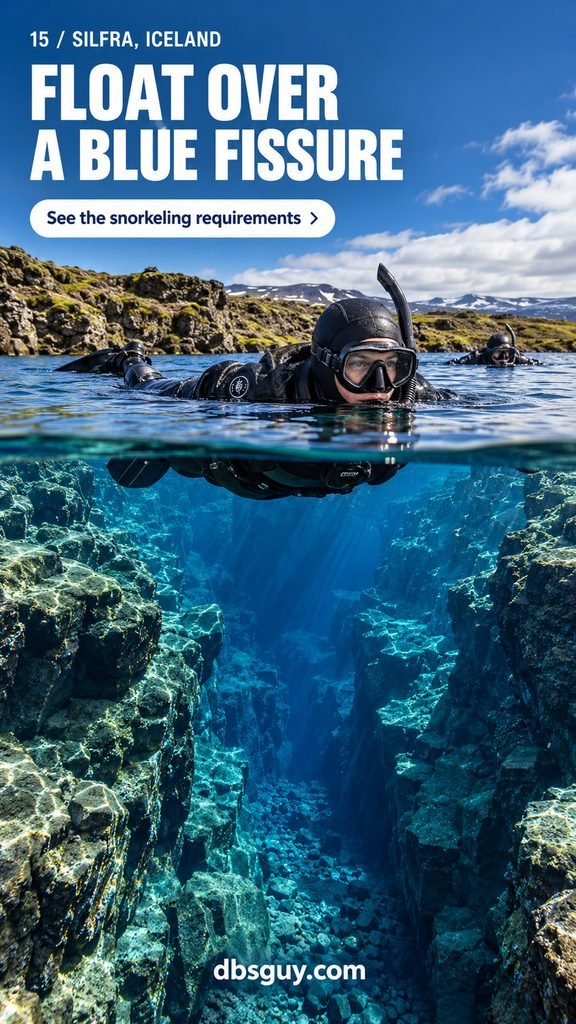
Book a guided dry-suit snorkeling tour and read its swimming, size, age, and health requirements. You need to be comfortable in water; a buoyant suit does not replace swimming ability. Scuba diving at Silfra has additional certification and dry-suit experience requirements, so compare like with like when looking at tours.
Tours are offered year-round, with weather and daylight affecting the wider trip. Ask whether photographs are included or available separately. If personal equipment is allowed, follow the guide’s instructions and keep your hands available when needed. The experience is floating above the fissure, not diving down for a dramatic pose.
16. Hike on Sólheimajökull Glacier, Iceland
Blue ice interrupted by dark volcanic ash makes Sólheimajökull look almost abstract. Add a brightly dressed hiker and the camera suddenly has a sense of scale. This is a walking adventure on moving ice, rather than an ice-cave photo session.
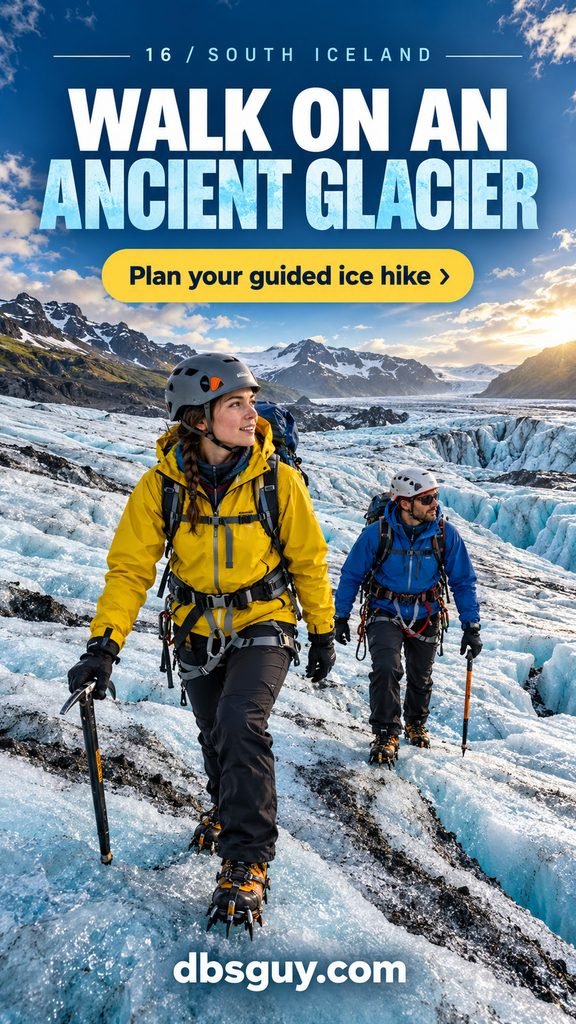
Choose a professionally guided glacier hike that matches your fitness and available time. Guides provide the relevant glacier equipment and instruction, including crampons. Ask how much of the total outing is the approach walk and how much time you actually spend on ice.
Guided departures are offered across the year, subject to conditions. Longer daylight makes summer convenient for combining the hike with a South Coast stay. Keep to the guide’s route and let them choose photo stops. A frame taken from a stable section of ice can show ridges and ash bands without going near a crevasse edge.
17. Sandboard the Dunes Around Huacachina, Peru
Huacachina pairs enormous dunes with a small palm-lined oasis near Ica. The visual payoff is the sweep of the sand: one person on a board becomes a tiny moving mark against a huge slope.
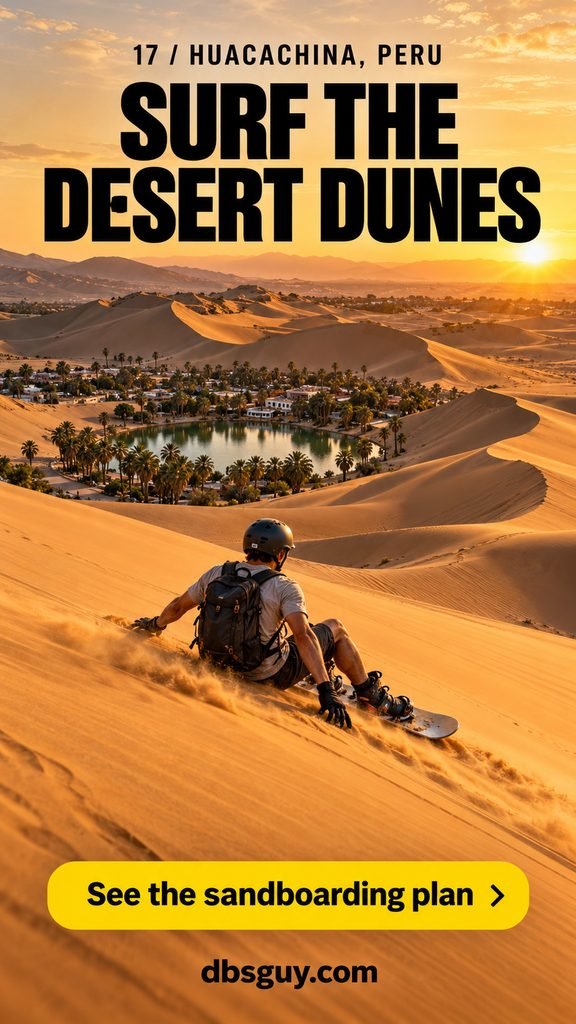
Compare guided sandboarding options and ask what board, instruction, and protective equipment they provide. Some tours combine boarding with a dune-buggy ride, which is a separate experience with its own demands. Tell the operator if you want an introduction on a manageable slope rather than the steepest descent available.
Consider a late-afternoon outing for softer light and a broader Ica stay. Confirm the finishing time and transport arrangements; the image is not a reason to stay on the dunes after your group leaves. Keep equipment protected from sand and have another person photograph you from a guide-approved position.
18. Descend a Waterfall Canyon in Madeira, Portugal
Madeira’s canyoning scene trades Utah’s dry sandstone for wet rock, ferns, and running water. Rappelling beside a waterfall adds texture and sound to the experience, while the green ravine gives photographs a rich, enclosed setting.
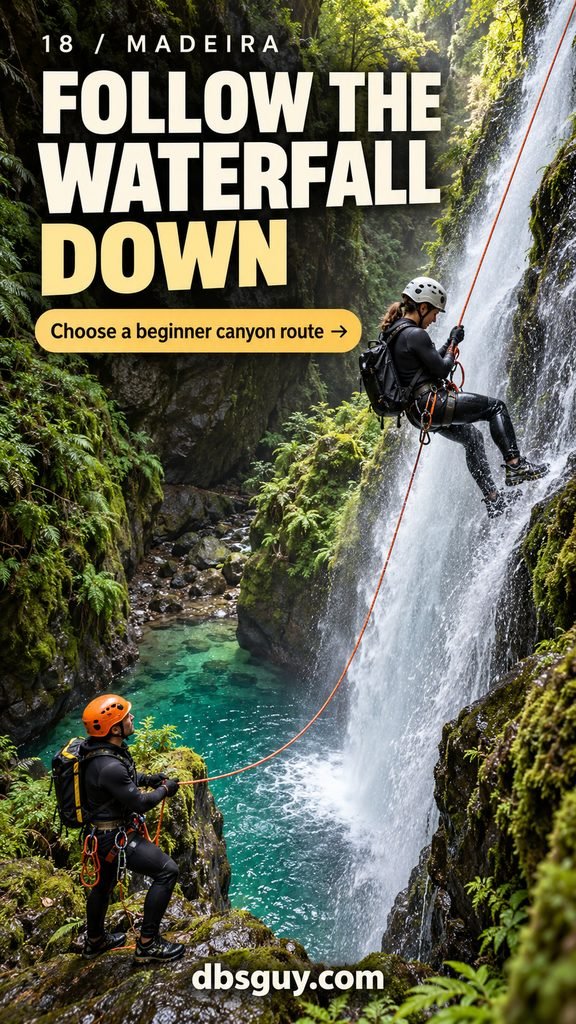
Choose a guided beginner route if you have not done wet canyoning before. Ask about swimming, water temperature, rappel heights, walking distances, and which obstacles can be bypassed. Route names alone do not tell you whether the outing matches your comfort level.
Warmer months are an appealing starting point for planning, but stream conditions and the guide’s decision determine the day’s route. Ask about guide photography because spray and rope work make personal filming awkward. A camera-safe pause near the pool can tell the story just as clearly as a shot taken during the rappel.
19. Go Dog Sledding Near Tromsø, Norway
A dog team moving through snow gives you a winter adventure with its own rhythm: paws, harness lines, a low sled, and mountains or birch woodland ahead. It is especially compelling at the soft edge of the day, when the snow picks up blue and pink tones.
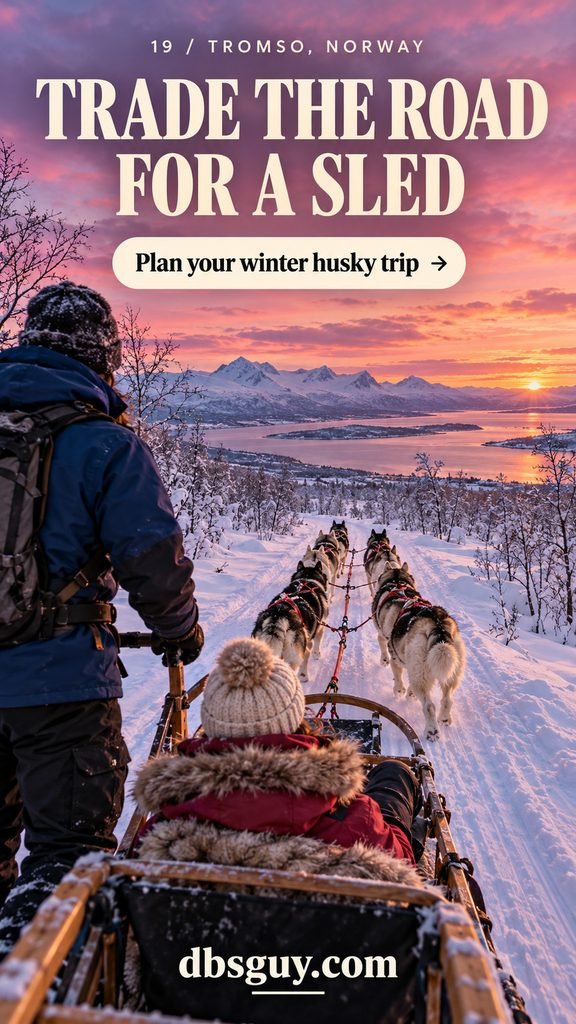
Compare passenger rides with self-drive tours. Driving a sled requires attention, balance, and physical effort, so a seated ride may be the better match if you want to observe the landscape. Ask the kennel about animal care, rest routines, group size, and the clothing supplied.
Book for a snow-based winter departure and confirm conditions; summer husky outings use different formats. Daylight varies dramatically through the Arctic winter, and northern lights are never guaranteed. Photograph from a stopped sled or as an instructed passenger, leaving the musher free to handle the team.
20. Climb the Sydney Harbour Bridge, Australia
BridgeClimb turns a familiar skyline into an elevated walking experience. Steel arches, harbor water, and the Opera House in the distance make the visual feel unmistakably Sydney without requiring a remote expedition.
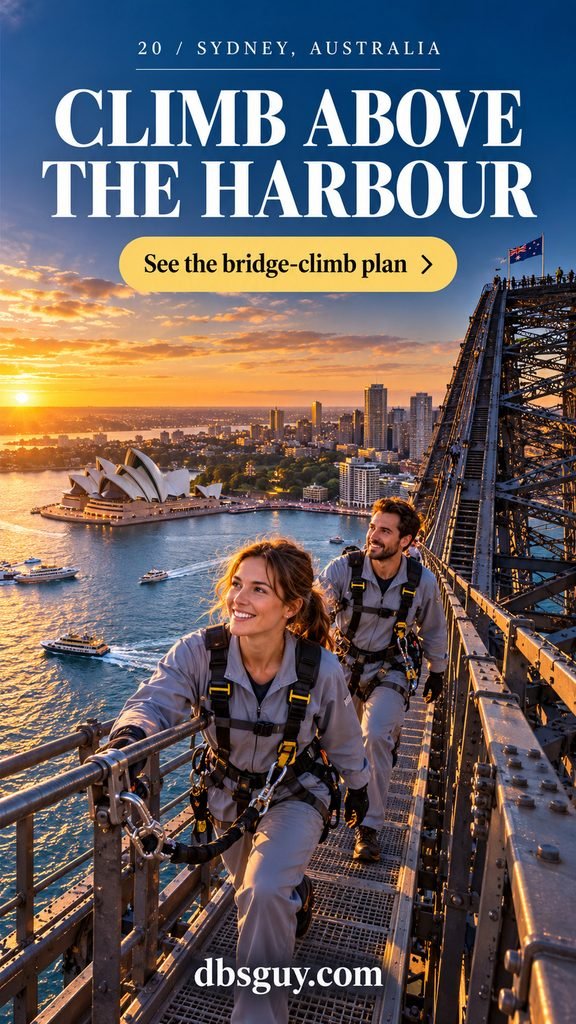
Compare climb routes, duration, stairs or ladders, and the current health and participation requirements. The experience uses a briefing, supplied gear, and a continuous safety system. A sunset departure can be appealing, but confirm what the session timing actually covers before paying extra for a time slot.
Personal phones, cameras, and GoPros are not allowed on the bridge. Your photographic souvenir comes through BridgeClimb’s own photography, so read what is included and what costs extra. This is one of the clearest examples of choosing an adventure for the experience, then planning the image around its rules.
21. Try an Introductory Scuba Dive on the Great Barrier Reef, Australia
Your first underwater breath can make a reef day feel entirely different from a boat excursion. The image is the relationship between a diver and the reef: a mask, a stream of bubbles, and coral formations below.

From Cairns, some reef operators offer introductory dives for eligible visitors without previous certification. Choose a supervised introduction and complete the required screening honestly. An introductory dive does not make you a certified diver; if you already hold certification, compare the appropriate guided-dive options instead.
Compare boat travel time, possible sea conditions, equipment, and the actual dive offering. Ask whether an underwater photographer is available, as beginner divers may need to leave cameras behind. Keep your attention on the instructor, avoid touching coral or animals, and make flight timing part of your dive planning with the operator.
22. Fly a Microlight Over Victoria Falls, Zambia
A microlight scenic flight puts the Zambezi and Victoria Falls beneath a small open aircraft. The atmosphere comes from the contrast: broad water, a narrow gorge, and the wing overhead. You are a passenger with a pilot, not learning to fly on the day.
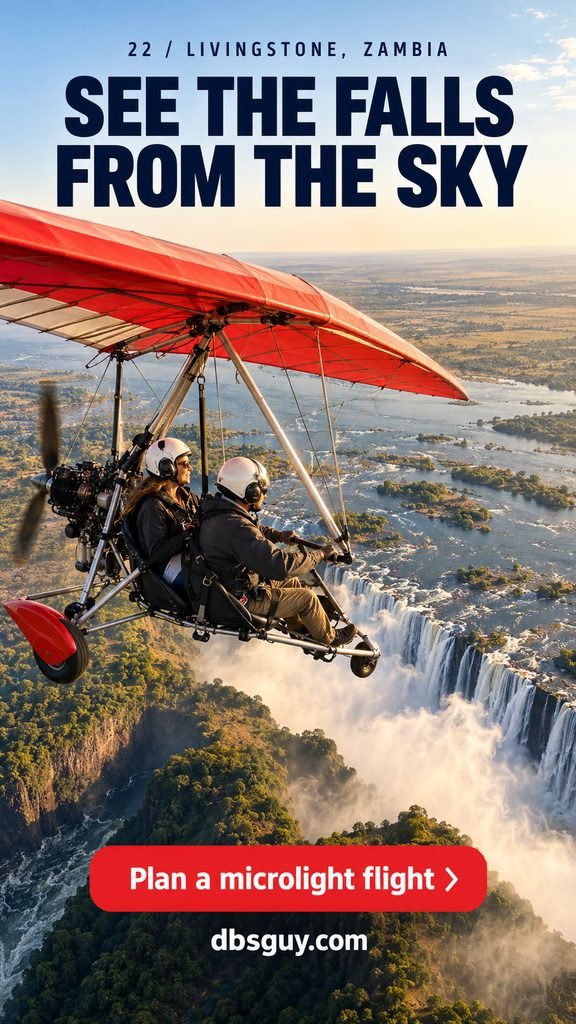
Flights depart from the Livingstone side in Zambia. Confirm the departure point, participation limits, weather policy, and what your chosen flight covers. Seasonal water levels change the view, so ask the operator about conditions during your travel dates rather than expecting the same curtain of water year-round.
Personal cameras and phones are not permitted during Batoka Sky’s microlight flights. Ask about the current operator recording options before booking. Leave a weather buffer in your stay and secure all loose items as instructed; the view is impressive enough without trying to manage your own camera in an open aircraft.
23. Float Through Waitomo’s Underground Rivers, New Zealand
Waitomo’s black-water rafting is cave tubing, not a conventional whitewater raft trip. Limestone, dark water, and glowworms create a completely different setting from the open-air adventures on this list.
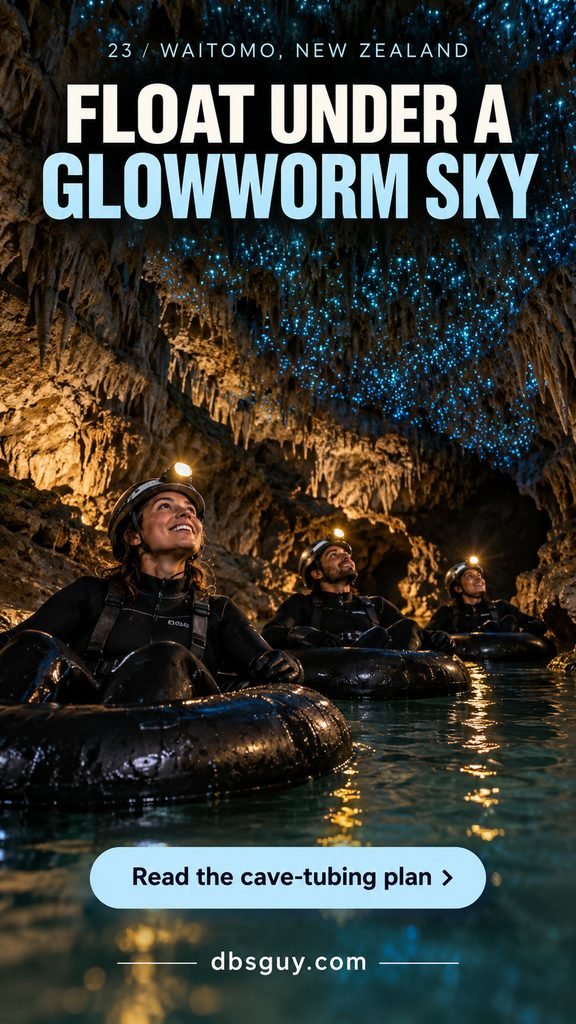
The Black Labyrinth tour introduces visitors to the underground river, with tubing and other obstacles along the route. Allow roughly three hours for the experience and read the operator’s current swimming, fitness, age, weight, and health requirements. Bring the requested swimwear, towel, and dry clothes; the operator supplies the relevant tour gear.
Photography is prohibited on the Legendary Black Water Rafting tours. Check official photo options before you go, and expect a real low-light cave rather than a brightly illuminated galaxy ceiling. This is a worthwhile pick for the atmosphere and experience, with the image handled through approved channels.
24. Take a Professional Supercar Ride-Along in Las Vegas, Nevada
A closed-course ride-along gives you the sensation of speed while a professional driver handles the car. Desert light, a bright vehicle, and the moment you climb into the passenger seat make it a clean, modern alternative to a wilderness trip.

Dream Racing offers ride-along experiences at Las Vegas Motor Speedway. Compare the actual passenger option with packages where guests drive, then confirm the car, lap count, gear, and participation requirements. The two experiences ask different things of you and may have different media arrangements.
Spring or fall can be comfortable seasons for a broader Las Vegas stay. Ask about professionally recorded in-car video and whether it is included. Keep any personal device stowed unless staff expressly approve its use. A closed racing circuit provides the setting; there is no reason to recreate the scene on a public road.
25. Catch Your First Wave in Waikiki, Oahu, Hawaii
A small wave can look wonderful when the frame includes a longboard, warm water, and Diamond Head in the distance. Waikiki’s first-wave energy is a good match if you want a beach trip with something more active than posing on the sand.

Book a beginner lesson with a local surf school and be clear about your swimming ability. Ask about group size, board type, the lesson area, and how conditions affect the session. A soft-top board and an instructor-selected wave are more useful to a first-timer than chasing the most dramatic surf break.
Lessons are offered throughout the year, but the instructor should choose suitable conditions on the day. Ask whether shore or in-water photography is available. Wear the recommended sun protection and rash guard, respect other surfers, and give yourself permission to enjoy the learning even if your first ride is only a few seconds.
Choose the Adventure Before You Choose the Shot
Start with the kind of thrill you actually enjoy. A seated ride-along or guided flight asks different things of you than a technical climbing route, a cold-water swim, or a backpacking trip. Decide what you want to feel, then read the participation requirements and choose the experience that fits.
Build your budget from the full trip: activity, transportation, lodging, equipment, photographs, and a weather buffer. Ask whether media files are included, how you receive them, and whether the package contains still photos, video, or both. A cheaper ticket can become a different proposition once transfers and photography are added.
A Camera Plan That Works on an Adventure Trip
For permitted personal filming, a brief establishing view, one clear action moment, and a calm finish can tell a stronger story than recording the entire outing. Use vertical framing where it suits the destination, keep the horizon steady, and leave room around the person so the landscape remains visible.
Ask the guide which recording methods are allowed. A waterproof pouch, tether, or mount is useful only when the operator approves it for that activity. Keep loose devices away from ropes, machinery, and other participants. Never step off a trail, remove protective gear, disturb wildlife, or ignore a stop instruction to improve a frame.
What to Confirm Before Booking
Check the current route or operating status, your eligibility, the cancellation policy, and exactly what the guide or operator provides. For international trips, verify entry requirements and destination guidance before buying nonrefundable arrangements. Ask your insurer whether the specific activity and any evacuation needs are covered; do not assume a standard policy includes adventure sports.
The U.S. Department of State’s adventure travel guidance is a useful starting point for checking preparation, operators, and insurance. Reconfirm local rules and photography policies directly with the provider close to departure.
Adrenaline Travel FAQs
What does adrenaline rush aesthetic mean?
It describes adventure imagery built around movement, exposure, speed, or dramatic scale: a raft in whitewater, a climber against a gorge, or a paraglider above a valley. For travel planning, the useful part is identifying a real activity and destination behind the image.
Which trips are worth considering for a first adventure?
A Waikiki beginner surf lesson, an Interlaken tandem paragliding flight, or a professional Las Vegas ride-along can be sensible starting points, depending on your abilities and eligibility. They still require screening or instruction. Start with the activity you feel comfortable learning rather than the one that looks most extreme.
Can I bring my own action camera?
Sometimes, but a mount does not automatically make filming permissible. BridgeClimb prohibits personal recording devices, Shotover Jet restricts handheld cameras, Batoka Sky microlight flights prohibit personal cameras and phones, and the Legendary Black Water Rafting tours prohibit photography. Ask about current rules and official media before booking.
Do I need to travel internationally for this kind of trip?
No. Utah, Colorado, West Virginia, California, Wyoming, Arizona, Nevada, and Hawaii all appear on this list. Choose one main activity and build a realistic nearby itinerary around it rather than crossing several states just to collect more shots.
What if weather cancels the activity?
Know the provider’s refund or rescheduling terms in advance, leave a spare day when practical, and have a local alternative that does not depend on the same conditions. A guide’s cancellation is a planning constraint to respect, not a cue to attempt the route independently.
Pick one trip that excites you, confirm the requirements, and plan it well. The most compelling adventure images usually come from a place with real scale and an experience you can pay attention to while you are there.