
A good bowl of creamy ramen needs more than a splash of cream: a savory broth, noodles with some spring left, and toppings that add a different texture. These 15 recipes give you several ways to get there, from garlic miso chicken to dairy-free sesame, coconut curry, and a saucy Parmesan skillet.
Choose your starting bowl: make recipe 1 for mild chicken ramen, recipe 2 for spicy sesame pork, or recipe 4 for peanut-lime tofu. Recipe 8 is the choice when you want a coating sauce instead of soup.

Recipe note: These are research-informed recipes that have not been kitchen-tested. Cooking times are estimates. The AI-generated images illustrate serving ideas rather than photographed test batches.
Before You Start: Noodles, Broth, and Creaminess
Every recipe below serves 2 and uses 6 ounces of dried ramen noodles, roughly two 3-ounce cakes. Omit the seasoning packets. You can use two package-labeled servings of fresh ramen instead; follow that package’s cooking time because fresh noodle weights and moisture levels vary.
Have a saucepan for the soup and a separate pot for the noodles. A skillet is useful for browned chicken, pork, tofu, or steak. Recipe 11 also needs an oven and a blender. Read the complete ingredient list before starting, and set out two roomy bowls.
- Cook the noodles separately. This makes their cooking time easier to control and keeps excess noodle starch out of a delicate milk-based broth. Drain well, then assemble and eat promptly.
- Start with low-sodium broth. Miso, soy sauce, curry paste, kimchi, and cheese can all add salt. Taste the finished broth before adding more seasoning; a seasoning packet is not an extra ingredient in these recipes.
- Use plain, unsweetened milk alternatives. For the coconut recipes, use canned coconut milk rather than the thinner beverage sold in cartons. Stir the can before measuring.
- Lower the heat for the creamy finish. Warm milk and soy milk gently, dissolve nut or seed pastes with a little broth first, and add shredded cheese in small amounts off the heat or over very low heat.
These are home-kitchen ramen variations, including several fusion bowls. A pale, creamy soup is not automatically tonkotsu, and a short recipe is not a substitute for the long bone-broth process behind traditional versions.
1. Garlic Miso Chicken Ramen
Serves: 2 · Estimated total: 30–35 minutes
Style: Brothy · mild · dairy
Start here if you want a savory chicken bowl with a familiar, gentle flavor. White miso supplies the salty backbone, while a small amount of heavy cream softens the broth without hiding the garlic. Searing the chicken separately gives you browned slices instead of plain poached meat.

Ingredients
- 6 ounces dried ramen noodles, seasoning packets omitted
- 8 ounces boneless, skinless chicken breast, cut horizontally into two thin cutlets
- 1 tablespoon neutral oil, divided
- ¼ teaspoon kosher salt and ¼ teaspoon black pepper
- 4 garlic cloves, thinly sliced
- 1 teaspoon grated fresh ginger
- 3 cups low-sodium chicken broth
- ⅓ cup heavy cream
- 1½ tablespoons white miso
- 1 teaspoon low-sodium soy sauce, plus more to taste
- 2 cups baby spinach
- 2 scallions, thinly sliced
How to Make It
- Pat the chicken dry and season with the salt and pepper. Heat 2 teaspoons oil in a skillet over medium-high heat. Cook the cutlets about 3–5 minutes per side, adjusting for thickness, until the centers reach 165°F. Transfer to a clean plate and slice after a brief rest.
- Heat the remaining teaspoon oil in a saucepan over medium-low heat. Cook the garlic until pale gold, about 1–2 minutes; lift out a few slices for garnish. Stir the ginger into the pan for 30 seconds, then add the broth. Simmer for 5 minutes.
- Meanwhile, boil the noodles in a separate pot according to their package directions. Drain well. Reduce the broth to low heat, add the cream and spinach, and stir until the spinach wilts.
- Whisk the miso with a little hot broth in a small bowl, then stir it back into the pan with the soy sauce. Taste before adding more seasoning. Divide the noodles and broth between two bowls; add chicken, scallions, and reserved garlic.
Make it work: Keep the garlic pale gold. Dark brown slices can make a mild broth taste bitter, and extra cream will not fix that.
2. Spicy Sesame Pork Ramen
Serves: 2 · Estimated total: 30–35 minutes
Style: Brothy · medium heat · dairy-free
This tantanmen-inspired bowl gets its creamy texture from toasted sesame paste and unsweetened soy milk. Ground pork stays on top so you can taste its browned edges against the smooth soup. Doubanjiang supplies fermented chili flavor; add chili oil at the table if you want more heat.

Ingredients
- 6 ounces dried ramen noodles, seasoning packets omitted
- 8 ounces ground pork
- 1 tablespoon neutral oil
- 2 garlic cloves, minced
- 2 teaspoons grated fresh ginger
- 1–2 teaspoons doubanjiang (spicy broad-bean paste)
- 2 teaspoons low-sodium soy sauce, divided
- 2 cups low-sodium chicken broth
- 1½ cups plain, unsweetened soy milk
- 3 tablespoons toasted sesame paste, or well-stirred tahini
- 2 baby bok choy, halved lengthwise and rinsed
- 2 scallions, sliced; 1 teaspoon toasted sesame seeds
- 1–2 teaspoons chili oil, optional
How to Make It
- Heat the oil in a skillet over medium-high heat. Add the pork, break it into small crumbles, and cook until browned and 160°F, about 6–8 minutes. Stir in the garlic, ginger, doubanjiang, and 1 teaspoon soy sauce; cook for 1 minute. Keep warm.
- Bring the broth to a simmer in a saucepan. Whisk the sesame paste with ½ cup of the hot broth until smooth, then return it to the pan. Lower the heat and stir in the soy milk and remaining teaspoon soy sauce. Heat until steaming, without a rolling boil.
- Bring a separate pot of water to a boil. Cook the bok choy until the stems are tender-crisp, about 2–3 minutes, and remove with tongs. Cook the ramen in the same water according to its package; drain.
- Divide the noodles and soup between two bowls. Add the pork and bok choy, then finish with scallions, sesame seeds, and optional chili oil.
Make it work: Tahini makes a useful substitute, but toasted sesame paste gives a deeper roasted flavor. Neither is the same as sesame oil, which adds aroma but cannot thicken the soup.
3. Coconut Red Curry Shrimp Ramen
Serves: 2 · Estimated total: 25–30 minutes
Style: Brothy · adjustable heat · dairy-free
Coconut milk gives this Thai-inspired ramen a rounded, slightly sweet base, while red curry paste keeps it savory. Shrimp cook near the end, after the pepper has softened, so they do not spend the whole cooking time simmering.

Ingredients
- 6 ounces dried ramen noodles, seasoning packets omitted
- 10 ounces raw shrimp, peeled, deveined, and tails removed
- 2 teaspoons neutral oil
- 1 tablespoon Thai red curry paste, plus more to taste
- 2 garlic cloves, minced; 1 teaspoon grated fresh ginger
- 1 small red bell pepper, thinly sliced
- 2 cups low-sodium chicken or vegetable broth
- 1 can (13.5 ounces) unsweetened full-fat coconut milk, well stirred
- 1 teaspoon fish sauce, plus more to taste
- 2 cups baby spinach
- 2 teaspoons lime juice, plus lime wedges for serving
- 2 tablespoons chopped cilantro
How to Make It
- Heat the oil in a saucepan over medium heat. Stir in the curry paste, garlic, and ginger for 30–60 seconds. Add the pepper and cook for 2 minutes.
- Pour in the broth and coconut milk, stirring until the curry paste disperses. Simmer gently for 5–7 minutes, until the pepper softens. Meanwhile, cook and drain the noodles in a separate pot according to their package directions.
- Add the shrimp to the soup and cook just until their centers are pearly and opaque, usually 3–5 minutes depending on size. Stir in the spinach until wilted, then remove the pan from the heat.
- Add the fish sauce and lime juice. Taste the broth before adding more fish sauce or curry paste. Ladle over the noodles and finish with cilantro and lime wedges.
Make it work: Curry pastes vary widely in heat and salt. Start with the listed tablespoon rather than assuming every jar needs the same amount.
4. Peanut Lime Tofu Ramen
Serves: 2 · Estimated total: 30–35 minutes
Style: Brothy · mild with optional heat · plant-based with suitable noodles
If you like peanut noodles but want something you can eat with a soup spoon, choose this bowl. Smooth peanut butter thickens the broth, lime cuts through its richness, and browned tofu brings a firmer bite. Thin carrot ribbons soften quickly without disappearing into the soup.

Ingredients
- 6 ounces dried ramen noodles, seasoning packets omitted
- 8 ounces extra-firm tofu, drained, patted dry, and cut into ¾-inch cubes
- 1 tablespoon neutral oil
- 2 garlic cloves, minced; 1 teaspoon grated fresh ginger
- 2½ cups low-sodium vegetable broth
- ¾ cup unsweetened full-fat canned coconut milk, well stirred
- ¼ cup smooth peanut butter, well stirred
- 2 teaspoons low-sodium soy sauce, plus more to taste
- 1 teaspoon brown sugar
- 1 medium carrot, peeled into thin ribbons
- 1 tablespoon lime juice
- 2 tablespoons chopped roasted peanuts; 2 tablespoons cilantro; 1 sliced scallion
- 1 teaspoon chili crisp, optional; check ingredients if plant-based
How to Make It
- Heat 2 teaspoons oil in a nonstick skillet over medium-high heat. Brown the tofu for 8–10 minutes, turning to color several sides. Set aside.
- In a saucepan, warm the remaining teaspoon oil over medium-low heat. Cook the garlic and ginger for 30 seconds. Add the broth, coconut milk, peanut butter, soy sauce, and sugar. Whisk until no peanut-butter lumps remain, then simmer gently for 3 minutes.
- Add the carrot ribbons and cook for 2 minutes, or until flexible. Cook the noodles separately according to the package and drain well.
- Remove the soup from the heat and stir in the lime juice. Divide the noodles and broth between bowls; add tofu, peanuts, cilantro, scallion, and optional chili crisp.
Make it work: Use smooth peanut butter without a strong added sweetness. If the soup becomes too thick, whisk in hot water 2 tablespoons at a time before adjusting the salt.
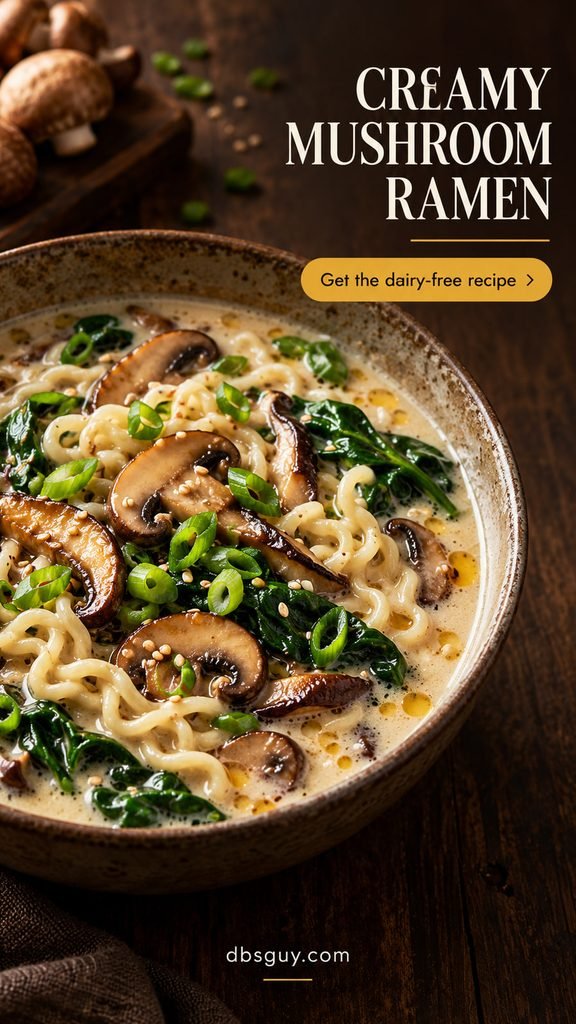
5. Browned Mushroom Soy Milk Ramen
Serves: 2 · Estimated total: 30–35 minutes
Style: Brothy · mild · plant-based with suitable noodles
This is the earthy, dairy-free option for a night when coconut flavor would feel out of place. Browning the mushrooms first gives the broth more depth. Let them sit against the hot pan long enough to color before you stir.
Ingredients
- 6 ounces dried ramen noodles, seasoning packets omitted
- 10 ounces cremini and/or stemmed shiitake mushrooms, sliced
- 1 tablespoon neutral oil
- 3 garlic cloves, minced; 1 teaspoon grated fresh ginger
- 2½ cups low-sodium vegetable broth
- 1½ cups plain, unsweetened soy milk
- 1 tablespoon white miso
- 2 teaspoons low-sodium soy sauce, plus more to taste
- 2 cups baby spinach
- 1 teaspoon toasted sesame oil
- 2 scallions, sliced; ¼ teaspoon black pepper
- 1 teaspoon toasted sesame seeds, optional
How to Make It
- Heat the neutral oil in a wide saucepan over medium-high heat. Add the mushrooms in two batches if necessary. Cook for 7–10 minutes, stirring occasionally, until their released liquid evaporates and their edges brown. Reserve a few slices for topping.
- Lower the heat to medium, add the garlic and ginger, and stir for 30 seconds. Pour in the broth, scrape up the browned bits, and simmer for 5 minutes.
- Cook the noodles in a separate pot according to the package and drain. Lower the soup heat, stir in the soy milk and spinach, and heat until steaming and the greens wilt. Avoid a rolling boil.
- Whisk the miso smooth with a ladle of hot soup, then stir it back in with the soy sauce, sesame oil, and pepper. Serve over the noodles with reserved mushrooms, scallions, and optional sesame seeds.
Make it work: Vanilla soy milk can spoil the savory flavor even when it is labeled unsweetened. Look for both plain and unsweetened on the carton.
6. Butter Corn Miso Ramen
Serves: 2 · Estimated total: 20–25 minutes
Style: Brothy · mild · dairy
Sweet corn, butter, and miso make a gentle bowl with enough salt and richness to feel substantial. Whole milk keeps the broth lighter than a cream-based version. Frozen corn works well here, so this does not need to wait for summer.

Ingredients
- 6 ounces dried ramen noodles, seasoning packets omitted
- 1 tablespoon unsalted butter, divided
- 2 garlic cloves, minced
- 1 cup frozen corn kernels
- 3 cups low-sodium vegetable broth
- ¾ cup whole milk
- 1½ tablespoons white miso
- 1 teaspoon low-sodium soy sauce, plus more to taste
- 2 scallions, thinly sliced
- ¼ teaspoon black pepper
- ½ sheet nori, cut into strips, optional
How to Make It
- Melt 2 teaspoons butter in a saucepan over medium heat. Add the garlic and stir for 30 seconds. Add the corn and broth; bring to a simmer and cook for at least the corn package’s recommended time, until tender and hot throughout.
- Meanwhile, cook the ramen in a separate pot according to its package directions and drain well.
- Reduce the soup heat to low. Add the milk and warm gently without a rolling boil. Whisk the miso with a little hot broth, then return it to the pan with the soy sauce and pepper.
- Divide the noodles and soup between two bowls. Top each with half the remaining butter, scallions, and optional nori. Taste before adding extra soy sauce.
Make it work: The butter belongs partly on top: it melts into the hot broth as you eat. Start with unsalted butter so you can control the seasoning around the miso.
7. Gochujang Kimchi Cheese Ramen
Serves: 2 · Estimated total: 25–30 minutes
Style: Brothy · medium to hot · dairy
Kimchi gives this Korean-inspired bowl acidity and texture; gochujang adds fermented chili flavor. American cheese melts smoothly into the soup without needing a separate sauce. The small amount of milk rounds out the heat, but it does not make the dish mild.

Ingredients
- 6 ounces dried ramen noodles, seasoning packets omitted
- 8 ounces firm tofu, drained, patted dry, and cubed
- 2 teaspoons neutral oil
- ½ cup chopped napa cabbage kimchi, plus 1 tablespoon kimchi brine
- 2 teaspoons gochujang, plus more to taste
- 1 garlic clove, minced
- 2½ cups low-sodium chicken or vegetable broth
- ½ cup whole milk
- 2 slices American cheese, about 1½ ounces total
- 1 teaspoon low-sodium soy sauce, only if needed
- 2 scallions, thinly sliced
How to Make It
- Heat the oil in a saucepan over medium-high heat. Brown the tofu for 6–8 minutes, turning gently. Transfer to a plate.
- Lower the heat to medium. Add the kimchi and cook for 2 minutes, stirring. Add the gochujang and garlic for 30 seconds, then pour in the broth and kimchi brine. Simmer for 5 minutes. Cook and drain the noodles separately according to their package.
- Lower the soup heat. Add the tofu and milk and heat gently. Stir in one cheese slice until smooth; lay the other over the hot soup or divide it between bowls to melt at serving.
- Taste before adding the optional soy sauce. Serve the soup over the noodles with scallions.
Make it work: Kimchi, gochujang, and cheese all bring salt. Also check kimchi labels if you avoid seafood; many versions contain fish sauce or salted shrimp.
8. Garlic Parmesan Chicken Skillet Ramen
Serves: 2 · Estimated total: 20–25 minutes
Style: Saucy · mild · dairy
Choose this one when you want noodles coated in sauce rather than floating in soup. It borrows the garlic-and-cheese flavor of creamy pasta but uses quick-cooking ramen. Already cooked chicken keeps the active work short.

Ingredients
- 6 ounces dried ramen noodles, seasoning packets omitted
- 1 tablespoon unsalted butter
- 4 garlic cloves, minced
- 1½ cups low-sodium chicken broth, plus more if needed
- ½ cup heavy cream
- 1 cup cooked chicken breast, sliced or shredded
- 2 cups baby spinach
- ⅓ cup finely and freshly grated Parmesan, plus 1 tablespoon for serving
- ¼ teaspoon black pepper
- 1 tablespoon chopped parsley; salt only if needed
How to Make It
- Cook the ramen separately according to the package, stopping at the earliest suggested time when the noodles are just tender. Drain well.
- Melt the butter in a wide skillet over medium-low heat. Stir in the garlic for 30–60 seconds. Add the broth, cream, and cooked chicken. Heat gently, stirring, until the chicken reaches 165°F; reduce the liquid for a few minutes if it looks very thin.
- Add the spinach and stir until wilted. Turn the heat to its lowest setting and add the ⅓ cup Parmesan in small handfuls, stirring until incorporated.
- Toss in the noodles and pepper. The sauce should coat the strands with a small amount pooling underneath. Add a splash of broth if needed; taste before salting. Finish with parsley and the remaining Parmesan.
Make it work: Use finely grated cheese and low heat. Adding a large pile of Parmesan to boiling liquid can leave clumps instead of a smooth sauce.
If you want the same flavor with fettuccine another night, try Creamy Garlic Parmesan Chicken Pasta.
9. Tomato Basil Cream Ramen
Serves: 2 · Estimated total: 25–30 minutes
Style: Brothy · mild · dairy
Crushed tomatoes and heavy cream turn ramen into a tomato-soup-style dinner. Cooking the tomato paste briefly gives the broth a deeper flavor than simply stirring it into liquid. Basil goes in at the end so its fresh aroma stays noticeable.

Ingredients
- 6 ounces dried ramen noodles, seasoning packets omitted
- 2 teaspoons olive oil
- 3 garlic cloves, minced
- 1 tablespoon tomato paste
- 1 cup canned crushed tomatoes; ½ cup cherry tomatoes, halved
- 2½ cups low-sodium vegetable broth
- ½ cup heavy cream
- ¼ teaspoon dried oregano; ¼ teaspoon black pepper
- ¼ cup loosely packed fresh basil leaves, torn
- 2 tablespoons Parmesan shavings, optional
- Salt to taste; ½ teaspoon sugar only if needed
How to Make It
- Heat the oil in a saucepan over medium-low heat. Add the garlic for 30 seconds. Stir in the tomato paste and cook for 1 minute, stirring constantly.
- Add the crushed tomatoes, broth, oregano, and pepper. Simmer uncovered for 8–10 minutes, adding the cherry tomatoes for the final 3 minutes. Meanwhile, boil the noodles separately according to their package and drain.
- Lower the soup heat and slowly stir in the cream. Warm gently without boiling hard. Taste: add salt if needed, and use the optional sugar only if the tomatoes taste particularly sharp.
- Remove from the heat and stir in most of the basil. Ladle over the noodles and top with remaining basil and optional Parmesan.
Make it work: Heavy cream is a more forgiving choice than low-fat milk in this acidic soup. Add it late and keep the heat gentle to reduce the chance of a grainy texture.
10. Pumpkin Coconut Ginger Ramen
Serves: 2 · Estimated total: 25–30 minutes
Style: Thick broth · mild · plant-based with suitable noodles
Plain pumpkin purée gives this bowl body without needing flour or a long reduction. Ginger balances its mellow sweetness, while edamame and kale keep the soup from feeling like a bowl of purée with noodles added. Use canned pumpkin, not sweetened pie filling.

Ingredients
- 6 ounces dried ramen noodles, seasoning packets omitted
- 2 teaspoons neutral oil
- 2 garlic cloves, minced; 2 teaspoons grated fresh ginger
- ¾ cup plain canned pumpkin purée
- 2½ cups low-sodium vegetable broth
- ¾ cup unsweetened full-fat canned coconut milk, well stirred
- 1 tablespoon white miso
- 1 teaspoon low-sodium soy sauce, plus more to taste
- 1 cup frozen shelled edamame
- 1 cup finely chopped kale, tough stems removed
- 2 tablespoons toasted pumpkin seeds
- 2 teaspoons lime juice; 1 tablespoon coconut milk for garnish, optional
How to Make It
- Warm the oil in a saucepan over medium-low heat. Cook the garlic and ginger for 30–60 seconds. Whisk in the pumpkin, broth, and ¾ cup coconut milk until smooth.
- Bring to a gentle simmer. Add the edamame and cook for its package’s recommended time. Add the kale during the final 3–5 minutes, cooking until tender.
- Cook the noodles separately according to their package and drain. Take the soup off the heat. Whisk the miso with a little hot soup, return it to the pan, and stir in the soy sauce and lime juice.
- Taste and loosen with hot water if you want a thinner broth. Serve over the noodles with pumpkin seeds and the optional coconut milk drizzle.
Make it work: If your pumpkin is particularly thick, add water before extra soy sauce. Otherwise, thinning the soup later can leave the seasoning unbalanced.
For a roasted squash soup without noodles, see Creamy Kabocha Squash Soup.
11. Roasted Garlic, Cauliflower, and White Bean Ramen
Serves: 2 · Estimated total: 55–65 minutes
Style: Thick broth · mild · plant-based with suitable noodles
This is the slowest bowl in the collection, but most of the extra time belongs to the oven. Roasted garlic brings mellow flavor, while blended cannellini beans and cauliflower make an ivory broth without milk, coconut, or nut butter. An immersion blender makes the finish easier.

Ingredients
- 6 ounces dried ramen noodles, seasoning packets omitted
- 1 whole head garlic
- 2 cups small cauliflower florets, about 8 ounces
- 1 tablespoon olive oil, divided
- ¼ teaspoon kosher salt; ¼ teaspoon black pepper
- 1 can (15 ounces) cannellini beans, drained and rinsed
- 3 cups low-sodium vegetable broth, plus more to thin
- 2 teaspoons low-sodium soy sauce, plus more to taste
- 2 cups baby spinach
- 2 teaspoons lemon juice
- 1 tablespoon chopped chives
How to Make It
- Heat the oven to 400°F. Slice about ¼ inch off the garlic head to expose the cloves. Drizzle with 1 teaspoon oil, wrap loosely in foil, and set on a baking sheet. Toss the cauliflower with the remaining 2 teaspoons oil, salt, and pepper on the same sheet. Roast the cauliflower for 25–30 minutes, turning once; leave the garlic for about 40–45 minutes total, until soft. Cool the garlic enough to handle.
- Reserve about ½ cup roasted cauliflower and ¼ cup beans for topping. Put the remaining cauliflower and beans in a saucepan with the broth. Squeeze in the softened garlic cloves, discarding the papery skins. Simmer for 5 minutes.
- Remove from the heat and blend with an immersion blender until smooth. If using a countertop blender, cool the mixture to a temperature permitted by its manufacturer and blend in batches with a vented lid; never seal hot soup in a personal blender. Return to the pan and thin with broth as needed.
- Add the spinach, reserved beans, and soy sauce. Heat until the spinach wilts and the soup is hot. Meanwhile, cook the noodles separately and drain. Stir the lemon juice into the soup and serve over noodles with reserved cauliflower and chives.
Make it work: Blend until the beans lose their grainy texture, adding broth as needed. The finished soup should flow from a ladle rather than sit like mashed potatoes.
12. Lemon Tahini Chickpea Ramen
Serves: 2 · Estimated total: 20–25 minutes
Style: Brothy · mild · plant-based with suitable noodles
Lemon, dill, and chickpeas give this ramen a bright, Mediterranean-inspired direction. Tahini supplies richness without dairy or coconut. It can tighten when you first add liquid, so make a smooth mixture in a bowl before putting it into the soup.

Ingredients
- 6 ounces dried ramen noodles, seasoning packets omitted
- 2 teaspoons olive oil
- 2 garlic cloves, minced
- 3 cups low-sodium vegetable broth
- 1 can (15 ounces) chickpeas, drained and rinsed
- ¼ cup well-stirred tahini
- 1 tablespoon lemon juice; ½ teaspoon finely grated lemon zest
- 2 cups baby spinach
- 1 tablespoon chopped fresh dill, plus a little for topping
- ¼ teaspoon black pepper; salt to taste
How to Make It
- Heat the oil in a saucepan over medium-low heat. Cook the garlic for 30 seconds. Add the broth and chickpeas and simmer for 5 minutes, until the chickpeas are hot through.
- Put the tahini in a heatproof bowl. Whisk in hot broth from the pan, 1 tablespoon at a time at first, then more freely, using about ½ cup total. Keep whisking through any initial thickening until the mixture is smooth and pourable.
- Cook the noodles separately according to their package and drain. Stir the spinach into the soup until wilted. Reduce the heat to low, add the tahini mixture, and stir just until evenly combined and hot.
- Remove from the heat. Add the lemon juice, zest, dill, and pepper; season with salt to taste. Ladle over noodles and finish with extra dill.
Make it work: Stir the tahini jar thoroughly before measuring. A scoop from a dry layer at the bottom is much harder to blend than evenly mixed tahini.
13. Green Curry Coconut Ramen with Edamame
Serves: 2 · Estimated total: 25–30 minutes
Style: Brothy · adjustable heat · dairy-free
Green curry paste and basil make this bowl herbal and lively, with a different flavor from the red curry shrimp version. Zucchini softens quickly, so keep the slices a little substantial. Edamame adds a firm bite without another pan of protein to cook.

Ingredients
- 6 ounces dried ramen noodles, seasoning packets omitted
- 2 teaspoons neutral oil
- 1–2 tablespoons Thai green curry paste, starting with 1
- 1 garlic clove, minced; 1 teaspoon grated fresh ginger
- 2½ cups low-sodium vegetable broth
- 1 cup unsweetened full-fat canned coconut milk, well stirred
- 1 cup frozen shelled edamame
- 1 medium zucchini, cut into ¼-inch half-moons
- 1–2 teaspoons low-sodium soy sauce, to taste
- 2 teaspoons lime juice
- ¼ cup loosely packed fresh basil leaves, torn
How to Make It
- Warm the oil in a saucepan over medium heat. Cook 1 tablespoon curry paste with the garlic and ginger for 30–60 seconds. Add the broth and coconut milk and bring to a gentle simmer.
- Add the edamame and follow its package cooking time. Add the zucchini for the final 3–4 minutes, just until tender with a little bite remaining.
- Meanwhile, cook and drain the ramen separately according to its package. Taste the soup for heat; if needed, dissolve extra curry paste in a little hot broth, stir it into the pan, and simmer for 2 minutes.
- Season with soy sauce, take off the heat, and add lime juice and basil. Divide between bowls of noodles and serve immediately.
Make it work: For a fully plant-based bowl, check the curry paste as well as the noodles. Some green curry pastes contain shrimp paste; green color alone tells you nothing about the ingredients.
14. Smoky Broccoli Cheddar Ramen
Serves: 2 · Estimated total: 30–35 minutes
Style: Thick broth · mild · dairy
Think broccoli cheddar soup with ramen taking the place of bread on the side. Crisp bacon adds smoke and a crunchy finish. A small cornstarch slurry gives the cheese a smoother base; it is especially useful in a soup that needs to stay loose enough for noodles.

Ingredients
- 6 ounces dried ramen noodles, seasoning packets omitted
- 3 slices bacon, chopped
- 1 garlic clove, minced
- 2½ cups low-sodium chicken broth
- 2 cups small broccoli florets
- ¾ cup whole milk
- 2 teaspoons cornstarch mixed with 2 tablespoons cold water
- ¾ cup freshly shredded mild or medium cheddar, about 3 ounces
- ¼ teaspoon smoked paprika; ¼ teaspoon black pepper
- 1 tablespoon chopped chives; salt only if needed
How to Make It
- Cook the bacon in a saucepan over medium heat until crisp, about 6–8 minutes. Lift it onto a paper towel. Leave 1 teaspoon rendered fat in the pan and carefully spoon off the rest.
- Add the garlic and stir for 30 seconds. Pour in the broth, add the broccoli, and simmer for 4–6 minutes, until the stems are tender. Meanwhile, cook the noodles separately according to their package and drain.
- Stir in the milk, paprika, and pepper. Stir the cornstarch slurry again, pour it in, and simmer gently for about 1 minute, until lightly thickened.
- Take the pan off the heat. Add the cheddar a small handful at a time, stirring until melted before adding more. Taste before salting. Ladle over noodles and finish with crisp bacon and chives.
Make it work: Use mild or medium cheddar and grate it yourself. Extra-sharp cheddar and high heat can make the texture less smooth. This is a thick soup, so add a splash of broth if it starts to resemble cheese sauce.
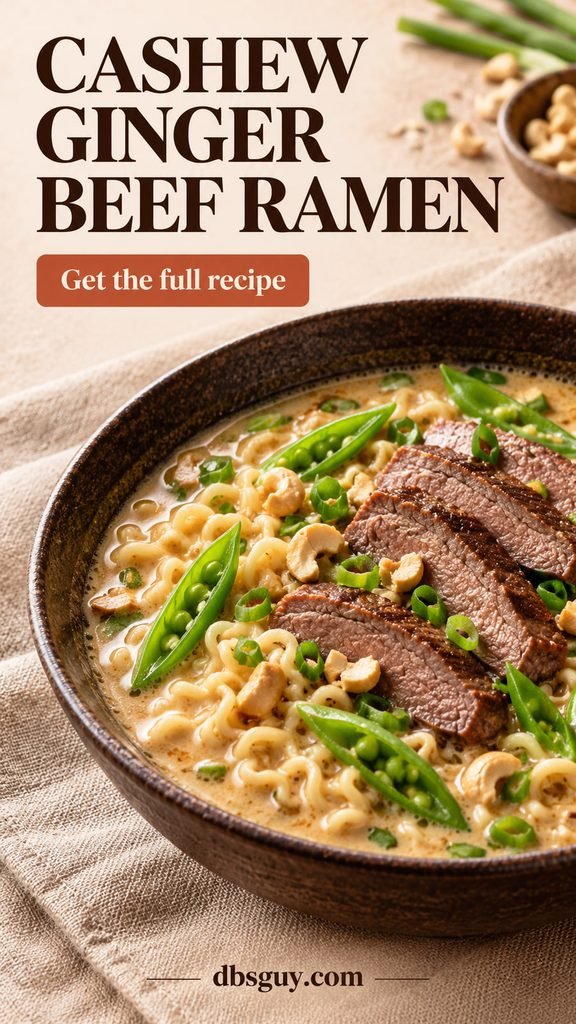
15. Cashew Ginger Beef Ramen
Serves: 2 · Estimated total: 30–35 minutes
Style: Brothy · mild · dairy-free
Cashew butter makes a softly nutty broth that lets ginger and beef stay in the foreground. A whole steak is easier to temperature-check than loose strips; cook it first, rest it, and slice across the grain. Snap peas provide a fresh crunch against the rich soup.
Ingredients
- 6 ounces dried ramen noodles, seasoning packets omitted
- 8 ounces boneless sirloin steak, about ¾ inch thick
- ¼ teaspoon kosher salt and ¼ teaspoon black pepper
- 1 tablespoon neutral oil, divided
- 2 garlic cloves, minced; 2 teaspoons grated fresh ginger
- 3 cups low-sodium beef broth
- ¼ cup smooth, unsweetened cashew butter, well stirred
- 2 teaspoons low-sodium soy sauce, plus more to taste
- 1 cup snap peas, strings removed and cut diagonally
- 1 teaspoon unseasoned rice vinegar
- 2 scallions, sliced; 1 tablespoon chopped cashews, optional
How to Make It
- Pat the steak dry and season with salt and pepper. Heat 2 teaspoons oil in a skillet over medium-high heat. Sear for roughly 3–5 minutes per side, adjusting for thickness, until the center reaches at least 145°F. Rest on a clean plate for at least 3 minutes before slicing across the grain.
- Heat the remaining teaspoon oil in a saucepan over medium-low heat. Cook the garlic and ginger for 30–60 seconds. Add the broth and soy sauce and bring to a simmer. Whisk the cashew butter with a ladle of hot broth until smooth, then return it to the pan.
- Add the snap peas and simmer for 2–3 minutes, until bright green and tender-crisp. Cook the ramen separately according to its package and drain.
- Stir the rice vinegar into the soup. Taste before adding extra soy sauce. Serve over noodles with the sliced steak, scallions, and optional cashews.
Make it work: Choose cashew butter made with cashews and little else. A sweetened spread changes this from savory ginger broth to something much sweeter.
Fix the Broth Before You Serve
Too thick? Add hot water or unsalted broth, 2 tablespoons at a time, until the soup flows around the noodles. The Parmesan skillet should stay saucy; the other recipes should still be easy to ladle, even when their broth is thick.
Too salty? Add unsalted liquid in small amounts and taste again. This also dilutes the other flavors, so you may need more of the recipe’s cream, coconut milk, or unsalted paste to restore its balance. Extra sugar does not remove salt.
Too thin? Make any reduction before adding milk or cheese. For sesame, peanut, and cashew bowls, whisk 1 teaspoon more of the relevant paste with hot broth and stir it in. Do not keep boiling assembled ramen to thicken the soup; the noodles will soften along with it.
Grainy or separated? Take the pan off the heat. Whisking in a little warm liquid can sometimes smooth a mildly separated broth, but scorched dairy or badly clumped cheese may not recover. Gentle heat and gradually added cheese are better safeguards.
Make Ahead, Store, and Reheat
For the best noodle texture, make the soup base ahead and cook fresh ramen when you are ready to eat. Keep crisp toppings, herbs, and cooked noodles separate from the broth whenever possible.
Divide leftovers into shallow containers and refrigerate within 2 hours, or within 1 hour when the surrounding temperature is above 90°F. Keep the refrigerator at 40°F or below and use refrigerated leftovers within 3–4 days. Count that time from the oldest cooked ingredient: adding yesterday’s chicken does not restart its storage clock.
Reheat only the portion you need, stirring and adding a little water or broth as needed, until it reaches 165°F throughout. Use gentle heat for milk and cheese soups, but still reach that temperature. For the raw chicken, pork, steak, and seafood used above, follow the FoodSafety.gov cooking temperature guidance; the relevant endpoints are also included in the recipe steps.
Freezing is more useful for the broth than for assembled noodles. For a future batch, freeze the base before adding noodles and, when practical, before the dairy finish. Thaw in the refrigerator; expect some texture change in coconut, tahini, or blended-bean broths and whisk while reheating.
Creamy Ramen FAQs
How do I make instant ramen creamy without heavy cream?
Use a recipe built around soy milk, coconut milk, sesame paste, peanut butter, tahini, cashew butter, or blended beans. They bring different flavors and thicknesses, so they are not interchangeable cup for cup. The mushroom soy milk and white bean bowls are useful choices when you want to avoid coconut flavor.
Can I use the seasoning packet instead of broth and soy sauce?
It needs a separate adjustment rather than a direct swap. Packet sizes and salt levels vary. For the recipes as written, use the listed broth and seasonings and omit the packet; otherwise the miso, cheese, or curry paste may make the soup too salty.
Which of these creamy ramen recipes can be vegan?
Recipes 4, 5, 10, 11, 12, and 13 can be fully plant-based when you choose suitable noodles, broth, miso, curry paste, and optional toppings. Check ingredient labels: noodles can contain egg, broth can contain meat, and curry paste or chili crisp can include seafood.
Can I use gluten-free noodles?
Yes, with a different noodle texture. Cook them separately according to their package. Also check the soy sauce, broth, miso, doubanjiang, gochujang, and curry paste; replacing only the noodles does not make the whole recipe gluten-free. Use suitable labeled alternatives, including gluten-free tamari where appropriate.
Why do my noodles absorb all the broth?
Noodles continue taking up liquid while they sit. Have your toppings ready, drain the noodles just before assembling, and serve immediately. For leftovers, separate storage helps, but already softened noodles will not return to their original texture.
Do I need an egg to get creamy ramen?
No. None of these recipes depends on a raw egg stirred into hot soup. The creamy texture comes from the ingredients and methods listed in each bowl.
Also Read
- Creamy Garlic Parmesan Chicken Pasta — another garlic-and-cheese dinner when you want pasta instead of ramen.
- Easy Chicken Gnocchi Soup — a creamy chicken soup with vegetables and soft potato gnocchi.
- Creamy Kabocha Squash Soup — a roasted squash option for a noodle-free meal.
- 23 Easy Microwave Recipes for Dorm Rooms: No Kitchen Needed — for days when your cooking setup is limited to a microwave.