
A useful travel bucket list gives you something you can actually plan: a sunrise, a skill to learn, a place to explore slowly, or a trip with people you love. These 51 experiences mix U.S. weekends with bigger international journeys, so your next step can fit your time and budget.
Treat “before 40” as a reason to begin, not a deadline you have to beat. You do not need to complete all 51, and these experiences remain worth having at any age. Start with one easy trip and one longer-term dream.
Find your starting point
- Limited vacation time: a car-free city weekend (18), a jazz evening in New Orleans (23), or a friends’ cabin trip (42).
- A big nature moment: Iceland’s northern lights (1), an Alaska glacier cruise (6), or a guided reef snorkel (31).
- Something you can learn: fresh pasta in Bologna (19), tile painting in Lisbon (22), or beginner surfing in Hawaii (30).
- A trip built around a season: New England fall color (10), Japanese cherry blossoms (47), or a German Christmas market (49).
The visuals below are AI-generated travel concepts, not photographs documenting actual trips, venues, or current conditions. Use them for inspiration; check the real destination and operator before booking.

Nature worth slowing down for
1. Watch the northern lights in Iceland
Give the aurora several chances instead of making it the entire purpose of one night. Base yourself somewhere with worthwhile daytime outings, then leave evenings flexible for a guided search away from city lights.
Visit Iceland identifies September through April as the main viewing season. Darkness, cloud cover, and solar activity still decide the show. Choose a tour with a clear weather and rebooking policy; a photograph can show stronger color than your eyes see.

2. See sunrise over the Grand Canyon
Choose one South Rim viewpoint, arrive before the sun, and stay as the first light moves across the rock layers. This is a big-landscape experience that does not require hiking into the canyon.
Plan the morning around your lodging, current shuttle service, and an official sunrise time. Bring a warm layer even if the afternoon forecast looks mild. Stay on established paths and behind barriers; a breakfast afterward is a better addition than an overambitious hike on too little sleep.

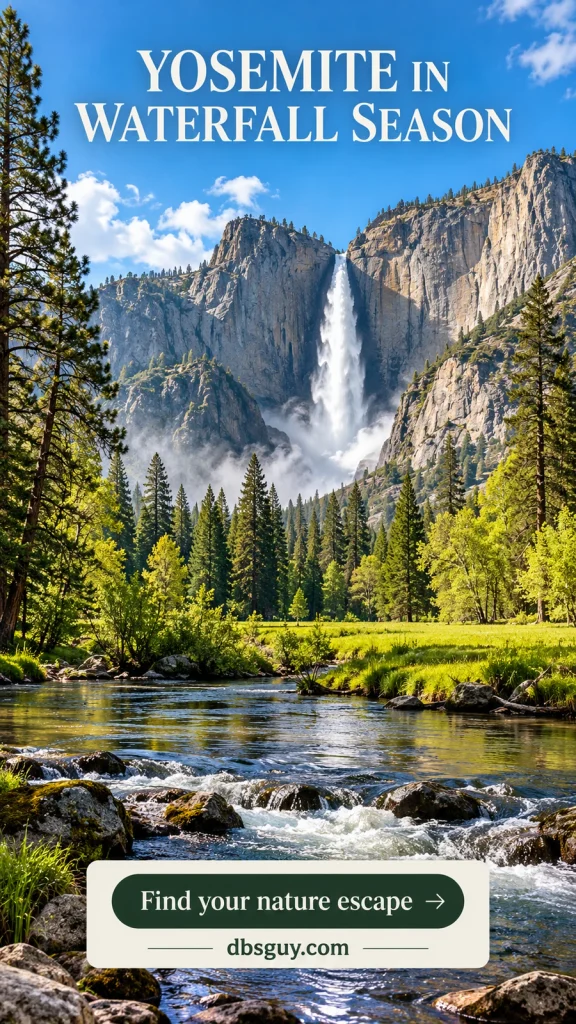
3. Visit Yosemite when the waterfalls are flowing
Build a Yosemite visit around the valley’s waterfalls and granite walls. The Lower Yosemite Fall area gives you a much shorter outing than the strenuous trail to the top, leaving time to sit beside the scenery.
The National Park Service identifies spring snowmelt as waterfall season, with flow varying by year. Spring does not mean every high-elevation road is open. Check road conditions and entry requirements, and stay off slick rocks beside the falls.
4. Walk through a coast redwood forest
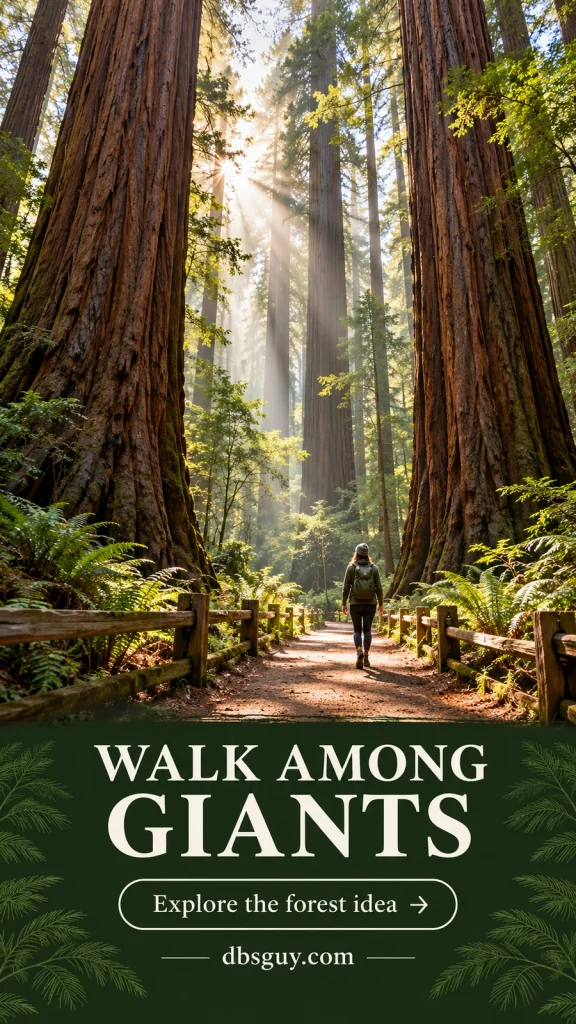
Northern California’s redwoods reward a slower pace: look up, notice the fern-covered ground, and give the forest more than a photo stop. Choose a short maintained trail in Redwood National and State Parks that fits your mobility and available time.
Check that particular trail’s surface and closures before driving there. A damp morning can be atmospheric, but roots and wet boardwalks deserve care. Keep to established routes instead of circling trunks for a cleaner shot.
5. Spend an evening under a dark Utah sky
Pick a park or established stargazing site away from bright town lights, then build the evening around simply looking up. A ranger program or guided astronomy session can turn a beautiful sky into something you understand.
Check moonrise, cloud cover, and the site’s nighttime access before you go. Bring warm layers and a dim red light, and keep your return route straightforward. The Milky Way’s appearance changes with season and time; you do not need a dramatic photograph for the night to count.

6. See Alaska’s glaciers from a boat
A glacier day cruise makes the landscape the main event without requiring an expedition itinerary. Look at outings from an Alaska coastal base such as Seward, then compare time on the water and how much of the route is exposed to open sea.
Ask about covered seating, boarding arrangements, and cancellation terms. Bring layers for the deck and treat wildlife or calving sightings as possibilities, never promises. Keep a spare day when the boat trip matters more than another hotel change.

7. Explore a Costa Rican cloud forest
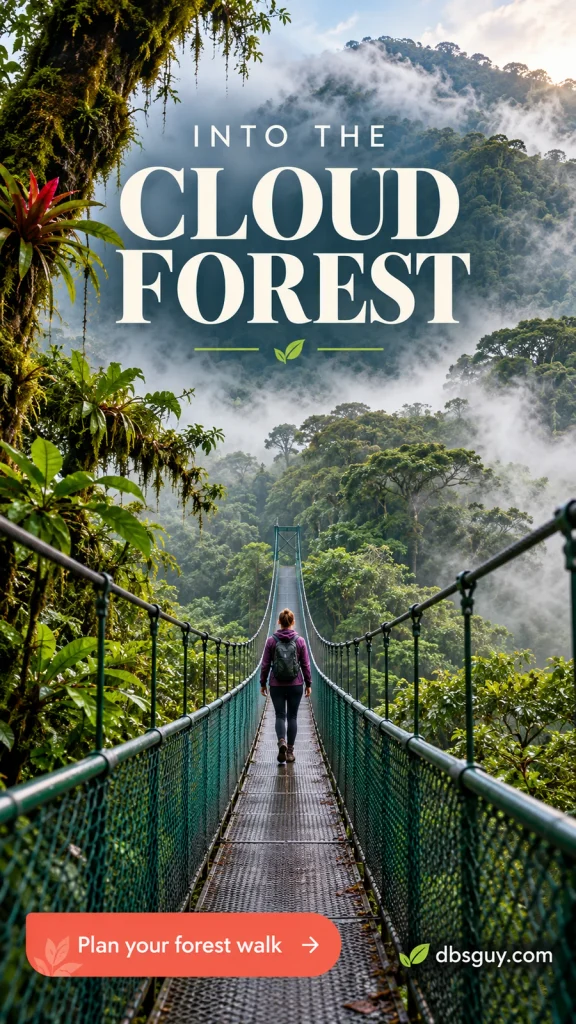
Choose a guided cloud-forest walk around Monteverde for the small details you might otherwise miss: epiphytes, bird calls, and the way mist changes the canopy. A hanging-bridge outing is a separate booking at some properties, so decide what you actually want to experience.
Wear shoes with grip and carry a light rain layer. Ask about trail gradients and bridge movement if heights or uneven footing concern you. The quieter forest-floor option is a worthwhile experience in its own right.
8. Go on a responsibly run safari in Tanzania
Make your first safari about observing animals in their habitat, with enough time to watch behavior instead of racing through a species checklist. Ask a licensed operator to explain the actual driving distances and park choices behind the itinerary.
Compare group size, vehicle arrangements, guide experience, and what the quote includes. Wildlife movements change, so avoid promises of a particular sighting. Choose operators that follow park rules, maintain distance, and do not offer touching, feeding, or staged animal encounters.

9. Feel Niagara Falls from a sightseeing boat
The appeal is physical: the sound, the spray, and the sense of scale from the water. Decide whether you are visiting from the U.S. or Canadian side before selecting a boat operator and hotel.
Check seasonal sailings, boarding accessibility, and the forecast. Protect your phone and bring a dry layer for afterward. If you plan to cross the international border, confirm your own entry-document requirements separately; a boat ticket does not resolve them.

10. Follow fall color through New England
Pick a small area of Vermont or New Hampshire and give it a few unhurried days. A covered bridge, a town walk, and a scenic drive work better together than a daily chase across several states.
Fall color shifts with elevation, latitude, and weather, so September and October are a planning window rather than a guarantee. Use current foliage reports close to departure. Reserve busy fall weekends early, or choose weekdays if your schedule allows.

Also read: 13 Underrated Places in the USA to Visit Before Everyone Else Finds Them
Journeys that become part of the memory
11. Spend a night on a scenic American train
Try an overnight rail journey for the pleasure of waking up somewhere different. Amtrak’s California Zephyr, connecting Chicago and Emeryville, is one route to research if western scenery is the draw.
Compare a sleeper with a coach seat carefully: the experience, privacy, and price are very different. Check the current timetable to see which scenery is scheduled in daylight. Leave breathing room before a flight or nonrefundable event because a long-distance train can run late.

Also read: 10 Scenic Train Trips in the USA With Views Worth Traveling For
12. Take a scenic railway through the Swiss Alps
An Alpine train ride is a moving landscape day: lakes, mountain passes, villages, and time to watch them change. Research the Bernina route and decide whether you want a panoramic service or the flexibility of regional trains.
Check ticket and seat-reservation requirements separately. A rail pass does not automatically settle every reservation charge. Avoid fitting the journey between two tight connections; arriving with time for a walk and dinner makes the railway feel like part of the vacation.

13. Drive a manageable stretch of Route 66
You do not need to cover the whole historic route. Choose one section, such as an Arizona stretch, and plan around roadside history, a diner meal, and an overnight stop you genuinely want to make.
Use a current route guide because historic alignments and modern highways are not always the same. Keep daily driving modest, check business hours, and stop only where parking is permitted. The point is having time to pull over for something interesting.

14. Island-hop by ferry in Greece
Pick two islands with a sensible ferry connection instead of collecting a new island every morning. Spending several nights in each gives you time for ordinary pleasures: a bakery breakfast, a swim where conditions allow, and a harbor walk after dinner.
Verify the schedule for your travel dates, not just the route’s existence. Wind and seasonal service changes can disrupt plans. Return to your international departure city with a buffer rather than relying on a same-day ferry-to-flight connection.

15. Cruise through a Norwegian fjord
A fjord day trip gives you a water-level view of steep mountains and small shoreline settlements. Choose your base and transport connections first; the prettiest boat itinerary is less appealing if reaching it uses the whole day.
Compare an out-and-back cruise with a route that connects to a bus or train. Pack a windproof layer for deck time and check seasonal departures. An overcast day can still be striking, so build expectations around the landscape rather than a guaranteed blue sky.

16. Cycle between Dutch towns
Try a countryside ride near a Dutch town rather than making busy central Amsterdam your first cycling experiment. Canal paths, village stops, and a picnic can create a satisfying day without covering a heroic distance.
Ask a rental shop for a suitable route and a properly fitted bike; practice braking and signaling before setting out. Keep the return leg short enough for tired legs or wind. A guided ride is a good choice if navigation would distract you from enjoying the day.

17. Walk a section of the Camino de Santiago
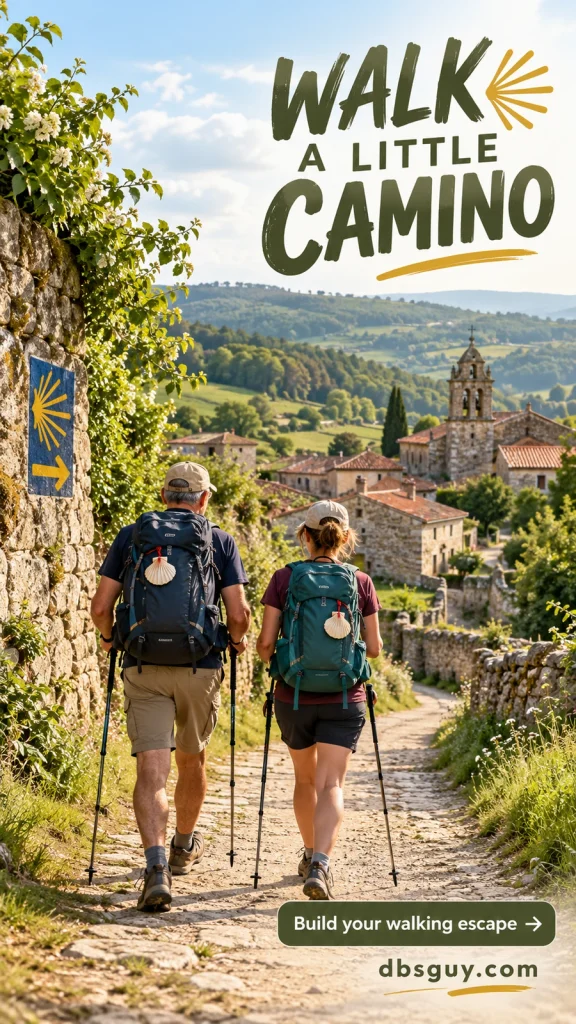
You can experience the rhythm of the Camino without turning it into a monthlong undertaking. Choose a short stretch in Galicia, walk between villages, and leave space for a long lunch or a conversation along the way.
Test your shoes and realistic daily distance at home. Compare luggage-transfer and lodging options if carrying everything would make the trip less enjoyable. If earning a pilgrim certificate matters to you, verify the current qualifying requirements before choosing the route.
18. Take an entire city weekend without a car
Choose a place where your arrival station, lodging, and favorite activities connect easily by walking or transit. Boston is one possible base: build a compact weekend around a historic neighborhood, one museum, and meals nearby.
Check the actual station-to-hotel journey before booking a room advertised as central. Then remove the pressure to see every district. A small walkable area can make two nights feel like a proper break rather than a transportation puzzle.

Also read: 9 Easy Weekend Getaways From U.S. Cities Where You Don’t Need a Car
Food, art, and local culture
19. Learn to make fresh pasta in Bologna
Make room for an experience you can bring home without packing a souvenir. A hands-on pasta class in Bologna can introduce you to rolling dough, shaping pasta, and understanding why the sauce and shape belong together.
Look for a class where participants do the work, not just watch a demonstration. Confirm the language, group size, dietary accommodations, and whether a meal is included. Photograph your finished pasta and keep the recipe so the memory has another life in your own kitchen.

20. Take a locally guided food walk in Mexico City
Let a knowledgeable guide introduce a market’s ingredients and the people cooking with them. Ask for a route focused on a particular neighborhood or food tradition, rather than one promising to show you the whole city in an afternoon.
Share allergies and dietary needs before booking, and clarify what tastings are included. Leave the next meal flexible; you may want something light afterward. The most useful souvenir might be knowing what to order confidently for the rest of your stay.

21. Experience a tea ceremony in Kyoto
A tea ceremony offers a different kind of travel memory: deliberate movement, quiet attention, and a small bowl of matcha. Choose a session that explains the practice instead of presenting it only as a photo opportunity.
Confirm the session language, seating options, and photography rules. If kneeling is uncomfortable, ask about chair seating in advance. Arrive on time, follow the host’s instructions, and let yourself participate without trying to capture every moment on a phone.

22. Paint a tile in Lisbon
An azulejo workshop makes a satisfying pause between sightseeing days. You spend time noticing patterns and color, then create a small object tied to the city rather than buying something at the airport.
Ask whether your piece needs firing, how long collection takes, and whether shipping is available. Schedule the class early in your stay if pickup is not immediate. Beginners do not need an elaborate design; a simple border or floral motif can be enough.

23. Hear live jazz in New Orleans
Build one evening around listening, with dinner nearby and time to stay for a full set. Choose a venue for its musicians and atmosphere rather than assuming the busiest street offers the experience you want.
Check reservations, cover charges, age policies, and whether seating is guaranteed. In a listening room, keep conversation quiet and follow the venue’s photography rules. This works especially well for travelers who want a memorable night without planning a whole festival weekend.

24. Give a Paris museum an unhurried afternoon
Pick one museum and a small theme: Impressionist paintings, sculpture, decorative arts, or a single collection you have always wanted to see. The Musée d’Orsay is one possible starting point if nineteenth-century art interests you.
Book any required entry slot through the museum and confirm opening days. Aim to leave while you still want more, then sit at a cafe and talk or write about one work you remember. You do not need to see every room to have a worthwhile visit.

25. Walk through ancient Rome with context
The Roman Forum becomes more interesting when the ruins connect to daily life, politics, and the people who used the spaces. Choose a good walking tour or a focused audio guide, then allow time to look after the explanation ends.
Match your ticket to the areas you want to enter; a view from outside is different from admission. Expect exposed stretches and uneven ground. Avoid squeezing the visit between too many other timed bookings, especially when heat could change your pace.

26. Visit a historic mosque in Istanbul
Step into Istanbul’s architectural history with a respectful visit to a mosque that welcomes visitors, such as the Blue Mosque. Notice the relationship between the courtyard, domes, and interior decoration instead of treating the building as a backdrop.
Check visitor access and prayer-time restrictions for your date. Follow posted clothing and shoe-removal requirements, speak quietly, and avoid photographing worshippers without permission. A local guide can help explain the setting while keeping religious use of the space central.

27. Visit a weaving workshop in Oaxaca
Arrange a studio visit around Oaxaca, including weaving communities such as Teotitlán del Valle, to learn how a textile takes shape. Watching a loom in use makes pattern, texture, and the maker’s time easier to appreciate.
Choose a visit led or approved by the artisans, ask before taking portraits, and clarify whether a demonstration fee applies. If you want to buy, discuss materials and care directly with the maker. Leave enough luggage space for the piece you actually love.

28. Spend an evening with flamenco in Seville
Choose a flamenco performance where music and dance are the focus. A smaller venue can make the interplay between singer, guitarist, and dancer easier to follow than a dinner setting with constant distractions.
Compare show length, seating arrangements, and whether food is included or optional. Eat before or after if you would rather listen closely. Follow the venue’s filming rules; putting the phone away helps you notice details that do not fit into a short clip.

29. Browse a Thai night market after dark
An evening market in Chiang Mai can be part snack stop, part craft browse, and part people-watching. Go with a short wish list and room for something unexpected, rather than turning every stall into a purchase.
Confirm which market operates on your chosen night, since some are weekend events. Carry small cash, keep valuables secure, and ask before photographing sellers. Choose freshly prepared food you are comfortable eating, with ingredients clarified when allergies matter.

Outdoor experiences at your own pace
30. Take a beginner surf lesson in Hawaii
Make the goal learning how to read a small wave and handle a board, not standing up for the camera immediately. A beginner lesson with a qualified local instructor is a better starting point than renting a board and guessing.
Tell the school your swimming ability and ask how they select conditions for beginners. Confirm what equipment is included and how lessons change when the ocean is unsuitable. Choose an easier session or a different day if conditions exceed your comfort.

31. Snorkel the Great Barrier Reef with a guide
Choose a reef outing from an established base such as Cairns or Port Douglas, then compare the actual snorkeling support offered. A guided small group may suit a first-timer better than a boat where everyone spreads out independently.
Ask about swimming expectations, flotation options, and weather changes. Follow the crew’s briefing, keep fins clear of coral, and never stand on the reef. Water visibility and reef conditions vary, so judge the day by what you learn as well as what you see.

32. Kayak on a bioluminescent bay in Puerto Rico
A guided night paddle is about the small flashes of light around moving water, not a permanently glowing blue ocean. Look at Mosquito Bay in Vieques or Laguna Grande in Fajardo and choose the logistics that fit your trip.
Discover Puerto Rico notes that swimming is not permitted in these two bays. Check moonlight, weather, and the operator’s conditions; visibility varies. For Vieques, arrange your overnight stay and island transportation before committing to a late tour.

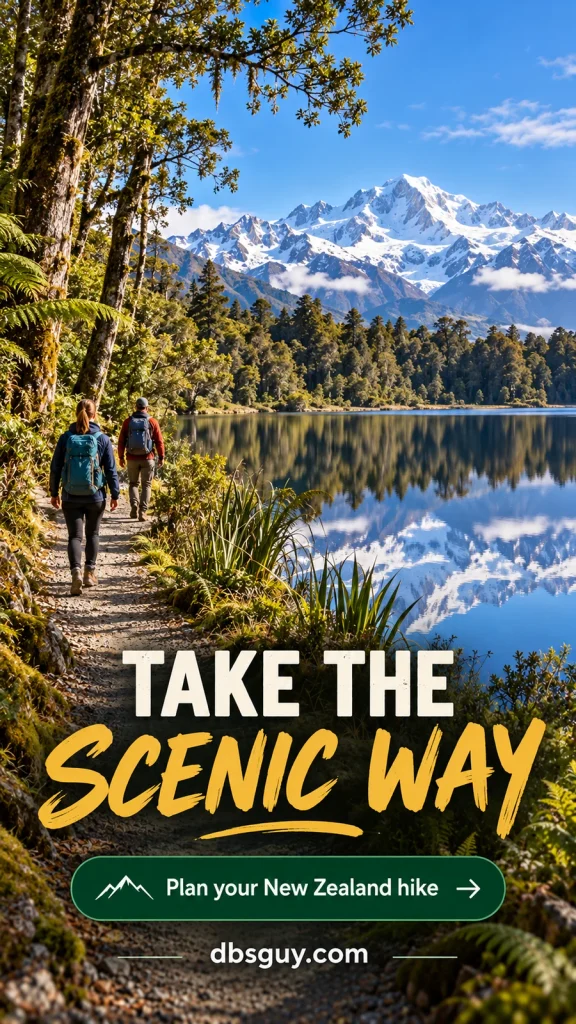
33. Make time for a New Zealand day hike
Pick a trail for its terrain and your current fitness, not only its most famous viewpoint. The South Island offers lake, forest, and mountain scenery, so a shorter lakeside walk can be a good alternative to an exposed summit route.
Check the Department of Conservation’s current track information and weather before setting out. Carry the recommended essentials, tell someone your plan, and leave time to turn back. Add a spare day so poor conditions do not force the decision.
Also read: My Best New Zealand Travel Tips 2026
34. Spend a night beside Morocco’s desert dunes
An overnight camp near Erg Chebbi can make the desert feel very different from a quick roadside stop. Arrive with time to settle in, watch the evening light change, and sit outside after dinner.
Read the itinerary’s transfer hours carefully: the drive can be a major part of the trip. Ask about bathrooms, bedding, temperature control, and how you reach camp. A longer stay in the region may be more comfortable than compressing everything into a rushed excursion.

35. Take a hot-air-balloon ride in Cappadocia
If floating above Cappadocia’s rock formations is your dream, give it more than one possible morning. Choose a licensed operator, compare basket size and inclusions, and read the cancellation policy before paying.
Flights depend on conditions and authorization to operate. Ask about passenger suitability, boarding, and landing requirements rather than assuming the experience is accessible to everyone. Keep a ground-level sunrise viewpoint as a worthwhile alternative if your flight cannot go ahead.

36. Try guided rafting on Slovenia’s Soča River
Rafting adds teamwork and movement to a mountain trip. Around the Soča Valley, choose a guided outing specifically matched to your group’s experience and the river conditions, rather than selecting the most dramatic photographs.
Ask about swimming requirements, guide qualifications, equipment, and cancellation thresholds. Wear the provided protective gear and follow the briefing. Keep the rest of the day flexible; a riverside meal is a better follow-up than another tightly timed activity.

37. Walk a Navajo-guided slot canyon in Arizona
The curves and reflected light of an Antelope Canyon visit are worth slowing down for. Book through an authorized Navajo tour operator; this is guided access on Navajo land, not an independent walk-in hike.
Different tours involve different stairs, ladders, or walking demands. Ask about the exact route, photography rules, time zone, and arrival instructions. Weather can close tours for safety. Let the guide explain the landscape instead of focusing entirely on recreating a famous photograph.

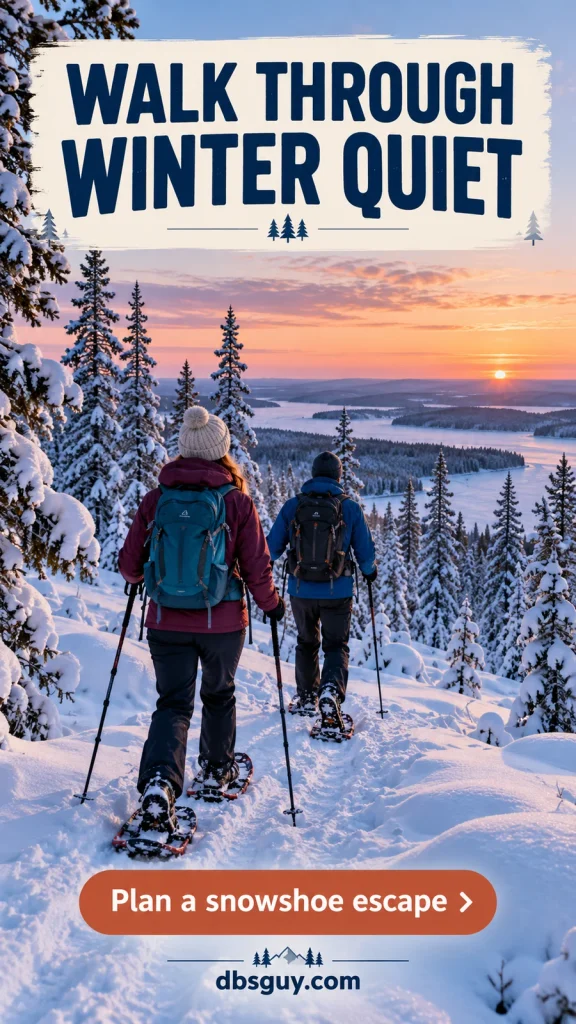
38. Snowshoe through a Finnish forest
A guided snowshoe walk offers a quiet winter outing without requiring downhill-skiing skills. Choose a route near your base with a distance and pace that suit you, then enjoy the sound of footsteps through the snow.
Confirm whether the price includes snowshoes, poles, and any winter clothing. Ask what footwear works with the equipment and how the outing changes in poor conditions. Leave room afterward for a warm meal instead of stacking cold-weather activities back to back.
39. Hike a stretch of Portugal’s Atlantic coast
Choose a day section of a coastal route such as the Rota Vicentina and let the ocean set the mood. Look closely at sand, elevation, exposure, and transport; a trail beside the sea is not automatically an easy walk.
Plan how you will return before starting a one-way route. Carry water, stay back from cliff edges, and avoid exposed stretches when conditions are poor. A shorter out-and-back from a village can give you the scenery without complicated logistics.

Travel that feels personal
40. Take your first solo trip
Give yourself two or three nights in a city you are curious about and can navigate comfortably. A place such as Montréal can work well for a short introduction, with a daytime arrival, a well-located hotel, and one activity booked for the first full day.
Leave the rest flexible enough to discover your own pace. Share your itinerary with someone you trust and keep a simple arrival plan. You can join a walking tour or eat with a small group; traveling solo does not require spending every hour alone.

41. Visit a place connected to your family history
Choose one town, neighborhood, or region connected to a family story and start with what you can document. An old address, photograph, or relative’s memory can give an ordinary street a meaning no guidebook can supply.
Research archives and visiting hours before departure, and arrange any meetings respectfully in advance. If you are traveling with relatives, build in rest and room for different emotions. The trip is still worthwhile if you leave with better questions rather than a complete family tree.

42. Finally take the friends’ cabin weekend
Turn the group-chat idea into a small, workable trip: one cabin, two nights, a shared dinner, and plenty of time without a schedule. Choose a location most people can reach without losing the whole first day.
Agree on the budget, bed arrangements, and cancellation expectations before anyone pays. Give one person the booking role and keep meals simple enough that nobody spends the weekend cooking. The memorable part may be breakfast on the porch rather than a major activity.

Also read: 10 Cozy Mountain Getaways in the USA That Make You Want to Stay All Weekend
43. Spend an unhurried day beside an Italian lake
Set aside one Lake Como day for a waterfront walk, a simple lunch, and a long look at the scenery. Choose a village you can actually enjoy on foot instead of trying to visit every famous stop.
Check ferry times if you use them, and leave enough room for the last comfortable journey home. Public promenades and a modest picnic can be the centerpiece; the experience does not depend on booking a luxury hotel. Let the day stay deliberately light.

Also read: Italy Honeymoon Ideas: Crafting Your Perfect Romantic Escape
44. Join a locally organized beach cleanup
Add a few useful hours to a coastal vacation by joining a cleanup run by an established local organization. A scheduled event gives you a clear meeting point, supplies, and instructions for the beach’s needs.
Confirm visitors are welcome, wear the suggested protection, and follow guidance about wildlife and unusual or hazardous debris. Avoid treating participants as photo props. This is a small contribution alongside your trip, not a claim that a short visit solves a destination’s environmental problems.

45. Stay on a working farm in Vermont
A farm stay changes the rhythm of a trip: breakfast, weather, animals at a distance, and perhaps a farm activity arranged by the hosts. Look for a guest stay that clearly explains how much interaction is available.
Some properties offer tours or chores; others simply provide lodging on a farm. Ask about seasonality, meal options, access, and guest boundaries. Follow the hosts’ instructions around equipment and animals. Choose the version that sounds restorative to you, not the one that looks most rustic online.

46. Spend a quiet weekend on a Scottish island
Choose an island base with a comfortable place to stay and a small number of nearby outings. Read by a window, walk when conditions suit, and allow a slow afternoon to remain a slow afternoon.
Check transport frequency and allow a buffer around weather-dependent ferries. Download maps and keep a way to make essential contact even if you take a break from social media. A digital detox works better as a choice than as a surprise caused by poor planning.

Seasonal trips worth planning around
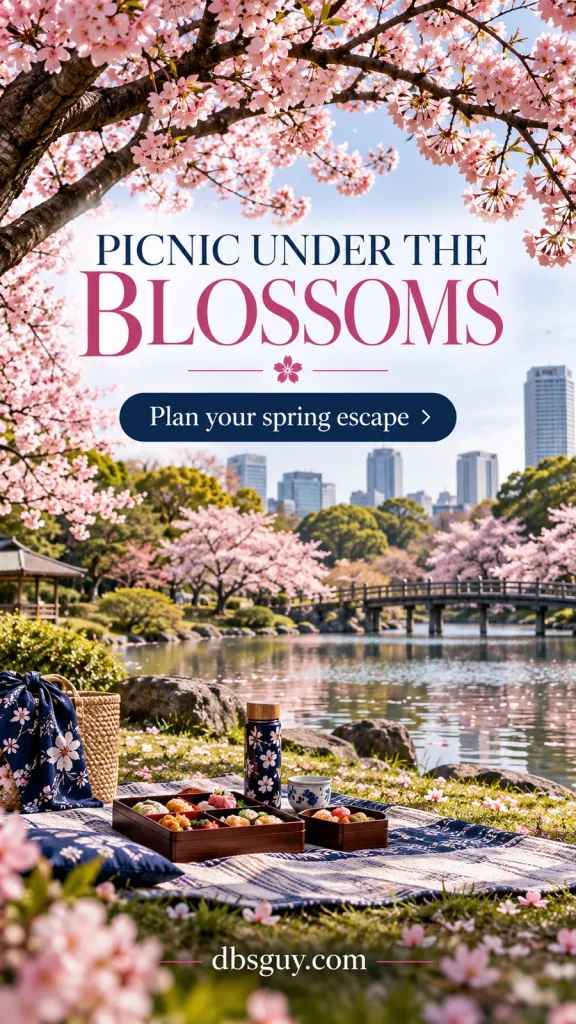
47. Have a cherry-blossom picnic in Japan
Make blossom season about being in a park, not just arriving at one famous tree for a photograph. Choose a public space that allows picnics, bring a simple meal, and leave time to walk as well as sit.
Flowering dates vary by region and weather, so use the latest forecast close to the trip. Keep other city plans that you would enjoy if timing shifts. Respect marked areas, avoid touching branches, and take everything you brought away with you.
48. Walk through Dutch tulip gardens in spring
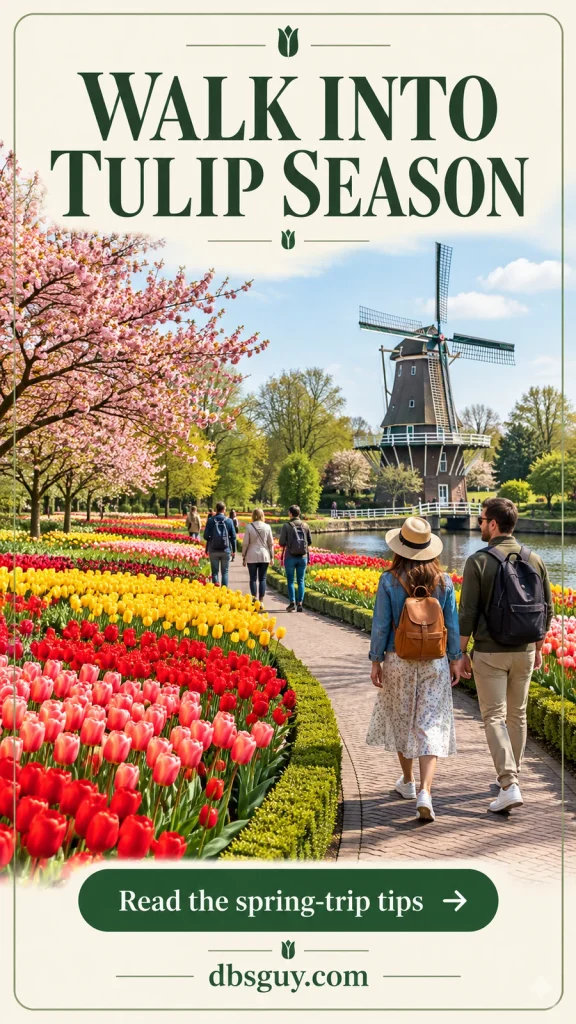
Choose a garden designed for visitors if you want to linger among flowers and take pictures without trespassing on working fields. A place such as Keukenhof can anchor a spring day, with other time left for a nearby town.
Confirm the opening season, ticket conditions, and transportation for your dates. Bloom changes across the season, and individual varieties do not all flower together. Stay on visitor paths; entering commercial fields can damage crops even when the rows look inviting.
49. Spend an evening at a German Christmas market
Choose one market and enjoy it after the lights come on: a warm drink, a few stalls, and an easy dinner. A smaller itinerary gives you time to notice handmade decorations rather than rushing between several towns.
Verify that year’s opening dates and hours before booking; markets do not all run throughout December or continue through Christmas. Reserve lodging with an easy route home and leave room for a quieter daytime walk. Popular evenings can be crowded, so arrive earlier if you prefer space.

50. Experience Day of the Dead respectfully in Mexico
Look for public cultural events, exhibitions, and community-approved tours in a place such as Oaxaca. The flowers, food, and offerings have meaning beyond their visual impact, so choose someone who can explain the traditions in context.
Plan around the local program near November 1 and 2, with lodging arranged ahead. Treat cemeteries and family observances as personal spaces, not entertainment. Ask before photographing people or private altars, and follow local guidance about where visitors are welcome.

51. See New York dressed for the winter holidays
Make one Manhattan evening about the lights: a manageable walk, a favorite window display, and somewhere warm to eat afterward. If Rockefeller Center is on your list, combine it with nearby stops rather than crossing the city repeatedly.
Check current tree, rink, and attraction schedules before committing to dates. Skating is optional; looking at the lights can be enough. Choose comfortable footwear, expect crowds, and use the rest of your trip for neighborhoods and indoor stops beyond the holiday centerpiece.

Also read: Christmas in New York: 19 Magical Things to Do
Also read: NYC in Winter: 5-Day Itinerary Beyond Times Square
Turn the list into a trip you can actually take
Circle five experiences, then choose one based on the time and money you have available. A weekend close to home can build momentum while a larger trip stays on the horizon.
- Write down the full cost. Include transportation, lodging, meals, local transfers, activities, insurance, and a buffer. A low tour price can hide an expensive journey to the meeting point.
- Count travel days as travel days. A long-haul flight, time-zone change, or remote transfer can take more of your vacation than the attraction itself.
- Check the limiting booking first. This might be lodging during a festival, a timed-entry ticket, a sleeper berth, or the only convenient ferry. Confirm availability before committing to the rest.
- Choose your version. A scenic viewpoint can replace a strenuous hike; chair seating can make a cultural activity more comfortable. Ask providers about the specific access you need.
- Keep one realistic backup. Weather-dependent experiences are easier to enjoy when a cancellation does not leave the whole trip empty.
For international plans, use the U.S. State Department’s International Travel Checklist to review destination advice, documents, and preparation. Verify entry rules for your nationality and transit countries. Read activity exclusions and other terms before choosing travel insurance.
A simple seasonal starting guide
Spring: research Japanese blossoms, Dutch tulip gardens, and Yosemite waterfalls. Their timing depends on weather and location, so keep dates and expectations as flexible as possible.
Summer: investigate longer-daylight journeys and open mountain routes, while checking heat, wildfire conditions, crowds, and individual trail access.
Fall: consider New England foliage or a cultural trip with comfortable walking conditions. “Shoulder season” varies by destination and does not automatically mean low prices.
Winter: plan around confirmed holiday-market dates or suitable snow conditions. For New Zealand, remember that December through February is summer; seasons do not line up with a U.S. calendar.
Travel bucket list FAQs
Do I need 51 separate trips?
No. Several experiences can fit naturally into one trip: a Kyoto tea ceremony and a spring picnic, for example, or a Vermont farm stay during a foliage visit. Combine nearby ideas only when the geography and season make sense. Leave room to enjoy them.
Which experiences are easiest to start on a smaller budget?
Look first at what you can reach affordably. A dark-sky outing, a short regional train ride, a nearby city break, or a shared cabin can be a starting point. The cost depends on your home base and travel dates, so compare the complete trip rather than assuming a particular destination is cheap.
What if I have never traveled alone?
Begin with a short stay, a daytime arrival, and a simple route to your accommodation. Book one social activity if it would help you settle in, and share your plans with someone at home. You can travel independently while still choosing guided activities.
How far ahead should I book?
There is no single deadline for every experience. Check the release dates for the specific lodging, train, attraction, or event you want. Book harder-to-replace pieces first, read cancellation terms, and avoid nonrefundable plans built around an unconfirmed seasonal event.
What if I turn 40 before I finish?
Keep the list. Change it as your interests, responsibilities, budget, or mobility change. The useful part is making space for experiences that matter to you, not proving you completed them by a birthday.
Choose the experience you want to remember
Pick one number from this list, decide who you want to share it with—or whether you want to go alone—and take the first practical step this week. Check the season, compare two realistic options, or put a weekend on the calendar. A bucket list becomes more useful when one idea starts becoming a plan.