Some train rides are simply a way to get somewhere.
The best scenic train trips are the opposite.
You book them because the window is the destination.
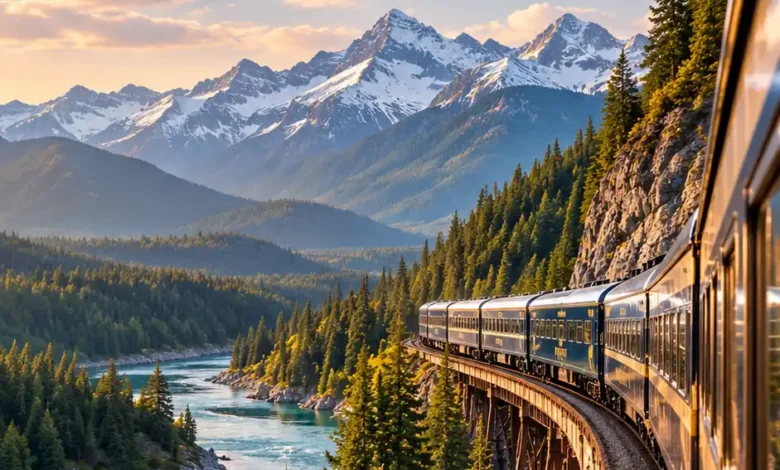
A river canyon appears where no highway runs. Snow-covered peaks fill an entire side of the carriage. The train rounds a curve above a desert gorge, crawls through golden aspen country, follows the Pacific for miles, or carries you into a national park without asking you to stare at brake lights.
That is the standard behind this list.
These 10 train journeys were chosen because the scenery is not a small bonus between two cities. It is a major reason to go. The list intentionally mixes long-distance Amtrak routes with heritage railroads and destination excursions so you can choose between a multiday rail adventure and a scenic ride that fits into a weekend.
One important planning note: rail schedules are seasonal in many places, and mountain routes can be affected by weather, wildfire, maintenance, track work, or operating changes. Always confirm current schedules, departure locations, class options, and return timing directly with the operator before paying for lodging or flights.
1. California Zephyr: Chicago to the San Francisco Bay Area
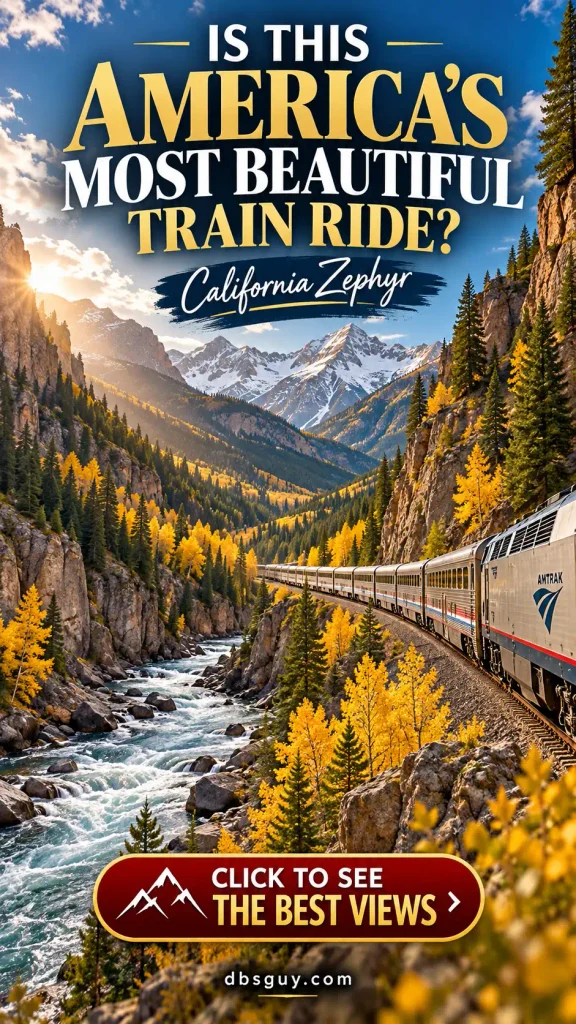
If you want one rail journey that explains why people become obsessed with train travel, the California Zephyr is a strong place to start.
The full route links Chicago with the San Francisco Bay Area and crosses the Great Plains, Denver, the Colorado Rockies, Utah, Nevada, and the Sierra Nevada. Amtrak itself lists the Zephyr among its most scenic routes, highlighting the Great Plains, Colorado mountains, Great Salt Lake region, and Donner Lake.
The most memorable daylight section for many travelers is west of Denver, where the train climbs into the Rockies and follows river canyons through terrain that often feels far more intimate from rail than from the interstate.
Who should ride it
This is for travelers who want the train to become the vacation rather than a quick attraction. The full journey is long, so the right mindset matters. Bring a book, download entertainment, talk to people, eat slowly, and stop measuring the trip against flight time.
Best for: First-time long-distance rail travelers, mountain scenery, couples, photographers, and people who enjoy slow travel.
Best scenery strategy: If you cannot commit to the full cross-country ride, research a shorter segment that keeps the Colorado and Sierra daylight sections.
Planning note: Long-distance trains can run late. Do not schedule a tight same-day flight or critical connection immediately after arrival.
2. Coast Starlight: Los Angeles to Seattle
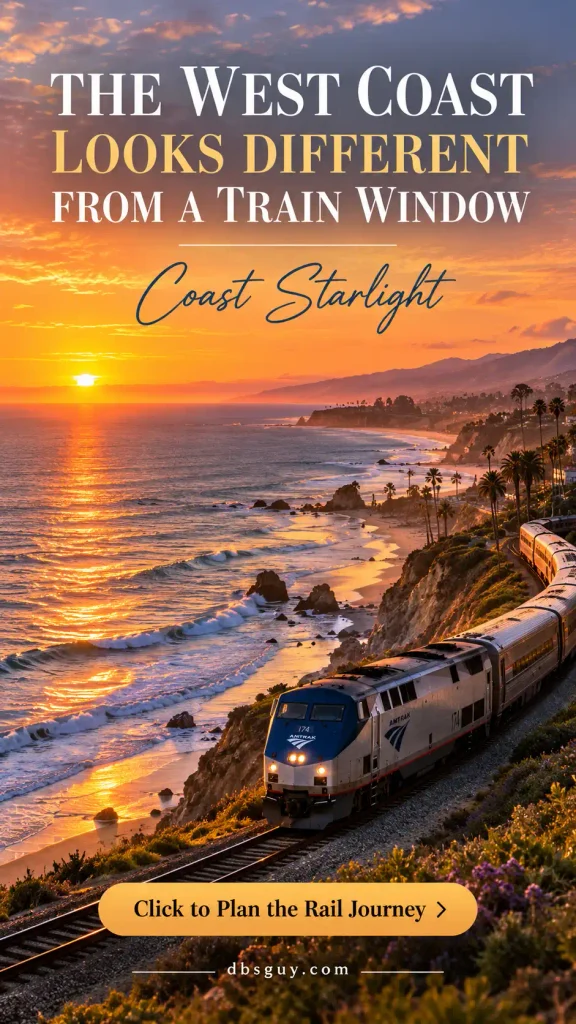
The Coast Starlight feels like a moving summary of the American West Coast.
Amtrak operates the route daily between Los Angeles and Seattle, linking Southern California, the Bay Area region, Sacramento, Oregon, Portland, and Washington. The scenery shifts from Pacific coastline to agricultural valleys, forest, and the Cascade Range.
That variety is the reason to choose this route over a shorter coastal ride. You are not just watching one type of landscape for a few hours. You watch the West Coast change around you.
How to make the long ride worthwhile
If your budget allows, consider a private room for an overnight itinerary. The ability to sleep horizontally, access included dining benefits where offered, and have a quieter personal space can change the experience substantially.
Best for: West Coast travelers, couples, ocean views, Cascade scenery, first-time overnight train trips, and travelers who dislike flying.
Best scenery strategy: Daylight varies by season and delays, so do not book based on one exact hour-by-hour scenery promise.
Planning note: Treat the schedule as part of long-distance rail travel rather than a guarantee to the minute.
3. Empire Builder: Chicago to Seattle or Portland
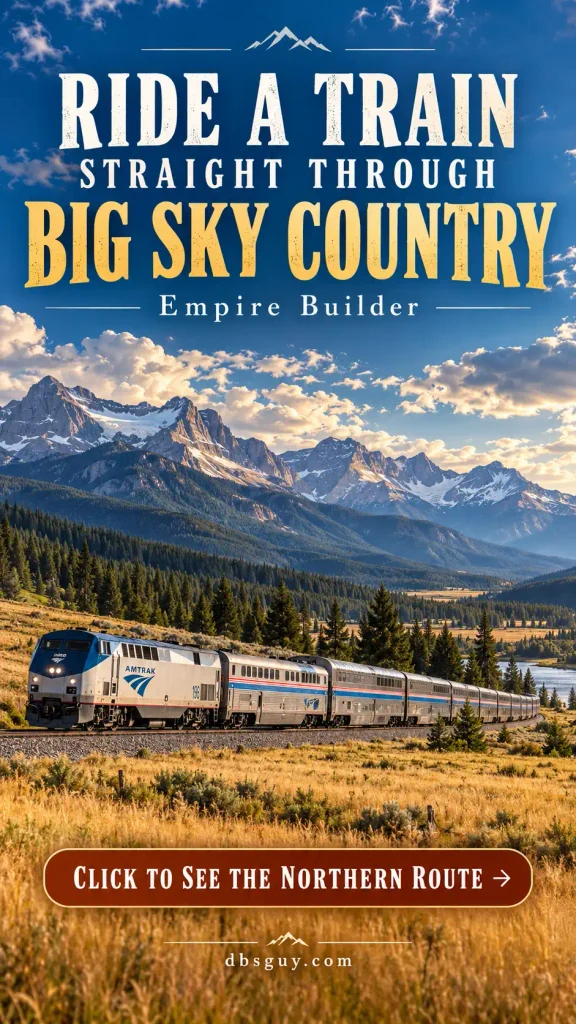
The Empire Builder trades the Zephyr’s canyon drama for scale.
It runs from Chicago toward the Pacific Northwest, passing the Mississippi River, northern plains, Montana, Glacier National Park country, and eventually splitting toward Seattle or Portland.
Amtrak specifically highlights the Mississippi River, Glacier National Park, North Dakota plains, Montana wildlife country, and the Pacific Northwest as scenic strengths of the route.
What makes this ride different
The Empire Builder is about watching the country open up.
There are long stretches where the view is not a famous landmark, but that is part of the appeal. Towns thin out. Sky expands. The train moves through a part of the United States that many travelers only experience from 35,000 feet.
Best for: Glacier National Park trips, wide-open landscapes, rail enthusiasts, photographers, and travelers connecting the Midwest with the Pacific Northwest.
Best scenery strategy: If Glacier country is your main priority, study the seasonal daylight timing for the Montana section before choosing dates.
Planning note: Weather and freight congestion can influence long-distance timing. Build buffer into onward plans.
4. Alaska Railroad Coastal Classic: Anchorage to Seward
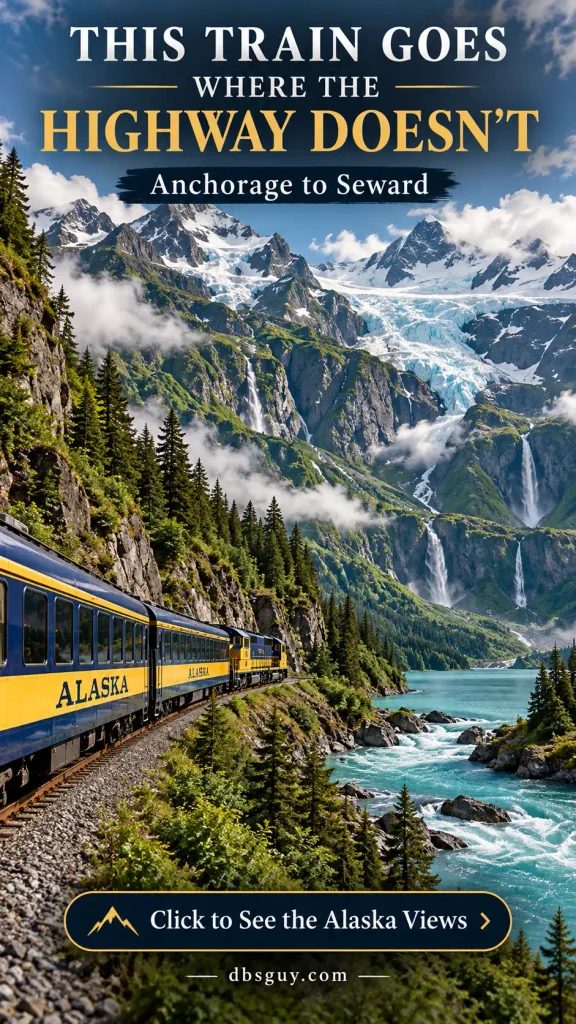
The Coastal Classic is one of the strongest choices in America if you want a scenic train ride without committing to a multiday rail journey.
It connects Anchorage with Seward and crosses Southcentral Alaska through mountain, coastal, river, and glacier country. The Alaska Railroad runs the Coastal Classic seasonally, and the ride is long enough to feel substantial while still fitting neatly into a larger Alaska itinerary.
The attraction is not simply reaching Seward. It is that rail access reveals terrain that can feel far removed from ordinary road travel.
How to build it into a trip
Consider spending at least one night in Seward instead of treating the train as a same-day round trip. That gives you time for Kenai Fjords excursions, waterfront walks, or hiking before returning.
Best for: Alaska first-timers, wildlife and glacier trips, couples, photographers, and travelers who want a premium scenic day without an overnight train.
Best scenery strategy: Keep your camera accessible, but do not spend the entire ride watching through a phone screen. The scale is part of what makes the route memorable.
Planning note: Alaska Railroad seasonal schedules change by year. Confirm your exact travel date before building flights around the train.
5. Durango & Silverton Narrow Gauge Railroad, Colorado
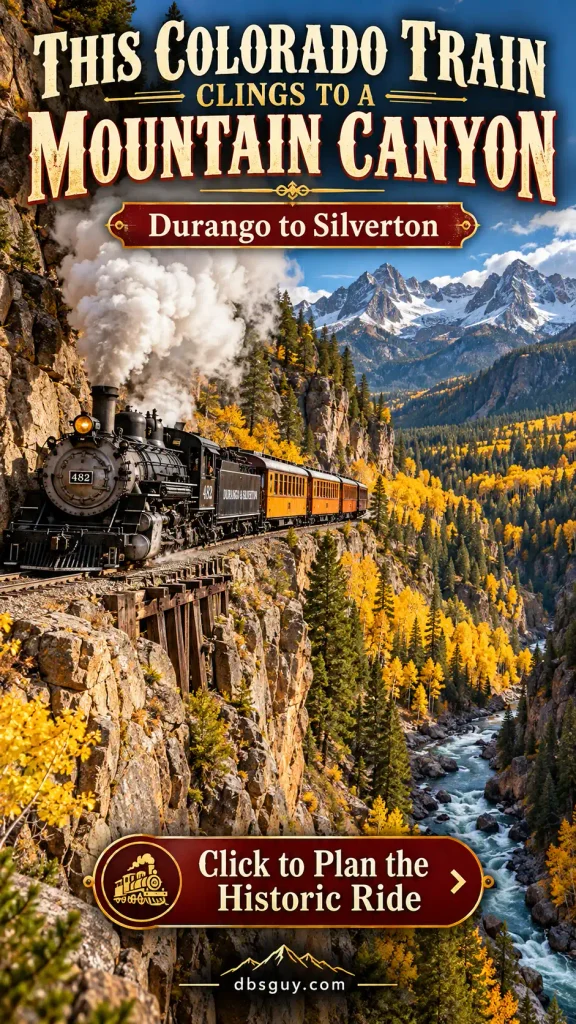
The Durango & Silverton Narrow Gauge Railroad feels less like a modern transportation service and more like a moving piece of Colorado history.
The railroad runs through the San Juan Mountains between Durango and Silverton, using historic narrow-gauge equipment on a route famous for the Animas River canyon and steep mountain scenery.
For 2026, published schedules include Durango–Silverton service through much of the warm-weather and fall season, with different steam, diesel, bus-return, and express options depending on dates.
Choose the trip format carefully
A full out-and-back rail day can be long. Some travelers prefer riding the train one way and using the bus in the other direction, which preserves the scenic rail experience while reducing total time onboard.
Best for: Colorado road trips, families, rail history, photographers, fall color, and travelers who want a classic steam-train experience.
Best scenery strategy: Fall can be extraordinary when aspens turn, but exact color timing changes every year.
Planning note: Steam and diesel assignments can vary, and operations can change due to weather or fire conditions. Verify the equipment and schedule if steam is important to you.
6. Cumbres & Toltec Scenic Railroad, New Mexico and Colorado
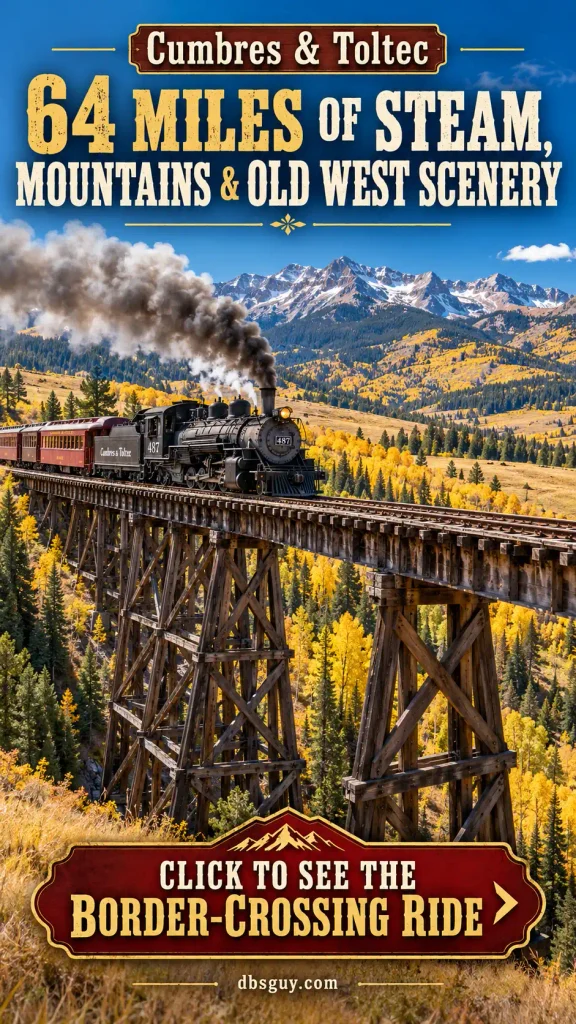
The Cumbres & Toltec is a rail journey for people who want the landscape to feel as historic as the train.
The heritage railroad runs 64 miles between Chama, New Mexico, and Antonito, Colorado, crossing the state line repeatedly while climbing mountain passes, moving through high desert, forest, and dramatic Western terrain.
The railroad opened its 2026 season on June 9 after a short delay related to drought and wildfire concerns, a useful reminder that mountain rail operations are tied closely to real environmental conditions.
Why it stands apart
This is not a polished intercity ride. The appeal is the sense of old rail travel: steam, slower speeds, exposed landscapes, and long stretches where the historic route itself becomes the attraction.
Best for: Rail enthusiasts, Southwest road trips, fall color, history, photographers, and travelers who want an all-day heritage experience.
Best scenery strategy: Fall is especially desirable because golden aspens transform the mountain portions of the route.
Planning note: Check wildfire, drought, weather, and seasonal operating updates directly before departure.
7. Grand Canyon Railway: Williams to the South Rim, Arizona
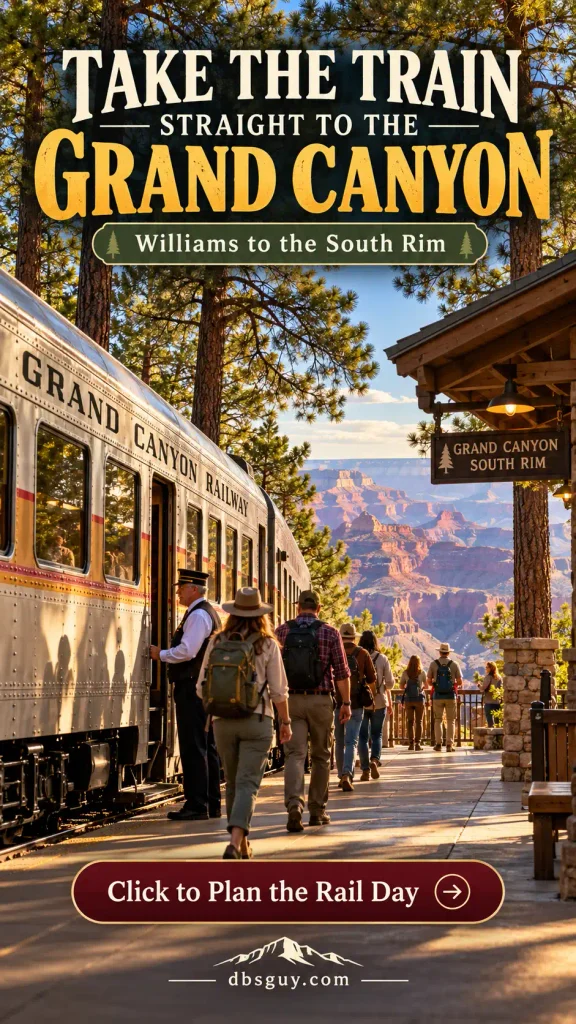
The Grand Canyon Railway has a simple advantage over many scenic trains: the destination at the end is as impressive as the ride.
The train departs from Williams, Arizona, and travels north to Grand Canyon National Park’s South Rim. Current published schedules show daily departures, with seasonal changes in departure times later in the year.
Along the way, the landscape transitions through high-desert, prairie, and pine country before the train reaches the historic depot near the canyon village.
Why this can be smarter than driving
You avoid the usual process of driving to the South Rim, entering the park, and finding parking before you can begin exploring. Instead, the train becomes part of the day and drops you into the historic village area.
Best for: Families, Grand Canyon first-timers, rail history, Arizona road trips, and travelers who enjoy themed onboard entertainment.
Best scenery strategy: Do not expect the entire train ride to provide constant canyon views. The payoff is the journey through changing Arizona landscapes and the arrival at one of America’s most famous natural landmarks.
Planning note: Steam operates only on select dates and may be cancelled due to weather, mechanical, or operational conditions. Verify if steam is the reason you are booking.
8. Great Smoky Mountains Railroad, North Carolina
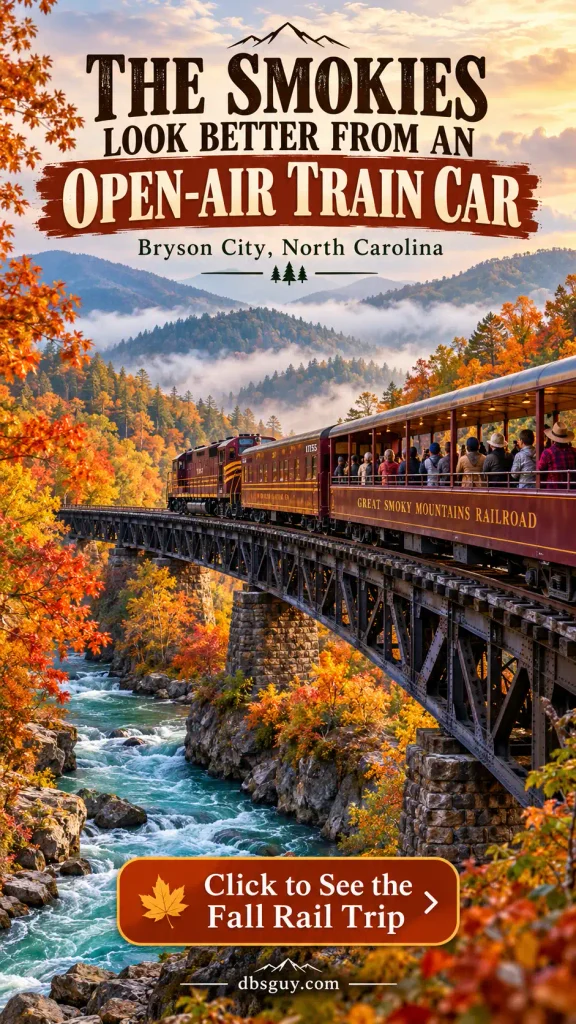
Great Smoky Mountains Railroad is a strong option for travelers who want a scenic excursion to fit inside a broader mountain weekend.
Based in Bryson City, the railroad runs excursions through western North Carolina’s valleys, rivers, tunnels, and gorge country. The operator specifically promotes fall “Leaf Looker” rides toward the Nantahala Gorge as well as other seasonal trips.
Some excursions also include time in Dillsboro, a walkable small town that adds a stop-and-explore component instead of keeping you onboard for the entire experience.
Why fall works especially well
The Smokies change with elevation, so autumn color develops over a longer period than a single fixed peak date. A train ride lets you cover multiple elevations and landscapes without spending the day concentrating on mountain-road traffic.
Best for: Families, couples, fall trips, Bryson City weekends, open-air rail experiences, and travelers who want scenery without a full hiking day.
Best scenery strategy: If open-air seating matters, book early because the most view-focused classes can be popular in fall.
Planning note: Excursion type, steam availability, layovers, and seasonal offerings vary. Read the exact trip description before buying.
9. Alaska Railroad Denali Star: Anchorage to Fairbanks
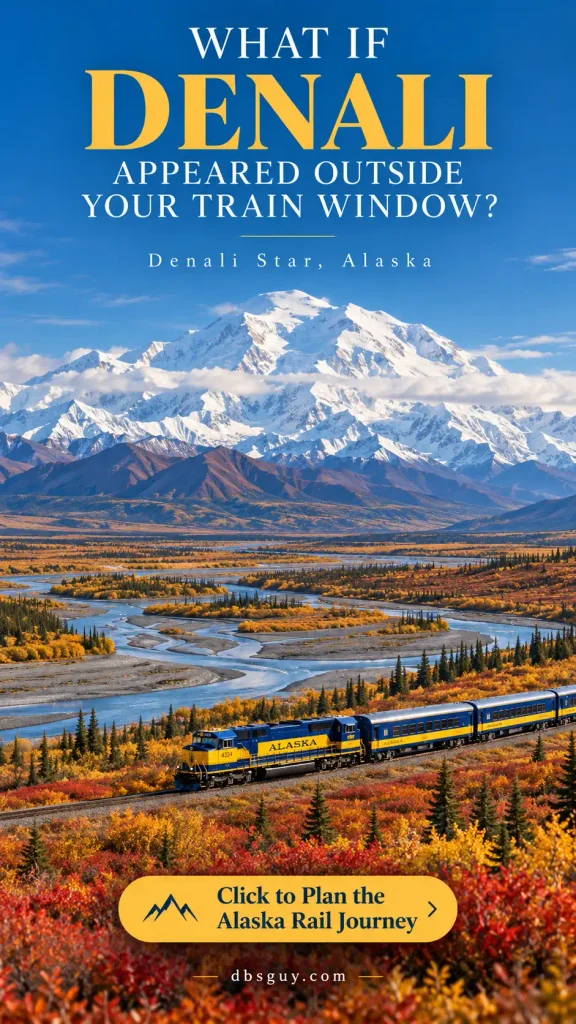
The Denali Star turns one of Alaska’s most important travel corridors into a full scenic day.
The train connects Anchorage, Talkeetna, Denali, and Fairbanks during the main summer season. That means travelers can use it as actual transportation between major Alaska itinerary stops while still getting a scenic rail experience.
Depending on weather and visibility, the ride can include broad river valleys, forest, tundra, mountain views, and the possibility of seeing Denali from the rail corridor.
The right way to think about the view
Denali is never guaranteed.
Cloud can hide the mountain completely even on an otherwise beautiful day. Book the journey because the entire Alaska landscape interests you, not because you expect one exact photograph from the window.
Best for: Alaska itineraries connecting multiple destinations, Denali National Park visits, couples, families, and travelers who prefer rail to long highway transfers.
Best scenery strategy: Build overnight stops into Anchorage, Talkeetna, Denali, or Fairbanks rather than using the entire route only as a marathon transfer.
Planning note: The main Denali Star is seasonal, while Alaska Railroad also operates selected winter services. Confirm the train that matches your travel dates.
10. Adirondack: New York City to Montreal
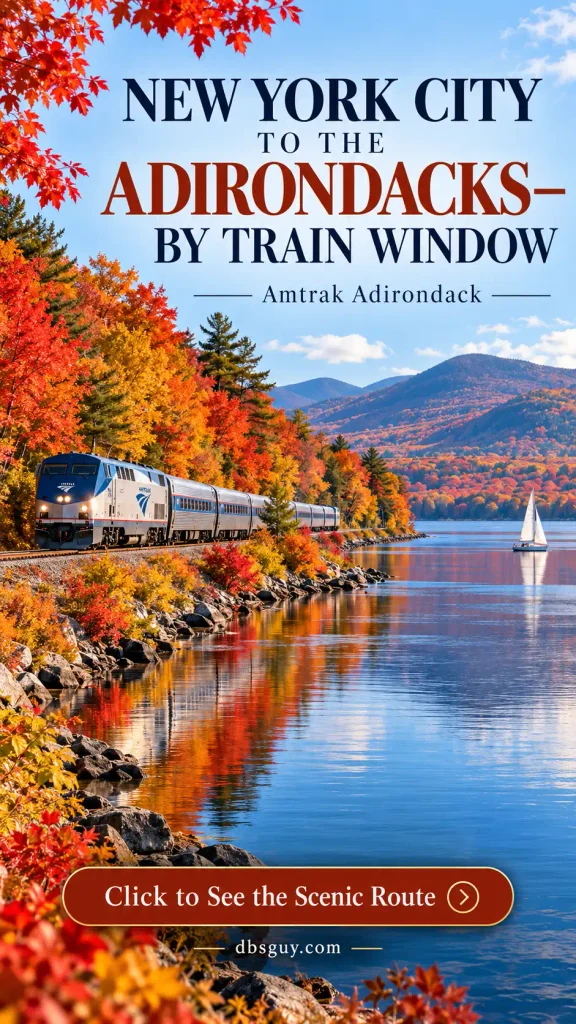
The Adirondack proves that a scenic rail trip does not have to begin far from a major city.
The route runs north from New York toward Montreal, following the Hudson River and continuing through upstate landscapes toward the Adirondack region and Lake Champlain country.
In fall, the appeal becomes obvious: river views, changing forest, historic towns, and mountain scenery unfold while you avoid the traffic and parking that come with a leaf-peeping road trip.
Why it works for East Coast travelers
You can make the train the central experience or use it to reach an upstate stop for a longer trip, depending on current schedules and international travel plans.
Best for: New Yorkers, fall foliage, international rail trips, river scenery, couples, and travelers who want a scenic journey without flying west.
Best scenery strategy: Fall weekends can be popular, and daylight matters. Look at the actual timetable before choosing the direction and date of travel.
Planning note: Because the route crosses an international border when traveling through to Montreal, carry the required travel documents and allow for border procedures.
Which Scenic Train Trip Is Right for You?
The best train ride depends on whether you want a few hours of scenery or the train itself to become the vacation.
For the classic long-distance American rail journey: California Zephyr.
For Pacific coast plus Cascade scenery: Coast Starlight.
For Glacier country and huge northern landscapes: Empire Builder.
For a one-day Alaska scenery overload: Coastal Classic.
For historic steam in Colorado mountain country: Durango & Silverton.
For Old West rail history across two states: Cumbres & Toltec.
For a train ride that ends inside a national park: Grand Canyon Railway.
For fall foliage in the Southern Appalachians: Great Smoky Mountains Railroad.
For connecting the major stops of an Alaska trip: Denali Star.
For East Coast fall scenery without a road trip: Adirondack.
How to Make a Scenic Train Trip Actually Worth the Money
Choose the route before choosing the class
A premium seat does not rescue a route that does not match what you want to see.
Decide whether you care most about ocean, mountains, foliage, desert, history, wildlife, or national parks. Then compare seating and service options.
Understand which side of the train matters—and when it does not
On some routes, one side can dominate a particular section. On others, the track curves enough that views change repeatedly.
Do not panic if you cannot reserve one perfect seat. Observation spaces, lounges, open-air cars, or simply moving around when allowed can matter more than seat mythology online.
Protect the daylight
A spectacular mountain section is much less useful if your seasonal timetable puts it in darkness.
For long routes, compare approximate daylight with the scenic segment you care about most.
Build buffer around long-distance trains
Freight traffic, weather, mechanical issues, and track conditions can affect schedules.
If missing a flight would ruin your trip, do not schedule the flight immediately after a long-distance arrival.
Bring less, watch more
People often overprepare for scenic trains with cameras, lenses, chargers, books, tablets, snacks, and complicated gear.
Bring what you need, but remember why you booked the ticket.
At some point, put the camera down and look out the window.
Final Thoughts
Scenic train travel asks you to give up something modern travel constantly promises: control.
You cannot pull over whenever you want. You cannot speed up the journey. You cannot reroute because another viewpoint looked better online.
And that is exactly why it can feel so memorable.
The California Zephyr lets the Rockies come to you. The Coast Starlight turns the West Coast into a moving panorama. The Empire Builder stretches the northern plains until the sky feels enormous. Alaska Railroad carries you through landscapes where roads are not always part of the picture. Historic trains in Colorado, New Mexico, Arizona, and North Carolina turn the ride itself into a piece of the destination’s history.
The best choice is not necessarily the longest ride or the most luxurious car.
It is the train whose windows show you the part of America you most want to slow down and see.