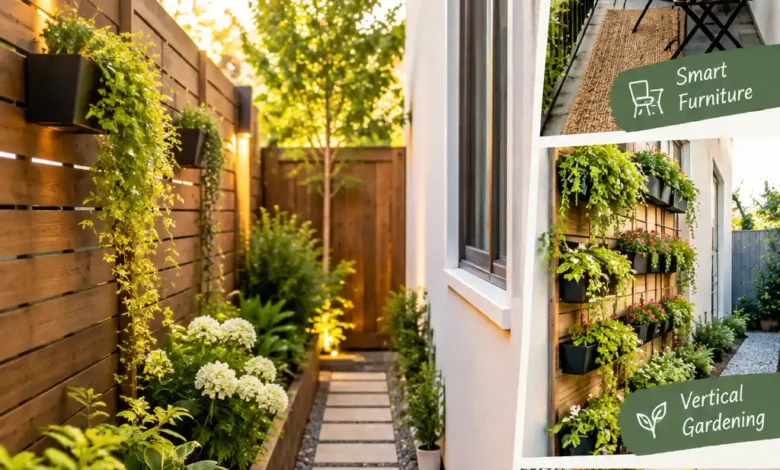
Transforming a compact outdoor plot into a functional retreat offers homeowners a rewarding challenge. By treating each wall, corner, and vertical surface as a design opportunity, you can turn narrow land into a lush sanctuary. Our guide presents creative small/narrow garden layout ideas for an attractive, useful space that reflects your personal style.

This comprehensive resource covers sixteen essential planning topics for a successful project. It explains circulation paths, vertical planting techniques, and strategic raised-bed use. You will also learn to combine comfortable seating, durable hardscaping, and smart container arrangements. Together, these practical strategies support small/narrow garden layout ideas, maximize limited square footage, and keep maintenance simple and stress-free.
Key Takeaways
- Treat every vertical surface as a potential area for greenery.
- Use hardscaping to define distinct zones within a limited footprint.
- Prioritize multi-functional furniture to save valuable floor space.
- Incorporate raised beds to add depth and visual interest.
- Focus on smart circulation to make tight areas feel expansive.
- Select container plants that thrive in specific light conditions.
Start With the Shape, Light, and Purpose of Your Garden
Successful small space gardening starts before you dig a hole or buy a pot. Site analysis prevents costly mistakes and gives every inch of your yard a clear purpose. Planning is the secret ingredient for transforming a cramped area into a thriving sanctuary.

Measure the Length, Width, and Usable Growing Area
Use a measuring tape and sketch your space on graph paper to reveal its true dimensions. Record the plot’s exact length and width, including permanent obstacles such as utility boxes or low-hanging branches.
Separate your total square footage from the usable growing area. Choose spots with adequate light and easy maintenance access. These measurements help you select furniture and raised beds without overcrowding the path.
Track Sunlight, Shade, Wind, and Drainage
Observe the sun’s movement across your yard throughout the day to guide small space gardening. Some corners may bake in afternoon heat, while others stay in constant shade. Keep a simple log so each plant can thrive in its assigned spot.
- Sunlight: Note areas with full sun versus deep shade.
- Wind: Identify wind tunnels that might damage delicate stems.
- Drainage: Watch for standing water after a heavy rainstorm.
Choose the Garden’s Main Purpose
Your layout should reflect your lifestyle and personal goals. Before spending your budget, decide what you most want from your outdoor retreat. A primary goal keeps the design focused and prevents clutter.
Vegetable Production, Entertaining, Privacy, or Relaxation
Consider how you want to spend time outdoors. If you prioritize small space gardening for food, maximize vertical structures for climbing crops. If you want pure relaxation, replace extra planting beds with a comfortable chair and small water feature.
Use these common priorities to guide your spending:
| Goal | Key Feature | Space Priority |
|---|---|---|
| Vegetables | Raised Beds | High Sun Exposure |
| Entertaining | Seating Area | Level Hardscaping |
| Privacy | Tall Screens | Perimeter Planting |
Small/narrow garden layout ideas for a Clear, Functional Floor Plan
Balance in a small garden begins with a clear, deliberate floor plan. Without structure, narrow outdoor areas can feel cluttered, disconnected, and difficult to navigate. With compact garden designs, every square inch can serve a purpose while the space remains open.
Use a Simple Circulation Path From the Entrance to the Back
A clear path forms the backbone of an effective garden layout. It guides visitors and keeps them from trampling flower beds or vegetable patches. Efficiency is key in a limited-width garden, so keep the main walkway direct and unobstructed.
Divide the Space Into Growing, Seating, and Storage Zones
To maximize utility, divide the garden into three distinct functional zones. This structure prevents a random assortment of items and supports organization throughout the growing season.
- Growing Zone: Dedicate the sunniest areas to your plants, herbs, or vegetables.
- Seating Zone: Place your chairs or benches in a spot that offers the best view of your greenery.
- Storage Zone: Use vertical cabinets or slim sheds to keep tools tucked away without sacrificing floor space.

Keep the Center Open When the Garden Is Extremely Narrow
In an exceptionally narrow garden, avoid placing large features at its center. An open center creates an illusion of depth and keeps the space from feeling like a cramped hallway. Instead, move planting beds and furniture toward the perimeter walls.
Use a Straight, Curved, or Offset Path to Control Visual Flow
The path’s shape strongly influences how people perceive your garden. A straight path leads the eye directly to the back, making a long, narrow yard seem even longer. A curved or offset path makes the eye wander, creating mystery and making the garden feel wider than it is. Choose the path style that best supports your compact garden designs, so the area feels inviting and spacious.
Make a Narrow Garden Feel Wider With Perspective Tricks
Creative urban gardening uses optical illusions to stretch a confined space. You need not remove walls; instead, change how your eyes judge distance. By shaping depth, you can transform a tight corridor into a luxurious sanctuary.

Place Taller Plants Near the Back and Lower Plants in Front
To create depth, arrange your greenery by height. Place the tallest shrubs or trees at the garden’s rear. Keep low-growing flowers and ground covers near the entrance or seating area.
This forced perspective makes the garden’s rear seem farther away than it is. It directs the viewer’s gaze toward the horizon and visually lengthens the yard’s path.
Use Diagonal Lines to Lead the Eye Across the Yard
Straight lines beside your fence can emphasize the space’s narrowness. Instead, lay pavers or planting beds at a diagonal angle. This change guides the eye across the garden’s width instead of down its length.
“The best gardens are those that invite the eye to wander, turning every corner into a new discovery.”— Anonymous
Repeat Colors, Materials, and Plant Shapes for Visual Continuity
Visual clutter can make a small space feel smaller. Repeating selected colors or plant shapes creates rhythm and unifies the garden. Consistency makes a narrow area feel intentional and more expansive.
Use Light-Colored Fences and Reflective Surfaces Carefully
Light colors can brighten a dark, narrow space, but they require careful use. A stark white fence may create harsh glare that tires the eyes. Mirrors and reflective surfaces can add depth, yet incorrect placement may produce confusing reflections.
Choose soft, off-white tones or matte finishes to reflect light gently. This approach keeps your creative urban gardening efforts comfortable and inviting throughout the day.
| Technique | Primary Benefit | Best Application |
|---|---|---|
| Diagonal Paths | Increases perceived width | Small, rectangular yards |
| Layered Heights | Adds depth and drama | Back boundary walls |
| Color Repetition | Creates visual harmony | Entire garden perimeter |
| Soft Lighting | Reduces harsh glare | Fences and vertical surfaces |
Build Upward With Vertical Gardening for Small Spaces
Maximizing small garden space begins by shifting your focus from the ground to nearby walls. Vertical gardening for small spaces expands growing capacity without taking away floor area needed for walking or seating. This method transforms bare fences and empty walls into productive, living displays.

Install Trellises for Climbing Vegetables, Flowers, and Vines
Trellises form the backbone of an effective vertical layout. They give vining plants support as they reach toward sunlight while keeping foliage off the ground. Sturdy wooden or metal trellises can attach to walls or stand freely as privacy dividers.
Use Wall Planters, Hanging Baskets, and Tiered Shelves
When traditional soil space is limited, wall planters and hanging baskets provide a practical solution. They let you grow herbs and flowers at eye level, bringing color and texture to dull surfaces. Tiered shelving units group smaller pots, organize plants, and keep the ground clear.
Choose Secure Supports for Wind, Weight, and Mature Plant Size
Safety and stability matter when you build upward. Anchor every support firmly against strong winds and the heavy weight of damp soil or mature fruit. Consider the eventual size of each plant; a heavy vine can pull down a flimsy structure that lacks proper security.
Good Vertical Plants Include Cucumbers, Beans, Clematis, and Strawberries
Choosing the right varieties is essential for success. Cucumbers and beans thrive when given a sturdy trellis for climbing. For beauty, clematis offers stunning blooms, while strawberries grow well in hanging baskets, saving space and simplifying harvests.
Use Raised Beds and Narrow Planting Strips Efficiently
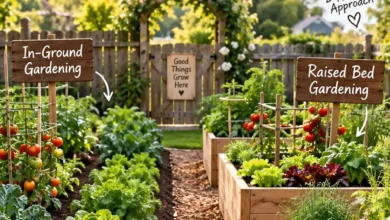
To master narrow garden landscaping, rethink your planting beds first. Raised beds provide superior soil control and better drainage, both essential in tight quarters. Elevating the growing area increases planting density while keeping the workspace tidy and organized.

Match Bed Width to Reachability and Maintenance Needs
A productive layout lets you reach every bed’s center without stepping on the soil. For most gardeners, a width of three to four feet works well with access from both sides. If a bed touches a wall or fence, keep it two feet wide so you can reach the back comfortably.
Choose Keyhole, L-Shaped, or U-Shaped Beds for Better Access
Creative shapes can make narrow garden landscaping highly functional. A keyhole bed features a central path that lets you reach every side from one standing point. L-shaped or U-shaped configurations wrap around corners, maximize growing space, and keep each plant within arm’s reach.
Leave Enough Clearance for Harvesting, Pruning, and Wheelbarrows
Do not overlook movement within your garden. Leave at least three feet of clearance between beds for a wheelbarrow or garden cart. This space also gives you room to crouch while pruning or harvesting without feeling cramped.
Use Deep Soil for Root Crops and Compact Crops for Tight Beds
When planning narrow garden landscaping, match soil depth to your plant choices. Use deeper beds for root crops like carrots and potatoes, which need room to expand downward. For leafy greens or herbs, shallower beds work well, letting you pack more compact crops into a smaller area.
Choose Space-Saving Plants That Deliver More Than One Benefit
Choosing the right varieties is central to successful small backyard garden plans. With limited square footage, each plant should provide food, beauty, or vital support for local wildlife. Versatile species can create a thriving ecosystem that feels larger than its actual footprint.

Grow Compact Vegetables and Herbs in Productive Combinations
You do not need a massive plot to enjoy a bountiful harvest. Many modern vegetable varieties suit containers or tight rows, helping you grow more nutrition in limited space. Interplanting fast-growing herbs such as basil or cilantro among slower vegetables uses soil efficiently throughout the season.
Select Dwarf Fruit Trees, Bush Fruits, and Patio Edibles
Fruit production remains possible in restricted areas when you choose suitable growth habits. Dwarf fruit trees and bush fruits stay small while producing full-sized, delicious harvests. These plants become stunning focal points that provide fresh snacks and seasonal structure outdoors.
Combine Edible Plants With Flowers for Pollinators and Color
Adding flowers to vegetable patches can improve garden productivity. Bright blooms attract pollinators, which helps vegetables produce more fruit. This harmonious blend of textures and colors keeps your garden attractive while supporting a healthy environment.
Look for Bush, Patio, Miniature, Determinate, and Columnar Varieties
Understanding plant labels is essential when drafting small backyard garden plans. These terms help you predict how much space each plant will occupy at maturity:
- Determinate: These vegetables grow to a fixed size and ripen all at once, making them perfect for small-scale canning or quick harvests.
- Columnar: These trees grow straight up rather than out, saving precious horizontal room.
- Patio and Miniature: Specifically bred for pots, these varieties offer high yields without the sprawling habit of traditional plants.
- Bush: These varieties stay compact and sturdy, eliminating the need for extensive staking or heavy support systems.
Layer Plants for Height, Privacy, and Year-Round Interest
Even the narrowest garden can become a lush retreat when plants occupy distinct vertical tiers. Stacked vegetation creates visual depth and enclosure, making a small area seem far larger than its actual size. These space-saving garden layouts offer a private sanctuary while supporting local pollinators through every season.

Arrange Canopy, Shrub, Perennial, and Ground-Cover Layers
For a successful vertical design, choose a small canopy tree or tall, slender shrub as your anchor. Below it, place mid-sized shrubs or woody perennials to occupy the middle layer. Then cover the soil with low-growing perennials or creeping ground covers that suppress weeds and retain moisture.
This multi-layered approach makes every square inch of your garden productive. These space-saving garden layouts create dense wildlife habitat and a rich tapestry of textures and colors that shifts as the year progresses.
Use Slim Evergreens and Narrow Trees Along Property Lines
With limited width, the right plant variety is essential for preserving privacy. Choose columnar or fastigiate trees that grow upward instead of outward. These slim evergreens form a permanent green screen, blocking unwanted views without consuming usable floor space.
Keep Mature Width in Mind Before Planting Near Paths or Walls
Small saplings may seem ideal near walkways, but research each plant’s mature width before planting. Plants placed too close to paths can create constant pruning problems later. Choose narrow varieties so your space-saving garden layouts stay functional and easy to navigate for years.
Prune for Shape Without Creating High-Maintenance Planting
A smart garden should let you enjoy plants instead of spending every weekend trimming them. Select species with a naturally tidy, upright habit to reduce heavy maintenance. When pruning becomes necessary, remove dead wood or crossing branches to preserve the plant’s natural silhouette. Do not force it into an unnatural shape.
Create Compact Garden Designs With Containers
Containers give small space gardening remarkable flexibility, turning paved yards, balconies, or rental properties into lush oases. Because pots are portable, you can move them to follow sunlight or refresh displays as seasons change. This modular method lets even a limited footprint support a thriving plant collection.

Group Pots by Height to Use Vertical Space
When floor space is scarce, vertical planning becomes essential for small space gardening. Grouping pots at different heights adds visual energy and draws the eye upward. Plant stands, stacked crates, and tiered shelving can raise smaller pots while preserving light and airflow.
Choose Lightweight Containers With Good Drainage
For balcony or rooftop gardens, material choice matters because weight limits may apply. Choose high-quality resin, plastic, or fabric grow bags for durability without traditional terracotta’s heavy load. Make sure containers have ample drainage holes to prevent water buildup and protect plants from root rot.
Use Self-Watering Planters for Busy Gardeners and Hot Locations
In regions with intense summer heat, self-watering planters can transform small space gardening. Built-in reservoirs let plants draw moisture as needed, reducing manual watering. They suit busy individuals who want a healthy garden without the stress of daily maintenance.
Match Container Size to the Plant’s Mature Root System
Many gardeners choose pots based only on a plant’s current size or visual appeal. Consider the mature root system of each species to support long-term health. A pot that is too small restricts growth and causes frequent wilting, while an oversized pot may retain harmful excess moisture.
| Container Type | Best Use Case | Key Advantage |
|---|---|---|
| Fabric Grow Bags | Vegetables & Herbs | Excellent root aeration |
| Self-Watering Pots | Hot, sunny balconies | Consistent moisture levels |
| Resin Tiered Stands | Vertical displays | Maximizes limited floor space |
| Glazed Ceramic | Decorative focal points | Heavy base prevents tipping |
Use Walls, Fences, and Railings as Productive Garden Space
Turning vertical surfaces into productive zones expands your gardening footprint. Existing structures support vertical gardening for small spaces while preserving ground-level circulation. These overlooked areas offer a practical canvas for a thriving, high-density garden.

Attach Planter Boxes Without Blocking Walkways
When adding containers to walls or railings, prioritize clearance. Choose slim, rectangular planter boxes that mount securely atop or beside your fence. This preserves wide pathways for comfortable movement while bringing greenery to eye level.
- Use adjustable rail brackets for easy removal.
- Select lightweight materials like resin or fabric pots.
- Ensure boxes are positioned to allow for easy watering access.
Turn a Fence Into a Trellis, Privacy Screen, or Living Wall
Your fence can become more than a boundary. Install a simple wire grid or wooden lattice to support climbing vines and vegetables. This form of vertical gardening for small spaces creates a lush living wall with beauty and privacy.
Consider these popular climbing plants for your fence:
- Pole beans or peas for edible harvests.
- Clematis or jasmine for fragrant, colorful blooms.
- Ivy or creeping fig for a classic, dense green backdrop.
Install Fold-Down Tables and Wall-Mounted Gardening Stations
Efficiency matters when you have limited square footage. A fold-down table on a sturdy wall creates a workspace for potting plants or organizing tools. Afterward, fold it flat against the wall to reclaim floor space.
Protect Wood, Masonry, and Siding From Moisture Damage
Vertical installations work well, but they require protection for your home’s exterior. Use stand-off brackets to create a small air gap between planters and the wall. This prevents trapped moisture from rotting wood or staining masonry.
Avoid over-tightening fasteners, which can crack your siding. High-quality, rust-resistant hardware helps keep your vertical gardening for small spaces safe and durable for many seasons.
Plan Flexible Seating and Multipurpose Features
Multipurpose furniture helps you use limited garden square footage more effectively. It can shift your yard from a quiet coffee spot to an evening gathering area. These space-saving garden layouts use furniture that vanishes when stored or offers more than seating.

Choose Benches With Hidden Storage
A bench is a garden staple, but narrow spaces require it to serve several purposes. Choose designs with lift-up seats or pull-out drawers beneath the frame. They store gardening tools, cushions, and outdoor toys while keeping the floor completely clear.
Use Folding Chairs, Drop-Leaf Tables, and Stackable Furniture
When you are not entertaining, bulky furniture can make a narrow garden feel cramped and difficult to enter. High-quality folding chairs or a drop-leaf table let you reclaim space within seconds. Stackable stools fit into corners or store vertically when you need more room to move.
Combine Seating Edges With Raised Beds or Retaining Walls
Integrating seating into your hardscaping can save significant floor space. A wide, capped retaining wall or raised garden bed edge can serve as a bench. This keeps your space-saving garden layouts uncluttered while giving everyone comfortable seating.
Keep Furniture Proportional to the Garden’s Narrowest Point
Before buying furniture, measure the narrowest point of your garden path or patio. Ensure each piece leaves traffic routes open and prevents the area from feeling like a hallway. Slim-profile items help your garden remain a welcoming retreat instead of a crowded obstacle course.
| Furniture Type | Primary Benefit | Best Use Case |
|---|---|---|
| Storage Bench | Dual-purpose utility | Storing cushions and tools |
| Folding Table | Space reclamation | Occasional outdoor dining |
| Stackable Stools | Vertical storage | Flexible guest seating |
| Wall-Integrated Seat | Zero footprint | Permanent perimeter seating |
Design Paths and Hardscaping That Save Valuable Room
Smart path design lets you cross the garden without sacrificing valuable square footage. When you are maximizing small garden space, every inch of hardscaping must serve a clear purpose. Thoughtful layouts support easy movement while preserving an open, airy feeling.
Use Narrow Pavers, Stepping Stones, or Gravel Where Appropriate
Wide, solid concrete walkways are not necessary for navigating your yard. Instead, consider using narrow pavers or individual stepping stones, which let low-growing ground cover emerge between them. This method reduces the path’s visual weight, making the ground feel integrated with the garden instead of separate from it.
Gravel is another excellent choice for tight areas because it is flexible and simple to install. It follows any shape, letting you create winding paths that maximize available planting area. Using loose materials like pea gravel keeps the appearance soft and natural while providing a stable walking surface.

Choose Permeable Surfaces to Improve Drainage
Water management is vital in compact landscapes, where soil can quickly become waterlogged. Permeable materials let rainwater soak directly into the ground. This reduces runoff and supports plant health by maintaining proper moisture levels throughout the seasons.
Permeable pavers or crushed stone outperform solid surfaces because they reduce the need for complex drainage systems. These materials are functional and attractive, providing a clean look without harming garden beds. Choosing the right base keeps your paths dry and usable, even after heavy rain.
Reduce Unnecessary Borders, Corners, and Oversized Features
Large borders and sharp corners consume space that could support greenery. You can gain significant room by simplifying the layout and removing bulky edging materials. A clean, minimalist approach guides the eye across the garden, creating an illusion of depth.
Focus on fluid lines that guide movement naturally from one zone to another. Eliminating oversized features prevents landscape clutter and keeps attention on your plants. This strategy supports maximizing small garden space while maintaining a polished, professional appearance.
Balance Safe Footing With Enough Space for Plant Growth
Safety should remain a priority, even in the smallest yards. Make paths wide enough for comfortable walking, but avoid letting them dominate the area. A path roughly two feet wide usually gives one person enough room to move easily.
You can soften the edges of walkways by allowing plants to spill over slightly. This creates a lush, inviting atmosphere without blocking the path. Always confirm that your materials provide a stable, non-slip surface for complete peace of mind.
Add Small-Scale Water, Lighting, and Decorative Features
Small features add personality and life to even the tightest outdoor spaces. With careful choices, compact garden designs can become relaxing retreats that feel larger than they are. These additions balance beauty and function in your home.

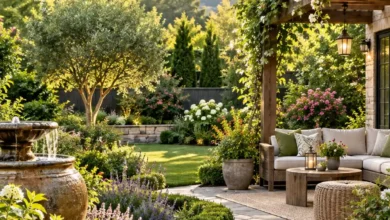
Use Wall Fountains, Bowl Ponds, or Compact Water Gardens
Water adds a soothing sensory experience to any yard. Narrow spaces do not require massive ponds to deliver the sound of trickling water.
- Wall fountains: These save floor space by mounting directly to a fence or brick wall.
- Bowl ponds: A simple ceramic or stone bowl can house aquatic plants and small fish.
- Compact water gardens: Use pre-formed containers to create a self-contained ecosystem that fits on a patio.
Install Layered Lighting Along Paths, Containers, and Seating
Good lighting extends garden use into the evening hours. A layered plan keeps the space safe and visually appealing after sunset.
Place low-voltage path lights along walkways to help prevent trips. Add a soft, warm glow around seating to create an intimate atmosphere. Finally, use spotlights to highlight favorite plants or architectural features.
Select One or Two Focal Points Instead of Many Small Decorations
Clutter is the enemy of compact garden designs. Filling a small area with too many trinkets makes it feel cramped and chaotic.
Instead, choose one or two bold items that draw the eye. A single garden artwork, unique sculpture, or large, beautiful planter can become a stunning anchor for your layout. This strategy keeps the area open and intentional.
Use Mirrors and Reflective Objects Only in Safe, Suitable Locations
Mirrors can create an illusion of depth, but they require careful placement. Secure every mirror to a wall so high winds cannot knock it down.
Avoid reflective surfaces that catch direct, intense sunlight. They can create unwanted glare or cause heat damage to nearby plants. Keep them away from birds’ flight paths and children’s play areas for everyone’s safety.
Make Small Backyard Garden Plans Easier to Maintain
You can save hours of labor by adding maintenance-friendly features to your small backyard garden plans. A thoughtful design reduces routine chores and gives you more time to enjoy your greenery. Planning for efficiency now prevents frustration with constant upkeep later.

Group Plants With Similar Water and Sun Requirements
Organizing plants by their needs is a game-changer for garden efficiency. Group thirsty plants together so drought-tolerant species do not receive excess water. This approach helps every plant thrive without demanding extra effort.
Install Drip Irrigation or Soaker Hoses in Dense Beds
Hand-watering becomes tedious, especially in tight spaces. Drip irrigation and soaker hoses deliver water directly to plant roots. This method limits waste, keeps foliage dry, and helps reduce the risk of fungal diseases in your small backyard garden plans.
Use Mulch to Reduce Weeds, Evaporation, and Soil Temperature Swings
A thick layer of organic mulch provides strong protection for your soil. It suppresses weeds and helps retain moisture below the surface. Mulch also insulates roots against extreme heat and sudden cold snaps.
Leave Access for Pruning, Composting, Pest Checks, and Repairs
Even a compact layout must support routine garden tasks. Leave enough room to reach bed centers for pruning and pest inspections. Clear paths or removable panels simplify composting and seasonal repairs.
| Maintenance Task | Design Solution | Benefit |
|---|---|---|
| Weeding | Thick Mulch Layer | Saves time and effort |
| Watering | Drip Irrigation | Conserves water resources |
| Pruning | Strategic Pathing | Improves plant health |
| Pest Control | Accessible Bed Width | Easier monitoring |
These features help your small backyard garden plans create a sustainable space that requires less daily attention. Consistency is key to long-term garden health and personal enjoyment.
Adapt Narrow Garden Landscaping to Different Budgets and Conditions
Transforming a small outdoor area into a lush retreat does not require a massive budget or sprawling estate. With creative urban gardening, even challenging spots can become productive, beautiful zones. The key is matching design choices to your environment and financial goals.
Build a Low-Cost Layout With Reused Containers and Simple Materials
You do not need expensive, store-bought planters for a thriving green space. Household items, including wooden crates, food-grade buckets, and old metal colanders, can house plants. Repurposing materials saves money and gives your yard a distinctive, personal touch.
Gravel, reclaimed bricks, and untreated cedar boards can define paths and beds. These materials often cost a fraction of premium stone or composite decking. Using them supports a narrow garden landscaping style that feels natural and unpretentious.

Choose Durable Upgrades for Long-Term Value
Starting small is wise, but high-quality materials in high-traffic areas can save money over time. Choose durable upgrades, such as weather-resistant hardwoods or high-grade metal edging, to limit repairs. These elements create a solid foundation and keep the garden polished for years.
Treat your garden as a long-term asset. Materials that withstand your local climate reduce maintenance time and effort. With limited space, Quality over quantity is the best approach.
Adjust Designs for Rentals, Balconies, Slopes, and Urban Gardens
If you rent, choose modular designs that you can move or disassemble easily. Use freestanding vertical structures and heavy-duty pots instead of permanent wall or fence installations. This approach creates a beautiful garden without violating your lease agreements.
For slopes or tight urban balconies, use tiered shelving or hanging systems to maximize your footprint. These solutions overcome physical limits while keeping plants healthy and accessible. Adapting your narrow garden landscaping to these conditions keeps the space functional, whatever its shape.
Check Local Rules, Utility Locations, and Property Boundaries Before Building
Before digging or installing heavy structures, perform a quick site assessment. Verify your property lines to avoid disputes with neighbors. Also contact your local utility company before digging near underground lines.
Check local zoning laws and homeowners association rules for fence heights and permanent structures. Learning these regulations early can prevent costly changes later. Proper planning remains the most important step in any successful garden project.
Conclusion
Your journey toward a beautiful backyard starts with a clear vision and practical plan. These small/narrow garden layout ideas transform limited square footage into a thriving sanctuary. Each measurement, path, and plant choice supports a balanced environment suited to your lifestyle.
Success depends on a systematic process, from assessing the site through long-term maintenance. You now have the tools to combine vertical growth, smart hardscaping, and efficient irrigation. These small/narrow garden layout ideas maximize every inch of your property while keeping your workload manageable.
A narrow yard offers distinctive opportunities for creativity and comfort. You can create a productive, attractive space that functions as a private retreat or vibrant social hub. Begin your project today with confidence; even the tightest corners can become a flourishing part of your home.
FAQ
How do I begin exploring the best small/narrow garden layout ideas for my specific property?
A successful small/narrow garden layout ideas plan begins with an accurate site assessment. Before buying plants or materials, measure the total length and width, then track sunlight patterns and drainage. Brands like Bosch offer excellent laser measures for precise dimensions. After identifying your “usable growing area,” choose a primary purpose—such as vegetable production, entertaining, or privacy—to guide design and spending.
What are some effective perspective tricks for narrow garden landscaping?
To make a tight space feel wider, use narrow garden landscaping techniques such as diagonal paving lines and offset paths. These features draw the eye across the yard instead of down a narrow corridor. You can also use light-colored fencing, such as Sherwin-Williams “Alabaster” paint, to brighten the boundaries. Taller plants at the back and shorter ones in front create depth. Repeating materials like Belgard pavers ensures visual continuity and keeps the space from feeling cluttered.
Which plants are recommended for vertical gardening for small spaces?
For vertical gardening for small spaces, focus on high-yield, high-impact climbers. For edibles, choose Burpee “Sugar Snap” peas or pole beans. For ornamentals, Clematis and Star Jasmine provide excellent coverage. Ensure your supports—whether Gardener’s Supply Company trellises or wall-mounted wire systems—can bear the plant’s mature weight and potential wind resistance.
How can I succeed at maximizing small garden space for both seating and growing?
You can achieve this with space-saving garden layouts featuring multipurpose elements. For example, integrating seating into the edges of raised beds eliminates the need for separate chairs. Choose flexible furniture, such as the IKEA “Applaro” series, which includes folding tables and benches with hidden storage. Keeping the center of a very narrow garden open reduces crowding and maintains clear circulation paths.
What should be included in small backyard garden plans to keep maintenance low?
Professional small backyard garden plans improve efficiency by grouping plants with similar water and light needs. To save time, install a Rain Bird drip irrigation system or Gilmour soaker hoses beneath organic mulch. Mulching is essential for small space gardening. It suppresses weeds and regulates soil temperature in vulnerable planting volumes, including containers and narrow strips.
Can compact garden designs still accommodate fruit trees and large harvests?
Absolutely; modern compact garden designs use “columnar” or “dwarf” varieties bred for tight quarters. Stark Bro’s offers “Colonnade” apple trees that grow upright rather than outward, making them ideal for narrow borders. You can also use Self-Watering Planters from Crescent Garden for determinate “patio” tomatoes and bush-style cucumbers. These crops provide a full harvest without traditional varieties’ sprawling vines.
What are the best creative urban gardening solutions for renters or those with paved yards?
Creative urban gardening for renters often uses flexible container gardening. Use lightweight Smart Pots fabric aeration containers or tiered GreenStalk vertical planters to maximize your “vertical footprint” without permanent property changes. On a balcony or railing, VIGORROOT hanging liners and rail boxes can turn unused air space into a productive herb or flower garden.
What safety and legal steps are necessary before starting narrow garden landscaping?
Before digging for raised beds or installing heavy hardscaping, always call 811 to locate underground utility lines. Check local zoning laws regarding fence heights and property boundaries to avoid disputes with neighbors. If you attach wall-mounted gardening stations or heavy trellises to your home’s exterior, use moisture-resistant fasteners. They protect siding or masonry from long-term water damage.