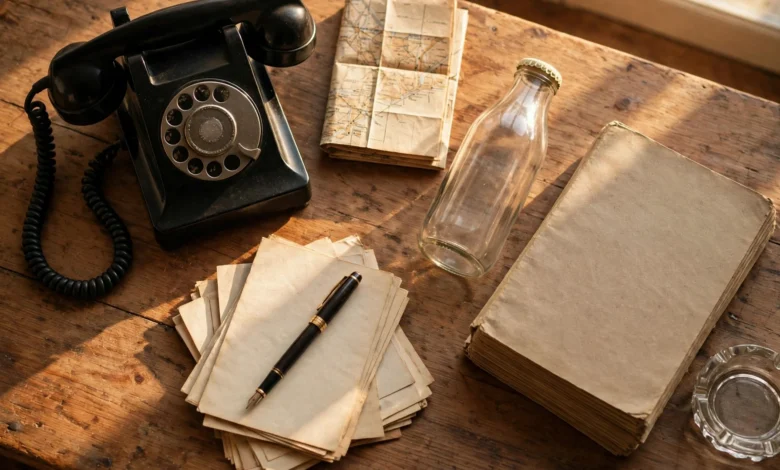
Every generation has its own “common knowledge” — the things so ordinary that nobody bothers explaining them. The trouble is that ordinary expires. Tell a teenager today that the internet used to block the telephone, or that a stranger once delivered milk into your fridge while you slept, and watch their face do the maths on whether you are joking.
You are not joking. Here are 25 everyday practices from the not-so-distant past that were once so normal they needed no explanation — and that now sound like dispatches from another planet. (For small changes that work in the present instead, see my piece on simple changes that genuinely improve your quality of life.)
1. Being Online Meant Nobody Could Phone You
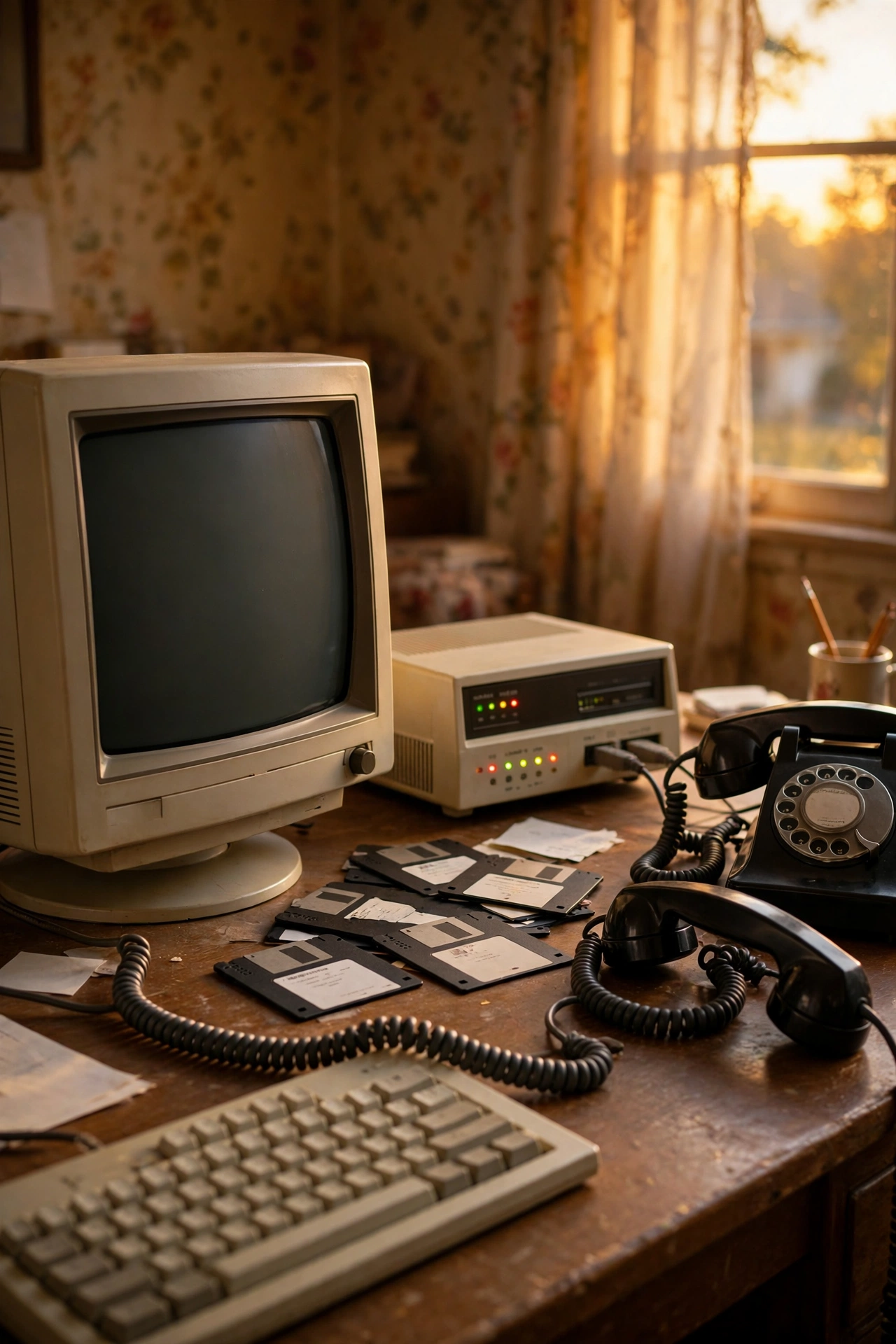
Dial-up internet ran through the ordinary telephone line, which meant the line could do one job at a time. If someone was online, anyone calling the house got a busy signal — and if someone in the house picked up the phone mid-session, the connection often died on the spot.
Whole households negotiated internet time like a shared bathroom. The characteristic screech of a modem connecting was the sound of the family phone going out of service, and teenagers learned to do their browsing when nobody was expecting a call.
2. Gas Stations Filled Your Car For You
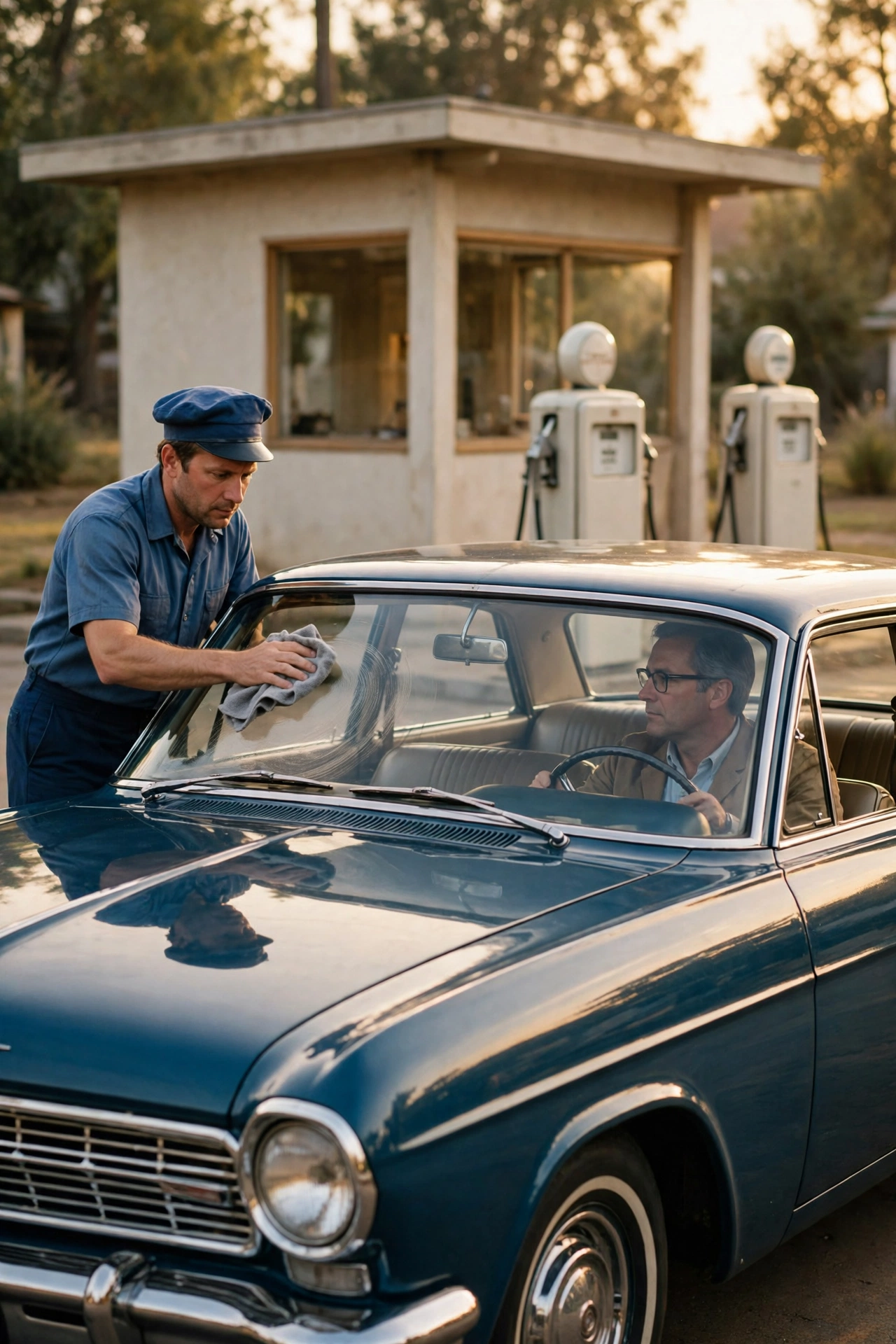
Full-service gas stations were once the default: you stayed in the car while an attendant pumped the fuel, wiped the windshield, and often checked the oil, then took your payment through the window. Self-service was the novelty, not the standard.
The attendant was part mechanic, part local information desk — the same person you asked for directions. That an entire job existed to stand between drivers and a fuel pump now feels luxurious; at the time, it was simply how petrol worked.
3. You Could Smoke on Airplanes
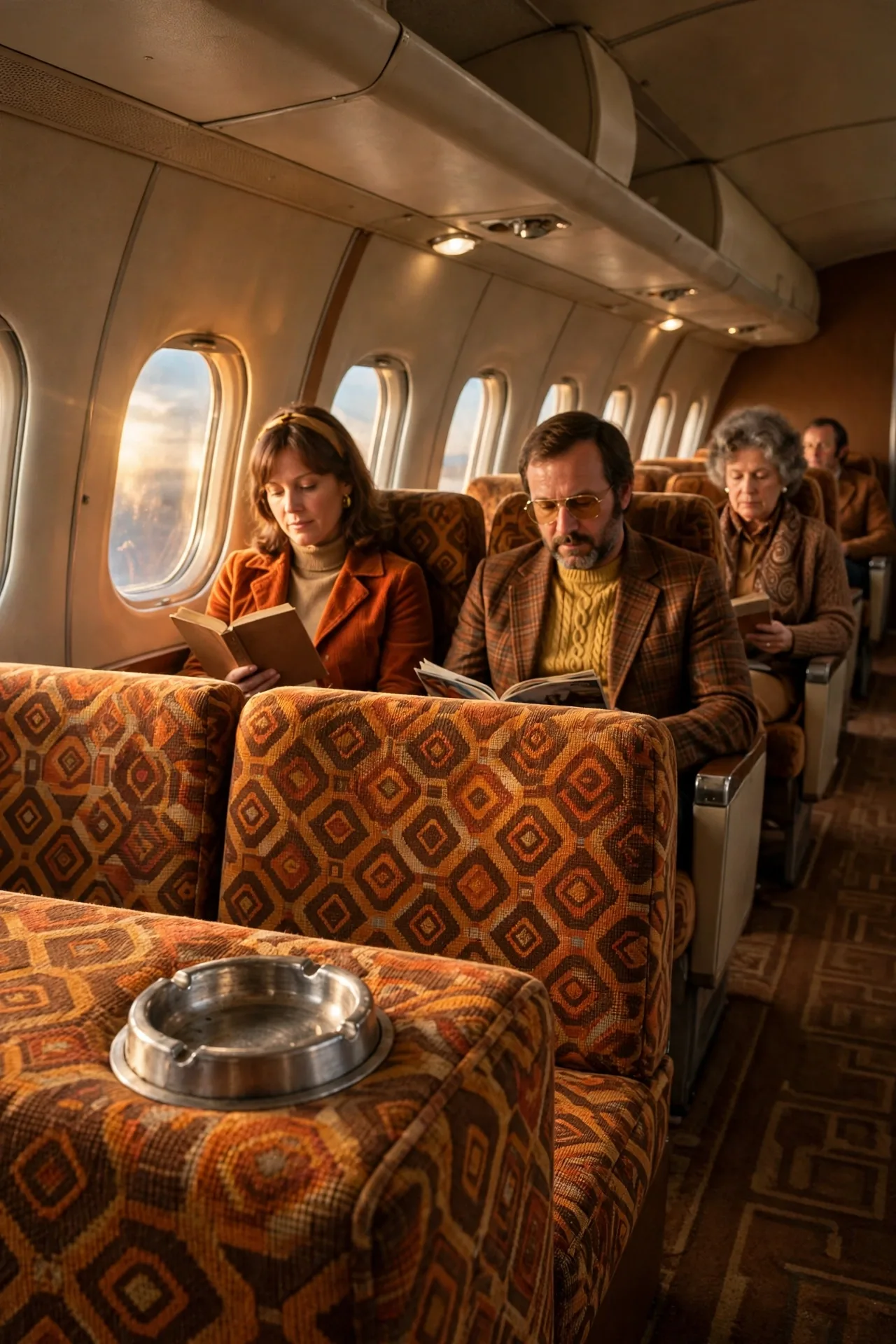
For decades, commercial flights had smoking sections — which, in a sealed metal tube with recirculated air, meant the whole cabin shared the experience. Ashtrays were built into armrests, and lighting up after the meal service was as routine as the meal itself.
Bans arrived in stages from the late 1980s through the 1990s depending on the country and route. The little armrest ashtrays lingered in older aircraft for years afterwards, a fossil of an era when ‘smoking or non-smoking?’ was a genuine booking question.
4. Christmas Lists Came From a Catalog
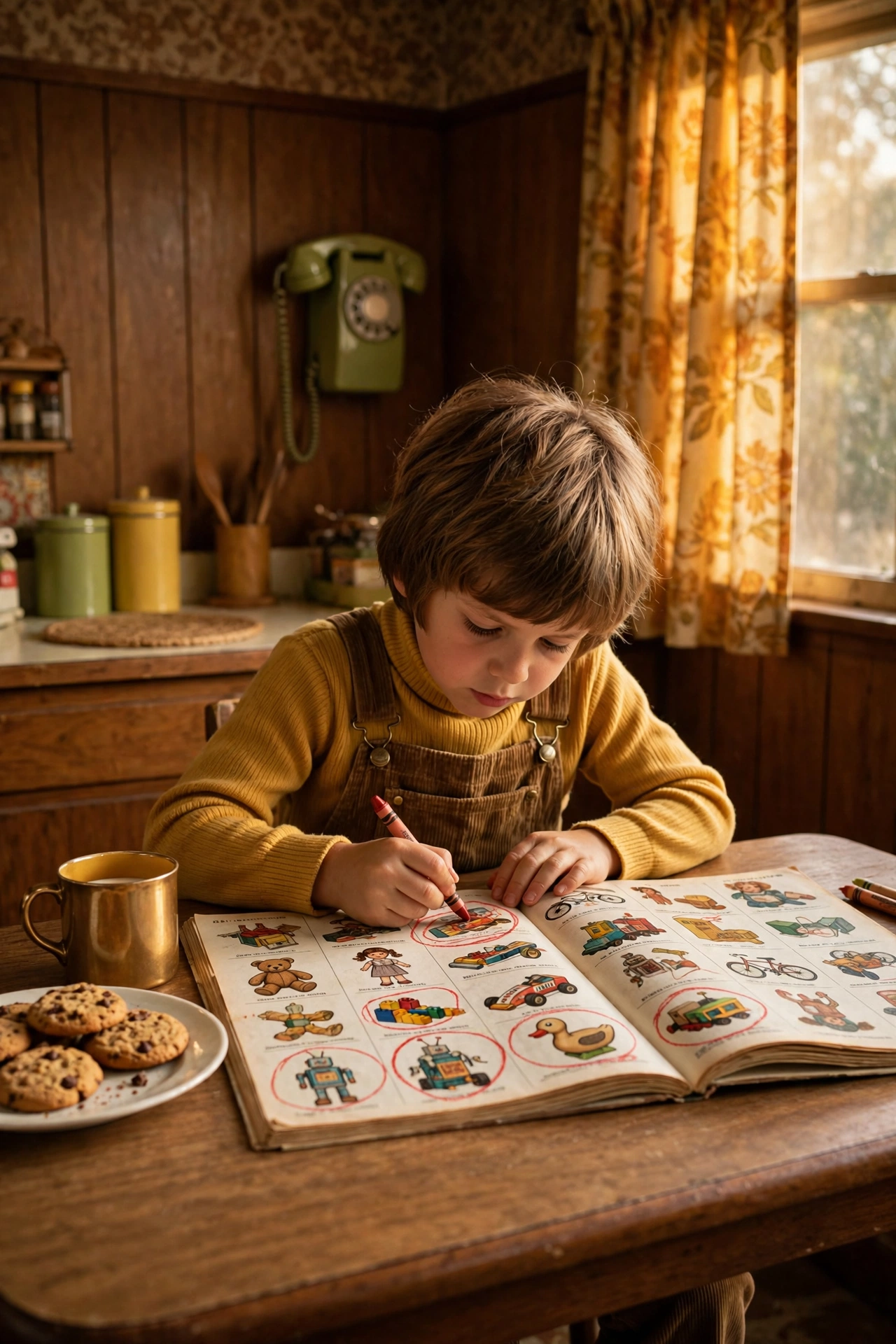
Before online shopping, the great retail event of the year was the arrival of the big store catalogs — Sears and its rivals published enormous wish books, and children circled dream toys in them for weeks. Mail order wasn’t a fallback; it was a trusted, normal way to shop.
You filled in a form, sent it by post, and waited. The idea of ordering a present in mid-December and having it arrive the same week would have sounded like science fiction; the catalog system ran on lead times measured in weeks, and everybody planned around them.
5. You Could Walk a Traveller Right to the Gate
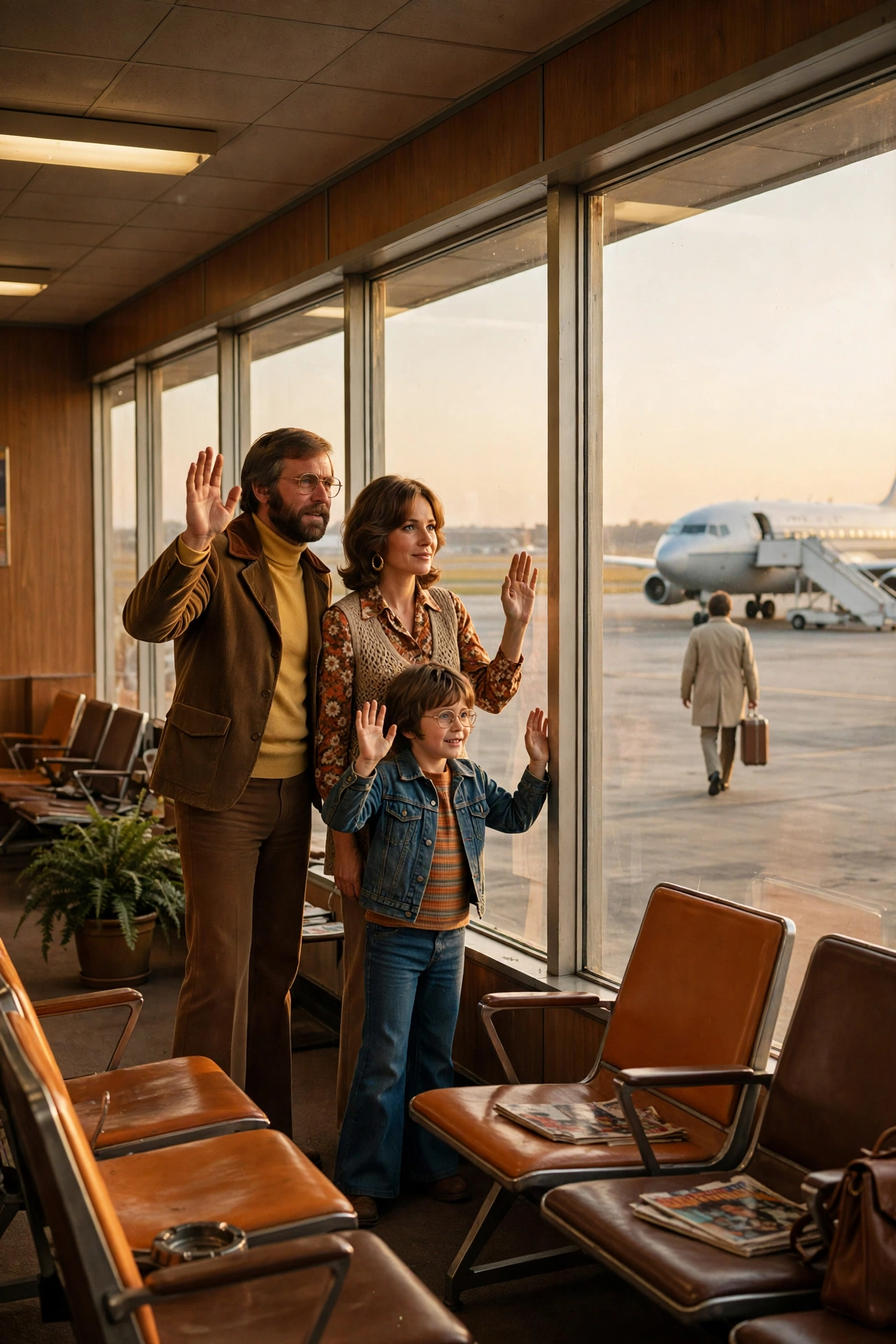
Airports once had no security screening to pass at all. Friends and family accompanied passengers through the terminal, waited at the gate, watched the plane board, and waved from the window as it pushed back.
The gate farewell was a standard scene of travel life — which is why older films show goodbyes happening beside the aircraft door. Screening checkpoints arrived gradually in the 1970s and hardened over the following decades, and the gate became a place only ticketed passengers ever see.
6. Downloads Took Hours and Internet Was Billed by the Hour
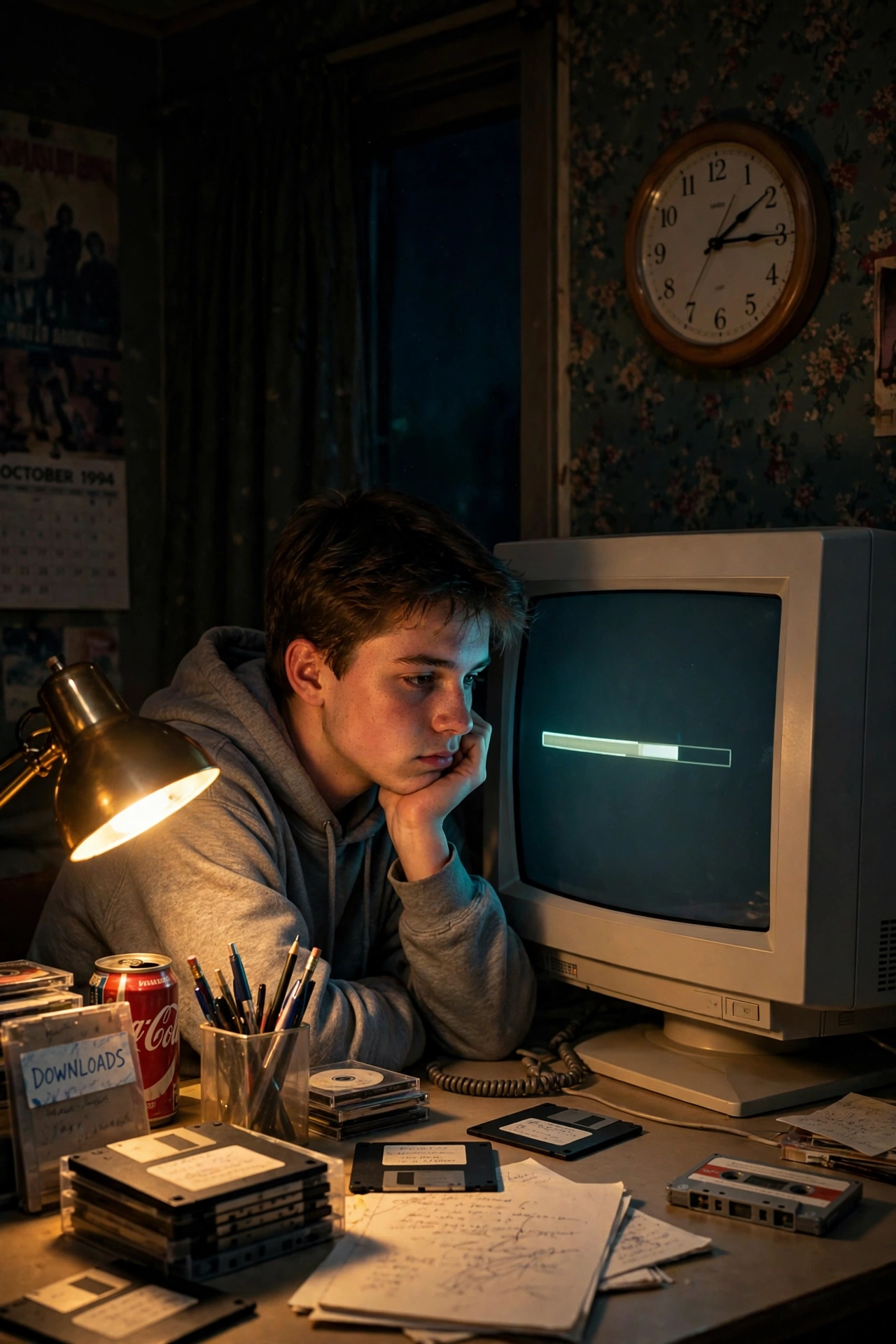
Early home internet was sold in hourly bundles, and connections were so slow that downloading a single song or program could take hours. Worse, if anyone picked up the phone, the transfer could fail — and the hours restarted with it.
Families timed downloads overnight and rationed browsing like a utility, because it was one. The flat-rate, always-on, effectively instant internet of today would have bankrupted a 1995 household by the second week.
7. Directions Meant a Paper Map or Asking a Stranger
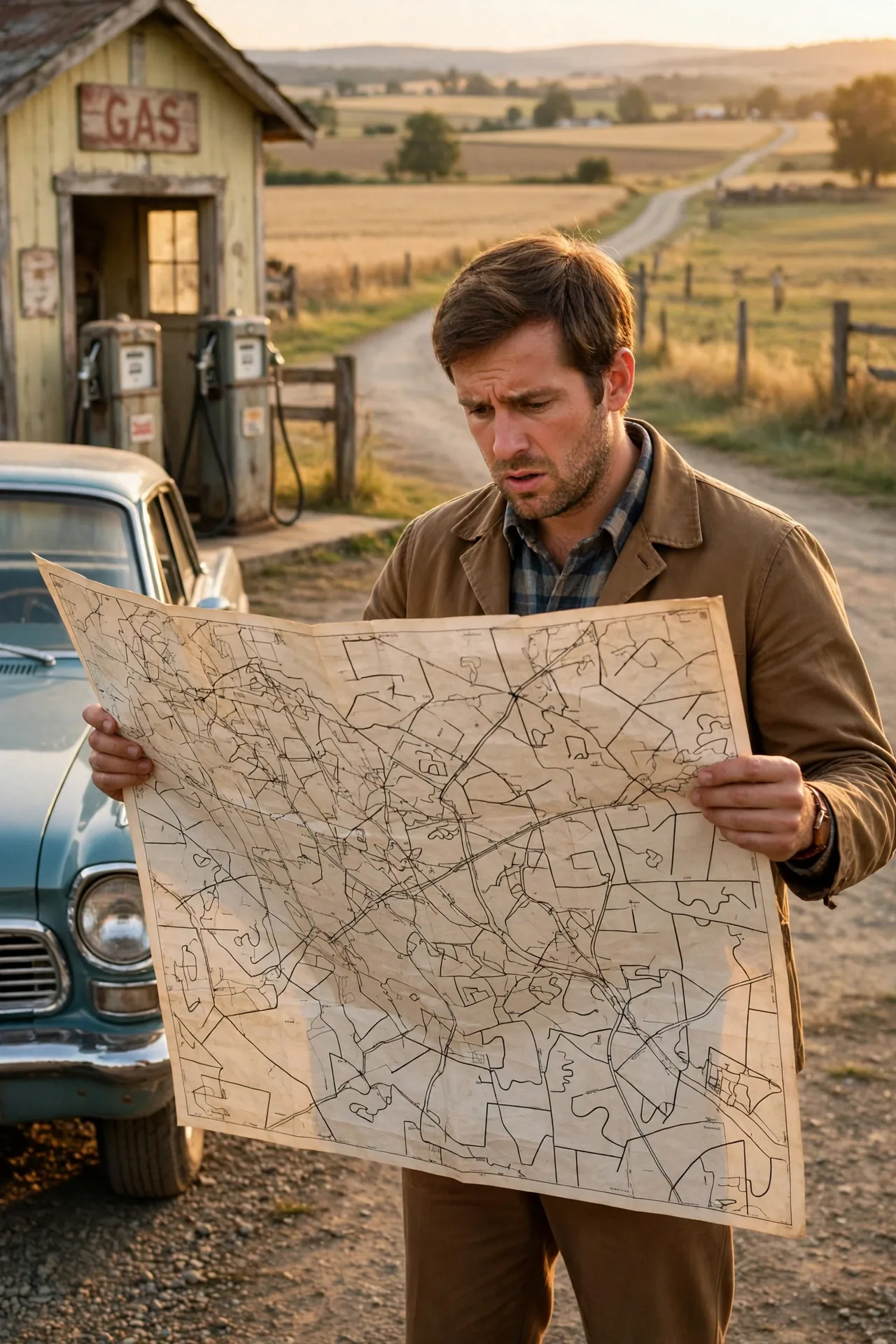
Before navigation apps, a journey began with a road atlas or a folded paper map — and when the map failed, you stopped at a gas station and asked. Attendants and locals were the routing algorithm, and their instructions were memorised or scribbled on paper.
Every glovebox carried maps; every driver had a personal system for refolding them, which nobody ever quite mastered. Getting lost was not an edge case of travel. It was a standard stage of it, budgeted into the day.
8. Ashtrays Were Standard Furniture Everywhere
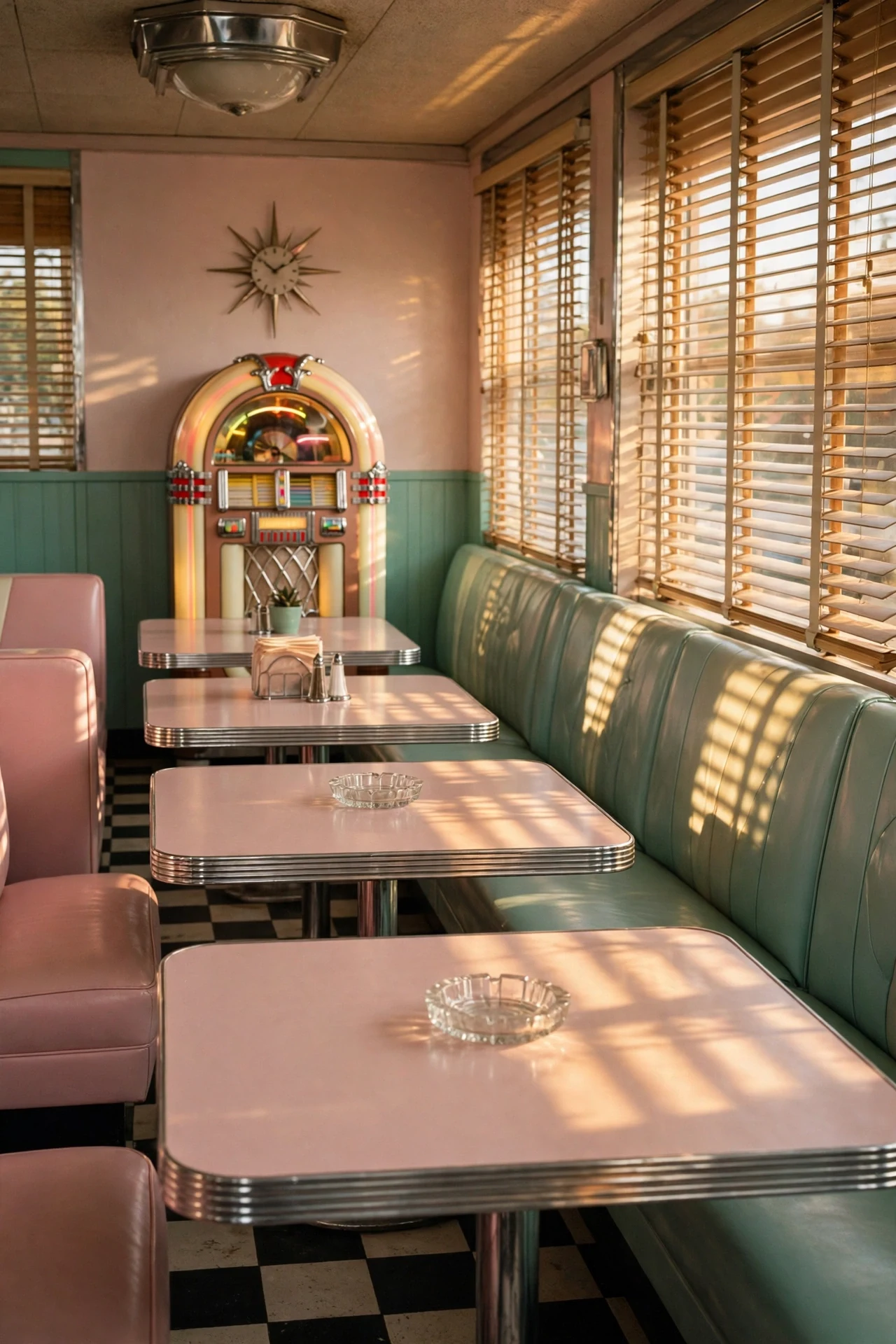
Ashtrays sat on restaurant tables, in hospital waiting rooms, in offices, cinemas, and malls — smoking was woven into indoor public life. Even non-smokers kept ashtrays at home, because guests would need them and providing one was basic hospitality.
The ashtray was such an ordinary object that hotels, airlines, and carmakers all built them into the furniture. Its complete disappearance from daily life, within a single generation, is one of the fastest furniture extinctions on record.
9. Copies Were Made With Carbon Paper
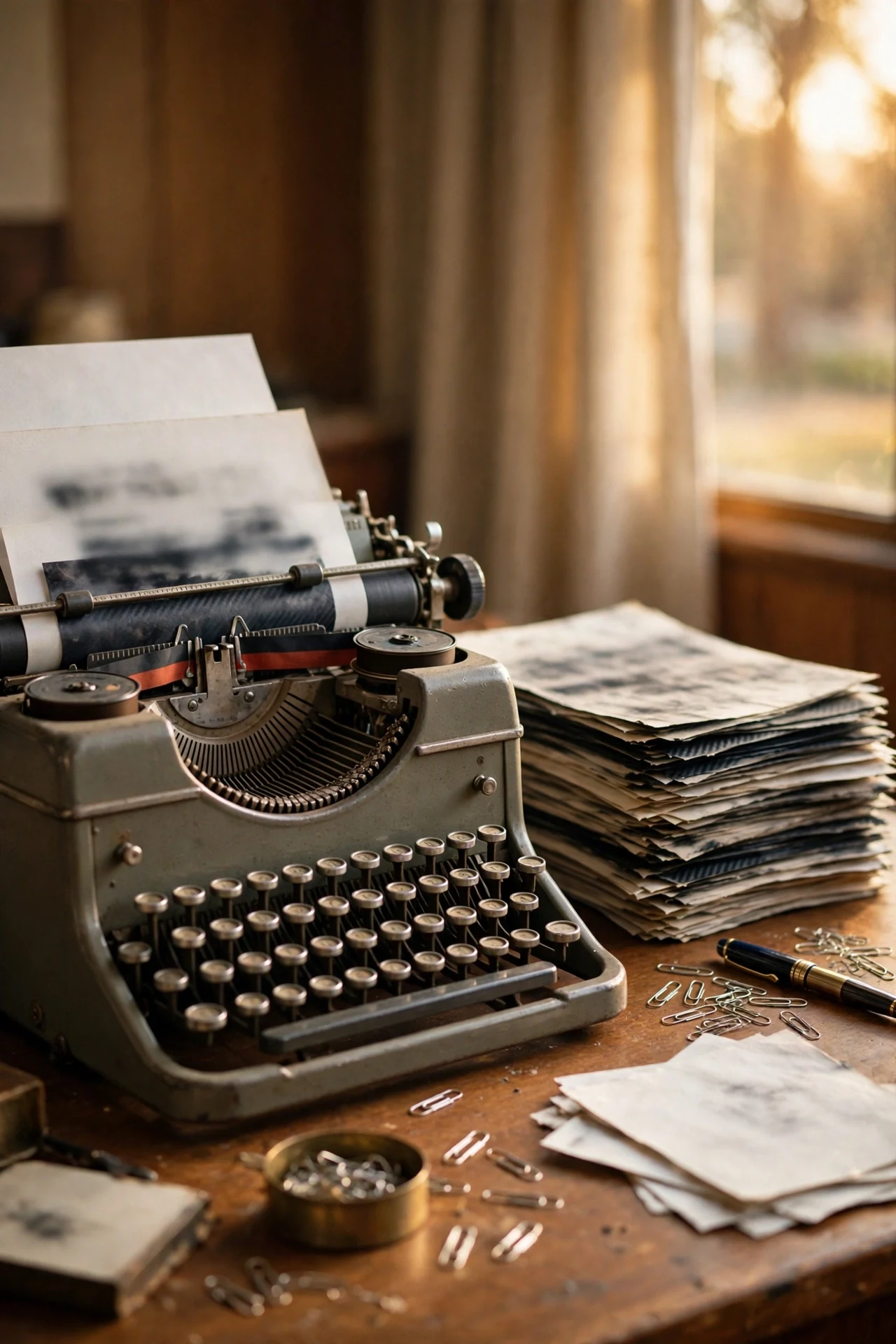
To duplicate a handwritten or typed page instantly, you layered it with carbon paper — a sheet coated in ink that transferred pressure marks onto the page beneath. One writing, two copies; type three layers deep and the third copy came out faint but readable.
The ‘cc’ at the bottom of your emails is its ghost: carbon copy. Clerks’ fingers were permanently smudged, and an entire office skill consisted of aligning the sandwich of sheets so the copies stayed legible.
10. Drink-Driving Was Barely Treated as a Crime
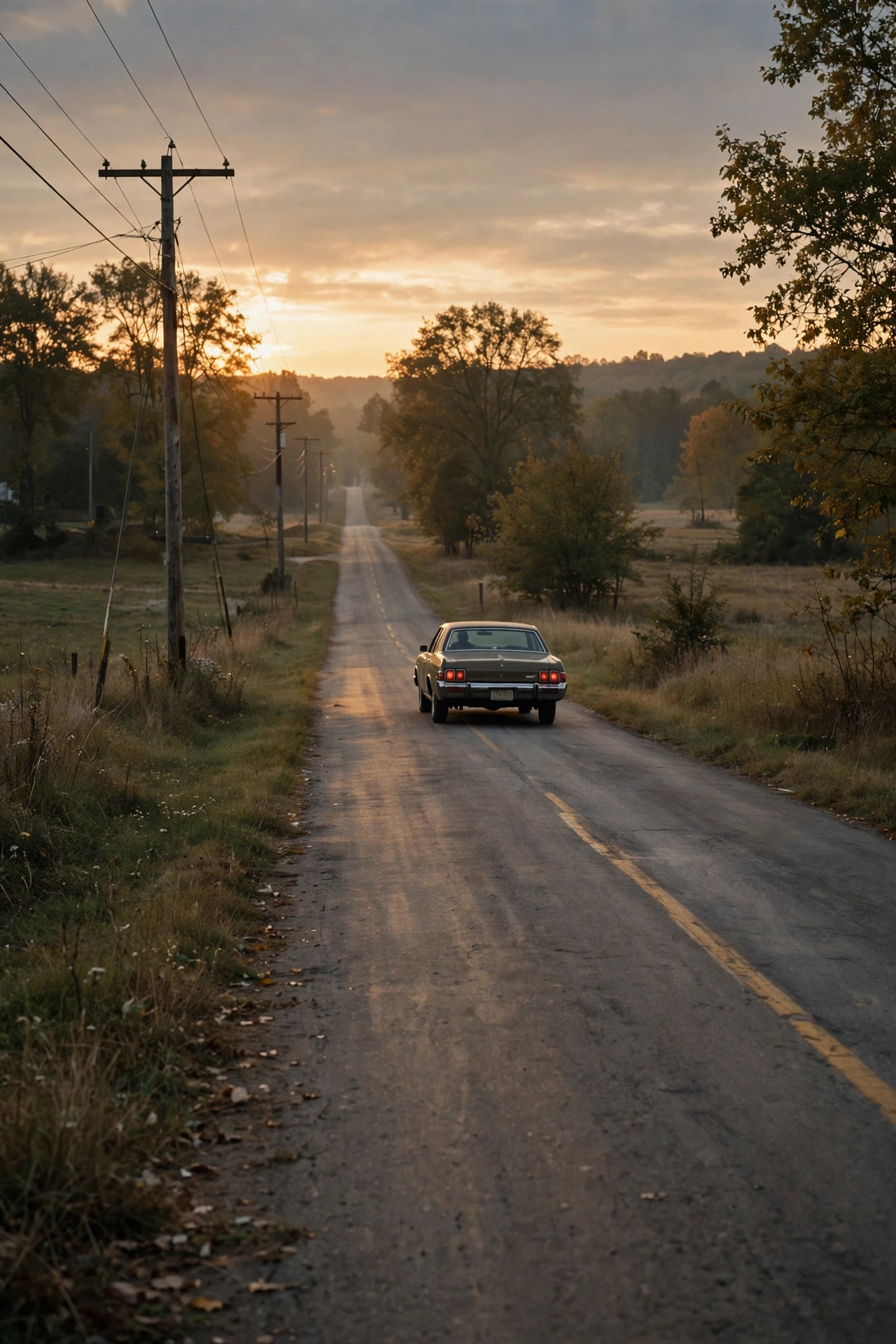
For much of the twentieth century, driving after drinking was widely treated as bad luck rather than a serious offence — penalties were light, enforcement sporadic, and the culture often played it for laughs. The victims were rarely part of the conversation.
That changed through organised advocacy, most famously Mothers Against Drunk Driving, founded in 1980, which pushed through tougher laws, higher drinking ages, and a complete reversal of public attitudes. The law caught up because grieving parents made it.
11. Homes Were Heated by a Coal Furnace in the Basement
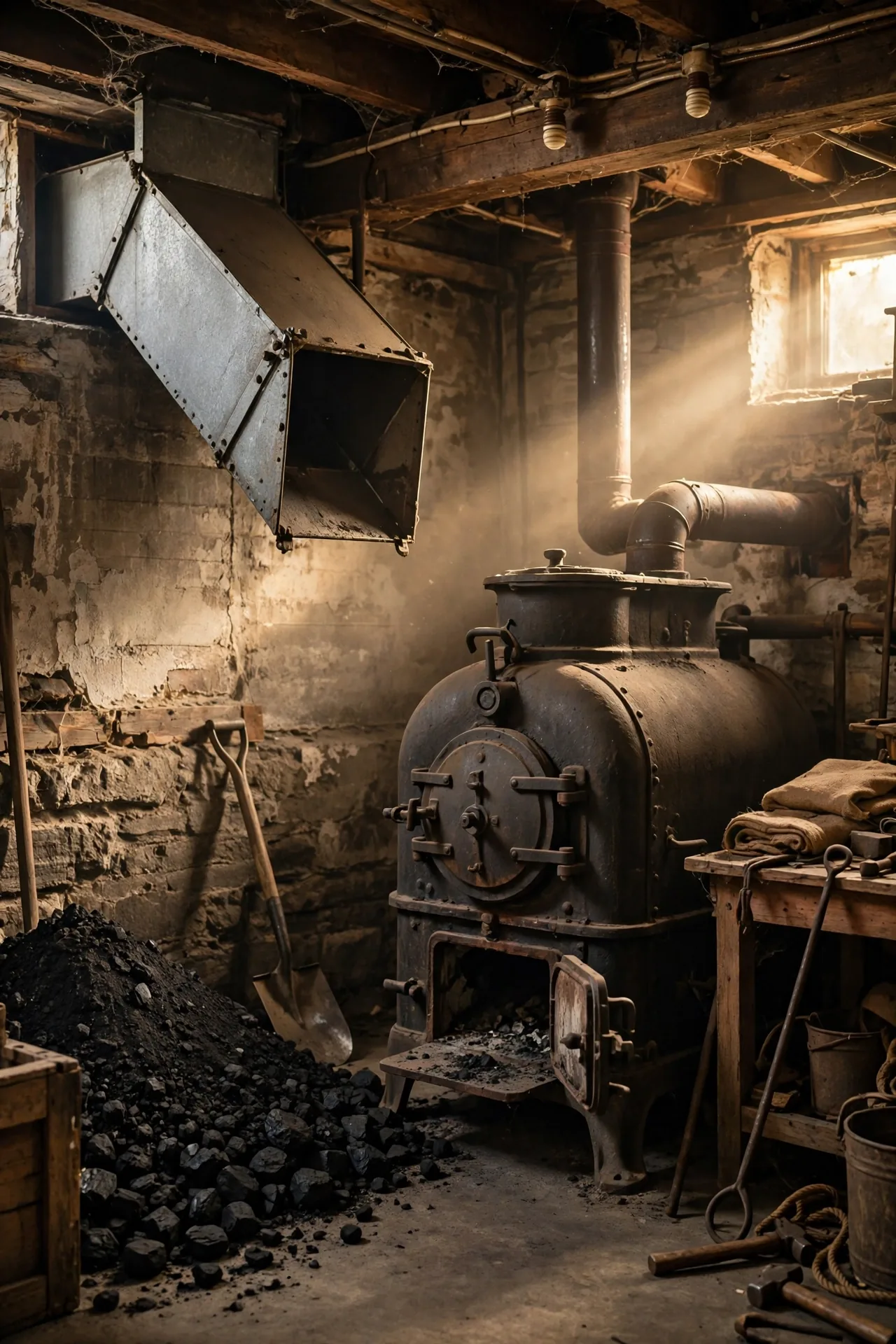
Many homes burned coal: a dedicated coal room sat in the basement, deliveries arrived by truck and were poured down a chute, and someone — usually the father of the house — went down daily to shovel coal into the furnace and haul out the ash.
Heat was physical labour, scheduled like a chore, and a cold house often meant somebody had let the fire die overnight. The clean, invisible warmth of a thermostat is a luxury so recent that plenty of people alive today grew up shovelling.
12. A Whole Household Shared One Phone Number
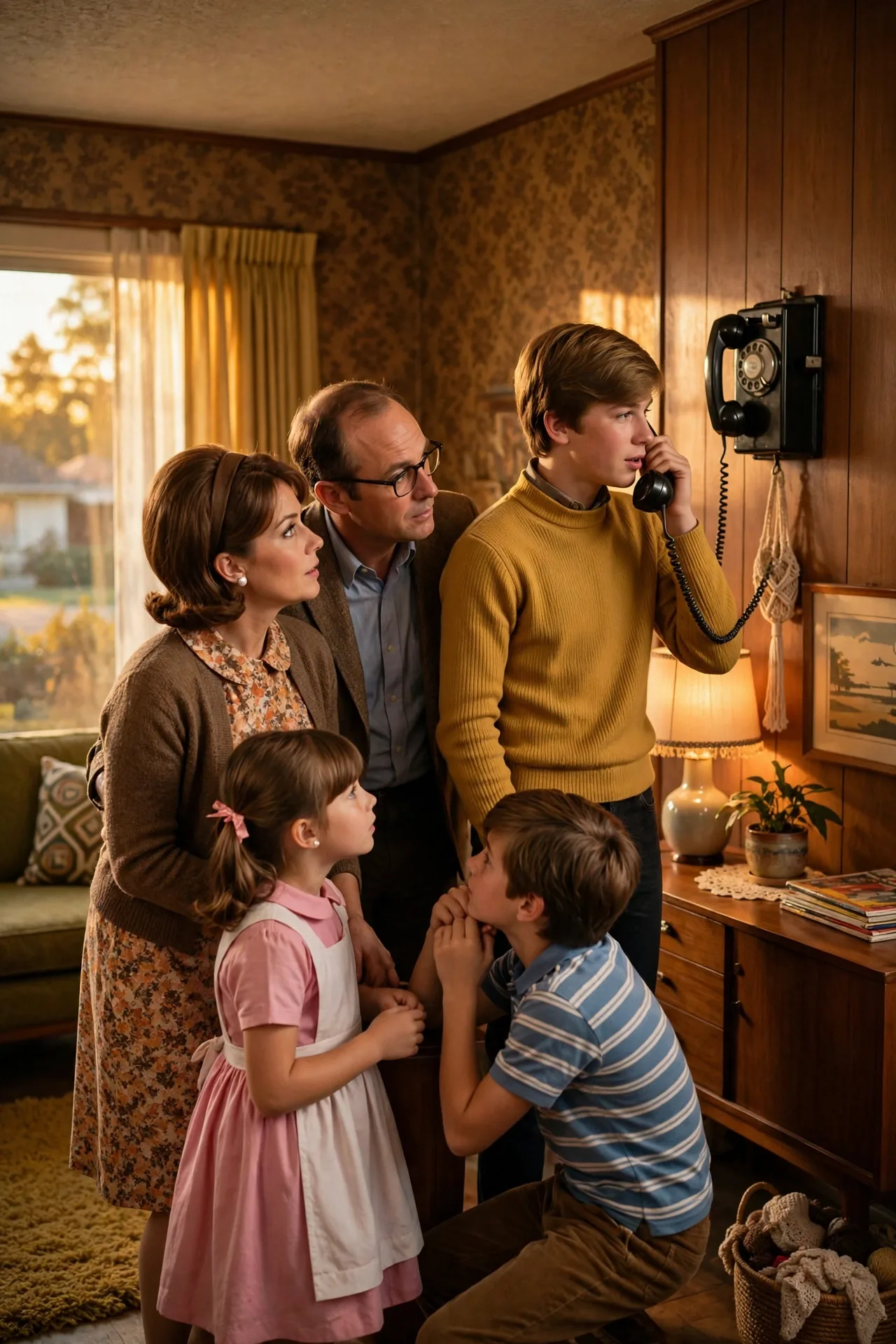
One house, one line, one number — shared by parents, teenagers, and everyone else under the roof. Calls were answered by whoever was nearest, messages were taken on paper pads, and a teenager’s long call occupied the family’s only channel to the outside world.
Privacy was negotiated, not configured: you lowered your voice, stretched the cord into another room, and accepted that anyone could pick up an extension. The idea of every child carrying a personal number would have seemed like something from a rich family’s science fiction.
13. Underage Drinking Was Widely Tolerated
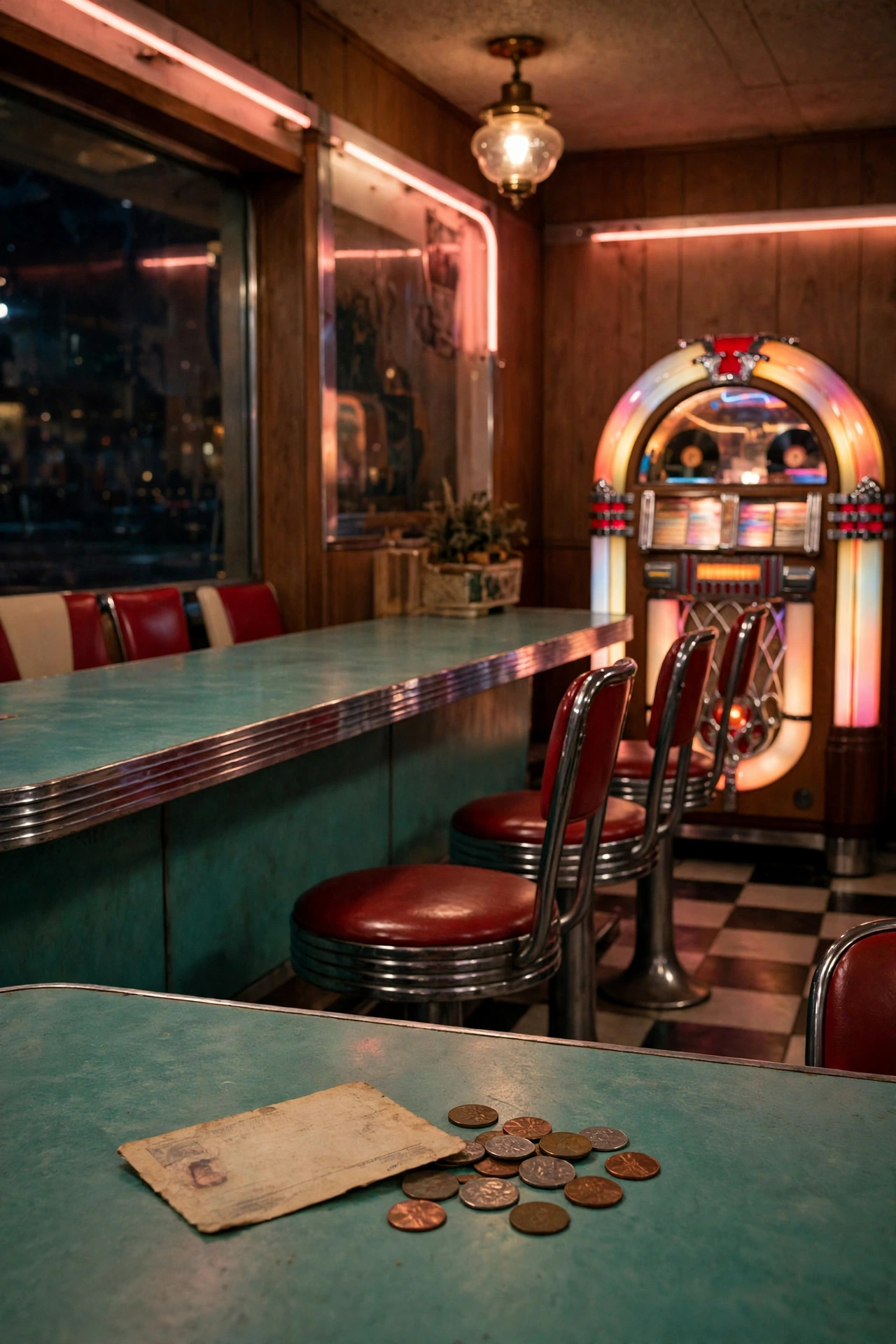
Drinking-age enforcement in many places was, for decades, a formality — bartenders often didn’t check ID, older friends bought for younger ones, and teenagers in bars raised few eyebrows. Rules existed on paper and evaporated in practice.
Stricter laws, ID technology, and liability concerns closed that world down. The gap between the written law and the lived one — enormous in 1975, small today — is one of the quieter revolutions in everyday life.
14. Keeping in Touch Meant Handwritten Letters
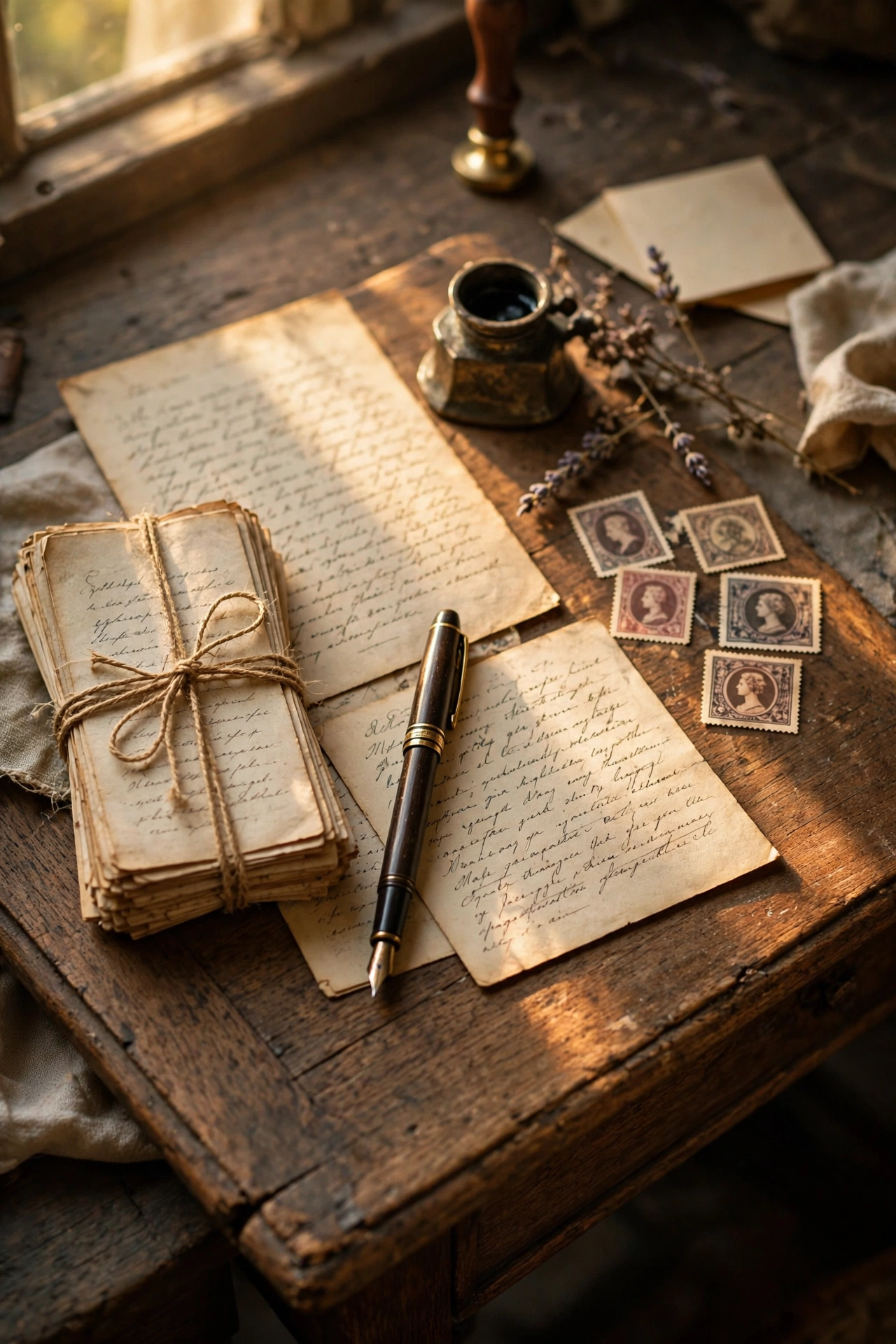
The default way to reach anyone far away was to write a letter by hand, post it, and wait days or weeks for the reply. Stamps were cheap — around twenty cents in the early 1980s — and a household’s letter-writing drawer was as essential as its phone.
Correspondence had a rhythm modern messaging never replicates: news arrived in batches, was re-read, and was kept. Bundles of old letters tied with string were a family’s archive, which is why so much of history is written from them.
15. Teachers Could Paddle Students
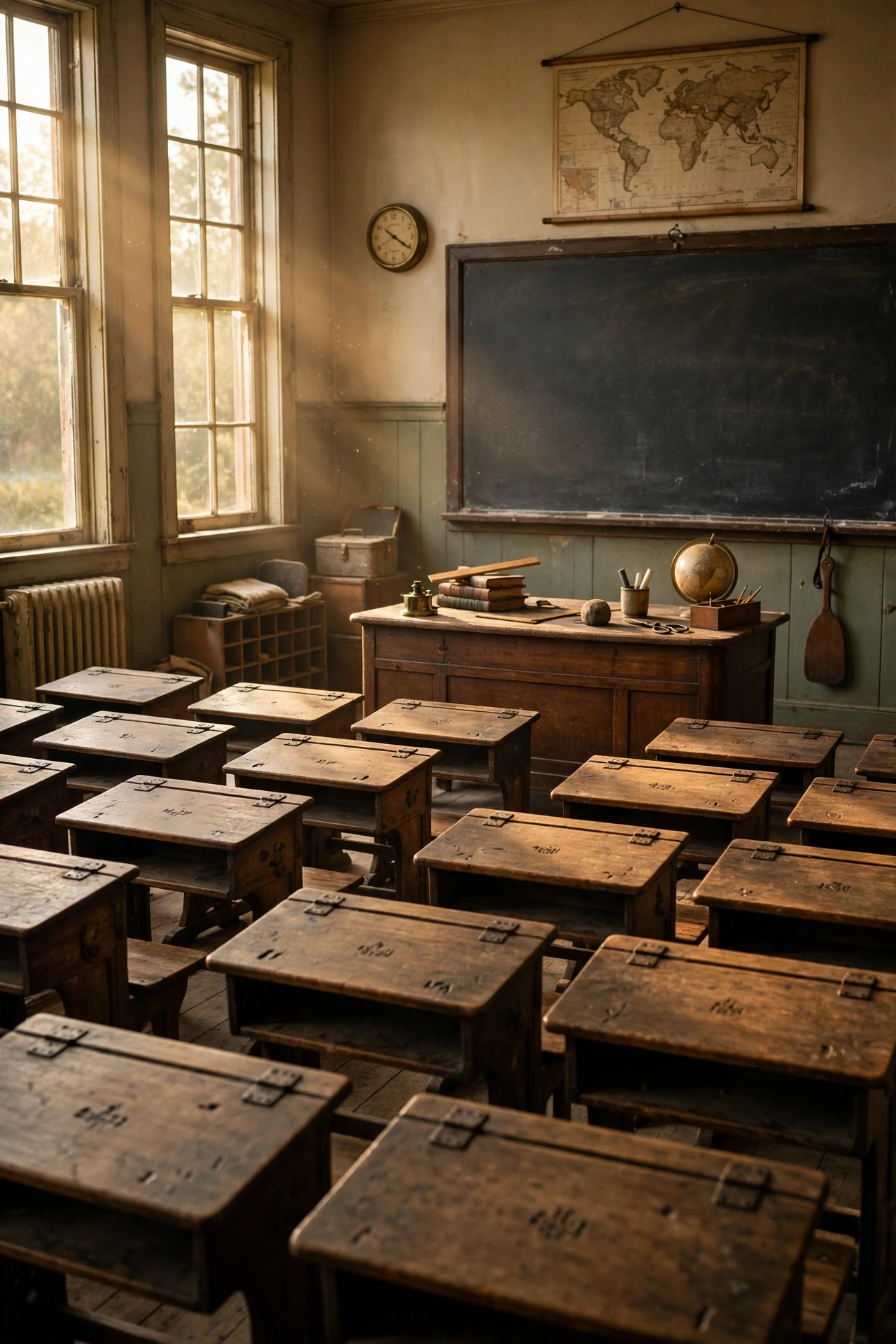
Corporal punishment was a standard disciplinary tool in schools across much of the world — in the US, the wooden paddle hung in classrooms and principals’ offices, and being sent for it was an ordinary, if dreaded, part of school life.
It has since been abolished in schools across most countries and many US states, and the debate it once barely caused now seems remarkable. That generations of adults recall the paddle as unremarkable says more about the era than about them.
16. Television Was Appointment-Only
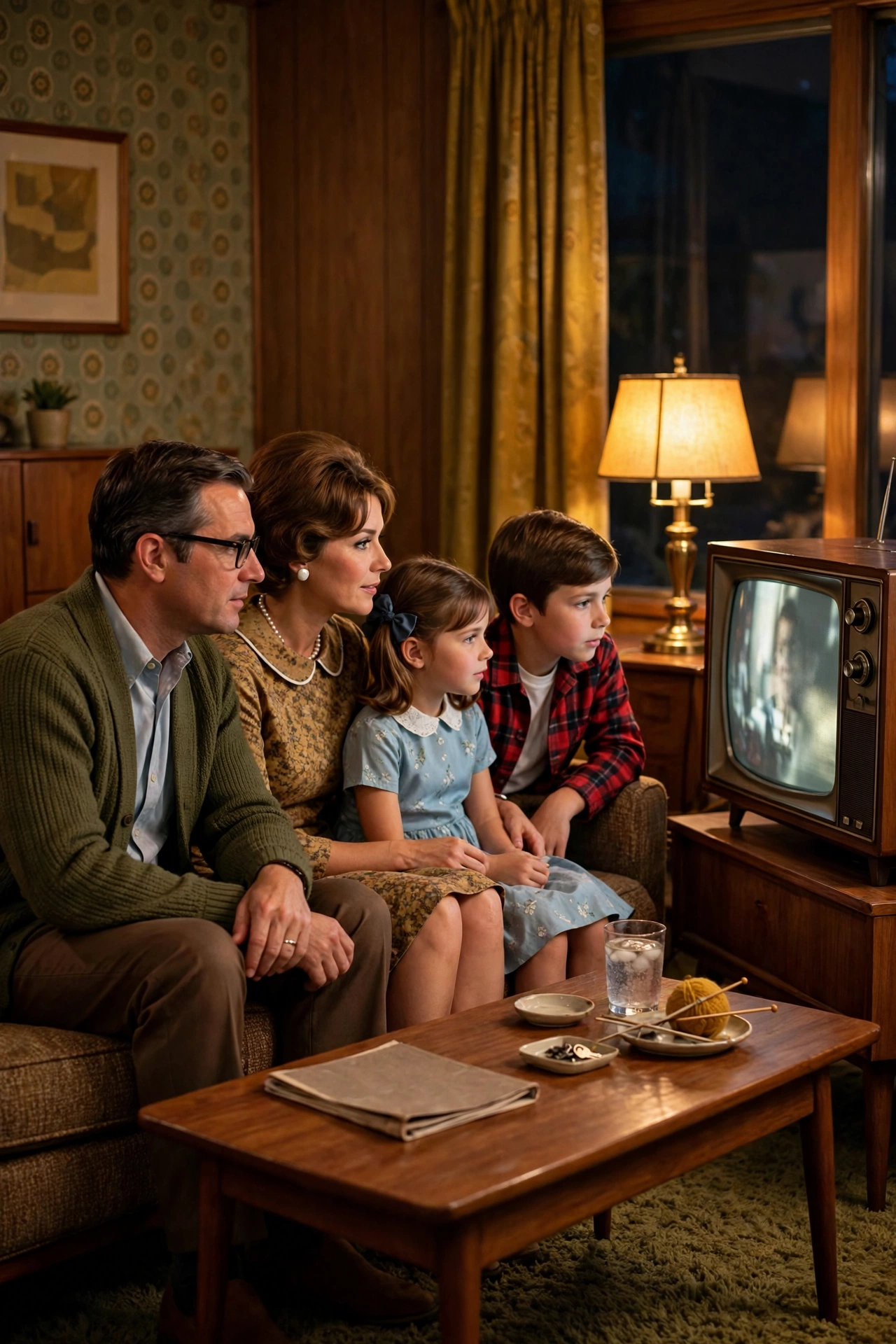
Broadcast TV ran on the broadcaster’s schedule, full stop. A show aired at its time, once, and missing it meant waiting for a summer rerun — if one came. Families planned evenings around listings printed in the newspaper.
There was no pause, no rewind, no ‘watch later’ list. An entire culture shared the same viewing moments simultaneously, which is why a big finale could dominate the next day’s conversation in a way fragmented streaming rarely matches.
17. Everyone Memorised Phone Numbers
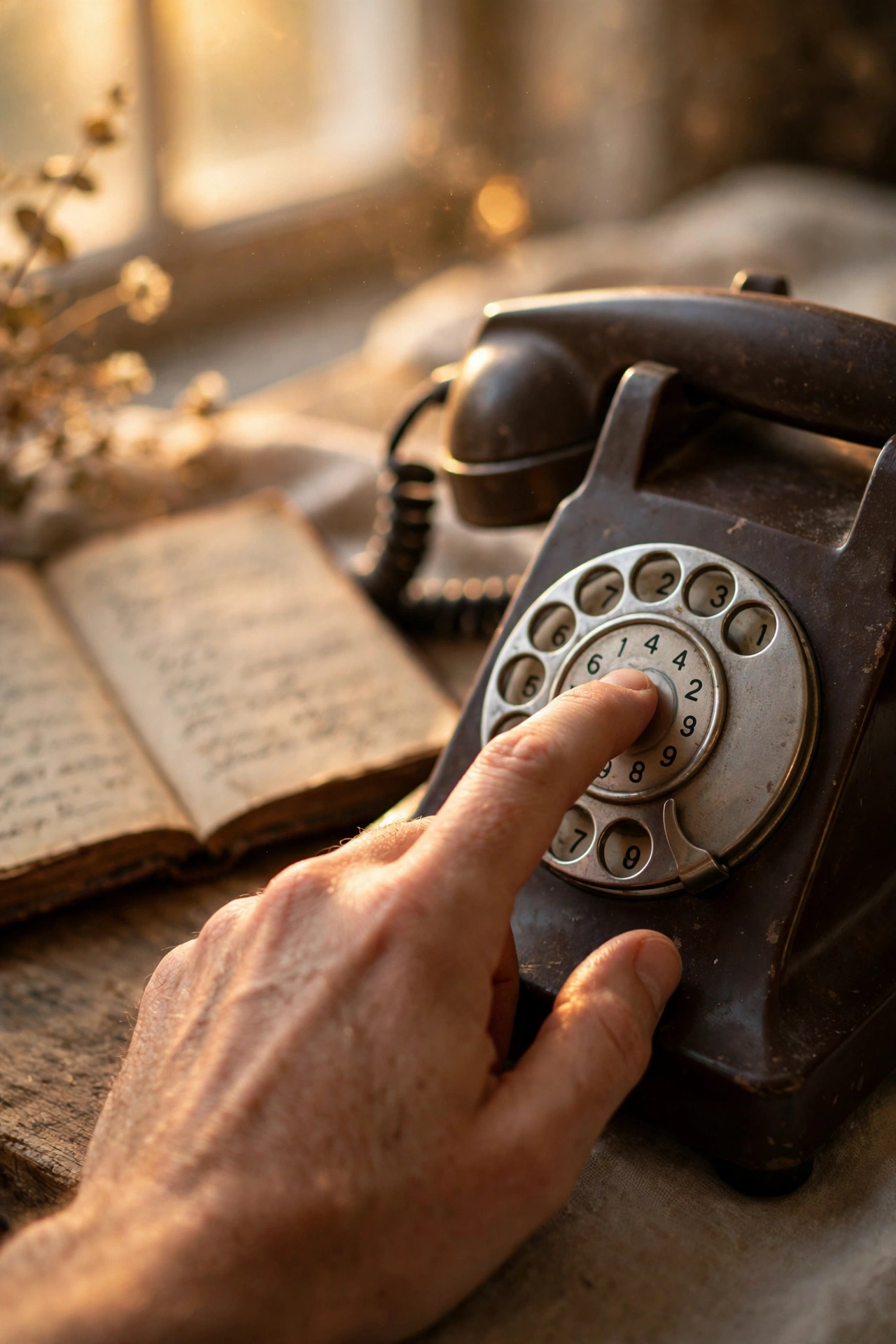
With no contacts list, caller ID, or voicemail, your memory was the database. People carried the numbers of family, close friends, school, and work in their heads as a matter of course — dozens of them, dialled from memory daily.
Children were drilled on their home number as a safety essential. The skill has quietly died: ask a room of adults today for their best friend’s number and watch most of them reach for a phone they now cannot operate without.
18. Children Roamed Far More Freely
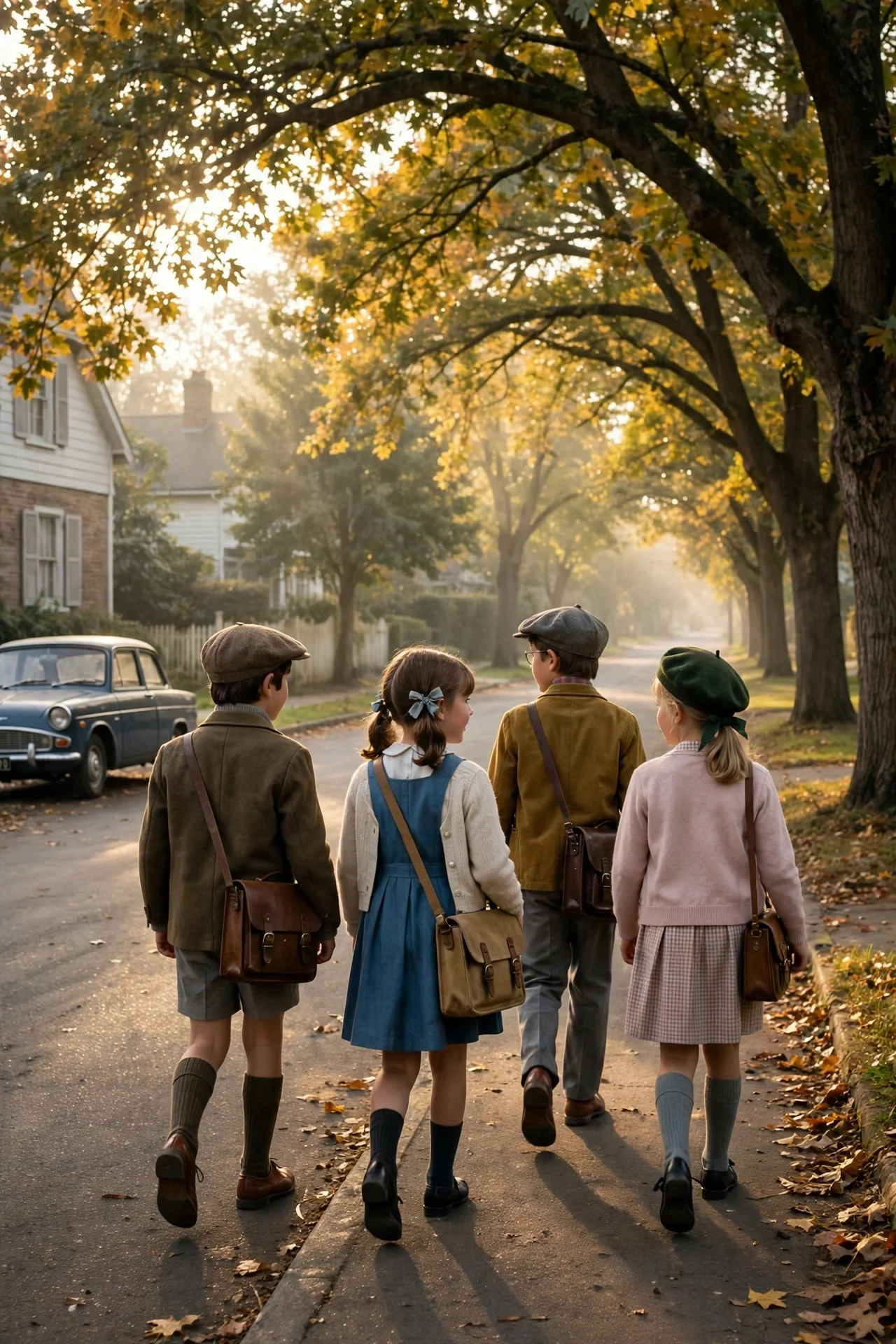
Young teenagers travelling alone, holding jobs, and spending whole days unsupervised raised no eyebrows for most of the century. ID checks were minimal in everyday life — remarkably, even military enlistment in wartime eras sometimes took a determined teenager’s word for his age.
The modern infrastructure of supervision — constant contact, location sharing, checked everything — was built within living memory. Whether childhood got safer or just more watched is a debate every generation now has with its parents.
19. Neighbours Shared a ‘Party Line’
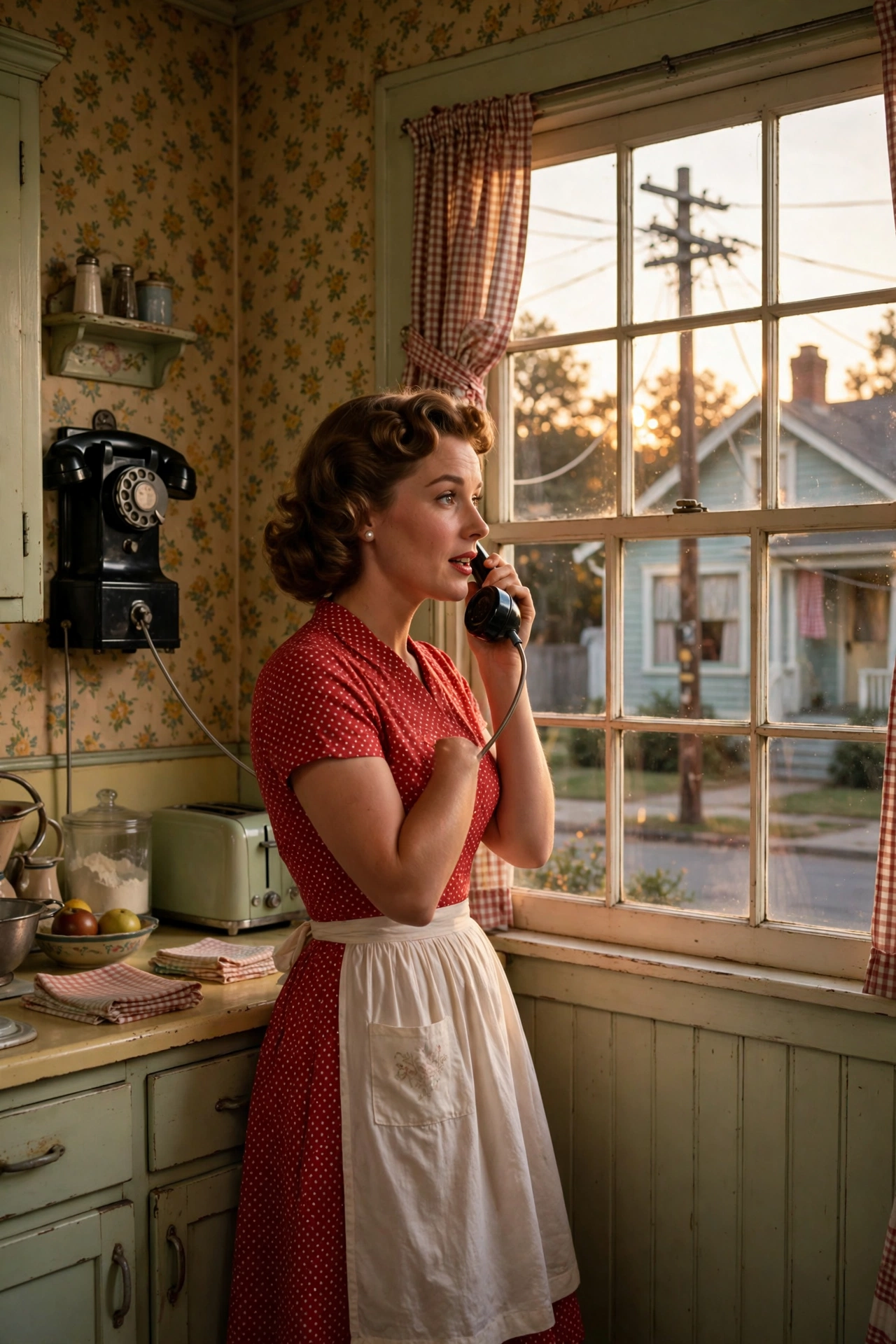
In many areas, several households shared a single telephone line — the party line. Your ring pattern told you the call was yours, but nothing stopped a neighbour picking up and quietly listening in, and everyone knew it happened.
It was social media before the name existed: a shared channel where privacy was theoretical and gossip was infrastructure. Telephone etiquette guides devoted whole chapters to not hogging the party line and not eavesdropping — chapters that existed because everyone did both.
20. You Couldn’t Know a Baby’s Sex Before Birth
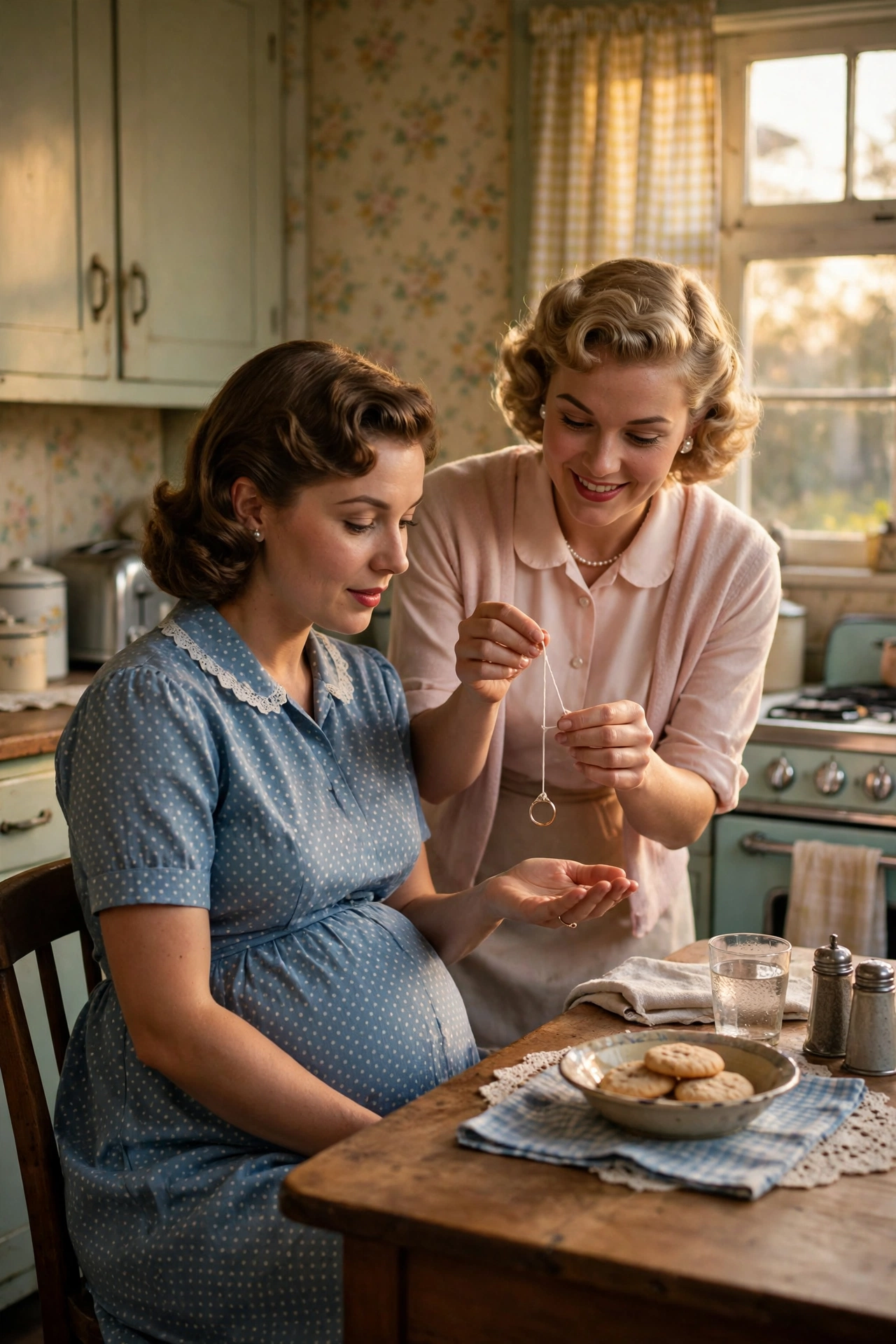
Before routine ultrasound, pregnancy held its central secret to the end: a baby’s sex was simply unknowable, and the delivery room announcement was genuine news. Nurseries were painted neutral, and names were prepared in pairs.
In the vacuum, folk methods flourished — the famous swinging-necklace or ring test over the bump was performed at countless kitchen tables. Everybody knew it was a guess dressed as a ritual, and everybody did it anyway.
21. The Milkman Came to Your Door
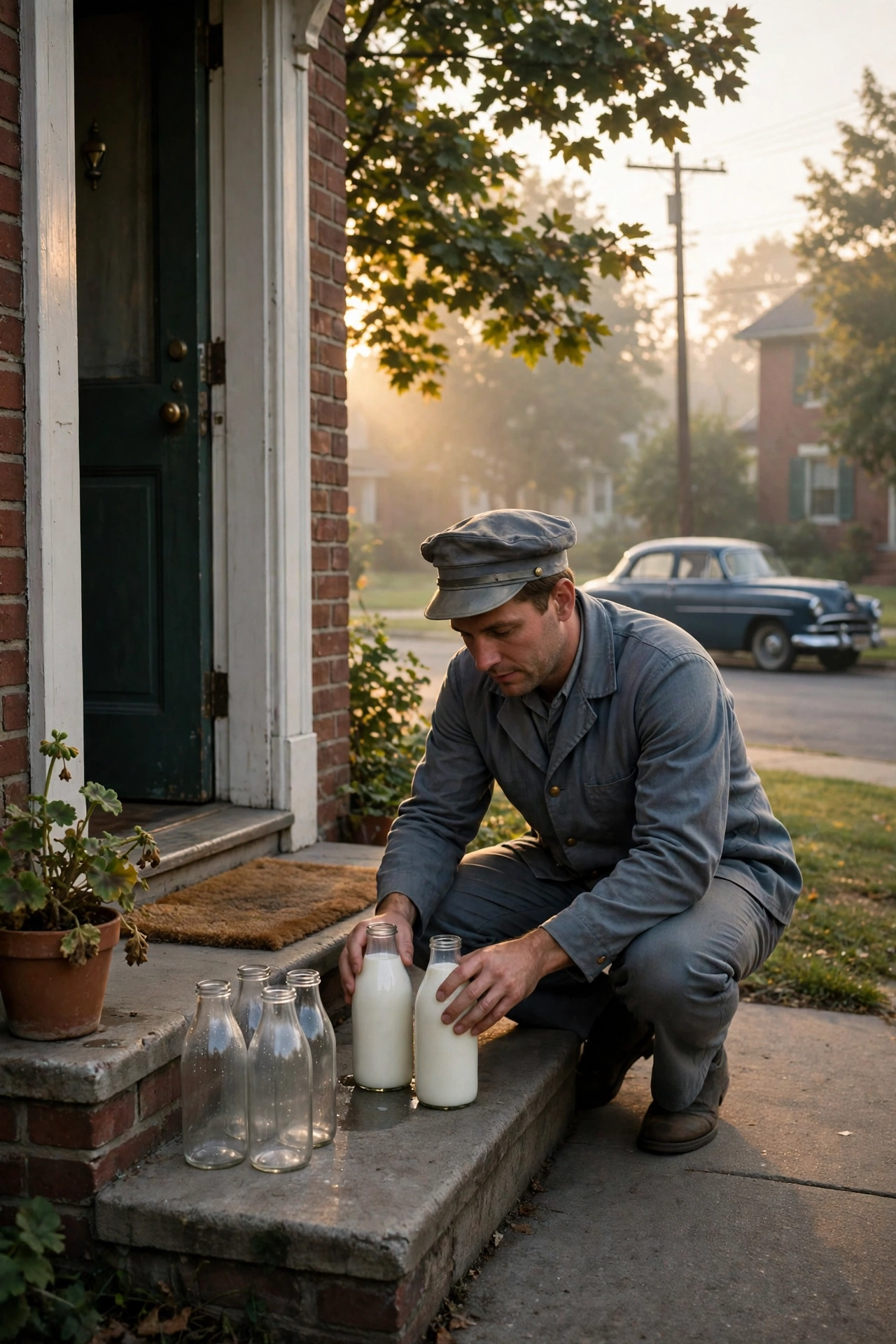
Milk arrived at the doorstep in glass bottles, delivered early by a milkman on a regular round — in the 1950s, in some places, the round came straight in through the unlocked back door and put the bottles in the fridge.
Empties were rinsed and left out for collection, the cream rose to the top of the bottle, and the clink of the morning delivery was a neighbourhood clock. Supermarkets and home refrigeration quietly retired an entire profession.
22. The Doomsday Clock Was Nightly News
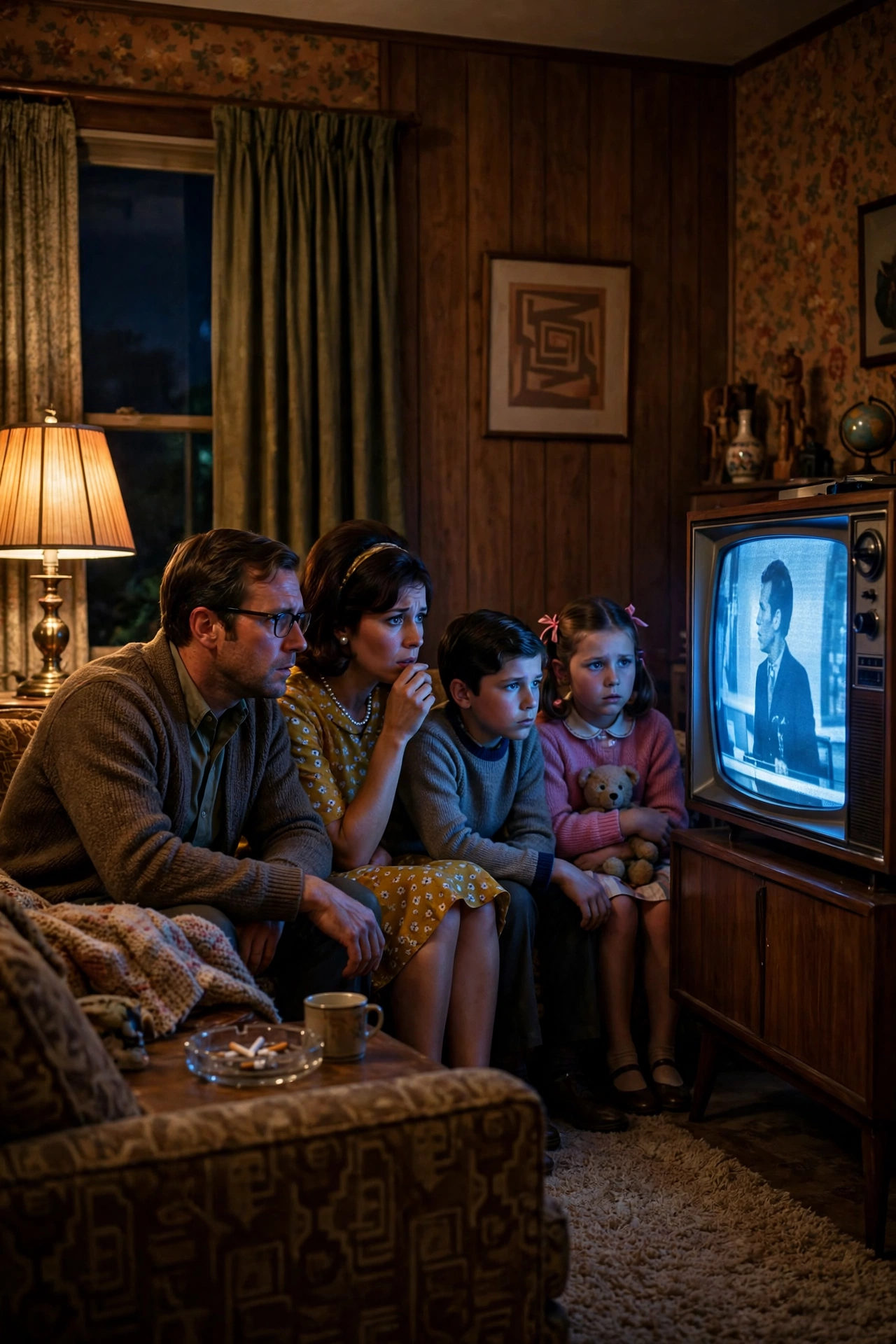
During the Cold War, the Doomsday Clock — the Bulletin of the Atomic Scientists’ symbol of how close humanity stood to catastrophe — was a fixture of news coverage, and the possibility of nuclear war sat in the background of ordinary life for decades.
Schoolchildren in earlier Cold War years practised duck-and-cover drills; later generations simply grew up with the clock’s midnight as a reference point everyone understood. Living under a standing, unspoken threat was, itself, a piece of common knowledge.
23. Pay Phones Were Everywhere and Ran on Coins
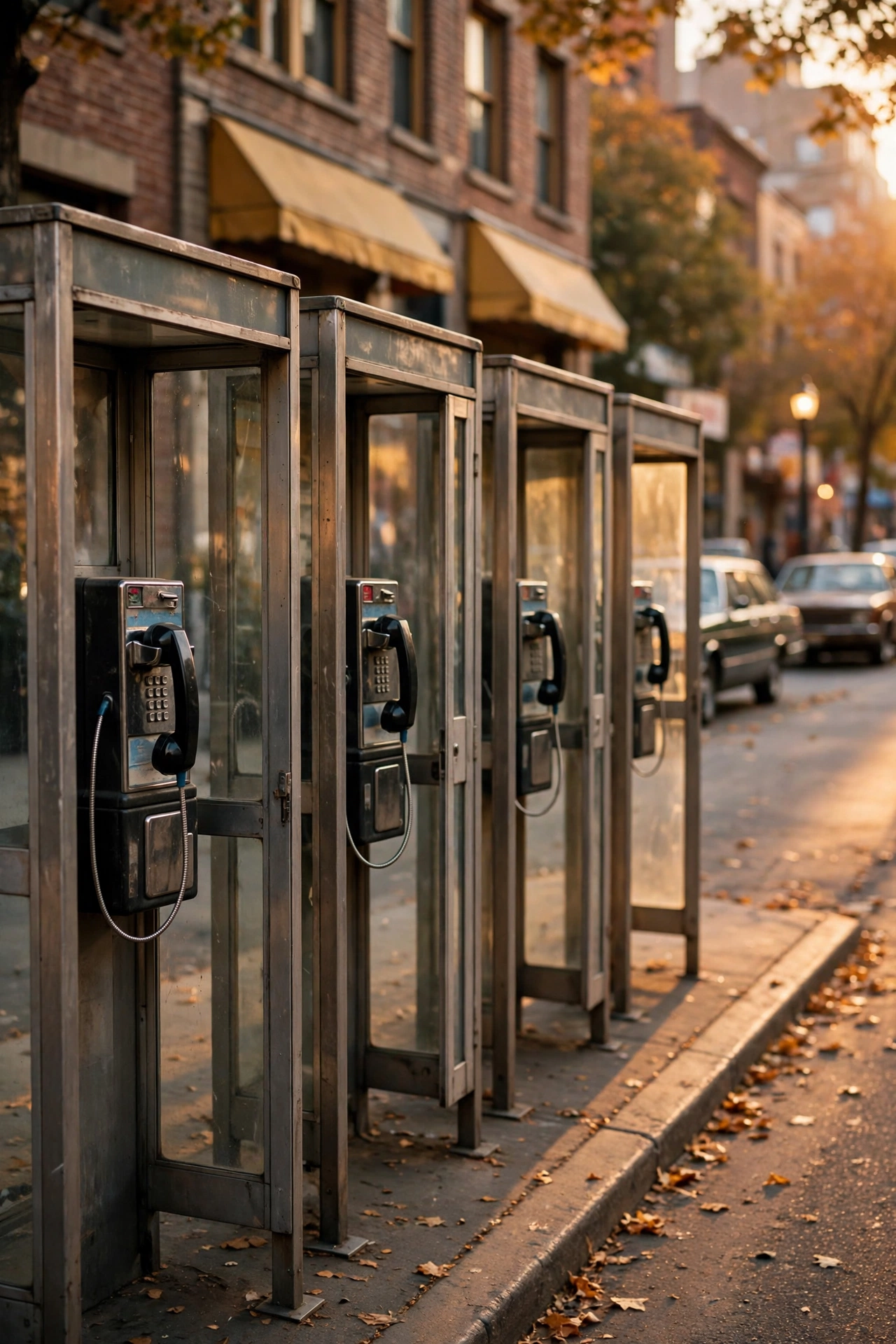
Street corners, stations, shops, and pubs all had pay phones — often a whole row of them — and using one meant having the right coins. A long-distance call was an event: fed coin by coin, timed to the money, sometimes arranged in advance by letter.
Entire social rituals ran through them: reversing the charges to call home, letting it ring twice as a prearranged signal, the operator interrupting to demand more coins. The mobile phone didn’t just replace the pay phone; it abolished a whole etiquette.
24. Cigarettes Came Out of Vending Machines
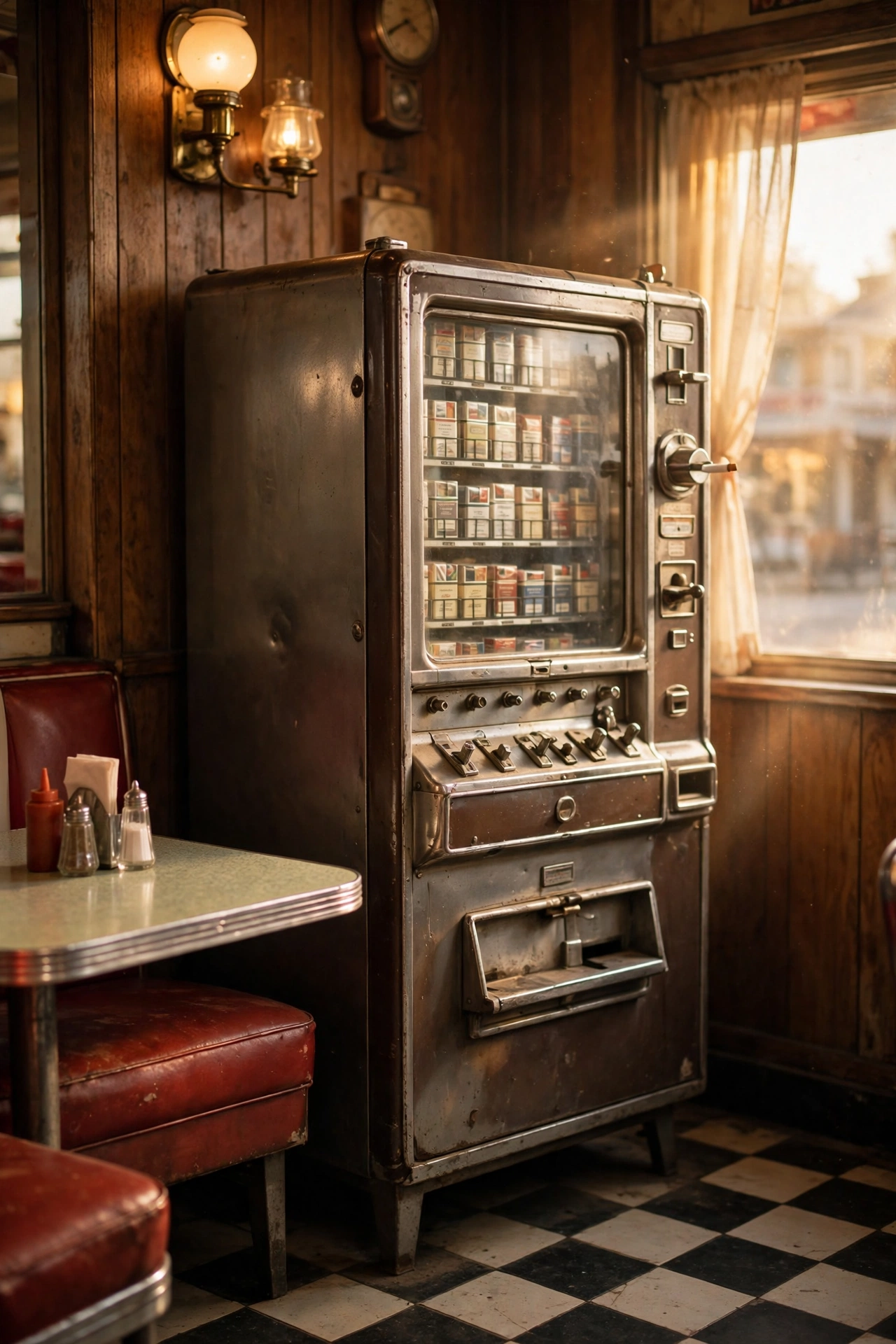
Cigarette vending machines stood in restaurants, bars, hotel lobbies, and diners — and a machine asks no one’s age. Anyone with the coins could buy a pack, and everyone knew it.
Their presence summed up the era’s entire posture toward smoking: normal, adult, and everywhere. Age restrictions, advertising bans, and the machines’ removal all arrived as public health evidence finally out-argued the culture.
25. A Married Woman Couldn’t Get a Credit Card in Her Own Name Until 1974
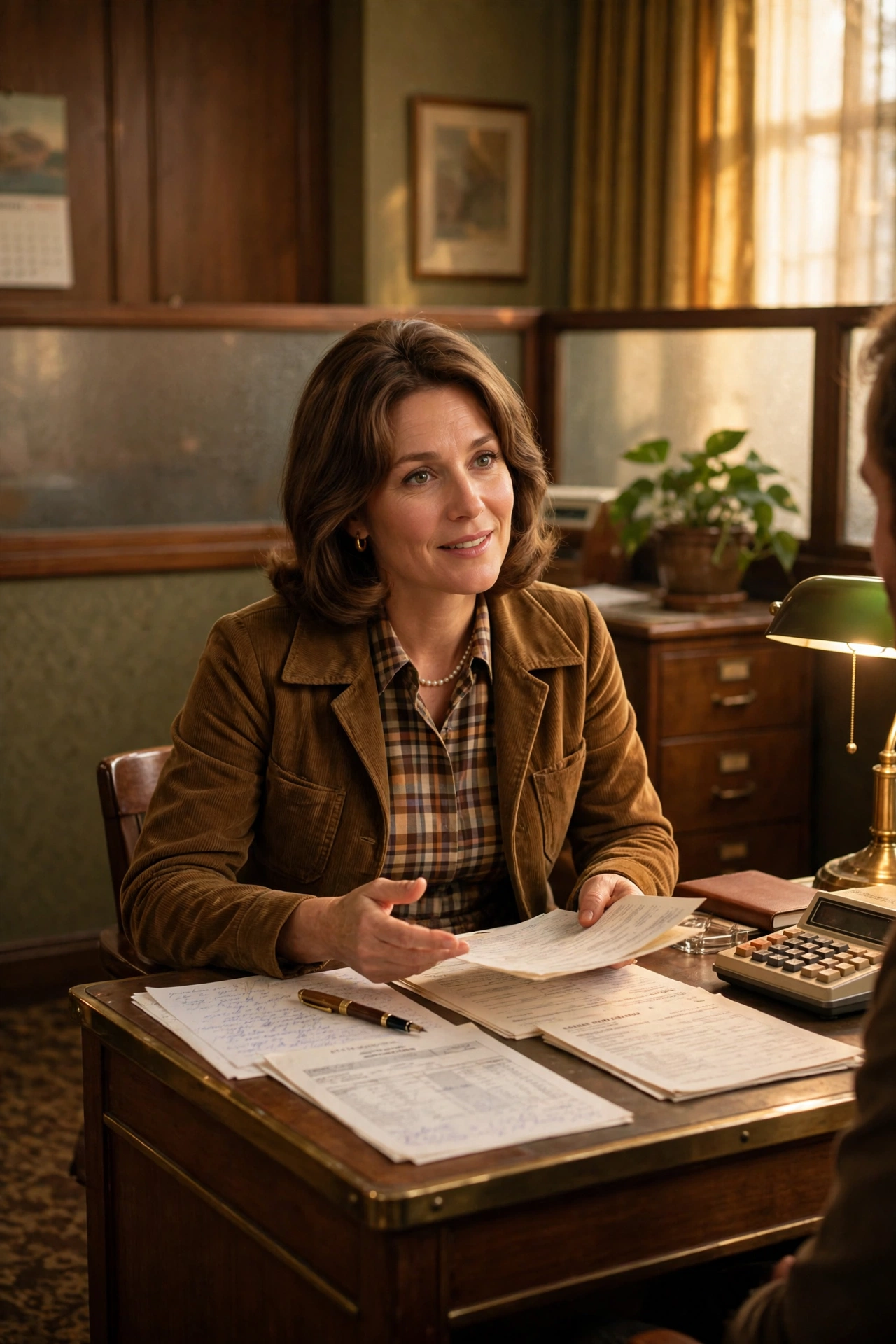
Perhaps the most startling entry on this list: in the United States, until the Equal Credit Opportunity Act of 1974, banks could legally refuse a woman a credit card in her own name — married women’s cards came through their husbands, and lenders routinely required a husband’s signature.
Women built households, ran budgets, and in many cases earned the money — and still could not hold the card. It is within the living memory of today’s grandparents that half the adult population needed permission to borrow.
What dates a practice is rarely the technology — it is the assumptions underneath it. One phone per house assumed a family was one unit. The milkman assumed an unlocked door was safe. The catalog assumed waiting was normal. Common knowledge, it turns out, has a shelf life of about one generation — which means a fair amount of what feels permanent today is already quietly becoming tomorrow’s disbelief.