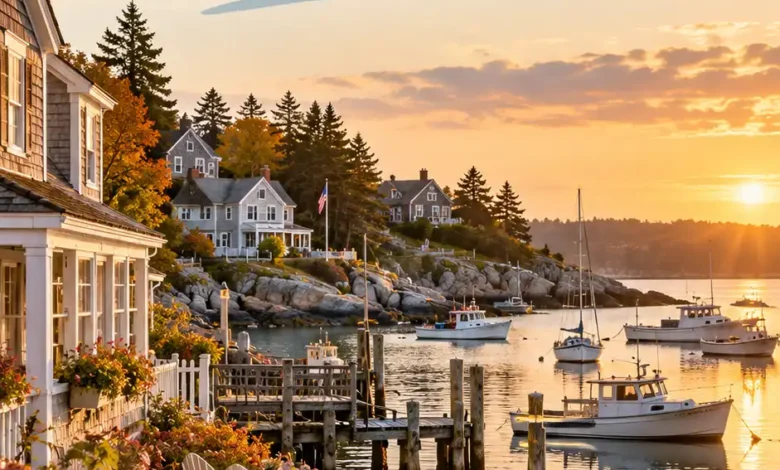
Summer gets most of the attention in America’s beach towns, but some coastal places become more appealing once peak season fades.
After Labor Day, the water may be cooler and a few seasonal businesses may shorten their hours, but the tradeoff can be worth it: quieter beaches, easier reservations, softer light, local festivals, migrating birds, crisp harbor walks, fall color, and a slower pace that makes a weekend feel longer.
These 10 towns were chosen because the shoulder season gives them a real second personality. Some shine in September and October, others stay appealing into November, and southern destinations can remain mild while northern ones become cozy and atmospheric.
One important rule: off-season does not mean everything is open. Always check current hotel, restaurant, ferry, park, tour, and attraction hours before traveling.
1. Ogunquit, Maine

Ogunquit in summer is energetic. Ogunquit in fall feels like the volume has been turned down.
The town’s official tourism guidance specifically describes spring and fall as quieter, peaceful times for the beach. That matters because Ogunquit is unusually walkable: the sandy shoreline, village center, Marginal Way, and Perkins Cove can fill a weekend without constant driving.
Why fall works
Cooler air makes the Marginal Way easier to linger on, beaches become ideal for long walks, and Perkins Cove feels more atmospheric when you can hear the water instead of peak-season noise.
Best for: Couples, seafood, art galleries, coastal walking, and classic Maine scenery.
Do after summer: Walk Marginal Way, explore Perkins Cove, take a low-tide beach walk, and plan one slow seafood meal.
Planning note: Some seasonal businesses reduce hours after mid-October, so verify dining and shop schedules.
2. Rockport, Massachusetts

Rockport is small enough that summer crowds can change its entire personality. After peak season, the compact harbor, galleries, seafood shops, rocky shoreline, and winding streets feel more like a village again.
Massachusetts tourism promotes Rockport as an artistic seaside town with a scenic harbor, coastal walks, beaches, shops, restaurants, and galleries. Fall also brings community events such as Harvest Fest.
Why stay overnight
Many people visit as a quick Cape Ann stop. Staying overnight lets you see the harbor early and after day visitors leave, when the town feels most peaceful.
Best for: Art lovers, photographers, couples, and Boston-area weekenders.
Do after summer: Walk Bearskin Neck, explore galleries, photograph the harbor early, and add a Cape Ann coastal drive.
Planning note: Festival weekends can still be busy, so check the local event calendar if quiet is your priority.
3. Cape May, New Jersey

Cape May becomes more interesting when swimming stops being the main reason to visit.
After summer, Victorian architecture, bird migration, lighthouse walks, wineries, restaurants, historic tours, and long beach walks take center stage. Recent 2026 travel coverage specifically highlighted Cape May as a strong fall destination with fewer summer crowds.
Why autumn changes the trip
You can spend more time exploring the town on foot, visit Cape May Point, and enjoy the beach as landscape rather than only a swimming spot.
Best for: Couples, architecture, birding, wine, history, and Northeast fall trips.
Do after summer: Walk historic streets, visit Cape May Point, explore the lighthouse area, and add a birding stop.
Planning note: Fall birding and festival weekends can still draw crowds. Weekdays are often much calmer.
4. Lewes, Delaware
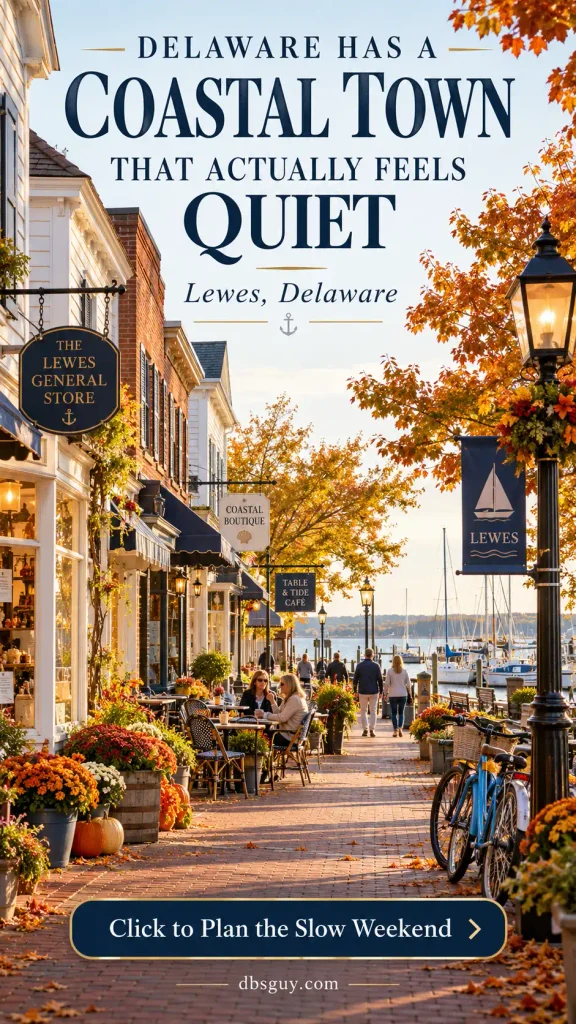
Lewes has long been the quieter choice among Delaware beach destinations.
Visit Delaware describes it as quiet, historic, friendly, and well suited to strolling boutique-lined streets and waterfront dining. Cape Henlopen State Park sits nearby, adding dunes, trails, beaches, maritime history, and open coastal scenery.
The best slow-day rhythm
Walk the historic center in the morning, eat somewhere local, spend the afternoon at Cape Henlopen, then return to town for dinner.
Best for: Couples, history, biking, quiet beaches, and Mid-Atlantic weekenders.
Do after summer: Explore historic streets, Cape Henlopen, waterfront paths, and local restaurants.
Planning note: Coastal Delaware can feel cooler and windier than inland forecasts suggest, so pack layers.
5. Beaufort, North Carolina

Beaufort is a coastal town where the harbor matters more than the beach, which is one reason it works so well after summer.
The historic district, marina, waterfront restaurants, maritime history, and nearby islands still make sense when the weather cools. Visit North Carolina lists comfortable fall temperatures for the Crystal Coast, making walking and outdoor time especially appealing.
Why the slower season fits Beaufort
Walk the waterfront, explore historic streets, visit maritime attractions, and take a boat outing if seasonal schedules allow.
Best for: Couples, maritime history, boating, and Southern coastal-town atmosphere.
Do after summer: Walk the boardwalk, explore the historic district, visit maritime sites, and check boat-tour options.
Planning note: Early fall is still hurricane season, so monitor forecasts and cancellation policies.
6. Apalachicola, Florida
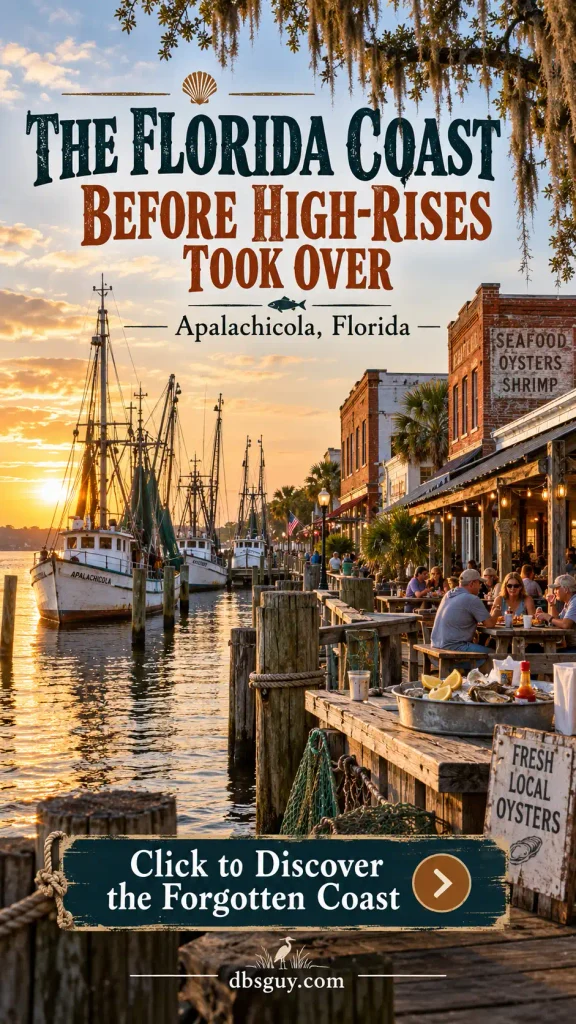
Apalachicola is not a conventional beach town, and that is exactly why it belongs here.
It sits on Florida’s Forgotten Coast, a region known for low-rise coastal communities, historic character, fishing, wildlife, and a slower pace. Current 2026 regional guidance highlights cooler fall conditions and strong seasonal fishing.
What makes it worth the trip
Come for seafood, riverfront history, galleries, Old Florida atmosphere, and easy access to nearby St. George Island and the surrounding estuary.
Best for: Food lovers, anglers, couples, photographers, and travelers tired of resort-style Florida.
Do after summer: Eat local seafood, walk downtown, drive toward St. George Island, and spend time near the bay.
Planning note: Early fall remains hurricane season. Flexible bookings are wise.
7. Port Townsend, Washington
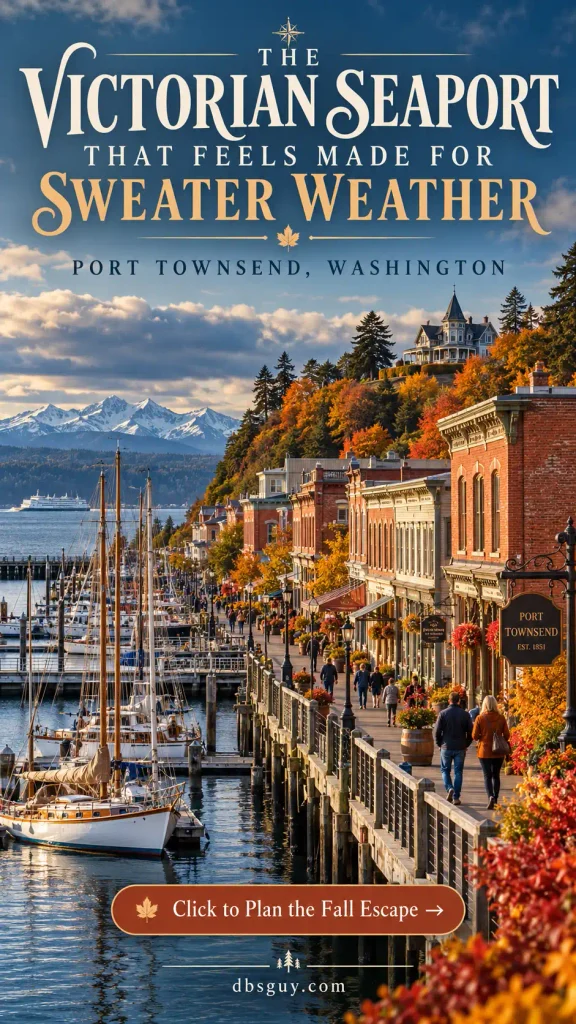
Port Townsend already feels slightly out of step with the present in the best possible way.
The Victorian seaport sits at the northeastern edge of the Olympic Peninsula, with historic commercial streets along the water and old homes climbing the bluff above. Local tourism has long promoted October for crisp air, fall color, marinas, trails, cider, and community events.
Why cooler weather improves the mood
Architecture, bookshops, cafés, maritime culture, Fort Worden, and beach walks all suit a jacket better than a beach towel.
Best for: Architecture, artists, boating culture, couples, and Pacific Northwest road trips.
Do after summer: Walk Water Street, explore Fort Worden, take a beach walk, and wander the hilltop Victorian neighborhoods.
Planning note: Rain and wind are normal parts of fall travel here. Bring waterproof layers.
8. Cannon Beach, Oregon

Cannon Beach does not need warm weather to look good.
Clouds, mist, wet sand, and rougher surf often make the Oregon Coast feel more like itself. The local tourism organization promotes Cannon Beach as a year-round destination, with nearly four miles of beach, Haystack Rock, Ecola State Park, galleries, cafés, and seasonal wildlife viewing.
The appeal is atmosphere, not beach weather
Walk early, let weather change your plans, browse galleries when rain arrives, then return to the beach when the light changes.
Best for: Couples, photographers, storm-watchers, artists, and hikers.
Do after summer: Walk the beach, explore Ecola State Park when conditions allow, visit galleries, and watch sunset safely.
Planning note: Check tide charts and coastal weather. Powerful surf and sneaker waves deserve respect.
9. Mendocino, California

Mendocino is a California coast destination where cooler weather adds character instead of taking something away.
Visit California describes the village as an artsy coastal hamlet framed by pounding surf, rocky headlands, cottages, and Victorian architecture. Trails begin almost at the edge of town, while galleries, food, and nearby redwoods give you options when the weather changes.
Let fog be part of the trip
A gray morning is not a failed beach day here. Walk the headlands, browse galleries, have a long meal, and drive only when you genuinely want to explore nearby Fort Bragg or redwood country.
Best for: Couples, artists, photographers, and coastal hikers.
Do after summer: Walk Mendocino Headlands, explore galleries, take a North Coast drive, and leave time for dinner.
Planning note: Highway travel is winding and often slower than the mileage suggests.
10. Camden, Maine

Camden gives you something most coastal towns cannot: a harbor and mountain view in the same frame.
The village sits on Penobscot Bay beneath the Camden Hills, so fall color becomes part of the coastal scenery rather than something you have to drive inland to find. Maine’s official foliage guidance includes Camden in its coastal fall-color region, where peak color typically arrives later than in northern Maine.
Why Camden makes a strong fall weekend
Walk town and harbor one day, then hike or drive toward a higher viewpoint the next. That simple change in elevation transforms the view of the coast.
Best for: Couples, fall foliage, sailing atmosphere, hiking, and New England road trips.
Do after summer: Walk the harbor, explore downtown, visit Camden Hills State Park when conditions allow, and find a high viewpoint over Penobscot Bay.
Planning note: Foliage timing changes every year. Check Maine’s current report close to your trip.
Which Post-Summer Coastal Town Should You Choose?
For the classic Maine beach walk: Ogunquit.
For a tiny art-and-fishing harbor near Boston: Rockport.
For Victorian architecture and fall birding: Cape May.
For a historic Mid-Atlantic town beside a state park: Lewes.
For a Southern harbor with maritime history: Beaufort.
For seafood and Old Florida atmosphere: Apalachicola.
For Victorian architecture and Pacific Northwest mood: Port Townsend.
For dramatic weather and an iconic Oregon beach: Cannon Beach.
For California cliffs, art, and fog: Mendocino.
For fall foliage rising above a Maine harbor: Camden.
How to Plan an Off-Season Coastal Weekend Without Getting Caught Out
Check what is actually open
Restaurants, boat tours, visitor centers, ferries, and seasonal attractions may operate fewer days or shorter hours. Build your trip around places you have confirmed are open.
Choose lodging for atmosphere, not only location
In fall, an ocean view, fireplace, porch, comfortable lobby, or walkable inn can become part of the trip if wind or rain slows the day down.
Pack for the coast, not the inland forecast
Wind makes temperatures feel colder near open water. Bring layers, a waterproof shell, and shoes you do not mind getting wet.
Respect the ocean more after summer
Storm systems, larger surf, high tides, slippery rocks, and colder water can make the shoreline more dangerous even when it looks beautiful. Follow beach warnings and stay on safe routes.
Let shorter days change the itinerary
Do the trail, park, lighthouse, or scenic drive first. Save galleries, cafés, bookstores, and dinner for later in the day.
Do not assume every fall weekend is cheaper
Shoulder season can bring better availability, but foliage weekends, weddings, festivals, and holiday events can still create price spikes. Compare your exact dates.
Final Thoughts
Summer makes coastal towns easy to understand.
Beach. Sun. Ice cream. Boats. Crowds.
After summer, the personality gets more interesting.
Ogunquit becomes a walking town. Rockport becomes a harbor again. Cape May trades beach-day energy for architecture and migration season. Lewes slows into history and state-park walks. Beaufort lets its waterfront breathe. Apalachicola feels more like Old Florida than a vacation product. Port Townsend becomes even more Victorian under gray-blue Northwest light. Cannon Beach gets dramatic. Mendocino gets moodier. Camden turns autumn color into part of the ocean view.
The best post-summer coastal trip is not about pretending the season never changed.
It is about choosing a place that becomes better because it did.