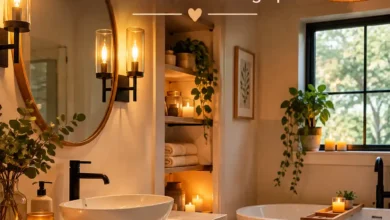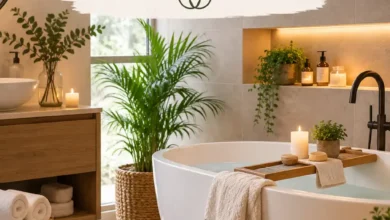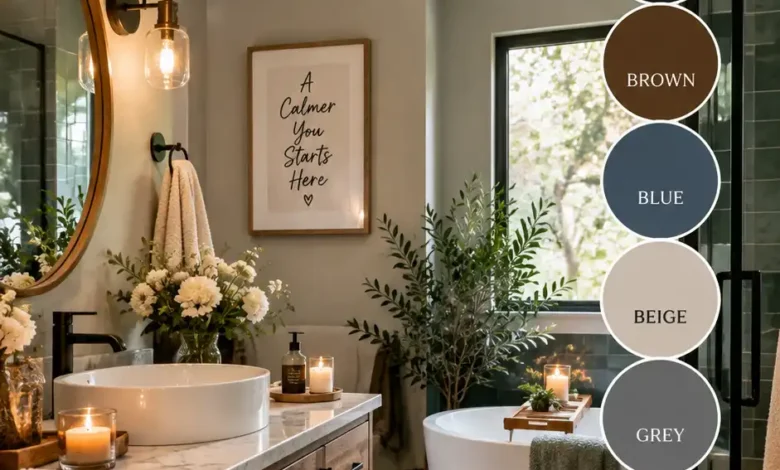
Creating a personal sanctuary begins with cozy bathroom color palette ideas. Whether you prefer the depth of darker tones or neutral shades, color shapes each morning routine.

Cozy bathroom color palette ideas (black, brown, blue, beige, grey, green) show how pigments influence your space. Thoughtful lighting and texture can complement your chosen wall finish, creating a truly relaxing environment.
You will learn to blend shades effectively, even in compact areas. We cover durable materials and accessories for homeowners creating a stylish, livable retreat.
Key Takeaways
- Understand how different shades impact the overall mood of your space.
- Learn to balance bold tones with soft, neutral foundations.
- Discover techniques for making small rooms feel more open and inviting.
- Explore how texture and lighting enhance your chosen design scheme.
- Get expert advice on selecting finishes that stand the test of time.
Cozy bathroom Color Palette Ideas (black, brown, blue, beige, grey, green)
Creating a cozy retreat in your bathroom begins with thoughtful color choices. The right hues can transform a functional room into a personal sanctuary. These cozy bathroom color palette ideas establish a stylish, comforting foundation.

How color temperature creates a cozy bathroom
Color temperature shapes how a room feels as soon as you enter. Warm colors like brown and beige encourage relaxation by recalling sunlight. In contrast, cool colors such as blue and grey create a crisp, refreshing atmosphere that feels clean and modern.
Neutral tones connect these contrasting temperatures. They create a balanced backdrop for adding warmth or coolness according to your mood. Understanding color temperature helps your design feel intentional rather than accidental.
Balancing dramatic, earthy, cool, and soft shades
A professional look depends on balancing different color intensities. Dramatic shades like black add depth and sophistication, while earthy green and brown connect the room with nature. Soft, muted versions keep these colors from overwhelming the space.
The best soothing bathroom colors often combine these categories. For example, a dramatic black vanity with soft beige walls creates visual harmony. This balance keeps your bathroom restful instead of visually cluttered.
Choosing a dominant color, supporting color, and accent
A well-designed bathroom usually includes one dominant color, one supporting color, and a smaller accent. The dominant shade covers the largest surfaces, including walls or large tile areas. The supporting color adds interest through cabinetry or flooring, while the accent adds personality through fixtures and decor.
Using the 60-30-10 color rule
The 60-30-10 rule provides a simple framework for organizing your design. Use 60% of the room for the primary color, 30% for the secondary color, and 10% for the boldest accent. This ratio prevents one shade from dominating and supports a balanced, professional look.
| Color Category | Primary Effect | Best Usage |
|---|---|---|
| Black | Sophisticated Drama | Fixtures and Hardware |
| Brown/Beige | Earthy Warmth | Walls and Textiles |
| Blue/Green | Calm Serenity | Tile and Cabinetry |
| Grey | Modern Neutral | Flooring and Paint |
Black Bathroom Decor for a Sophisticated, Cozy Look
Many homeowners shy away from dark tones, but black bathroom decor offers unmatched sophistication. With care, this bold choice creates a cocoon-like atmosphere that feels modern and deeply relaxing.

Pairing matte black with warm wood and natural textures
The key is balancing black’s intensity with organic elements. Matte black fixtures, including faucets and shower heads, look striking against natural wood vanities. Incorporating raw materials such as stone, jute, or bamboo grounds the room and keeps it from feeling too clinical.
Softening black tile, vanities, and hardware with creamy accents
Black tile and dark cabinetry become softer with creamy, off-white, or beige textiles. These lighter tones create a visual bridge, making the room feel inviting rather than imposing. A soft ivory rug or plush towels provide gentle contrast and reveal the beauty of your black bathroom decor.
Creating a black-and-white bathroom that still feels inviting
Designers still favor the classic, high-contrast palette because it remains timeless. To keep it from feeling cold, layer different finishes instead of relying on flat colors. Mixing matte and glossy surfaces adds depth, while warm metallic hardware like brushed brass or copper brings luxury to the design.
Using lighting to prevent a black bathroom from feeling stark
Because black surfaces absorb light, lighting is the most critical element of your black bathroom decor. Do not rely on one overhead light; it can create harsh shadows. Instead, layer your illumination with vanity sconces, recessed ceiling lights, and even dimmable accent strips. This approach keeps the space warm and functional at any time of day.
Brown Bathroom Design with Warm Earthy Character
A brown bathroom design brings organic stability to your daily routine. Replacing stark clinical white creates a space connected to nature. This sophisticated palette suits many home styles.

Combining chocolate, espresso, taupe, and caramel shades
The key to a successful brown bathroom design is thoughtful layering. Mix several depths instead of relying on one flat tone. Begin with deep espresso for grounding elements, then add medium chocolate for warmth.
Taupe bridges darker shades and lighter surfaces. Add caramel accents for a golden, welcoming glow. This variety prevents a one-dimensional appearance and gives the room a professional designer finish.
Adding wood-look tile and walnut-inspired cabinetry
Texture matters when you use earthy palettes. Wood-look tile captures timber’s natural appearance while resisting bathroom moisture. It creates a seamless flow that feels luxurious and practical.
Walnut-inspired cabinetry becomes a striking focal point. Rich, swirling wood grains add character that paint cannot reproduce. Together, these elements keep the space warm and inviting instead of cold or sterile.
Balancing brown walls with light countertops and flooring
Balance dark walls with lighter accents to keep the room open. Crisp white or cream countertops create contrast and make brown tones stand out. Light flooring also prevents the space from feeling heavy or enclosed.
| Shade | Best Use | Effect |
|---|---|---|
| Espresso | Vanity or Hardware | Grounding |
| Chocolate | Wall Paint or Tile | Cozy |
| Taupe | Flooring or Textiles | Neutral |
| Caramel | Accessories | Highlight |
Choosing brown accents for rustic, organic, and modern bathrooms
Adapt your brown bathroom design to match your preferred style. For a rustic look, choose raw reclaimed wood textures and matte finishes. Organic spaces benefit from woven baskets and stone accents that highlight natural beauty.
For a modern look, choose sleek, high-gloss brown tiles with polished chrome fixtures. Adjusting accent scale and finish lets you control the retreat’s final mood.
Blue Bathroom Schemes for a Calm and Relaxing Space
Few colors capture the essence of a tranquil retreat like shades of blue. Whether you prefer bold drama or subtle color, a blue bathroom scheme creates a flexible foundation for restorative living. This color family evokes freshness and clarity, making it ideal for daily self-care rituals.

Using navy blue for an elegant, cocoon-like bathroom
For a sophisticated atmosphere, deep navy blue is an excellent choice. It creates an elegant, cocoon-like effect that feels intimate and luxurious. Applied to walls or cabinetry, this dark hue adds depth and drama to the space.
Creating an airy retreat with powder blue and soft white
If you prefer a lighter aesthetic, pair powder blue with crisp, soft white. This combination transforms a compact area into an airy, open retreat that feels bright and clean. It is a timeless approach that keeps the room visually fresh throughout the day.
Layering teal, slate blue, and denim-inspired accents
Homeowners seeking greater complexity can experiment by layering different tones. Teal, slate blue, and denim-inspired accents add character without overwhelming the senses. These mid-tone variations create a balanced, curated blue bathroom scheme.
Pairing blue with brass, chrome, wood, or brushed nickel
The room’s personality often depends on its hardware and materials. Brass fixtures bring a warm, vintage glow to blue walls, while chrome offers sharp, modern contrast. To ground the room, natural wood elements add organic warmth. brushed nickel provides a soft, understated finish that complements almost any shade of blue.
Beige Bathroom Inspiration for Soft, Timeless Warmth
If you want a timeless aesthetic, beige bathroom inspiration offers a strong starting point for your renovation. Neutrals may seem simple, yet they create a sophisticated foundation for a deeply relaxing sanctuary. By combining warm undertones, you can make the room feel grounded, welcoming, and comfortable.

Building a tonal beige bathroom with layered shades
A successful neutral design depends on careful layering. Rather than use one shade, mix varied depths to create visual interest. Pair sandy walls with creamy cabinetry and tan textiles to give the room greater depth.
Consider these shades for a rich, monochromatic look:
- Creamy whites for trim and ceilings.
- Soft sandy tones for wall paint or wallpaper.
- Deep taupe for towels and bath mats.
Using warm beige to make tile and stone feel more inviting
Porcelain tile and natural stone can sometimes feel cold or clinical. Warm beige variations soften these surfaces and make the entire room feel more welcoming. When light touches them, it creates a gentle glow that adds comfort to your daily routine.
“Neutral palettes are the canvas upon which a home’s personality is painted, providing a sense of calm that never goes out of style.”
Adding contrast with dark wood, black fixtures, or terracotta accents
To keep the room from feeling one-dimensional, introduce contrasting elements. Dark wood cabinetry creates an organic anchor against lighter walls. Likewise, matte black fixtures add modern definition to your beige bathroom inspiration.
For a rustic or Mediterranean mood, consider terracotta accents. These earthy tones pair well with beige, adding warmth and character to create a lived-in, cozy room.
Keeping beige from looking flat or overly traditional
The main challenge with a neutral palette is preventing a dull appearance. Focus on varied textures, including stone-look tiles, woven baskets, and plush linens, to avoid a flat design. Directional lighting can highlight these textures and keep the bathroom dynamic, modern, and fresh rather than dated.
Grey Bathroom Makeover Ideas That Feel Comfortable and Modern
Many homeowners fear grey can feel cold or clinical, yet the right design can turn it into a comfortable retreat. A thoughtful grey bathroom makeover considers how undertones shape the room’s mood. By choosing shades carefully, you can create a sanctuary that feels contemporary, personal, and inviting.

Choosing warm greige instead of cold gray
The key to successful design is understanding the undertones in your paint and tile. Cool grays may seem sterile, while greige blends grey and beige to bring warmth. This versatile neutral links the palette, giving walls a soft, welcoming look instead of a stark appearance.
Pairing charcoal accents with pale gray walls and tile
Contrast prevents a grey design from appearing flat. Use pale, airy grey on main walls to preserve openness. Then add charcoal accents through hardware, vanity mirrors, or framed art. These details ground the room and add modern sophistication.
Adding warmth through wood, woven baskets, and cream textiles
Natural materials can soften a monochromatic palette. Wood elements, such as a floating vanity or open shelving, add organic character. Pair them with woven baskets for storage and plush cream-colored towels for comfort. Together, these details make the room feel warm and lived-in.
Using grey with marble, concrete, or patterned surfaces
Visual movement keeps a grey space from feeling static. Consider marble countertops with grey veining or concrete-look floor tiles for subtle texture. You might also try patterned wall tiles in a shower niche, creating a focal point. This detail adds visual interest to your grey bathroom makeover.
Green Bathroom Aesthetics Inspired by Nature
Green bathroom aesthetics can make a bathroom feel grounded and refreshed. Nature-inspired choices can transform a standard room into a peaceful sanctuary connected to the outdoors.

Creating a restful retreat with sage and eucalyptus green
For green bathroom aesthetics, choose soft, muted shades such as sage and eucalyptus to create a calm atmosphere. These plantlike colors may lower stress after a long day. They suit smaller spaces because they feel light and airy without losing character.
Using deep forest and olive green for a dramatic effect
Green bathroom aesthetics can also embrace deep forest or rich olive green for a bolder look. These darker shades add sophistication and depth to walls or cabinetry. Used carefully, they create a cozy, cocoon-like setting that feels luxurious and intimate.
Pairing green with beige, brown, black, or warm white
Green bathroom aesthetics pair well with a range of neutral colors. Beige or warm white keeps the room bright and clean. For an earthy, grounded feel, add dark brown accents or matte black hardware for sharp, modern contrast.
Bringing in botanical patterns without overwhelming the room
Green bathroom aesthetics work best with restrained repetition rather than patterns on every surface. A single botanical wallpaper accent wall or several plant-themed artwork pieces can create significant impact. This strategy keeps the room a relaxing retreat instead of a cluttered space.
| Green Shade | Best Pairing | Primary Effect |
|---|---|---|
| Sage | Warm White | Serene & Airy |
| Eucalyptus | Beige | Soft & Relaxing |
| Forest | Black | Dramatic & Bold |
| Olive | Brown | Earthy & Grounded |
Warm and Cool Color Combinations That Work Together
A balanced sanctuary often blends warm and cool shades. Careful control of saturation and undertones helps opposing temperatures coexist beautifully. This method prevents the room from feeling sterile or overly heavy.

Black and beige for polished contrast
Incorporating black bathroom decor into a beige space creates instant luxury. Warm beige softens black’s intensity, keeping the room from feeling cold. Use black for hardware and fixtures, while walls and floors remain creamy and neutral.
Brown and blue for an earthy, balanced palette
A brown bathroom design gains depth from cool blue accents. Pair deep espresso wood cabinetry with slate blue tiles or wall paint. This combination reflects nature, grounds the room, and preserves a fresh, airy feeling.
Green and grey for a nature-inspired modern scheme
To elevate your green bathroom aesthetics, introduce cool grey elements. Sage green walls appear sophisticated beside charcoal grey stone flooring or vanity tops. This modern scheme feels organic yet refined, making it ideal for a spa-like retreat.
Blue and beige for a light coastal bathroom
A blue bathroom scheme feels more inviting with warm beige textures. Together, these colors create a light, coastal atmosphere reminiscent of a relaxing beach getaway. Use sandy beige towels and woven baskets to balance crisp blue walls or vanity finishes.
Repeating accent colors across tile, textiles, and hardware
Repeat your chosen accent colors throughout the room to create a cohesive palette. Consistency gives the design a professional appearance. Consider these simple ways to connect each element:
- Match your brushed gold or matte black hardware to small details in your artwork.
- Use the same tile color for both the shower niche and the backsplash.
- Coordinate your plush bath towels with the undertones found in your floor tile.
- Select accessories like soap dispensers or mirrors that echo your primary accent shade.
Layered Neutral Palettes for a Cozy Bathroom Retreat
A cozy bathroom retreat depends on the quiet harmony of soft neutral shades. Moving beyond high-contrast design creates a sophisticated, timeless aesthetic. These cozy bathroom color palette ideas emphasize subtle shifts between light and shadow, creating a sanctuary that feels grounded yet airy.

Combining beige, cream, greige, taupe, and soft grey
Successful neutral rooms depend on carefully chosen undertones. Combining warm beige bathroom inspiration with cooler soft grey prevents the space from feeling flat. Use creamy white trim to connect taupe walls with greige cabinetry.
Adding depth with tonal tile and textured wall finishes
Texture matters most when you limit the color range. A grey bathroom makeover gains immediate interest from matte stone tiles paired with glossy ceramic accents. Limestone or travertine can give the walls a natural, tactile quality.
Using dark brown or black as a grounding accent
Even a room filled with soft neutrals needs a focal point to anchor its design. Dark brown wood or matte black hardware provides contrast, preventing the space from feeling washed out. These deep tones frame and highlight lighter, layered surfaces.
Creating visual interest without relying on bold color
You can create a high-end look by emphasizing varied shapes and materials instead of vibrant hues. Organic curves in mirrors or distinctive floor-tile patterns add personality. This approach keeps the bathroom peaceful, curated, and intentional.
| Material Type | Neutral Shade | Visual Effect |
|---|---|---|
| Matte Ceramic | Cream | Softens light reflection |
| Natural Stone | Taupe | Adds organic depth |
| Brushed Metal | Black | Provides sharp contrast |
| Woven Fabric | Greige | Introduces cozy warmth |
Cozy Color Palettes for Small Bathrooms and Powder Rooms
Small bathrooms create distinct design challenges, yet carefully chosen hues can make them feel unexpectedly spacious. With soothing bathroom colors, a cramped powder room can become a peaceful sanctuary that seems larger than its actual footprint.
Using light colors to make a compact bathroom feel more open
Light, airy shades suit a tiny space particularly well. Soft white, light beige, and pale grey reflect light throughout the room, visually softening the boundaries between walls. Gentle green and soft blue also add depth without overwhelming the senses.
- Soft White: Creates a clean, crisp backdrop that maximizes natural light.
- Light Beige: Adds a layer of warmth that feels inviting rather than sterile.
- Pale Blue or Green: Introduces a spa-like quality that keeps the room feeling fresh.
Applying dark blue, green, or black in controlled areas
A small bathroom does not require you to avoid bold shades. Applied in controlled areas, dark, moody colors can add luxury and architectural interest. Try a deep navy or forest green on the vanity wall, a recessed niche, or lower cabinets.
Darker tones ground the design and create sophisticated contrast against lighter walls. Used sparingly, these soothing bathroom colors keep the room from feeling like a dark box while preserving a high-end, cozy aesthetic.

Extending one color across walls, trim, and cabinetry
Painting the walls, trim, and cabinetry the same color is an effective small-space design strategy. This technique removes visual breaks, encouraging the eye to read the room as one continuous space. It works especially well with monochromatic palettes, creating a seamless and calm environment.
Making a small bathroom feel larger with reflective finishes
Consider paint and fixture finishes to strengthen the room’s sense of space. High-gloss or satin finishes on trim and cabinetry reflect light, distributing brightness throughout the room. Combined with soothing bathroom colors, these surfaces help even the smallest powder room feel open, airy, and perfectly cozy.
Bathroom Lighting That Makes Every Color Feel Warmer
Your color palette can change dramatically with the quality of light in your space. Natural light acts as a moving canvas, changing walls and fixtures throughout the day.
Understanding how natural light changes black, brown, blue, beige, grey, and green
Darker tones like black and brown may feel heavy in low light but gain a sophisticated depth under the morning sun. A blue bathroom scheme often feels crisp and cool during daylight, yet may appear moody after sunset. Beige and grey reflect their surroundings, shifting their undertones as the day changes.
Green tones respond strongly to changing light. green bathroom aesthetics look vibrant and fresh in bright, natural light, then develop a grounded, forest-like quality by evening.

Choosing warm-white bulbs for a relaxing atmosphere
To maintain a cozy environment, choose artificial lighting with care. We recommend warm-white bulbs, which typically range from 2700K to 3000K on the Kelvin scale. They cast a soft, golden glow that keeps your bathroom from feeling sterile or clinical.
Layering vanity, ceiling, and accent lighting
Effective lighting design uses layers to balance function and comfort. Begin with ceiling lights for general illumination, then add vanity lights to reduce harsh facial shadows. Finally, consider accent lighting, such as LED strips under cabinets, for a luxurious, spa-like atmosphere.
Testing paint and tile samples throughout the day
Before finalizing your design, study materials under different lighting conditions. Check paint swatches and tile samples in the morning, afternoon, and evening. This step helps ensure your colors remain consistent and welcoming under every light source.
| Lighting Type | Best Use Case | Effect on Color |
|---|---|---|
| Warm White (2700K) | Relaxing, cozy vibes | Enhances browns and beiges |
| Neutral White (3500K) | Task-oriented areas | Keeps blues and greens crisp |
| Cool White (4000K+) | Modern, bright spaces | Makes black and grey look sharp |
Tile, Paint, Fixtures, and Materials for a Cozy Palette
A professional-looking bathroom depends on layered textures and finishes. Materials that complement one another create an intentional, calm atmosphere. A successful brown bathroom design uses natural wood grains, matte stone, and warm metal hardware for a grounded, inviting room.

Selecting paint finishes for humid bathroom conditions
Bathrooms hold high moisture, so they require specific paint formulations. Choose satin, semi-gloss, or high-gloss finishes to resist mildew and simplify cleaning. These finishes reflect light, helping darker colors feel less heavy in small spaces.
“The right finish is the unsung hero of bathroom design, protecting your walls while elevating the depth of your chosen color palette.”
Matching floor and wall tile to the overall color story
Tile establishes your room’s personality. To create cohesion, consider how floor-tile undertones interact with wall color. For a warm, earthy aesthetic, pair large-format stone tiles with smaller, textured wall mosaics to create sophisticated visual rhythm.
Consistency matters when blending materials. Match grout to the tile for a seamless look, or use sharp contrast to emphasize your layout’s geometry.
Choosing fixtures that reinforce the palette
Fixtures are the bathroom’s jewelry. They should provide the final touch that connects your color story. Whether you favor minimalism or a bold, dramatic statement, hardware choices establish the room’s final mood.
Using brass, bronze, chrome, black, or nickel as intentional accents
The metal finish can significantly change your space’s temperature. Consider these options to refine your brown bathroom design or another color scheme:
- Brass and Bronze: These warm metals enhance earthy tones and add a touch of vintage luxury.
- Matte Black: Perfect for creating a modern, high-contrast look that grounds lighter wall colors.
- Chrome and Nickel: These cool-toned metals provide a crisp, clean finish that balances out warmer, darker palettes.
Careful selection makes your bathroom functional and creates a beautiful, cohesive retreat. Every material choice contributes to your home’s overall comfort and style.
Textiles and Accessories That Add Comfort and Personality
Turning your bathroom into a sanctuary often depends on carefully chosen finishing touches. These details let you explore cozy bathroom color palette ideas without painting walls or replacing tile.

Choosing plush towels and bath mats in coordinating colors
Soft textiles offer an easy way to introduce texture and visual depth. Choosing towels and bath mats within your primary color scheme creates a cohesive and inviting look. Layering shades of one color can make a small room feel more luxurious.
Adding warmth with wood stools, woven baskets, and natural fibers
Natural materials ground a room while adding organic warmth. A small wooden stool or woven baskets can soften the coldness of ceramic tile or stone. These pieces add a tactile quality that makes the space resemble a spa retreat.
Using artwork, mirrors, and shower curtains as color accents
Wall art and shower curtains provide a canvas for your personal style. Use them to add bold color or subtle patterns that unify the design. Mirrors reflect light, making your chosen cozy bathroom color palette ideas feel more expansive.
Keeping accessories practical, moisture-resistant, and easy to clean
Aesthetic appeal matters, but function comes first in a humid environment. Choose materials that resist mold and mildew, including treated wood, high-quality cotton, or rust-proof metals. Items that are simple to wash or wipe down help keep your bathroom beautiful and hygienic throughout the seasons.
How to Choose the Best Palette for Your Bathroom
Use beige bathroom inspiration as a starting point, then consider how your bathroom’s physical features shape color decisions. Evaluate the room’s footprint and natural light throughout the day.
Considering room size, existing finishes, and natural light
Small bathrooms often benefit from lighter, reflective tones that create an illusion of openness. Without windows, warmer artificial lighting can keep colors from appearing flat or cold.
Assess permanent fixtures, including flooring and vanity countertops. These elements establish your color story and should guide the palette’s direction.

Matching color intensity to the desired mood
The intensity of your colors should match the atmosphere you want to create. For a quiet, spa-like retreat, choose soft, muted tones that soothe the senses.
If you prefer a dramatic statement, deep shades like navy or forest green can add significant character. An airy escape depends on pale, ethereal hues, while an earthy atmosphere needs rich browns and warm textures.
Building a sample board before committing to paint or tile
Never finalize your design without a physical sample board. Collect paint swatches, tile fragments, countertop samples, and small pieces of wood or metal hardware.
Place these items together in the bathroom to observe their interaction under its specific lighting. This hands-on approach prevents costly mistakes and keeps every element harmonious.
Avoiding mismatched undertones between colors and materials
One common pitfall involves ignoring subtle undertones in materials. When seeking beige bathroom inspiration, you may find beiges with yellow, pink, or grey undertones.
If you pair cool-toned grey tile with warm, yellow-based beige paint, the result may appear muddy or disjointed. Ensure your neutrals share a similar temperature for a polished and cohesive look throughout the room.
Common Cozy Bathroom Color Mistakes to Avoid
If your recent bathroom project feels chaotic or cold, common design pitfalls may be responsible. Even beautiful shades can clash without a clear strategy. Recognizing these errors helps create an inviting space instead of an overwhelming one.
Using too many competing colors in one space
A common mistake is combining too many bold hues. Too many competing colors leave the eye nowhere to rest, weakening the cozy atmosphere you want. Choose one primary color, one secondary shade, and one or two subtle accents for balance.
Ignoring undertones in beige, grey, blue, and green
Colors are rarely as simple as they look on a paint chip. Hidden undertones in beige or grey can make a room feel sickly or mismatched. Test paint samples in the actual bathroom light before covering a full wall.

Making a dark bathroom feel closed in
While black bathroom decor can look sophisticated, it requires careful planning to prevent a cramped feeling. Balance dark walls with reflective surfaces, mirrors, or warm lighting. Without those elements, the room may feel like a cave instead of a spa-like retreat.
Choosing trendy colors without considering long-term comfort
Following design fads is tempting, but trends often fade faster than bathroom tile. A color that looks great on social media may not provide lasting comfort during your daily routine. Choose timeless shades that help you relax instead of colors that merely look “current.”
Correcting an unbalanced palette with paint, textiles, and lighting
If your palette feels unbalanced, a full renovation is unnecessary. A simple grey bathroom makeover can replace harsh lighting with warmer bulbs or add soft, plush textiles. Use the following table to match potential issues with simple, cost-effective solutions:
| Common Issue | Quick Fix | Impact |
|---|---|---|
| Room feels cold | Add wood accents | Increases warmth |
| Space feels cramped | Install large mirrors | Adds depth |
| Colors feel chaotic | Use neutral towels | Softens the look |
These small adjustments can transform a disjointed room into a cohesive sanctuary. Remember that comfort is the ultimate goal in any bathroom design. When uncertain, use soft textures and warm lighting to ground your color choices.
Conclusion
A stylish, comfortable retreat begins with the right hues. Black brings depth, brown adds warmth, and blue introduces serenity; each choice shapes the room. Beige, grey, and green provide distinct ways to ground your design. These Cozy bathroom color palette ideas (black, brown, blue, beige, grey, green) offer a versatile foundation for any home.
Success depends on balancing undertones, textures, and lighting. Consider your room size and natural light before choosing a specific shade. Test samples on your walls to observe how colors change throughout the day. This simple step helps ensure your vision matches your space’s reality.
Layered textiles and accessories can adjust your bathroom’s mood. Repeating accent colors in towels or bath mats creates a cohesive look. Using soothing bathroom colors offers a practical way to create a relaxing environment that reflects your personal style. Start your transformation today and enjoy a space that feels truly inviting.
FAQ
What is the 60-30-10 rule for cozy bathroom color palette ideas?
The 60-30-10 rule is a helpful designer framework: 60% of the room uses a dominant color, usually walls or large tiled areas. Use 30% for a secondary color, such as a Kohler vanity or floor tile, and 10% for accents, including towels, hardware, or art. This ratio keeps your cozy bathroom color palette ideas balanced, professional, and visually relaxing.
How can I incorporate black bathroom decor without making the space feel too dark?
To use black bathroom decor successfully, balance is essential. Pair matte black fixtures from brands like Delta or Moen with warm wood textures and creamy off-white walls. Layered lighting, such as backlit mirrors and warm-white LED sconces, limits darkness and keeps the atmosphere sophisticated rather than stark.
What makes a brown bathroom design feel modern rather than dated?
A contemporary brown bathroom design uses rich, layered earth tones like espresso, taupe, and caramel. Instead of flat brown paint, use organic materials like walnut cabinetry or wood-look porcelain tile from Daltile. Light quartz countertops and brass accents balance these deeper shades, creating a grounded, high-end aesthetic.
Which blue bathroom scheme is best for creating a spa-like retreat?
For a serene atmosphere, a blue bathroom scheme featuring soft powder blue or misty slate works well. For a more “cocoon” feel, pair deep navy with brushed nickel fixtures for elegant, quiet luxury. Both choices are excellent soothing bathroom colors that promote relaxation after a long day.
How can I ensure my beige bathroom inspiration looks stylish and not boring?
Great beige bathroom inspiration depends on varied textures and undertones. Combine sandy-hued travertine stone with textured linen-look wallpaper or a reclaimed wood stool. Add a grounding element, such as matte black hardware or dark charcoal textiles from Brooklinen, to make the neutral palette pop.
What are the best tips for a successful grey bathroom makeover?
During a grey bathroom makeover, choose “greige,” a warm grey-beige, instead of cool, blue-toned greys, which can feel clinical. Add natural warmth with woven baskets, plush cream rugs, and teak wood accents. These elements keep grey surfaces from feeling cold or impersonal.
How do I achieve nature-inspired green bathroom aesthetics?
To master green bathroom aesthetics, choose shades found in forests or gardens, such as sage, eucalyptus, or olive. These colors pair beautifully with terracotta accents and warm white tiles. For a darker forest green vanity, use Brizo hardware in a luxe gold finish to keep the look polished and inviting.
Are there specific soothing bathroom colors recommended for small, windowless spaces?
In smaller bathrooms, soothing bathroom colors like pale grey, light beige, and soft seafoam green make the room feel more open. However, don’t be afraid of “color drenching.” Paint the walls, trim, and ceiling in one mid-tone green or blue. This can blur room boundaries and create a seamless, incredibly cozy environment.
How does lighting affect my chosen bathroom color palette?
Lighting is the “secret ingredient” for any palette. Natural light makes blue and green shades more vibrant. warm-white LED bulbs (around 2700K to 3000K) make brown, beige, and black tones feel welcoming. Test paint and tile samples at different times to see how colors shift from morning to night.