Turning your outdoor area into a productive oasis lets you enjoy fresh herbs, vegetables, and edible flowers near your door. Whether you have a sprawling lawn or modest patio, these backyard kitchen garden ideas provide practical ways to improve home cooking. Growing your own food connects you with nature and supplies delicious, organic ingredients for every meal.

Careful planning is the foundation of a successful garden. Assess sunlight, drainage, and convenient access to water before choosing a location. Select crops suited to your specific United States climate for a bountiful harvest throughout the seasons.
These backyard kitchen garden ideas cover versatile layouts, including raised beds, vertical systems, and space-saving containers. Family-friendly designs can make maintenance simple and enjoyable for everyone. Prepare to cultivate a beautiful, functional space that brings your culinary dreams to life.
Key Takeaways
- Prioritize locations with ample sunlight and easy access to water sources.
- Choose plant varieties that are well-suited to your local climate zone.
- Utilize vertical structures to maximize growth in small or compact areas.
- Incorporate raised beds to improve soil quality and drainage for your crops.
- Design your layout to be accessible and engaging for the entire family.
Backyard Kitchen Garden Ideas for a Fresh, Functional Outdoor Space
A well-designed kitchen garden connects your love of cooking with the joy of gardening. By using backyard kitchen garden ideas in your landscape, you create a space that is both beautiful and useful. Your outdoor area becomes a living pantry, supplying fresh ingredients within easy reach.

What makes a kitchen garden both attractive and productive
An effective garden layout balances visual appeal with productive, high-yield planting. You can add decorative borders filled with flowers that attract pollinators beside your vegetable rows. Clearly organized paths let you reach each plant without compacting the soil, which simplifies maintenance.
A small seating area lets you enjoy your work while you garden. Together, these elements turn your garden into a peaceful retreat, not merely another chore. Thoughtful design keeps harvesting easy and enjoyable, even on busy weeknights.
Choosing a design that fits your cooking habits, yard, and climate
Your outdoor kitchen garden design should reflect the meals you prepare most often. If you love fresh salads, place leafy greens and herbs near your back door. For hearty stews, focus on root vegetables and aromatics that thrive in your local climate.
Consider your yard’s size and available sunlight before you begin planting. Matching crops to your cooking habits prevents wasted space and ensures a steady supply of ingredients throughout the season. By tailoring the garden to your lifestyle, you create a truly functional space that supports your culinary passions.
Plan the Perfect Outdoor Kitchen Garden Design
A successful outdoor kitchen garden design begins with careful planning and strategic observation. Before breaking ground, watch how sunlight and water move through your yard for several days. This preparation turns creative backyard kitchen garden ideas into a thriving reality.

Map sunlight, shade, drainage, and convenient access
Most vegetables and herbs need six to eight hours of direct sunlight each day. Observe your yard morning and afternoon to find areas that stay sunny or fall into deep shade. Proper drainage is equally vital, because standing water can quickly rot delicate root systems.
“By failing to prepare, you are preparing to fail.”Benjamin Franklin
Watch how water moves across your property during heavy rain. Avoid low-lying areas where water tends to pool. Easy access to a water source saves countless hours of hauling heavy hoses during summer heat.
Position garden beds near the outdoor kitchen or back door
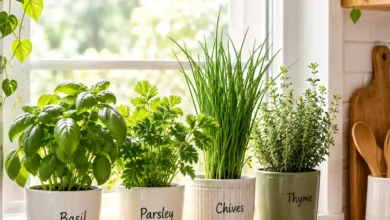
The closer your garden sits to the cooking space, the more often you will use its fresh harvest. Place frequently used herbs, such as basil, parsley, and chives, steps from the back door for effortless seasoning. This proximity invites you to snip fresh ingredients while preparing dinner.
If you have an existing outdoor kitchen, integrate garden beds into the surrounding landscape. This approach creates a seamless transition between the cooking area and food source. Convenience is the key to maintaining a consistent harvest throughout the growing season.
Leave comfortable paths for watering, harvesting, and maintenance
A well-designed garden needs functional walkways, so you can reach every plant without stepping on soil. Compacted soil can damage roots and reduce your overall yield. Plan paths wide enough for your tools and comfortable movement.
Use these standard guidelines for your garden pathways:
- Main paths: Aim for 36 inches wide to accommodate a wheelbarrow or garden cart.
- Secondary paths: A width of 24 inches is usually sufficient for easy movement between beds.
- Surface materials: Use mulch, gravel, or pavers to keep your feet dry and prevent weeds from taking over.
Clear, accessible paths make routine tasks, including weeding and harvesting, more enjoyable. Thoughtful design turns your garden into a place of relaxation instead of extra chores.
Build a Classic Raised Bed Kitchen Garden
A raised bed kitchen garden simplifies maintenance and keeps crops within easy reach. It also gives you strong control over soil quality, supporting healthy, nutrient-dense vegetables in your backyard.
Lifting soil above ground improves drainage and prevents compaction. It also creates an orderly look, turning any dirt patch into a professional growing space.

Select durable raised bed materials for an American backyard
The right material helps your raised bed kitchen garden last longer. Untreated cedar remains popular in the United States because it naturally resists rot and insects without harsh chemicals.
Stone and brick provide a permanent, elegant look and hold heat during cooler months. Avoid older, questionable treated wood because chemicals may leach into your food supply.
“The secret to a successful garden is not just in the seeds you plant, but in the foundation you build to support them.”
Arrange vegetables, herbs, and flowers by height and reach
Place tall crops, such as tomatoes or pole beans, along the bed’s north side. This prevents shadows from covering smaller, sun-loving plants like peppers or basil.
Keep beds four feet wide or less, allowing easy access to the center from either side. This design protects soil structure and makes daily harvesting easier.
Add trellises, edging, and paths without overcrowding the beds
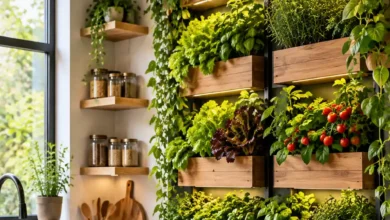
Vertical support can transform a productive raised bed kitchen garden. Sturdy trellises guide vining plants upward, preserving surface space for low-growing herbs and greens.
Leave enough space between beds for a wheelbarrow or comfortable walking path. Proper spacing prevents overcrowding, promotes airflow, and reduces the risk of plant diseases.
- Use gravel or wood chips for clean, mud-free paths.
- Add decorative edging to keep mulch and soil contained.
- Install trellises securely to withstand seasonal winds.
Create a Compact Kitchen Garden in a Small Yard
A sprawling estate is not required to enjoy a productive kitchen garden. Even tiny outdoor areas can thrive with the right small space kitchen garden tips. Efficient design can place fresh ingredients only steps from your back door.

Use narrow beds and vertical growing structures
Narrow beds suit tight spaces because you can reach their centers from either side without stepping on the soil. Build them beside a fence or wall to conserve valuable ground space. Vertical growing structures, including trellises and wall-mounted planters, let you grow upward instead of outward.
Peas, beans, and cucumbers climb well when they have vertical support. This method keeps produce off the ground, improves air circulation, and lowers disease risk. Hanging baskets for herbs or strawberries also use overhead space efficiently.
Make the most of side yards, patios, and unused corners
Many homeowners miss the potential of side yards and small patio corners. These spaces often receive enough sunlight for several edible plants. Place containers or narrow raised beds beside a sunny wall, turning a neglected path into a thriving garden corridor.
For a small patio, try tiered planters or rolling carts. These mobile options let you move plants as the sun shifts throughout the day. Each unused corner can hold fresh basil or a cluster of dwarf peppers.
Choose compact crops for reliable harvests in limited space
Choosing suitable plant varieties is essential when space is limited. Look for labels reading “patio,” “dwarf,” or “bush”; these varieties stay small while producing a full yield. These small space kitchen garden tips help you use every square inch.
| Crop Type | Best Variety | Space Needed |
|---|---|---|
| Tomatoes | Patio/Determinate | 12-inch pot |
| Peppers | Dwarf/Mini | 10-inch pot |
| Beans | Bush varieties | 6-inch spacing |
| Carrots | Baby/Short | 4-inch depth |
Succession planting helps maintain a steady harvest. After picking a crop such as lettuce, replant the space at once with another quick-growing vegetable. This method keeps the garden productive throughout the entire growing season.
Grow Fresh Herbs in Containers Near the Kitchen
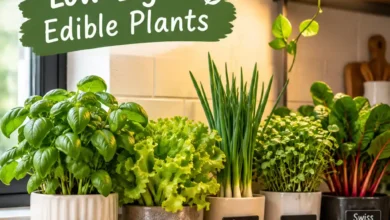
Elevating your cooking begins with the pleasure of plucking fresh herbs from your patio. With container gardening for kitchen herbs, vibrant flavors remain only a few steps from your stove. This method provides a steady supply of greens, regardless of your yard’s size.

Match container sizes to basil, thyme, rosemary, mint, and chives
Each herb has a distinct root system that determines its container needs. For instance, rosemary is a woody perennial and needs a larger, deeper container for healthy roots and proper aeration. Smaller herbs, including chives, thyme, and basil, can often share space when their light and water needs align.
When grouping plants, confirm that they prefer similar moisture levels. Pairing thirsty basil with drought-tolerant rosemary often produces poor results for one plant. Choosing the correct pot size prevents stunted growth and supports a healthy harvest.
Combine container gardening for kitchen herbs with movable plant groupings
One major advantage of container gardening for kitchen herbs is the freedom to rearrange your display. Shift pots easily to follow the sun as the seasons change. This flexibility gives plants the ideal light needed for flavorful leaves.
Use rolling plant caddies to move heavy containers with less effort. Several grouped pots create a lush, visually appealing focal point near your back door. This setup also simplifies watering and harvesting during busy cooking sessions.
Prevent poor drainage, overcrowding, and invasive herb growth
Healthy herbs need proper drainage to prevent root rot. Ensure containers have sufficient drainage holes underneath, and use a saucer to protect deck or patio surfaces. Without drainage, water may pool and damage the delicate roots of your favorite culinary plants.
Watch for overcrowding, because plants need adequate airflow to resist disease. It is especially important to give mint its own dedicated container. Mint spreads through aggressive underground runners, quickly crowding and overtaking neighboring plants when left unchecked.
Design an Edible Landscape Around the Backyard
Transforming your outdoor space into a productive oasis is easier than you might expect with creative edible landscaping ideas. Rather than hiding vegetables in a fenced corner, weave them into existing flower beds. This design turns the entire yard into a beautiful, functional, and delicious sanctuary.

Blend vegetables and herbs into ornamental planting beds
Begin by tucking herbs such as parsley or chives along flower-border edges. Their lush green texture complements traditional perennials and strengthens your edible landscaping ideas. Mixing crops with flowers creates visual interest and can confuse pests that might target your harvest.
Use vegetables as focal points in your garden design. A row of kale or a trellis of climbing beans can add height and structure rivaling any ornamental shrub. When food crops become part of the landscape, the garden feels both visually stunning and highly productive.
Use colorful edible flowers, berry shrubs, and attractive foliage
Add color with plants that offer beauty and flavor. Purple basil creates rich contrast beside bright green lettuce or silver-leafed sage. Edible flowers such as nasturtiums and pansies add vibrant color and remain safe to toss into summer salads.
Berry shrubs can further enhance your landscape. Blueberries offer white spring flowers, lush summer foliage, and brilliant red leaves in fall. These shrubs serve as natural hedges and provide a sweet treat from your backyard.
Create layered edible landscaping ideas with trees, shrubs, and ground covers
To maximize space, use layered edible landscaping ideas. Begin with taller fruit trees as the canopy, then place medium-sized berry shrubs beneath them. Fill lower levels with herbs and low-growing ground covers, such as strawberries, to create a thriving ecosystem.
When planning these layers, account for each plant’s mature size and specific sunlight needs. Proper spacing ensures every plant receives enough light for a healthy harvest. These edible landscaping ideas can create a garden that feels lush, layered, and incredibly rewarding.
| Plant Type | Aesthetic Feature | Edible Benefit |
|---|---|---|
| Purple Basil | Deep violet foliage | Flavorful culinary herb |
| Blueberry Bush | Seasonal color changes | Fresh summer fruit |
| Nasturtium | Bright, vibrant blooms | Peppery edible flowers |
| Swiss Chard | Colorful, bright stems | Nutritious leafy greens |
Make a Vertical Garden for Herbs and Climbing Vegetables
A vertical kitchen garden helps gardeners grow more plants within a smaller footprint. Growing upward transforms bare fences or walls into lush, productive spaces without requiring additional ground space. This approach is incredibly rewarding for gardeners seeking larger harvests in limited areas.

Install wall planters, pocket gardens, and freestanding trellises
Begin with wall-mounted planters or fabric pocket systems for shallow-rooted herbs such as parsley, cilantro, and thyme. For larger plants, freestanding trellises provide sturdy frames that you can move around your yard as seasons change.
These structures create a beautiful, living wall. They keep herbs within easy reach of your back door, making it simple to grab fresh ingredients while cooking. Secure each system firmly to support damp soil and growing plants.
Support cucumbers, peas, beans, and small melons safely
A climbing vegetable garden needs stronger support than a simple herb wall. Cucumbers, pole beans, and peas produce vigorous vines that need strong, anchored trellises to thrive. Use heavy-duty netting or wire panels to give them a secure grip as they reach for the sun.
For small melons, use soft fabric slings to cradle the fruit as it grows. This prevents heavy produce from snapping the vine or falling to the ground. Proper support is the secret to a healthy, high-yielding harvest.
Protect vertical plants from wind, heat, and uneven watering
Plants on vertical structures face the elements more directly than plants in ground beds. High winds can damage delicate vines, so place structures where natural shelter offers protection. If your garden faces a hot wall, watch for reflected heat, which can quickly dry containers.
Vertical containers often receive uneven watering because top levels dry faster than bottom levels. Solve this problem with drip irrigation, or group plants with similar water needs. Consistent moisture keeps your vertical garden vibrant and healthy throughout summer.
Turn a Patio, Deck, or Balcony Into a Kitchen Garden
Transforming a small balcony or deck into a lush food source is easier than you might expect. You need no sprawling backyard to enjoy fresh produce. With smart small space kitchen garden tips, even tight corners can become productive growing spaces.

Use grow bags, window boxes, and tiered planters
When square footage is limited, vertical space becomes your greatest asset. Tiered planters stack crops, effectively doubling or tripling your growing area without using more floor space. Lightweight grow bags also work well because they improve root aeration and move easily.
- Window boxes: Perfect for mounting on railings to grow lettuce or radishes.
- Grow bags: Ideal for deep-rooted vegetables like tomatoes or peppers.
- Tiered stands: Great for container gardening for kitchen herbs like basil and cilantro.
Check weight, drainage, sunlight, and safe placement
Before starting your patio kitchen garden, consider your space’s structural limits. Balconies and decks have weight capacities, so choose lightweight potting mixes instead of heavy garden soil. Ensure containers have drainage holes to prevent water from pooling and damaging the surface below.
“A garden is a grand teacher. It teaches patience and careful watchfulness; it teaches industry and thrift; above all, it teaches entire trust.”— Gertrude Jekyll
Sunlight completes the planning process. Observe your space throughout the day to count its hours of direct sun. Most vegetables need at least six hours of light to thrive, so place pots where they receive maximum exposure.
Arrange portable plants for easy seasonal changes
Container gardening offers the valuable advantage of movable plants. As seasons change, replace heat-loving summer crops with hardy cool-season greens. This flexibility keeps your garden productive throughout the entire year.
Grouping your plants by their water and light needs simplifies maintenance. Organized pots let you adjust their positions quickly, follow the sun, or shield them from harsh winds. This routine supports healthy plants and a plentiful harvest.
Try Creative DIY Kitchen Garden Projects
You can turn your outdoor space into a productive haven with simple diy kitchen garden projects. These hands-on projects add personality to your yard and increase its harvest potential. With practical designs, you can create a garden that feels unique to your home.

Build a simple pallet-style herb planter with safe materials
Pallets are popular with gardeners, but safety must come first. Choose pallets stamped with “HT” for heat-treated, which indicates they contain no harmful chemicals. Avoid any pallets that look stained or have unknown origins to protect your soil and herbs.
After finding a clean pallet, line the slat backs and bottoms with landscape fabric. This creates pockets for your soil. Drill additional holes in each section’s bottom to ensure adequate drainage. The finished planter suits basil, cilantro, and parsley near your back door.
Repurpose galvanized tubs, wooden crates, and storage containers
Old galvanized tubs and wooden crates can become the foundation for a beautiful garden. They bring rustic charm to any backyard, but they need some modification. Before adding potting mix, confirm each container is stable and free of toxic residues.
Drilling drainage holes is essential when repurposing these items. Without proper water flow, plants can develop root rot. Grouping containers of different heights creates an attractive display and makes vegetables and herbs easier to harvest.
Create a garden potting station with hooks, shelves, and hand tools
A dedicated potting station keeps your diy kitchen garden projects organized and stress-free. You need no complex structure; a sturdy table or repurposed workbench works well. Install side hooks for hand trowels, pruners, and gloves, keeping them within reach.
Add shelves above or below the workspace for soil, fertilizer, and plant labels. Store supplies in a protected, dry location to extend tool life and improve your gardening routine. A well-organized station makes every planting session a relaxing and productive experience.
Organize Crops With Companion Planting and Succession Growing
Maximize your garden’s potential by grouping plants that support each other and timing crops for steady growth. A well-organized space helps every square inch of your backyard produce fresh ingredients for your kitchen. Using companion planting and succession planting, you can build a productive ecosystem that thrives throughout the season.

Pair herbs, flowers, and vegetables to use garden space efficiently
Strategic placement maximizes available space while supporting plant health. With companion planting, you group species that benefit one another through natural pest control or shared structural support. For example, tall sunflowers beside climbing beans create a natural trellis, while aromatic basil may deter common garden pests from tomatoes.
Stagger plantings for continuous harvests throughout the season
To avoid a glut of produce followed by a barren garden, use the power of succession planting. Rather than sowing all seeds at once, plant small batches every two to three weeks. This method helps fast-growing crops like radishes, lettuce, and beans provide repeated harvests rather than one overwhelming yield. Replace spent crops with new seedlings to keep garden beds productive from spring until the first frost.
Separate aggressive growers and crops with different water needs
Not every plant makes a good neighbor, even when plants share sunlight requirements. Keep aggressive growers, such as mint or sprawling squash, in dedicated zones so they cannot choke smaller vegetables. Also, group plants with similar hydration needs to simplify watering. Proper organization prevents root competition, so moisture-loving greens do not suffer beside drought-tolerant herbs.
| Plant Group | Best Companion | Benefit |
|---|---|---|
| Tomatoes | Basil | Improves flavor and repels pests |
| Carrots | Onions | Deters carrot rust flies |
| Lettuce | Tall Flowers | Provides shade during heat |
| Beans | Corn | Provides structural support |
Design a Family-Friendly Backyard Garden
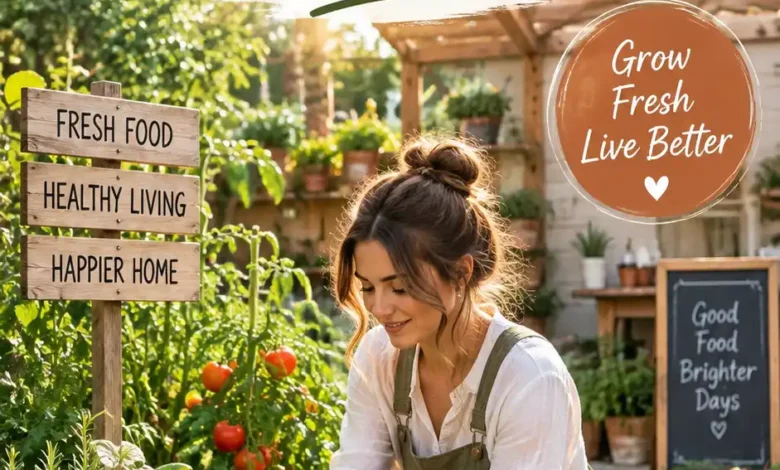
Creating a place where children and adults connect with nature is central to a family-friendly backyard garden. When every family member helps design it, routine chores become shared adventures. A thoughtful layout keeps everyone safe while they explore the wonders of growing their own food.

Add wide paths, reachable beds, and clearly labeled plants
Begin with wide, stable paths that let several people move through the garden without bumping into one another. They should be firm for small feet and wide enough for a wheelbarrow or child’s wagon. Safety is the top priority when designing these walkways.
Build raised beds at heights children can reach without stepping into the soil. Use durable, weather-resistant labels to identify every plant clearly. This approach helps young gardeners learn crop names and feel pride and ownership over their specific patches.
Include easy crops for children to grow and harvest
Choose plants that offer quick rewards to keep children engaged and excited. Crops like snap peas, cherry tomatoes, and strawberries are ideal because children can enjoy them directly off the vine. Lettuce and various herbs also grow quickly, giving little hands a sense of accomplishment.
These fast-growing varieties teach children life-cycle basics without demanding long periods of patience. When kids see their work become a snack, they are more likely to develop a lifelong love for gardening. Always choose non-toxic, child-safe varieties for a worry-free experience.
Make room for seating, tasting, and outdoor cooking activities
Add comfortable seating where you can supervise the garden while relaxing. This area becomes the center of your outdoor cooking garden, where you can prepare fresh ingredients steps from the grill or kitchen door. A dedicated place to sit makes the garden feel like an extension of your home.
Create clear work zones so adults can tend larger plants without blocking children’s paths. Provide a small table or clean surface for tasting, which encourages the family to sample its harvest immediately. This interactive approach transforms the garden into a vibrant, functional space everyone can enjoy together.
Adapt Kitchen Garden Ideas for Urban Backyard Gardening
Mastering the art of small space kitchen garden tips helps you use every square inch of an urban property. Even amid concrete, you can grow a thriving patch of greens. urban backyard gardening demands creativity, but its results justify the effort.

Grow productive crops despite small lots, fences, and nearby buildings
City lots often face reflected heat and limited sunlight from tall fences or nearby buildings. Choose crops that tolerate partial shade, including leafy greens, kale, and herbs. Container gardening lets you move plants throughout the day as the sun shifts.
Use fence space for climbing plants such as pole beans or peas. High-yield varieties help even a tiny footprint produce a bountiful harvest. Monitor soil moisture closely because urban pots dry faster than ground beds.
Use privacy screens and vertical structures without blocking light
Privacy matters in dense neighborhoods, but screens should not deprive plants of light. Choose open-weave trellises or lattice panels; they block views while allowing air and sunlight through. These structures also support vining vegetables.
Place vertical structures north of garden beds to keep them from shading sun-loving crops. This placement keeps your garden bright and airy. Check the sun’s path across seasons so your setup works effectively year-round.
Manage soil safety, runoff, and neighborhood-friendly garden practices
In an urban backyard, soil safety is paramount. If ground quality is uncertain, use raised beds with imported organic soil or high-quality containers. This protects food from potential contaminants in older city lots.
Manage water runoff to support neighbors and keep your garden sustainable. Use mulch to retain moisture and limit soil erosion during heavy rains. Keep your composting area tidy and odor-free to maintain a harmonious relationship with neighbors. Good urban backyard gardening means being considerate while growing your own fresh food.
Add Water-Smart, Wildlife-Friendly Garden Features
Transform your outdoor space into a thriving sanctuary with smart water management and wildlife-friendly practices. A water-smart kitchen garden lowers utility bills while creating a resilient ecosystem for plants. Efficient methods help your garden remain productive through the hottest months.

Install drip irrigation, rain barrels, and moisture-retaining mulch
Drip irrigation sends water directly to the root zone, sharply reducing evaporation. Install rain barrels to capture roof runoff and provide a free, sustainable water source for your beds. A thick layer of organic mulch, such as straw or wood chips, preserves soil moisture and suppresses weeds.
Choose drought-tolerant herbs and vegetables suited to local conditions
Selecting suitable plants is essential for successful edible landscaping ideas. Research varieties that thrive in your specific USDA hardiness zone and local climate. Rosemary, thyme, and oregano are hardy herbs that often need less water after becoming established.
Attract pollinators while discouraging deer, rabbits, and other pests
Native flowers planted beside vegetables attract bees and butterflies, which support a healthy harvest. Protect crops with physical barriers, such as fencing or netting, to deter deer and rabbits. Strong-smelling herbs, including lavender or mint, can also discourage common garden pests around the perimeter.
Keep compost, water sources, and garden waste organized
A tidy garden is easier to manage and less likely to attract unwanted wildlife. Store compost in a secure, covered container to prevent pests from scavenging. Organize water sources and place garden waste in a designated area to support plants and beneficial local insects.
| Feature | Primary Benefit | Maintenance Level |
|---|---|---|
| Drip Irrigation | Water Efficiency | Low |
| Rain Barrels | Sustainable Sourcing | Medium |
| Organic Mulch | Moisture Retention | Low |
| Pollinator Plants | Increased Yields | Low |
Choose Plants and Layouts for a Longer Harvest
Planning for a longer harvest can transform your backyard into a dependable source of fresh food. By following seasonal rhythms, you can grow delicious ingredients from early spring through the first frost.
Select warm-season and cool-season crops for the United States
Success starts with knowing which plants thrive in specific temperatures. Cool-season crops, including kale, spinach, and peas, prefer early spring and autumn’s crisp air. Warm-season favorites, such as peppers and squash, need summer heat to reach their full potential.
Plan around USDA hardiness zones, frost dates, and summer heat
Consult your local USDA hardiness zone map to identify the right planting window. Tracking your first and last frost dates helps protect sensitive plants from sudden temperature drops. If you manage a raised bed kitchen garden, add shade cloth during peak summer heat to keep delicate greens from bolting.

Grow dependable kitchen staples such as tomatoes, peppers, lettuce, and greens
Prioritize the vegetables your family eats most often to maximize your garden’s value. Tomatoes and peppers are high-yield staples that provide an excellent return on your effort. Lettuce and leafy greens grow quickly and support repeated harvests throughout the season.
Use succession planting, row covers, and season-extending containers
Succession planting means sowing new seeds every few weeks to maintain a steady supply of produce. For those practicing urban backyard gardening, row covers protect young plants from pests and light frosts. Movable containers also let you shift plants into sunnier or more sheltered spots as weather changes.
Match plant choices to the meals you cook most often
Your garden should extend your kitchen. If you enjoy fresh salads, prioritize different lettuce varieties and herbs. When crops match your favorite recipes, harvesting becomes more rewarding each day.
Set up a simple weekly routine for watering, pruning, and harvesting
Consistency is essential for a thriving garden. Each weekend, check soil moisture, prune overgrown stems, and inspect plants for pests. Even container gardening for kitchen herbs needs a quick weekly check to keep plants healthy and productive all season.
Conclusion
Your path toward a fresher lifestyle can begin with one step in your own yard. Whether you manage a sprawling landscape or a tiny urban balcony, these backyard kitchen garden ideas support sustainable living. Choose plants suited to your local climate, and design the layout for sunlight and convenient water access.
Begin with one manageable task. A sturdy raised bed kitchen garden offers beginners a practical entry point and control over soil quality and drainage. Alternatively, try diy kitchen garden projects, such as building a vertical herb wall or repurposing patio containers. These small wins build confidence and provide immediate rewards at your kitchen table.
During your first season, value consistency over scale. Regular harvesting and basic maintenance keep plants healthy and productive throughout the year. With experience, expand your growing area with more varieties or complex edible landscaping features. Your backyard can become a vibrant, living pantry that brings joy to every meal you prepare.
FAQ
How do I choose the best location for my backyard kitchen garden ideas?
Successful backyard kitchen garden ideas require three essentials: 6 to 8 hours of direct sunlight, excellent drainage, and convenient access. Place beds or containers near the back door or outdoor kitchen for easy harvesting during meal preparation.
What are the best materials to use for a raised bed kitchen garden?
Many American homeowners choose untreated cedar for a long-lasting raised bed kitchen garden because it naturally resists rot. Other durable choices include natural stone, brick, and food-safe recycled composites. Avoid older treated lumber, which may contain chemicals unsuitable for edible crops.
Can you share some small space kitchen garden tips for urban yards or patios?
One of our favorite small space kitchen garden tips is to “grow up” rather than out. Use vertical trellises, wall-mounted planters, and tiered shelving to maximize every square inch. Choose compact or “patio” vegetables, such as Bush Slicer cucumbers or Tiny Tim tomatoes, for high yields without blocking walking paths.
How do I get started with container gardening for kitchen herbs?
For successful container gardening for kitchen herbs, choose pots with drainage holes and add high-quality potting mix. Group herbs with similar needs, such as rosemary, thyme, and sage, which prefer slightly drier conditions. Plant mint separately because its aggressive roots quickly crowd other plants.
What is the benefit of incorporating edible landscaping ideas into my yard?
Edible landscaping ideas combine beauty with productivity. Mix colorful Swiss chard, purple basil, and blueberry bushes into ornamental flower beds to create an attractive space that feeds your family. This approach suits urban backyard gardening when you want curb appeal and homegrown food.
What are some fun diy kitchen garden projects for a weekend?
Many rewarding diy kitchen garden projects require no expert carpentry skills. Repurpose galvanized steel tubs as rustic planters, or build a vertical herb wall with heat-treated pallets. You can also create a potting station with hooks for Fiskars hand tools and shelves for organic fertilizers.
How do I plan an outdoor kitchen garden design that stays productive all season?
A smart outdoor kitchen garden design uses succession planting. Instead of planting all seeds at once, stagger plantings every two weeks. For example, sow a new row of lettuce or radishes twice monthly for a steady supply rather than one oversized harvest. Check your USDA hardiness zone to schedule spring and fall plantings correctly.
How can I make my kitchen garden more water-efficient?
To save water and time, install drip irrigation or a soaker hose connected to a rain barrel. Apply thick organic mulch, such as straw or shredded bark, to retain soil moisture and prevent weeds from taking nutrients. These water-smart habits help maintain a healthy garden during hot American summers.
What makes a kitchen garden design family-friendly?
A family-friendly space has wide, stable paths measuring at least 24 to 36 inches and reachable beds. Choose “reward” crops that children can eat from the vine, such as Sun Gold cherry tomatoes, snap peas, and strawberries. Add a small seating area or weatherproof chalkboard for plant labels to make the garden inviting for all ages.
How do I manage pests without using harsh chemicals in my edible garden?
Use companion planting by placing marigolds and nasturtiums among vegetables to deter unwanted insects. For larger visitors, such as rabbits or deer, install a decorative wire fence or raised bed with a removable mesh cover. This physical barrier protects crops while keeping your backyard kitchen garden ideas beautiful and organized.