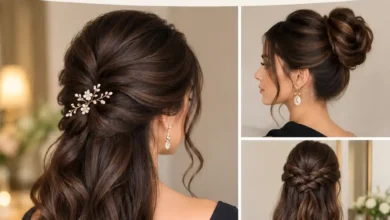
Growing out your locks can feel exciting, yet longer strands need focused care to stay vibrant. Many people face split ends and dryness as their hair gains length. A consistent long hair care routine can turn dull strands into glossy, manageable hair that draws attention.

This guide shares practical tips for long hair care for busy lifestyles. It covers gentle washing methods and ways to protect your ends while you sleep. You will also learn how to choose suitable products and use natural oils to support your scalp and strengthen your ends.
These strategies can ease tangles, limit breakage, and add shine. Use them daily to maintain beautiful, healthy lengths and master long hair care with confidence.
Key Takeaways
- Focus on gentle detangling to prevent unnecessary breakage.
- Choose sulfate-free cleansers to maintain natural moisture levels.
- Apply nourishing oils to the ends for added protection and shine.
- Use protective hairstyles at night to reduce friction and damage.
- Incorporate DIY treatments to boost strength and overall vitality.
Assess Your Hair’s Needs Before Building a Routine
Learning how to care for long hair starts with examining your hair’s distinct characteristics. Before buying products, identify your strands’ specific profile. This foundation helps your routine address real needs instead of generic advice.

Identify Your Hair Type, Texture, and Porosity
Your hair type is usually straight, wavy, curly, or coily. Texture describes each strand’s thickness: fine, medium, or coarse. Understanding these traits helps you select products with the right weight for daily care.
Porosity describes how well hair absorbs and retains moisture. High porosity hair often feels dry and absorbs water quickly. Low porosity hair may resist moisture. These factors matter when learning how to care for long hair effectively.
Spot Common Signs of Dryness, Damage, and Product Buildup
Examine your hair for clear warning signs. Brittle or dull ends often indicate dryness. Frequent tangling may signal mechanical damage or insufficient conditioning.
Product buildup can leave hair heavy, waxy, or limp after washing. A coated feel or weak hold may mean it is time to clarify. Early recognition lets you adjust your routine before minor problems cause major breakage.
Set Realistic Goals for Length, Strength, and Shine
Instant results are tempting, but healthy hair growth requires patience. Set goals around long-term health, not rapid length alone. Consistent, gentle care can improve strength and create a vibrant, healthy shine over time.
| Hair Characteristic | Common Indicator | Recommended Focus |
|---|---|---|
| Fine Texture | Easily weighed down | Lightweight hydration |
| High Porosity | Frizzy and dry | Deep moisture sealing |
| Product Buildup | Dull, limp strands | Occasional clarifying |
| Mechanical Damage | Split ends and knots | Gentle detangling |
Track your progress to refine how to care for long hair. Your hair’s needs may shift with the seasons or your lifestyle. Stay patient and keep your routine simple for the best results on your unique hair journey.
Build a Simple Long Hair Care Routine
A successful long hair care routine balances daily habits with your weekly washing schedule. A predictable rhythm gives your hair consistent care, helping it remain strong and vibrant.

Organize Your Routine Around Wash Days and Non-Wash Days
Consistency forms the foundation of healthy hair. Designate specific days for deep cleaning and conditioning, then reserve non-wash days for light maintenance and protection.
On non-wash days, avoid heavy styling products because they can create buildup. Instead, practice gentle detangling and keep your hair tucked away to limit friction.
Balance Cleansing, Conditioning, Moisture, and Protection
Your long hair care routine must address your scalp and lengths at the same time. Cleansing removes impurities, while conditioning restores the slip that helps prevent breakage.
Moisture supports elasticity, while protection shields hair from environmental stressors. When these four elements work together, your hair stays resilient and shiny.
Adjust Product Amounts for Roots, Mid-Lengths, and Ends
Applying equal product amounts across your head is a common mistake. Hair needs vary by distance from the scalp, so adjust each application accordingly.
Use Less Product Near the Scalp
The scalp produces natural oils that keep your roots hydrated. Too much product can cause unwanted greasiness and clogged follicles.
Apply only a small amount of shampoo or serum to your roots. This keeps your hair light and clean for longer periods.
Give Extra Care to the Oldest, Most Fragile Ends
Your ends are the oldest part of your hair and have endured the most wear and tear. They need extra hydration and protection to prevent split ends.
Focus deep conditioners and leave-in treatments on these vulnerable sections. This targeted approach helps your long hair care routine keep your ends healthy and full.
Wash Long Hair Without Stripping Its Natural Moisture
Learning how to care for long hair starts with a careful washing routine. Many people assume more soap means cleaner hair, yet excess cleansing can cause dryness and breakage. The aim is to remove dirt and oil while preserving moisture that keeps each strand supple.

Choose a Shampoo Based on Your Scalp’s Needs
Choose shampoo according to your scalp, not your hair ends. If your scalp is oily, select a balancing formula that helps regulate sebum production. For a dry or sensitive scalp, gentle, sulfate-free cleansers can reduce irritation.
Cleanse the Scalp Instead of Scrubbing the Lengths
When washing, focus your effort on the scalp. Massage shampoo into the roots, where oil and sweat accumulate most heavily. As you rinse, suds flow down the lengths, cleaning them without unnecessary friction or tangles.
Decide How Often to Wash Based on Oil, Sweat, and Styling
No universal rule determines how often you should wash your hair. An active lifestyle or heavy styling products may require more frequent washing. If your hair is naturally dry, washing less often lets natural oils nourish the strands and teaches you how to care for long hair.
Clarify Occasionally to Remove Buildup
Even a strong routine cannot prevent mineral deposits and product residue from accumulating over time. Use clarifying shampoo once or twice a month to reset your hair and scalp. This allows moisturizing products to penetrate the hair shaft more effectively.
Recognize When Clarifying Is Necessary
Consider a clarifying treatment if your hair feels heavy, appears dull, or will not hold a style. Hair that feels coated or “waxy” after a fresh wash signals buildup. Regularly checking the texture of your hair helps you know when deeper cleansing is necessary.
Avoid Over-Using Strong Clarifying Shampoos
Clarifying helps, but these products are often potent. Using them too often can remove excess moisture, leaving hair brittle and prone to snapping. Always follow a clarifying wash with hydrating conditioner to restore balance and support healthy hair.
Condition the Lengths for Softness and Manageability
To keep long hair soft and manageable, master proper conditioning. A high-quality hair conditioner for long hair protects strands from daily wear and tear. This step keeps hair hydrated, shiny, and easy to detangle.

Apply Conditioner From the Mid-Lengths to the Ends
Scalp oils rarely reach the ends of long hair, so those sections often feel dry. Apply product from the mid-lengths to the tips. Avoid applying heavy conditioners directly to your roots, as this can lead to unwanted greasiness and a lack of volume.
Use a Deep Conditioner for Dry or Chemically Treated Hair
When hair feels brittle or has chemical dye exposure, a standard rinse-out product may not suffice. Use a deep conditioner for dry hair weekly to restore moisture and elasticity. These intensive treatments penetrate the hair shaft, repair damage, and smooth the cuticle effectively.
Give Fine Hair Lightweight Hydration Without Flattening It
Fine hair can make you worry that conditioning will weigh down your style. Choose lightweight formulas that provide moisture without heavy silicones or oils. Apply a small amount to the ends to keep hair bouncy and full.
Rinse Thoroughly While Preserving Slip
Rinsing matters as much as application. Remove excess product to prevent buildup, but leave enough to preserve slip. This quality lets fingers or a comb glide through hair without causing breakage.
| Conditioner Type | Best For | Frequency |
|---|---|---|
| Daily Rinse-Out | All hair types | Every wash day |
| Deep Conditioner for Dry Hair | Damaged or porous hair | Weekly |
| Lightweight Leave-In | Fine or thin hair | As needed |
Master Long Hair Brushing Techniques to Prevent Breakage
Learning to brush long hair without unnecessary stress is vital for anyone with long locks. Better long hair brushing techniques can reduce daily snapping and mechanical damage. Consistent grooming helps keep your hair smooth, strong, and resilient.

Detangle in Sections From the Ends Upward
Start detangling at the very bottom of your hair. Working upward clears small knots before they become tighter tangles near your roots.
This method keeps you from dragging a brush through your full length, which can cause breakage. Move slowly to maintain control over each section and follow effective long hair brushing techniques.
Select the Right Brush or Wide-Tooth Comb
Your tools play a major role in hair health. A wide-tooth comb is usually safest for wet or damp hair because it glides with little friction.
For dry hair, a quality paddle brush with flexible bristles can distribute scalp oils to your ends. Avoid sharp metal bristles; they can scratch your scalp or catch the hair cuticle.
Handle Wet Hair With Extra Care
Hair is most fragile when soaking wet. Water swells the hair shaft, making it stretch easily and snap under pressure.
If you must detangle wet hair, be extremely gentle and use plenty of slip. Never force a brush through stubborn knots, or you may create split ends.
Remove Knots Without Pulling or Repeatedly Brushing the Same Area
Repeated brushing over one area creates friction and weakens the hair fiber. If you find a tough knot, stop and loosen it gently with your fingers before using your tool again.
Patience matters when you handle tangles. Rushing through this step is the fastest way to cause mechanical damage.
Use a Leave-In Conditioner or Detangling Spray
Applying a leave-in conditioner or specialized detangling spray can make a major difference. These products add the needed “slip” so your brush glides through hair without resistance.
- Spray evenly from mid-lengths to ends.
- Focus on areas that are prone to matting.
- Wait a few moments for the product to absorb before brushing.
Separate Dense or Curly Hair Into Smaller Sections
If your hair is thick, dense, or curly, brushing it all at once can cause damage. Divide it into four or more smaller sections to make the process manageable.
This approach helps you find hidden knots near the nape of your neck. It also helps you apply detangling products effectively, giving every strand needed protection.
Dry Long Hair Gently and Preserve Its Natural Shine
Gentle hair drying helps preserve long hair’s natural shine and strength. Many people damage wet hair by handling it too roughly after washing, but these tips for long hair care can protect its integrity. Changing how you manage moisture can reduce unnecessary breakage and frizz.

Blot Water With a Microfiber Towel or Soft T-Shirt
Avoid rubbing your hair vigorously with a standard bath towel. Traditional terry cloth can snag delicate strands and lift the cuticle, causing unwanted frizz. Instead, use a microfiber towel or an old cotton T-shirt to gently blot away water.
“The secret to healthy hair is treating it with the same care you would give to your favorite silk garment.”— Hair Care Expert
Air-Dry When Possible Without Leaving Hair Soaking Wet for Hours
Air-drying is often healthiest because it avoids heat exposure entirely. However, hair left saturated too long may swell at the shaft and weaken its internal structure. If your hair takes hours to dry, use a low-heat setting to shorten the process slightly.
Use a Blow-Dryer With Low or Medium Heat
When using a blow-dryer, choose the lowest effective heat setting. High heat can remove moisture and create brittle ends over time. Learning how to dry long hair means protecting strand health instead of prioritizing speed.
Direct Air Down the Hair Shaft to Smooth the Cuticle
Point the blow-dryer nozzle downward, moving from the roots toward the ends. This smooths the hair cuticle and supports a shiny, polished finish. Downward airflow reduces friction and keeps your hair smooth and manageable.
Protect Long Hair From Heat and Environmental Damage
Long, healthy hair needs a proactive plan against daily environmental stress. Styling tools and outdoor activities remain part of life, but unchecked exposure can weaken hair. Consistent protection keeps your locks vibrant and resilient.

Apply Heat Protectant Before Every Hot Tool
Whenever you use a blow-dryer, flat iron, or curling wand, apply a high-quality heat protectant for long hair. These products form a vital barrier, minimizing moisture loss and preventing a brittle cuticle. Apply the product evenly from mid-lengths to ends before heat touches your hair.
Set the Lowest Effective Temperature for Your Hair Type
Many people assume higher heat produces better results, but it often causes unnecessary damage. Begin with the lowest setting that styles your hair effectively. If your hair is fine or chemically treated, lower temperatures are essential to prevent snapping and dullness.
Limit Repeated Passes With Flat Irons and Curling Irons
Efficiency matters when you use thermal tools. Rather than passing a flat iron over one section repeatedly, use slow, steady movements. Refined technique can create the desired look in one pass and significantly reduce heat-induced breakage.
Shield Hair From Sun, Chlorine, Salt Water, and Dry Air
Environmental exposure can be as harsh as styling tools. UV rays, salt water, and dry air strip away natural oils, leaving hair prone to frizz. If you spend time in pools, proper chlorine hair protection matters because chemicals can cause significant discoloration and dryness.
Wet and Condition Hair Before Swimming
Before entering a pool or the ocean, saturate your hair with fresh water and apply a leave-in conditioner. Hair acts like a sponge; already-saturated strands absorb far less chlorine or salt. This simple step creates a protective buffer for your strands.
Cover Hair With a Hat or Protective Style in Strong Sun
During extended outdoor periods, you must protect hair from sun exposure to prevent fading and dehydration. A wide-brimmed hat provides a physical shield against harmful rays. Alternatively, use a loose braid or bun to minimize surface area exposed to the elements.
Prevent Split Ends, Snapping, and Mechanical Breakage
Mechanical stress often remains the silent enemy of beautiful, long hair. Effective long hair maintenance depends on mindful handling of each strand every day. Reducing physical tension helps you prevent hair breakage and keeps your locks vibrant.

Recognize the Difference Between Split Ends and Dry Ends
Distinguishing thirsty hair from physically split hair is vital. Dry ends may feel brittle or straw-like, yet deep conditioning treatments can usually revive them. A split end forms when the protective cuticle wears away, causing the hair fiber to fray into two or more pieces.
Trim Damaged Ends Instead of Trying to Repair Permanent Splits
Many people seek miracle products that seal split ends, but these offer only temporary cosmetic fixes. Once a strand splits, it cannot be permanently fused back together. To prevent split ends from traveling up the hair shaft, schedule regular, small trims.
Choose Low-Tension Hairstyles for Everyday Wear
Tight hairstyles can place significant stress on your follicles and hair shaft. Choose loose braids, low ponytails, or soft clips that do not pull on your scalp. These styles help you prevent hair breakage by distributing your hair’s weight more evenly.
Rotate Ponytail and Bun Placement to Reduce Stress
Wearing your hair in the same spot daily creates a “stress line” where the elastic rests. Constant pressure weakens the hair and can eventually cause snapping. Move your bun or ponytail higher or lower during the week, giving each section a needed break.
Use Fabric-Covered Elastics Without Metal Seams
Standard rubber bands and elastics with metal connectors can snag hair and cut into it. Choose soft, fabric-covered scrunchies or seamless elastics instead. These tools provide a gentle hold that protects your hair during daily long hair maintenance.
Loosen Styles That Cause Scalp Pain or Visible Pulling
If you feel pain or see your hairline pulled tight, your style is too restrictive. Discomfort clearly warns that your hair is under excessive tension. Loosen the style immediately to avoid long-term damage and keep your scalp healthy and pain-free.
Choose the Best Products for Long Hair
Many people struggle to find the best products for long hair because they follow flashy claims instead of examining their hair concerns. Study your hair’s behavior before buying trending products. Whether it is dry, oily, or damaged, this information can shape a collection that supports your growth goals.

Match Shampoo and Conditioner to Your Hair’s Main Concern
Choose wash day products that address your scalp and hair-length concerns. If your scalp is oily but your ends are dry, use balancing shampoo at the roots and hydrating conditioner on the lengths. Consistency is key when maintaining the health of long strands.
Select Leave-In Conditioners for Detangling and Moisture
A high-quality leave-in conditioner for long hair is essential for maintaining elasticity and preventing breakage. It creates a protective barrier, making detangling easier after a shower. Choose lightweight sprays or creams that hydrate without leaving a sticky residue.
Use Lightweight Serums to Smooth Frizz and Boost Shine
When your hair looks dull, a high-quality hair serum for shine can make a significant difference. It smooths the cuticle and reflects light, giving your hair a healthy, polished appearance. Apply a small amount to the ends to avoid weighing down your style.
Understand the Roles of Protein, Humectants, and Emollients
Understanding hair product chemistry helps you make smarter decisions. Ingredients generally fall into three categories, each serving a different purpose for hair health:
- Proteins: These help repair structural gaps in the hair shaft.
- Humectants: These draw moisture from the air into your hair.
- Emollients: These seal the hair cuticle to lock in hydration.
Use Protein Carefully on Weak or Over-Processed Hair
Although protein is vital for strength, excessive use can make hair brittle and prone to snapping. If your hair is chemically treated or bleached, introduce protein treatments slowly. Always monitor how your hair feels after using these products to ensure it remains flexible.
Reduce Heavy Oils and Butters When Hair Looks Limp
If your hair appears flat or greasy, your products may be too heavy for its texture. Heavy butters and thick oils can build up quickly on fine or low-porosity hair. Switch to lighter alternatives to restore volume and movement to your long locks.
| Ingredient Type | Primary Benefit | Best For |
|---|---|---|
| Protein | Strengthening | Damaged Hair |
| Humectant | Hydration | Dry Hair |
| Emollient | Smoothing | Frizzy Hair |
Use Oils Carefully for Moisture, Slip, and Shine
Using oils correctly is a secret weapon for achieving salon-quality shine. Applied precisely, these natural treatments provide enough slip to detangle long strands without causing breakage. It is truly a game-changer for maintaining healthy hair.

Choose Essential Oils for Long Hair Safely
Many people value botanical extracts for their scents and benefits, but you must handle them carefully. Using essential oils for long hair requires a thoughtful approach to protect your scalp and strands.
Dilute Essential Oils in a Suitable Carrier Oil
Never apply concentrated essential oils directly to your hair or skin. Mix a few drops into a larger amount of carrier oil, such as almond or grapeseed oil, to prevent irritation. This dilution lets you gain their benefits without risking a harsh reaction.
Patch-Test Products and Avoid Irritated or Broken Skin
Before applying a new oil blend to your entire head, perform a patch test on a small skin area. If you notice redness or itching, discontinue use immediately. Also, avoid products on broken or irritated skin.
Apply Small Amounts of Argan, Jojoba, or Coconut Oil
When choosing hair oils for shine, you need not saturate your hair. A tiny drop of argan oil for hair can smooth flyaways and add a healthy glow to your ends. Jojoba and coconut oils also nourish dry, thirsty lengths.
Keep Oils Away From the Scalp When They Increase Greasiness
If your scalp produces excess oil, apply it only to the mid-lengths and ends. Heavy oils near the roots can create a weighed-down, greasy appearance that is difficult to wash away. Strategic placement is key to keeping your hair looking fresh and voluminous.
Understand That Oils Seal Moisture Rather Than Add Water
Remember that oils are emollients, not hydrators. They create a protective barrier that locks existing moisture into the hair shaft. For best results, apply your chosen oil to damp hair to seal in water. Do not use it as a substitute for a water-based leave-in conditioner.
Try DIY Hair Masks for Long Hair With Care
Store-bought products offer convenience, but exploring diy hair masks for long hair creates a personal, hands-on beauty routine. You can customize each treatment for your needs when you proceed with care and awareness.

Use a Simple Hydrating Mask for Dry Lengths
When your hair feels parched, a homemade hair mask can restore much-needed moisture. Apply these mixtures mainly to dry lengths instead of the scalp. Plain Greek yogurt and mashed avocado provide strong starting points for deep hydration.
Choose Ingredients That Add Slip Without Creating Heavy Buildup
A good mask should improve manageability without making your hair feel heavy. Choose ingredients with natural slip, such as aloe vera gel or a little honey. These ingredients help detangle strands while retaining essential moisture.
Test Homemade Treatments on a Small Section First
Before covering your entire head, always perform a patch test. Apply a small amount to a hidden hair section or your inner arm, then check for reactions. This step helps confirm that your scalp and strands tolerate the ingredients.
Skip DIY Recipes That Irritate the Scalp or Disrupt the Hair Cuticle
Not every natural ingredient supports your hair’s delicate pH balance. Some kitchen items may strip natural oils or cause inflammation, creating more harm than good. Research every component before adding it to your routine.
Be Cautious With Lemon Juice, Baking Soda, and Undiluted Essential Oils
Avoid harsh substances such as lemon juice and baking soda because they can disrupt your hair cuticle. Use essential oils for long hair with particular care. Dilute them in a carrier oil, since direct application may cause severe irritation.
Rinse Thoroughly and Stop if Burning or Itching Occurs
If burning, redness, or itching appears, rinse the mask out immediately with cool water. Your comfort is the priority, so never continue a treatment that causes a negative reaction. Rinse thoroughly to prevent residue from remaining on your scalp.
Adapt Your Routine to Your Hair Type and Texture
Healthy, long hair begins with the understanding that no single routine suits everyone. Your texture determines how strands absorb moisture and respond to environmental stress. Personalized tips for long hair care can turn your daily routine into a focused treatment plan.

Care for Straight Long Hair Without Weighing It Down
When practicing straight long hair care, focus on preserving volume while keeping the ends hydrated. Avoid heavy oils or thick butters that can make hair look flat or greasy by day’s end. Choose lightweight, water-based leave-in sprays for hydration without added weight.
Keep Wavy Hair Defined While Controlling Frizz
Wavy hair needs enough moisture to prevent frizz without losing its natural pattern. Apply light mousse or curl-enhancing cream to damp hair to encourage definition. Gently Scrunching your hair as it dries helps preserve the shape of your waves throughout the day.
Moisturize Curly and Coily Hair in Sections
Effective curly long hair care requires structure so every strand receives enough hydration. Work in small sections to distribute conditioner or styling cream evenly from root to tip. This method prevents tangles and keeps hair soft and manageable.
Adjust Techniques for Fine, Thick, Dry, and Oily Hair
Your scalp type and hair density should guide how often you wash and how much product you apply. With oily roots, cleanse the scalp carefully and keep conditioner away from the base. For dry or thick hair, apply richer emollients to the mid-lengths and ends to lock in moisture.
Use Layered Hydration for Coarse or Highly Porous Hair
Coarse or highly porous hair often loses moisture because its cuticle remains raised. A layered hydration approach can help, beginning with leave-in conditioner and followed by sealing oil. This combination smooths the cuticle and limits moisture loss.
Choose Lighter Layers for Fine or Low-Porosity Hair
Fine or low-porosity hair may resist moisture and become overwhelmed by heavy products. Use lightweight, humectant-rich formulas that enter the hair shaft without leaving a film. Too many heavy products can cause buildup and dullness.
| Hair Type | Primary Need | Recommended Product Type |
|---|---|---|
| Straight | Volume & Shine | Lightweight Mists |
| Wavy | Frizz Control | Defining Creams |
| Curly/Coily | Deep Moisture | Rich Butters/Oils |
| Fine | Weightless Care | Volumizing Sprays |
Maintain Long Hair Through Sleep, Trims, and Daily Habits
Your pursuit of healthy, long hair continues after you leave the shower. Effective long hair maintenance is a 24-hour commitment to protecting strands from environmental stress and mechanical damage. Small, consistent lifestyle changes help preserve each strand’s integrity from root to tip.

Protect Hair at Night With a Loose Braid or Low-Tension Style
Proper nighttime hair care helps prevent tangles and breakage during sleep. Rather than leaving hair loose, secure it in a loose braid or high, soft bun with a silk scrunchie. This simple method contains your hair and limits rubbing against your shoulders or bedding.
Use a Satin or Silk Pillowcase to Reduce Friction
Cotton pillowcases may feel rough against delicate hair fibers, causing frizz and morning knots. A satin or silk pillowcase creates a smooth surface, allowing hair to glide as you move. This small change reduces friction and helps you wake with smoother, more manageable hair.
Schedule Trims Based on Damage Rather Than a Fixed Growth Myth
Many people believe trimming every six weeks promotes growth, but that belief is a common misconception. Instead, use practical hair trimming tips and inspect the condition of your ends. When you see split ends or thinning, schedule a trim, regardless of time since your last visit.
Keep Hair Tools, Brushes, and Pillowcases Clean
Your hair care routine works only as well as the tools you use. Clean brushes and combs regularly to remove product buildup, dust, and shed hair that could transfer onto clean strands. Also, wash pillowcases weekly so you do not sleep on accumulated oils and debris.
Support Hair Health With Adequate Nutrition and Gentle Handling
Hair strength begins within, supported by a balanced diet rich in vitamins and minerals. Gentle handling also matters; practice proper long hair brushing techniques by starting at the ends and moving toward the roots. Avoid aggressive tugging, especially when damp hair is more vulnerable to snapping.
- Eat a diet rich in protein, iron, and omega-3 fatty acids.
- Stay hydrated to maintain scalp and hair moisture.
- Handle your hair with patience to avoid unnecessary mechanical stress.
Get Professional Advice for Sudden Shedding or Scalp Changes
Some daily shedding is normal, but sudden or dramatic changes in hair density require attention. If you notice persistent scalp irritation, redness, or patches of hair loss, consult a dermatologist or trichologist. Professional guidance can identify underlying issues that require more than changing hair care products.
Separate Normal Hair Shedding From Concerning Hair Loss
Losing 50 to 100 hairs per day is a normal part of the natural growth cycle. However, significantly more hair in your brush or shower drain may signal stress, hormonal shifts, or nutritional deficiencies. Always prioritize your health by seeking expert advice if your hair loss seems outside the norm.
Conclusion
Achieving dream hair requires a consistent long hair care routine. Gentle cleansing and strong moisture retention create a foundation for lasting strength. With patience and daily care, your hair can thrive.
Choosing the best products for long hair is a personal process. Assess your texture, scalp health, and porosity before choosing products for your needs. Brands like Olaplex or SheaMoisture offer diverse options for these individual requirements.
Carefully using diy hair masks for long hair can add nourishment. Choose ingredients that support your hair structure and limit buildup. This balanced approach keeps your lengths manageable, shiny, and healthy for years.
Your dedication will appear in your hair’s vitality. Observe how your strands respond to different techniques and adjustments. Enjoy nurturing your hair as it grows longer and stronger.
FAQ
How do I create a sustainable long hair care routine?
Build a successful long hair care routine by understanding your hair’s porosity and texture. Balance wash days with non-wash days to preserve natural oils and prevent over-stripping. Use quality products, such as Pureology Hydrate Shampoo for the scalp and Moroccanoil Restorative Hair Mask for the ends, to maintain strength and shine.
What are the best long hair brushing techniques to prevent breakage?
To reduce snapping, detangle from the ends and gradually move toward the roots. A Wet Brush or wide-tooth comb from Mason Pearson is highly recommended. For added slip, apply It’s a 10 Miracle Leave-In before brushing to protect fragile strands.
How to care for long hair while washing and conditioning?
During washing, focus cleanser on the scalp and let the lather flow down the lengths. Avoid scrubbing the ends. Apply conditioner from the mid-lengths to the tips, where hair is oldest and most prone to dryness. Brands like Briogeo offer targeted treatments that hydrate long hair without weighing it down.
What are the best products for long hair to maintain health and shine?
Choose products that address specific concerns, including dryness or frizz. Humectants draw in moisture, while emollients seal it. Olaplex No. 7 Bonding Oil adds shine and heat protection. Living Proof Perfect hair Day (PhD) products help keep hair cleaner, longer.
How can I perform effective long hair maintenance at night?
Nighttime maintenance helps prevent mechanical damage. Sleep on a Slip silk pillowcase to reduce friction. Secure your hair in a loose braid or high “pineapple” with an Invisibobble silk scrunchie. This helps prevent tangling and snapping while you sleep.
Are there specific tips for long hair care when using heat tools?
Always apply a dedicated heat protectant, such as GHD Bodyguard, before using a blow-dryer or flat iron. Choose the lowest effective heat setting and limit passes over each section. When possible, use the Dyson Supersonic, which monitors heat to prevent extreme thermal damage.
How should I safely use essential oils for long hair?
Dilute essential oils, such as rosemary or peppermint, in a carrier oil. Suitable options include Cliganic Jojoba Oil or Viva Naturals Fractionated Coconut Oil. Perform a patch test first to check for irritation. These oils seal moisture into the ends, but use them sparingly if your scalp becomes greasy quickly.
Can diy hair masks for long hair replace professional treatments?
Diy hair masks for long hair can provide a quick moisture boost with ingredients like honey or avocado. However, they usually cannot replace the deep structural repair provided by professional products. Avoid harsh ingredients, including lemon juice or baking soda, because they can disrupt the hair’s pH. For a reliable professional option, try the Kérastase Resistance Mask.
How often should I trim my hair to maintain its length?
Schedule trims according to visible damage rather than a calendar date. Split ends or “white dots” at the tips indicate that your hair needs a dusting. Regular trims stop splits from traveling up the hair shaft. This practice helps you retain more length over time.