Every fan has an opinion about their favourite artists, but the verdicts that sting the most tend to come from inside the music world itself. Fellow musicians, bandmates, producers and touring colleagues see the side of a star that never reaches the stage: the rehearsals, the contracts, the dressing-room arguments and the long tours. When those relationships break down, the stories travel fast, and reputations can harden for decades. The musicians below are all hugely talented in their own fields, yet collaborators have repeatedly described working with them as difficult, draining or worse. Here is what fellow musicians and public record say about eleven of the most divisive figures in music.
1. Lauryn Hill

Lauryn Hill’s 1998 solo album is widely regarded as a landmark, but the acclaim was followed by years of dispute. Musicians who worked on the record have said that their songwriting and production contributions were not properly credited, and the disagreement eventually reached the courts before being settled. Touring colleagues have also described pay disputes and a working atmosphere that grew increasingly tense. Later reunion attempts with her former group are reported to have collapsed amid similar friction, with planned shows falling apart. Hill has spoken in the past about feeling overwhelmed by fame and industry pressure, and supporters point to that context. Even so, among collaborators, the story that stuck is one of a brilliant artist whose professional relationships repeatedly fractured at the height of her success.
2. Buddy Rich
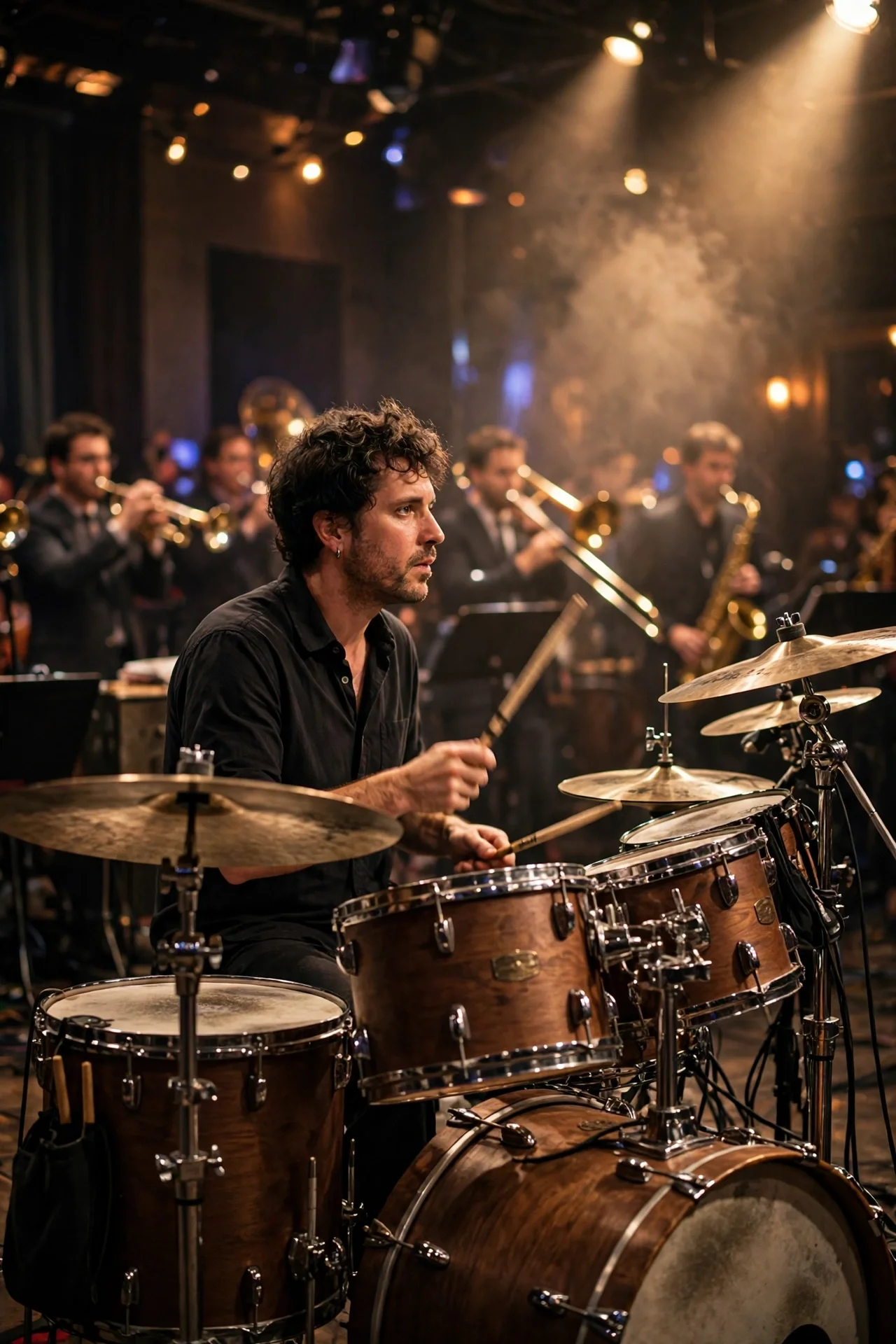
Buddy Rich is remembered as one of the greatest drummers who ever lived, yet his own band members told a very different story about life on the road with him. By several accounts, his temper was volcanic, and musicians who toured with his big band described furious dressing-room tirades about missed notes, stage presentation and discipline. The stories became legend when members of his band secretly recorded some of those outbursts, and the tapes later circulated widely. Rich also clashed with managers and, according to band lore, even with members of his own family over business matters. Admirers insist that his perfectionism was inseparable from his genius behind the kit. But for the musicians who had to share a tour bus with him, that perfectionism often felt like punishment rather than leadership.
3. Sean “Diddy” Combs

Sean Combs built a sprawling music empire, but former artists on his label have publicly described harsh treatment and low pay, and several have said they felt trapped by their contracts. Rapper Mase has been among the most vocal, repeatedly raising a long-running dispute over publishing rights that he says left him without fair control of his own work. Reports from the time also describe a 1999 nightclub incident that led to legal proceedings and a settlement, an episode that has followed Combs ever since. In later years, further allegations from former associates added to the picture of a demanding and controlling figure. Combs has denied wrongdoing in various cases, and his commercial success is undeniable. Still, among fellow artists, his name is often raised as a warning about power imbalances in the industry.
4. Phil Spector
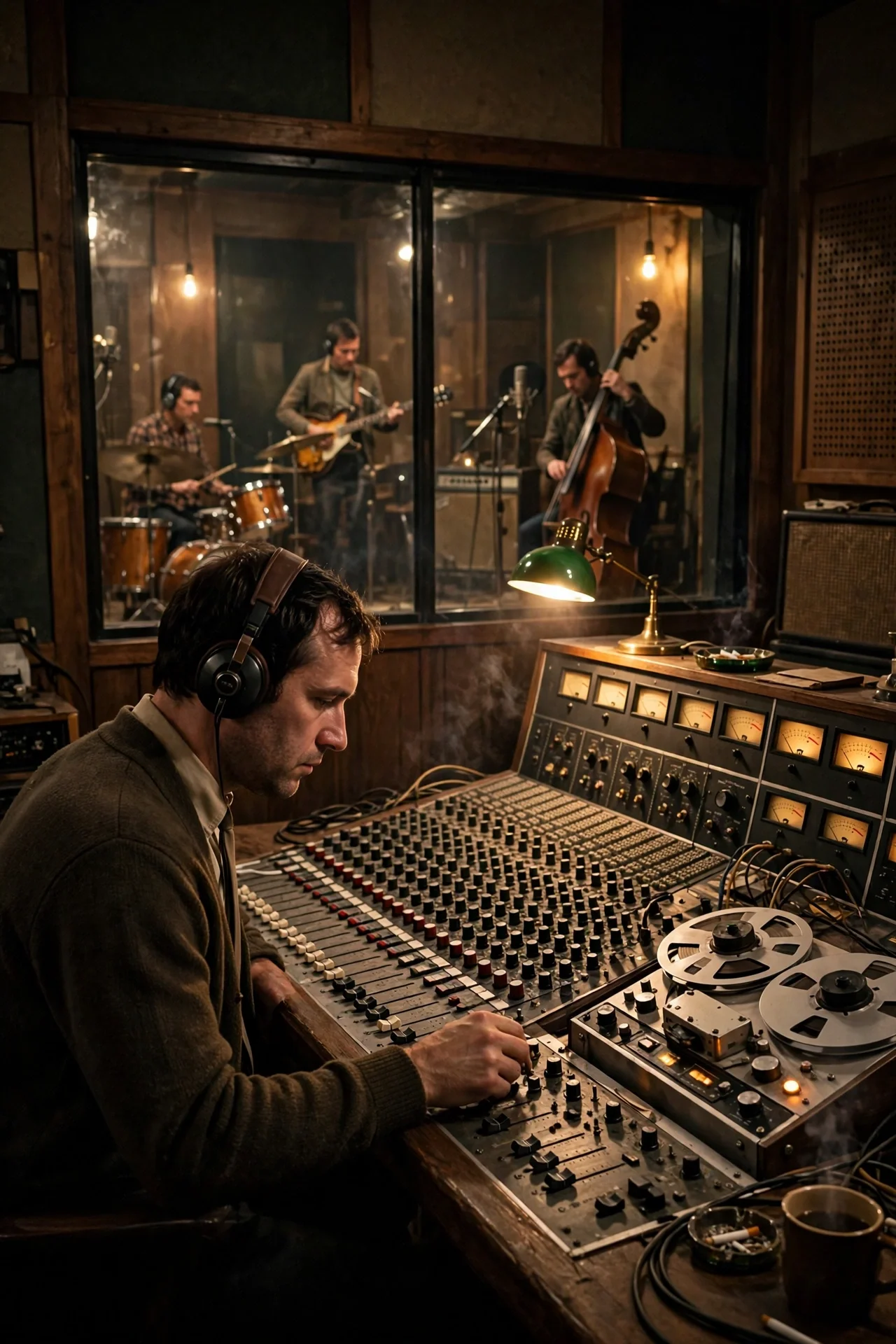
Phil Spector changed pop music with his dense, dramatic “wall of sound” production style, but collaborators have described his recording sessions as frightening experiences. Musicians and singers who worked with him reported intimidating behaviour in the studio, including incidents involving firearms that were recounted in interviews and later court coverage. His controlling tendencies were also described by his then-wife, singer Ronnie Spector, who has spoken about a deeply restrictive marriage. The darkest chapter came later, when Spector was convicted of murder in 2009 and spent the rest of his life in prison. His musical innovations remain influential, yet for many who knew him professionally, his legacy is inseparable from the fear and control that colleagues say defined his working life.
5. Axl Rose
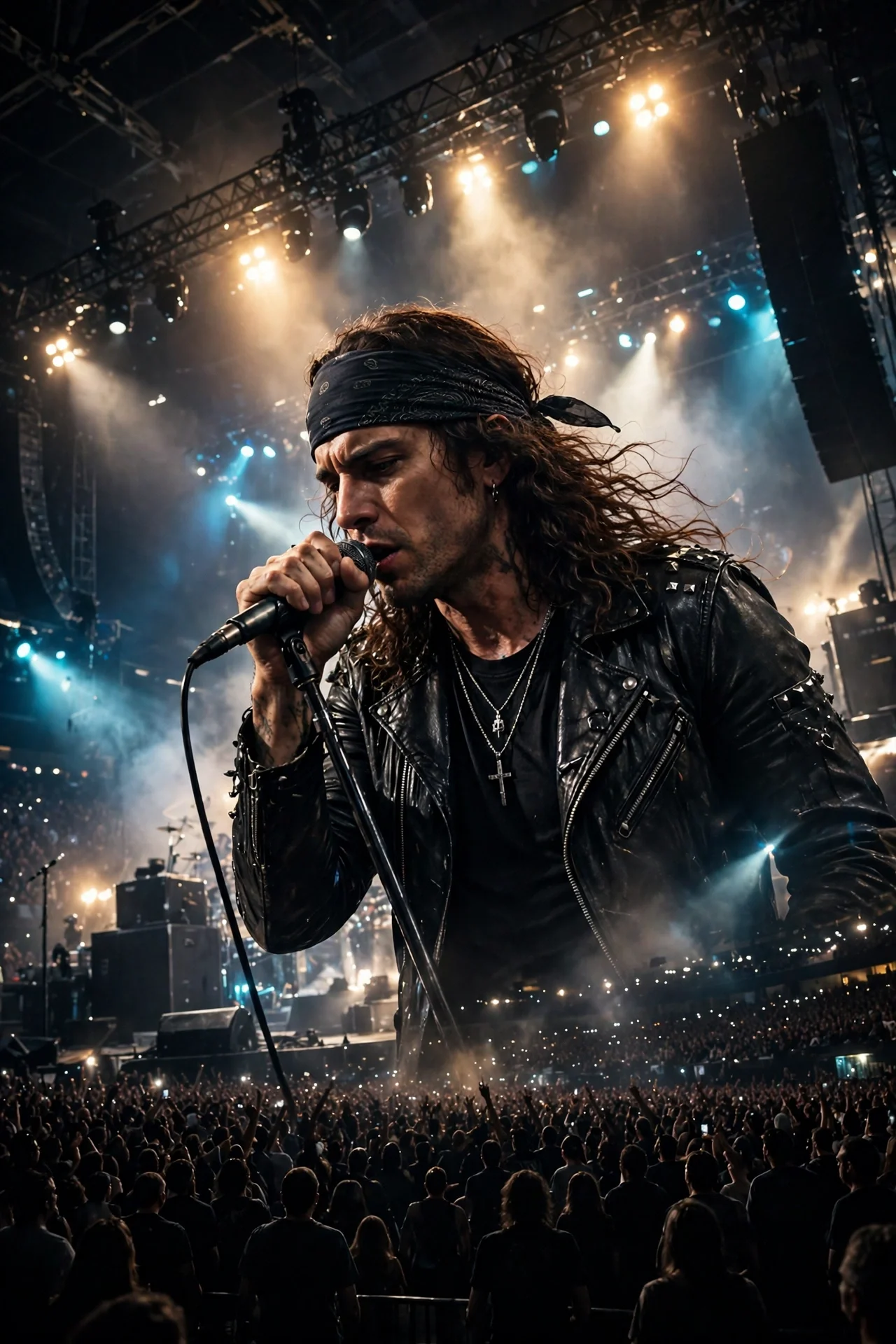
Axl Rose fronted one of the biggest rock bands on the planet, but his reputation among fellow musicians and concert crews is dominated by two things: extreme lateness and onstage volatility. Shows routinely started hours behind schedule, leaving audiences waiting and promoters furious, while bandmates described a working environment ruled by unpredictability. The most notorious night came in 1991, when Rose confronted a fan during a show and then left the stage, after which the event descended into a riot that caused injuries and damage. Band members who later left the group spoke of constant tension and broken trust. Rose’s voice and stage presence are rarely questioned, yet peers remember him as a frontman whose behaviour could derail even the biggest night.
6. Courtney Love

Courtney Love has always divided opinion, and collaborators have often described her as overbearing in the studio and on tour. Disputes over band line-ups feature heavily in her story, including a long-running disagreement about the replacement of a drummer that former bandmates raised publicly. Reports also describe a confrontation at a 1995 festival that led to an assault plea, an incident that cemented her reputation for volatility. At the same time, Love’s defenders argue that she has faced harsher judgement than male rock stars for similar behaviour, and that her songwriting and stage charisma deserve more credit. Whatever view listeners take, fellow musicians frequently describe working with her as intense and unpredictable, and several professional relationships from her career ended in public acrimony.
7. David Crosby
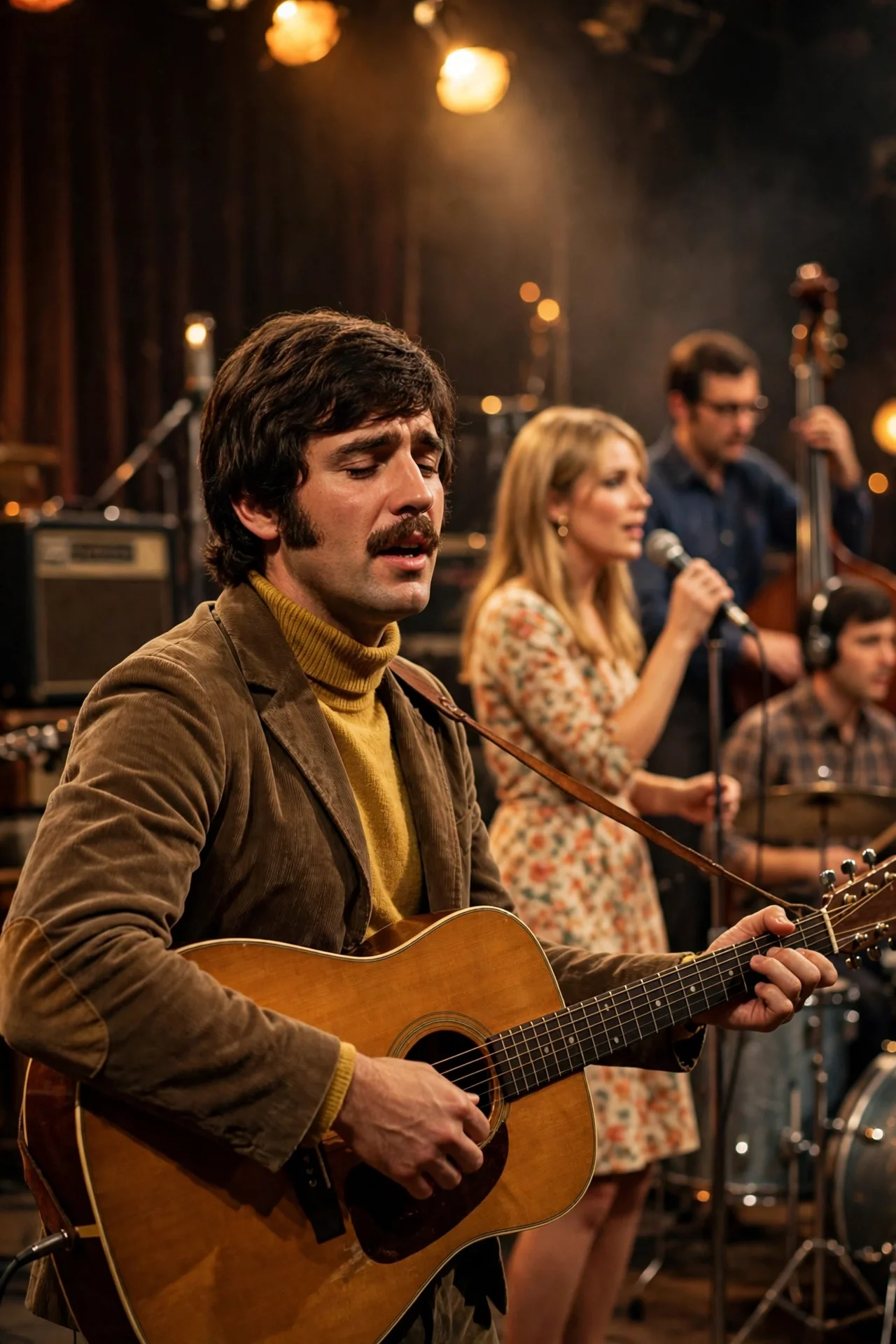
David Crosby’s harmonies helped define two legendary groups, but his time in both ended badly. He was fired from the Byrds, with bandmates citing his difficult behaviour and domineering attitude in rehearsals and interviews. His later supergroup also unravelled as personal relationships collapsed, and in his final years Crosby became known for public feuds with former bandmates, trading barbs in interviews and on social media. Friends and collaborators described a man who could be warm and witty, but also blunt to the point of burning bridges that might have been repaired. Crosby himself later acknowledged that he had said things he regretted. Even so, among his peers, he is remembered as a musician whose talent was matched by a gift for turning allies into estranged former friends.
8. David Byrne

David Byrne’s art-rock band produced some of the most inventive music of its era, but former bandmates have accused him of hogging songwriting credit and dismissing their contributions. According to their accounts, Byrne positioned himself as the band’s creative centre while the other members felt reduced to backing musicians, a resentment that grew over years of touring and recording. The break-up itself added to the bitterness: bandmates have said they learned that Byrne was ending the group from press coverage, rather than being told directly. Byrne has described the split differently, framing it as a natural creative parting. Yet for his former colleagues, the way it ended confirmed everything they had felt about the imbalance at the heart of the band.
9. James Brown
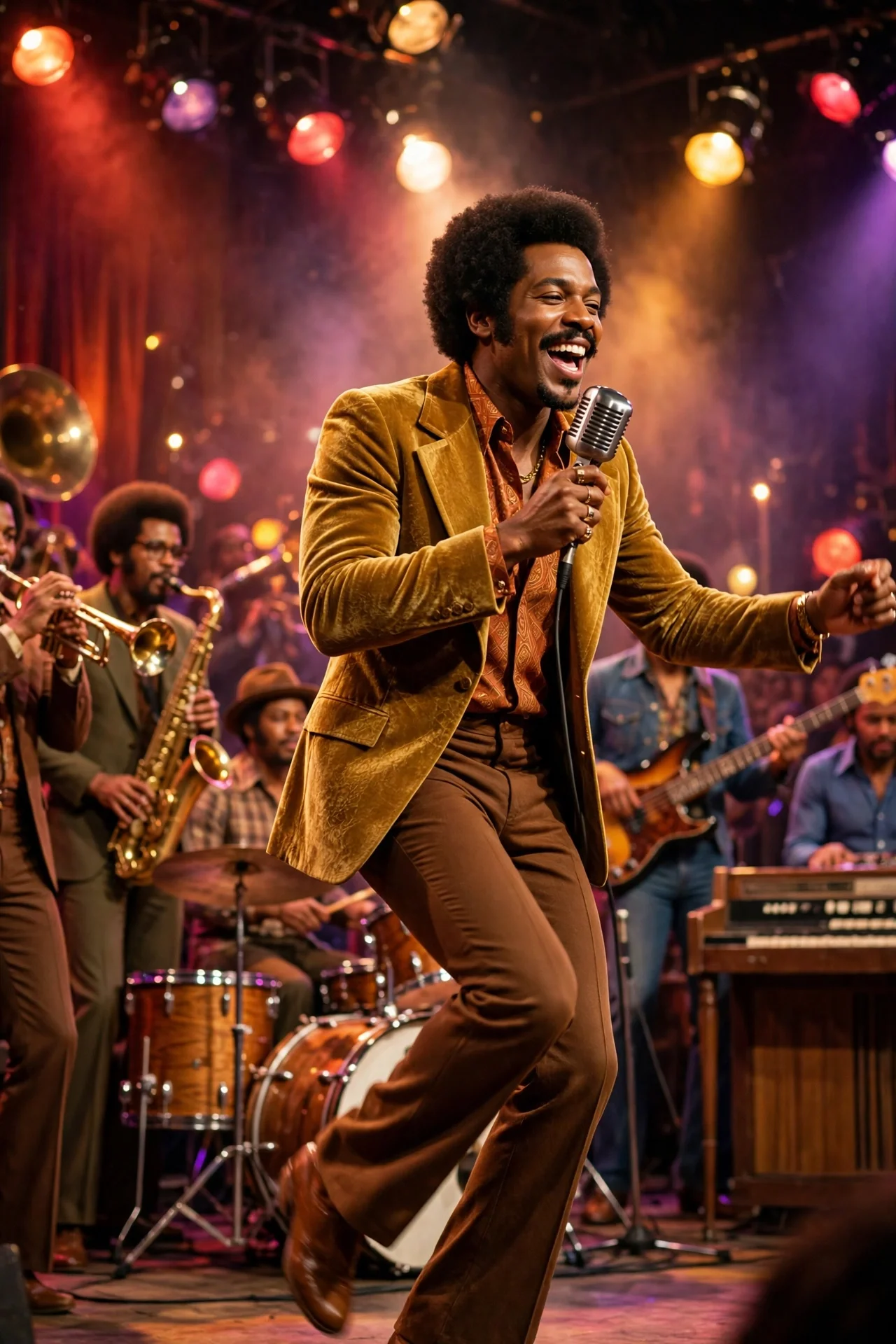
James Brown was famously demanding, and his band members paid the price in fines. Musicians who played with him have described a system in which mistakes on stage, from a missed cue to a scuffed shoe, could be punished with deductions from their pay. He controlled almost every aspect of the performance, from choreography to stage conduct, and former sidemen have said the discipline felt relentless rather than inspiring. His personal life also made headlines, most dramatically in 1988, when an armed incident led to a police chase and a prison sentence, all part of the public record. Brown’s influence on funk and soul is beyond dispute, but the musicians who kept his show running remember a bandleader who ruled through fear as much as through genius.
10. Morrissey

Morrissey’s former band remains one of the most beloved in British music, but the relationships behind it ended in court. The band’s drummer successfully sued over royalties, arguing that he and the bassist had been treated as hired hands rather than equal partners, and the court agreed. The bassist has also said he was never properly paid for his songwriting contributions, a claim that deepened the rift. Meanwhile, the band’s guitarist has publicly spoken of reaching out in the hope of reconciliation, only for his olive branch to go unanswered. Morrissey has defended his position and disputed his former colleagues’ accounts. Still, among musicians, the story is often cited as a cautionary tale about how unclear agreements can destroy even the closest creative partnerships.
11. Kathleen Battle

Kathleen Battle possessed one of the most celebrated voices in opera, but colleagues at major companies described her as exceptionally difficult to work with. Singers, conductors and administrators reportedly found her demanding, and complaints accumulated over years at the top of the profession. The breaking point came in 1994, when the Metropolitan Opera dismissed her from a production, citing unprofessional behaviour, a rare public humiliation for a star of her standing. She later withdrew from a Vienna concert just hours before curtain, leaving organisers scrambling for a replacement. Admirers still praise her artistry, but within opera her name became shorthand for a career damaged by its backstage reputation.
What links these eleven musicians is not a lack of talent. On the contrary, most of them changed their genres and inspired generations of performers. What fellow musicians remember, though, is the human cost of working alongside them: the credits that were fought over, the tours that turned sour, the bands that split and the bridges that never got rebuilt. In an industry built on collaboration, reputation travels as fast as any hit record, and these stories show how long it can last.