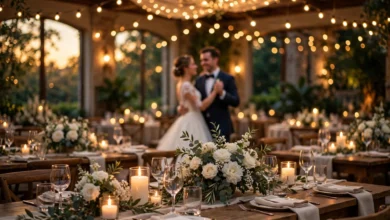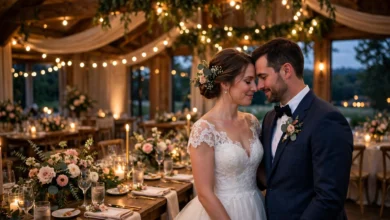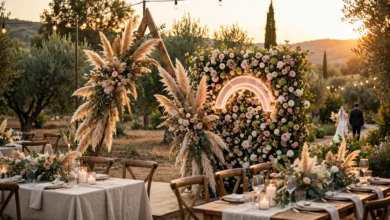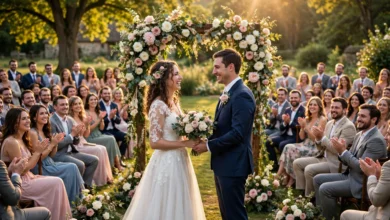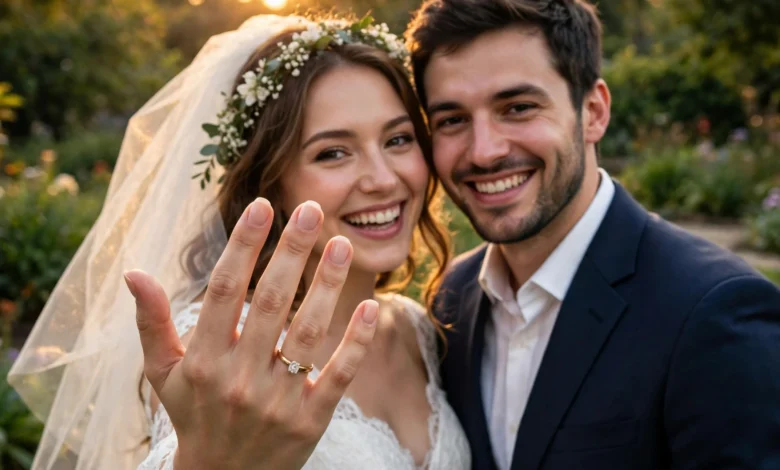
There is a special kind of wisdom that only comes from having actually planned a wedding — the kind you cannot get from a checklist or a glossy magazine spread. Brides who recently walked down the aisle have been sharing the single best piece of advice they would pass on to couples planning their weddings now, and the lessons are refreshingly honest: think about life after the party, protect a few quiet minutes for the two of you, and stop chasing a flawless day that does not exist. Here are the 11 best wedding planning tips those brides want every couple to know before the big day.
1. Plan With Your Future Selves in Mind

It is easy to get swept up in the wedding itself and forget that there is a whole life waiting on the other side of it. Before you buy anything, ask one simple question: what happens to this after the last dance? The monogrammed signs, the two hundred votive holders, the crates of “rustic” decor — all of it has to go somewhere, and that somewhere is usually your living room, in boxes, for months. Choose things you will actually use again, rent or borrow the single-use pieces, and think twice before filling your home with wedding-only stuff you will be tripping over in September. The same goes for the big decisions: pick shoes you can stand in, a dress you can breathe and dance in, and a timeline that leaves you with energy for the honeymoon. The wedding is one day. The home and the marriage you build afterward are the rest of your life, so plan for the people you will be the morning after, not just the couple in the photos.
2. Steal a Private Moment With Your Spouse
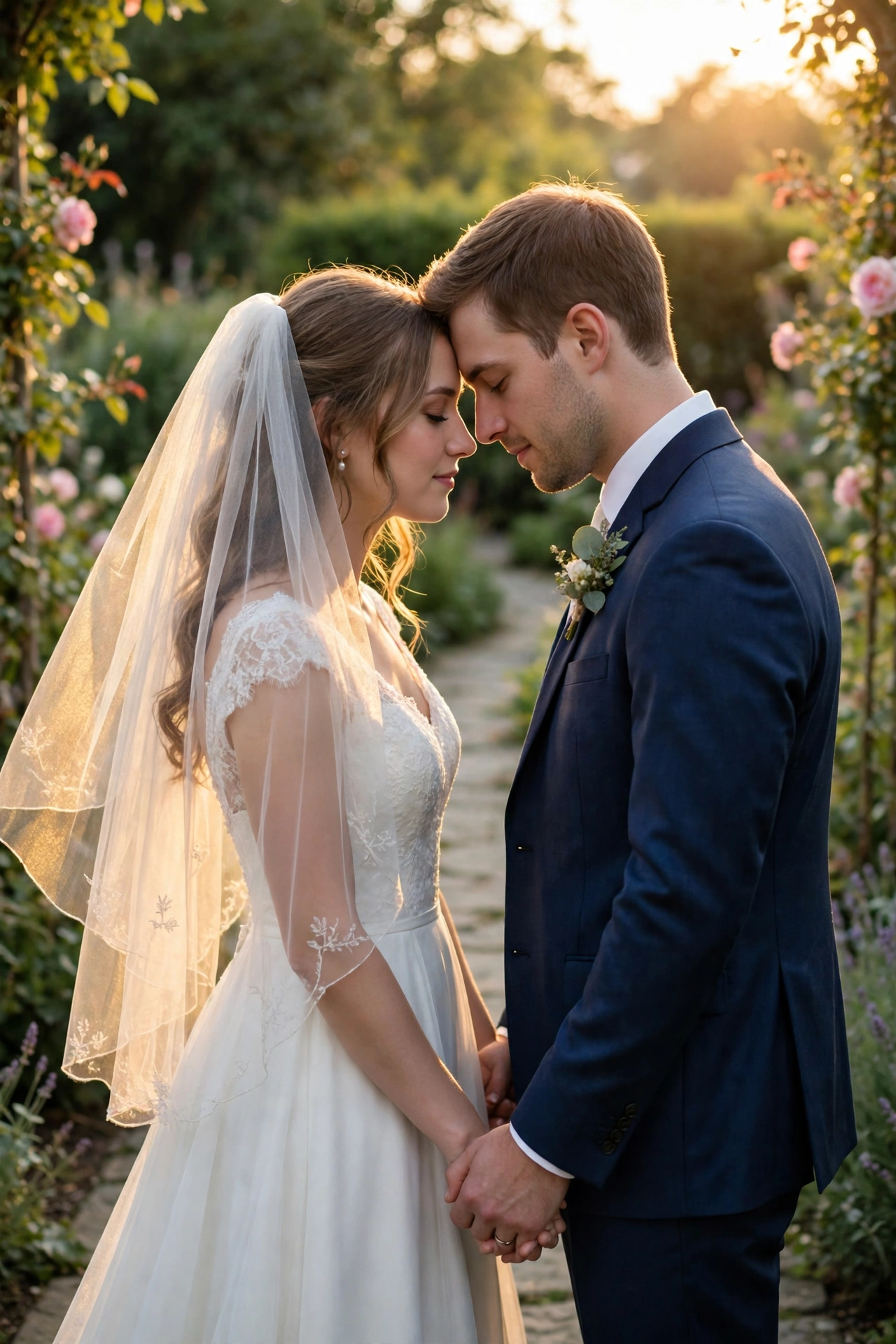
Your wedding day will be the busiest, loudest, most photographed day of your life — and the strangest part is how little of it you actually spend alone with the person you just married. That is why so many brides say the same thing: schedule a private moment, and guard it like any other part of the timeline. Ten or fifteen minutes is enough. Slip away right after the ceremony, take a slow walk to your portrait spot, or step outside during golden hour while dinner is being served. Tell your photographer in advance so they can protect that window instead of filling it with more group shots. No toasts, no posing, no small talk — just the two of you, breathing, eating something, and taking in the fact that you actually did it. Couples who build this pause into the day almost always say it was their favorite part. The party will still be there when you get back, and you will return to it calmer, happier, and actually able to enjoy it.
3. Budget for Everything, and Be Brutally Honest With Yourself

Here is the truth about wedding costs: a wedding costs exactly what you are willing to spend, so the budget has to be decided before the spending starts, not after. Sit down together and write out everything — not just the venue, the dress, and the food, but the small costs that quietly eat a budget alive: postage, tips, alterations, vendor meals, the cake-cutting fee nobody warns you about, and the last-minute “we forgot the” items. Then be honest with yourselves about what genuinely matters to the two of you. If live music makes your heart sing, spend there and cut the fancy invitations. If the food is your priority, skip the elaborate favors and put the money on the plate. There is no wrong answer, but there is a wrong way to do it — which is saying yes to everything and working out the math later. A detailed, honest budget is not unromantic. It is the thing that lets you enjoy the day without a knot in your stomach every time you check your bank balance.
4. Planning Is Practice for Marriage
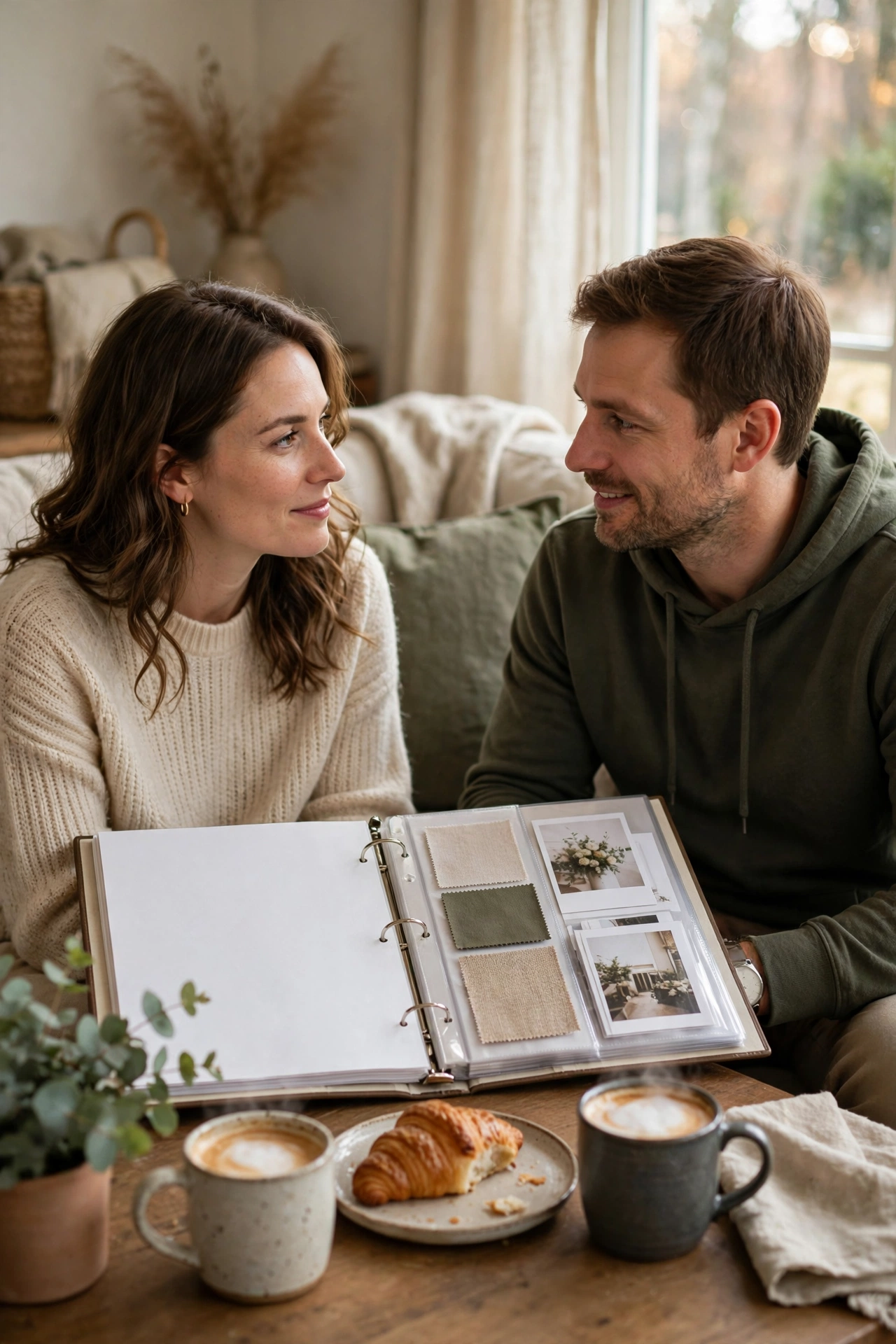
Every decision you make while planning is a rehearsal for how you will make decisions for the next fifty years. The guest list, the budget, the in-laws, the seating chart — these are not just wedding logistics, they are your first real practice at communicating, compromising, and setting boundaries as a team. Talk early and talk honestly, especially when you disagree. Figure out which hills are actually worth standing on and which ones you can happily give up. And when family opinions start piling in, present a united front: decide together first, then share the decision together. Couples who treat planning as teamwork, rather than a test one of them has to pass, come out of it stronger. If you can survive the seating chart without a real fight, you can survive just about anything — and that is a far better souvenir than any centerpiece.
5. Treat Every Trial Like a Rehearsal
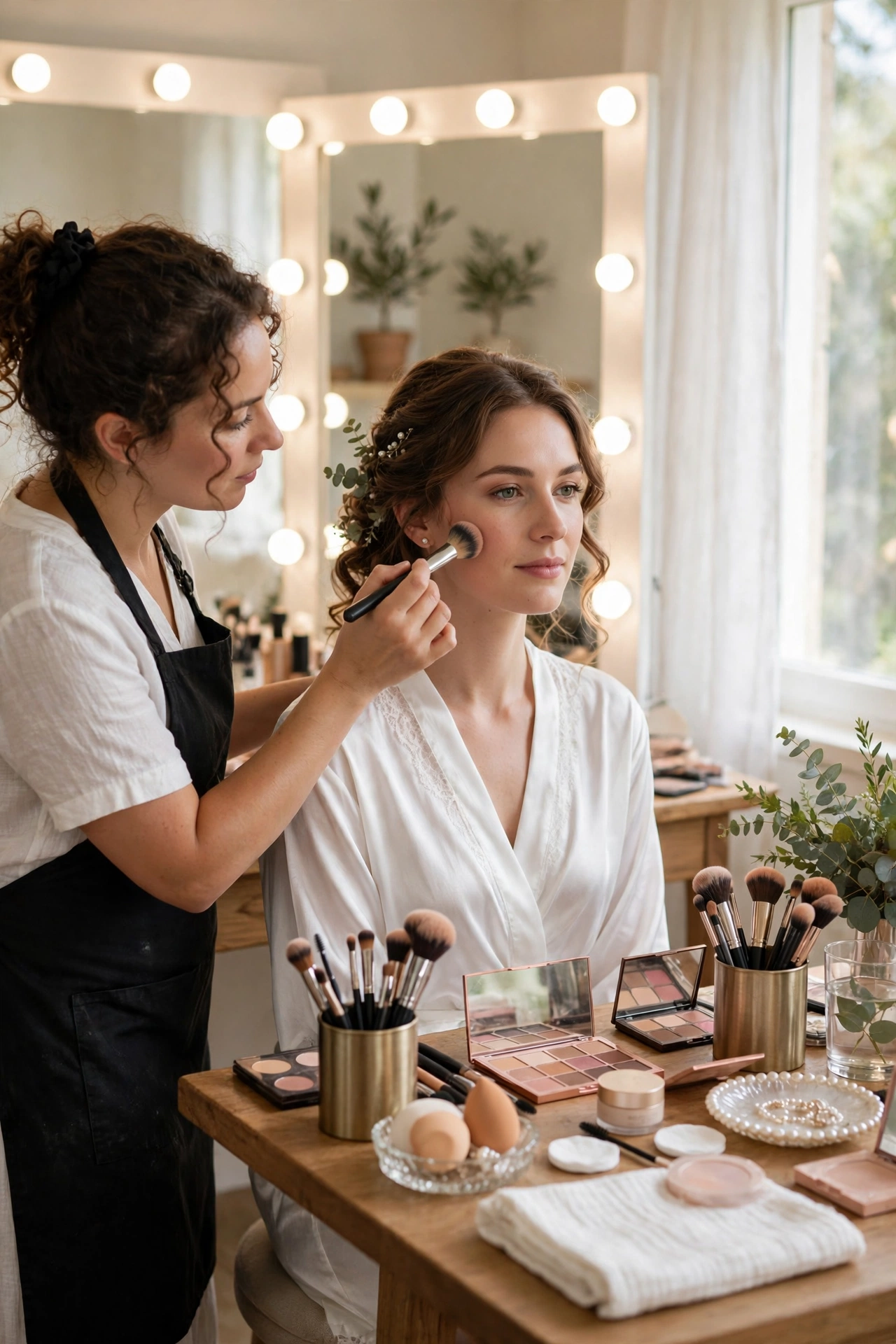
A trial is a test run, and the whole point of a test run is finding the problems while there is still time to fix them. Book your makeup trial on an ordinary day, not the morning of your engagement photos or your bridal shower — if something goes wrong, you want a free afternoon to recover, not a camera pointed at you. Taste the food before you sign the catering contract, walk the venue in your actual shoes, and test the ceremony music at the real volume in the real space. Try on the dress with the undergarments and shoes you will actually wear, and sit down in it. Every trial is a chance to catch the thing that would have bothered you on the day itself, whether it is a lipstick shade that photographs too dark or a heel that sinks into the lawn. Brides who treated their trials seriously say the same thing afterward: the wedding day felt calm because there were no surprises left.
6. Choose Convenience Over Novelty
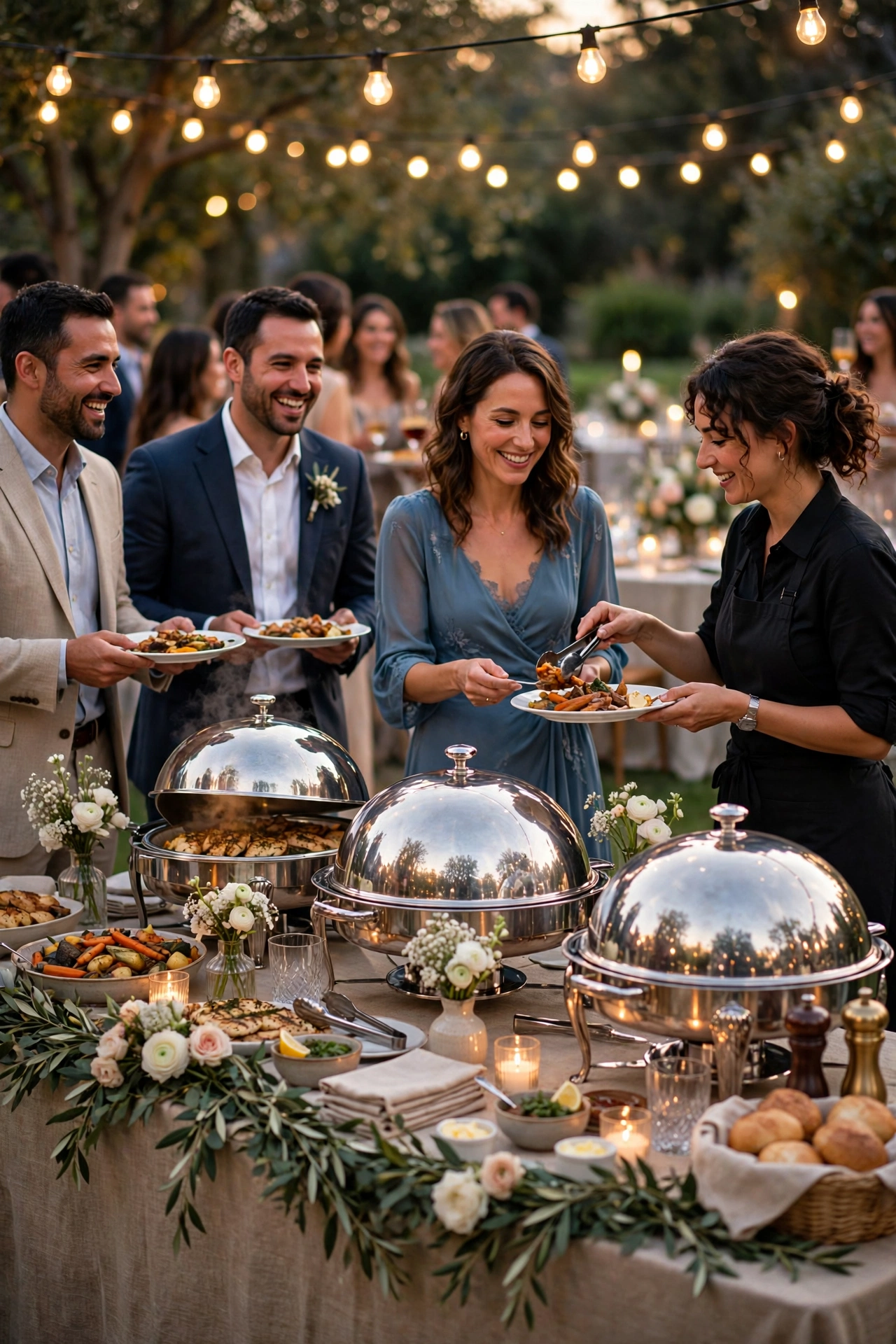
The clever idea is almost never the comfortable one. A food truck as the main meal sounds charming and fun — right up until your guests are still standing in line two hours later, hungry, in heels, while the dance floor sits empty. The same goes for any novelty that looks great on paper but collapses at your actual guest count: the single bathroom at the barn venue, the outdoor ceremony with no shade in August, the sparkler exit that needs perfect timing from a hundred people. Convenience is not boring, it is kind. A smooth, well-fed, comfortable guest experience beats a clever concept every single time. Before you fall in love with an idea, run it through the logistics test: how long will people wait, how far will they walk, where will they sit, what happens if it rains? If the answer is easy, the idea is a keeper. If the answer involves a spreadsheet and a prayer, pick the simpler version and spend the energy you saved on actually enjoying your own party.
7. Your Guest List Will Grow — Plan for It
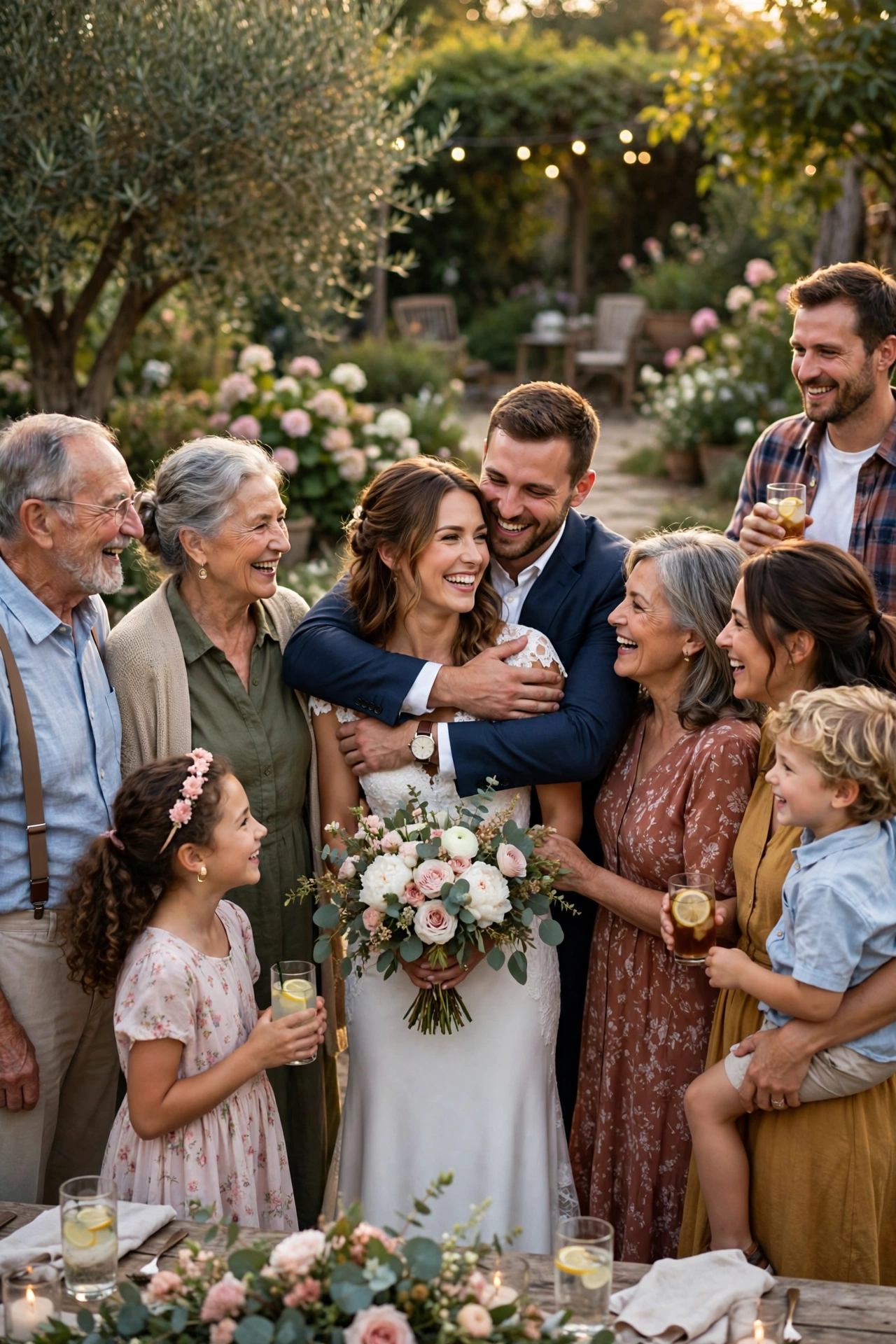
Somebody in your family is going to tell you to invite people who will “probably say no” — the distant cousins, the old family friends, the plus-ones of plus-ones. Here is what experienced brides want you to know: they will not say no. They will book the flight, buy the outfit, and show up beaming, and you will be thrilled to see them — as long as you planned for them. Never build your budget, your seating plan, or your catering numbers on hoped-for declines. Count every invitation as a yes until the RSVP says otherwise, and build in a small headcount buffer for the inevitable late additions. Be kind but firm about plus-ones, and decide the rule together before anyone asks, so you are not negotiating it one relative at a time. A guest list that grows is not a problem; it is a sign that a lot of people love you. It only becomes a problem when the numbers surprise you in the final week, and that is entirely avoidable.
8. Choose Your Vendors With Your Gut
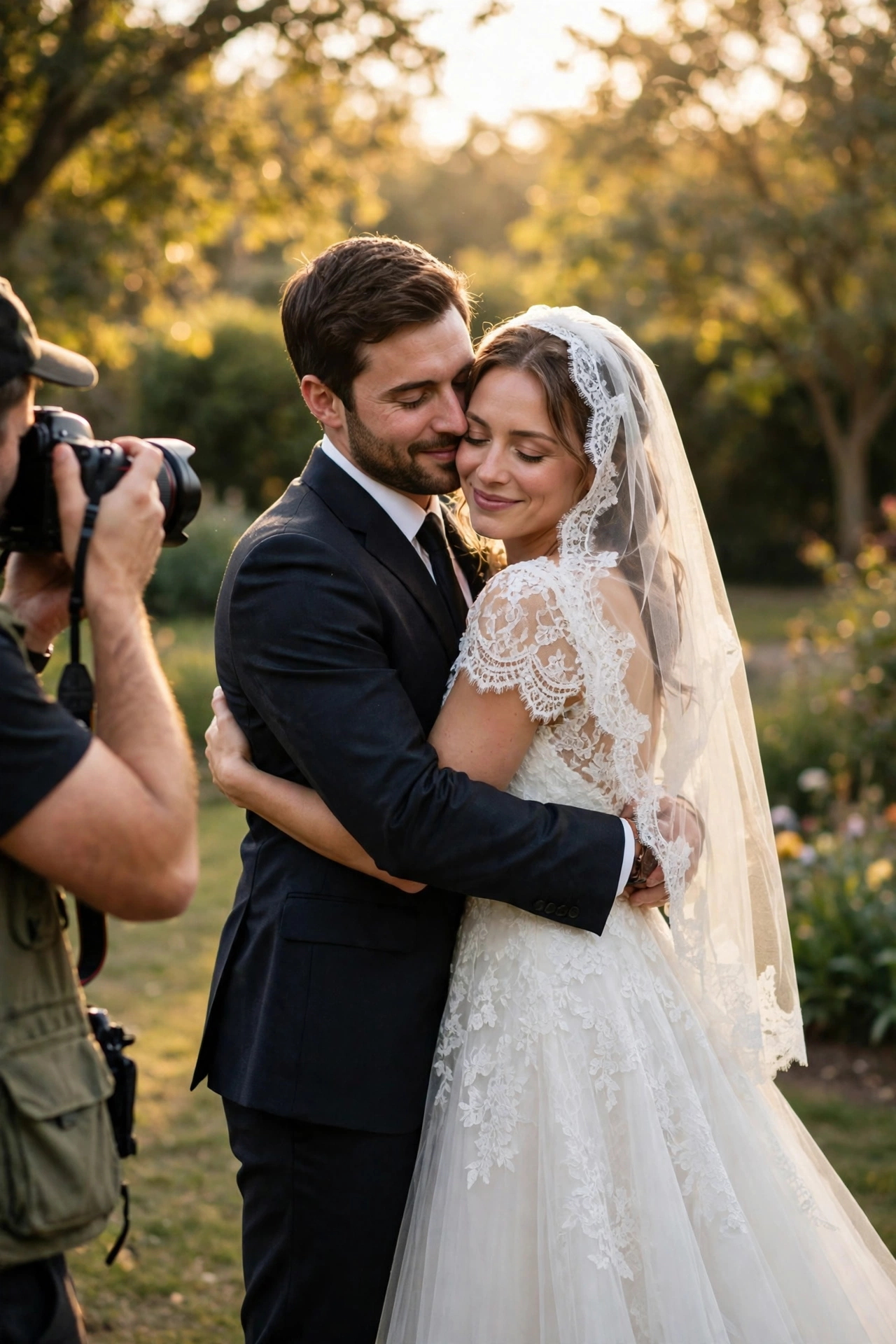
A portfolio is a highlight reel, and every vendor’s highlight reel looks wonderful. What you are actually hiring is a person you will spend months emailing and one very long day relying on, so trust your gut as much as their gallery. Do they answer promptly? Do they actually listen to what you want, or steer you toward what they prefer? Do they stay calm when you describe a problem? The vendors who listen are the ones who save the day when something shifts. And two hires deserve special attention. First, a day-of coordinator: even a small wedding has a hundred moving parts, and having one calm professional running the timeline means you get to be a guest at your own wedding instead of its stage manager. Second, your photographer: ask exactly how your full gallery is delivered and backed up, because your photos are the one part of the day that outlasts everything else. The cake gets eaten, the flowers fade, and the photos are what you will still be looking at in fifty years.
9. Skip the Favors — Invest in the Marriage
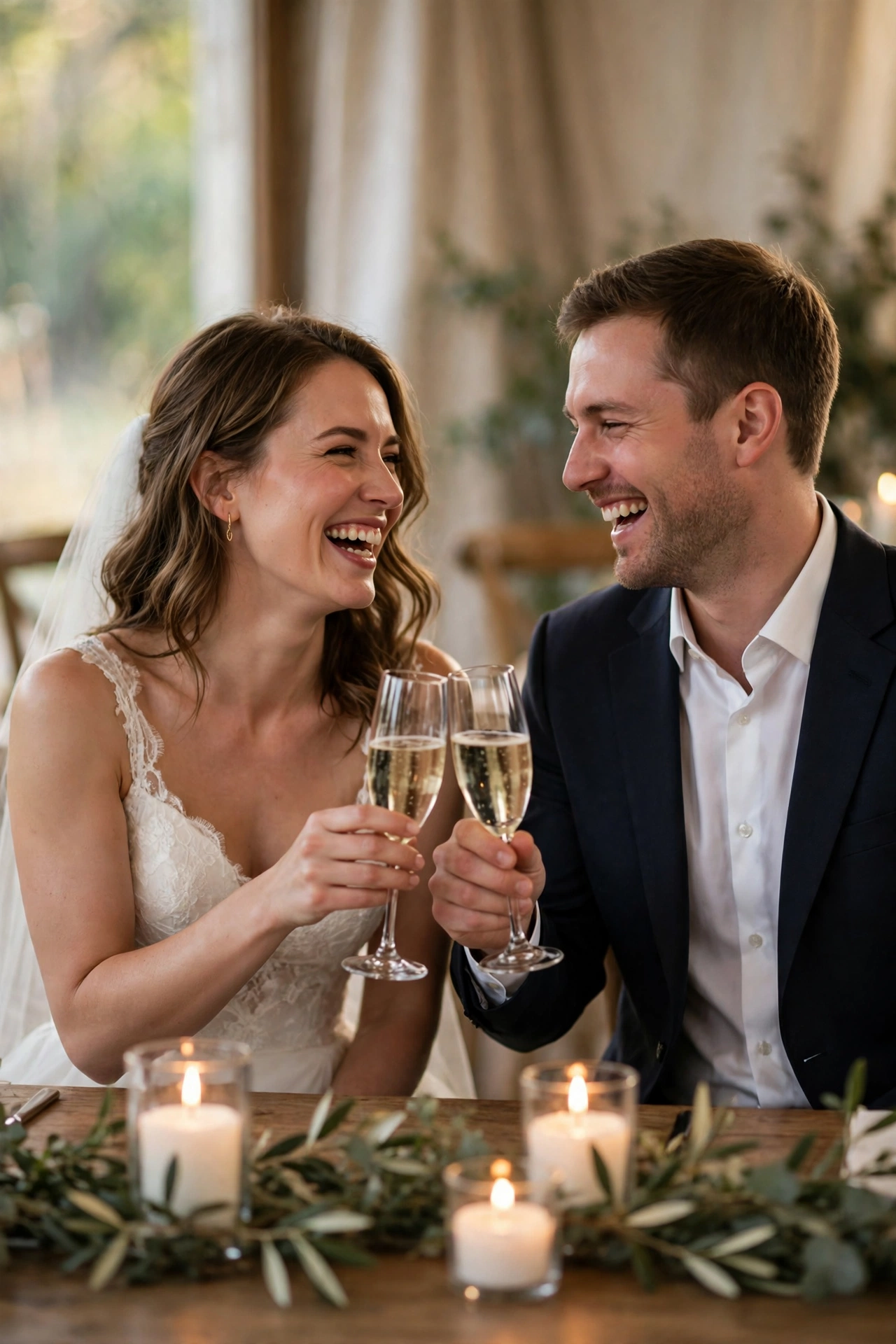
Take a quiet look around at the end of any wedding reception and you will see the truth about favors: a surprising number of them are still sitting on the tables. The tiny succulents, the personalized bottle openers, the little bags of candy — most of them get left behind, and nobody has ever said a wedding was wonderful because of a favor. That money can do so much more somewhere else. Put it toward premarital counseling or a marriage prep class, add it to the honeymoon fund, or spend it on one detail your guests will actually remember, like a great band or an extra hour of photography. Your guests came to celebrate you, not to collect a souvenir, and the best gift you can give them is a relaxed, joyful evening. The marriage is the point of the whole event, so spend like it: invest in the life you are starting together, not in a hundred small objects destined for a junk drawer.
10. Everyone Has an Opinion — Only Yours Matters
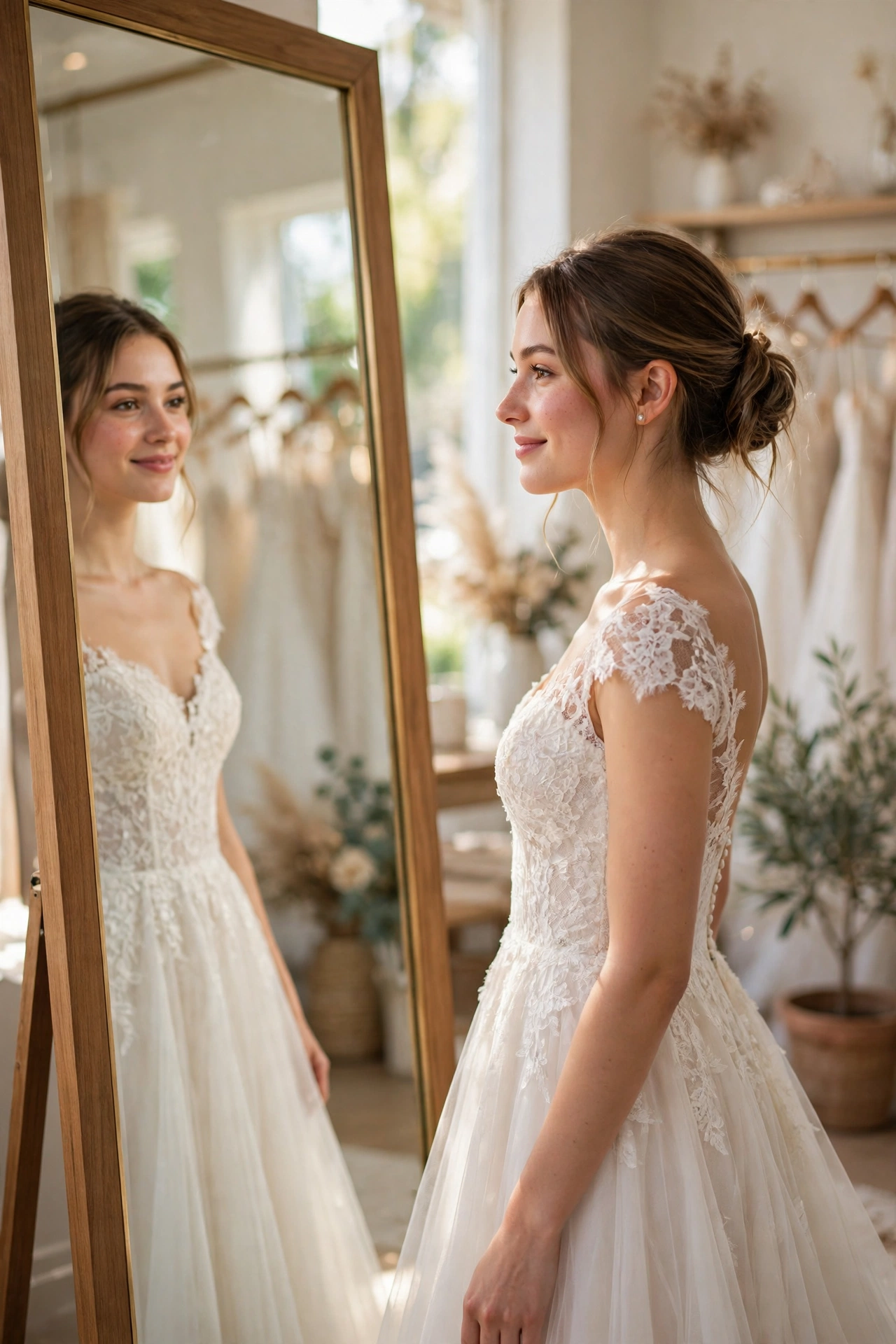
The moment you get engaged, everyone becomes a wedding expert: your family, their family, your coworkers, and a thousand strangers on the internet. Mute the wedding content that makes you anxious, thank people warmly for their suggestions, and then do what fits the two of you. You do not have to invite everyone you have ever met, you do not have to follow a single tradition that means nothing to you, and you do not have to explain your choices to anyone. The dress, the venue, the size of the party, the first dance — all of it is yours to decide. Brides who look back happiest are the ones who blocked out the noise early and planned the wedding they actually wanted, not the one the comments section wanted for them. It is your day, your budget, and your marriage. The only opinion that has to matter at the end of it is the one shared by the two people standing at the altar.
11. Aim for a Good Day, Not a Perfect One
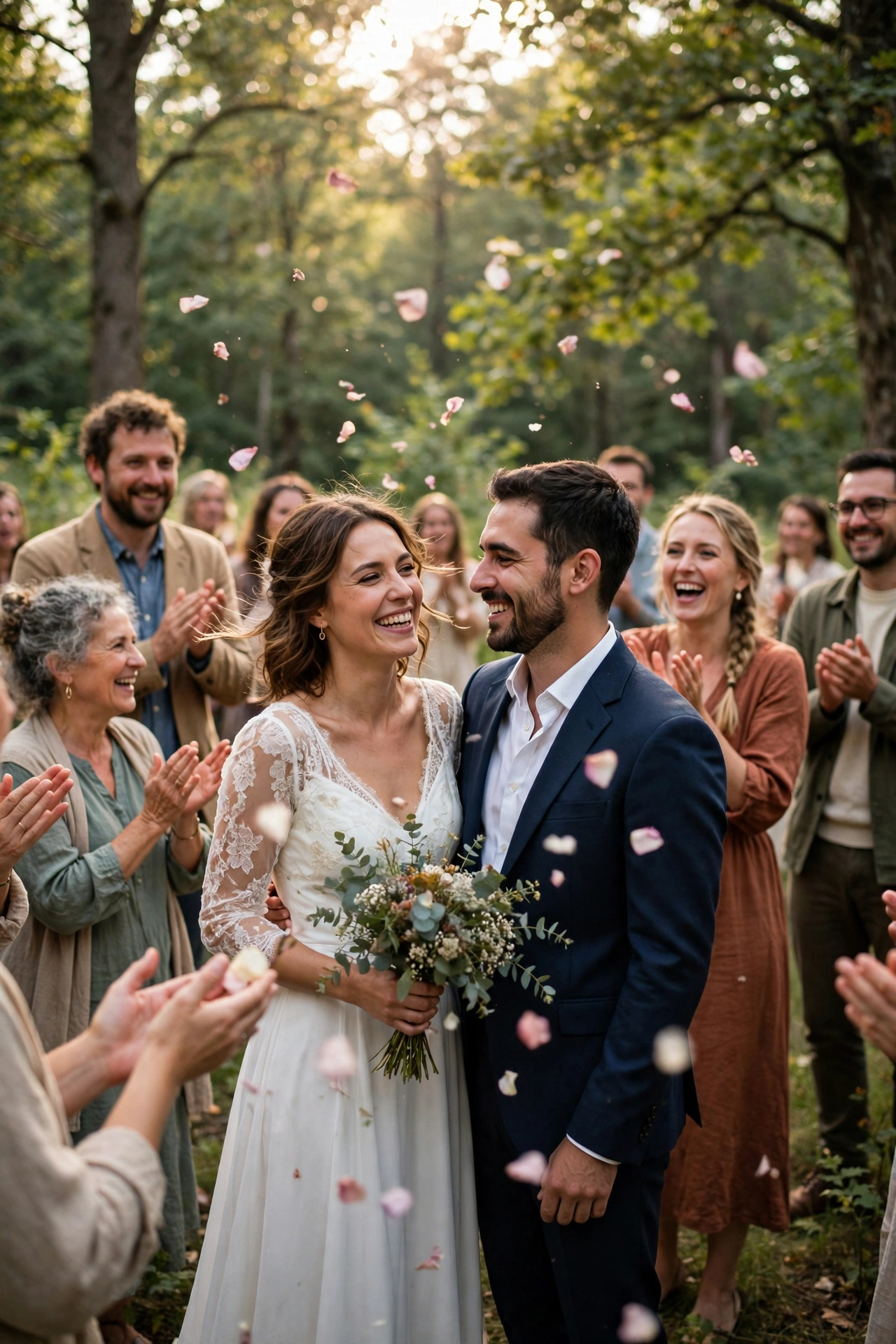
Something will go sideways. It might be the weather, a late vendor, a flower girl with stage fright, or a best man who forgets the rings in the car for ten heart-stopping minutes. It happens at nearly every wedding, and the couples who enjoy their day anyway are the ones who expected it. Plan the best you can, then let go. Focus on a good day instead of a perfect one: good food, good music, the people you love most in one room, and a moment to actually be present for it. Years from now, you will not remember whether the napkins matched the invitations, but you will remember laughing with your new spouse while the rain came down, or dancing with your grandmother to a song nobody planned. The best weddings are not the flawless ones — they are the ones where the couple actually had fun. So have as much fun with the process as you can: turn cake tasting into a date, make playlist-building a dance party, and let the day be what it is. A good day, fully enjoyed, beats a perfect day on paper every single time.
Planning a wedding is not easy, but it can be one of the most meaningful things you do together — as long as you remember what it is actually for. Weddings are as unique as the couples who plan them, and the best advice of all might be the simplest: take care of each other through the process, protect the moments that matter, and marry the person, not the production.
You May Also Like
25 Wedding Etiquette Rules Then Vs. Now
12 Rudest Wedding Behaviors, According To Experts