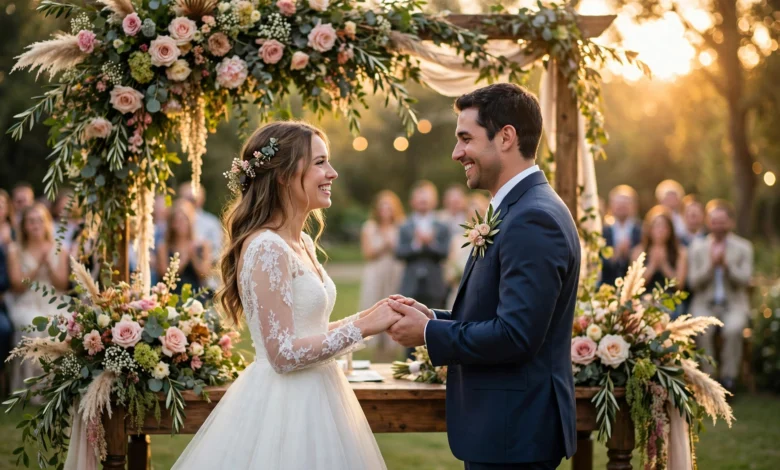
Weddings are a wonderful mirror of their time. The vows may stay the same, but almost everything around them — what guests wear, how the cake is served, who walks down the aisle, and even when people clap — has quietly changed over the years. Looking back at old wedding customs next to today’s celebrations is a lovely reminder of how much more relaxed, personal, and inclusive weddings have become.
Here are 25 wedding etiquette rules, then versus now. Some of the old rules will make you smile, a few might surprise you, and several will make you glad that times have moved on. Whether you are planning your own wedding or simply love a good celebration, this trip through wedding history is full of charm.
1. Applause at the End of the Ceremony
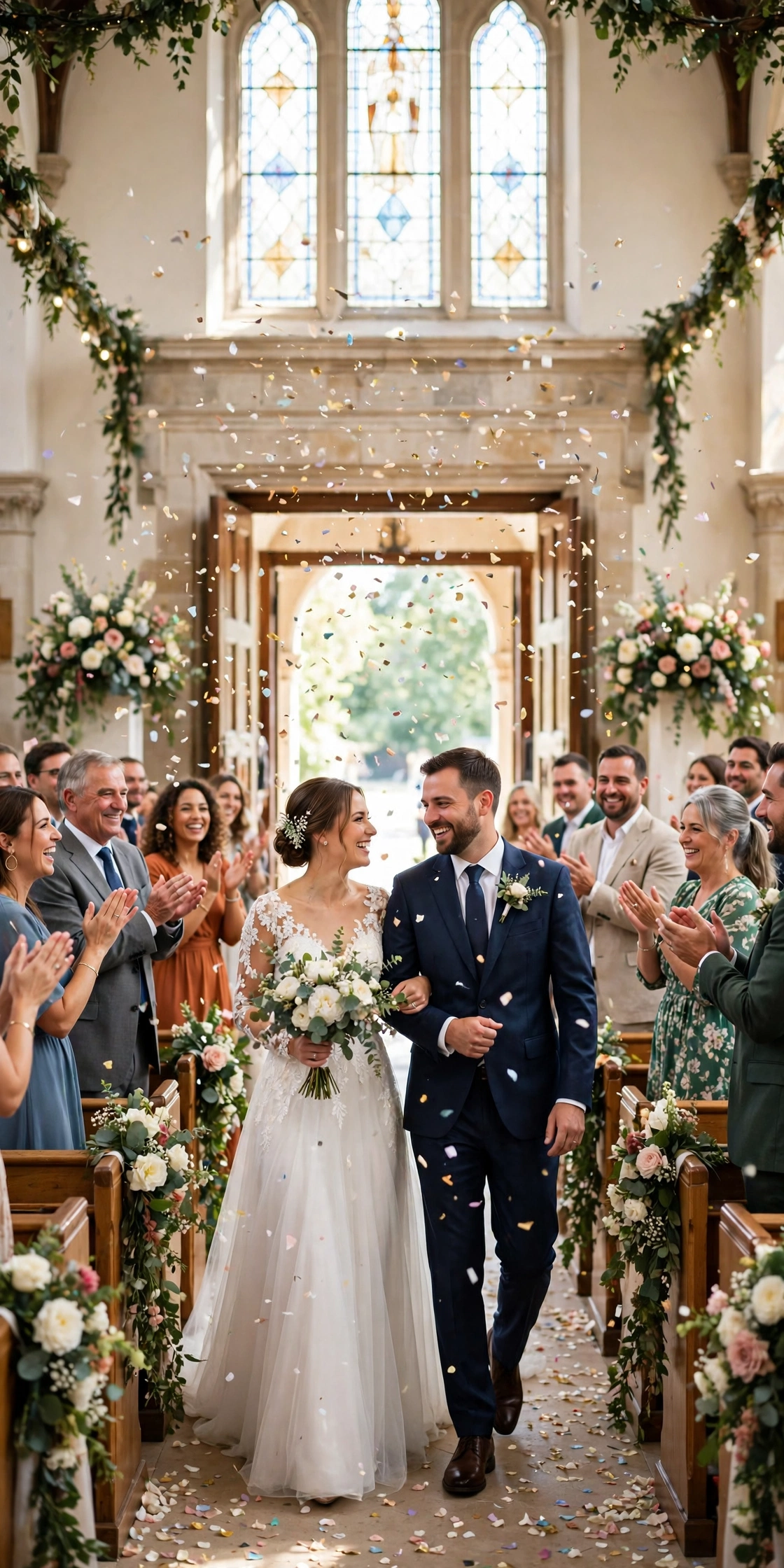
There was a time when a wedding ceremony was treated as a solemn, almost church-quiet occasion from start to finish. Guests were expected to sit still, stay silent, and save any show of emotion for the reception afterwards. Clapping at the end of the ceremony would have felt out of place, even a little disrespectful, in a setting that was all about reverence and formality.
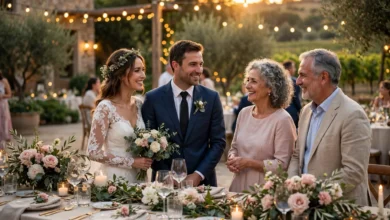
Today, applause is one of the happiest sounds at a wedding. The moment a couple is pronounced married, guests burst into cheers and clapping, and that joyful noise has become part of the ceremony itself. It is a warm, instant way for everyone present to say that they are delighted, and it sets a celebratory tone for everything that follows.
2. Receiving Lines vs. Dancing Entrances
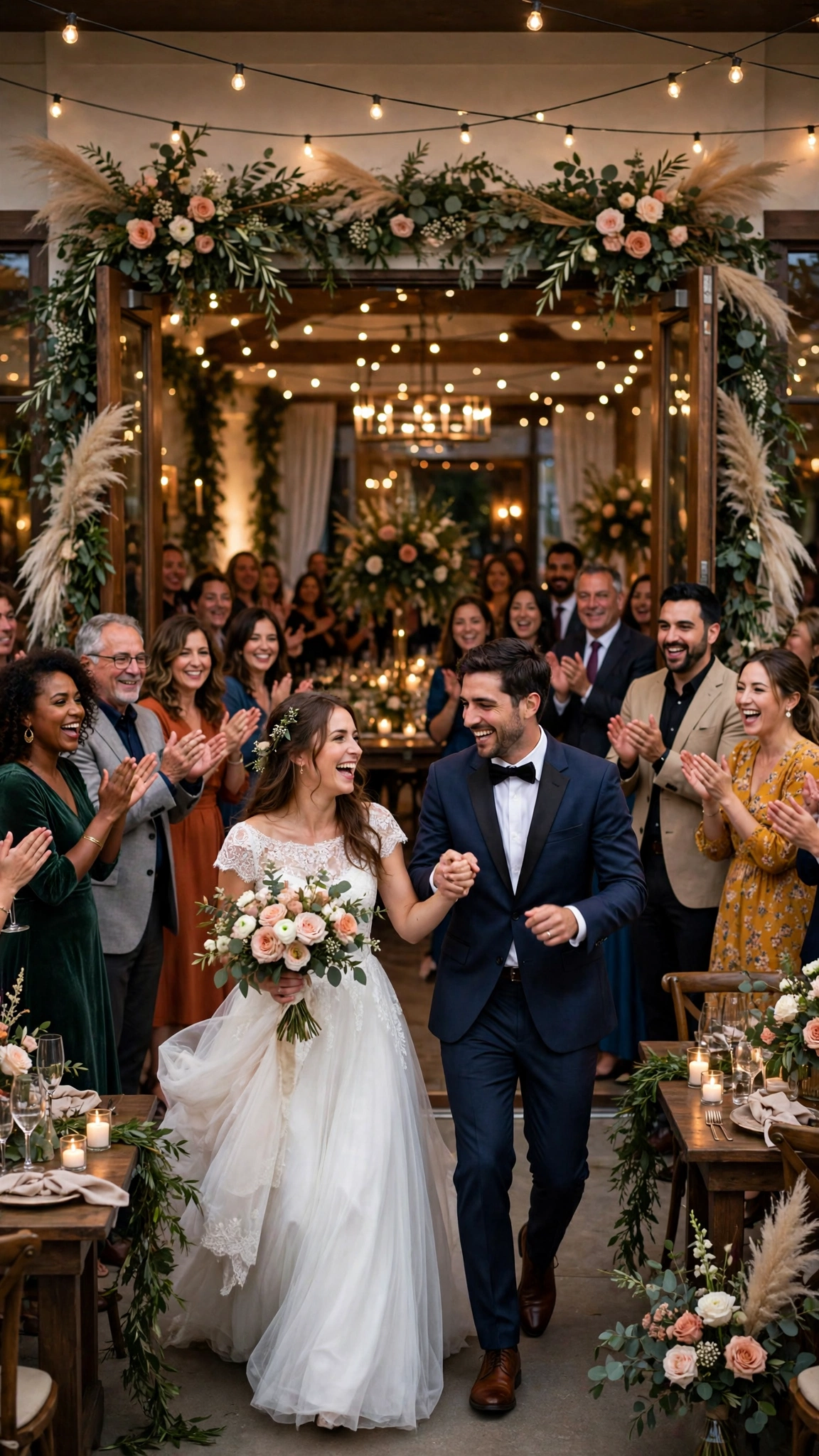
In earlier decades, the formal receiving line was a fixed part of the wedding day. After the ceremony, the couple and their families stood in a neat line so that every guest could be greeted in turn, with a handshake and a few polite words. It was orderly and respectful, but it could also take a very long time, and guests often spent much of the reception waiting their turn.
Modern couples have largely swapped the receiving line for something far more fun: the dancing entrance. The newlyweds, and often the whole wedding party, dance their way into the reception to music, to cheers from their guests. Couples still make time to greet everyone, but they tend to do it table by table during the meal, which feels far more relaxed and personal.
3. Expensive Diamond Rings vs. Affordable Alternative Stones
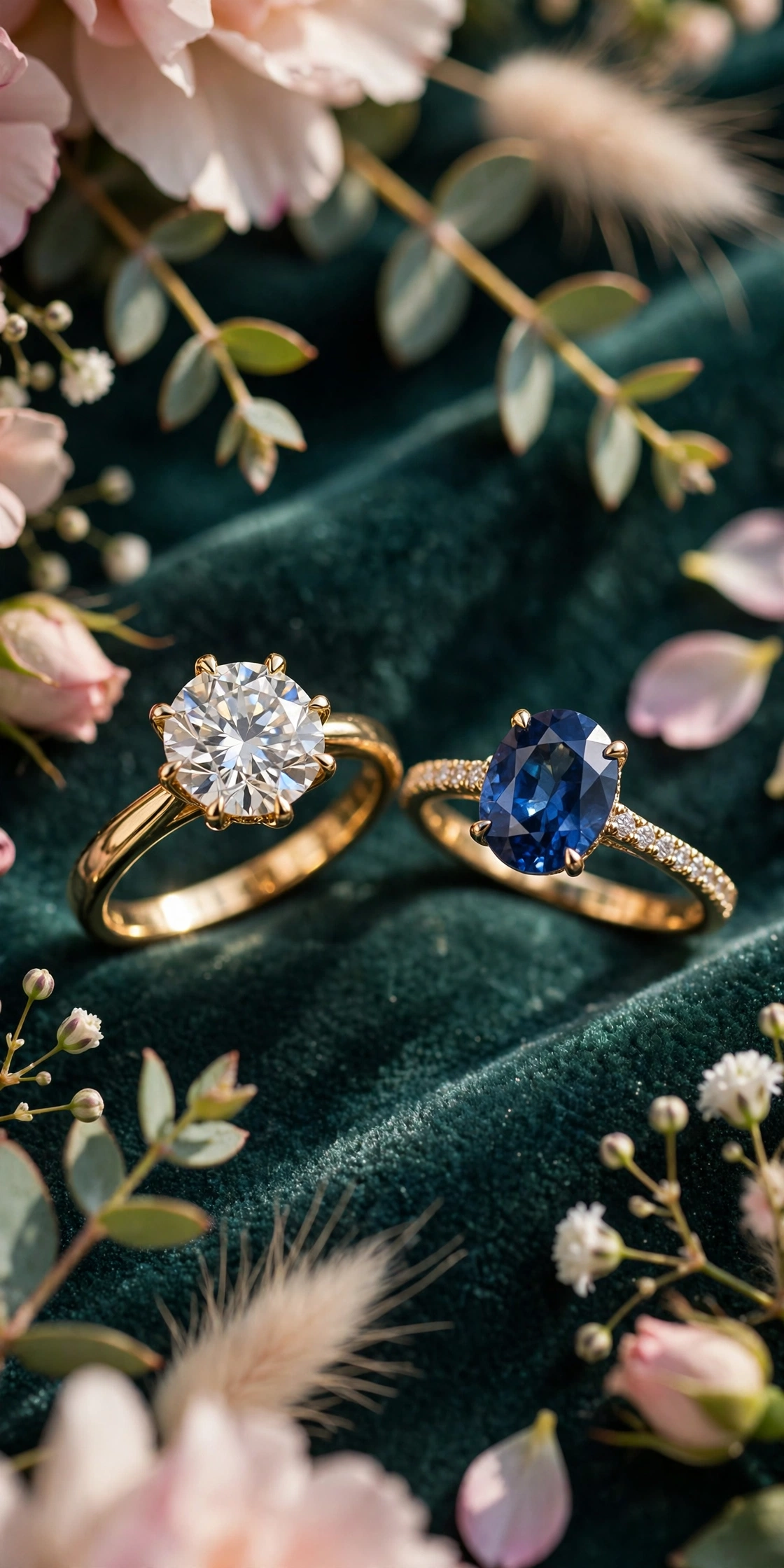
For a long time, there was a strong expectation that an engagement ring had to be a large, expensive diamond. Anything else risked raised eyebrows, and couples often felt real pressure to spend far beyond what was comfortable. The ring was treated as a measure of commitment, and tradition left very little room for personal taste or a smaller budget.
Today, couples choose rings that suit their own style and finances, and alternative stones are celebrated rather than questioned. Sapphires, emeralds, morganite, and lab-grown stones are all popular, beautiful choices, and many couples prefer a ring with personal meaning over a big price tag. The focus has shifted from how much was spent to how well the ring reflects the person wearing it.
4. Taking a Spouse’s Last Name vs. Keeping Your Own
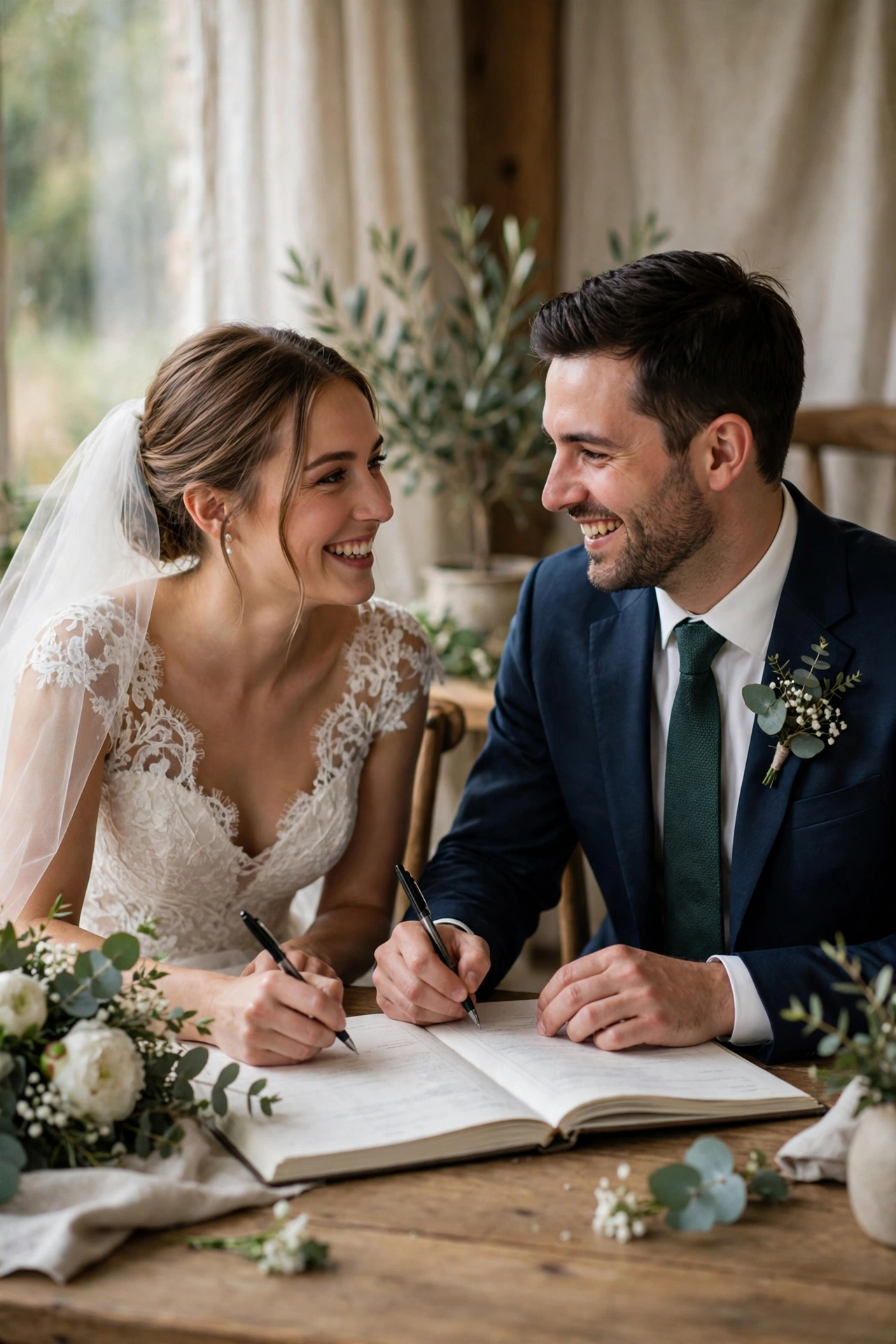
Once upon a time, it was simply assumed that a bride would take her husband’s last name on her wedding day. There was very little discussion about it, and keeping your own name was unusual enough to draw comment. The name change was seen as part of becoming a married couple, and few people stopped to ask whether it felt right for everyone involved.
Now, the choice is entirely personal, and every option is respected. Some people take their partner’s name, some keep their own, some hyphenate, and some create a brand-new shared name together. It is a decision couples make thoughtfully, based on identity, family, and practicality, rather than a rule handed down without question.
5. Display Cake vs. Cake Actually Served
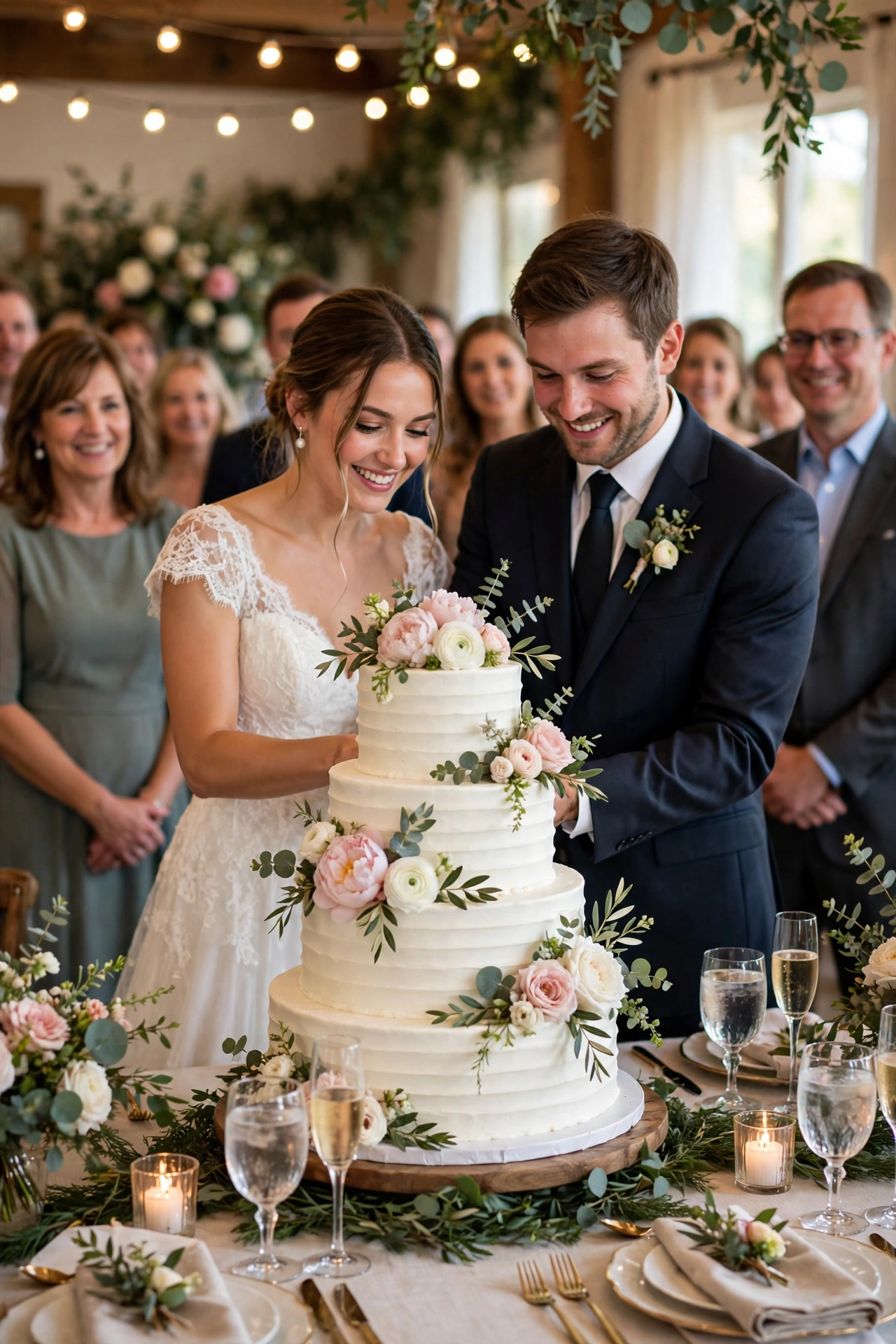
Grand, multi-tiered wedding cakes were once as much decoration as dessert. Some cakes were partly made of display tiers that looked magnificent in photographs but were never meant to be eaten. Guests admired the cake from a distance, then were served slices from a plain sheet cake cut quietly in the kitchen, which felt a little like a trick once people found out.
Today, couples generally want the cake they cut to be the cake everyone eats. Bakers still create stunning tiered designs, but the tiers are real, and guests look forward to tasting the same flavours the couple chose together. It is a small change, but it feels more honest and more generous, and the cake-cutting moment is all the sweeter for it.
6. Avoiding Red Flowers in the Black-and-White Photo Era
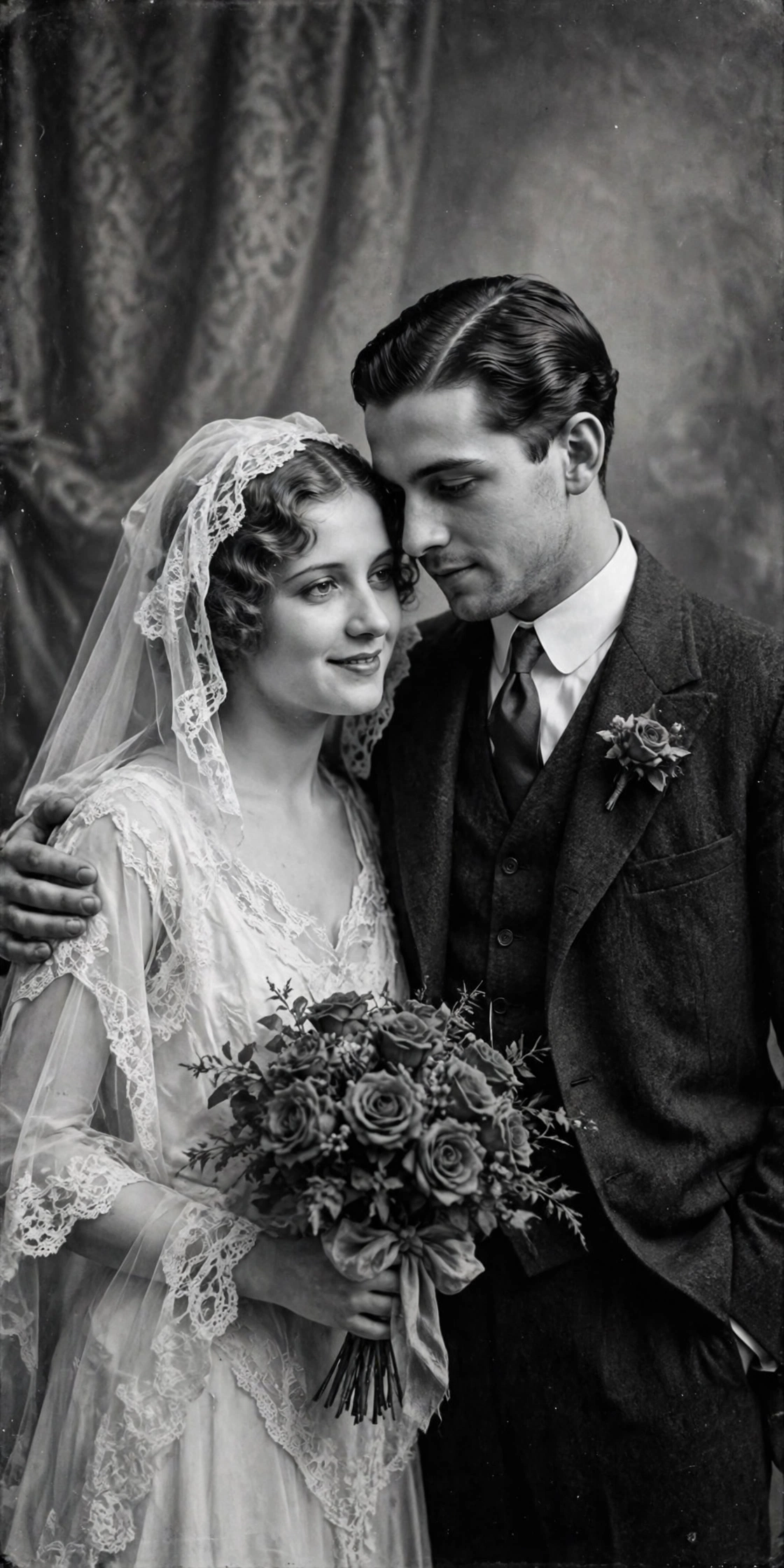
When wedding photographs were taken in black and white, flower choices came with a surprising technical problem. Red flowers photographed as very dark, almost black, tones, which could make a beautiful bouquet look muddy or disappear into a dark dress in the finished pictures. Careful couples and florists learned to steer clear of deep red blooms so the bouquet would show up clearly.
Colour photography changed all of that in an instant. Brides can now carry roses in any shade they love, from soft blush to the deepest red, knowing the photographs will capture every colour faithfully. It is a lovely example of how a practical, old-fashioned rule quietly faded away as soon as the technology behind it moved on.
7. Fading Handwritten Thank-You Notes
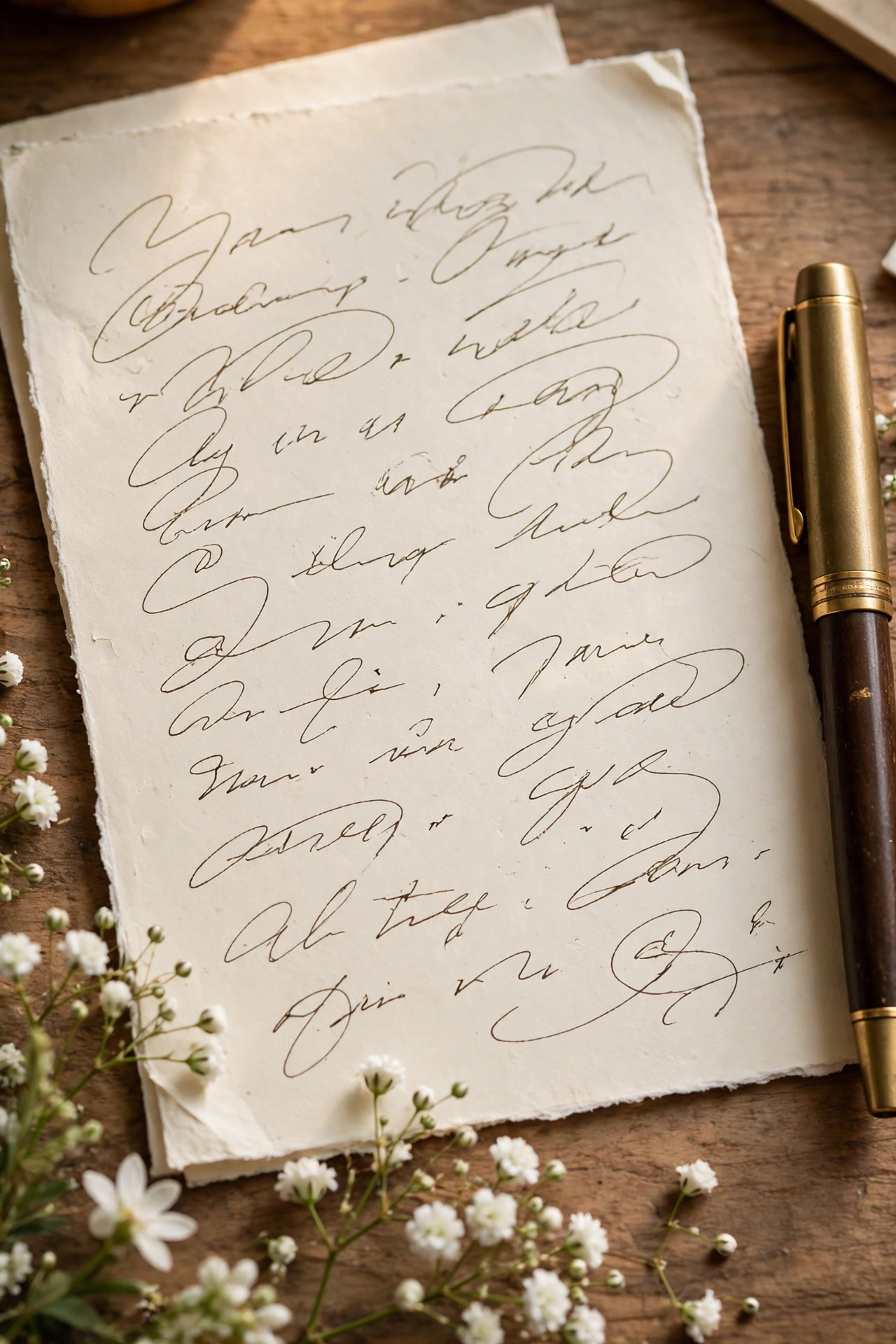
Handwritten thank-you notes were once a non-negotiable part of wedding etiquette. Every gift, no matter how small, deserved a personal, pen-on-paper note, written promptly and posted with care. It was a labour of love, but with a long guest list it could take weeks of evenings at the writing desk, and couples felt genuinely guilty if a note was late.
Handwritten notes have not disappeared, but the rules around them have softened a great deal. Many couples still write them and guests love receiving them, yet a heartfelt message by email or a thoughtful card is also widely accepted. The spirit of the custom — saying thank you properly — matters more now than the exact form it takes.
8. Best Man Reading Telegrams From Absent Guests
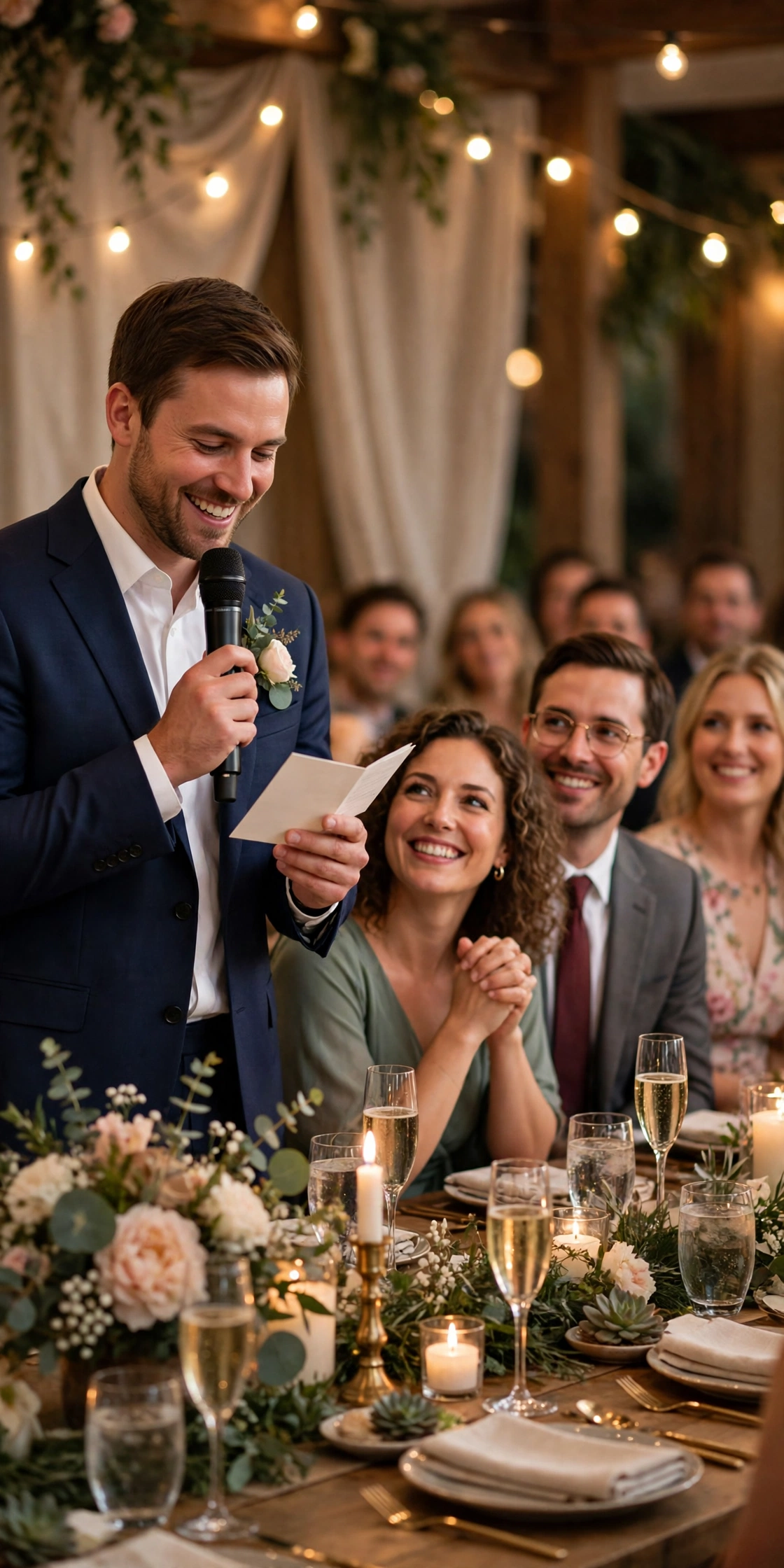
Before instant messaging and video calls, a telegram was how faraway friends and family sent their love to a wedding they could not attend. It was customary for the best man to read these telegrams aloud during the speeches, so that absent loved ones were still part of the celebration. Guests would listen warmly as message after message was shared with the room.
Today, absent guests send their wishes in many quicker, more personal ways — a video message played at the reception, a live video call during the party, or a flood of messages and photos on the day itself. The best man’s speech is now more often a personal tribute to the couple, but the kind idea behind the old custom, that no one should feel forgotten, is still very much alive.
9. Asking for Money as a Gift
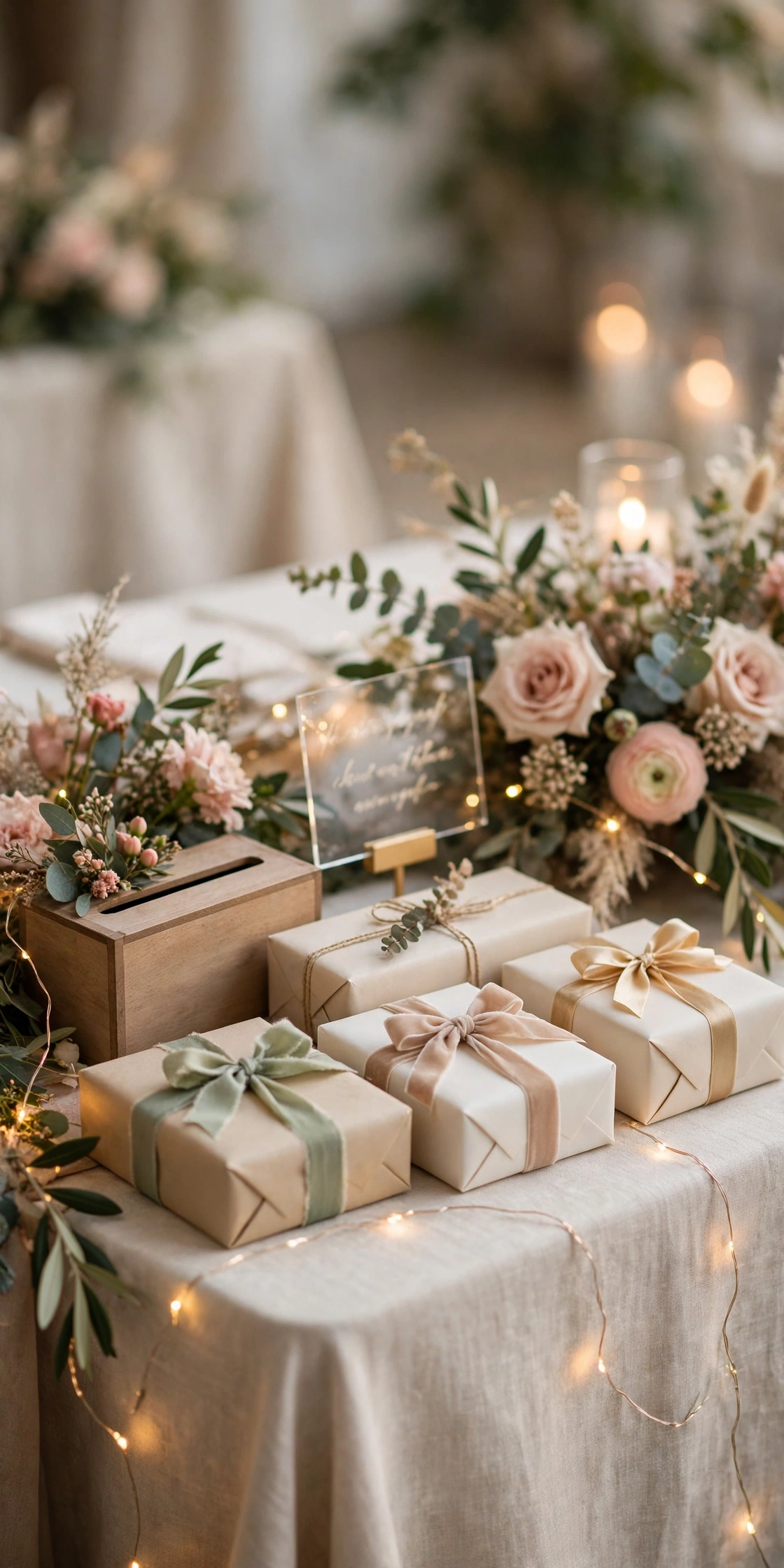
Asking for money as a wedding gift was once considered quite rude. Couples were expected to register for household items, and guests chose a gift from the list. Even hinting that cash would be preferred felt awkward and grasping, so couples who already had a home full of belongings simply smiled and accepted a third toaster with grace.
Now, money gifts are completely normal, and registries and honeymoon funds make the process easy and tasteful. Many couples marry later, already own their household essentials, and would genuinely prefer help towards a honeymoon, a home deposit, or a shared experience. Guests, in turn, often prefer giving money, knowing it will be used and appreciated rather than gathering dust.
10. Old Superstitions: Green Bridesmaids and Cake Under the Pillow
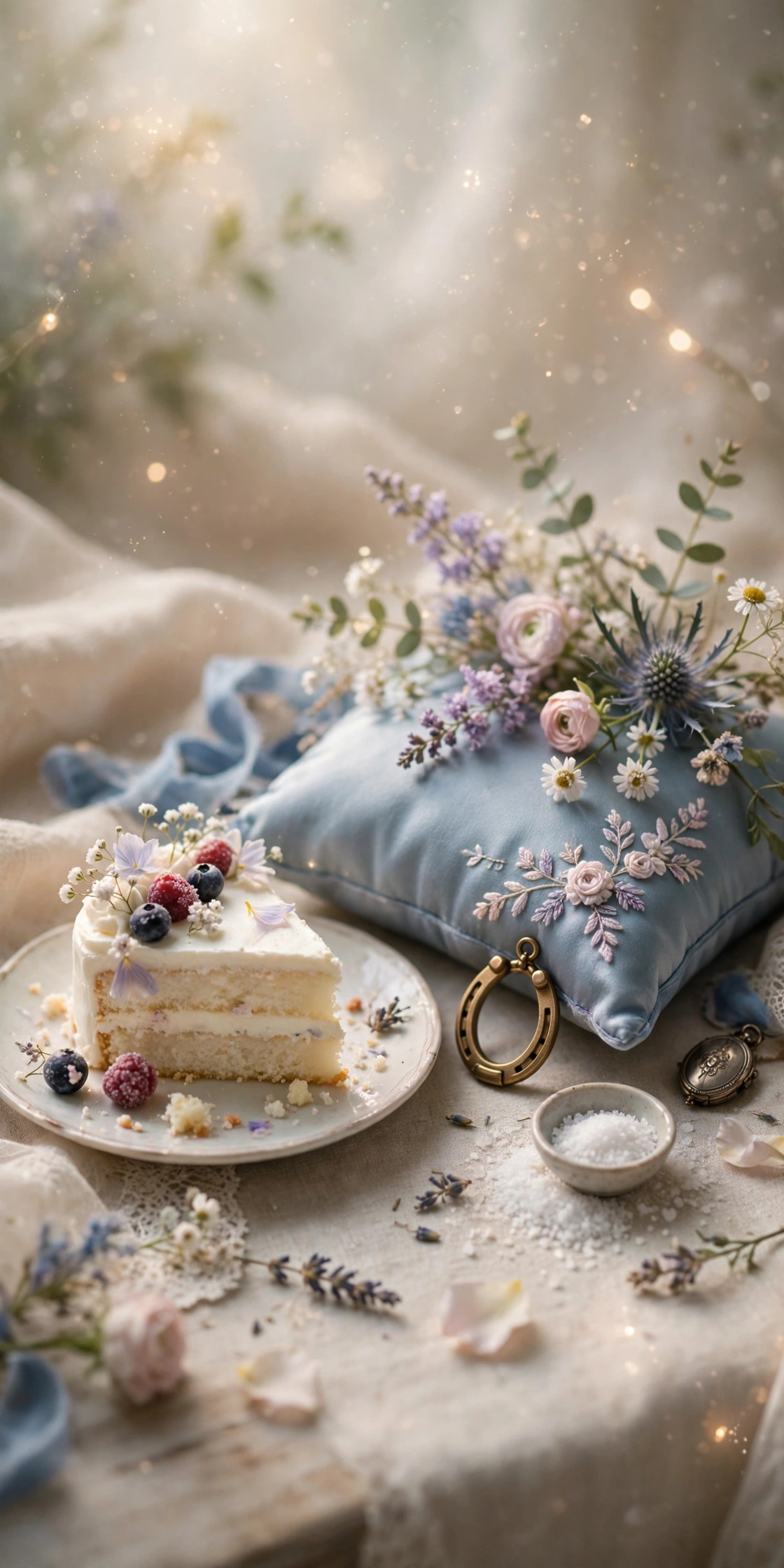
Weddings have always come with a generous helping of superstition. Old beliefs held that certain colours, like green for bridesmaids, brought bad luck, while other customs promised good fortune, such as sleeping with a piece of wedding cake under your pillow to dream of your future love. Guests and wedding parties took these traditions seriously, and breaking one could cause genuine worry.
Today, most couples treat superstitions as charming folklore rather than rules to obey. Bridesmaids wear green without a second thought, and cake is eaten rather than tucked under pillows, though the stories are still told with a smile. The old beliefs survive as fun wedding-day conversation, not as anxieties, which feels like the best possible fate for them.
11. Traditional Invitations vs. Personalised Pop-Culture Designs
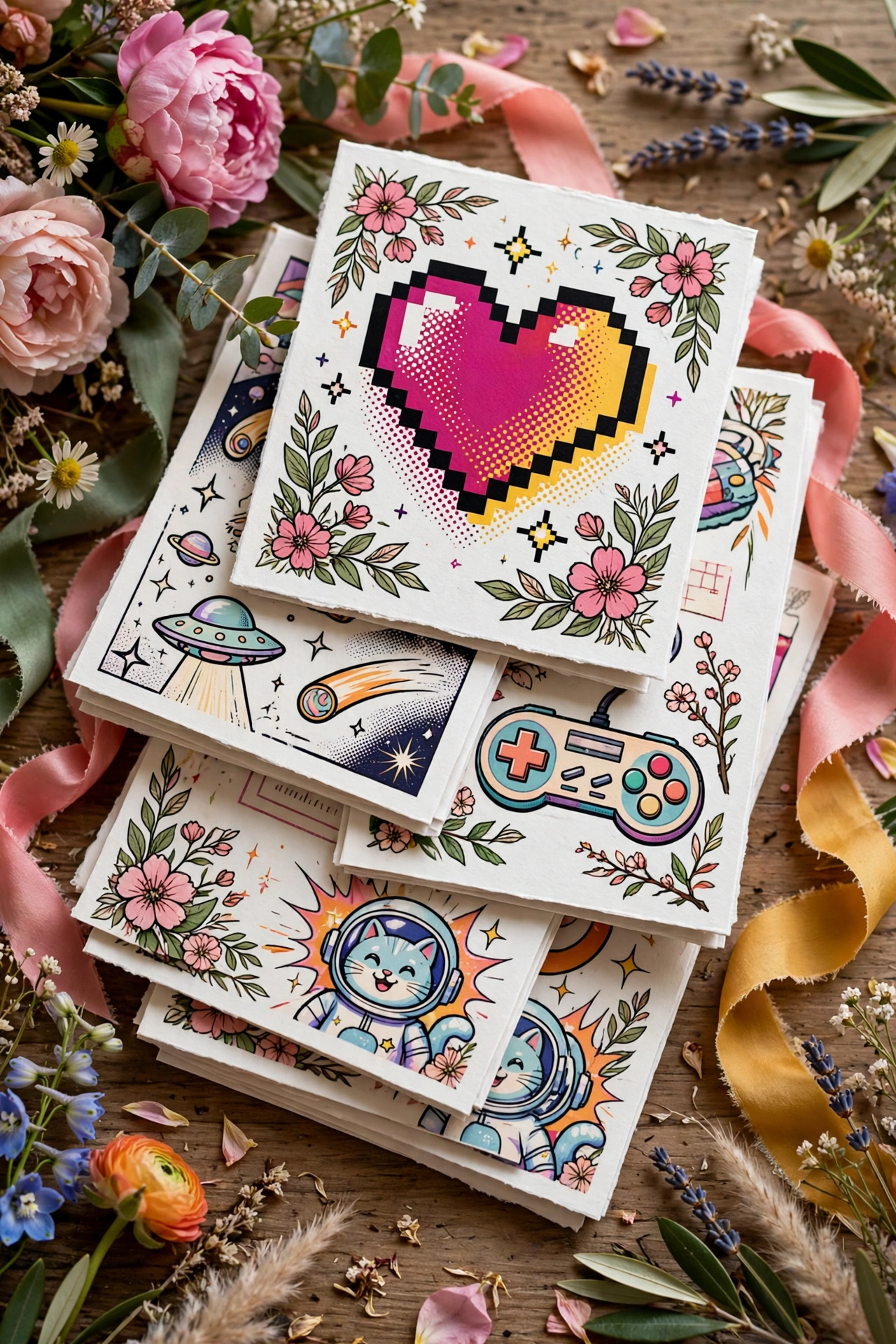
Wedding invitations used to follow a very strict format: formal wording, classic fonts, cream or white card, and not a hint of playfulness. There was a proper way to word every line, from the hosts’ names to the dress code, and couples rarely dared to stray from it. An invitation was a formal announcement, and it was expected to look the part.
Modern invitations are a celebration of personality. Couples design invitations around their favourite films, books, hobbies, colours, and in-jokes, and guests love receiving something that feels unmistakably theirs. Formal invitations still exist for those who want them, but a wedding invitation today can be just as joyful and individual as the couple sending it.
12. Whole-Family Invitations, No Dress Code, Large Guest Lists
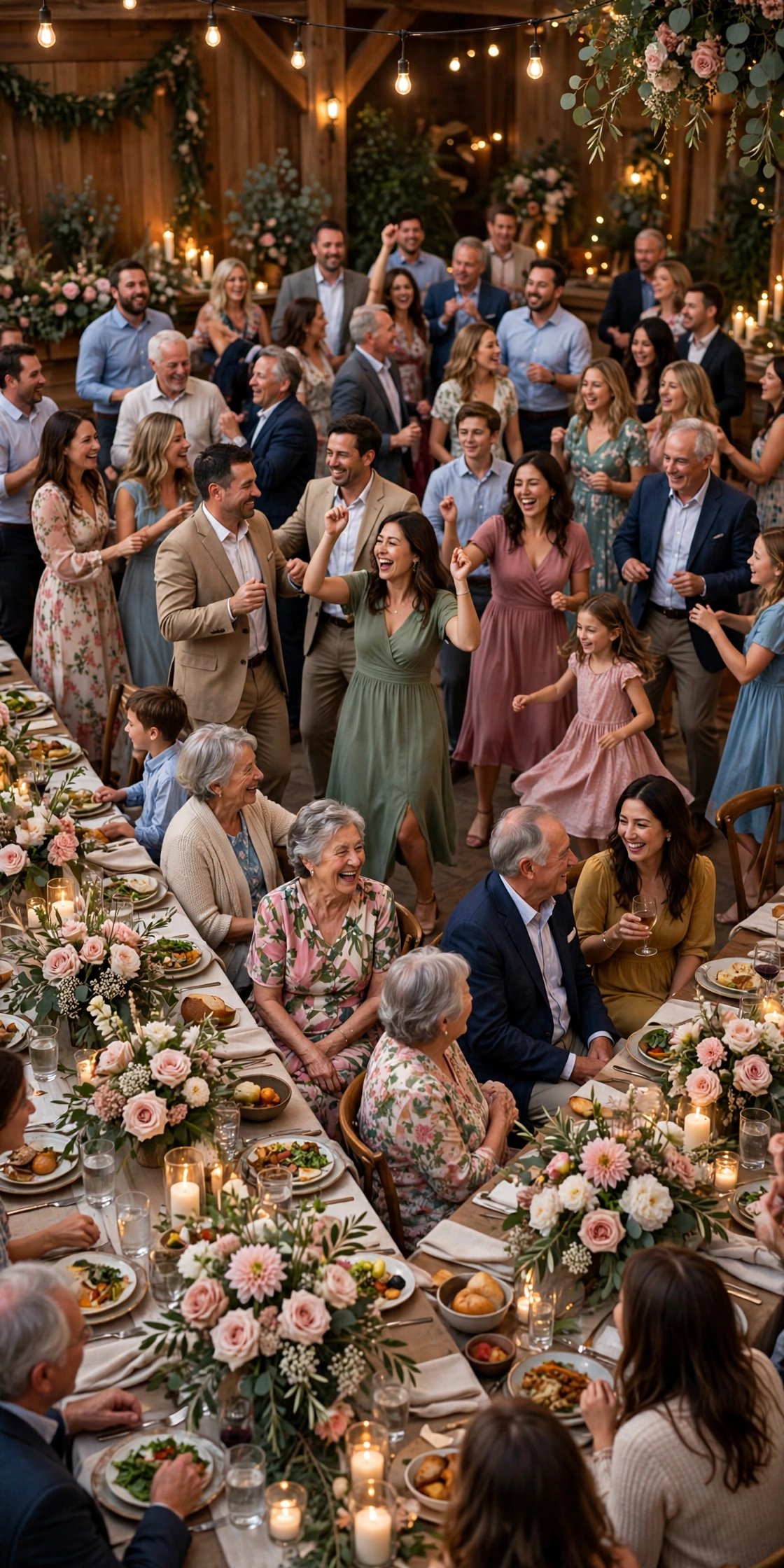
In earlier times, wedding invitations often covered whole families by default, dress codes were rarely spelled out, and guest lists could grow very large indeed. Everyone connected to the family might expect an invitation, and hosts felt obliged to include them all, whether or not the couple knew them well. The result was often a huge celebration with a long list of distant relations and family friends.
Today’s couples tend to be more selective and more specific. Guest lists are usually smaller and more intentional, invitations name exactly who is invited, and dress codes are clearly stated so guests feel comfortable rather than confused. A smaller, well-chosen guest list often makes for a warmer, more personal celebration, and most guests understand completely.
13. The Black-Dress Taboo
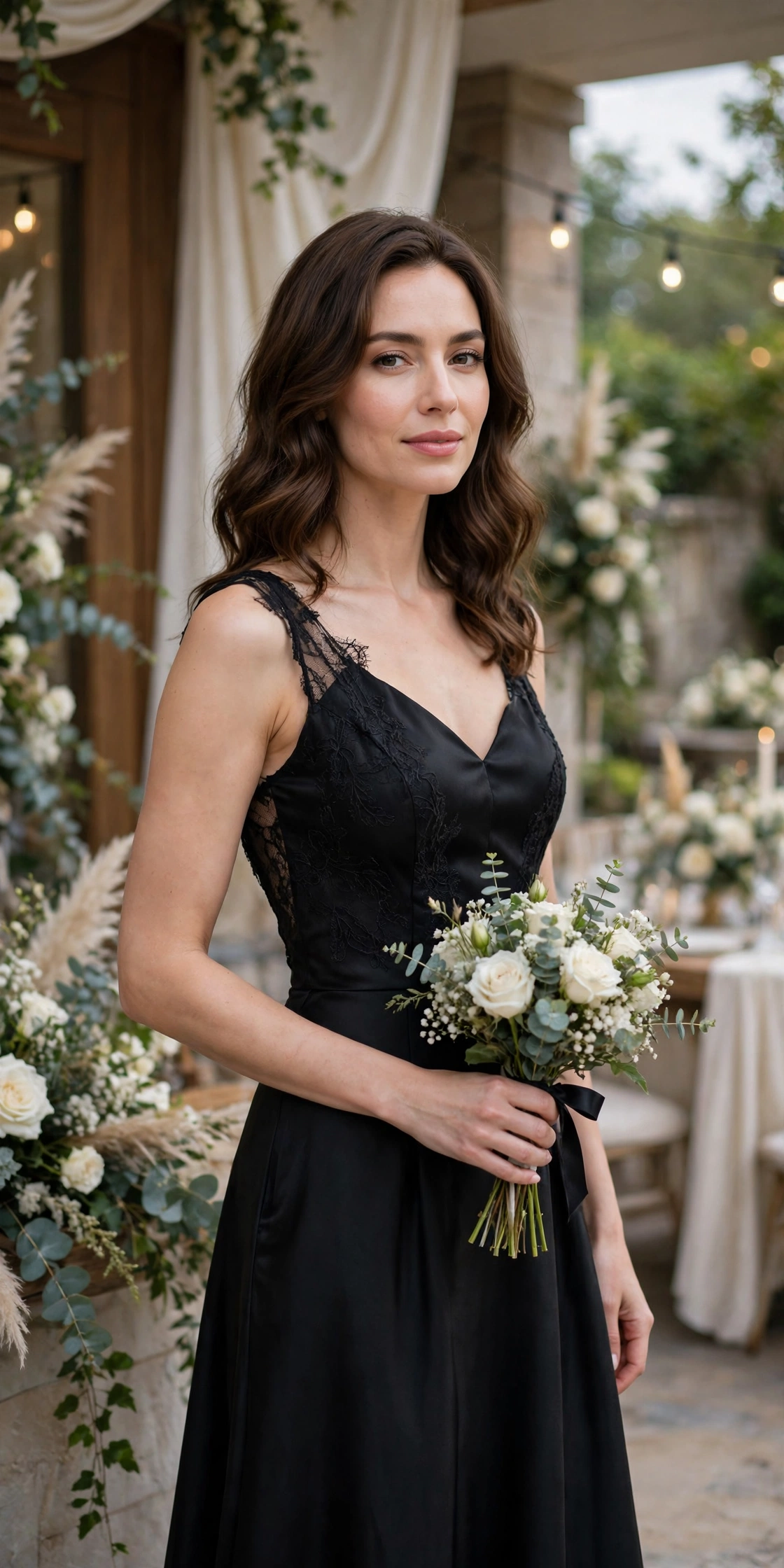
Wearing black to a wedding was once treated almost as seriously as wearing white. Black was the colour of mourning, and arriving in a black dress suggested, unfairly, that you disapproved of the marriage or were in some way grieving. Guests avoided black entirely, even if it was the most flattering colour in their wardrobe.
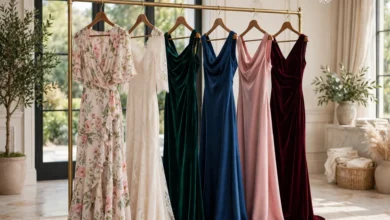
That taboo has almost entirely faded. Black is now a perfectly normal, elegant choice for wedding guests, and many people wear it with confidence. The only colour still generally left to the bride is white, and beyond that, guests are free to wear whatever makes them feel their best, black included.
14. Wedding Mints as a Former Must-Have
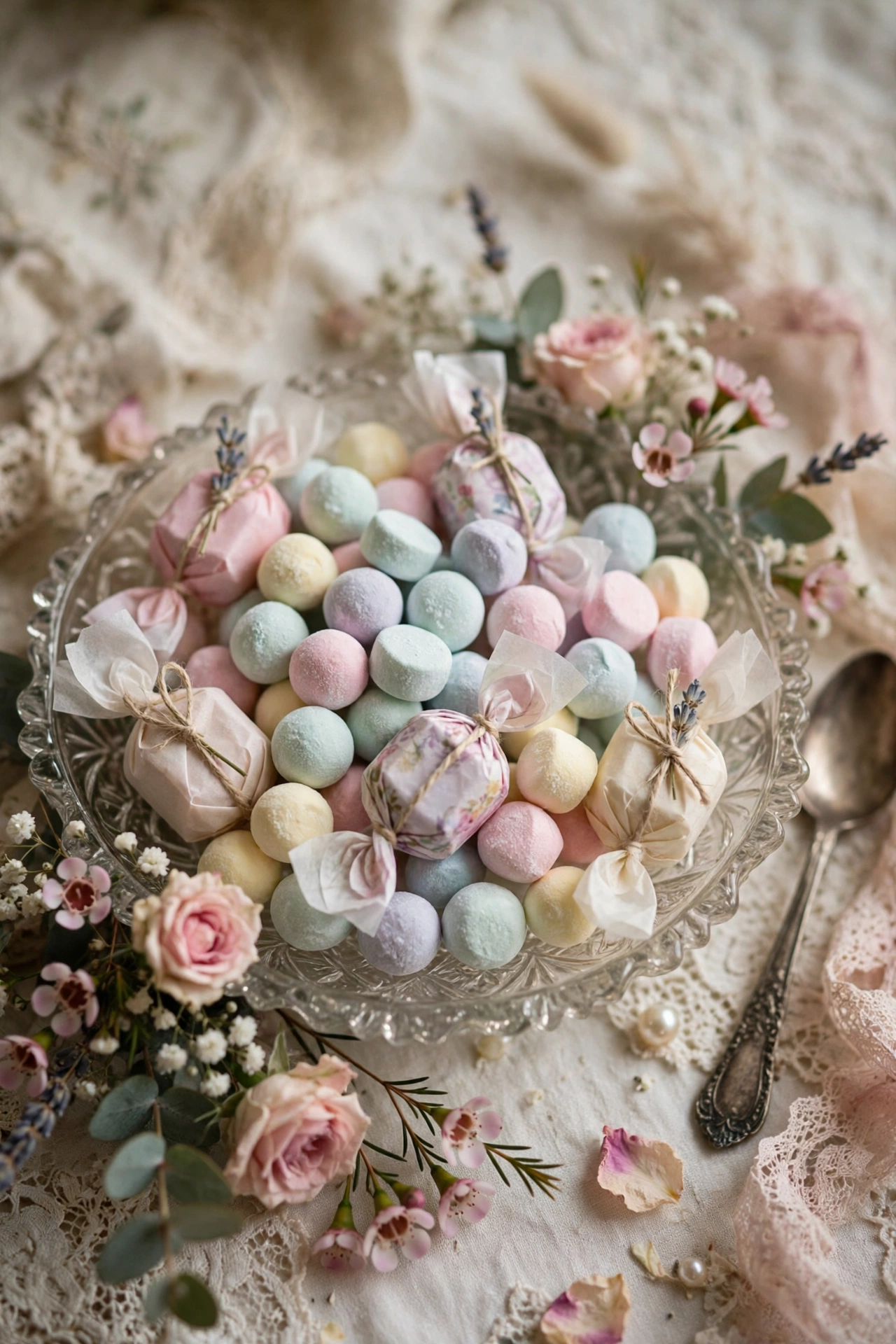
There was a time when no wedding reception felt complete without wedding mints. Little pastel sweets, often wrapped in tulle or set out in pretty dishes, were a standard part of the table decorations and a sweet treat for guests between courses. Hosts would not have dreamed of skipping them, and guests expected to find them waiting.
Wedding mints have quietly slipped off the must-have list. Couples now choose favours and treats that reflect their own tastes, from doughnuts to personalised sweets to charitable donations in guests’ names. The humble mint still appears at some weddings, but it is a nostalgic choice now rather than an obligation, which makes it all the more charming when it does turn up.
15. Tissue-Paper Flowers Decorating the Bridal Party’s Cars
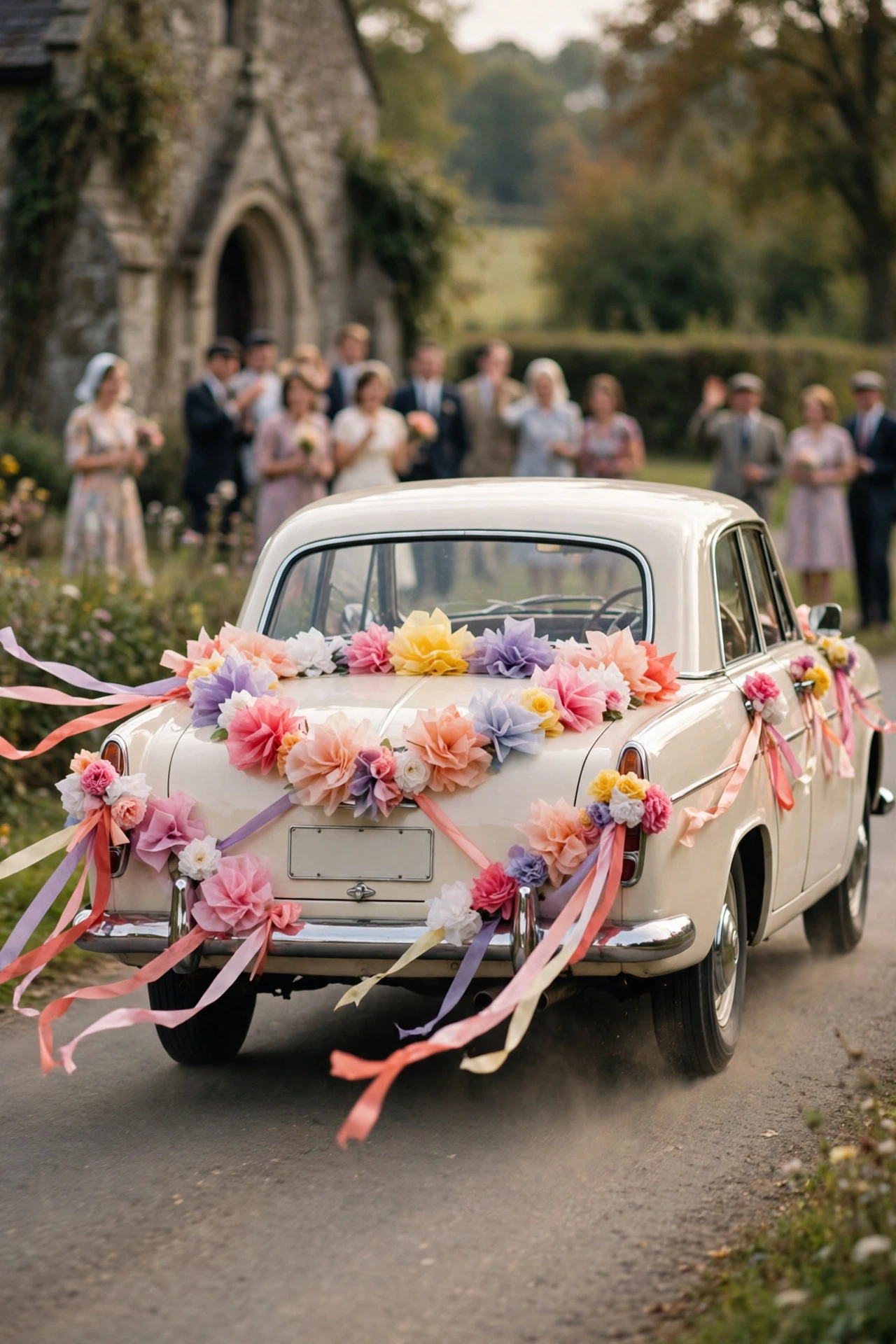
Decorating the wedding cars with tissue-paper flowers was once a beloved, hands-on tradition. Friends and family would spend hours crafting bright paper blooms and fixing them to the cars that carried the bridal party, turning an ordinary drive into a rolling celebration. It was cheerful, thrifty, and wonderfully homemade, and everyone recognised a wedding car at a glance.
Today, wedding transport tends to be more polished, with professional cars, ribbons, and fresh flowers, and the tissue-paper tradition has largely disappeared. It survives fondly in memories and old photographs, a reminder of a time when weddings were decorated by many willing hands rather than hired in full. There is something rather lovely about that spirit of pitching in.
16. Pink Wedding Dresses and Colourful Groom Hair
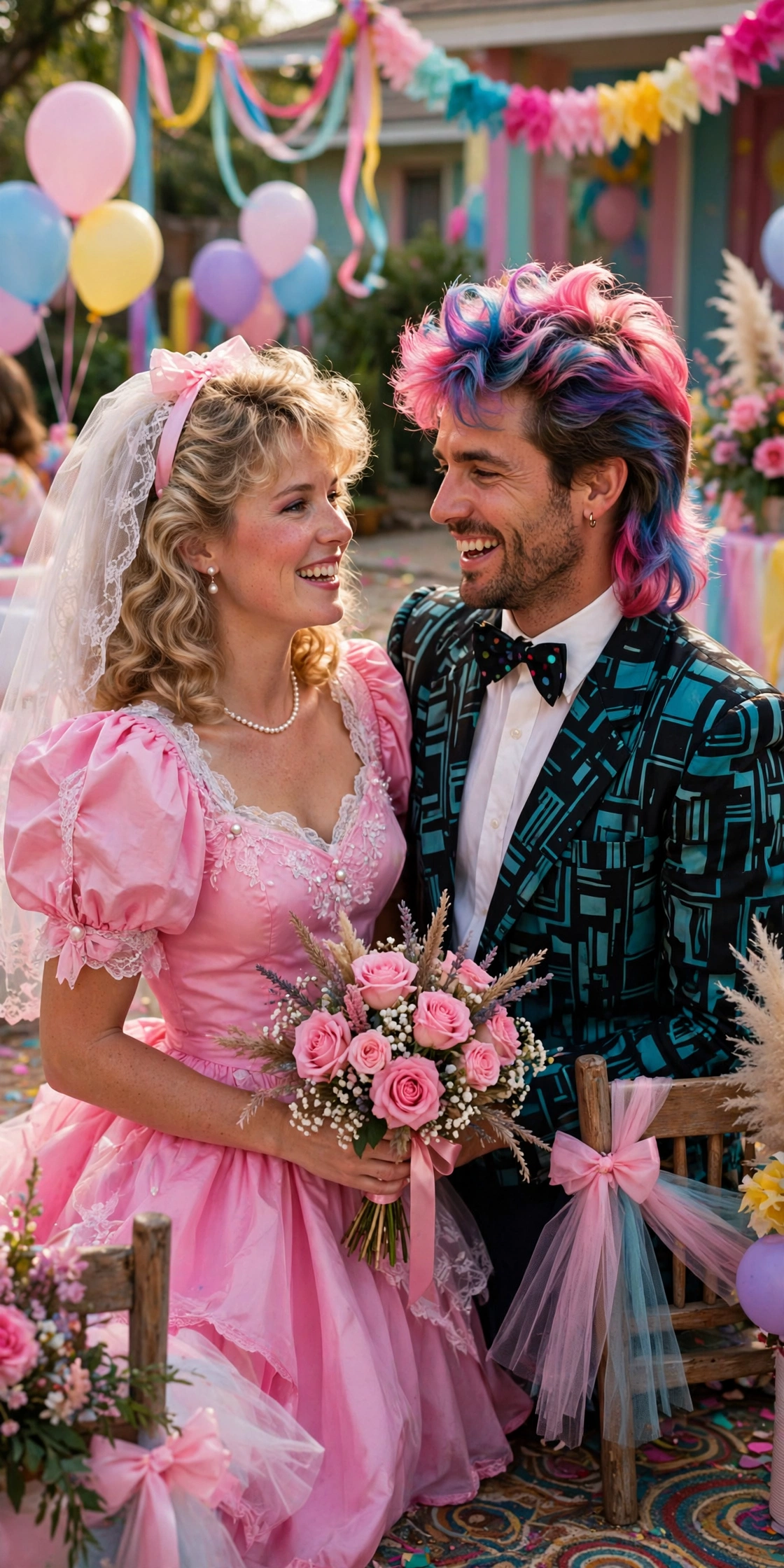
The late 1980s brought a wonderfully bold moment to weddings. Pink wedding dresses enjoyed real popularity, and grooms were known to embrace colourful, fashion-forward hair, giving weddings of the era a playful, trend-led look. It was a decade that loved colour and drama, and weddings reflected that spirit wholeheartedly.
Fashion moves in cycles, and today’s weddings are far more varied in style, but the lesson of that era has stuck: a wedding should reflect the couple, not just the fashion of the moment. Pink dresses are still chosen by brides who love them, and colourful, individual styling is welcomed rather than frowned upon. The 1980s may have been bolder than most decades, but its confidence was ahead of its time.
17. Destination Weddings and Multi-Day Events vs. Guest Budgets
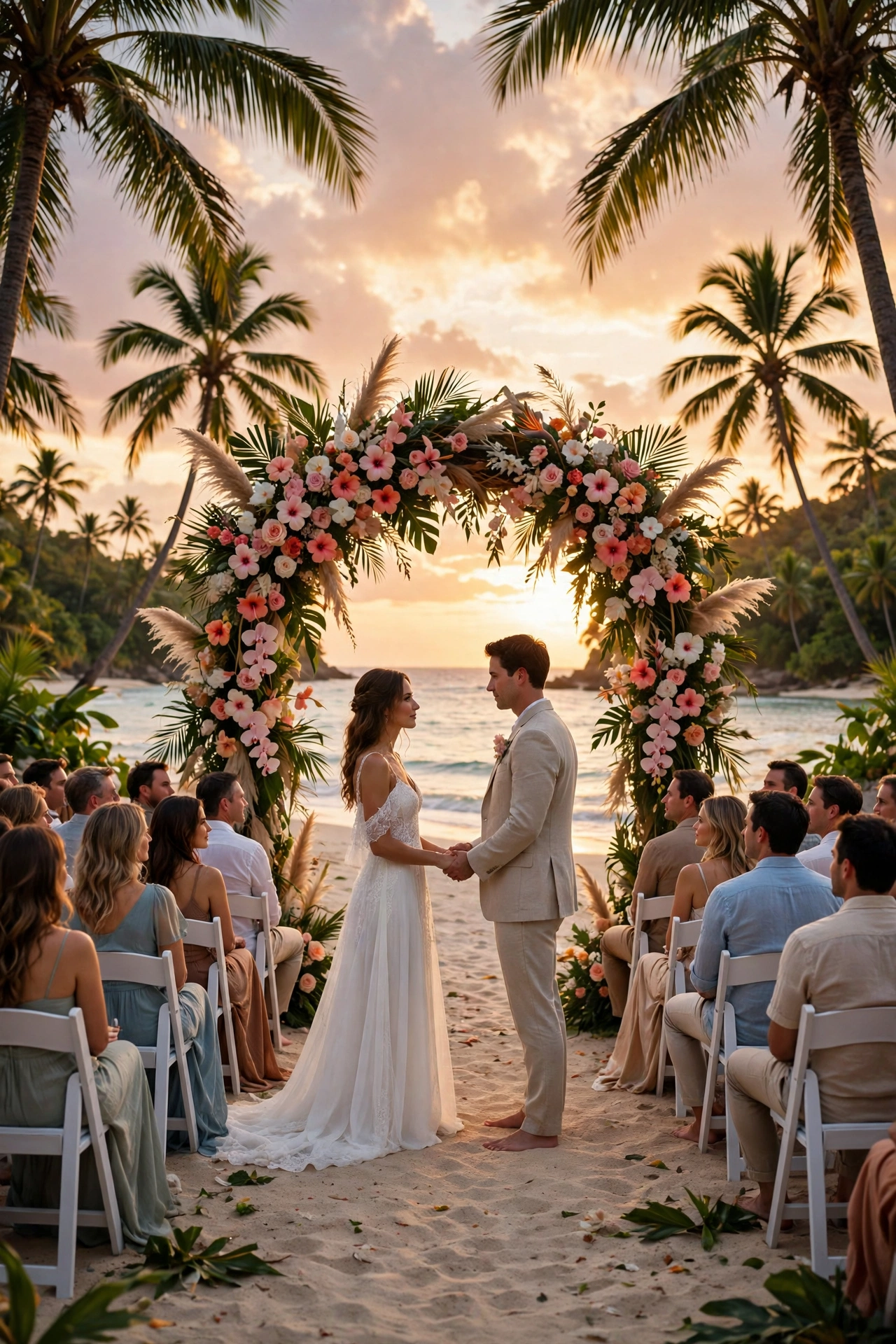
Weddings were once almost always local, single-day affairs. Guests travelled a short distance, attended the ceremony and reception, and went home the same evening. The idea of asking guests to fly abroad or commit to several days of celebrations would have seemed extraordinary, and few couples would have expected it of their friends and family.
Destination weddings and multi-day celebrations are now common and much loved, but they come with a new etiquette question: what is fair to ask of guests? Thoughtful couples are upfront about costs, give plenty of notice, and make attendance genuinely optional, so that no guest feels pressured. The celebration can be as grand as the couple dreams, as long as guests are treated with honesty and kindness about what it involves.
18. No Save-the-Dates; Walking Down the Aisle Together
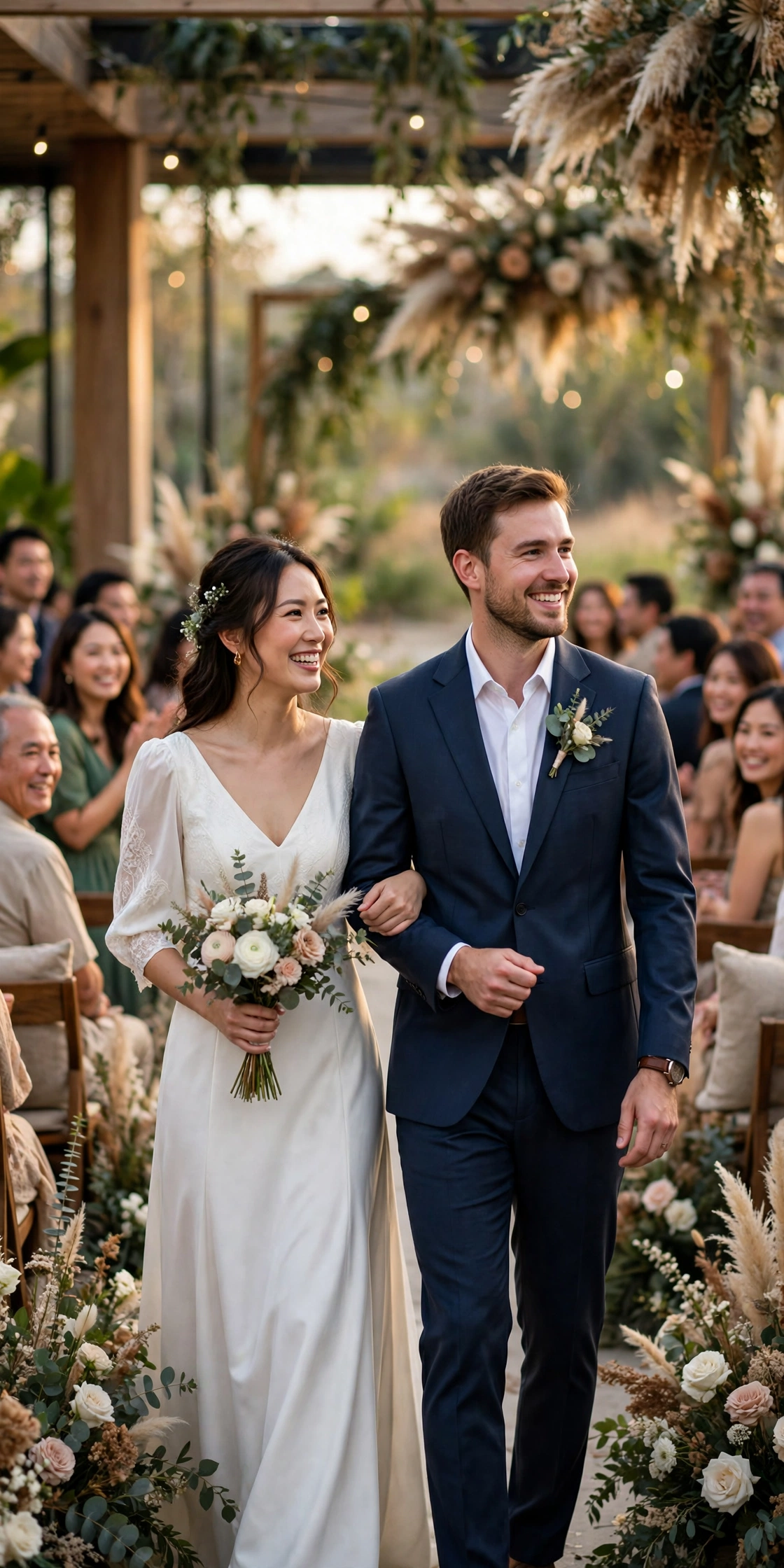
Save-the-date cards did not exist for most of wedding history; a single formal invitation, sent a few weeks before the day, was all guests received. And the walk down the aisle followed a fixed script, with the bride traditionally escorted and formally given away, a moment heavy with symbolism about family and tradition.
Today, save-the-dates are standard, especially for destination weddings, giving guests months to plan travel and time off. And many couples now walk down the aisle together, side by side, as equal partners beginning their marriage. It is a small change in choreography with a big emotional meaning, and guests often find it one of the most moving moments of the day.
19. Guests Matching the Groom’s Level of Formality
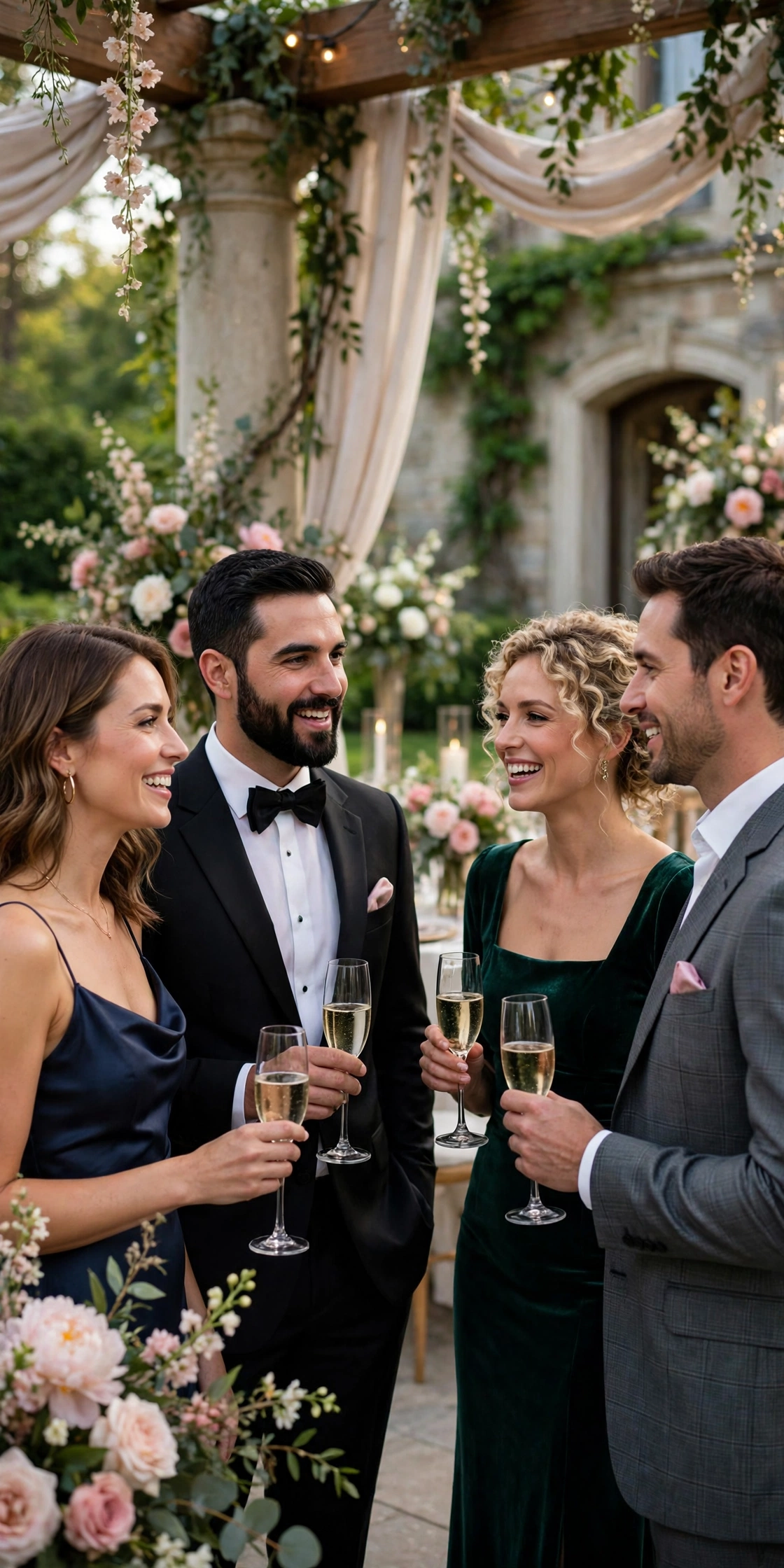
There used to be an unspoken rule that male guests should match the groom’s level of dress. If the groom wore a full formal suit, guests were expected to dress up to the same standard, and turning up noticeably more casual felt disrespectful. Wedding attire was judged against a fairly strict, shared standard, and everyone knew where they stood.
Dress codes are now stated openly on invitations, which takes the guesswork out of getting dressed for a wedding. Guests dress to the code — formal, semi-formal, cocktail, or casual — rather than trying to mirror the groom. The result is less anxiety all round, and a room full of guests who feel comfortable, confident, and appropriately dressed for the celebration.
20. Guaranteed Slice of Traditional Cake vs. Cupcakes and Doughnuts
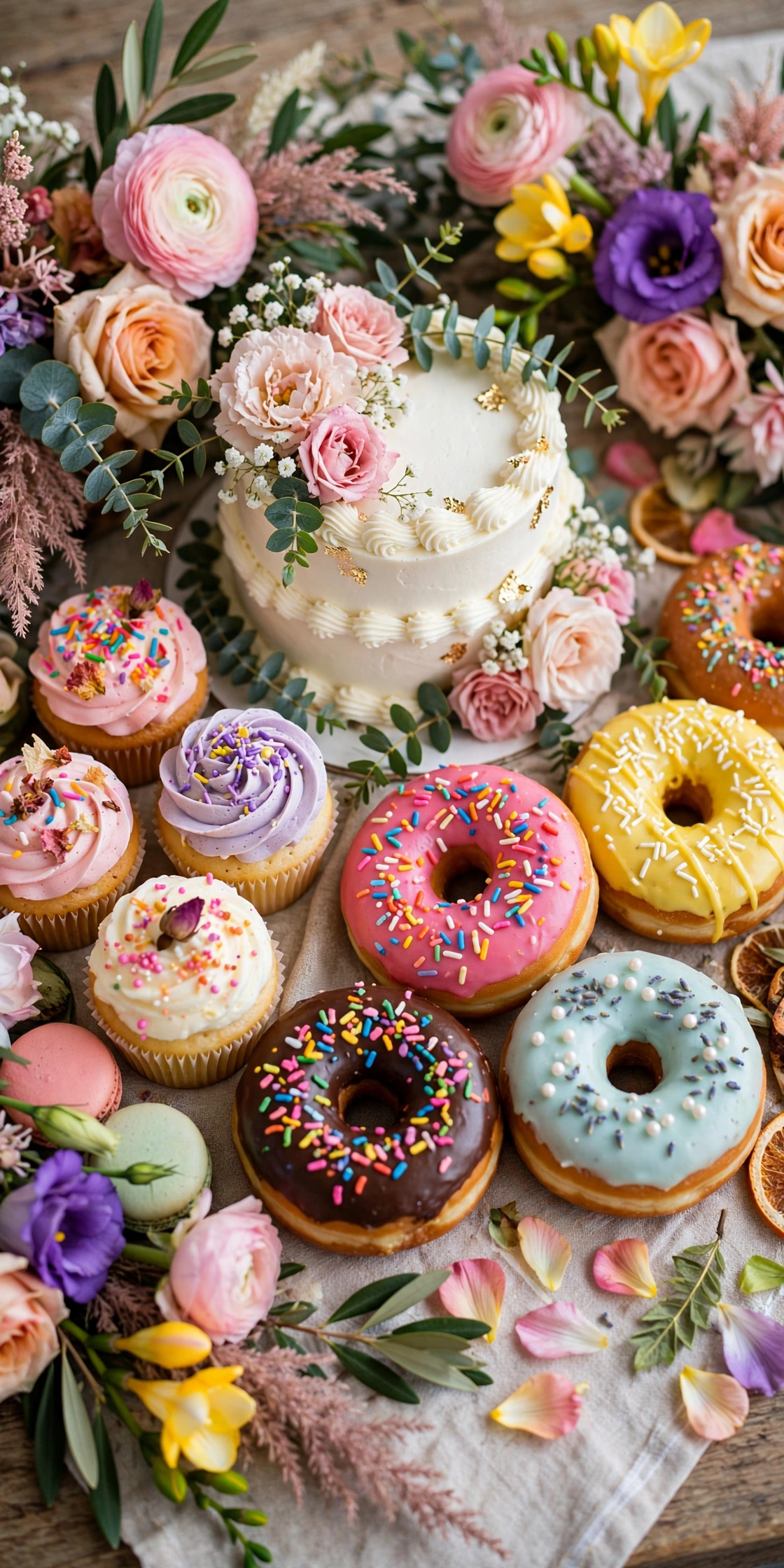
Guests once expected, as a matter of course, a slice of the traditional tiered wedding cake. It was part of the ritual of the day: the cake was cut, the slices were served, and everyone enjoyed the same fruit cake together. Any other dessert would have felt like a strange break with tradition.
Today’s dessert tables are a joyful free-for-all. Cupcakes, doughnuts, macarons, and dessert bars sit alongside, or even replace, the traditional cake, and guests love choosing their own favourites. Some couples still serve a classic cake too, but the idea that every guest must receive the same slice has given way to something far more fun and far more delicious.
21. More Laid-Back Weddings: RSVP Grace, Children Welcome, One-Night Bachelorettes
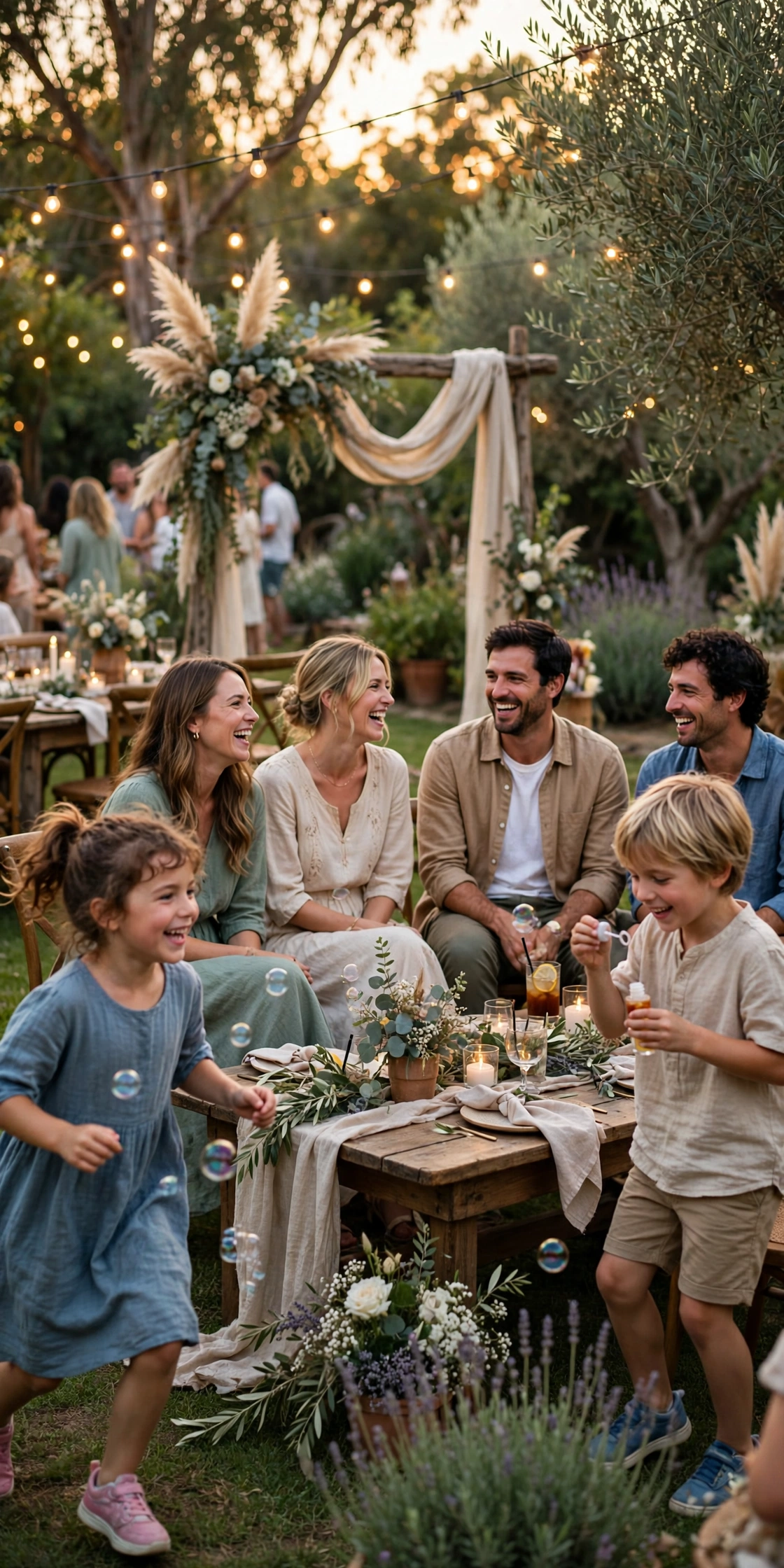
Formal weddings of the past ran on strict rules: replies by a firm date, adults-only guest lists, and pre-wedding celebrations that followed a set pattern. There was little room for flexibility, and hosts and guests alike felt the pressure of getting every detail exactly right. A late reply or an unexpected plus-one could cause real friction.
Modern weddings are far more easygoing. Couples tend to allow a little grace on replies, many happily welcome children to the celebration, and pre-wedding parties are often a single relaxed night out rather than a whole weekend of events. The atmosphere is warmer for it, and guests can relax and enjoy themselves instead of worrying about breaking an unspoken rule.
22. Gifts Opened at the Reception
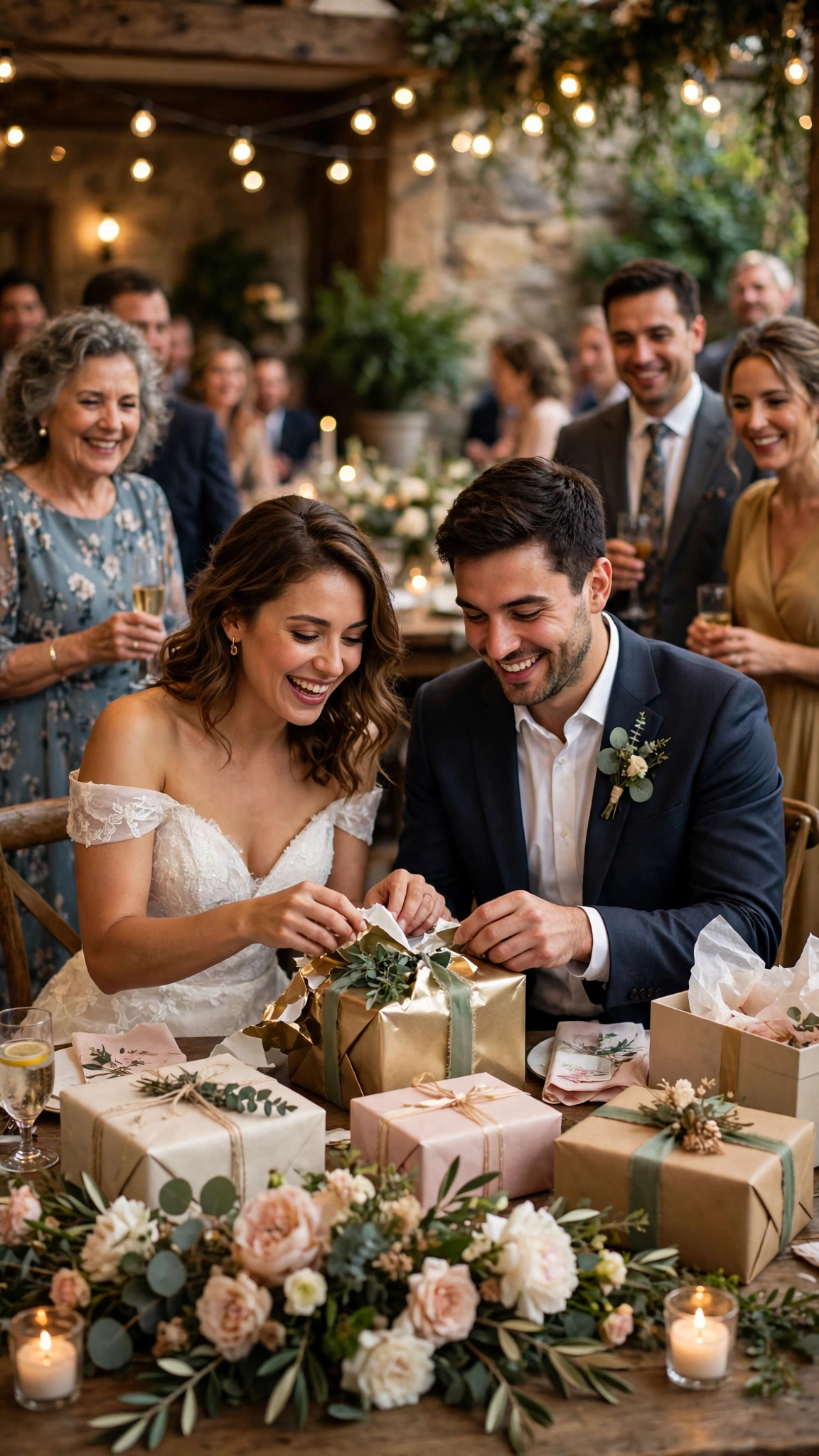
It was once customary for the couple to open their gifts during the reception, in front of their guests. Each present was unwrapped, admired, and thanked for on the spot, turning gift-opening into a public part of the celebration. Guests enjoyed seeing their gift received, and the couple enjoyed sharing the moment.
That custom has almost entirely disappeared, largely for practical reasons. With larger guest lists and valuable gifts, opening presents in public became time-consuming and a little awkward, and many gifts now arrive before the wedding or as money transfers. Couples open their gifts privately after the day, and thank-you messages, in whatever form they take, carry the gratitude that the old public unwrapping once expressed.
23. Bridesmaid Shoes Matching the Reception Punch
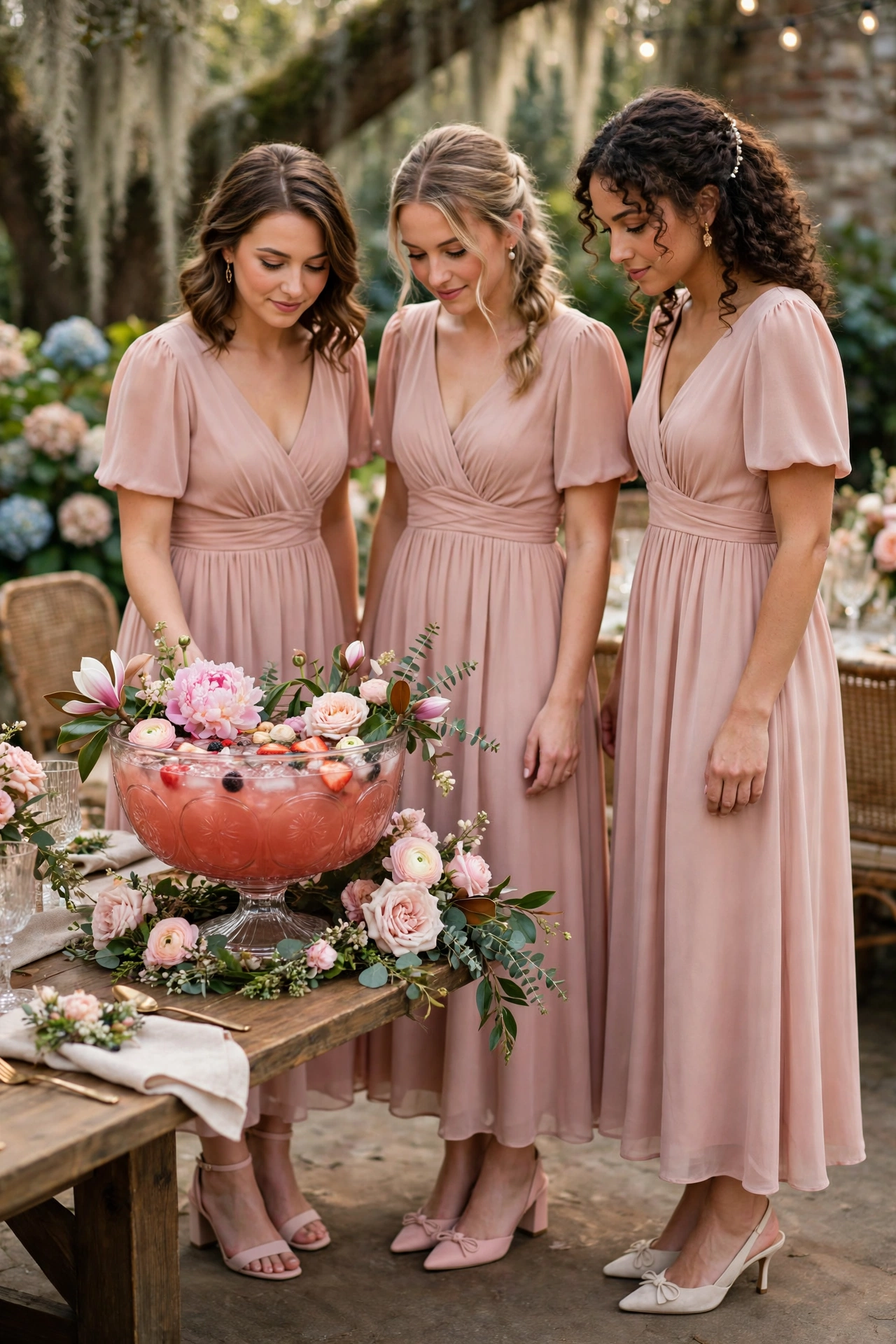
One of the most charming regional customs came from the American South, where bridesmaids’ shoes were sometimes chosen to match the colour of the reception punch. It was a playful, eye-catching detail: pink punch meant pink shoes, and the whole bridal party became part of the colour scheme in the most delightful way. Guests noticed, and it always raised a smile.
Coordinated bridesmaid outfits are still popular, but the punch-matching detail has faded into wedding folklore. Modern bridal parties mix colours, styles, and even shoe choices to suit each person, and the punch is simply a refreshing drink. The old custom survives as a sweet story, and a reminder that weddings were once full of small, local traditions that made each celebration unique.
24. 1980s UK Norms: Formal Invitations, Full Meal, No Favours, Single Stag and Hen Night
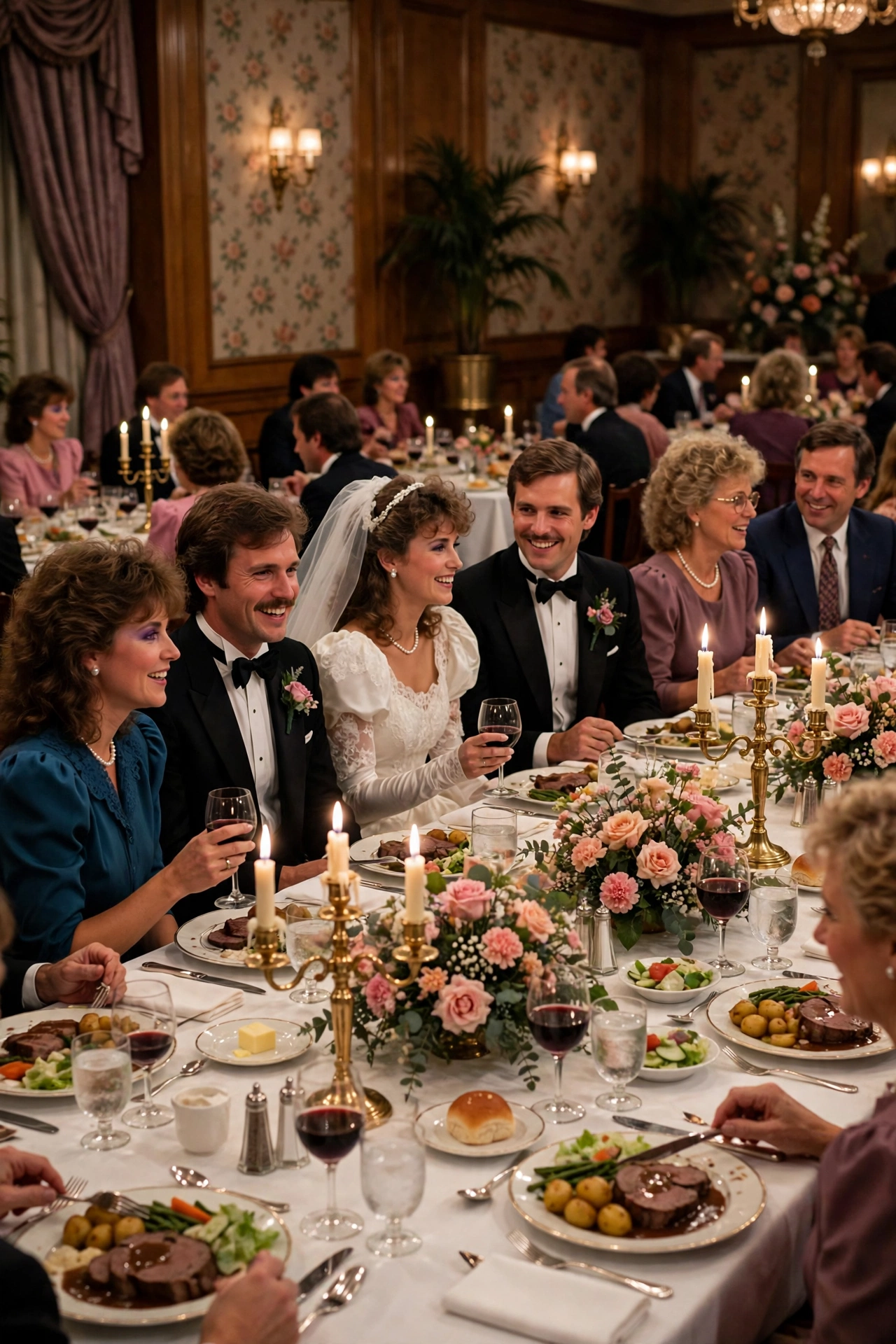
Weddings in 1980s Britain followed a reassuringly predictable pattern. Invitations were formal and properly worded, guests sat down to a full meal, wedding favours were not yet a standard feature, and pre-wedding celebrations were limited to a single stag night and a single hen night. Everyone knew what to expect, and the day ran like clockwork.
Today’s British weddings are far more varied. Favours are common, menus range from street food to fine dining, and pre-wedding celebrations can stretch across a weekend or stay as simple as one night out. The old pattern has not been lost so much as opened up, giving couples the freedom to shape a day that fits their personalities, their budgets, and their guests.
25. Wedding Day as the Start of a Lifetime: Modest Spending, Guests First
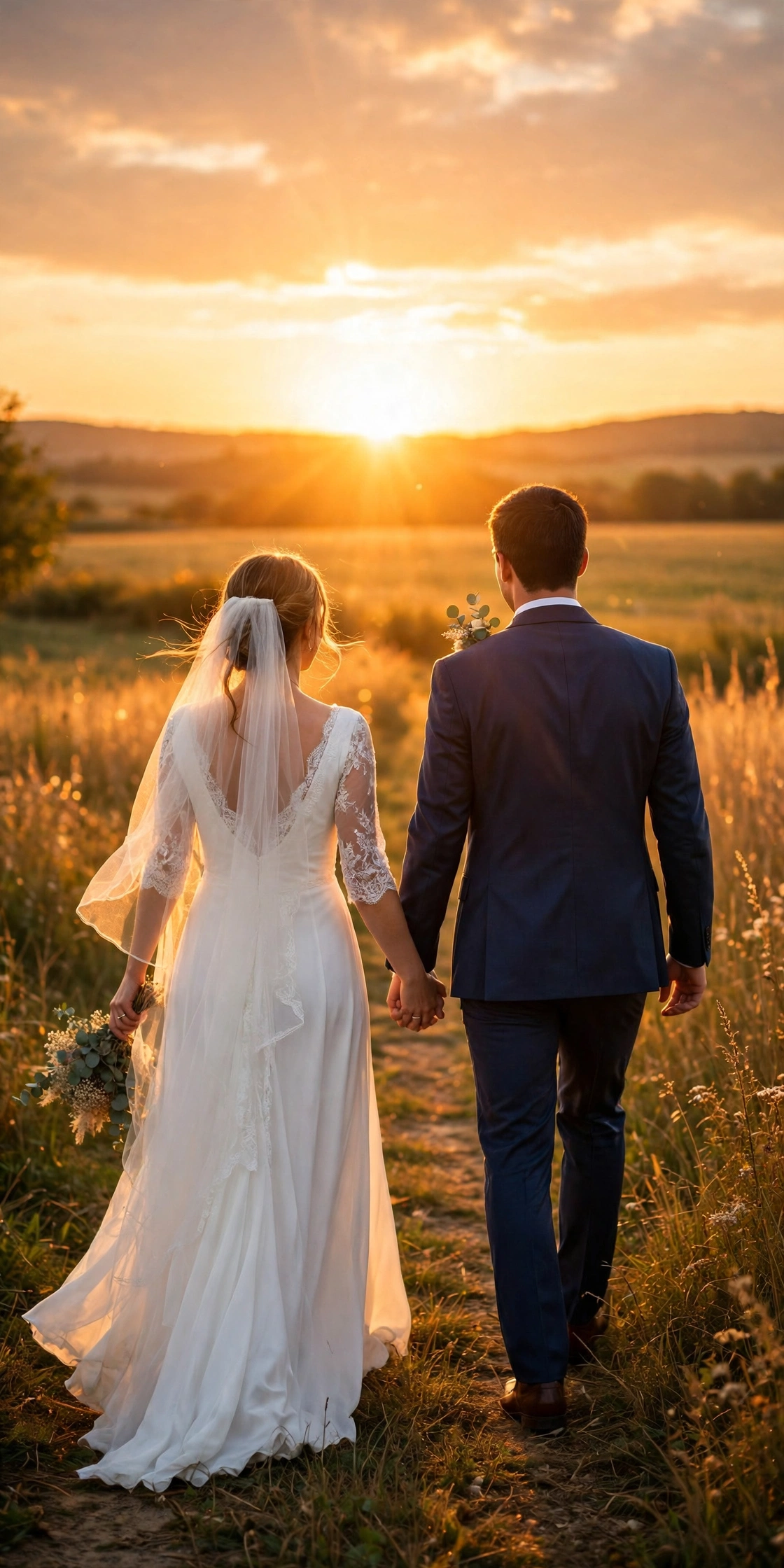
For all the rules that have changed, one old-fashioned idea deserves to come back into fashion: the wedding day is the start of a lifetime, not the whole of it. Older generations often kept weddings modest, spending within their means and putting the comfort of their guests first, because the marriage mattered more than the spectacle. It was a practical, grounded approach, and it served couples well.
That wisdom feels refreshingly relevant today. Couples are increasingly choosing celebrations that prioritise their guests’ comfort, keep spending sensible, and leave room, financially and emotionally, for the life that follows. A wedding does not need to be extravagant to be unforgettable; it needs good people, genuine joy, and a couple who are ready for everything that comes after the last dance.
Wedding etiquette will keep evolving, and that is exactly as it should be. Each generation keeps the traditions that still mean something, lets go of the ones that no longer fit, and adds a few of its own. The heart of it never changes, though: two people, surrounded by the people they love most, beginning a life together. And that is always worth celebrating, whatever the rules say.