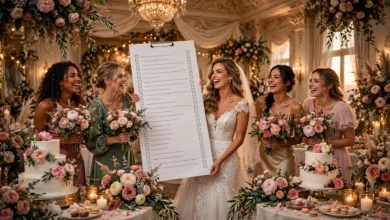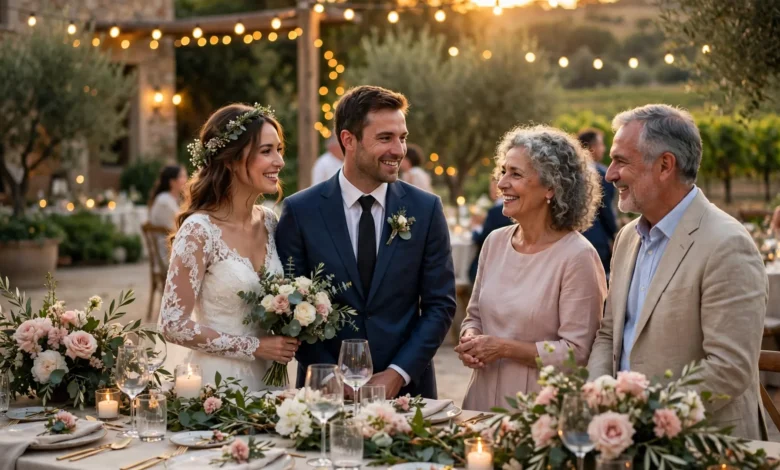
Every wedding guest wants to be remembered as the one who made the day better, not the one everyone whispered about on the drive home. Most wedding etiquette is simple common sense: respect the couple, respect the other guests, and remember that the day belongs to two people who spent months planning it.
But some habits cross the line from harmless fun into genuinely rude territory, and etiquette experts agree on the worst offenders. Here are 12 wedding behaviors that experts say guests should never, ever do.
1. Monopolizing the Couple’s Time
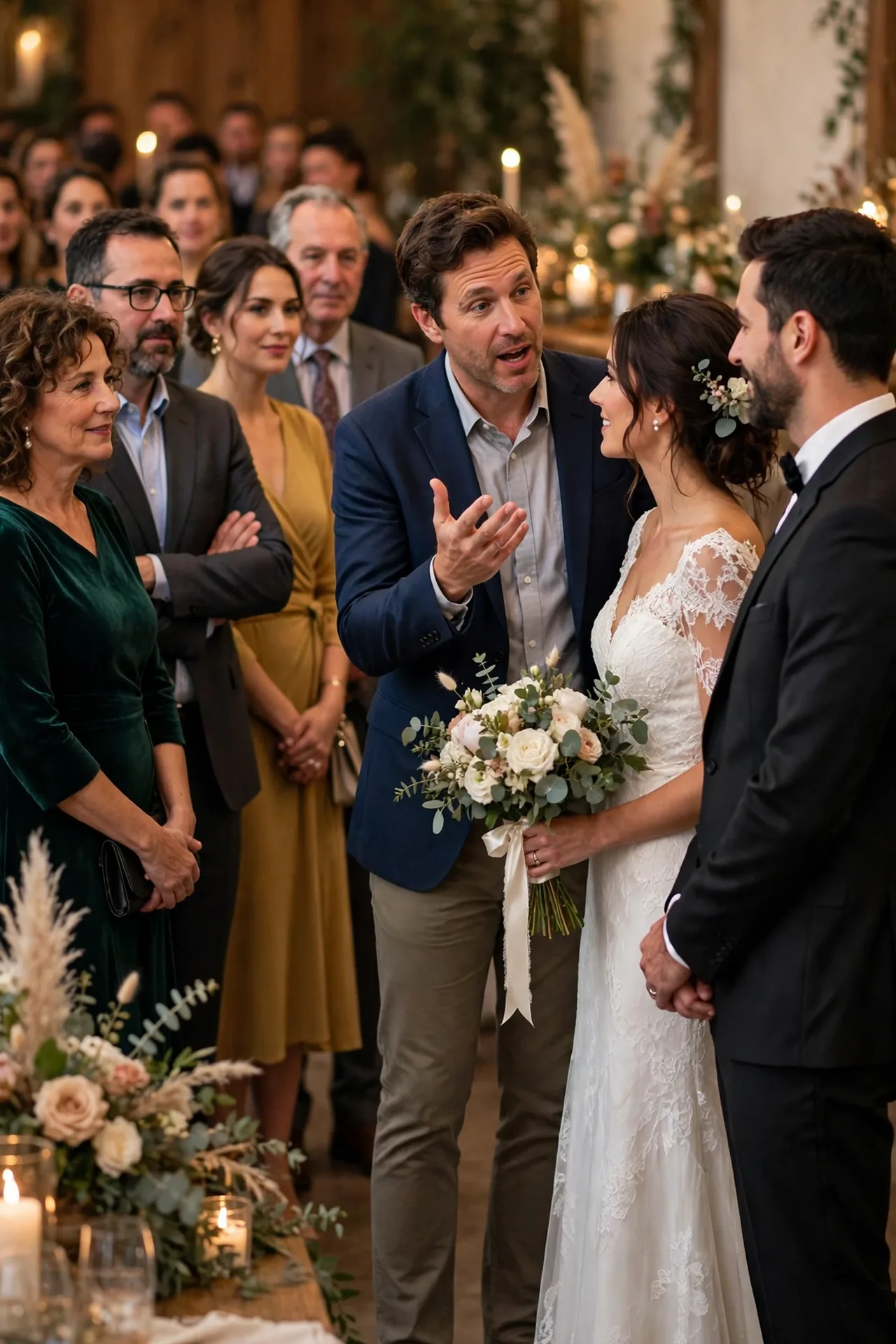
The bride and groom want to greet everyone, but there are often well over a hundred people at a reception, and the evening also has to fit in dinner, dancing, cake, and photographs. If one guest holds them in a twenty-minute conversation, dozens of other guests lose their chance to say congratulations at all.
Keep your moment with the couple warm and short. Say how happy you are for them, share one quick kind word, and then let them move on. A long, serious conversation can always wait for another day, when it is not competing with their wedding schedule.
2. Making a Spectacle
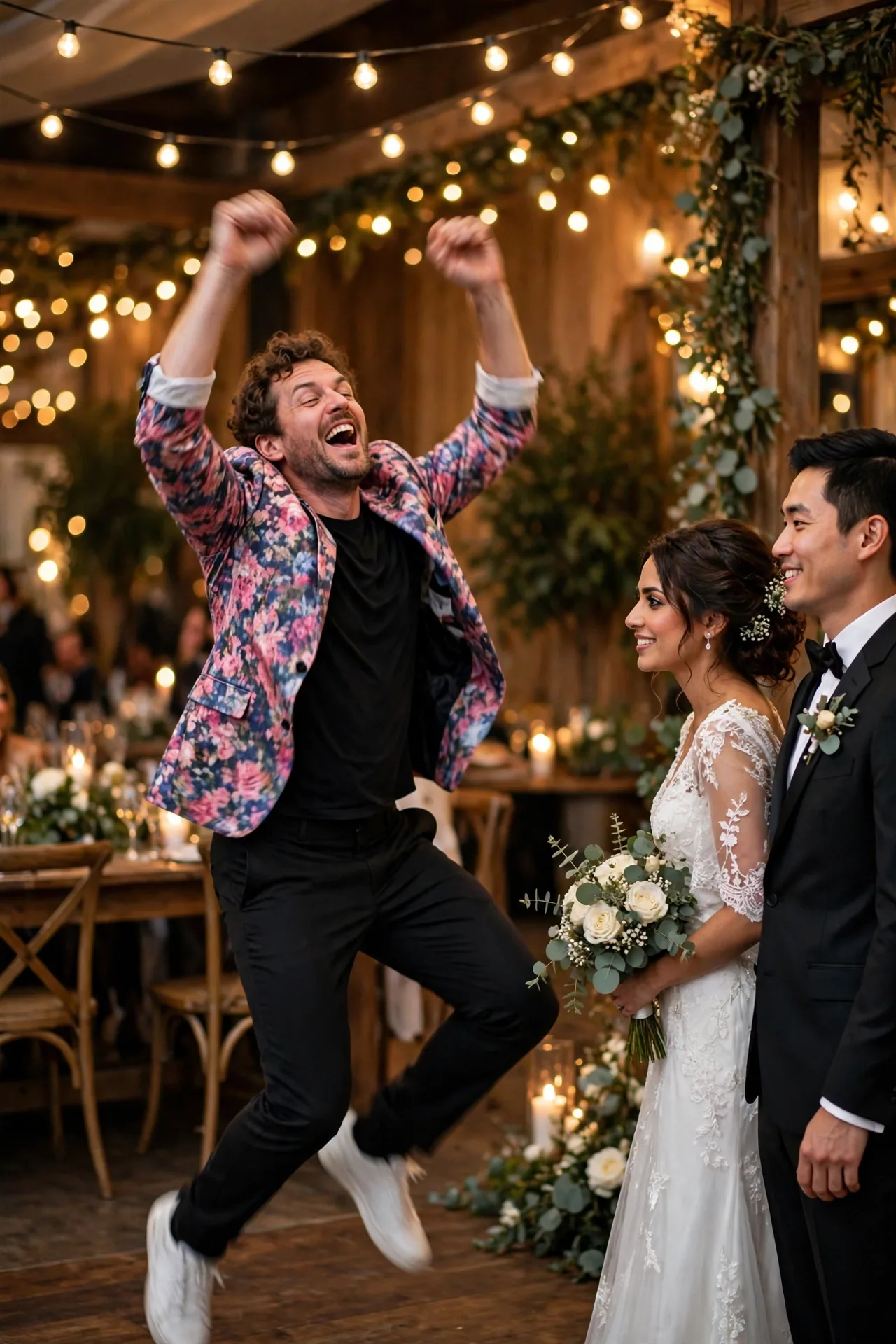
A wedding is a celebration, and nobody expects guests to sit quietly with their hands folded. The problem starts when one guest turns the celebration into their own personal show, whether that means screaming, fighting, drinking far too much, or sharing private details about the couple that were never meant for a microphone.
Dance, laugh, and enjoy yourself, but keep the spotlight where it belongs. If you notice that every head in the room has turned toward you for the wrong reason, that is the moment to step back and tone it down.
3. Taking Flowers
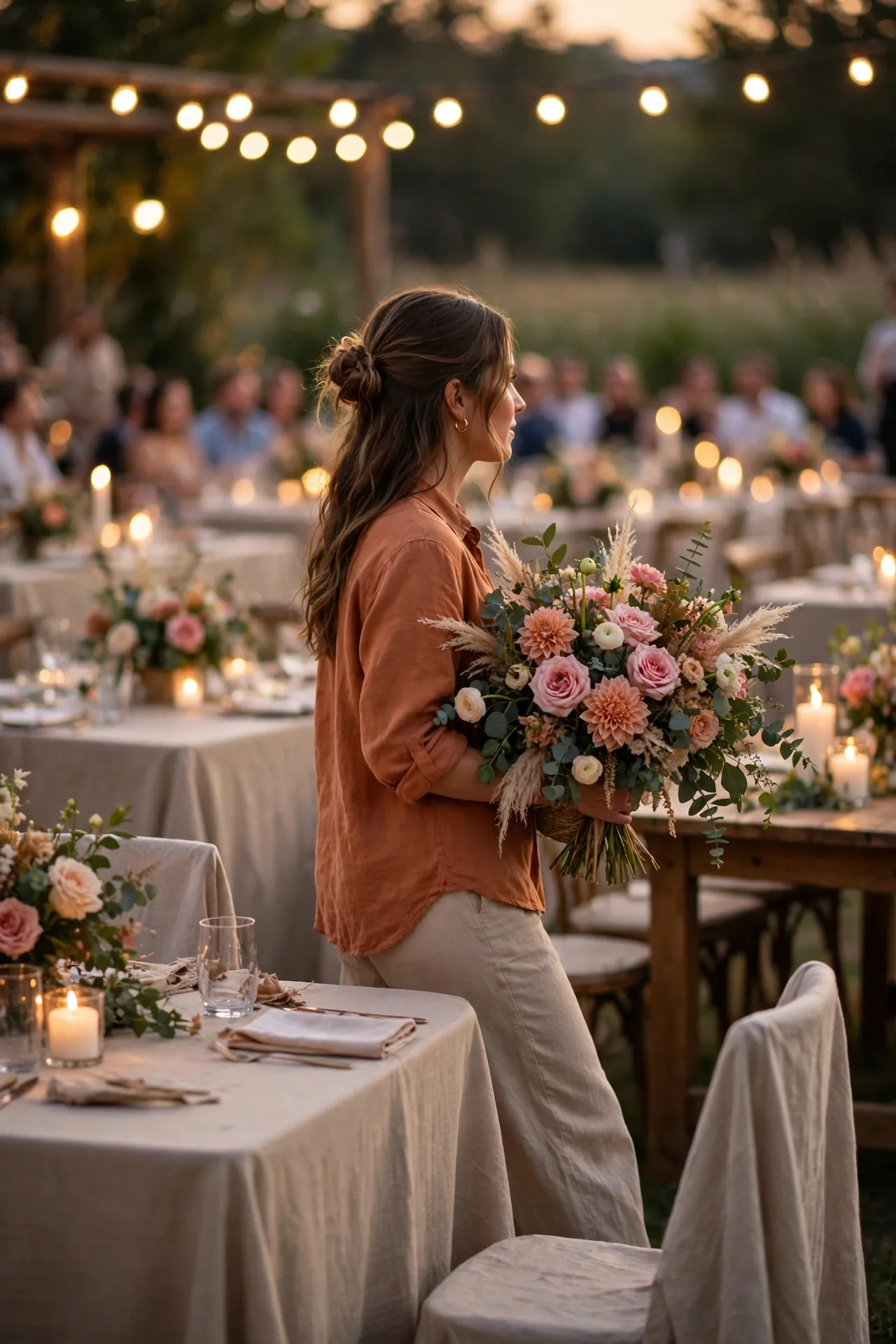
Those centerpieces look beautiful, and it is tempting to think of them as party favors. They are not. The flowers and decorations usually belong to the couple, and in many cases they are rented, returnable, or promised to someone else after the reception ends.
The only time it is fine to take flowers home is when the couple or the wedding party clearly offers them. If nobody has said the arrangements are up for grabs, admire them, photograph them, and leave them on the table.
4. Requesting Songs
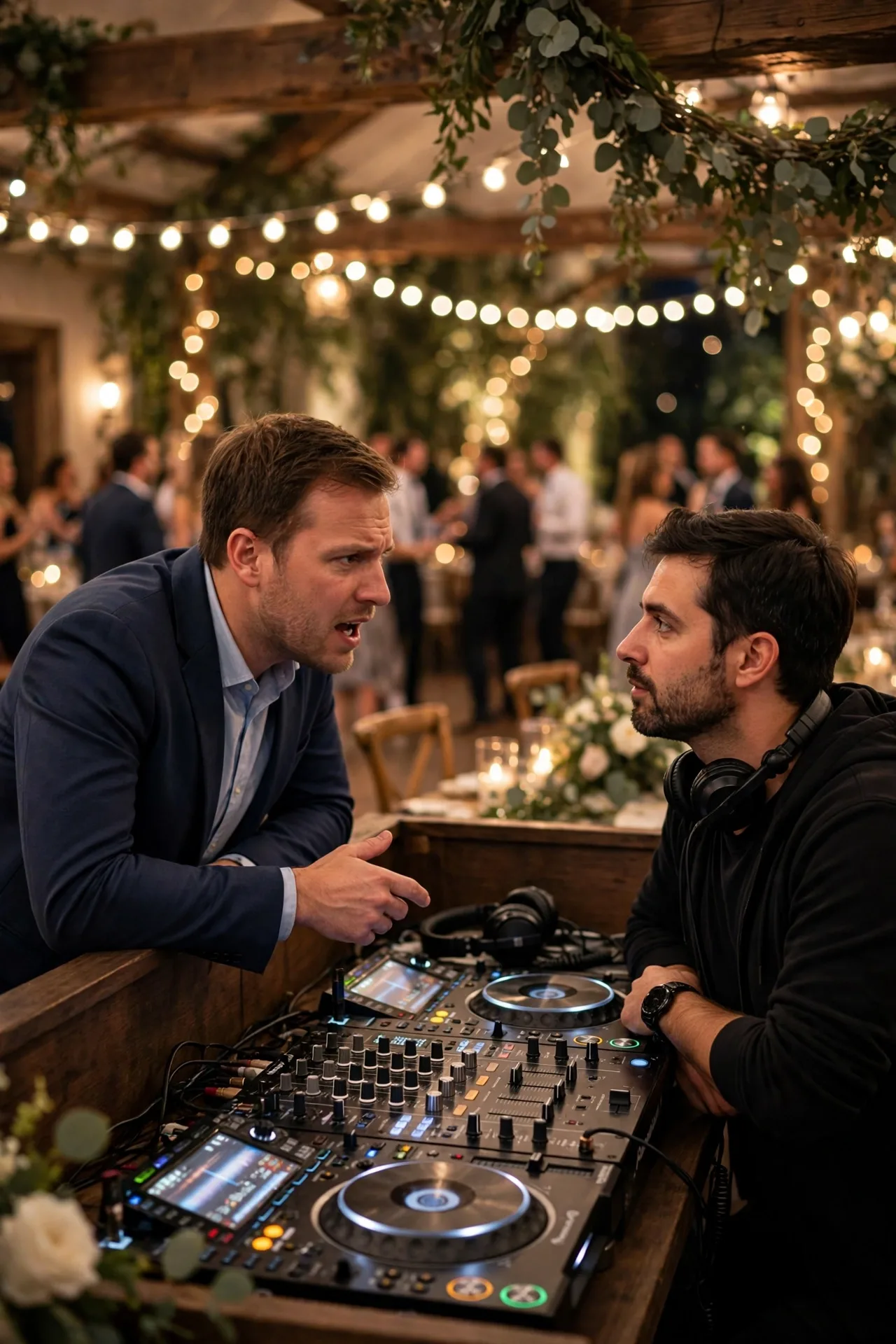
The couple usually spends a surprising amount of time choosing their wedding music, from the first dance to the songs that will fill the dance floor. Marching up to the DJ with a list of your own requests ignores all of that planning, and it puts the DJ in an awkward spot mid-event.
If the DJ invites requests, one polite suggestion is fine. But repeatedly asking for your favorites, or complaining when your song does not play, turns someone else’s playlist into your own private concert.
5. Oversharing
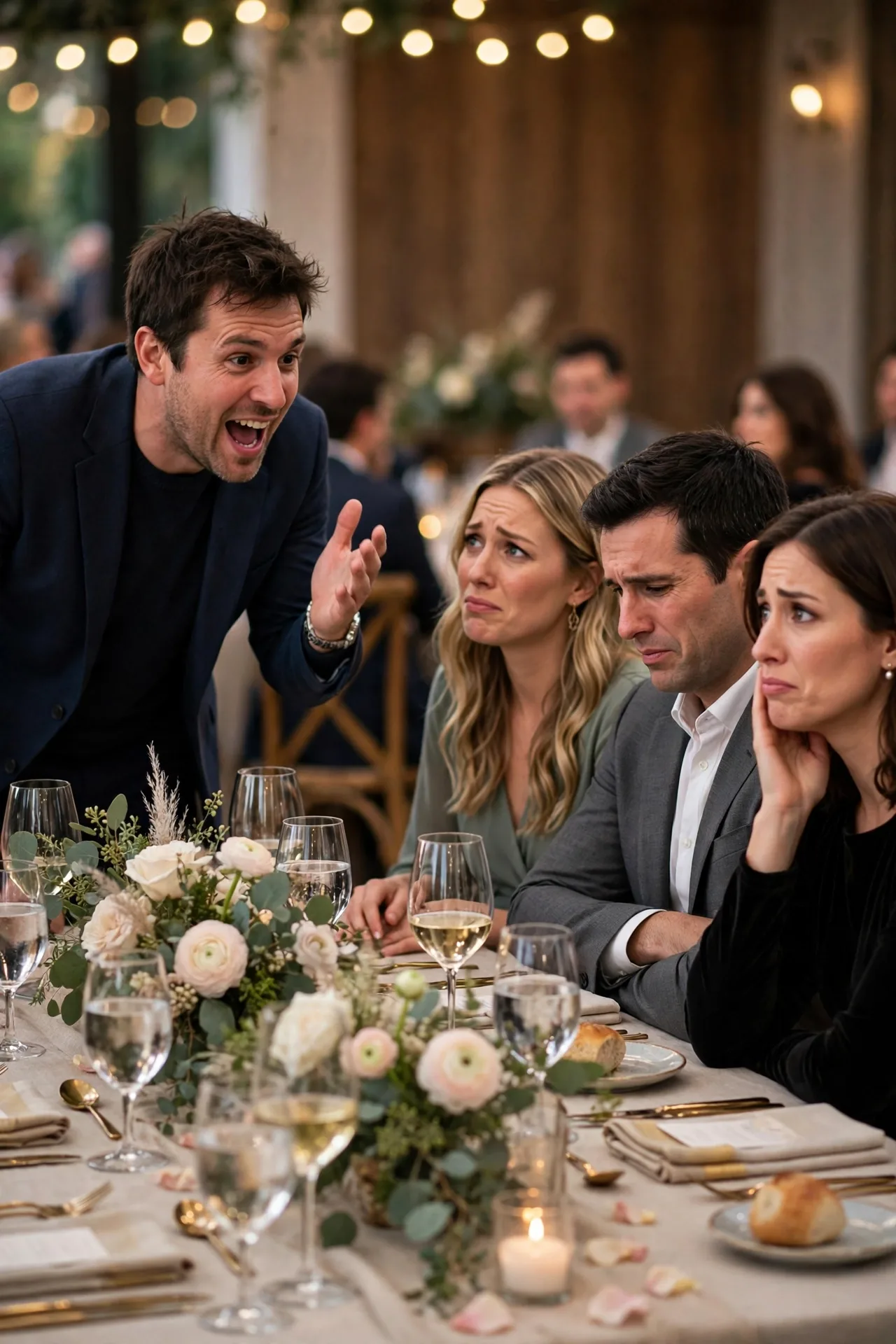
Weddings bring together people from every chapter of the couple’s life, and that mix makes it easy to forget who is listening. Embarrassing stories about the bride or groom, private relationship details, or gossip about other guests can travel around a reception in minutes, and the couple will hear about it later.
Save the wild stories for a small group of close friends, away from the wedding itself. At the reception, stick to the kind of stories you would be happy for the couple’s grandparents, coworkers, and future in-laws to hear.
6. Failing to RSVP
An RSVP is not a casual formality. The couple uses the guest count to book the venue, order food, arrange seating, and pay per head, and every unanswered invitation leaves them guessing and often paying for a seat that stays empty.
Reply by the date on the invitation, even if your answer is no. A prompt no is far kinder than silence, because it lets the couple plan accurately and invite someone else if they have a waiting list.
7. Taking Photos During the Ceremony
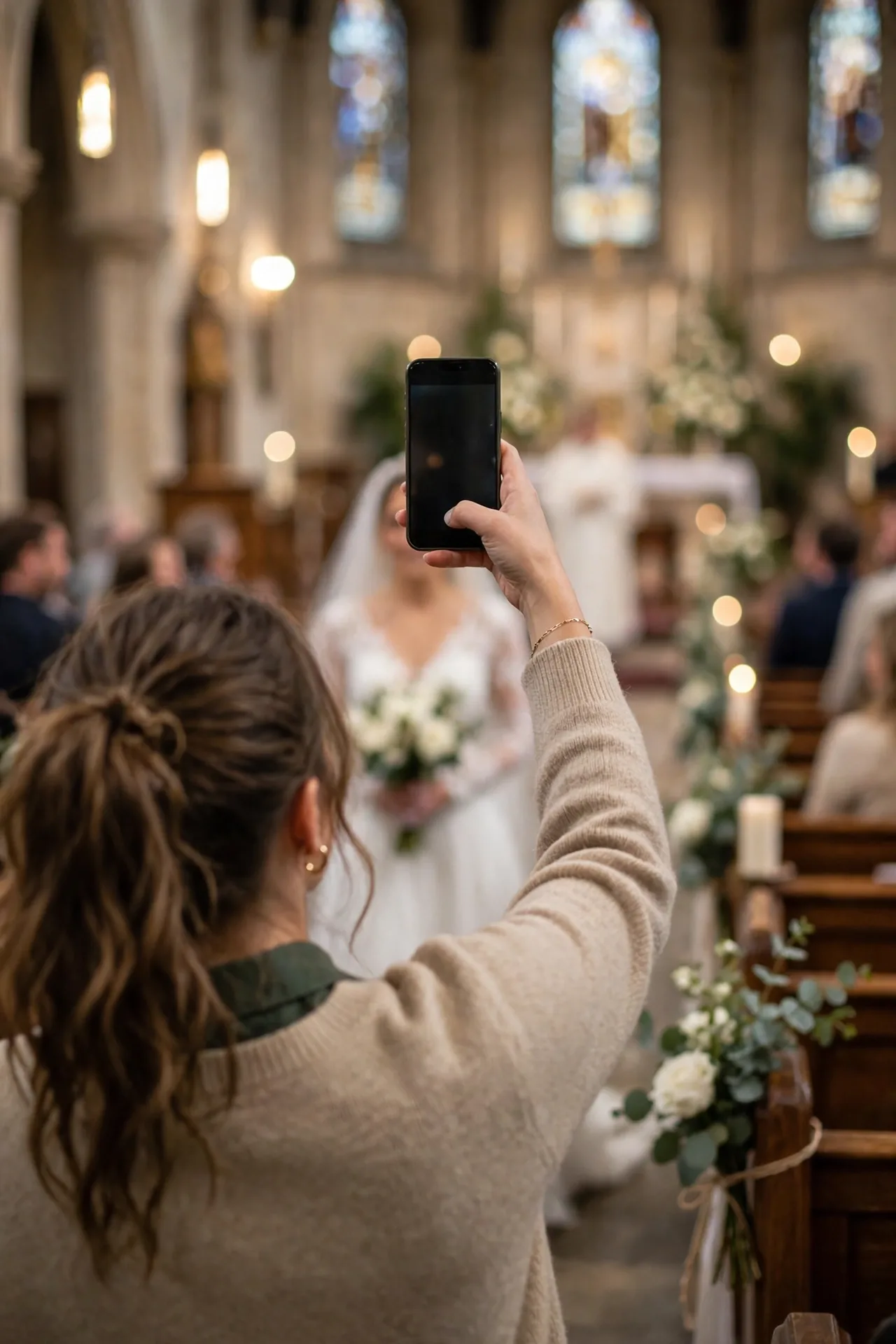
When a guest holds up a phone during the vows, the professional photographer’s shot of the couple’s first kiss as a married pair can end up featuring a stranger’s phone instead of their faces. Many couples now ask for an unplugged ceremony for exactly this reason.
Put the phone away for the ceremony itself and be fully present for the moment. There will be plenty of time for photos at the reception, and the couple will almost always share their professional pictures afterward.
8. Telling the Couple What’s Wrong
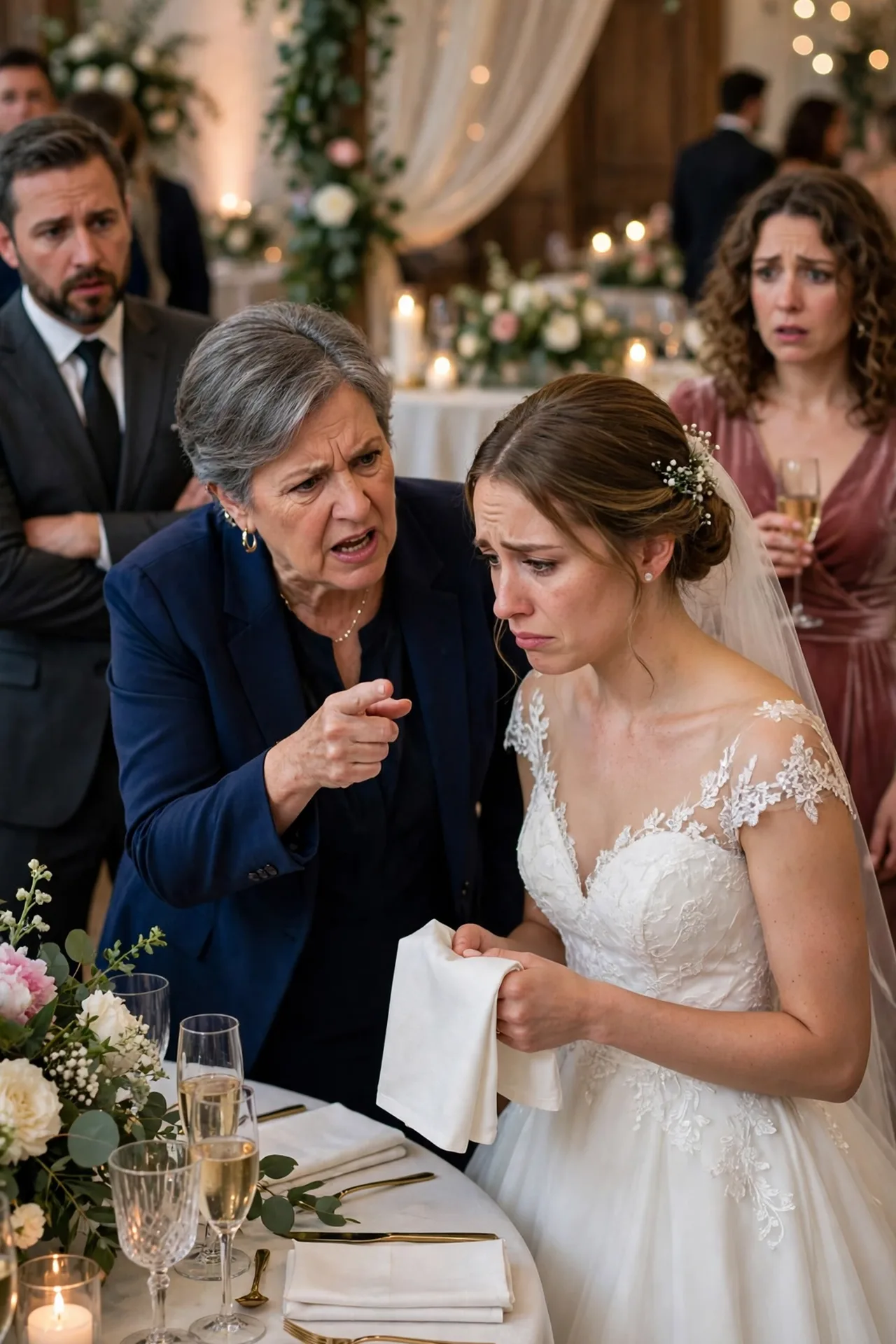
The food is late, the music is too loud, the seating plan is not what you expected. On any other day, a complaint might be reasonable. On the couple’s wedding day, it lands very differently, because there is nothing they can fix in the moment and it only adds stress to a day they have been planning for months.
If something genuinely needs attention, mention it quietly to a member of the wedding party or the venue staff. Let the couple enjoy their day, and save any honest feedback for a calmer conversation later, if it still matters then.
9. Drinking Too Much

An open bar is a generous gesture, not a challenge. Guests who drink far past their limit tend to become loud, unsteady, and unpredictable, and they can turn a joyful evening into an uncomfortable one for everyone around them, including the couple.
Pace yourself, eat, drink water between glasses, and know your limit before the toasts begin. The best wedding guests are the ones still dancing happily at the end of the night, not the ones other guests had to look after.
10. Skipping or Arriving Late to the Ceremony
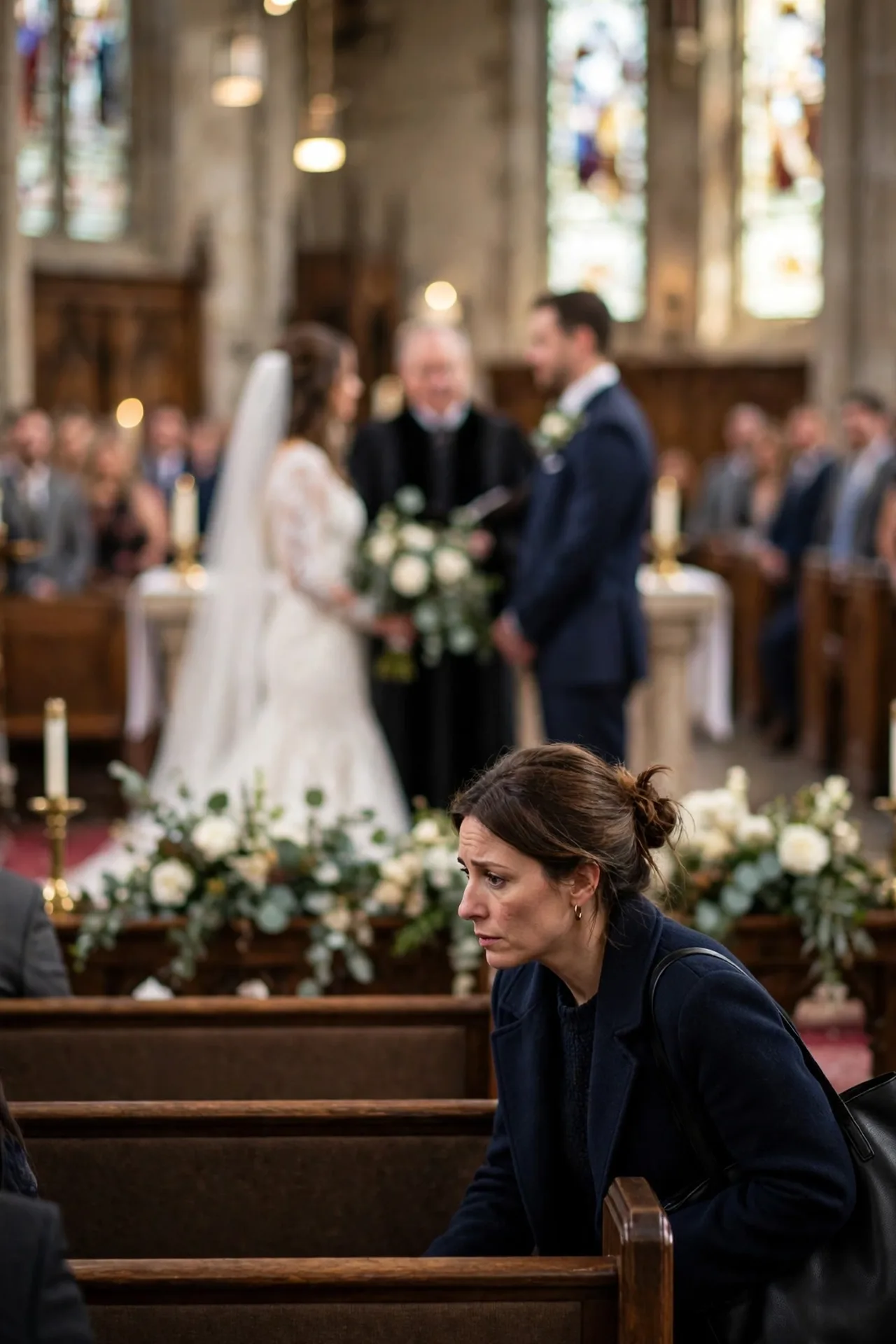
Showing up only for the party sends a clear message about which part of the day you value, and the ceremony is the whole reason everyone gathered in the first place. Arriving late is almost as disruptive, since it means walking in during the vows or the processional while everyone else is trying to watch.
Plan to arrive early, even if that means waiting in the car or sitting quietly before things begin. If an unavoidable delay makes you late, slip in quietly at the back and avoid drawing attention to your entrance.
11. Taking a To-Go Plate
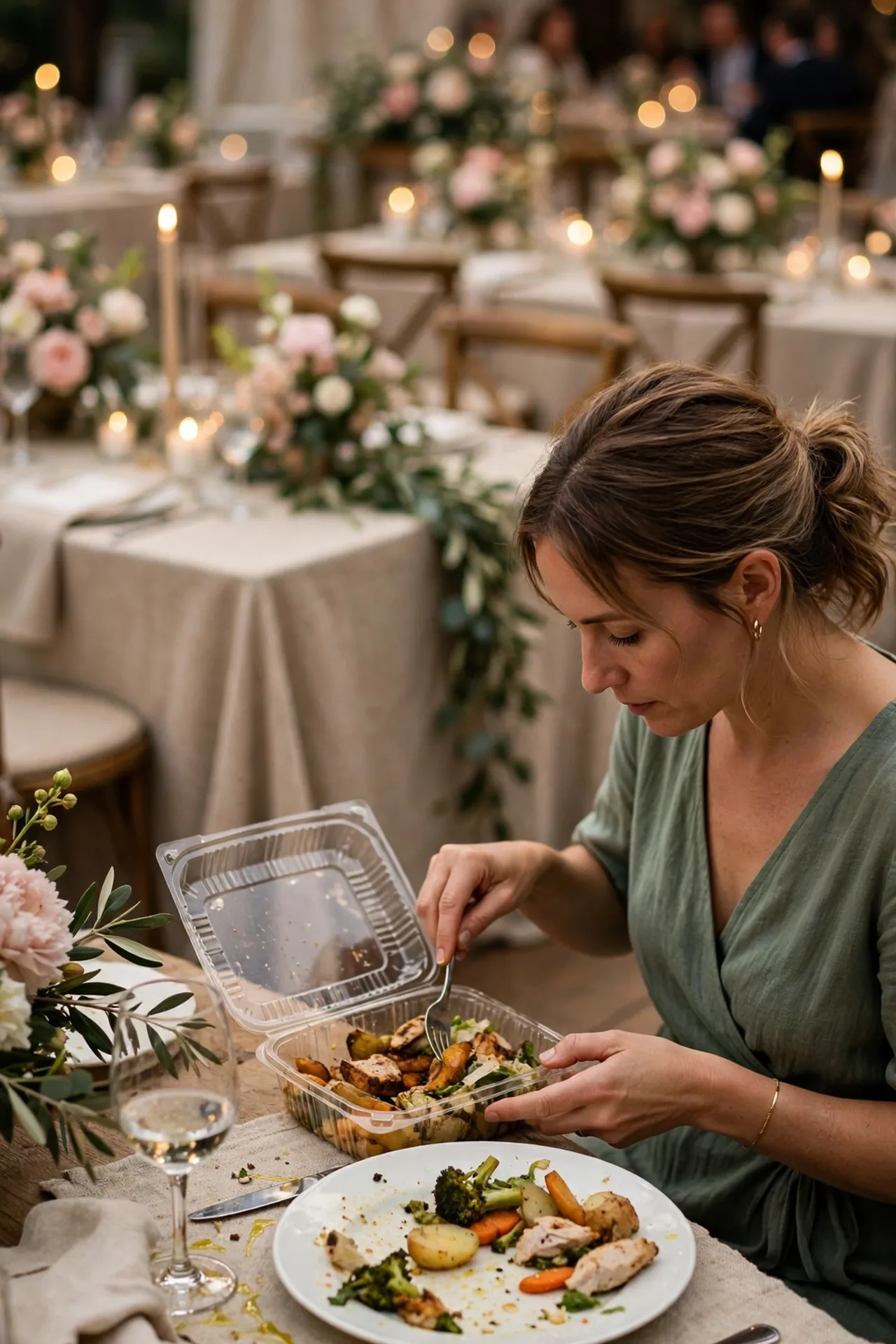
Packing up the buffet into containers at the end of the night might feel practical, but catered wedding food is paid for by the couple for their guests to enjoy at the event, and taking it home was never part of the arrangement. It can also leave the couple short if they planned to keep leftovers themselves.
Enjoy the meal at the reception, and leave the leftovers alone unless the couple or the caterer clearly invites guests to take some. If you are still hungry on the way home, that is what a late-night snack stop is for.
12. Not Showing Up
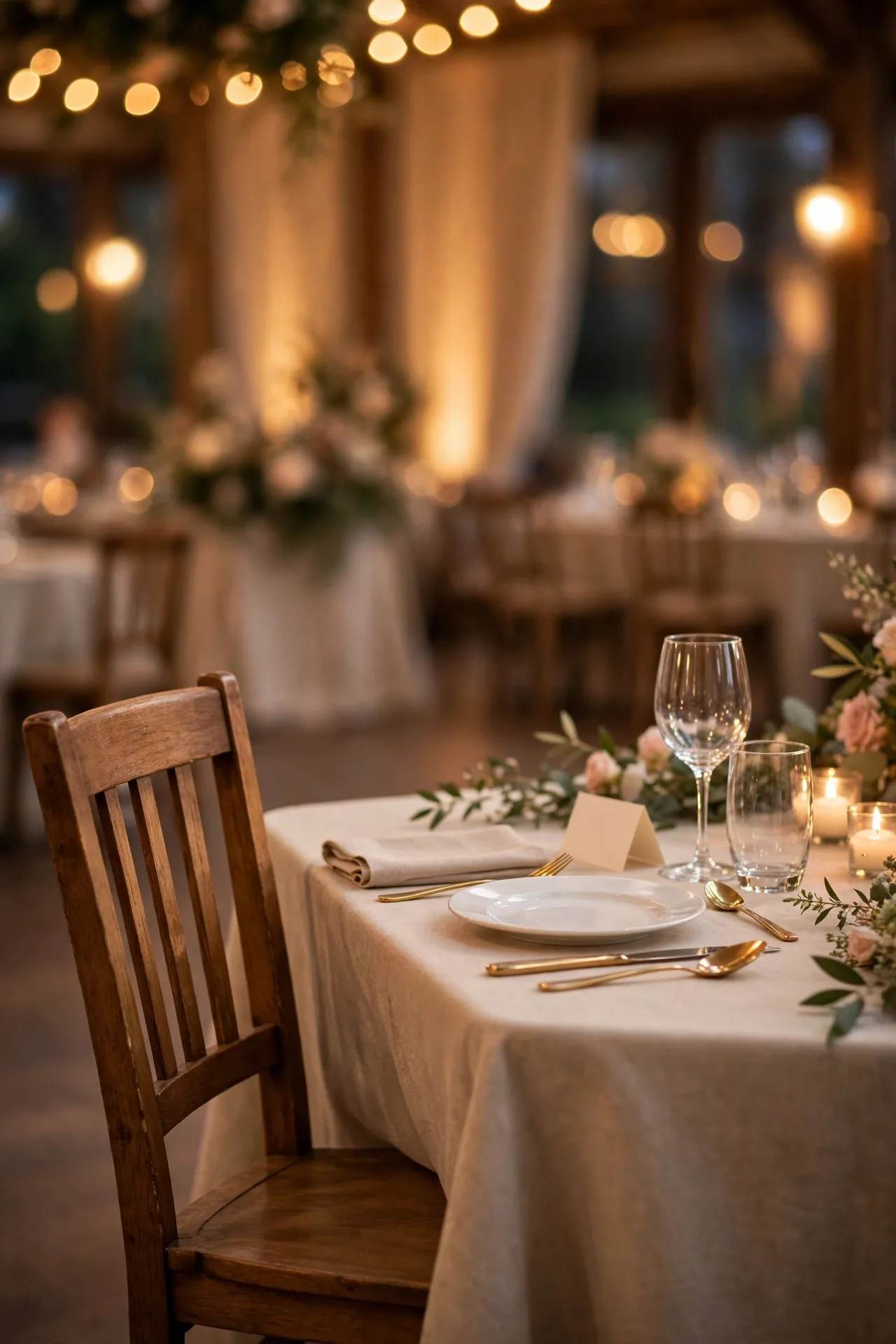
The single rudest thing a guest can do is also the simplest: say you will come, and then not appear. The couple has paid for your seat, your meal, and your place at a table, and an empty chair is noticeable to everyone, especially the couple.
If your plans change, tell the couple as early as you possibly can, and reach out to their family as well if you cannot get hold of them directly. A last-minute emergency is understandable, but silence is not. A quick, honest message costs nothing and spares the couple a very visible disappointment.
None of this is about being perfect. Weddings are emotional, chaotic, wonderful days, and small slip-ups happen to everyone. But avoiding these twelve habits is a simple way to show the couple that you respect their day, their effort, and their guests, and that is really what good wedding etiquette comes down to.