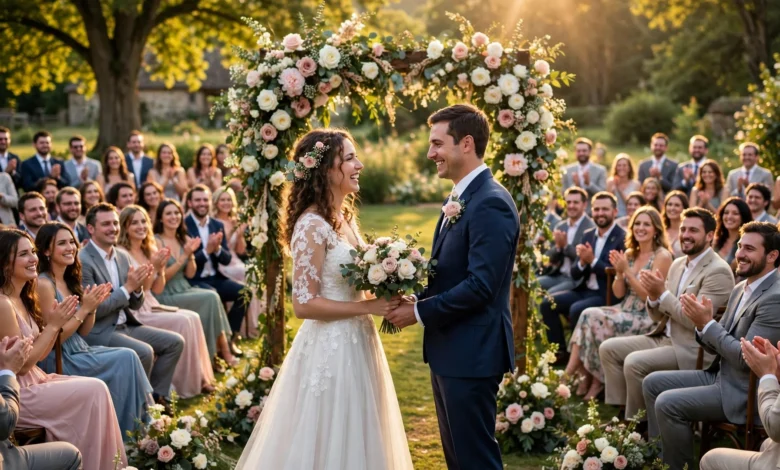
Every wedding seems to come with a set of unwritten rules — and lately, guests are not shy about saying which ones they think should go. From plus-ones and pricey bridesmaid dresses to destination weddings and cash bars, the things people used to accept without a word have turned into full-blown debates.
What makes these opinions so interesting is that almost nobody agrees. One guest’s must-have tradition is another guest’s outdated chore. One couple’s dream destination wedding is another family’s expensive headache. The conversations below capture the hottest takes people are sharing about weddings right now — the traditions they would happily drop, the rules they defend fiercely, and the grey areas in between.
Whether you are planning your own wedding, attending one soon, or just enjoy a good debate, here are 24 controversial wedding opinions people cannot stop arguing about.
1. Traditions Guests Think Should Be Dropped
Every wedding has its rituals, but not every ritual still makes sense to the people sitting in the chairs. Guests are increasingly asking why certain traditions survive simply because they have always been done that way. A ceremony that feels like a checklist of customs nobody understands can leave guests confused rather than moved.
That does not mean all traditions are on the chopping block. Many guests love the moments that feel meaningful and personal. The frustration tends to focus on the traditions that feel performative or out of step with the couple in front of them — the ones kept alive by habit rather than by choice.
2. Do Weddings Still Push Old Gender Roles?
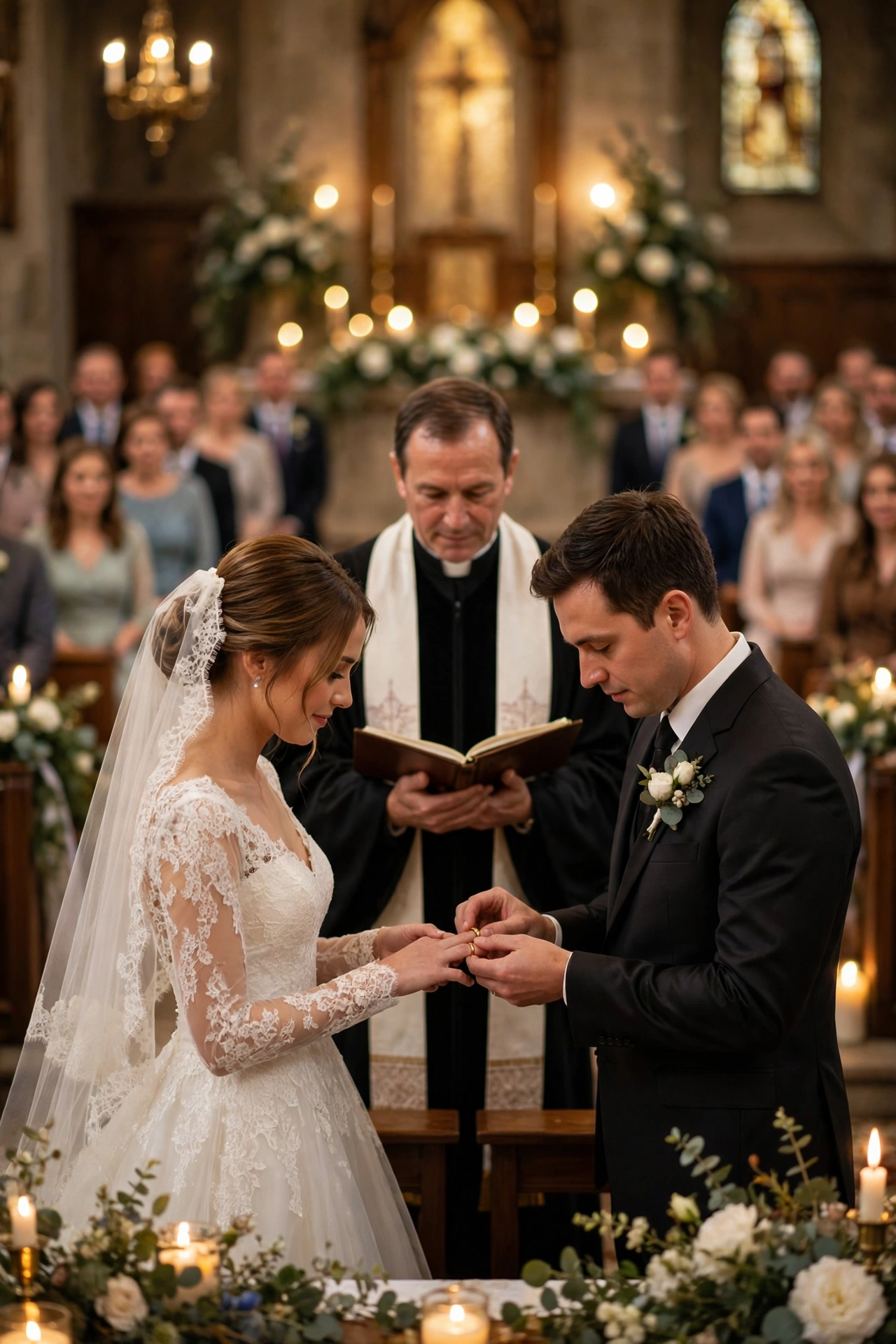
One of the most talked-about questions is whether weddings still lean on traditional ideas about men and women. The classic image of a father walking his daughter down the aisle, for example, strikes some people as a sweet family moment — and others as a leftover from a time when weddings looked very different.
Couples answer this question in all sorts of ways. Some keep the traditional elements because they genuinely love them. Others adapt them — both parents walking the couple down the aisle, or the couple walking in together — so the moment reflects their own relationship. The conversation is less about right or wrong and more about whether each part of the day still fits the people getting married.
3. The Plus-One Problem
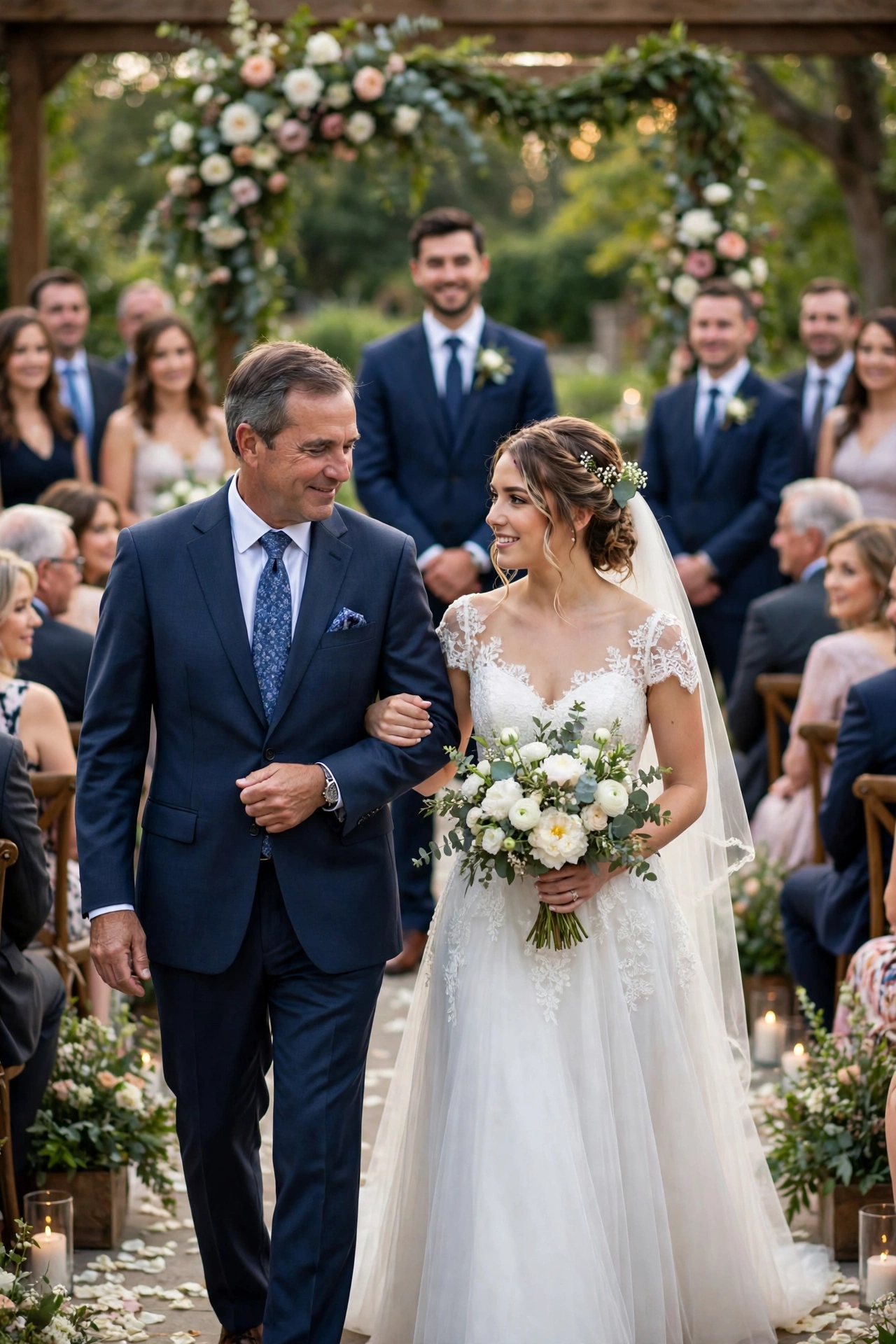
Few wedding topics spark arguments faster than plus-ones. On one side, guests say that being invited without the option to bring a partner feels awkward, especially if they are travelling or will not know anyone else there. A wedding can feel lonely without a familiar face beside you.
On the other side, couples point out that every extra guest costs real money — a seat, a meal, a place at the table. When the guest list is already bursting, plus-ones for people the couple barely knows can feel like an impossible ask. Both sides have a fair point, which is exactly why this debate never seems to end.
4. Is the Wedding for the Couple — or the Guests?
A wedding singer’s take that weddings are for the guests as much as the couple set off a lively argument. After all, guests give up a weekend, travel, buy outfits, and sometimes book hotels — should the day not be enjoyable for them too?
The pushback is that the wedding belongs to the two people getting married, and guests are there to celebrate them, not to be entertained. Most people land somewhere in the middle: the ceremony and the vows belong to the couple, but a good host still thinks about whether their guests are comfortable, fed, and having a decent time.
5. Flower Grandmas Are Stealing the Show
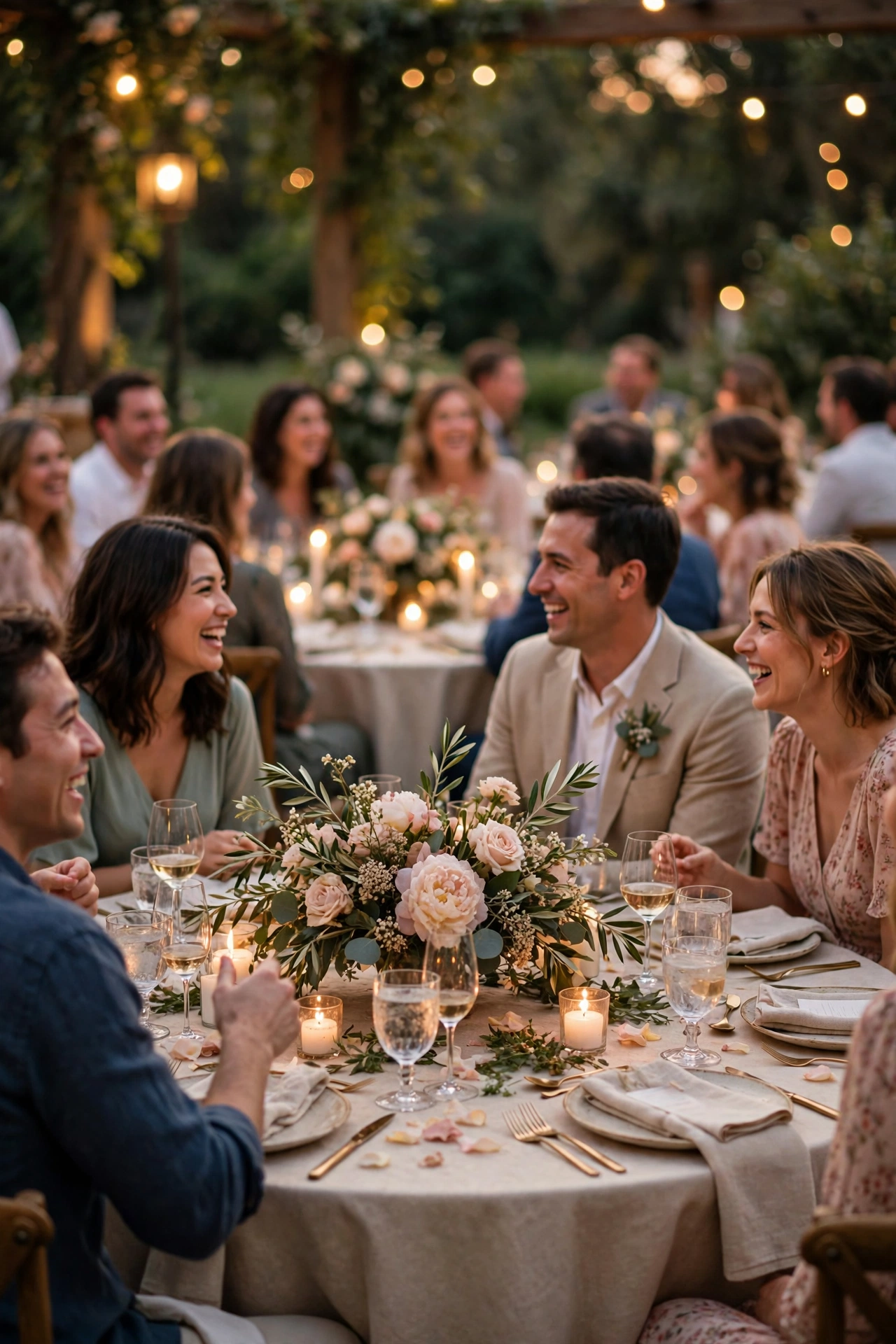
Forget flower girls — the flower grandma has arrived, and guests are delighted. The idea is simple: instead of a small child scattering petals down the aisle, a grandmother or another older relative takes on the role, often with enormous charm and a big smile.
It is a sweet twist that gives an older loved one a starring moment in the ceremony, and it solves the very real problem of a shy toddler refusing to walk down the aisle. Guests seem to love it, and it is hard to argue with a moment that makes the whole room grin.
6. Bachelor and Bachelorette Parties in Queer Spaces
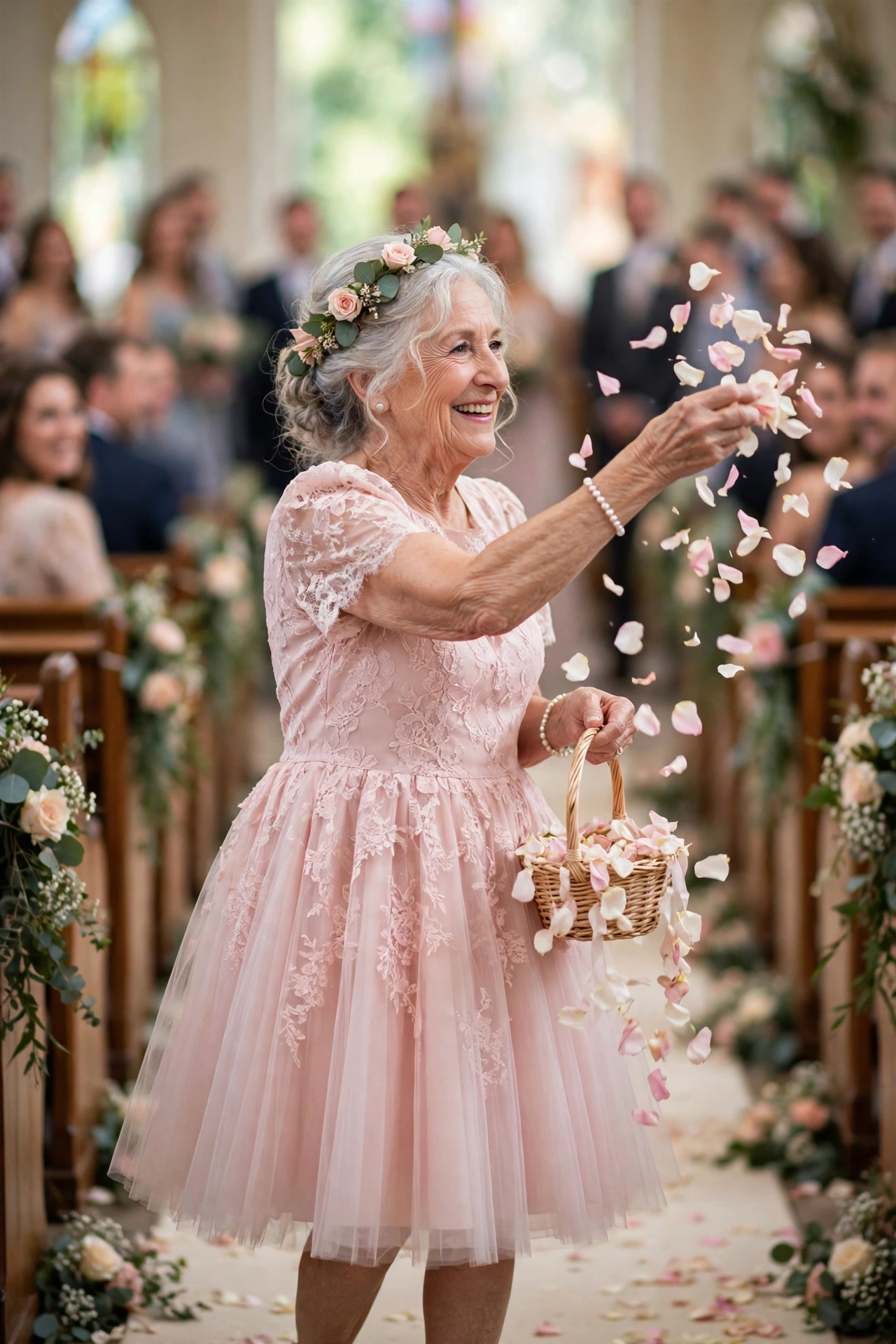
This one is a genuine debate about respect and consideration. When a bachelor or bachelorette party takes place in a space that is important to the LGBTQ community, some people say the group should be mindful guests — respectful of the regulars, the atmosphere, and the reason the space exists.
Others argue that these venues welcome everyone, and that a well-behaved group celebrating a friend is no different from any other night out. The shared ground in the conversation is simple: wherever a party happens, being a considerate guest matters, and thinking about how your group comes across goes a long way.
7. Too Many Pre-Wedding Parties?
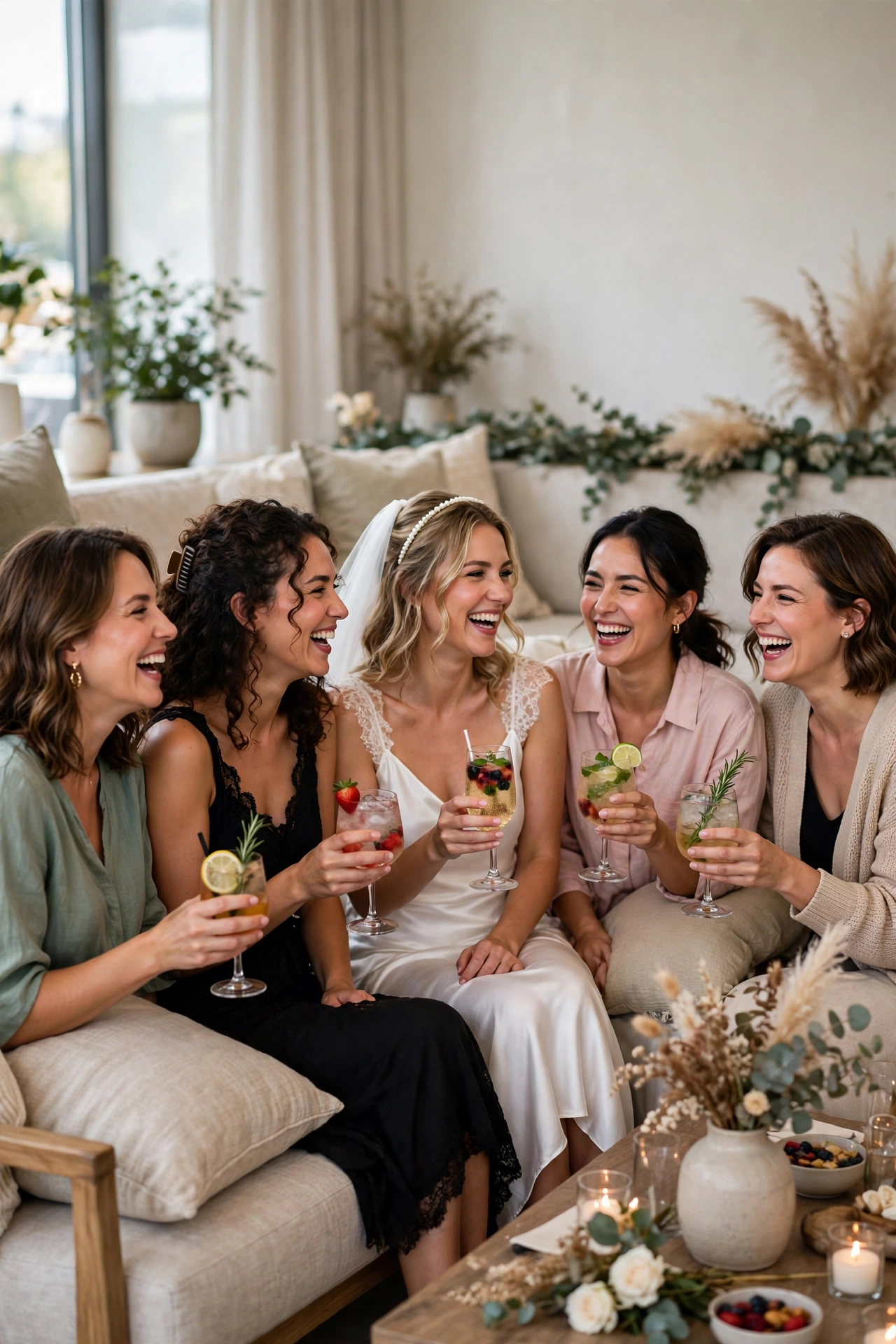
Engagement parties, bridal showers, bachelor parties, rehearsal dinners — before the wedding itself even happens, the calendar can fill up fast. Guests are starting to wonder whether the celebration before the celebration has gone too far.
Each event on its own is lovely, but together they can mean multiple gifts, multiple outfits, multiple weekends, and multiple rounds of travel. For close friends and family, the pile-up can feel exhausting before the big day arrives. A little restraint, guests say, would go a long way.
8. Are Big Bridal Parties Worth It?
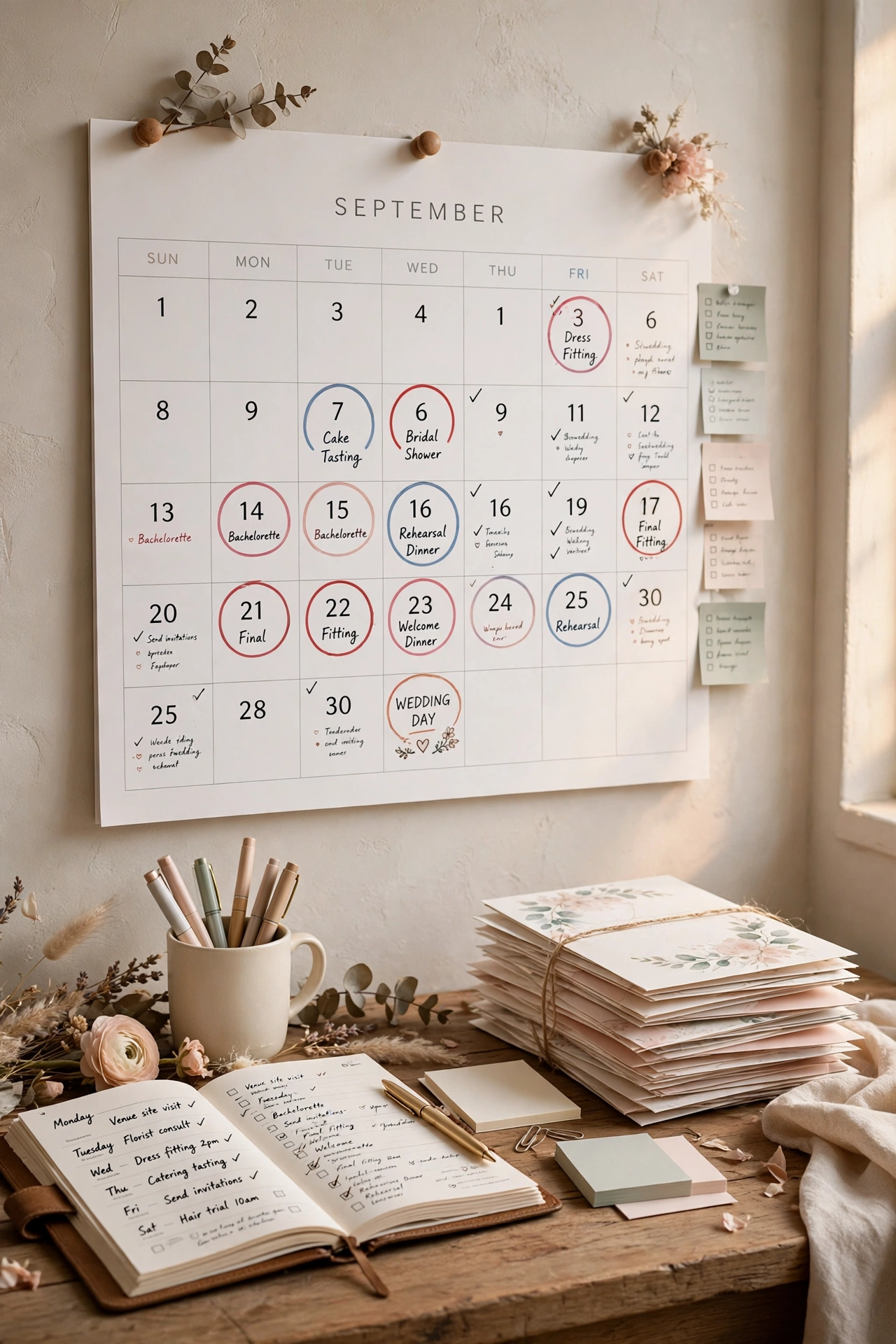
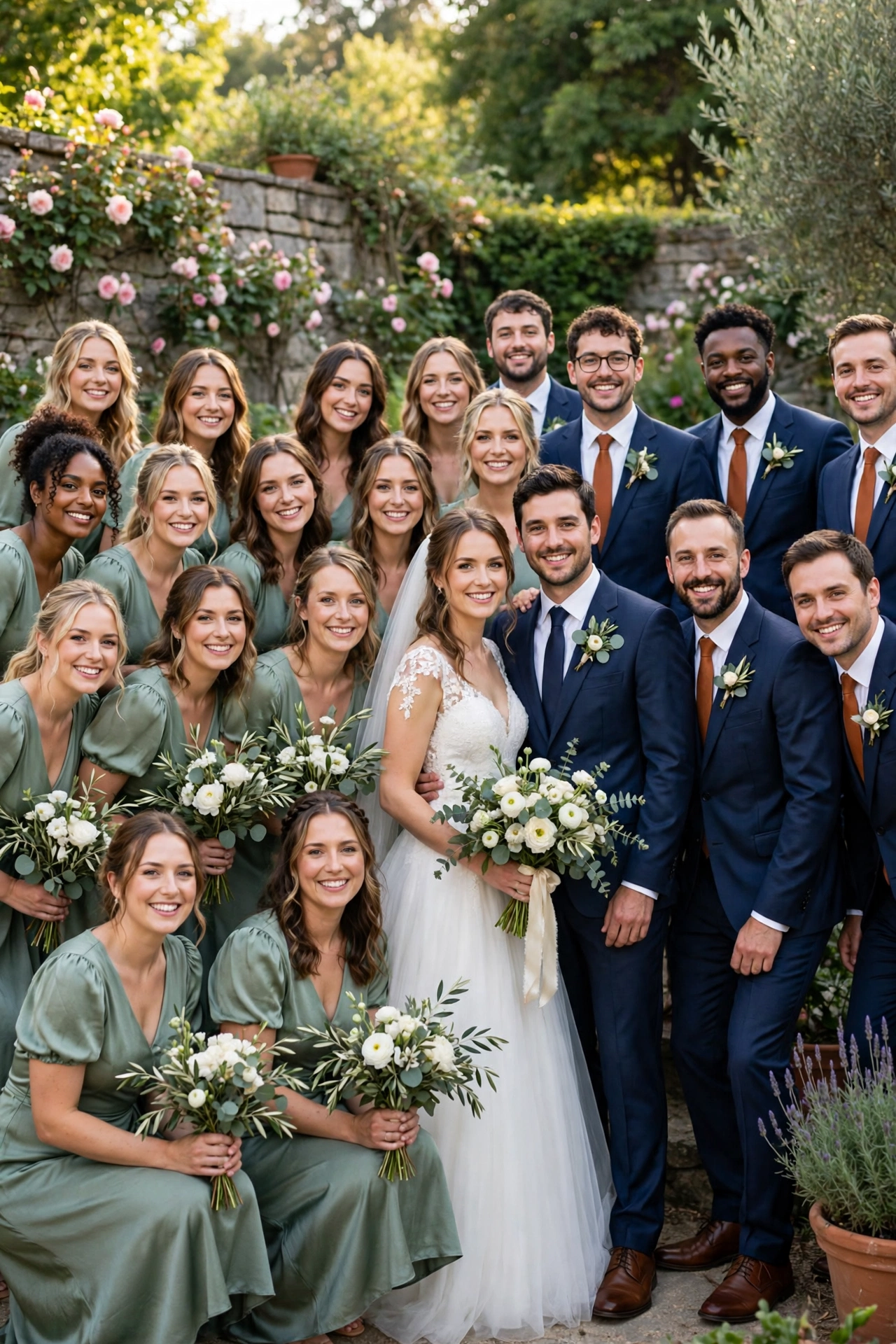
Once upon a time, a big bridal party was a status symbol. These days, plenty of people think the era of ten bridesmaids and ten groomsmen should come to an end. Coordinating that many schedules, outfits, and opinions is a logistical headache for everyone involved.
There is also the cost. Matching dresses, gifts, hair and makeup, and pre-wedding events add up fast for each member of the party. Smaller parties, supporters say, are easier to manage, cheaper for everyone, and often feel more personal. Still, some couples love the energy of a big group standing beside them — and for them, the chaos is part of the fun.
9. Starting on Time — No Exceptions?
Punctuality is a sore spot for wedding guests. Many feel strongly that a ceremony should begin when the invitation says it will begin, and that latecomers should not hold up an entire room of people who arrived on time.
Most people agree that real emergencies are an exception — nobody wants a ceremony to start without the couple or a key family member because of a genuine crisis. But beyond that, guests say the “wedding time is never the real time” attitude is unfair to everyone who made the effort to be there promptly.
10. Is Eloping the Same as Getting Married?
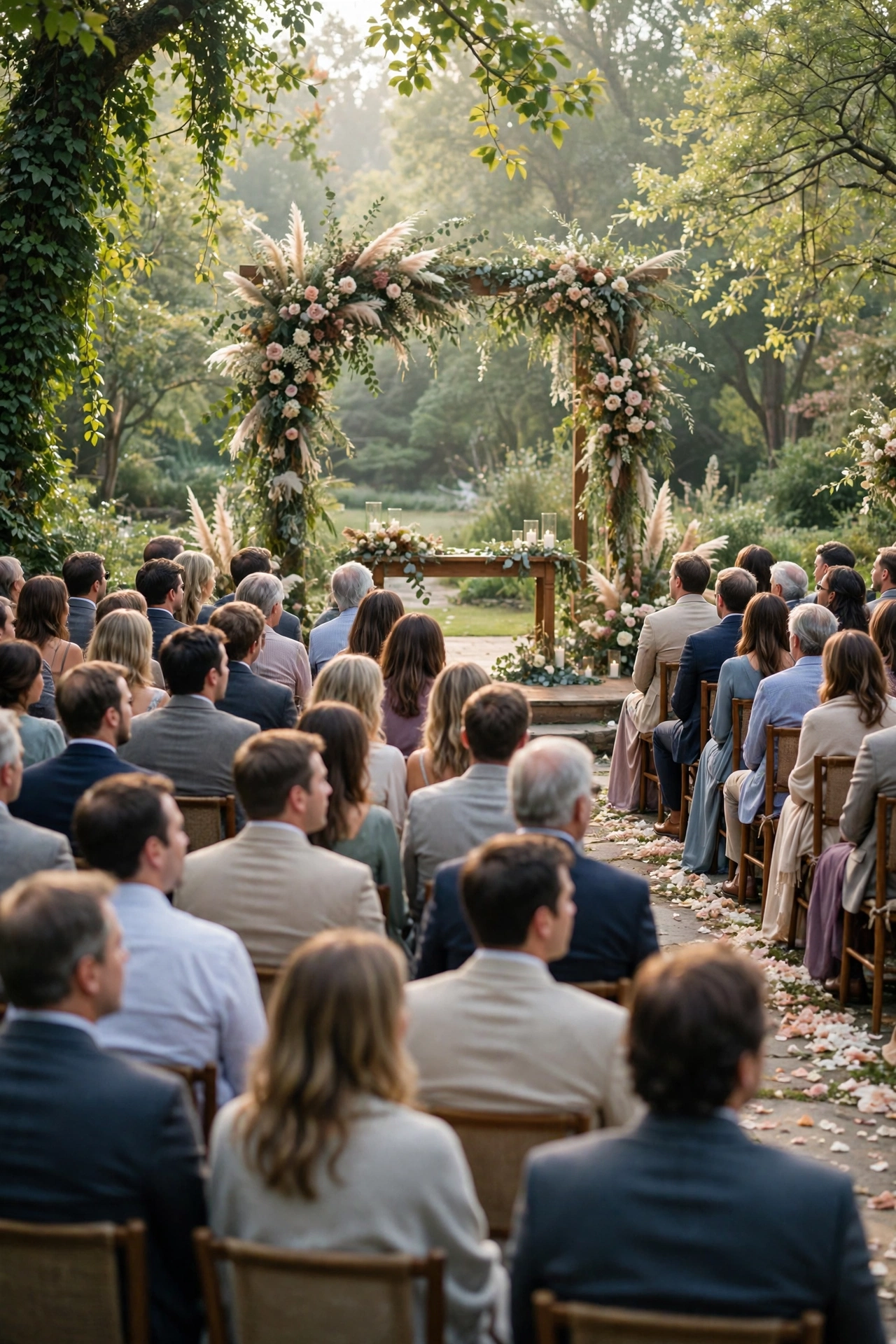
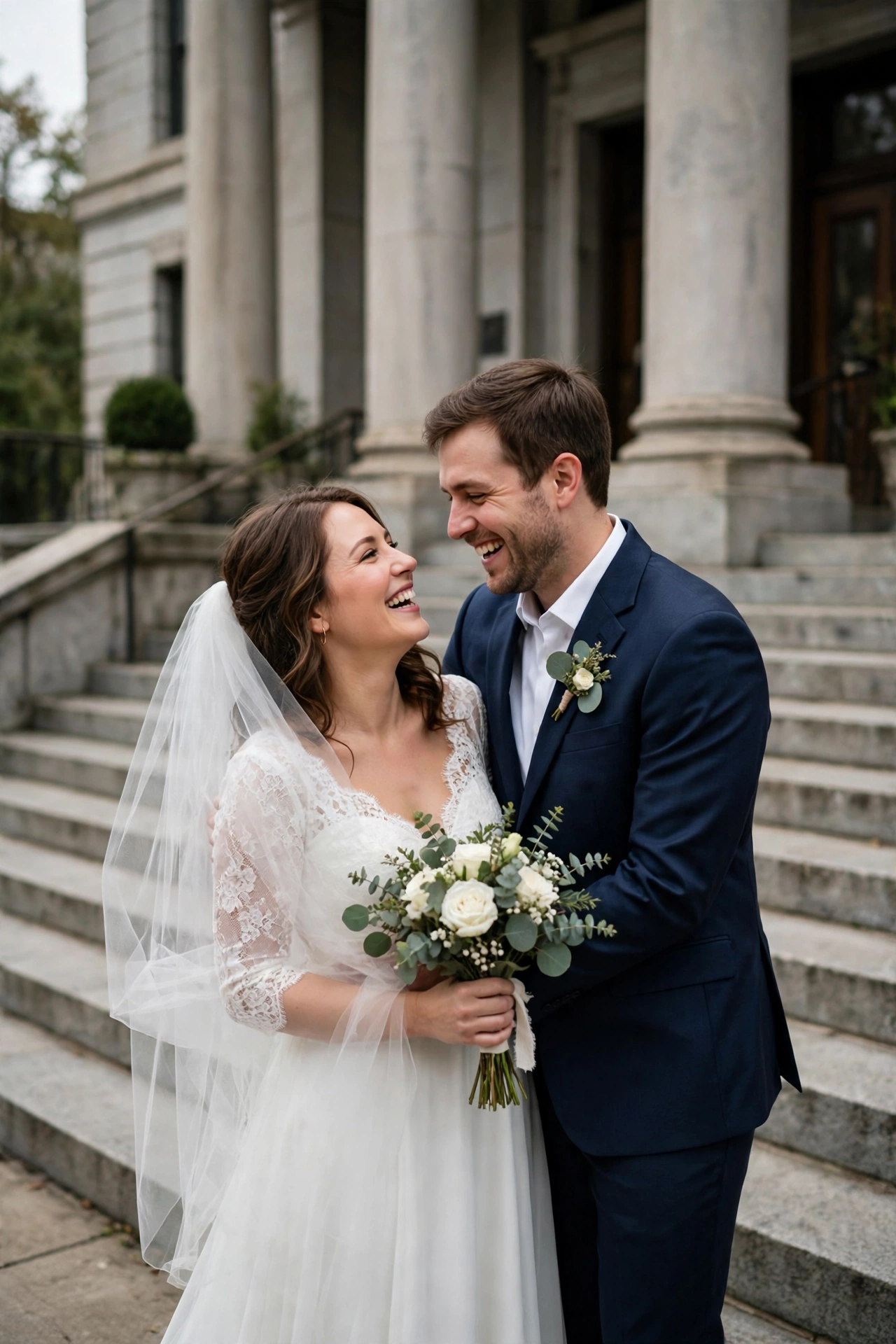
This debate gets surprisingly heated. One camp says that eloping is still getting married — the vows, the commitment, and the legal marriage are all the same, whether there are two witnesses or two hundred guests. The size of the celebration, they argue, does not change what the marriage means.
The other camp feels that a wedding and an elopement are different experiences, even if the end result is the same legal status. A big wedding involves family, community, and shared celebration in a way a private ceremony does not. Both sides agree the marriage itself is real either way — the argument is really about whether the experience deserves the same name.
11. Destination Weddings: Dream or Burden?
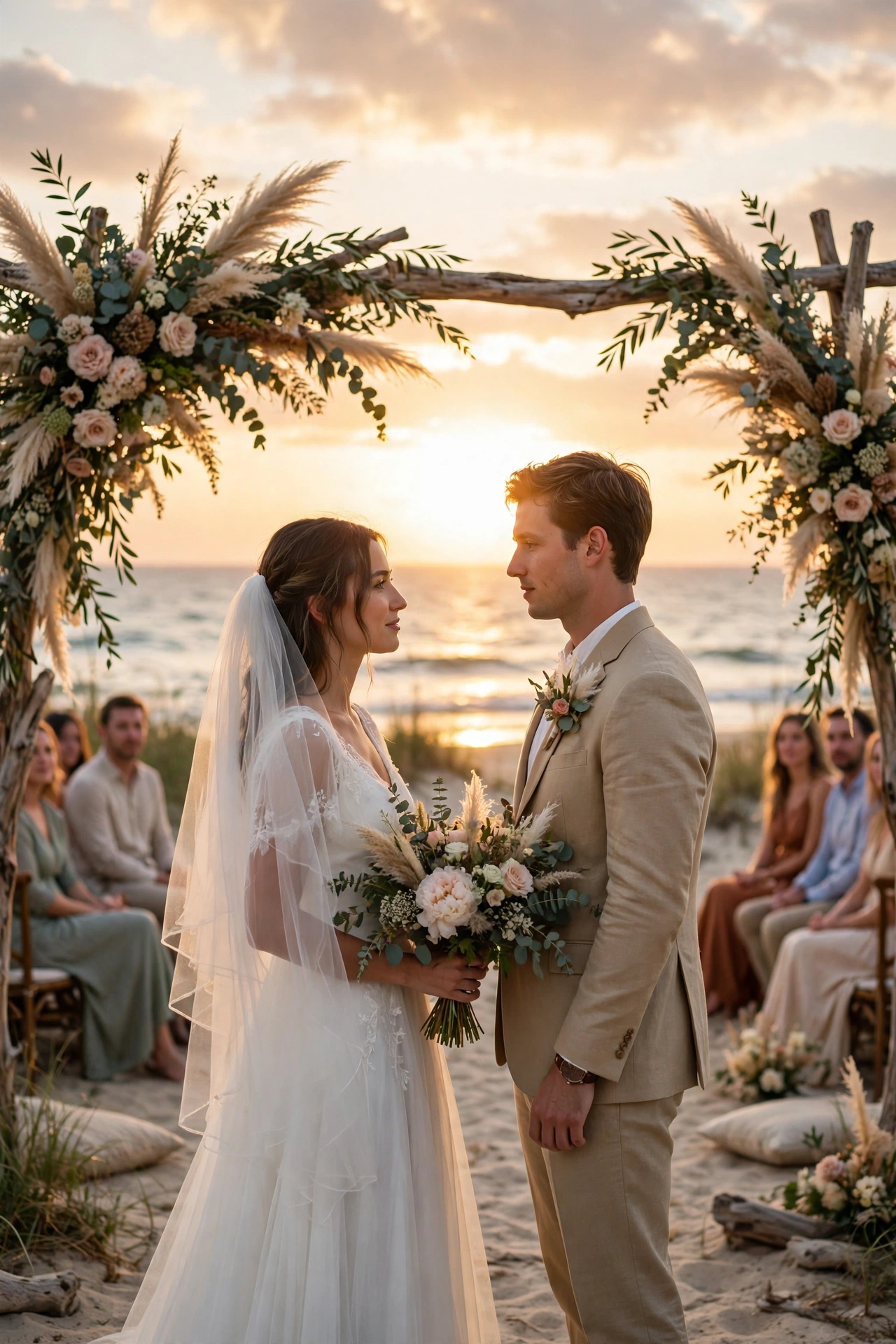
Few topics divide people like destination weddings. Supporters say it is the couple’s day and their choice — a beach ceremony at sunset, a meaningful location, a smaller guest list, and a celebration that doubles as a holiday. Guests who want to come will come, and nobody is forced to attend.
Critics say the cost falls unfairly on the guests: flights, hotels, time off work, and sometimes passports, all for someone else’s wedding. They argue that asking loved ones to spend that much money to attend your celebration is a big ask, however beautiful the setting. Both sides have a point, which is why this debate never settles.
12. Inviting People Out of Obligation
Almost everyone has been on one side of this one: invited to a wedding out of duty rather than closeness, or feeling pressured to invite a distant relative or an old acquaintance because “it would look bad not to.” Guests say obligation invitations feel strange for everyone — the guest knows they were not a first choice, and the couple pays for a seat they did not really want to fill.
The counterweight is family politics. Sometimes an invitation keeps the peace, and a couple decides that harmony is worth the extra place setting. Still, the growing consensus seems to be that a wedding guest list should reflect the people the couple actually wants there, not the people they feel they have to include.

13. What Do Vows Really Mean?
Vows are at the heart of every ceremony, but people disagree about what they should actually say. Traditionalists argue that vows have a specific meaning — a serious, lifelong promise — and that watering them down with jokes or vague wording misses the point of the moment.
Others love personalised vows, saying the words should sound like the couple saying them. A promise written in your own voice, they argue, can be more meaningful than a formal script you are simply repeating. The middle ground most people seem to accept is that the best vows are personal and sincere — and still weighty enough to match the occasion.
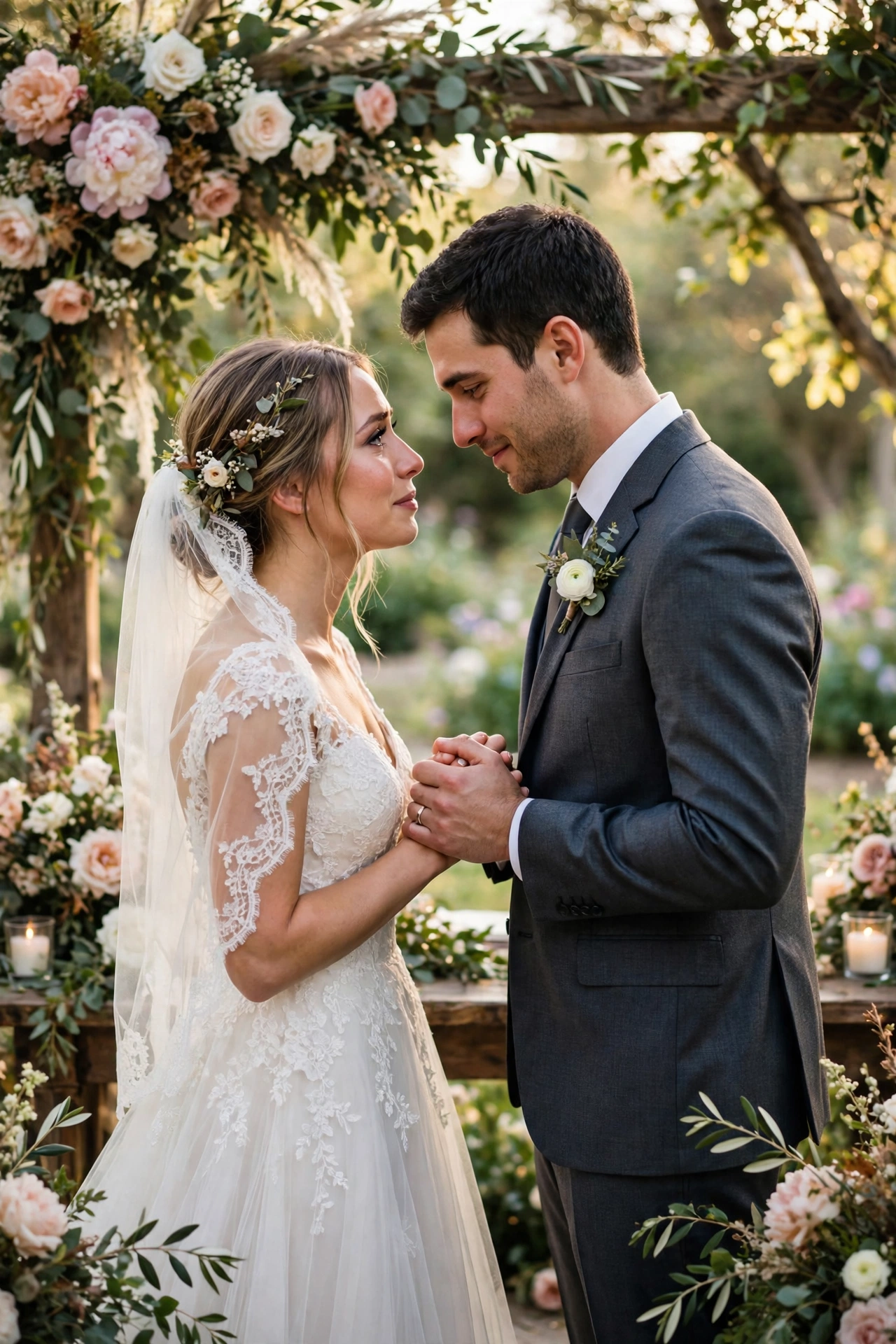
14. Big Wedding, Big Bill — Is It Worth It?
Weddings can cost a fortune, and guests are split on whether the spending makes sense. Some say a big celebration is a once-in-a-lifetime moment worth investing in, and that the memories — and the photos — last for decades. Others wonder whether the same money could have gone toward a house deposit or a honeymoon, and whether guests really notice the difference between a modest wedding and a lavish one.
The debate gets sharper when gifts enter the picture. Some couples quietly hope that generous gifts will help balance the cost, while others say expecting gifts to cover the bill is unrealistic and a little unfair. Wherever you land, the honest answer seems to be that there is no right amount to spend — only the amount that feels right for the couple paying for it.

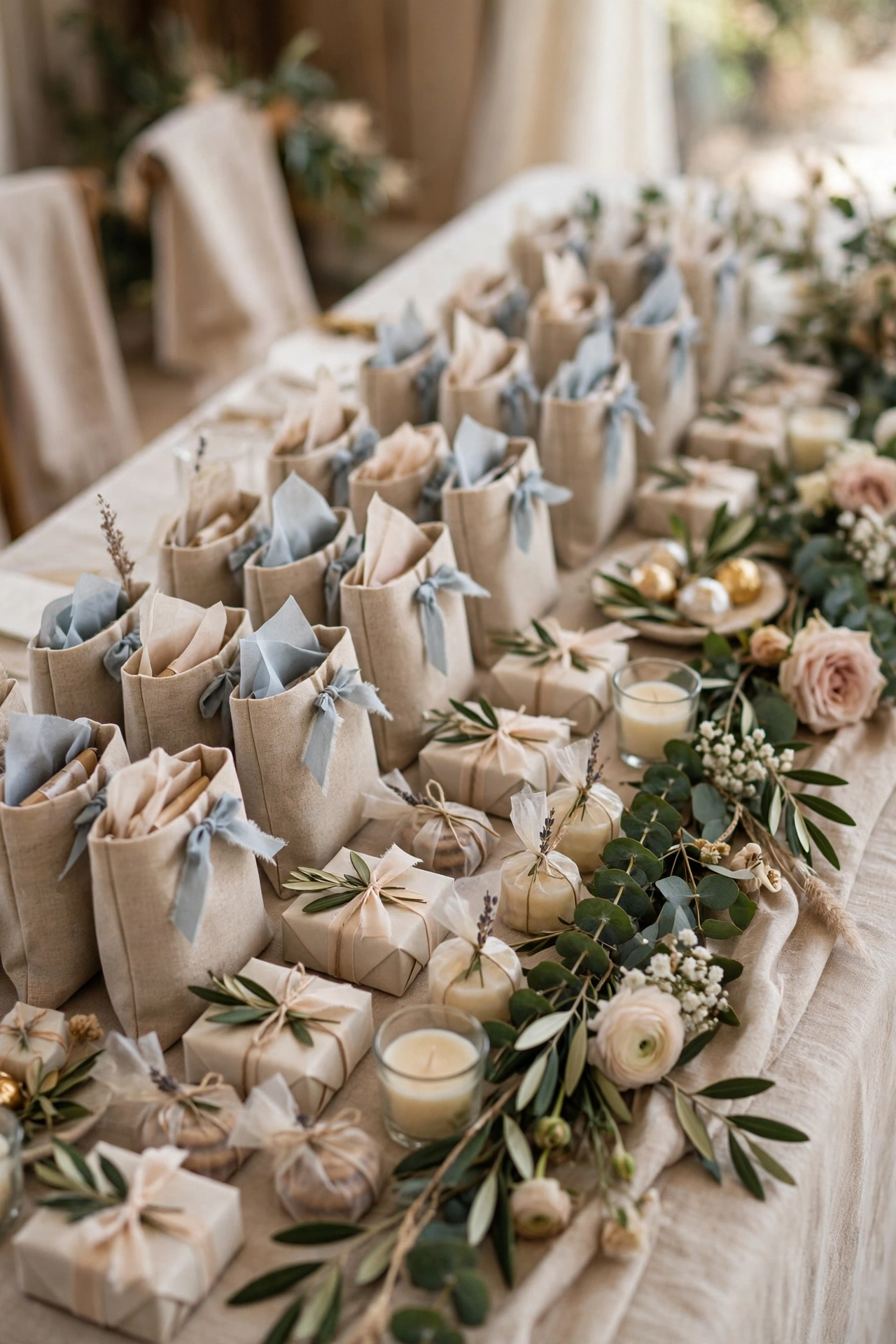
15. Wedding Favors Nobody Wants
Wedding favors are one of those details couples spend a surprising amount of time on — and guests often leave behind. Tiny trinkets, personalised candles, and themed keepsakes frequently end up forgotten on the table or in the bin by the end of the night.
The favours that do get kept tend to be useful or edible: a small treat, a local snack, or something guests can actually enjoy. The lesson guests keep sharing is simple — if it is not something people will use or eat, it is probably not worth the money or the effort.
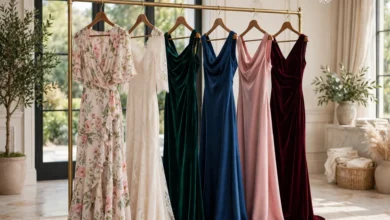
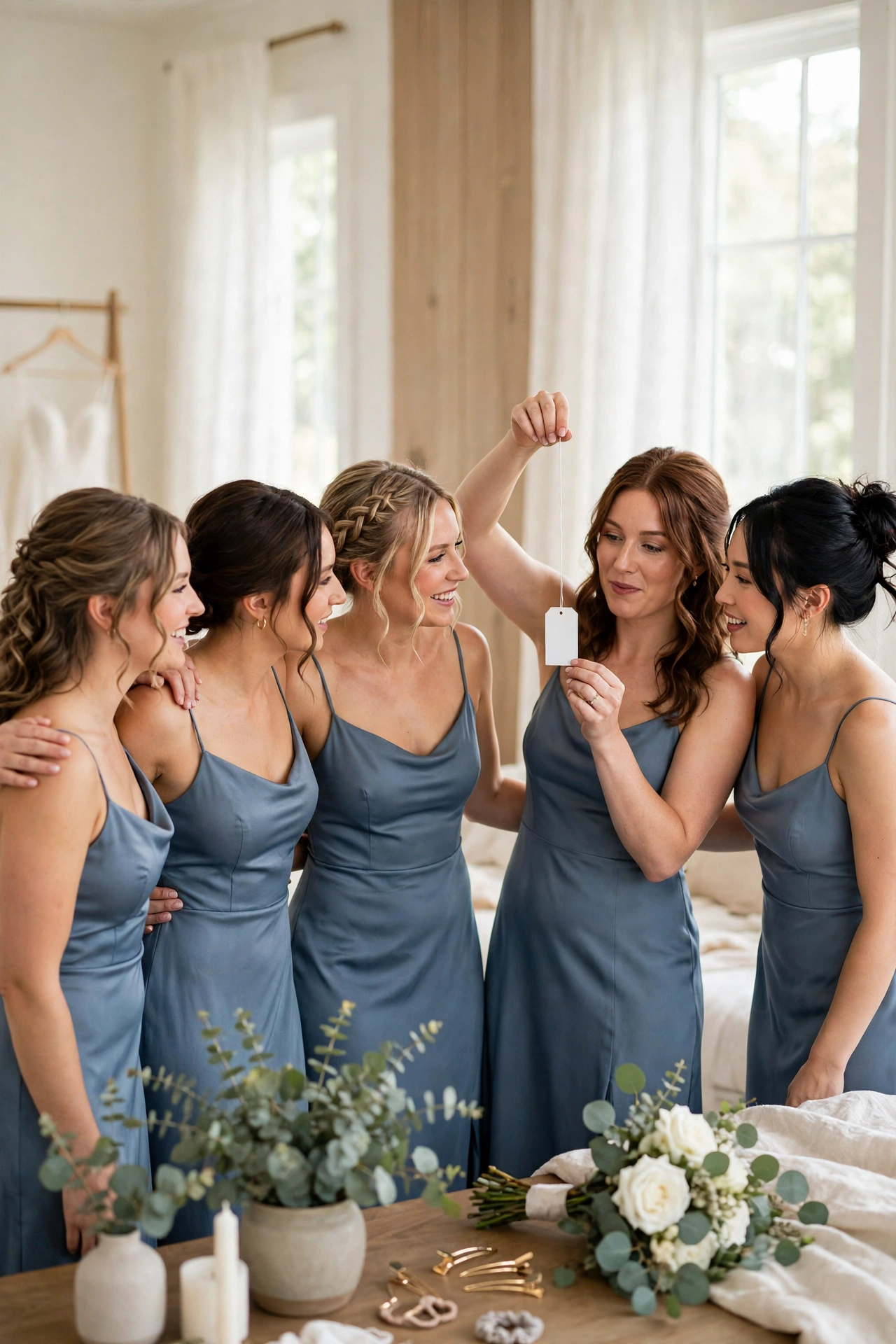
16. Who Should Pay for the Bridesmaid Dresses?
This is a classic two-sided argument. One side says that if the bride chooses the dress, the bride should pay for it — after all, the bridesmaids did not pick the style, the colour, or the price, and asking them to fund a dress they may never wear again feels unfair.
The other side says that being a bridesmaid comes with costs, and that covering your own dress is a long-standing part of the role. Many bridesmaids are happy to pay when the dress is reasonably priced and something they genuinely like. The friction comes when the dress is expensive, the choice is out of their hands, and the bill lands without warning — and the fairest answer, most people agree, is an honest conversation about budget before anyone orders anything.
17. Child-Free Means Child-Free
Child-free weddings are one of the firmest lines guests draw. When an invitation says “no kids,” many people — including parents — say that means no kids, full stop. The couple has chosen an adults-only celebration, and that choice deserves respect.
Parents in the discussion often back the rule themselves, saying they enjoy a rare night out without the children, and that a wedding is not the place for a tired toddler anyway. The exception that gets raised is newborns or breastfeeding babies, but even there, most people say the couple’s stated rule is the one that counts.
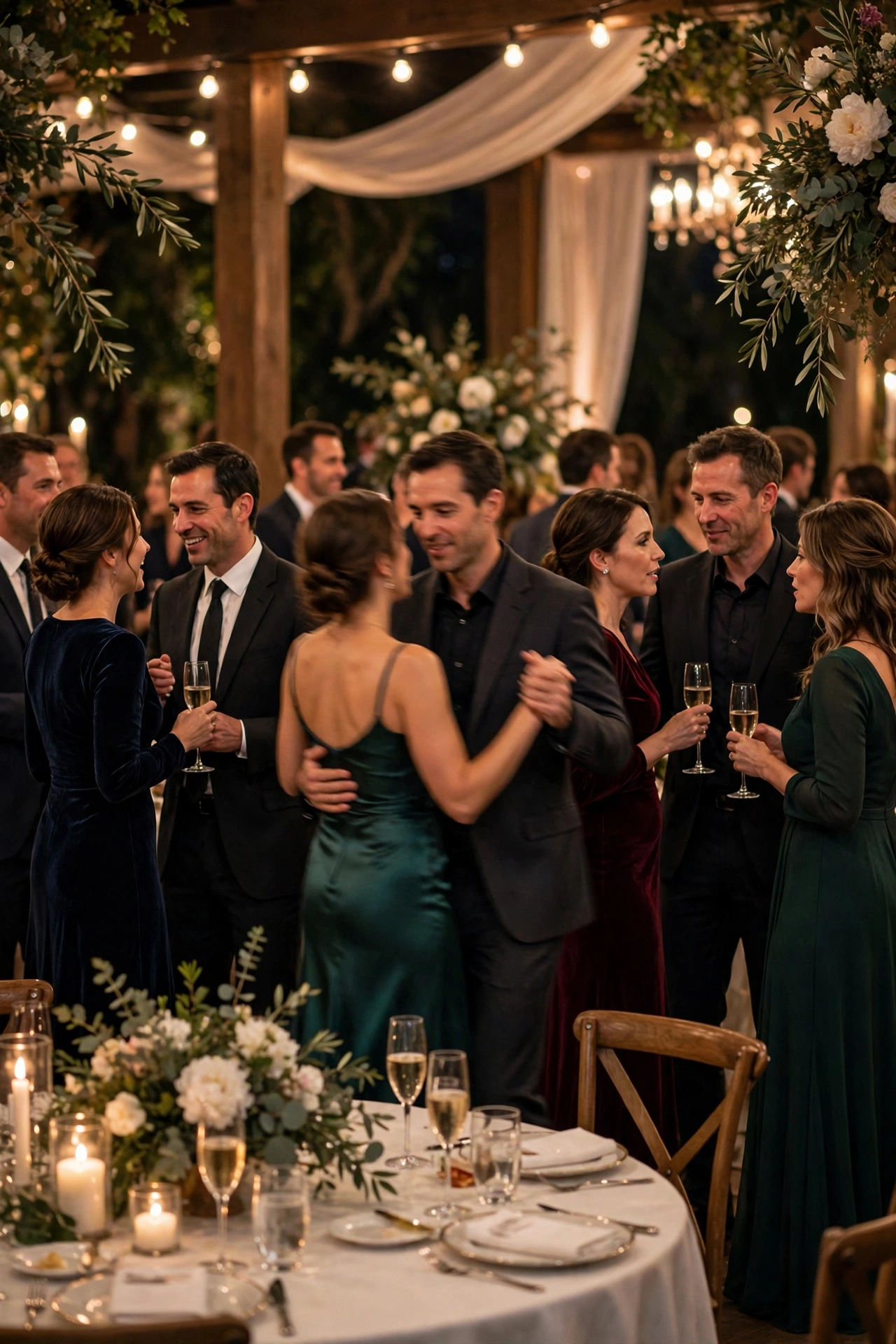
18. The Food Is What Guests Remember
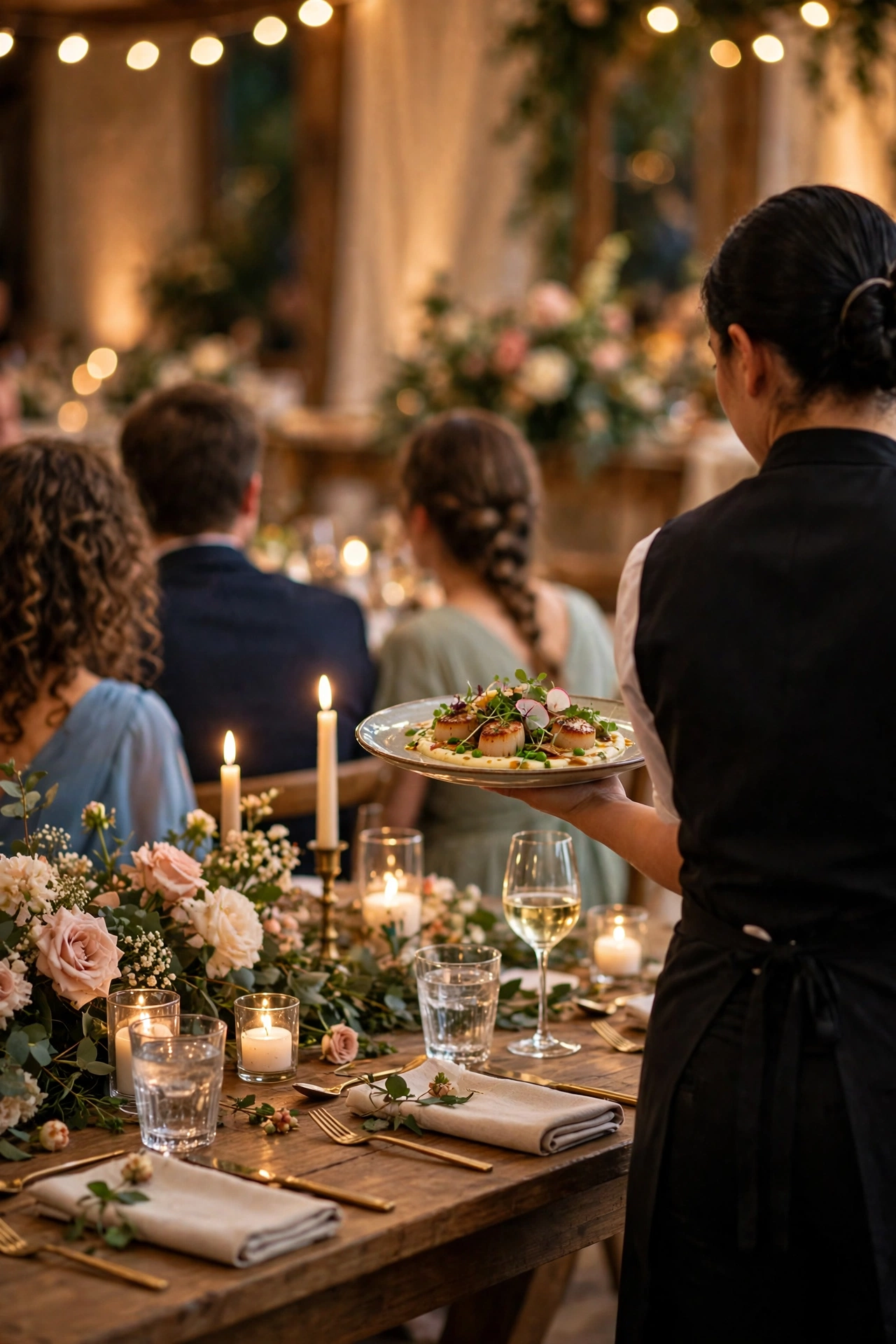
Ask guests what they remember most about a wedding, and the answer is almost always the food. Not the centrepieces, not the chair covers — the meal. Guests say that choosing a caterer or food vendor carefully is one of the best investments a couple can make, because a great dinner carries the whole reception.
The flip side is also true: a bad meal sticks in the memory just as firmly. Cold food, tiny portions, or long waits between courses can sour an otherwise lovely evening. It is a reminder that while the ceremony is about the couple, the reception is an act of hospitality — and good food is the heart of it.
19. When Wedding Planning Costs a Friendship
Weddings are supposed to celebrate love, but the planning process can quietly damage friendships. Guest-list cuts, bridesmaid expectations, destination demands, and hurt feelings over who was — or was not — included can leave rifts that outlast the wedding itself.
Many people say they have watched a friendship cool or end entirely over a wedding decision that seemed small at the time. The takeaway is a gentle one: the wedding lasts a day, but friendships last far longer, and the choices made during planning are worth weighing against what they might cost.

20. The Choreographed First Dance Debate
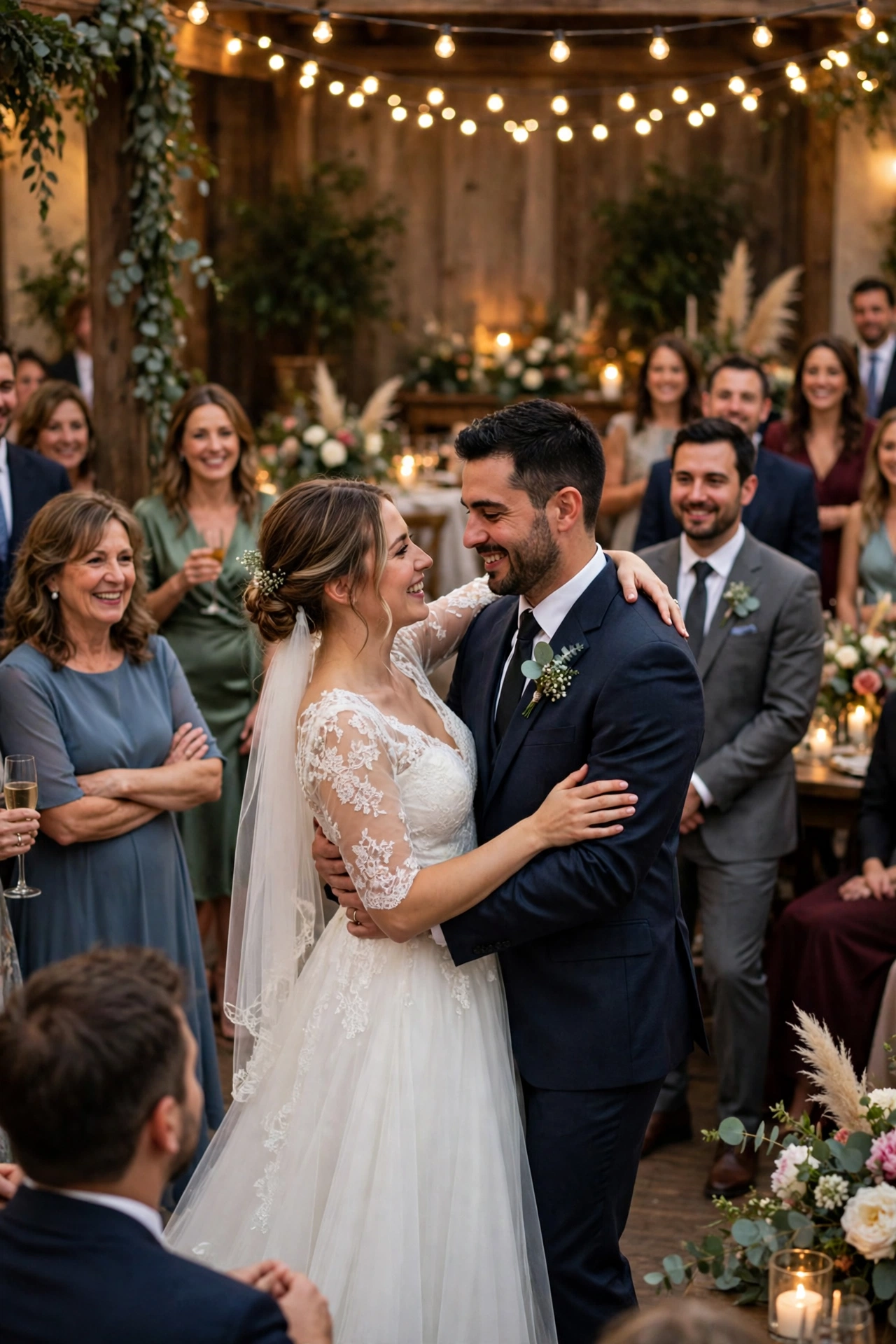
The choreographed first dance splits the room. Fans say it is fun, memorable, and a lovely surprise for the guests — a moment of joy that breaks up the formality of the evening and shows the couple’s personality.
Detractors find staged dances awkward to watch, especially when the routine goes on too long or the couple looks more nervous than happy. The honest middle ground seems to be that a short, genuine dance — choreographed or not — works beautifully, while a long, over-rehearsed performance can lose the room. Either way, it is the couple’s moment to make their own.
21. Wedding Speeches: Short, Sweet, or Skip Them?
Long wedding speeches are a common complaint. Guests say that a toast that drags on — full of inside jokes nobody understands, stories that wander, or a speaker who clearly did not prepare — can drain the energy out of a reception.
The best speeches, everyone agrees, are short, warm, and sincere: a couple of minutes, a genuine memory, and a toast. Some guests would happily trim the speech list altogether. The speakers themselves might disagree, but the audience has spoken — keep it brief, and keep it kind.

22. Open Bar, Cash Bar, or No Bar at All?
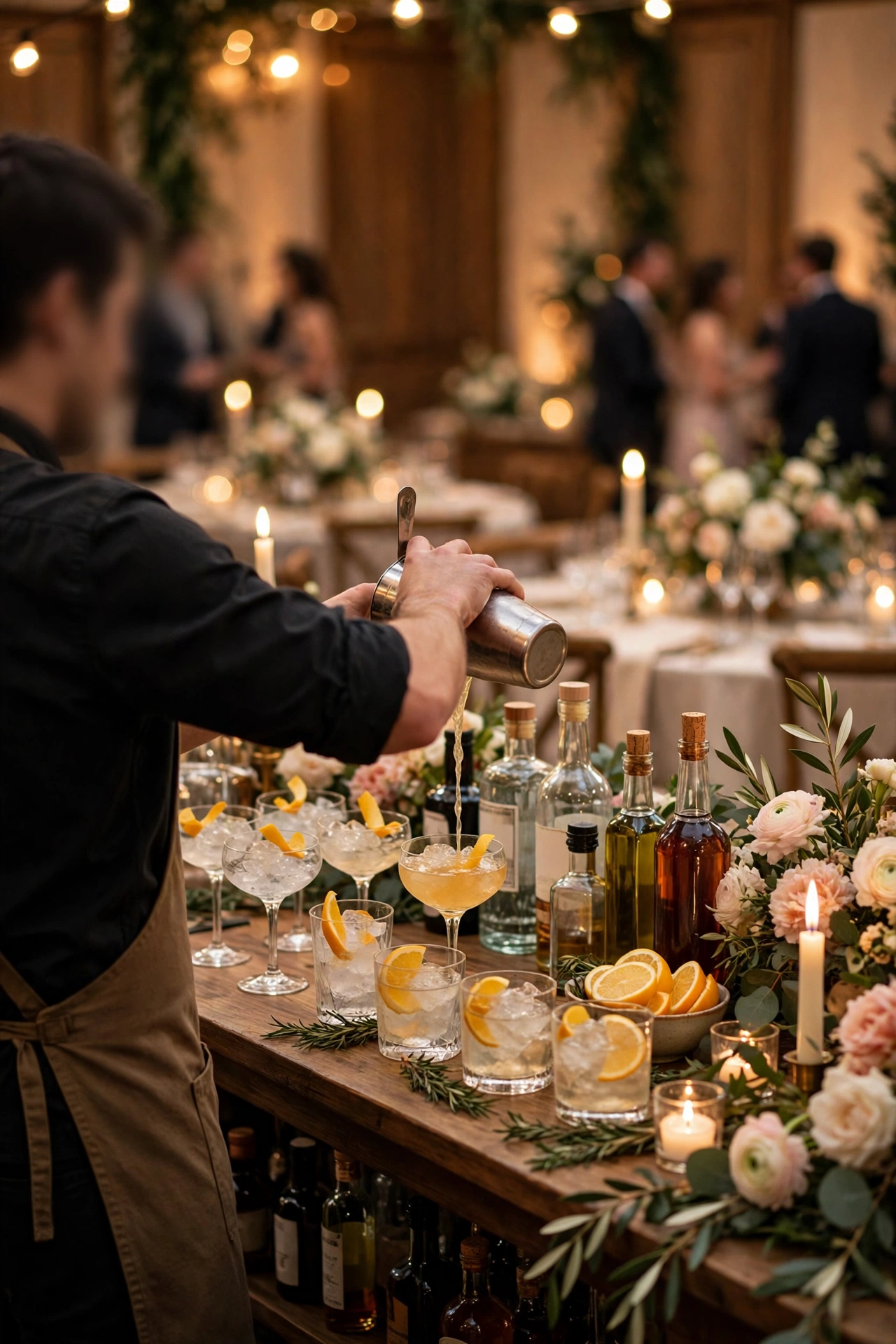
The drinks debate has run for decades with no winner in sight. Open-bar supporters say that if you are hosting a party, drinks are part of the hospitality — guests should not have to open their wallets at a wedding they have already spent money to attend.
Cash-bar supporters say it keeps costs manageable, cuts down on excess, and is a perfectly reasonable compromise. And some couples skip alcohol altogether, whether for budget, belief, or personal preference. Each option has its defenders, and each has its critics — which is why this argument will probably still be running at the next wedding you attend.
23. How Long Is Too Long for a Ceremony?
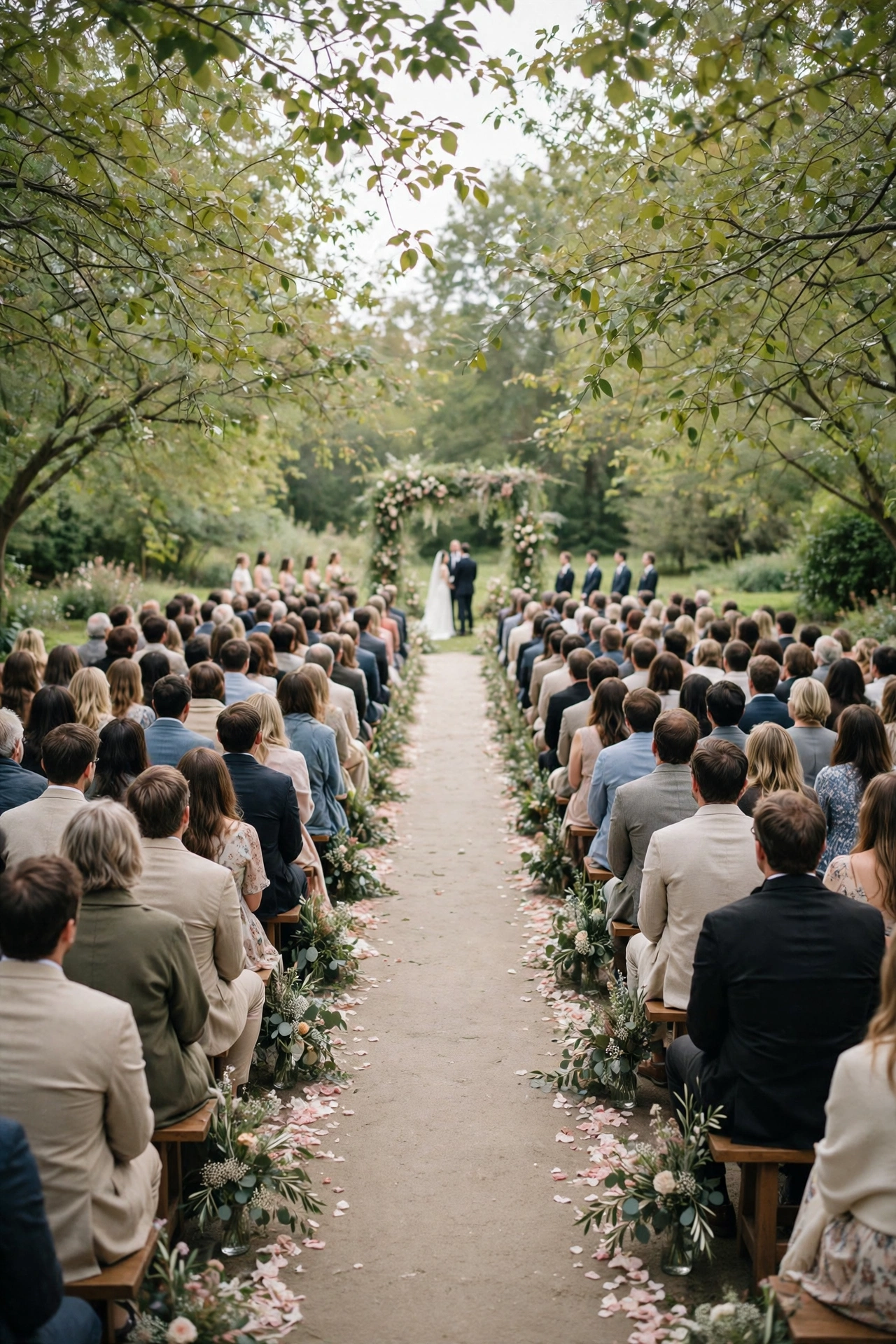
Guests have strong feelings about ceremony length, and the message is consistent: keep it moving. A ceremony that stretches on — with long readings, multiple musical performances, and extended rituals — can test even the most patient guest.
Nobody is asking couples to rush the most important moment of the day. The point is that a ceremony with a clear flow and a reasonable length lets everyone stay present for the vows. When guests are checking their watches, the moment has already slipped away.
24. Stop Judging How Couples Spend Their Money
Finally, one opinion that cuts across all the others: people should stop judging what couples spend on their weddings. Whether the budget is modest or extravagant, the couple is spending their own money on their own celebration, and the commentary from the sidelines rarely helps.
Big weddings are not wasteful by definition, and small weddings are not cheap by definition — each couple has their own priorities, circumstances, and values. The kindest take of all might be the simplest one: celebrate the marriage, enjoy the party, and let the couple decide what their day is worth.

Weddings bring out strong opinions because they sit at the crossroads of tradition, family, money, and love — and everyone has a stake in them. The hot takes above will keep being argued at every reception, but the best weddings tend to share one thing: a couple who made choices that felt true to them, and guests who came ready to celebrate. Whatever your own controversial opinion is, it is probably already being debated somewhere — and that is half the fun of wedding season.
You May Also Like
If you enjoyed this debate, you will love these wedding reads too: 25 Wedding Etiquette Rules: Then vs Now looks at how wedding customs have changed over time, 12 Rudest Wedding Behaviors According to Experts covers the guest habits that drive everyone mad, and 19 Marriage Myths Divorced People Wish They Knew Sooner shares honest lessons about what really matters after the wedding day.