35 Things About American Weddings That Are Totally “Normal” In The US But Really Freaking Weird To The Rest Of The World

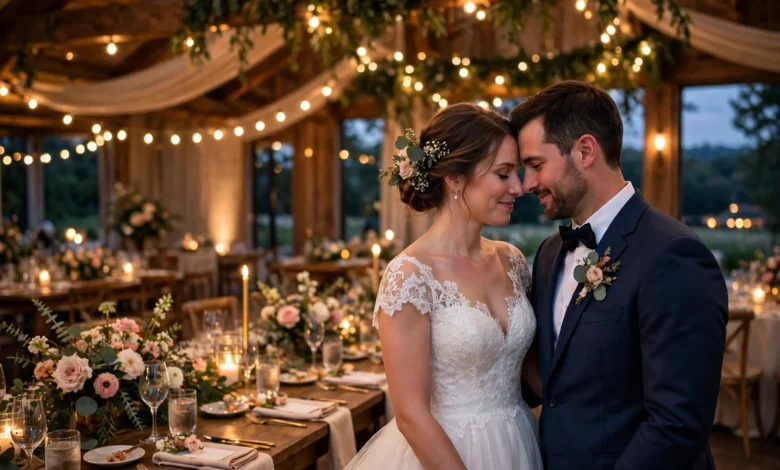
Every country has its own idea of what a wedding should look like — and if you grew up with American weddings, you probably never stopped to think about how unusual some of the traditions are. To the rest of the world, though, plenty of things that feel completely normal at a US wedding can seem surprising, confusing, or just plain weird. From 150-person guest lists to cash bars, sweetheart tables to choreographed first dances, these are the 35 things about American weddings that people from other countries find the hardest to wrap their heads around. Some of them make perfect sense once you know the story behind them — and some of them, even Americans admit, are a little strange.
1. Weddings That Start in the Late Afternoon
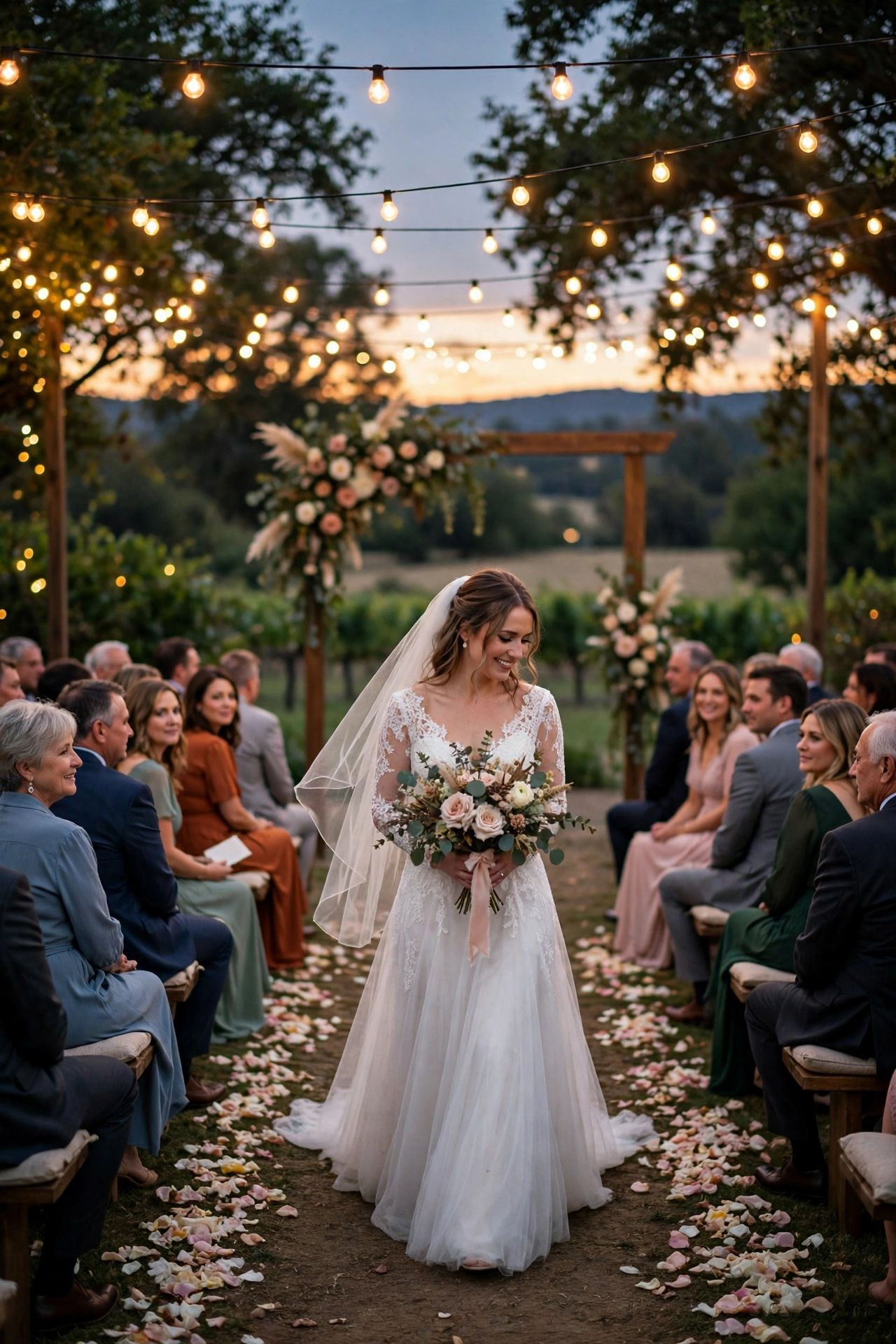
In many countries, weddings are daytime affairs. A ceremony at 2 p.m., lunch, cake, and home by evening feels completely standard in the UK and across much of Europe. In the United States, though, weddings routinely start in the late afternoon or early evening, with the ceremony flowing straight into dinner and a long night of dancing.
To visitors, the timing can feel backwards — why start the biggest day of your life when the day is already half over? The answer is mostly practical: an evening wedding lets the reception run on a dinner-and-dancing schedule, and golden-hour photos look spectacular. Still, if you are used to a midday ceremony, an American wedding can feel like it starts just as you would normally be heading home.
2. A Guest List of 150 People (and That’s Normal)
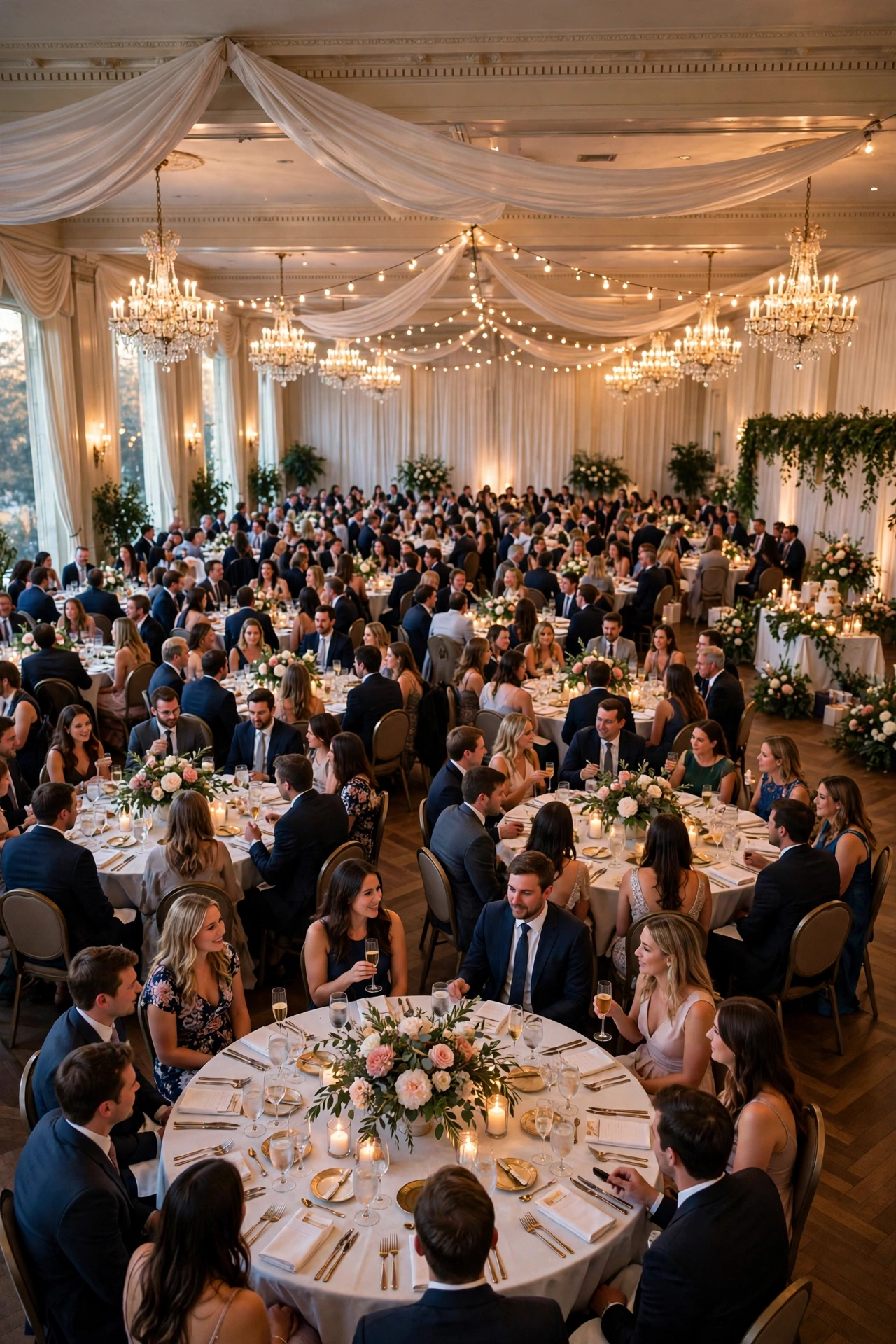
One of the first things that surprises people from smaller-wedding cultures is the sheer size of an American guest list. A wedding with 150 guests is not considered large in the US — it is fairly average, and plenty of couples invite 200 or more. For someone whose own wedding had 60 or 70 guests, that can sound enormous.
The big numbers come from a different way of thinking about the day. American couples often invite extended family, family friends, coworkers, and plus-ones, because the wedding doubles as a big family reunion and a community celebration. The trade-off is real, though: every extra guest adds cost, and many couples admit the guest list is the hardest part of planning. Still, for most Americans, a packed dance floor is the whole point.
3. Just One Real Meal for the Whole Day
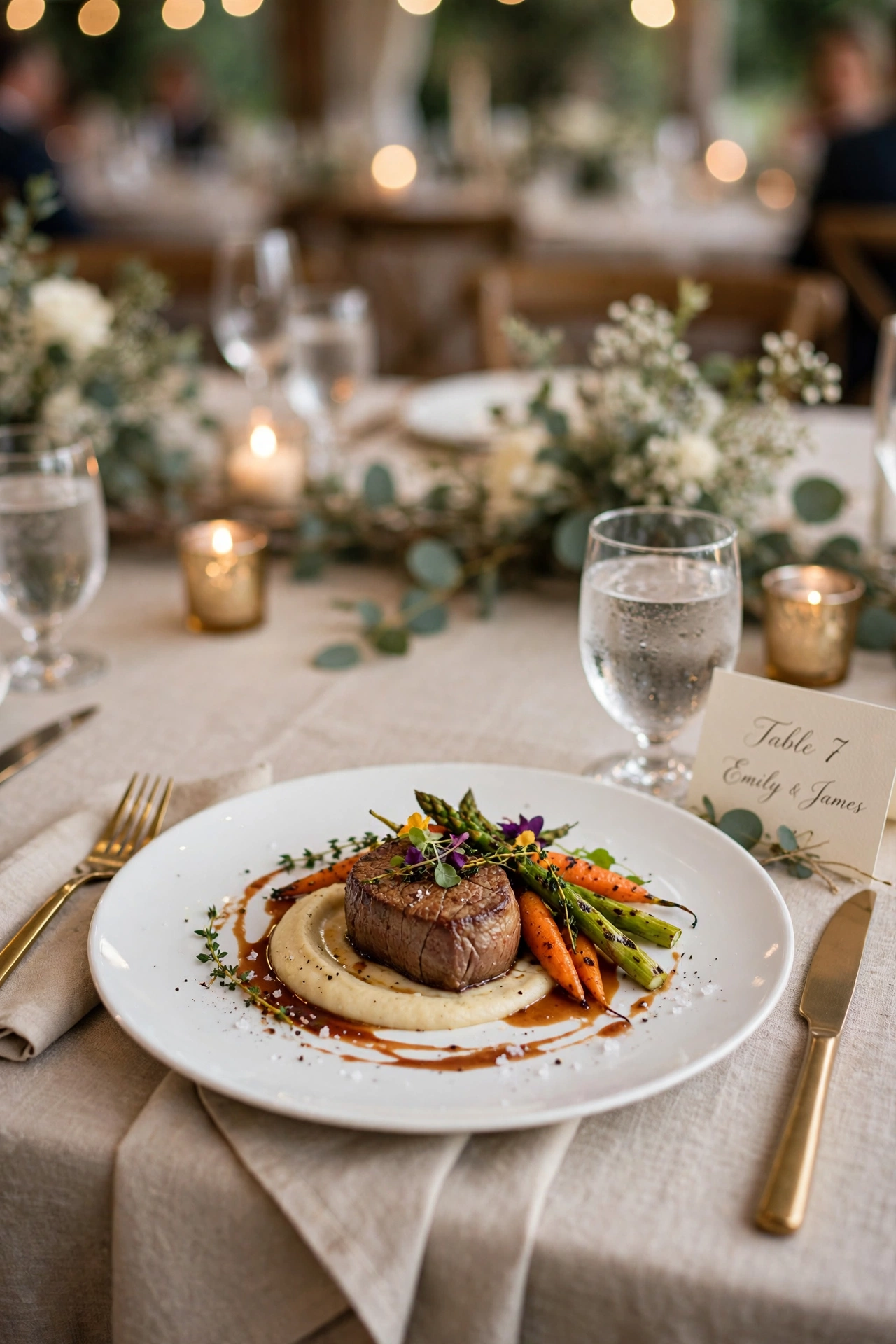
Weddings in many parts of the world are all-day eating events, with lunch, snacks, dinner, and a late-night spread. At an American wedding, guests usually get exactly one proper meal — dinner at the reception — plus some light bites during cocktail hour and maybe a late-night snack if they are lucky.
Visitors from countries where weddings run from morning to midnight, with food constantly appearing, often find themselves genuinely hungry by the time the dancing starts. The American model is more structured: ceremony, cocktail hour, dinner, dancing, done. It keeps the day on schedule, but anyone used to grazing all day long will want to eat a solid breakfast first.
4. The Sweetheart Table
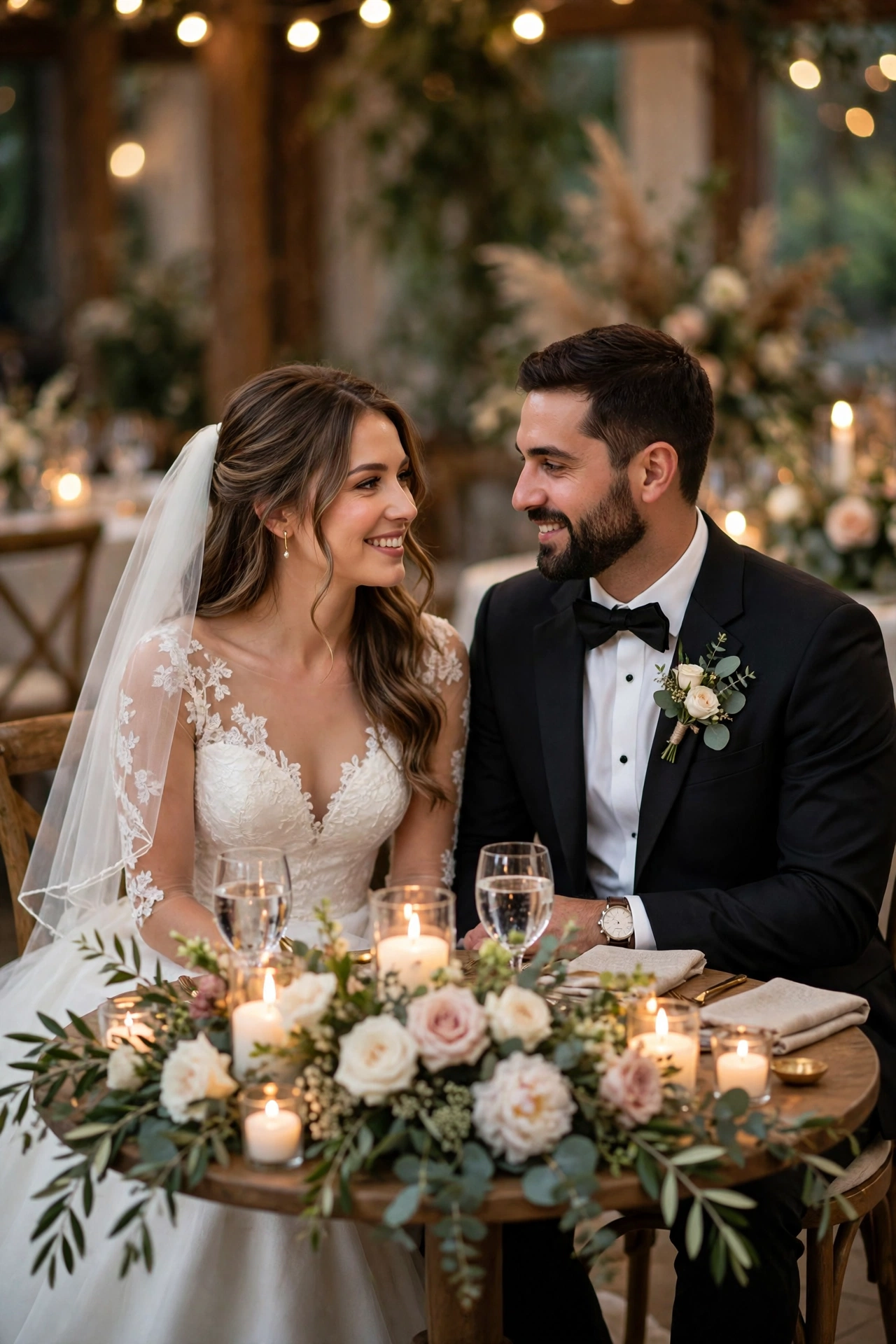
At many American receptions, the newlyweds do not sit with their families or their wedding party. Instead, they sit alone together at a small, specially decorated “sweetheart table” for two, facing the room while everyone else eats at their own tables.
To guests from cultures where the couple sits at the head table surrounded by family, sitting alone can look lonely — and a little strange. Why would you separate the couple from everyone on the one day that is all about togetherness? Couples who choose it say it is the only quiet moment they get all day: a little bubble where they can actually eat, talk, and take in the room. Others skip it entirely and sit with their people, which is also completely normal.
5. When a “Theme” Is Really Just a Vibe
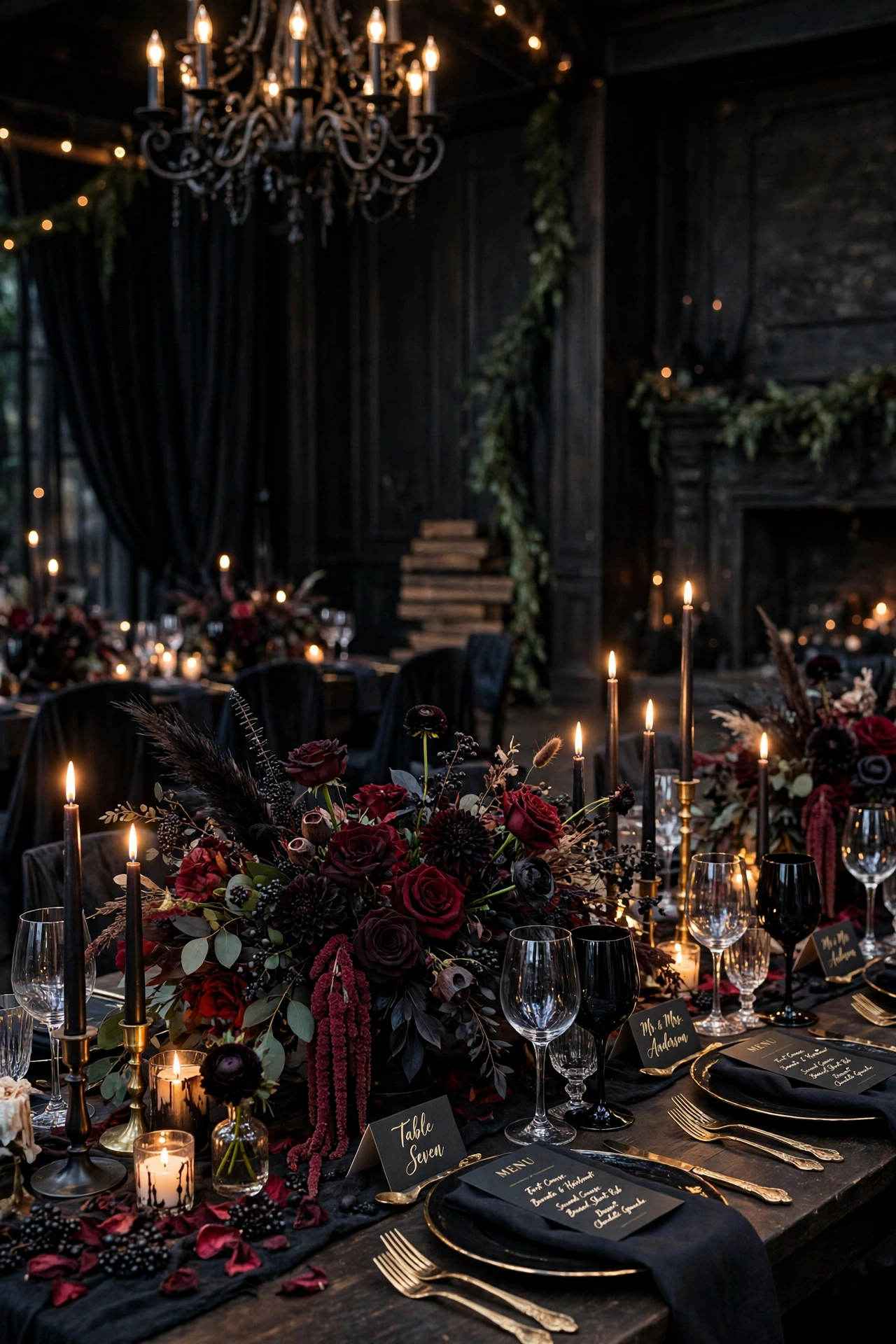
American couples love to say their wedding has a theme. But visitors are often amused to discover that the “theme” is frequently not a theme at all — it is a mood. Disney and Harry Potter are themes. “Moody,” “rustic,” or “romantic” are vibes, not themes, and yet they get announced as themes on invitations and wedding websites.
It is a small thing, but it says a lot about how American weddings are planned. The mood-board approach — pick a feeling, build a color palette and a style around it — is how most US weddings come together. To outsiders, calling “moody” a theme sounds funny, but it works: it gives every decision, from flowers to fonts, a shared direction without locking the couple into costumes.
6. The Afterparty
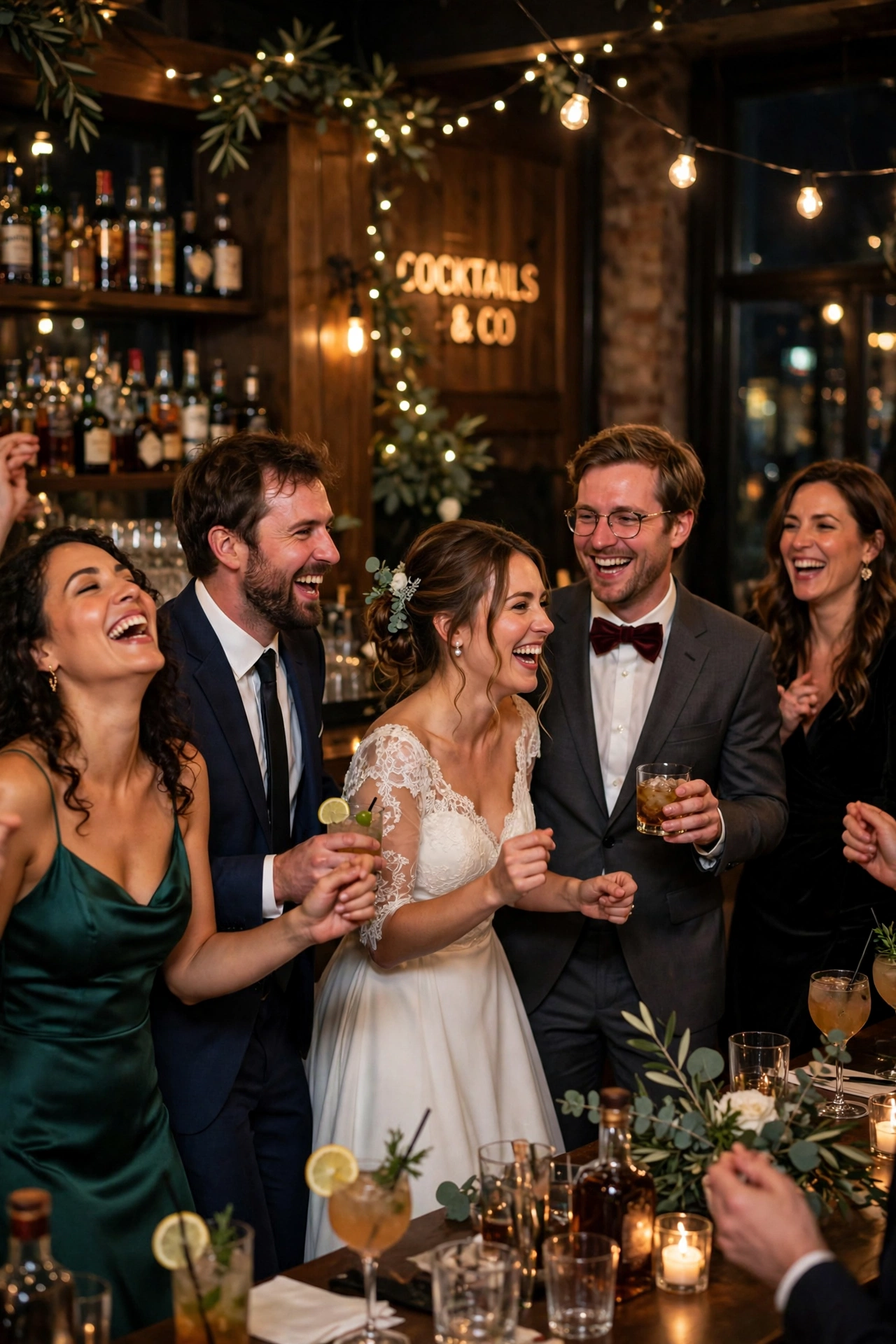
Just when you think the wedding is over, the afterparty begins. After the reception ends — usually around 10 or 11 p.m. — a smaller group of guests, mostly the wedding party and close friends, heads to a bar or back to someone’s house to keep the night going.
In many countries, the wedding itself simply runs later, so a second party feels unnecessary. In Canada, for example, weddings often wind down around midnight or 1 a.m., and then everyone goes to sleep. Americans split the difference: a formal reception with a hard ending, then an informal continuation for whoever still has energy. It can feel like two weddings in one night, and the afterparty is often where the best stories happen.
7. Walking Down the Aisle in Pairs
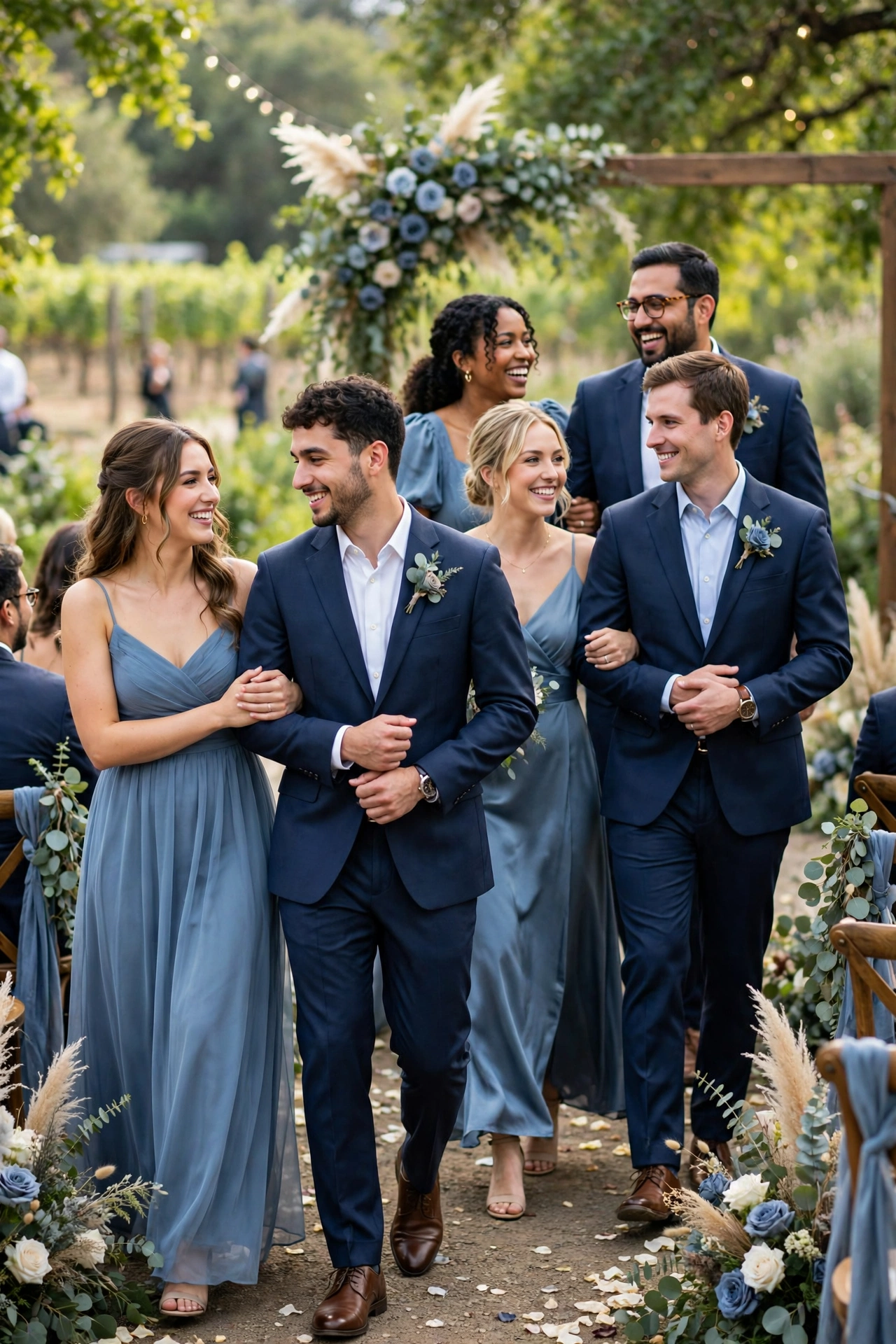
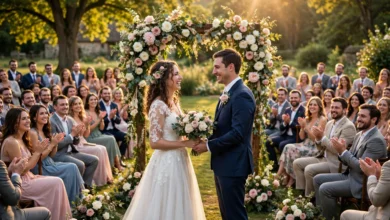
In the US, the wedding party does not just stand at the front — they make an entrance. Bridesmaids and groomsmen walk down the aisle in pairs, arm in arm, before the bride arrives, and then they stand at the front flanking the couple for the whole ceremony.
To people from countries where only the bride walks down the aisle, with maybe one or two attendants, the paired processional looks like a parade. It is a very American piece of theatre: everyone gets a moment in the spotlight, and the photos look fantastic. The practical side is that it gives every bridesmaid and groomsman a clear role and a place to stand, which matters when the wedding party is large.
8. Hiring a Caterer for the Whole Day
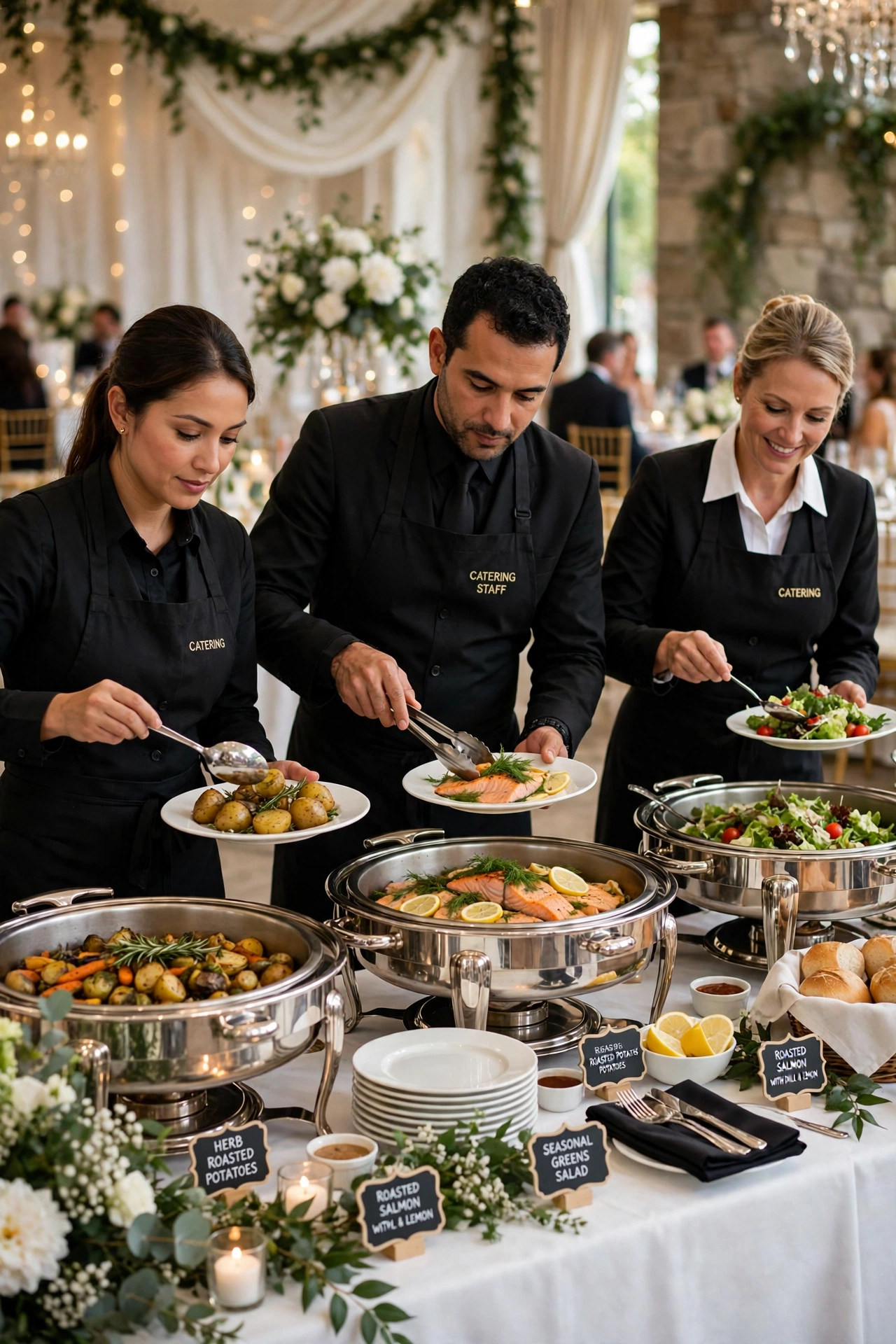
In the United States, hiring a professional catering company to cook and serve the wedding meal is so normal that nobody thinks twice about it. In other places, it can be genuinely surprising. In Iceland in the 1990s, for example, the idea of paying a caterer for a wedding was unusual — families cooked, or the venue handled food as part of the package.
The American catering industry is enormous, and it shapes the whole wedding. Couples choose menus, tasting sessions, service styles, and staff, and the caterer often doubles as the day-of coordinator for the meal. To outsiders, it can feel like outsourcing the most personal part of the celebration, but for Americans it is simply how a large event gets fed well without the family spending the day in a kitchen.
9. Parents Paying — and Having a Say
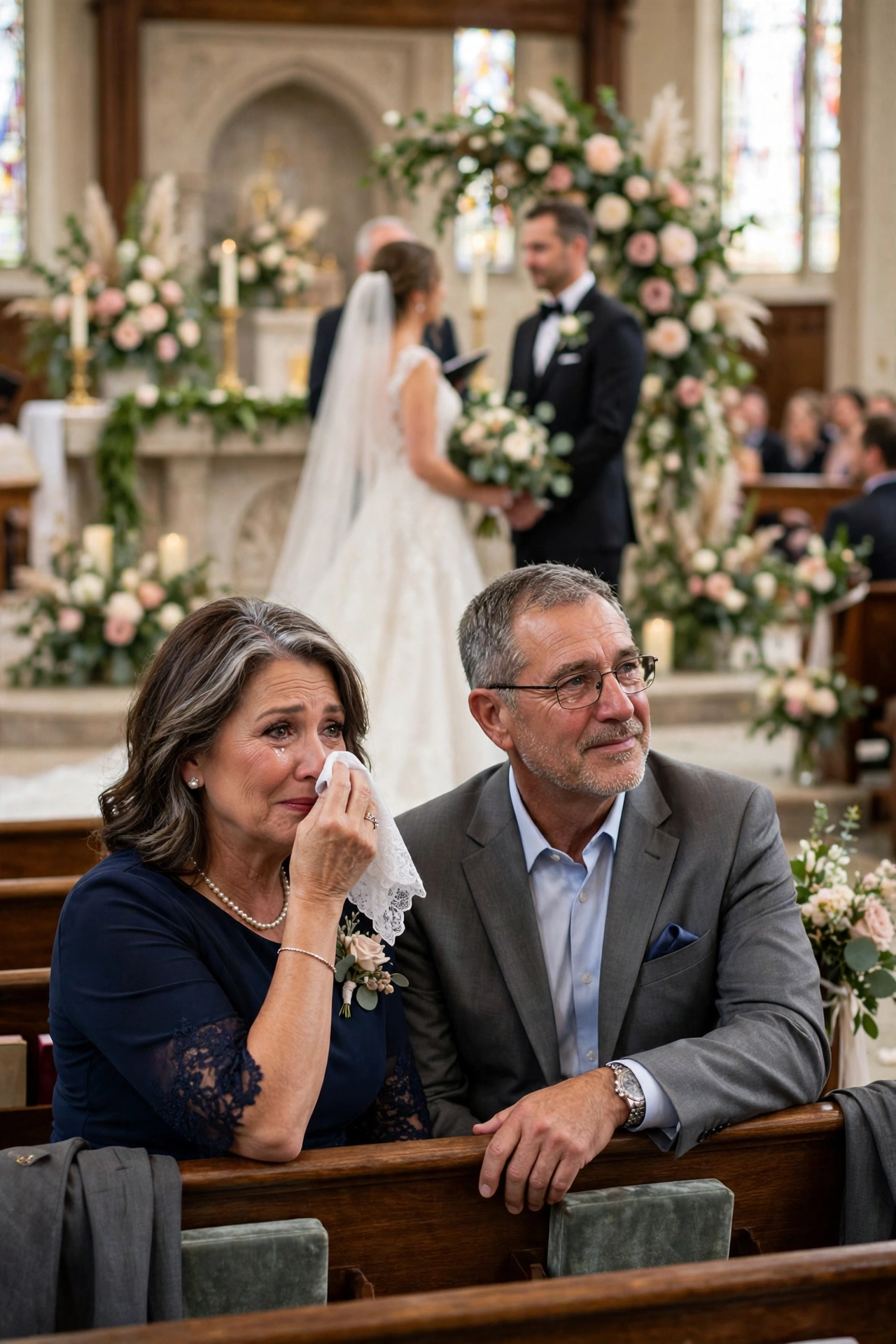
In New Zealand and many other countries, couples generally pay for their own weddings, or costs are split more evenly. In the US, it is still common for parents — traditionally the bride’s parents — to pay for most or all of the wedding, and with the money comes a say in the decisions.
Visitors find the whole arrangement a little baffling: why would adults let their parents fund their wedding and then weigh in on the guest list, the venue, and the menu? The honest answer is that American weddings are expensive, and family help makes them possible. The trade-off is real, though, and it is the source of countless wedding-planning arguments. Many modern couples now split costs precisely to keep the decision-making in their own hands.
10. Guests in Casual Clothes
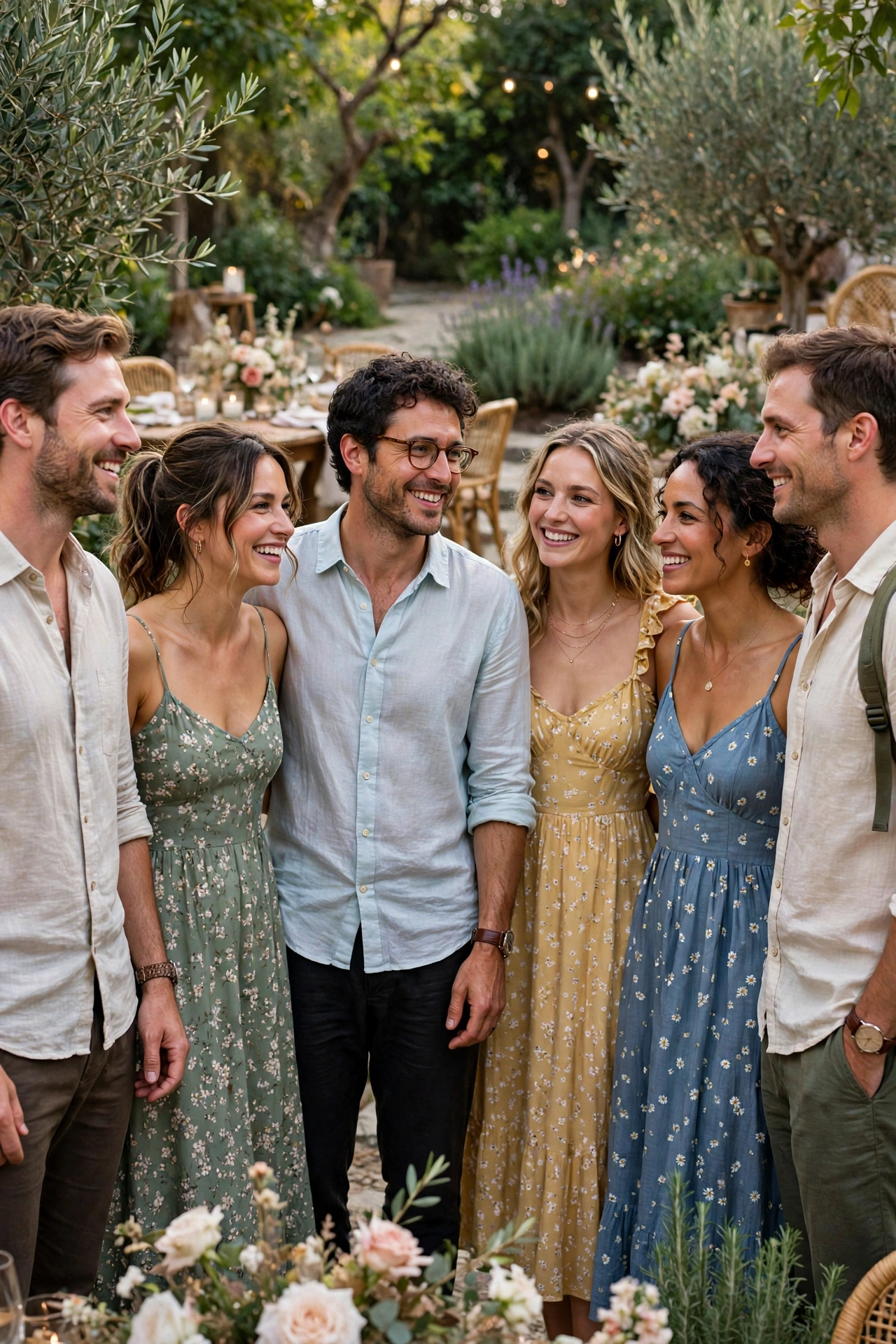
At weddings in many countries, guests dress up — really dress up. Black tie or at least formal attire is the expectation, and showing up in anything less would raise eyebrows. American weddings, by contrast, are often far more casual than visitors expect, with guests in sundresses, linen shirts, and even smart jeans at outdoor or backyard celebrations.
The dress code usually matches the venue: a barn or garden wedding invites a relaxed look, while a ballroom wedding still calls for formal wear. But the range surprises people. To someone used to black-tie-optional as the baseline, an American guest in a casual outfit can look underdressed. To Americans, it is just practical — comfort matters when you are outdoors in summer heat for six hours.
11. The Eye-Watering Price Tag
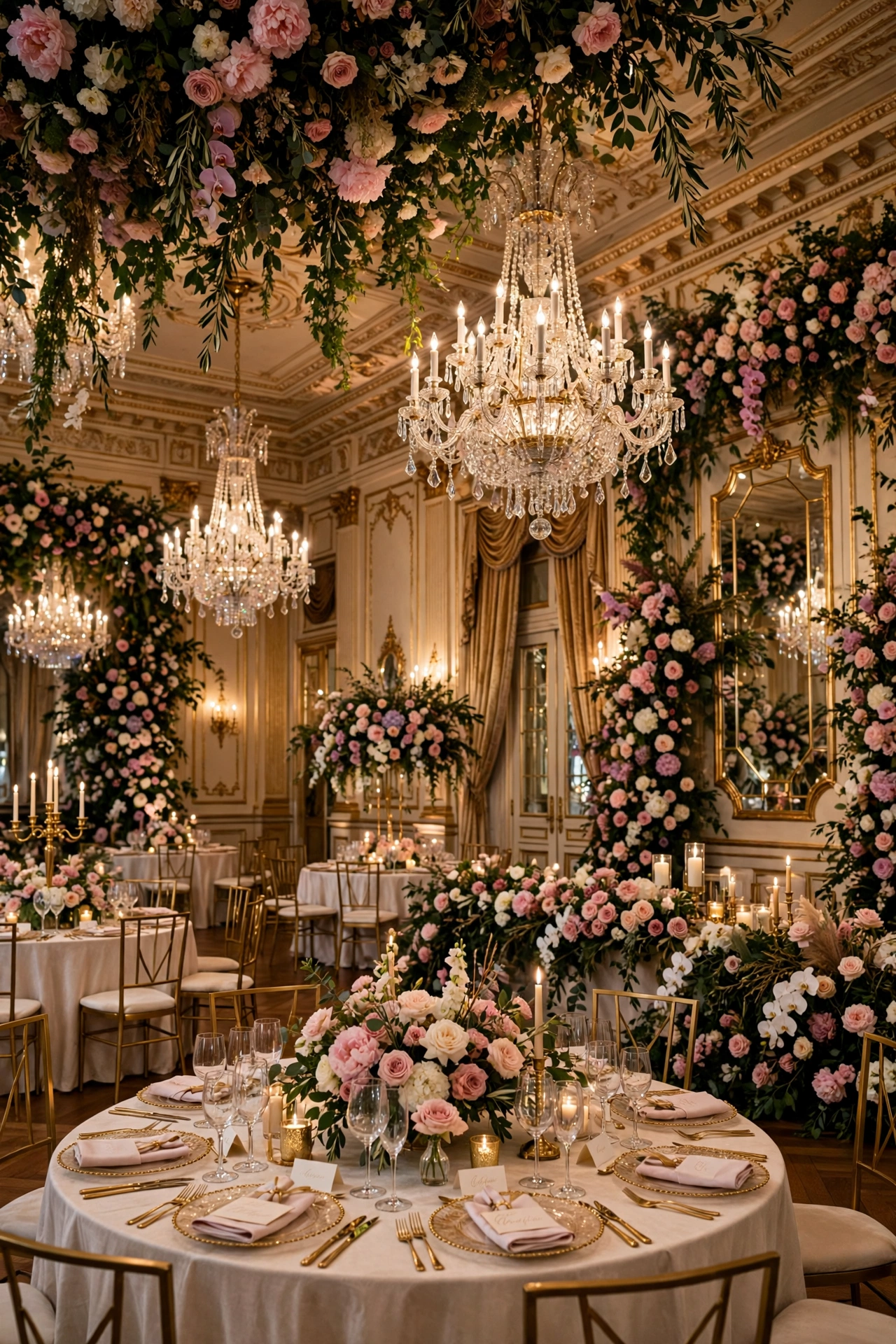
Perhaps the single biggest shock for non-Americans is the cost. The average American wedding runs into tens of thousands of dollars, and it is not unusual to hear of couples spending the equivalent of a house down payment on one day. To people from countries where weddings are smaller, simpler affairs, the numbers sound unreal.
Americans often feel the same way — the cost is a constant source of stress and debate, and many couples wish they had spent less. But the industry is built around the idea of a big production: venue, catering, photography, flowers, music, and decor all add up fast. The result is a wedding that looks like a magazine spread, at a price that leaves visitors from other countries genuinely stunned.
12. Bridesmaids With Actual Jobs
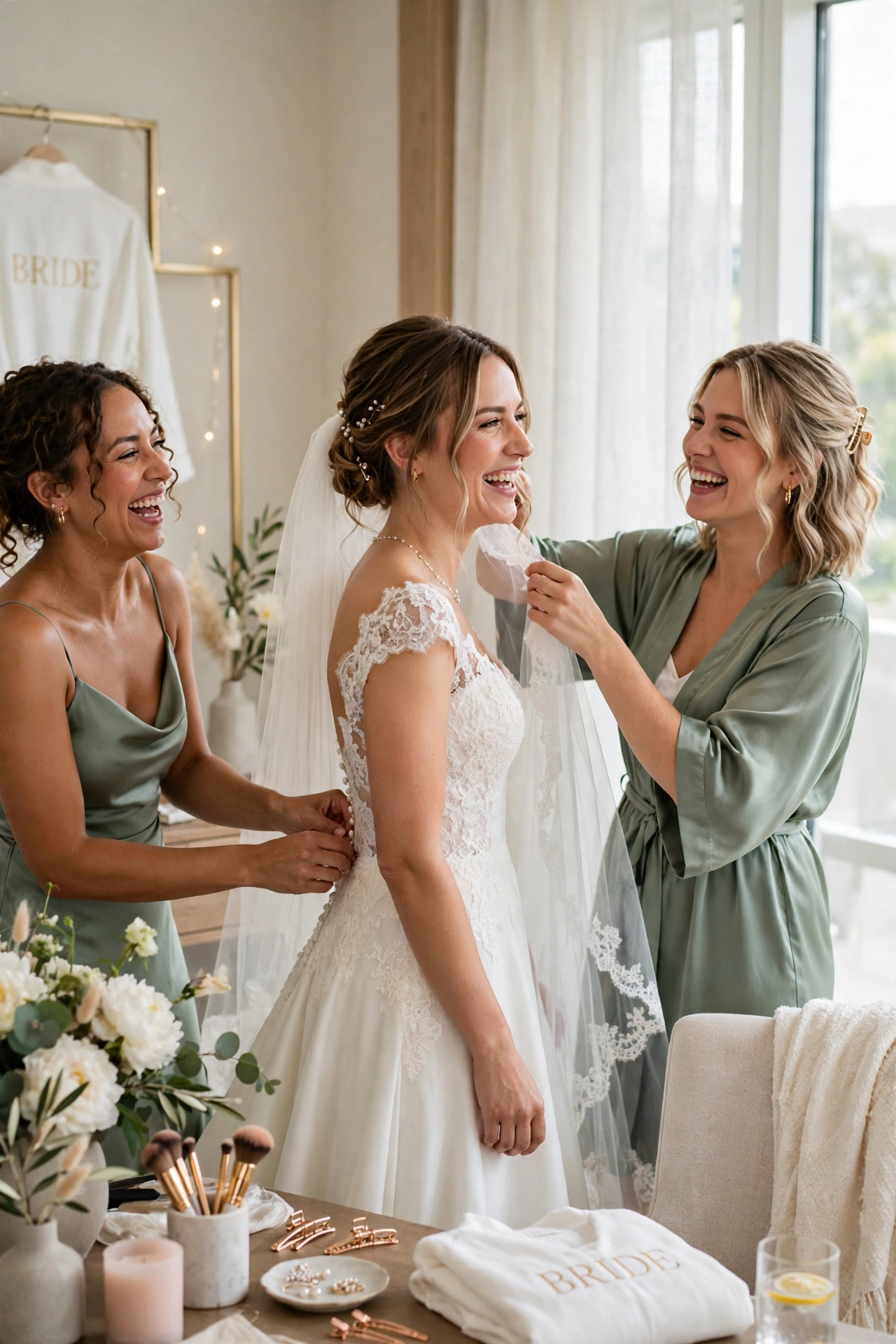
Being a bridesmaid in the US is not just an honor — it is a job. Bridesmaids are expected to help plan the shower, organize the bachelorette party, help the bride get ready, hold her bouquet, fix her train, and generally be on duty all day. In the UK and many other places, bridesmaids show up, look lovely, and enjoy the day.
The difference catches people off guard. Bridesmaids in America often spend months on planning and hundreds of dollars on dresses, travel, and parties, all while being told it is an honor. Brides who ask too much can strain friendships fast, and plenty of people have stories about bridesmaids who quietly resented the workload. The best American weddings treat the role as support, not servitude — but the expectation that bridesmaids work the day is very real.
13. Gift Registries and Wishing Wells
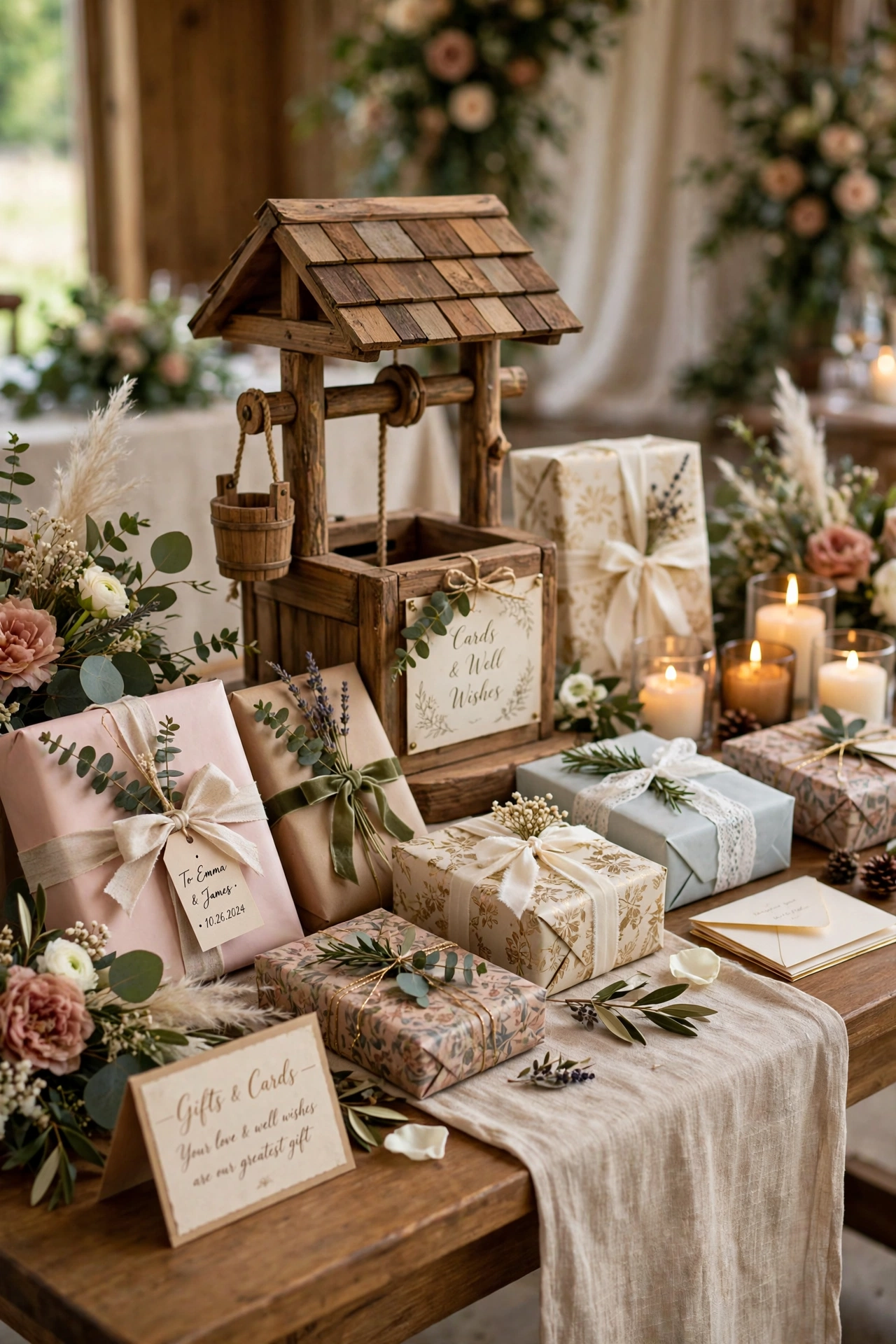
One of the most confusing things for visitors is the gift registry — and the strange dance around it. Couples register for specific gifts at specific stores, and guests are expected to buy from the list. Then, on top of that, there is the awkward etiquette of saying “please, no gifts” while also providing a wishing well or honeymoon fund for cash donations.
To people from Australia and elsewhere, the whole system can feel contradictory and oddly transactional. In many cultures, guests simply give what they choose, or cash in an envelope, with no list involved. Americans defend the registry as practical — it stops couples getting four toasters — but even they admit the “no gifts, but if you insist” wording is a strange piece of politeness theatre.
14. The Endless Parade of Pre-Wedding Parties
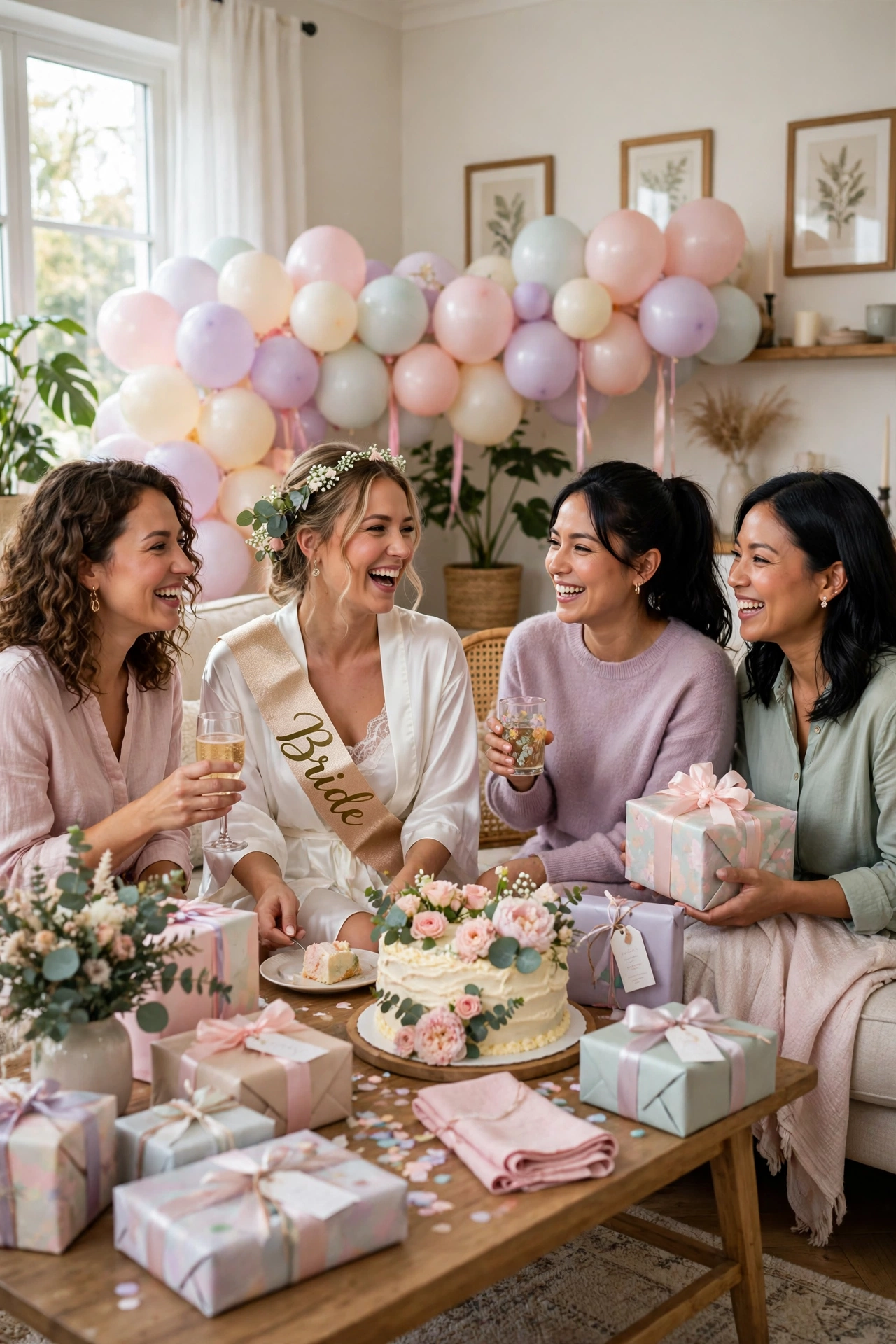
Before the actual wedding, an American couple may attend an engagement party, a bridal shower, a bachelor party, a bachelorette party, and a rehearsal dinner — a whole season of events spread across months. To visitors, it can feel like the wedding never ends, because in a sense it doesn’t: the celebration starts long before the ceremony.
In many countries, there might be one pre-wedding gathering, or none at all. The American approach treats the engagement as a months-long celebration in itself, with each event honoring a different group of people. It is fun, but it is also expensive and exhausting, and guests — especially the wedding party — can find themselves attending, and paying for, event after event before the big day even arrives.
15. The All-White, Picture-Perfect Look
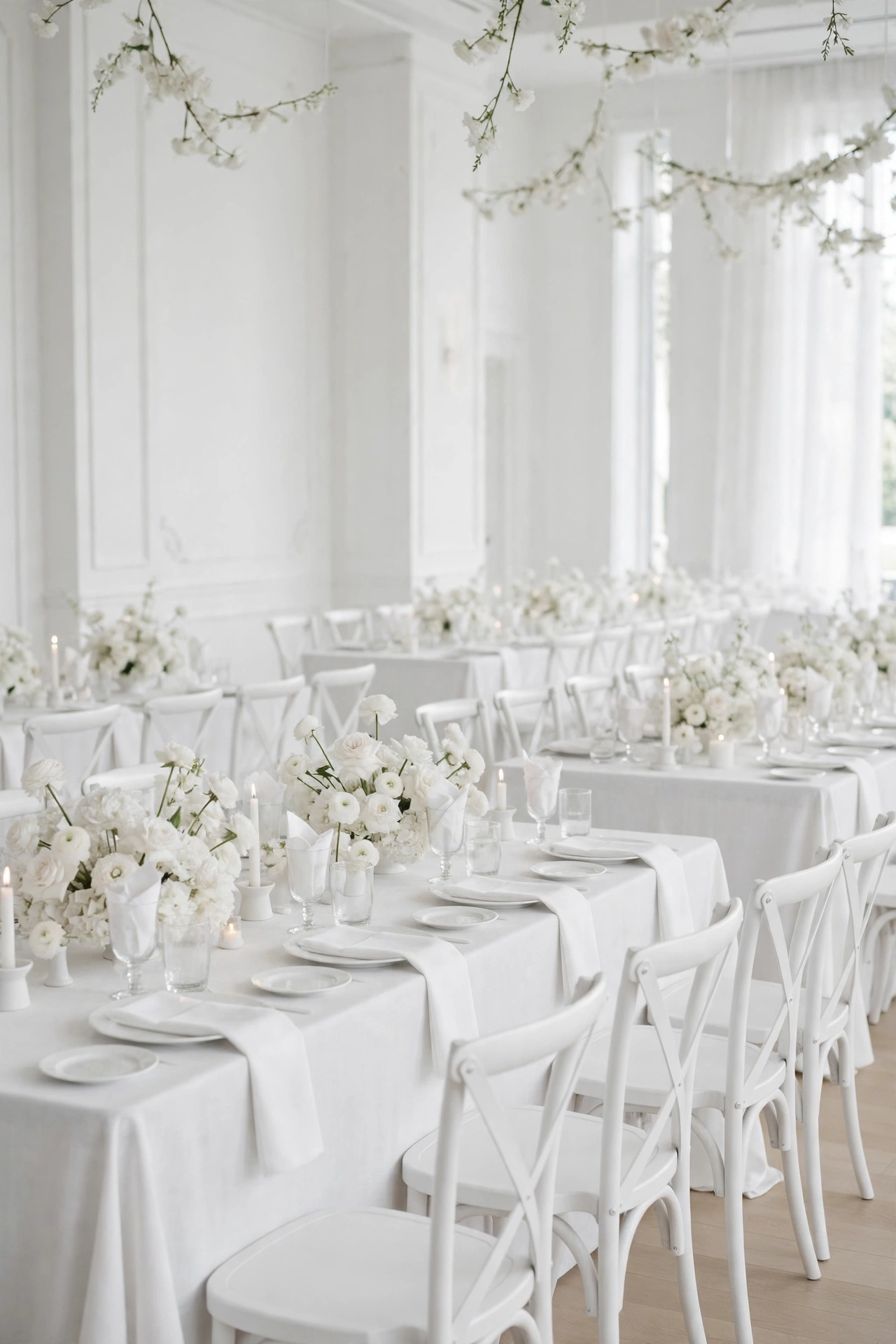
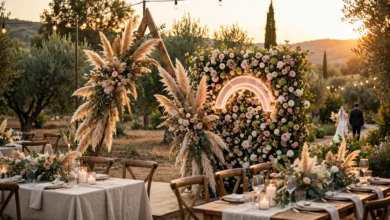
American weddings are famous for their look: everything prim, neat, and color-coordinated, with white dominating the scene — white dresses, white flowers, white linens, white chairs. To visitors, the result can look surprisingly plain, almost monochrome, especially compared with weddings in cultures where color is the whole point.
The all-white aesthetic is a choice, not an accident. It photographs beautifully, it looks timeless, and it lets the couple be the center of attention. But people from cultures with rich, colorful wedding traditions — bright saris, bold textiles, vivid flowers — sometimes find the American palette a little washed out. The irony is that American couples spend enormous sums achieving that “simple” look.
16. Bridesmaids Paying for Their Own Dresses
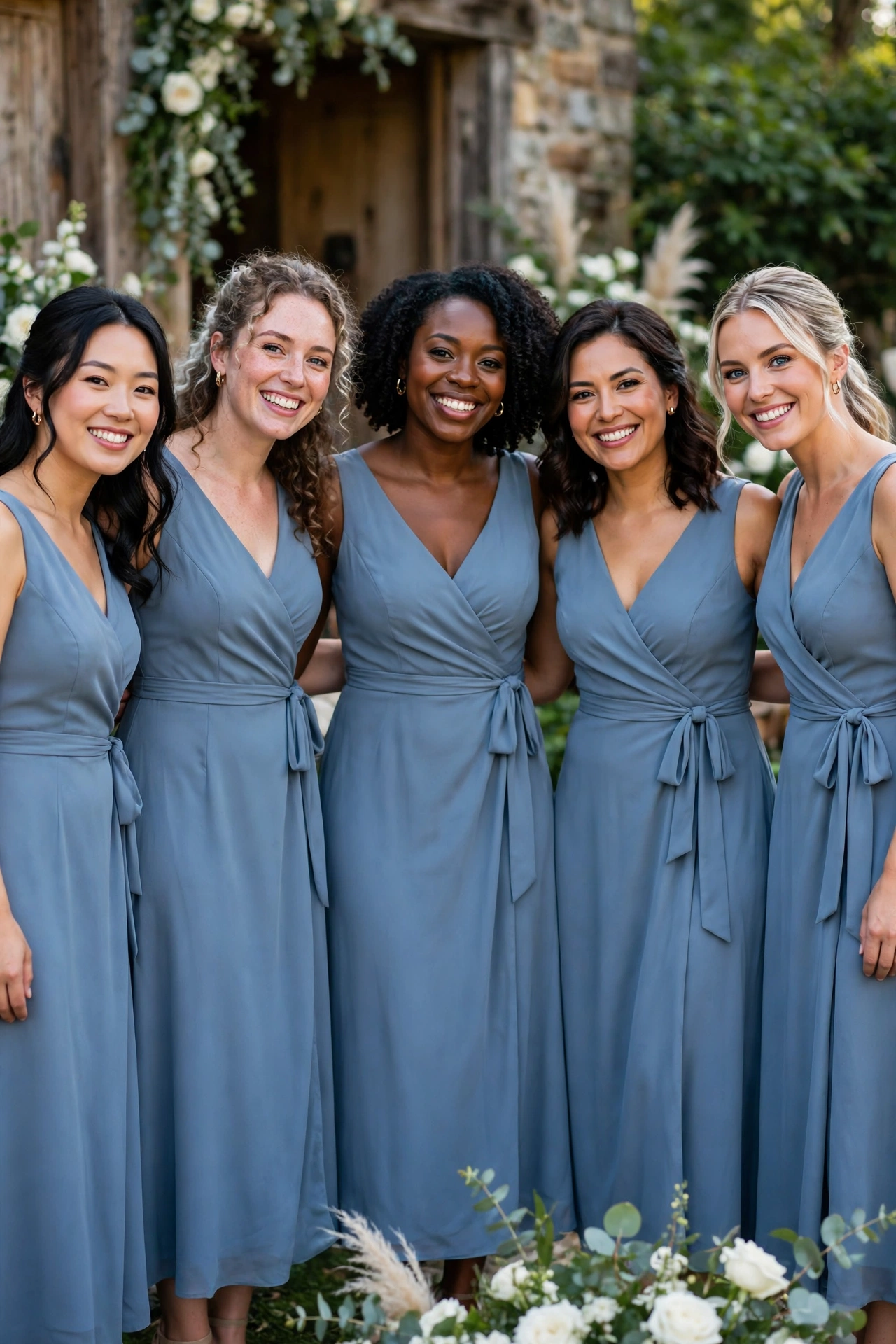
Here is a custom that genuinely shocks people: in the US, bridesmaids usually pay for their own dresses — dresses chosen by the bride, in a color and style they had no say in, which they may never wear again. The cost can run into hundreds of dollars, on top of travel, gifts, and party expenses.
In many other countries, the couple covers the wedding party’s outfits, since they are the ones choosing them. The American system treats the dress as part of the honor of being asked. Bridesmaids accept it as normal, but the logic is odd when you stop to think about it: the bride picks the dress, the bridesmaid pays for it. It is one of those traditions that survives mostly because nobody wants to be the one to change it.
17. The Cash Bar
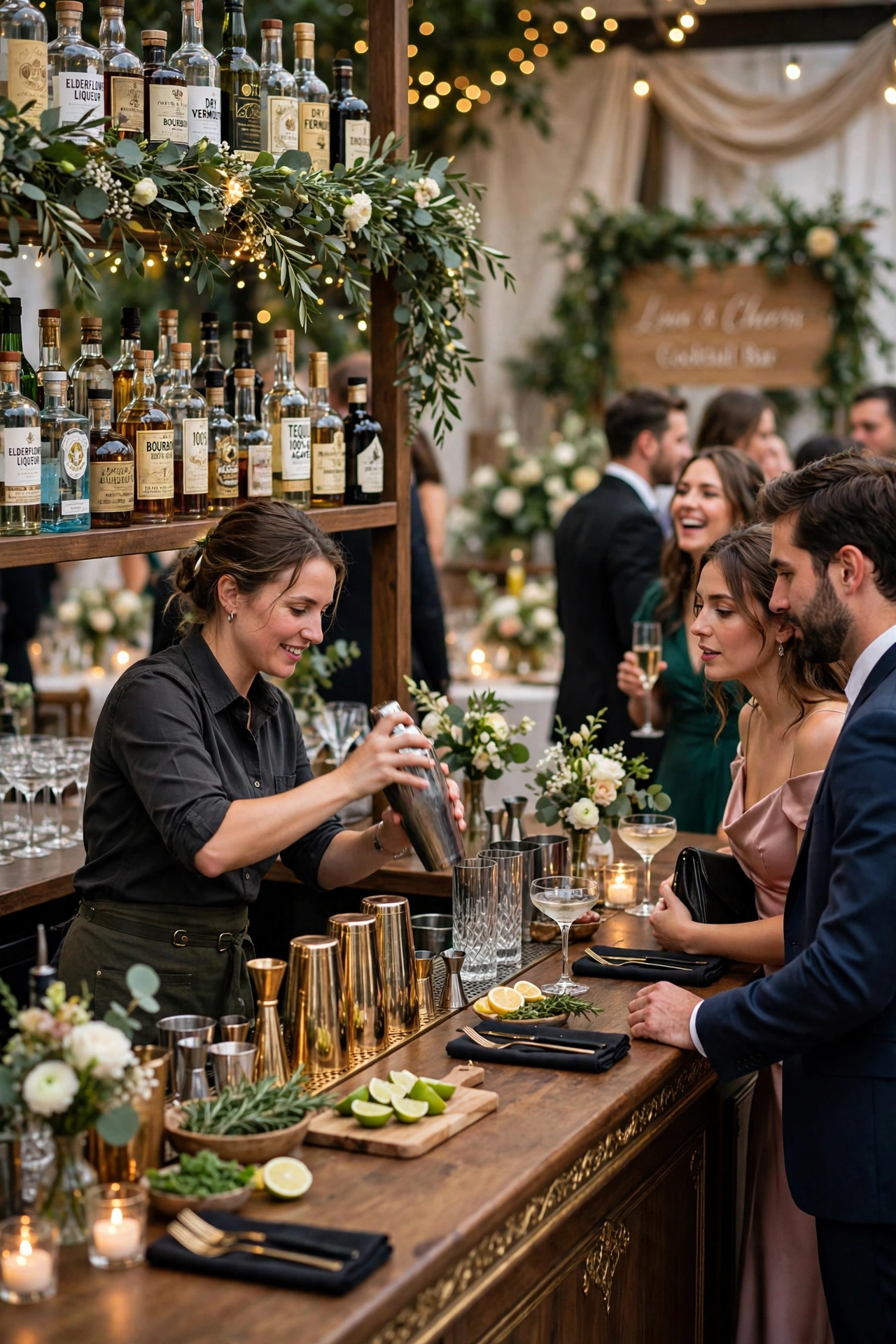
Few things divide wedding guests like the cash bar. At many American weddings, the bar is not free — guests pay for their own drinks, sometimes after a limited open-bar hour. To visitors from countries where the drinks are always on the hosts, being asked to pay at a wedding feels almost rude.
The reasoning is usually budget: an open bar for 150 people is one of the biggest line items in a wedding budget, and couples look for ways to control it. Some offer beer and wine free and charge for spirits; others do a cash bar all night. Defenders say guests understand the cost, but the debate never really ends — and many etiquette experts agree that if you invite people to celebrate, the drinks should be part of the invitation.
18. A Live Band All Night Long
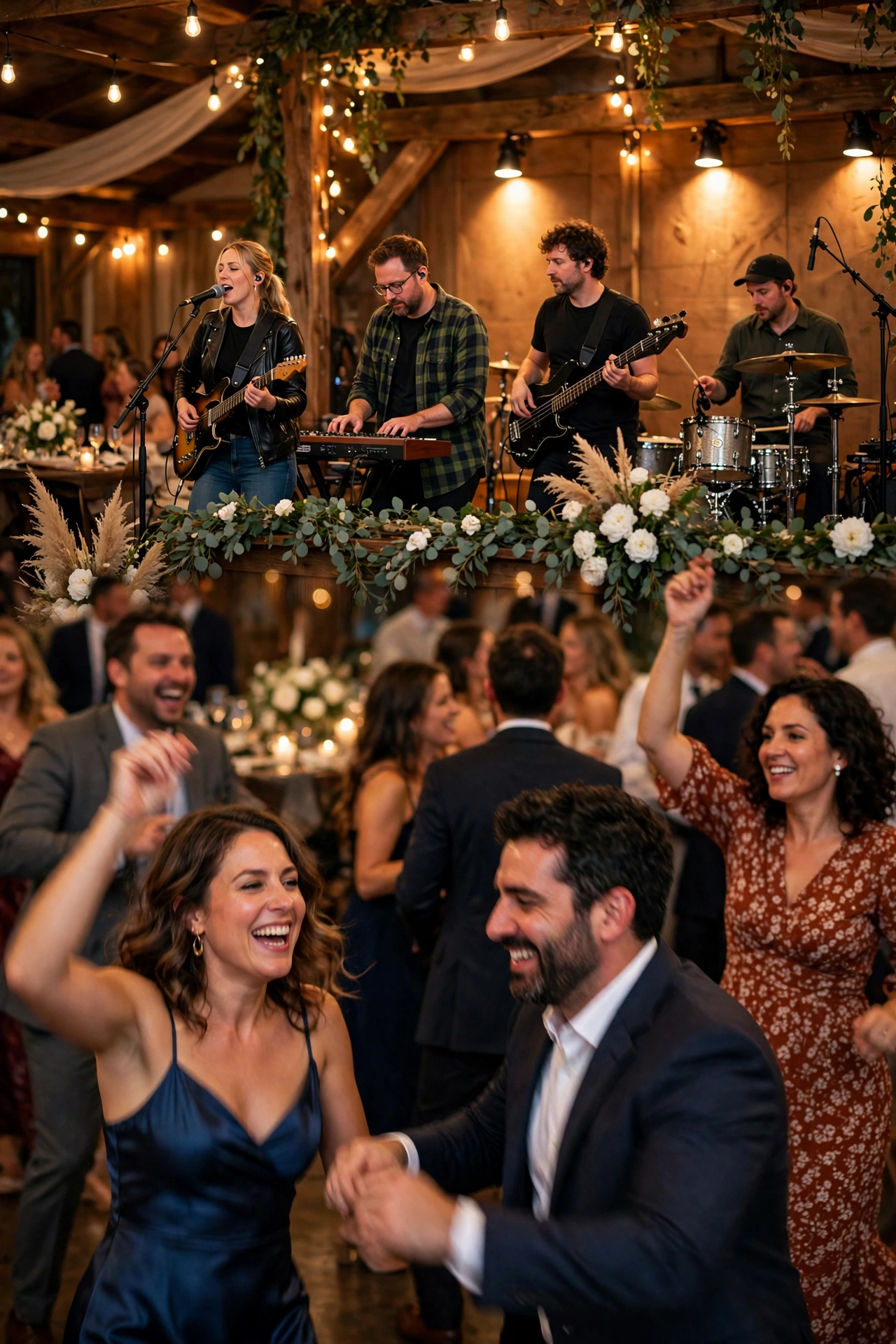
American wedding receptions almost always feature a live band. Not a DJ, not a playlist — a full band playing for hours, taking requests, and keeping the dance floor full. In Uruguay and many other places, live music at a wedding is rare; a DJ or a playlist is the norm, and a band would be an unusual luxury.
The live band is part of the American wedding’s identity as a party. A good band reads the room, builds energy, and turns the reception into a concert. It is also one of the most expensive parts of the day. Visitors sometimes wonder why a couple would pay thousands for a band when a DJ costs a fraction — but anyone who has danced to a great wedding band at midnight understands the appeal immediately.
19. The Garter Toss
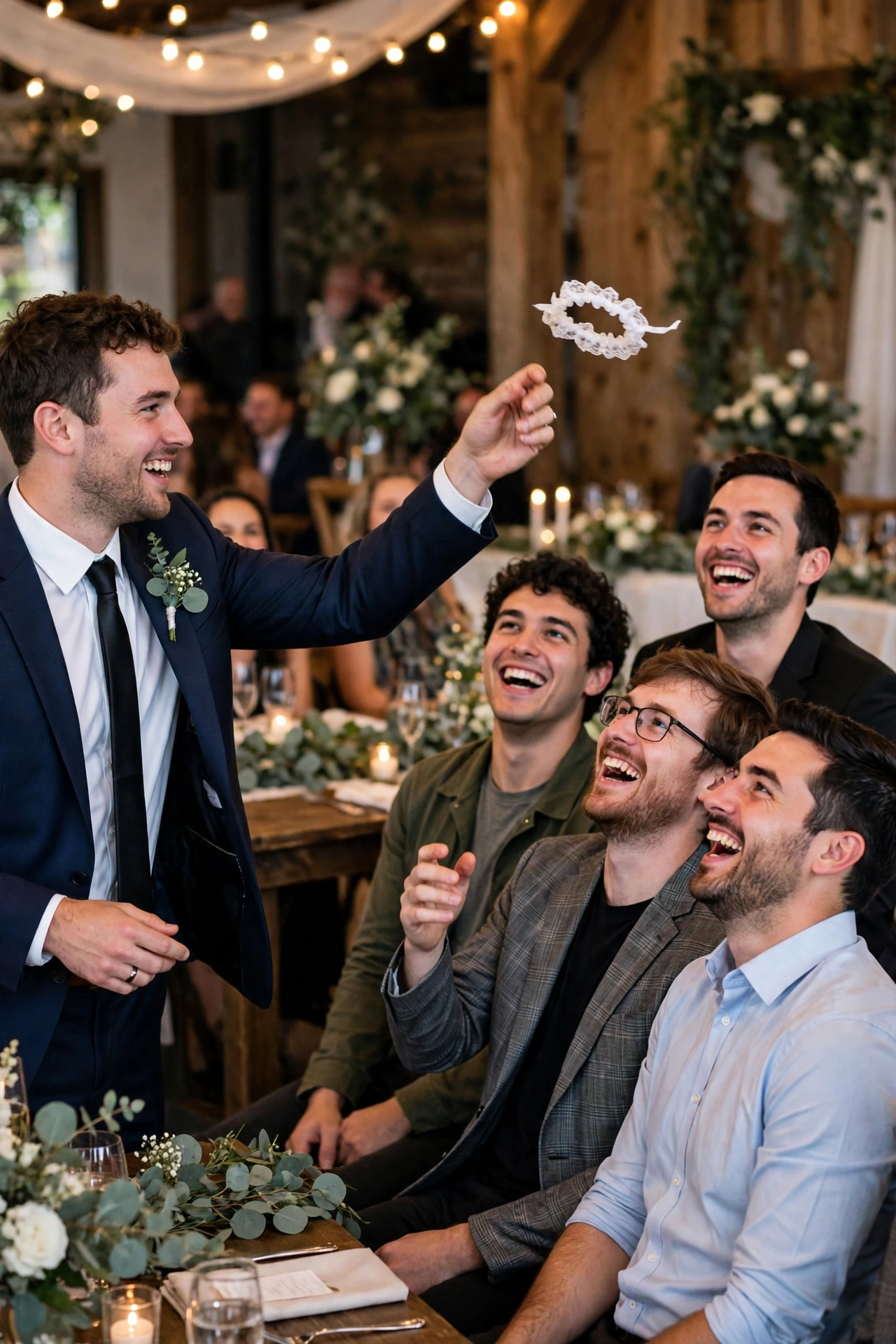
The garter toss is one of those traditions that even Americans find a little awkward. The groom removes the garter from the bride’s leg — often in front of everyone — and tosses it to a group of single men, mirroring the bouquet toss for single women. Whoever catches it is supposedly next to marry.
To outsiders, the whole ritual can feel strange and a little uncomfortable, especially the public leg part. Many modern couples skip it entirely, or replace it with something less performative. But it survives because it is playful, it gets a laugh, and it is one of the few moments of the day that is pure, silly fun. Like the bouquet toss, it is a tradition people keep mostly out of habit — and because the photos are hilarious.
20. When the Party Ends Before Midnight
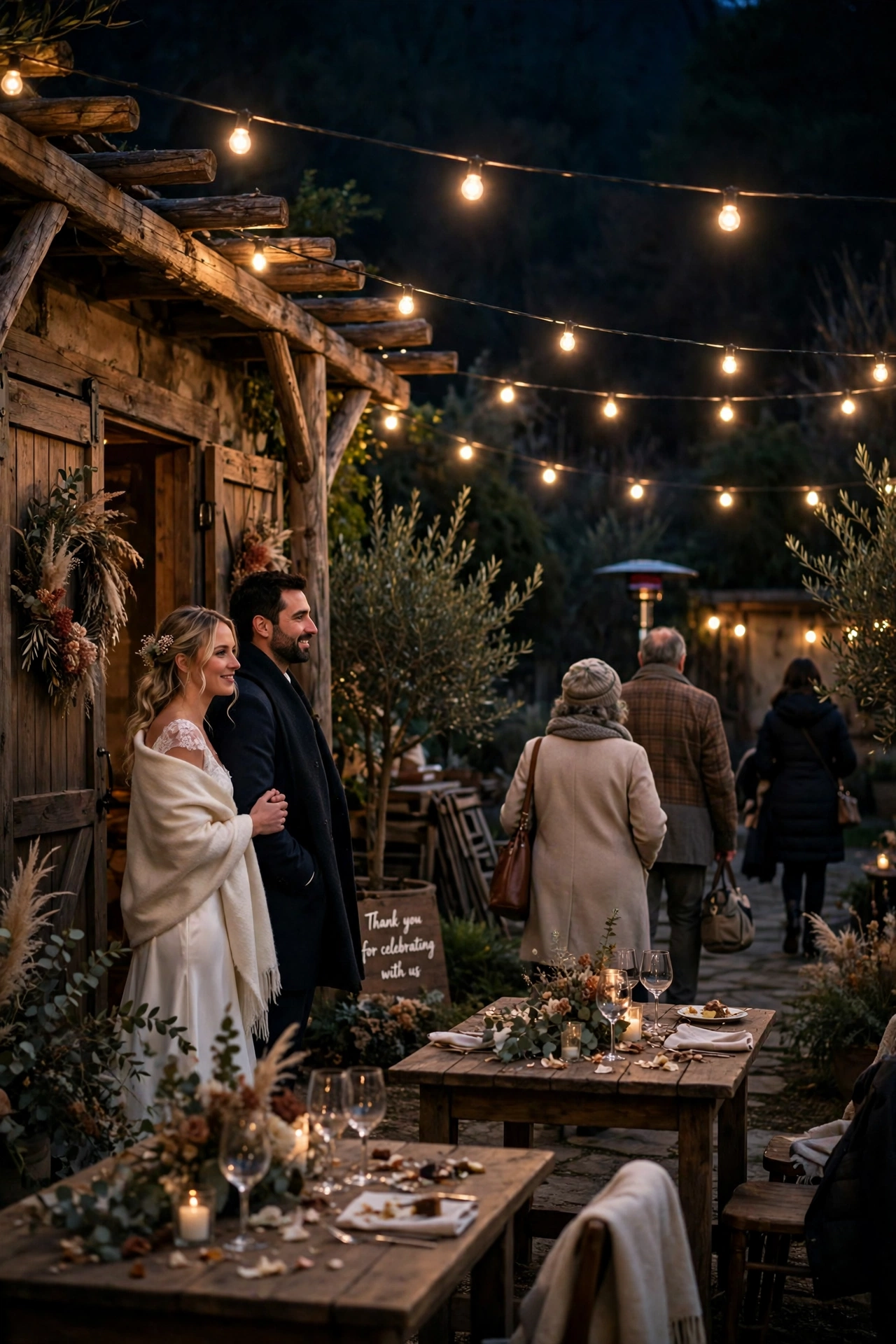
American wedding receptions usually end surprisingly early by global standards — often by 10 or 11 p.m., sometimes even earlier. In Ireland, a wedding party that finishes before 6 or 7 a.m. would be unheard of, and in many countries the celebration runs until dawn.
The early finish is mostly about venues: American reception venues typically book a fixed window, often four or five hours, and charge heavily for overtime. Noise rules, staffing costs, and the sheer expense of keeping the party going all play a part. The result is a wedding that feels oddly short to visitors who are used to dancing until sunrise — which is exactly why the afterparty exists.
21. Save-the-Date Cards
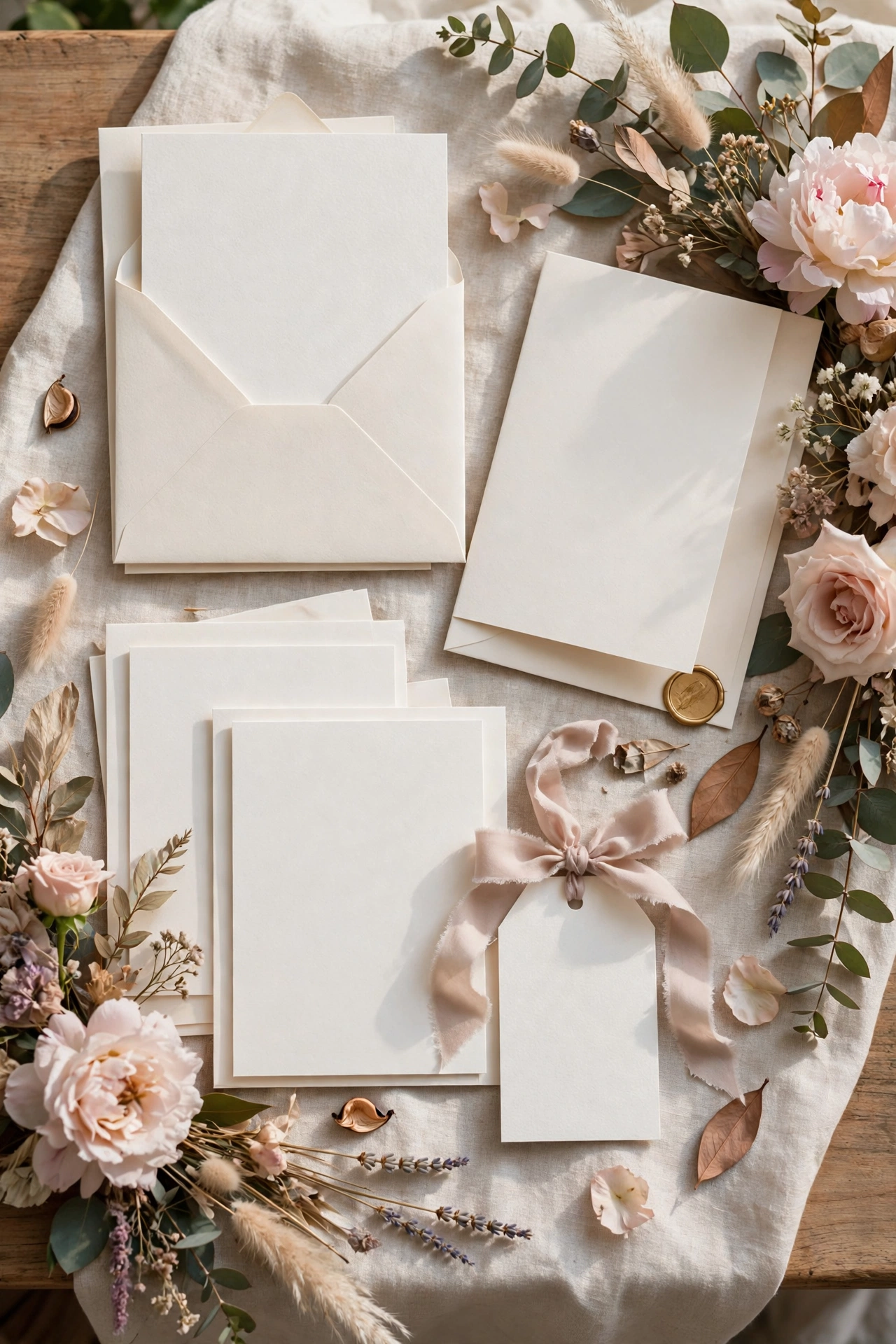
Months before the invitations go out, American couples send save-the-date cards — a separate piece of stationery whose only job is to tell guests the date, before any details are final. To visitors, spending money on fancy cards just to announce a date, when a full invitation is coming anyway, can seem like overkill.
The logic is practical: with guests traveling from far away, an early heads-up helps people book flights and hotels. In the age of group chats and email, a physical card may seem old-fashioned, but it has become a keepsake in itself — a first glimpse of the wedding’s style. Still, the double-stationery system is a very American piece of wedding economics, and plenty of couples now send the save-the-date digitally and save the paper for the invitation.
22. The Rehearsal Dinner
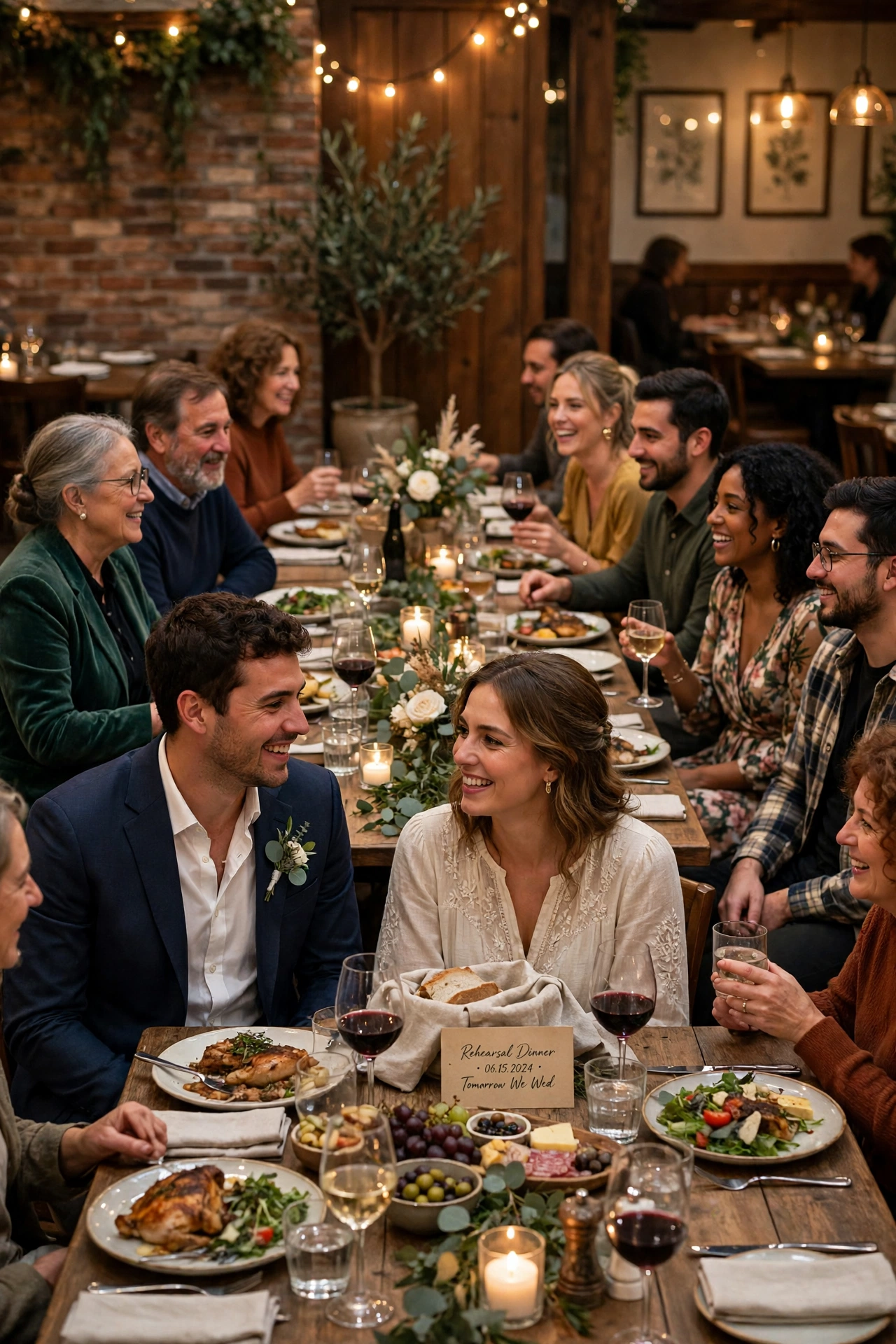
The night before the wedding, the couple and their families and wedding party gather for a rehearsal dinner — a full meal, often at a restaurant, following a run-through of the ceremony. To people from countries with no such tradition, it can seem like an extra event for the sake of it: more time, more effort, more money.
The rehearsal itself is genuinely useful, especially with a large wedding party that needs to know where to stand and when to walk. The dinner turns a logistical necessity into a warm, smaller gathering — often the only time the two families sit down together before the wedding. It is one of the more sensible American traditions, even if the idea of rehearsing a wedding at all strikes some visitors as very American.
23. The Choreographed First Dance
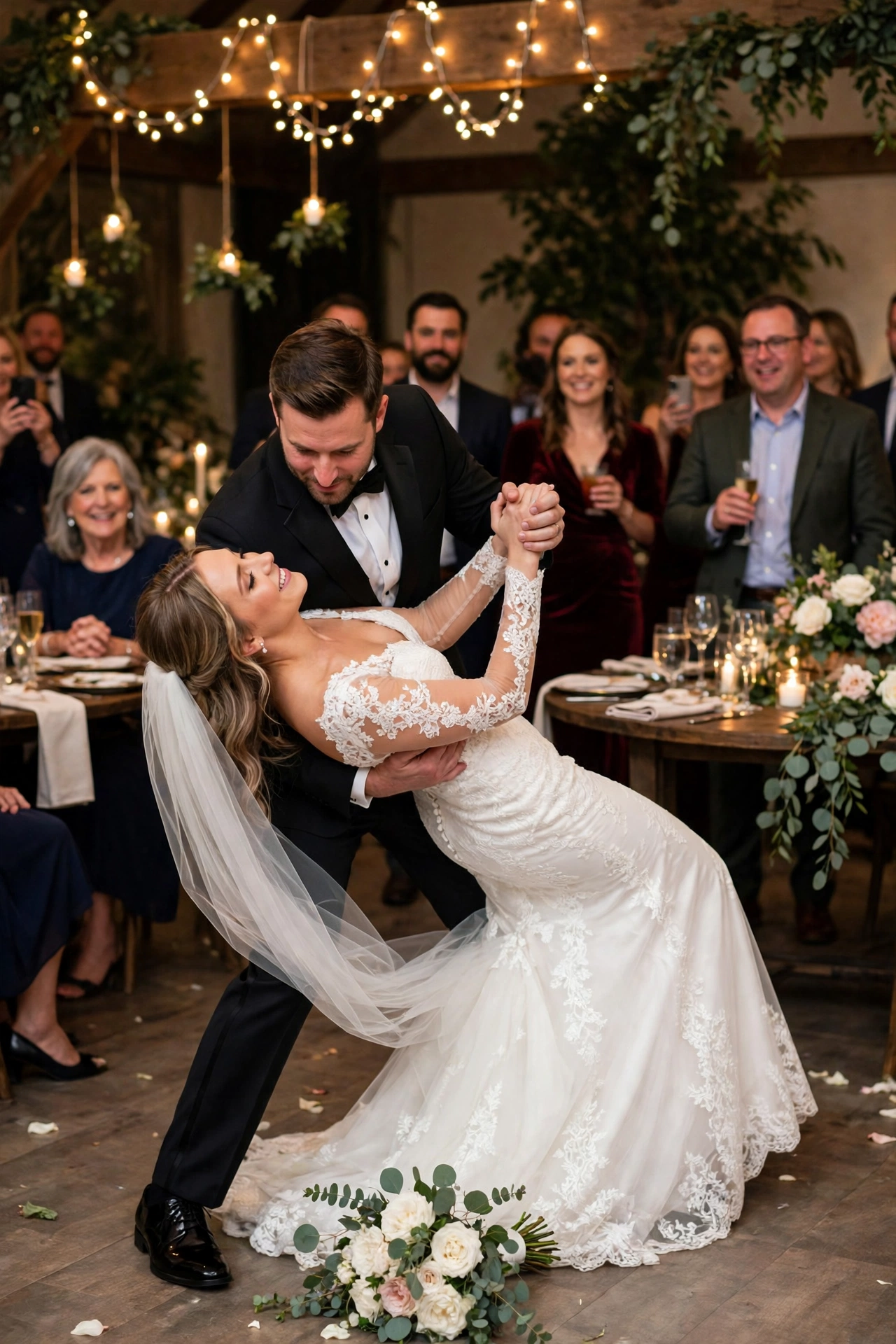
The first dance is a staple of American weddings, but it is the choreographed version that raises eyebrows abroad. Couples take dance lessons, rehearse for weeks, and perform a rehearsed routine — sometimes with lifts and dips — while everyone watches. To outsiders, it can feel like a performance rather than a moment.
The appeal is obvious: it is romantic, it photographs beautifully, and it gives the couple a shared project in the stressful final weeks. The risk is also obvious — a mistimed lift in front of 150 people is the stuff of wedding legend. Most couples keep it simple, swaying to a favorite song. But the fully choreographed first dance remains a very American ambition, equal parts sweet and slightly nerve-wracking.
24. The Long Cocktail Hour
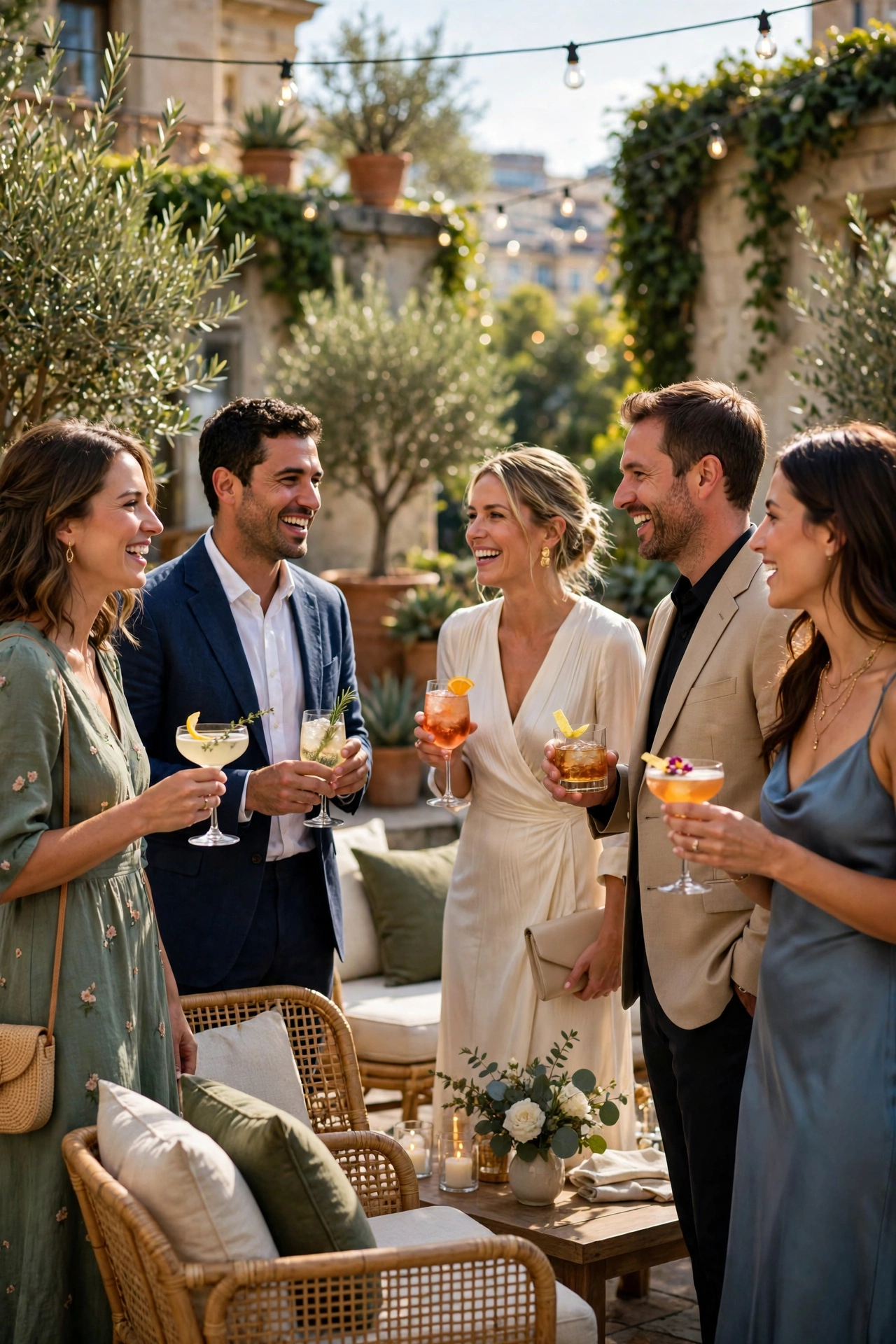
Between the ceremony and the reception, American weddings build in a cocktail hour — usually a full hour, sometimes longer — where guests drink and snack while the couple takes photos. To visitors, an hour of standing around with a drink before dinner can feel like a very long wait.
The hour serves a real purpose: it covers the gap while the wedding party does photos and the room is reset for dinner. But it can drag, especially for guests who have already been at the venue for a ceremony and a long photo session. The best cocktail hours feel like a party in themselves, with good food and music. The worst feel like a holding pen — and everyone is quietly wondering when dinner starts.
25. The Giant Wedding Party
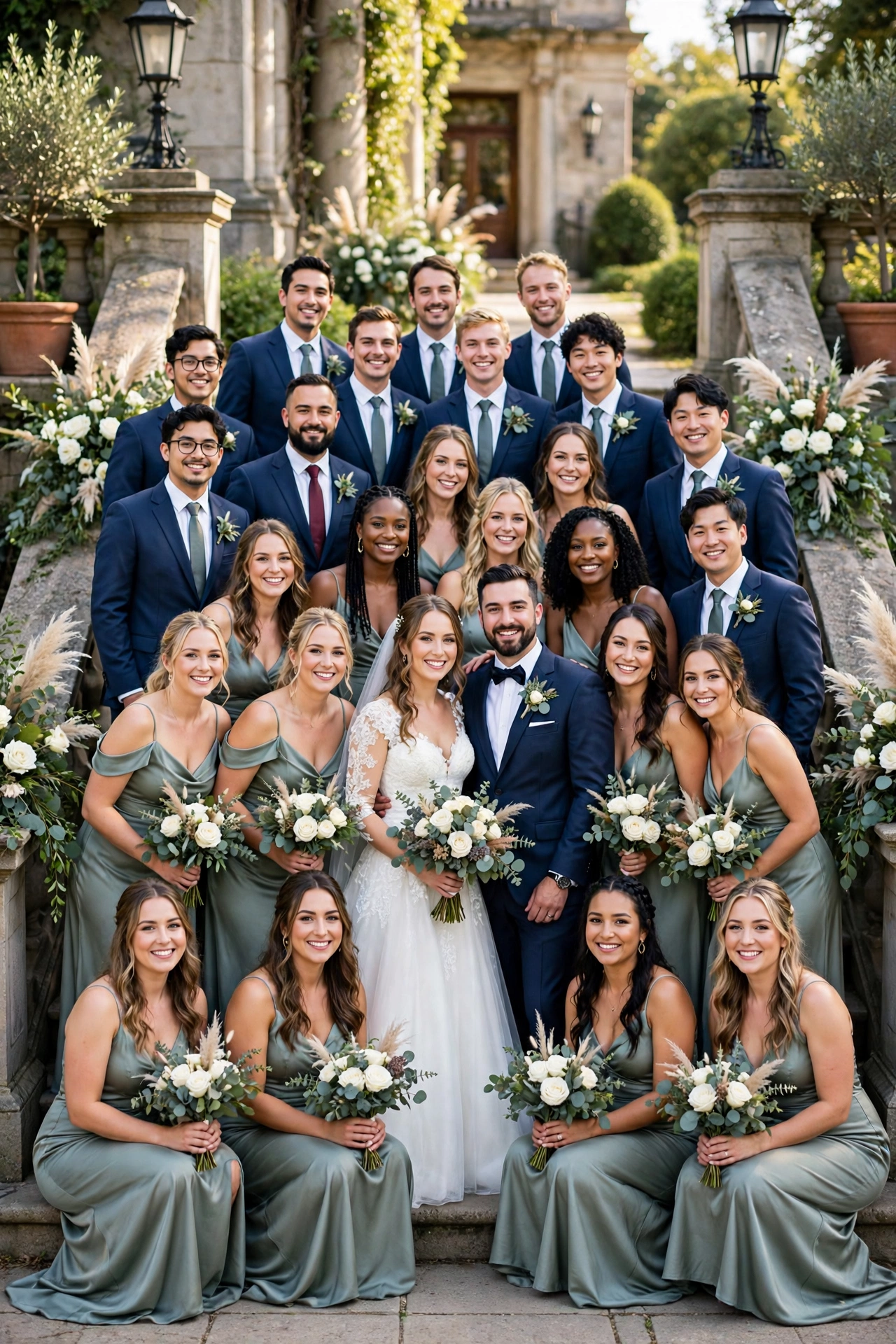
American wedding parties can be enormous. It is not unusual to see eight bridesmaids and eight groomsmen — sixteen people standing at the front — and some couples have even more. To visitors, a wedding party that size looks chaotic, and it often is: coordinating that many people, outfits, and schedules is a project in itself.
The big wedding party comes from the same impulse as the big guest list: Americans include everyone who matters. Best friends, siblings, cousins, college friends — all get a place. The result is a joyful, crowded altar and a group photo that needs a wide lens. The downside is the logistics, and plenty of people have stories about bridesmaids and groomsmen who barely knew each other being thrown together for months of planning. But for couples with big circles, anything smaller would feel incomplete.
26. Perfectly Color-Matched Bridesmaid Dresses
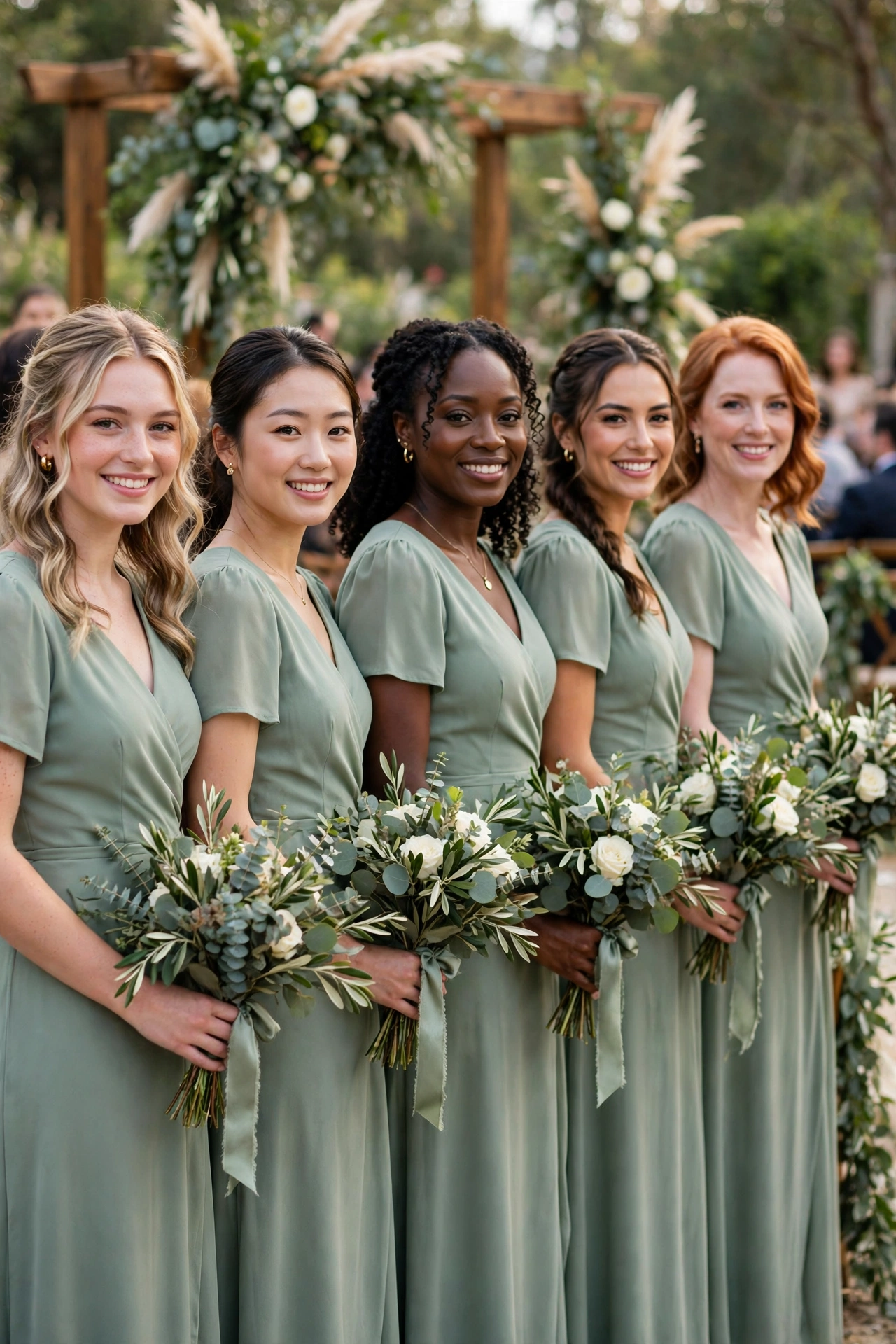
At an American wedding, the bridesmaids’ dresses do not just coordinate — they match, often down to the exact shade. Couples pick a color, sometimes a specific fabric and designer, and every bridesmaid wears the same thing. Visitors from countries where bridesmaids choose their own dresses in a general palette find the precision a little puzzling: why does anyone care if the dresses are identical?
The matching look is about the photos. A row of identical dresses creates a clean, striking visual that American wedding photography is built around. Modern couples have loosened up — mix-and-match dresses in the same color family are now common — but the instinct to color-match everything, from dresses to flowers to napkins, remains a hallmark of the American wedding aesthetic.
27. The Plus-One
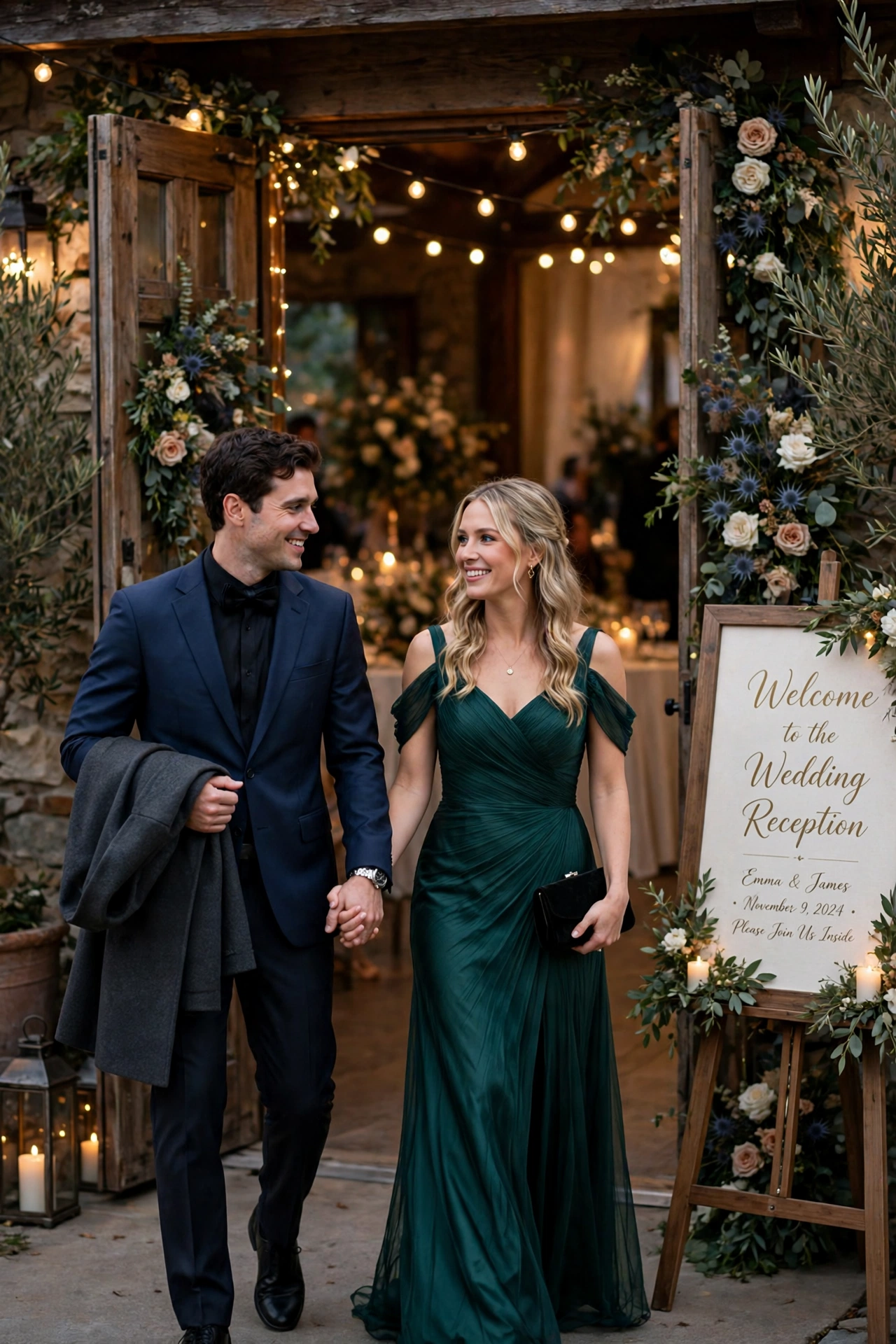
The plus-one is a uniquely American wedding puzzle. Guests are often allowed to bring a date — a “plus-one” — even if the couple has never met them. To people from other countries, the idea of inviting a stranger to a family wedding is baffling, and the movies make it worse, with characters treating weddings as dating pools.
The reality is more practical: couples want their guests to be comfortable, and a date helps single guests enjoy the evening. But the plus-one rule creates its own etiquette maze — who gets one, who doesn’t, and whether a new partner counts. Some couples now limit plus-ones to married or long-term couples to keep numbers down. Either way, the sight of guests arriving with someone the couple has never met remains a very American wedding moment.
28. Plated Dinners Like a Restaurant
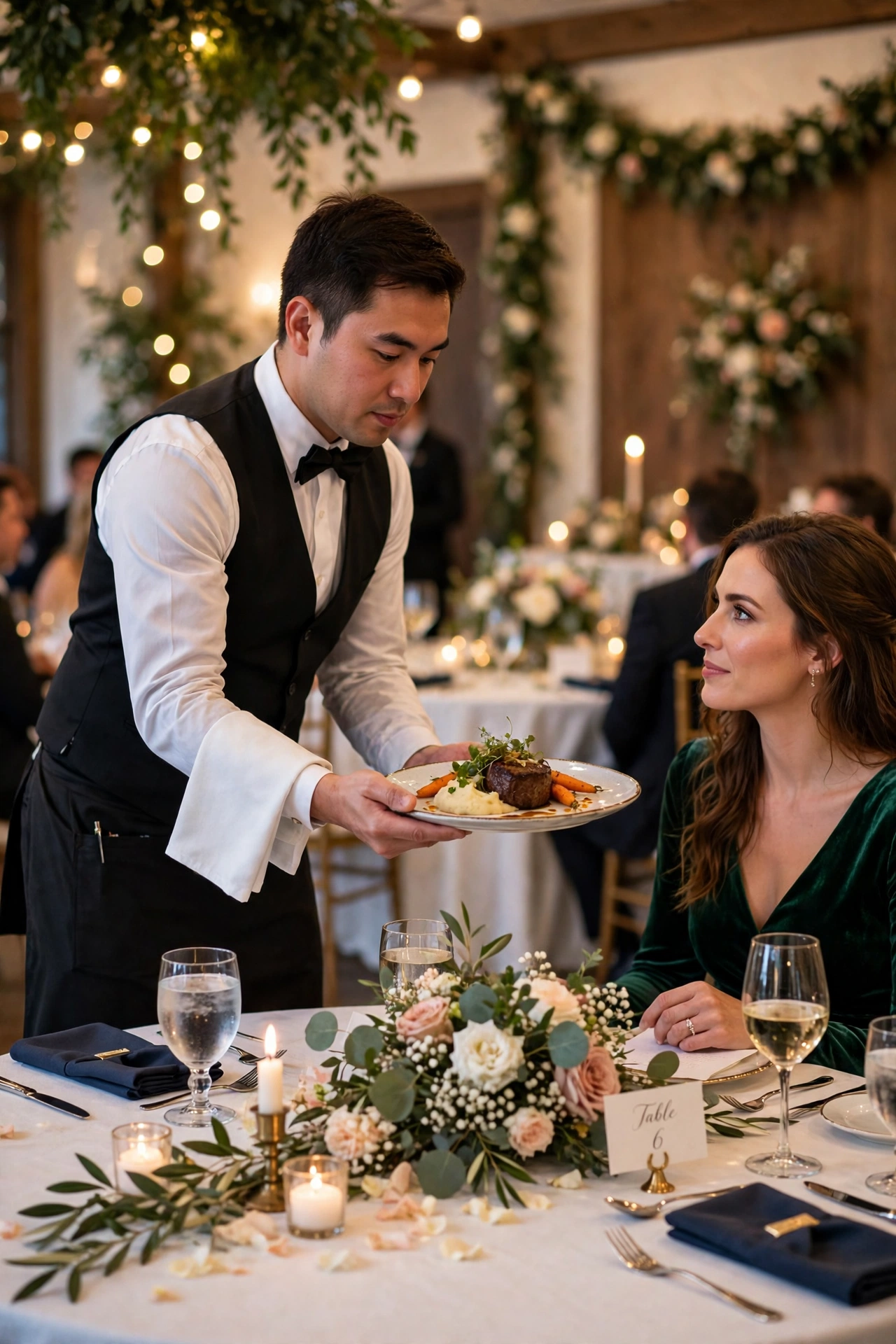
At many American weddings, dinner is served like a restaurant: waiters bring each guest an individual plated course, often with a choice made weeks in advance. To visitors from cultures where wedding food means a buffet, a family-style spread, or a feast laid out for everyone to share, being served a single plate can feel oddly formal and a little lonely.
Plated service is elegant and controlled, and it keeps the evening on schedule. But it also means guests eat what they chose on a card months ago, and the food can feel small after hours of celebrating. Buffets and family-style service are gaining ground precisely because they feel warmer and more generous. Still, the plated dinner remains the default at formal American weddings, and for many couples it is part of what makes the night feel special.
29. The Show vs. the Substance Debate
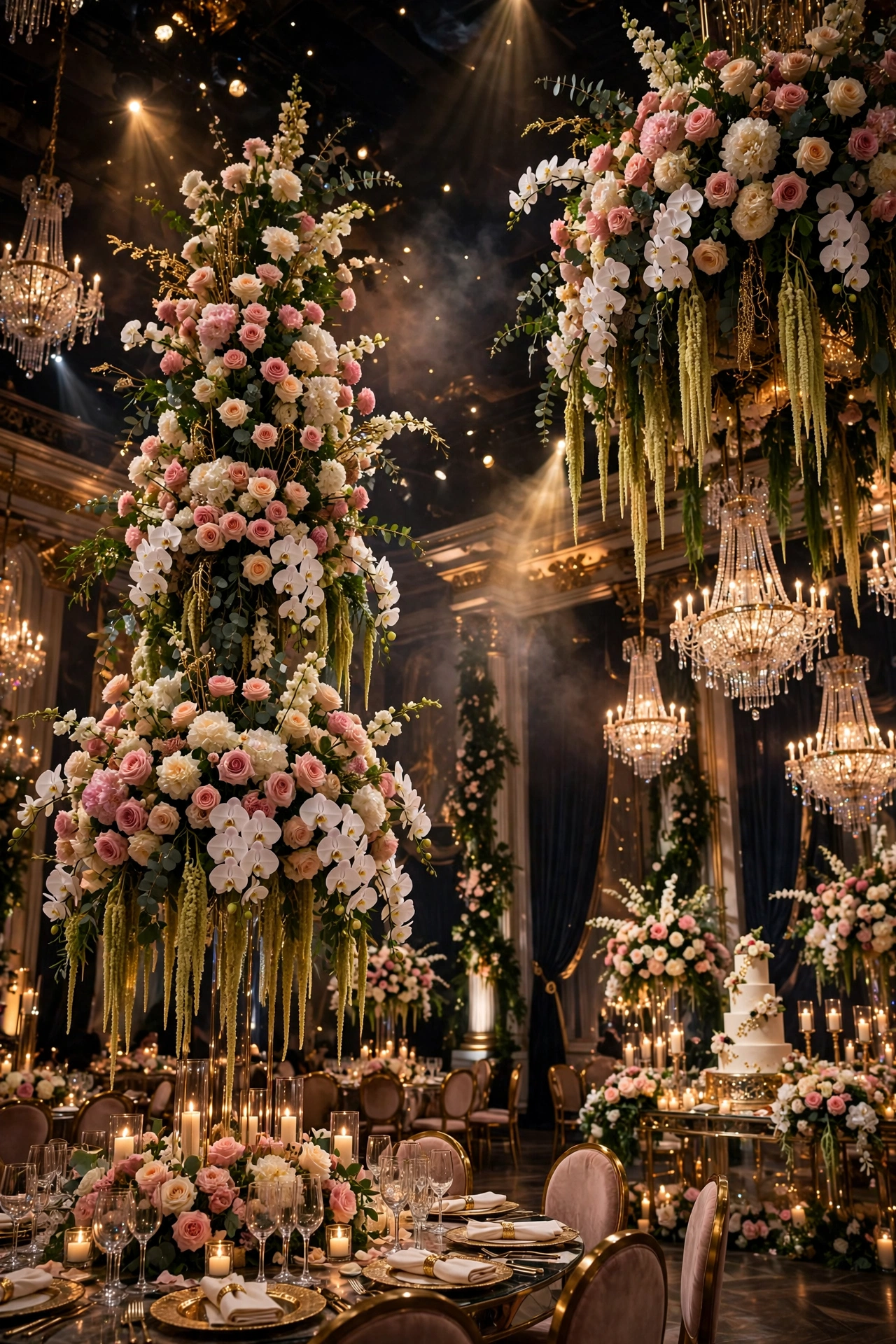
Perhaps the most pointed criticism from outside the US is that American weddings can feel like a show — all about the display, the decor, the photos — rather than about the marriage itself. Family, respect, and love, the argument goes, get lost under layers of production.
It is a fair observation, and many Americans would agree with it. The wedding industry is enormous, and the pressure to produce a picture-perfect day is real. But it is also only half the story. For the couples themselves, the day is usually deeply emotional, and the show is often how families express love and pride. The best American weddings manage both: a beautiful celebration that still feels like it is about two people, not about the centerpieces.
30. The Grand Bridal Party Entrance
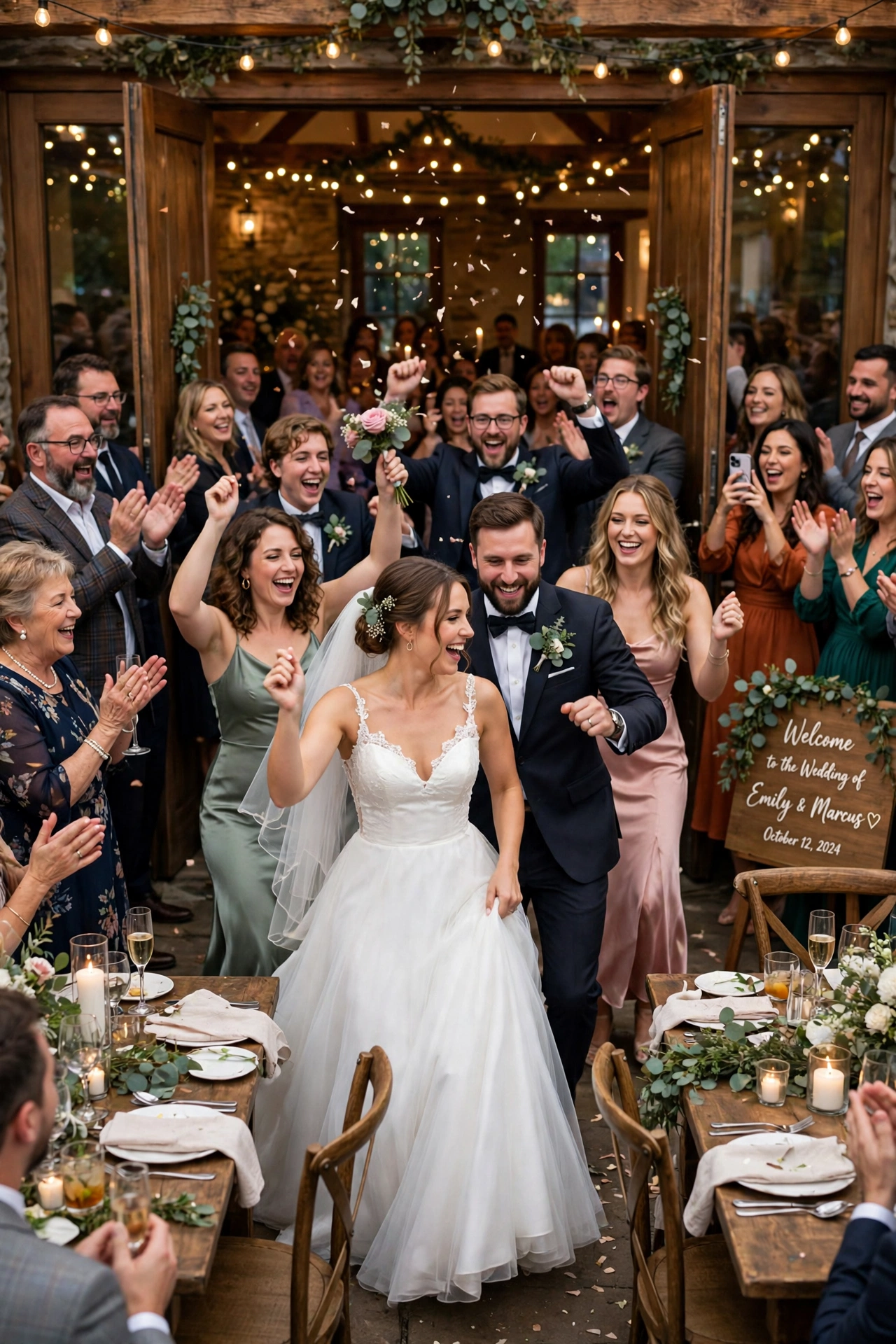
American receptions often open with a grand entrance: the bridal party is announced one by one, dancing or strutting into the room to cheers and music, sometimes with rehearsed moves or a comedy sketch, before the couple makes their own entrance. To outsiders, it can look like the opening of a game show.
The entrance sets the tone for the party — it says the formal part is over and the fun has started. It is loud, joyful, and unapologetically theatrical, which is exactly the point. Visitors from more reserved wedding cultures sometimes find it over the top, but it is hard to deny the energy in the room when a wedding party dances in. Like many American traditions, it is bigger than it needs to be, and that is precisely why people love it.
31. Being Walked Down the Aisle
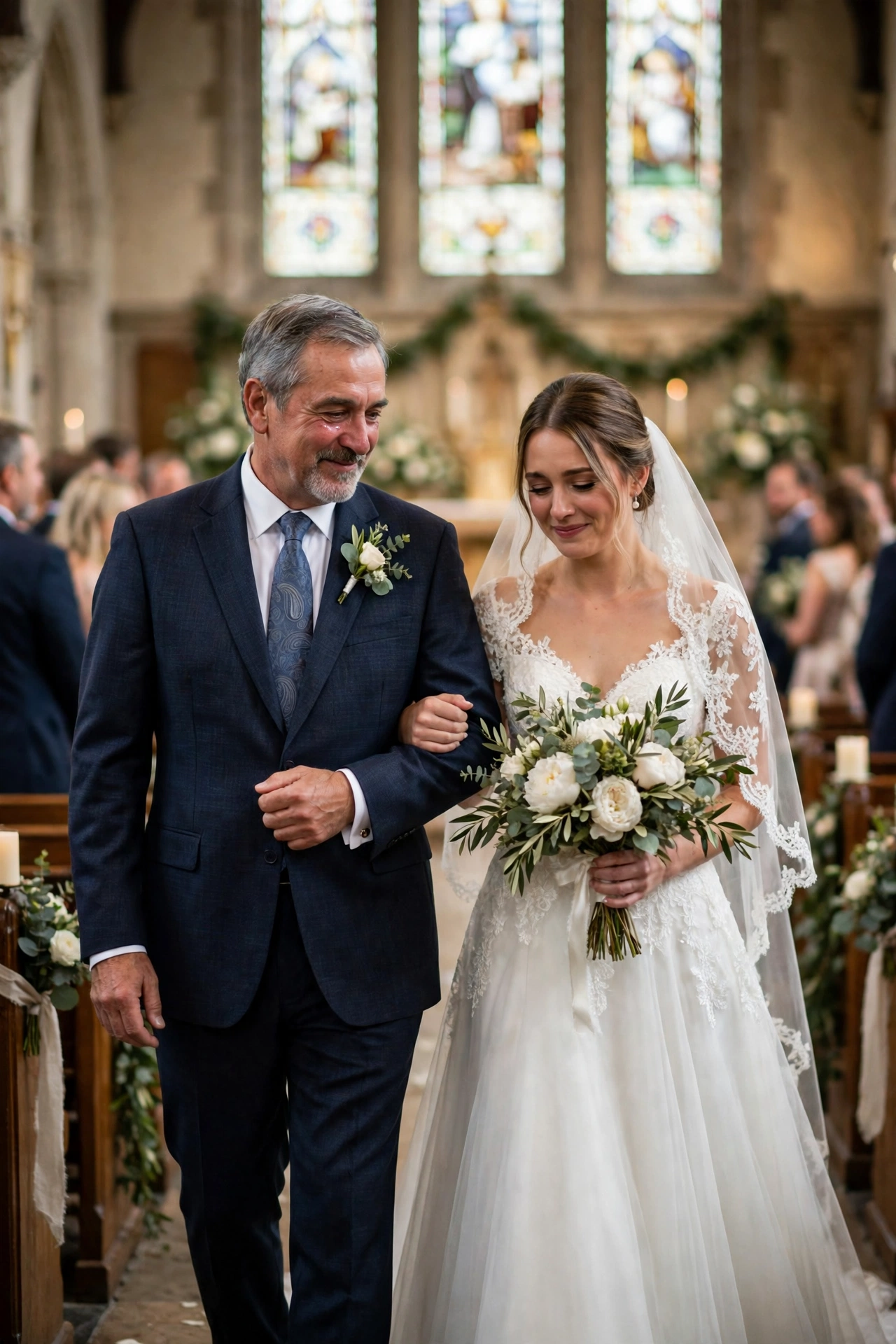
The image of a father walking his daughter down the aisle is one of the most iconic in American weddings — and one of the most questioned by outsiders. The tradition comes from a time when a father symbolically gave his daughter away, and to many people today that history feels outdated, even uncomfortable.
Modern couples have reimagined it: some brides walk alone, some walk with both parents, some with a mother, a brother, or a close friend. The walk itself, though, remains powerful — it is a public moment of transition, and for many families it is deeply emotional. The debate around it is really a debate about what a wedding is for: tradition, or the couple’s own story. Increasingly, American couples choose the version that fits them, and the aisle walk survives because the moment matters, not because of the history.
32. Child-Free Weddings
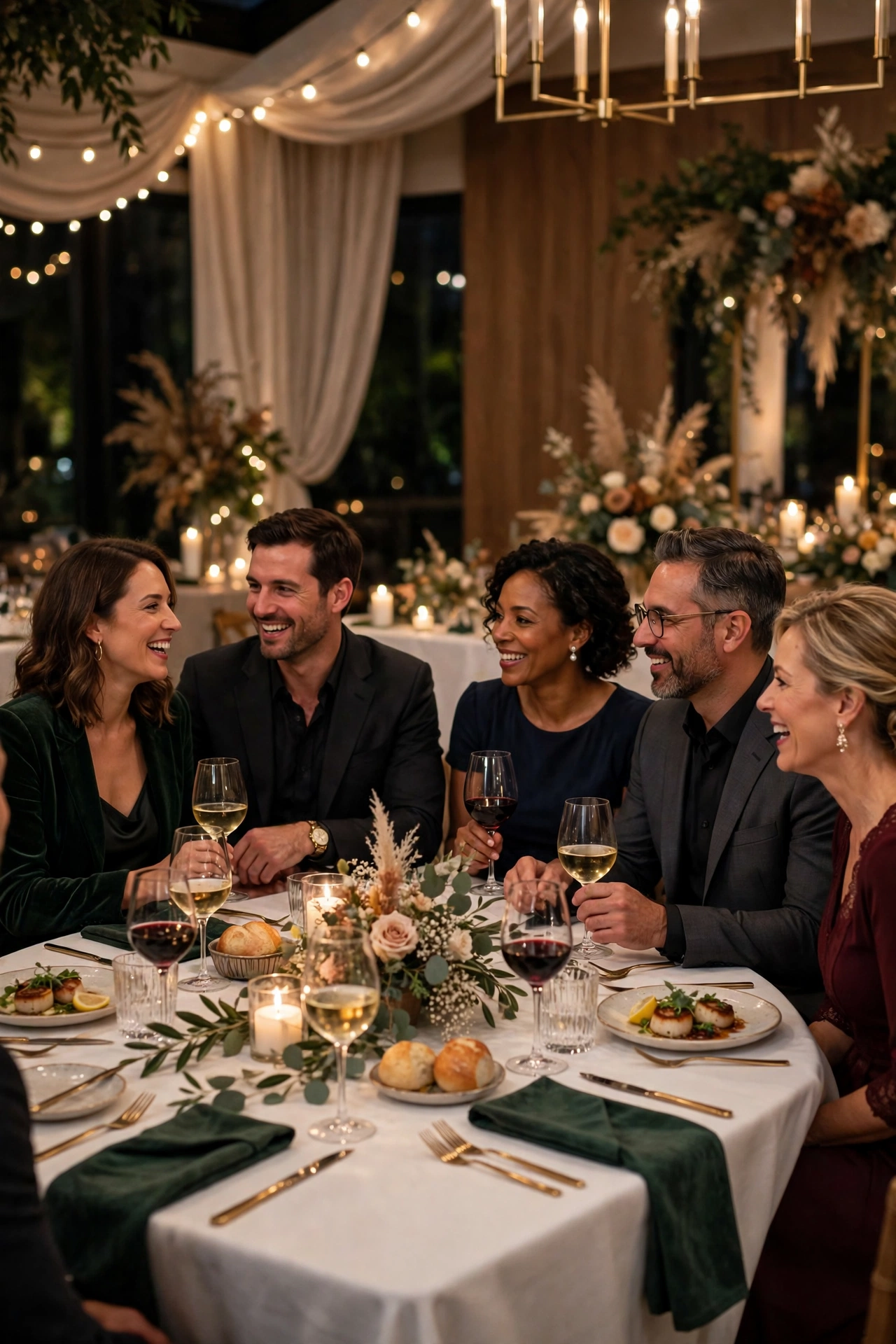
Child-free weddings are increasingly common in the US, and they surprise visitors — sometimes unpleasantly. Couples ask guests to leave their children at home, often because of cost, venue limits, or a desire for a formal, adult evening. The request can cause real family tension, especially with siblings who feel excluded.
In many cultures, children at weddings are simply assumed — a wedding is a family event, and family includes the youngest members. Americans who choose child-free weddings usually have practical reasons: a late night, an open bar, a small venue, or a per-head cost that makes every extra guest expensive. The friction comes from the clash of expectations. It is a reminder that even the guest list can become a statement about what kind of wedding a couple wants.
33. No Pre-Wedding Ceremonies
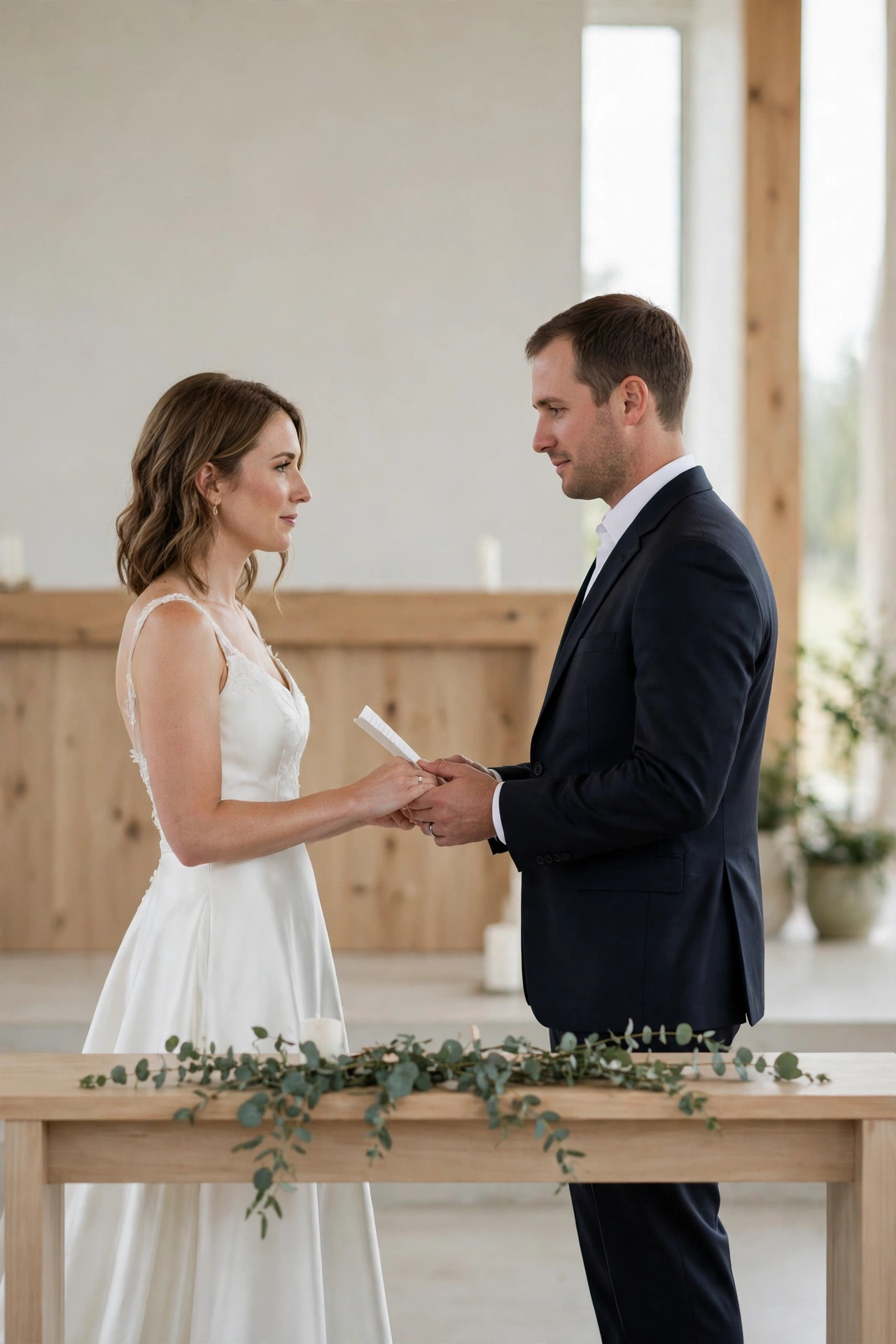
Many cultures mark a wedding with days of ceremonies before the big day itself — henna nights, blessings, family rituals, and celebrations that stretch across a week. American weddings, by comparison, have almost nothing before the day: a rehearsal dinner, maybe, and that is it. To visitors, the absence can feel stark.
The American wedding is built around a single day. Everything — the ceremony, the meal, the party — happens in a few hours, and the days before are for setup, not celebration. The upside is simplicity: one day to plan, one day to enjoy. The downside, as visitors point out, is that the wedding can feel compressed, with no slow build-up of ritual and family time. It is a different philosophy of celebration — concentrated rather than extended — and it shapes everything about the American wedding.
34. Leaving Your Own Party Early
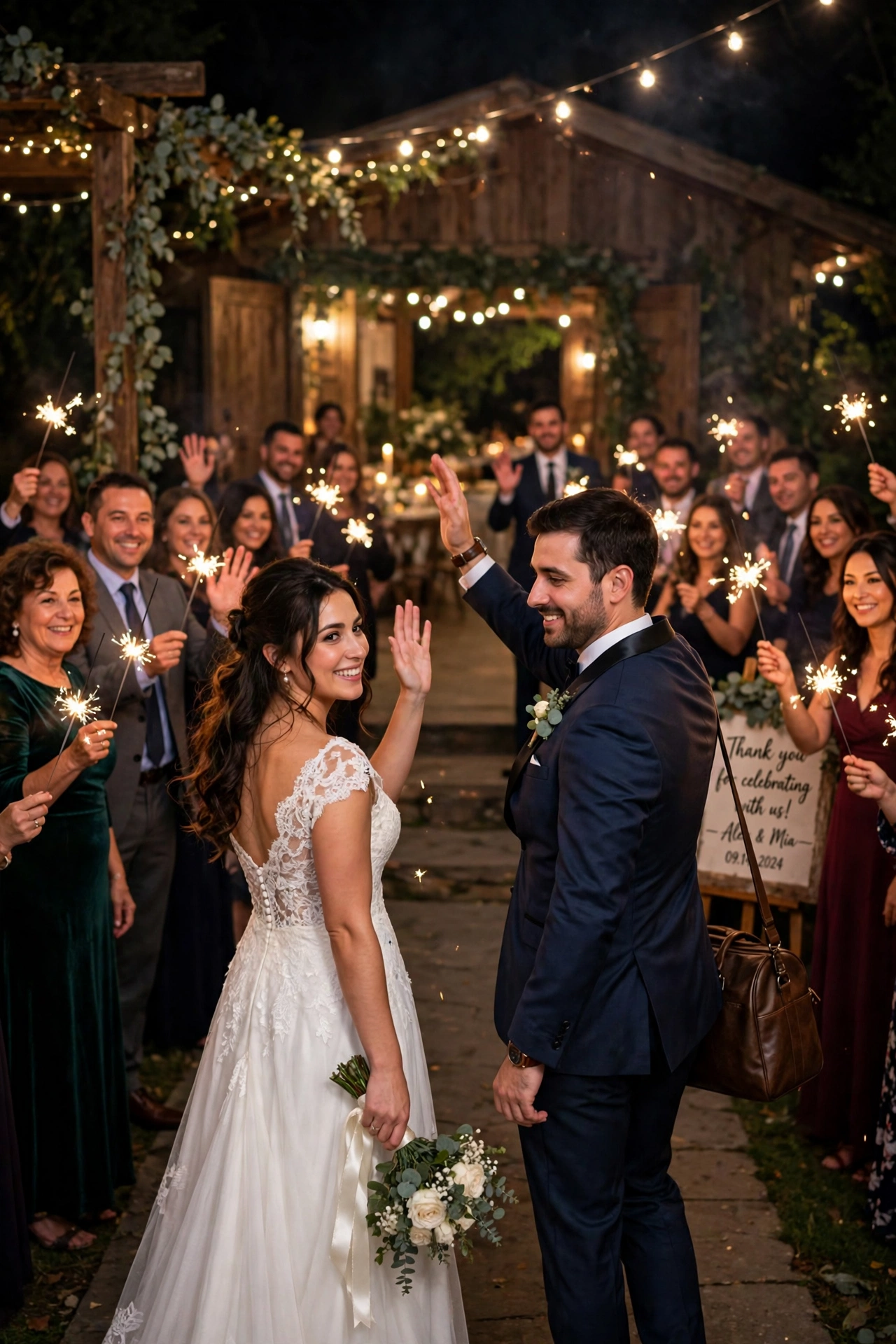
In movies, American newlyweds often slip away from their own reception early to start the honeymoon, waving goodbye while the party is still going. Visitors find this genuinely strange: why would you leave a party you paid a small fortune for, and miss the chance to spend more time with loved ones who traveled to be there?
In reality, most couples stay to the end, and the movie version is mostly a trope. But the sparkler send-off — a staged goodbye at the end of the night — is very real, and it borrows from the same idea. The truth is that by the end of a long day, many couples are exhausted and ready to go. The early exit, real or staged, is the wedding’s way of giving the couple permission to leave their own party — and after twelve hours of being the center of attention, most of them take it gladly.
35. Smashing Cake in Each Other’s Faces
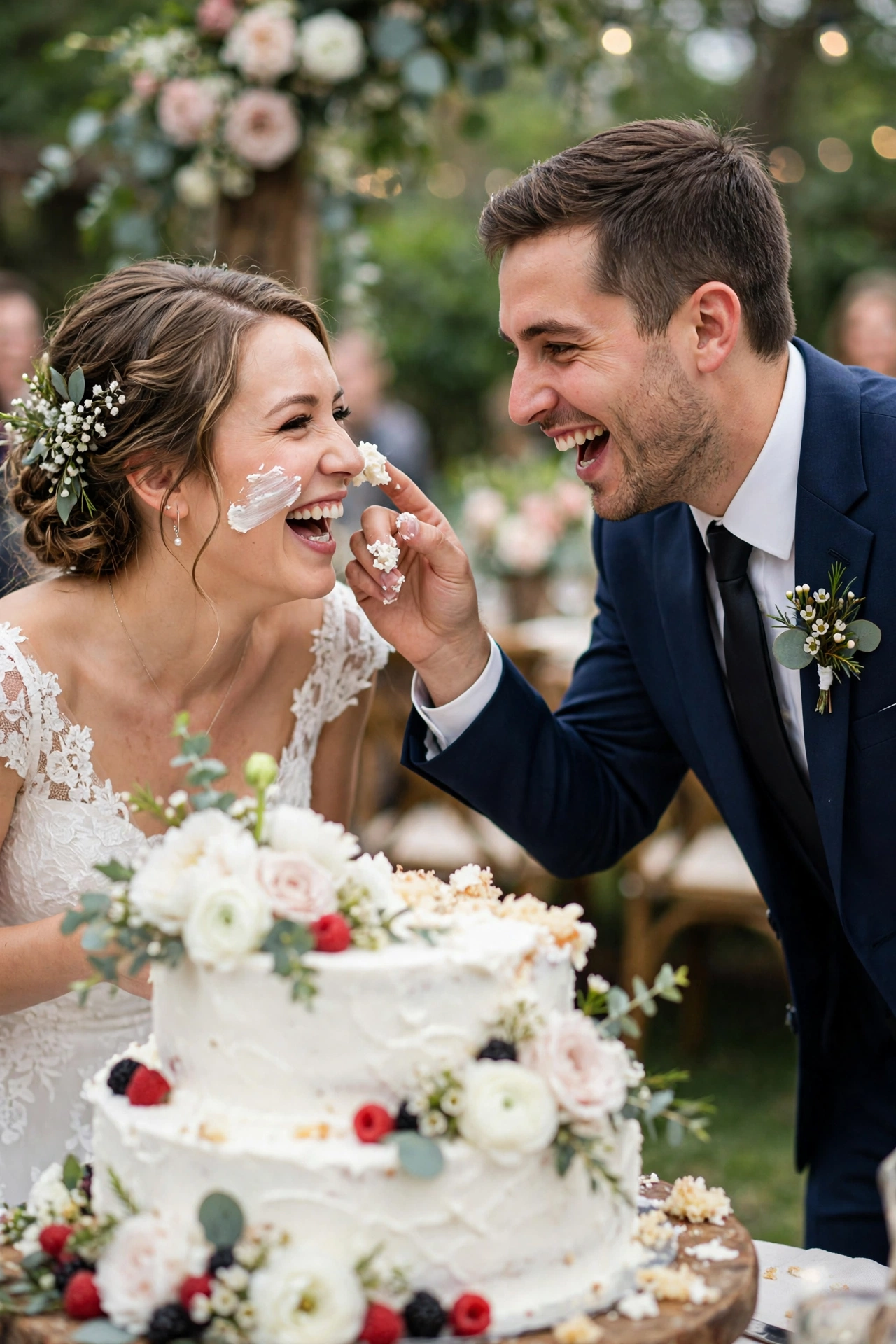
The final surprise on the list is also the messiest: the cake smash. At many American weddings, the couple feeds each other cake — and then, often, one of them smashes a handful of it into the other’s face. Guests laugh, cameras flash, and the bride spends the rest of the evening with frosting in her hair.
To outsiders, it is baffling. Why would you ruin a beautiful cake, a beautiful dress, and a beautiful moment for a joke? The answer is that it is a joke — a playful, slightly chaotic break from a day of formal perfection. Some couples agree in advance to keep it gentle; others go all in. Plenty of people skip it entirely. But it endures because it is one of the few moments at an American wedding where the couple stops performing and just has fun — even if it means cake everywhere.
American weddings can look strange from the outside — the guest lists, the spending, the cake in the face — but every tradition on this list has a story behind it, and most of them exist because couples wanted their day to feel like a real celebration. Some of these customs are already changing: smaller guest lists, simpler ceremonies, and weddings that skip the traditions that no longer fit. The next time you are at an American wedding, look past the spectacle and you will see what visitors from other countries often miss — a room full of people who traveled a long way to be there for two people they love. That part, at least, is the same everywhere.
You May Also Like
If you enjoyed this look at wedding traditions, here are more wedding reads from DBS Guy:
- 26 Modern Wedding Trends That Won’t Last — the trends that are already on their way out.
- 25 Wedding Etiquette Rules Then Vs. Now — how wedding manners have changed over the years.
- 12 Rudest Wedding Behaviors, According to Experts — the habits guests and couples should skip.
- 19 Marriage Myths Divorced People Wish They Knew Sooner — what people learn about marriage the hard way.