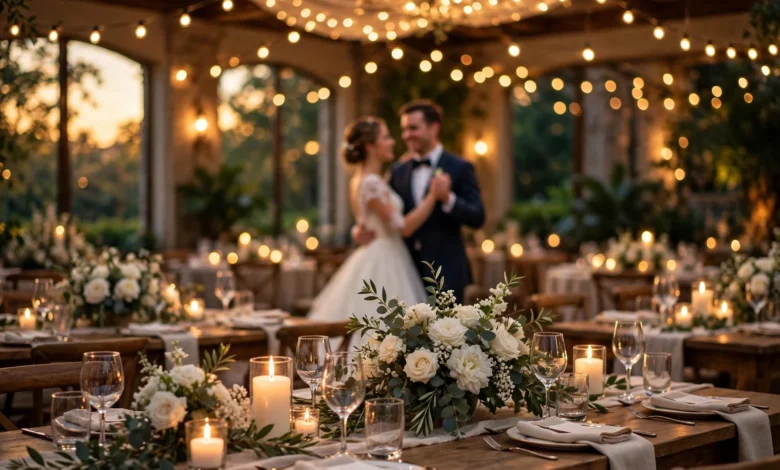
Every wedding has its own personality, and the best ones feel like the couple — warm, thoughtful, and fun for everyone in the room. But every now and then, a planning choice lands so badly that guests are still talking about it years later. The line between creative and tacky is thinner than most couples think, and it usually comes down to one simple question: does this choice make the day better for the people who came to celebrate, or does it ask them to pay, perform, or put up with discomfort for the couple’s sake?
This list gathers twenty wedding planning choices that crossed that line — real decisions couples actually made, from charging guests for dinner to treating vendors like volunteers. None of them are here to mock anyone. Each one is a useful reminder of what not to do, and a small lesson in keeping the focus where it belongs: on the marriage, and on the people kind enough to show up for it. If you want a refresher on the basics first, these 25 wedding etiquette rules then vs. now are a great place to start, and these 12 rudest wedding behaviors, according to experts show what guests should avoid on the other side of the aisle.
1. Using Live Puppies As Table Decorations
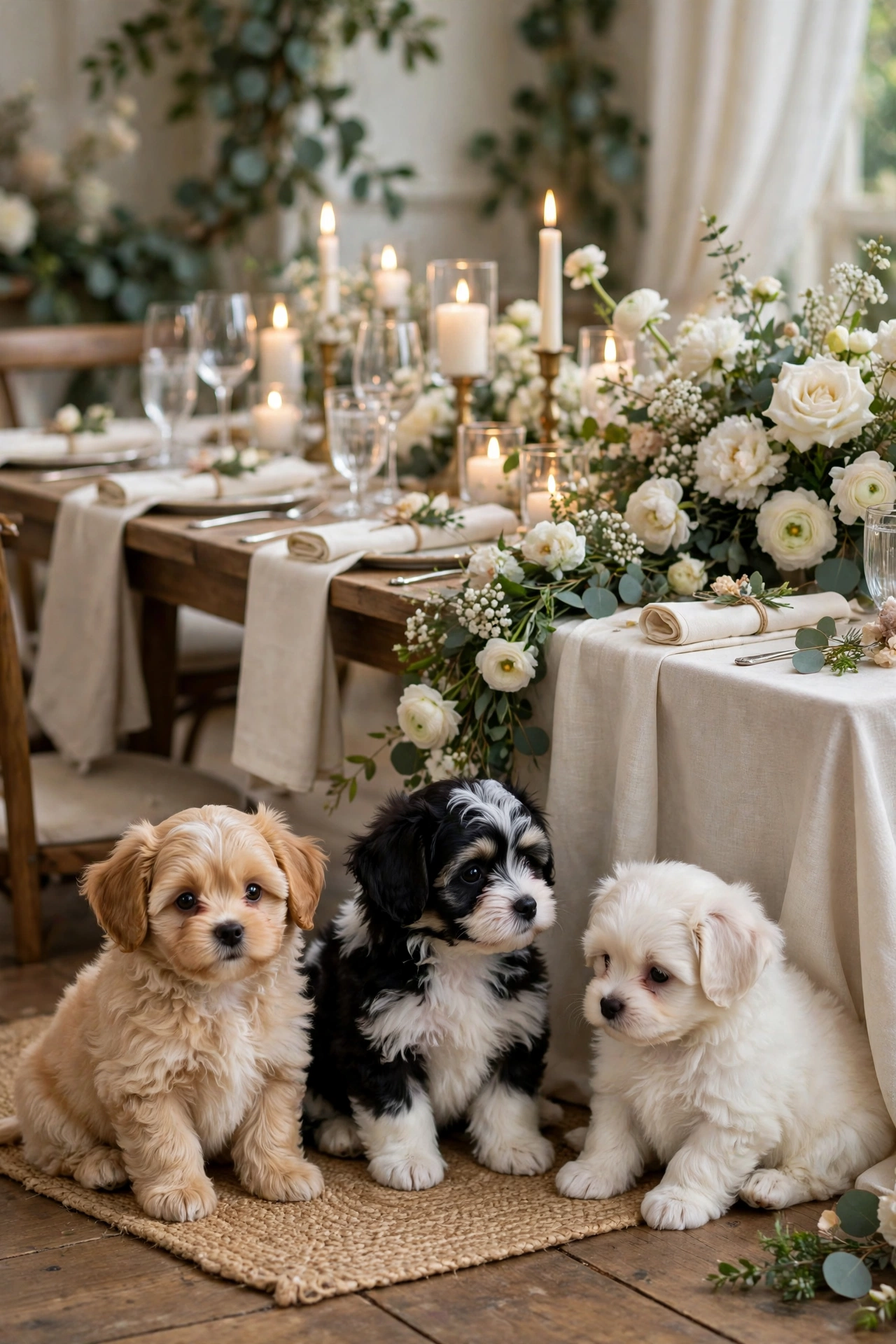
Live animals at a wedding can be adorable — a ring bearer dog walking down the aisle usually gets the biggest cheer of the day. But there is a world of difference between a beloved pet with a job and a litter of puppies tied to reception tables as decoration. Puppies are living creatures, not centerpieces. They get scared, they need water and attention, and a loud room full of strangers is no place to leave them on display.
The kinder version of this idea is easy: let the couple’s own dog make a short, supervised appearance, or skip live animals entirely and use puppy-themed details instead. A photo of the couple’s dog on the welcome table, or a donation to an animal shelter in the couple’s name, gives guests the same warm feeling without putting any animal through a stressful evening.
2. Auctioning Off The First Dinner Plate

Fundraising at a wedding is a delicate subject at the best of times, and auctioning off the first dinner plate takes it to a strange place. Guests have already travelled, dressed up, and bought a gift — asking them to bid against each other for the privilege of eating first turns dinner into a competition nobody signed up for. The couple who tried it set the opening bid high, with the proceeds earmarked for their honeymoon.
If the budget is tight, there are far kinder ways to handle it. A smaller guest list, a simpler menu, or a honeymoon fund on the registry all let guests contribute if they want to, without putting anyone on the spot. Dinner should be a gift from the couple to their guests, not the other way around.
3. An Outdoor Winter Ceremony With No Plan For The Cold

A snowy ceremony can look magical in photos, and plenty of couples dream of saying their vows with flakes falling around them. The trouble starts when the dream ignores the reality that guests will be sitting still in the cold for half an hour or more. One couple insisted on an outdoor winter ceremony with no heaters, no blankets, and no backup plan, leaving guests — including older relatives — to simply endure it.
Winter weddings can absolutely work outdoors, but only with real planning: patio heaters, warm drinks on arrival, blankets on every chair, and a ceremony kept short. The couple might not feel the cold in the excitement of the moment, but their guests certainly will, and nobody remembers beautiful vows fondly when they spent them shivering.
4. Invitations Worded With Rude Language

A wedding invitation sets the tone for the whole day, and most couples spend weeks choosing the right words. One couple went in the opposite direction, sending invitations printed with crude, insulting language aimed at their own guests — telling people to eat whatever they were given and to stop asking questions. It was meant as a joke, apparently, but the guests receiving it did not find it funny.
The lesson here is simple: an invitation is a request, not an order. Guests are doing the couple a kindness by coming, and the wording should reflect that. Even a playful tone needs to stay warm. If the invitation makes anyone feel unwelcome before they have even replied, the wedding has already started on the wrong foot.
5. Asking The Caterers To Buy Matching Outfits
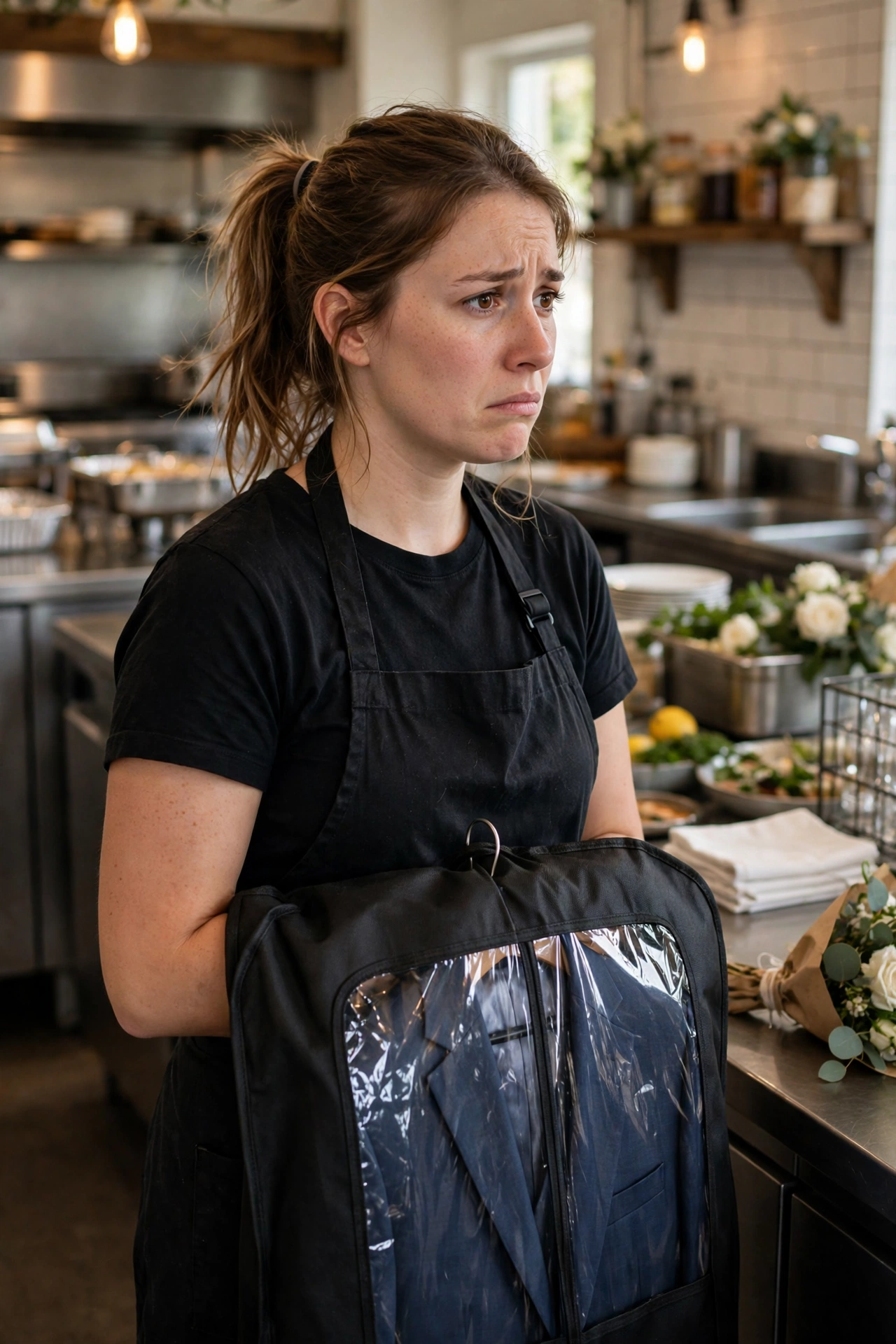
Most couples want their wedding to look coordinated, and the wedding party’s matching outfits are part of that. But one couple extended the dress code to the catering staff, asking servers to buy new clothes that matched the wedding theme — at their own expense. Caterers are hired professionals doing a physical job, and asking them to spend their own money on an outfit they will never wear again is not a reasonable request.
Vendors have their own professional uniforms for a reason. If a couple wants a particular look for the service staff, the polite move is to discuss it with the catering company in advance and cover any extra cost themselves. Treating hired help like members of the wedding party, minus the honor, is a quick way to sour the relationship with the people serving the meal.
6. Serving Dinner Based On The Size Of The Gift
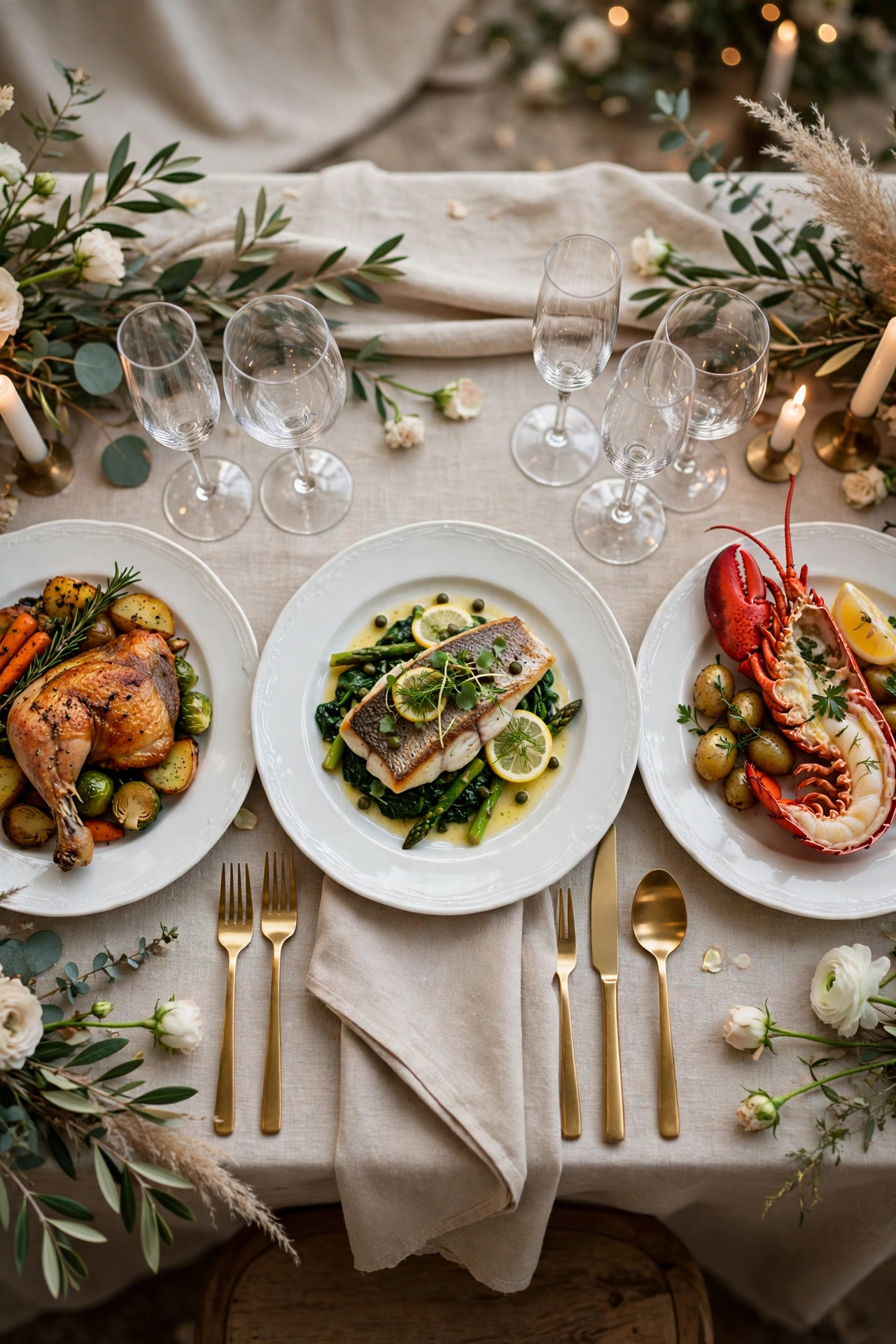
Gifts at a wedding are meant to be a generous gesture, not an entry fee. One couple decided otherwise, printing a menu on the invitation that tied each guest’s dinner to the value of the gift they bought: a modest gift earned a simple chicken dish, while the most generous gifts unlocked lobster. Guests could see exactly where they ranked, and the whole room knew it too.
This is one of those ideas that sounds clever in a planning meeting and feels awful in real life. A wedding meal is hospitality, and hospitality does not come in tiers. Every guest should sit down to the same dinner, whether they brought a handmade card or the most expensive item on the registry. The moment guests start comparing plates, the celebration stops being one.
7. Asking Every Guest To Donate $1,500
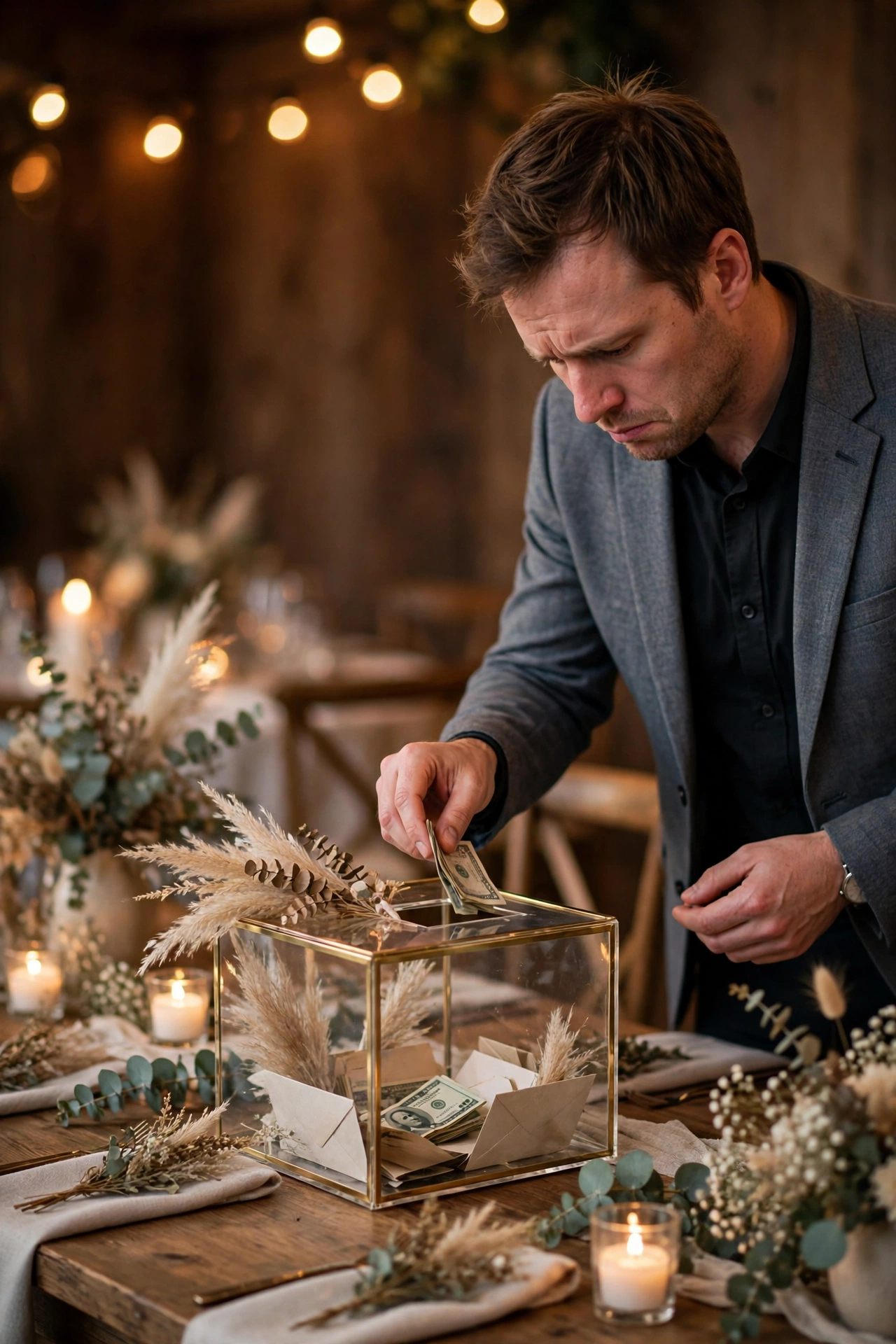
Weddings are expensive, and most couples feel the strain. But asking every single guest to hand over a large fixed sum to fund the wedding crosses a line that most people can feel immediately. One bride asked friends and family for a four-figure donation each, then grew angry when people declined, as though attendance itself were not already a gift.
The honest truth is that a wedding should be planned around the budget the couple actually has, not the budget they wish their guests would provide. A smaller venue, a simpler menu, or a shorter guest list are all fair choices. Treating invitations like invoices is not — and guests who feel pressured into paying will remember the pressure long after they forget the flowers.
8. Making Bridesmaids Sign A Contract And Pay A Deposit
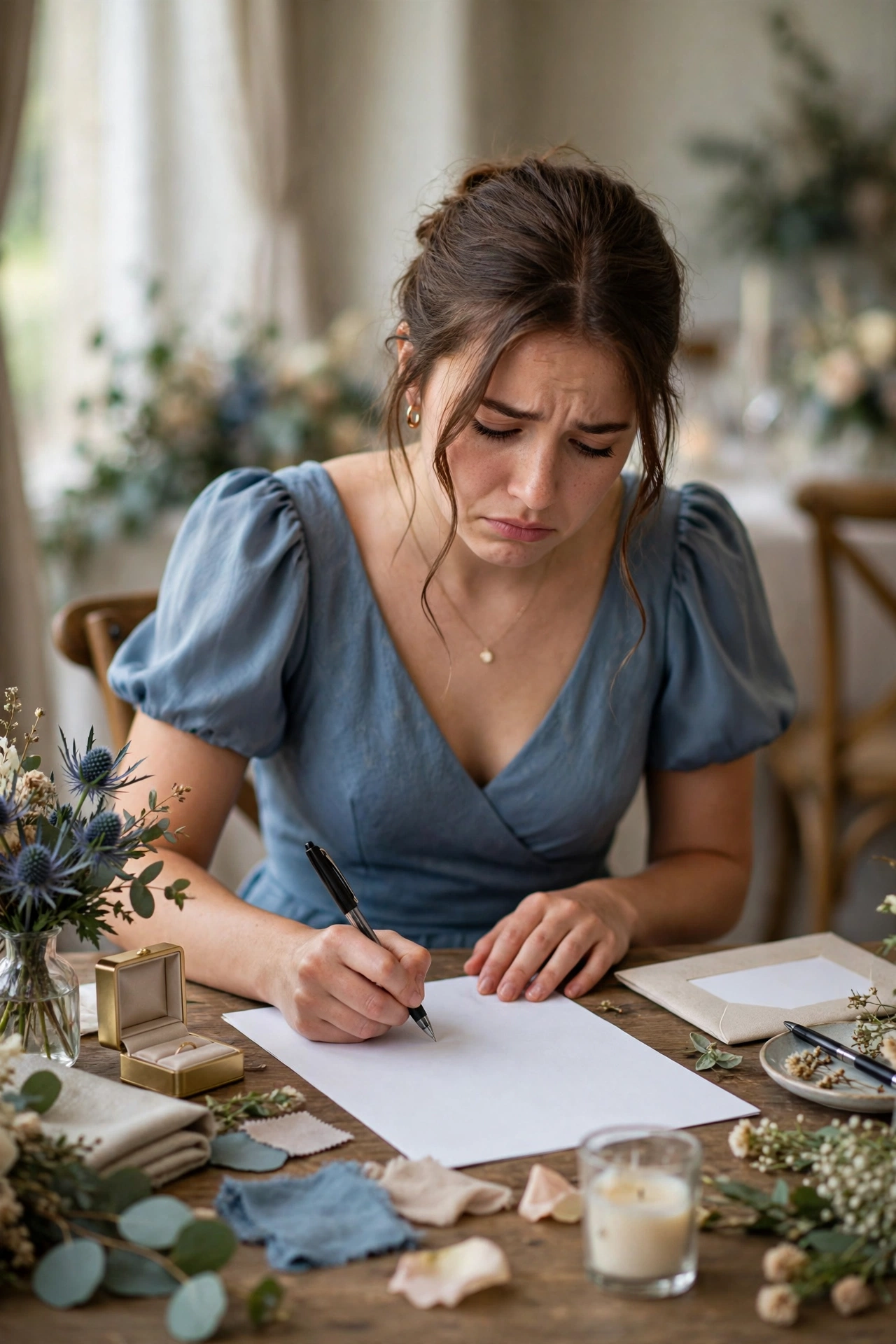
Being a bridesmaid already comes with real costs: the dress, the travel, the bachelorette party, the time. One bride added a formal contract to the list, requiring her bridesmaids to sign an agreement and hand over a cash deposit to secure their place in the wedding party. The message was clear — friendship had terms and conditions now.
Bridesmaids are friends doing the couple a favor, not employees. If a bride is worried about flakiness, the answer is an honest conversation, not paperwork and a fee. A contract turns a role of honor into a transaction, and it tells the people closest to the bride that their word is not trusted. Most bridesmaids would rather be asked than contracted.
9. Trying To Pay Vendors In Exposure
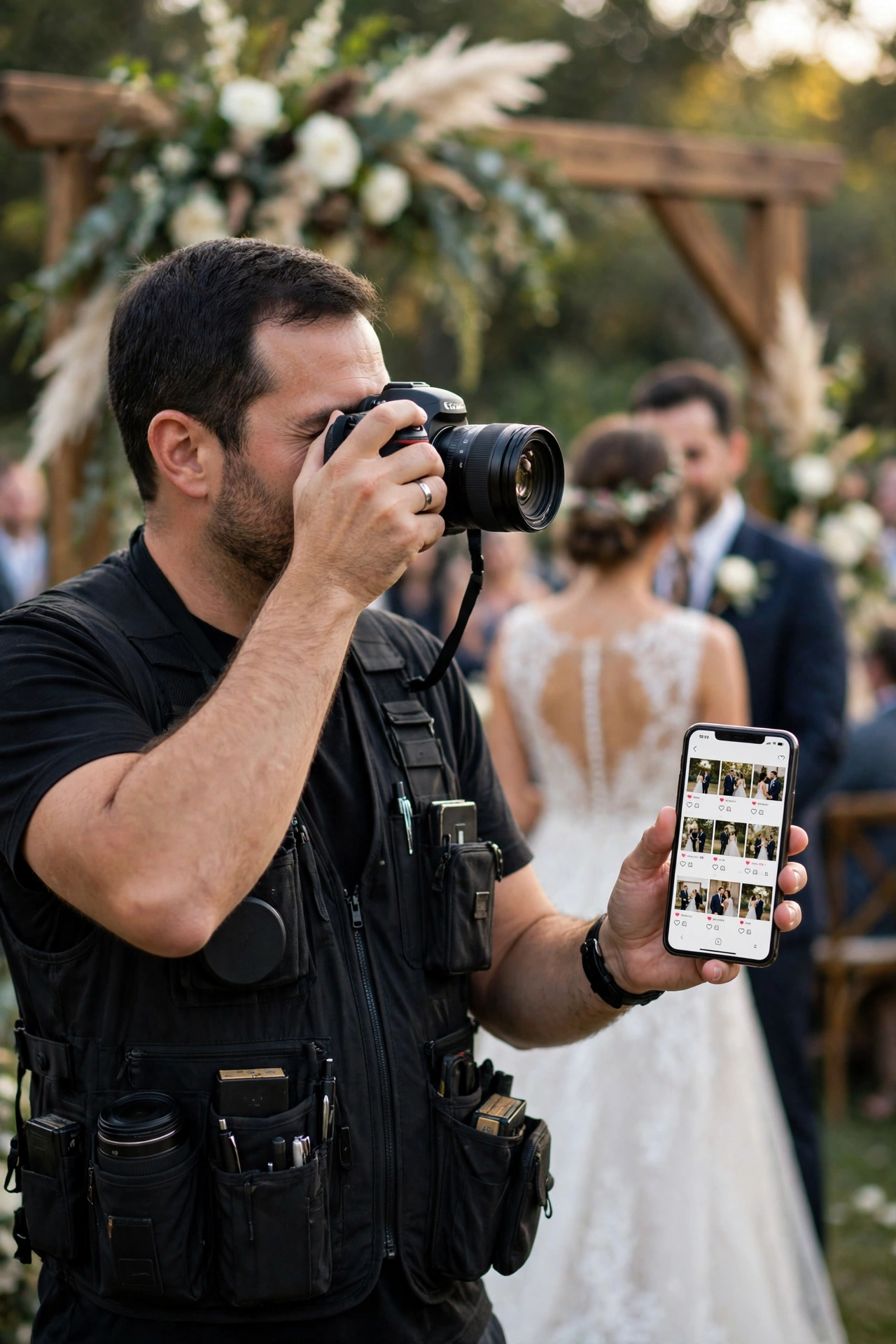
Exposure is not a currency, and professional vendors know it. One couple tried to hire a photographer, a caterer, and a dress designer for their wedding without paying any of them, offering instead the promise that the event would attract press attention because of the historic venue. Every vendor declined, and the story became a cautionary tale in wedding groups.
Photographers, caterers, and designers have rent to pay and years of skill behind their rates. A wedding is not a brand collaboration, and the couple’s guest list is not a marketing platform. If the budget cannot stretch to a professional, the honest options are a smaller wedding or a talented amateur who genuinely wants to help — not a pitch that asks skilled people to work for free.
10. Changing The Date At The Last Minute By Text

Sometimes a wedding date genuinely has to move, and guests usually understand when it does. The problem is how it is handled. One couple changed their wedding date — and the location — with only days to go, announcing it by text message and leaving guests to rearrange travel, hotels, and time off work at their own expense. Some guests had already flown in for the original date.
Emergencies happen, and a phone call goes a long way when they do. Guests who have booked flights and hotel rooms deserve a personal call, a clear explanation, and as much help as the couple can offer with rebooking. A last-minute text makes people feel like an afterthought, and for guests who lost money on non-refundable bookings, the memory of that text lasts longer than the wedding itself.
11. Requiring Guests To Spend At Least $400 On Gifts

A registry is a helpful guide, not a minimum spend. One bride decided otherwise, telling her guests plainly that she expected every one of them to spend a set amount — hundreds of dollars at least — on a wedding gift. Friends who could not afford it were left feeling embarrassed, and friends who could afford it felt more like customers than guests.
Gifts are voluntary, and a good registry includes options at every price, from a small kitchen tool to a larger piece. The couple’s job is to make it easy for guests to give something they feel good about. Setting a price floor on generosity turns a celebration into a transaction, and it is the fastest way to make guests dread the gift table.
12. A No Gray Hair Rule For Bridesmaids

Bridesmaids are chosen because they matter to the couple, and their appearance should be their own business. One bride imposed a rule that her bridesmaids could not show gray hair at the wedding, singling out a friend whose silver strands were simply a natural part of who she is. The bridesmaid was left choosing between dyeing her hair and stepping down.
Wedding photos look best when the people in them look like themselves. Hair color, like any other part of a bridesmaid’s appearance, is not something a bride should police. A dress code can cover the dress — that is the point of a dress code. Beyond that, trusting the people you love to show up as themselves is part of what makes the day feel real.
13. Uninviting Guests But Still Asking For Money

Guest lists get cut — every couple knows the pain of trimming names to fit a venue. But one couple took it a step further: they uninvited people from the wedding, then sent those same people a note explaining that, although they were no longer invited, the couple would still happily accept money toward their honeymoon. The uninvited guests were left wondering what exactly they were paying for.
There is no polite version of this. If someone is not invited, they are not part of the celebration, and asking them to fund it anyway is simply a request for money from a stranger. A short, honest note about space constraints is the kindest way to handle a cut guest list — and it should never come with a payment request attached.
14. Charging Guests For Their Own Wedding Dinner
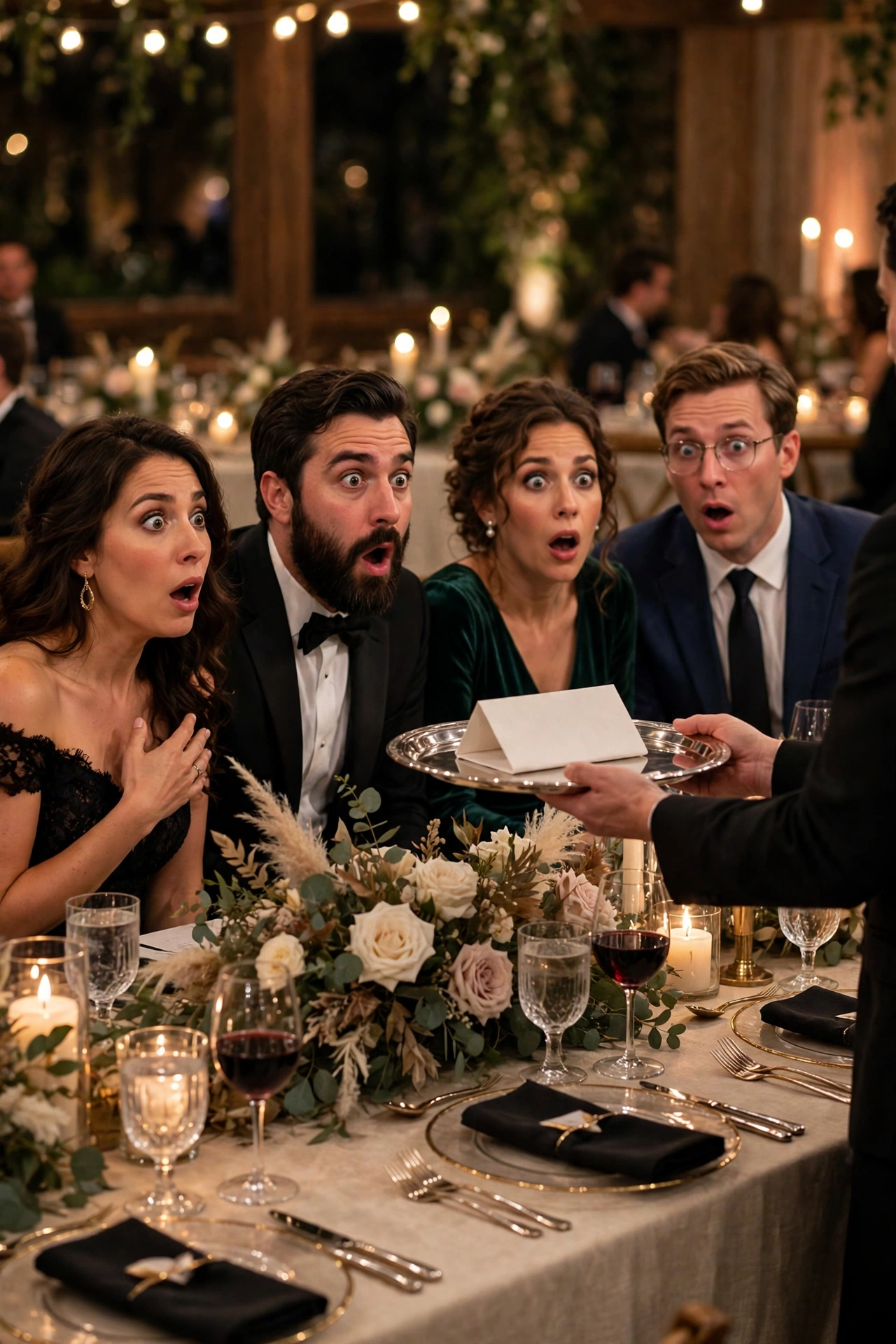
Hosting a wedding means hosting a meal — that is one of the oldest parts of the tradition. One couple decided their guests should pay for their own plates, sending invitations for a dinner at a restaurant and asking each guest to cover a set per-person charge to secure their seat. Guests who had already bought gifts and booked travel were now expected to buy their own dinner too.
If a restaurant reception is out of reach, there are honest alternatives: a smaller guest list, a lunch reception, or a cake-and-drinks celebration. What does not work is inviting people to a wedding and then handing them the bill for it. The meal is the couple’s gift to their guests, and it is one of the few parts of a wedding that should never come with a price tag.
15. Offering A Florist Social Media Posts Instead Of Payment
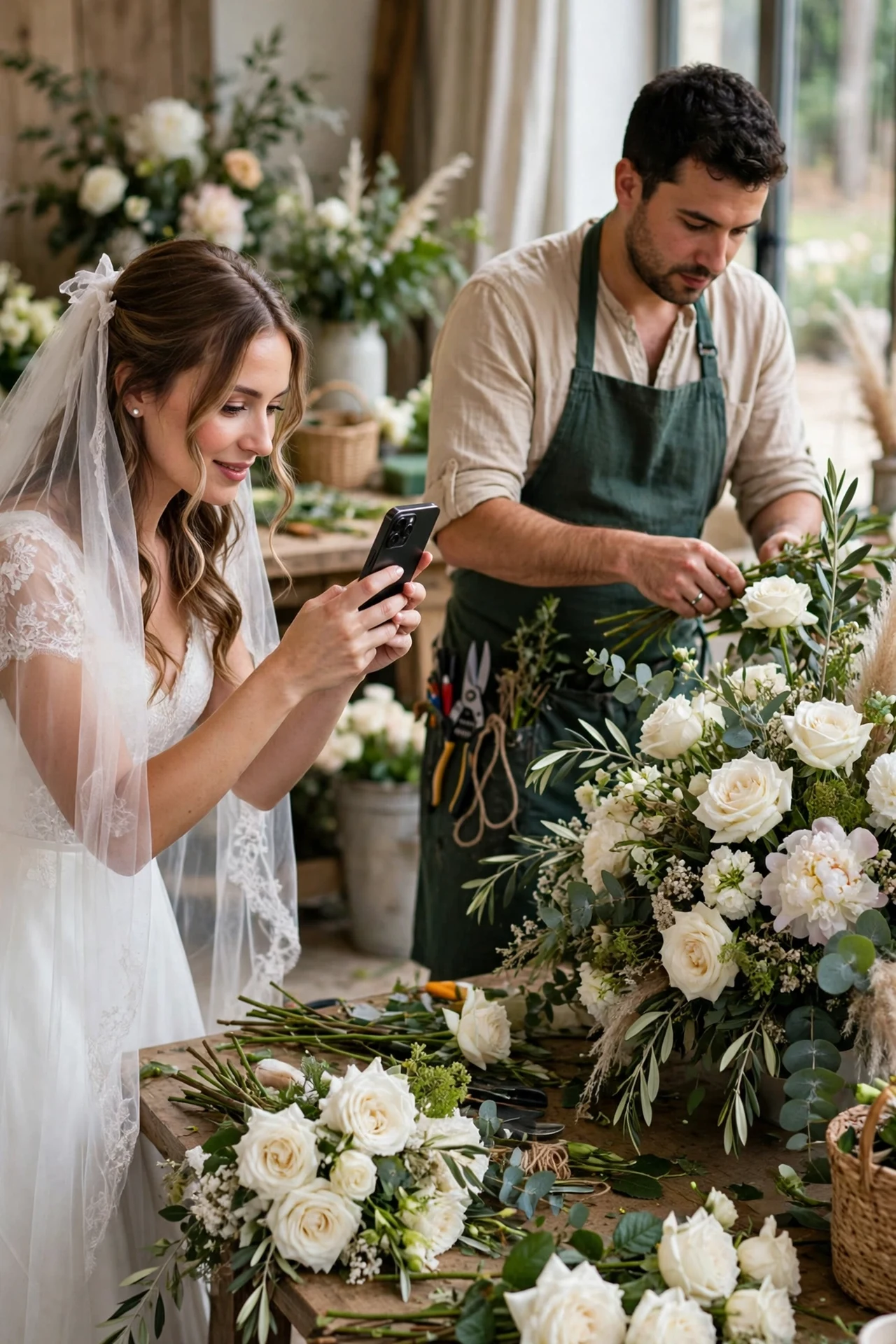
Florists spend hours on a wedding — sourcing stems, conditioning flowers, building arrangements, and installing them on the day. One influencer bride offered her florist something else instead of a fee: social media posts featuring the flowers, on the assumption that the florist’s business would benefit from the exposure. The florist, who had bills to pay, was not convinced.
A large following does not pay a wholesaler. Florists, like every other vendor, deserve a real contract and a real payment, and a few tagged photos are a bonus, not a fee. Couples who love a florist’s work should book them properly and let the photos speak for themselves — the florist will be far happier, and the flowers will look better for it.
16. Handing Guests A Long List Of Restrictions
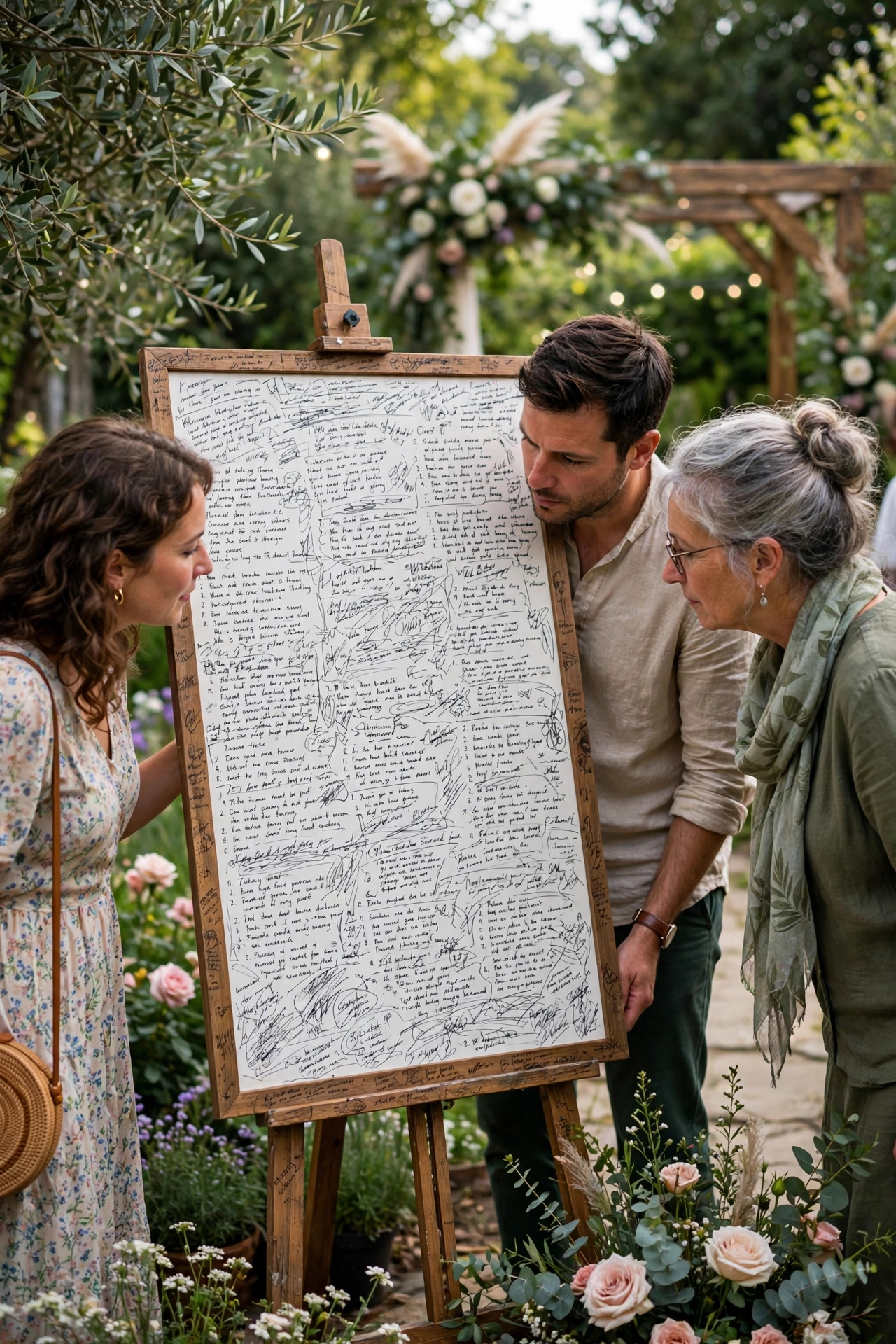
Every wedding has a few reasonable requests — no photos during the ceremony, for instance, or a note about the dress code. One couple went much further, posting a long list of restrictions for their guests that covered everything from smartwatches to the smallest details of behavior. Guests arrived feeling less like celebrated friends and more like students arriving for an exam.
A short list of genuine requests is perfectly fine, and most guests are happy to follow it. The trouble starts when the list becomes a rulebook. Weddings work best when guests feel trusted to behave like adults. A couple of clear, kind requests will always land better than a wall of rules that makes people nervous before they have even found their seat.
17. Asking A Long-Lost Acquaintance For Wedding Money

Most couples fund their wedding from savings, family help, or a registry. One bride took a different approach, reaching out to someone she had not spoken to since high school to ask for money toward the wedding. When the old acquaintance declined, the bride simply stopped replying — the friendship, such as it was, had only ever been a fundraising attempt.
Money requests should stay within the circle of people who are actually part of the couple’s life. A distant acquaintance owes a wedding nothing, and being contacted out of the blue for cash feels less like an invitation and more like a cold call. If the budget is short, the answer is to scale back the wedding, not to widen the net of people asked to pay for it.
18. Calling A Baker An Amateur Over A Last-Minute Cake
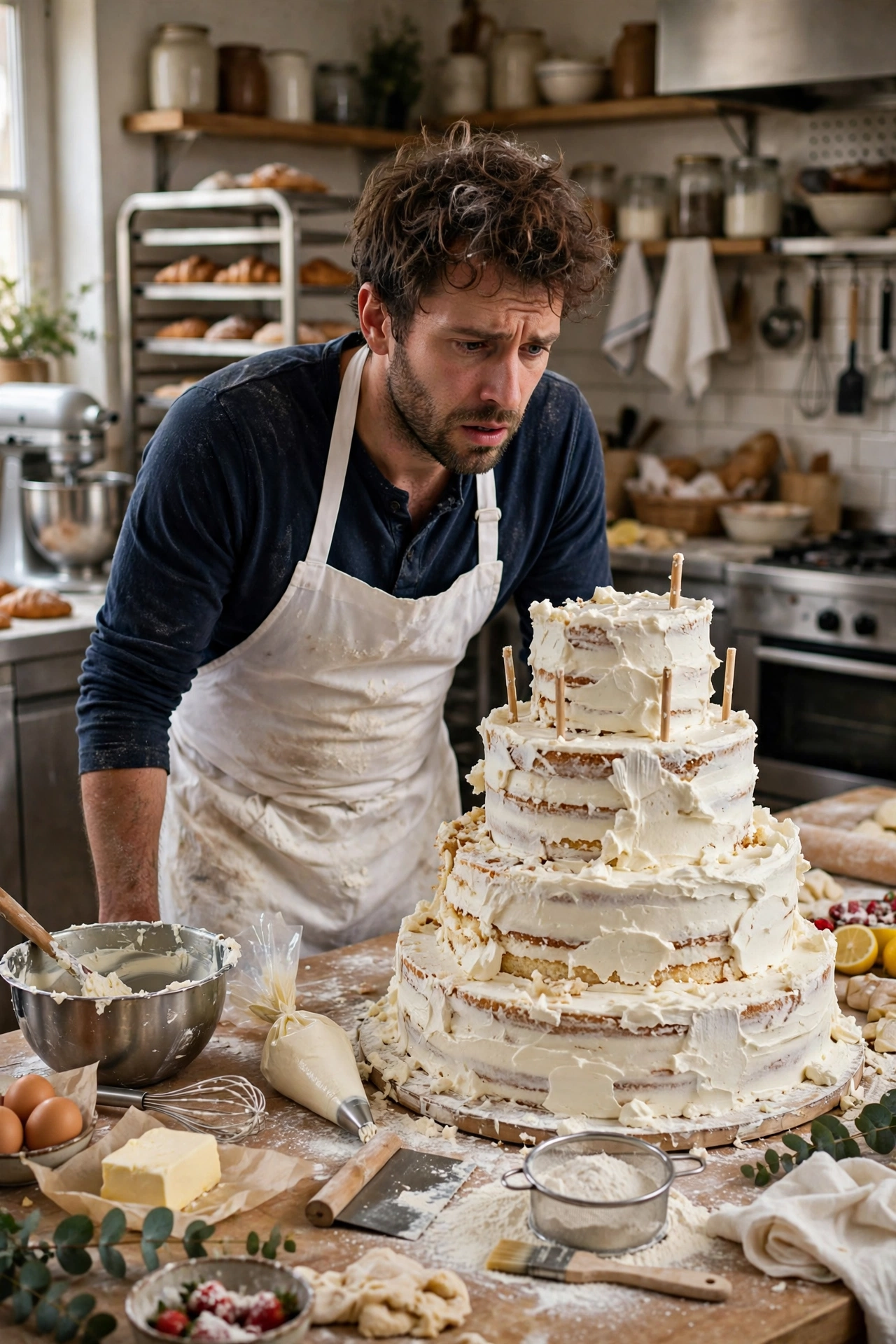
Wedding cakes take planning — tastings, design meetings, and hours of careful work. One bride ordered a large cake at the last minute, then accused the baker of being an amateur when the bakery could not produce it on her timeline, pointing out that television bakers manage bigger cakes in less time. The baker, who had a full schedule of other orders, was left to absorb the insult.
Television baking shows are edited entertainment, not a realistic schedule. Real bakers juggle many orders and need proper notice for a large cake. The kind approach is to book early, respect the baker’s timeline, and remember that the person making the cake is a professional doing skilled work — not a character on a show. A little patience goes a long way, and so does a thank you.
19. Charging Guests $700 To Attend — And Asking One To Cook

Destination wedding weekends can be pricey for guests, who often pay for their own travel and hotels. One couple pushed it further, asking guests to pay hundreds of dollars each simply to attend the weekend — and then asking one of the paying guests to cook meals for everyone while they were there. The guest in question was essentially paying for the privilege of working at someone else’s wedding.
Guests who travel for a wedding are already giving generously with their time and money. Asking them to pay an attendance fee on top of that, then handing one of them kitchen duty, turns hospitality upside down. If a wedding weekend is expensive to host, the answer is to invite fewer people or choose a simpler plan — never to charge the guests for the honor of serving.
20. A No-Children Rule Taken To The Extreme
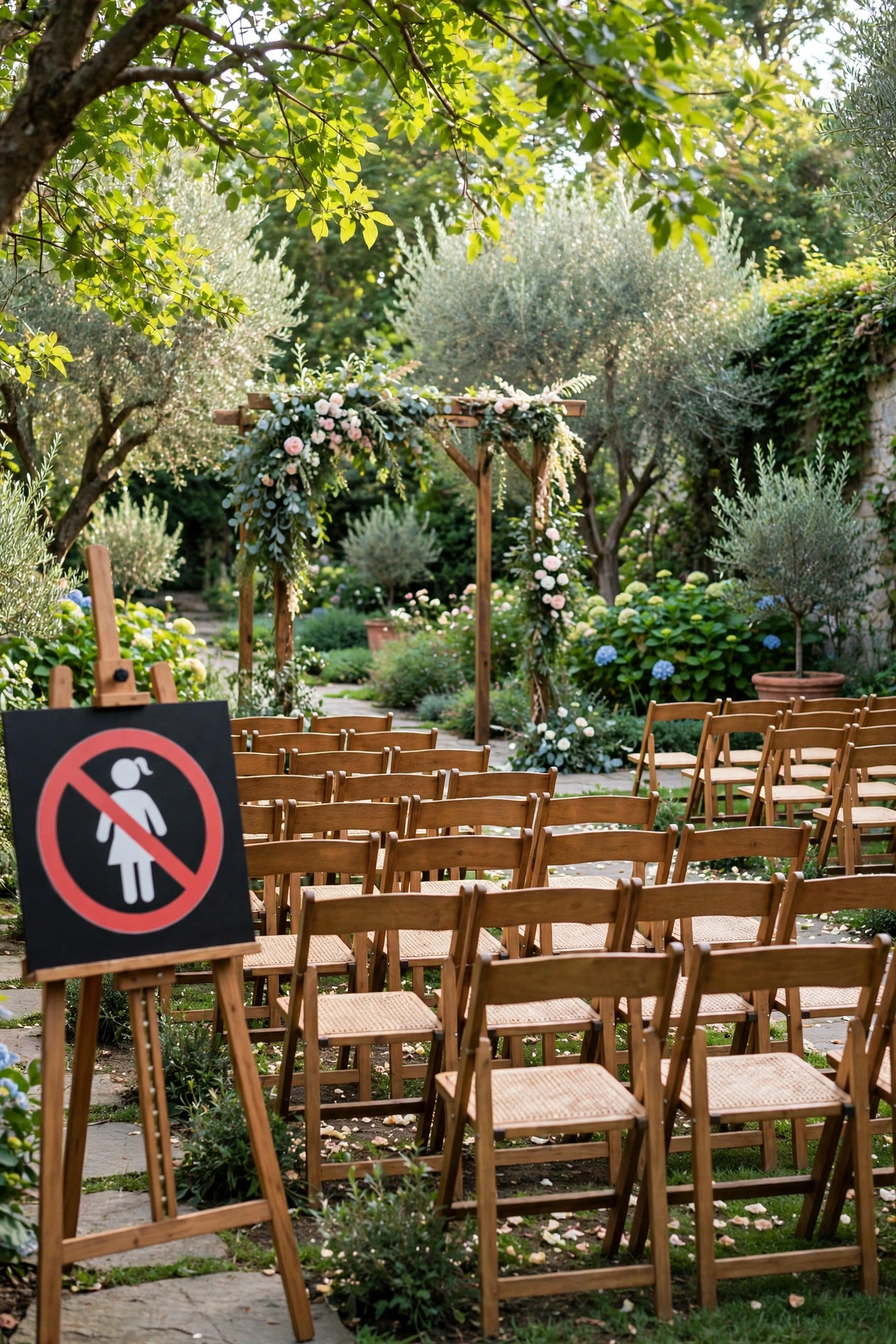
Child-free weddings are common and usually fine — most guests understand, and parents make arrangements. One couple took the rule to an extreme that shocked even their supporters: the no-children policy was enforced so strictly that it excluded a child who was part of the couple’s own family, leaving the family to choose between the wedding and the child.
A child-free wedding works when it is applied with common sense and communicated early, with a few thoughtful exceptions where they clearly make sense. The moment a rule matters more than the people it affects, it stops being a boundary and becomes a source of hurt. The best weddings make room for the people who matter most — and that usually includes the children in the family.
That is the full list — twenty wedding choices that guests are still talking about, and twenty small reminders that the best weddings are built on generosity, not demands. A wedding works when the couple treats their guests like honored friends: fed well, kept comfortable, and never asked to pay for the privilege of being there. If you are planning your own day, keep that idea at the center of every decision and the rest tends to fall into place. For more wedding inspiration, these 35 things about American weddings that seem totally normal in the US but weird elsewhere are a fun read, and these 26 modern wedding trends that won’t last will help you skip the ideas everyone will be tired of soon. Happy planning — and may your wedding be remembered for all the right reasons.