Some songs feel like old friends. We hum them in the car, dance to them at weddings, and play them when we need a lift. Yet behind many of the most familiar tunes sit stories that sound almost too strange to believe. A bestselling author nearly wore out his welcome at home over one cheerful dance track. A pop superstar turned down a ballad that later defined her career. And a beloved rock anthem was once dismissed as a flop before it became impossible to escape.
This list gathers 25 of those surprising backstories, from studio accidents and last-minute swaps to legal battles and chart comebacks. Each one shows how much luck, timing, and stubborn belief sit behind the music we take for granted. If you enjoy these kinds of behind-the-scenes twists, you will also love our look at 21 mega-popular songs that are actually covers. Now turn the volume up and let us get started.
1. Stephen King Played “Mambo No. 5” On Repeat Until His Wife Had Enough
Every writer has a ritual that helps the words flow, and for Stephen King, music often does the job. While drafting his novel 11/22/63, one song took over that role: Lou Bega’s cheerful hit “Mambo No. 5.”
King played it again and again, sometimes looping the dance mix as he typed. His wife, Tabitha, was far less charmed. After hearing it one too many times, she warned him that another play might send her out the door. King has laughed about it since, but he admits he took the hint and gave the song a rest.
2. Britney Spears’ Biggest Hit Started With A Translation Mix-Up
“Hit me, baby, one more time” is one of pop’s most quoted lines, yet it was never meant to sound the way many listeners first heard it. Writers Max Martin and Rami Yacoub, both Swedish, believed “hit” was casual American slang for calling someone. They meant something closer to “hit me up”: a plea for an ex to phone back.
The song was first written with TLC in mind, inspired by the group’s 1992 track “Baby-Baby-Baby.” When TLC passed on it, the door opened for a then-unknown Britney Spears. Her recording turned the misunderstood lyric into a global breakout and launched one of pop’s biggest careers.
3. “Mr. Brightside” Flopped First, Then Refused To Go Away
It is hard to picture a party without “Mr. Brightside” now, but the Killers’ debut single landed with barely a ripple when it first came out in 2003. The band was still unknown, playing small shows and building an audience slowly by word of mouth. The song simply did not catch on the first time around.
Everything changed after their next single, “Somebody Told Me,” started charting and earned them a deal with Island Records. They recorded their debut album Hot Fuss and gave “Mr. Brightside” a second chance, and this time it reached No. 10 on the Billboard Hot 100, then settled into life as a wedding, club, and festival favourite.
4. How “I Will Always Love You” Became The Bodyguard’s Theme
Choosing the right theme song can shape an entire film, and The Bodyguard went through a few ideas before landing on its unforgettable one. Whitney Houston was first set to sing Jimmy Ruffin’s “What Becomes of the Brokenhearted,” but that plan changed when Paul Young recorded the same song for the Fried Green Tomatoes soundtrack.
Kevin Costner then put forward Dolly Parton’s “I Will Always Love You” to producer David Foster. Foster could only track down Linda Ronstadt’s version in a local shop at first, so he called Parton herself about the rights. She agreed, with one condition: they had to use her version, including the closing verse about wishing joy and happiness.
5. “We Don’t Talk About Bruno” Saved Encanto’s Whole Family
Lin-Manuel Miranda had a practical reason for writing “We Don’t Talk About Bruno.” While working on Moana, he had watched characters disappear from a film when they were not seen as central to the hero’s journey. He once noted that Moana had originally been given eight brothers, and he did not want the same thing to happen to Encanto’s large family.
His solution was a single ensemble number that checked in with relatives who would not otherwise get their own song. That way, every member of the family stayed part of the story, Disney agreed, and the track went on to become a huge hit.
6. Nobody Expected Nirvana’s Nevermind To Sell 30 Million Copies
When Nirvana released Nevermind in September 1991, almost no one in the industry predicted what would happen next. The band was still seen as part of Seattle’s underground grunge scene, and Geffen Records pressed only around 50,000 copies to start. Even “Smells Like Teen Spirit” was not widely tipped as the crossover single, with another track expected to reach radio first.
Then the song and its video took off on MTV and alternative radio, and the album’s rise was sudden and steep. Within months, Nevermind reached No. 1 on the Billboard chart in January 1992, pushing aside Michael Jackson’s Dangerous. Early reviews had been mixed, but the record’s reputation only grew, and the album once expected to sell 50,000 copies eventually sold 30 million worldwide.
7. The Michael Jackson Album That Sparked Years Of Questions
Sony released the posthumous album Michael in 2010, a year after Michael Jackson’s death, and questions followed almost immediately. Fans and experts raised doubts about the vocals on three tracks: “Breaking News,” “Keep Your Head Up,” and “Monster.” Sony said the recordings came from sessions Jackson made in 2007 at the New Jersey home of his friend and producer Eddie Cascio.
Others were not convinced, including some members of Jackson’s own family, and a lawsuit was filed in 2014 against Sony and the producers. Sony denied wrongdoing for years. Then, in 2022, the three disputed songs were quietly removed from streaming services, a move that only deepened the debate around them.
8. How MTV Accidentally Launched A Second British Invasion
When MTV launched in 1981, it needed far more videos than American artists were making. Many US acts had not yet embraced the music video as a serious promotional tool, so the new channel faced a shortage of material. British artists, by contrast, were well prepared. For years, UK acts had filmed promotional clips so their songs could appear on shows like Top of the Pops without a live performance.
That ready-made library gave MTV hours of British videos to play around the clock. The constant exposure helped Duran Duran, Culture Club, and Eurythmics break into the American mainstream. By the mid-1980s, UK artists were dominating MTV and the US charts.
9. Toni Braxton Almost Turned Down “Un-Break My Heart”
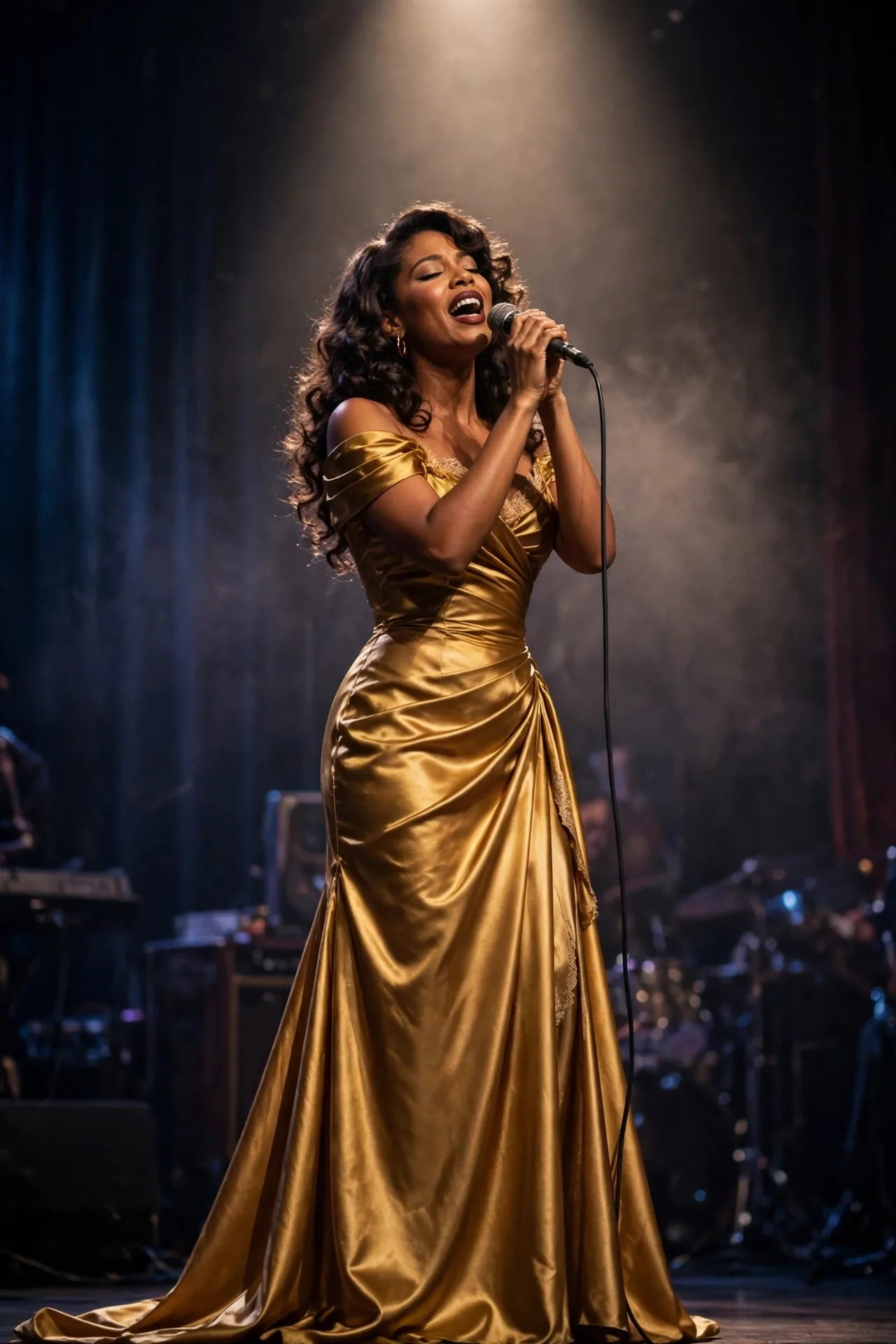
Toni Braxton was only around 27 when “Un-Break My Heart” was offered to her, and her first instinct was to say no. The Diane Warren ballad struck her as too adult contemporary for the younger, trendier R and B sound she wanted in the mid-1990s. She worried it would make her seem older than she was, especially since her image already felt more grown-up than her peers.
Her producers disagreed and pushed hard for her to record it. Released in 1996, the dramatic ballad became her signature hit, spending 11 weeks at No. 1 on the Billboard Hot 100 and helping her second album, Secrets, become a major success. The song was so popular that she even recorded a Spanish version.
10. Madonna Had To Beg ABBA To Sample “Gimme! Gimme! Gimme!”
Madonna’s 2005 hit “Hung Up” is built around ABBA’s “Gimme! Gimme! Gimme! (A Man After Midnight),” but getting permission was anything but easy. ABBA almost always turn down sampling requests, so Madonna knew she was asking for something rare. She has described herself as essentially begging the group to say yes.
She wrote a personal handwritten letter to Benny Andersson and Bjorn Ulvaeus, praising their music and presenting the track as a tribute, then had someone hand-deliver it with a demo in Stockholm. The personal touch worked. Andersson and Ulvaeus gave their blessing, something they had granted only a handful of times, partly out of respect for Madonna.
11. The Verve’s “Bitter Sweet Symphony” Sampling Dispute Explained
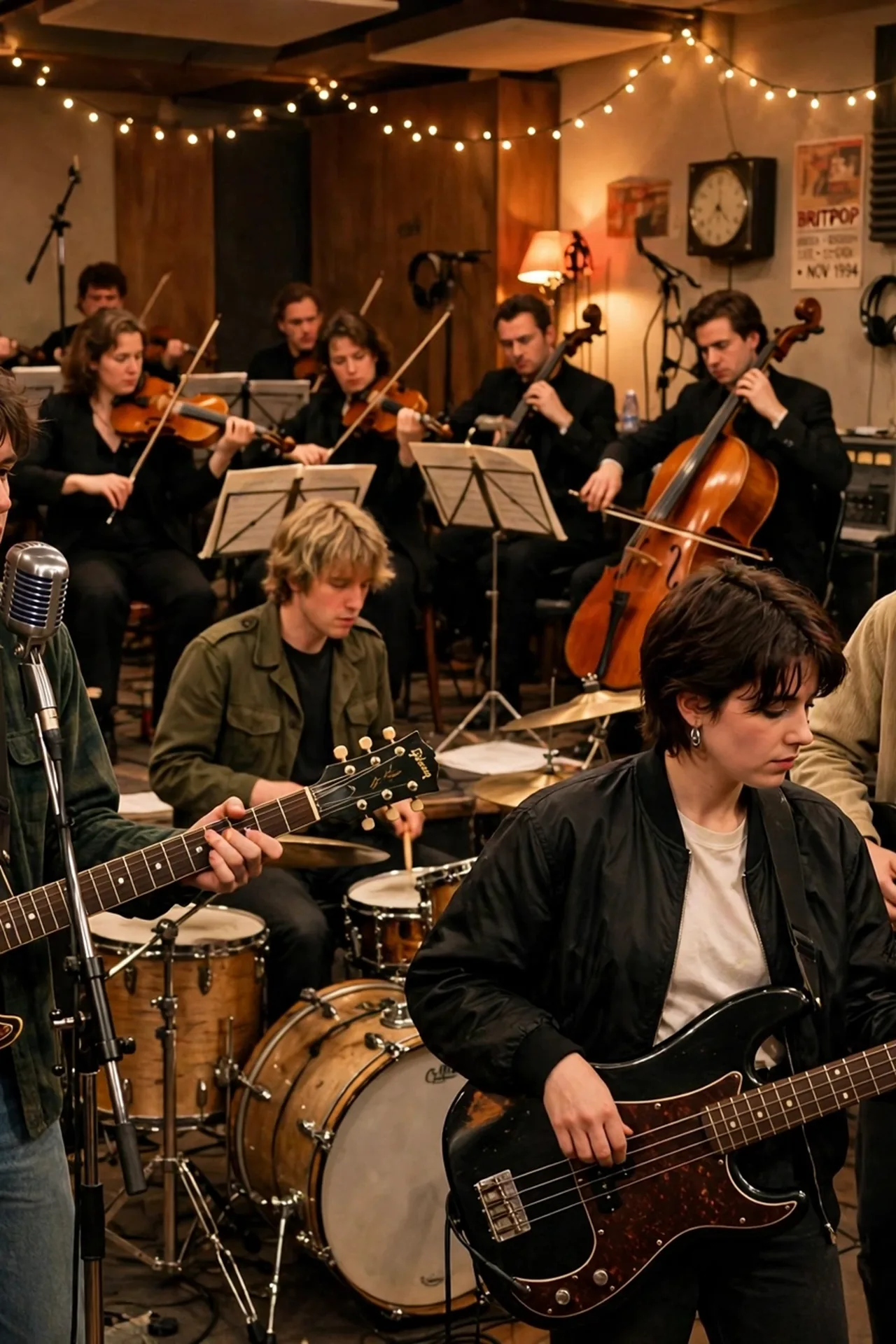
Many people assume the Verve used the Rolling Stones’ music in “Bitter Sweet Symphony” without permission, but the real story is more tangled. Before the 1997 release, the band did secure a licence to sample an orchestral version of the 1965 song “The Last Time,” recorded by producer Andrew Loog Oldham for an orchestral album.
Trouble came after the song became a worldwide hit, when it was argued that the Verve had used more of the recording than the licence allowed. Allen Klein, the Stones’ former manager, sued the Verve. The Verve settled, handing songwriting credits and royalties to Mick Jagger and Keith Richards. In 2019, Jagger and Richards finally returned the credits to Ashcroft.
12. “Good Vibrations” Cost More Than A Whole Beach Boys Album
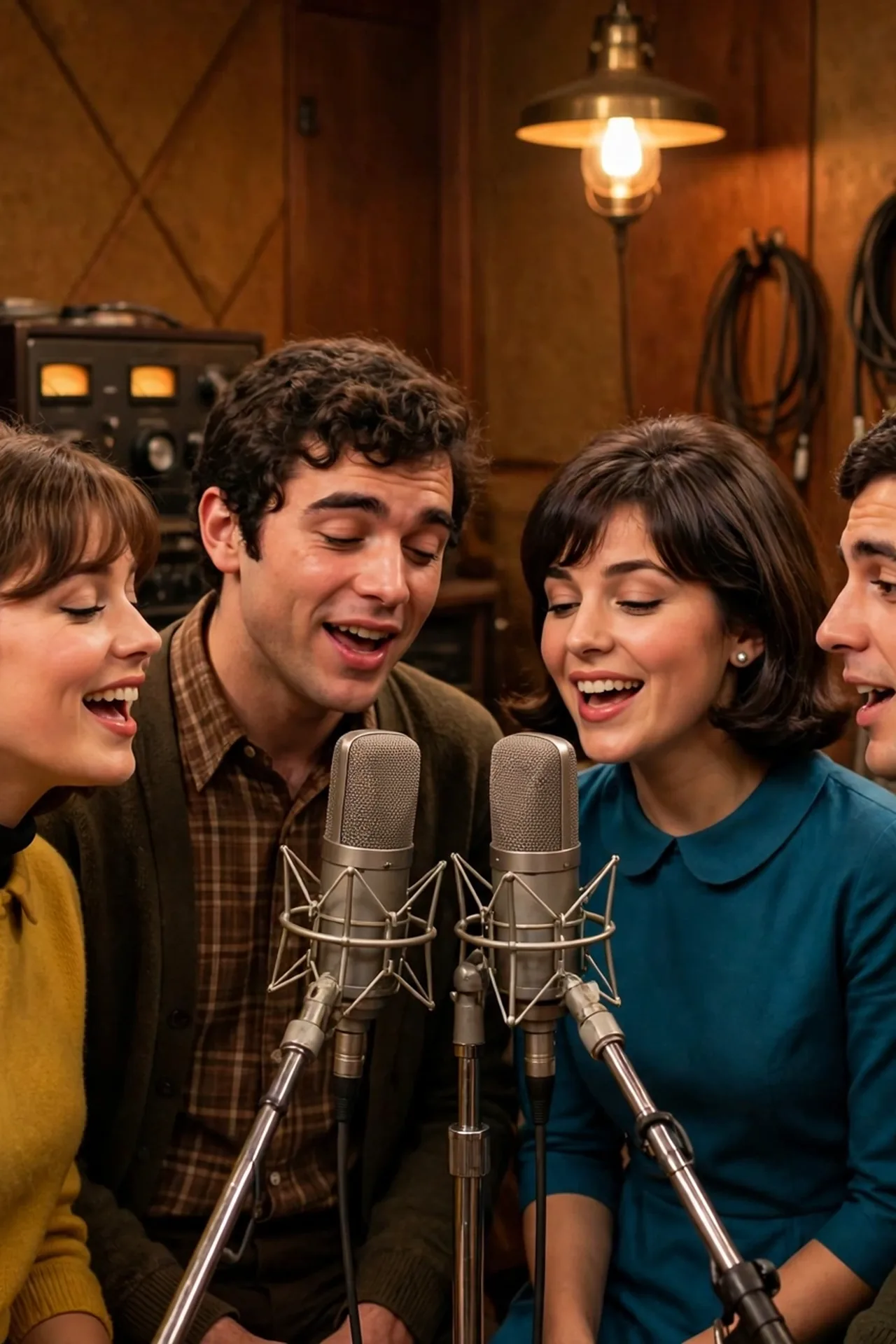
“Good Vibrations” is one of the great pop singles of the 1960s, and it was also one of the most expensive ever made. Brian Wilson built it in sections across months, treating the studio like an instrument and piecing fragments together. The sessions spread across several studios, involved dozens of musicians, and produced more than 90 hours of tape.
By the finish, the cost was estimated at between $50,000 and $75,000, roughly $400,000 to $700,000 in today’s money. It even topped the roughly $70,000 budget of the Beach Boys’ landmark 1966 album Pet Sounds. The gamble paid off: the single reached No. 1 and changed what pop music could sound like.
13. The Post-9/11 Radio Memo That Was Advice, Not A Ban
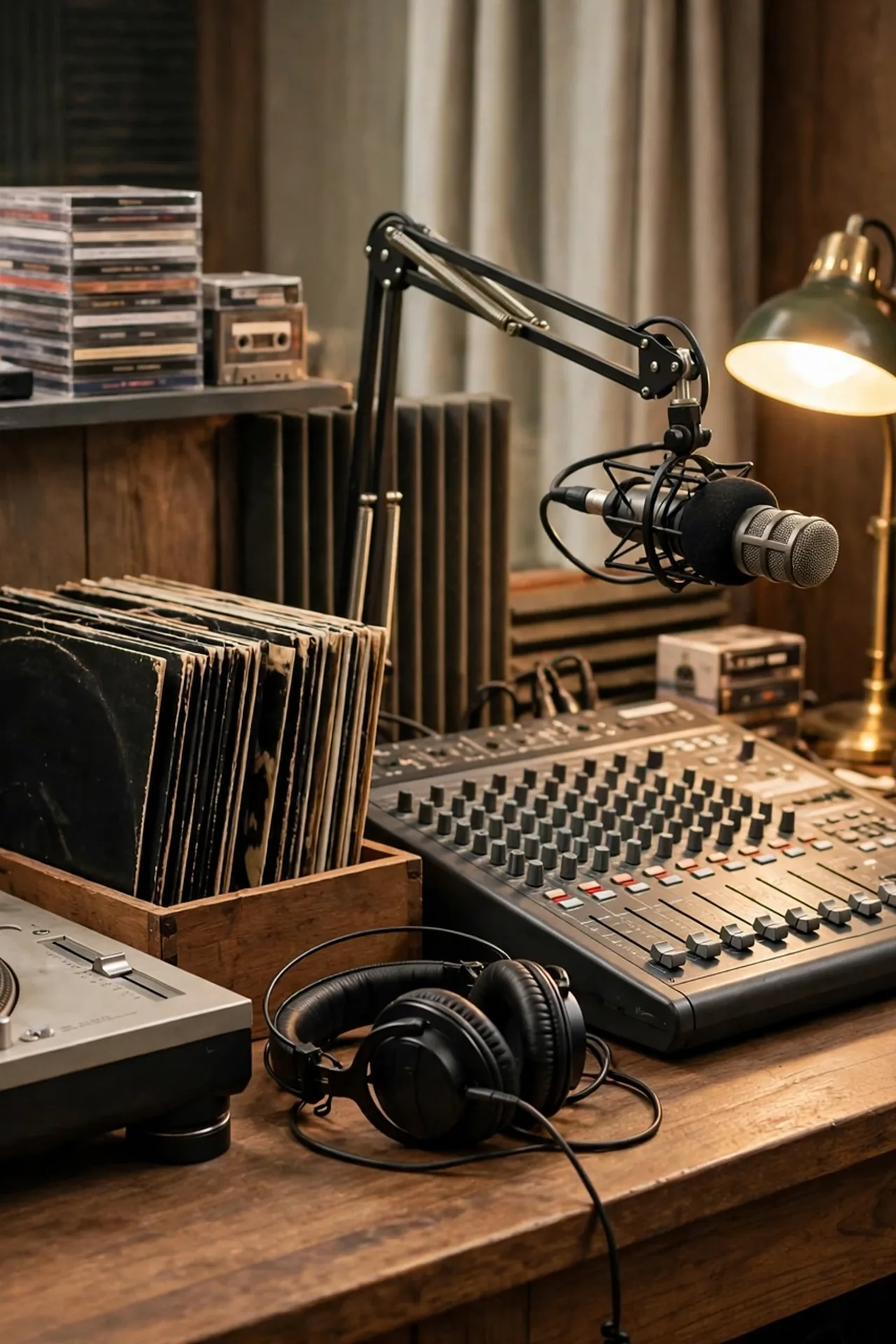
In the days after the 9/11 attacks, Clear Channel Communications sent its radio stations an internal memo suggesting songs they might prefer to avoid while the country mourned. It was guidance, not an official ban. Some choices were easy to understand, such as songs with references to planes or falling, while others, like the Rolling Stones’ “Ruby Tuesday,” seemed like a stretch.
Because the memo was advisory, stations read it in different ways. One detail drew particular attention: Rage Against the Machine’s entire catalogue was included, reportedly because the band’s music was seen as politically charged. They were the only artist whose full catalogue appeared on the list.
14. “Silver Springs” Vanished For 20 Years, Then Came Roaring Back
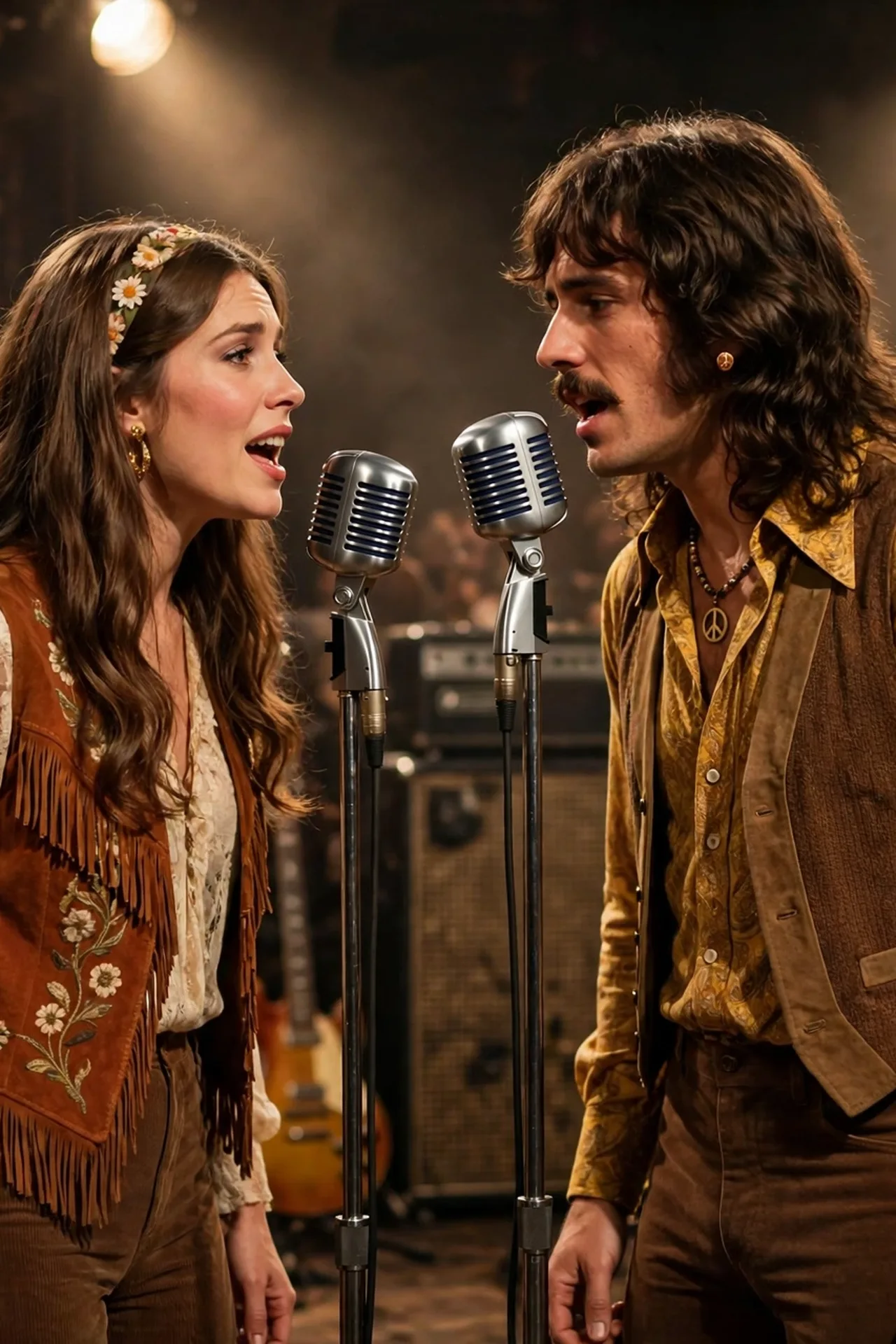
Fleetwood Mac’s “Silver Springs” now turns up in emotional TikTok videos, where younger listeners have discovered it decades later. Yet the song was fairly obscure until the late 1990s. Stevie Nicks wrote it during her painful breakup with bandmate Lindsey Buckingham in the mid-1970s and hoped it would appear on the band’s landmark 1977 album Rumours.
Nicks believed in it so strongly that she signed its royalties over to her mother as a gift. But vinyl running time forced it off Rumours, and it surfaced only as the B-side to Buckingham’s “Go Your Own Way,” where it stayed a deep cut for years. Everything changed in 1997, when the band reunited for The Dance. Nicks sang it directly to Buckingham onstage, and two months later her mother received a royalty cheque for $50,000.
15. The Only Oscars Where Every Best Song Nominee Was A No. 1 Hit
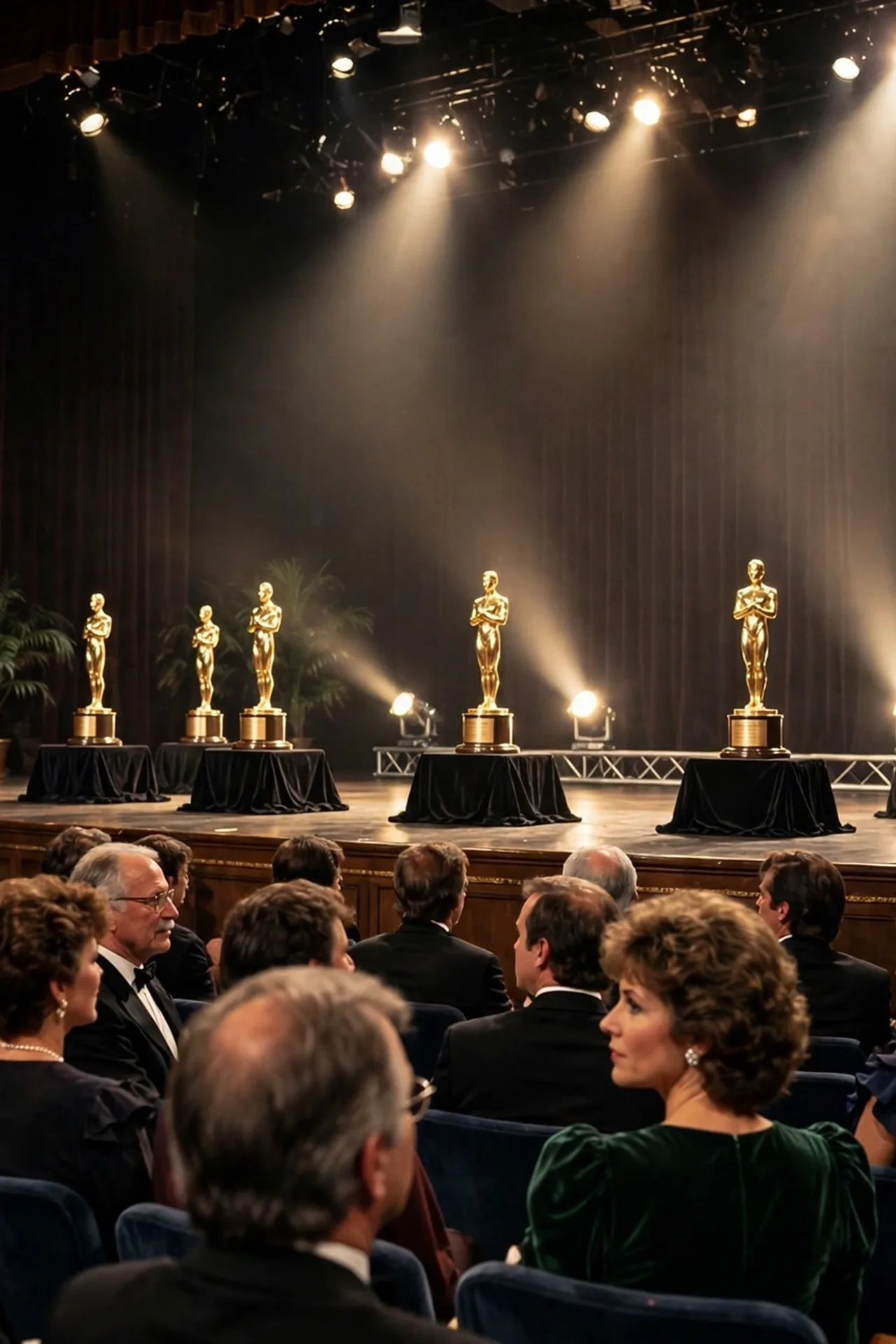
The 57th Academy Awards in 1985 produced a chart record that has never been repeated. Every song nominated for Best Original Song had already reached No. 1 on the Billboard Hot 100. The nominees were Phil Collins’ “Against All Odds (Take a Look at Me Now)” from Against All Odds, Ray Parker Jr.’s “Ghostbusters” from Ghostbusters, Kenny Loggins’ “Footloose” and Deniece Williams’ “Let’s Hear It for the Boy” from Footloose, and Stevie Wonder’s “I Just Called to Say I Love You” from The Woman in Red.
Stevie Wonder took home the Oscar that night, a feat that has happened neither before nor since.
16. Not All Streams Count The Same On The Billboard Charts
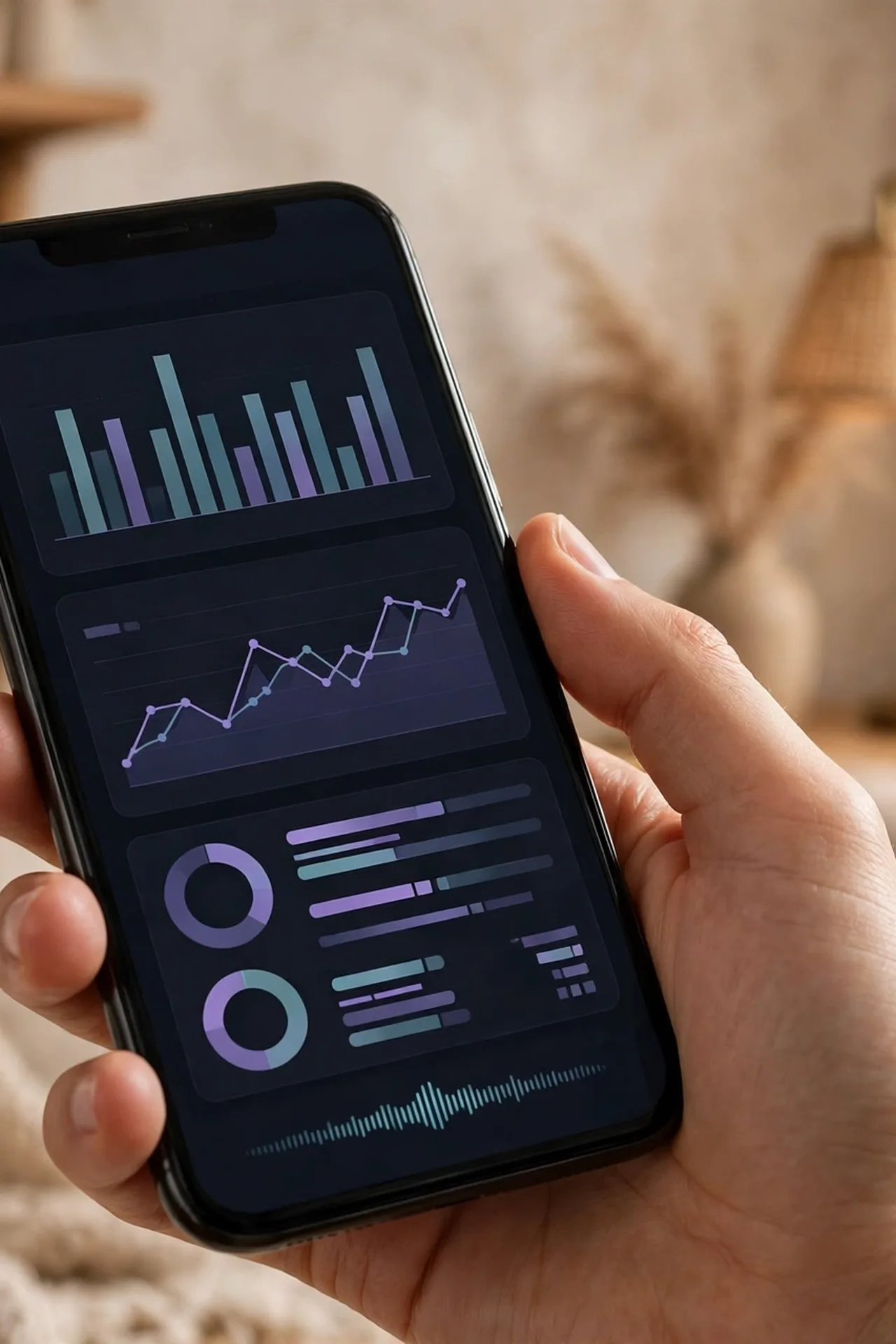
If you have ever wondered how streaming feeds into the Billboard charts, the answer is more complicated than counting every play equally. Billboard has adjusted its formula over time as streaming became the main way people listen to music. Today, plays from paid services such as Spotify or Apple Music carry more weight than plays from free, ad-supported tiers, because paid streams earn more.
That was not always the approach. At one point, on-demand streams were treated more evenly, and YouTube once played a major role too, but after a dispute over how Billboard valued paid versus free streams, YouTube pulled its data from the charts. By 2026, YouTube streams no longer counted toward Billboard’s US chart calculations.
17. Radiohead’s “Creep” Was Called Too Depressing For Radio
Radiohead’s “Creep” is now one of their best-known songs, but it began as a flop in the UK. Released as their debut single in 1992, it was refused airplay by BBC Radio 1, which considered it too depressing for its playlists. Without that support, it reached only No. 78 on the British singles chart and sold about 6,000 copies, and the label paused production of the single for a while.
Early critics were harsh too, and few took the band seriously. The song found its audience overseas first, especially on independent and college stations in the US, and as interest grew abroad, it was re-released in the UK, climbed into the Top 10, and became the track Radiohead are still most associated with.
18. “Don’t Stop Believin'” Needed TV To Become A Classic
When Journey released “Don’t Stop Believin'” in 1981, it did well without becoming their defining song. It peaked at No. 9 on the Billboard Hot 100 and stayed popular on rock radio, yet it was not their highest-charting single. It lived on as a classic rock and karaoke staple for years.
Its second life began in 2007, when it played over the final scene of The Sopranos finale, ending on one of television’s most talked-about cut-to-black moments. The exposure sent the track back up the charts and introduced it to younger listeners. A few years later, a prominent feature on Glee gave it another surge, helping turn it into one of the biggest digital songs of all time.
19. Madonna’s “Vogue” Was Almost Just A B-Side
“Vogue” went to No. 1 on the Billboard Hot 100 and is now seen as one of the defining songs of the 1990s, but it was originally planned as a B-side. It was meant to sit on the back of “Keep It Together,” the fifth single from Madonna’s album Like a Prayer.
When executives at Warner Bros. heard the finished track, they decided it was far too strong for that role. They placed it on her upcoming album I’m Breathless, the Dick Tracy soundtrack, instead. Madonna also filled the song with celebrity names as a nod to Warren Beatty.
20. Beethoven Decided How Long A CD Would Be
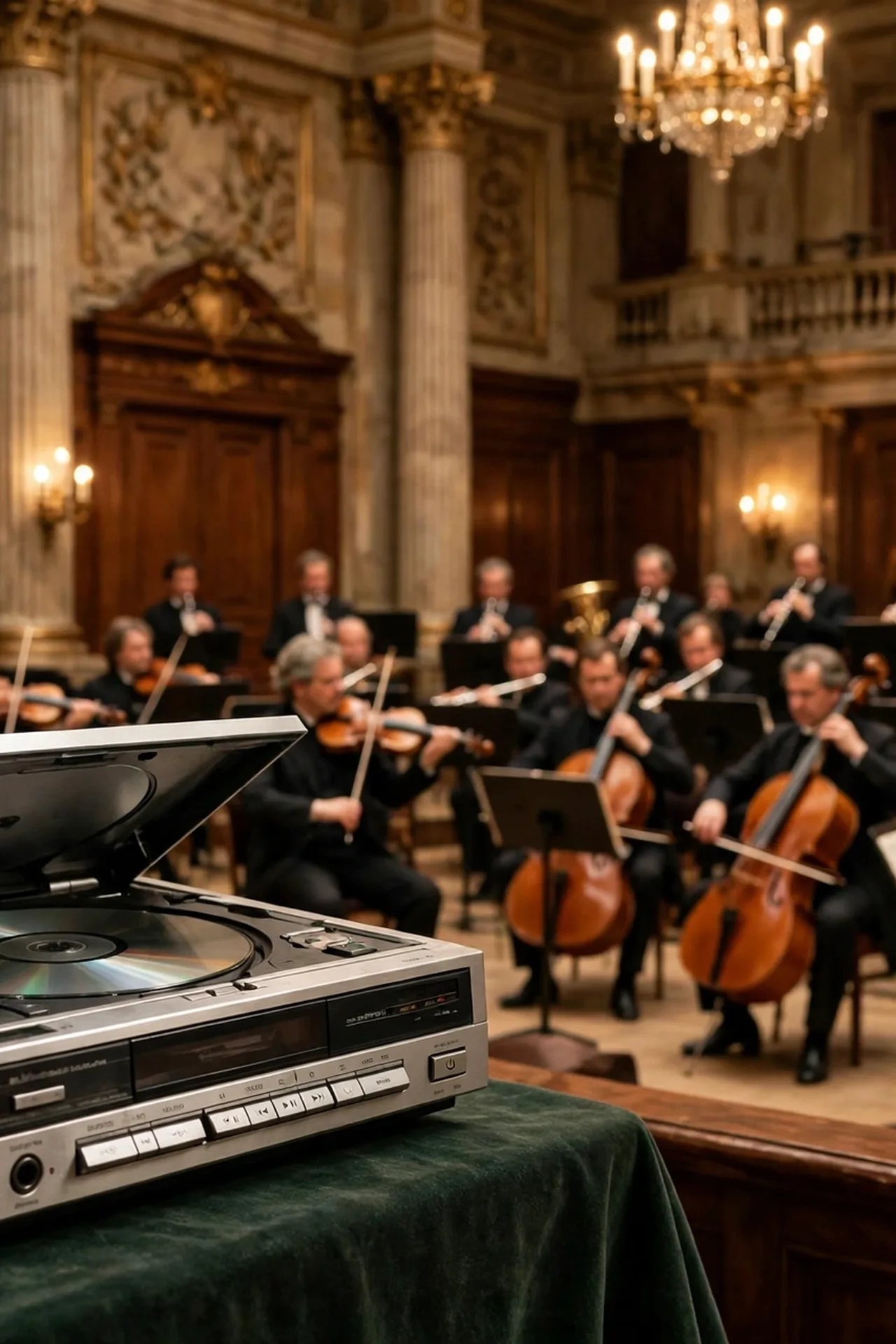
There is a musical reason CDs hold 74 minutes of audio. In 1979, Sony and Philips worked together to set the specifications for the new Compact Disc format. They chose a maximum length of 74 minutes so that a complete performance of Beethoven’s Ninth Symphony could fit on a single disc without a break.
The choice also made commercial sense. The CD was first aimed at classical music listeners, who valued high-quality sound and were willing to pay for it. Targeting that audience first helped establish the CD as a premium product worth paying more for, even for popular music.
21. Stevie Nicks’ Honeymoon Detour That Led To Prince
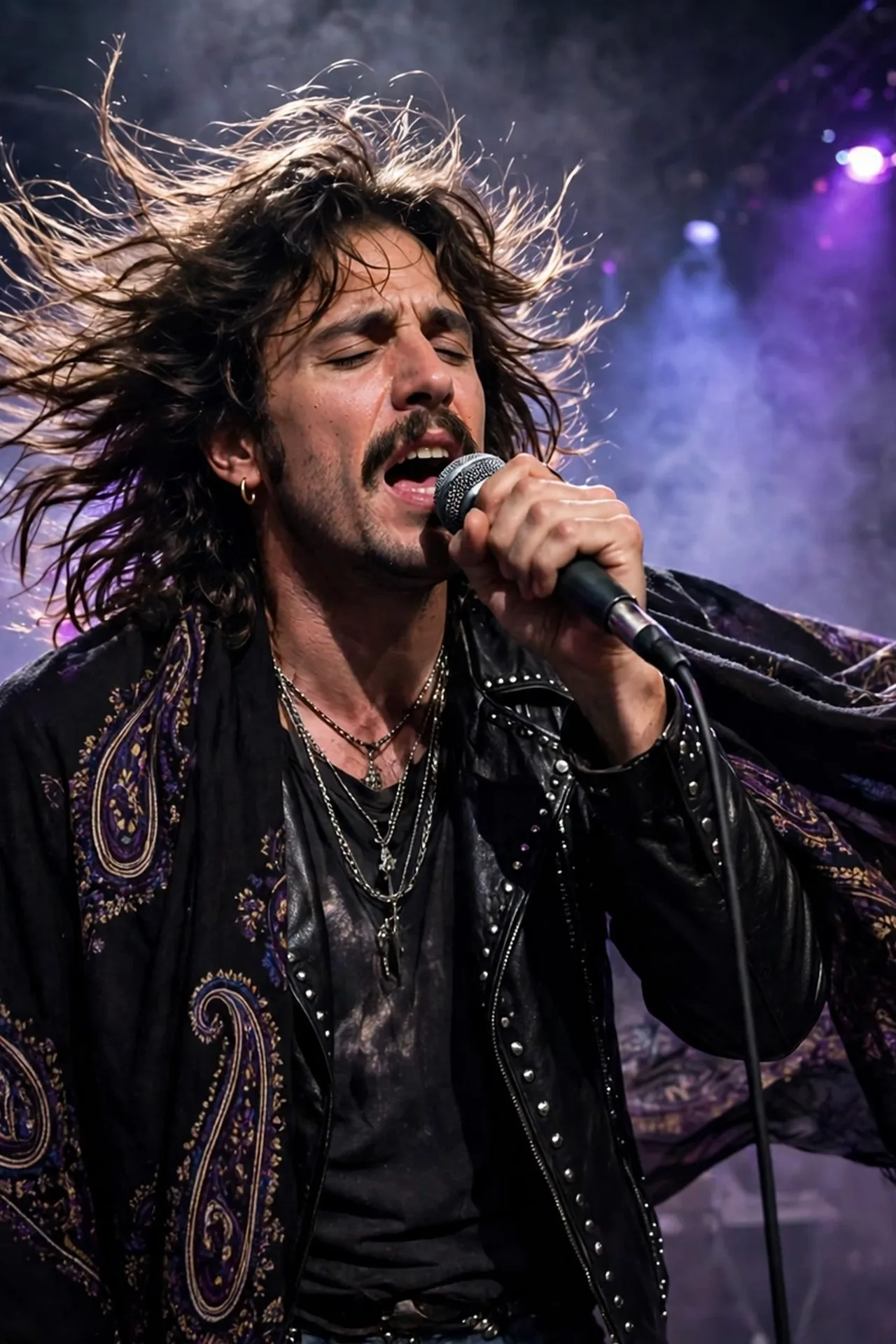
Stevie Nicks and Prince became close friends thanks to her 1983 song “Stand Back,” which began in the most unlikely place: a car on the way to her honeymoon in Santa Barbara. Hearing Prince’s “Little Red Corvette” on the radio sparked the idea. She had her husband, Kim Anderson, pull over so she could buy a tape recorder.
She spent the night writing, and the couple returned to Los Angeles the next day so she could record. Nicks tracked down Prince’s number through friends. He happened to be in LA and arrived 20 minutes later, playing synthesiser parts that shaped the song’s pulsing sound. He took a songwriting credit, not a performer credit, and the two stayed friends for life.
22. Prince Wrote “Purple Rain” With Stevie Nicks In Mind
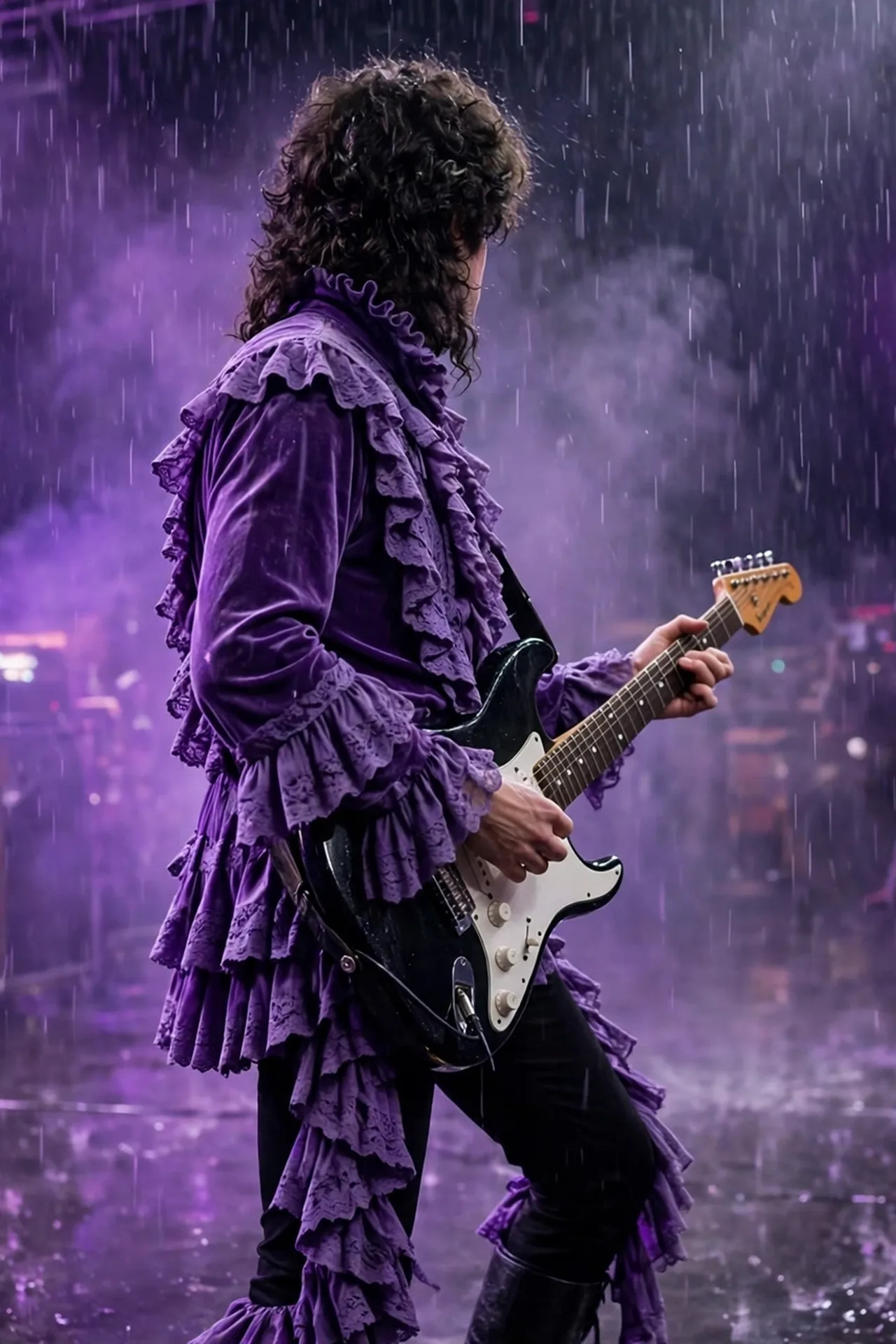
Prince first imagined “Purple Rain” as a country-flavoured song for Stevie Nicks, though accounts differ on duet or solo. The spark came from Bob Seger.
Prince went to see Seger several times and noticed how his power ballads “We’ve Got Tonight” and “Turn The Page” gripped audiences. Bandmate Matt Fink told Prince a power ballad could widen his audience. Prince sent Nicks a 10-minute demo and asked her to write lyrics, but she found it overwhelming and could not do it. He then took the song to the Revolution, where guitarist Wendy Melvoin came up with the opening and chord progression that reshaped it, and within six hours it was nearly finished.
23. “Islands In The Stream” Was Meant For Someone Else Entirely
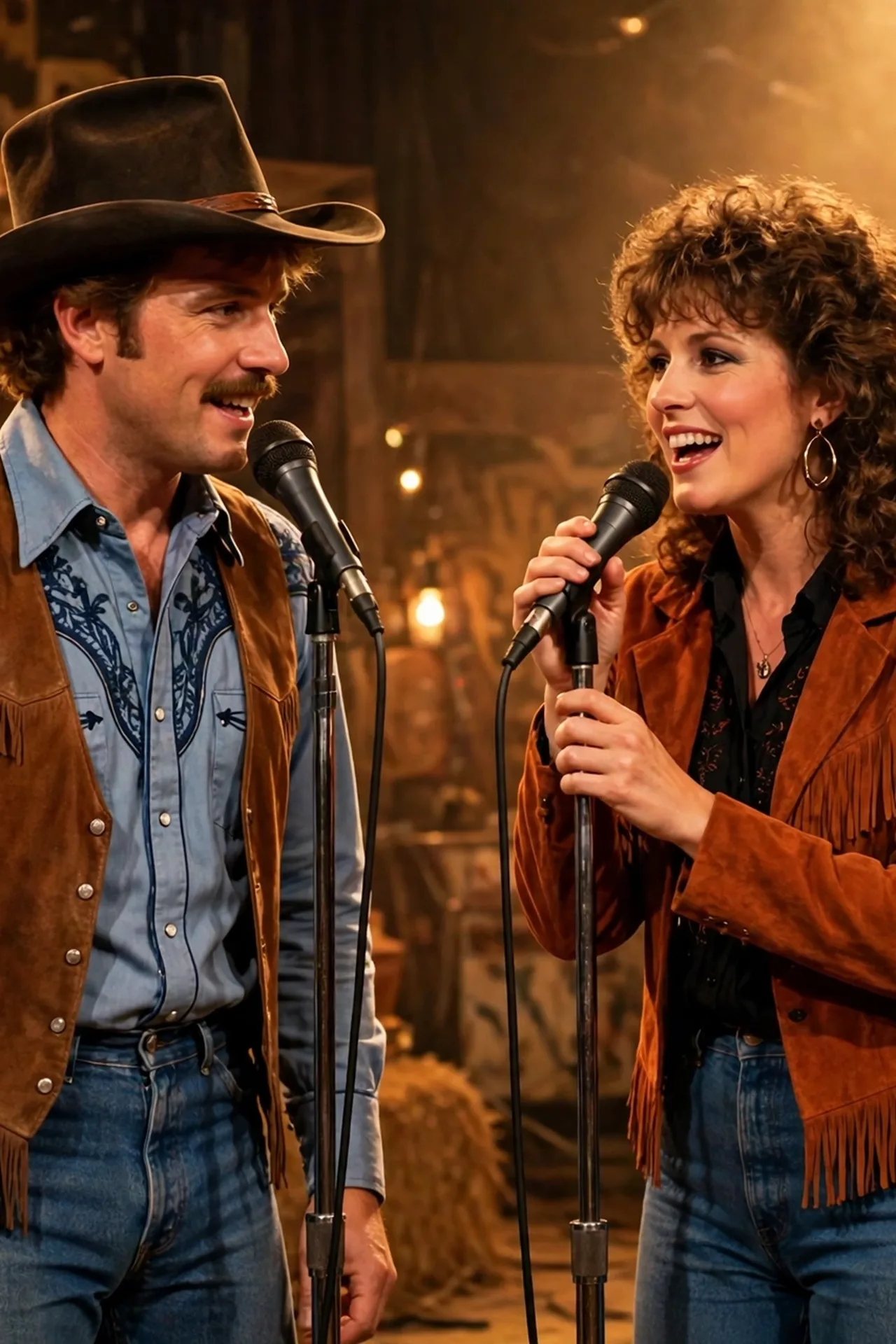
By the late 1970s and through the 1980s, the Bee Gees were at the peak of their songwriting powers, writing hits for themselves and other artists. When they wrote “Islands in the Stream,” they first had Diana Ross in mind, then imagined it as an R and B song for Marvin Gaye. He never recorded it, and in 1983 it went to Kenny Rogers instead.
Rogers listened for a few days and was unsure what to do with it, so Barry Gibb suggested bringing Dolly Parton in. She happened to be working in the same studio that day, and Rogers brought her down to rework the song. Their version became a massive hit, topping the Billboard Hot 100 and becoming one of pop and country’s most famous duets.
24. Elton John Saved “Can You Feel The Love Tonight” From Timon And Pumbaa
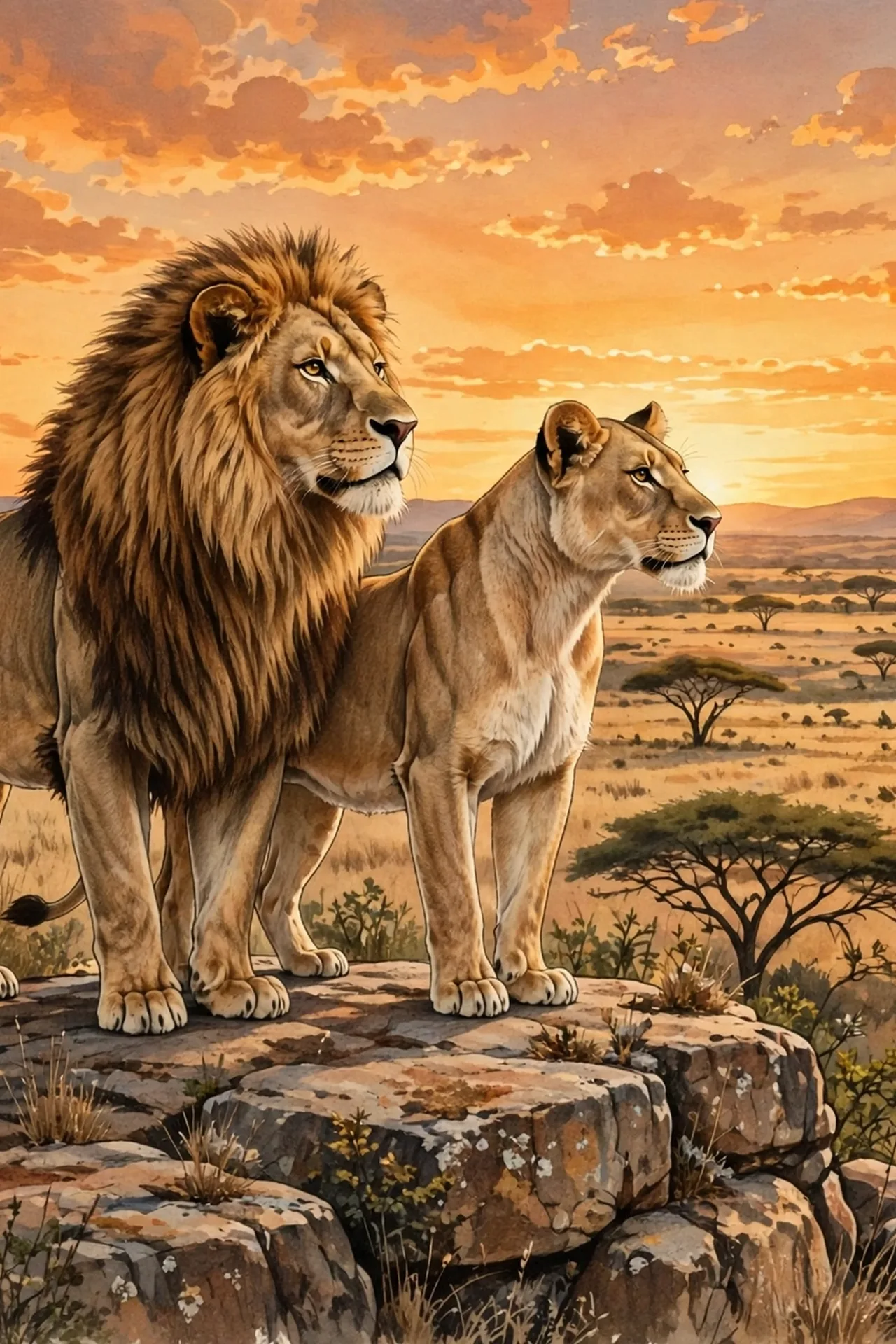
Timon and Pumbaa were first lined up to sing “Can You Feel The Love Tonight” in The Lion King. The voices behind them even recorded the whole song. Elton John was not amused when he learned of the plan, and the idea was dropped.
John only discovered the situation about four weeks before the film opened, when he saw a screening and found that the entire scene with Simba and Nala had been cut. He was upset and told Jeffrey Katzenberg, then chairman of Walt Disney Studios Animation, that the scene had to go back in. Katzenberg restored it, and the song went on to win an Oscar.
25. Americans Heard Different Beatles Albums Until 1987
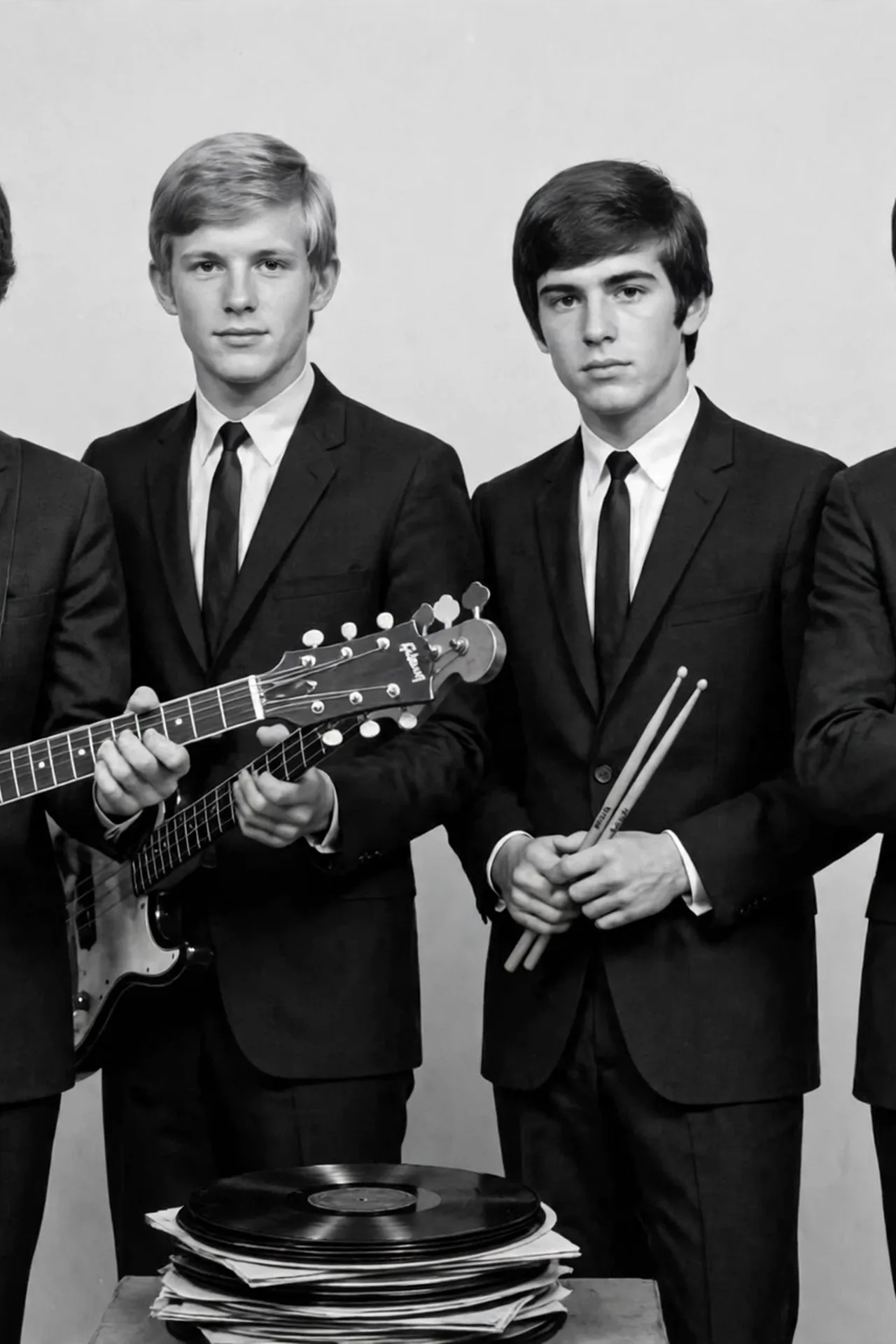
American fans did not hear the Beatles’ albums as the band intended until 1987. In the UK, the group and producer George Martin carefully planned each album’s tracklist and flow. In the US, Capitol Records often changed those records, changing covers, titles, track order, and sound, and adding singles.
Much of that reshaping was driven by Dave Dexter, who worked in Capitol’s A and R department. Dexter, a jazz lover who disliked the band, still reshaped their records for US buyers. The label also made more albums to earn more money, since shorter records released more often earned more money. Only with 1967’s Sgt. Pepper’s and the 1987 CD releases did the original UK versions finally become standard in the US.
Which of these stories surprised you the most? Was it the flop that became a wedding favourite, the B-side that turned into a No. 1 smash, or the Beatles albums that Americans heard differently for over 20 years? Music history is full of these happy accidents and near misses, and the songs we love most often arrived by the strangest routes. Tell us your favourite in the comments, and keep listening closely, because the next song on your playlist probably has a story of its own.
You May Also Like
If you enjoyed these music facts, here are more stories from the world of pop, rock, and unforgettable performances.