Every decade has its own version of the future, and it usually arrives with great confidence. The adverts promise it, the magazine covers declare it, and for a brief, shining moment it feels obvious that everyone will soon be living that way. Then, quietly, almost without anyone noticing, the future moves on and leaves the idea behind.
A decade ago, a whole shelf of technologies was supposed to take over everyday life. Some of them still exist in a corner somewhere, some never really worked at scale, and some were simply overtaken by something simpler. Here are 21 of those once-unstoppable “future” trends, and why each one faded from the conversation.
1. 3D TVs
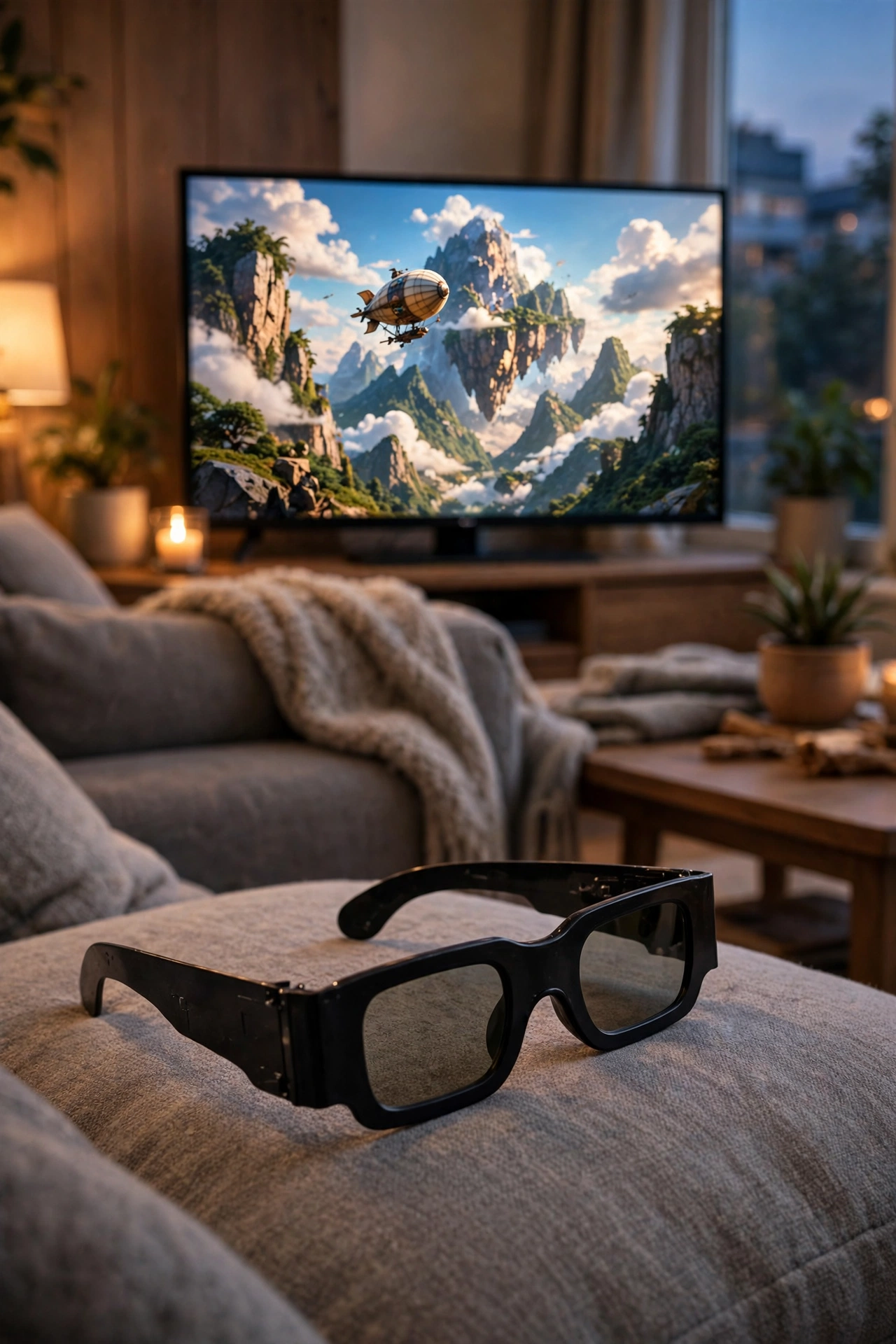
For a few years, 3D television was sold as the next great leap for the living room. Every electronics store had a demo running, every big film seemed to arrive in 3D, and buying a new television without 3D felt like buying yesterday’s technology.
The problem was the everyday reality. The glasses were awkward, the choice of 3D programmes was thin, and plenty of viewers found long sessions uncomfortable. Once the novelty wore off, most people went back to watching in plain, comfortable 2D, and manufacturers quietly dropped the feature.
2. The Fully Connected Smart Home

The dream was a house where everything talked to everything else: the fridge would order milk, the washing machine would schedule itself, and the lights, heating and locks would all work together in perfect harmony.
What most people actually wanted turned out to be much simpler. A few smart speakers and a video doorbell, yes, but the light switch still needs to work when the Wi-Fi does not. The fully choreographed home never quite arrived, because reliability beat cleverness every time.
3. Blu-ray Discs
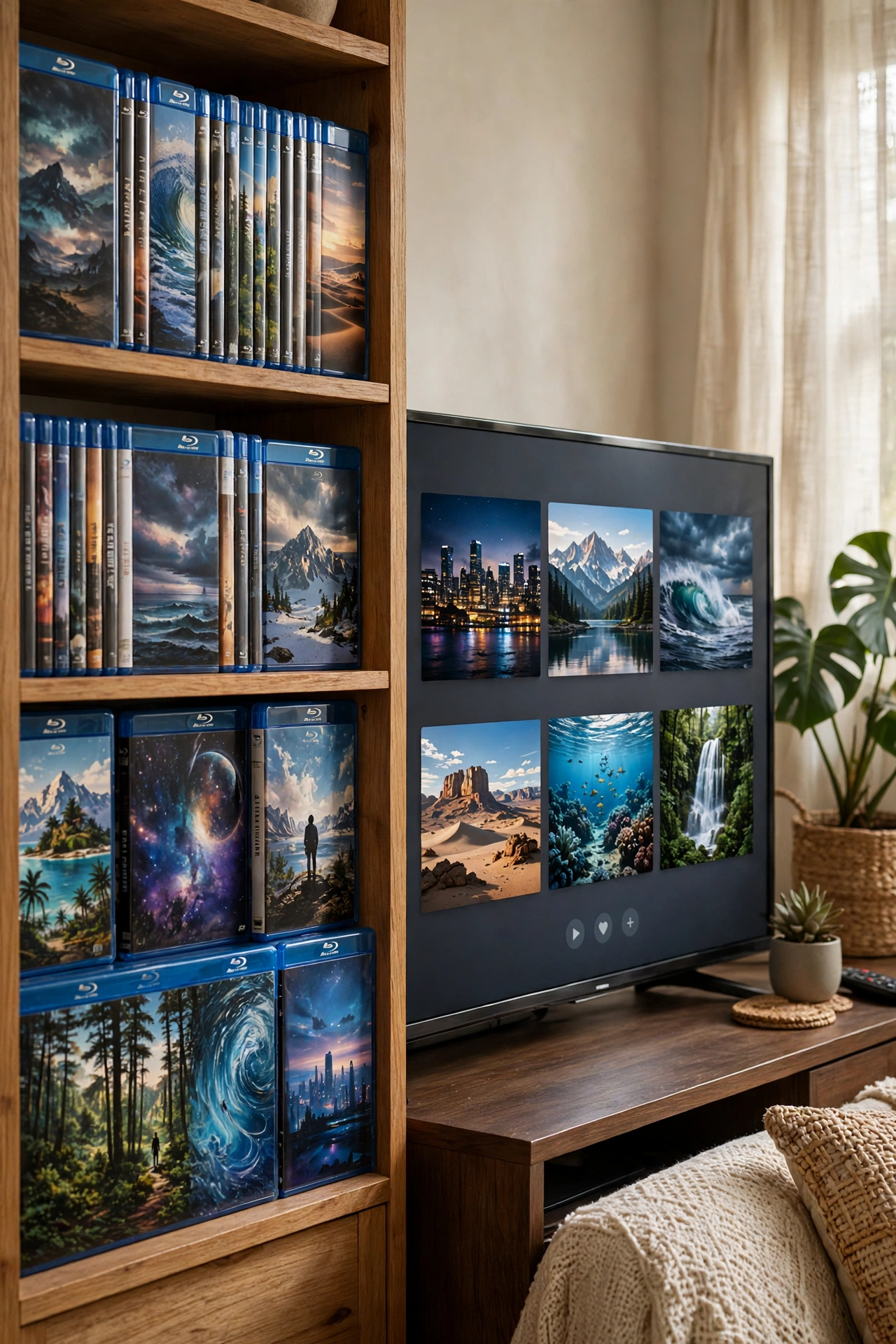
Blu-ray was meant to be the long reigning successor to DVD, offering sharper pictures and a whole library of physical films to collect. For a while, it looked like the format war had been won and the future of home viewing was settled.
Then streaming simply walked past it. Why wait for a disc, store a shelf of cases, and get up to change them, when the film could start in seconds? Blu-ray still exists for collectors and film lovers, but as the default way to watch, its moment passed quickly.
4. Google Glass
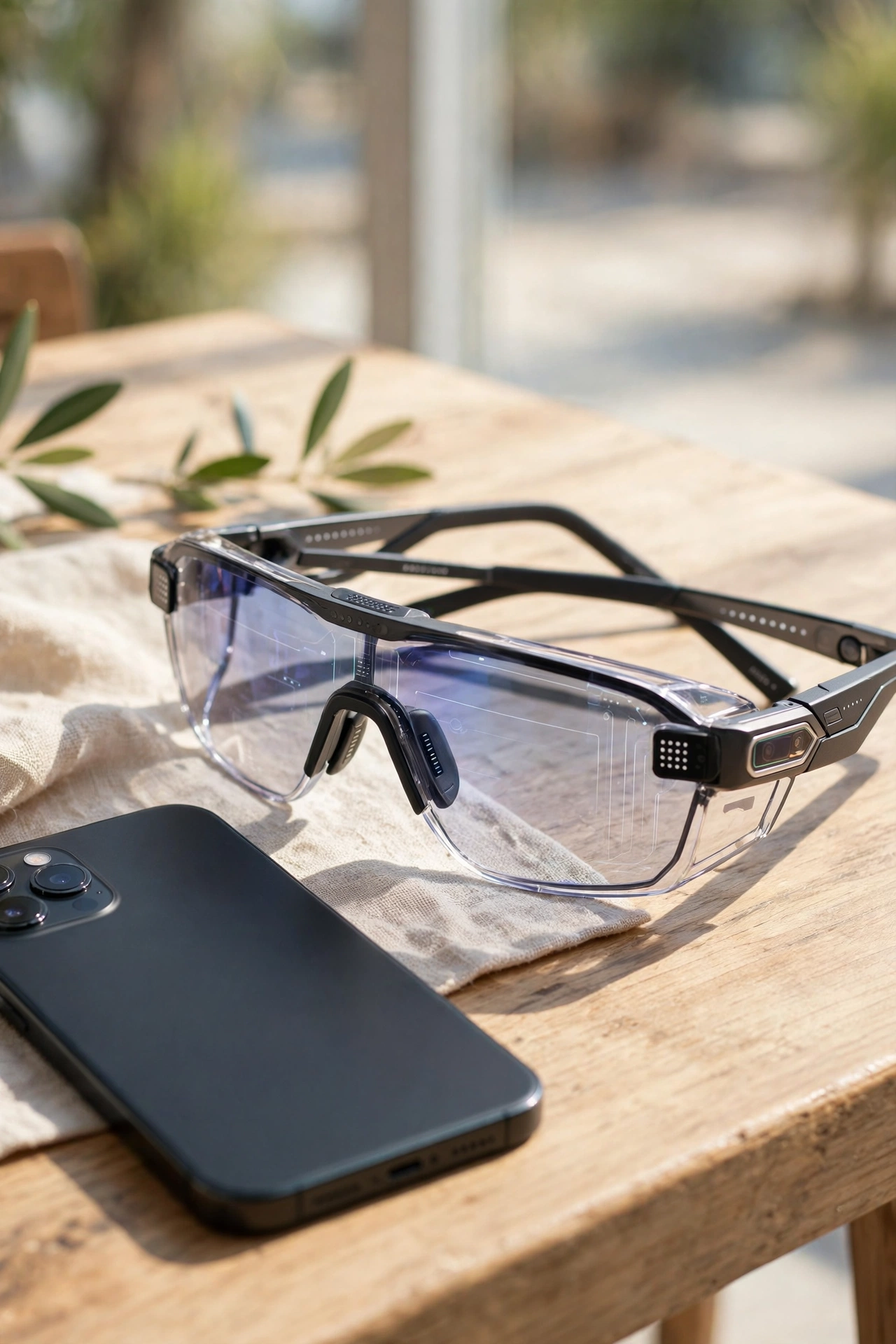
Google Glass promised a world where information floated in front of your eyes and your phone could stay in your pocket. Early demos made it look like the beginning of a new way of seeing the world, and the hype was enormous.
In practice, the glasses were expensive, the battery was short, and wearing a camera on your face in public made other people uncomfortable. Smartphones, which were already in everyone’s hand and getting better every year, turned out to be the practical answer all along.
5. The Theranos Blood-Testing Hype

In the early 2010s, a blood-testing startup was presented as a revolution in medicine: a single drop of blood, a tiny device, and hundreds of test results without a needle in the arm or a trip to the lab. Magazine covers followed, and the founder became a symbol of a new kind of health technology.
The technology did not do what was claimed, and the story ended in one of the most famous fraud cases in Silicon Valley history, with its founder convicted of fraud. It remains a cautionary tale about how easily a good story can outrun good science.
6. Nanotechnology Everywhere

There was a stretch, roughly from the mid-2000s to the early 2010s, when popular science magazines could hardly print an issue without nanotechnology on the cover. Tiny machines, self-cleaning surfaces, miracle materials: the small scale was supposed to change everything.
Nanotechnology did not disappear from science — researchers still work with materials at that scale every day. But the breathless, cover-story version of it faded, because the real progress was slow, specialised and mostly invisible, not the everyday revolution the headlines promised.
7. Virtual Reality Video Games
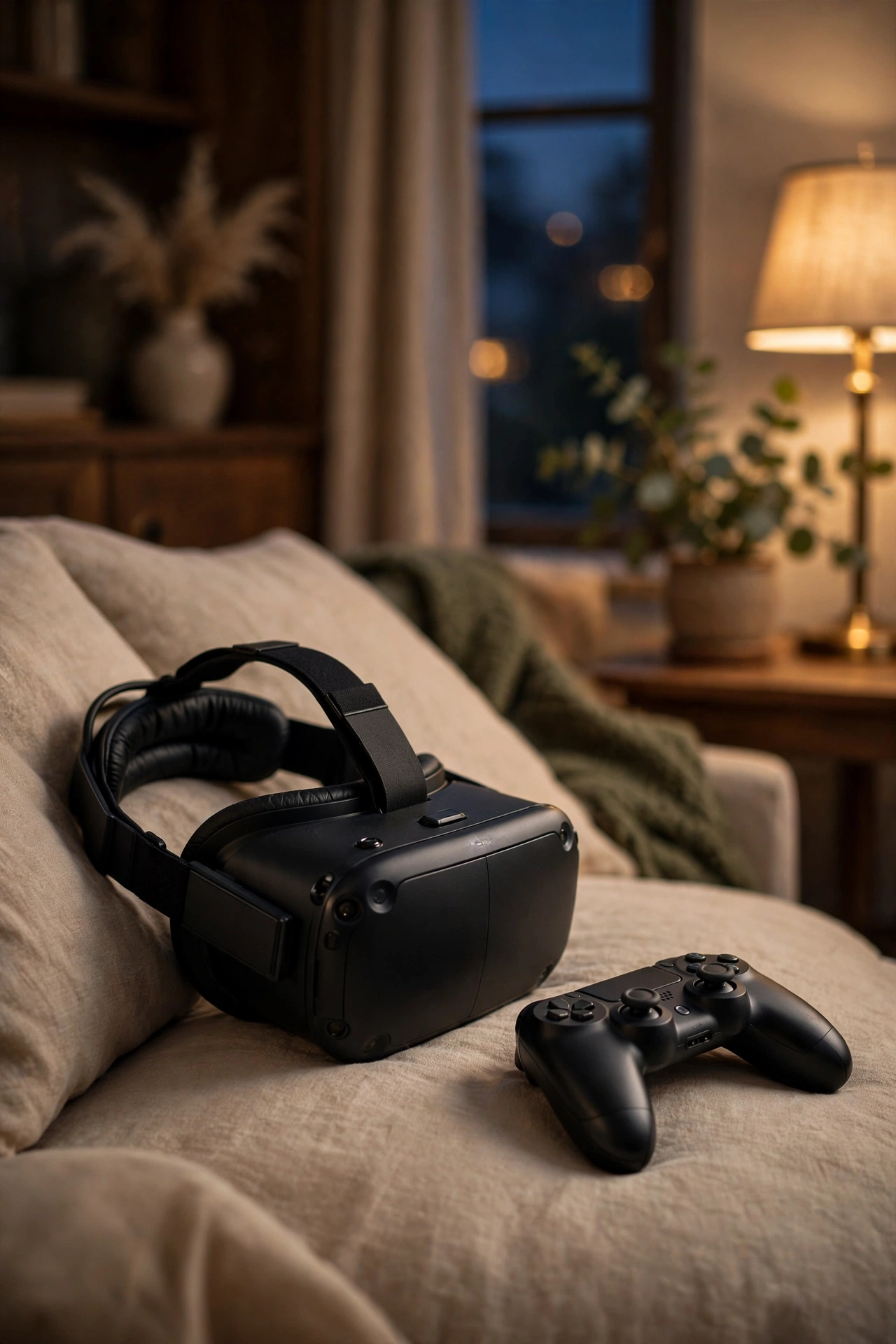
Virtual reality gaming was supposed to be the moment games stopped being something you watched on a screen and became somewhere you actually stood. The headsets arrived, the demos were dazzling, and the future of play seemed obvious.
For most players, though, the headset spent more time on the shelf than on their head. The games were short, the setup was fiddly, and a good headset plus a powerful computer cost serious money. VR found real homes in training, design and a few devoted gaming corners, but the living-room takeover never happened.
8. The Metaverse and Virtual Land
At the height of the metaverse boom, people were buying plots of virtual land, attending virtual concerts, and talking as if the office, the mall and the nightclub were all about to move online. Huge sums changed hands for property that existed only as pixels.
The crowds never really moved in. The virtual worlds felt empty, the headsets were still awkward, and the land rush collapsed as quickly as it had inflated. The idea of shared virtual spaces survives, but the gold-rush version of the metaverse is a period piece now.
9. Graphene Batteries
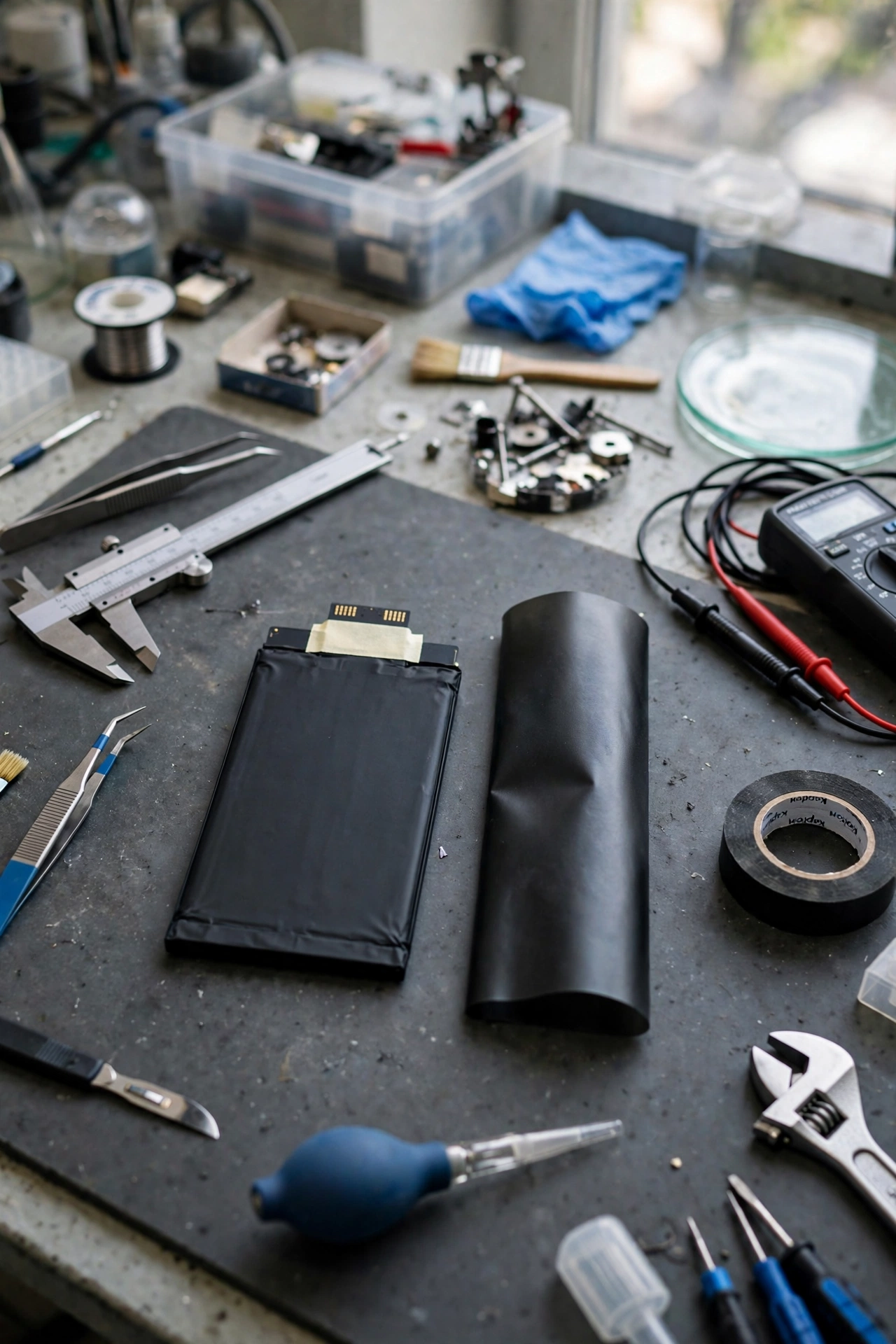
Graphene batteries were promised as the end of battery anxiety: phones that charged in minutes, held their charge for days, and barely degraded over ten years of use. It sounded like the single upgrade everyone actually wanted.
A decade later, the batteries in our pockets are still mostly the same chemistry, improved bit by bit. Graphene remains a fascinating material in the lab, but the mass-market miracle battery never arrived, and the promise quietly slipped out of the headlines.
10. Solar Roadways
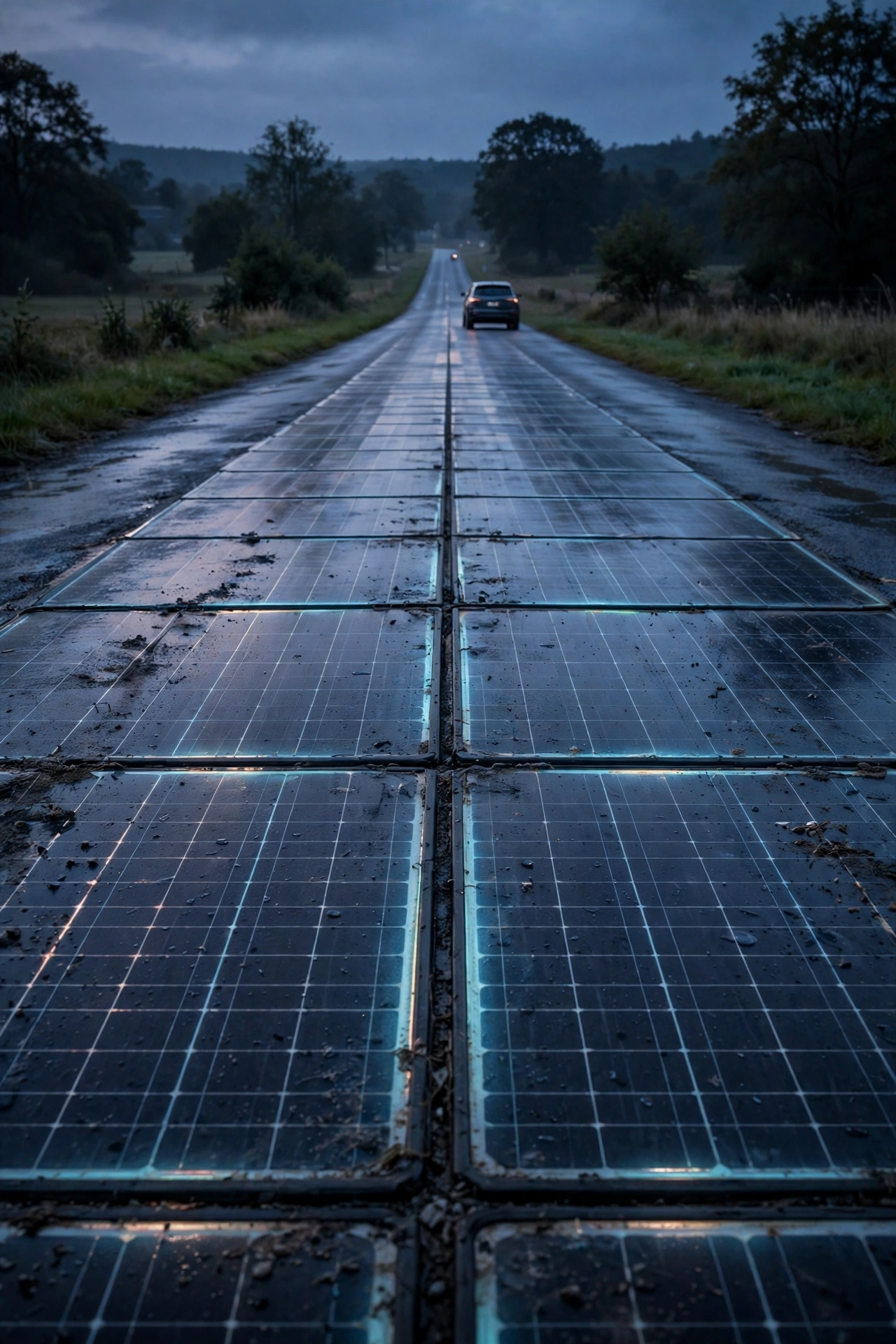
The pitch was irresistible: replace ordinary roads with solar panels, and the highways themselves would generate clean power while melting snow and lighting themselves at night. The concept videos went viral, and the idea felt like pure, elegant futurism.
Reality was less kind. Roads have to survive trucks, weather, dirt and constant wear, which is a brutal life for a solar panel. A few small pilot stretches were built, but the economics never worked, and the far simpler idea — putting panels on roofs and empty fields — won instead.
11. Every Restaurant Becoming Taco Bell
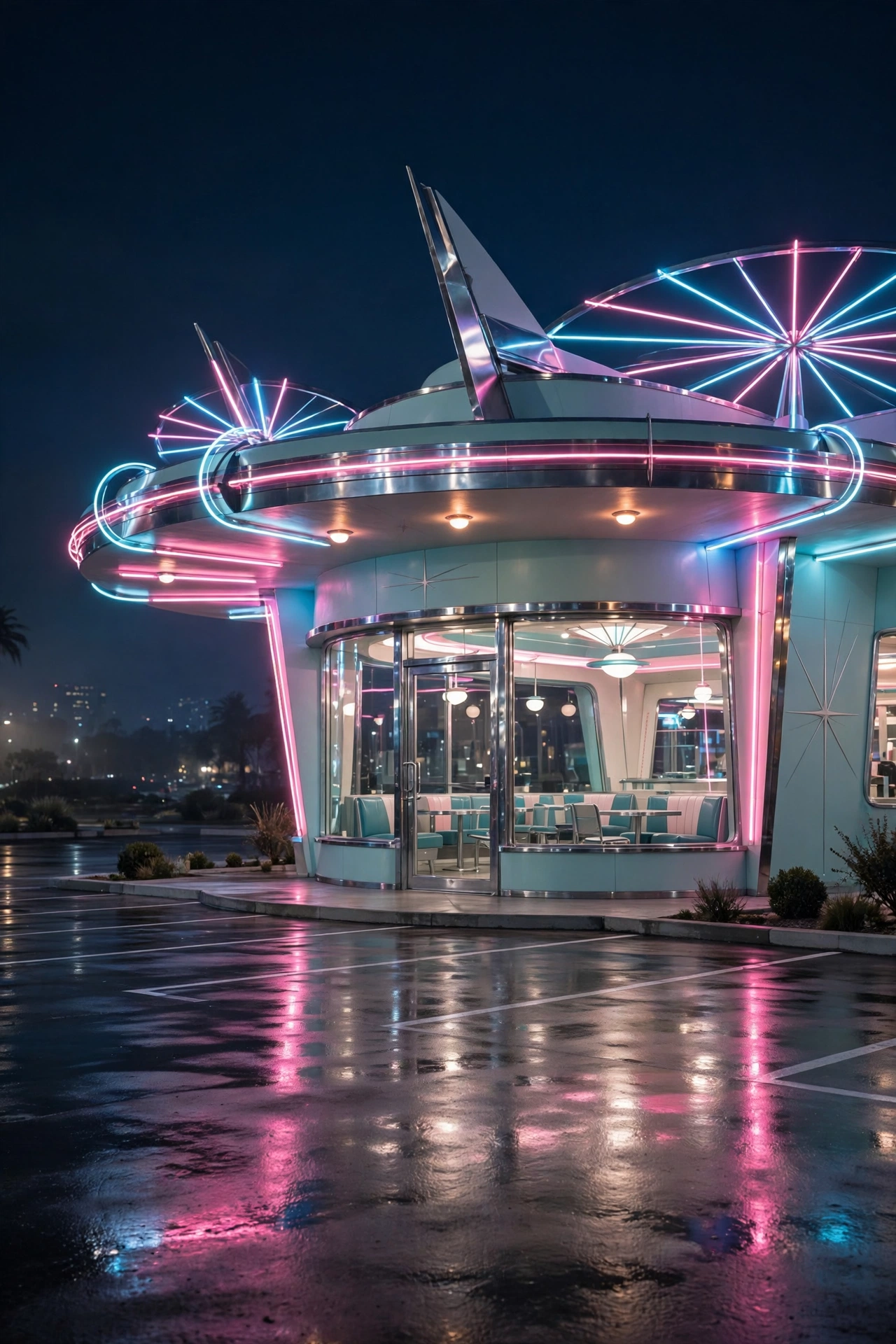
This one started as a joke from a 1990s science-fiction film, in which the future’s only surviving restaurant chain was Taco Bell, after the so-called franchise wars. Fans repeated it for years as a half-serious prediction about corporate consolidation.
It never came close to happening, of course, but it captures something real about that era’s anxieties: the fear that a handful of giant chains would swallow every independent restaurant. Instead, food culture went the other way, with street food, pop-ups and local spots thriving alongside the big brands.
12. Dippin’ Dots Replacing All Ice Cream

Dippin’ Dots, the tiny beaded ice cream flash-frozen with liquid nitrogen, was marketed as the ice cream of the future. The beads looked like something from a space station, and for a generation of kids at theme parks and malls, they were the coolest dessert in the building.
The future, it turned out, still wanted scoops. Dippin’ Dots survived as a nostalgic novelty, still sold in freezers and amusement parks, but nobody’s local ice cream parlour was ever replaced by a pellet machine. Sometimes the future is just a fun snack, not a takeover.
13. Digital Movie Downloads Bundled With Discs

There was a brief era when buying a film on disc came with a digital copy code tucked inside the case, so you could also watch it on your computer or early tablet. It felt like a clever bridge between the physical and digital worlds.
Streaming burned the bridge down. Once every film was available on demand, the idea of owning a file tied to a disc felt like extra work for no benefit. The codes disappeared from cases, and the whole format became a footnote in the move to subscription viewing.
14. Augmented Reality Games After Pokémon Go

When Pokémon Go took over the summer of 2016, the games industry decided augmented reality was the next gold rush. Surely, the reasoning went, players would want to chase all sorts of creatures, characters and worlds through their phone cameras.
It turned out that players mostly wanted to catch Pokémon. Follow-up AR games came and went without ever recapturing that summer, because the magic was the franchise and the shared moment, not the technology itself. AR quietly went back to filters, maps and shopping try-ons.
15. Cloud Gaming Taking Over Consoles
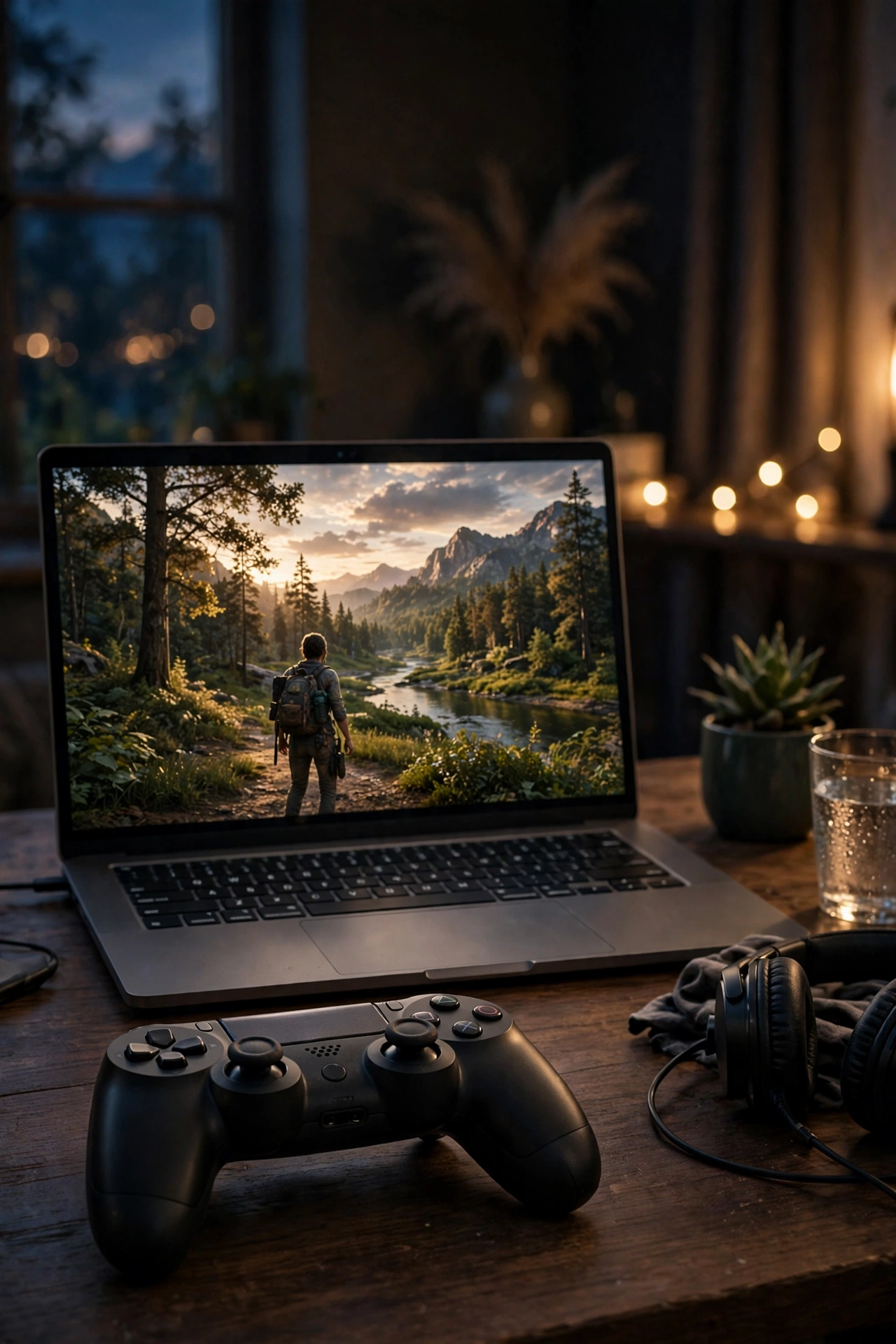
Cloud gaming promised the end of the console itself: no expensive box, no downloads, just any screen streaming the latest games from a distant server. Several big companies launched services, and for a while it looked like hardware was about to become optional.
Several of those early services shut down, and the survivors settled into a niche. Latency, internet quality and the simple pleasure of owning a console kept the old model alive. Cloud gaming still exists as an option, but the console in the living room never went away.
16. Nonstandard Web Addresses Like .bank and .movie

When new top-level domains opened up, the prediction was that the web would diversify beyond .com: banks would live at .bank, films at .movie, music at .music, and every industry would get its own corner of the internet.
Almost nobody noticed. People kept typing .com, search engines kept answering, and the new suffixes became a curiosity rather than a new map of the web. The address bar turned out to matter far less than the search box.
17. Blockchain for Everything

For a few years, blockchain was the default answer to every problem: blockchain voting, blockchain supply chains, blockchain medical records, blockchain for things nobody had asked to put on a blockchain. If a pitch deck did not mention it, the pitch deck felt out of date.
The technology found a few genuine uses, and cryptocurrencies kept their own noisy corner of finance. But as a universal solution, the hype collapsed under its own weight. Most systems worked perfectly well without a distributed ledger, and most people stopped pretending otherwise.
18. Bitcoin as Everyday Money

In the early 2010s, Bitcoin was talked about as a new kind of everyday currency: coffee shops accepting it, cash machines on street corners, and a future where nobody needed a bank to pay for lunch. The 2018 boom only fed the excitement.
That everyday-currency dream faded, even though Bitcoin itself did not disappear. It survives as a traded asset and a store of speculative value, but almost nobody buys their groceries with it. The revolution in payments came from tap-to-pay cards and phone wallets instead — far less dramatic, and far more useful.
19. Curved Screens

Curved televisions arrived with great fanfare, promising a more immersive, cinema-like view that wrapped gently around the viewer. Showrooms loved them, and for a season they were the premium screen to own.
From the sofa, the curve made surprisingly little difference, and from the side seats it made things worse. Curved monitors survived for some desk setups, where one person sits dead centre, but the curved living-room television quietly straightened out and vanished from the shelves.
20. The 3D Printing Revolution at Home
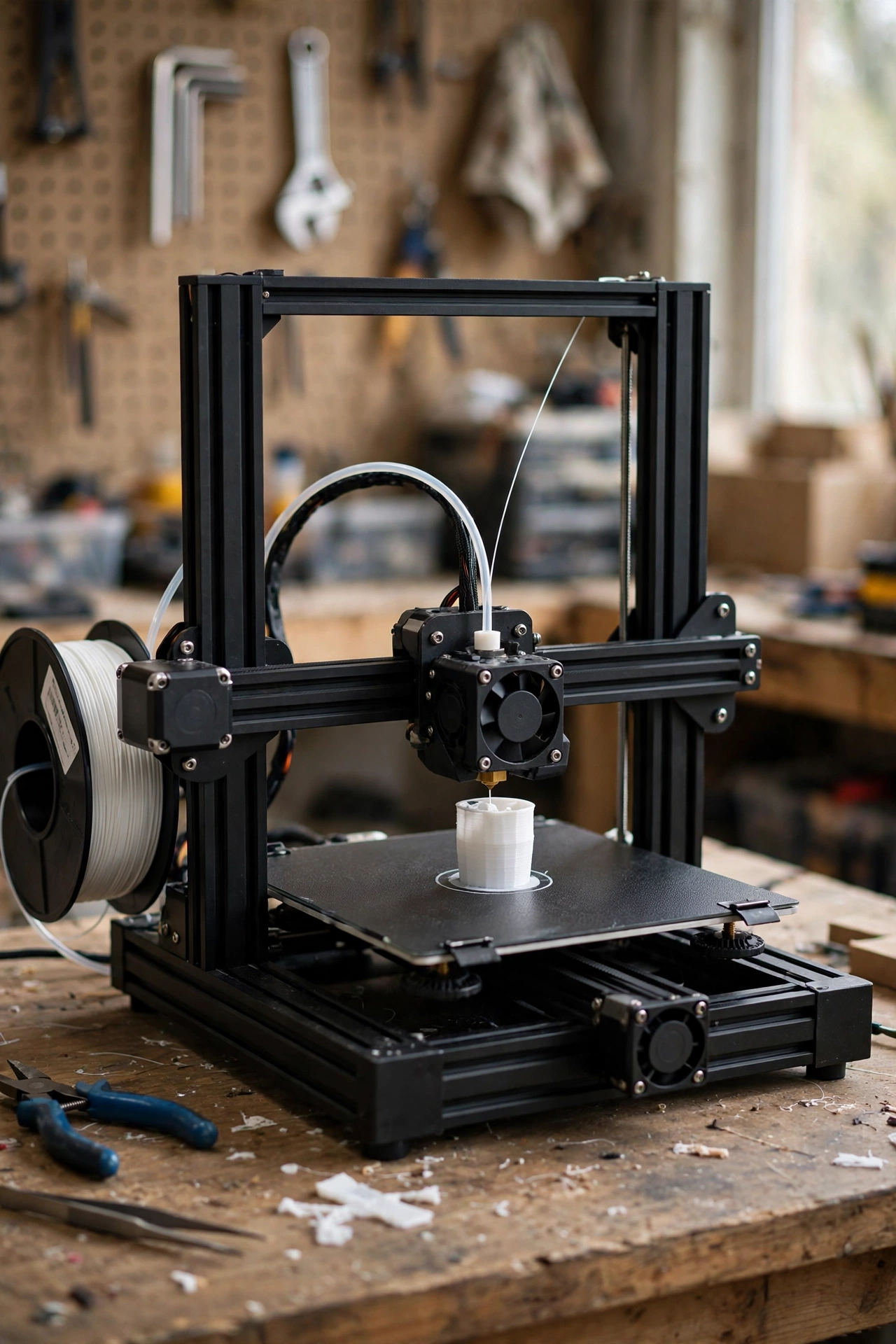
A decade ago, 3D printing was supposed to put a factory in every home. Need a spare part, a toy, a phone case? Print it. The stock market certainly believed it, and a bubble inflated around desktop printers.
The bubble popped, and the home factory never quite arrived. 3D printing found its real strength in workshops, prototyping and manufacturing, where it genuinely changed how things are made. In the home, it remains a hobbyist’s tool — wonderful for enthusiasts, but not the household appliance the hype promised.
21. The Optimistic Future Itself
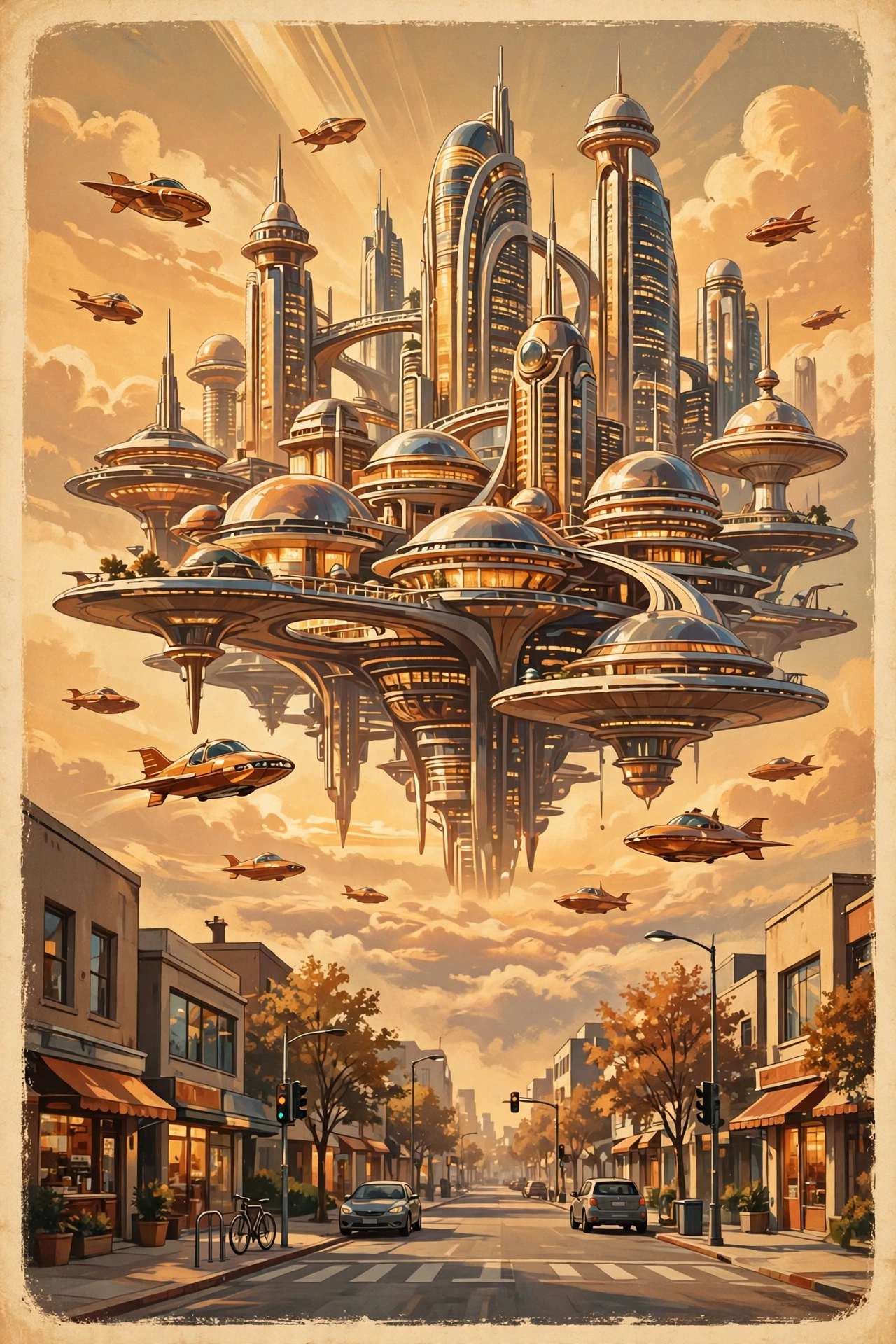
The strangest entry on this list is not a gadget at all, but a mood. There used to be a broad, cheerful optimism about the future itself: the retro-futurism of the atomic age, the space age and the 1990s all assumed tomorrow would be shinier, easier and more exciting than today.
That mood is harder to find now. The conversation about the future is more cautious, more worried about costs, climate and debt, and less inclined to believe the next gadget will fix everything. Perhaps that is the real pattern behind this whole list: the future did not stop arriving, it just stopped arriving in the packaging we were promised.
Looking back at these 21 faded futures, the lesson is not that progress stopped. It is that progress is messier than the adverts. The winning technologies were usually the boring ones: the ones that worked reliably, cost less, and fitted into lives people already had. The rest became nostalgia — and, in a few cases, a very good story about what we once believed.