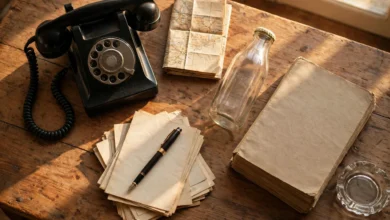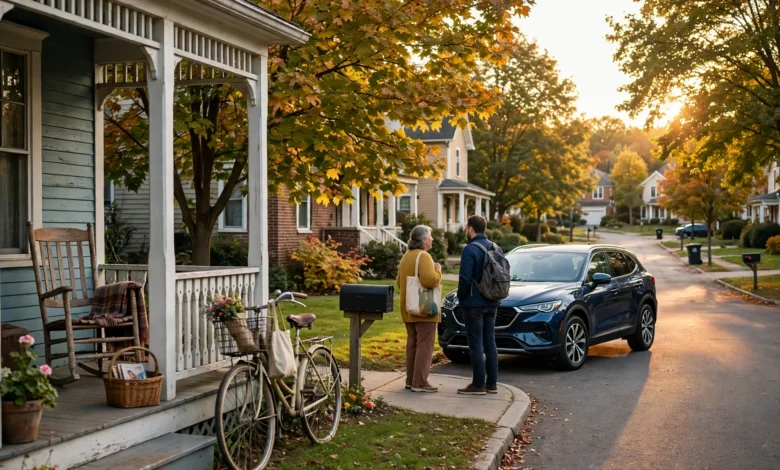
Ask someone who has lived through seven or eight decades what has changed most about everyday life, and you probably will not hear about smartphones or space travel first. You will hear about the small things: the table that used to be dressed for dinner, the neighbours who knew your name, the bank that closed its doors at five o’clock sharp. These are the quiet shifts, the ones that crept in so slowly that most of us never noticed them happening. Yet taken together, they paint a vivid picture of how daily life, manners, and community have been reshaped within a single lifetime. Here are 21 societal shifts that older folks say no one really talks about — and every one of them is worth a second look.
1. The Everyday Tablecloth
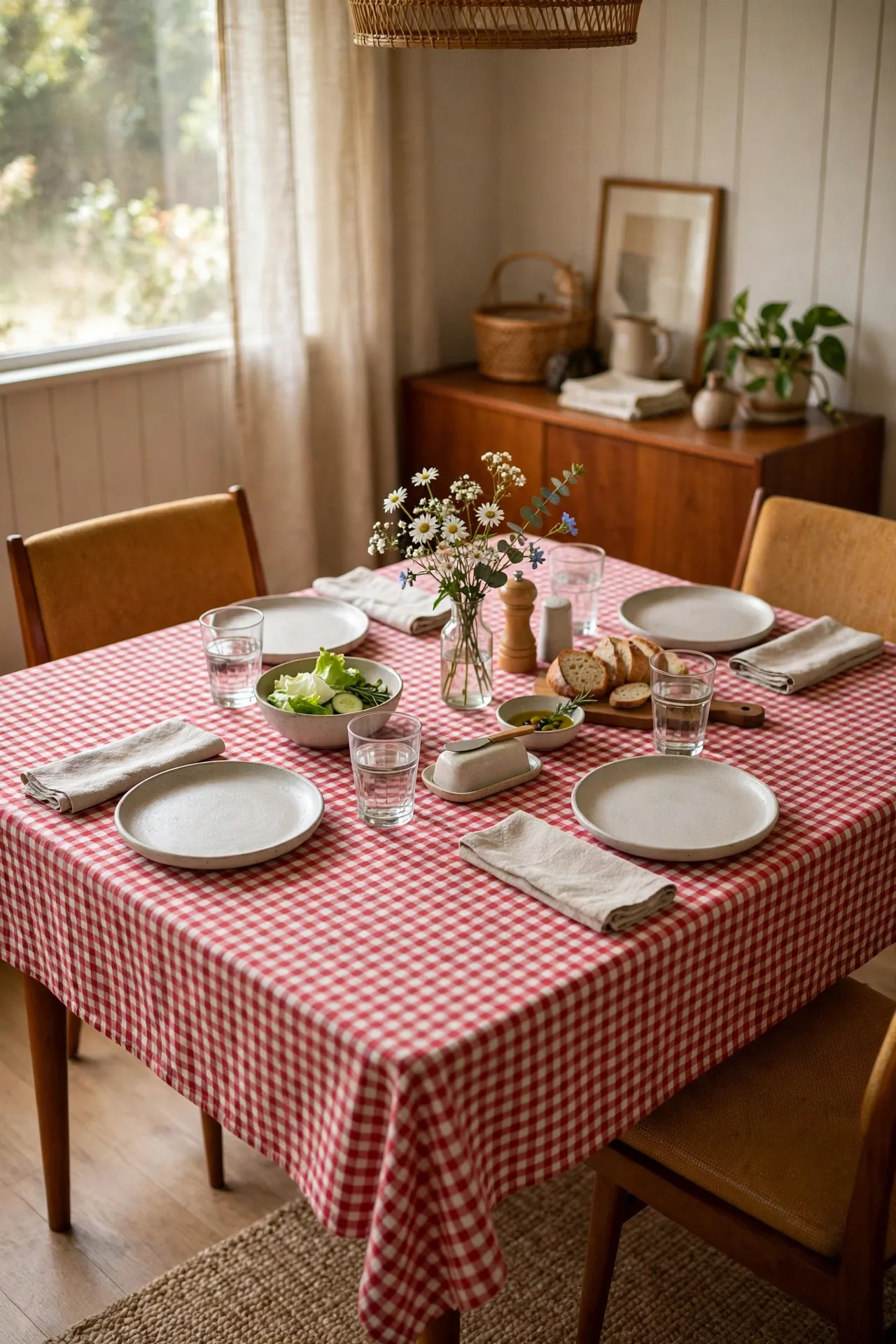
There was a time when a tablecloth was not reserved for holidays or dinner parties. Many households spread one over the dining table every single day, smoothing out the fabric before breakfast and shaking off the crumbs after supper. It was simply part of keeping a home: the table looked finished, the wood underneath stayed protected, and even an ordinary Tuesday meal felt a little more cared for. Tablecloths came in cheerful checks, crisp whites, and embroidered florals, and choosing one was a small daily ritual in itself.
Today, the bare table rules. Most of us eat off wood, glass, or a wipe-clean surface, and a tablecloth only appears when guests are coming. It is faster, easier, and undeniably more practical — but something gentle has gone with it. The daily tablecloth said that an ordinary family meal deserved a little ceremony. Its disappearance is a small sign of how much of home life has shifted from presentation and routine toward speed and convenience.
2. Kindness, Not Cruelty, Online

Social media promised to bring people closer together, and in many ways it has. But it has also created a space where cruelty travels faster than kindness. On Facebook, Instagram, and X, strangers pile onto one another over a photo, an opinion, or a simple mistake, writing things they would never dream of saying to someone’s face. The screen removes the awkward pause, the eye contact, and the immediate human consequence that once kept most remarks in check.
Older generations find this shift genuinely startling, because they grew up in a world where criticism was usually delivered privately, and public shaming was rare. The worry is not just about rudeness; it is about what constant pile-ons do to all of us. When harshness becomes the normal way to disagree, conversations shrink, empathy thins out, and the internet feels less like a neighbourhood and more like a crowd. Many would love to see the old rule return: if you would not say it across a kitchen table, do not type it.
3. Neighbours Who Helped Just Because
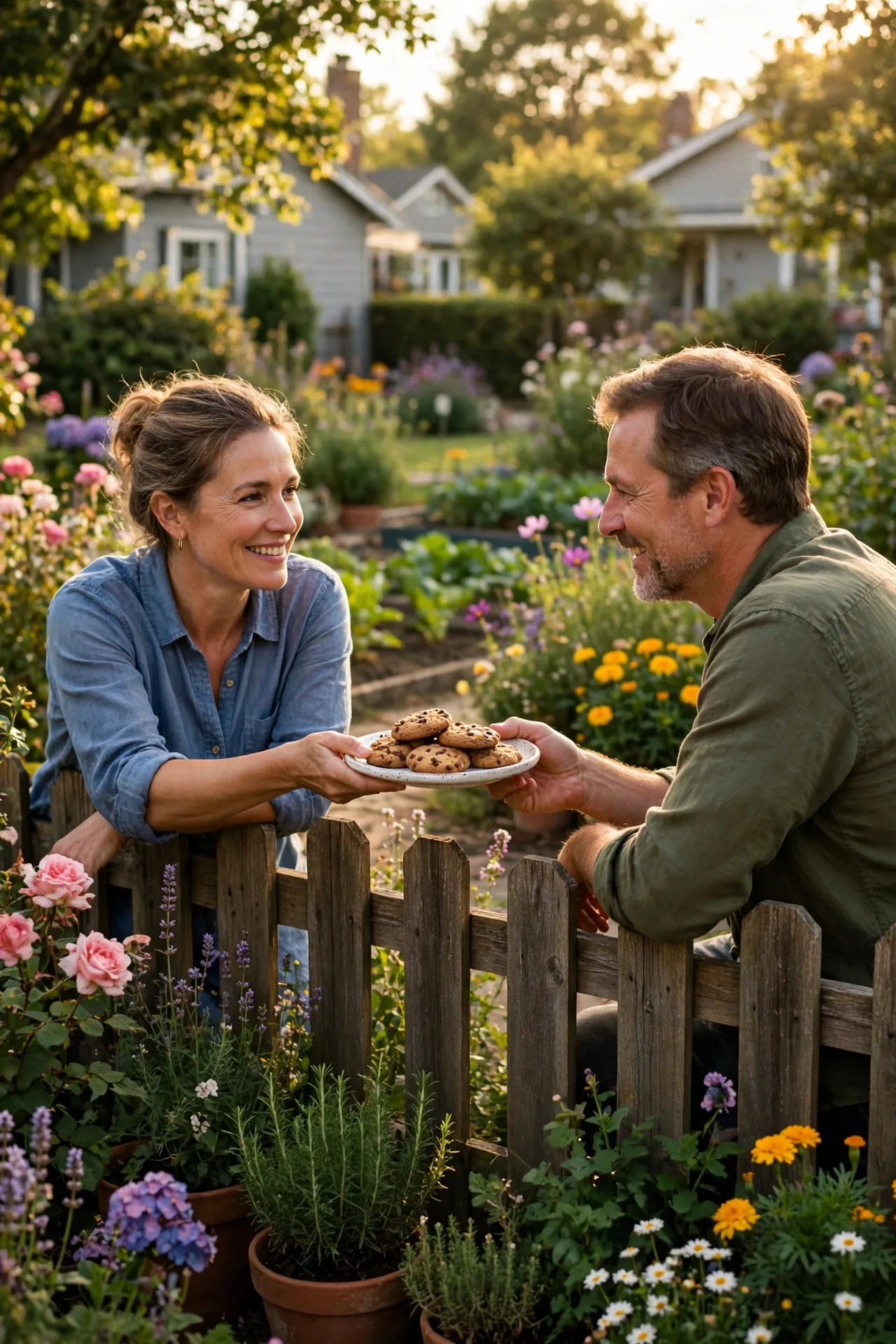
There used to be an unspoken economy running between neighbouring houses, and no money ever changed hands. Someone would drop off a plate of homemade biscuits, another would lend a ladder for the weekend, and a third would keep an eye on the house while a family was away. Thank-you cards were written by hand, favours were returned weeks later without anyone keeping score, and helping out was simply what decent neighbours did.
That spirit has not vanished entirely, but it has thinned. Busy schedules, taller fences, and the ease of hiring a service for everything have made it simpler to pay a stranger than to ask the person next door. The loss is quieter than it looks: every small favour was also a small connection, a thread tying a street together. Reviving that habit does not require grand gestures — a plate of food, a borrowed tool, or a genuine offer of help still works wonders.
4. The Disappearing Art of Cursive
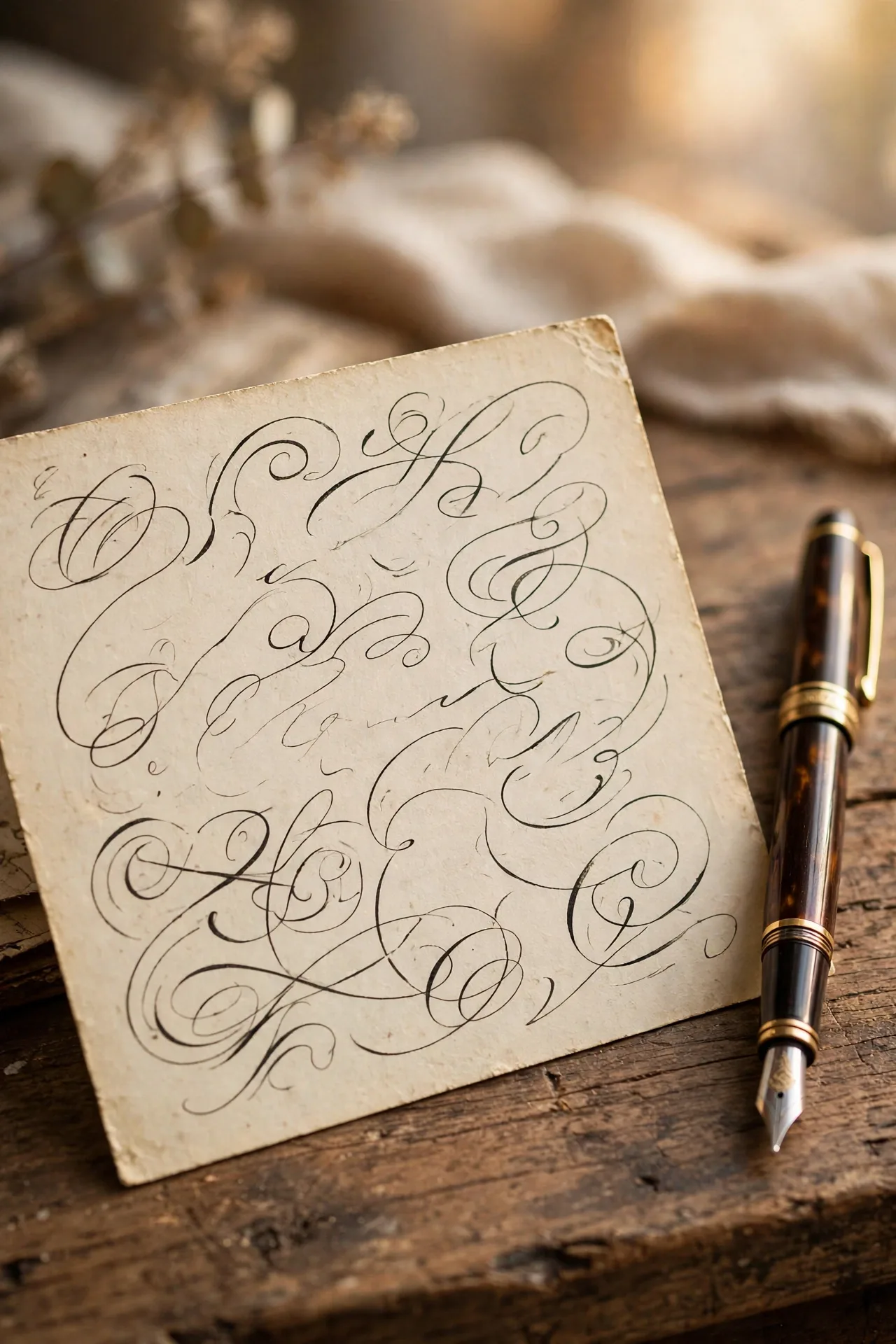
For generations, learning to write in cursive was as basic as learning to read. Children practised looping letters in lined exercise books until their handwriting flowed, and adults wrote letters, recipes, and diary entries in a script that was personal and distinctive. A handwritten letter carried something a typed message never can: the writer’s own hand, with all its quirks, flourishes, and personality pressed into the page.
As schools have shifted their focus to keyboards and printed text, cursive has quietly faded from many classrooms. The result is a strange new gap: young people who can type fluently but struggle to read a grandparent’s handwritten letter or a historical document. It is not really about nostalgia for pretty penmanship. It is about losing a direct connection to the past — to family letters, old records, and the simple pleasure of writing something by hand that is unmistakably yours.
5. When Quality Was Built to Last
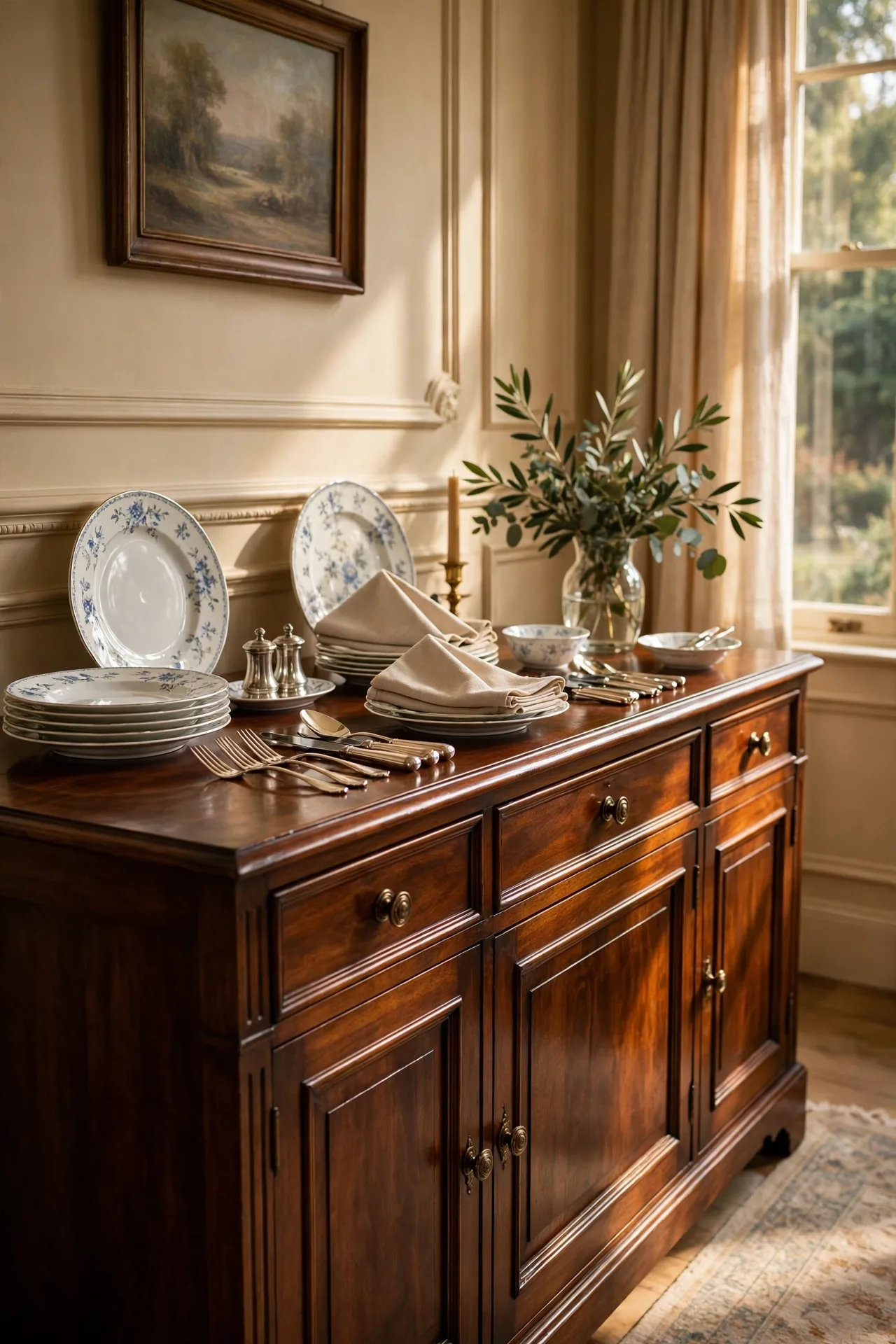
Walk into a home fifty or sixty years ago and you would find things made to be kept: furniture polished with hand-applied wax until it glowed, sterling silver that was brought out and cleaned with pride, china plates and cloth napkins used for ordinary family dinners. These objects were not luxuries for the wealthy; they were everyday items, bought once, cared for, and often passed down to the next generation.
Today, disposability has largely taken their place. Paper napkins, plastic plates, and flat-pack furniture that is cheaper to replace than repair dominate most homes. The trade-off is understandable — modern life is busy, and convenience matters — but it comes with a cost beyond money. When nothing is made to last, nothing is handed down, and the stories attached to objects disappear with them. There is a growing appreciation, though, for buying less and choosing better, which suggests the old love of quality may not be gone for good.
6. A Paycheck That Covered the Rent
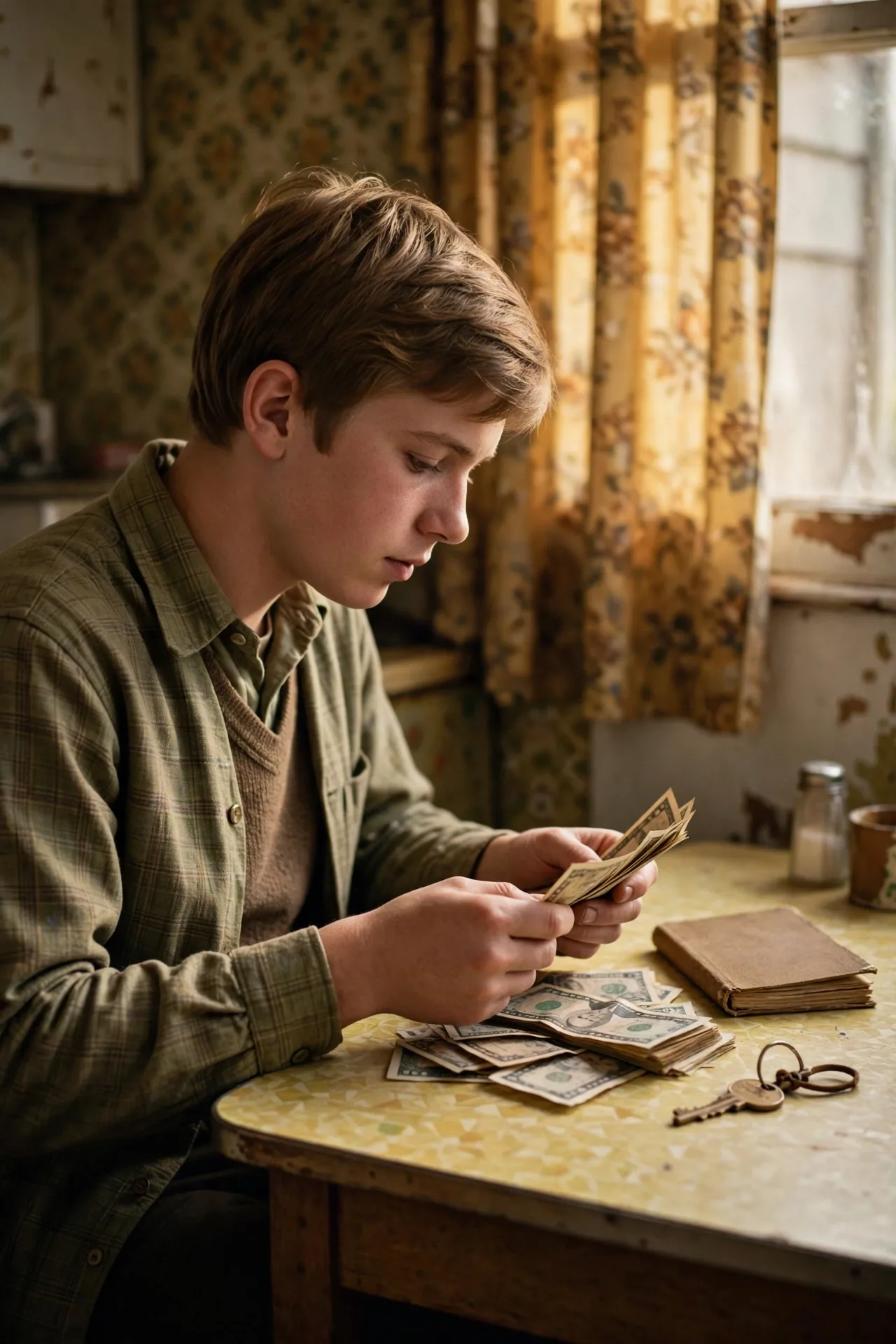
One of the starkest changes older folks point to is simple arithmetic. In 1969, a young person earning the minimum wage could often rent a modest place, cover the bills, and still have a little left over at the end of the month. It was not a life of luxury, but it was a life of independence: a job, even an entry-level one, was enough to stand on your own two feet.
Compare that with today, when many young adults need family help for a deposit, a car, or even first and last months’ rent. Wages have risen, but housing, education, and everyday costs have risen far faster, stretching the gap between earning and affording. This is not a complaint about younger generations working less hard — they work enormously hard. It is a sober observation about an economy in which the basic milestones of adult life now take far longer, and far more help, to reach.
7. Banking Hours: Nine to Five, and That’s It

It is hard for anyone under forty to imagine, but banking once happened strictly on the bank’s schedule. Branches opened at nine, closed at five, kept shorter hours on Saturday mornings, and stayed firmly shut on Sundays. If you needed cash after hours, you waited until morning. Payday meant standing in line with everyone else, passbook in hand, and the whole town seemed to arrange its errands around those hours.
The arrival of ATMs, and then online and mobile banking, swept all of that away. Now money moves at midnight, on holidays, from a phone on a train. The convenience is extraordinary, and few would trade it back. Still, something was lost in the transition: the unhurried ritual of the branch, the teller who knew your name, and a pace of financial life that forced a little patience. The old banking hours now feel like a relic from another world — which, in a way, they are.
8. The Second Home: Church, Club, and Community
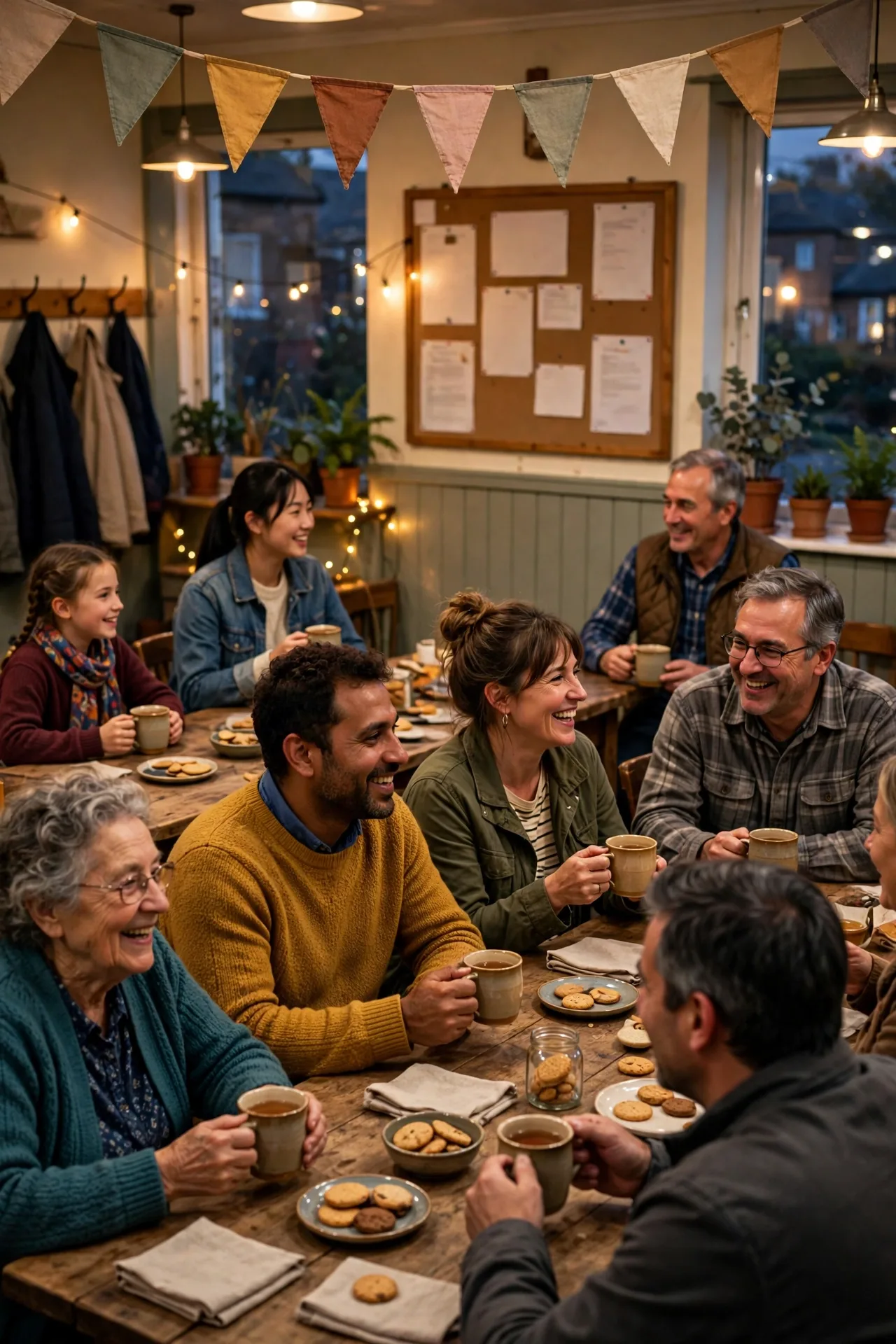
For much of the twentieth century, most people had what you might call a second home: a church, a sports club, a lodge, or a community group that met every single week. It was a place outside work and family where you belonged, where faces were familiar, and where milestones — weddings, births, losses — were shared with people who had known you for years. Membership was not a hobby; it was a pillar of weekly life.
Attendance at such groups has declined steeply, and with it a certain kind of everyday belonging. Work has grown more demanding, Sundays have become shopping days, and leisure has moved indoors and online. The case for joining something in person, though, has never been stronger. A weekly group gives structure to a week, friendships that are not mediated by a screen, and a community that notices when you are missing. That is a kind of wealth no app can replace.
9. Knowing Your Neighbours by Name
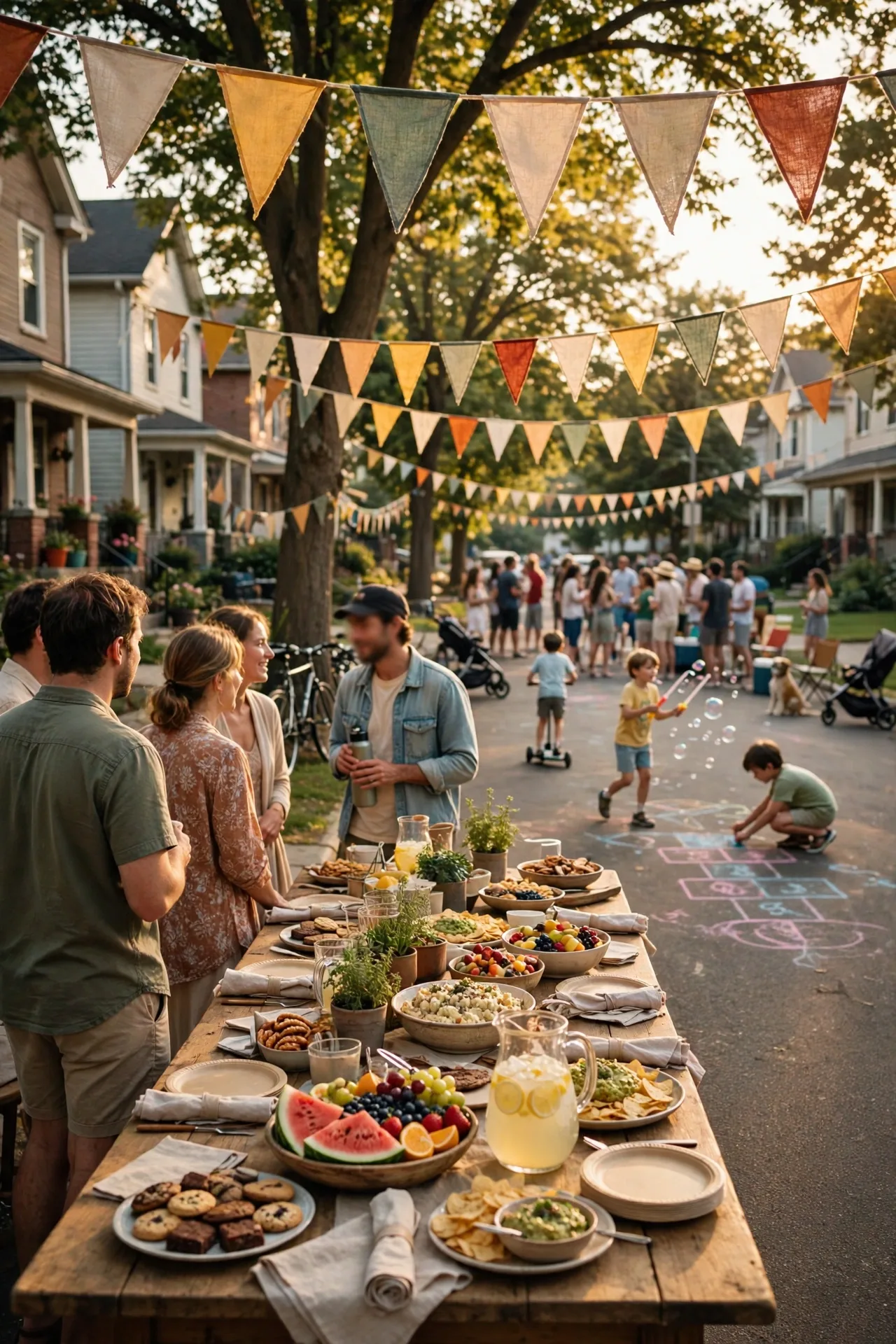
Once upon a time, a street was a community. Block parties closed off the road in summer, carpools ferried children to school and practice, and kids ran freely between yards, drifting from one garden to the next as if the whole neighbourhood were one big backyard. Adults knew not just their neighbours’ names but their routines, their children, and their stories.
Today, it is entirely possible to live for years beside someone and never learn their name, separated by little more than a shared wall. Air conditioning, fenced yards, garage doors that close behind the car, and entertainment that streams indoors have all made it easier to live side by side without ever meeting. The irony is that loneliness is now one of the most widely discussed problems of modern life — and one of its simplest remedies is also one of the oldest: knock on the door, introduce yourself, and start with hello.
10. Pregnancy Fashion: From Hidden to Celebrated

Not every shift on this list is a loss — some are genuine improvements, and pregnancy fashion is one of the happiest examples. For much of the twentieth century, expectant mothers were expected to hide their changing shape under loose smocks, empire waists, and flowing tent-like dresses. A visible baby bump was treated as something to disguise, as though pregnancy were a private condition to be politely concealed.
Today, the opposite is true. Baby bumps are proudly shown off in fitted dresses, crop tops, and maternity photo shoots, and pregnancy is celebrated as a visible, joyful stage of life rather than something to cover up. It is a welcome change, and a reminder that not all traditions deserve preserving. When a social rule exists mainly to make people feel self-conscious about a natural part of life, letting it go is progress worth applauding.
11. A Time When Honesty Was the Default
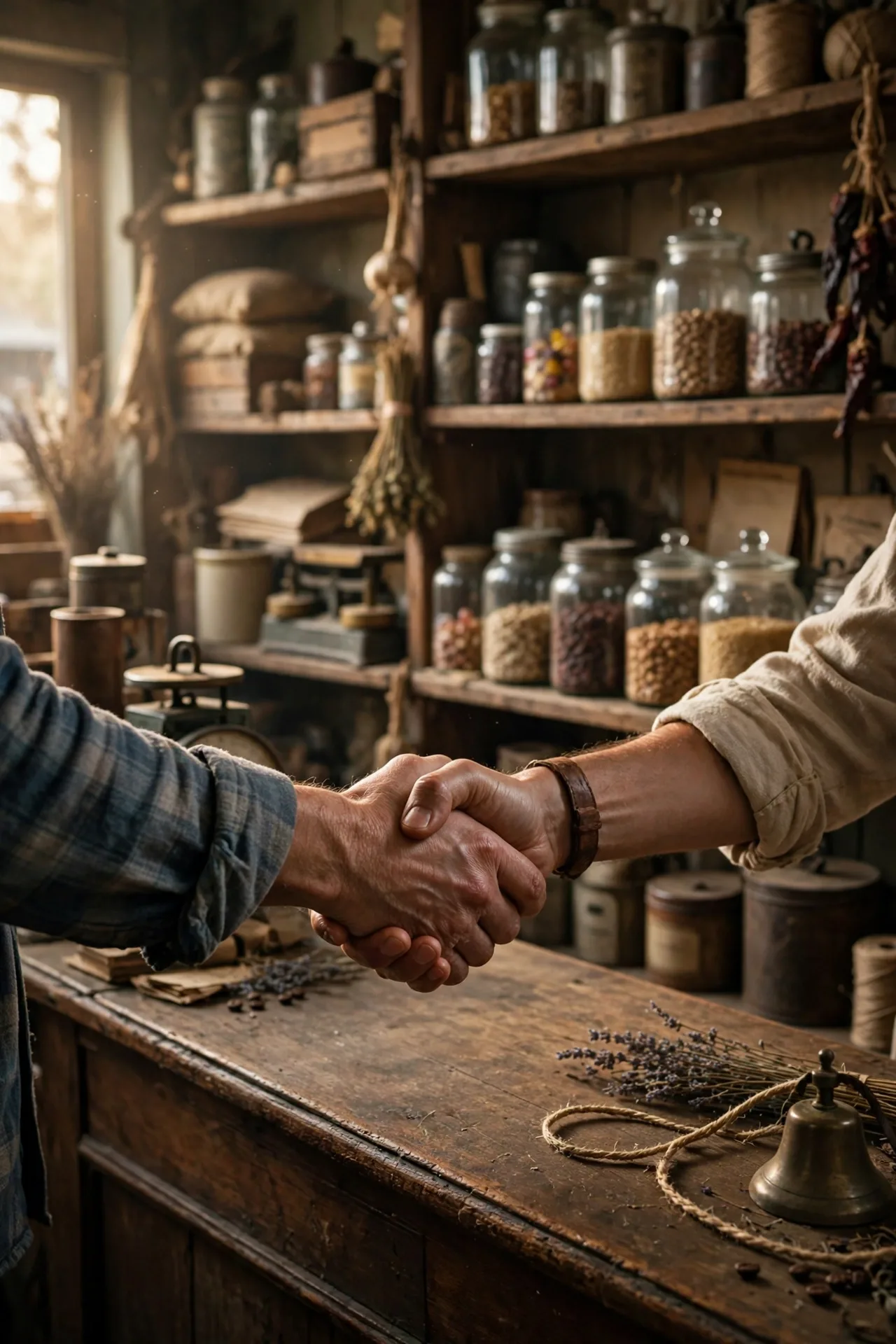
Older generations often describe a time when honesty was not just admired but expected. Lying, cheating, and stealing were severely frowned upon, and a person’s word carried real weight — a handshake could settle a deal, and a reputation for dishonesty followed you around town. It was not that wrongdoing never happened, but the social cost of being caught was high, and most people behaved accordingly.
Today, many feel less sure about what is true and who can be trusted. Scams arrive by text and email, misinformation spreads at the speed of a share button, and public figures seem to survive dishonesty that once would have ended careers. The shift is unsettling because trust is the invisible infrastructure of daily life: it is what lets us believe a label, accept a stranger’s word, or feel safe in a transaction. Rebuilding that trust starts small — with keeping promises, telling the truth plainly, and expecting the same of others.
12. Earning Your Own Trends
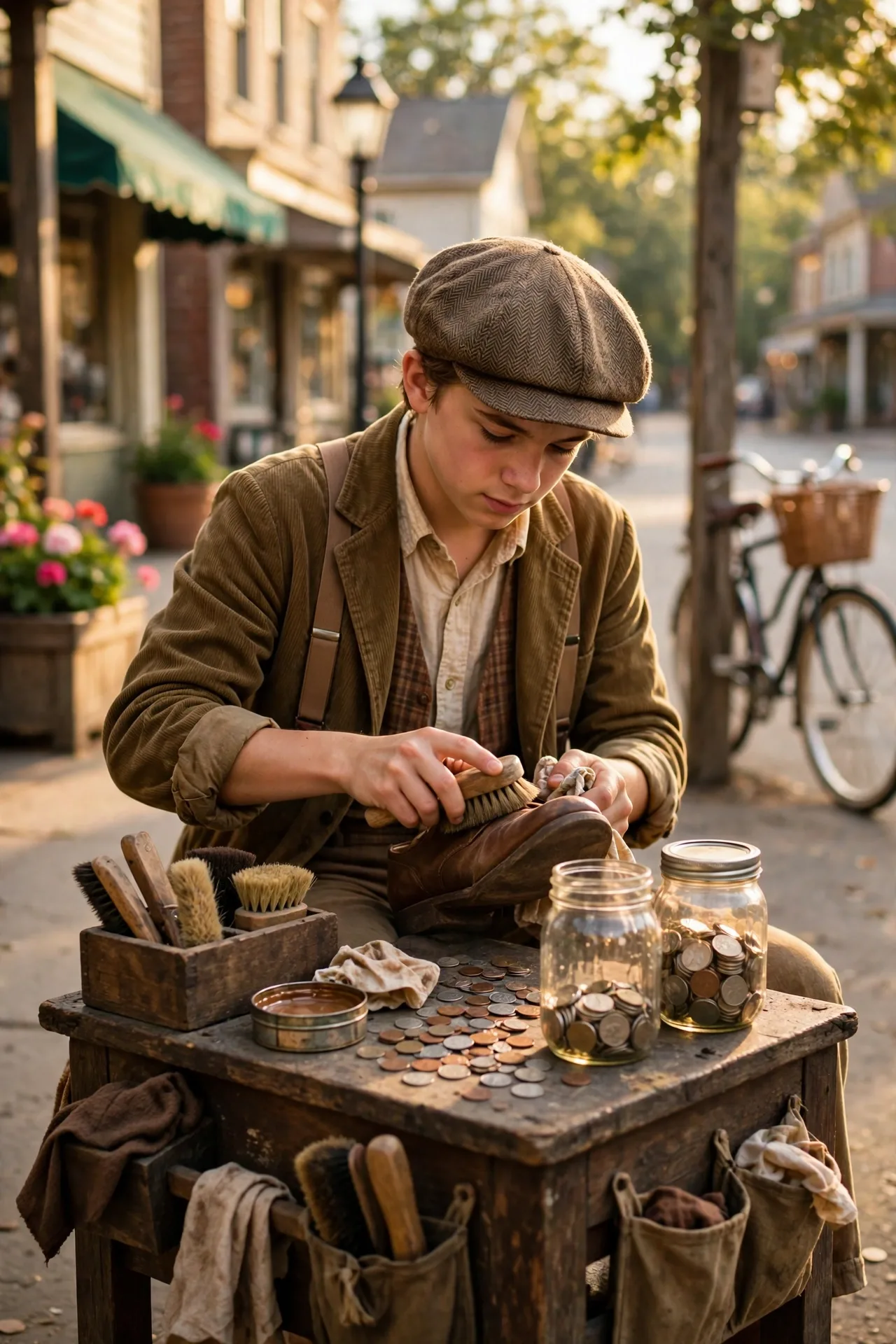
There was a time when trendy shoes or a fashionable jacket were not simply handed over — they were earned. Teenagers took on paper rounds, babysitting jobs, and weekend shifts, saving up week by week for the item everyone was wearing. The purchase meant more because the money behind it was their own, and the wait taught a quiet lesson in patience, budgeting, and the value of work.
Today, many parents buy the latest styles for their children outright, often so that their kids will fit in and not feel left out. The instinct is kind and completely understandable — no parent wants their child to feel excluded. But something valuable gets skipped along the way: the pride of earning, the skill of saving, and the realisation that wanting something and affording it are two different things. A middle path still exists, and many families find it works beautifully: parents contribute, kids earn the rest, and the new shoes mean twice as much.
13. When Swearing Was Actually Shocking
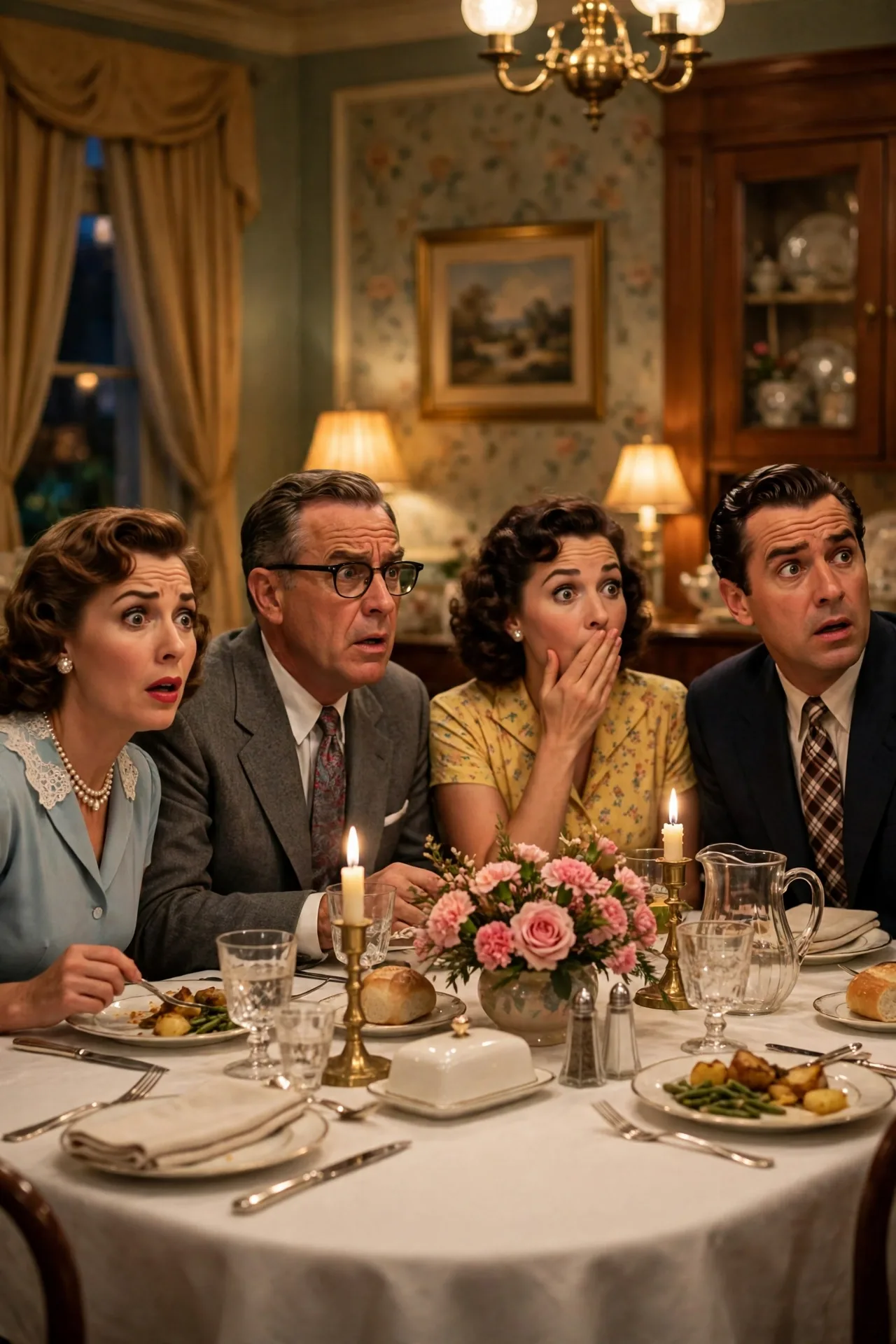
Language has loosened dramatically in a single lifetime. Where the strongest swear words were once genuinely shocking — reserved for moments of real anger or pain, and almost never heard in polite company, on television, or in front of children — they are now part of everyday speech. The F-bomb pops up in casual conversation, in comedy, in music, and in comment sections, anywhere and at any time.
Whether this matters is a matter of taste, but older folks notice the loss of a certain range. When every frustration is expressed with the strongest possible word, language loses its gears: there is nowhere left to go when something truly deserves emphasis. Swearing used to work precisely because it was rare. Its everyday use has not made conversation more honest, just louder — and a little less colourful in the ways that actually count.
14. The Rise and Fall of the Perfect Lawn
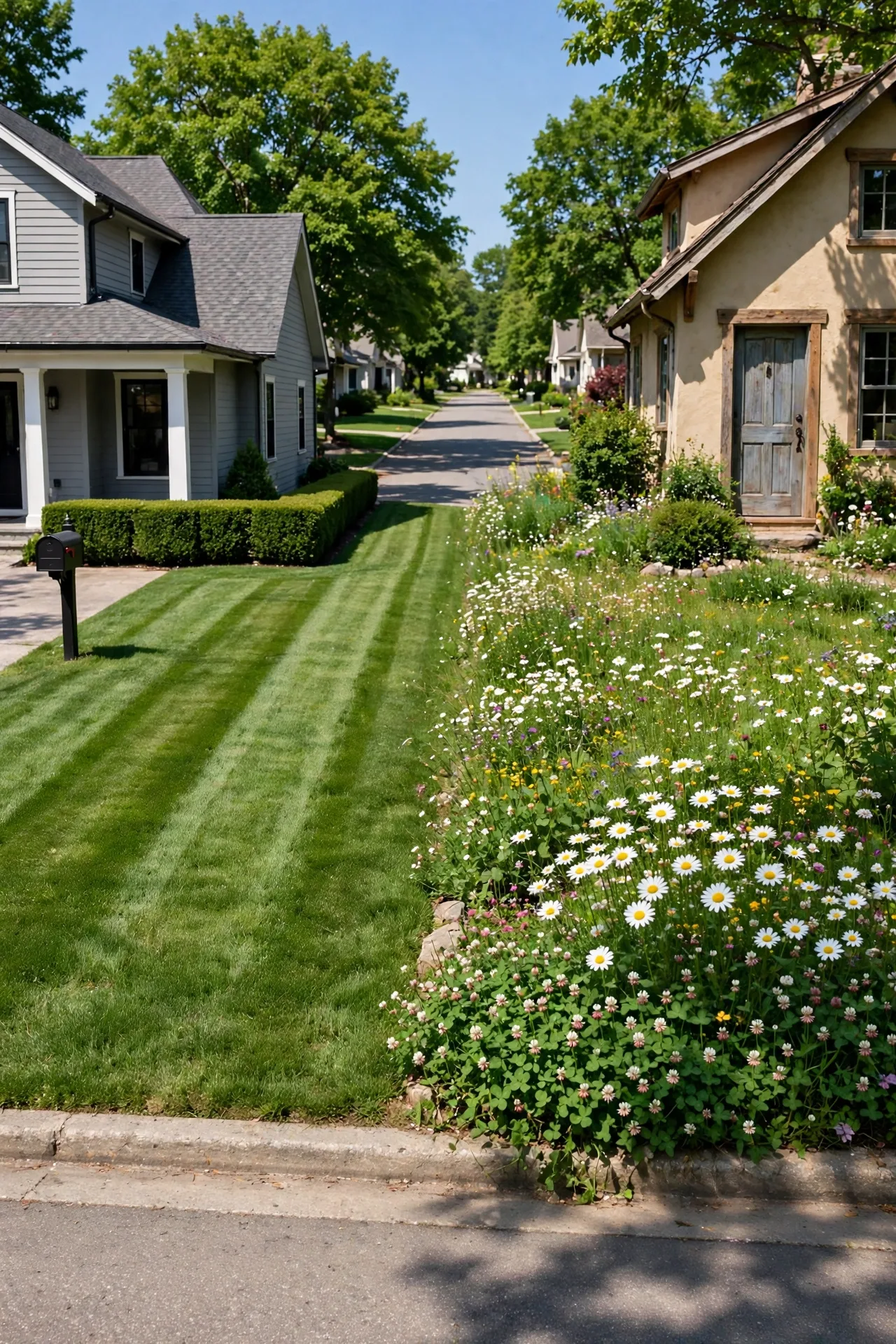
The suburban lawn has had quite a journey. In the post-war decades, the ideal yard was a pristine carpet of green: a single species of grass, chemically treated, edged with military precision, and maintained by a growing industry of lawn services. A perfect lawn signalled a respectable household, and neighbours quietly compared notes on weed killers and mowing schedules.
Yet the lawns of the 1950s and 60s were not always so manicured. Many yards were messy, mixed affairs — clover, dandelions, and bare patches where children had played hard all summer. Today, that relaxed, kid-filled yard is making something of a comeback, as people question the chemicals, water, and effort poured into a monoculture that feeds nothing. Wildflower patches, clover lawns, and gardens that welcome bees are replacing the old ideal, proving that a yard can be beautiful without being perfect.
15. Hats Off Indoors: A Forgotten Etiquette
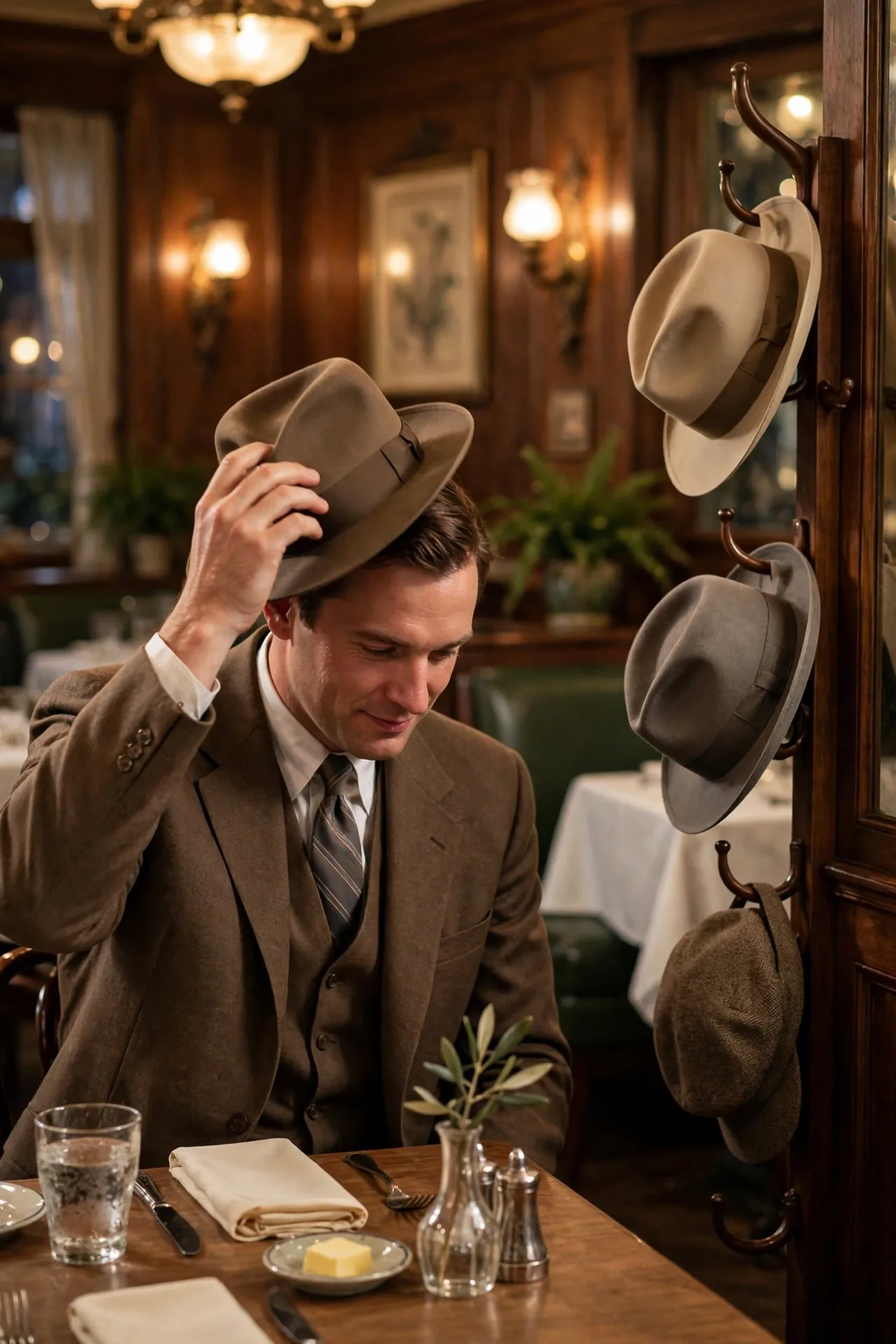
Hat etiquette was once a whole social language. A man removed his hat indoors, at the table, and in church — it was a basic mark of respect, as automatic as shaking hands. Restaurants kept hat racks by the door and clever little chair clips so a hat could hang beside its owner during the meal. Women wore hats too, often elaborate ones, and the rules for when to keep them on were just as well understood.
As hats faded from everyday fashion, the etiquette faded with them. Today, baseball caps stay on through entire meals, and few people under fifty could explain what a hat clip was for. It is a small loss in the scheme of things, but it belonged to a broader code of manners that told people, in a hundred tiny gestures, that they respected the room they were in and the company they kept.
16. Faith Without the Arguments
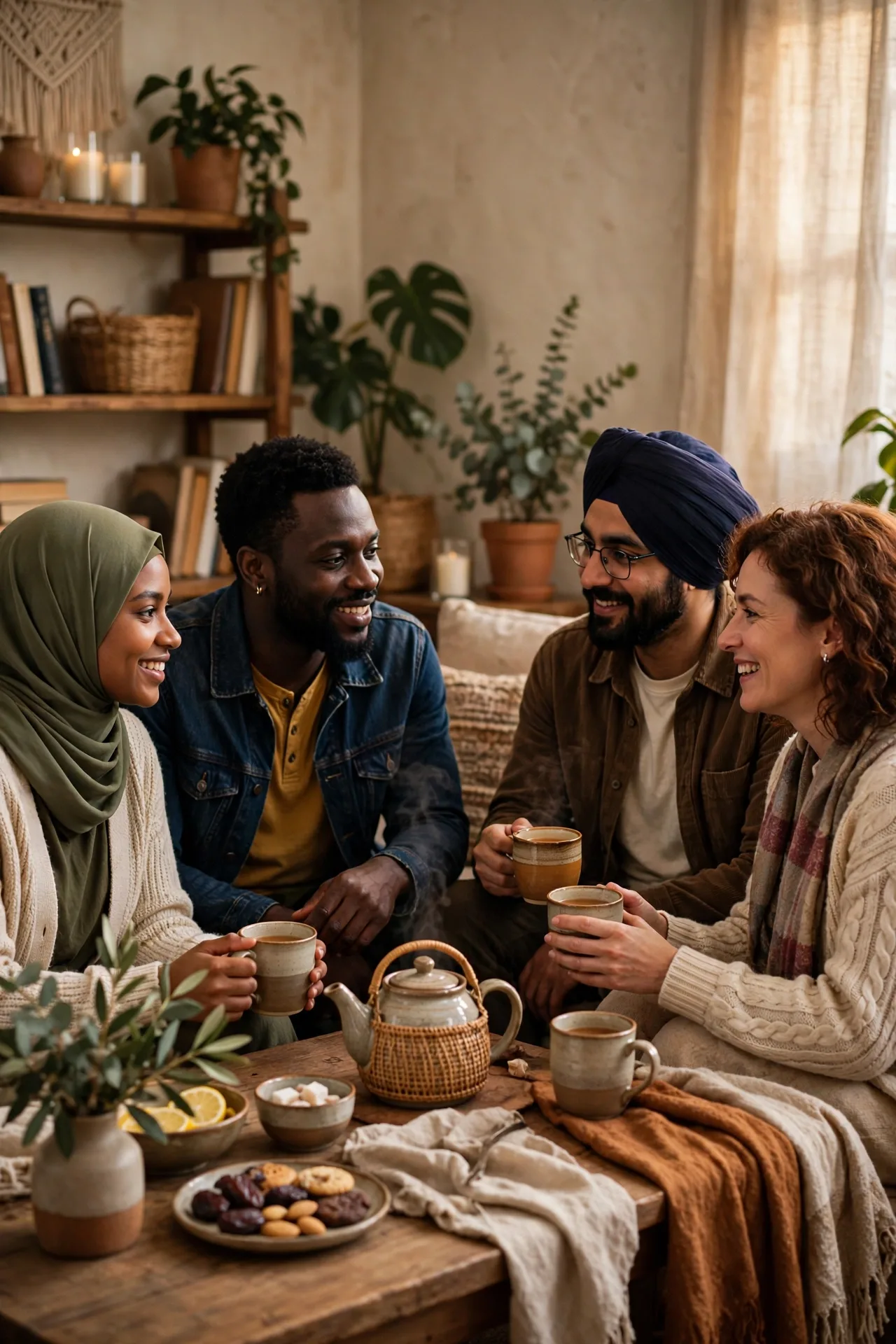
For many older adults, one of the more bittersweet changes concerns religion. They remember a time when friends of different faiths — or of no faith at all — simply did not criticise one another’s beliefs. Religion was personal, often private, and disagreements were handled with a live-and-let-live shrug. You could share a table, a neighbourhood, and a friendship without anyone demanding a theological debate.
Today, faith often feels like everyone’s business. Beliefs are argued about online, judged in public, and treated as a badge of identity rather than a private conviction. The shift has made religious conversation louder but not necessarily wiser. The old approach had real wisdom in it: respect does not require agreement, and friendship does not require sameness. Keeping belief personal — and criticism gentle — might be one tradition worth reviving.
17. The Pressure to Stay Young at Work

Going grey used to be a natural, unremarkable part of ageing. Today, many older women feel they cannot afford that freedom, because they are still working — and workplaces, fairly or not, often reward a youthful appearance. The result is a quiet pressure: dye the hair, hide the years, and look as young as possible to stay competitive, credible, and visible in a job market that can be unforgiving to older faces.
It is a shift that says a lot about how work and age now intersect. Previous generations often retired earlier, so grey hair arrived alongside a well-earned rest. Longer careers mean ageing now happens in full view of colleagues, clients, and cameras. The “proudly grey” movement has pushed back beautifully, celebrating silver hair as a badge of experience rather than something to conceal — but for many working women, the choice still feels less like freedom and more like a gamble.
18. When Requests Turned Into Demands

Small courtesies used to grease the wheels of daily life. People asked for things with a “please,” waited their turn, and thanked the person who helped them. Shop assistants, waiters, and bus drivers were treated as neighbours doing a job, not as obstacles between a customer and what they wanted. Politeness was not formality for its own sake; it was how strangers showed each other basic respect.
Many older folks feel that tone has hardened. Requests increasingly arrive as demands — impatient, entitled, and sometimes openly rude — especially toward service workers. The “customer is always right” attitude has curdled in some places into a belief that paying for something buys the right to be unpleasant. It costs nothing to reverse this shift. A polite request and a genuine thank-you still transform an interaction, and they remind everyone involved that the person behind the counter is a person first.
19. Grocery Shopping in Pyjamas

Once upon a time, leaving the house meant getting dressed — properly. Even a quick trip to the grocery store called for decent clothes, combed hair, and shoes that were not slippers. It was not about vanity; it was a shared understanding that public spaces deserved a minimum of effort, and that how you presented yourself said something about your respect for the occasion.
Today, the grocery store has become the great leveller of dress codes. Shoppers wander the aisles in pyjamas, bathrobes, and even leotards, treating the supermarket as an extension of the living room. Most people find it more funny than offensive, and comfort certainly has its place. But older observers see a small symbol of a bigger change: the slow fading of the line between private and public life, and of the idea that stepping out among strangers is worth dressing up for, even just a little.
20. Traditions Replaced by Scrolling

Big family occasions used to be productions. Weddings, new babies, and birthdays meant decorated rooms, home-cooked feasts, dressed-up guests, and hours of preparation that were themselves part of the celebration. Traditions were repeated year after year, and children grew up knowing exactly how their family marked the important moments.
Today, many of those traditions have quietly thinned out. Celebrations are smaller, quicker, and often documented more than they are experienced — the phone comes out, the photos go up, and the moment passes in a scroll. It is not that people care less; life is busier, families are more spread out, and attention is pulled in a hundred directions. Yet traditions are the glue of family memory, and they do not maintain themselves. Keeping even one — a special meal, a yearly ritual, a decorated room — gives the next generation something solid to remember.
21. Coats and Hats, Whatever the Weather
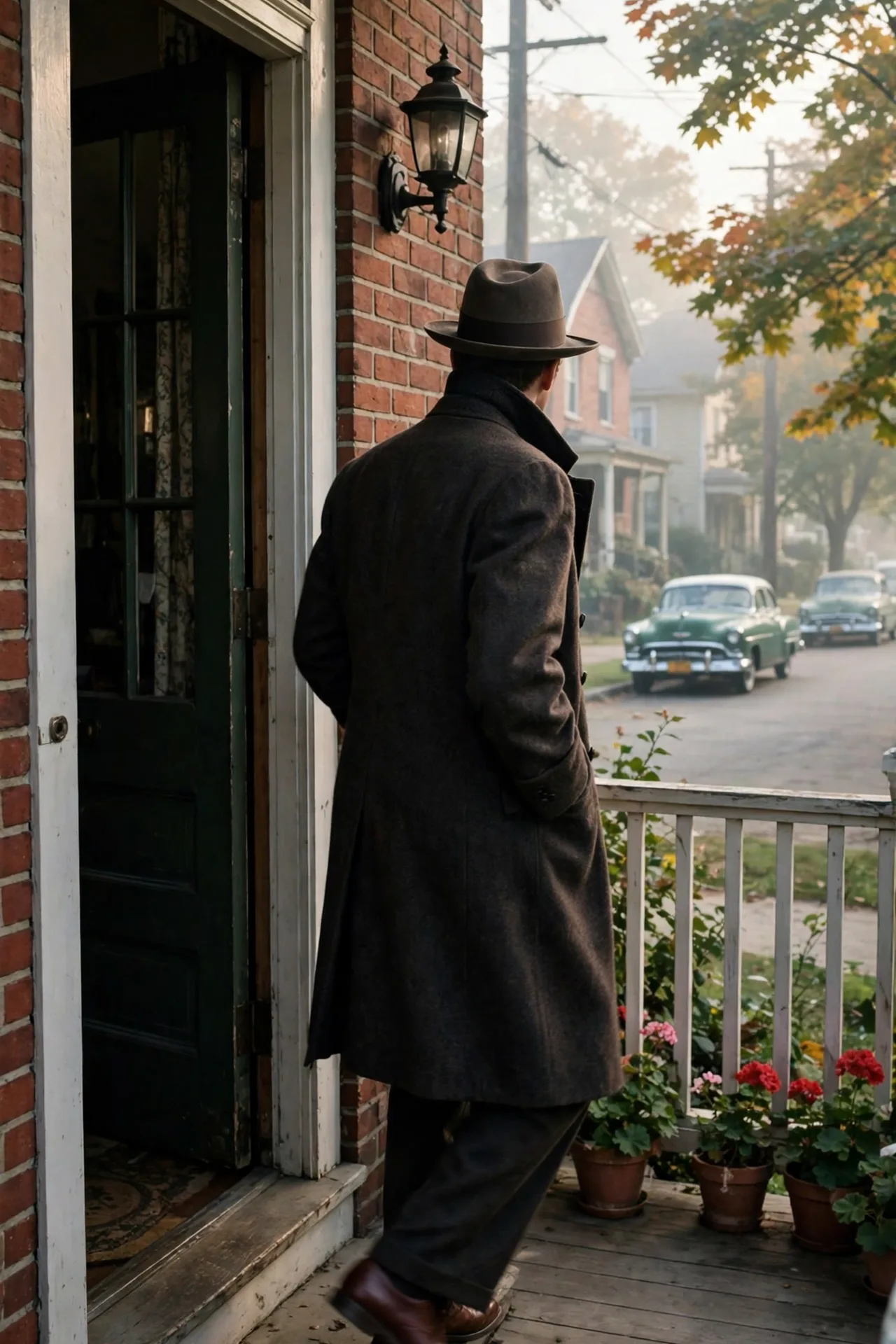
Until about the 1960s, leaving the house followed a simple rule: you wore a coat and a hat, whatever the weather. It did not matter if it was mild, if you were only going to the corner shop, or if the sun was shining — a proper coat and a proper hat were part of being dressed. Men tipped their hats to acquaintances, women matched hats to outfits, and children were buttoned into coats before they reached the front door.
The rule faded as fashion loosened and cars replaced long walks, but it belonged to an era when going out was treated as a small public occasion. Dressing well was not about wealth; it was about self-respect and respect for others. Today, athleisure and bare heads are the norm, and no one mourns the obligation exactly. Still, there is something appealing about that old standard — the idea that stepping out into the world, even for an errand, was worth dressing for.
Which of these shifts feels most familiar to you? Perhaps you remember tablecloths at every meal, or you have watched your own street grow quieter over the years. Maybe you are glad some of these changes happened — and wish others had never come at all. Share the societal shifts you have noticed in the comments below; the small, everyday changes are often the ones that tell the biggest story about how we live now.