America Is Obsessed With Crunch, Chew And Goo—25 Foods That Explain Why Texture Is Becoming The New Flavor

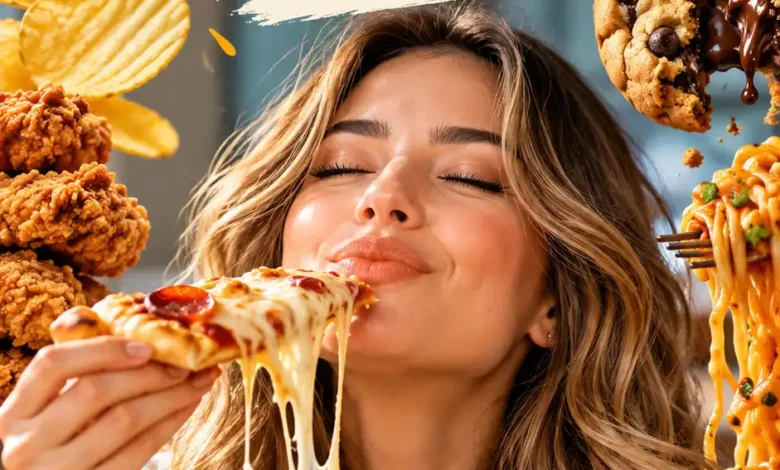
A potato chip can taste perfectly salty and still disappoint if it bends instead of snaps. A cookie can have the exact same ingredients and feel completely different depending on whether the center is gooey or dry. And there is an entire category of candy whose biggest selling point is basically: “Your mouth will have a lot going on.”
Flavor still matters.
Obviously.
But something else has been getting louder in American food culture:
the bite itself.
Crunch.
Chew.
Stretch.
Foam.
Snap.
Pop.
Wobble.
Flake.
Goo.
Air.
Food companies are no longer treating those sensations as background details. They are becoming the product pitch.
Why Texture Is Suddenly Everywhere
Market-research firm Mintel has described a growing U.S. “texture wars” opportunity in snacking, noting strong demand around chewy, soft-baked and gooey formats while many new products still fail to communicate texture clearly on packaging. Ingredient company research reported by Food Business News found that 79% of U.S. consumers said texture influences overall food satisfaction, while 53% said they would reject a food if they disliked its texture. Mintel; Food Business News.
The confectionery aisle is especially revealing.
Freeze-dried candy became a $165 million category in U.S. sales data cited by the National Confectioners Association, with dollar sales up 52% and unit sales up 63%. Candy companies are layering crisp shells over gummies, adding liquid centers, freezing candies without making them hard, and turning familiar chewy products into airy brittle ones. Food Business News.
How the evidence is being used here: market and consumer figures from Mintel, Ingredion-linked reporting, Nestlé and other industry sources are used to document the commercial trend. Claims about how texture is perceived in the mouth are anchored to peer-reviewed sensory and food-science research. That distinction matters: a trend report can show what people are buying or talking about; it cannot by itself prove a biological mechanism.
And consumers are not subtle about it.
A recent Reddit thread about Nerds Gummy Clusters drew hundreds of votes and comments specifically praising the “chew and crunch” combination. Another current thread about freeze-dried candy split almost perfectly into the two texture camps every food company fears and loves: people calling the airy crunch addictive, and people comparing it to eating packing material. Reddit: Gummy Clusters; Reddit: Freeze-Dried Candy.
That disagreement is not trivial.
Texture can make or break a food almost independently of flavor. In one U.S. study of 473 adults, 94% said they rejected at least one food because of texture. Texture-based rejection was nearly as common as flavor-based rejection, and slimy, mushy, hard or otherwise aversive mouthfeel could override a food’s taste entirely. Journal of Texture Studies.
Why Texture Can Matter As Much As Flavor
The social-media mechanism is measurable too. Mintel reports that 30% of U.S. adults ages 18–44 who eat snacks say social media influences the snacks they try. Nestlé USA, citing Innova consumer data, reports that 75% of Gen Z and 80% of Millennials say texture is a primary influence on snack cravings. Those figures come from industry research rather than clinical science, but they help explain why visually obvious textures—cracks, pulls, bubbles, layers and gooey centers—are such powerful trend signals. Mintel; Prepared Foods / Nestlé USA.
Food science helps explain why.
Eating is multisensory. Your brain integrates taste, smell, oral touch, temperature, pressure, movement and even sound into the overall eating experience, and those physical signals can also shape how flavor is perceived. Reviews of oral processing show that the snap of a crisp food can signal freshness; viscosity changes how a drink feels; saliva alters texture over time; air bubbles can make chocolate feel lighter and more brittle; and cheese stretch is its own measurable material property. Mouthfeel review; Oral processing review.
Which creates one of the most useful ways to understand why so many current foods go viral:
Flavor has to be imagined through a screen. Texture can perform for the camera.
You can hear a cracker break.
You can watch cheese stretch.
You can see a cookie split open and reveal a molten center.
You can film boba bursting.
You can zoom in on flaky pastry shattering into a table full of crumbs.
That makes texture almost perfectly designed for social media.
A small but important note before the list: texture preference is deeply personal. Sensory sensitivity, dental issues, swallowing difficulties, neurodivergence, cultural familiarity and simple individual preference can all affect what feels pleasant or unpleasant. “You have to try this texture” is not a useful rule. Also, this article is about why certain textures are popular—not an argument that highly processed snacks or candy are nutritionally superior because they are fun to bite.
25 Foods That Explain The Texture Boom
With that out of the way, here are 25 foods and formats that explain why American eating is becoming as much about how it feels as how it tastes.
1. Crunchy-On-The-Outside, Chewy-In-The-Middle Candy
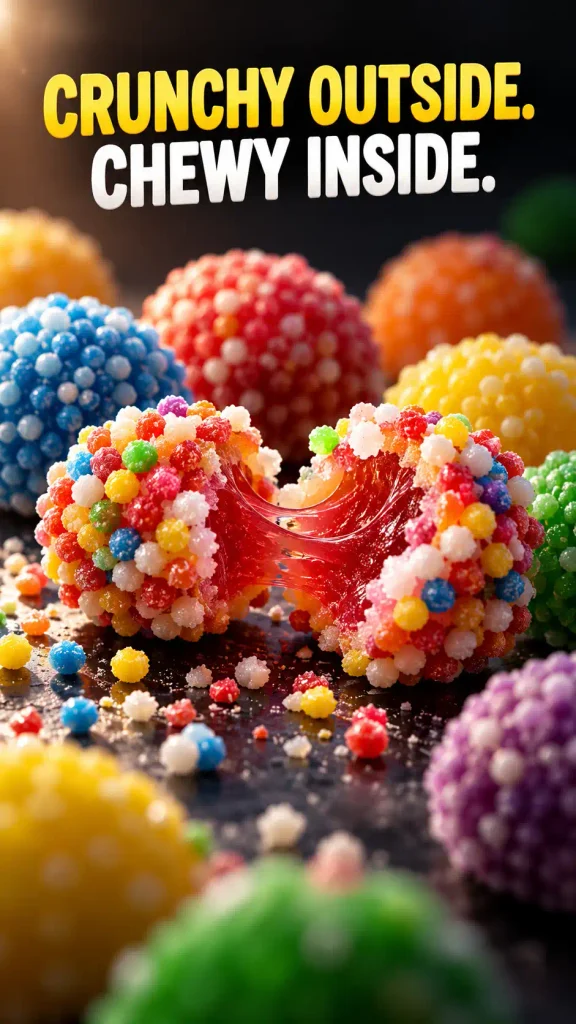
If someone designed a candy specifically to prove that texture contrast matters, it would look a lot like today’s cluster candies.
The outer layer snaps and crunches.
Then the center suddenly pushes back with a gummy chew.
The tongue gets sweet and sour.
The teeth get hard and soft.
The bite changes halfway through.
That sequence is the point.
Nerds Gummy Clusters became one of the most obvious examples of texture-driven candy success. NBC Select reported that experts linked the product’s appeal to the contrast between crunchy candy pieces and a chewy gummy center, alongside sweet-sour flavor. The product became a cultural hit far beyond the audience for the original candy. NBC Select.
From a sensory perspective, contrast prevents the bite from becoming monotonous. Food-product developers now deliberately design snacks so texture changes while you chew.
A candy that is crunchy all the way through is one experience.
A candy that crunches, collapses and then stretches is three experiences in one bite.
Why people notice it: hard + soft sensations arrive in rapid sequence.
Why it photographs well: the coating and gummy center are visually obvious when cut open.
Science angle: modern product development increasingly treats texture contrast and change-over-time as part of consumer liking.
2. Freeze-Dried Candy
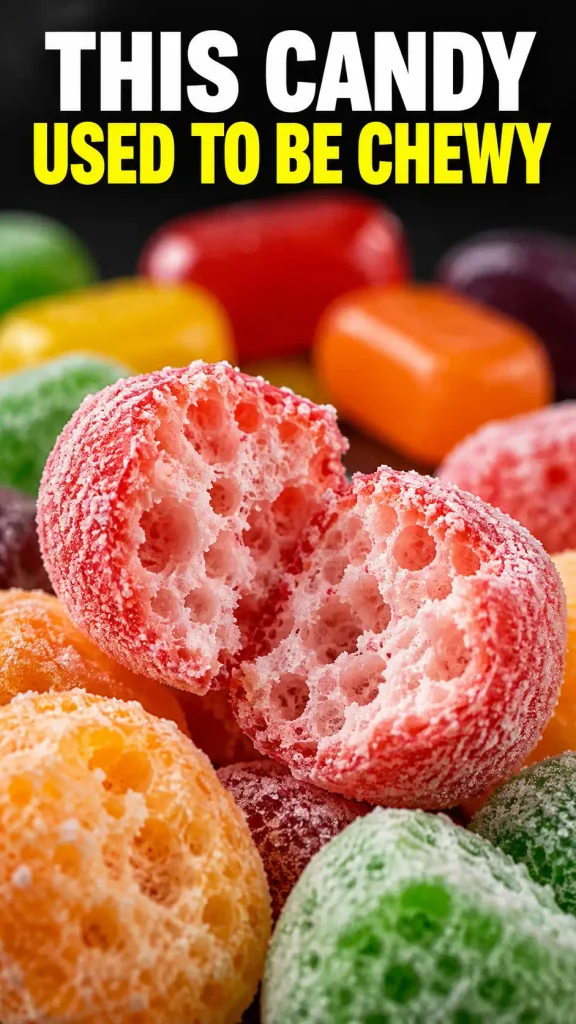
Freeze-drying can take a candy known for chew and turn it into something that cracks like a tiny sugar asteroid.
That transformation is the product.
Freeze-drying removes water from frozen food under low pressure by sublimation—ice transitions directly to vapor rather than passing through a liquid phase. That process can leave a highly porous, lightweight structure that is mechanically fragile and characteristically crisp or crunchy. Freeze-drying review.
A chewy candy becomes airy.
A dense candy becomes fragile.
A familiar flavor suddenly arrives through an unfamiliar structure.
That novelty has become big business, but it is also unusually polarizing. Current candy-community threads are full of people who adore the texture and people who cannot get past what they describe as chalky, styrofoam-like or overly brittle.
There is also a technical enemy: moisture.
Porous freeze-dried candy can absorb water from humid air and lose the texture that made it interesting in the first place. That is why packaging and resealing matter so much.
What changes: water leaves, the structure becomes porous, and chew can become crisp/airy fracture.
Why it went viral: the before-and-after texture change is instantly understandable on video.
Watch out: exposure to humidity can turn crisp pieces sticky or soggy.
3. Mochi: The Stretchy Chew That Refuses To Snap
Crunch gets most of the internet’s sound effects.
Mochi wins with resistance.
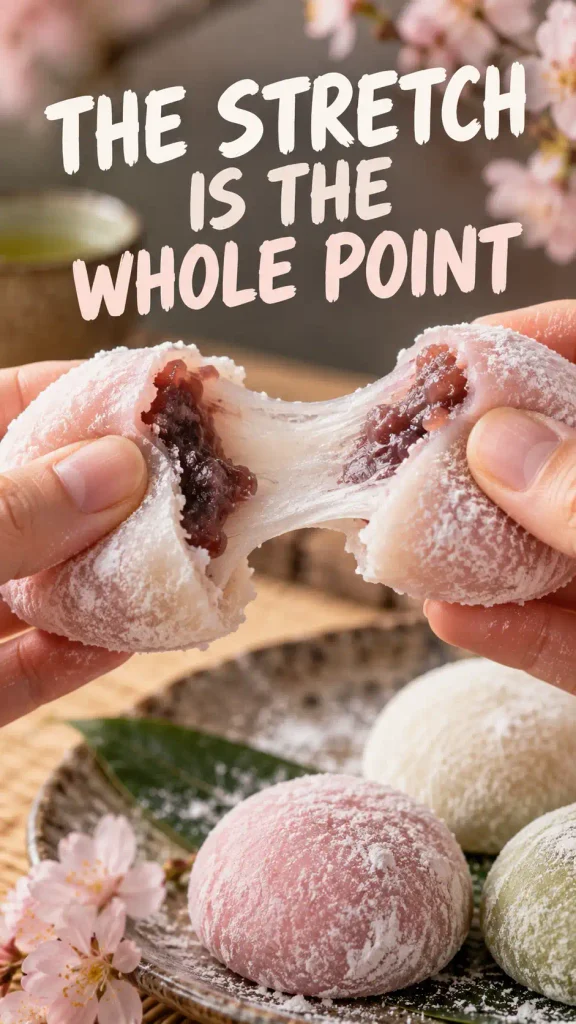
Traditional Japanese mochi is made from glutinous rice or glutinous-rice flour, producing a soft, cohesive, elastic chew. The word “glutinous” refers to stickiness—not gluten.
The pleasure is almost the opposite of a potato chip.
A crisp chip fractures quickly.
Mochi deforms.
It stretches.
It pushes back.
Then it slowly gives way.
That chew has spread far beyond traditional preparations into ice cream, bakery products and snack formats across the U.S.
But texture is also why mochi deserves a real safety note. Its cohesive, adhesive structure has been documented as a choking hazard, particularly in older adults; published case series and swallowing research describe severe airway obstruction involving large pieces. Small bites, careful chewing and extra caution for people with swallowing difficulties are sensible. Case series and review.
The texture: soft, elastic, cohesive and resistant rather than crisp.
Why it stands out: it makes chewing itself a longer sensory event.
Safety: eat slowly in manageable bites; sticky dense foods can be a choking hazard.
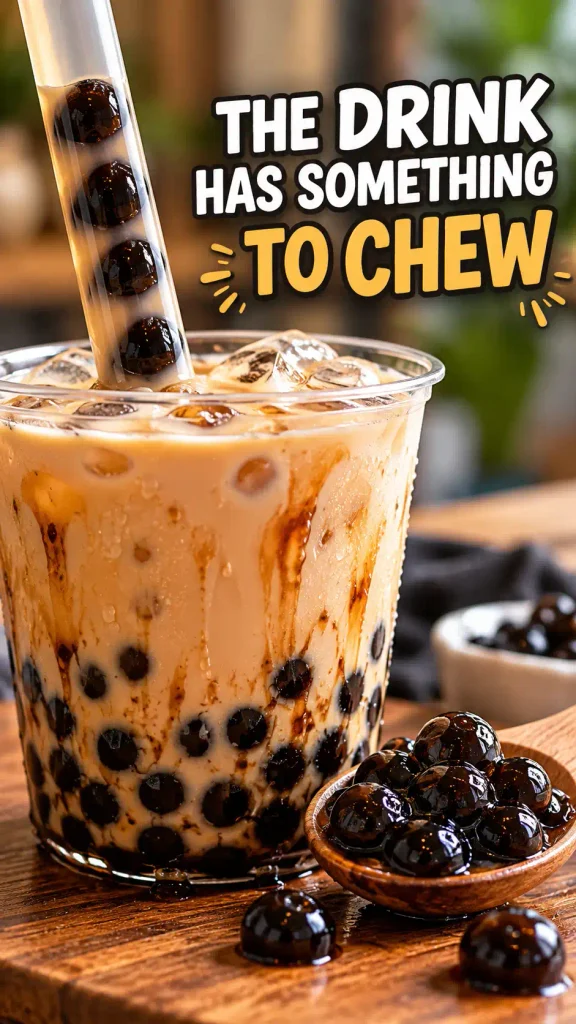
4. Tapioca Boba: A Drink You Have To Chew
Bubble tea changed one of the most basic expectations we have about beverages:
You do not normally need to chew one.
Tapioca pearls are dense, springy and deliberately resistant. A sip delivers liquid first and a chewable object second.
That turns a drink into a repeating texture cycle:
sip, catch, chew, swallow.
The pearls are traditionally starch-based, with their characteristic chew influenced by formulation, cooking time and holding conditions. Leave them too long and the texture changes; that is why good boba shops treat pearl preparation like a timing problem, not simply a topping bin.
Bubble tea’s success also demonstrates something larger about the current texture boom: Americans are increasingly comfortable with drinks that contain substantial physical texture rather than being uniformly liquid.
The texture: dense, springy chew inside a liquid drink.
Why it feels different: beverage and solid mouthfeel alternate in every sip.
Important: tapioca boba and popping boba are not the same texture at all.
5. Popping Boba: The Opposite Of Tapioca
Popping boba looks like tapioca’s colorful cousin.
The mouth experience could hardly be more different.
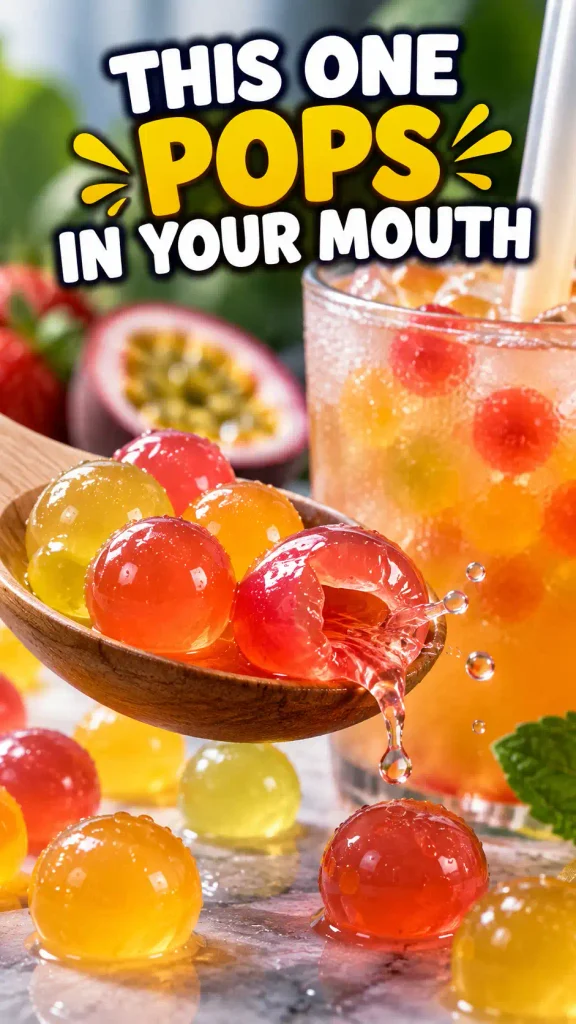
Instead of asking you to chew a dense starch pearl, popping boba uses a thin membrane around a liquid center. Bite down and the membrane breaks, releasing the filling.
Food Business News reports that ingredient companies are developing popping pearls stable enough for more packaged foods and beverages—not just made-to-order bubble tea. Food Business News.
It is a useful example of texture engineering because the sensation is designed as an event.
Nothing.
Pressure.
Pop.
Liquid.
That tiny surprise is enough to make an ordinary drink or dessert feel interactive.
The texture: thin flexible shell + sudden liquid burst.
Why it is memorable: the texture changes almost instantly when bitten.
Why brands like it: color, flavor and “pop” can all be customized.
6. Cold Foam: Coffee With A Second Texture Layer
Coffee used to be discussed mostly through roast, sweetness, milk and flavor.
Now the top inch of the drink can have its own personality.
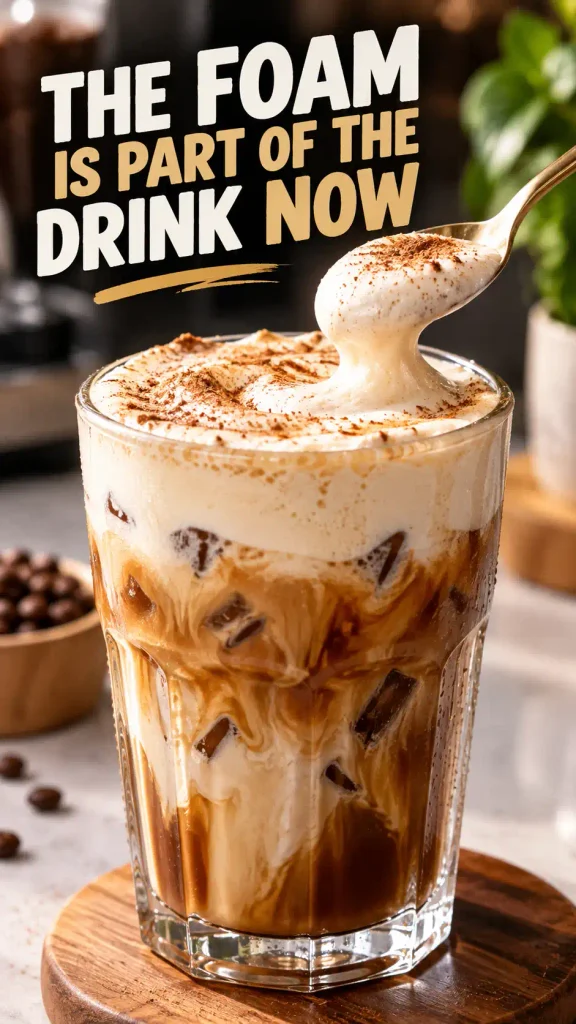
Cold foam adds a light, aerated layer over a denser cold beverage. You drink through the foam into coffee, so the texture changes within a single sip.
Starbucks says cold foam has become one of its most popular beverage customizations and accounts for roughly one-third of beverage customizations. The company specifically credits the creamy, silky texture as part of the appeal. Starbucks.
That scale matters.
Foam is no longer a decorative finish.
It is a texture platform.
And because the layer is visually obvious through a clear cup, it also performs extremely well on social media.
The texture: light aerated top layer over a thinner cold drink.
Why it works: one sip contains both foam and liquid.
Trend signal: texture has become a major customization feature in U.S. cold beverages.
7. Dubai-Style Chocolate: Snap, Cream, Then Crunch Again
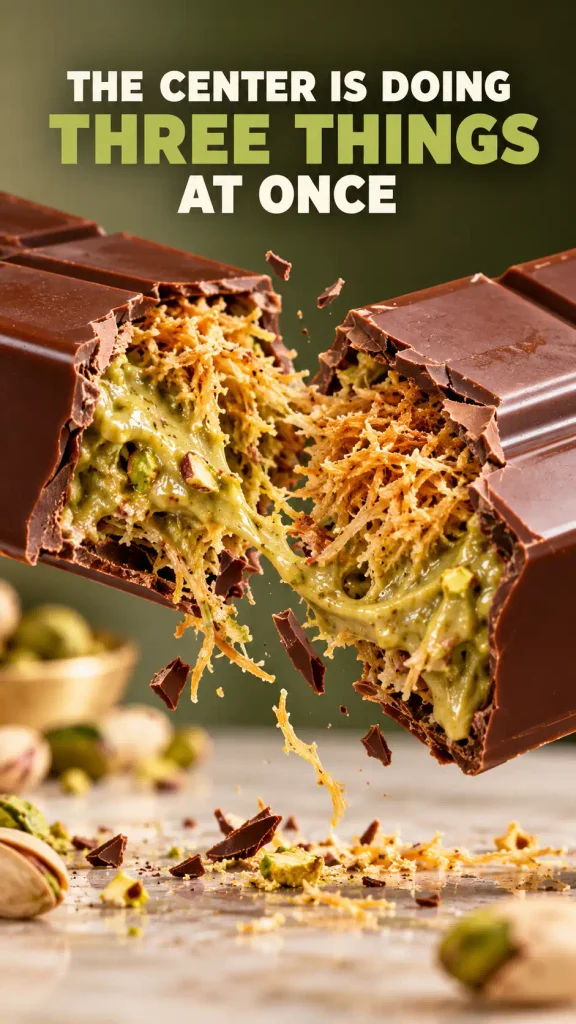
The viral chocolate-bar format commonly associated with Dubai works because the bite is structurally busy.
First the chocolate shell snaps.
Then a creamy nut filling softens the bite.
Then fine toasted pastry strands add crispness inside the cream.
That contrast is more important than the idea of “luxury chocolate” alone.
Associated Press coverage of the broader texture trend pointed to multilayered Dubai-style chocolate as an example of how social media has intensified interest in foods that visibly crack, pull apart and reveal contrasting interiors. Associated Press.
The lesson is useful beyond one viral bar:
The inside of a food can now be expected to surprise you texturally as much as it surprises you with flavor.
The texture: brittle shell + creamy filling + crisp pastry threads.
Why it films well: the entire architecture appears when the bar is broken open.
Bigger trend: hidden internal texture is becoming part of the reveal.
8. Kettle Chips: The Crunch That Fights Back
All potato chips are not texturally interchangeable.
A thin delicate chip shatters quickly.
A kettle-style chip tends to feel thicker, harder and more resistant.
The louder, firmer crunch becomes part of what the buyer is choosing.
That matters because crispness is not only something the mouth feels.
It is something the ears hear.
Food-science research can measure crispness through both fracture force and acoustic peaks, and studies show chewing sound contributes to how we interpret texture. One experiment even found that making food sound more salient could affect taste evaluation and consumption. Crispness acoustics; Food sound salience.
That means a loud chip is literally giving your brain more sensory information.
The texture: thick, hard fracture with an audible crunch.
Why it feels satisfying: force + sound reinforce the sensation of crispness.
Science: crisp food can be evaluated acoustically as well as mechanically.
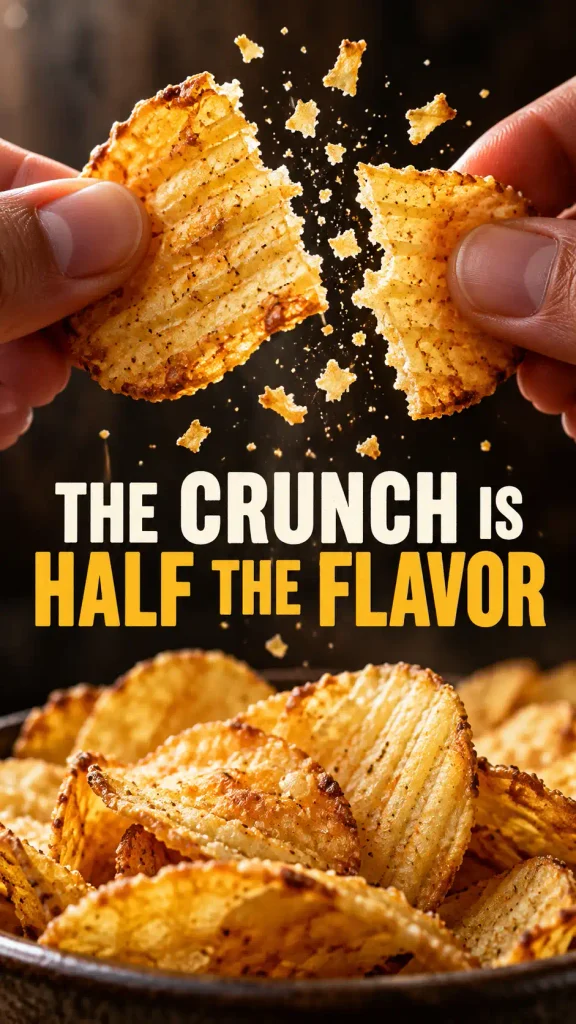
9. Crispy Rice: Turning Soft Food Into A Crackle
Rice is usually associated with softness.
Crispy rice works because it violates that expectation.
Cooked rice is pressed against heat until the outer layer loses moisture, browns and forms a crisp crust while the interior remains tender.
One grain-based food now has two completely different mechanical states.
Soft beneath.
Crackly above.
This contrast appears across many cuisines and preparations, from scorched rice crusts to contemporary crispy-rice appetizers.
It is a reminder that texture innovation is not always about inventing a new ingredient.
Sometimes it is simply changing water and heat.
The texture: browned dry crust against soft moist rice.
Why it works: familiar food gains a second fracture-heavy layer.
Technique: controlled surface drying and browning create the crispness.
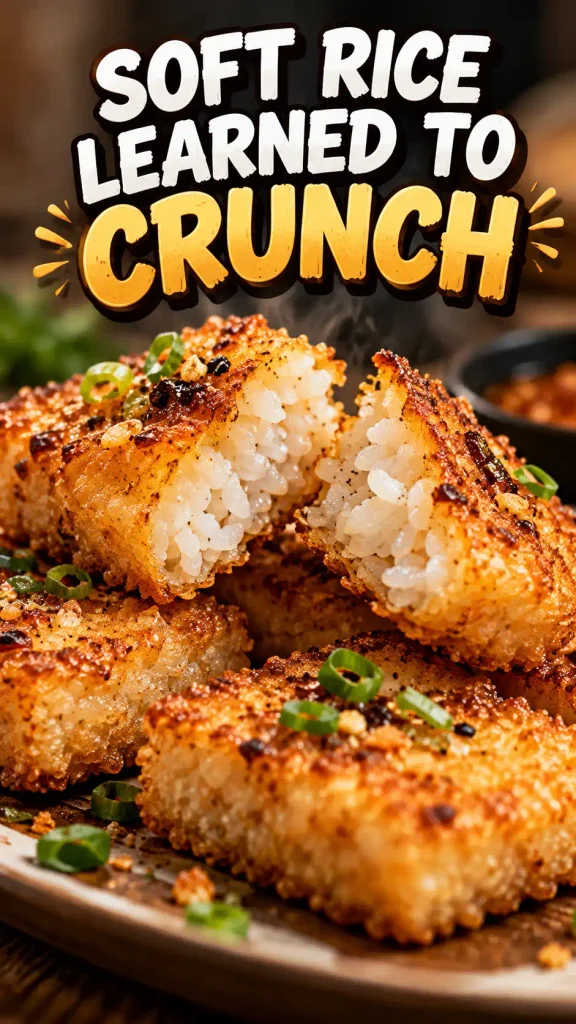
10. Soft-Baked Cookies: The Center Is Supposed To Look Underdone
There is a reason social videos break cookies in half instead of politely eating them.
The center has to perform.
Soft-baked cookies reverse the old expectation that a cookie should be evenly crisp or uniformly set.
The outer edge gives structure.
The middle stays softer, denser or gooier.
That interior can look almost unfinished—which is exactly why people want to see it pulled apart.
Mintel’s current U.S. snack analysis specifically highlights rising consumer opportunity around soft-baked and gooey textures, suggesting that “crunchy” is no longer the only texture language brands should emphasize.
The appeal is partly contrast, partly indulgence cue.
A gooey center visually promises moisture and richness before the bite happens.
The texture: firmer exterior + moist soft center.
Why it looks indulgent: visible moisture reads as richness and freshness.
Trend signal: soft-baked and gooey are emerging as important U.S. snack descriptors.
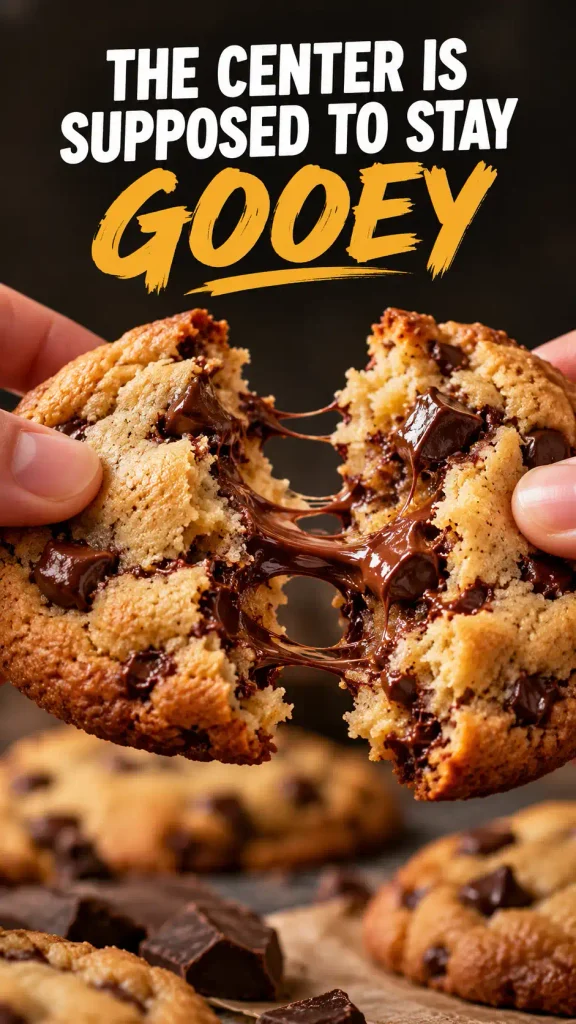
11. Croissants And Filled Pastries: The Crumbs Are Evidence
A flaky pastry announces its texture before it reaches your mouth.
Layers separate.
The shell fractures.
Crumbs land absolutely everywhere.
Inside, the structure becomes softer and airier.
Add cream, custard or cookie dough and suddenly one pastry can go:
crisp → airy → creamy → chewy.
AP’s reporting on the texture boom highlighted hybrid pastries like the “crookie,” where a crisp, airy croissant shell surrounds a melty cookie filling. Associated Press.
That format works because the eater is not receiving one consistent texture.
The bite evolves.
The texture: brittle flakes + airy laminated layers + potentially creamy/chewy filling.
Why it looks good online: cutting or tearing reveals layers immediately.
Texture rule: crumbs are not a design failure; they are proof of fracture.
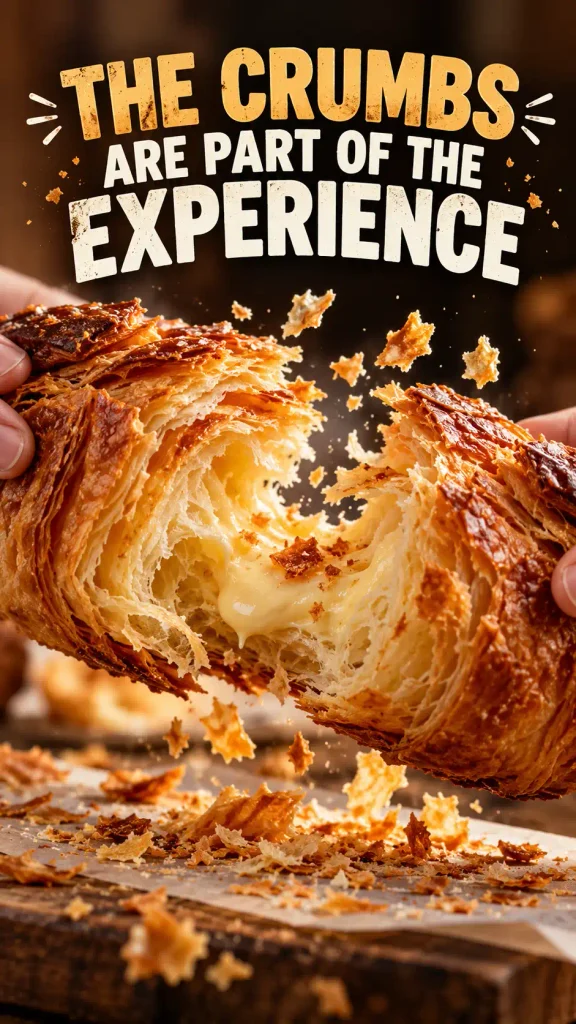
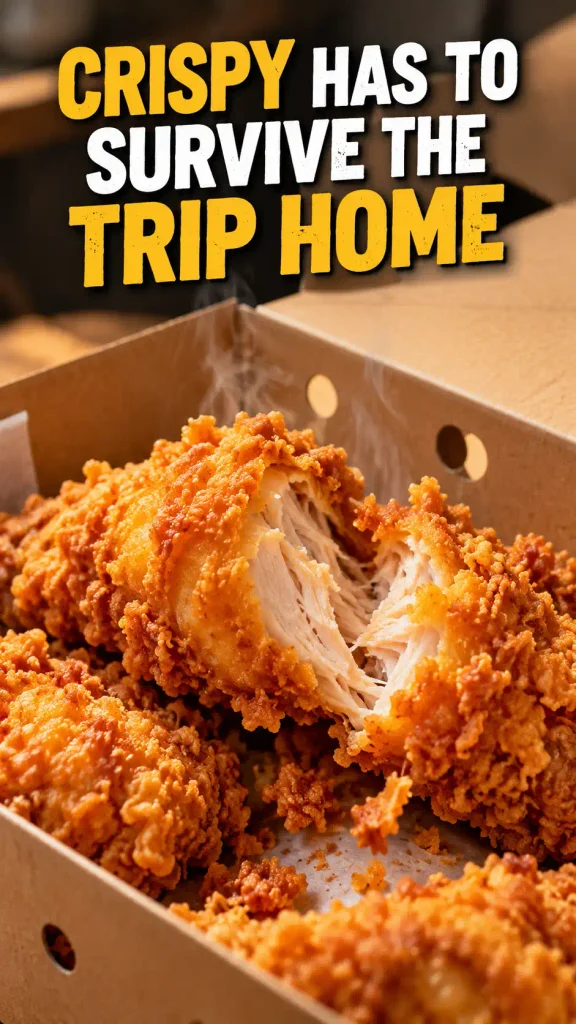
12. Fried Chicken: Crispness Has To Survive The Ride Home
Fried chicken exposes one of the hardest technical problems in texture:
crispy food contains moisture right next to the crispy part.
That is unstable.
Steam moves.
Water migrates.
Crunch softens.
The problem becomes even harder inside a closed delivery box where heat and moisture have nowhere useful to go.
AP reports that ingredient companies are developing starch-based coatings specifically to help fried foods retain crispness during delivery, including a coating reported to keep fries crisp for about 30 minutes while developers work toward longer hold times. Peer-reviewed food-science research also treats crispness as a key quality attribute of dry, brittle coatings surrounding high-moisture cores. Associated Press; Journal of Texture Studies.
That is a remarkable amount of engineering devoted to one very human complaint:
It got soggy.
The texture: brittle dry coating wrapped around a moist interior.
The enemy: moisture migration and trapped steam.
Industry challenge: keeping delivered fried food crisp long enough to reach the customer.
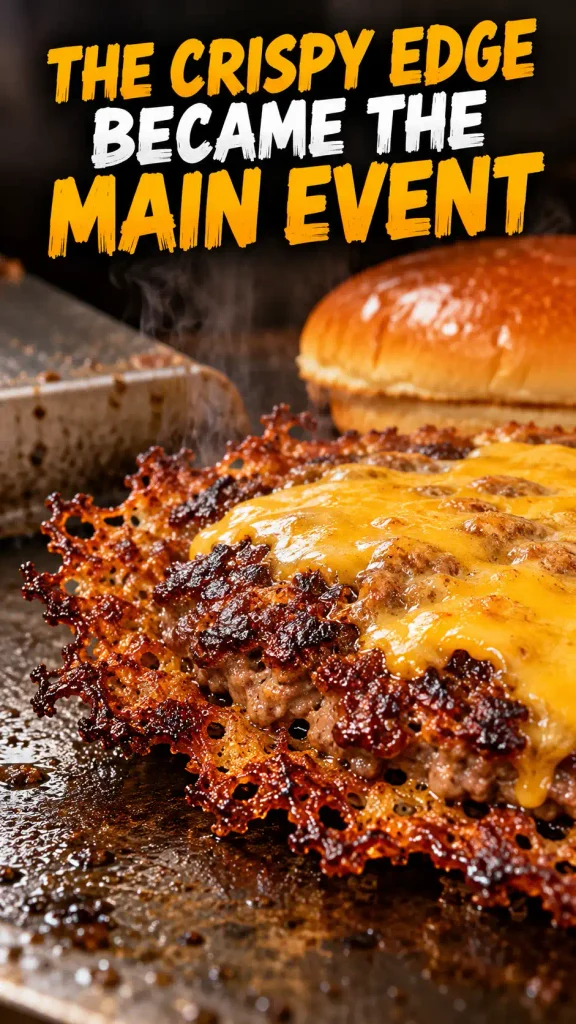
13. Smash Burgers: The Edge Became The Main Character
A thick burger is about juiciness.
A smash burger adds another obsession:
the lace-like browned edge.
Pressing a thin layer of ground beef against a very hot cooking surface creates extensive browning and a crisp, irregular crust while the inside stays comparatively tender.
The attractive part is not simply “well cooked.”
It is the contrast between a brittle browned perimeter and the softer interior.
And visually, those ragged crisp edges are almost engineered for food photography.
A perfect circular patty can look manufactured.
A shredded brown edge looks like evidence that heat actually happened.
The texture: thin browned crust + tender interior.
Why it photographs well: irregular lace edges visually communicate crispness.
Cooking principle: high heat and strong surface contact accelerate browning.
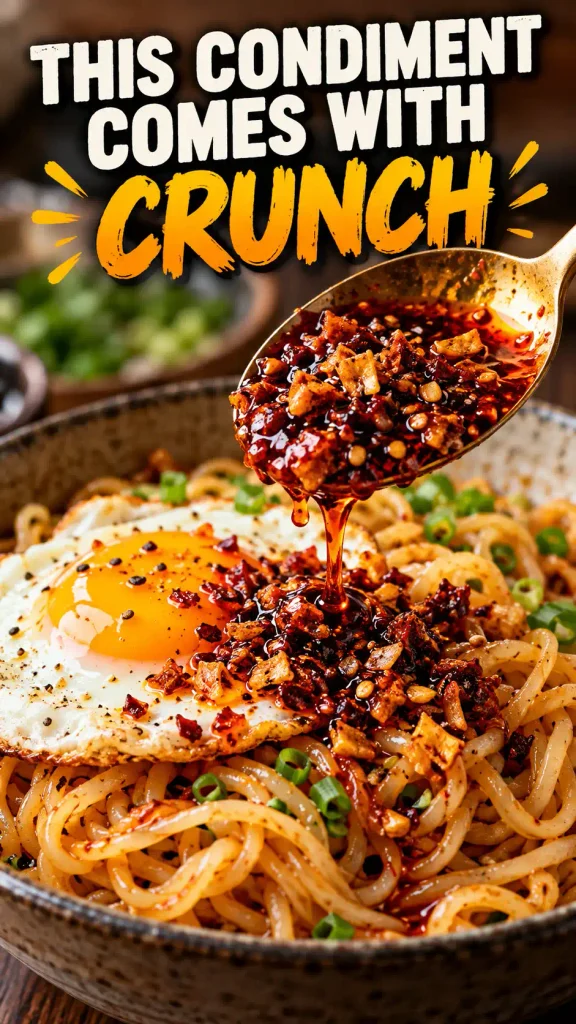
14. Chili Crisp: A Condiment You Can Hear
Most condiments add flavor and moisture.
Chili crisp does something almost rude:
it adds debris.
Fried chili, garlic, onion, seeds or other crisp particles sit inside oil, so a spoonful adds heat and aroma while also scattering crunchy pieces through otherwise soft foods.
Noodles become texturally interrupted.
Eggs suddenly crackle.
Rice gets tiny fracture points.
Dumplings gain crispness without being fried again.
That is why chili crisp belongs in this conversation even though its flavor is obviously important.
It functions as a texture condiment.
The texture: suspended crisp solids inside flavored oil.
Why it is versatile: soft foods gain crunch without changing the entire dish.
Big idea: condiments can now modify texture, not merely taste.
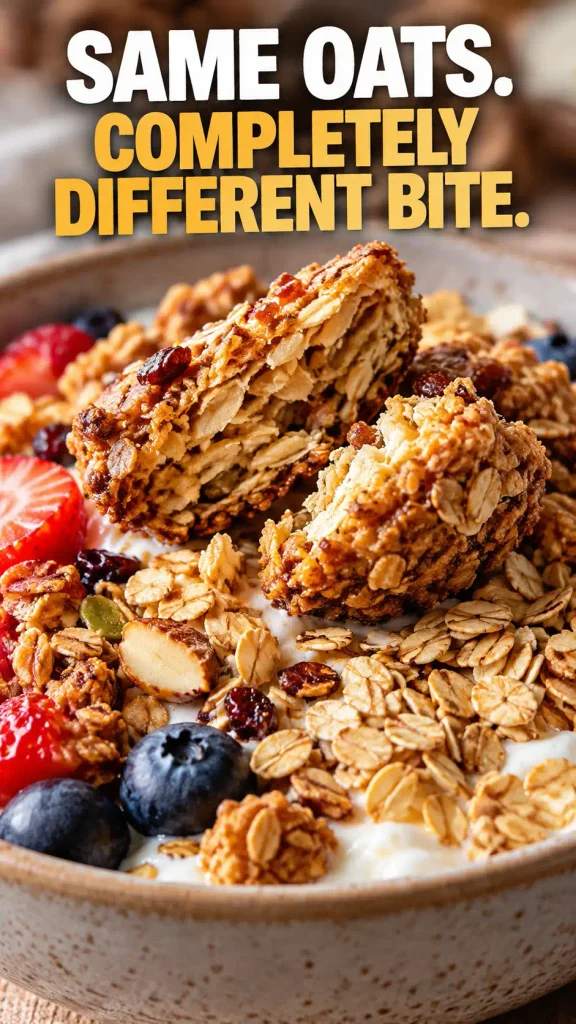
15. Granola Clusters: Bigger Pieces, Bigger Bite
Granola is a useful lesson in how size changes texture.
Loose toasted oats give small rapid crunch.
Dense clusters require a more deliberate bite and break into pieces inside the mouth.
The ingredient list can be almost identical.
The physical architecture changes the eating experience.
That matters to product developers because “crunchy” is not one universal property. Hardness, brittleness, thickness, porosity and fracture pattern all change what a consumer experiences as crunch.
One large cluster can feel more substantial than twenty loose flakes even if the weight is the same.
The texture: thick bonded cluster that fractures into smaller pieces.
Why size matters: structure changes the force and duration of each bite.
Food-science lesson: texture depends on architecture, not just ingredients.
16. Wafer Protein Bars: Fitness Food Discovered Layers
Protein bars spent years with a reputation for one dominant texture:
dense.
Very dense.
Possibly drywall-adjacent.
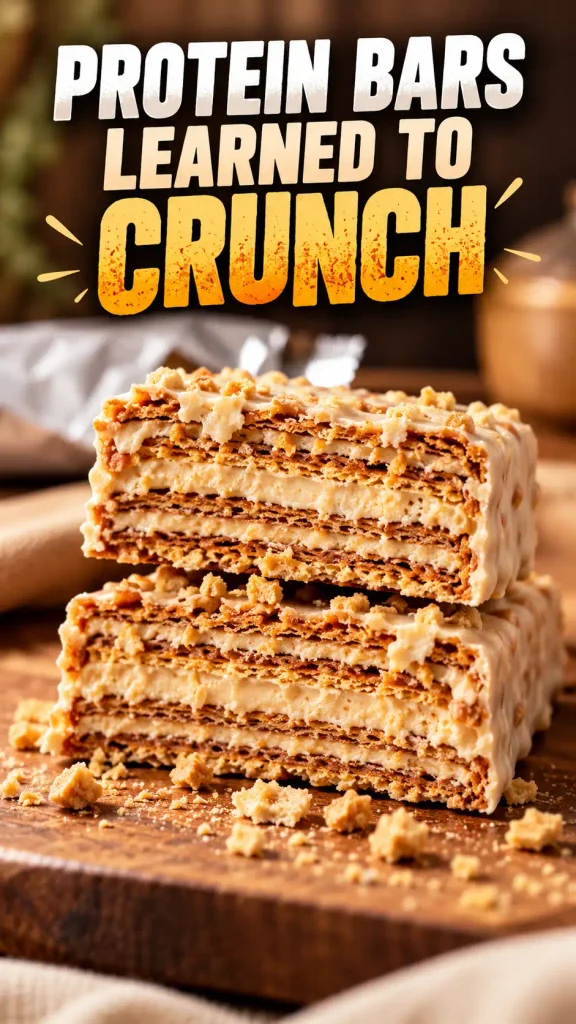
Wafer-style bars attack that problem by introducing air and layers. Thin crisp sheets alternate with softer fillings and coatings, so the bite breaks instead of compressing into one solid chew.
Associated Press coverage of the current texture trend specifically pointed to wafer-like protein products as evidence that mouthfeel is influencing categories far outside traditional candy.
That matters because texture can determine whether a “functional” food feels like medicine or a snack somebody actually wants to eat again.
The texture: brittle wafer layers + softer filling/coating.
Why it matters: aeration and layering can make dense formulations feel lighter.
Industry lesson: nutrition claims do not erase consumer expectations for an enjoyable bite.
17. Jelly Desserts: Some Foods Are Popular Because They Wobble
There are foods whose texture is so central that the best description is a movement.
Jiggle.
Wobble.
Bounce.
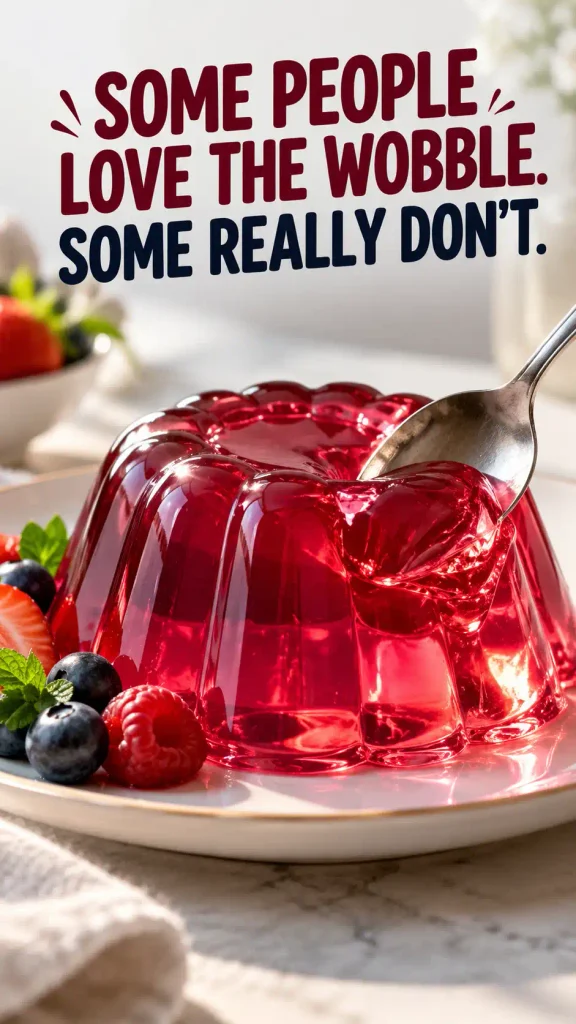
Jelly desserts, gelatin sweets, agar-based treats and similar foods depend on a network that traps water inside a soft solid structure.
The result is neither liquid nor conventionally solid.
That ambiguity is the fun for some people—and the exact reason others cannot stand it.
Texture-aversion research shows that viscosity and mushiness-related sensations are among the most common causes of rejection. The same property can therefore be pleasurable to one person and immediate “absolutely not” to another.
Texture trends are not popularity contests with universal winners.
The texture: soft gel that deforms and rebounds.
Why it is polarizing: movement and viscosity are unusually noticeable oral sensations.
Important: disliking a texture is a real sensory preference, not something people need to be mocked out of.
18. Stretchy Cheese: The Food That Measures Itself In Inches
Cheese pull videos exist because stretch is visible texture.
You do not need to imagine what molten mozzarella feels like.
You can watch it extend across the screen.
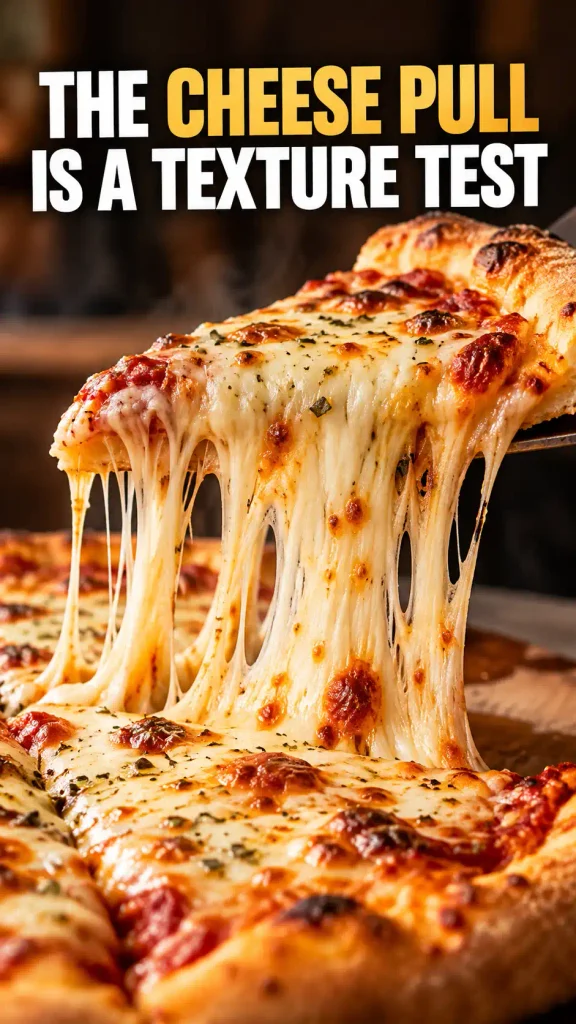
Food-science reviews treat mozzarella stringiness as a measurable functional property. Stretch depends on the cheese’s protein matrix, moisture, acidity, calcium balance, processing and storage history. Cheese stringiness review; Mozzarella quality review.
This is why two pizzas with similar flavor can produce dramatically different pulls.
One cheese separates quickly.
Another forms long continuous strands.
The visual itself has become a quality cue.
The texture: molten elastic protein network forming continuous strands.
Why it goes viral: extensibility is visible before the bite happens.
Science: stretch is influenced by composition, processing and storage—not simply “more cheese.”
19. Frozen Gummies: Cold Without Becoming A Rock
Temperature changes texture.
Freeze something and you normally expect it to harden.
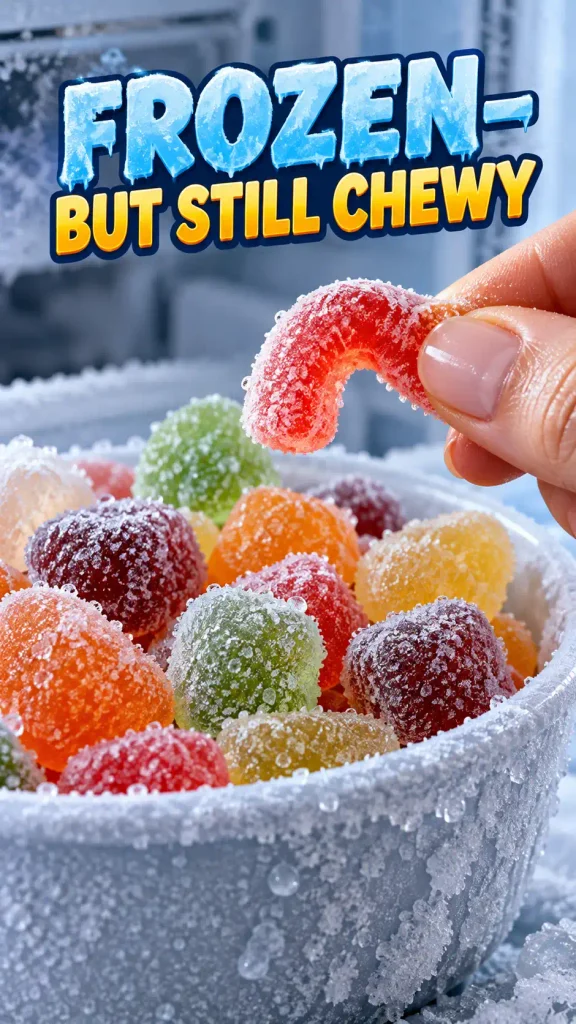
That is why candies designed to stay chewable when frozen are interesting: the product promises cold sensation without completely losing flexibility.
Associated Press reporting on the texture boom highlighted gummy products formulated to remain soft and chewy when frozen, showing how companies are engineering temperature into the mouthfeel experience. Associated Press.
The idea works because the tongue gets two signals that seem slightly contradictory:
very cold
but still yielding.
Contrast does not always require two ingredients.
Sometimes it is temperature versus mechanics.
The texture: chilled/frozen sensation with retained chew.
Why it surprises: the brain expects cold candy to become rigid.
Big idea: temperature can be part of texture design, not just serving preference.
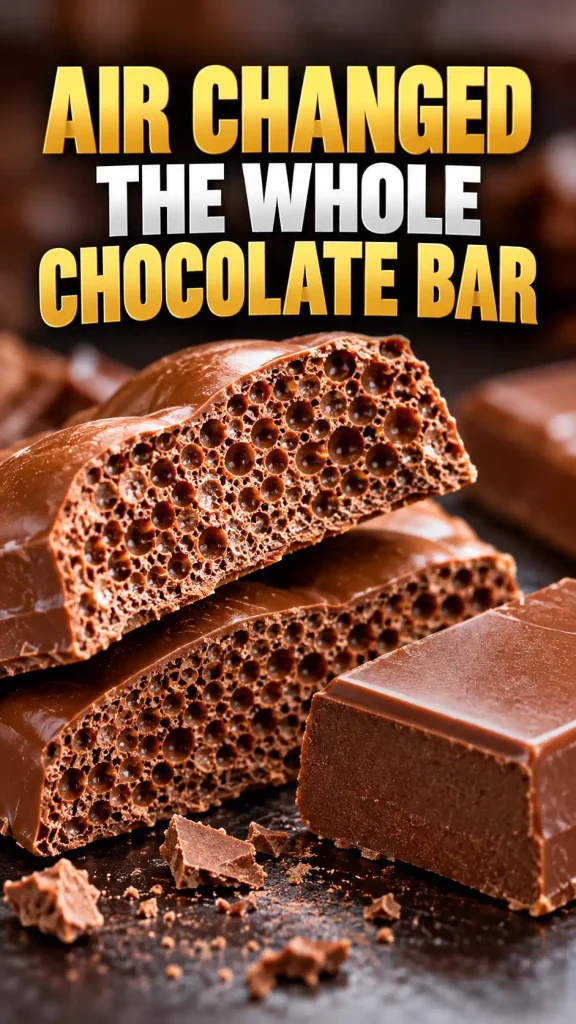
20. Aerated Chocolate: When Air Becomes An Ingredient
Air sounds like the cheapest possible ingredient until you realize how much engineering it takes to control it.
Aerated chocolate contains bubbles dispersed through the solid chocolate matrix. Those bubbles change density, fracture, melting and mouthfeel.
A scientific review of bubbles in chocolate notes that bubble size and distribution can influence texture, crispness, brittleness and melting behavior. Aerated chocolate review.
That means two chocolates made from similar ingredients can feel wildly different because one contains carefully managed empty space.
The bite snaps more lightly.
The structure collapses faster.
The chocolate may melt differently.
Sometimes the ingredient doing the most sensory work is literally nothing.
The texture: solid chocolate interrupted by controlled air bubbles.
What air changes: density, fracture, brittleness and melt perception.
Food-science lesson: empty space is part of food structure.
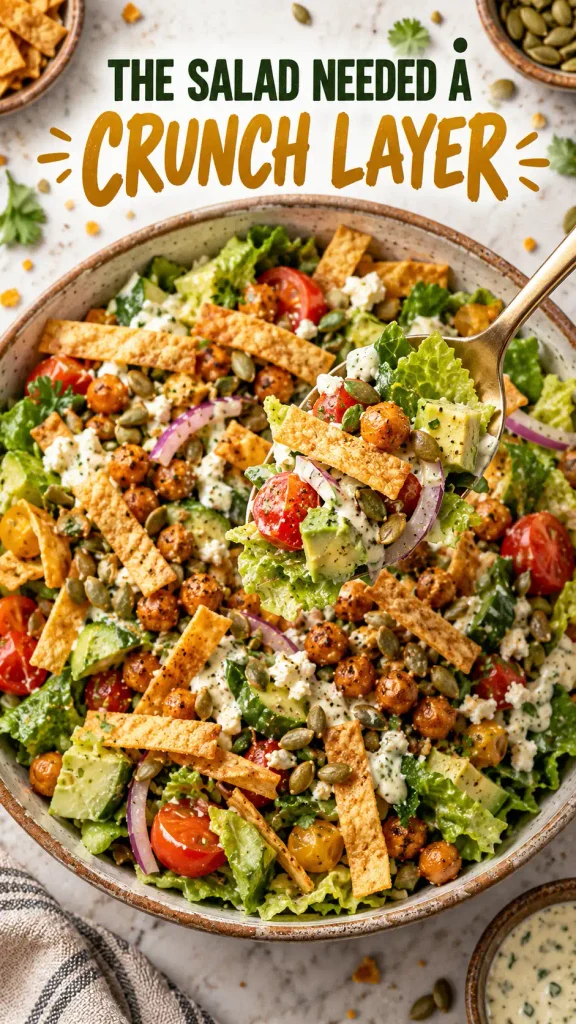
21. Crunchy Salad Toppings: The Lettuce Wasn’t Enough
Salad is already textural.
Leaves crisp.
Cucumber snaps.
Tomatoes burst.
But modern salads increasingly add an explicit “crunch layer”:
seeds, nuts, fried onions, tortilla strips, toasted grains, croutons, roasted chickpeas.
Why?
Because uniform softness gets boring fast.
Texture contrast makes each forkful slightly unpredictable.
A salad with a crunchy topping also demonstrates how little texture addition is required to change the perception of an entire dish. You do not need to deep-fry the salad.
A tablespoon of fracture can be enough.
The texture: crisp add-ins scattered through moist vegetables and dressing.
Why it works: small crunchy elements repeatedly interrupt softer bites.
Design principle: a minor component can dominate texture perception.
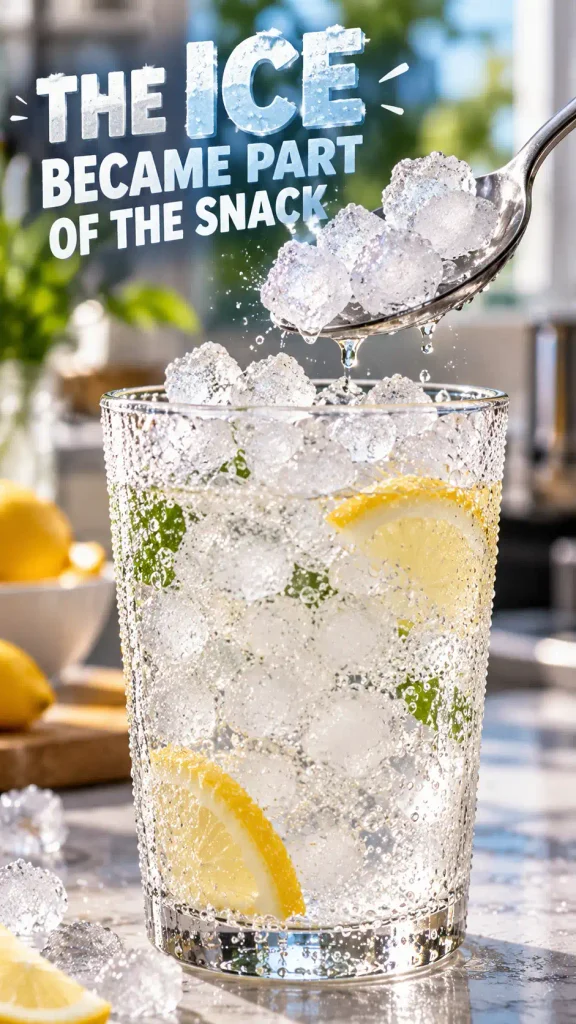
22. Nugget Ice: The Ice Became A Snack
Most ice is supposed to quietly make the drink cold.
Nugget ice has fans because it refuses to remain background infrastructure.
The small porous pieces are softer and easier to chew than dense hard cubes, so people consume the ice after—or during—the drink.
That changes ice from temperature control into mouthfeel.
It also explains why countertop nugget-ice machines have become their own product category.
One safety note matters here: repeatedly chewing hard ice can chip, crack or otherwise damage teeth and dental work. Persistent craving or compulsive ice chewing—pagophagia—is also commonly associated with iron deficiency and is worth discussing with a healthcare professional. Cleveland Clinic; Mayo Clinic.
The texture: small porous chewable ice pieces rather than dense cubes.
Why people love it: ice becomes part of the drink’s tactile experience.
Dental note: avoid chewing very hard ice; persistent ice craving can be worth discussing with a clinician.
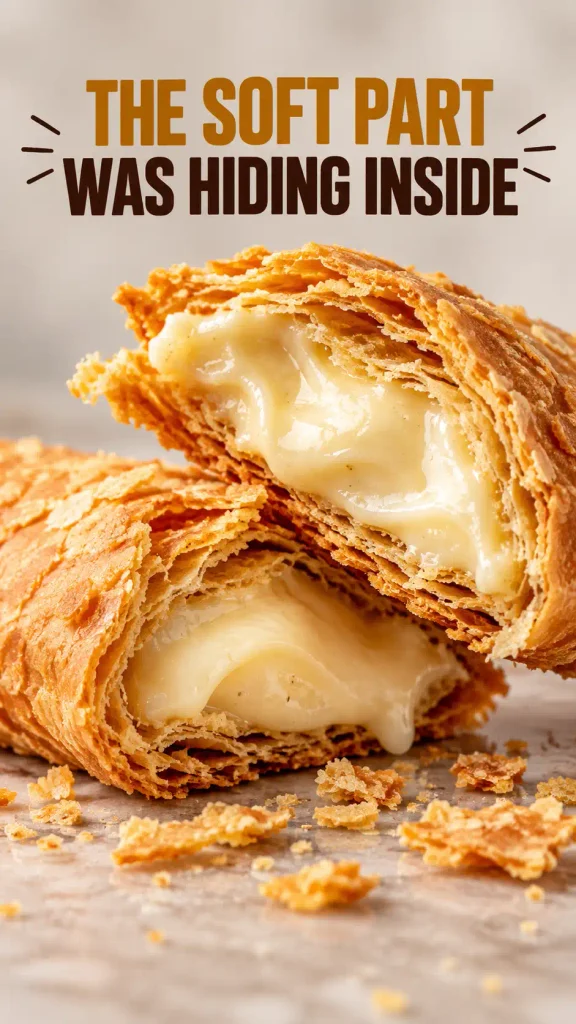
23. Cream-Filled Snacks: The Bite Has A Hidden Soft Part
A crisp shell with cream inside is one of the oldest texture tricks in food because it creates anticipation.
You know the soft center is coming.
You just do not get it immediately.
Cream-filled wafers, pastries, cookies, doughnuts and snack cakes all exploit the same structural idea:
outer wall
then collapse
then filling.
The interior can also lubricate the bite, changing how quickly the dry exterior breaks down during chewing.
This is why filled products often feel more indulgent than a dry version made from similar flavors.
The center is not just extra sweetness.
It changes the mechanics.
The texture: dry/crisp exterior surrounding smooth high-moisture filling.
Why it feels indulgent: the bite transforms after the shell breaks.
Technical challenge: moisture has to stay in the filling without prematurely softening the shell.
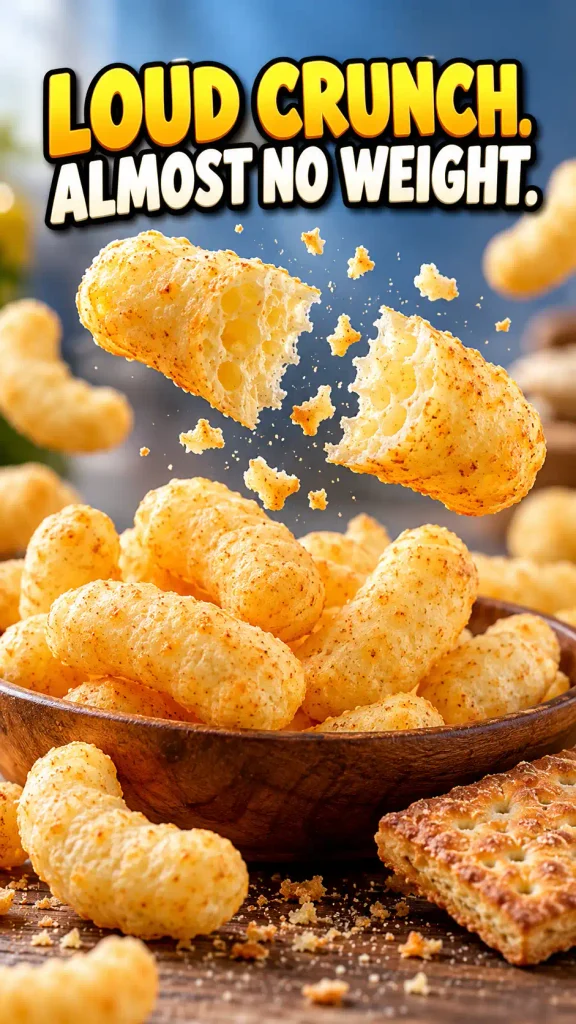
24. Puffy Snacks: Crunch Without Much Weight
A dense cracker and a puffed snack can make similarly loud crunch sounds while feeling completely different in the mouth.
Puffed foods use internal air cells to create low-density structures that fracture easily.
Instead of a hard snap, you often get a fast collapse.
Crunch.
Crush.
Dissolve.
This is another reason “crunchy” is too vague to describe texture properly.
A kettle chip and a cheese puff are both crunchy.
One fights back.
The other almost disappears.
Food companies can tune cell size, wall thickness and moisture to change that collapse behavior.
The texture: porous structure that fractures easily and collapses quickly.
Why it feels light: a large part of the structure is air.
Contrast: loud crunch does not necessarily mean a hard bite.
25. The Real Winner: Foods That Change Texture Mid-Bite
If there is one pattern connecting the biggest texture obsessions, it is not “Americans love crunchy food.”
That is too simple.
The more interesting pattern is change.
Crunch becomes chew.
Shell becomes cream.
Foam becomes coffee.
Chocolate becomes crisp pastry.
A pearl becomes liquid.
A flaky shell becomes gooey cookie.
A hard edge becomes a soft center.
The Institute of Food Technologists now teaches texture complexity in exactly these terms: contrast, combination and how texture evolves through the eating process. Texture perception is not one fixed attribute; it unfolds over time. IFT FIRST.
That idea also explains why some viral foods seem almost overengineered.
A single bite is being asked to produce a sequence.
And sequences hold attention.
Especially on a screen.
Especially in a culture where millions of snacks compete for the same few seconds of curiosity.
But there is one more reason texture will never become a universal formula.
People disagree about it violently.
One person’s perfect mochi chew is another person’s nightmare.
One person hears the perfect chip crack; another wants a soft cookie.
One person loves popping pearls; another finds the sensation unbearable.
That is not a flaw in the trend.
It is exactly why texture matters.
You can copy a flavor preference.
A mouthfeel can feel almost personal.
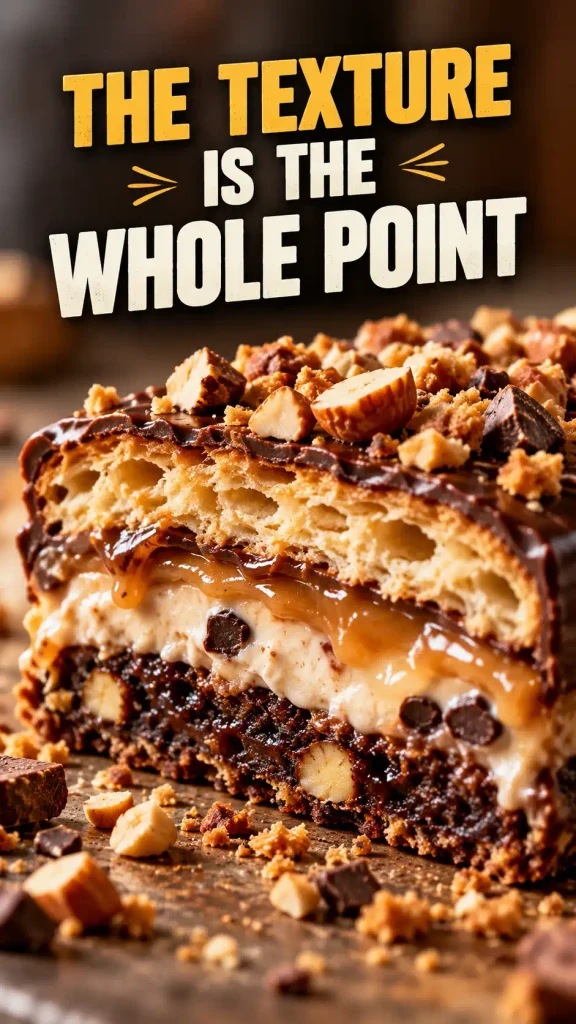
The big pattern: many breakout foods use texture that changes while you eat.
Why it stays interesting: the bite becomes a sequence instead of one sensation.
The catch: texture is intensely individual, so the same innovation can create obsession or immediate rejection.
The Takeaway
Flavor is still flavor.
Nobody is abandoning chocolate because the wafer has a good crunch.
But food does not enter the brain through taste buds alone.
It breaks.
It stretches.
It melts.
It sticks.
It pops.
It makes noise inside your head.
And sometimes the thing you remember about a snack is not whether it tasted like strawberry or mango.
It is the exact second the shell cracked.
The boba burst.
The cheese kept stretching.
The cookie opened and stayed molten in the center.
The freeze-dried candy disappeared into a brittle cloud.
That is why “texture is the new flavor” is useful shorthand—but not quite the whole truth.
Texture was always part of flavor.
The difference is that food companies, social platforms and consumers are finally talking about it out loud.
Or, in the case of a kettle chip:
very loudly.
Which texture wins for you: crunch, chew, goo, stretch, pop—or something else entirely?
Sources & Further Reading
- Associated Press — Texture, Mouthfeel and Food & Beverage Innovation
- Mintel — Texture Wars in U.S. Snacking
- Food Business News — U.S. Consumer Texture Research and Product Development
- Food Business News — Confectionery Texture and Freeze-Dried Candy Sales
- Prepared Foods — Nestlé USA Texture and Snack-Craving Data
- Institute of Food Technologists — Texture Contrast, Complexity and Liking
- Mouthfeel of Food and Beverages — Comprehensive Review
- Oral Processing, Food Perception and Multisensory Eating — Review
- Aversive Textures and Their Role in Food Rejection
- Acoustic Measurement of Food Crispness
- Sound Salience, Taste Evaluation and Food Consumption
- Haptic Cues, Freshness and Crispness Perception
- Chewing Sound and Perceived Food Texture
- Starbucks — Cold Foam as a Texture and Flavor Platform
- Food Business News — Popping Boba Expansion
- NBC Select — Crunchy/Chewy Appeal of Gummy Cluster Candy
- Aerated Foods and Chocolate — Review of Bubble Structure and Mouthfeel
- Cheese Stringiness and Stretch — Review
- Mozzarella Manufacture, Melt and Stretch Properties — Review
- Consumer Perception of Crispy Fried Coatings
- Reddit r/candy — Current Crunch/Chew Discussion
- Reddit r/candy — Current Freeze-Dried Texture Debate
- Mintel — Social Media and Multisensory Snack Discovery in U.S. Adults 18–44
- Foods — Freeze-Drying, Sublimation, Porosity and Food Texture
- Emergency Medicine — Mochi-Related Airway Obstruction Case Series and Review
- Journal of Texture Studies — Crispness in Deep-Fried Coatings
- Cleveland Clinic — Tooth Damage and Chronic Ice Chewing
- Mayo Clinic — Pagophagia and Iron Deficiency