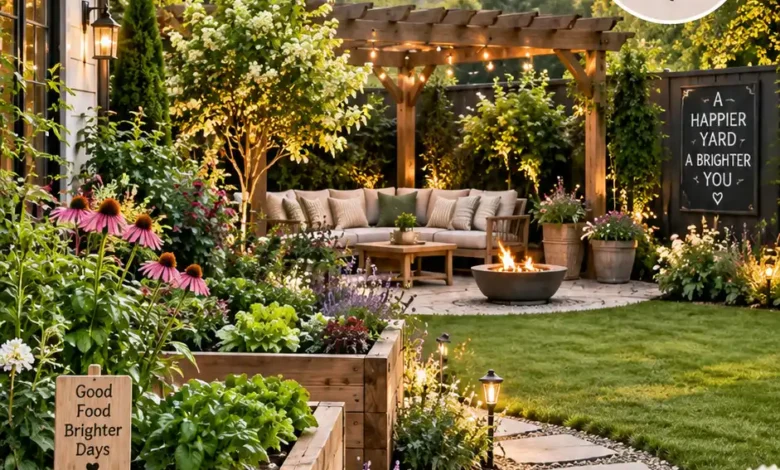
Do you dream of turning your outdoor space into a personal sanctuary? Many homeowners struggle to balance beauty with daily use, yet the right backyard garden layout ideas can bridge that gap. Whether you want a quiet retreat or a vibrant space for hosting friends, thoughtful planning makes the difference.
Success begins by observing your environment. Consider natural sunlight patterns, soil drainage, and existing vegetation before you start digging. Creating distinct zones for dining, relaxation, and planting keeps your space functional and inviting throughout the seasons.

Effective design also prioritizes easy maintenance and clear pathways. Logical organization creates a natural, effortless flow throughout your yard. These backyard garden layout ideas offer the flexibility to customize your property, helping your home remain a place of joy and relaxation for years.
Key Takeaways
- Assess your sunlight and soil conditions before starting any major project.
- Divide your outdoor area into specific zones to improve overall functionality.
- Prioritize wide, accessible pathways to make maintenance tasks much easier.
- Incorporate comfortable seating areas to encourage more time spent outdoors.
- Choose flexible designs that can adapt as your family needs change over time.
Plan Your Yard Around Sun, Soil, and Everyday Use
Your backyard holds potential that emerges when you study the land’s natural rhythms. Before you start digging, examine the environmental conditions shaping your outdoor space. A successful garden layout begins with careful observation and deliberate planning.

Map sunlight patterns across the growing season
Sunlight is vital to plant health. Track moving shadows throughout the day and across the growing seasons. Observe your space in the morning, at noon, and late afternoon to identify areas with full sun or deep shade.
Remember, the sun’s angle changes sharply from spring through autumn. A place that seems sunny in April may become shaded when summer foliage fills a tree canopy. This map helps you place sun-loving vegetables and shade-tolerant perennials where they can thrive.
Test soil drainage and identify existing conditions
Healthy plants need soil that can breathe. Test drainage by digging a hole about one foot deep, then filling it with water. If the water drains within a few hours, the soil likely suits most garden varieties.
If water remains for an entire day, the soil may contain heavy clay or be compacted. Identifying these conditions early helps you select plants that tolerate wet feet or install raised beds for better aeration. Knowing your soil type supports long-term gardening success.
Divide the yard into functional garden zones
A well-designed yard combines beauty with utility. Consider how you use the space each day. You might want a quiet reading corner, a dedicated vegetable garden, or an area for social gatherings.
Grouping similar activities creates logical flow and simplifies maintenance. Effective zoning keeps the garden from feeling cluttered and gives every square foot a clear purpose.
Account for pathways, utilities, pets, and play areas
Practicality should guide your final layout. Mark underground utility lines before beginning major digging projects. Design clear paths for heavy tools and wheelbarrows, so you do not crush flower beds.
If you have pets or children, assign play zones to protect delicate plantings. Thoughtful design blends these high-traffic areas into the overall landscape.
| Site Factor | Observation Method | Design Impact |
|---|---|---|
| Sunlight | Track shadows hourly | Determines plant placement |
| Soil Drainage | Percolation test | Influences bed construction |
| Utilities | Check property maps | Prevents damage during digging |
| Daily Traffic | Observe foot paths | Guides walkway placement |
Backyard Garden Layout Ideas for a Balanced, Beautiful Space
Strong backyard garden layout ideas can turn a chaotic yard into a peaceful retreat. This balance depends on hardscaping, lush greenery, and open areas arranged with intention. Purposeful planning creates a sanctuary that feels expansive while remaining warm and comfortable.

Combine structure, planting beds, and open space
A successful design balances solid structures with soft, living elements. Define beds with clear edges, but preserve enough lawn or patio to avoid a crowded appearance. Structure forms the garden’s skeleton, while plants express its personality.
- Use stone or timber to define bed borders.
- Keep central lawn areas clear to create a sense of openness.
- Incorporate paths to guide movement through the landscape.
Use repetition to connect separate garden areas
When a yard feels fragmented, repetition creates unity. Repeat plant colors, textures, or materials across zones to form a visual thread throughout the space. This approach offers excellent outdoor garden layout inspiration for homeowners seeking a harmonious landscape.
Balance tall, medium, and low plantings
Layering creates depth and visual interest in any garden. Place taller species at the back or center, then use medium and low-growing varieties in front. This arrangement lets every plant stand out without being hidden by another.
Create a clear focal point near the main viewing area
Every well-designed garden needs a destination for the eye. Place a birdbath, colorful sculpture, or specimen tree near your primary seating area to anchor the design. Focusing on this central element grounds your backyard garden layout ideas, making the entire space feel intentional and complete.
Small Backyard Garden Plans That Make Every Foot Count
Small backyard garden plans can transform a modest patch of grass into a thriving ecosystem. Many homeowners feel limited by square footage, but maximizing small garden spaces often requires only smart design choices.
Replace traditional lawn with productive garden beds
Lawns can consume valuable space while providing little utility. Removing sections of turf creates room for vegetables, herbs, or pollinator-friendly flowers. This change reduces mowing time and turns an underused area into a vibrant, living pantry.

Use narrow beds along fences and property lines
Perimeter planting is a powerful strategy for tight yards. Installing narrow beds along fences lets you grow upward with trellises or climbing vines. This approach keeps the center of your yard open for movement while adding lush greenery to plain boundaries.
Arrange plants in compact blocks instead of scattered rows
Traditional long rows waste space and create unnecessary paths. Instead, plant in compact blocks where foliage touches at maturity. This arrangement shades the soil, helping retain moisture and naturally suppress weeds.
Leave enough room for watering, harvesting, and maintenance
While efficiency matters, your layout must remain functional. Even when maximizing small garden spaces, prioritize these practical needs:
- Create narrow, stable paths to reach the center of your beds.
- Ensure your hose or watering can has a clear route to every plant.
- Keep your harvest zones accessible so you can gather produce without stepping on delicate roots.
Thoughtful planning keeps your small backyard garden plans enjoyable rather than burdensome. By balancing density with accessibility, you can achieve a high yield within a very limited footprint.
Layered Planting Designs for More Vertical Interest
Transform a flat yard into a lush, multidimensional landscape with layered planting. This technique creates depth and visual rhythm, making your outdoor space feel larger. Arrange plants by mature size so each specimen receives needed sunlight and supports a cohesive design.

Place canopy trees and tall shrubs at the back
Begin at the back of your beds, where Canopy trees and tall shrubs create the structural backdrop. They provide enclosure and privacy while defining your garden’s boundaries. Their height draws the eye upward and frames the rest of your landscape.
Use medium-height perennials to fill the middle layer
After establishing the backdrop, develop the middle layer. medium-height perennials provide vivid color and engaging texture. They connect towering trees with low-growing ground covers, creating a natural, balanced transition.
Add ground covers and low edging plants in front
Ground covers and low edging plants complete the final layer near the soil. These plants add the finishing touch and soften hard walkway or lawn edges. Placing smaller varieties in front keeps the view open and leaves every garden area visible.
Choose plants with complementary heights and bloom times
Layered gardening succeeds when plants complement one another across the seasons. Choose species with varied mature heights to preserve the tiered effect. Also, staggering your bloom times keeps the garden colorful and engaging from early spring through the first frost of autumn.
| Layer | Plant Type | Primary Function | Height Range |
|---|---|---|---|
| Back | Canopy Trees/Shrubs | Structure & Privacy | 6–15+ feet |
| Middle | Perennials | Color & Texture | 2–5 feet |
| Front | Ground Covers | Edging & Softening | 0–1.5 feet |
Raised Bed Layouts for Organized Vegetable Gardening
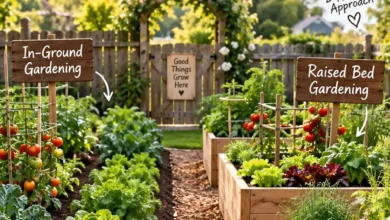
A productive vegetable garden begins with the right raised bed layout for your space. With defined structures, you can protect soil health and keep plants orderly throughout the growing season. Organization is the key to a stress-free harvest.

Choose rectangular, square-foot, or L-shaped bed arrangements
The shape of your beds should match your yard’s flow. Rectangular beds are the most common choice because they fit standard garden footprints and support long, efficient rows. If space is limited, square-foot gardening maximizes plant density in a compact area.
For corners or awkward angles, an L-shaped arrangement can transform the available space. It creates a cozy, enclosed feeling, improves reach, and turns unused corners into highly productive growing zones.
Set practical bed widths for easy access
The most important rule for any raised bed is to keep its width manageable. Never step inside the bed to reach its center, because foot traffic compacts soil and harms root growth. A width of three to four feet usually works well for most people.
Narrow beds let you reach every plant from outside. This simple design choice makes weeding, pruning, and harvesting much faster. You spend less time struggling to reach plants and more time enjoying your garden.
Group vegetables according to sunlight and watering needs
Successful gardening requires grouping plants with similar needs. Place sun-loving crops, such as peppers and eggplants, where your yard receives the most light. Keep moisture-loving greens in a separate zone, where you can monitor their hydration easily.
This strategy prevents overwatering drought-tolerant herbs while giving thirsty vegetables enough moisture. Grouping by need simplifies daily maintenance. It also creates a more consistent, healthy environment for your crops.
Add trellises to support tomatoes, cucumbers, and climbing beans
Vertical gardening saves space and improves air circulation. Sturdy trellises let vining plants, such as cucumbers and climbing beans, grow upward instead of outward. This keeps fruit off the ground and away from pests.
Tomatoes also benefit from vertical support systems. A trellis or heavy-duty cage helps keep foliage dry, which reduces the risk of disease. Training plants to climb transforms your garden into a lush, productive wall of greenery.
Creative Garden Design Using Curves, Borders, and Pathways
Creative garden design depends on the balance between soft curves and structured boundaries. Replacing rigid, square layouts with flowing forms makes a space feel organic and welcoming. These choices can turn an ordinary yard into a personal retreat.
Soften a boxy yard with sweeping bed edges
Many backyards lack visual interest because fence lines remain straight and predictable. Add sweeping, curved planting beds to interrupt that pattern and guide the eye across the landscape. Their gentle arcs conceal parts of the garden, creating mystery and inviting further exploration.

Use paths to guide movement through the garden
A well-placed path forms the spine of an outdoor space. It shapes how people move among plants and seating areas. Curved walkways slow visitors naturally, giving them time to appreciate the beauty of your plantings.
Define borders with stone, brick, timber, or metal
Clear boundaries keep a garden tidy and professional. Distinct materials separate the lawn from flower beds while adding texture. Consider these popular options for your project:
- Natural Stone: Provides a timeless, rustic look that blends well with any plant palette.
- Brick: Offers a classic, structured appearance that works beautifully in traditional gardens.
- Timber: Adds warmth and is perfect for creating raised edges or rustic borders.
- Metal: Ideal for modern, clean lines and offers excellent durability against the elements.
Keep curves broad enough to simplify mowing and trimming
Curves add elegance, but they must also support weekly maintenance. Avoid tight, intricate loops that make lawnmowers or string trimmers difficult to use. Broad, sweeping curves keep your creative garden design manageable throughout the growing season.
Edible Garden Layouts That Blend Food and Ornamentals
If you want a beautiful yard that feeds your family, consider these innovative garden layout designs. You no longer need to hide vegetables in a separate, fenced-off area. Integrating food crops directly into your landscape creates a space that is highly productive and visually stunning.

Mix herbs, vegetables, flowers, and fruiting plants
The secret to a beautiful edible garden is diversity. Rather than planting long, boring rows of one crop, tuck kale or Swiss chard among your perennial flowers. Trailing herbs like thyme or oregano can fill gaps between larger shrubs as ground covers.
- Blueberries: Use these as attractive, year-round structural shrubs.
- Rosemary: This hardy herb works perfectly as a fragrant, evergreen hedge.
- Nasturtiums: These edible flowers add vibrant color while acting as a natural pest deterrent.
Use edible plants as attractive borders and focal points
Many edible plants display striking textures and colors that rival traditional ornamentals. Line your garden paths with low-growing chives or parsley for a clean, professional edge. For a dramatic focal point, consider a trellis covered in climbing beans or a small fruit tree pruned into a decorative shape.
These innovative garden layout designs show that utility does not require sacrificing style. Treating vegetables like prized perennials elevates the entire look of your backyard.
Pair pollinator-friendly flowers with productive crops
Your garden needs bees and butterflies to thrive and produce a bountiful harvest. Interplanting nectar-rich flowers like lavender, zinnias, and marigolds invites beneficial insects to visit your vegetables. This natural partnership significantly improves your crop yields while adding splashes of color throughout the growing season.
Plan succession planting for continuous harvests
To keep your garden fresh and full, embrace the practice of succession planting. This method replaces crops as soon as they finish their cycle, so beds never look empty or neglected. Strategic planning lets you enjoy fresh produce from early spring through the first frost of autumn.
Modern Backyard Garden Ideas for a Clean, Polished Look
Modern backyard garden ideas use clean lines and deliberate organization to create a peaceful, high-end retreat. A structured layout can transform an ordinary yard into a sophisticated outdoor living space that feels open and purposeful.
Build the layout around geometric beds and straight lines
Geometry forms the foundation of a contemporary garden. Instead of fluid, organic shapes, use sharp angles and straight paths to define the space. Rectangular beds and square planting zones create order, making even a small yard feel expansive and carefully planned.

Limit the plant palette for visual consistency
A crowded garden can feel chaotic, which conflicts with a modern aesthetic. Consistency is key when selecting greenery. Choose a limited plant variety and repeat it throughout the landscape to create a cohesive rhythm across the yard.
Combine natural textures with contemporary hardscaping
Balance hard surfaces with soft, natural elements to keep the garden from feeling sterile. This contrast between rigid materials and lush foliage creates a polished, professional look that feels inviting and stylish.
Use gravel, concrete pavers, steel edging, and simple planters
Choosing the right materials is essential for modern backyard garden ideas. Industrial-inspired elements define the space while keeping maintenance low. Consider these popular choices for your project:
- Gravel pathways: Provide a clean, permeable surface that adds a soft crunch underfoot.
- Concrete pavers: Offer a durable, uniform base for seating areas or walkways.
- Steel edging: Creates crisp, permanent boundaries between garden beds and lawn areas.
- Simple planters: Use monochromatic pots to highlight specific plants without adding visual noise.
These modern backyard garden ideas can help create an outdoor space that remains beautiful, functional, and timeless. Together, they can add lasting value to your home.
Landscape Design for Small Spaces With Containers and Vertical Features
When ground space is limited, look upward and use portable elements. Implementing small backyard garden plans requires a shift toward vertical, modular design rather than a sprawling lawn.
Use container groupings to create flexible planting zones
Group pots with different heights and textures to create a lush, layered look resembling a traditional garden bed. Clustering containers lets you rearrange the layout as seasons change or outdoor entertaining requires more room. This flexibility is the secret to keeping a small area feeling fresh and dynamic throughout the year.

Grow upward with wall planters, trellises, and arches
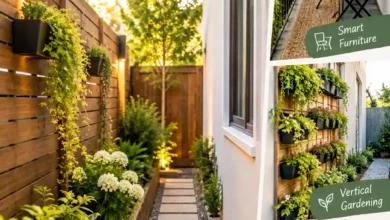
When floor space disappears, walls and fences become valuable planting surfaces. Wall-mounted planters and sturdy trellises support climbing vines, herbs, and small vegetables without reducing walking space. Vertical gardening adds height and depth, drawing the eye upward and making the outdoor area feel larger.
- Use wall pockets for cascading flowers or trailing strawberries.
- Install metal arches to create a grand entrance in a narrow walkway.
- Train climbing roses or jasmine on trellises to soften hard fence lines.
Turn balconies, patios, and narrow side yards into garden areas
Even awkward, narrow side yards can become productive retreats through thoughtful landscape design for small spaces. Slim, rectangular planters and hanging baskets can transform a forgotten corridor into a vibrant green hallway. This approach benefits patios and balconies by keeping floors clear while surrounding you with greenery.
Choose containers that suit plant size, weight, and watering needs
Success in maximizing small garden spaces depends on choosing vessels suited to each plant. Heavy-duty ceramic pots support large shrubs requiring stability, while lightweight resin or fabric containers suit hanging features. Ensure every container has drainage holes to prevent root rot, especially when pots sit close together.
| Container Type | Best Use | Key Benefit |
|---|---|---|
| Terra Cotta | Succulents/Herbs | Breathable material |
| Resin/Plastic | Vertical Wall Planters | Lightweight design |
| Glazed Ceramic | Large Focal Shrubs | Heavy and stable |
Low-Maintenance Garden Layouts for Busy Homeowners
Smart design helps busy homeowners grow thriving landscapes with minimal effort. Prioritizing efficiency can turn your yard into a relaxing retreat instead of endless work. A thoughtful layout supports long-term sustainability while reducing manual labor.
Place durable plants according to their water requirements
Grouping plants with similar hydration needs is a foundational strategy for a low-maintenance garden. Placing drought-tolerant species together reduces constant, spot-specific watering. This method gives each plant the water it needs to thrive with less intervention.

Reduce upkeep with mulch and closely spaced plantings
A thick layer of organic mulch suppresses weeds and helps soil retain moisture. Closer spacing creates a living canopy that shades the ground. This barrier prevents weed seeds from germinating and reduces the time you spend weeding.
Design beds for convenient pruning, harvesting, and cleanup
Your layout should prioritize access, making routine tasks easier. Keep beds narrow enough to reach the center from either side without stepping into the soil. This design prevents soil compaction and speeds up pruning and harvesting.
Use drip irrigation and soaker hoses to simplify watering
Automating watering can transform gardening for busy homeowners. Drip irrigation and soaker hoses deliver water directly to the root zone, reducing evaporation and foliage diseases. Set these systems on a timer to keep plants healthy when your schedule is packed.
| Maintenance Task | Traditional Method | Low-Maintenance Strategy |
|---|---|---|
| Weed Control | Manual pulling | Thick mulch layers |
| Watering | Handheld hose | Drip irrigation systems |
| Plant Selection | High-need annuals | Durable native perennials |
| Bed Access | Wide, deep beds | Narrow, reachable beds |
Pollinator-Friendly Garden Zones That Support Local Wildlife
A pollinator-friendly garden zone brings vibrant life and ecological balance to your outdoor space. By setting aside areas for these creatures, you support local wildlife and create a more dynamic landscape.

Arrange nectar-rich flowers in sunny clusters
Pollinators depend on high-energy nectar for daily activity. Group flowering plants in sunny, sheltered clusters so bees and butterflies can find food more easily.
Large patches of color attract passing insects. Use varied bloom times so your garden supplies nectar from early spring through the late autumn months.
Add host plants for butterflies and beneficial insects
Nectar provides energy, but host plants support butterflies throughout their life cycle. These plants serve as the nursery for caterpillars, helping the next generation of pollinators thrive in your yard.
“The best way to invite nature into your home is to plant a garden that speaks the language of the local landscape.”
Research which butterfly species are common in your area. Add their preferred host plants to create a thriving sanctuary, not merely a decorative display.
Include shallow water, shelter, and pesticide-free habitat
Pollinators need safe places to rest and hydrate, not only food. A shallow birdbath with pebbles lets bees and butterflies drink safely without drowning.
Provide shelter by leaving small patches of bare soil or adding bundles of hollow stems. Most importantly, avoid using synthetic pesticides, because these chemicals can harm the insects you want to attract.
Choose regionally appropriate native plants for the United States
Native plants form the backbone of a successful pollinator garden because they evolved alongside local wildlife. They suit your climate naturally, requiring less water and maintenance than non-native varieties.
- Coneflowers (Echinacea): Excellent for attracting bees and butterflies.
- Milkweed (Asclepias): The essential host plant for Monarch butterflies.
- Bee Balm (Monarda): A favorite for hummingbirds and long-tongued bees.
- Goldenrod (Solidago): A vital late-season nectar source for migrating insects.
Consult your local university extension office for plants native to your specific region. Selecting suitable species helps your garden remain a resilient and healthy habitat for years.
Privacy-Focused Backyard Garden Layouts
Create a private backyard sanctuary by combining natural elements with thoughtful structural design. When seclusion comes first, you can relax outdoors without feeling exposed to the neighborhood.
Create living screens with shrubs, trees, and ornamental grasses
Living screens form natural barriers that soften property edges and provide essential visual cover. Fast-growing shrubs, including arborvitae and privet, can create a dense green wall quickly. Add tall, feathery ornamental grasses for movement and a softer, more modern perimeter.

For a lasting solution, plant small flowering trees for height and beauty. These living elements block unwanted views, improve the air quality, and provide habitat for local birds.
Layer evergreen and seasonal plants for year-round coverage
Garden design often fails when plants provide privacy only during summer. By layering evergreen shrubs with deciduous plants, you keep the yard shielded after autumn leaves fall. Evergreens form the structural backbone of your privacy screen throughout winter.
Interplant them with seasonal perennials that bring bursts of color and texture during warmer months. This dynamic approach keeps the garden fresh and interesting while preserving the seclusion you want.
Use pergolas, fences, and trellises as garden structures
Natural plantings sometimes need well-placed structures to provide complete privacy. A sturdy wooden fence creates an immediate boundary, while climbing vines or wall-mounted planters make it more attractive. Pergolas are another fantastic architectural feature that defines a private seating area and provides overhead shade.
Trellises suit narrow side yards where space is limited. They support vertical gardens that act as elegant screens without using valuable ground space.
Protect views without blocking necessary sunlight or airflow
Privacy matters, but a dark, stagnant space does not make a healthy garden. Aim to balance solid barriers with open, airy features. For example, choose lattice panels instead of solid wood fences, allowing gentle breezes to pass through.
Strategic placement helps plants receive the sunlight they need to thrive. Choose screen heights that effectively block sightlines from neighbors while letting natural light reach flower beds and lawn.
Relaxing Garden Layouts With Seating and Outdoor Living Areas
Many homeowners want a relaxing outdoor space that extends their living area. The right outdoor garden layout inspiration blends comfort with the landscape’s natural beauty. By planning movement and rest, you can shape a sanctuary that feels useful and calm.
Position seating to overlook the most attractive garden features
Treat your seating area as a front-row seat for your favorite garden views. Whether you have a blooming flower bed, a water feature, or a mature tree, orient furniture toward these focal points. Thoughtful placement makes each outdoor moment feel intentional and serene.

Surround patios and decks with layered plantings
Stone patios and wooden decks can feel cold or disconnected from the landscape. You can soften these edges by planting lush, layered greenery around the perimeter. Using a mix of shrubs, perennials, and ornamental grasses creates a cozy, enclosed feeling. This planting makes your deck feel like a natural part of the garden.
Connect entertainment areas to paths and outdoor kitchens
A functional yard depends on smooth transitions between distinct zones. Use winding paths to connect your main seating area with your outdoor kitchen or dining space. This seamless flow encourages guests to explore each corner of your backyard throughout the day.
Add shade, lighting, and durable surfaces for extended use
To enjoy your yard fully, prioritize comfort throughout the day and evening. Install pergolas or shade sails for sun relief, then add soft string lights for a warm evening glow. Choosing durable, weather-resistant materials for flooring keeps your outdoor living area beautiful and easy to maintain for years.
Innovative Garden Layout Designs for Awkward Yard Shapes
Creative garden design lets you embrace your property’s unique geometry. Instead of treating an irregular yard as a limitation, use it to create a truly custom outdoor environment. With careful spatial planning, difficult corners can become the most engaging parts of your home.

Make narrow yards feel wider with horizontal lines
Narrow side yards often feel cramped, but horizontal elements can make them appear wider. Install wide decking boards or lay pavers perpendicular to the space’s length. Strategic placement of low, spreading shrubs also breaks up long, tunnel-like views.
- Use horizontal fencing slats to draw the eye outward.
- Plant wide-spreading ground covers to soften hard edges.
- Incorporate long, low benches to emphasize horizontal planes.
Use diagonal paths to manage triangular or irregular spaces
Triangular yards can leave homeowners unsure how to fill awkward corners. Using diagonal paths is a classic landscape design for small spaces approach that creates movement and purpose. These paths cross sharp angles, making the yard feel organic rather than like a rigid geometric puzzle.
Diagonal lines naturally guide the eye toward hidden garden nooks. This method turns a dead corner into a destination, such as a reading bench or birdbath. Dividing the space into smaller triangles creates more functional planting areas.
Turn slopes into terraces, retaining beds, or rain gardens
Sloped yards create unique challenges, but they also offer strong potential for vertical interest. Terracing a steep hill creates flat, usable levels for vegetable beds or seating areas. If heavy runoff affects your yard, a rain garden at the slope’s base can capture water and provide a lush habitat.
Match the layout to drainage patterns and structural requirements
Before beginning any innovative garden layout designs, understand how water moves across your land. Proper drainage prevents soil erosion and protects your home’s foundation. Ensure that retaining walls have adequate backfill and drainage pipes for heavy rainfall.
“Good design is not just about how it looks, but how it functions in harmony with the natural landscape.”— Anonymous
When planning your landscape design for small spaces, prioritize structural integrity alongside aesthetics. Stone or timber retaining walls add a natural, timeless look that blends with plantings. By respecting your yard’s natural flow, you ensure that your creative garden design remains beautiful and sustainable for years.
How to Choose Plants and Materials That Work Together
A cohesive outdoor space depends on a thoughtful balance between plant choices and selected materials. When these elements align, they create the foundation for successful modern backyard garden ideas that feel intentional and polished. By considering living and nonliving features together, you can shape a sanctuary that reflects your personal style.

Match plant selections to USDA hardiness and local conditions
Before choosing a plant, check your local USDA hardiness zone. Species suited to your climate keep the garden healthy with minimal intervention. Local conditions, including wind exposure and soil moisture, matter as much as temperature zones.
Coordinate foliage color, texture, and seasonal interest
A well-designed garden depends on more than flowers. Consider the foliage color and texture of each plant to preserve visual interest throughout the year. Combining broad-leaf evergreens with fine-textured grasses creates a dynamic landscape, even when nothing is in bloom.
“Design is not just what it looks like and feels like. Design is how it works.”Steve Jobs
Select hardscape materials that complement the home
Hardscape materials should connect your indoor living space with the natural environment. Stone, wood, or metal that echoes your home’s architectural style can unify your modern backyard garden ideas. The following table shows how different materials can enhance specific garden styles.
| Material Type | Best Garden Style | Key Benefit |
|---|---|---|
| Natural Slate | Modern Minimalist | Clean, sharp lines |
| Cedar Wood | Organic/Natural | Warm, earthy tones |
| Polished Concrete | Contemporary | Smooth, uniform finish |
Prioritize mature plant size over nursery-container appearance
Plants in nursery containers can tempt you with a lush, full appearance. However, you must prioritize the mature size of every shrub and tree to prevent overcrowding. Planning for future growth prevents constant, aggressive pruning and keeps your garden layout balanced for years.
Conclusion
Transforming an outdoor space requires a thoughtful balance between personal lifestyle and the natural environment. Observe sunlight across your yard and test soil quality to build a foundation for long-term growth. Each choice, from selecting native plants to installing durable hardscaping, shapes your home’s character.
Successful backyard planning combines functional zones with aesthetic beauty. Whether you choose raised beds for vegetables, vertical structures for privacy, or open areas for relaxation, let your design reflect your needs. Choose materials suited to your specific United States climate so your garden remains a vibrant sanctuary throughout the seasons.
Take the first step by sketching your ideas on paper before digging into the earth. Start with a single project, such as a pollinator-friendly border or a cozy seating nook. Share your progress with neighbors or local gardening groups to gather inspiration and tips. Your dream landscape is within reach when your goals align with nature’s rhythm.
FAQ
What are the best backyard garden layout ideas for a beginner starting from scratch?
Begin by mapping sunlight patterns and testing your soil’s drainage. Divide the yard into clear zones for gardening, recreation, and utilities. Landscape fabric and defined borders from brands like Vigoro can keep the design organized and easy to maintain from day one.
How can I use small backyard garden plans to make my tiny yard feel larger?
Maximize small garden spaces by adding vertical interest. Instead of broad beds, place narrow planting areas along fences with vertical trellises or wall-mounted planters. Replace traditional lawn with compact garden blocks and Pavestone paths to create distinct “rooms” that expand the space visually.
What is a creative garden design technique for an irregular or triangular yard?
For awkward shapes, use diagonal paths or broad, sweeping curves. These lines draw attention from property boundaries and create visual movement. On a slope, build terraced retaining walls with Oldcastle blocks to form attractive planting tiers and improve drainage.
Where can I find outdoor garden layout inspiration for a low-maintenance lifestyle?
Choose designs centered on perennial plantings and automated systems. Group plants with similar water needs, then install a Rain Bird drip irrigation system to reduce chores. Organic mulch and close plant spacing suppress weeds naturally, leaving more time to enjoy your outdoor space.
What are some modern backyard garden ideas for a clean, polished look?
Modern design emphasizes geometric beds, straight lines, and a limited color palette. Combine natural textures with gray gravel, powder-coated steel edging, and concrete pavers. Repeat structural plants, such as boxwoods or ornamental grasses, to create a sophisticated, cohesive atmosphere.
How does landscape design for small spaces incorporate both beauty and utility?
The key is “edible landscaping.” Blend nectar-rich flowers with vegetables and herbs to create a beautiful, productive space. Raised garden beds from brands like Birdies can organize edibles, while native, pollinator-friendly plants support a healthy ecosystem in compact urban settings.
What should I consider when choosing materials for innovative garden layout designs?
Always consider a plant’s mature size rather than its appearance in a small nursery container. Choose hardscaping materials that complement your home’s architecture, including natural stone or treated timber. In the United States, match plant selections to your USDA Hardiness Zone so the layout thrives through every season.