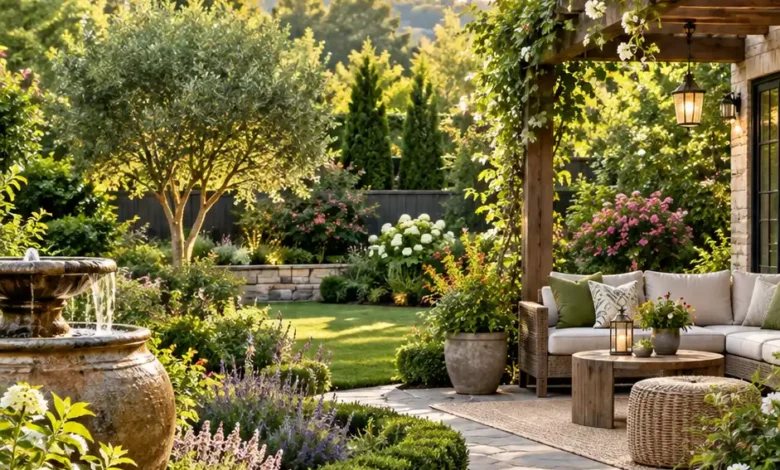
Your home should feel like a sanctuary beyond its four walls. Across the United States, many homeowners seek a functional retreat that balances beauty with everyday utility. Thoughtful planning can maximize every square inch, whether you have a sprawling lawn or a cozy patio.
Fresh garden layout ideas can connect your lifestyle with nature. Design a space for entertaining friends or enjoying quiet morning coffee. Strategic planning keeps the setting attractive and manageable through changing seasons.

For limited spaces, small backyard landscaping can make your area feel expansive. Vertical planting and multipurpose furniture can create a high-end outdoor garden design without a massive budget. Define your goals first, so the project reflects your personal style and needs.
Key Takeaways
- Define the primary purpose of your outdoor area before starting construction.
- Use vertical elements to maximize space in compact residential yards.
- Select native plants to reduce maintenance and support local ecosystems.
- Incorporate flexible seating to accommodate both guests and relaxation.
- Balance hardscaping with soft greenery for a professional, polished look.
Start With a Practical Garden Vision
Your dream garden starts with a clear vision that respects your land’s unique character. Many homeowners buy plants before understanding their yard. Focusing on outdoor garden design ensures each dollar spent adds long-term value to your home.

Assess sunlight, soil, drainage, and available space
Before digging, observe how sunlight moves across your property throughout the day. Record areas in deep shade and those exposed to intense afternoon heat. Test soil quality, and inspect low spots where water may collect after heavy rain.
These natural patterns guide sustainable garden design. When plants match their environment, they need less water and fewer chemicals to thrive. This step prevents the frustration of watching expensive plants struggle in unsuitable locations.
Define how the yard should support daily life
Consider how you use your outdoor space during a typical weekend. Do you need a safe area for children to play, or a quiet retreat for reading? Your creative garden plans should reflect your family’s habits and routines.
Set priorities for beauty, privacy, food growing, and entertaining
List your goals before beginning construction. You may want a lush flower border for beauty, a tall hedge for privacy, or a dedicated patch for fresh vegetables. Balancing these needs helps you allocate your budget effectively.
| Priority Category | Key Consideration | Maintenance Level |
|---|---|---|
| Entertaining | Proximity to kitchen | Low |
| Food Growing | Sunlight exposure | High |
| Privacy | Screening height | Medium |
| Beauty | Seasonal color | Medium |
Sketch the property before choosing plants or materials
Grab a pencil and paper to map your ideas. A rough sketch shows how paths, beds, and structures fit within the available space. Using creative garden plans lets you test different layouts without moving a single stone.
With a map, you can make smarter choices about hardscape materials and plant varieties. This organized method defines sustainable garden design. It turns a chaotic yard into a functional, beautiful extension of your home.
Garden Layout Ideas for a Balanced Outdoor Space
Turning your backyard into a sanctuary takes more than planting flowers; it demands a strategic layout. When organized intentionally, the landscape can feel beautiful while serving your daily needs. These garden layout ideas can shape a yard that supports your lifestyle.

Combine focal points, planting beds, open areas, and circulation routes
A successful design balances distinct zones and keeps the eye moving. Start by identifying a primary focal point, such as a specimen tree or water feature, to anchor the space. Surround it with planting beds and open lawn areas that provide breathing room for your landscape.
Effective circulation matters as much as the plants. Design paths that connect each area logically, so you can navigate the garden with ease. A solid diy garden layout ensures that every square foot serves a specific purpose.
Use repetition to create visual unity across the yard
Repetition is a powerful tool for professional designers. Repeat plant varieties, colors, or materials throughout the garden to create visual rhythm. This approach connects separate sections and makes the entire yard feel like a cohesive masterpiece.
Balance hardscape surfaces with soft, layered planting
Hardscape elements, such as stone patios or gravel paths, provide structure, while plants add life and texture. Avoid allowing either element to dominate the space. Apply expert garden layout tips by softening hardscape edges with low-growing perennials or ornamental grasses.
Plan views from windows, patios, and frequently used paths
Your garden should look appealing from every angle, especially inside your home. Consider the view from your kitchen window or back porch. Strategic plantings can frame these views and turn a simple window into a living picture frame.
Choose a clear garden style without making the space feel rigid
Whether you prefer a modern, minimalist look or a wild, cottage-style garden, consistency is vital. Choose a theme that reflects your personality, while keeping the layout flexible enough to evolve. A great diy garden layout should feel structured yet natural, creating a welcoming setting for you and your guests.
Create Functional Zones for Every Outdoor Activity
Transforming your backyard into functional zones makes every square foot count. With creative garden plans, your outdoor space can support your lifestyle while remaining visually appealing. A balanced yard combines utility with comfort, guiding you from morning coffee to evening relaxation.

Separate entertaining, relaxing, playing, gardening, and storage areas
To maximize space, divide your yard into distinct activity hubs. Reserve a sunny corner for an edible garden layout, and leave the center open for recreation or social gatherings. Thoughtful separation limits clutter and gives each area a clear purpose.
- Entertaining: A dedicated patio or deck for dining and hosting guests.
- Relaxing: A quiet nook with comfortable seating tucked away from high-traffic paths.
- Playing: An open lawn or soft-surface area for children and pets.
- Gardening: Raised beds or vertical planters for fresh produce.
- Storage: A discreet shed or hidden bin area for tools and equipment.
Connect each zone with comfortable, logical access routes
Movement between zones should feel natural and intuitive. Place paths along direct routes between your home and specific garden features to avoid awkward detours. Clear, wide walkways preserve the flow of your beautiful garden arrangement throughout the seasons.
Use planting, screens, and changes in elevation to define spaces
Physical walls are not necessary for privacy or clear boundaries. Tall shrubs, decorative screens, or slight changes in ground elevation can separate a dining area from a vegetable patch. These soft transitions add landscape depth without making the yard feel smaller or closed off.
Keep high-use areas close to the home and utility connections
Efficiency matters when planning your outdoor layout. Place a kitchen garden or grilling station near the house, reducing the distance for carrying supplies. Keeping your most frequently used zones near existing utility lines simplifies maintenance and makes daily outdoor experiences more enjoyable.
Small Backyard Landscaping That Feels Open and Useful
You do not need a sprawling estate to create a beautiful, useful outdoor retreat. With the right garden layout ideas, even a modest plot can become a private sanctuary. The secret is manipulating space to guide the eye while maximizing utility.
Make compact yards feel larger with diagonal views and layered edges
One of the most effective expert garden layout tips is placing primary paths or focal points on a diagonal. This shift lengthens the sightline, making the yard feel deeper than it is. Layered edges strengthen the effect: taller plants stand behind shorter plants near the front.

Choose space-saving furniture and multifunctional garden features
In a tight space, every item must earn its place. Choose furniture that folds away or doubles as storage. A bench with built-in storage or a table that collapses against a wall saves precious square footage, keeping your small backyard landscaping functional.
Use vertical planting, narrow beds, and built-in containers
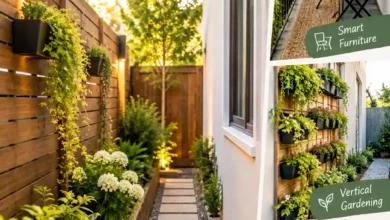
When floor space is limited, look up. Vertical gardens, wall-mounted planters, and trellises add lush greenery without sacrificing room for movement. Narrow, raised beds along the perimeter keep the yard’s center open, creating a clean look that prevents clutter.
Avoid overcrowding with a limited plant palette and clear sightlines
Filling every corner with plants may seem tempting, but restraint is essential to successful design. A limited plant palette creates a cohesive, calm atmosphere that feels intentional rather than chaotic. Keep sightlines clear: place low-growing ground covers near windows and taller specimens only where they frame a specific view.
Use mirrors, light-colored surfaces, and borrowed views carefully
Reflective surfaces, such as outdoor-rated mirrors, bounce light into dark corners and make spaces feel airier. Pair them with light-colored paving materials to brighten the entire area. Finally, consider “borrowing” a view from a neighboring tree or distant landscape feature to extend your garden’s visual boundaries beyond your fence line.
| Technique | Primary Benefit | Best For |
|---|---|---|
| Diagonal Paths | Increases perceived depth | Narrow, rectangular yards |
| Vertical Trellises | Adds height without width | Tight side yards |
| Light Hardscaping | Reflects light and opens space | Shaded, small patios |
| Multifunctional Furniture | Reduces clutter | High-traffic seating areas |
Design a Patio or Deck as the Garden’s Social Center
A thoughtful outdoor living area transforms your yard into a true extension of your home. Focusing on the patio or deck creates space for relaxation and connection. This outdoor garden design makes your backyard a favorite gathering place for family and friends.

Position seating to support conversation, dining, and outdoor cooking
Furniture placement shapes how people interact within the space. Arrange chairs in a circular or semicircular pattern to encourage relaxed conversation. If you host meals, place the dining table near the kitchen door for effortless serving.
Keep the cooking station near the dining area, but away from busy paths. A thoughtful diy garden layout considers movement patterns and keeps the chef involved. This planning choice makes each gathering feel more inclusive.
Frame patios with plants without blocking movement or views
Softening hardscape edges is essential for a beautiful garden arrangement. Use low-growing perennials or ornamental grasses to define the deck’s perimeter. These plants add color and texture without blocking views across the yard.
Choose plants that do not interfere with walkways or entry points. Clear paths let guests move easily between the house and garden. Strategic planting creates a natural frame that makes the patio the main attraction.
Add shade with pergolas, umbrellas, trees, or layered screening
Comfort encourages people to spend more time outdoors during the day’s heat. A pergola provides permanent shade and adds architectural interest. For flexibility, high-quality umbrellas or shade sails suit smaller decks.
Trees and layered screening provide natural relief from the sun. These elements create a cozy, private atmosphere. A beautiful garden arrangement often uses vertical layers to balance light and shadow.
Connect the hardscape to the rest of the garden through matching materials
Visual unity makes an outdoor space feel larger and more intentional. Choose stone, brick, or wood that complements your home’s exterior and existing garden paths. Consistent materials create a seamless indoor-to-outdoor transition.
With a cohesive diy garden layout, the entire yard feels like one unified project. Matching materials connect the patio with the surrounding landscape design. Consistency creates a professional finish that lasts.
Build an Edible Garden Layout That Is Easy to Maintain
Creative garden plans help maintain a thriving vegetable patch throughout the season. An efficient design makes outdoor work productive instead of exhausting. A well-thought-out edible garden layout turns maintenance into a relaxing hobby.

Arrange raised beds for sunlight, access, and efficient watering
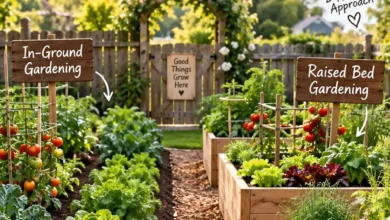
Raised beds give you greater control over soil quality and drainage. Place these structures where they receive at least six to eight hours of direct sunlight daily. Strategic placement lets you reach each bed’s center, simplifying weeding and watering.
Group vegetables, herbs, and fruit according to seasonal needs
Organizing plants by their water and nutrient needs saves significant time. Grouping cool-season crops together helps you manage irrigation as weather shifts. This beautiful garden arrangement ensures that plants receive what they need to flourish throughout the year.
Leave enough room for paths, harvesting, soil improvement, and crop rotation
Never underestimate the importance of wide, stable pathways. Leave enough room to maneuver a wheelbarrow or carry heavy harvest baskets without damaging crops. Proper spacing also supports essential crop rotation, which prevents soil depletion and keeps pests at bay.
Place culinary herbs near the kitchen for convenient harvesting
Keep frequently used herbs, such as basil, parsley, and chives, within arm’s reach of your back door. This proximity encourages you to use fresh ingredients in daily cooking. This simple design choice adds immense value to your culinary experience.
“The glory of gardening: hands in the dirt, head in the sun, heart with nature. To nurture a garden is to feed not just the body, but the soul.”Alfred Austin
Use trellises and vertical supports for cucumbers, beans, and small melons
Vertical gardening changes how you grow food in small spaces. Training cucumbers, beans, and small melons to climb keeps fruit off the ground and improves air circulation. This technique reduces disease and makes harvesting much easier on your back.
Combine edible plants with flowers that attract beneficial pollinators
A truly beautiful garden arrangement integrates marigolds, zinnias, and borage among your vegetables. These blooms attract bees and butterflies, which are vital for a successful harvest. Mixing these plants creates a vibrant, healthy ecosystem that supports your food production goals.
Plan a Pollinator-Friendly and Wildlife-Supporting Garden
Transforming your yard into a local wildlife sanctuary can enrich your outdoor garden design and create a rewarding connection with nature. By welcoming wildlife, you build a lively ecosystem that supports the environment and strengthens your own sense of well-being. A thoughtful plan creates a beautiful landscape while offering vital support to local pollinators.
Layer trees, shrubs, perennials, grasses, and ground covers
To build functional habitat, plan for several vertical layers. Plant native trees and shrubs first; they provide essential canopy cover and nesting sites for birds. Beneath them, add perennials and ornamental grasses for food and protection.
Ground covers serve as living mulch, suppressing weeds while keeping soil cool and moist. This layered design resembles natural forest edges, which attract many wildlife species.

Select native plants suited to the local climate and soil
Native plants form the backbone of a thriving wildlife garden because they evolved alongside local pollinators. They are naturally adapted to regional rainfall and soil, so they need less maintenance than exotic varieties. Choosing local species helps bees, butterflies, and birds find the specific nutrients they need to survive.
Provide nectar, seeds, shelter, and water throughout the seasons
A successful garden must provide resources throughout the year. Include varied blooms that offer nectar from early spring through late autumn. Even within an edible garden layout, flowers such as sunflowers or zinnias can provide winter seeds for birds.
Include a clean water source, such as a shallow birdbath or small pond. Brush piles and hollow stems provide shelter, giving beneficial insects safe places to hibernate during cold weather.
Design attractive transitions between lawn, beds, and naturalized areas
Create soft, flowing edges between manicured lawn and wilder planting zones for a sustainable garden design. Use sweeping curves to connect formal beds with naturalized areas, making the transition feel intentional rather than messy. These “ecotones” are often the most biodiverse parts of a property, balancing human utility with wild beauty.
Use Pathways to Improve Movement and Garden Structure
A well-designed path forms the backbone of any functional outdoor space. It guides visitors through your landscape while creating discovery and order. These garden layout ideas transform a simple yard into an organized, inviting retreat.
Place primary paths along the routes people naturally take
Observe how you and your family move across the lawn before you start digging. People instinctively choose the shortest distance between two points. Ignoring these natural lines can leave worn-out grass or trampled flower beds.
Choose path widths that accommodate people, tools, and outdoor equipment
For comfort, make main walkways at least 36 to 48 inches wide. This width lets two people walk side-by-side or leaves room for a wheelbarrow. These expert garden layout tips keep your space practical throughout the seasons.

Use stepping stones, gravel, brick, or concrete for different garden styles
The material you choose defines your garden’s character. Stepping stones offer a casual, whimsical feel, while brick provides a classic, structured look. Gravel is an excellent choice for sustainable garden design because it lets water soak into the ground easily.
“The path is the story of the garden, leading the eye and the feet toward moments of quiet beauty.”— Anonymous
Prevent mud and erosion with proper grading and stable surfaces
Proper drainage is vital to keep your paths safe and clean. Always slope your walkways slightly away from the house to prevent water from pooling. A stable base of crushed stone under pavers or bricks will stop them from shifting over time.
Highlight destinations such as seating areas, gates, fountains, and specimen plants
Your pathways should always lead to a clear purpose. Whether it is a hidden bench, a blooming specimen tree, or a garden gate, these focal points give your journey a rewarding conclusion. Integrating these elements creates a professional level of sustainable garden design that balances form and function.
Expand Planting Potential With Containers and Vertical Design
Creative container gardening brings life to areas where traditional beds cannot fit. Using vertical space transforms small backyard landscaping into a lush, layered retreat that feels larger than it is.
Use containers to add color where permanent beds are impractical
Containers give gardeners flexibility when soil access is limited or surfaces are paved. Place portable gardens on patios, steps, or narrow walkways to add vibrant blooms where needed. This approach ensures every outdoor corner supports a beautiful garden arrangement.

Arrange pots in groups with varied heights and complementary textures
Grouping containers is a professional design technique that creates strong visual impact. Mixing tall, slender pots with shorter, wider ones builds depth and rhythm. Layering textures—such as pairing smooth ceramic pots with rustic terracotta—adds sophistication to the display.
Grow vines, espaliered fruit, and hanging plants on vertical supports
Vertical gardening is essential when floor space is limited. Train climbing vines or espaliered fruit trees against walls or fences to save room and create a lush, green backdrop. Hanging baskets draw the eye upward, supporting an efficient edible garden layout that keeps herbs and berries within easy reach.
Select lightweight, weather-resistant containers for decks and balconies
Weight matters when you garden on elevated surfaces, such as decks or balconies. Choose resin, fiberglass, or lightweight composite containers that resemble stone or clay without creating a heavy load. These durable materials withstand harsh weather throughout the year.
Match container size, drainage, and exposure to each plant’s requirements
Successful container gardening depends on meeting each plant’s specific needs. Ensure pots have adequate drainage holes to prevent root rot, a common problem in confined spaces. Also consider sunlight exposure; sun-loving vegetables struggle in deep shade, while delicate ferns may wilt under intense afternoon heat.
Make Challenging Areas Work With Smart Garden Planning
You do not need a perfectly flat, sunny lawn to create a stunning outdoor retreat. Even difficult sites create distinctive opportunities for small backyard landscaping when guided by a clear vision. Identify each site’s constraints, then transform potential eyesores into memorable features of your property.

Adapt sloped yards with terraces, retaining edges, and level platforms
Slopes may seem like wasted space, yet they create dramatic visual interest. Use stone or timber retaining walls to form flat terraces with stable ground for seating or planting. These level platforms divide the incline and make daily use far more practical.
Choose shade-tolerant plants for areas beneath trees and beside buildings
Deep shade does not end your garden design. Many beautiful ferns, hostas, and woodland perennials thrive in low-light conditions where grass often fails. Layer varied textures to create a lush, inviting atmosphere in these quiet corners.
Manage wet spots with rain gardens, swales, and moisture-loving plants
If your yard holds water after a storm, consider building a rain garden to capture runoff. A shallow, planted depression or decorative swale can direct water away from your home while supporting native, water-loving species. This diy garden layout approach turns a drainage problem into a thriving, eco-friendly habitat.
Improve hot, dry areas with drought-tolerant planting and deep mulch
Areas that bake in sunlight all day require plants adapted to heat. Succulents, ornamental grasses, and Mediterranean herbs are excellent choices for these exposures. A thick layer of organic mulch retains soil moisture and keeps roots cool during the year’s hottest months.
Protect tree roots and avoid compacting soil during installation
When working near established trees, always protect the health of the root zone. Avoid heavy machinery and excessive digging, which can crush delicate roots or compact the soil. Following these expert garden layout tips helps ensure new additions do not compromise your existing landscape’s long-term vitality.
Apply Sustainable Garden Design From the Ground Up
Transform your yard into an eco-friendly sanctuary through sustainable garden design principles. This method works with nature to conserve water, enrich soil, and reduce maintenance time. With careful choices, your beautiful garden arrangement can stay vibrant and healthy throughout the year.

Reduce lawn where it provides little functional value
Lawns often need substantial water and chemicals to remain green. Replace unused grass with native ground covers or wildflower meadows. This change supports a more diverse ecosystem while reducing overall yard maintenance.
Capture rainwater with rain barrels, permeable surfaces, and planted drainage zones
Managing runoff is central to effective outdoor garden design. Install rain barrels to collect roof runoff for later use in garden beds. Permeable pavers on paths let water enter the soil instead of carrying away topsoil.
Improve soil with compost, organic matter, and low-disturbance practices
Healthy soil supports every thriving landscape. Regular additions of compost and organic matter improve soil structure and nutrient retention. Minimizing tilling protects beneficial microorganisms that help plants remain strong.
Choose durable local materials and climate-appropriate plants
Choosing materials from your region lowers your project’s carbon footprint. Native plants suit your local climate, so they need less supplemental water and care. This strategy helps your beautiful garden arrangement thrive without constant intervention.
Limit chemical inputs with integrated pest management and healthy planting
Healthy plants resist pests and diseases more effectively. Integrated pest management emphasizes prevention and natural predators that control pest populations. It reduces synthetic chemical use, making your yard safer for pets and local wildlife.
Design irrigation zones according to sun, soil, and plant water needs
Effective sustainable garden design groups plants with similar water needs. Specific irrigation zones prevent overwatering drought-tolerant species while giving thirsty plants enough moisture. This targeted method is a hallmark of professional outdoor garden design and saves time and resources.
Turn a Creative Garden Plan Into a DIY Project
Whether you are designing an edible garden layout or a decorative retreat, moving from paper to soil makes your vision tangible. Bringing your creative garden plans to life turns abstract ideas into a real garden and an exciting journey. Following a structured approach helps keep the project enjoyable and successful.
Measure the site and mark beds, paths, and structures before digging
Before picking up a shovel, understand your yard’s physical boundaries. Use measuring tapes and stakes to mark garden beds, walkways, and seating areas precisely. This step prevents costly mistakes and helps you picture the space’s final flow.
Use marking paint or simple garden twine to trace these shapes on the ground. This guide acts as a blueprint, letting you walk through the space before making permanent changes. It also helps you confirm that the scale feels right.

Break the work into manageable phases based on time and budget
A large landscaping project can feel overwhelming when tackled all at once. Instead, divide your diy garden layout into smaller, achievable phases. This strategy manages your finances while preserving energy throughout the season.
- Phase 1: Site clearing and soil preparation.
- Phase 2: Installing hardscape and primary paths.
- Phase 3: Planting trees, shrubs, and perennial beds.
- Phase 4: Adding finishing touches like lighting and mulch.
Start with drainage, utilities, soil preparation, and permanent structures
Always prioritize the “bones” of your garden before addressing aesthetic details. Proper drainage and utility placement support your landscape’s long-term health. Neglecting these foundations may force you to remove beautiful plants later, repair water problems, or install a power line.
Improve soil quality early in the process. Adding organic matter now will give plants a strong foundation for years of healthy growth.
Use affordable materials without sacrificing safety or long-term durability
You do not need to break the bank to create a stunning outdoor space. Choose local materials such as gravel, reclaimed brick, or native stone to lower costs and add character. These options are often more durable and sustainable than expensive, imported alternatives.
Prioritize safety when selecting materials for paths and structures. Keep surfaces stable and non-slip, especially where heavy foot traffic or moisture occurs.
Know when to hire a professional for grading, electrical work, or retaining walls
Many tasks suit a DIY enthusiast, but some require specialized expertise. If your project changes the land’s slope significantly, consult a professional to prevent erosion and water damage. Licensed contractors should handle electrical work and tall retaining walls, ensuring compliance with local building codes and safety standards.
Avoid Common Layout Mistakes and Keep the Garden Thriving
Avoiding common pitfalls keeps your landscape fresh and vibrant year after year. Even the most thoughtful diy garden layout can face challenges as plants mature and fill their spaces.

Prevent overcrowded beds by checking mature plant sizes
Many gardeners plant for immediate impact instead of considering each plant’s final size. Research the mature dimensions of shrubs and perennials before digging. Adequate space limits nutrient competition and lowers the risk of fungal disease.
Leave access for pruning, harvesting, repairs, and seasonal cleanup
A beautiful garden must also remain functional. Design paths and bed edges so you can reach every corner without harming soil or plants. Good access simplifies routine tasks, including pruning and harvesting.
Avoid placing invasive, high-maintenance, or poorly matched plants
Choosing the right plant for each location supports sustainable garden design. Avoid species known as invasive in your area because they can overwhelm the landscape quickly. Group plants with similar water and light needs so they thrive together with less effort.
Plan for four-season interest instead of relying on one seasonal display
Do not let your garden lose its appeal after spring blooms fade. Add evergreen shrubs, ornamental grasses, and plants with interesting bark or berries for winter interest. This strategy keeps your small backyard landscaping attractive throughout the year.
Review drainage, irrigation, mulch, and plant health throughout the year
Your garden is a living system that needs regular attention. Check soil moisture and inspect plants for stress or pests during every season. Consistent mulching and irrigation help you address minor issues before they become serious.
Use expert garden layout tips to refine the design after the first season
The first year often shows where your original plan needs adjustment. Use expert garden layout tips to identify struggling plants and areas needing better drainage or more sunlight. Observing your garden’s performance supports informed changes and creates a more resilient, beautiful outdoor space.
| Common Mistake | Immediate Impact | Long-Term Solution |
|---|---|---|
| Overcrowding | Lush, full appearance | Thinning or transplanting |
| Poor Access | Hard to reach weeds | Adding stepping stones |
| Seasonal Gaps | Empty, dull beds | Adding winter interest |
| Invasive Species | Fast growth | Removal and replacement |
Conclusion
Transforming your yard into a personal sanctuary takes patience and a clear sense of purpose. With thoughtful garden layout ideas, you can balance aesthetic beauty with daily utility. Each path, plant, and structure serves a purpose, helping your home feel complete.
Creative garden plans help you adapt your landscape to changing seasons and personal needs. They give you freedom to experiment with textures and colors while keeping your goals in sight. Small adjustments often create the most significant improvements in how you experience your outdoor environment.
Sustainable garden design gives your efforts lasting value within the local ecosystem. It creates a resilient landscape that thrives with minimal intervention over time. This approach respects the environment and rewards you with a vibrant, healthy space for years.
Start your project today by focusing on one small area of your property. Your commitment to intentional planning can turn a simple plot of land into a meaningful extension of your living space. Enjoy the process of watching your vision grow into a beautiful reality.
FAQ
How do I begin exploring the best garden layout ideas for a brand-new yard?
The best way to begin is with a thorough site assessment. Before visiting The Home Depot or Lowe’s to buy supplies, evaluate your sunlight exposure, soil quality, and natural drainage. A creative garden plan starts by mapping how your family uses the space, from Saturday BBQs to quiet morning coffee, before buying plants.
What are the best small backyard landscaping tricks to make a space feel larger?
To open a compact yard, use diagonal views or layered edges to draw attention toward its furthest corners. Incorporating vertical planting with climbing roses from Monrovia on a trellis, or using narrow built-in planters, saves floor space and adds lushness. Keeping central sightlines clear is among the top expert garden layout tips for making a tiny property feel expansive and airy.
How can I integrate an edible garden layout without it looking cluttered?
The secret to a beautiful garden arrangement that includes food is organization and structure. Consider installing clean-lined raised beds from a brand like Vego Garden and grouping vegetables by their water and sun needs. Placing culinary herbs in decorative pots near the back door keeps them handy for cooking and integrates them into your overall outdoor garden design.
Is it really possible to create a high-quality diy garden layout on a budget?
Absolutely! The key to a successful diy garden layout is working in manageable phases instead of doing everything at once. Focus your initial budget on “hard” infrastructure, such as drainage and permanent paths, before planting. Using consistent Belgard pavers for your patio and walkways creates visual unity that mimics high-end professional work for a fraction of the cost.
Why should I prioritize sustainable garden design in my backyard?
A: Sustainable garden design benefits the local environment and your long-term maintenance schedule. By incorporating native plants and installing rain barrels from a brand like Rain Wizard, you reduce water waste and reliance on chemical fertilizers. Converting underused lawn areas into pollinator-friendly zones supports local wildlife while creating a more resilient and beautiful garden arrangement.
What are some expert garden layout tips for handling sloped or wet areas?
Challenging terrain requires a specialized outdoor garden design. For sloped yards, terracing with retaining walls creates level platforms for planting and entertaining. For wet spots, consider a rain garden filled with moisture-loving plants like Joe Pye Weed or River Birch. These creative garden plans turn potential landscape “problems” into unique focal points that manage water naturally.
How do I ensure my outdoor garden design looks good in every season?
To avoid a “dead” look in winter, plan for four-season interest with evergreens, ornamental grasses, and distinctive-barked plants like Red Twig Dogwood. When sketching your garden layout ideas, layer plants so another is ready when one finishes blooming. This keeps your yard a beautiful garden arrangement from January through December.