The 1970s feel like yesterday to some people and ancient history to others, but one thing everyone agrees on is this: a lot of what counted as perfectly normal back then would stop people in their tracks today. Litter on the highway, smoke in the school hallway, a phone shared with the whole street — these were not scandals or exceptions. They were just Tuesday.
Ask anyone who grew up in that decade and they will tell you the same thing: the world moved slower, cost less, and asked fewer questions. Some of those old ways were genuinely charming, and some were genuinely dangerous — and looking back now, it is hard to believe how quickly they all changed. If you love this era, you will also enjoy our look at 47 nostalgic photos every boomer will remember. Here are 30 everyday things from the 1970s that would be completely unacceptable today.
1. Tossing Trash Out the Car Window
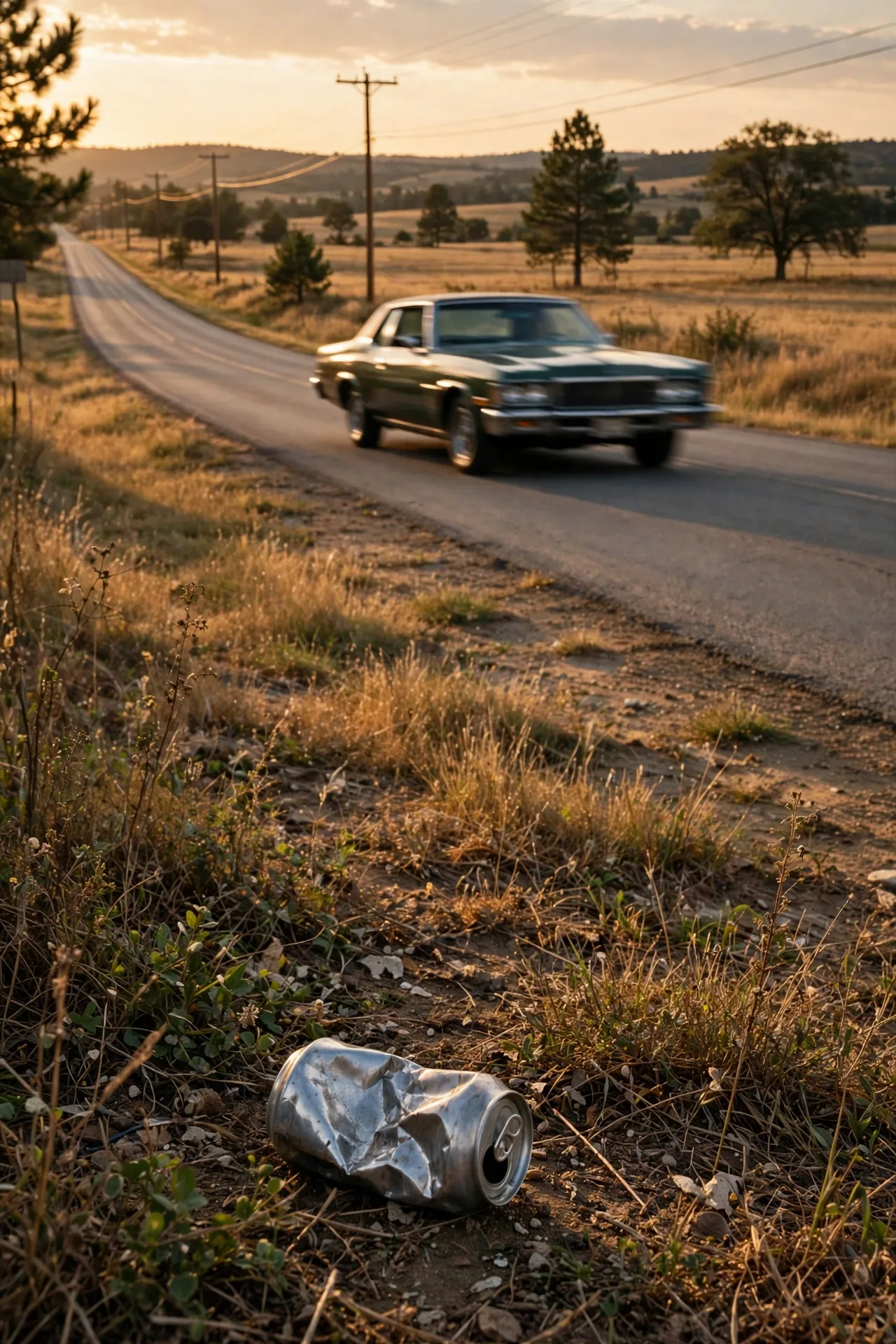
Finish a soda, crush the can, and toss it out the window — in the 1970s, plenty of people did exactly that without a second thought. Candy wrappers, cigarette packs, and fast-food bags went sailing onto the roadside, into the woods, or down the street, and nobody around seemed to find it strange. Highways were lined with litter, and it was simply part of the scenery.
That changed when anti-litter campaigns and fines started to bite, and when people began to see the damage up close. Today, tossing rubbish from a moving car can earn a hefty fine and a lot of dirty looks. The habit did not vanish overnight, but the idea that the whole world was a bin is one of the decade’s strangest legacies.
2. Drinking and Driving Was Treated Far Too Casually
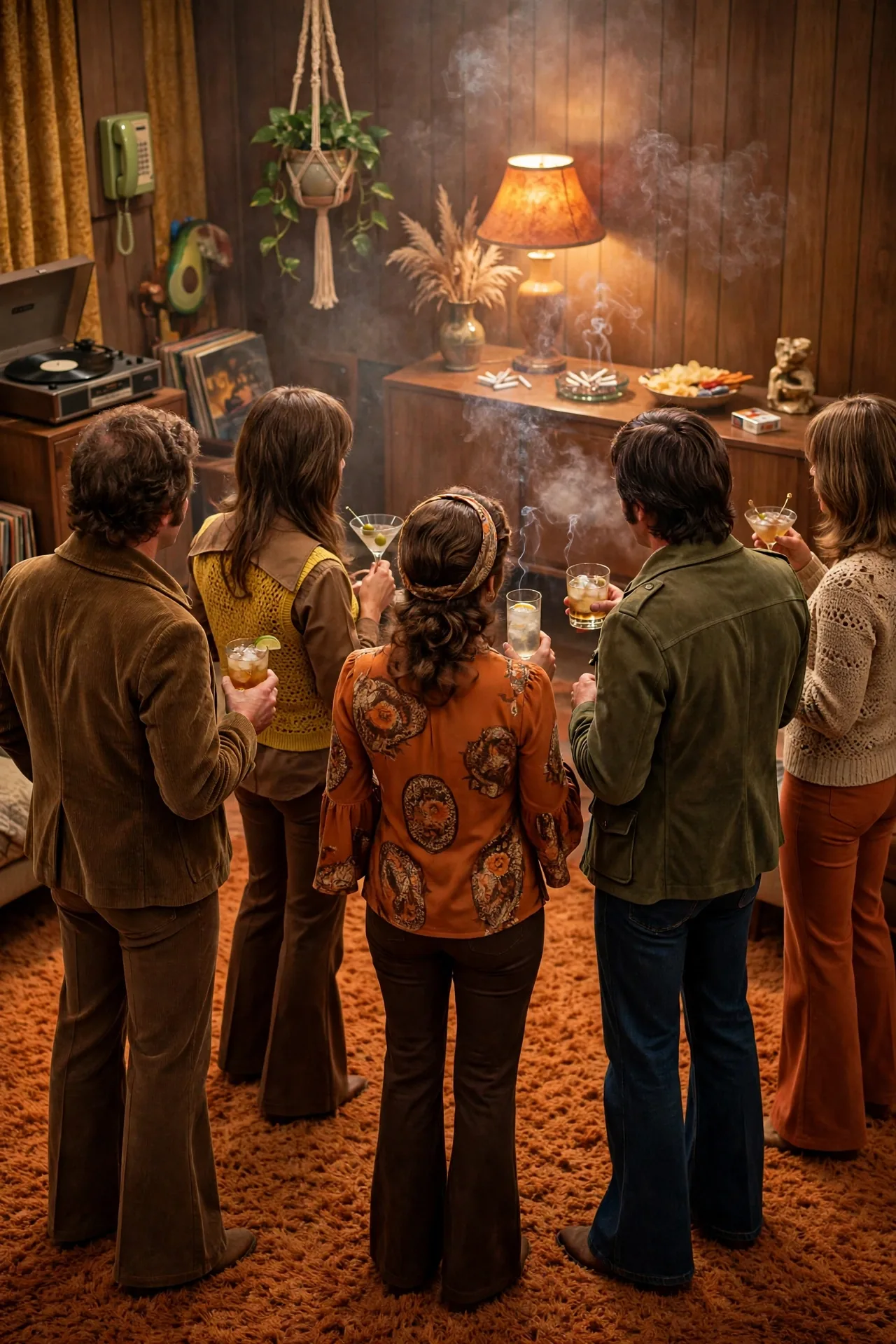
Drinking was woven into daily life in the 1970s in a way that feels shocking now. Cocktails at lunch, beer at the ballgame, and a drink in hand at almost every gathering were all unremarkable — and getting behind the wheel afterwards was treated as a minor matter rather than a serious danger. Enforcement was light, and the risks were barely discussed.
It took years of campaigning, tougher laws, and heartbreaking statistics before attitudes truly shifted. Today, drink-driving is treated as the serious offence it always was, with strict limits, heavy penalties, and no social shrug. Of all the things on this list, this is one change nobody should miss.
3. Burning Leaves (and Everything Else) in the Backyard
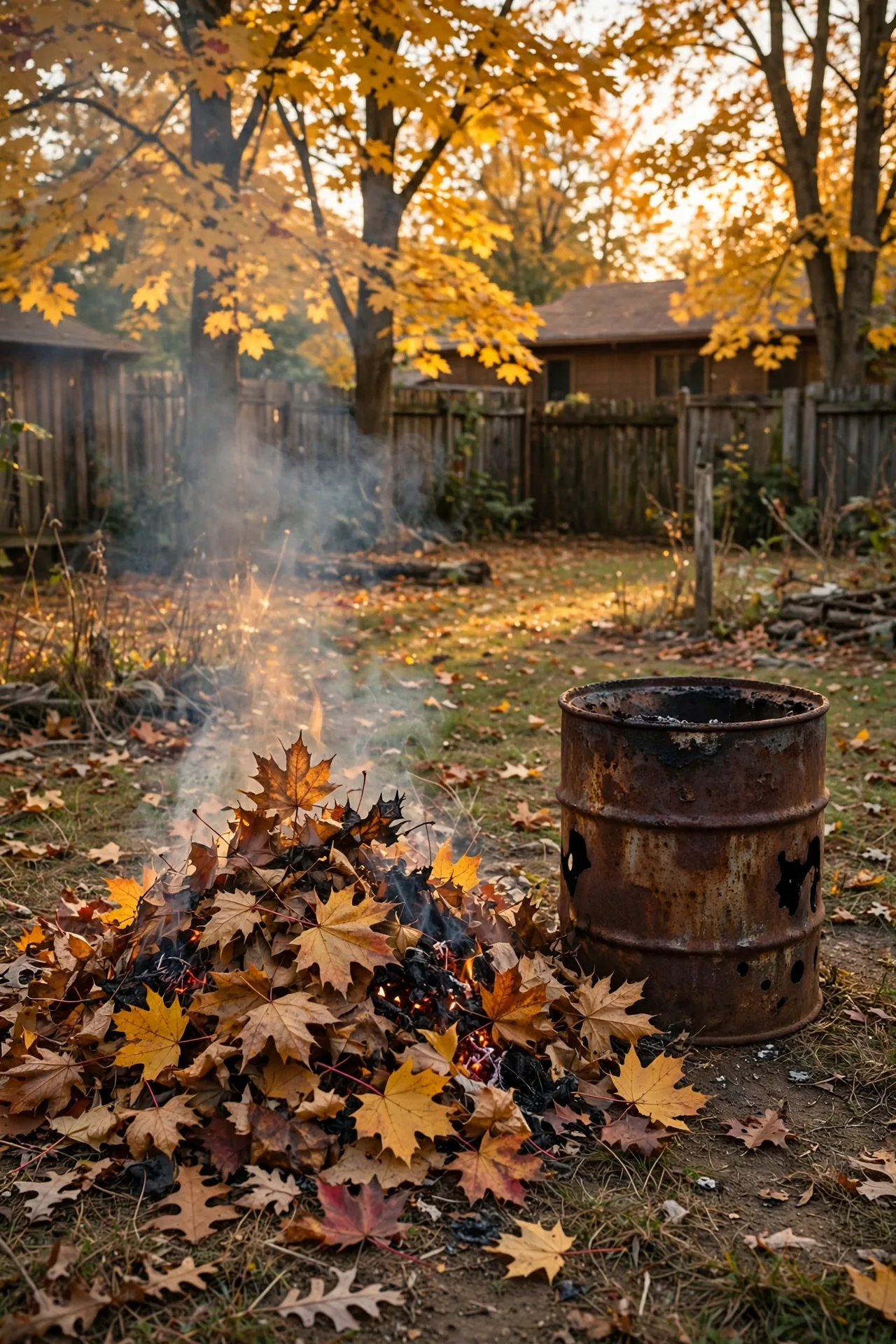
Autumn in the 1970s came with a smell everyone recognized: smouldering leaves. Families raked the yard into enormous piles and set them alight, and the smoke drifted over the whole neighbourhood for days. Many homes also kept a burn barrel out back, where paper and household rubbish were simply burned instead of thrown away.
It was cheap, it was easy, and nobody thought much about what was in the smoke. Today, open burning is banned or heavily restricted in most towns and cities, and for good reason — the smoke, the fire risk, and the fumes are all well understood now. The autumn smell is still nostalgic for some, but the practice belongs firmly in the past.
4. The Streaking Fad
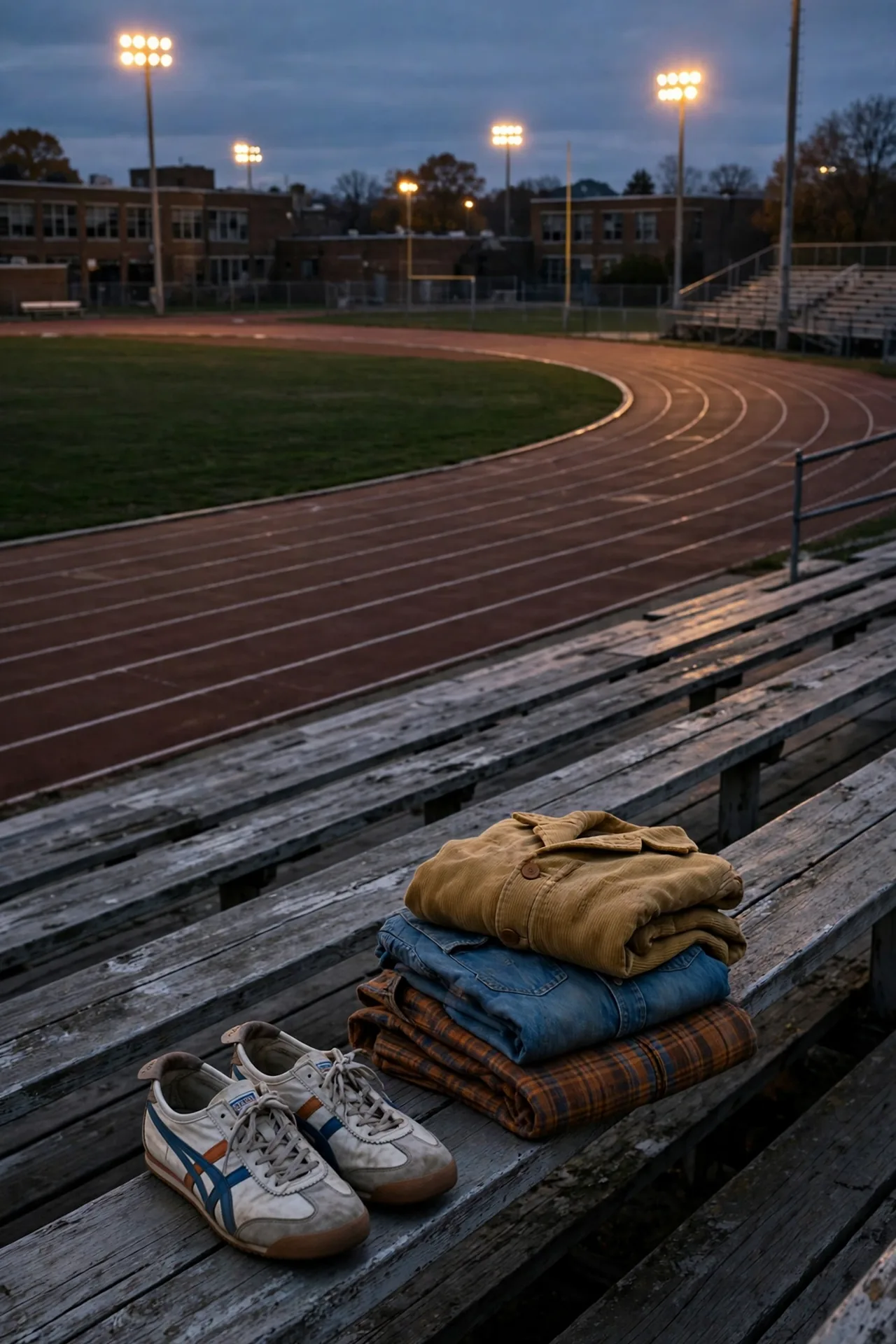
For a brief, wild moment in the mid-1970s, streaking was everywhere. People — often egged on by cheering crowds — would dash naked across a sports field, a campus, or even a high-school hallway, just for the thrill of it. It was treated as a prank, a dare, and a burst of freedom, and the crowds usually roared with laughter.
The fad even made it onto the news and into popular songs, which only encouraged more of it. Today, the same stunt would mean arrest, a fine, and possibly a permanent record — and nobody would call it harmless fun. It remains one of the decade’s most baffling crazes, a reminder of how different the boundaries were.
5. Very Different Attitudes Toward Mental Health, Gender Roles, and Privacy
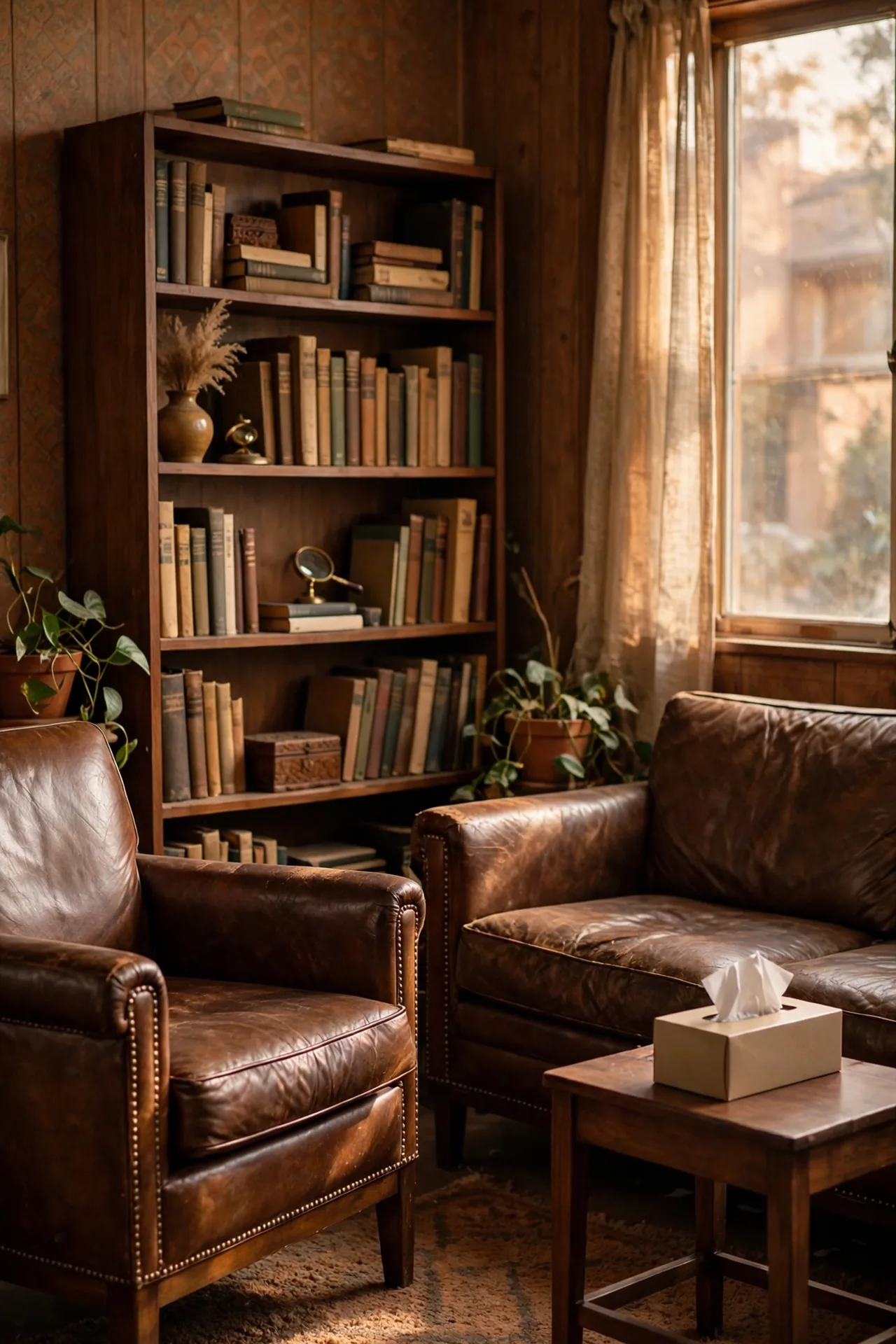
Talking about mental health in the 1970s was, for most people, simply not done. Therapy carried a heavy stigma, and admitting you were struggling was often seen as a weakness rather than a brave step. At the same time, workplaces openly favoured men for promotions, and personal information — from medical details to salaries — was handled with far less care than anyone would accept today.
The change since then has been enormous. Therapy is now discussed openly, workplaces are expected to treat people fairly, and privacy is protected by law. It is easy to forget how recently these attitudes shifted, and how much quiet suffering the old silence caused.
6. Long-Distance Calls Cost So Much, Families Invented Secret Codes
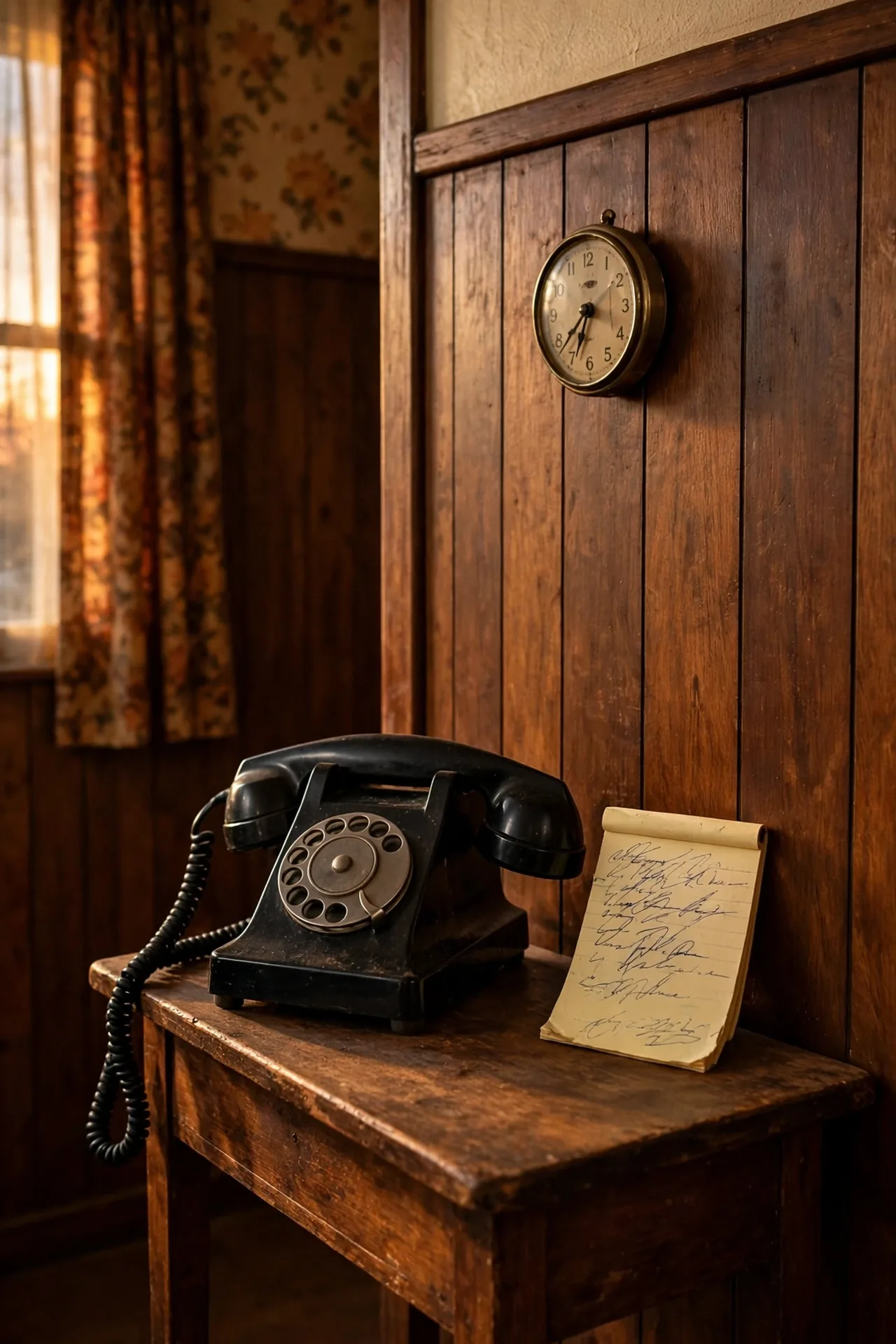
Calling someone in another town — or even the next town over — could cost a small fortune in the 1970s, and the charges ticked up by the minute. Families got creative: one ring meant “call me back,” two rings meant something else, and everyone knew the code. A mother might let the phone ring once and hang up, knowing her daughter on the other end would return the call on the cheaper line.
Long-distance rates were a real household budget item, and people kept calls short and to the point. Today, a call to the other side of the world costs nothing, and the idea of paying by the minute for a phone call feels like something from another planet.
7. The Party Line — When the Whole Street Shared Your Phone
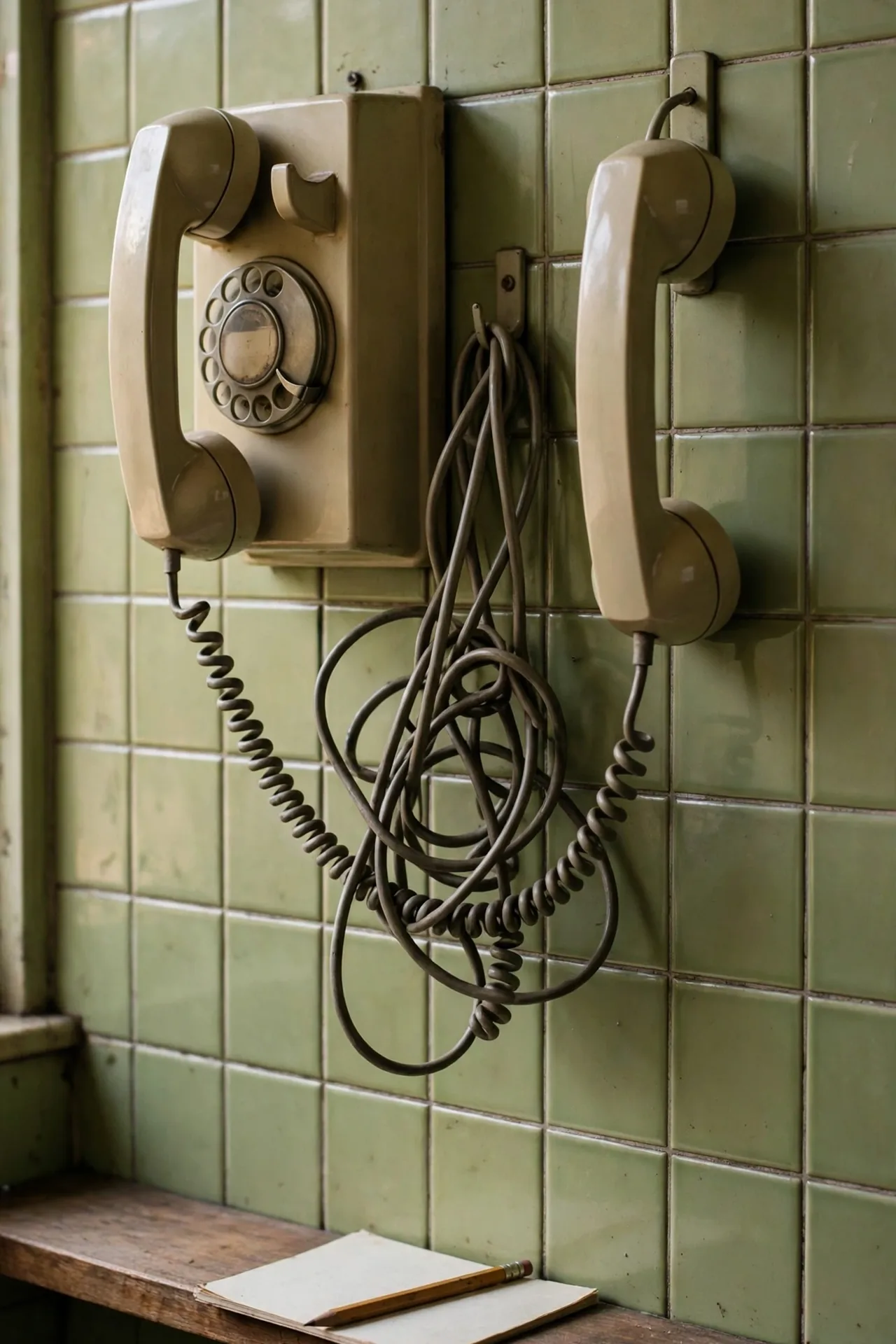
Many homes in the 1970s did not have a phone line of their own. Instead, they shared a “party line” with several neighbours — sometimes ten households on a single connection. Pick up the receiver and you might hear your neighbour mid-conversation, and if someone thought your call had gone on too long, they might pick up and hang up repeatedly until you got the message.
There was no privacy, no call waiting, and no voicemail — just a shared line and a lot of patience. The party line faded away as private lines became affordable, but for a generation, the telephone was a communal piece of furniture, not a personal one.
8. Kids Roamed Free — to School, to the Park, Everywhere
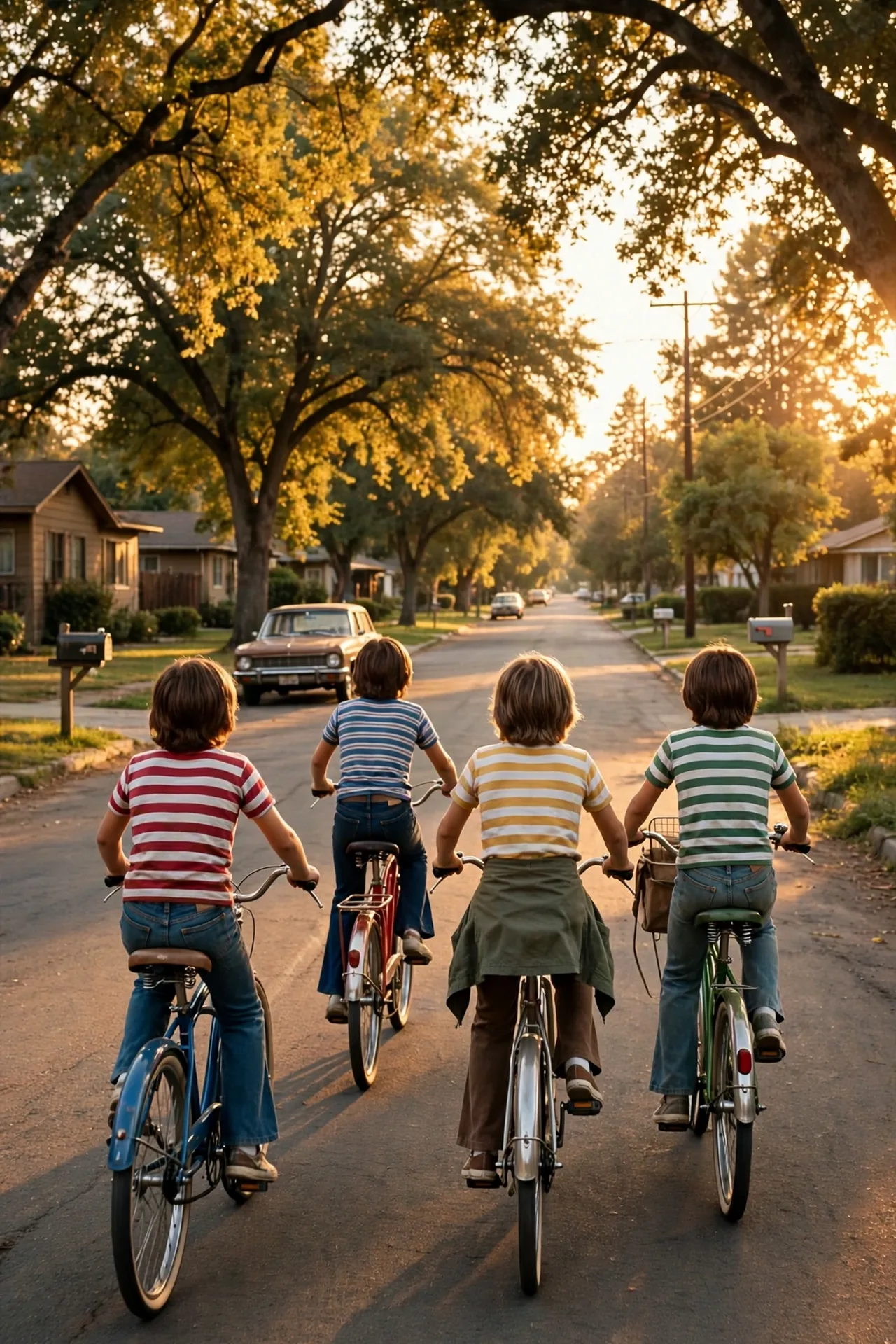
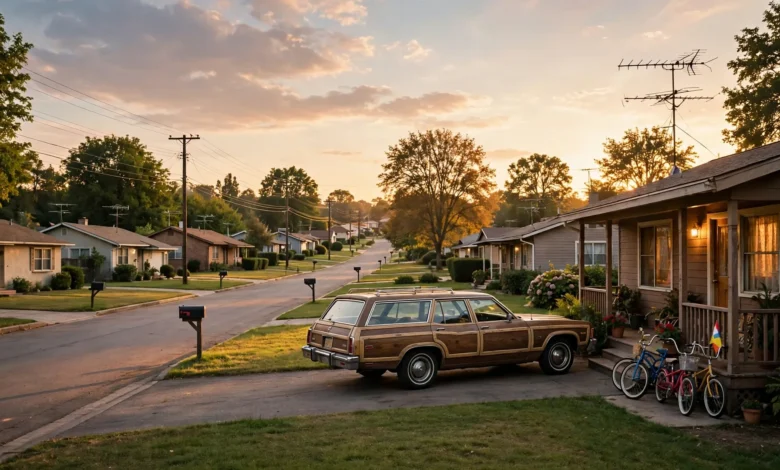
Children in the 1970s had a freedom that would alarm most parents today. They walked to school alone, even across busy streets, with only the volunteer crossing guards — often retired neighbours — to help them. After school, they roamed the neighbourhood on their bikes until the streetlights came on, and nobody worried unless a child under five wandered off.
The rule was simple: be home when the streetlights come on. Parents did not track locations, schedule every hour, or know exactly where their children were at any given moment — and that was normal. The freedom built independence, but it also relied on a kind of trust in the neighbourhood that feels almost unimaginable now.
9. Waiting for Everything: Photos, Catalogs, TV Episodes, Songs
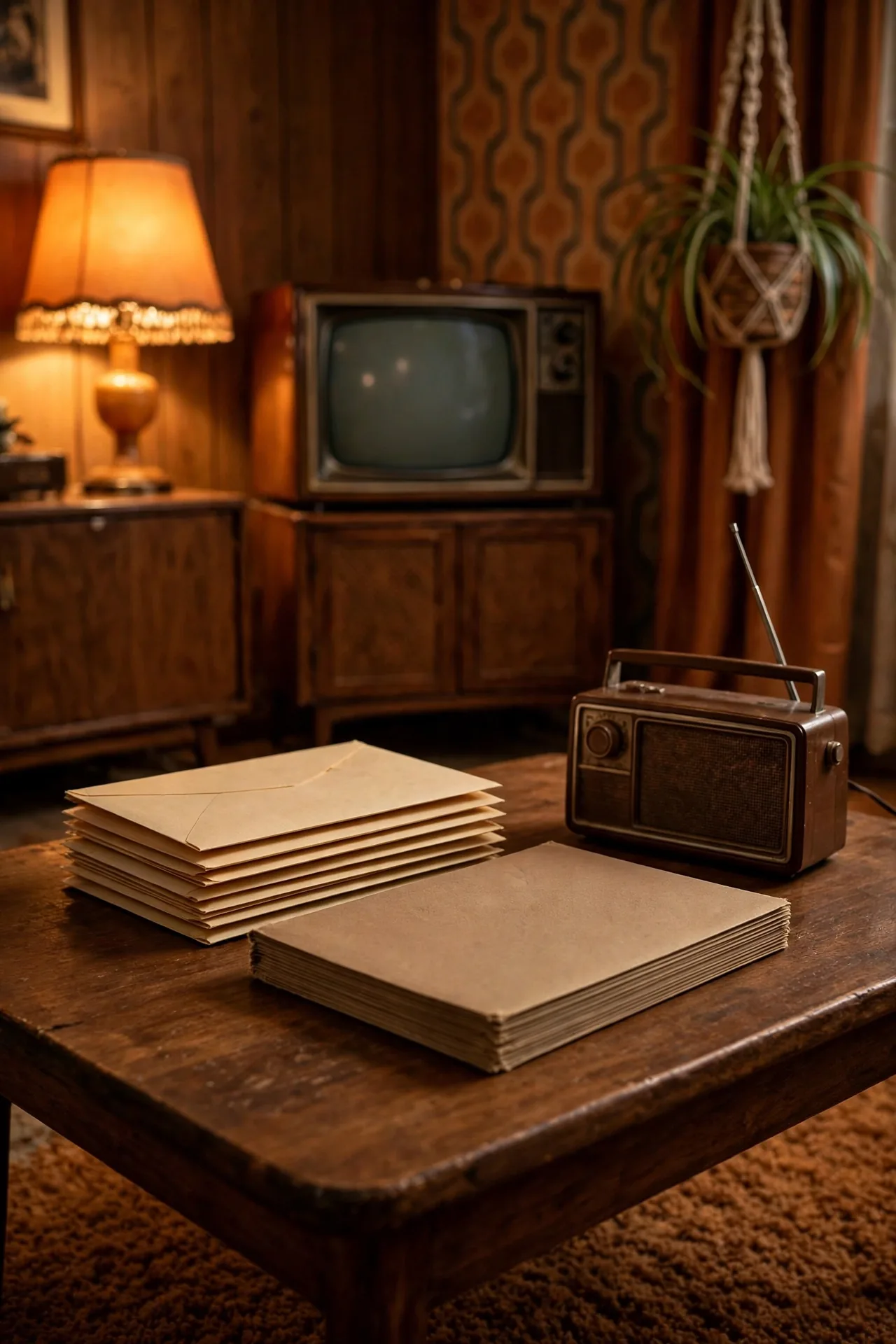
Waiting was simply part of life in the 1970s. You waited days for your photos to come back from the developer. You waited two or three weeks for a mail-order parcel. You waited a full week for the next episode of your favourite show, and if you missed it, you waited months for the rerun. To hear a song you loved, you had to wait for it to come on the radio.
There was no streaming, no next-day delivery, and no on-demand anything. The waiting taught a kind of patience that is hard to explain to anyone who has never known it — and, strangely, it made the arrival of things feel like a small celebration.
10. A Smoking Lounge at School — for Students
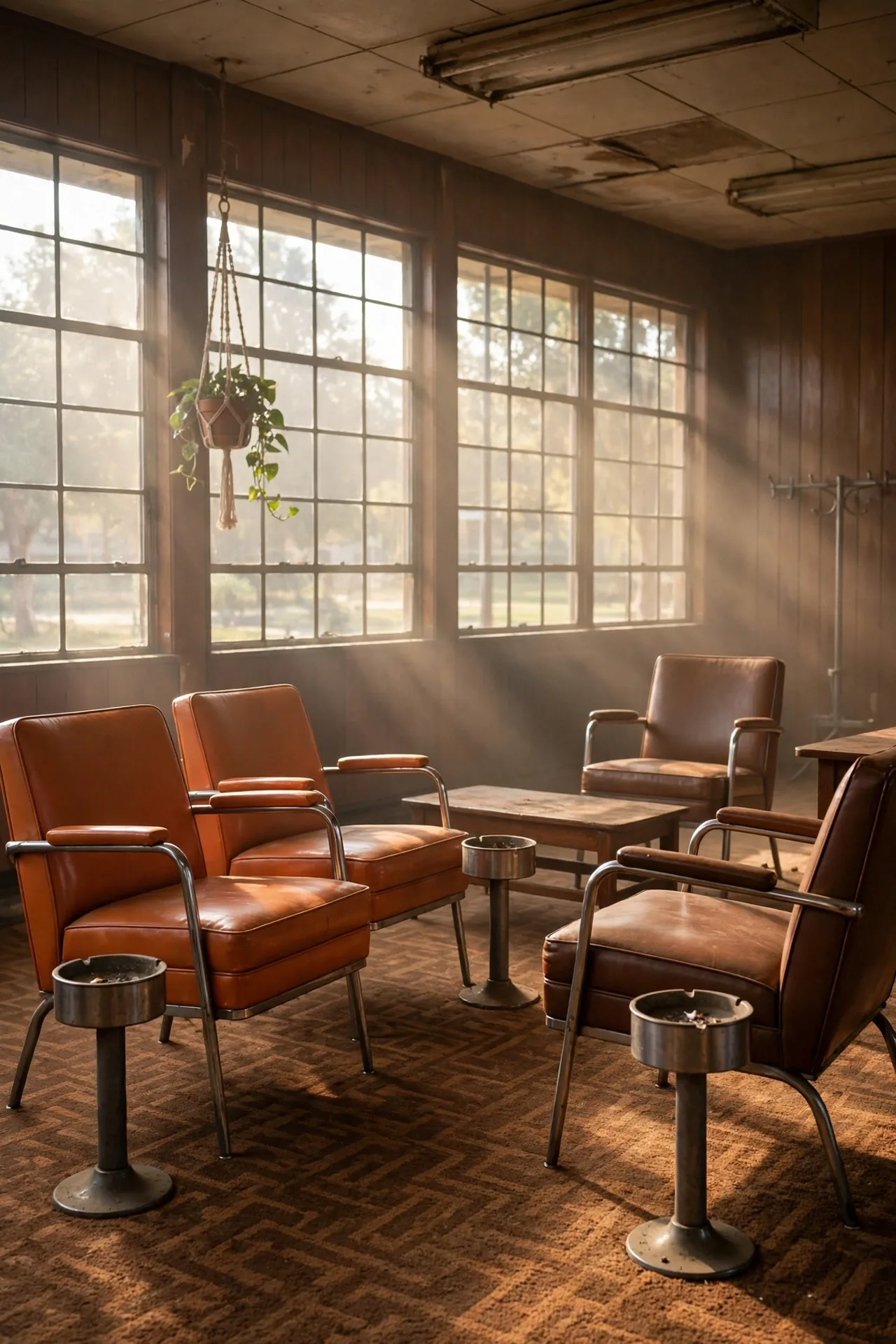
Some high schools in the 1970s had a smoking lounge — and it was not only for teachers. Students could light up between classes in a designated room, as if smoking were just another part of the school day. It seems unthinkable now, but at the time, smoking was so woven into everyday life that schools saw little reason to stop it.
The change came gradually, as the health risks became impossible to ignore and smoking bans spread to schools, workplaces, and public buildings. Today, a student smoking area would be a scandal. Back then, it was just a room with ashtrays and vinyl chairs.
11. Women Needed a Husband’s Permission for a Credit Card
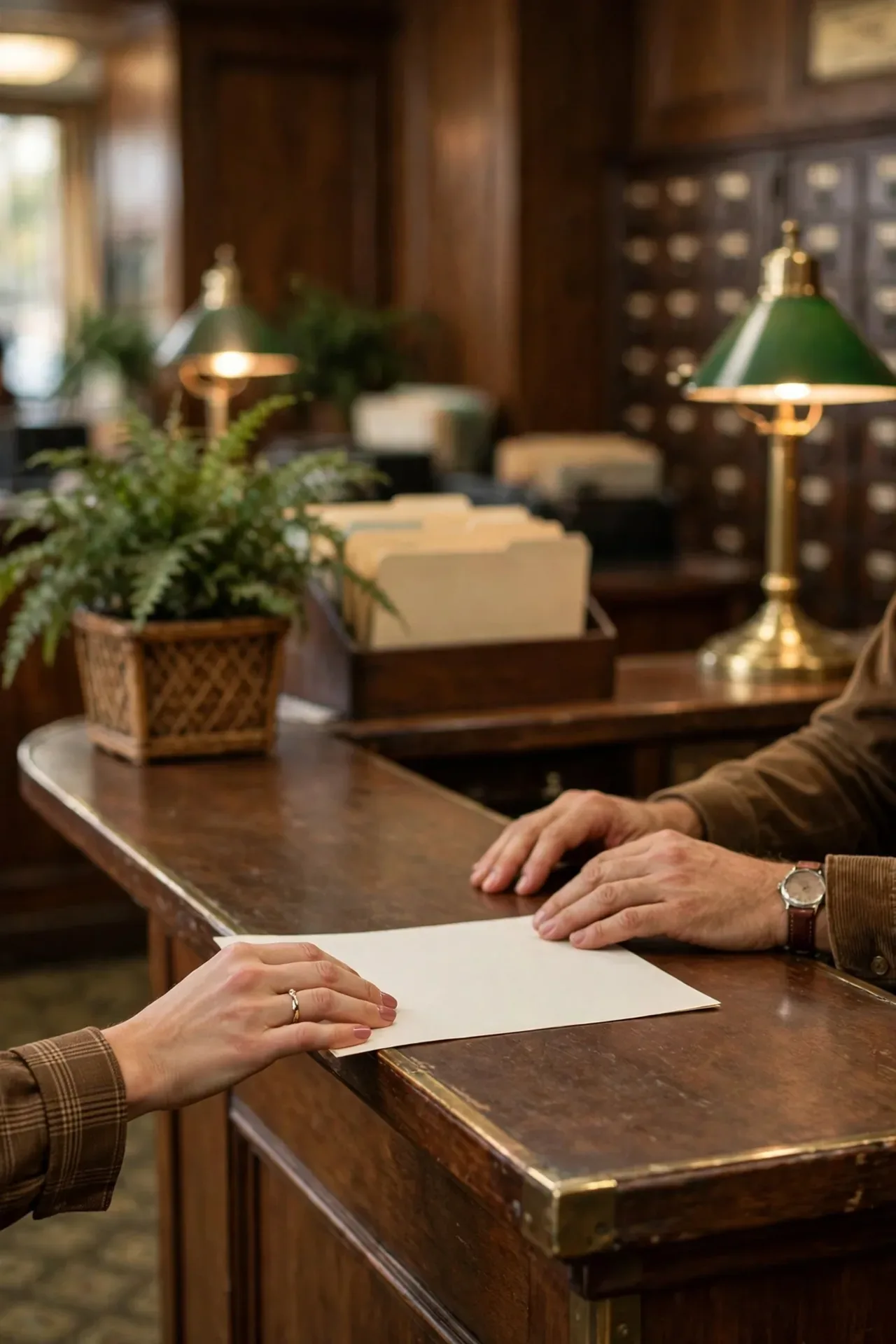
Until the mid-1970s, a married woman in the United States generally could not get a credit card in her own name — she needed her husband’s permission, and his signature. Even a single woman with a good job and a steady income could find herself turned away, or offered a card only with a male co-signer. Credit was, in practice, a husband’s privilege.
That changed with the Equal Credit Opportunity Act of 1974, which made it illegal to discriminate on the basis of sex or marital status. Today, the idea that a bank would ask a woman for her husband’s approval sounds absurd — but for millions of women, it was everyday reality well into the decade.
12. The Smell of Traffic: Leaded Gas and No Catalytic Converters
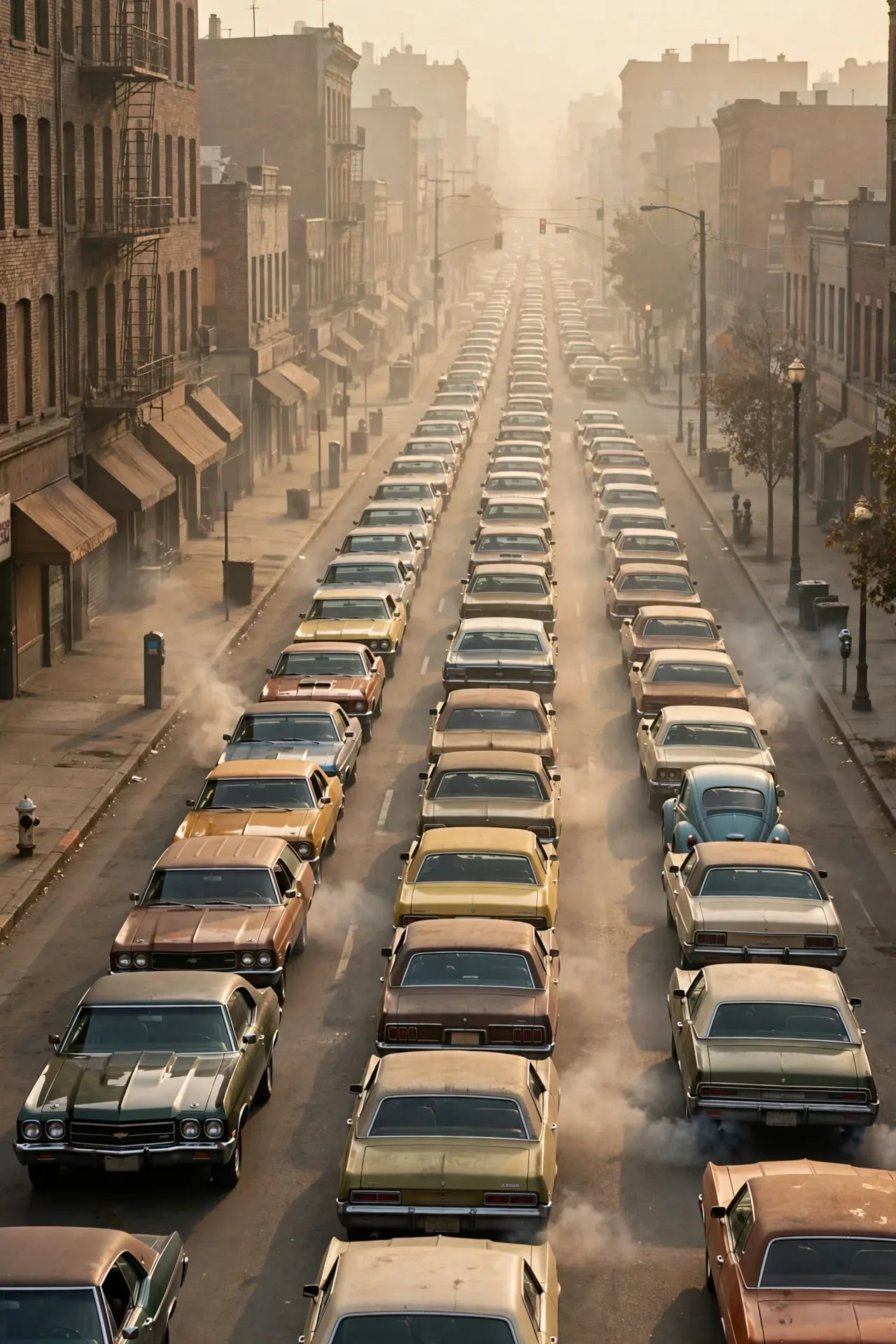
Traffic in the 1970s had a smell all of its own. Almost every car ran on leaded petrol, and very few had catalytic converters, so exhaust fumes hung thick in the air — especially in a traffic jam. The smell was sharp, heavy, and unmistakable, and it settled over busy streets like a fog.
People simply lived with it, the way you live with weather. The phase-out of leaded petrol and the arrival of catalytic converters eventually cleared the air, and the health benefits were enormous. Anyone who remembers that smell knows exactly how different the streets feel today.
13. Public Officials Stepped Down Quickly When Scandals Surfaced
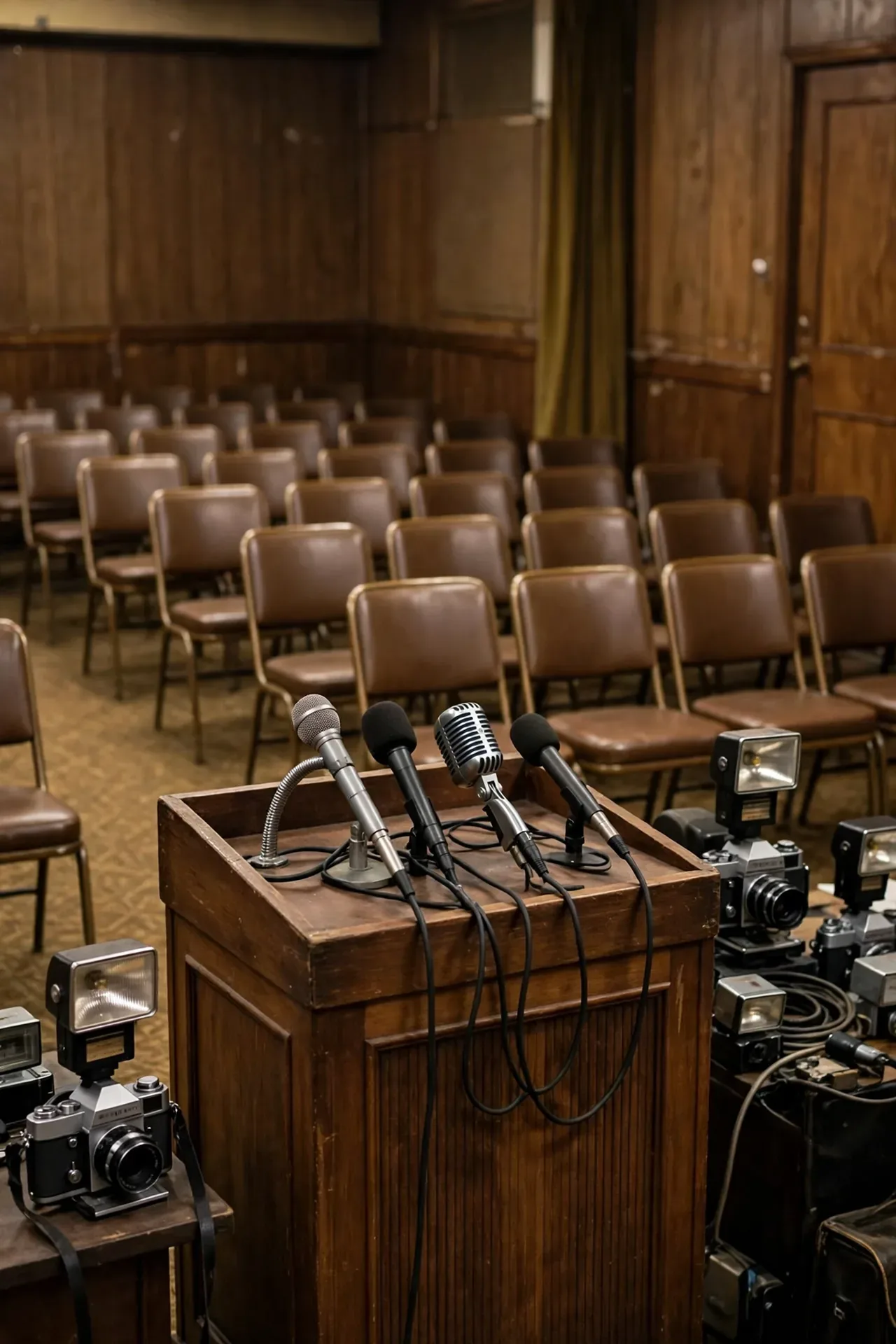
In the 1970s, a public official caught in a scandal was generally expected to resign — and usually did, quickly. Corruption, financial misconduct, or a public scandal meant the end of a career, and the expectation was so strong that many stepped down before anyone even asked them to. Accountability, at least in that sense, was swift.
Whether that standard was always applied fairly is another question, but the contrast with today is striking. The idea that a scandal should end a career feels almost old-fashioned now, which says a lot about how much the culture of public life has changed.
14. Kids Buying Cigarettes for Their Parents
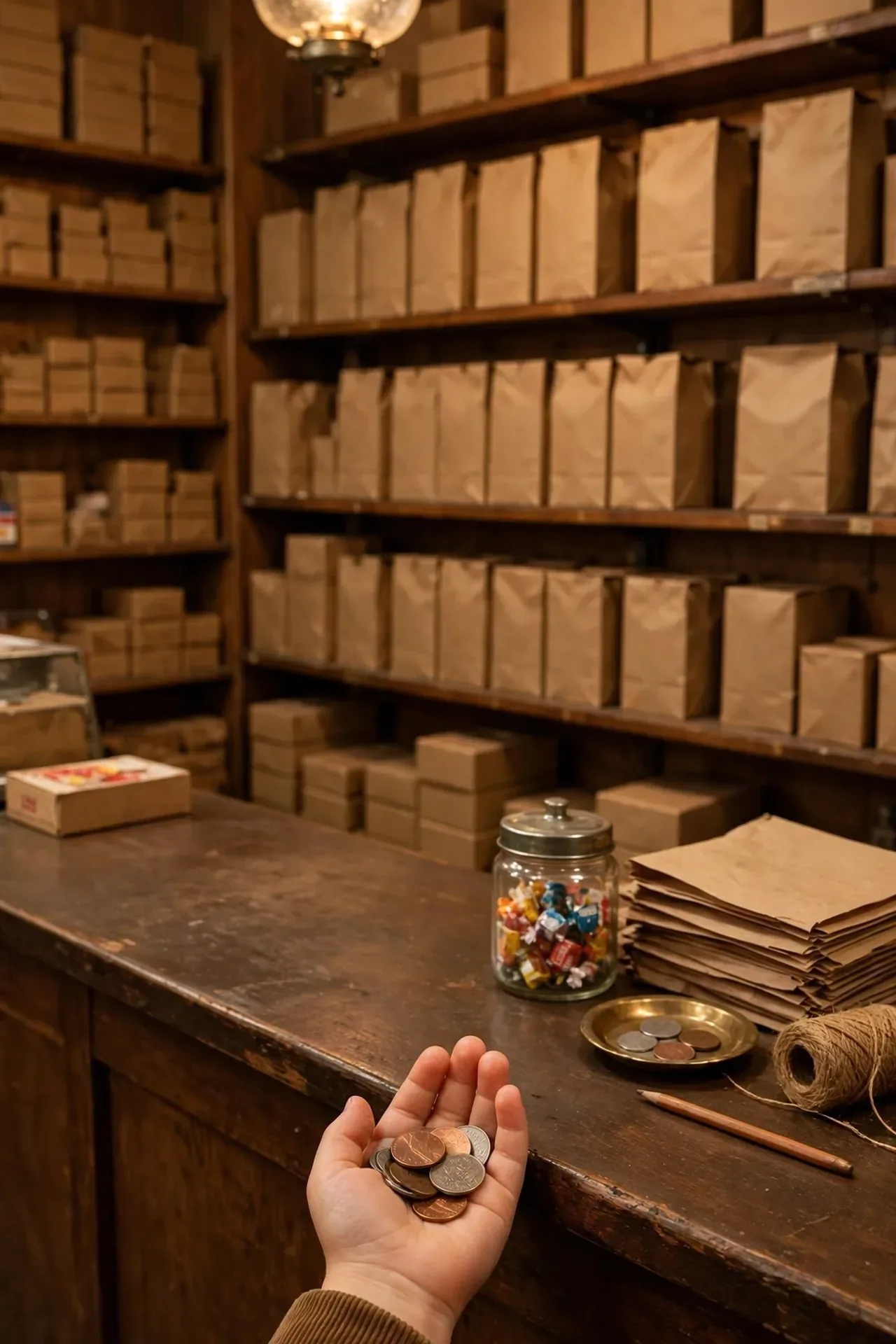
It was once completely ordinary for a parent to hand a child some cash and send them to the corner shop for a pack of cigarettes — no note, no ID, no questions asked. Shopkeepers sold them without a second thought, and the child might even have enough change left over for sweets and a soda on the way home.
Today, selling cigarettes to a minor is illegal almost everywhere, and shops check ID as a matter of routine. The old practice feels shocking now, but in the 1970s it was just an errand — one more sign of how differently smoking was viewed.
15. A Shoe Salesman Who Measured Your Feet and Fetched Your Size
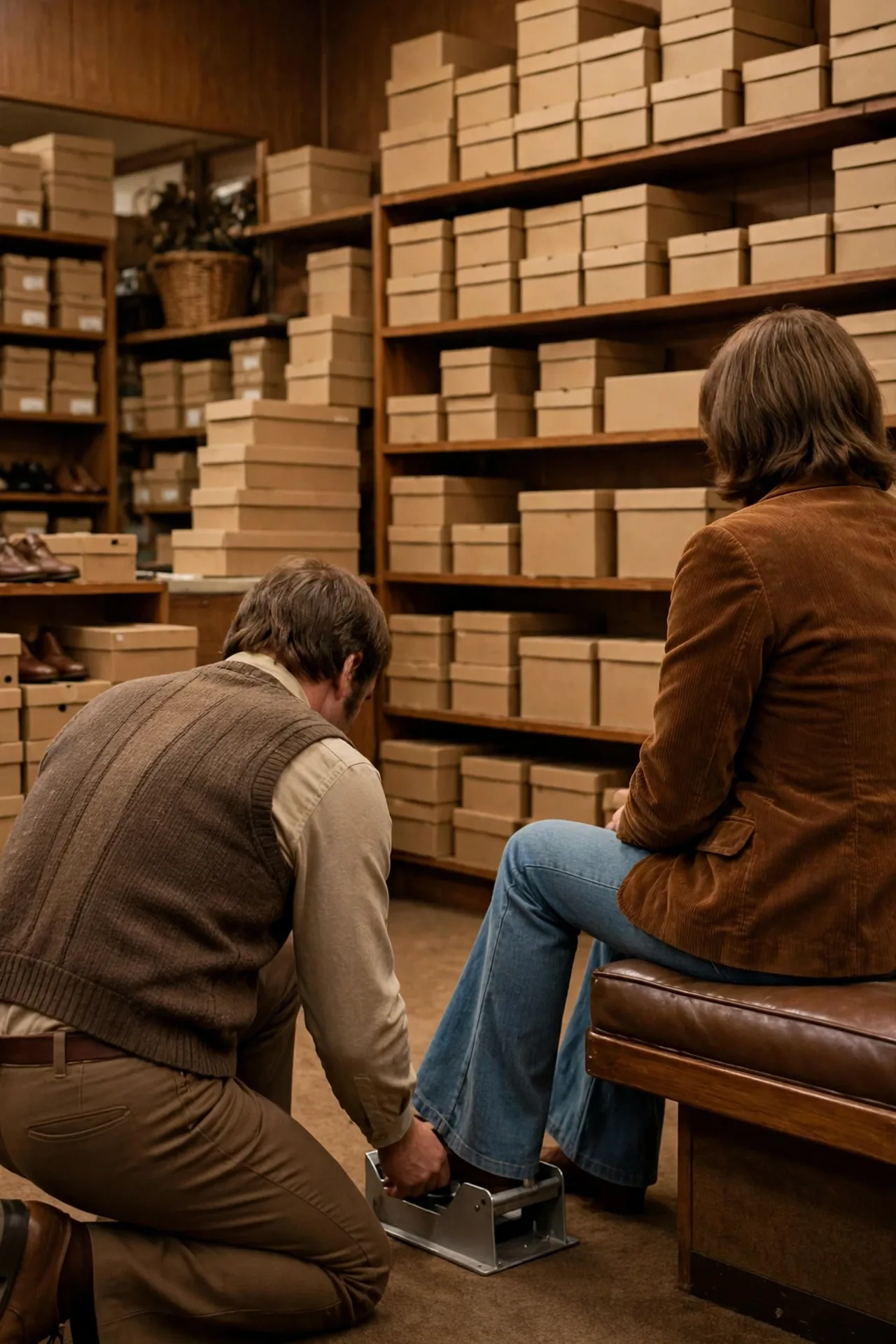
Buying shoes in the 1970s was a full-service affair. You sat on a little stool while a salesman measured your feet with a metal device, disappeared into the back room, and returned with your size — then slipped the shoes onto your feet himself to check the fit. The whole ritual was slow, personal, and completely normal.
Self-service shoe shopping has mostly replaced it, and most of us now grab a box off the shelf and try shoes on ourselves. The old way was slower, but there was something pleasant about being looked after — and about a shopkeeper who actually knew your size.
16. Cars With No Seatbelts — Kids Bouncing Around the Back Seat
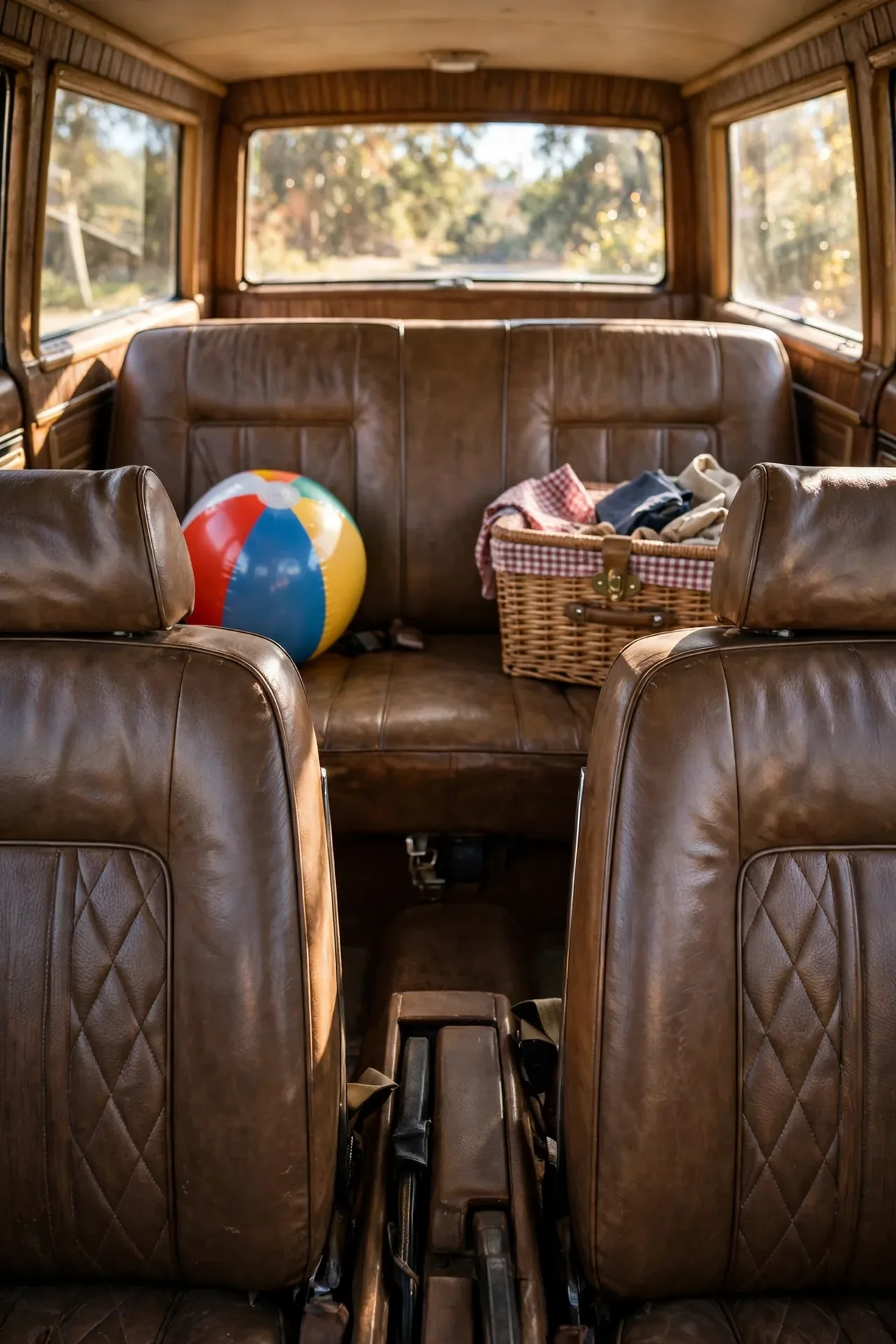
Seatbelts were an afterthought in most 1970s cars, and children rode loose in the back seat — or in the cargo area of the family station wagon — like luggage. On a bumpy road, kids bounced around freely, and nobody thought it was dangerous. It was simply how families travelled.
Seatbelt laws, child seats, and decades of safety research have transformed car travel since then. Today, an unrestrained child in a car would horrify any onlooker. The old freedom of the back seat is one of those memories that is fun to recall and terrifying to imagine repeating.
17. Prices That Sound Made Up Now — and Toys in the Cereal Box
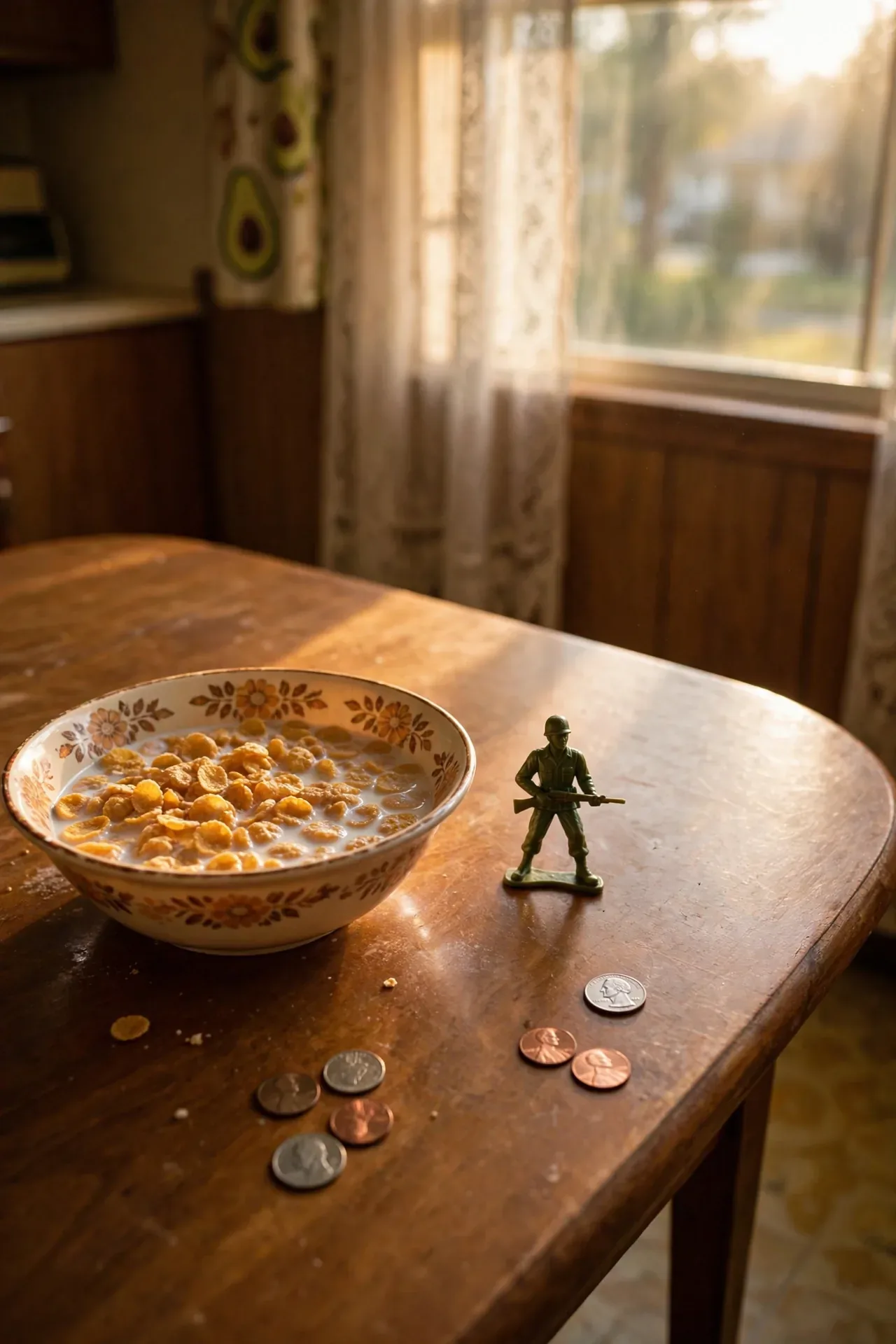
The prices of the 1970s sound like a joke today: cigarettes for around fifty cents a pack, petrol for under sixty cents a gallon, and candy bars for a dime. A dollar went a long way, and children could buy a whole afternoon’s worth of sweets with pocket change.
And then there was the cereal box, which often came with a toy hidden inside — a tiny car, a plastic figure, or a puzzle. Digging through the flakes to find the prize was half the fun of breakfast. Prices have changed beyond recognition, and the toys mostly vanished with them.
18. Strict School Dress Codes — Skirts for Girls, Collared Shirts for Boys
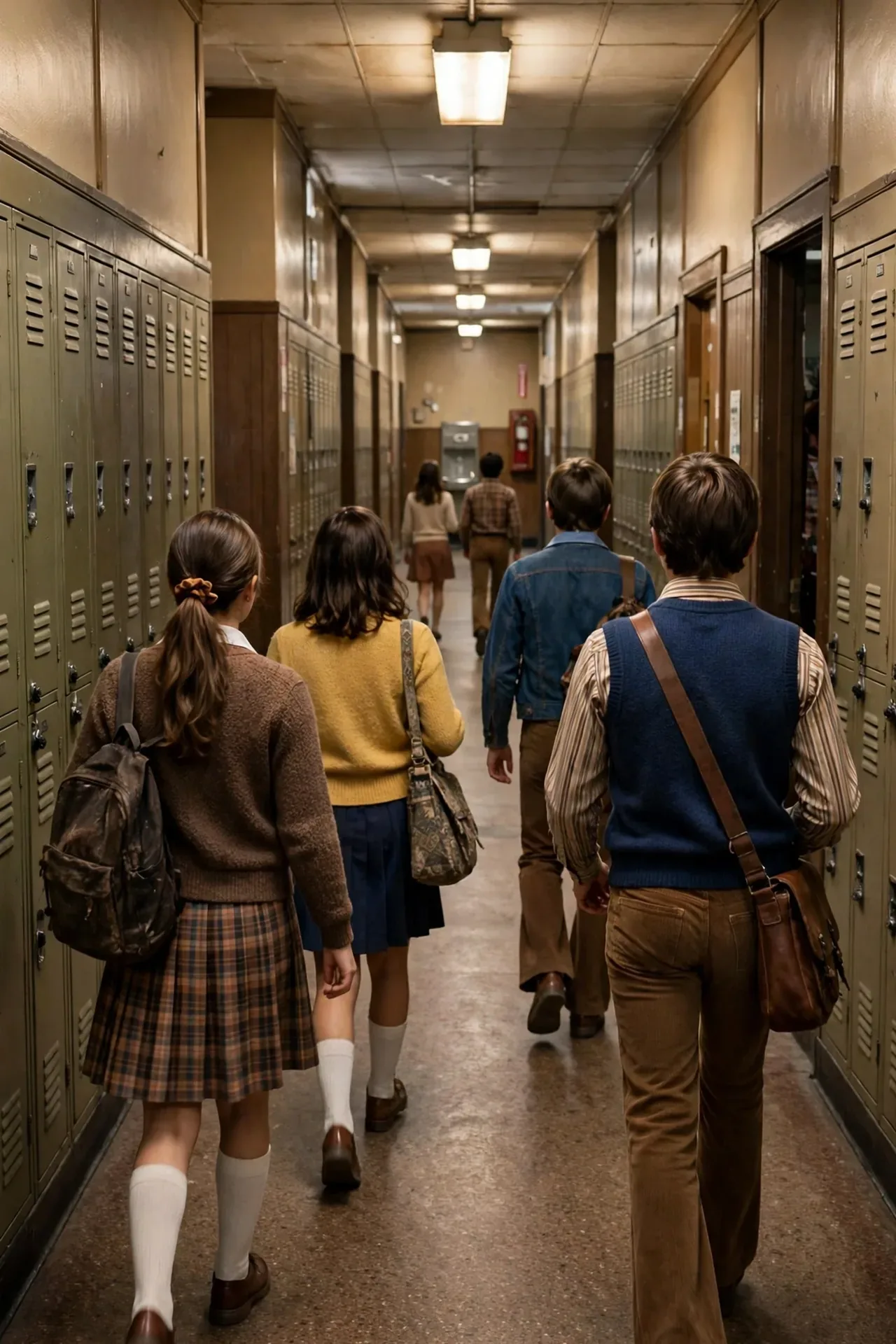
School dress codes in the 1970s were strict, and they were enforced. Girls were required to wear skirts or dresses — no trousers allowed — while boys had to wear dress trousers and a collared shirt, with no jeans or T-shirts. Boys’ hair could not touch their ears or reach the tip of their nose, and teachers checked.
The rules reflected the era’s ideas about neatness and respectability, and breaking them could mean a trip to the office or a note home. Dress codes still exist today, but they are far more relaxed — and the idea of measuring a boy’s hair against his nose belongs to another world entirely.
19. Just 30 Minutes of News a Day, on Four Channels
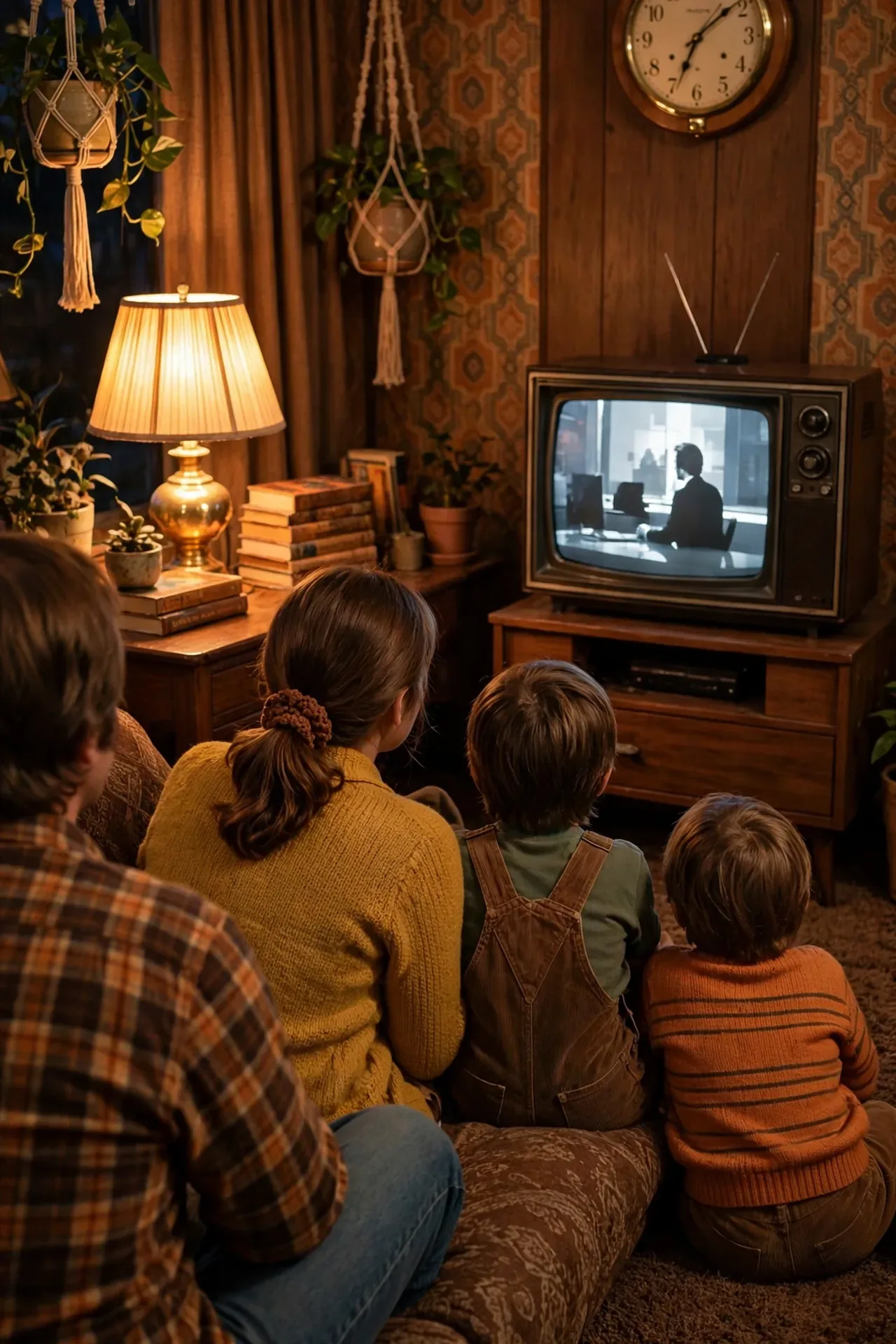
News in the 1970s came in small, scheduled doses. There were only a handful of channels, and the evening news lasted about thirty minutes — that was it for the day. If you missed it, you waited until tomorrow, or read about it in the morning paper. There was no rolling coverage, no breaking-news alerts, and no endless scroll.
It is hard to imagine now, when news arrives every second of every day. The old rhythm meant people heard the day’s events once, discussed them, and moved on — a slower relationship with the news that feels almost peaceful by today’s standards.
20. Hitchhiking Long Distances Without a Second Thought
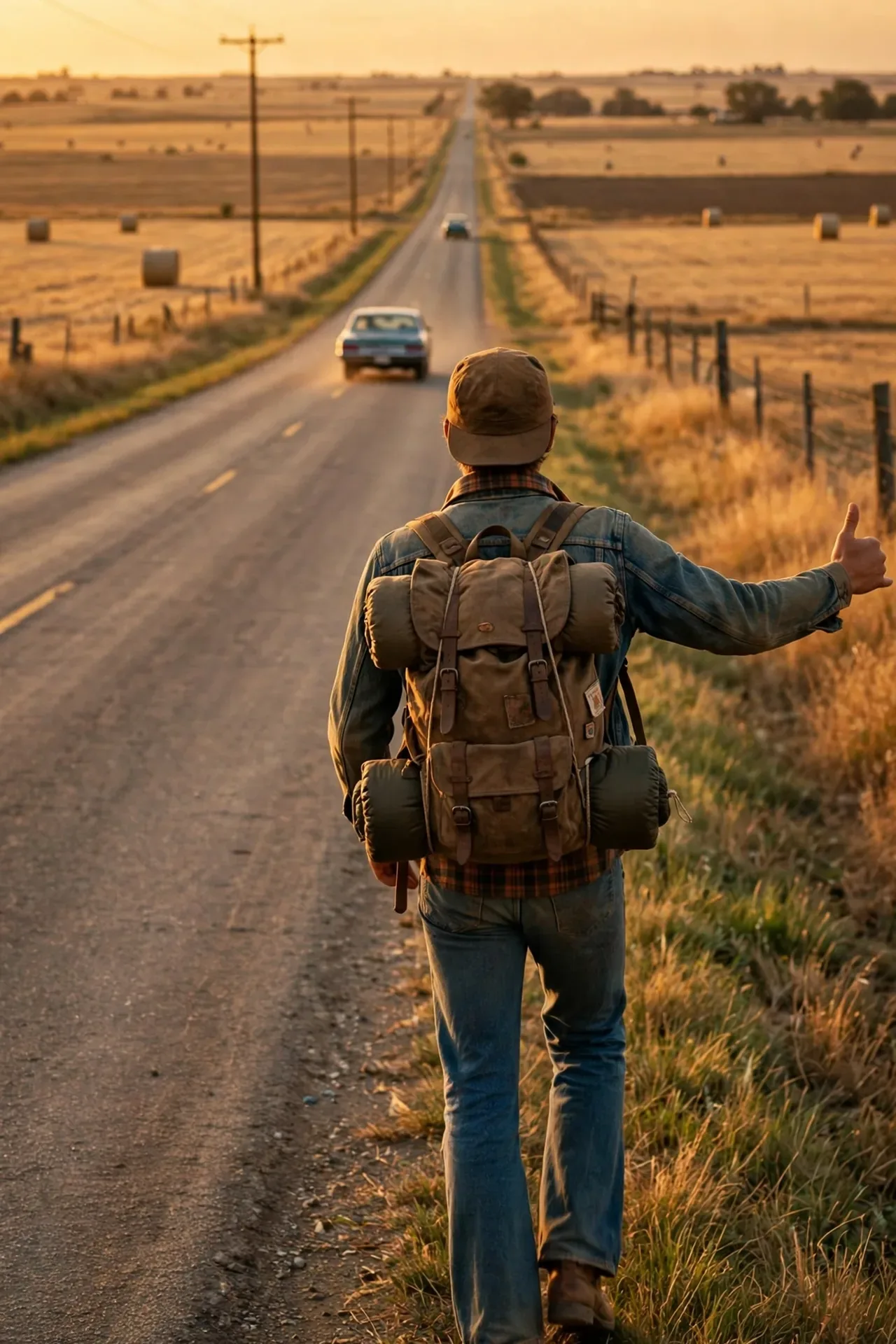
Hitchhiking was once one of the most normal ways to travel. People stood by the roadside with their thumb out, and drivers stopped without hesitation — sometimes for a short hop into town, sometimes for a journey across the country. It was cheap, social, and considered perfectly safe.
The practice faded as fears grew and car ownership spread, and today it is rare almost everywhere. The sight of a lone hitchhiker on a country road is now a curiosity rather than a common sight — one more everyday freedom that quietly disappeared.
21. Nobody Picked Up After Their Dog
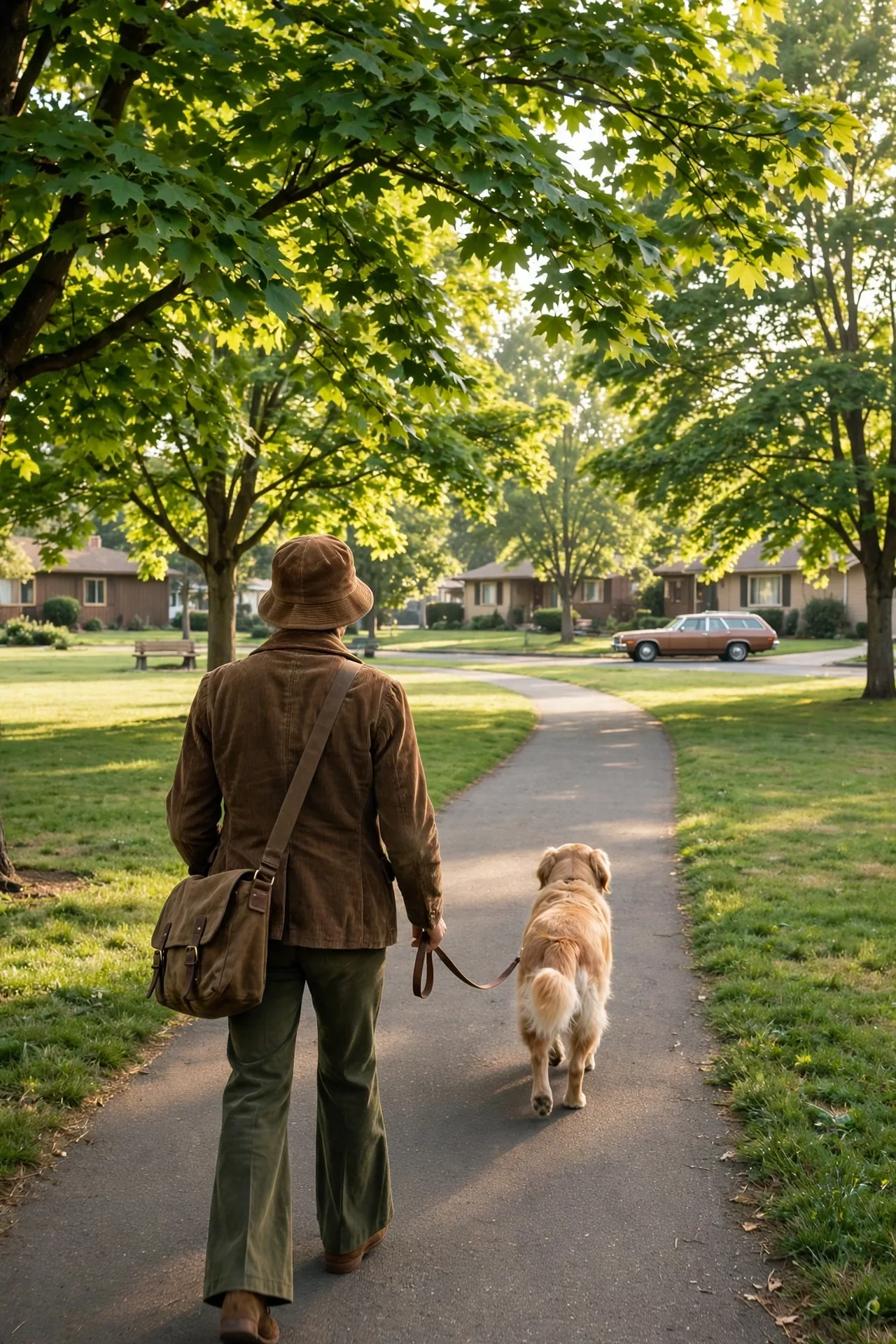
Dog owners in the 1970s did not carry little plastic bags on their walks — because nobody expected them to. Dogs did their business on lawns, pavements, and parks, and it was simply left there. Nobody gave it a second thought, and nobody would have dreamed of carrying a bag for the purpose.
Pooper-scooper laws arrived in the late 1970s and spread through the following decades, and today, leaving it behind can earn a fine and a very public scolding. It is one of those changes that is so complete, younger people can barely believe the old way ever existed.
22. The House of One: One Bathroom, One Phone, One TV, One Car
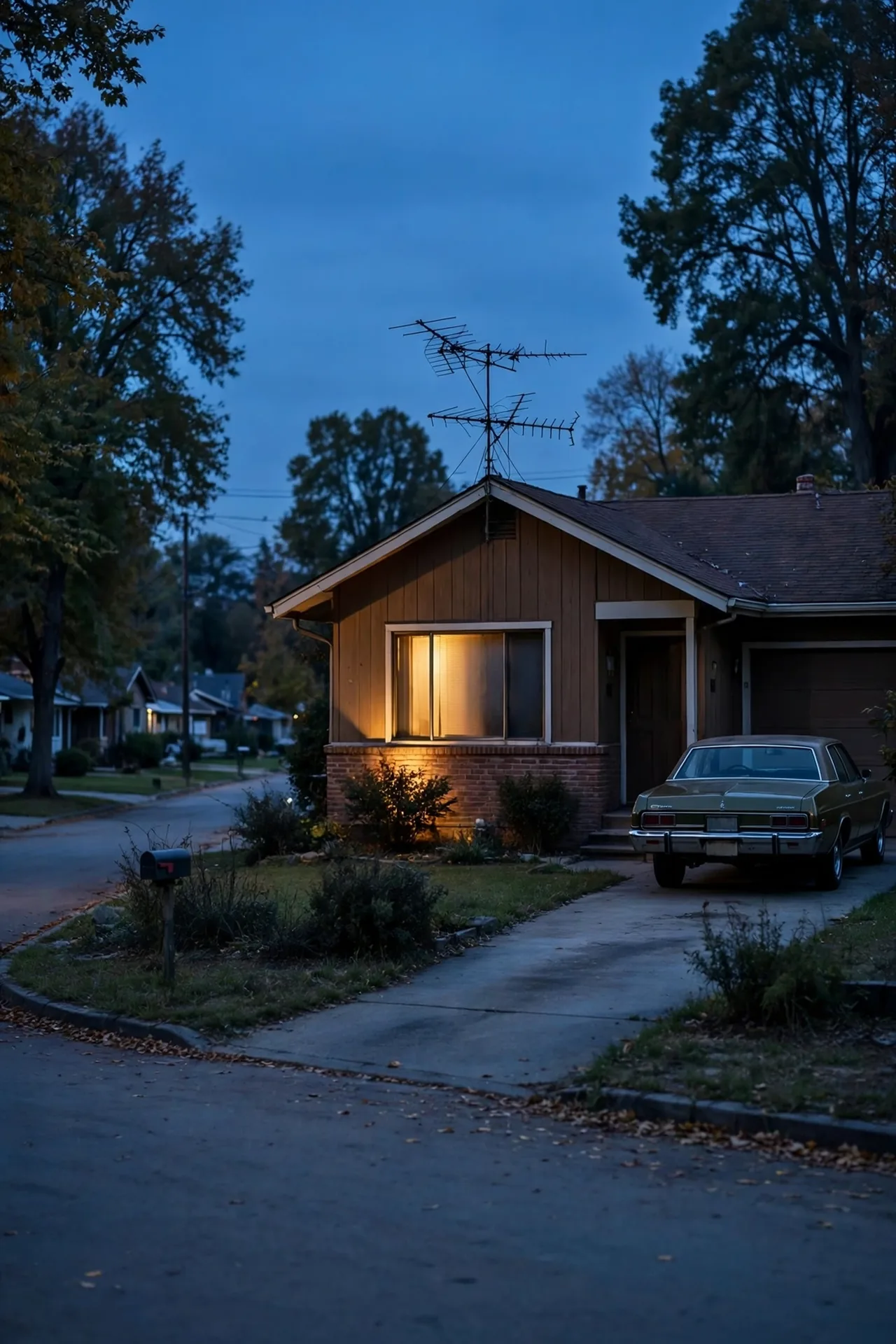
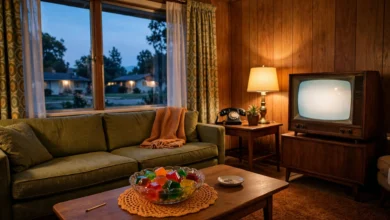
Many 1970s families lived by what one woman called “the power of one”: one bathroom shared by the whole household, one telephone with a very long cord, one television with an antenna, and one car — shared even with a teenager who had just passed their driving test. Money was tighter, and there simply was not a spare for everything.
The essentials were treated with care, because replacing them was not an option. Queues for the bathroom were a morning ritual, and the television was a family negotiation, not a personal choice. Today, a home with one bathroom and one screen feels almost unthinkable — which says a lot about how much abundance has grown.
23. Planning Your Whole Week Around the Printed TV Guide
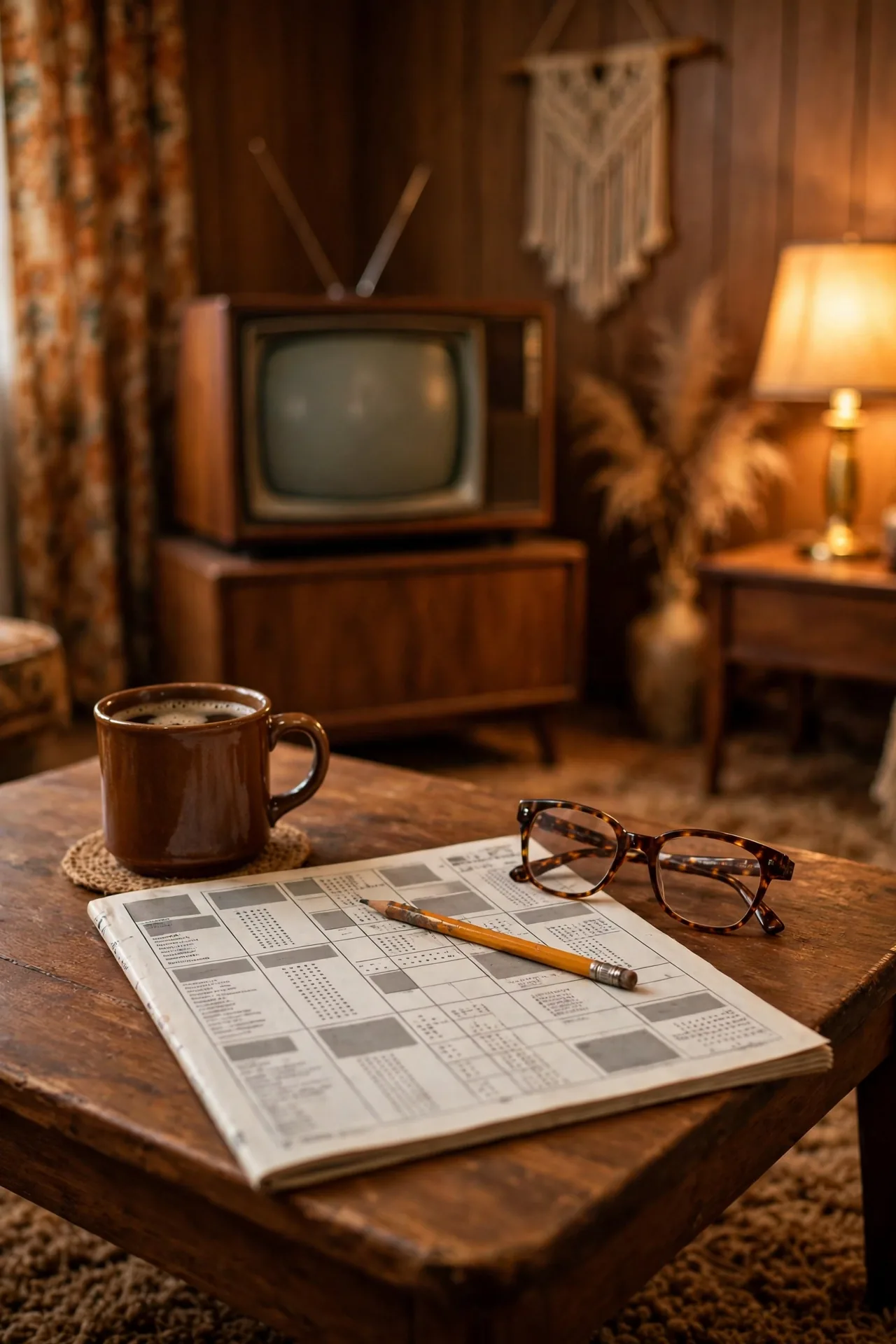
Before streaming and on-screen guides, the printed TV Guide magazine was essential household equipment. Families sat down with it each week, circled their favourite shows, and planned their evenings around the listings — because if you missed a show, you had to wait until summer and hope it appeared in the rerun schedule.
The little magazine was consulted like a timetable, argued over, and dog-eared by Friday. Today, the idea of planning your week around a printed booklet — and having no way to watch a show you missed — feels like ancient history.
24. The Credit Card Machine That Stamped Your Card Onto Carbon Paper
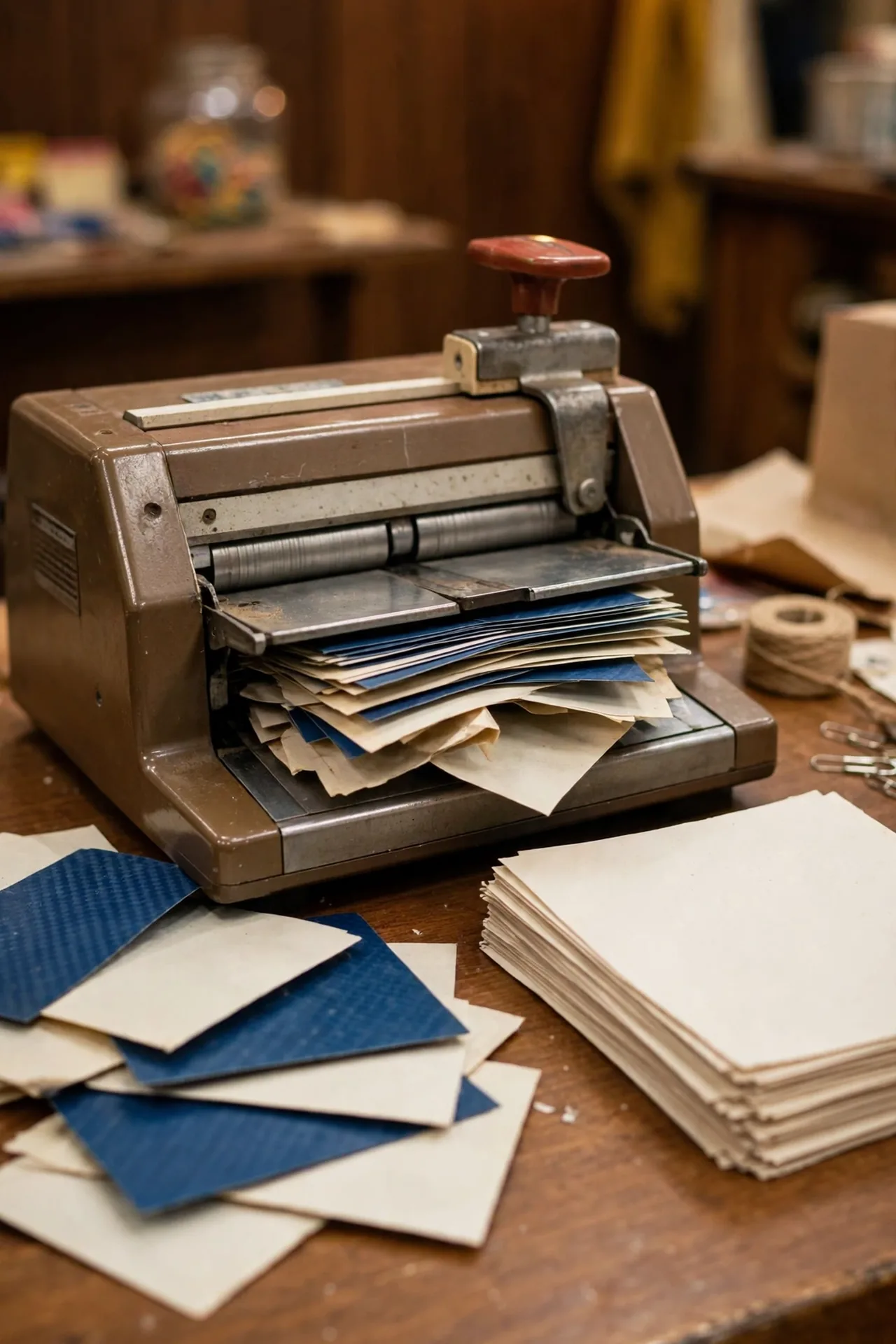
Paying by card in the 1970s involved a heavy little machine called an imprinter. The shopkeeper placed your card in it, laid a slip of carbon paper over the top, and dragged a roller across — stamping your card number onto the paper with a satisfying clunk. One copy went to the shop, one to the bank, and one to you.
There was no chip, no PIN, and no instant authorisation — just paper, pressure, and trust. Electronic terminals eventually replaced the imprinter entirely, but anyone who remembers that clunk can still hear it. It was slow, but it worked.
25. No Answering Machines — If You Missed the Call, You Missed It
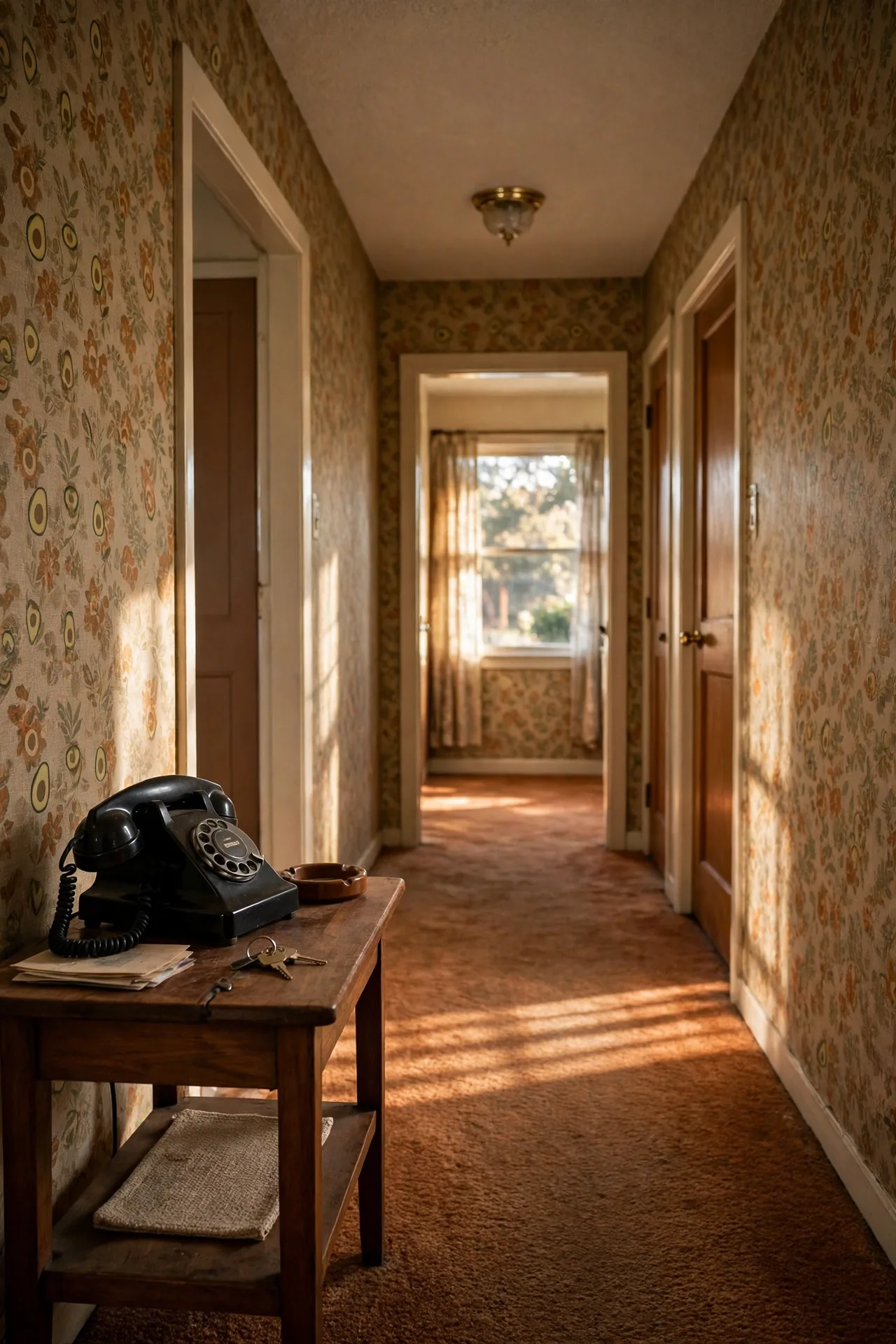
In the early 1970s, most homes had no answering machine at all. If you were not home when the phone rang, the caller simply had to try again later — there was no message to leave, no notification, and no way of knowing anyone had called. Missing a call meant missing it completely.
Answering machines eventually arrived, and then voicemail, and then text messages — each one making missed calls a little less final. But for a long time, the telephone demanded that you simply be there, and the rest of the world would have to wait its turn.
26. Getting Dressed Up Just to Board a Plane
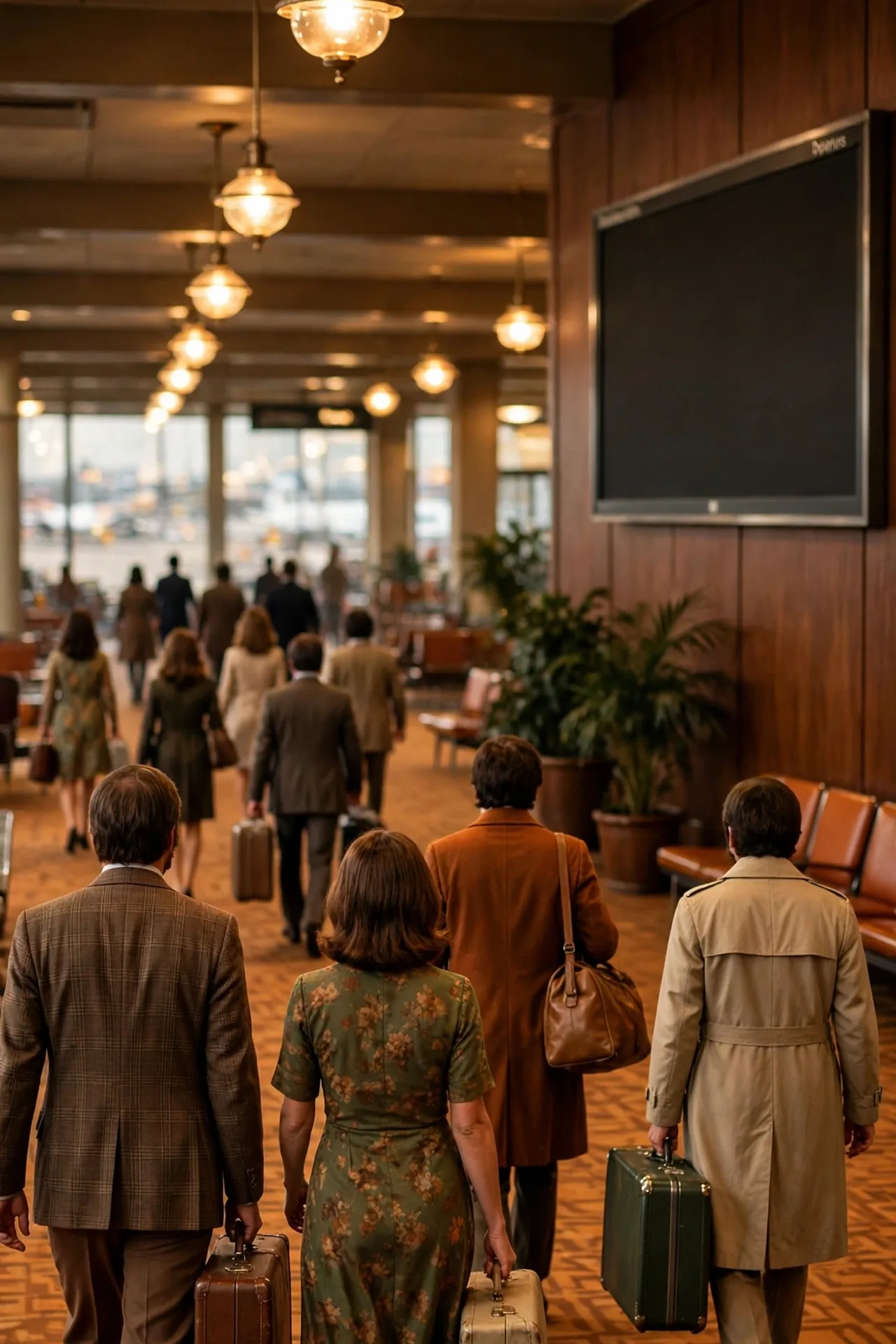
Flying in the 1970s was an occasion, and people dressed for it. Suits, ties, dresses, and polished shoes were the norm at the airport — nobody wore pyjamas or tracksuits to board a plane. Air travel still felt special, a little glamorous, and worth making an effort for.
As flying became cheaper and more routine, the dress code relaxed until comfort won completely. Today, the airport is full of hoodies and trainers, and the idea of dressing up for a flight feels charmingly old-fashioned — a small piece of ceremony that quietly vanished.
27. Calling a Number Just to Hear the Time
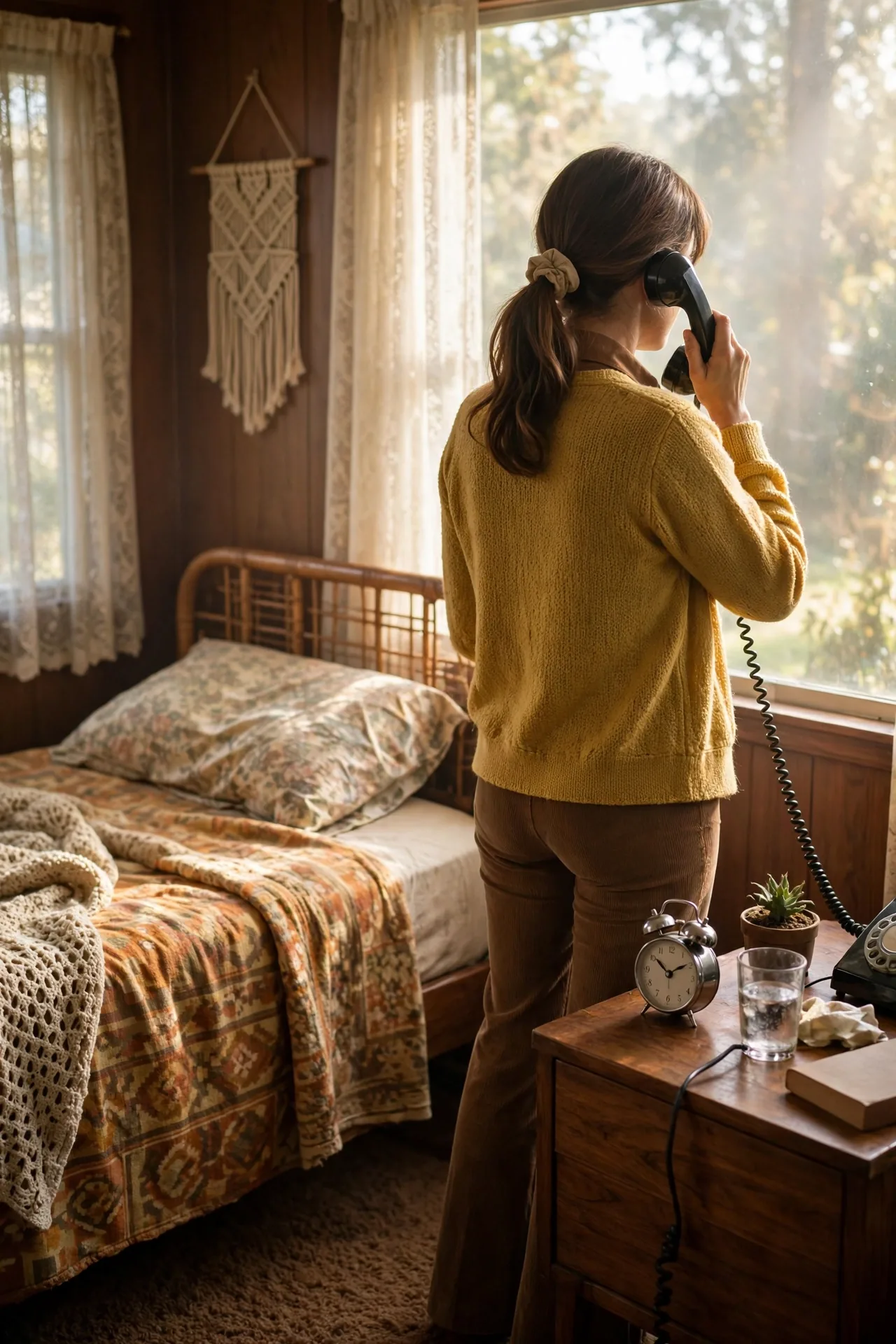
If you wanted to know the exact time in the 1970s, you could simply call a special number and listen to a recorded voice announce it: “At the tone, the time will be…” People rang it to set their clocks and watches, and some even called it just to hear the familiar voice — affectionately known as the Time Lady.
The service seems absurd now, when every device in the house shows the time to the second. But before digital clocks were everywhere, that phone call was the most reliable way to know exactly what time it was — and for many, it was a small daily ritual.
28. Calling the Movie Theater to Hear the Showtimes Read Aloud
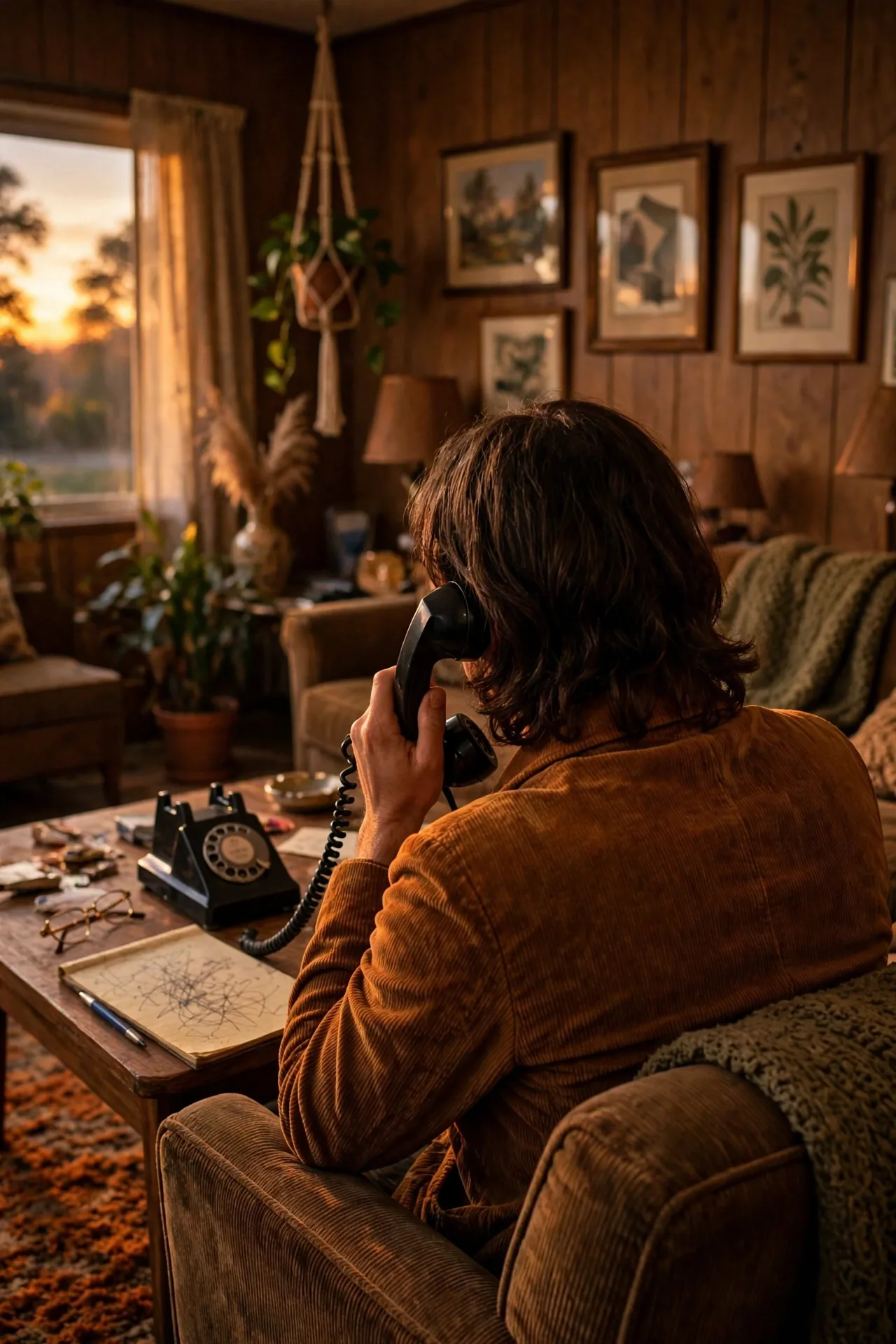
Finding out when a film was showing meant picking up the phone and calling the cinema, where a ten-minute recording listed every showtime — and you wrote them down as you listened. Then you arrived more than an hour early, queued with your friends, and bought tickets at the window, hoping the screening would not sell out.
There were no apps, no online booking, and no reserved seats. The whole outing was planned around a phone call and a queue, which somehow made the film itself feel like more of an event. Today, tickets are booked in seconds from the sofa — convenient, but a little less of an adventure.
29. Long Handwritten Letters Instead of Texts
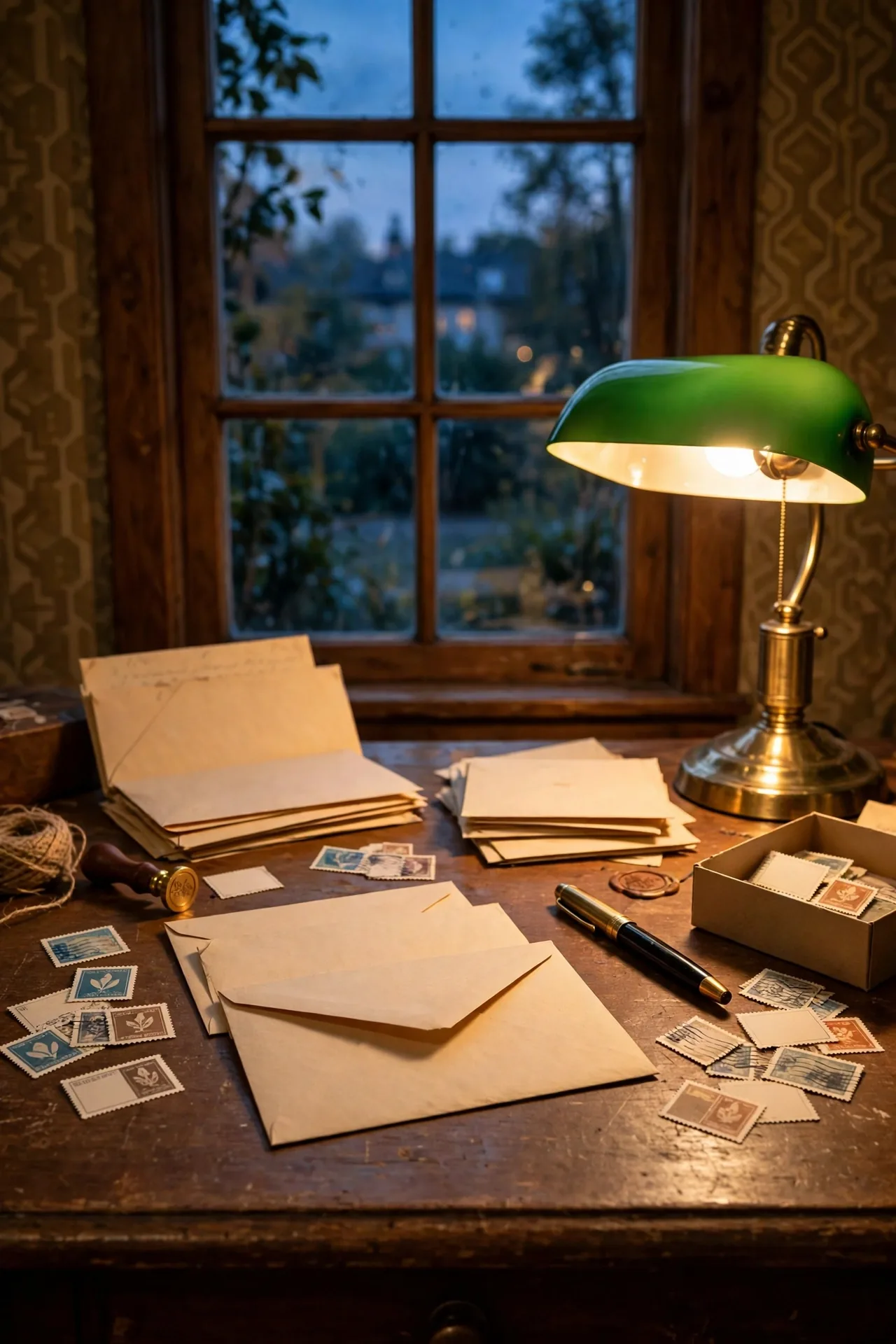
Before texts and emails, staying in touch meant sitting down and writing a long letter by hand — often several pages of looping, sometimes barely legible cursive — then posting it and waiting days for a reply. Letters were the slow, thoughtful way to keep a friendship or a romance alive across the miles.
Receiving a thick envelope in the post was a small event, and people kept letters for years in drawers and boxes. Instant messaging has replaced all of it, but something was lost with the speed: the care, the handwriting, and the wait that made a reply feel like a gift.
30. Smiling at Strangers Was Encouraged, Not Weird
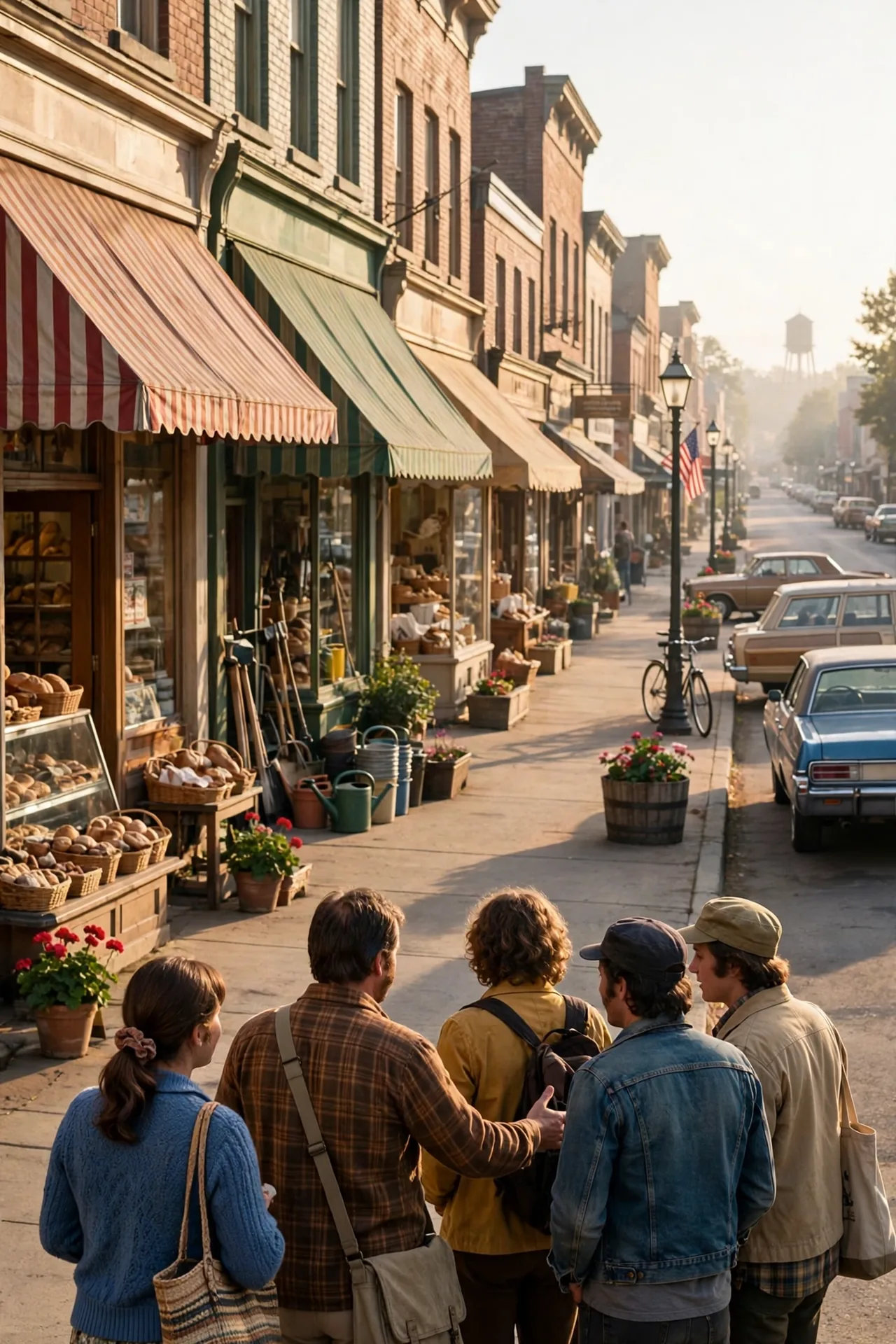
In the 1970s, smiling at a stranger on the street and striking up a conversation was not strange at all — it was encouraged. A nod, a hello, and a few words with someone you had never met were simply good manners, and small talk with neighbours, shopkeepers, and fellow passengers was part of daily life.
Today, many people keep their eyes down and their headphones in, and a smile from a stranger can feel surprising — even suspicious. The friendliness has not vanished entirely, but the easy openness of the 1970s street is something a lot of people quietly miss.
You May Also Like
If this trip back to the 1970s brought back memories, keep exploring: 47 Nostalgic Photos Every Boomer Will Remember, 25 Things That Used to Be a Minor Inconvenience That Kids Gen Z or Younger Just Won’t Understand, 17 Things That Were Everywhere in the 2000s — And Then Quietly Vanished, and 21 Future Tech Trends That Completely Disappeared. Some things change for the better, and some simply change — but the memories, thankfully, stay.