17 Valentine Date Ideas for Couples Who Want to Try Something New Together


Pick one thing neither of you normally does: shape a clay dish, learn a dance step, or turn a neighborhood walk into a photo assignment. Build the date around that one activity, with enough time to enjoy it.
These 17 Valentine date ideas range from classes and indoor outings to small projects at home. For a quiet evening, start with chocolate tasting or watercolor postcards. For a shared challenge, try an escape room or a cooperative game. Choose something both of you are curious about, and check the full cost before booking.

The images are AI-generated concepts illustrating these date plans, rather than photographs of tested experiences or specific venues.
1. Handbuild a pair of clay trinket dishes
Book a beginner handbuilding workshop and each make a small dish for keys, rings, or the loose change that keeps collecting on the dresser. A shallow round or oval shape gives you a manageable first project, with room to add a thumbprint or a simple wavy rim.
Read the class description closely: handbuilding means shaping clay by hand, while wheel throwing is a different session. Before paying for two places, ask whether firing is included, who handles glazing, and when the pieces will be available. Plan to collect them later unless the studio says otherwise.

2. Learn to make fresh pasta in a hands-on class
Choose a class built around one technique you both want to learn, such as rolling and cutting fresh pasta. Taking turns feeding the dough through a roller and supporting the sheet gives both of you an actual job.
Check that the session is hands-on rather than a demonstration, and ask about dietary restrictions before booking. A date-night label does not necessarily mean a private station: Sur La Table’s class guide, for example, describes stations shared by up to four people. If working alone as a pair matters to you, confirm the arrangement with your chosen school.

3. Take a beginner swing dance lesson
Look for an introductory lesson that welcomes people who have never danced. Make the goal one basic step you can repeat comfortably, then try it to a song you both like. You can leave the spins and performance ambitions for another night.
Ask the studio about footwear and whether partners rotate during class. If you want to stay together throughout, find out whether that is allowed or choose a private lesson. Wear clothes you can move in, and leave time afterward to talk while you are no longer counting steps.

4. Solve an escape room as a two-person team
Pick a story you both enjoy: a mystery, an adventure, or a playful heist. For a first attempt, ask the venue which room works well for two beginners. Mention anything you would rather avoid, including jump scares or very dark spaces.
Check the minimum ticket purchase as well as the player count; a room that allows two players may still charge for more places. Confirm whether your booking is private. During the game, say your discoveries out loud and keep used clues in one spot, following the game master’s instructions. Agree beforehand that asking for a hint is part of playing.

5. Set up a three-chocolate tasting at home
Choose three plain chocolate bars with different cocoa percentages, ideally from the same maker so you are changing one main feature. Check ingredients together first, then place two small pieces of each on saucers labeled A, B, and C. Keep the wrappers aside for the reveal.
Taste from lighter to darker, with water between samples. Each write down a texture word, a flavor impression, and a favorite before comparing notes. You do not need to identify an official tasting note; “this reminds me of brownie edges” is useful if it explains what you like.

6. Paint postcards from a trip you would like to take
Put out two small pieces of watercolor paper, a basic paint set, brushes, and a water jar. Each choose a place you would like to see together and paint one recognizable feature: a lake between mountains, a row of seaside houses, or a single landmark.
Give yourselves a suggested half hour, then let the cards dry before writing on the backs. Add one thing you would want to do there and a small detail you would want to share. Swap cards at the end. A rough blue mountain is enough to start a conversation about the trip.

Also Read: 21 Valentine Card Ideas That Make a Simple Message Feel Personal
7. Plan dinner around one new grocery-store ingredient
Choose an ingredient neither of you normally cooks with, then find a complete recipe before heading to the store. Fennel, for example, could be the unfamiliar part of a pasta dinner built from otherwise familiar groceries. Read how much you need, which parts to use, and how it is prepared.
Shop together and split the cooking jobs when you get home. Keep the rest of the menu simple so one new ingredient does not become five unfamiliar techniques. If the store has sold out, choose another recipe you can read in full rather than guessing a substitution halfway through dinner.

8. Take a neighborhood photo walk with five prompts
Use a route you know and a camera you already have. The new part is the assignment: find a red detail, an interesting shadow, a pair of something, a texture, and a view you usually walk past. Each take your own pictures, then compare your choices afterward.
Choose a short route with a comfortable place to finish. In February, check the weather and pavement before leaving; move the challenge to a public indoor space where photography is allowed if conditions are poor. Stay on public paths and ask before photographing someone closely.

9. Curate a tiny museum exhibition together
Give yourselves one gallery and three imaginary exhibition slots: one work you would hang at home, one that puzzles you, and one you want your partner to notice. Make your picks separately, then take turns leading the other person to them.
Read the labels after sharing your first impressions, and see whether the context changes your choices. Finish by naming your three-work exhibition. Check admission, opening hours, and photography rules in advance; you can play the same game without taking any pictures.

Also Read: What to Wear on Valentine’s Day: Outfit Ideas for Casual and Dressy Plans
10. Choose each other’s next read at a bookstore
Agree on a spending limit and give each other two clues: something you have enjoyed reading and something you are curious about. Browse separately, then meet to explain your choice before either book goes to the register.
Keep the selection easy to try—a short novel, an essay collection, or a book of photographs can work better than assigning a long series. A library version costs nothing to borrow: choose a book for each other and check it out on the appropriate library card. Read a few pages together before you leave.

11. Play indoor mini golf with one shared score
Turn a familiar competition into a joint challenge. Each play a ball according to the course rules, but record one combined total for each hole. After the first few holes, choose a shared target that feels achievable for your pace and experience.
Offer advice only when your partner wants it, and save the dramatic victory celebration for the hole you both manage well. Before booking, check whether the indoor course has stairs, flashing lights, loud music, or age restrictions that affect your plans. An earlier session may suit you better than a late-night venue.

12. Make arcade night a cooperative mission
Set a total credit budget before you start, then find a game that lets you play on the same side. Try to complete one stage, survive one round, or improve your combined score. Take turns choosing the next machine so the evening does not become one person watching the other play.
Check the payment system when you arrive, including card activation charges or expiring credits. Stop when the agreed budget is gone. Choosing one last game together gives the outing a clear finish without needing to win a prize.

13. Build one low flower arrangement together
Choose a few stems of one main flower, a smaller supporting flower, and some greenery. Use a clean, low vase you already own. Each pick part of the palette; blush carnations and white daisy chrysanthemums, for example, leave room for both choices without needing many flower varieties.
Fill the vase, remove leaves that would sit under the water, and trim stems with suitable snips. Start with greenery, place the larger flowers, then fill a few gaps with the smaller blooms. Turn the vase as you work. Set it between you at the table and shorten anything that blocks your view of each other.

Also Read: 25 Valentine Decor Ideas From Heart Garlands to Flower-Filled Tables
14. Make a tiny stop-motion love story
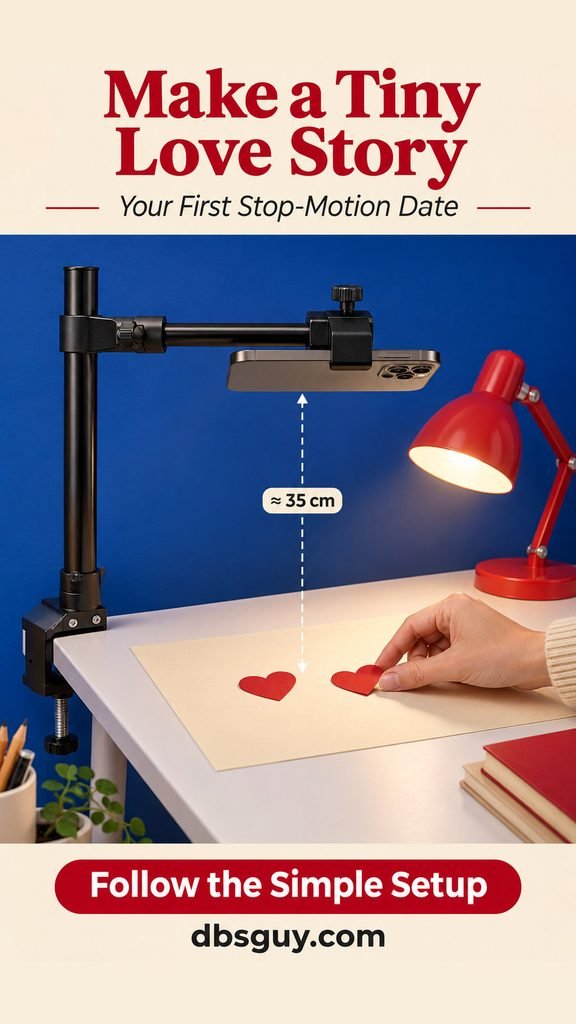
Use a phone, a secure overhead mount, two paper hearts, and a stop-motion app that can capture and play back individual frames. Clamp the mount securely and position the rear camera directly over the paper. Adjust its height until both hearts fit, and keep the lamp and camera still.
Start the hearts apart. Move them a little closer, take your hands out of the frame, and capture a picture. Repeat until they meet. One person can move the pieces while the other captures frames; swap jobs for a second take. Preview a short sequence before making more, so you can catch a shifting camera or a hand in the shot.
15. Learn a tabletop game you can win together
Look for a cooperative game whose box specifically supports two players. Check the suggested playing time and choose a theme you both like. If you can borrow one or try it at a board-game café, you can find out whether the style suits you before buying.
Have one person read the setup instructions while the other lays out the pieces. Play an open-handed practice round if the rules allow it, then restart once the turns make sense. Let each person make their own decisions; being on the same team is less enjoyable if one player takes over every turn.

16. Let each person choose one stop on a mini outing
Make it a coffee-and-bakery date with divided planning. One of you chooses a café you have never tried; the other chooses a nearby bakery. Share locations in advance so you can check opening hours, the route, seating, and dietary options together.
Agree on the overall budget, then keep the actual order as the surprise. At the café, each choose something you would usually skip. At the bakery, pick one pastry to share if that suits you both. Two nearby stops are enough to make an afternoon feel different without building an entire day around driving.

17. Book a planetarium show you both want to see
Choose the subject first: a tour of the night sky, a trip through the solar system, or a show about distant galaxies. Read the description so you know whether you are booking an astronomy presentation, a film, or a music-and-light show.
Check the show time, admission arrangements, and seating guidance with the venue. A show ticket and general museum admission may be separate, so confirm what your booking includes. Leave a little time afterward to compare the one thing each of you wants to learn more about. If evenings are unavailable, a daytime show still gives you the same shared experience.

Also Read: 25 Thoughtful Valentine’s Day Gifts for Partners, Friends, and Family
Make the plan easy to say yes to
Each pick two ideas, then choose one that appears on both lists. Agree on the date, total budget, and who handles the booking or supplies. For a paid activity, check cancellation terms and allow for transport, parking, and any required extras. Keep a home option in mind if weather changes your plans.
You can keep the activity a surprise while sharing the useful details: what to wear, when you will be home, and whether you will eat there. That leaves the fun part undisclosed without asking your partner to prepare for an unknown evening.
Valentine date planning questions
What can we try if we have a small budget?
The photo walk needs only a camera you already own. A library book exchange can also avoid a purchase. For an evening at home, choose the postcards or tasting only if you have the supplies or are comfortable with the small grocery or craft purchase. Set a firm total together before shopping.
Which ideas work for a last-minute date?
Chocolate tasting, watercolor postcards, and a neighborhood photo walk are easier to arrange without reservations. A bookstore or café outing can work after checking the day’s hours. Treat classes, escape rooms, and planetarium shows as availability-dependent until you have a confirmed booking.
How do we choose if one of us dislikes surprises?
Choose the activity together and leave one small part open, such as the pastry or the postcard destination. If either person is uneasy about the activity itself, use another idea. Trying something new can be a small change you both want.