As an Amazon Associate, I earn from qualifying purchases.
Some of the best history books read like novels — true stories so strange, dramatic, and human that no fiction writer would dare invent them. This list spans American history and world history, from a former president lost in the Amazon to a ship frozen in Antarctic ice, from a stolen Mona Lisa to a pandemic that swept the globe.
Every book below is a work of nonfiction that brings its moment in history vividly to life. Whether you love sweeping epics, true crime from another century, or the quiet stories of ordinary people caught in extraordinary times, these 23 books are a wonderful place to start.
1. The River of Doubt by Candice Millard
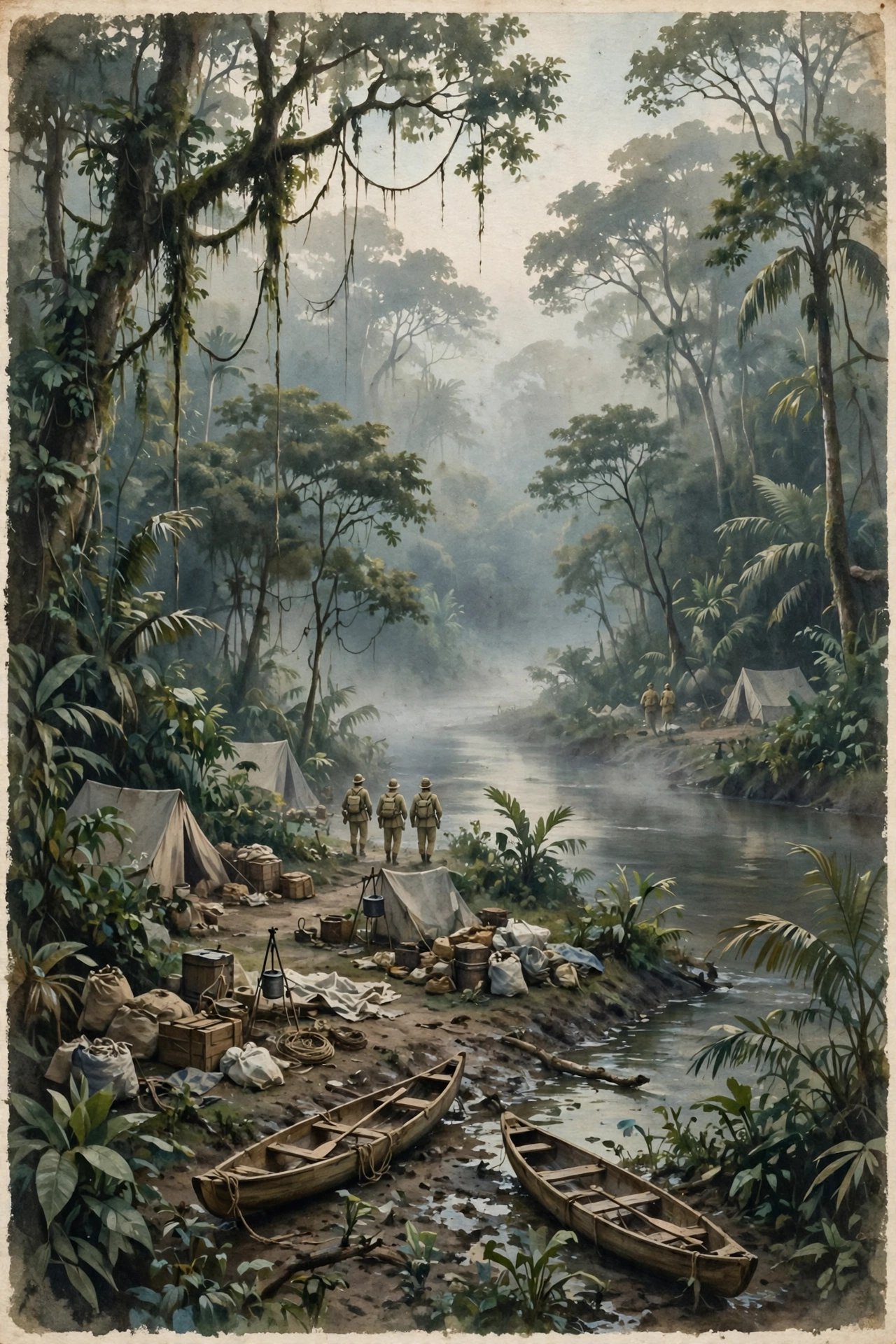
In 1913, former president Theodore Roosevelt set out to explore a remote, unmapped tributary of the Amazon known as the River of Doubt. He travelled with Brazilian explorer Cândido Rondon and a small team, facing rapids, disease, hunger, and a jungle that seemed determined to stop them.
Candice Millard retells the expedition as a gripping survival story, drawing on journals and letters to show how quickly the journey turned from adventure into a fight to stay alive. It is history, biography, and wilderness adventure in one book.
2. The Crimes of Paris by Dorothy & Thomas Hoobler
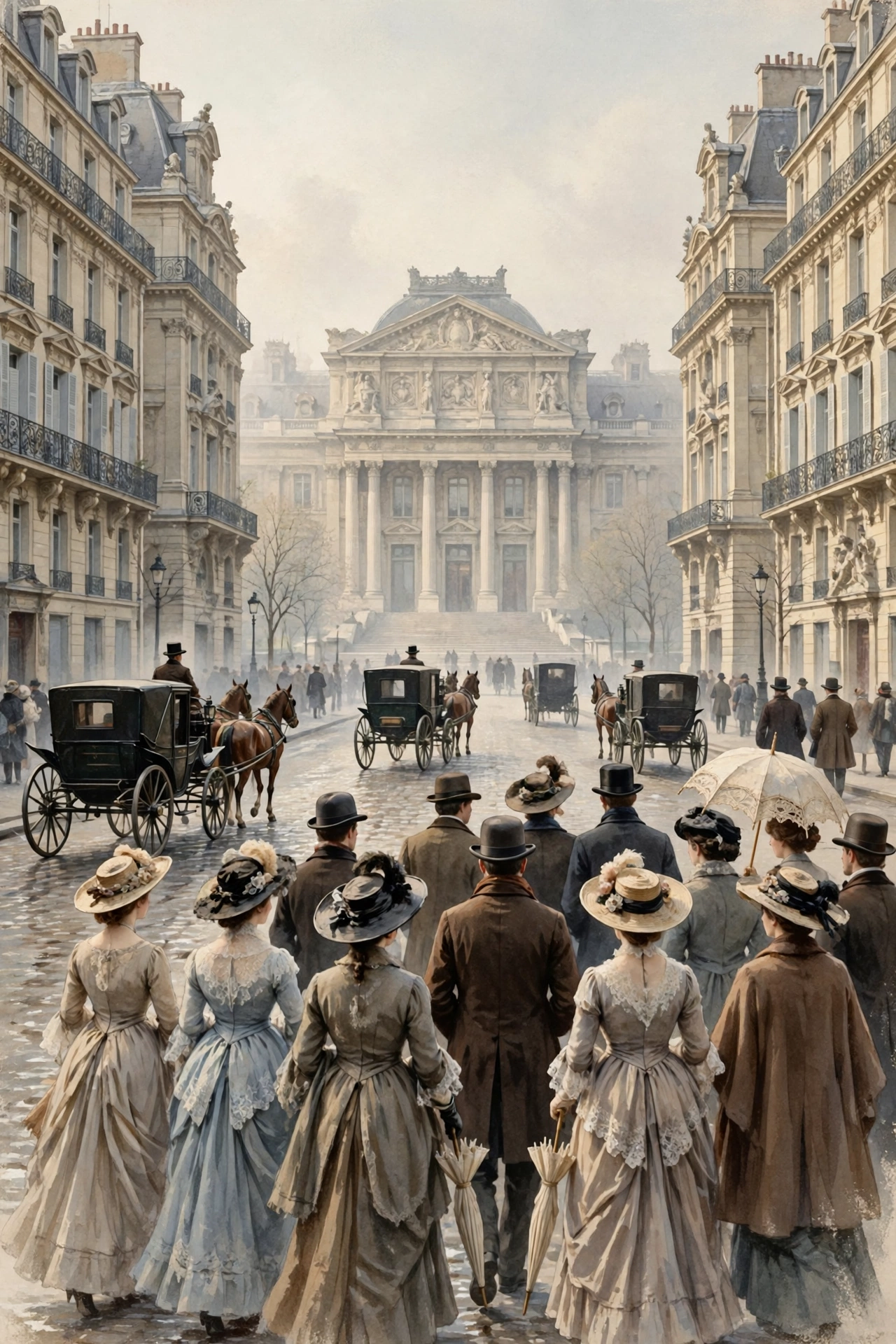
When the Mona Lisa vanished from the Louvre in 1911, Paris was stunned — and the investigation that followed pulled in everyone from Pablo Picasso to a young handyman named Vincenzo Peruggia. The Hooblers use the theft as a doorway into the Paris of the Belle Époque, a city of artists, anarchists, and con men.
The book weaves the famous heist together with other crimes of the era, painting a lively portrait of a city on the edge of the modern age. It is a true-crime story and a cultural history at once.
3. The Ghost Map by Steven Johnson
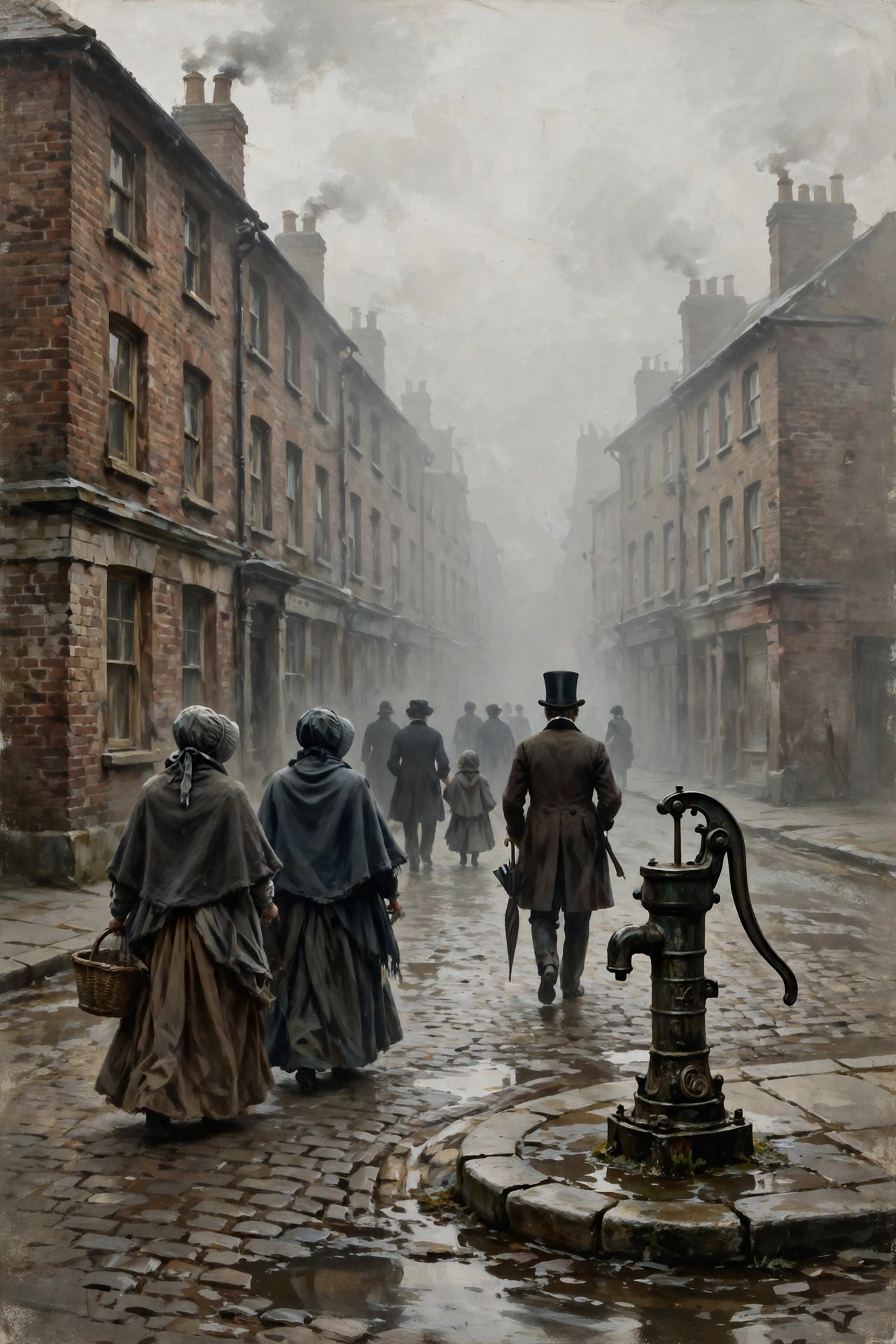
In the summer of 1854, cholera swept through a London neighbourhood, killing hundreds of people in a matter of days. At the time, most doctors blamed bad air — but physician John Snow had a different idea, and he set out to prove that the disease was spreading through contaminated water.
Steven Johnson follows Snow and the Reverend Henry Whitehead as they map each death, house by house, to a single water pump on Broad Street. It is a detective story about science, cities, and how one map changed public health forever.
4. Columbine by Dave Cullen
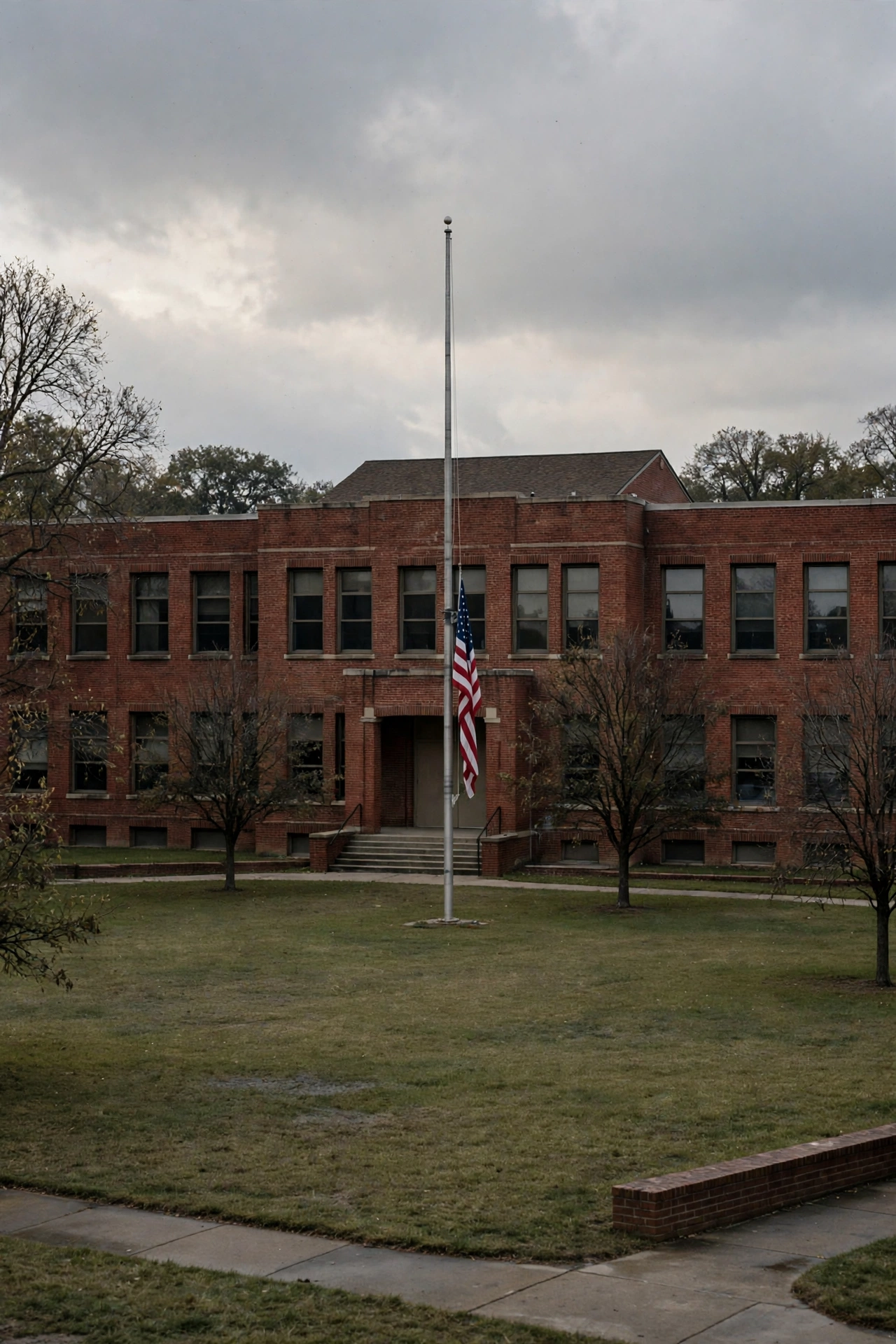
Dave Cullen spent ten years researching the 1999 attack at Columbine High School in Colorado, one of the most widely misunderstood tragedies in American history. Drawing on police records, journals, and interviews, he carefully separates fact from the myths that grew up around the event.
The result is a sober, deeply reported account that focuses on what actually happened and why, and on the people and community left to live with it. It is a difficult but important book, handled with care and respect for the victims.
5. The Immortal Life of Henrietta Lacks by Rebecca Skloot

In 1951, a young mother named Henrietta Lacks was treated for cervical cancer at Johns Hopkins Hospital. Without her knowledge, doctors took a sample of her cells — cells that turned out to be unlike any seen before, able to divide and grow indefinitely in a laboratory dish.
Those cells, known as HeLa, became one of the most important tools in modern medicine, used in research that led to vaccines and countless treatments. Rebecca Skloot tells the science alongside the story of the Lacks family, raising lasting questions about consent, race, and who benefits from medical discovery.
6. Bury My Heart at Wounded Knee by Dee Brown
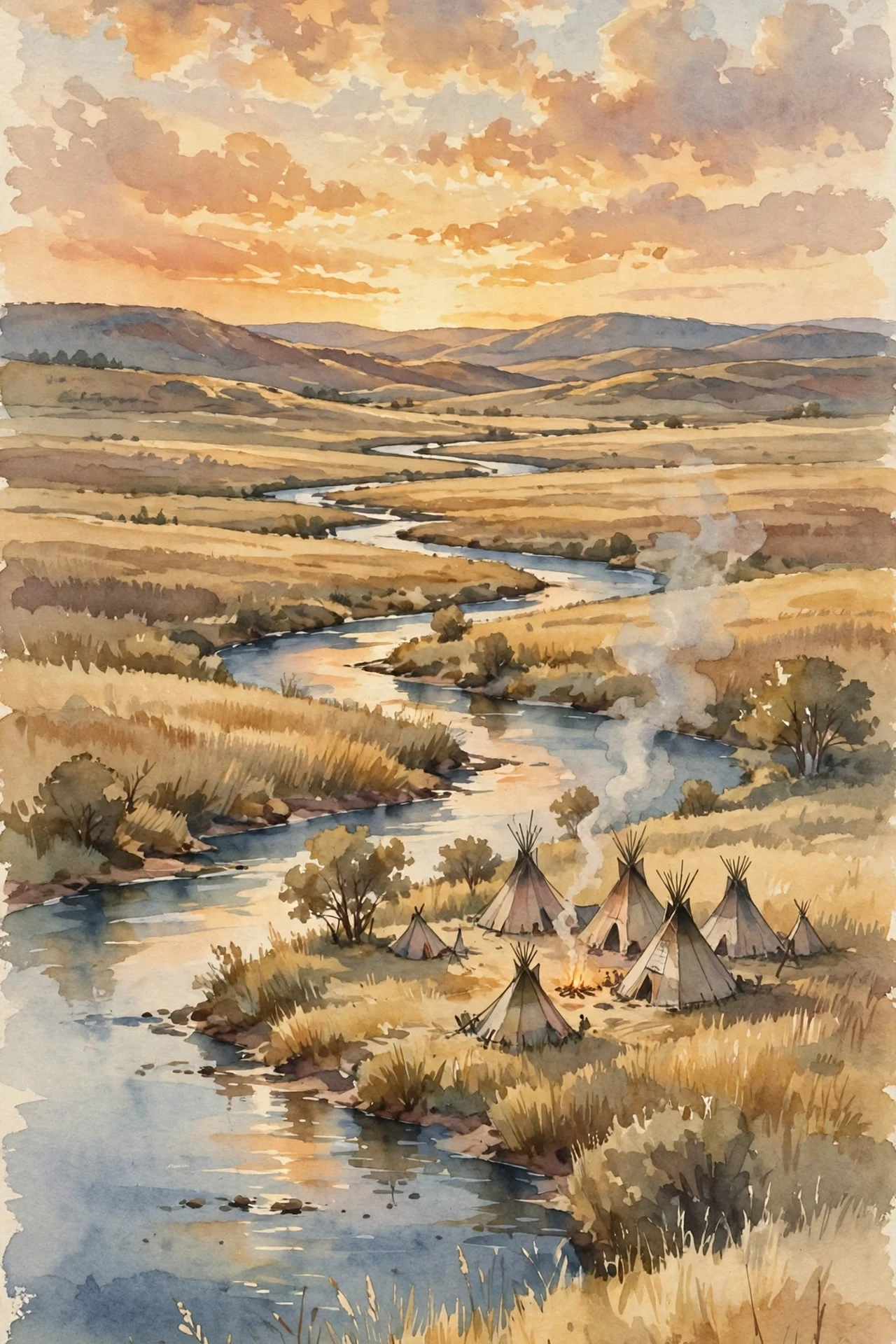
First published in 1970, Dee Brown’s landmark book tells the story of the American West from the perspective of the Native peoples who lived through its conquest — the Sioux, Cheyenne, Apache, Navajo, and many others — rather than from the viewpoint of the settlers and soldiers.
The narrative runs from the 1860s to the massacre at Wounded Knee Creek in 1890, drawing on council records, speeches, and firsthand accounts. It remains one of the most widely read works of American history, and a book that changed how many readers understood the West.
7. The Great Influenza by John M. Barry
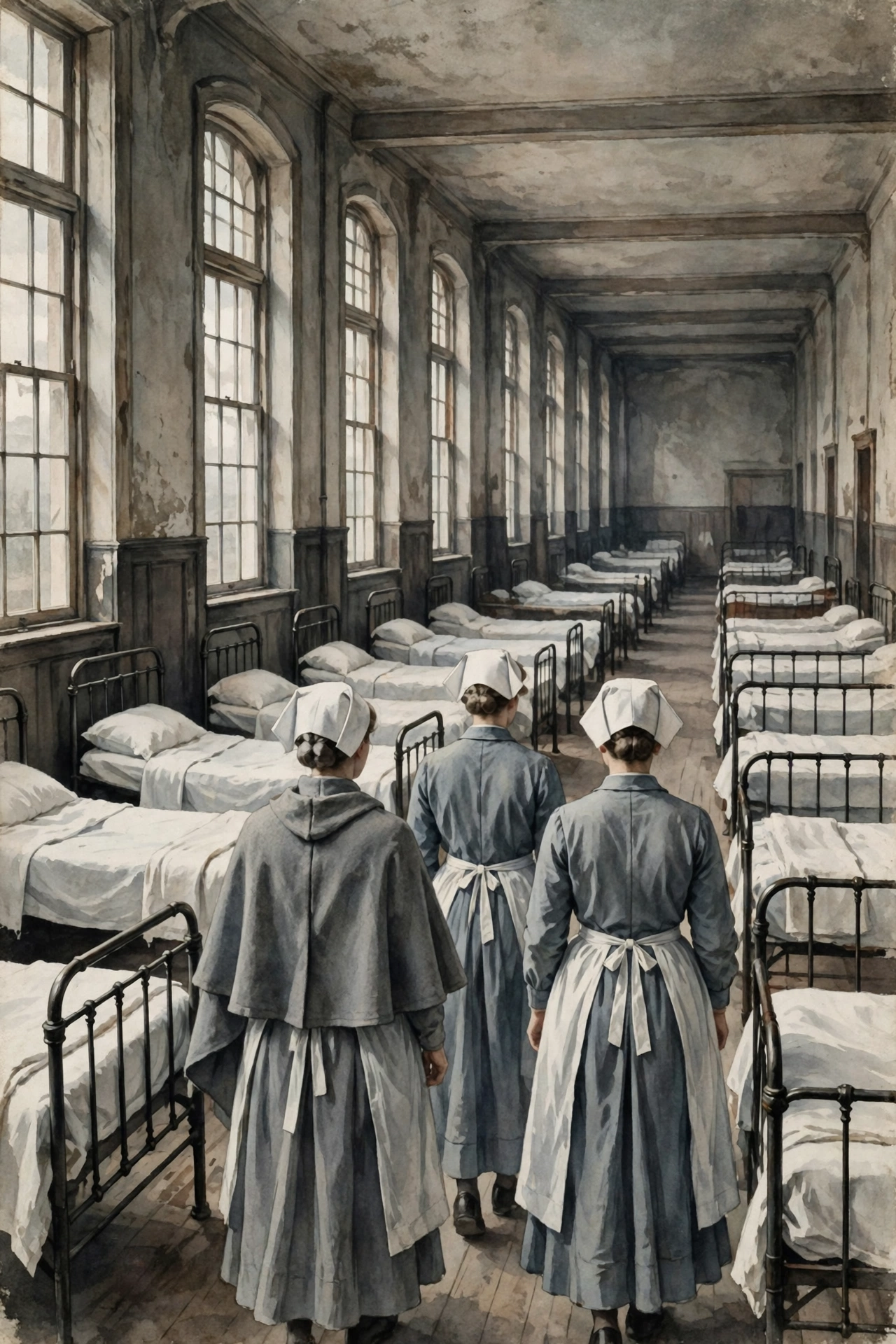
The influenza pandemic of 1918 killed tens of millions of people around the world, striking the young and healthy hardest and overwhelming cities within weeks. John M. Barry traces how the virus spread from a Kansas army camp to every corner of the globe in the middle of a world war.
The book is also a history of the scientists who raced to understand the disease, and of the public officials whose choices — honest or otherwise — shaped how many people lived or died. It is a sobering, deeply researched account of a catastrophe the world tried hard to forget.
8. The Color of Law by Richard Rothstein
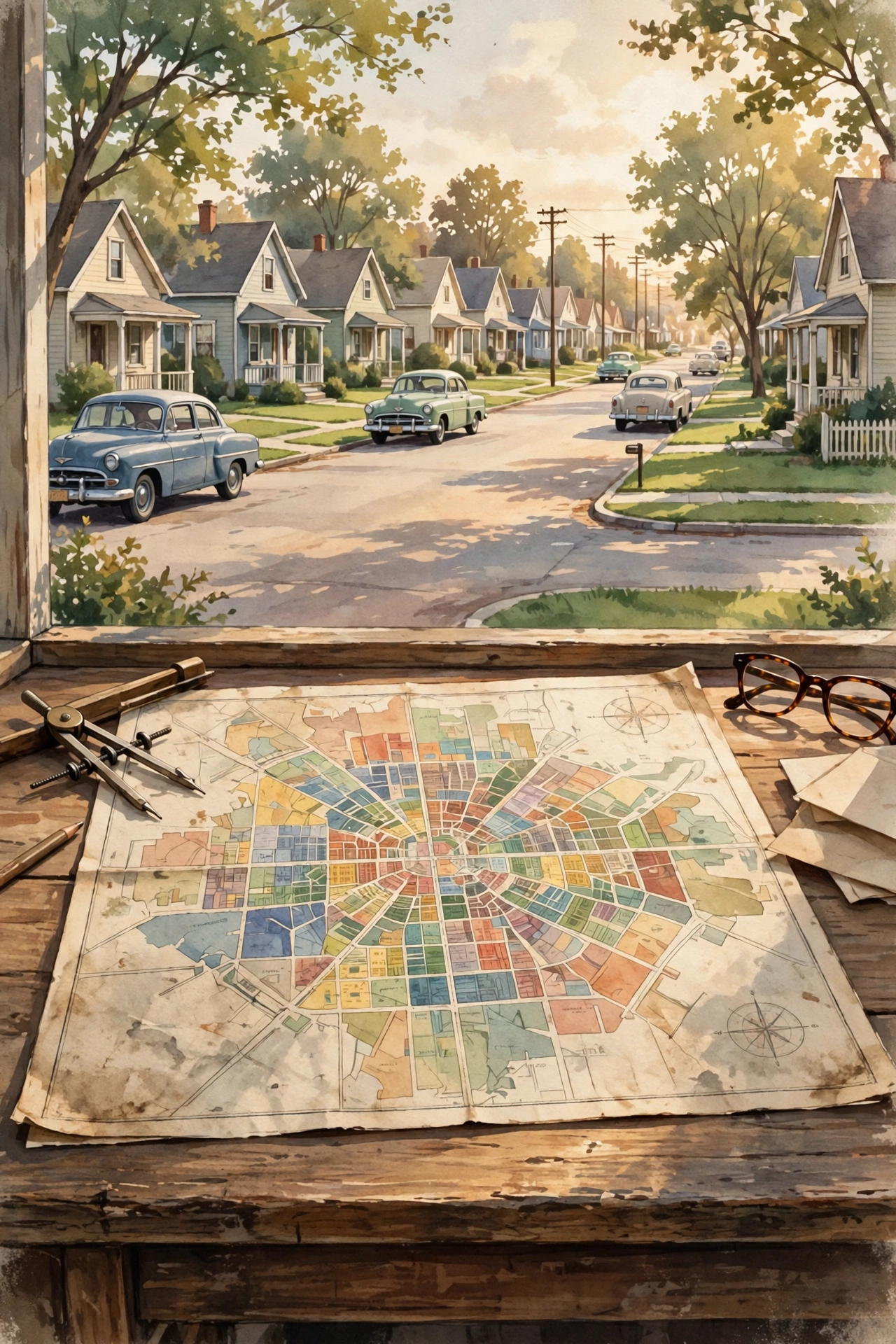
Richard Rothstein argues that the racial segregation of American cities was not an accident of private prejudice, but the deliberate result of government policy — from public housing and zoning rules to mortgage lending and the placement of highways.
Drawing on decades of records, the book shows how federal, state, and local policies created the segregated neighbourhoods we still live with today, and why that history matters for the wealth gap between Black and white families. It is a clear, evidence-driven book that reframes a familiar story.
9. The Address Book by Deirdre Mask
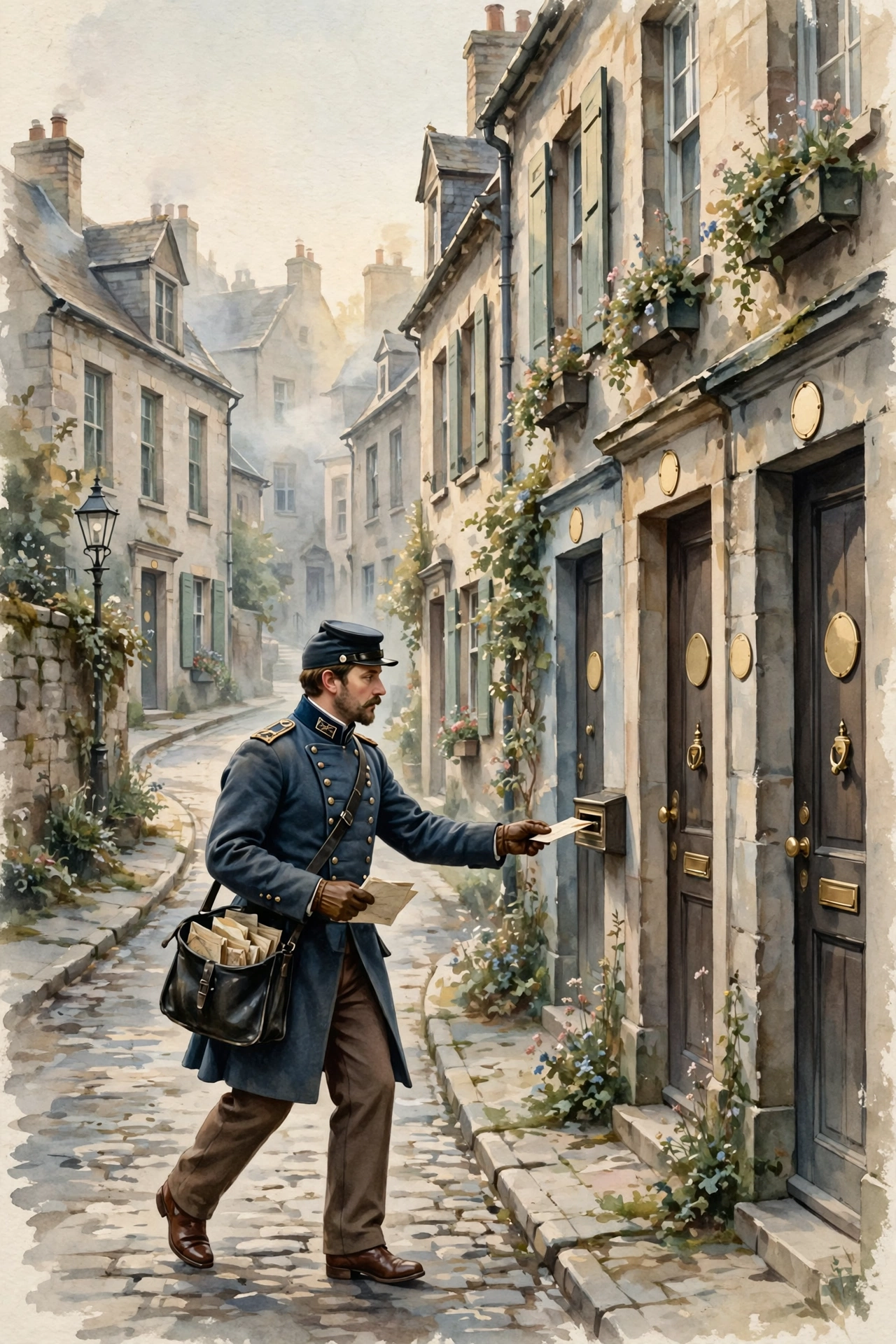
Something as ordinary as a street address turns out to have a remarkable history. Deirdre Mask travels from ancient Rome to modern-day Kolkata to show how house numbers and street names came to be — and how lacking an address can shut a person out of voting, banking, and basic services.
The book pairs naturally with the story of segregation, showing how addresses shape who belongs and who is counted. It is a curious, wide-ranging read that will change how you look at the sign on your own street.
10. Anne Frank Remembered by Miep Gies
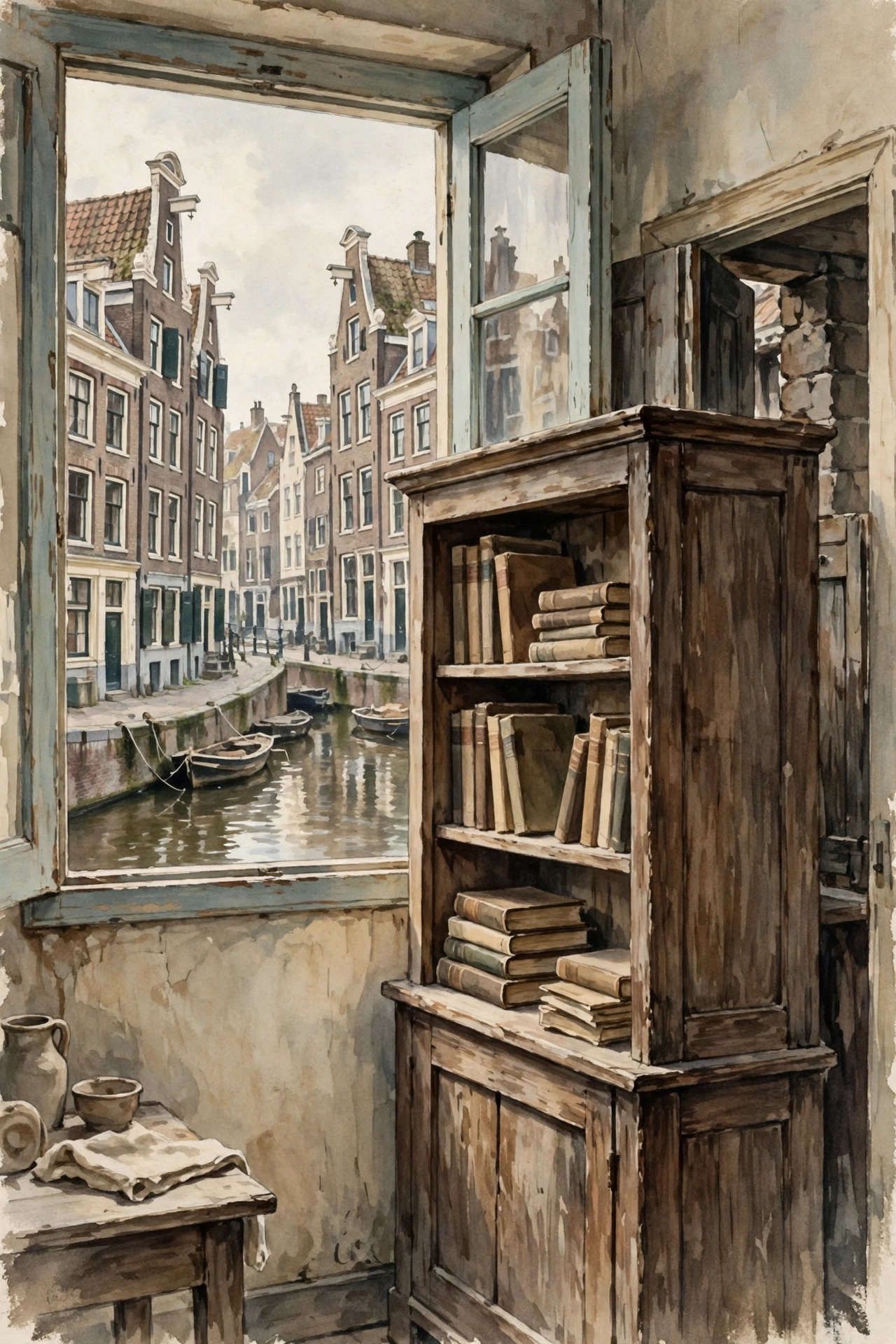
Miep Gies was the young Dutch office worker who, along with her colleagues, helped hide Anne Frank’s family in the secret annex behind her employer’s Amsterdam office — bringing them food, books, and news for more than two years during the Nazi occupation.
In her memoir, Gies tells the story in her own voice: the daily fear, the small kindnesses, the friends who helped, and the morning the hiding place was discovered. It is a firsthand account of quiet courage, and an essential companion to Anne Frank’s diary.
11. Smoking Ears and Screaming Teeth by Trevor Norton
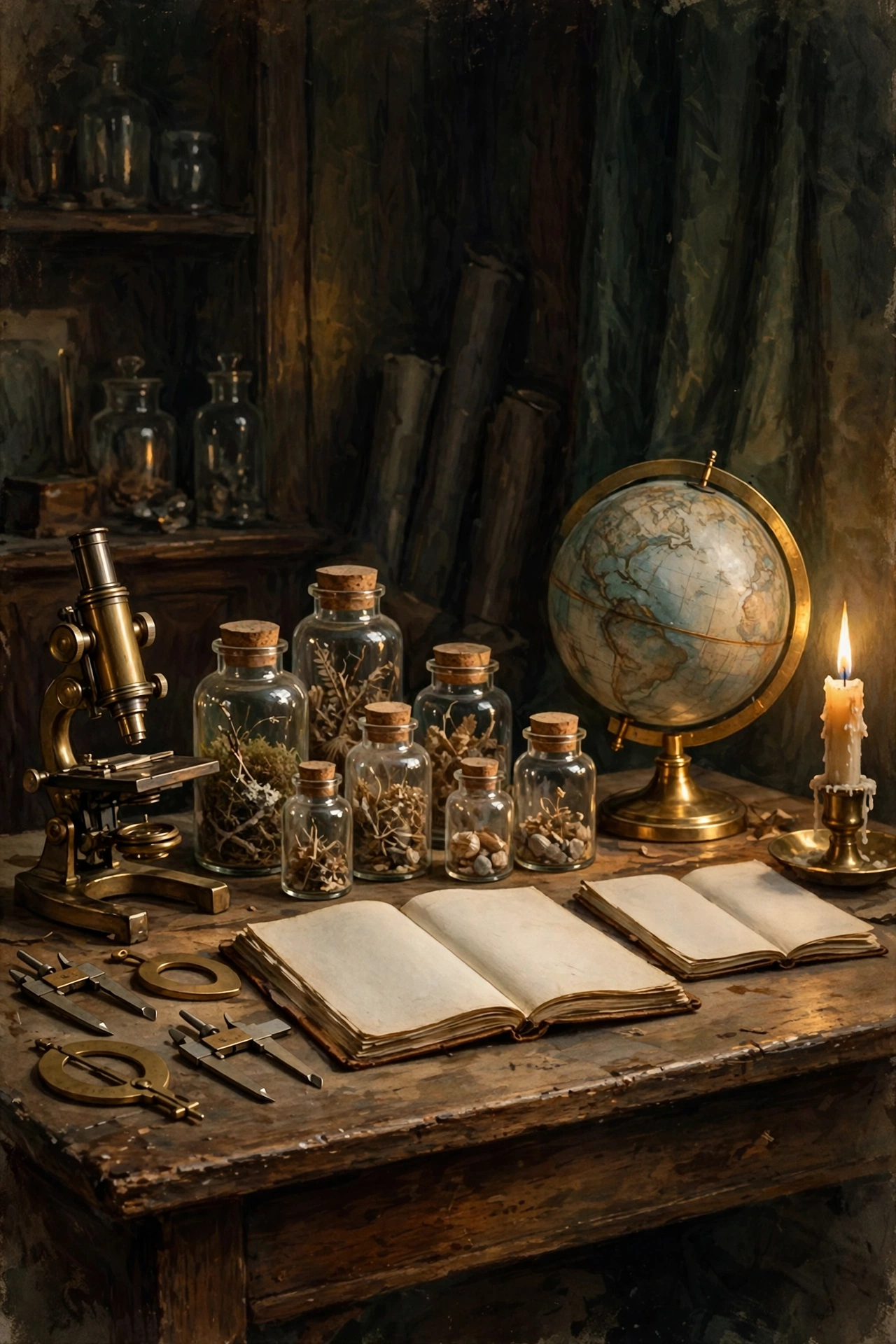
Before modern ethics boards and laboratory safety rules, scientists often tested their theories on the only subject available: themselves. Trevor Norton collects the strange, brave, and sometimes reckless history of self-experimentation, from doctors swallowing bacteria to researchers enduring extreme cold and hunger.
The stories are often funny and sometimes alarming, but they add up to a serious point — many of the foundations of modern medicine were laid by people willing to risk their own bodies. It is a wonderfully odd tour through the history of science.
12. The Night Battles by Carlo Ginzburg
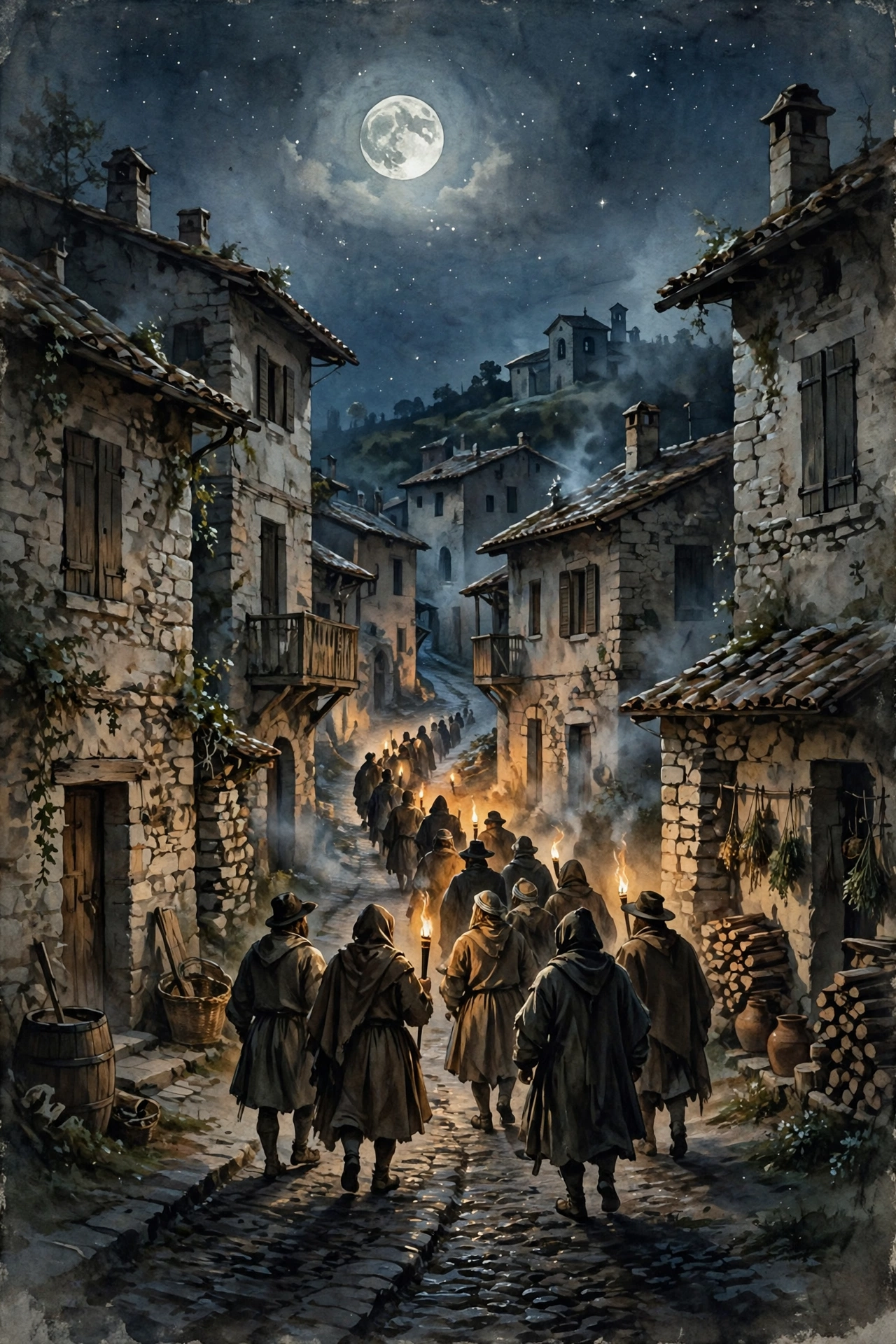
In the 1500s, inquisitors in northern Italy began interrogating peasants who claimed to leave their bodies at night and battle witches in spirit — the benandanti, or “good walkers,” who believed they fought to protect the harvest. Carlo Ginzburg reconstructs their world from the trial records themselves.
The book is a classic of microhistory, showing how a forgotten folk belief collided with the machinery of the Inquisition, and how ordinary people’s stories were reshaped by the questions they were asked. It is short, strange, and quietly brilliant.
13. The Rape of Nanking by Iris Chang
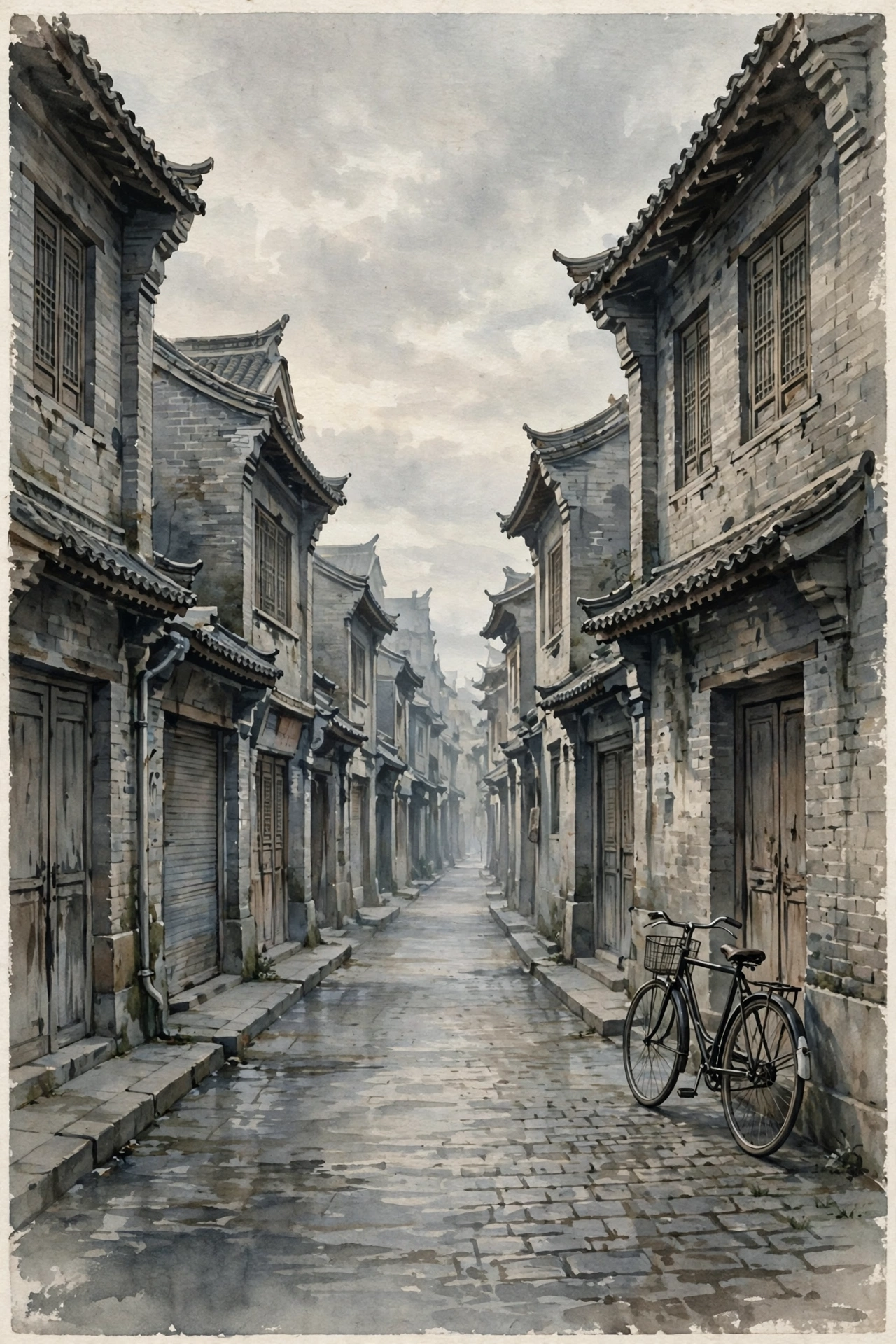
In December 1937, after Japanese forces captured the Chinese city of Nanking, a weeks-long atrocity followed that claimed the lives of vast numbers of civilians. For decades the event was little known in the West, and Iris Chang’s 1997 book brought it to wide attention, drawing on diaries, survivor accounts, and wartime records.
The book is written as a work of remembrance and historical record, and it is best read as such — a factual account of a terrible chapter, told with respect for those who suffered. It remains an important book for anyone studying the Second World War in Asia.
14. Ekaterinburg: The Last Days of the Romanovs by Helen Rappaport
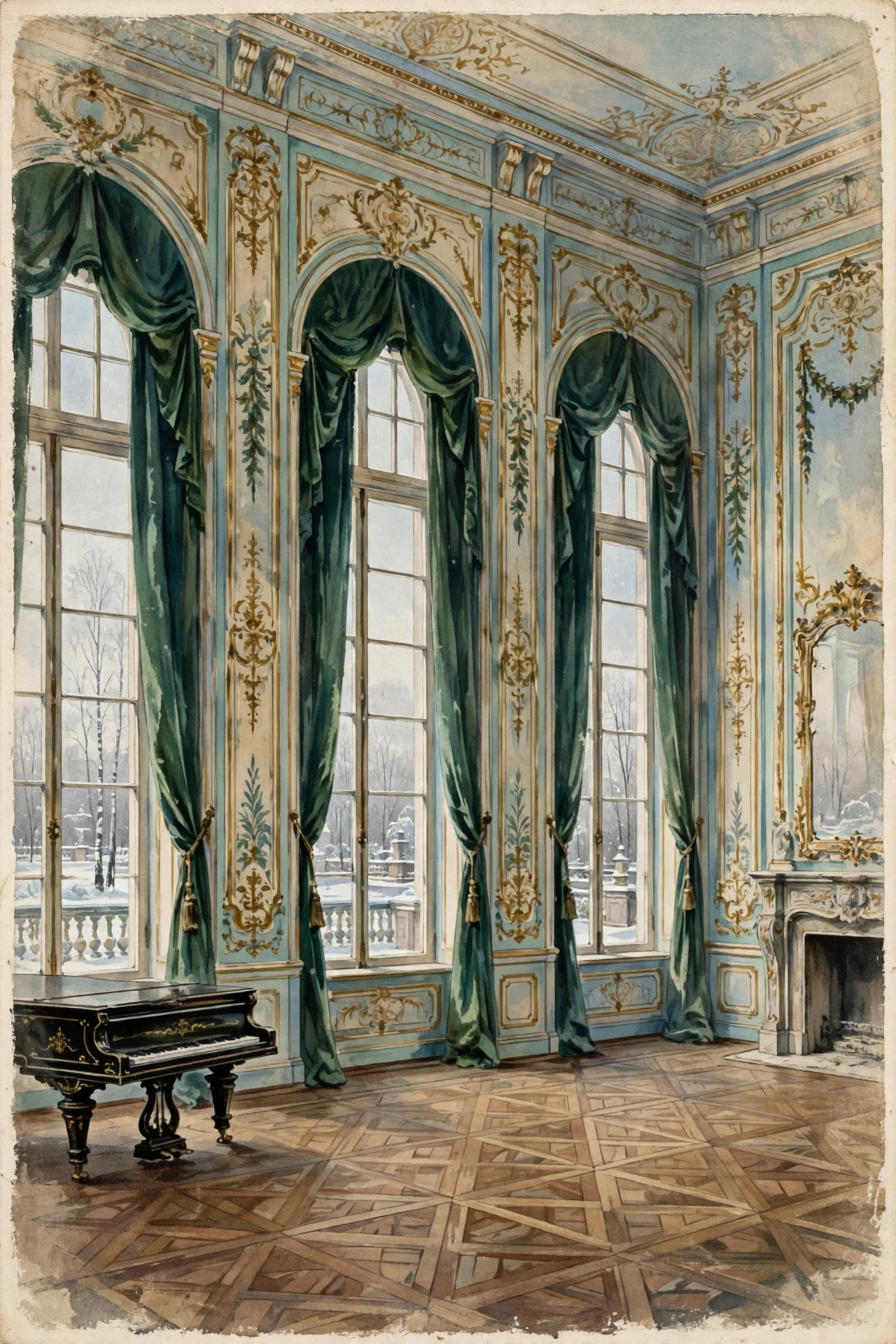
In the summer of 1918, the Romanov family — Tsar Nicholas II, his wife Alexandra, and their five children — were held prisoner in a house in Ekaterinburg, in the Urals, as civil war raged across Russia. Helen Rappaport reconstructs their final months from letters, diaries, and the testimony of guards and servants.
The book is a careful, human account of a family at the end of an empire, and of the confusion and fear of the revolution around them. It treats its subjects with sympathy while never losing sight of the history that brought them there.
15. King Leopold’s Ghost by Adam Hochschild
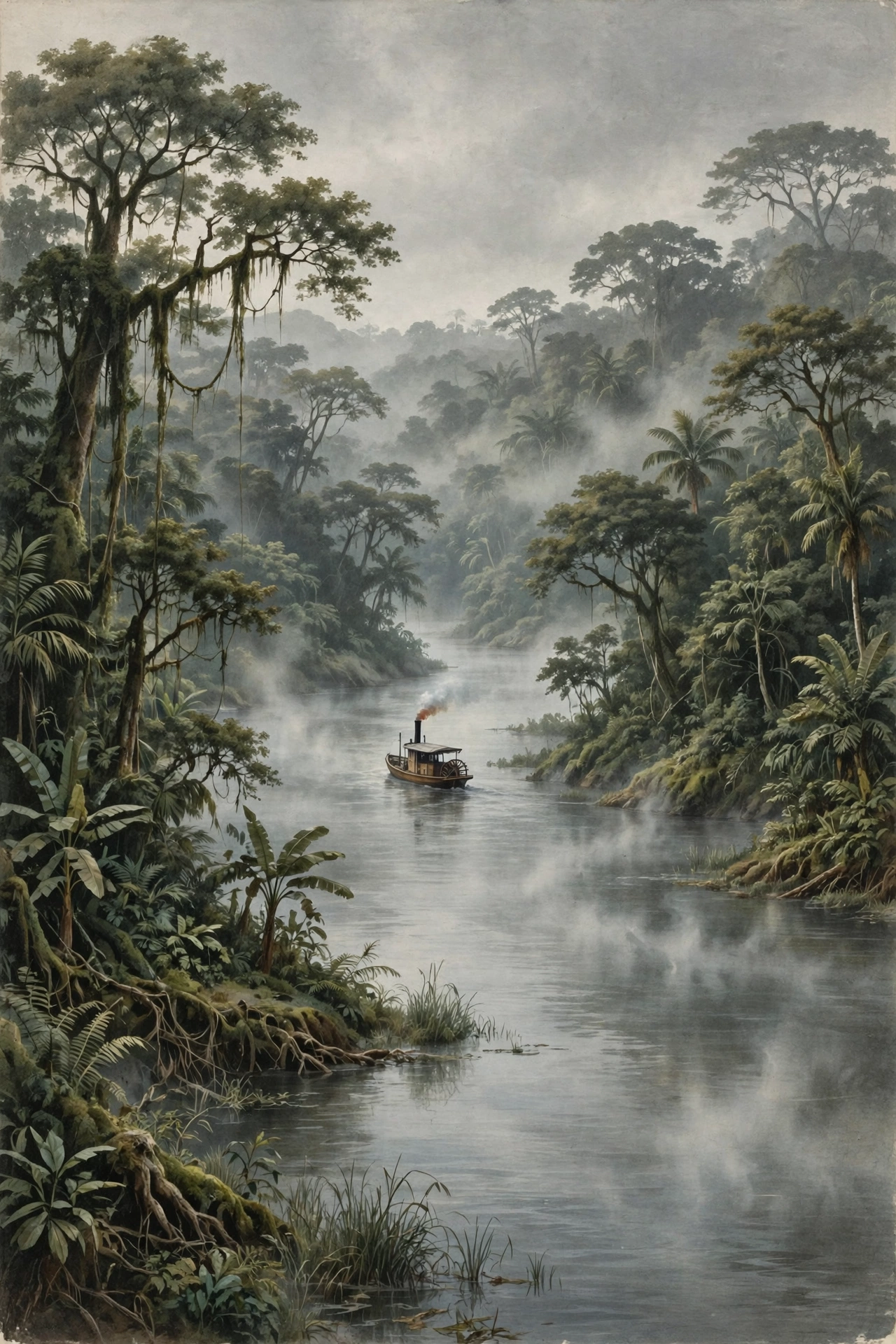
Between the 1880s and 1908, the Congo Free State — the personal colony of Belgium’s King Leopold II — became one of the most brutal regimes of the colonial era, as millions of Congolese were forced to harvest rubber under a system of terror. Adam Hochschild tells how the colony was built, and how a small group of campaigners exposed it to the world.
The book is a powerful work of narrative history, and it helped bring a long-neglected chapter of European colonialism back into public memory. It is a sobering read, but an essential one.
16. Endurance: Shackleton’s Incredible Voyage by Alfred Lansing
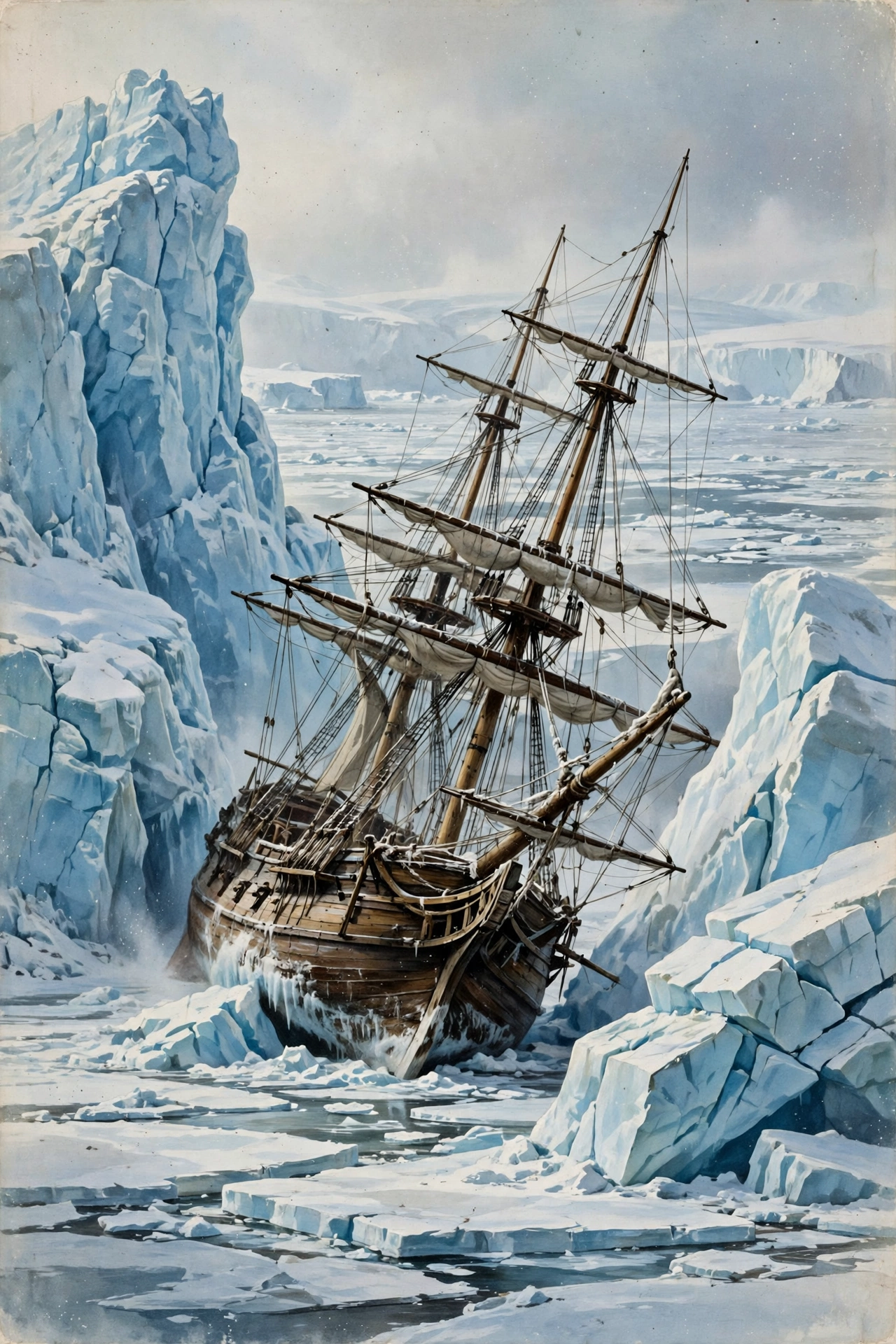
In 1914, Ernest Shackleton set out to cross Antarctica on foot. His ship, the Endurance, was trapped in pack ice before the expedition even reached the continent, and eventually crushed and sunk — leaving twenty-eight men stranded on drifting ice floes a thousand miles from help.
Alfred Lansing’s classic account, built from the crew’s diaries, follows the months of cold, hunger, and open-boat sailing that followed, and the leadership that brought every man home alive. It is one of the great survival stories ever written.
17. Curse of the Narrows by Laura M. Mac Donald
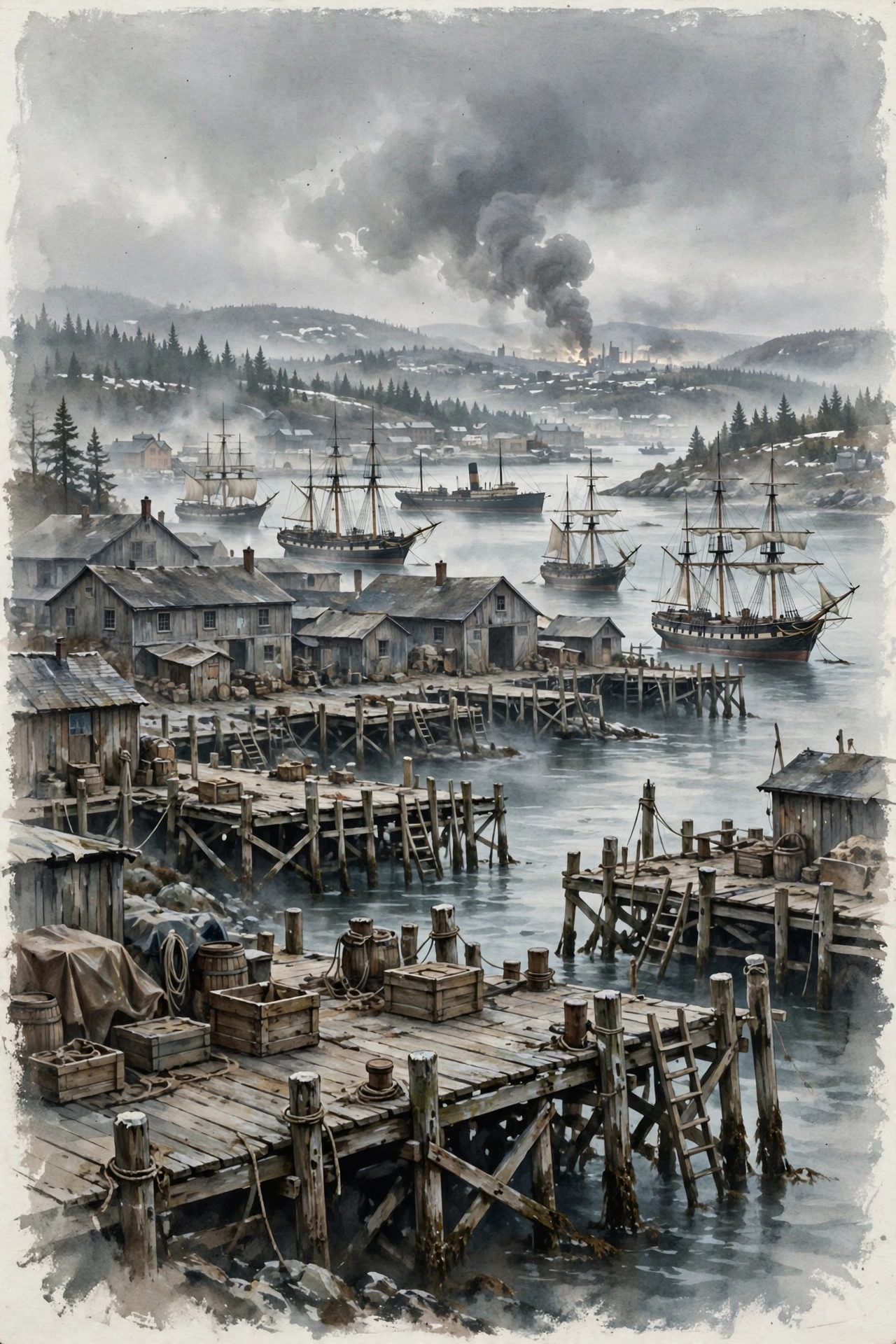
On the morning of December 6, 1917, two ships collided in the narrows of Halifax Harbour in Nova Scotia. One of them, the Mont-Blanc, was loaded with explosives — and the resulting blast was, at the time, the largest human-made explosion in history, flattening much of the city.
Laura M. Mac Donald tells the story of the explosion and the remarkable relief effort that followed, as survivors, soldiers, and neighbours from across North America rushed to help. It is a vivid portrait of a city and a moment that history nearly forgot.
18. Conan Doyle for the Defense by Margalit Fox
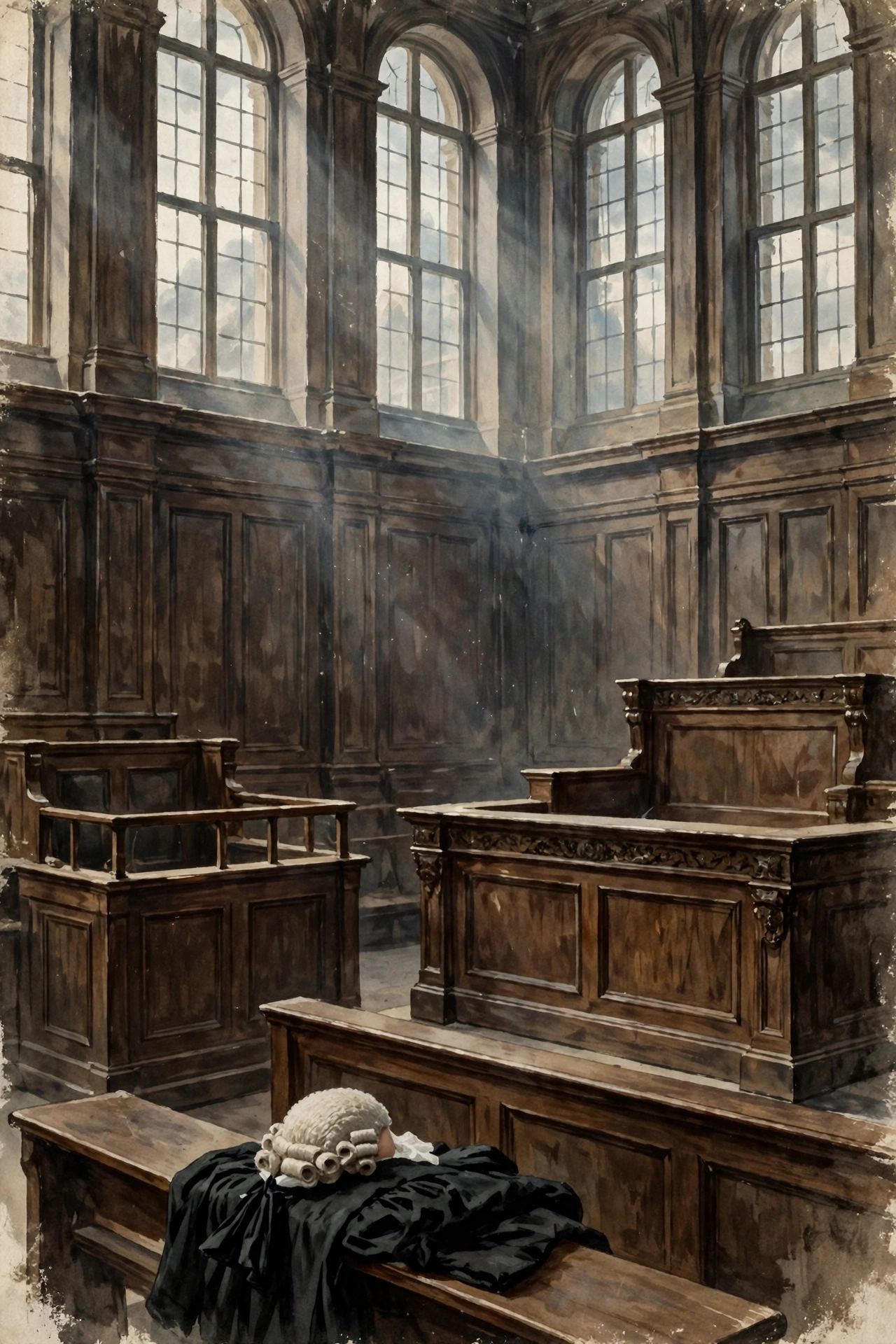
Arthur Conan Doyle, the creator of Sherlock Holmes, was also a real-life campaigner for justice. In 1908, he took up the case of Oscar Slater, a German Jewish immigrant wrongly convicted of murder in Glasgow, and spent years fighting to clear his name.
Margalit Fox tells the story as a true detective tale, following Conan Doyle’s investigations, the flaws in the original case, and the long road to Slater’s release. It is a delightful book for Holmes fans — and a sharp look at how justice can go wrong.
19. Violette Nozière by Sarah Maza

In 1933, eighteen-year-old Violette Nozière poisoned her parents in their Paris apartment, in a case that scandalised France and became a sensation in the press. Sarah Maza uses the trial records to look beyond the headlines, asking what the case revealed about family, class, and the lives of young women in 1930s Paris.
The book is as much social history as true crime, reconstructing the world Violette lived in — her neighbourhood, her friends, her secret life — and the courtroom drama that followed. It is a fascinating, carefully researched portrait of a notorious case.
20. The Jakarta Method by Vincent Bevins
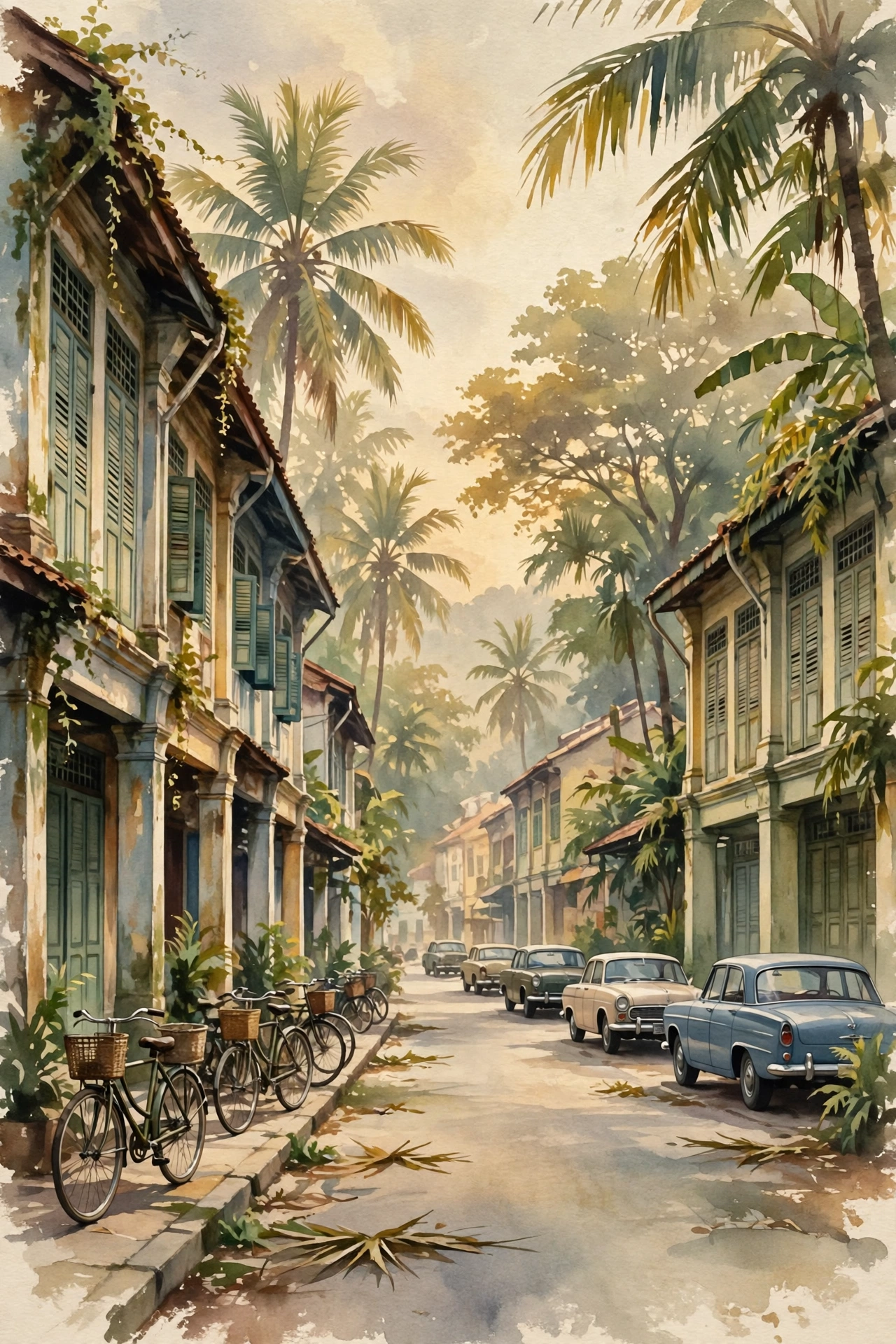
Between 1965 and 1966, following a failed coup in Indonesia, a US-backed campaign of mass killing targeted people accused of communist sympathies — and the model, Vincent Bevins argues, was exported to other countries across the developing world in the decades that followed.
Drawing on interviews and declassified documents, Bevins traces how the violence in Indonesia shaped the Cold War, and how its history was buried for half a century. It is a gripping, important book about a chapter of history many readers will be meeting for the first time.
21. Under the Black Flag by David Cordingly
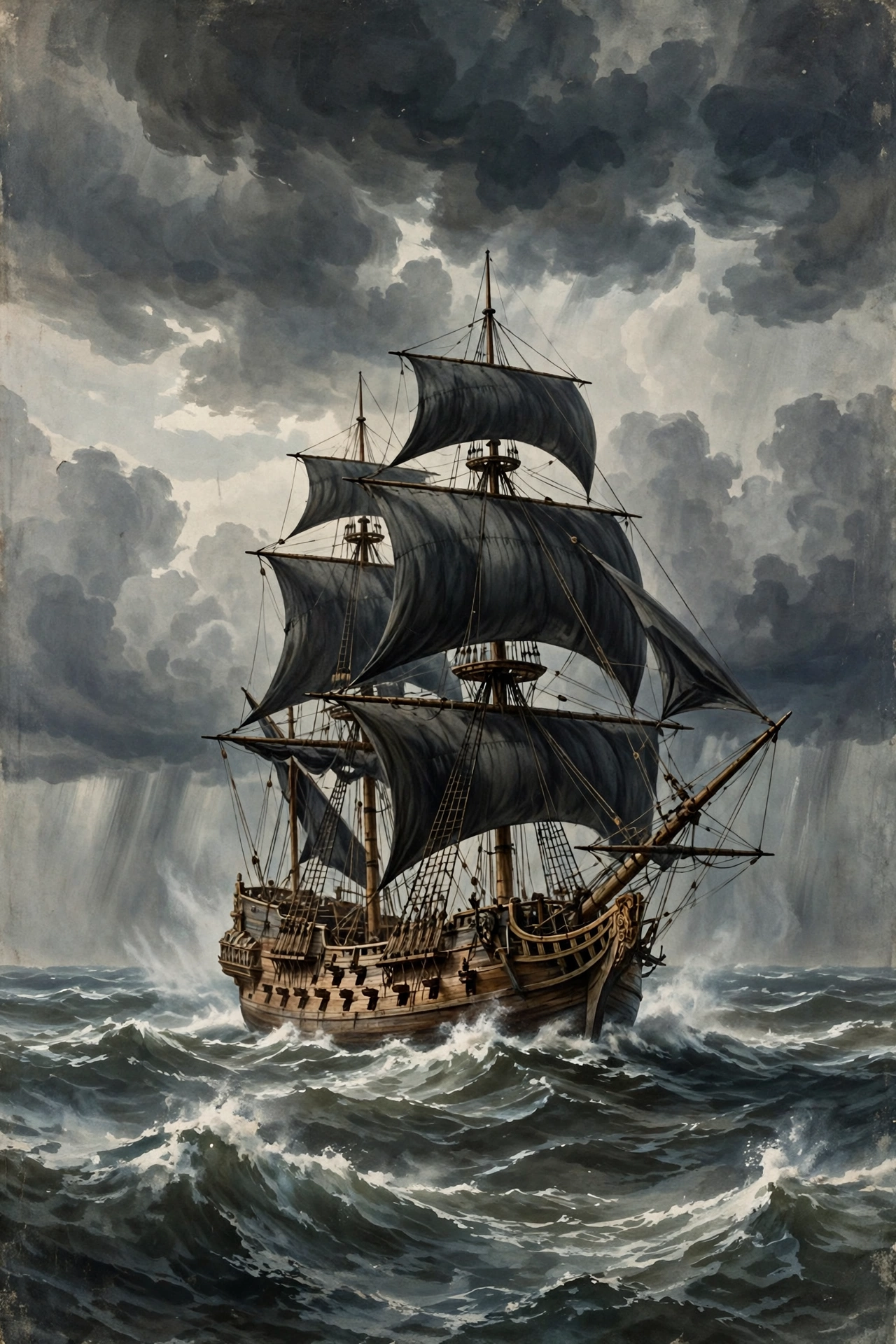
The golden age of piracy lasted roughly from the 1650s to the 1730s, when ships flying the black flag preyed on trade routes across the Caribbean and the Atlantic. David Cordingly, a former curator at the National Maritime Museum, separates the real pirates from the Hollywood legends.
From Blackbeard to the women pirates Anne Bonny and Mary Read, the book explores who the pirates really were, how they lived and governed their ships, and why their brief, violent world still captures our imagination. It is the best kind of popular history — learned, lively, and full of surprises.
22. Under the Banner of Heaven by Jon Krakauer
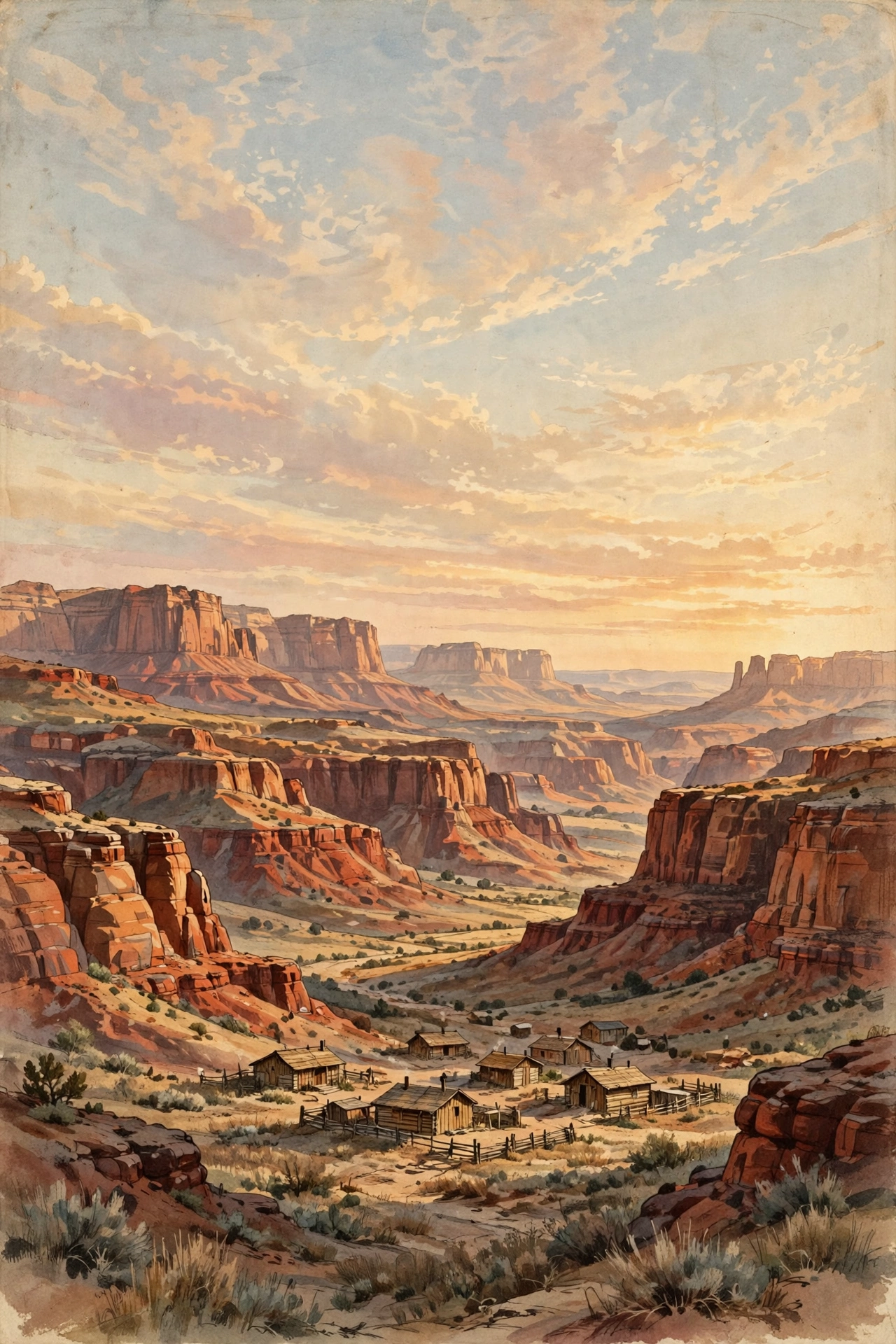
Jon Krakauer begins with a terrible crime — the 1984 murders of a young mother and her baby daughter in Utah — and uses it to explore the history of Mormon fundamentalism, from the faith’s nineteenth-century origins to the isolated communities that broke away from the mainstream church.
The book is written in Krakauer’s clear, reportorial style, and it treats its difficult subject with care, focusing on the history and beliefs behind the crime rather than on its details. It is a compelling and unsettling read about faith taken to its extremes.
23. Unbroken by Laura Hillenbrand
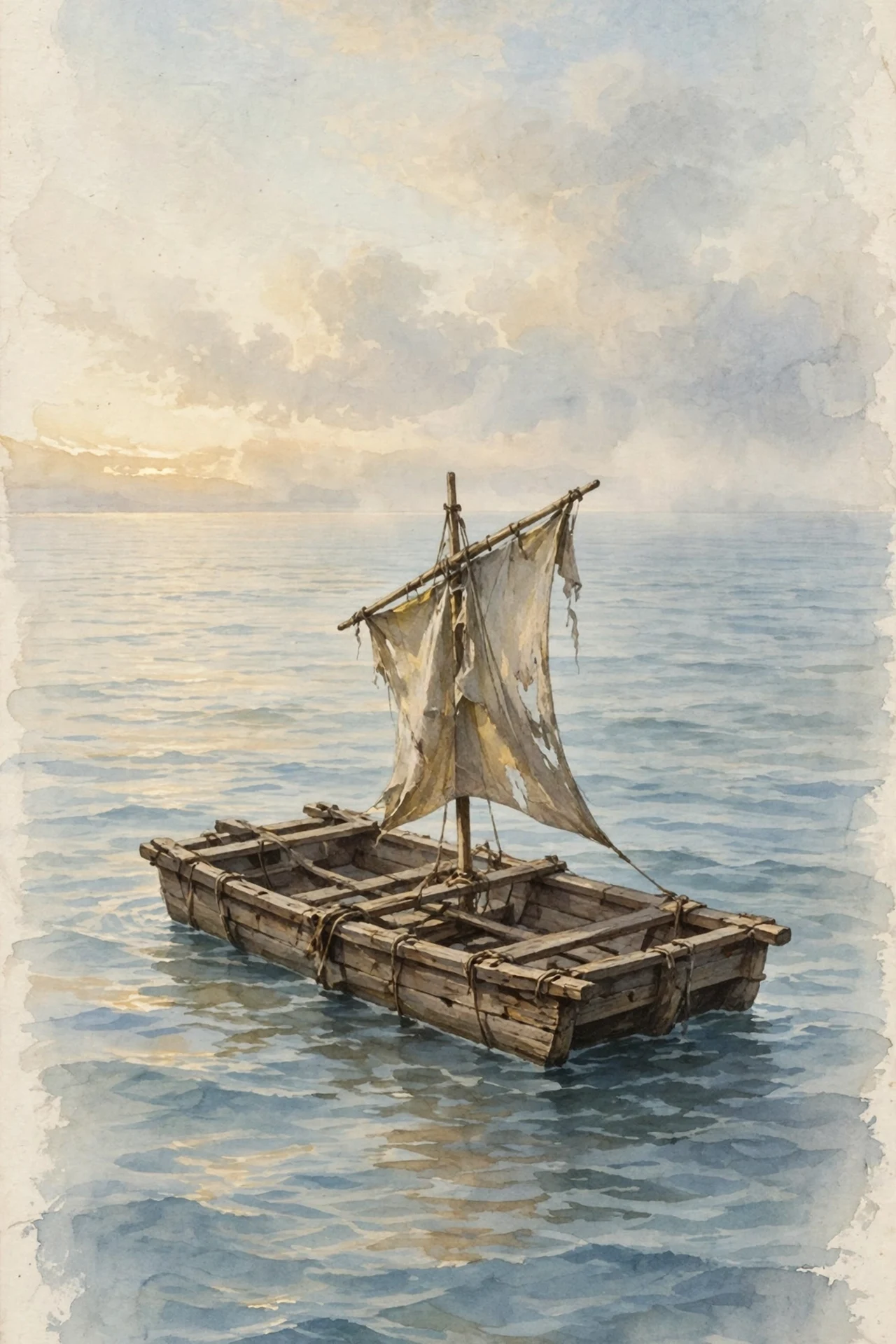
Louis Zamperini was an Olympic runner before the Second World War, and a bombardier after it began. When his plane crashed into the Pacific in 1943, he survived forty-seven days adrift on a life raft — only to be captured and held as a prisoner of war in Japan for more than two years.
Laura Hillenbrand’s bestselling account follows Zamperini from his troubled youth through the war and the long, difficult road home, drawing on interviews and military records. It is a story of endurance in every sense, and one of the most-loved works of narrative nonfiction of recent decades.
You May Also Like
If these history books have you in the mood to read more, here are a few more lists from our books shelf: 9 Epic Long Books to Read This Winter, 6 Habits Super Readers Use to Finish at Least 1 Book a Week, 14 Best and Worst Books for Your Next Book Club, and 22 Gifts for Book Lovers That Aren’t Books.